










Stories

First Look: Southwest Rolls Out U.S. 250th Anniversary Livery

“Independence One” will enter service this week.

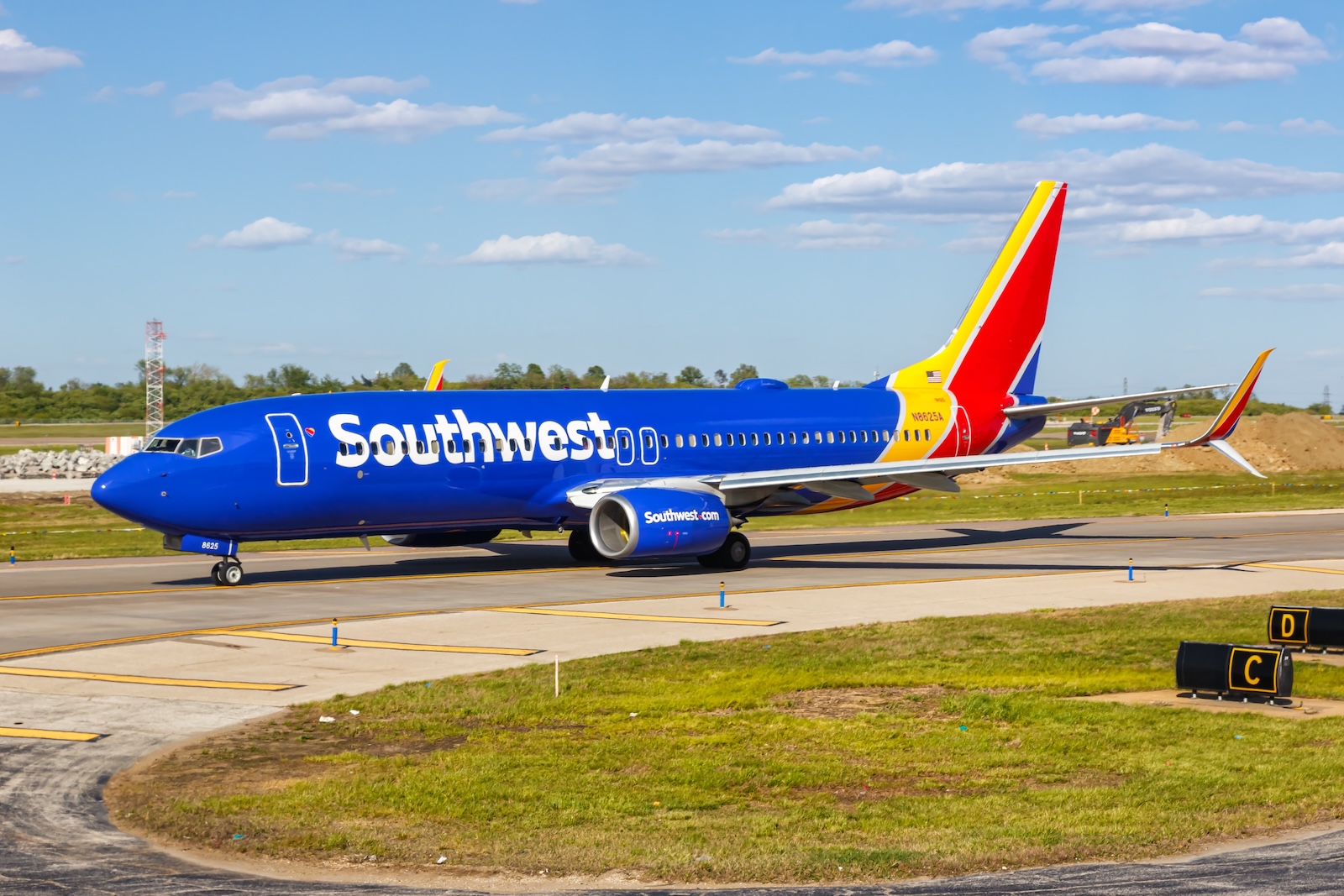
Southwest's "Independence One" livery. (Photo: Southwest Airlines)

Southwest on Monday showed off a new U.S.-themed aircraft livery designed to celebrate the nation’s upcoming 250th anniversary.

Crews applied a red, white, and blue paint scheme to a Southwest Boeing 737, now nicknamed “Independence One.” The design includes 13 stars for the original colonies; circles of stars on each engine cowling, recalling the Betsy Ross flag; the date “1776” written in giant quill script; and the phrase “Life, liberty, and the pursuit of happiness,” taken from the Declaration of Independence.

Independence One will join two other U.S.-themed aircraft in Southwest’s fleet – “Freedom One,” which was introduced in 2021, and the more recent “Liberty One.”

Southwest’s new “Independence One” livery. (Photo: Southwest Airlines)

The unveiling came as Southwest announced a new partnership with America250, the organization coordinating the country’s 250th anniversary celebrations this year. The airline plans to give up to $250,000 to nonprofit groups that its employees serve.

“With our new Independence One and Liberty One aircraft, we honor this important milestone in our nation’s history, and the generations of customers that Southwest has carried,” Southwest President and CEO Bob Jordan said in a news release. “Southwest is proud to be a part of the 250th national celebration and to honor the same spirit of innovation, resilience, and optimism that has shaped our country and our company.”

Close-up on text reading “Life, liberty, and the pursuit of happiness.” (Photo: Southwest Airlines)

Independence One will enter service on Wednesday with a flight from Dallas/Fort Worth to Philadelphia.

American Airlines and Alaska Airlines have also partnered with America250. In March, American and subsidiary Envoy each announced plans for new patriotic liveries, which are expected to debut later this spring or summer.

Zach Vasile

Zach Vasile is a writer and editor covering news in all aspects of commercial aviation. He has reported for and contributed to the Manchester Journal Inquirer, the Hartford Business Journal, the Charlotte Observer, and the Washington Examiner, with his area of focus being the intersection of business and government policy.

Airline Trade Group Asks for $2.5 Billion ‘Liquidity Pool’

The money would be used exclusively to offset rising fuel costs, representatives said.

A Frontier A320neo
A Frontier Airbus A320neo. (Photo: AirlineGeeks | William Derrickson)

A trade association representing five low-cost U.S. airlines confirmed Monday that it is seeking $2.5 billion in assistance from the federal government.

In a statement, the Association of Value Airlines said it has asked the Trump administration to create a “liquidity pool” that would be used only to help offset “incremental fuel costs.”

The association cited as a precedent the federal aid packages made available to airlines during the COVID-19 pandemic, when virtually all commercial air traffic worldwide was temporarily suspended.

The Wall Street Journal reported Sunday that a group of budget airlines had asked the U.S. Department of Transportation for $2.5 billion in emergency assistance, but the exact parameters of the program, and the airlines involved, were not immediately clear. The Journal report also suggested that the federal government would receive warrants for equity stakes in the carriers it bails out, and the AVA confirmed that warrants could play a role in the rescue.

According to its website, the organization’s “full members” are Allegiant, Avelo, Frontier, Spirit, and Sun Country.

Jet fuel prices have nearly doubled since late February, putting intense pressure on budget airlines, which must carefully manage and contain every expense to stay financially viable.

In its statement, the AVA said its members keep the airline industry competitive and help reduce fares.

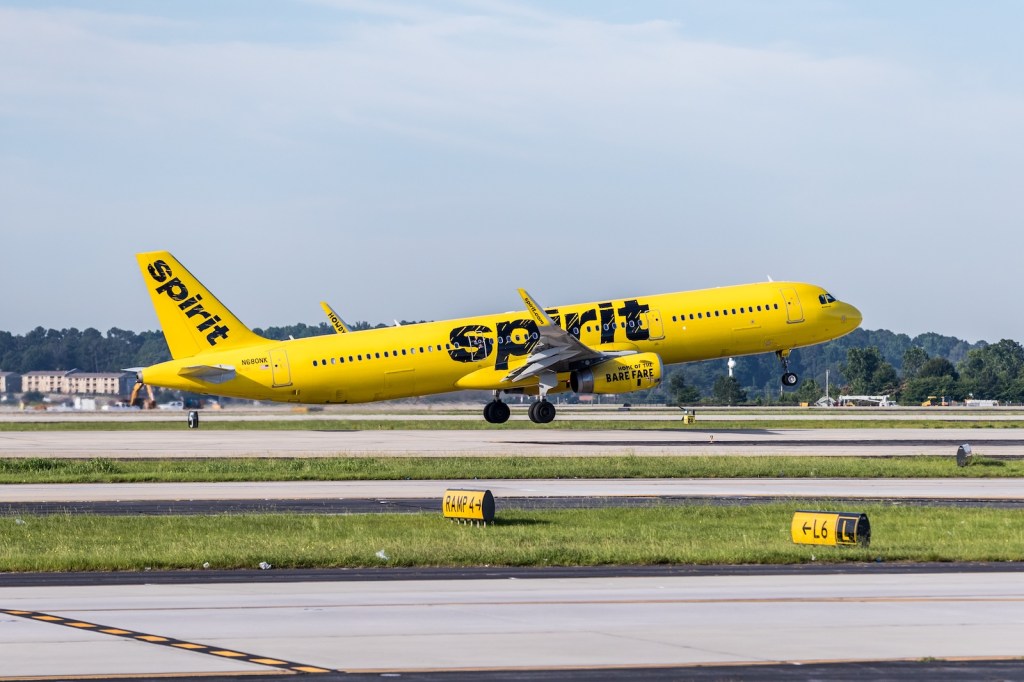
Separately, Spirit is pursuing a $500 million bailout from the administration. The carrier is currently in bankruptcy protection, and insiders said earlier this month that if Spirit’s financial position is not stabilized soon, liquidation could be on the table.

Zach Vasile

Zach Vasile is a writer and editor covering news in all aspects of commercial aviation. He has reported for and contributed to the Manchester Journal Inquirer, the Hartford Business Journal, the Charlotte Observer, and the Washington Examiner, with his area of focus being the intersection of business and government policy.

Lufthansa Completes First A380 Retrofit

The carrier is installing an entirely new business class on its largest aircraft.

Lufthansa's new A380 business class. (Photo: Lufthansa)

After 12 weeks of work, Lufthansa has finished overhauling the first of eight Airbus A380s.

The main focus of the retrofit is the installation of an entirely new, 68-seat business class on the aircraft’s upper deck. The new cabin includes Thompson seats, six-and-a-half-foot beds, flexible partitions, and 18-inch Panasonic entertainment screens.

Lufthansa is also carrying out routine maintenance work on the jets while they are at the Elbe Flugzeugwerke facility in Dresden.

Lufthansa’s new A380 business class. (Photo: Lufthansa)

The first A380 to complete the overhaul, D-AIMC, officially reentered service on Thursday with a flight from Munich to Los Angeles.

The next Lufthansa A380 in line for retrofit work is D-AIMH, which currently sports a special dark blue and white livery honoring the airline’s 100th anniversary. It arrived in Dresden on the same day work wrapped up on D-AIMC.

All eight A380s are scheduled to be retrofitted by mid-2027, officials said.

Zach Vasile

Zach Vasile is a writer and editor covering news in all aspects of commercial aviation. He has reported for and contributed to the Manchester Journal Inquirer, the Hartford Business Journal, the Charlotte Observer, and the Washington Examiner, with his area of focus being the intersection of business and government policy.

Air Premia Begins Service to New U.S. Destination

The connection will operate four times per week year-round.

Air Premia 787-9
An Air Premia Boeing 787-9. (Photo: Shutterstock | Komenton)

South Korean carrier Air Premia on Friday began service to a new destination on the U.S. East Coast.

After a gate ceremony at Seoul’s Incheon International Airport, the airline operated its first revenue flight to Washington Dulles. Air Premia first announced plans to bring Washington, D.C., into its international long-haul network in December.

Flights will now operate four times per week, on Mondays, Wednesdays, Fridays, and Sundays.

Officials said the new connection is the first time in 31 years that a Korean carrier has added a route to Washington.

All of Air Premia’s long-haul flights operate on what it calls its “wide premium” model, meaning roomier seats at more affordable prices than standard business class.

“Launching service to Washington, D.C., is an important milestone that completes our East-West U.S. network,” Air Premia CEO Yoo Myung-sub said in a news release. “We hope more travelers will experience a new standard in long-haul travel through our Wide Premium service.”

Washington is Air Premia’s second destination on the East Coast, and its fifth in the U.S. overall.

The carrier also serves Los Angeles, San Francisco, Honolulu, and Newark, New Jersey.

Zach Vasile

Zach Vasile is a writer and editor covering news in all aspects of commercial aviation. He has reported for and contributed to the Manchester Journal Inquirer, the Hartford Business Journal, the Charlotte Observer, and the Washington Examiner, with his area of focus being the intersection of business and government policy.

Report: Budget Airlines Seek $2.5 Billion Rescue from U.S. Government

A deal could open the door to unprecedented federal investments in low-cost carriers.

An Avelo Boeing 737 aircraft.
An Avelo Boeing 737 aircraft. (Photo: Avelo Airlines)

A group of budget airlines is reportedly seeking $2.5 billion in assistance from the federal government to help offset the rising price of jet fuel.

The Wall Street Journal reported Sunday that the group, which is believed to include Frontier and Avelo, made the request at a meeting with U.S. Transportation Secretary Sean Duffy and FAA Administrator Bryan Bedford last week. In exchange for the bailout, the federal government would receive warrants that it could convert to ownership stakes in the airlines.

The newspaper cited people it said are familiar with the discussions.

It was not immediately clear which other low-cost airlines are part of the group seeking a federal rescue. It was also not known how far along the talks have come, or if the DOT and FAA are inclined to accept the deal.

The U.S. government has authorized financial assistance to air carriers in exchange for warrants before, most notably during the COVID-19 pandemic. Those warrants were later auctioned off, with the proceeds flowing back to the U.S. Treasury.

A decision by the federal government to convert those warrants and actively maintain investments in a group of low-cost carriers would be unprecedented, and could transform the sector by providing an implicit guarantee that the airlines will not fail.

Separately, Spirit is reportedly working with the administration on a potential $500 million assistance package. The deal would also come with equity for the federal government.

Late last week, President Donald Trump suggested that the government should buy Spirit outright, appoint a qualified leader to run it, then sell it at a profit when the price of oil eventually comes down.

Zach Vasile

Zach Vasile is a writer and editor covering news in all aspects of commercial aviation. He has reported for and contributed to the Manchester Journal Inquirer, the Hartford Business Journal, the Charlotte Observer, and the Washington Examiner, with his area of focus being the intersection of business and government policy.

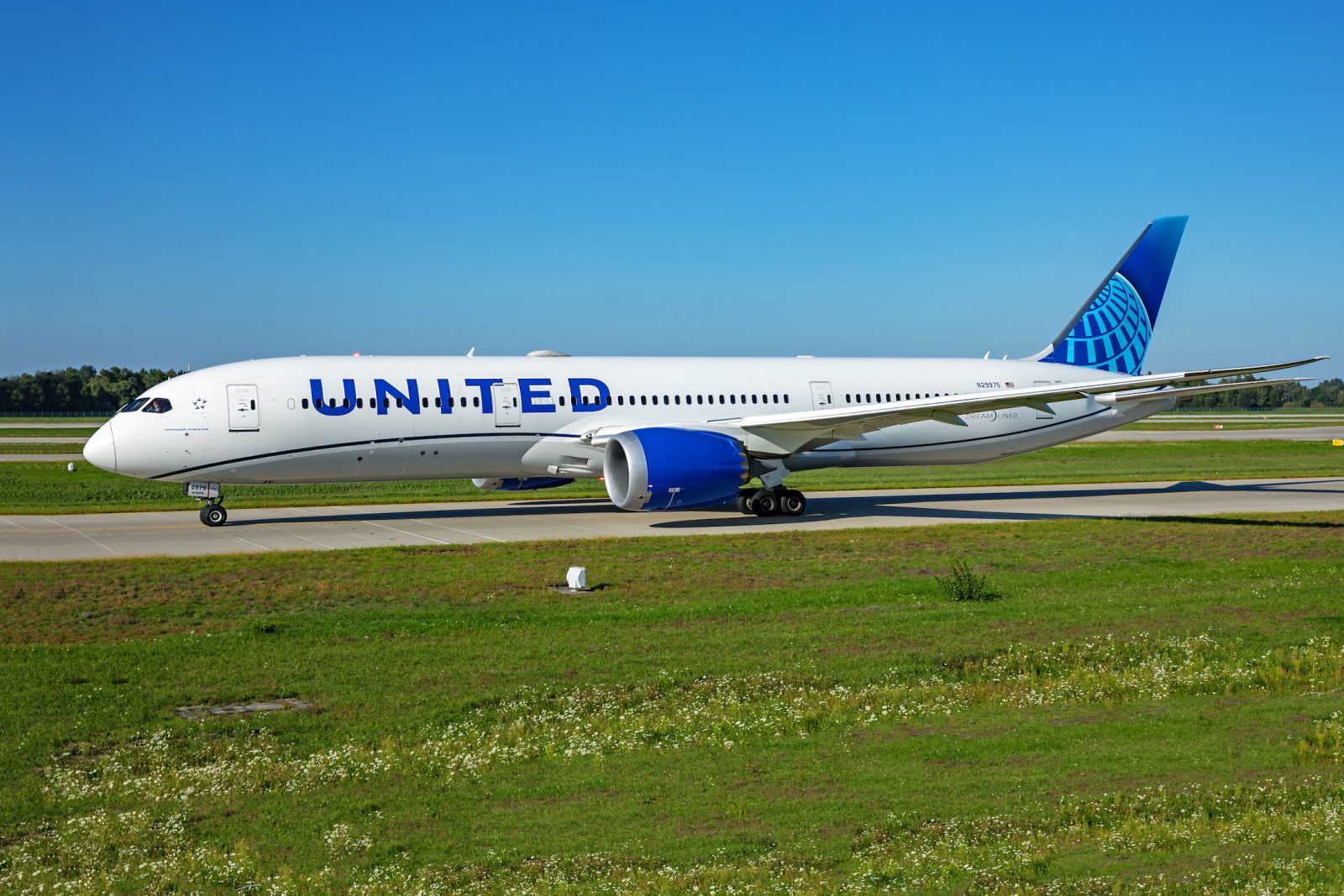
United CEO Confirms He Pursued Merger Talks With American

Scott Kirby defended his vision of a massive combined airline that would create “millions” of jobs and make the U.S. more competitive globally.

United CEO Scott Kirby
United Airlines CEO Scott Kirby addresses members of the Houston business community at an event showcasing the Terminal B transformation project. (Photo: AirlineGeeks | Andrew Chen)

United CEO Scott Kirby is giving his side of the story after weeks of industry speculation about a possible combination with competitor American Airlines.

In a statement released Monday morning, Kirby confirmed that he approached American with the idea of a merger, but said no serious discussions ever took place.

“I approached American about exploring a combination because I thought we could do something incredible for customers together,” he said. “I always knew that the only way any merger could be successful (and approved) is if it was great for customers and with a willing partner that shared my big, bold vision… I was hoping to pitch that story to American, but they declined to engage and instead responded by publicly closing the door. And without a willing partner, something this big simply can’t get done.”

In a somewhat unusual move, Kirby then launched into a lengthy defense of a deal he acknowledged will not happen. A United-American merger, he said, would allow United to rapidly scale its “best-in-class” products, technology, and services, deliver more value to customers, and create “high-paying, unionized” jobs within the new airline.

Currently, foreign carriers fly about 65% of international long-haul seats into the U.S., Kirby noted, even though only 40% of the customers are foreign nationals. A larger U.S. airline could rebalance that “deficit,” he argued, while at the same time delivering jobs and new economic opportunities.

The CEO went on to highlight potential benefits for the airline manufacturing industry. The combined airline’s need for new aircraft “would have supported American manufacturing and domestic supply chains and driven even more job creation,” he said.

American 737-800
An American Boeing 737-800. (Photo: AirlineGeeks | William Derrickson)

Pushing back on conventional wisdom, Kirby also argued that a United-American merger could have survived scrutiny from federal regulators.

“Since previous mergers have been about saving struggling airlines, previous legal and regulatory reviews have always focused on subtraction and what’s being lost,” he said. “But, a different kind of merger proposal – one that’s focused on growth, customer investments, and global competitiveness – would have been a different proposition altogether. And, while divestitures in certain domestic markets obviously would have been required, I believe regulators would have approved such a deal because they would have recognized the benefits to customers, our shared employees, and communities from coast-to-coast and around the world.”

Bloomberg broke the news earlier this month that Kirby had pitched the merger idea to the White House in February. The news sent shockwaves through the airline industry and drew generally skeptical reactions from analysts, who said the U.S. Justice Department’s Antitrust Division would almost certainly intervene to block such a deal over concerns about consolidation and price inflation.

On April 17, American said it had no interest in pursuing talks with United, but Kirby did not provide a public statement on the matter until Monday.

Neither the Justice Department nor the Transportation Department have weighed in, but President Donald Trump has said he does not support a United-American tie-up because it would, in his view, harm competition.

A merger between the two carriers would give the combined company a market share of just over 34%, a level of dominance not seen by any U.S. airline in years.

Zach Vasile

Zach Vasile is a writer and editor covering news in all aspects of commercial aviation. He has reported for and contributed to the Manchester Journal Inquirer, the Hartford Business Journal, the Charlotte Observer, and the Washington Examiner, with his area of focus being the intersection of business and government policy.

American Celebrates 100 Years—And Prepares For the Next 100

The carrier is looking to add to its history with premium options and improved customer experiences.

American 787-9
An American 787-9 (Photo: AirlineGeeks | William Derrickson)

As American Airlines celebrates its centennial – commemorating its first flight back in 1926 – the carrier is equally focused on maintaining its relevance for another 100 years.

Passengers boarding the 100th scheduled flight at 11 American hub airports on April 15 were serenaded with DJ sets, mocktails, and goodie bags stuffed with neck pillows, candy, and other gifts.

Centennial-themed trading cards featuring the airline’s Airbus A321neo and Boeing 737-800, 777-300ER, and 787-9P aircraft – as well as special edition cards paying homage to its Douglas DC-3, Boeing 707-123, and McDonnell MD-80 fleets – were distributed to pilots to hand out to passengers.

A special “Flagship DFW” livery graces one of American’s 777-300ERs. Throughout April, customers can enjoy premium bites and cocktails at the airline’s Admirals Club and higher-end Flagship lounges.

“Not a lot of companies make it to ten years or 50 years, let alone 100 years, and we could not do it without the support of all of the team members and customers,” Heather Garboden, chief customer officer at American, said at LaGuardia Airport last week.

The atmosphere around American has not been entirely celebratory, however.

American gave passengers a special send-off at LaGuardia Airport and 10 others on April 15. (Photo: Jack Daleo)

The airline canceled 2.2% of its flights in 2025, beating only JetBlue and Frontier and topping The Wall Street Journal’s annual scorecard. In January, Winter Storm Fern hit American harder than any U.S. airline, stranding thousands of travelers and forcing some of its pilots and flight attendants to sleep on airport floors.

More recently, the airline’s pilots union, flight attendants union, and four others have united against its leadership, citing profits that trail competitors. Flight attendants in February issued a vote of no confidence in CEO Robert Isom, while pilots in March demanded a meeting with the full board.

Earlier this month, United CEO Scott Kirby’s reported pitch to President Donald Trump – a merger between United and American – sent the carrier’s stock tumbling.

The past few months have been tumultuous for American. But with a new strategy to win over corporate and business customers with premium offerings such as lounges and Flagship seats, the airline is targeting a sixfold increase in revenue for 2026 that could help right the ship.

How American Got Here

American has one of the most storied histories of any airline, not just in the U.S. but worldwide.

The journey began in 1926, when a DH-4 biplane operated under Robinson Aircraft Corporation delivered a bag of mail from Chicago to St. Louis, Missouri. By 1930, Robinson and about 80 other small airlines had consolidated into the Aviation Corporation, which formed American Airlines predecessor American Airways. It officially became known as American Airlines in 1934.

American Airlines aircraft at DFW Airport
American Airlines aircraft at DFW Airport. (Photo: AirlineGeeks | William Derrickson)

The year before, American began operating the 18-passenger Curtiss Condor, which it billed as the world’s first complete sleeper plane. It also added flight attendants, called stewardesses at the time. Though it was comfortable and fast, the Condor was not cheap to operate.

One of the most critical moments in American’s history came in 1936, when it revolutionized the comfort, safety, and economics of air travel with the Douglas DC-3. C.R. Smith, its first CEO, was a catalyst behind the DC-3, persuading Douglas to develop it as a replacement for the Condor. The 21-seat aircraft flew short-haul routes between New York and Chicago. In 1937, it carried American’s millionth passenger.

The ensuing decades included many more firsts. In 1939, American opened the airline industry’s first airport lounge at LaGuardia. Five years later, it launched the industry’s first scheduled air cargo service out of the New York hub.

The 1940s saw the introduction of transatlantic flights and the fully pressurized DC-6, which opened up cross-country trips between New York and Los Angeles. It added the DC-7 in 1953, pioneering nonstop, transcontinental service.

American in 1957 was the first airline to fly jets coast-to-coast, with scheduled transcontinental service on the Boeing 707 cutting travel times by three hours and ushering in the Jet Age. That year, it also opened the industry’s first dedicated flight attendant training center.

A series of acquisitions in the 1970s – including Trans Caribbean Airways and AirCal – expanded American’s reach. It broke a barrier in 1973 when Bonnie Tiburzi Caputo became the industry’s first female pilot. The carrier in 1974 made its first flight into Dallas/Fort Worth International Airport, which would become its headquarters in 1979.

Former American MD-80s at O’Hare. (Photo: AirlineGeeks | Greg Linton)

Dallas/Fort Worth was established as American’s inaugural hub in 1981, the year it launched the first frequent flyer program for a major airline. It expanded operations throughout the 1980s with hubs in Chicago and Miami and the introduction of its American Eagle regional network.

By 1991, American flew its billionth passenger.

Growing for the Future

In the 21st century, American has continued to expand.

In 2001, it acquired the assets of Trans World Airlines, one of the former “Big Four” domestic carriers. A 2013 merger with U.S. Airways created the world’s largest airline at the time and added hubs in Charlotte, North Carolina, and Philadelphia.

Today, American flies 700,000 daily customers to more than 350 global locations out of nine major hubs. Its Dallas/Fort Worth hub sees more than 930 peak daily departures on nonstop routes to more than 240 destinations, employing more than 37,000 personnel.

American customers have access to nearly 50 Admirals Club lounges, most in the U.S., and 120 partner lounges worldwide.

The TWA/American interim livery. (Photo: Konstantin von Wedelstaedt [GFDL 1.2 (http://www.gnu.org/licenses/old-licenses/fdl-1.2.html) or GFDL 1.2 (http://www.gnu.org/licenses/old-licenses/fdl-1.2.html)], via Wikimedia Commons)

Improved airframes have helped the airline maintain its relevance. It phased out the last of its MD-80s – the workhorse of its fleet for 36 years – in 2019 for modern alternatives. Its 777-300ERs carry more than 300 passengers on routes extending as far as Los Angeles to Sydney, Australia, a far cry from the DC-3 days.

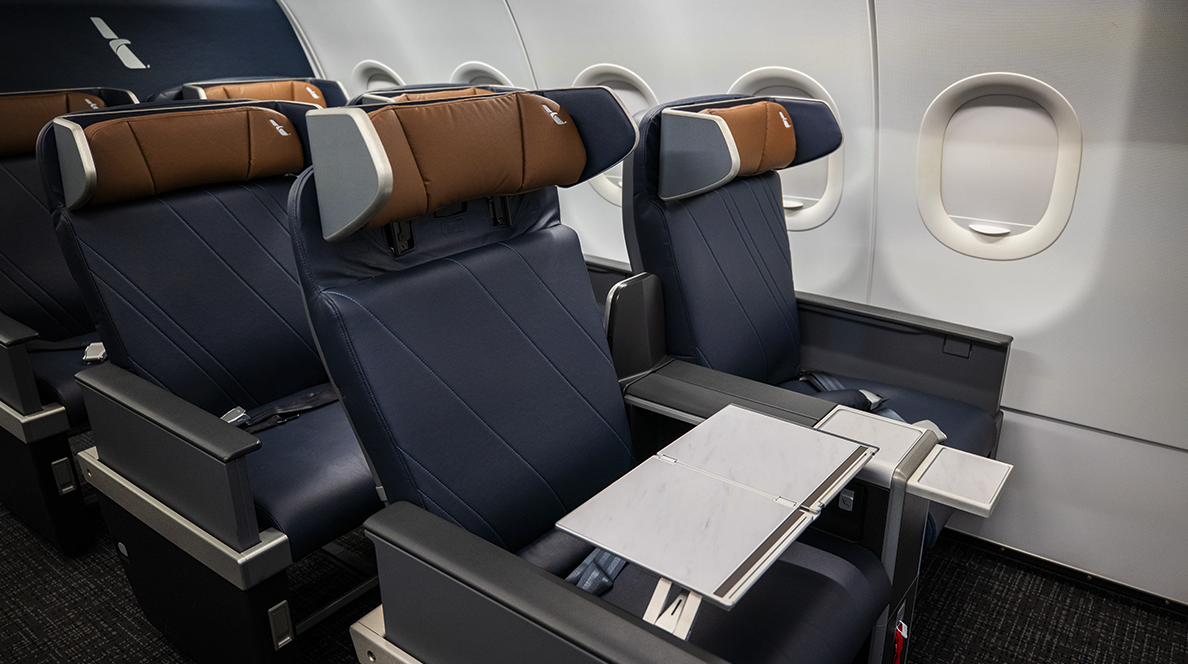
Passengers now have more premium options as well. In 2025, American debuted Flagship seats on its premium-configured 787-9s and A321XLRs, adding privacy doors, extra storage, Bluetooth connectivity, and new food and beverage options. In January, it launched free in-flight WiFi for most of its fleet.

The company also offers streamlined booking through its mobile app and on Wednesday expanded TSA Precheck Touchless ID for AAdvantage members at all of its hub airports.

American’s motto for its centennial is “Forever Forward,” which Garboden said “represents everything that we’ve done over the last 100 years to get here, but also as we think about the next one hundred years in everything that we have to do.” To that end, it plans to continue making upgrades.

In addition to new Boeing and Airbus aircraft with additional business class seats, the airline is seeking to add Vertical Aerospace’s Valo electric air taxi, Boom Supersonic’s quiet supersonic Overture, and other new entrants undergoing certification.

Garboden said the plan is to open several new lounges in the coming years after opening its sixth Flagship lounge in Philadelphia in 2025. Another is being built in Charlotte, while Admirals Clubs in locations such as Washington, D.C. are set for expansions and upgrades.

American Airlines' A321XLR
American Airlines’ first A321XLR. (Photo: American Airlines)

American is simultaneously undertaking a multiyear, multibillion-dollar modernization project at Dallas/Fort Worth. Earlier this month, it introduced a 13-bank schedule that it said has improved on-time and baggage performance.

The airline’s recent initiatives appear to be paying early dividends. It reported its first-quarter 2026 earnings on Thursday, recording record first-quarter revenue of $13.9 billion – up 11% year-over-year – and its lowest total debt level since 2015 as demand rose. Revenue from its premium units, it said, continued to outperform the main cabin. 

“This revenue momentum is the result of focus on our four commercial priorities – elevating the customer experience, growing our global network, driving premium revenue, and leading in loyalty,” Isom said in a statement. “Demand for our product is growing, and our customer satisfaction scores are improving.”

British Airways Launches Heathrow-to-Guernsey Service

Flights will operate daily, on a year-round basis.

British Airways A319s taxi at London Heathrow.
British Airways A319s taxi at London Heathrow. (Photo: Nick Morrish/British Airways)

British Airways has begun flying between London Heathrow and the island of Guernsey.

The carrier will operate the service daily, on a year‑round basis.

The route was last served in 2020 by regional carrier Flybe, which ceased operations in March of that year. The new flight is the only nonstop service linking Guernsey with Heathrow.

Chief planning and strategy officer at British Airways, Neil Chernoff, said the route is an important addition to BA’s network as it strengthens connectivity between the Channel Islands and the British capital. It also opens up access to other destinations.

The Committee for Economic Development is supporting the new service through a public subsidy.

Lorne Philipot

Lorne is a South Africa-based aviation journalist. He was captivated and fascinated by flying from the day he took his first airline flight. With a passion for aviation in his blood, he has flown to destinations in all corners of the globe. Lorne has traveled extensively and lived in various countries. Drawing on his travels and passion for aviation, Lorne enjoys writing about airlines, routes, networks, and new developments.

Trip Report: Condor’s Premium Economy Experience from JFK to Frankfurt

We got to travel on "Germany's Vacation Airline," and now understand perfectly why Condor carries that title.

My Condor A330-900neo for the flight over to Frankfurt, arriving into the gate.
My Condor A330-900neo for the flight over to Frankfurt, arriving into the gate. (Photo: AirlineGeeks | Joey Gerardi)

Condor, known in Germany as Condor Flugdienst, has an extensive network out of its main hub in Frankfurt, and despite being labeled a “vacation airline,” the onboard service is better than that of full-service German airline Lufthansa.

The airline overhauled its onboard product a couple of years back, and its interiors now feature more of the iconic striped pattern found on the exterior of Condor’s aircraft. Plus, the onboard service is said to be pretty good for premium economy, so we decided to try it out for ourselves on a flight from JFK to Frankfurt.

My day started out in a different airport, so I made sure to arrive plenty early so I could transfer terminals and check in. Condor operates from T7, alongside a handful of other international airlines, as well as domestic carriers such as Alaska Airlines, with which they are partners. The airline does offer online check-in, but for those wanting a paper ticket or needing to check a bag, the ticket counter opens three hours before the scheduled departure time.

Condor’s check-in area at JFK. (Photo: AirlineGeeks | Joey Gerardi)

Condor’s famous and very noticeable striped livery was unveiled back in April 2022, and is featured on nearly everything Condor has, from signs at the airport to ticket stock to the aircraft themselves, and much more. Condor does participate in TSA PreCheck, so it took almost no time to get through the checkpoint, especially at a time of day when there were not many flights departing.

Passengers in the premium economy cabin do not get lounge access included in their ticket, and with Terminal 7 being a little bit sparse in terms of amenities and things to do other than shopping or eating, there’s no reason to get here any earlier than three hours before your flight unless you want to do some duty-free shopping.

It wasn’t long after getting to the gate that the aircraft for my journey to Frankfurt arrived. My aircraft was D-ANRF, an Airbus A330-900neo which was delivered directly to Condor in September 2023, and wears the Blue Sea livery.

The deplaning process for incoming passengers went quickly, and before I knew it, they were lining up the passengers going out to get ready for the departure. All of Condor’s A330-900neos have 310 total seats, with 30 in business, 64 in premium economy, and 216 in economy.

The premium economy section on Condor’s A330-900neo. (Photo: AirlineGeeks | Joey Gerardi)

My seat would be 12A, a window on the left side of the aircraft, and I was fortunate enough to have an empty seat next to me. Waiting for me at my seat was a pillow, blanket, and water bottle, as well as an amenity kit and a menu for the dinner choices.

My premium economy seat, 12A, for the flight to Frankfurt. (Photo: AirlineGeeks | Joey Gerardi)

Despite boarding a little bit behind schedule, we managed to push back on time and actually even a little bit early. Taxi out to the runway was quick as well, and we blasted off into the skies. This flight was actually the first time I had ever ridden on an A330-900neo.

Taking off from JFK. (Photo: AirlineGeeks | Joey Gerardi)

There was a lot of room between my knees and the seat in front of me, and tons of space under the seat for my feet, especially with no bag under the seat, since I could put it there next to me with nobody sitting there. Even if there had been someone in that seat, I would’ve still had plenty of room. 

A better view of the legroom in premium economy. (Photo: AirlineGeeks | Joey Gerardi)

In the seatback pocket, there is a safety card along with a pamphlet showing what drinks are sold on Condor flights. There is also a magazine selling duty-free items that flight attendants bring through the cabin later during the flight, including a couple of aviation enthusiast-themed items such as models and even a Lego set of their A330. All of the scale models they sold on board the plane were really reasonably priced, with a 1:200 model of the A330 only costing €19, and although I didn’t get one on this flight to save room in my suitcase, I did get one on my return Condor flight.

Condor scale aircraft models. (Photo: AirlineGeeks | Joey Gerardi)

On all Condor flights, gifts are handed out to passengers in every cabin, and what you receive depends on the cabin. For those in premium economy, you could get one of four items: a sunglass case, a drawstring bag, a toiletry bag, or a makeup bag. For this flight, I got the sunglass case.

One of Condor’s gifts. (Photo: AirlineGeeks | Joey Gerardi)

The seatback has many features to it, and along with having an IFE system, if you would rather just watch something on your own personal device, there is a device holder just below the IFE screen. The amenity kit was stocked very well for a premium economy cabin, with an eye mask, socks, toothpaste, and a toothbrush. And yes, the socks did have the airline’s logo and the famous striped color scheme.

The home screen on Condor’s IFE system. (Photo: AirlineGeeks | Joey Gerardi)

As far as stuff to do, the IFE includes the Skyline Cafe, where you order snacks, a clock with the local time from JFK and Frankfurt, movies, TV, relaxation tips, and much more. One feature I thought was cool was videos from landing at different Condor destinations from the point of view of the landing gear. And of course, an AvGeek favorite, the in-flight moving map, where you can see the overview of the flight, including the altitude, temperature outside, how much longer is left in the flight, and other details.

Roughly an hour after takeoff, flight attendants brought around the drink cart, followed shortly after by the meal. For the main course, I had a choice of chicken or pasta, and I chose the chicken option.

My starter consisted of marinated Cajun beef with vegetable quinoa salad and spinach. The main course was chicken cordon bleu with vegetables and mashed potatoes, and for dessert, there was apple crumble and a KitKat bar. There was also a side of bread and butter. Although the bowls and plates were made of plastic and tin, the silverware was real metal, which was a nice change from plastic or wooden cutlery, and while a small detail, it made the meal more enjoyable.

The premium economy dinner. (Photo: AirlineGeeks | Joey Gerardi)

Considering this was a premium economy meal and not first class, it was really, really good, going well above my expectations, and was probably some of the best chicken cordon bleu I’ve had, and definitely the best chicken-based meal I’ve ever had on a plane. What Condor serves in premium economy is very similar to what a lot of major airlines serve in first-class cabins in the U.S.

About 45 minutes after the meal was served, the cabin was cleaned up, and the cabin lights were turned down to a calming blue and orange to simulate the setting sun. I decided to recline my seat and try and get some sleep before breakfast in a couple of hours.

After about four to five hours of OK sleep, I woke up when the plane was somewhere over England, to the smell of food being prepared in the galleys. By this time, the cabin lights had been changed from darker colors to a rainbow of different bright colors, giving the cabin a wonderful festive feeling.

Cabin lights being turned on before the breakfast service. (Photo: AirlineGeeks | Joey Gerardi)

About an hour and a half before the landing is when the breakfast came out. Just like with the meal the night before, there was a choice for breakfast. The option I chose was an egg and cheese croissant, along with a muffin, yogurt, and a small bowl of fresh fruit on the side.

Breakfast in Condor’s premium economy cabin. (Photo: AirlineGeeks | Joey Gerardi)

Again, just like the night before with dinner, breakfast was also served in paper and cardstock packaging but featured real silverware, a nice touch, especially for an industry where every pound counts.

By this time in the journey, there wasn’t enough time left in the flight to start another movie, so I decided to sit back and relax and enjoy the sunrise over the northern German coastline.

Beginning our descent into Frankfurt. (Photo: AirlineGeeks | Joey Gerardi)

Not long after breakfast had been cleaned up, the crew prepared the cabin for arrival, and we began our descent into Frankfurt. The weather was wonderful, and there were barely any clouds as we made our final descent into Frankfurt International Airport.

In the far-off distance, I was able to see downtown Frankfurt, although it was pretty hard to get a nice shot of it with a camera because it was directly behind the sunrise.

We landed in Frankfurt at 5:42 a.m. after just over seven hours of flying time, about 20 minutes ahead of schedule.

Conclusion

Despite Condor being a “vacation airline,” it definitely goes a step above some of the full-service airlines.

It is nice that it goes beyond what is necessary for passengers, especially outside of the high-end business cabin, as most airlines don’t do anything special for passengers who don’t pay tons of money for their seats.

The food in premium economy is good, and a big step above economy despite being only slightly more in price.

Fully lie-flat seats in Condor’s business class. (Photo: Condor)

Condor flies to some unique destinations and caters to the European leisure market. It serves locations in the Indian Ocean, Southeast Asia, even Anchorage, Alaska. Condor is the only passenger airline connecting the state with Europe.

Even though Condor isn’t the size of Lufthansa, given the great experience I had, I wouldn’t hesitate to fly with the airline again.

A video account of this trip can be found below.

Editor’s Note: Condor provided AirlineGeeks with a seat on this flight, but this trip report is an objective portrayal of events.

Joey Gerardi

Joey has always been interested in planes for as long as he can remember. He grew up in Central New York during the early 2000s when US Airways Express turboprops ruled the skies. Being from a non-aviation family made it harder for him to be around planes and would only spend about three hours a month at the airport. He was so excited when he could drive by himself, the first thing he did with his driver's license was get ice cream and go plane spotting for the entire day. He graduated from Western Michigan University in 2022 with a B.S. in Aviation Management & Operations and a Minor in Business, and currently works for a major airline in his hometown.

Contour Sets Date for Return of Seasonal Route

The carrier said it will offer two flights per week for the summer.

A Contour aircraft in Oakland.
A Contour aircraft in Oakland. (Photo: AirlineGeeks | Joey Gerardi)

Contour’s summer service between northern Alabama and Florida will restart early next month, officials said Thursday.

Flights between Northwest Alabama Regional Airport in Muscle Shoals and Pensacola, Florida, will commence May 6 and operate twice per week, on Wednesdays and Saturdays. The carrier will use a 30-seat regional jet for the connection.

“We’re pleased to bring back our seasonal Pensacola service for travelers in the Shoals area,” Contour President Ben Munson said in a news release. “This route offers a simple, stress-free way to reach one of the Gulf Coast’s most popular beach destinations without the need to drive to a larger airport.”

Contour did not provide an end date for the service.

The carrier offers mainly short-haul flights, and has been adding seasonal and year-round routes ahead of the summer.

Zach Vasile

Zach Vasile is a writer and editor covering news in all aspects of commercial aviation. He has reported for and contributed to the Manchester Journal Inquirer, the Hartford Business Journal, the Charlotte Observer, and the Washington Examiner, with his area of focus being the intersection of business and government policy.
Sign-up for newsletters & special offers!

Get the latest stories & special offers delivered directly to your inbox

SUBSCRIBE

Uh-oh! It looks like you're using an ad blocker.

Our website relies on ads to provide free content and sustain our operations. By turning off your ad blocker, you help support us and ensure we can continue offering valuable content without any cost to you.

We truly appreciate your understanding and support. Thank you for considering disabling your ad blocker for this website