








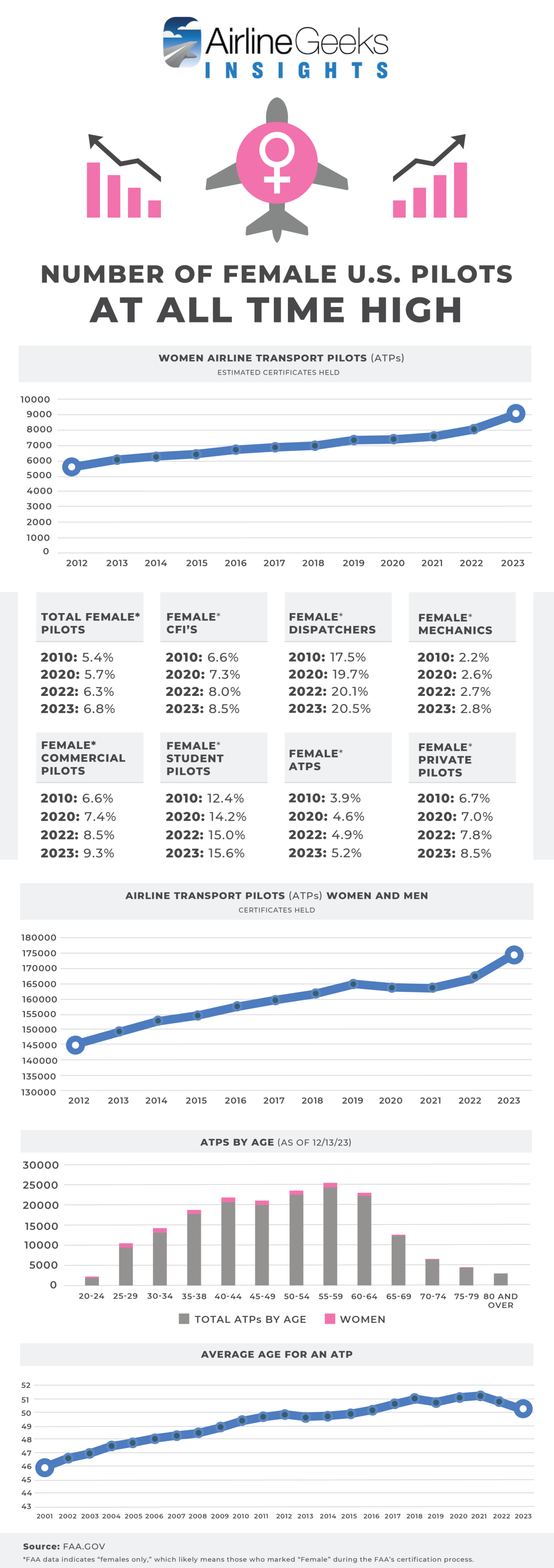
Insights: Number of Female U.S. Pilots at All Time High
The number of female airline transport pilots (ATPs) in the U.S. exceeded 5% for the first time in 2023, setting a new record.


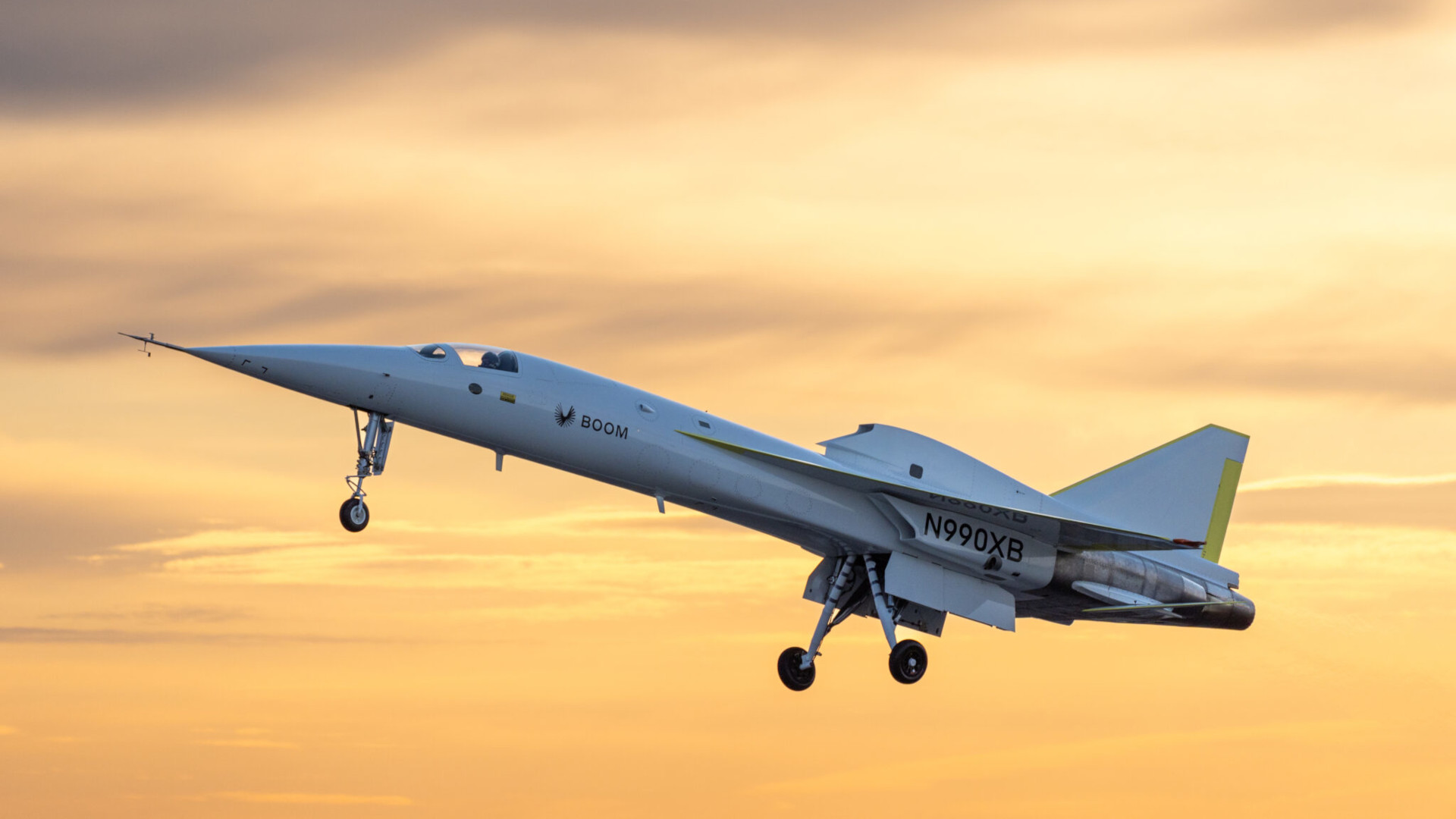
More than two decades ago, Concorde, the only successful supersonic airliner, was retired for good. But Friday, at Mojave Air & Space Port (KMHV) in California—where the Bell X-1 broke the sound barrier for the first time in 1947—another supersonic aircraft made its maiden voyage.
Boom Supersonic’s XB-1 jet demonstrator did not reach supersonic speeds during the test flight. But the inaugural flight of the aircraft—a precursor to Boom’s supersonic, sustainable aviation fuel-powered Overture—marks a key milestone nonetheless.
“When I last flew Concorde in 2003, I knew that this day would come,” said Captain Mike Bannister, former chief Concorde pilot for British Airways. “The first flight of the XB-1 supersonic demonstrator is a significant achievement toward making sustainable supersonic flight a reality.”
The XB-1, which Boom says is the world’s first independently developed civil supersonic jet, combines carbon fiber composites, advanced avionics, digitally optimized aerodynamics, and an advanced supersonic propulsion system. These technologies will also be present on Overture, which is being developed to carry 64-80 at twice the speed of subsonic airliners.
The demonstrator is 62.6 feet long with a 21-foot wingspan. Its three GE J85-15 engines produce a combined max thrust of 12,300 pounds of force. Boom chief test pilot Bill “Doc” Shoemaker took it off the runway at Mojave Air & Space Port, flying in the same airspace that has hosted many historic first flights.
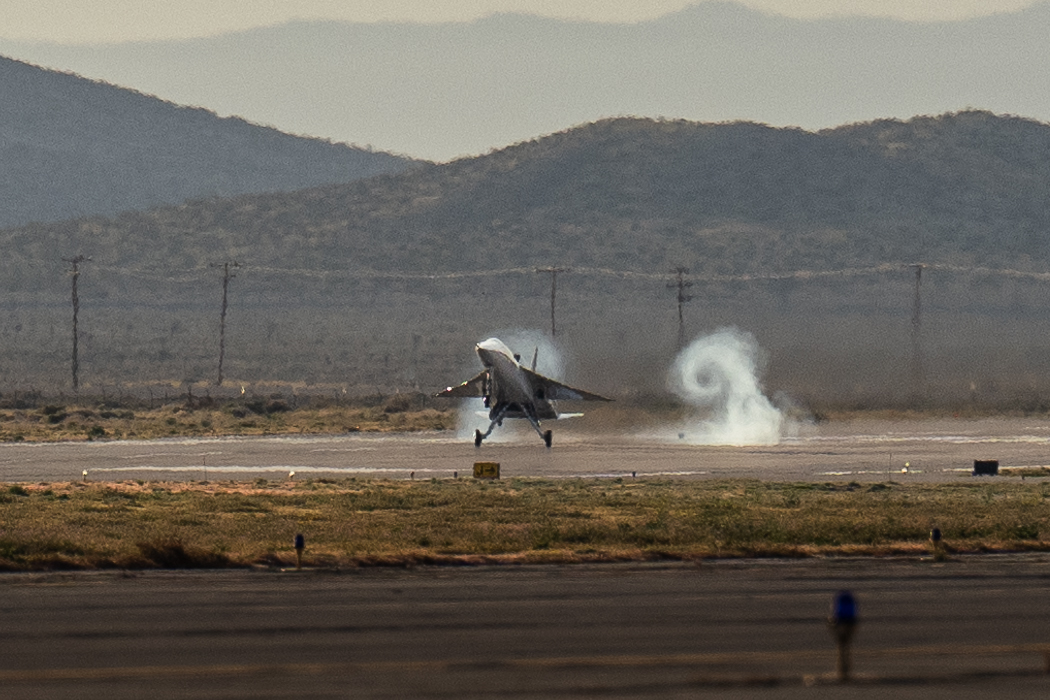
“I’ve been looking forward to this flight since founding Boom in 2014, and it marks the most significant milestone yet on our path to bring supersonic travel to passengers worldwide,” said Blake Scholl, founder and CEO of Boom Supersonic.
A T-38 chase aircraft monitored the XB-1 in the air, verifying factors such as altitude, airspeed, and airworthiness during flight. The company performed an initial assessment of the XB-1’s handling qualities, including airspeed checks with the chase aircraft, and assessed its stability in the landing attitude at a high angle of attack.
According to Boom, the aircraft met all of its test objectives. These included achieving an altitude of 7,120 feet and speeds up to 238 knots (273 mph).
Another crucial component tested was the engine, which converts kinetic energy to pressure energy with supersonic intakes that slow supersonic air to subsonic speeds. Boom says this will allow conventional jet engines to power Overture from takeoff through supersonic flight.
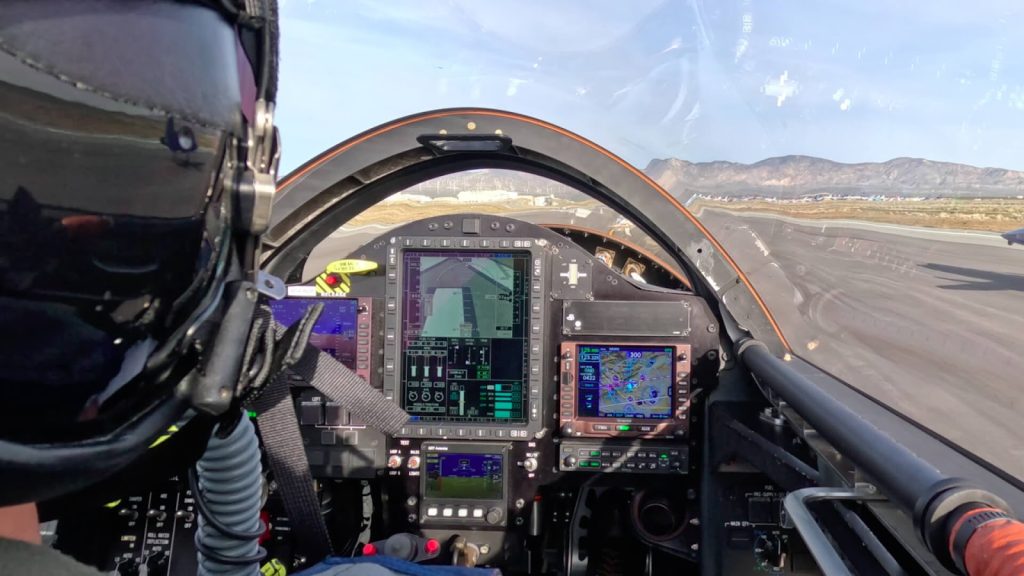
The next step for the engineering team will be expanding the flight envelope for the XB-1. That will allow it to validate its performance and handling qualities through and beyond Mach 1, speeds Overture is expected to reach.
Boom intends for Overture to fly at Mach 1.7, or just over 1,300 mph. For comparison, Concorde flew at Mach 2. But unlike Concorde, Overture is designed to run on 100 percent SAF.
Leonardo is the engineering lead for the Overture’s fuselage structural components integration and will manufacture the aircraft’s composite structure. Other parts that will come from suppliers include wings designed by Aernnova, nacelles manufactured by Collins Aerospace, and Honeywell’s Anthem flight deck.
Scholl previously told The New York Times that the company’s goal is to fly passengers anywhere in the world within four hours—for only $100. That’s inexpensive compared to most one-way commercial flights, let alone Concorde, which cost passengers thousands of dollars.
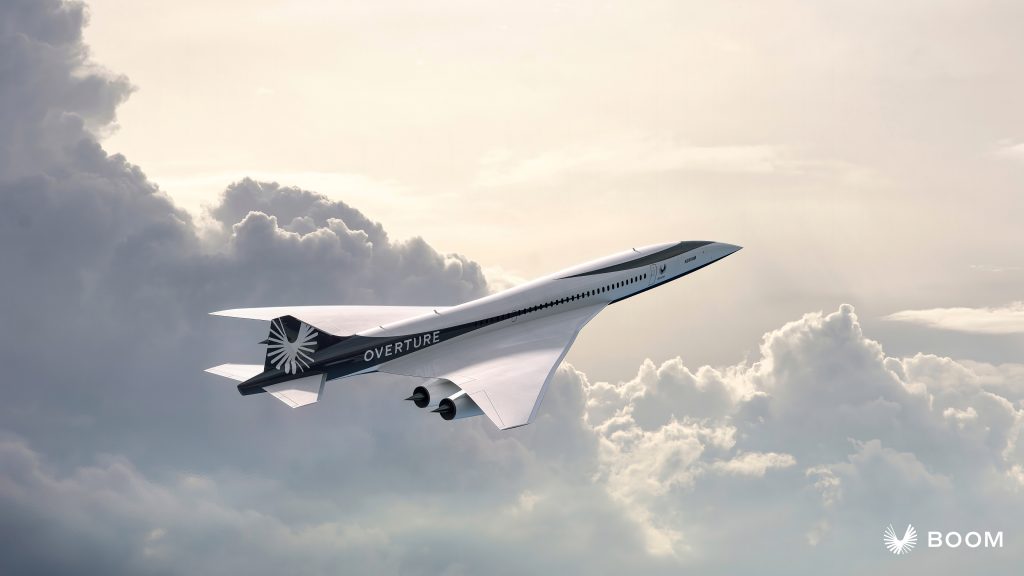
However, don’t worry about supersonic booms over your backyard. Overture will only fly supersonic on overwater routes, since the FAA has banned it over the continental U.S.
Boom’s order backlog for Overture includes 130 orders and preorders, including 15 aircraft for American Airlines and 20 apiece for United Airlines and Japan Airlines.
The manufacturer’s $60 million U.S. Air Force contract should help speed development of the aircraft, giving it a potential customer as well. Boom is also partnered with Northrop Grumman to design a special mission variant of Overture for potential U.S. military operations, disaster response, and high-speed surveillance.
Like this story? We think you’ll also like the Future of FLYING newsletter sent every Thursday afternoon. Sign up now.
Editor’s Note: This story first appeared on FlyingMag.com.
Editor’s Note: AirlineGeeks is excited to launch our ‘Livery of the Week’ series. Every Friday, a team member will share an airline livery, which can be from the past, present, or even a special scheme. Some airline liveries are works of art. The complexity associated with painting around critical flight components and the added weight requires outside-the-box thinking from designers. The average airliner can cost upwards of $200,000 to repaint, creating a separate aircraft repainting industry as a result.
Have an idea for a livery that we should highlight? Drop us a line.
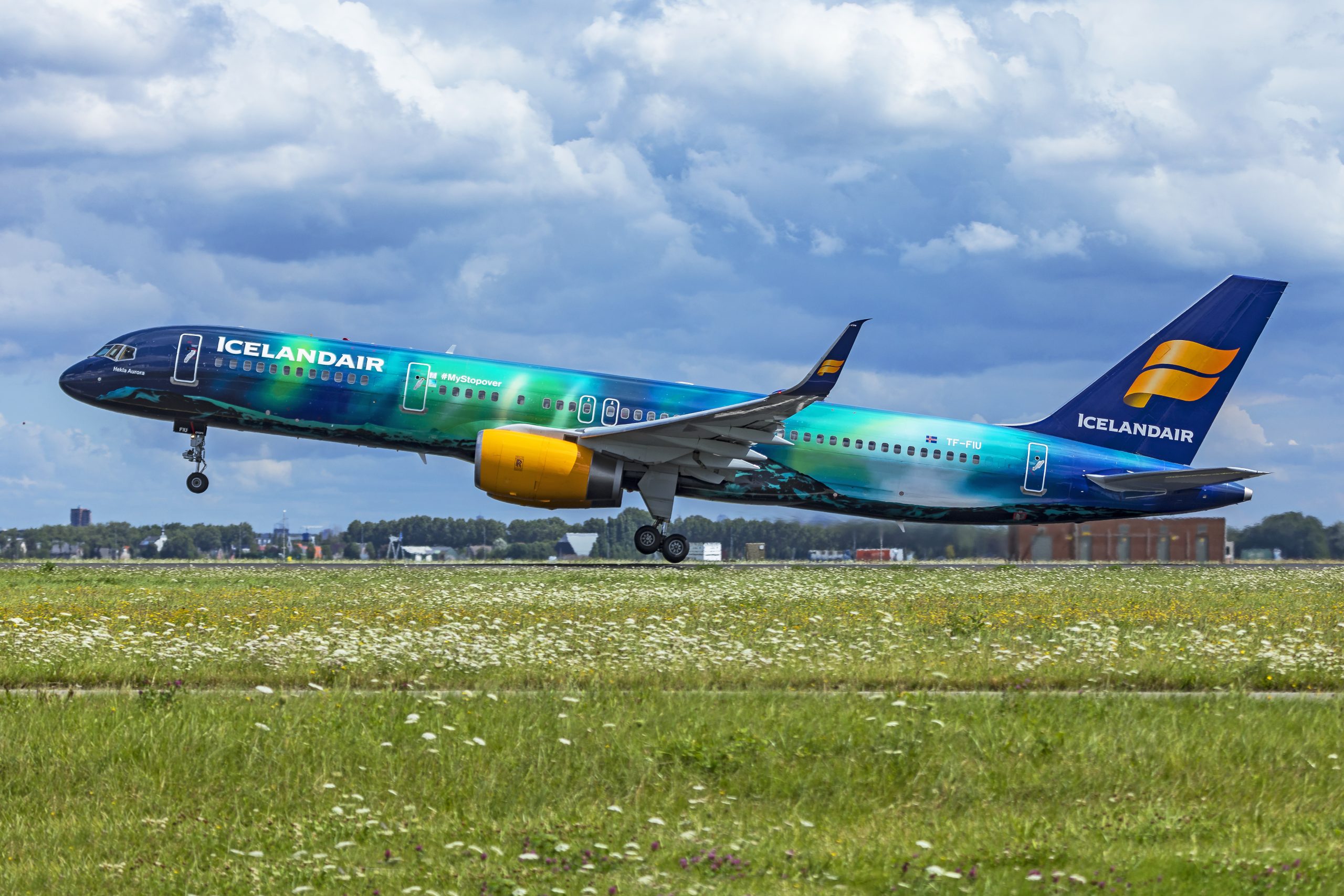
In 2015, Icelandair unveiled a special livery highlighting one of Iceland’s most famous natural icons. The Boeing 757-200 is adorned with a special paint job that showcases the beauty of the northern lights.
The bottom portion of the aircraft shows a dark Icelandic winter landscape with snow-covered mountains. Above that is the main portion of the special livery, which shows the beautiful colors of the northern lights, or the aurora borealis. The tail of the aircraft has the standard tail of Icelandair’s pre-2022 livery.
“Hekla” is a traditional Icelandic girl’s name and the name of one of Iceland’s most active and famous volcanoes. The second part of the livery’s name, “Aurora,” is a reference to the northern lights.
Icelandair launched the special livery as part of a campaign to promote free stopovers in Iceland on transatlantic itineraries. To this day, the airline offers stopovers in Iceland at no additional cost to travelers flying between North America and Europe, in an effort to promote tourism in Iceland. Almost a decade after its launch, the special livery also remains in service.
The special livery is painted on a 30-year-old Boeing 757-200 registered as TF-FIU. The aircraft was in service for 10 years with Iberia before Icelandair took delivery of it in 2004. Icelandair’s Boeing 757s are slated to be replaced by Boeing 737 MAX and Airbus A321LR/XLR aircraft in the coming years.
Not only does the exterior of the aircraft showcase the northern lights, but Icelandair has also incorporated elements of the natural phenomenon inside the aircraft. The cabin has LED mood lighting installed that displays an aurora borealis light show throughout the interior of the aircraft.
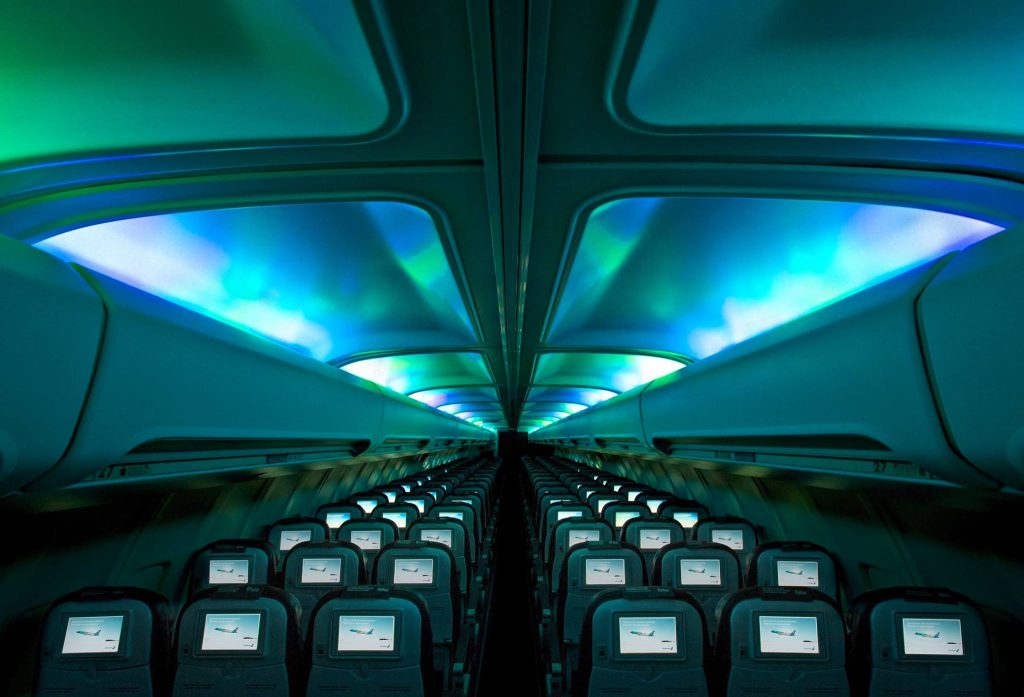
Icelandair brought in renowned Icelandic meteorologist and former Icelandair pilot Birta Lif to celebrate the launch of the livery back in 2015. “Hekla Aurora provides an authentic Aurora Borealis experience to all those who fly on her,” Lif stated. “The on-board light show provides the perfect beginning to any transatlantic flight by showcasing the natural beauty of Iceland’s famous northern lights.”
Looking for a new airplane model? Head over to our friends at the Midwest Model Store for a wide selection of airlines and liveries.
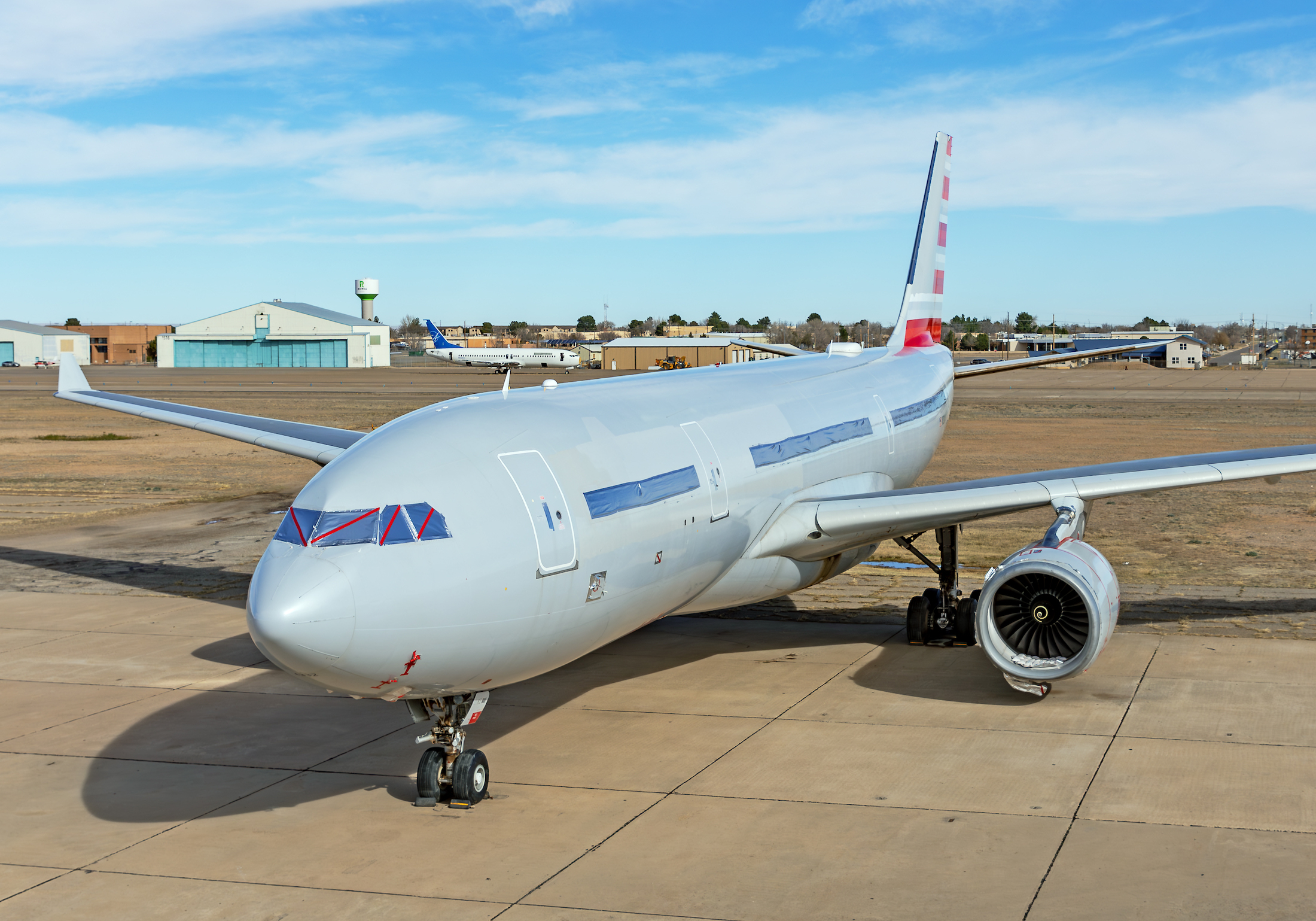
Once a staple of the US Airways long-haul fleet, few American Airbus A330s remain at an aircraft storage facility in Roswell, N.M. The aircraft joined the American fleet in 2013 as part of the merger with US Airways.
In 2000, US Airways received its first A330. The airline later operated both the A330-200 and -300 variants. Before being retired in 2020 due to the COVID-19 pandemic, American had 15 A330-200s and nine A330-300s in its fleet.
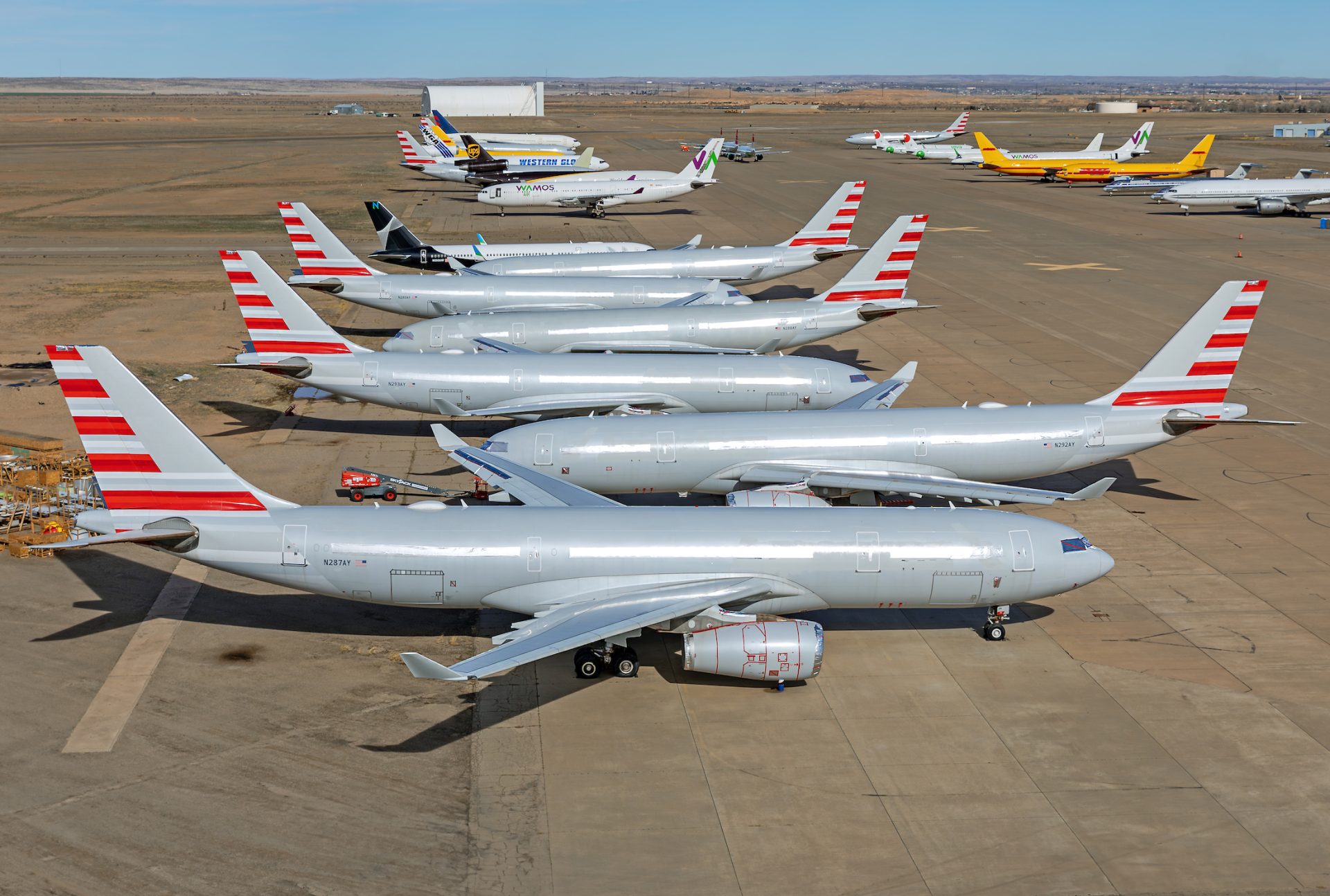
The fleet was largely flown on European routes from the carrier’s Philadelphia and Charlotte hubs. During the winter, it wasn’t uncommon to see the aircraft on a handful of domestic routes as well.
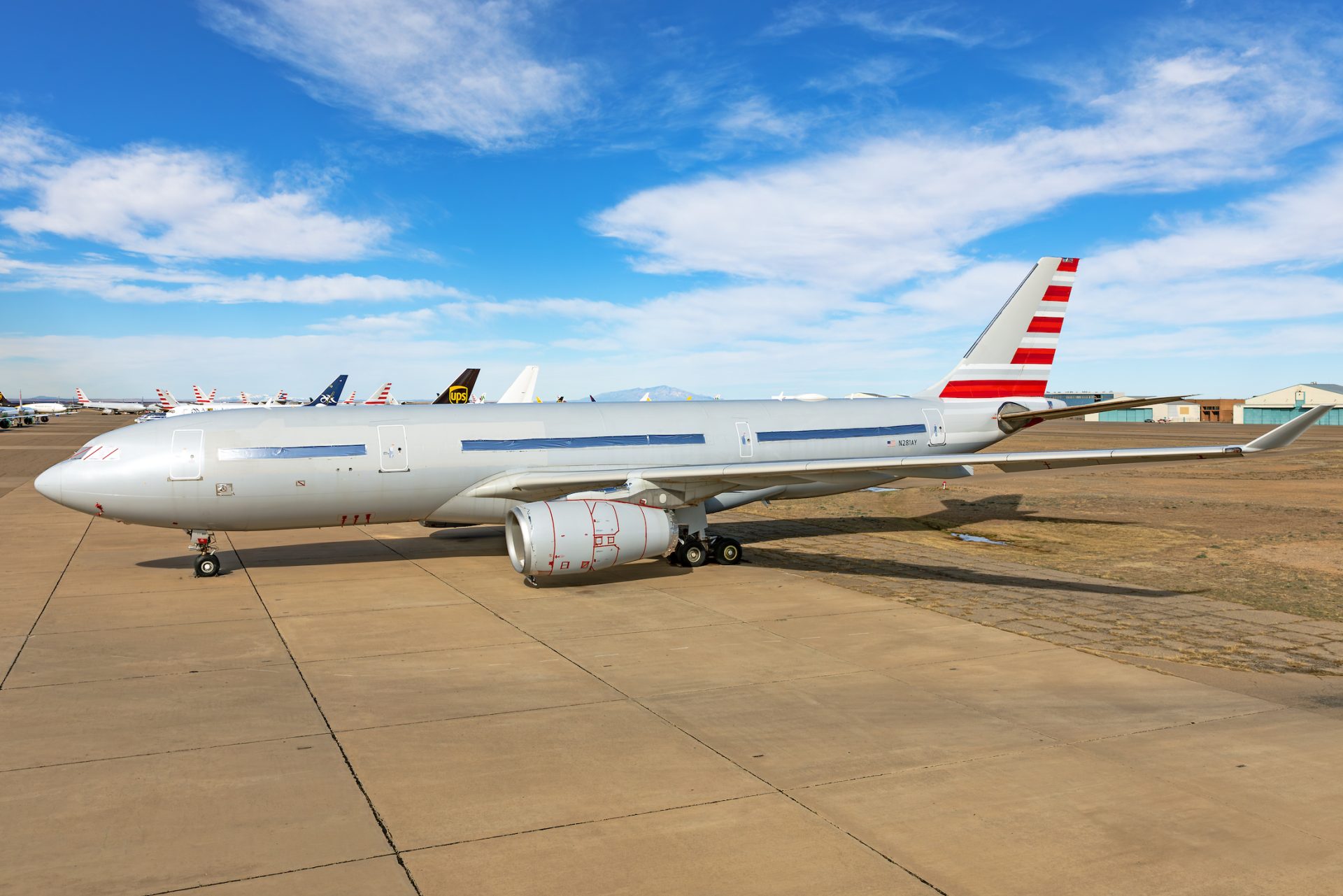
Despite some 2023 rumors of the fleet’s return to service, that’s not the case. In Roswell, a handful of A330-200s remain intact, which had an average age of just over eight years old before retirement.

American’s A330s quickly fell victim to industry woes as a result of the pandemic. Except for one aircraft, which is in the later stages of the scrapping process, the older A330-300 fleet has been dismantled with only a few remnants remaining.
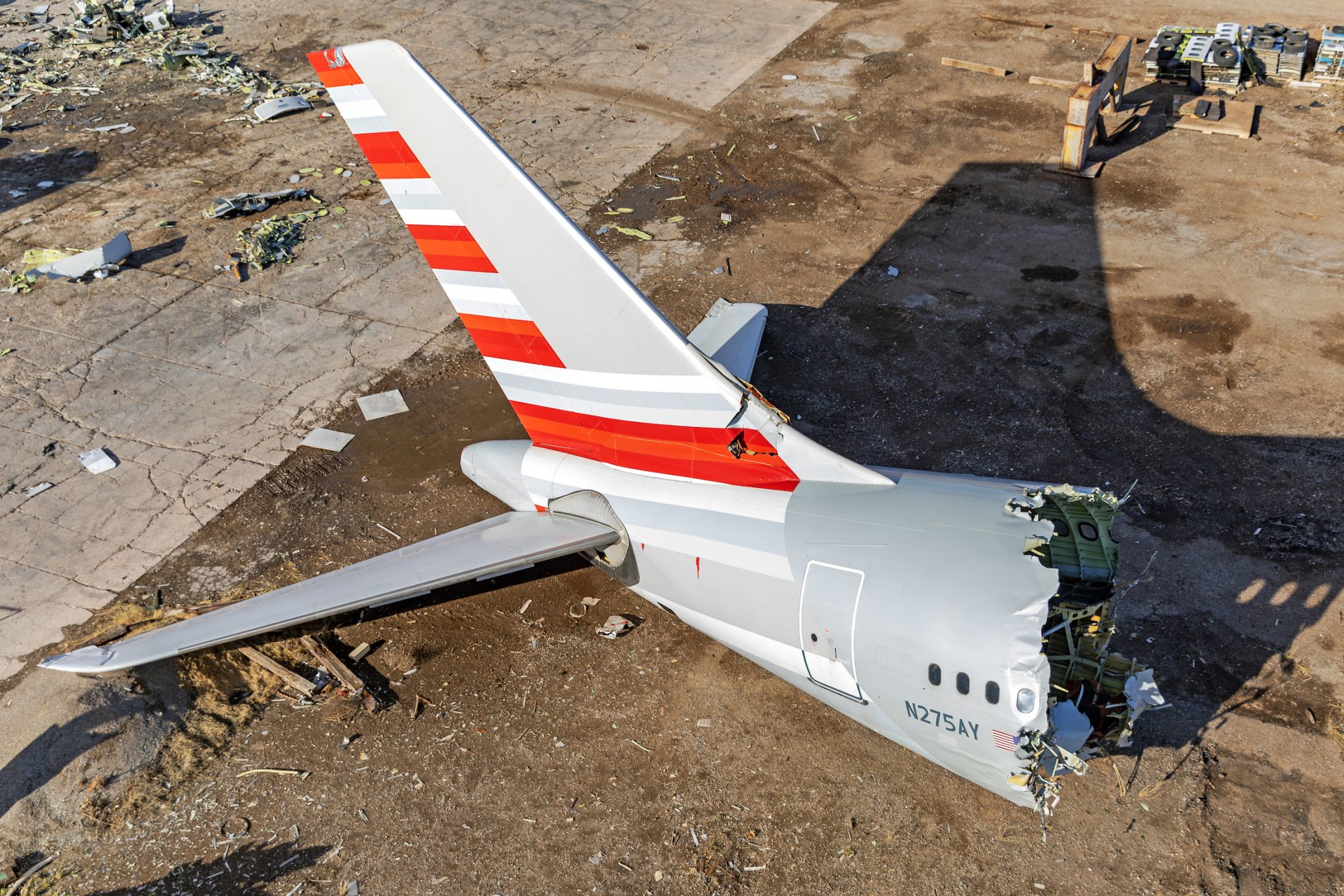
The A330s joined the carrier’s Boeing 757s/767s and E190s when they were retired due to the pandemic. Now, the airline operates an all-Boeing widebody fleet of 787s and 777s.
Editor’s Note: Photos in this story were taken on March 2, 2024.

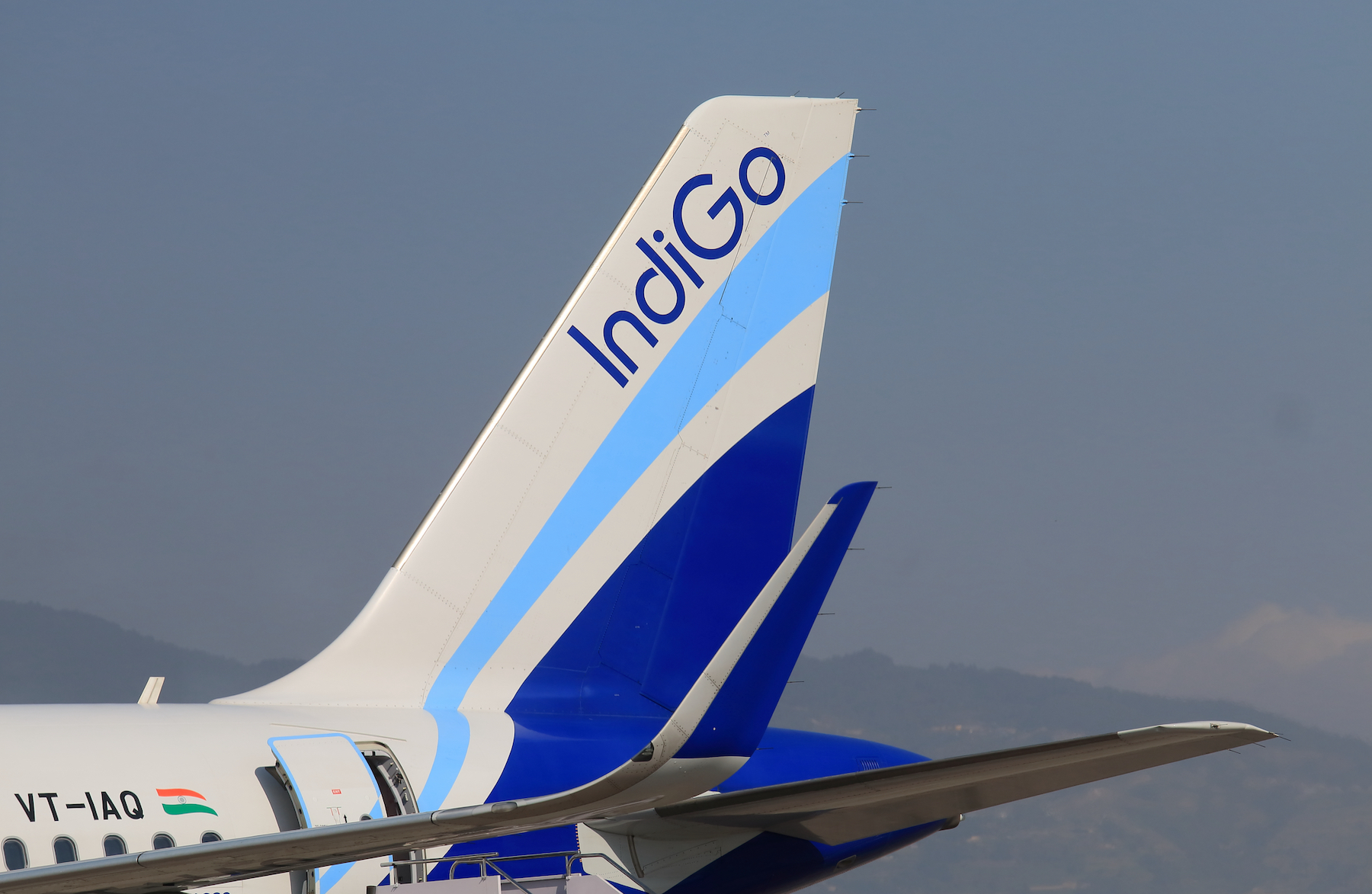
Word has come out that Indian low-cost carrier IndiGo is mulling an order for around 30 Airbus A350s, according to Bloomberg. Widebody aircraft from Airbus recently made a comeback in the Indian market with Air India’s order for the A350 aircraft.
IndiGo has played around the idea of maintaining widebody aircraft in its fleet several times in recent years, however, none reached fruition. The airline currently operates two wet-leased Boeing 777s from Turkish Airlines operating the Mumbai-Istanbul and Delhi-Istanbul routes. It might be said that, by wet leasing, IndiGo was testing out the feasibility of inducting widebody aircraft in its fleet.
The low-cost carrier managed to carry more than 100 million passengers in 2023. The goal is to double that figure by the end of the decade. Something for which the airline has hopefully adequately planned in terms of fleet size. The Indian industry leader has huge orders placed with Airbus. Figures state that IndiGo has a backlog of 1,000 aircraft with the French manufacturer.
The no-frills airline has maintained a fairly uniform fleet, operating Airbus A320s and A321s. Since 2017, the ATR 72 has also been inducted into the fleet.
The reason for inducting widebody aircraft is seemingly pretty straightforward: to target the impressive and ever-growing international passenger traffic to and from India. The reason the Boeing 777s were wet-leased is also the same; to tap into the lucrative India-to-Turkey traffic while not committing to operating a widebody aircraft full time.
Keeping all the above in mind, IndiGo has all the reasons to invest in widebody aircraft to increase its stake in international traffic. However, there also have been multiple cases where low-cost carriers, when venturing into long-haul routes, end up floundering and wrapping up operations. Airlines like Laker Airways, WOW, and most recently Norwegian all operated long-haul routes with a low-cost model and ended up declaring bankruptcy at some point.
It is not necessary that by operating long-haul flights, IndiGo is putting itself in danger, however, all steps need to be taken very carefully when committing to something like inducting widebody aircraft into an airline that has exclusively operated narrowbodies.
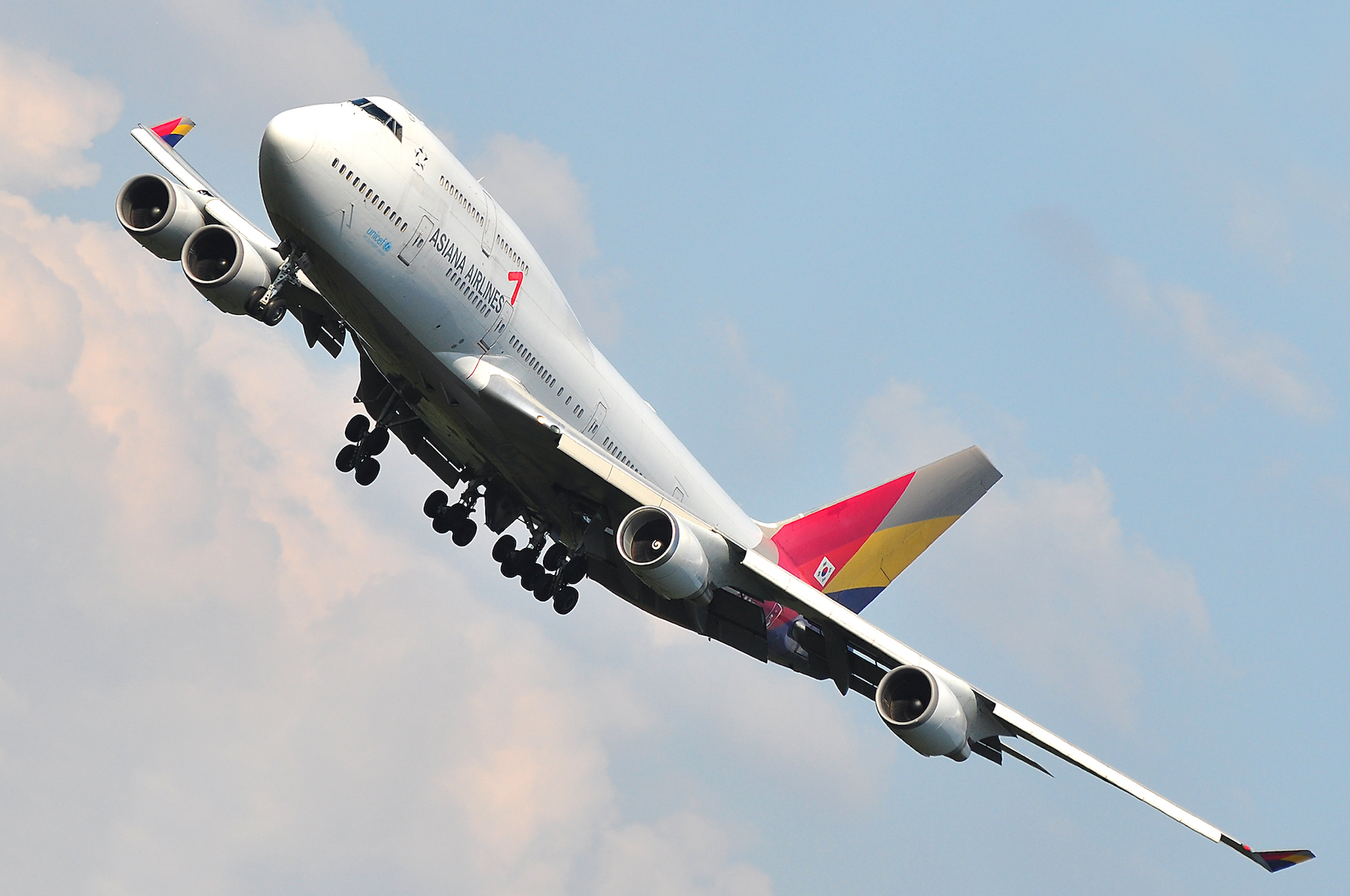
Asiana Airlines took to social media in late February to announce the retirement of its last Boeing 747-400 aircraft, with a scheduled date of retirement of March 25, 2024.
Asiana stated that the aircraft, with registration HL7428, will operate a single daily flight from Seoul and Taipei up until retirement. The aircraft is scheduled to fly segments OZ711 and OZ712.
The airframe, with serial number 28552, was delivered straight to Asiana on June 18, 1999. In its illustrious 25-year career with the airline, the airframe has traveled the world from its Seoul base, including visits to Frankfurt, New York, Los Angeles, Manila, and Hong Kong. During the COVID-19 pandemic, the airline parked this airframe in Seoul. After parking the airframe once again in May 2022, the airline redeployed the aircraft to service with flights to Changchun.
The 747-400 has had an extensive history for the airline, with the carrier receiving its first airframe in June of 1993. Since 1993, the carrier ended up operating 18 total 747-400s, at one point serving as one of the main aircraft types in the carrier’s international network.
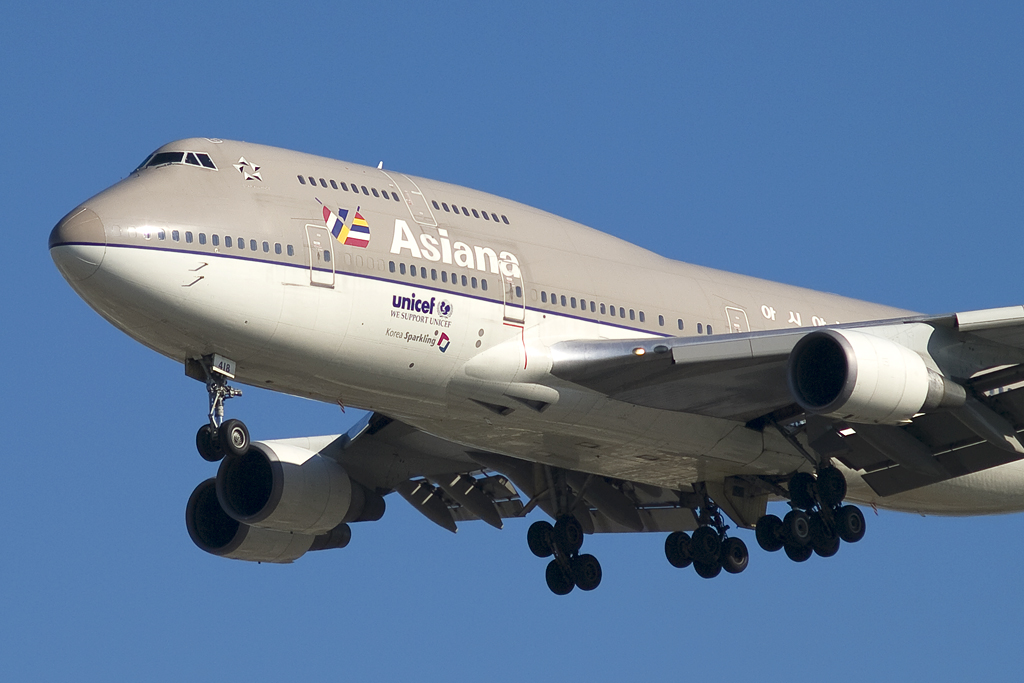
The 747-400 reigned supreme in the 1990s and 2000s in the Asia-Pacific region. Nearly every major carrier operated the fleet type, including Qantas, Thai Airways, Air India, Air China, Singapore Airlines, Cathay Pacific, and many others. However, with the retirement of HL7428, the number of 747-400s operating in the region has significantly dwindled. The last scheduled operator is Air China.
Carriers in the region, including future merger partner Korean Air, have adopted the Boeing 747-8i, along with other higher-efficiency aircraft. Recently, Korean Air, in preparation for the merger, announced an order for 33 Airbus A350 aircraft, following the plan of its fleet renewal process.
As both Airbus and Boeing continue to announce high-efficiency aircraft, and airlines plan their fleet renewal, these four-engine aircraft will continue to be retired from commercial service. Some of these frames will find new life in the freight sector, with a conversion to become a freighter, while others will end up sitting in an aircraft boneyard, waiting to be scrapped.
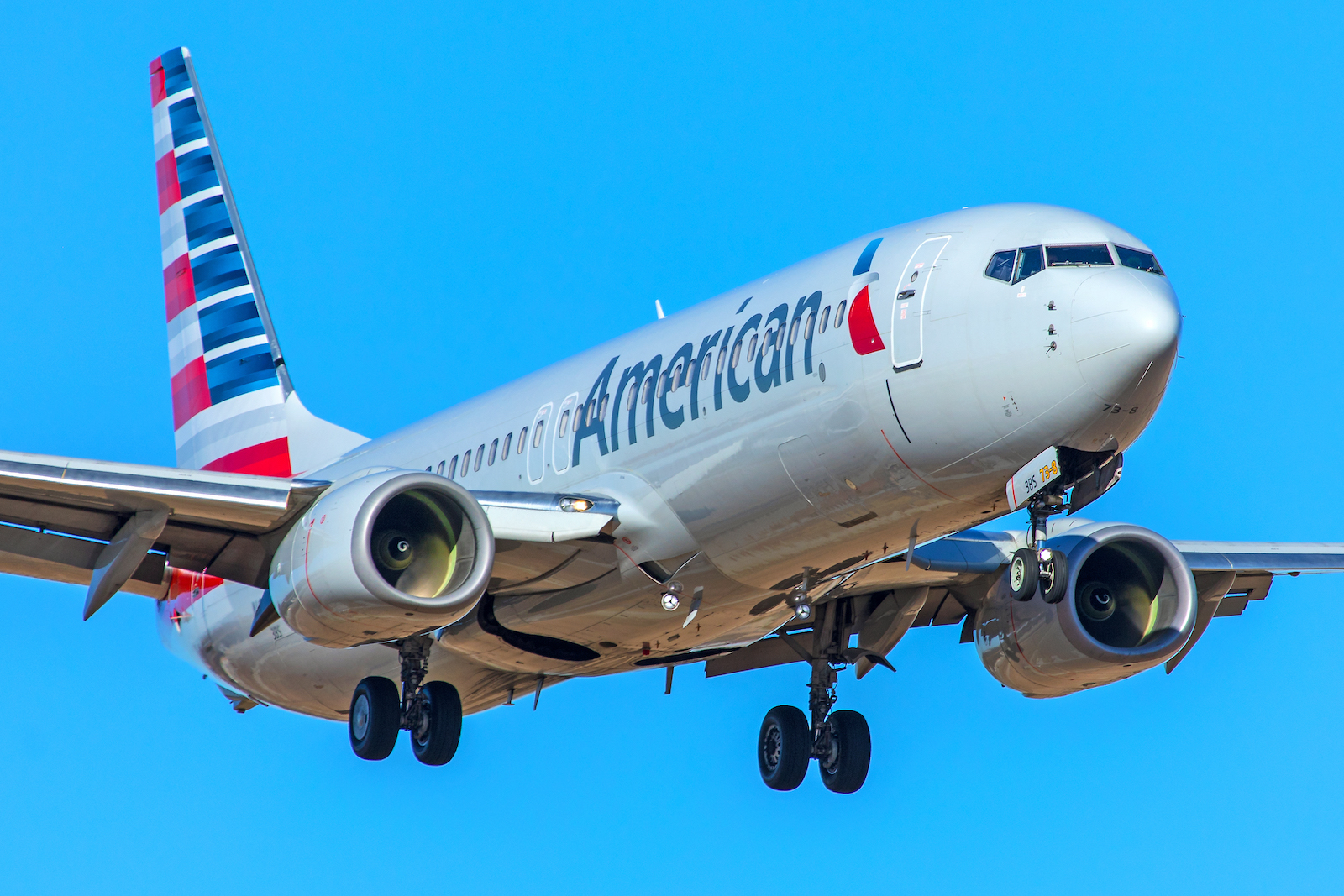
Issues involving a brake replacement project are being blamed for a February overrun incident, according to a preliminary National Transportation Safety Board (NTSB) report. On Feb. 10, 2024, American flight 1632, a Boeing 737-800 flying from Washington Reagan National Airport (DCA) to Dallas/Fort Worth International Airport (DFW), experienced a “brake system anomaly” during landing.
The 15-year-old aircraft – registered as N991AN – initially landed safely on runway 17L but came to a stop beyond the threshold area. There were no injuries reported among the 104 passengers and crew onboard.
“The safety of our customers and team members is our top priority and we are fully cooperating with the National Transportation Safety Board in its investigation of American Airlines flight 1632,” a spokesperson from the airline said in a statement.
Initial findings indicate that the aircraft touched down at a normal ground speed of 150 knots before departing the end of the runway at 30 knots. The agency’s preliminary report highlights potential problems with recent maintenance performed on the aircraft’s brakes.
The airline had just completed a project replacing the airplane’s steel brakes with carbon brakes four days earlier on Feb. 6. During this maintenance project, the NTSB believes that hydraulic lines connected to the brakes may have been incorrectly reattached.
According to Flightradar24 tracking data, N991AN had been at the airline’s Tulsa, Okla. maintenance facility from Feb. 1 to Feb. 7. After returning to revenue service, the aircraft completed 17 flights between Feb. 7 and Feb. 10. The aircraft returned to revenue service again over a week later on Feb. 19 following the incident.
During the landing phase, the automatic braking system malfunctioned shortly after touchdown, forcing the pilots to rely on manual braking and thrust reversers to slow the aircraft. Despite their efforts, the aircraft continued at a higher speed than expected as it neared the end of the runway.
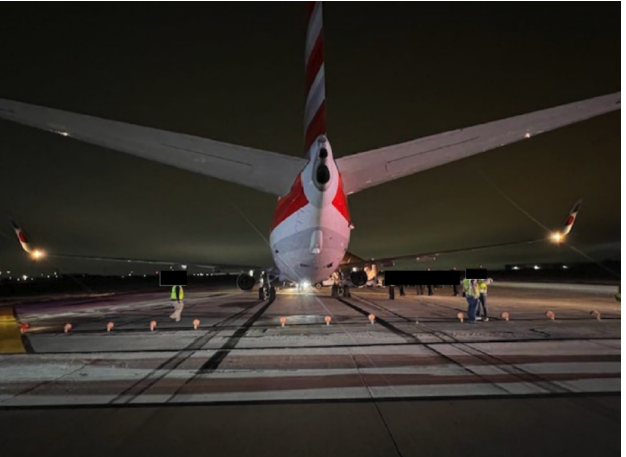
The captain – who had initially been the pilot monitoring – then deployed maximum reverse thrust and notified air traffic control. “American 1632, total brake failure, we are departing the end of runway 17L, roll crash fire rescue,” the captain told the tower in a radio transmission.
The aircraft eventually came to a stop past the 8,500-foot runway’s end but within the paved overrun area. The NTSB says its investigation into the incident is ongoing.
Editor’s Note: This story was updated on Thursday, March 21, 2024 at 4:41 p.m. ET to add a statement from the airline.
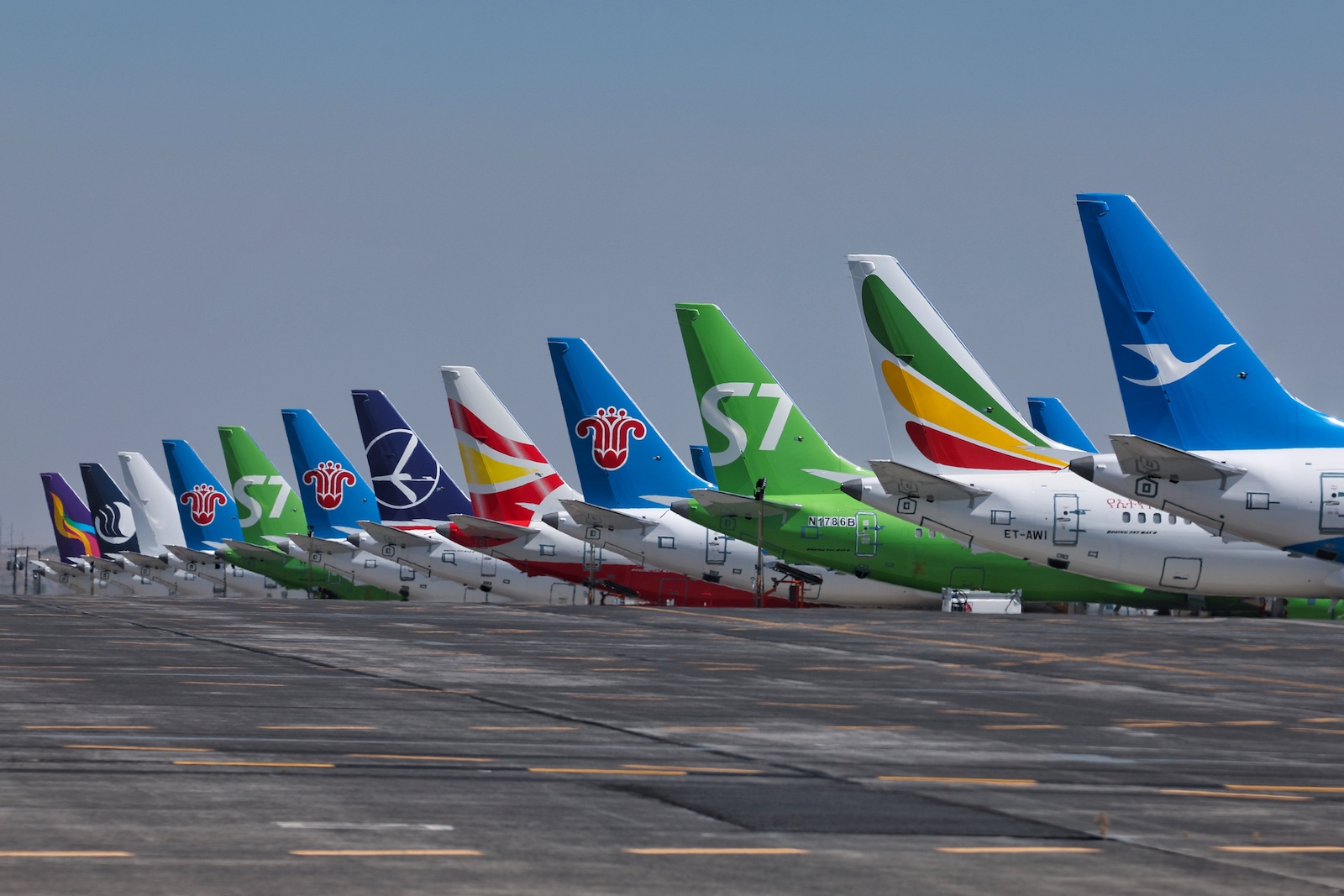
Global airline capacity worldwide in Q2 2024 has surpassed that of Q2 2019, the last “normal” year for flights pre-pandemic, according to data from OAG.
The capacity for Q2 2024 is up about 4% over Q2 2019 for seats on international and domestic flights with about 1.51 billion seats on the schedule compared to 1.45 billion seats.
United Kingdom-based airline industry data provider OAG found that the majority of regions have recovered capacity from 2019 except for South East Asia, Eastern and Central Europe, Southwest Pacific, and Southern Africa.
OAG found:
The United States aviation market remains the largest in the world with 310.9 million seats scheduled for this Q2, a 6.5% increase over Q2 2019 when 291.8 million seats were offered. Of the top 10 country markets, Japan, the United Kingdom, Germany, and Indonesia haven’t recovered to Q2 2019 levels.
OAG found:
Germany’s global flight capacity decline can be attributed to travel pattern changes, reductions in domestic capacity, and one of the slowest long-haul market recoveries post-pandemic, OAG said. Japan relies on China for capacity and the operational challenge of Russian overflights for some airlines.
United Airlines is the top airline by capacity, up 5.7% in Q2 2024 over Q2 2019, according to OAG, while Delta Air Lines and easyJet have yet to exceed Q2 2019.
OAG found:
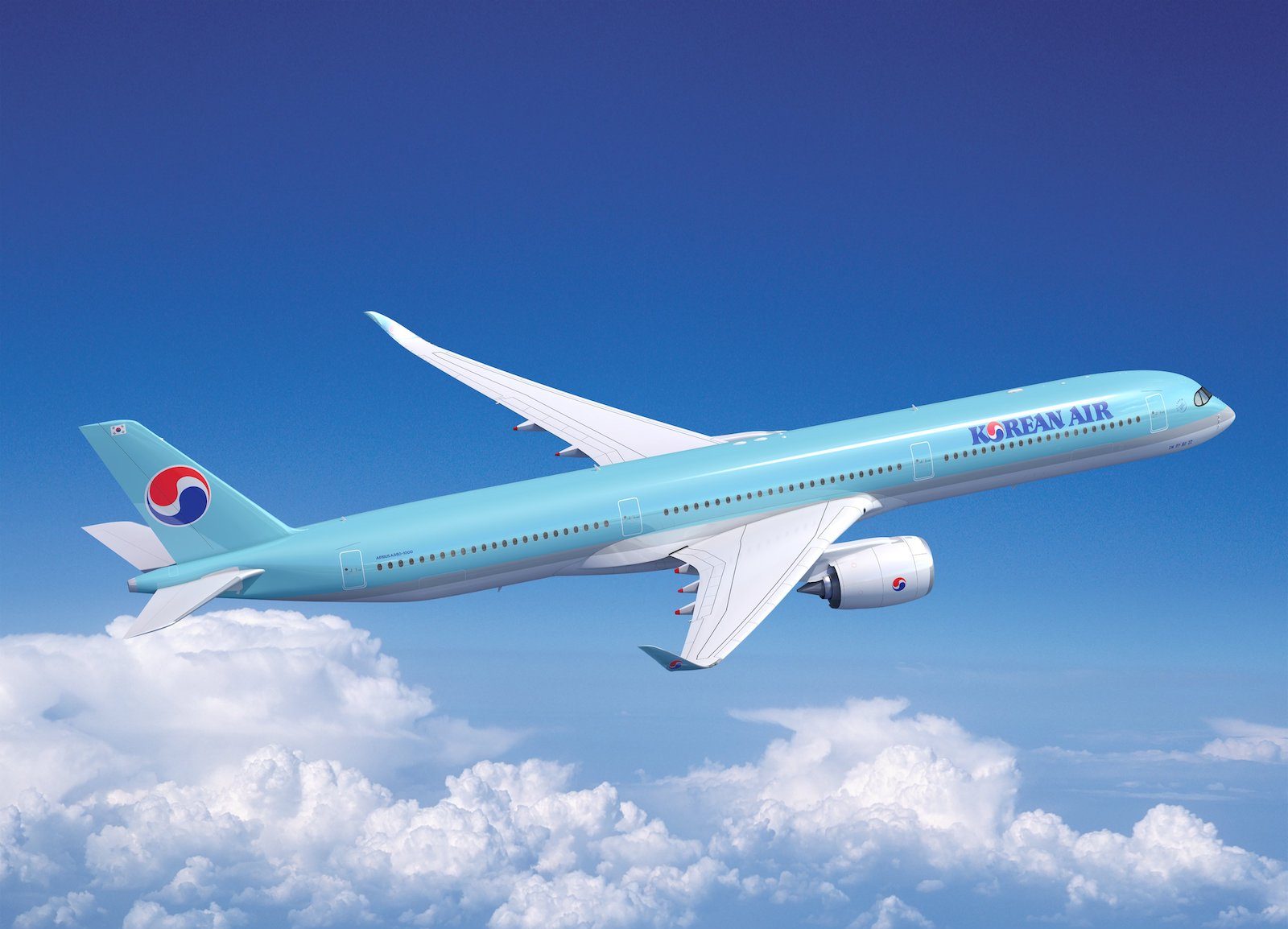
Korean Air announced on Thursday a new fleet expansion agreement with Airbus. The airline will sign a contract to purchase 33 A350 family aircraft, valued at $13.7 billion. The order includes 27 A350-1000s, the largest variant in the A350 family, and six A350-900s.
This move is seen as a way for Korean Air to bolster its long-term operations and prepare for the potential integration of Asiana Airlines. The A350s are known for their increased fuel efficiency and reduced carbon emissions, aligning with Korean Air’s sustainability efforts.
The A350-1000 boasts a range of up to 16,000 kilometers with a full payload, making it ideal for long-haul routes. The A350-900, with a range of 15,370 kilometers, is suited for Korean Air’s existing long-haul routes like the Seoul-New York service, the airline said in a press release.
This order is part of a larger fleet renewal initiative by Korean Air. The airline also plans to introduce 50 Airbus A321neos, 10 Boeing 787-9s, 20 Boeing 787-10s, and 30 Boeing 737 MAX 8s.
Facing regulatory headwinds, Korean Air hopes to complete its acquisition of Asiana this year, according to Air Cargo News. “Korean Air will be poised to stand shoulder to shoulder with global leading airlines. The merger will optimise our network and allow us to operate to new destinations, so that we may offer customers more choices,” the carrier’s CEO Walter Cho told employees in January.
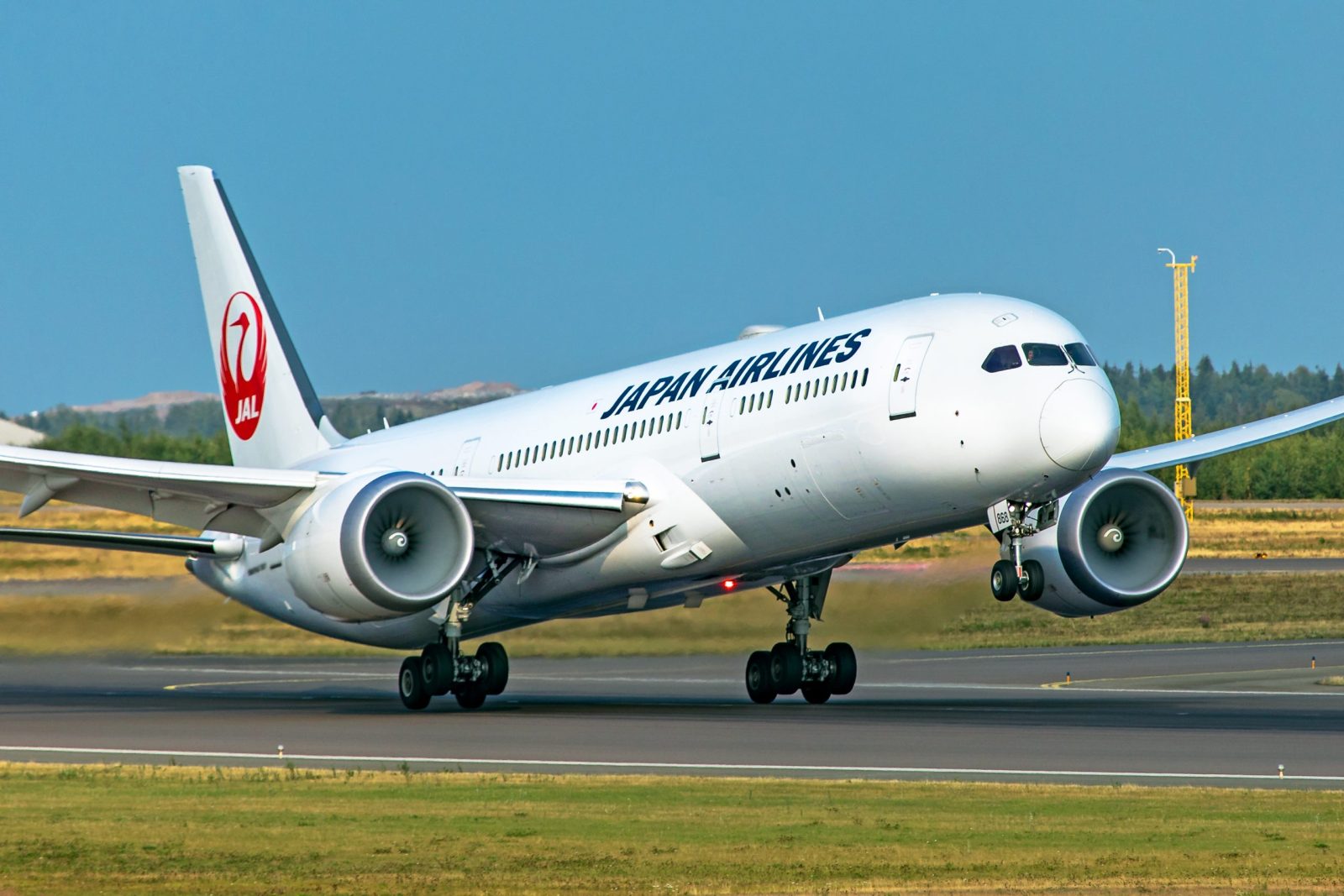
Japan Airlines (JAL) announced a significant expansion of its fleet on Thursday, placing a multi-billion dollar order for 42 new aircraft from Airbus and Boeing. The plan involves acquiring a total of 21 Airbus A350-900 aircraft from Airbus, along with 11 A321neo aircraft, and 10 Boeing 787-9 aircraft.
Specific details on the delivery schedule and total order value haven’t been disclosed, but the announcement mentions a timeframe spanning over six years, starting in the fiscal year 2027 and a catalog price of about $12.4 billion. This staggered approach allows JAL, which is Japan’s second-biggest airline, to strategically integrate the new aircraft into its operations while potentially coinciding with the retirement of older, less fuel-efficient models.
The centerpiece of the order is the introduction of 21 Airbus A350-900s dedicated to international routes. These fuel-efficient wide-body aircraft boast a long range, potentially enabling JAL to expand its network to new destinations or increase frequencies on existing long-haul routes. This aligns with JAL’s stated goal of growing its international network capacity by 1.4 times by 2030.
JAL will further bolster its international fleet by adding 10 Boeing 787-9 Dreamliners, complementing its existing fleet of over 50 Boeing 787s. This mid-sized wide-body aircraft synergizes with the A350 order, offering increased fuel efficiency and range for medium to long-haul routes.
JAL isn’t neglecting its domestic network either. The order includes 11 Airbus A321neos, marking the first time JAL will operate this single-aisle aircraft. These fuel-efficient jets are ideally suited for shorter haul and higher-frequency flights within Japan, allowing JAL to optimize its domestic network and potentially introduce new regional routes within Asia. Additionally, 21 Boeing 737-800 replacements are planned, likely to be filled by the A321neo order, with deliveries starting in 2026.
JAL is making a strategic move to capitalize on the rebounding aviation market. By investing substantially in new aircraft, the airline is not only positioning itself to offer a wider range of destinations and potentially improve onboard experiences but also demonstrating its continued focus on environmental responsibility. This move sends a positive sign to the aviation industry, reflecting optimism about the travel sector’s continued recovery.

Get the latest stories & special offers delivered directly to your inbox
SUBSCRIBE