Stories

EVA Air Orders A350-1000s and A321neos

EVA becomes the third airline in Taiwan to order the A350 and the A321neos set the stage for Airbus domination in Taiwan's single-aisle market.

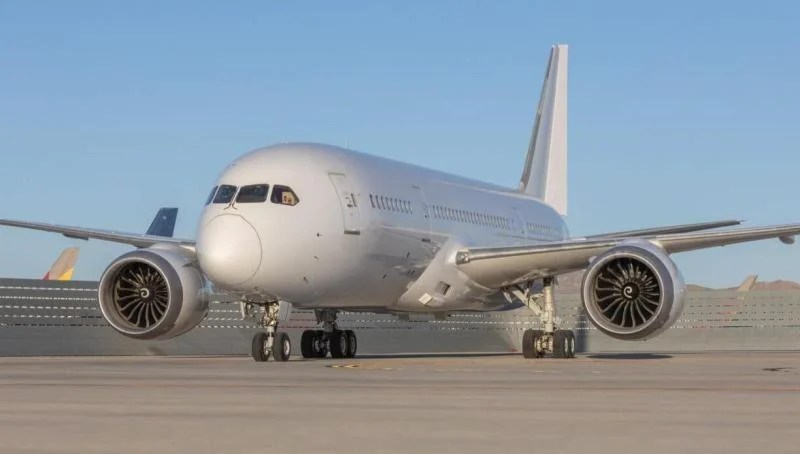
A mockup of EVA's A350 (Photo: Airbus)

European manufacturer Airbus has started 2024 with a major commercial order. Taiwanese carrier EVA Air has selected the Airbus A350-1000 and A321neo for its fleet renewal. The order contains 18 long-haul A350-1000s and 15 A321neos for regional flying.

The order was first announced on Nov. 7, 2023 and was finalized on January 9. The firm orders will pave the way for EVA Air to replace its aging long-haul and regional aircraft and introduce more efficient jets with less emissions and fuel consumption. EVA Air will also become Taiwan’s third A350 operator, an impressive feat for Airbus and a testament to the type’s success.

EVA Air flies its fleet of Boeing 777-300ER jets on non-stop services between Taiwan and the U.S. (Photo: AirlineGeeks | Parker Davis)

The new Airbus aircraft are expected to replace EVA’s aging Boeing 777-300ERs on high-density connections in Asia and intercontinental routes, while the new narrowbodies will take the places of the existing fleet of A321-200s flown by EVA Air and previously its subsidiary UNI Air on domestic and regional flights.

Commenting on the new order, Clay Sun, President of EVA Air, said: “We have selected the Airbus aircraft following a thorough evaluation of the various models in each market segment. In both size categories we have selected the most modern and fuel efficient types, that offer the highest levels of passenger comfort.”

Replacing the 777-300ER

According to planespotters.net, EVA currently operates 34 777-300ERs with an average of 10.8 years, and all with configuration suitable for long-haul flying. The type is currently the backbone for EVA’s intercontinental network, flying to EVA’s eight destinations across the United States and to Toronto and Vancouver.

It is expected that the new A350-1000s will fly on routes that the 777-300ERs currently fly, though the firm order for 18 of the type is not enough to replace the current 777 fleet, which stands at 34.

An EVA Air Boeing 777-300ER taxiing in San Francisco. (Photo: AirlineGeeks | William Derrickson)

The 777-300ERs also fly to destinations in Europe, including Paris, London, and Amsterdam. Some popular routes within Asia see the deployment of the type as well with the type flying on multiple daily flights to Singapore, Bangkok, Shanghai, and Guangzhou.

EVA Fleet Renewal

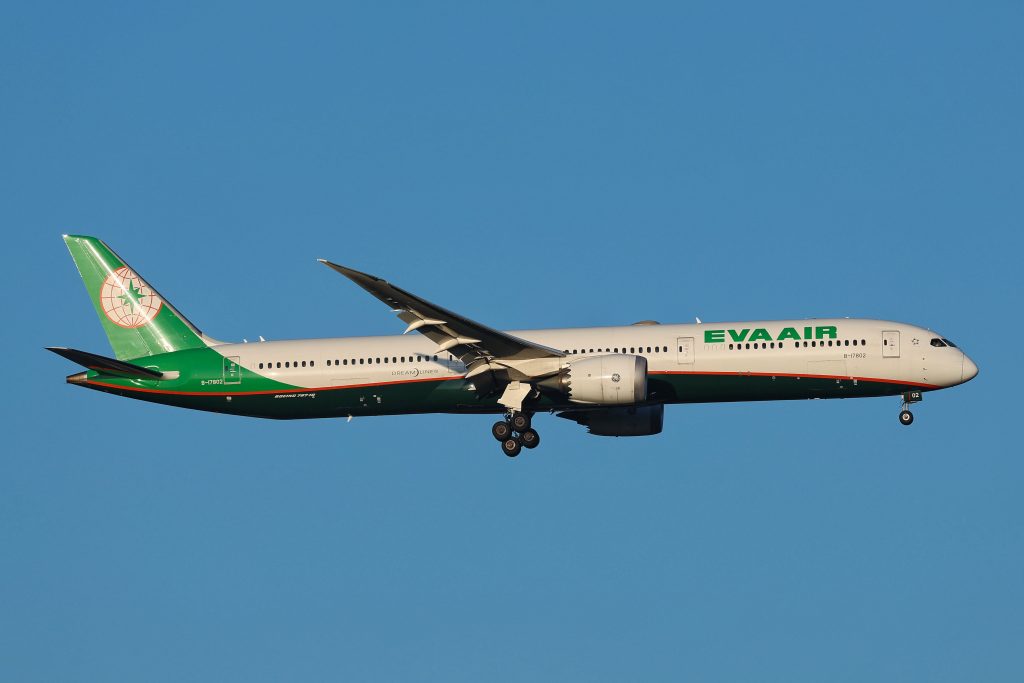
EVA is also an operator of Boeing’s Dreamliners, operating a total of 15 787s with 11 of the 787-10 variant and four being the 787-9. Ten more Dreamliners will eventually join its fleet and these airplanes will replace the A330s, which are set to be phased out by 2029.

The A321neos will replace EVA Air’s A321s, which have an average age of 8.6 years. The relatively young fleet flies on domestic routes within Taiwan and many destinations to Mainland China, Japan, South Korea, and Southeast Asia. The order is expected to be delivered progressively starting from a later date.

EVA Air’s first 787-9 Dreamliner rolls out of Boeing’s North Charleston paint shop (Photo: Boeing)

EVA will have 43 firm orders to be delivered from Airbus and Boeing after the latest deal with Airbus. The airline currently has a fleet of 79 passenger jets in 2024 and an average age of 8.6 years.

Not Taiwan’s First A350 Operator

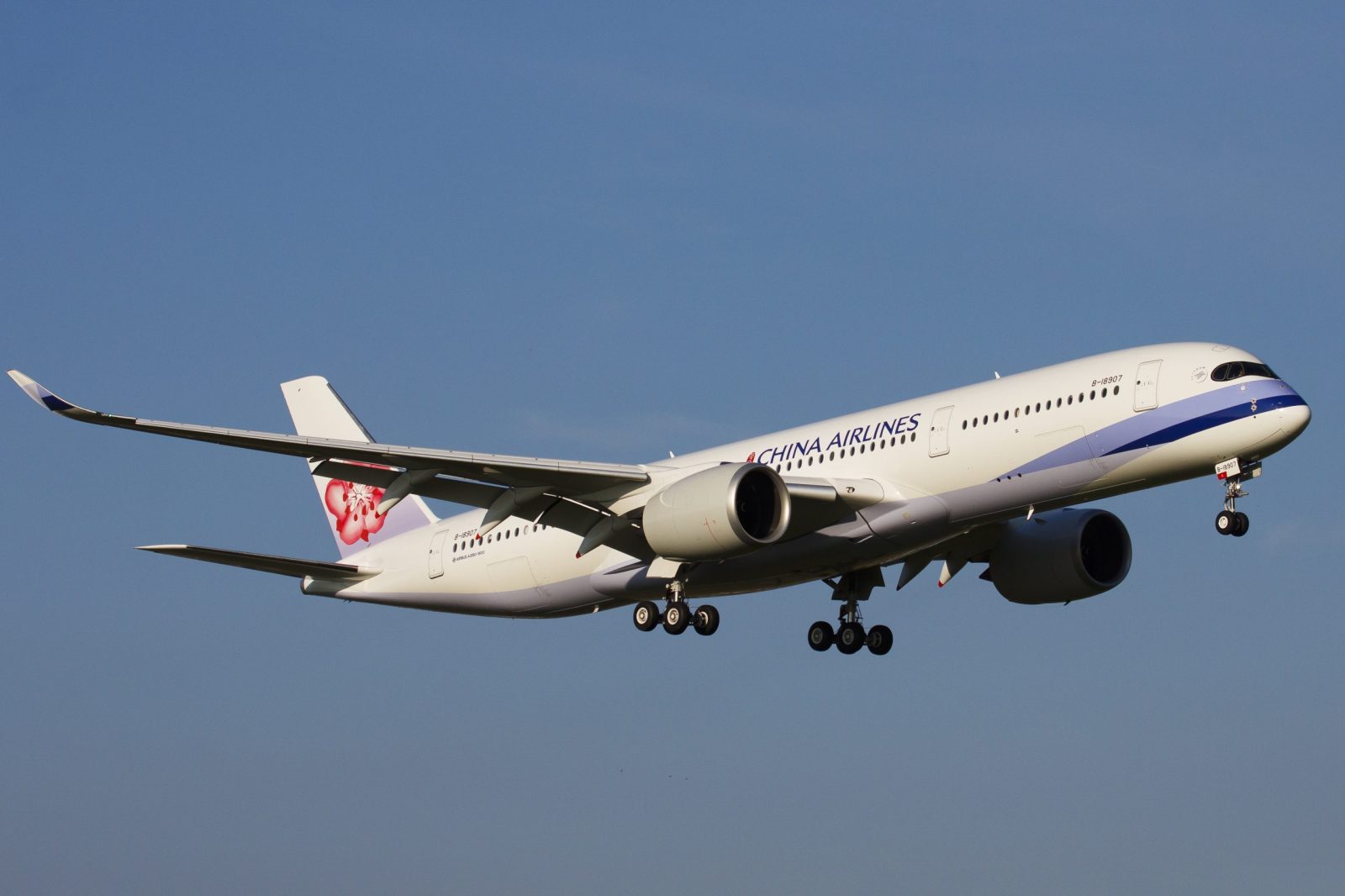
EVA Air’s rival in Taiwan, China Airlines, has operated A350-900s for seven years and has a fleet of 15 at the time of writing, with one more expected to join. China Airlines also recently placed an order for its fleet renewal, though with Boeing for 24 Dreamliners.

The rising startup, Starlux, on the other hand, has orders for both the A350-1000 and A350-900. A total of 18 A350s will be delivered to the airline with four already delivered and used on transpacific flights to Los Angeles and San Francisco.

A320neo Family Dominates Taiwan Market

Airbus’ A321neo has seen incredible success in Taiwan in recent years. China Airlines will have a fleet of 25 A321neos and replace the 737-800s with the new Airbus jets. Starlux already operates 13 of the type with more coming and EVA will take at least 15 of the type.

Boeing’s 737 MAX family currently has zero orders in Taiwan. Out of the 66 single-aisle jets in Taiwan in service in 2024, 10 are Boeing 737s, or 15% of the market. With the new orders for the A320neos piling up, Boeing’s market share is expected to dip to zero while Airbus dominates.

Anthony Bang An

Anthony is an aviation enthusiast who grew up around the world from St. Louis to Singapore, and now lives in Amsterdam. He loves long-haul flying and finds peace in the sound of engine cruising. He aspires to share his passion for the sky though writing and providing another angle on the stories.

Major U.S. Airlines Hire Fewer Pilots in 2023

Major U.S. airlines hired 6.2% fewer pilots year-over-year in 2023, according to data from pilot career advisory firm FAPA.

737 MAX cockpit
Inside the cockpit of a Boeing 737 MAX. (Photo: AirlineGeeks | Fabian Behr)

Major U.S. airlines hired fewer pilots year-over-year in 2023, according to data from pilot career advisory firm FAPA. In total, the 13 U.S. major airlines that FAPA tracks recorded 12,335 new hires, a 6.2% decrease from 2022 figures.

This decrease comes on the heels of some airlines halting pilot hiring altogether. In October 2023, ultra-low-cost carrier (ULCC) Spirit indefinitely suspended hiring. Both FedEx and UPS have advised pilots already on property to look at flying at regional carriers, while also significantly pulling back the throttles on hiring.

Despite the year-over-year reduction, 2023 was the second-highest year on record for pilot hiring at major U.S. carriers.

Record Year for Some

A handful of airlines reported record hiring years for new aviators. Allegiant, American, Delta, and Southwest all had a banner year, according to FAPA’s data. Southwest had the largest year-over-year increase with 776 more pilots joining its ranks compared to 2022. The Dallas-based carrier is nearing a new collective bargaining agreement (CBA) with its pilots pending a vote.

The so-called ‘big three’ airlines – American, Delta, and United – recruited 57% of all pilots hired last year. Even as it looks to expand its training facility in Denver, United hired 62 fewer pilots year-over-year.

These record-setting hiring rates tie into the U.S.’s continued production of Airline Transport Pilot (ATP) certificates. Overall, ATP-certified pilots exceed pre-COVID figures by more than 6,500 individuals, per the Aero-News Network.

Lucrative Opportunities Still on Offer

While FAPA only tracks pilot hiring for major carriers, the firm acknowledges that it is likely regional carriers also hired at a similar rate. “While these numbers only reflect the pilot hiring efforts at the thirteen major airlines…it’s important to recognize that pilot hiring at regional and the private/business aviation carriers would at least equal but more likely exceed these values,” it said in a January 2024 edition of its bulletin.

As many airlines — especially regional carriers — struggled to retain captains, many regional airlines are continuing to offer lucrative bonuses for direct-entry captains. For example, American Airlines’ wholly-owned regional subsidiary PSA is offering captains from FedEx and UPS a $250,000 signing bonus.

2024 Projections

U.S. airlines are starting to look at 2024 hiring and, according to FAPA’s data, projections for pilot hiring are at 75% of the last two years’ figures. While a decrease, these figures are likely to still eclipse hiring trends prior to the COVID-19 pandemic.

Atlanta-based Delta was the first of the ‘big three’ airlines to announce its plans to reduce pilot hiring in 2024. The airline said it intends to hire slightly over 1,000 pilots in 2024, which represents half of its numbers from the last two years.

Ryan Ewing

Ryan founded AirlineGeeks.com in February 2013 and has spent more than a decade covering the airline business. His work has been featured by CNN, WJLA, CNET, and Business Insider. His aviation experience spans airport operations, Part 135 regulatory compliance, and airline crew workforce planning, along with time behind the yoke of a Cessna 172 and interviews with airline executives. Ryan now serves as Group President of Firecrown Media’s Aviation Group. He holds a B.S. in Air Transportation Management and an MBA from Arizona State University and teaches Airline Management at Embry-Riddle Aeronautical University.

South African Airways Resumes Flights to Perth

South African Airways (SAA) has officially announced the return of its flights to Perth, Australia after a four-year long hiatus.

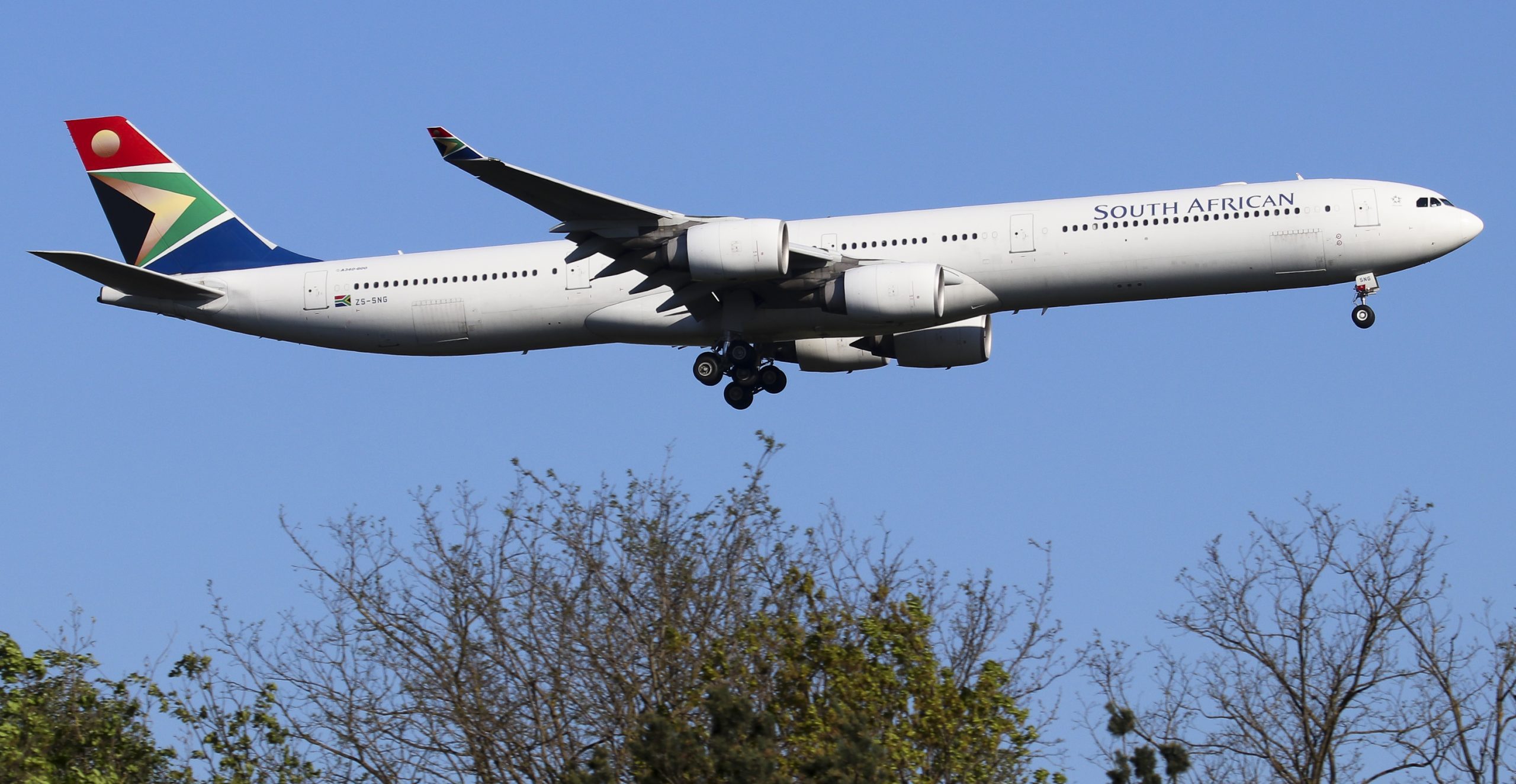
A South African Airways A340-600 on approach to Frankfurt. (Photo: AirlineGeeks | Fabian Behr)

South African Airways (SAA) has officially announced the return of its flights to Perth, Australia. After a four-year hiatus, bookings are now open for the inaugural flight scheduled on April 28, 2024, establishing a key link between Johannesburg and Perth. 

Under the leadership of CEO John Lamola, SAA is navigating a path of recovery and growth, emerging stronger from the challenges of the pandemic and creditor protection proceedings. The return of the Perth route comes just six months after the successful launch of the Sao Paulo, Brazil route on October 31, 2023.

“Besides the global interconnectivity potential of this route, Perth has long been a favoured destination for South African and Australian travellers, with approximately 80% of our target market being visiting family and friends,” adds Lamola in a press release. “The recommencement of the route provides an easier and direct passage for both leisure and business travellers, promoting trade and cultural exchange between South Africa and Australia.”

Southern Hemisphere Connections

The Perth route complements SAA’s Sao Paulo route, creating a Southern Hemisphere travel package that seamlessly connects Perth to Sao Paulo via Johannesburg.

With Perth being a favored destination for South African and Australian travelers, the route is set to facilitate seamless travel for leisure and business purposes, promoting trade and cultural exchange between the two nations. The Perth route facilitates seamless travel into and out of Australia for customers of the 25 airlines that are co-members of the Star Alliance.

South African Airways’ reinstated Perth route carries unique significance as it positions the airline as the sole carrier to offer flights between Africa and Western Australia. Notably, Qantas operated between Perth and Johannesburg for a short period (November 2022 to March 2023), making SAA the exclusive provider of this air link.

For the launch phase of the route, SAA will operate the Airbus A340-300, offering a total seat capacity of 253, including 38 business class seats and 215 economy seats. Flights on the Johannesburg-Perth route (SA 280) are scheduled three times a week on Tuesdays, Thursdays, and Sundays, departing at 8:55 p.m. local time from OR Tambo International Airport and arriving at Perth International Airport the following day at 12:20 p.m.. The return flights from Perth (SA 281) are scheduled on Mondays, Wednesdays, and Fridays, departing at 2:40 p.m. local time and arriving the following day at 7:35 p.m. in Johannesburg.

The reintroduction of the Perth route aligns with SAA’s broader growth strategy, driven by CEO John Lamola’s vision. The airline aims to build a fleet of 21 airplanes by the end of 2025, with long-term plans envisioning a fleet size ranging between 38 to 40 jets.

SAA’s global ambitions are further bolstered by partnerships, including the collaboration with SunExpress, a joint venture between Lufthansa and Turkish Airlines. SunExpress’s involvement in a multi-year agreement to fly aircraft for SAA during the European winter season reflects a deepening alliance, aiming to send four aircraft to South Africa in the 2024-25 European winter season.

Victor Shalton

Victor Shalton's love for aviation can be traced to when he was 11-years-old. As a seasoned aviation writer, he takes pride in providing the best aviation coverage around the globe and is passionate about advancing his skills in the aviation space. In addition, he loves travelling, writing, arts and while his speaking engagements have taken him around the world, he is proud to call Nairobi home.

Russia Buys 92 Foreign-Owned Aircraft

To combat continued sanctions, Russia forcefully re-registered foreign aircraft. The buy out will allow airlines to use the seized aircraft internationally.

Aeroflot narrowboies at Moscow's Sheremetyevo International Airport. (Photo: AirlineGeeks | Fangzhong Guo)

Moscow’s invasion of Ukraine put much of the aviation industry under pressure. Western airlines are now banned from overflying Siberia, the most optimal route possible between Europe and Far East Asia. On the other hand, Russian airlines in turn are banned from Western aviation supplies, assets, and maintenance.

The Industry Links

Russian airlines tied heavy knots of cooperation with the global aviation industry to fuel the growth and modernization of its fleets using Airbus and Boeing airplanes. At the beginning of the Ukrainian war of 2022, Reuters reported that Russian carriers were operating 980 passenger jets, of which 777 were leased. Of these, 515 jets with an estimated market value of about $10 billion were rented from foreign firms such as AerCap and Air Lease.

The Western sanctions quickly revealed themselves as a double-edged sword. As per their provisions, the aircraft leases between the Western-based leasing companies and the Russian airlines were set to be terminated by March 28, 2022, barely a month after the start of the invasion. This led to some aircraft being grounded in foreign countries and not seeing Russian soil to this day.

The consequence is that Russian airlines severely reduced their foreign destinations portfolio. The freed-up jets were used then to keep the ones flying in a working condition, as foreign maintenance and spare parts were no longer available for the sanctioned entities.

Aeroflot’s 2024 network (Photo: www.flightconnections.com)

Manufacturing

Nowadays, a budding aviation sector is key to a prosperous economy. Nowhere is this statement more apparent than in a country that spans eleven time zones like Russia. It takes an 8-hour-long flight to link the capital which lies close to the western border of the country with airports on the eastern side of the country such as Petropavlovsk-Kamchatsky Airport.

Russia, once a nation pioneering aviation, is now heavily reliant on Western technology. The most common Russian jet currently in production, the Sukhoi Superjet 100, is infamous for its accident history despite still being a limited number in operation. On top of that, the only possible engine powering the plane is produced by the PowerJet joint venture between Snecma (Safran) of France and NPO Saturn of Russia, which is not possible to sustain production given the scope of the sanctions.

Aeroflot airplane on ramp
An Aeroflot A330 at Moscow’s Sheremetyevo International Airport. (Photo: AirlineGeeks | Fangzhong Guo)

Russian State Commitment

The light on the horizon is the Irkut MC-21, which is an aircraft type set to compete with the common Airbus A320 and Boeing 737 families. President Vladimir Putin expressed his optimism at the combined Direct Line Q&A session and year-end press conference.

“We need to develop our own aircraft production. I hope all plans, and we plan to make more than 1,000 our own airplanes by 2030 [….] will be implemented; specialists, pilots, and passengers will have on what to fly,” Putin said.

As a temporary solution to the issue, the Russian state has bought out another 92 airplanes from foreign leasing companies. Russia’s National Welfare Fund has laid out 190 billion roubles ($2.06 billion) for the purpose. Airlines will receive the aircraft through Russia’s state insurance company NLK-Finance which took the temporary ownership. The national carrier, Aeroflot, will secure 28 units while another airline, S7, will get as many as 45 of its formerly foreign-owned planes. Additionally, Ural Airlines will receive 19 units.

Filip Kopeć

A passionate aviation enthusiast that started off his career as an aerospace engineer, but found his true calling on the commercial side of the airline business. Now as a finance guy among avgeeks and an avgeek among finance guys, he has experience working in the Revenue Divisions of three airlines. In his spare time he enjoys traveling, but admittedly sometimes is more about the journey than the destination.

Loose Bolts Found on 737 MAX 9 Aircraft

Loose bolts were found on the plug doors of at least five United 737 MAX 9 aircraft during mandated inspections, per reports.

United 737 MAX 9
A United 737 MAX 9 aircraft (Photo: AirlineGeeks | William Derrickson)

Loose bolts were found on the plug doors of at least five United 737 MAX 9 aircraft during mandated inspections. As first reported by The Air Current, the issue was discovered following Friday’s incident involving Alaska flight 1282.

All U.S.-based 737 MAX 9 operators have been mandated by the FAA to complete inspections. 737 MAX 9 aircraft at both United and Alaska – two of the variant’s largest operators worldwide – remain grounded pending the completion of these checks.

“Since we began preliminary inspections on Saturday, we have found instances that appear to relate to installation issues in the door plug – for example, bolts that needed additional tightening. These findings will be remedied by our Tech Ops team to safely return the aircraft to service,” United said as part of a statement.

Plug Door Found

Roughly 48 hours after the Alaska flight returned to Portland, NTSB officials said Sunday that the missing plug door was located in an Oregon man’s backyard. Described as a “key missing component” in the NTSB’s investigation, the 63-pound plug door survived a nearly 16,000-foot drop relatively intact.

NTSB investigators locate missing plug door from Alaska flight 1282 (Photo: NTSB)

Flight 1282 suffered an explosive decompression following the loss of the plug door. According to NTSB Chair Jennifer Homendy in a Sunday evening press conference, the decompression’s force was violent enough to damage various components throughout the 737 MAX 9’s cabin, including the loss of headrests and tray tables. No serious injuries were reported as a result.

Boeing supplier Spirit AeroSystems builds the fuselage for the 737 family, which includes the plug door. The plug door is widely used for lower-density configurations that do not require an added emergency exit.

Ryan Ewing

Ryan founded AirlineGeeks.com in February 2013 and has spent more than a decade covering the airline business. His work has been featured by CNN, WJLA, CNET, and Business Insider. His aviation experience spans airport operations, Part 135 regulatory compliance, and airline crew workforce planning, along with time behind the yoke of a Cessna 172 and interviews with airline executives. Ryan now serves as Group President of Firecrown Media’s Aviation Group. He holds a B.S. in Air Transportation Management and an MBA from Arizona State University and teaches Airline Management at Embry-Riddle Aeronautical University.

New Turkish Airlines Subsidiary Receives Air Operator Certificate

An Airbus A321 is painted in AJet's future livery. (Photo: Turkish Airlines)

AJet, a proposed low-cost airline owned entirely by Turkish Airlines, has received its Air Operator’s Certificate. This allows the carrier to launch operations as its own standalone company.

“All application processes of our subsidiary AJet for obtaining an Air Operator Certificate within the framework of the Regulation on Commercial Air Transport Enterprises was completed and AJet was granted an Air Operator Certificate by the General Directorate of Civil Aviation (SHGM) on 02.01.2024,” Turkish Airlines said.

The company is the successor to AnadoluJet, which launched operations in April 2008. The distinction between the two is that AnadoluJet is an incorporated brand name – AnadoluJet’s branding notes that it is “A Trademark of Turkish Airlines” – whereas AJet will be an entirely new, standalone airline that simply happens to be owned by Turkish Airlines.

Launching the new carrier will allow AJet to simplify its services by consolidating into an all-economy-class configuration. Turkish Airlines hopes that this distinction will make air travel accessible to more people by using operational efficiencies to lower ticket prices.

“After years of enjoyable travel under the AnadoluJet name, the AJet brand is not just a new name; it is also the name of a transformation that carries the promise of serving passengers with modern and accessible prices,” AJet wrote on its social media channels when this change was initially announced last year.

“In line with our goals for the next 10 years, we are proud to have started the establishment process of our AJet. The efforts and dedication we have put in for a long time have paid off, and we will introduce AJet to the skies with the summer schedule at the end of March 2024,” Turkish Airlines’ Board Chairman, Prof. Dr. Ahmet Bolat, said in November, when the rebrand was announced.

“We fully believe that AJet, with its new name, will become an important part of the cost-effective aviation industry on global scale,” Bolat continued.

Practical Questions for AJet’s Operation

Turkish Airlines hopes it will be able to grow AJet to a fleet of 200 narrowbody aircraft by 2033; AnadoluJet currently operates 87 aircraft. This will help AJet to become a major player in the low-cost market in the region and around the world.

It is not entirely clear which fleet Turkish Airlines will choose for AJet. AnadoluJet operates a mix of Airbus and Boeing narrowbody jets. Historically, a defining feature of successful low-cost carriers is fleet commonality, or flying just one family of aircraft. This reduces cost by reducing the complexity that would otherwise come with training pilots, flight attendants, mechanics, ground handlers, and more on multiple different types of aircraft.

Turkish Airlines has confirmed that AJet will benefit from a recent order Turkish placed for 220 aircraft last month. That order includes 150 Airbus A321neos, potentially hinting at what may comprised the backbone of AJet’s fleet.

A Competitive Low-Cost Market

AJet’s most notable competitor will be Pegasus Airlines, currently the largest low-cost airline in Turkey. Pegasus appears on the brink of a significant expansion, having just received its first Airbus A321neo. The carrier will likely be receiving A321neo jets into the 2030s, putting it in position for a long-term modernization and expansion that will pose significant challenges to a new market entry.

Also in the market is SunExpress, a holiday airline founded by a joint venture between Turkish Airways and German counterpart Lufthansa. SunExpress primarily focuses on bringing passengers to beach destinations for holidays.

Major flag carriers have historically struggled with creating low-cost subsidiaries. In the United States, each of the big three airlines has tried and failed to create a low-cost subsidiary that was viable long-term. However, Turkish Airlines’ version has some benefits, most notably its focus on fleet and cabin standardization. Equally important is the route network it creates for AJet; being able to offer cheap flights to niche markets has proved one of the most effective ways to succeed in the low-cost space, and if Turkish can identify the proper markets to send AJet to, the carrier may prove quite successful.

John McDermott

John McDermott is a commercial pilot pursuing a career in professional flight. His passion for aviation began in an Ann Arbor bookstore with a tale of enemy pilots during World War 2, and he hasn't looked back. Besides flying and writing for AirlineGeeks, John volunteers with Professional Pilots of Tomorrow and travels whenever he gets the chance.

FAA Orders Grounding of 737 MAX 9 Aircraft

An Alaska Airlines 737 MAX 9 sits in Seattle prior to delivery. (Photo: AirlineGeeks | William Derrickson)

The Federal Aviation Administration has ordered the temporary grounding of 171 Boeing 737 MAX 9 jets after a decommissioned emergency door blew out on an Alaska Airlines flight last night. The agency is calling for the inspection of these aircraft before return to service.

“The FAA is requiring immediate inspections of certain Boeing 737 Max 9 planes before they can return to flight,” FAA Administrator Mike Whitaker said. “Safety will continue to drive our decision-making as we assist the NTSB’s investigation into Alaska Airlines Flight 1282.”

The groundings will most heavily affect United Airlines, which operates 80 737 MAX 9s, and Alaska, which flies 60 of the type.

Alaska’s Self-Grounding

Alaska Airlines had already self-grounded its fleet of 737 MAX 9 aircraft, which operate roughly a quarter of its flights. The decision caused the cancellation of over 100 flights early Saturday, or about 13% of its schedule; the carrier surely has other aircraft that can cover some of flights that would have otherwise been canceled. Alaska expects inspections to take a few days to complete, and aircraft are currently expected to be back flying soon.

“Each aircraft will be returned to service only after completion of full maintenance and safety inspections,” said Alaska Air Group CEO Ben Minicucci. “I am personally committed to doing everything we can to conduct this review in a timely and transparent way.”

Passengers traveling on Alaska Airlines are currently allowed to change or cancel their trips without an extra fee, and the carrier will move affected passengers onto the next available flight.

An Alaska Air 737 MAX 9 decorated with Orca whales.
(Photo: AirlineGeeks | Katie Zera)

It is unclear how or why the emergency door, and its associated wall paneling, detached mid-flight. However, we already know that the Alaska aircraft in question had encountered multiple pressurization issues on January 4, the day before Friday’s explosive decompression. That caused Alaska to revoke the aircraft’s ETOPs approval, which allows the plane to fly over large bodies of water.

“My heart goes out to those who were on this flight – I am so sorry for what you experienced,” Minicucci said in a statement about the failed door. “I am so grateful for the response of our pilots and flight attendants.”

What Could Have Caused The Incident?

Focus is already beginning to center on a plug that seals the emergency door halfway between the wing and the aft part of the cabin. Use of the door is required only for operators who have at least 200 seats on the 737 MAX 9. Alaska does not, so they cover the door with wall paneling to prevent it from ever being opened.

This plug is also present on the 737-900ER, part of the 737 NG line that precedes the MAX, as well as the 737 MAX 8-200, which is used for high-density flights, and the MAX 10, which is undergoing testing for certification to enter service.

The plug is not present on the smaller 737 MAX 7 or 737 MAX 8 fleets.

An Alaska Airlines 737 MAX 9 on a test flight at Paine Field.
(Photo: AirlineGeeks | Katie Zera)

There is no explanation as to why the plug might have failed on Alaska 1282. The aircraft structure around the blown door appears intact in passenger photos and videos; the brackets that latch the plug appear clean with no visible breaks or deformations.

The potential for metal fatigue will be explored in the structures around the missing door. The NTSB will need to search for where the door fell onto Portland to get a more holistic picture of what happened.

The 737 MAX’s Storied History

The traveling public is certainly aware of the last time the 737 MAX encountered a mass grounding. After multiple crashes involving the Maneuvering Characteristics Augmentation System (MCAS), Boeing took years to update the hardware and software that prevents stalls on the airplane family.

A go-team from the National Transportation Safety Board has been dispatched to Oregon to investigate the Alaska Airlines blowout. Though nobody was hurt, this incident will do further damage to the 737 MAX’s relatively poor reputation. Regardless of said reputation, the type is unlikely to disappear for decades. It is Boeing’s most popular commercial aircraft, representing 20% of all Boeing orders since the 1950s, and the backlog is years long.

This incident came soon after Boeing asked the FAA to inform operators of a possible defect with missing bolts on 737 MAX jets. It is unclear at this time whether a missing bolt was to blame for the Alaska incident last night, though investigators will certainly be highly focused on the seal intended to keep the emergency door in place.

How this incident will play into the entire 737 MAX saga has yet to be seen. One possible fix would be a requirement to retrofit emergency door seals to prevent further incidents like this in the future. However, it is also possible that Boeing, the NTSB, or an airline will identify a systemic issue that must be remedied.

John McDermott

John McDermott is a commercial pilot pursuing a career in professional flight. His passion for aviation began in an Ann Arbor bookstore with a tale of enemy pilots during World War 2, and he hasn't looked back. Besides flying and writing for AirlineGeeks, John volunteers with Professional Pilots of Tomorrow and travels whenever he gets the chance.

Alaska Grounds All 737 MAX 9 Jets

The airline says it is inspecting each aircraft following a decompression incident on Friday. The 737 MAX 9 operates a quarter of Alaska's scheduled flights.

An Alaska Airlines 737 MAX 9
An Alaska Airlines 737 MAX 9. (Photo: AirlineGeeks | Katie Zera)

Alaska is temporarily grounding its fleet of 65 Boeing 737 MAX 9 aircraft after a serious decompression and structural failure incident on Friday evening. Flight 1282 from Portland (PDX) to Ontario, Calif. (ONT) made an emergency landing at PDX at approximately 5:30 p.m. local time.

The aircraft – N704AL – had 174 passengers and six crew members onboard. It had been delivered to Alaska on Oct. 31, 2023, according to data from AirFleets.net. Reporting from The Air Current indicates that N704AL was removed from over-water operations (or ETOPs) as a result of recent pressurization issues.

Images from onboard the aircraft show significant structural damage, including the loss of the mid-aft door and interior paneling. No serious injuries were reported.

The 737 MAX 9 Fleet Worldwide

Boeing’s 737 MAX 9 variant is the largest currently certified version of the MAX product. According to data from Cirium, there are 215 737 MAX 9 aircraft in service globally with Alaska being the second largest operator of the type.

Schedule data from Cirium Diio shows that the MAX 9 variant is slated to operate roughly a quarter of Alaska’s total planned flights in January 2024. The aircraft is used on a variety of routes in the carrier’s network, including over-water operations to Hawaii from the West Coast.

In a statement, the airline said it expects the inspections to take a ‘few days’ to complete.

“I am personally committed to doing everything we can to conduct this review in a timely and transparent way,” Alaska CEO Ben Minicucci shared as part of the statement.

The NTSB says it is sending a ‘go team’ to Portland to investigate the incident, which includes the board’s chair Jennifer Homendy.

Ryan Ewing

Ryan founded AirlineGeeks.com in February 2013 and has spent more than a decade covering the airline business. His work has been featured by CNN, WJLA, CNET, and Business Insider. His aviation experience spans airport operations, Part 135 regulatory compliance, and airline crew workforce planning, along with time behind the yoke of a Cessna 172 and interviews with airline executives. Ryan now serves as Group President of Firecrown Media’s Aviation Group. He holds a B.S. in Air Transportation Management and an MBA from Arizona State University and teaches Airline Management at Embry-Riddle Aeronautical University.

Air France Extends Nonstop Service From Canadian Capital Through Summer 2024

The only transatlantic service from the Canadian capital will continue at least until the end of Summer 2024, the airline says.

An Air France A330-200. (Photo: Shutterstock)

The Canadian capital city of Ottawa will continue to be connected to Europe through the summer of 2024. Air France has announced a second extension of the service between Paris’ Charles De Gaulle (CDG) and Ottawa International Airport (YOW) that began in June 2023. With France hosting the Summer Olympics in July and August the announcement provides another opportunity for Canadian sports fans to attend the biggest sporting event of the 2024 calendar.

Though YOW has a number of international destinations across the Americas, CDG remains the airport’s only direct transatlantic route. Its importance post-pandemic was highlighted by the Ottawa International Airport Authority’s vice president of communications, Krista Kealey. “Securing this route was vital to the airport’s recovery and to reconnecting our community with Europe and the rest of the world,” said Kealey.

Bus Connections

In addition to the non-stop YOW-CDG service, Air France offers a connecting bus service from Ottawa to its flight departures from Montréal-Pierre Elliott Trudeau International Airport (YUL). The airline has been offering up to three daily services from YUL to CDG at differing times of the year, with a fourth daily service being added in Summer 2024 in the run-up to the Olympic Games. The bus service from downtown Ottawa is also utilized by Air France’s partner airline KLM to connect with flights from YUL to Schiphol Amsterdam (AMS). Air France has also offered a shuttle bus between Quebec City and YUL to supplement its seasonal service to Quebec City’s Jean Lesage International Airport (YQB).

Air France has been operating a 224-seater Airbus A330-200 with a 3-class configuration (36 in Business, 21 in Premium Economy, and 167 in Economy) between YOW and CDG. The economic value of services linking Ottawa with mainland Europe was extolled by Ottawa Mayor Mark Sutcliffe. “The exciting part is we are able to bring people to Ottawa for events and tourism and for business coming from France and other destinations in that environment,” Sutcliffe told CTV News Ottawa.

Ottawa is one of 23 North American destinations currently announced that will be served by Air France over the summer of 2024. The airline recently announced that it will be resuming a seasonal Boeing 787-9 service from CDG to Minneapolis–Saint Paul International Airport (MSP) from May 13. Delta Air Lines operated the route last summer as part of the transatlantic joint venture the French and American carriers operate in collaboration with partners KLM and Virgin Atlantic.

In addition, Air France has advised that the seasonal service from CDG to Raleigh-Durham, N.C. will extend through the summer of 2024. The Airbus A350-900 flight will operate up to seven times weekly an increase from the three times per week the airline operated the service in the 2023-24 Northern Winter schedule.

John Flett

John has always had a passion for aviation and through a career with Air New Zealand has gained a strong understanding of aviation operations and the strategic nature of the industry. During his career with the airline, John held multiple leadership roles and was involved in projects such as the introduction of both the 777-200 and -300 type aircraft and the development of the IFE for the 777-300. He was also part of a small team who created and published the internal communications magazines for Air New Zealand’s pilots, cabin crew and ground staff balancing a mix of corporate and social content. John is educated to postgraduate level achieving a masters degree with Distinction in Airline and Airport Management. John has held the positions of course director of an undergraduate commercial pilot training programme at a leading London university. In addition he is contracted as an external instructor for IATA (International Air Transport Association) and has been a member of the Heathrow Community Fund’s ‘Communities for Tomorrow’ panel.

Explosive Decompression Reported on Alaska 737 MAX

An Alaska Airlines 737 MAX 9 on a test flight at Paine Field. (Photo: AirlineGeeks | Katie Zera)

An Alaska Airlines Boeing 737 MAX 9 was forced to divert on Friday night after one of its windows blew out mid-flight. The aircraft, operating as Alaska 1282, had just departed from Portland, Oregon bound for Ontario, California when the indecent occurred.

Passengers onboard the aircraft report that a child’s shirt was ripped off when the incident occurred, though it is unclear at the time of writing if anyone was injured during the incident. A hole was found in the ceiling of the aircraft.

The aircraft involved was registered as N704AL. It is a two-month-old jet that received its certification in November 2023. It reached an altitude of 16,000 feet before returning to Portland.

An anonymous passenger took the following picture of the window after it blew out.

View post on imgur.com

This type of decompression is likely to be characterized as an “explosive” decompression. This means that, when the window blew out, the aircraft’s cabin lost pressure at a rate faster than the rate lungs can decompress. This type of decompression has the highest potential for lung damage, as compared to rapid or gradual decompressions.

Aircraft cabins are pressurized to altitudes of up to 8,000’, meaning that the human body feels like it would on an 8,000 foot peak. However, considering that this jet was lower than a normal cruising altitude, it is likely that the cabin had not yet reached an 8,000 foot altitude. With a what might have been a greater cabin pressure differential – difference between cabin air and outside air – damage to aircraft systems as well as the impact on the human body will be greater.

This incident is reminiscent of Southwest Airlines flight 1380, when an uncontained engine failure caused damage to an aircraft’s window. That failure caused the death of the passenger next to the window. However, at the time of writing, there are no reports of death on this Alaska Airlines plane. The seat next to the window that failed was unoccupied, and the seat was damaged.

AS 1282 KPDX to KONT Diverted for Rapid Decompression
byu/daays inaviation

It is also currently unclear what caused this failure. Any number of factors could cause a decompression of this nature. An investigation will almost surely commence, both because the 737 is such a common aircraft type in the US and because this particular aircraft just rolled off the production plant.

This incident comes just days after Boeing encouraged 737 MAX operators to perform close inspections for loose bolts on 737 MAX aircraft.

This is a developing story, and new details will continue to emerge.

John McDermott

John McDermott is a commercial pilot pursuing a career in professional flight. His passion for aviation began in an Ann Arbor bookstore with a tale of enemy pilots during World War 2, and he hasn't looked back. Besides flying and writing for AirlineGeeks, John volunteers with Professional Pilots of Tomorrow and travels whenever he gets the chance.
Sign-up for newsletters & special offers!

Get the latest stories & special offers delivered directly to your inbox

SUBSCRIBE