Stories

AirAsia X Posts A Profit After The Pandemic

A Philippines AirAsia A320 aircraft (Photo: aeroprints.com [CC BY-SA 3.0 (https://creativecommons.org/licenses/by-sa/3.0)])

Malaysia’s aviation industry is seeing a rebound after the pandemic. AirAsia X, the low-cost carrier providing long-haul operations, turns the tables and posts a net profit of RM5.5 million for the second quarter of 2023, which ended June 30. The airline had suspended its flight operations and completed a financial restructuring during the pandemic.

AirAsia X has revealed the registered revenue of RM512.9 million, four times higher year-on-year, and the ancillary revenue per passenger has reached RM236. The no-frills airline expects the ancillary revenue will increase in the coming quarters as the new products are set to be rolled out. Compared to same time last year, the airline recorded a net loss of RM652.5 million.

The airline carried over 620,000 passengers with a load factor of 76% in the second quarter, an increase of 70 times year-on-year. The airline currently operates to 18 destinations with 96 weekly flights.

As of June 30, the airline had 11 aircraft activated, compared to five aircraft at the same time last year. In the meantime, AirAsia X has unveiled its strategy for increasing the operational flight. The airline currently owns a fleet of 17 aircraft, planning to operate 16 aircraft by the final quarter of the year. The additional flights could pave the way for expanding the network. Also, it plans to add one aircraft to the fleet. But the airline didn’t provide more information on the new aircraft.

Expanded Service Across Oceana

AirAsia X continued to spread its wings again in the second quarter, launching flights to Bangkok as well as to Gold Coast, Australia. Also, it scaled up its services to Sydney; Auckland, New Zealand; and Osaka, Japan. In addition, AirAsia X believes China has enormous potential for increasing sales, aiming at ramping up operations to China and expects flight frequency to China to increase by three times by the end of the year.

“We continued to focus on our consolidated growth strategy to build yield and enhance the recovery of our network capacity gradually in line with demand in our core markets as our first priority,” Benyamin Ismail, AirAsia X’s CEO, said.

Meanwhile, AirAsia X Thailand has posted net operating profit of RM33.5 million. However, due to unrealized foreign exchange losses, the airline reported a net loss of RM73.6 million. The airline carried a total of over 310,000 passengers, up by 28 times year-on year.

The stakeholders in Malaysia are experiencing the recovery as well. In July, Malaysia Airports reached 89% of passenger numbers of the pre-pandemic levels and recorded net profits for the second quarter in a row.

However, Malaysia Airlines has been facing a setback. Earlier, the country’s flag carrier announced the delivery of the 737-8. However, the aircraft manufacturer confirmed delivery will be delayed due to the improperly drilled holes on the aft pressure bulkhead.
Fly Angola Ceases Domestic Operations Amidst Economic Challenges

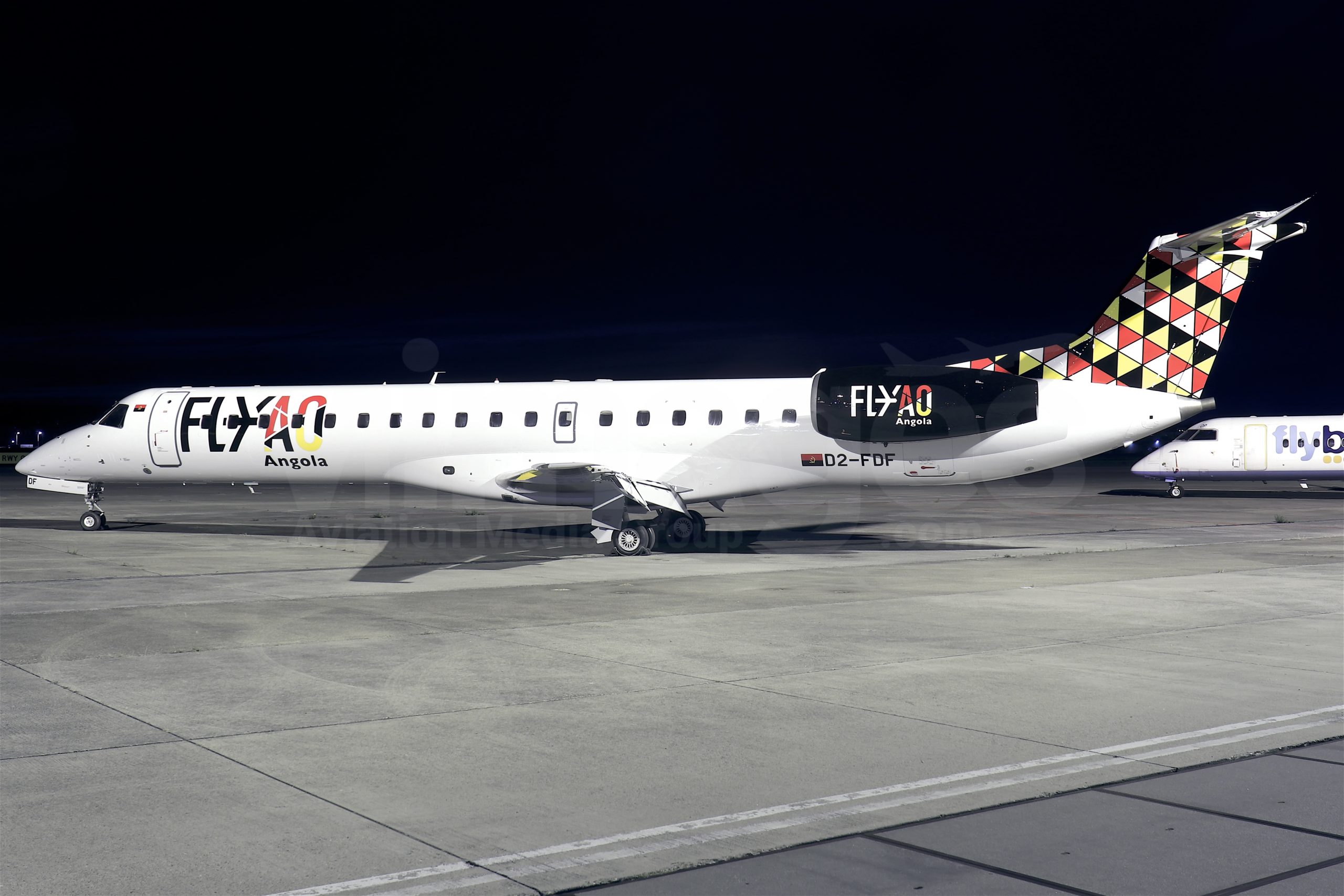
A Fly Angola Embraer E145 (Photo: V1 Aviation Images)

Fly Angola has recently announced the suspension of its domestic flight network, citing losses from unfavorable policies and increased operating costs, driven by the devaluation of the kwanza against the dollar. The airline plans to re-evaluate its strategy and aims to resume operations once sustainable conditions are ensured.

The move leaves state-owned TAAG Angola Airlines as the sole domestic player. Fly Angola had intended to expand with interprovincial connections, but the difficult financial environment and lack of subsidies made it unfeasible, ch-aviation reports.

Financial Struggles and Currency Fluctuations

Fly Angola’s decision to suspend domestic flights comes as a consequence of a series of challenges compounded by unfavorable economic conditions, the airline said in a statement. The devaluation of the Angolan kwanza against the US dollar has particularly impacted the airline’s operating costs, leading to an unsustainable financial situation. The airline expressed that it faced “continuous challenges caused by incalculable losses resulting from bad conjunctural policies.”

With most of the airline’s costs indexed to the US dollar, “the fluctuation of the kwanza created financial uncertainty and disparities, rendering the airline’s tariffs and overall operating expenses unclear.”

As Fly Angola primarily operates within the domestic sector, its lack of international routes further strained its financial viability. Despite aspirations of expanding internationally, the airline struggled to secure the necessary travel and transit rights in neighboring countries, impeding its growth plans, per a company statement.

While the airline, which operated a small fleet consisting of a De Havilland Canada DHC-8-300 and two Embraer ERJ-145 aircraft, grapples with its challenges, the national carrier TAAG Angola Airlines has reported profitability, thanks in part to government subsidies.

Fly Angola’s CEO, Belarnicio Muangala, noted the government’s financial support for TAAG, suggesting that such aid made it challenging for competitors to thrive.

“As an airline that does not receive state subsidies and that suffered incalculable losses, FLY Angola was forced to seek profitability in other regions to avoid bankruptcy,” the airline said. “As you will have noted, the government continues to pump financial subsidies and aid into TAAG, making it unsustainable for competition to survive the current economic distress.”

African aviation has historically been characterized by national pride and ambitious endeavors. Carriers like Ethiopian Airlines and Egyptair have set the standard for the region. However, several challenges, including short-lived ventures and limited airspace access, have hindered the growth of new entrants.

Fly Angola remains optimistic about its future prospects. The airline intends to collaborate with relevant authorities to strengthen its position and ensure a sustainable, long-term investment. The goal is to resume operations with renewed vigor, providing quality services to the people of Angola.

Victor Shalton

Victor Shalton's love for aviation can be traced to when he was 11-years-old. As a seasoned aviation writer, he takes pride in providing the best aviation coverage around the globe and is passionate about advancing his skills in the aviation space. In addition, he loves travelling, writing, arts and while his speaking engagements have taken him around the world, he is proud to call Nairobi home.

The Upcoming Polish Megahub: A Vision or A Delusion?

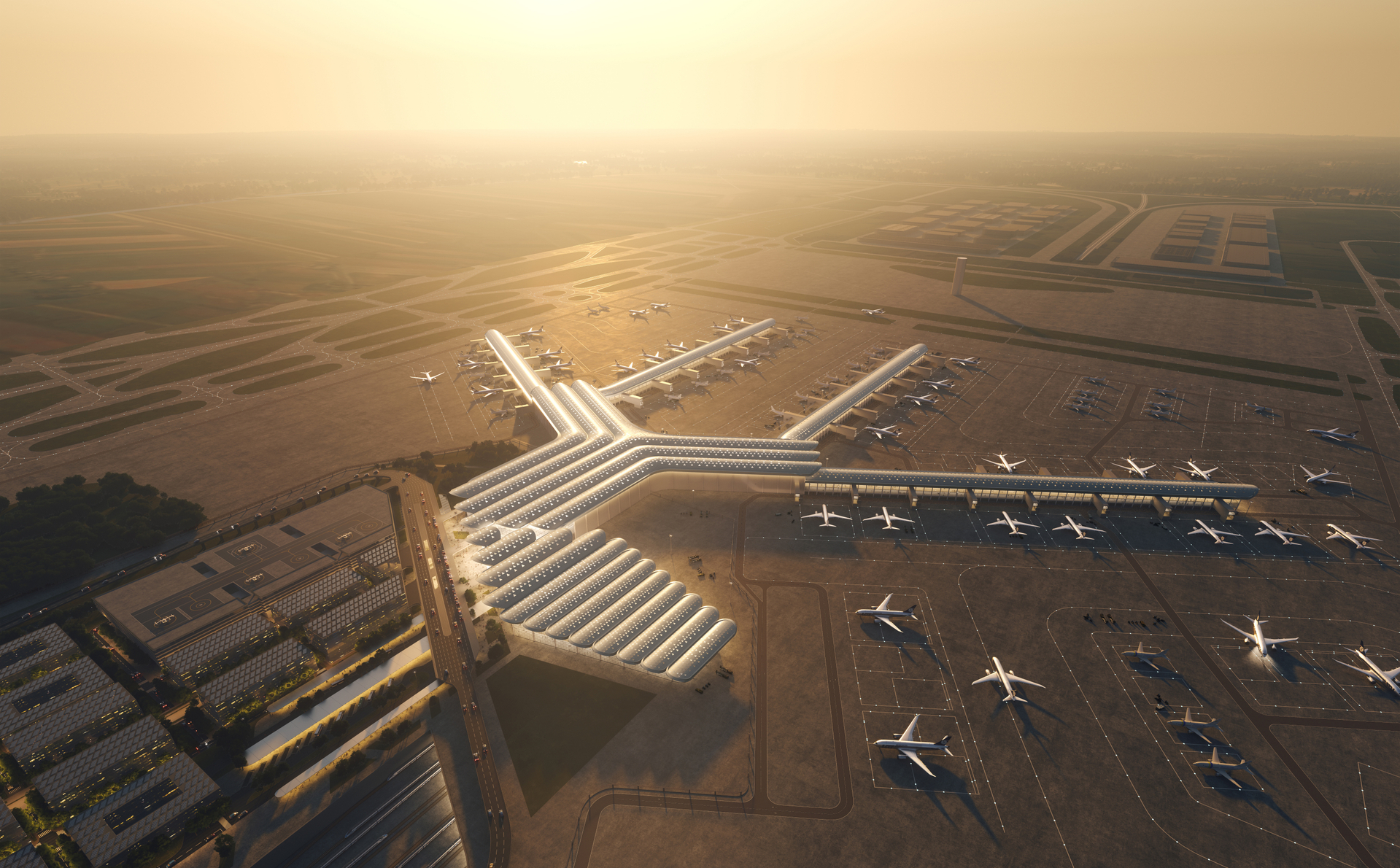
Recently, Centralny Port Komunikacyjny has published details of the Airport Master Plan – a general overview of the mission and vision, traffic forecasts, options and airport development concepts. The authors expect the airport to reach 40 millions of passenger capacity by its launch in 2028. Its a large upgrade over Warsaw-Chopin airport but is it doable?

A visualisation of Solidarity Transportation Hub. (Photo | Centralny Port Komunikacyjny, press materials)

The local mega-hub

Recently, Centralny Port Komunikacyjny (the Central Port of Communication) has published details of the Airport Master Plan – a general overview of the mission and vision, traffic forecasts, options and airport development concepts.

It is a planned transfer hub to be located between Warsaw and Łódź in Poland. This megaproject, backed by the Polish government, is set to integrate air, rail and road transportation in Poland. The intent is there to create a catchment area including all the largest Polish cities and allow the passengers to reach the airport with a railway in less than 2.5 hours. The location is also conveniently close to the crossing of two major highways in Poland – A1 running from north to south and A2 running from west to east.

All that is to allow for more of the transportation value chain to stay in the country and create the biggest economic hub of this sort in the region. Planned rail developments, across separate initiatives, are also stretching outside of the country and reaching the Baltics, with Rail Baltica, and Ukraine – both adapting the European rail gauge.

The buildup in the number of passengers

The airport is planned to commence its operations in 2028 with an annual capacity of 40 million passengers. The expected expansion, adding the third runway, will take the total capacity up to 65 million passengers annually in 2060. While it might not be enough to battle airports like Frankfurt or London Heathrow by the nominal numbers, it will have a significant impact on the whole Central and Eastern Europe region. Warsaw-Chopin airport is already a major connector for traffic bound for North America and Asia.

Currently, Warsaw-Chopin airport is running out of capacity, reaching 18.9 million passengers served in 2019. Estimated capacity amounts only to 20 million passengers annually, but as the airport approaches the limit, fewer and fewer desirable timeslots are available.

Warsaw-Modlin airport, currently the second biggest airport serving Warsaw, surpassed the pre-pandemic record from 2019, reaching 3.12 million passengers in 2022. It might be nearing its capacity as well. In the three years before the pandemic the results stagnated around 3 million. This year Ryanair’s CEO, Michael O’Leary, expressed his confidence that, with a proper investment, the airport could reach the capacity of 6 million passengers. 

The third airport in the area, Warsaw-Radom, has been operating for only one year and therefore is not contributing much to the statistics yet. Furthermore, growing with a diversified operating carriers portfolio might prove more challenging than it was in the Warsaw-Modlin case with Ryanair exploiting the one-sided deal. The third airport of Warsaw might reach 1 million passengers carried only in 2026, as per the Polish Airports vice president and there are no more optimistic forecasts stated in public.

With those three airports acting as a primary passenger base for the Solidarity Transportation Hub – are the predictions about 40 million passengers in 2028 accurate?

A step function in growth

The Master Plan brings the estimate of around 28 million passengers in 2028 as a base case scenario. Visibly, the base case scenario is not far from the high case scenario of nearly 30 million passengers. This is quite a simple outcome when considering the three airports’ capacities. Even given the Warsaw-Modlin expansion materializes and assuming some efforts to expand Warsaw-Chopin airport, the cumulative capacity of the three of more than 30 million passengers a year is far-fetched. The authors of the Master Plan assume not only that the capacity materializes, but also that the passengers will follow – almost to the extreme. Nevertheless, this corresponds to a mere 6% annual passenger growth when considering the whole area, which is a mediocre level of growth.

Passenger traffic forecast for CPK. (Source: CPK Airport Master Plan)

At the same time, when the transition of traffic from Warsaw-Chopin to the Solidarity Hub takes place we might expect some explosive growth. It was not uncommon in Europe, for similar airports in terms of annual passengers served, to grow at the rate of 11-14% annually in years leading up to 2020. With LOT Polish Airlines as a local hub-and-spoke carrier and both Wizzair and Ryanair treating Poland as their local focus market, the growth opportunity is there.

Annual passengers carried by the relevant airports in the last 10 years. (Source: annual reports and published data)


Filip Kopeć

A passionate aviation enthusiast that started off his career as an aerospace engineer, but found his true calling on the commercial side of the airline business. Now as a finance guy among avgeeks and an avgeek among finance guys, he has experience working in the Revenue Divisions of three airlines. In his spare time he enjoys traveling, but admittedly sometimes is more about the journey than the destination.

ITA Airways Partners with Booking.com

ITA Airways aircraft at Rome Fiumicino Airport. (Photo: ITA Airways)

ITA Airways has partnered with digital travel leader Booking.com, according to a statement from the carrier on August 23, 2023. Customers of the Italian flag carrier can now book flights and accommodations directly on the airline’s website, with a choice of over 28 million accommodations worldwide.

Booking.com is a popular online travel agency and platform allowing users to book hotels, apartments, villas, hostels, and accommodations. Booking.com was founded in 1996. Originally named “Bookings.nl,” it was established in Amsterdam, Netherlands. In 2005, Booking.com was acquired by the Priceline Group (now known as Booking Holdings), which further fueled its growth and international reach.

The over one million members of the Volare loyalty program are set to benefit from a new partnership between ITA Airways and Booking.com. As part of the deal, customers will earn four Volare points for every euro they spend on bookings made through the program. The move aligns with ITA Airways’ customer-centric approach, a key focus since the airline launched in October 2021. The aim is to enhance the overall travel experience for customers, and this partnership is just one example of the airline’s commitment to achieving this goal.

ITA Airways is still expanding its fleet

On Aug. 26, ITA Airways received the fifth Airbus 220/300 designated EI-HHM at Rome Fiumicino, coming from London Stansted where it stopped after a 9-hour flight from Montreal Mirabel Airport. This state-of-the-art aircraft was baptized in honor of the legendary Alessandro Mazzola, a former Italian footballer recognized for his versatility as both a midfielder and striker. He famously led the Italian national team to a European Championship victory in 1968 and served as vice-world champion in 1970.

Compared to other airplanes in production, the Airbus A220 has an advantage in operating costs and fuel consumption of 15% and 20%, respectively. Different strengths are lower CO2 (-20%) and NOx (-50%) emissions compared to other models in the same category, also ensuring a 75% reduction in noise pollution. This aircraft is the first A220/300 built for ITA Airways in blue livery, not an aircraft previously assigned to another carrier.

ITA Airways’ fleet currently consists of 71 aircraft in service, with an average age of 8 and a half years. In 2025, after the investment of around €450 million by the Lufthansa Group, the goal is to reach a fleet of 94 aircraft with 5,500 employees.

The Italian Ministry of Economy and Finance could retain only 10% or one representative on the board of directors. Recently, the Italian airline appointed its new Board of Directors, restricted from five to three directors as per agreements between the Italian Ministry of Economy and Finance and the German group Lufthansa. ITA Airways’ business plan envisages revenue growth of €2.5 billion in 2023 and €4.1 billion expected in 2027.

Vincenzo Claudio Piscopo

Vincenzo graduated in 2019 in Mechanical Engineering with an aeronautical curriculum, focusing his thesis on Human Factors in aircraft maintenance. In 2022 he pursued his master's degree in Aerospace Engineering at the University of Palermo, Italy. He combines his journalistic activities with his work as a Reliability Engineer at Zetalab.

Qantas and Air New Zealand Report Post-Covid Profits

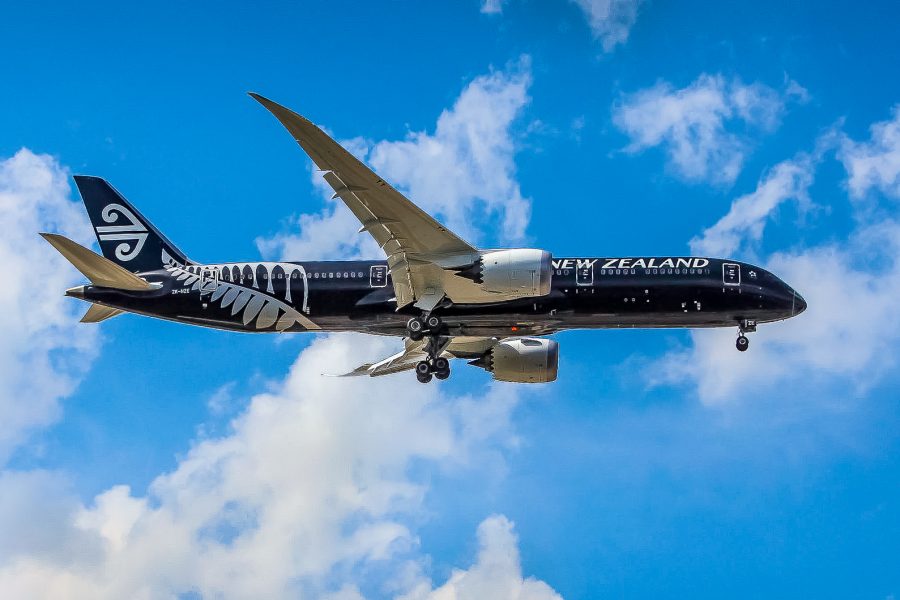
An Air New Zealand Boeing 787 Dreamliner landing in Houston. (Photo: AirlineGeeks | William Derrickson)

Both the Qantas Group and Air New Zealand announced significant profits this week for the first full year of post-Covid operations. Both Australia and New Zealand observe a financial year that runs from 01 July through 30 June. The Australian carrier posted an ‘underlying profit before tax’ of AU$2.47 billion ($1.59 billion) with the Kiwi airline achieving ‘statutory earnings before taxation’ of NZ$574 million ($339.49 million).

Qantas Group chief executive officer Alan Joyce said: “We safely flew almost 70 billion more seat kilometers and doubled the number of people we carried to 46 million compared to the year before. Travel demand is incredibly robust and we’ve taken delivery of more aircraft and opened up new routes to help meet it.” As reported by AirlineGeeks, the carrier earlier this week announced orders for 24 additional aircraft, 12 Airbus A350s and 12 Boeing 787s.

Greg Foran, the chief executive officer of Air New Zealand, hailed his airline’s result and confirmed future fleet strategy. “After several volatile years it’s great to be back in the black and standing on our own two feet especially given we have more than NZ$3.5 billion ($2.07 billion) in aircraft investment coming over the next five years,” said Foran.

“Today we also announced an order for two new ATR turboprop aircraft for regional routes, as well as two new Airbus A321neos for our international short-haul network. That’s in addition to the existing domestic Airbus A321neo orders, and the eight new Boeing 787 Dreamliners we have coming into the fleet as we retire our Boeing 777-300s over time. And we’re retrofitting our 14 787s with the new Business Premier Luxe™ and refreshed cabin product.”

The contribution of the airlines’ employees was cited in achieving the turnaround in financial performance for both carriers. Qantas Group’s Joyce stated: “Our people have done a superb job under very difficult circumstances. Today’s result means more than 21,000 non-executive staff will receive up to $6,000 worth of Qantas shares as a thank you for their part in our recovery, plus another $500 staff travel credit. This is in addition to a $5,000 cash payment to eligible employees as new enterprise agreements are finalized.”

Air New Zealand Chair Dame Therese Walsh said: “This result would not have been possible without our remarkable team of Air New Zealanders. Their grit, determination and commitment to deliver exceptional service for our customers are second to none.” Foran mentioned that 3000 staff had been added to the airline’s headcount over the year and that “we have rehired and trained in a tight labor market, lifted the starting wage for the airport teams to NZ$30 ($17.70) an hour.”

Looking ahead Qantas has forecast that international capacity will return to pre-Covid levels by the second half of the now current financial year. Air New Zealand expressed some caution for the future describing the 2023 financial year as being ‘particularly unique’. The airline explained it was ‘mindful of the uncertain economic environment’ citing a number of factors that may affect passenger demand and impact the airline’s future profitability. These factors included ‘increased international competition, volatile fuel prices, a weaker New Zealand dollar, ongoing wage inflation and increased airport charges.’

John Flett

John has always had a passion for aviation and through a career with Air New Zealand has gained a strong understanding of aviation operations and the strategic nature of the industry. During his career with the airline, John held multiple leadership roles and was involved in projects such as the introduction of both the 777-200 and -300 type aircraft and the development of the IFE for the 777-300. He was also part of a small team who created and published the internal communications magazines for Air New Zealand’s pilots, cabin crew and ground staff balancing a mix of corporate and social content. John is educated to postgraduate level achieving a masters degree with Distinction in Airline and Airport Management. John has held the positions of course director of an undergraduate commercial pilot training programme at a leading London university. In addition he is contracted as an external instructor for IATA (International Air Transport Association) and has been a member of the Heathrow Community Fund’s ‘Communities for Tomorrow’ panel.

Extra Holes Drilled in 737 Max Pressure Bulkheads: Boeing

Boeing inspectors reportedly found bulkheads with “hundreds” of misaligned and duplicated holes.

Boeing 737 MAX 10
Boeing's 737 MAX 10 at Boeing Field (Photo: AirlineGeeks | Katie Zera)

Boeing has found another significant manufacturing flaw in its 737 Max aircraft and it’s likely to throw a curveball at deliveries of its most popular aircraft.

The company says fuselages from its largest contractor, Spirit AeroSystems, have random extra holes drilled in the rear pressurization bulkhead. The Air Current broke the story on Wednesday and said the issue may be widespread.

Boeing inspectors reportedly found bulkheads with “hundreds” of misaligned and duplicated holes in the structure, some of which were filled with fasteners. They passed Spirit’s quality control inspections.

Boeing confirmed the issue and said it has a plan to address it. “During factory inspections, we identified fastener holes that did not conform to our specifications in the aft pressure bulkhead on certain 737 airplanes,” Boeing told msn.com.

Boeing is trying to increase production rates of the 737 to address a hefty backlog and this will be a hiccup in those plans.

Editor’s Note: This story was originally published by Russ Niles on AirlineGeeks’ parent company FLYING

AirlineGeeks.com Staff

AirlineGeeks.com was founded in February 2013 as a one-person blog in Washington D.C. Since then, we’ve grown to have 25+ active team members scattered across the globe. We are all here for the same reason: we love deep-diving into the fascinating realm of the airline industry.

Red Way Airlines Ceases Operations

GlobalX Airlines
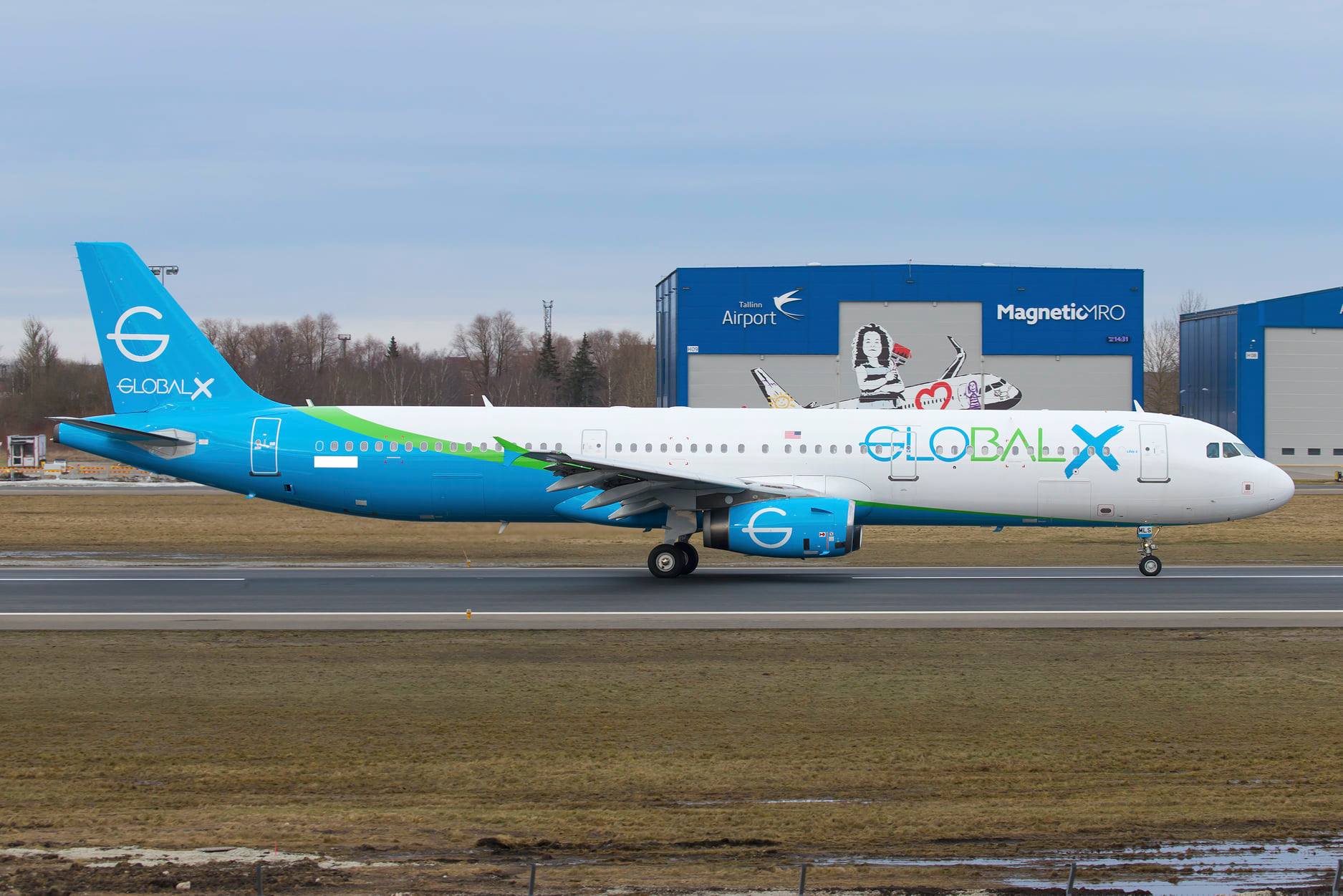
A GlobalX Airlines Airbus A321. Red Way Airlines flights were operated by GlobalX. (Photo: GlobalX Airlines)

After only two months of operations, startup carrier Red Way Airlines has announced that it will be shutting down at the end of the month. The Lincoln, Neb.-based airline’s last flights will take place on Aug. 31.

Insurmountable Challenges for a Small Startup

In a statement posted to its Facebook page, the airline describes its predicament as follows, “Over our short time operating, we have had the immense privilege of serving our customers and connecting people across the US. We are immensely grateful to have had this time, and we know that demand exists strongly in Lincoln for expanded air service.”

“However, we face insurmountable challenges as a small startup in our industry, and the compounding of costs and lack of resources have made it impossible for us to sustain operations. It is our hope that other carriers see the incredible potential, and with their economies of scale, are able to provide Lincoln with the service it is so worthy of.”

Red Way further stated that all passengers who have booked flights after Aug.31 will be automatically refunded and that its customer service team would be available until the end of the month.

Red Way’s Complicated Business Model

Red Way is what is known as a virtual airline, meaning that it does not operate any of its own aircraft and instead sells seats on flights operated by another company. This type of arrangement can be confusing for consumers, as there are multiple entities involved. Customers who have purchased tickets from Red Way have found that their flight was operated by an aircraft with GlobalX branding.

Red Way acted as a sales agent for Fly Next, LLC, a Delaware limited-liability company, which acts on behalf of GlobalX Air Tours, LLC. Fly Next purchases aircraft time – including crew, maintenance and insurance – from Global Crossing Airlines, which is the company that actually operates the flights. To further complicate matters, Global Crossing Airlines operates as GlobalX Airlines. All Red Way flights are therefore operated by GlobalX Airbus A320-200 and Airbus A321-200 aircraft. The airline was first announced in March 2023 and began flights on June 8.

A Loss for Lincoln

Like many small airports in the United States, Lincoln Airport has been struggling since the COVID-19 pandemic. When Red Way airlines announced fourteen weekly flights to seven destinations from Lincoln in March, it brought a wave of hope and optimism to the city. Lincoln Airport had lost Delta Connection service to Minneapolis around a year ago and the airport only had United Express service to Denver, Chicago and Houston.

To help accommodate the new flights, Lincoln Airport opened a new 35,000-square-foot terminal expansion in May. The $55 million expansion and renovation increased space for passenger gates and new restaurant and concession options. Approximately $3 million of federal stimulus funding from the American Rescue Plan Act were put into the project and to help Red Way launch operations, with the city council and the county board each contributing $1.5 million.

Red Way experienced challenges throughout its short time in the skies, announcing in late July that it would be dropping its routes between Lincoln and Minneapolis, Atlanta and Austin, TX due to lower-than-expected demand. While the airline’s shutdown may be unsurprising given its ambitious plans in a relatively small market, it nevertheless has brought disappointment to the city and airport.

Lincoln Airport has announced that it has terminated its contractual agreement with Fly Next, with Lincoln Airport Authority board chair John Olsson stating that, “The Lincoln Airport Authority Board is disappointed by the ultimate outcome of Red Way’s service in Lincoln. Board members have met to discuss the result of the service, actions necessary to both address this situation and chart future efforts and oversight on what’s to come.”

The airport further stated that the shutdown is “extremely disheartening” for the airport after all the efforts made to bring new air service to Lincoln. Despite the disappointment, the airport’s statement ends on an optimistic note.

“These are the exact relationships that are vital for our community to embrace both now and in the future as we seek to show airlines and other businesses that Lincoln is worth investing in,”Olsson said.

Andrew Chen

Andrew is a lifelong lover of aviation and travel. He has flown all over the world and is fascinated by the workings of the air travel industry. As a private pilot and glider pilot who has worked with airlines, airports and other industry stakeholders, he is always excited to share his passion for aviation with others. In addition to being a writer, he also hosts Flying Smarter, an educational travel podcast that explores the complex world of air travel to help listeners become better-informed and savvier travelers.

Qantas Unveils Widebody Aircraft Orders

A Qantas Boeing 787 departing LAX. (AirlineGeeks | James Dinsdale)

The Qantas Group recently unveiled the future of the Qantas fleet with their most recent order from both of the manufacturing giants, Airbus and Boeing. The deal will have the Australian flag carrier taking delivery of 24 additional aircraft, 12 Airbus A350s and 12 Boeing 787s. The latest press release also included the plan for the carrier’s international widebody fleet. 

The firm orders will allow flexibility for the carrier and will complement orders previously on the book. Both aircraft types will be brought in to replace the carrier’s 25 aging Airbus A330 aircraft, the oldest of which was delivered in 2003, according to airfleets.com.

The average age for the fleet will be 21 when replacement deliveries begin, with some of the younger aircraft to receive cabin refurbishment in 2025. In addition to the firm order, the carrier has also negotiated purchasing options with both manufacturers to provide the airline flexibility in finalizing a replacement for the A380 fleet from 2032 and beyond. 

Boeing 

Qantas will take delivery of additional 787s per this recent order announcement. The order has been divided into four 787-9 and eight 787-10 aircraft. Deliveries for the additional 787s will begin in 2027 and will complement the current Boeing fleet the carrier operates. 

Airbus

The Sydney-based carrier also put in a firm order for 12 Airbus A350-1000s. These aircraft will be delivered to Qantas beginning in 2028, a year after the most recent 787s that were purchased are set to be delivered. The A350s that were announced in this order are not the same examples as those which will be used for Project Sunrise, connecting Sydney and Australia with direct flights to London and New York. The A350s, used for the project, will be ULR variants with deliveries beginning in 2026. 

Alan Joyce, Qantas Group CEO, in regards to the impact the orders will have on the company in the future, said, “These are generational decisions for this company. The aircraft will arrive over a decade or more and they’ll be part of the fleet for 20 years. They’ll unlock new routes and better travel experiences for customers, and new jobs and promotions for our people.”

Airline’s Sustainability 

Qantas is continuing the company’s pledge to net carbon zero by 2050 in the order agreement as well. The flag carrier secured access to 500 million liters, just over 132 million gallons, of Sustainable Aviation Fuel (SAF) per year beginning in 2028 as a part of the deal. 

Across other portions of the airline’s fleet, the airline will begin receiving deliveries of their much anticipated Airbus A220s this year. In addition, 22 Embraer E190 jets will join the fleet by December of this year as well.

Zach Cooke

Zach’s love for aviation began when he was in elementary school with a flight sim and model planes. This passion for being in the air only intensified throughout high school when he earned his Private Pilot Certificate. He then attended Embry-Riddle Aeronautical University, earning his certificates and ratings to later flight instruct and share his passion for aviation with others. He now resides in the North East living out his dream as an airline pilot.

Japan Airlines Set to Showcase New A350-1000 Business Class in October

New cabins are coming to JAL's A350-1000.

JAL's first A350 prepares for its delivery flight from Toulouse to Tokyo Haneda

In the competitive skies where luxury, comfort, and innovation constantly evolve, Japan Airlines is gearing up to set a new standard. The airline discreetly shared plans to showcase its latest business class product for the Airbus A350-1000 this upcoming October.

An In-depth Look into the Upcoming Premium Experience

While Japan Airlines is no stranger to the Airbus series, with its operation of the Airbus A350-900, it has been eagerly awaiting the arrival of its first A350-1000. Amidst a broader announcement regarding their winter schedule, the airline subtly hinted at the much-anticipated revelation of its state-of-the-art business class offering for the new Airbus variant. This revelation is scheduled for October 2, according to One Mile at a Time.

Historically, airlines go above and beyond when launching new premium products. This is more than just an introduction of a new seat or amenity; it’s about setting new benchmarks in luxury air travel. Earlier in 2023, Lufthansa grabbed headlines with its grand unveiling of its new business class suite.

There’s a palpable buzz in the industry with many insiders speculating that Japan Airlines will similarly hold a grand event this October. It’s intriguing to note how the announcement’s date was artfully nestled within a wider network release.

Recent trends and innovations in business class cabins provide us a glimpse into what we might expect from Japan Airlines’ new offering. These could include state-of-the-art Bluetooth synchronization with the in-flight entertainment system, 4K ultra-HD touchscreens for a vivid viewing experience, advanced wireless charging facilities, and possibly, the inclusion of private doors, heightening the privacy quotient, though this feature remains speculative for now.

On the acquisition front, Japan Airlines has locked in an order for 13 Airbus A350-1000s. The airline is set to welcome the first duo of this series within the year. By the culmination of 2025, they anticipate having seven of these majestic birds soaring the skies, wrapping up the order by 2028. These new additions will seamlessly integrate with their existing fleet of 18 A350-900s, of which 16 are already soaring and two await their inaugural flights.

JAL’s first A350 in Toulouse 

Exploring the Current and Potential A350 Routes

As of now, Japan Airlines has efficiently operationalized 16 out of the 18 A350-900s it procured. These jets, a marvel in aviation engineering, predominantly ply on four domestic circuits. For the current month alone, the airline has chalked out an impressive 2,262 flights for this model. Certain routes even witness the A350s undertaking as many as thirteen daily round trips.

Drawing a parallel with U.S. aviation practices, larger aircraft like the widebodies are typically reserved for long-haul, transcontinental voyages. Occasionally, they make appearances on shorter hub-to-hub routes. For context, United Airlines deploys its Boeing 777s for connecting Denver International to Chicago O’Hare International Airport, a relatively short hop. In contrast, Japan Airlines’ A350s have become a familiar sight on routes spanning just over 500 miles.

Delving deeper into specifics, in the month of August, the airline’s most frequented A350 route connected Tokyo’s Haneda International Airport and Sapporo. This route recorded a whopping 403 flights in each direction, culminating in thirteen daily operations, and covering a distance of 510 miles. The Haneda-Fukuoka route isn’t far behind in terms of traffic, logging 402 flights each way and stretching over 548 miles. Moreover, the A350s also span the greater expanse to Okinawa, a journey of 965 miles, with an average of eight to nine daily flights.

Further expanding its network, from Okinawa, Japan Airlines dispatches the A350s on a bi-daily journey to Osaka International (Itami) Airport, covering 752 miles. On leisurely Sundays, the A350s bridge the shorter 250-mile gap between Haneda and Osaka.

Parth Jain

Parth Jain is a dedicated aviation enthusiast with a rich background in general and commercial aviation. Over the years, Parth has consistently demonstrated a deep fascination with the aviation industry, his interests spanning from the workings of small general aviation aircraft to the complexities of large commercial jets. Parth's interest in aviation sparked at a young age when he first set foot in an airplane. Since then, he has dedicated much of his time to gaining first hand experience, achieving his private pilot license and currently working towards his instrument rating. Parth's education and experience are a testament to his dedication and commitment to this field. As a private pilot, he has navigated complex airspace, developed an understanding of the intricate details of aircraft operations, and consistently demonstrated safe and proficient flying skills.

Qatar Airways Increases Flight Frequencies To New York

Qatar Airways 777
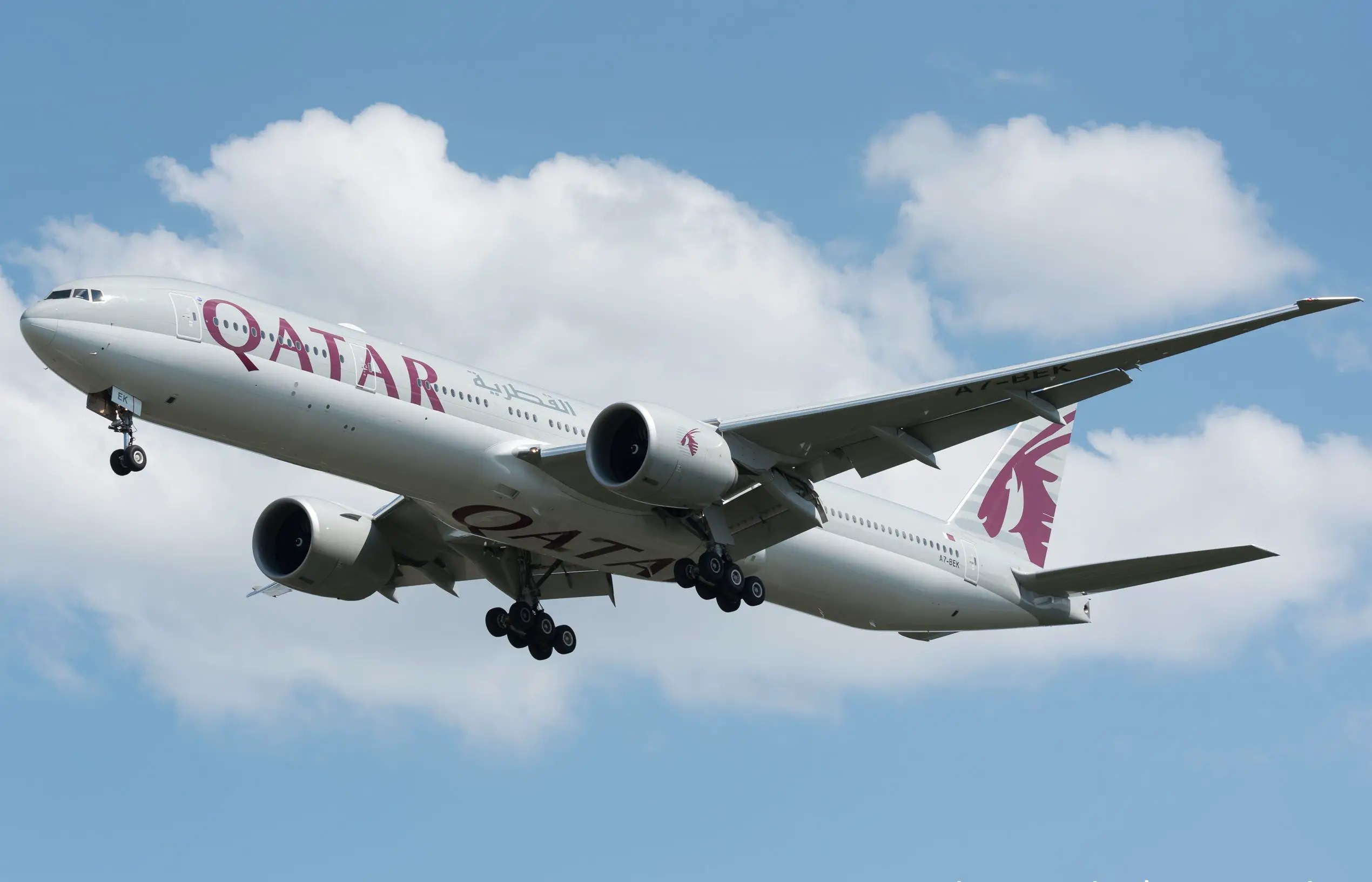
A Qatar Airways Boeing 777-300ER at Washington Dulles International Airport. (Photo: AirlineGeeks | Ben Suskind)

Qatar Airways has been flying high since expanding its network around the world, especially since the FIFA World Cup last December, announcing expansions of services in the U.S., and deepen its cooperations with the American carriers.

Qatar Airways has now announced that it will increase its services on Oct.30 by increasing flight frequencies to New York to three times a day. The carrier is currently operating two times a day to New York and a number of other American cities, such as San Francisco, Los Angeles, Boston, and Dallas-Fort Worth.

JetBlue passengers are believed to benefit from the new flight services with a seamless connection. Members of both airlines can earn miles from each other’s expansive codeshare flights. The codeshare agreement between Qatar and JetBlue launched in 2011.

In the meantime, American Airlines will launch flight operations from Philadelphia to Doha on Oct. 28. The Qatari carrier’s strategic partnership with American Airlines also continues to expand. Passengers on Qatar and American Airlines can travel to Doha and onward to over 160 destinations worldwide.

A Qatar Airways Airbus A380.
(Photo: AirlineGeeks | William Derrickson)

Also, Qatar Airways and Alaska Airlines will provide a significant codeshare expansion to improve West Coast connectivity in coming weeks.

“We continue to offer seamless connectivity to our passengers from the U.S. market and beyond with the support of our strategic partners. Our unwavering commitment to our longstanding U.S, partners, American Airlines, JetBlue and Alaska Airlines is built on our mission to connect the world through our hub to 160 destinations and more,” Akbar Al Baker, Chief Executive of Qatar Airways, said.

Attempt To Increase Flight Frequencies to Australia

However, the airline has been facing a setback in Australia. By popular demand, Qatar had a plan to expand service to Australia by adding additional 21 weekly flights, with one more daily flight to Sydney, Melbourne and Brisbane. Qatar has fallen short of ramping up flights to Australia after being opposed by Qantas. Qatar believed that additional competition in Australia could lower skyrocketing air fares.

Qantas said that the Middle Eastern carrier already has an option to increase its capacity by changing to a larger aircraft.

“This would immediately increase the number of seats by 27%,” A Qantas spokesperson said.

The Australian government’s decision left Virgin Australia frustrated. Qatar Airways and Virgin Australia, the main rival of Qantas, signed a codeshare agreement last year.

“We are deeply disappointed that our partner Qatar Airways is unable to expand its services to Australia,” Jayne Hrdlicka, Chief Executive of Virgin Australia, said.

But the Qatari airline hasn’t stopped resuming its services. The carrier will resume the flight services between Doha and Auckland, New Zealand and Cardiff, U.K. in September and by the end of the year respectively. Cardiff Airport, the struggling airport in Wales, is desperate to expand its international route map after the pandemic. Qatar suspended the route since the pandemic has begun.

Sign-up for newsletters & special offers!

Get the latest stories & special offers delivered directly to your inbox

SUBSCRIBE

Uh-oh! It looks like you're using an ad blocker.

Our website relies on ads to provide free content and sustain our operations. By turning off your ad blocker, you help support us and ensure we can continue offering valuable content without any cost to you.

We truly appreciate your understanding and support. Thank you for considering disabling your ad blocker for this website