Stories

Lufthansa Regional Part 1: CityLine to Dresden

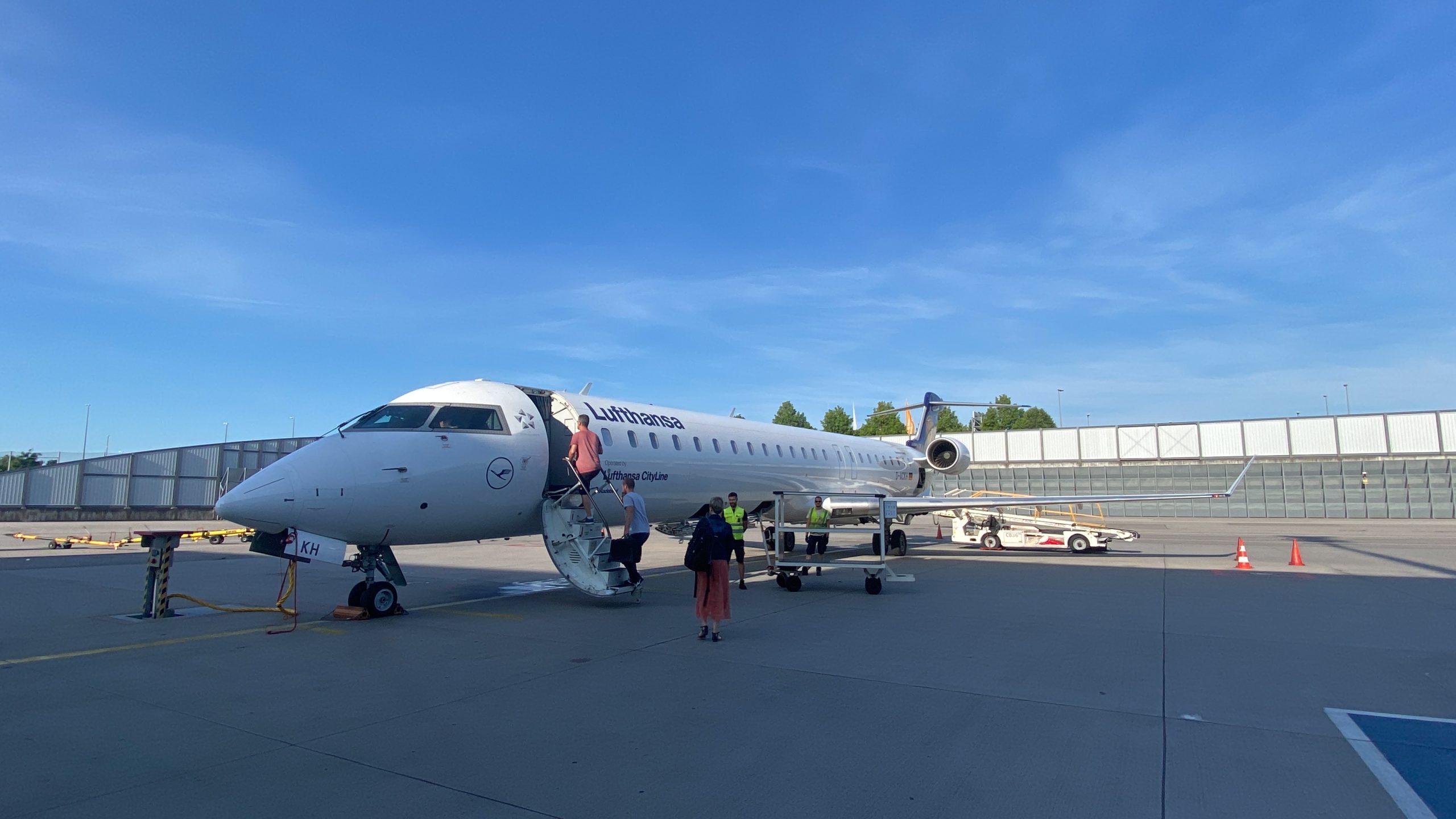
We used air stairs to board the Lufthansa CityLine flight to Dresden. (Photo: AirlineGeeks | John McDermott)

I’ve spent a lot of my time flying between the United States and Germany over the past year. A majority of those back-and-forths trips have been on Lufthansa, Germany’s flag carrier and one of the better-known airlines in Europe.

Much of the flying that Lufthansa mainline does is international. While the company certainly flies a substantial amount domestically as well, there are only so many routes that a mainline aircraft can support in a country smaller than the U.S. state of Montana. Thus, most of the flights Lufthansa mainline flies within Germany connect major financial and tourist destinations, such as flying from Frankfurt, which is Germany’s main transatlantic hub, and Munich, the largest city in Germany’ southern half.

Domestic flights within Germany, therefore, are more often flown by two airlines that operate for Lufthansa Regional. The Lufthansa Group has retired the Regional branding from its aircraft over the past few years, but the concept is still very much alive.

At the time of writing, two airlines operate on behalf of Lufthansa Regional, both wholly-owned by the Lufthansa Group: Lufthansa CityLine and Air Dolomiti. Both of these carriers are fascinating in their own right, so on a free weekend I had in Germany earlier this summer, I decided I’d take a domestic flight from Munich to visit a friend in Dresden. I was able to make each leg on a new Lufthansa Regional carrier, flying CityLine outbound to Dresden and Air Dolomiti on the way back.

Flying domestically within Germany is a taboo issue. As with many other Europeans, many Germans worry about the climate impact of flying places easily accessible by train. Neither of my flights this weekend were full, and, at least on my return flight, entire rows were empty.

About Lufthansa CityLine

Lufthansa CityLine is to Lufthansa what Envoy Air is to American Airlines. Both are wholly-owned subsidiaries of the group run by their mainline counterparts and operate exclusively under the group’s branding. Envoy no longer carries the name of the regional brand it operates under (American Eagle), but CityLine, despite being an entity completely separate from Lufthansa, still carries Lufthansa’s name in its own title.

CityLine was founded in the late 1950s and operated not only a as a separate entity but also completely separately from Lufthansa Group until 1992, despite the fact that all of its operations were on Lufthansa’s behalf for years before then.

In the mid-2010s, CityLine even flew internationally on Lufthansa’s behalf, operating a number of wet-leased Airbus A340s to North America. This scheme lasted until the summer of 2020, when international travel had taken a hit due to the Covid-19 pandemic.

CityLine was headquartered in Cologne until it moved all operations to Munich in 2013. The airline’s fleet currently consists mainline of Bombardier CRJ900 and Embraer 190 aircraft, the latter of which will be moved to Air Dolomiti. The airline also operates a dozen Airbus A320 family aircraft in both passenger and cargo configurations for Lufthansa, with the cargo planes flying as far away as Egypt on a regular basis.

Seeing that Lufthansa CityLine’s branding is so close to that of Lufthansa, I was curious as to how the airline’s products compared with its parent company’s. My outbound flight from Munich to Dresden would be operated by CityLine on one of its flagship CRJ 900s.

The Airport Experience

My flight was an early one. It was scheduled to leave just after 08:00 a.m., meaning I woke up at about 04:30 to head to the train and give myself some wiggle room in case the airport was busy. I’ve seen Munich’s checkin area bustling before early-morning flights, so I didn’t want to risk cutting it super close.

My extra promptness turned out to be unfounded, as there was not a line in sight when I walked into the checkin hall. Many of the check-in kiosks were empty, and those with passengers only had one group using them at a time. The security area was equally desolate, with no more than two or three people in each X-Ray line at a time. Though the area would surely get busier throughout the morning, the crowds I was mildly concerned about encoutering simply weren’t there.

I got through security promptly. Despite encountering a security agent who was clearly not a morning person and one of the more intensive patdowns I’ve ever received (trust me, I have no idea why four areas alerted on by body scan), the process still went quickly and smoothly. Thus, I had nearly an hour even before my fate was released, a practice used at many major European airports to force passengers to wander around more…and, consequently, notice all the shops and restaurants selling things.

I took the opportunity to wander around the terminal. One of the biggest differences between Munich’s airport and many American airports is the smoking lounges  scattered around the terminal; I could barely go a few hundred feet before encountering an area sponsored by the Camel cigarette company, with an increasing number of people inside as the morning progressed.

I also took time to notice all the cafes opening as passengers started arriving. This was my only chance to eat breakfast today, so I kept an eye out for a place I could sit. Most restaurants were only offering coffee, and the standard-fare sandwiches in other cafes and train stations around the city. One full-service restaurant was open, but I eventually decided on Dean & David, a chain of cafe/restaurant hybrids around the city.

Preparing For Departure

By the time I was done with my early-morning snack, the gate number had been released. I made my way to the far end of the terminal, where I found three Lufthansa CityLine CRJ-900s sitting on the ramp. Two of the three were currently boarding; the third would turn out to be my aircraft, so I sat down and prepared for the quick hop across Germany.

As I sat waiting, I took note of the other passengers that would join me to Germany. I took note that many of them were openly holding passports, some appearing remarkably similar to the blue on my American passport, suggesting that, as mentioned, they were not German and did not have the same aversion to domestic flying that Europeans do.

Our flight ended up boarding 10 minutes or so late. Catering was sitting by the aircraft presumably longer than it should have been, since we sat in the terminal with no word as our published boarding time came and went.

The delay didn’t go on for long, and the moment the catering truck pulled away, the ramp workers got in position and flashed a thumbs up to our gate agent. Business class passengers boarded first, and soon general boarding was called as well. Curiously, this is the first time that I’ve seen a Lufthansa carrier actively using boarding groups. Each mainline flight has simply called all economy passengers without status at once. Perhaps there is some operational reason that a regional carrier would want to use boarding groups, but I would certainly take note on whether Air Dolomiti used groups as well.

That said, there wasn’t true differentiation between groups. Most passengers boarded with Group 3 anyways, and once the group was called, there was the same general push towards the door that I had seen before on Lufthansa.

Passengers with bulky carry-on bags were asked to leave them on a cart near the plane. These bags would be picked up on the same cart on arrival into Dresden. This is a fairly common practice on aircraft with small overhead bins; gate checked bags are placed in the cargo hold and returned immediately on arrival.

There was no jet bridge at this gate. Like the passengers on the two aircraft next to us, we boarded by walking out onto the ramp and climbing airstairs built into the plane’s door. Boarding on the ramp is somewhat of a rare treat for me, as my home airports in Chicago use jet bridges for all but the smallest propeller planes, at this point only flown by essential air service carriers that I never fly.

My Onboard Experience

For a Bombardier jet, I rather liked this aicraft’s cabin. Americans often have some degree of apprehension when boarding a regional jet because they have become notorious for being small, cramped, and outdated. But this aircraft felt to have the same amount of space that a mainline aircraft would have. Maybe that was due in part to the fact that the plane was not full (the seat next to me was empty, so I certainly wasn’t squeezed in), but I felt like I had plenty of space.

The cabin was starting to show its age, the seats especially, but it was still fresh and bright. Though I could tell the plane had seen its share of passengers and flights, I could tell that it was cared for and well-maintained. The people who work on the aircraft clearly take pride in what they do, and the aircraft was presentable and professional.

We deplaned via air stairs, just as we had boarded in Munich. (Photo: AirlineGeeks | John McDermott)

Equally notable was the legroom. The moment I sat down, I noticed that I had a comfortable couple extra inches between my knees and the seat in front of me. As a person over six feet who has been squeezed into many tight airplane seats, having a teensy bit of room to spread out was welcome.

Depsite our tardiness on boarding, we pushed back on time. The feat did not seem difficult for a small plane that was not full, but I was still glad to be back on schedule. We taxied to Munich’s northern runway and departed from runway 08L.

Now, it’s time for the meat and potatoes of the flight: how does this in-flight service compare with that offered on Lufthansa mainline? So far, the experiences have been quite similar: moderately talkative gate agent turns a late boarding time into an on-time pushback.

The onboard products was also nearly identical. Though the cabin wasn’t quite as modern as the new A320s I’ve flown connecting from Frankfurt to Munich, we got the exact same water bottle and piece of Lufthansa-branded chocolate I’ve gotten on domestic Lufthansa mainline flights.

This particular flight wasn’t very long, but neither have been the domestic Lufthansa flights I’ve taken. Thus, the feel of this CityLine flight and other Lufthansa flights I’ve taken was remarkably similar. Lufthansa has clearly gone to great lengths to maintain brand continuity, which is especially important considering that both this CRJ900 and the A320s I’ve flown bear the exact same name on the side…as mentioned before, the days of having “Lufthansa Regional” painted on your aircraft are long gong. Thus, the average traveler who does not care to distinguish between a mainline airline and a regional carrier would not notice a single difference between onboard products besides the size of the plane.

We arrived in Dresden promptly after less than an hour in the air. Dresden’s airport is small and quiet. We were the only flight I saw on arrival, and besides aircraft bound for the MRO on the field, there are rarely more than one or two flights here at any given time. The inbound taxi was short, as the airport layout is quite simple with only one runway, a parallel taxiway, some maintenance hangars, and the terminal. Before I knew it, we were disembarking on the airstairs once again, and I was heading for the exit.

Conclusion

Overall, my experience onboard Lufthansa CityLine was a good one. The product is remarkably similar to mainline Lufthansa’s to the extent that I wouldn’t notice a difference between the two operators if I didn’t know better. I would be happy to fly with CityLine again; perhaps next time I’ll try out one of the international flights they operate with the CRJ or even track down one of the Airbus planes they operate for Lufthansa.

I had a full weekend ahead of me in Dresden, all culminating in my flight a couple days later on the other airline that flies for Lufthansa Regional. Stay tuned for my flight on Air Dolomiti next week. Will it be as similar to Lufthansa as CityLine is? Or will the products start to diverge just as the branding does?

John McDermott

John McDermott is a commercial pilot pursuing a career in professional flight. His passion for aviation began in an Ann Arbor bookstore with a tale of enemy pilots during World War 2, and he hasn't looked back. Besides flying and writing for AirlineGeeks, John volunteers with Professional Pilots of Tomorrow and travels whenever he gets the chance.

United Grows Sustainable Flight Fund

A United 777-300ER at Paine Field. (Photo: AirlineGeeks | Katie Bailey)

Recently, United announced a significant increase in funding for the carrier’s Sustainable Flight Fund. The Star Alliance carrier has welcomed eight additional companies alongside the five inaugural founding partners to the fund in an effort to increase the availability of sustainable aviation fuel (SAF) in the industry. 

The international carrier has been leading the charge to make the industry more environmentally friendly for the future, with the carrier pledging in 2020 to reduce carbon emissions by 100 percent by 2050. This lofty goal is becoming more attainable as the carrier is working with additional companies across different industries to find new ways to produce SAF for use by aircraft. 

Currently, the creation of SAFs is derived from jet fuel and a blend of organic products such as cooking oil and agricultural waste. The goal of the fund is to invest in start-ups that are researching and creating additional processes that SAF can be derived from, such as household trash or forest waste, according to United. 

Industry Collaboration

The Star Alliance carrier has already seen positive progress with the fund, investing in companies and signing purchase agreements that are using ingredients such as municipal and crop waste to create SAF. Doubling from $100 million, the fund has reached an investment level of $200 million with the eight additional companies, empowering the fund to grow and find additional options to reduce carbon emissions. 

United Airlines Ventures President Michael Leskinen believes that great strides will be made with the fund and said, “The UAV Sustainable Flight Fund presents a unique opportunity – instead of fighting over the current limited supply of SAF, with our partners, we’re working collaboratively to help scale the SAF industry itself, and to get an equity stake in groundbreaking technology while doing it.”

While United and the corporations they are working with have contributed significantly to the fund, United customers are making an impact too. The carrier gives the option to passengers purchasing a ticket to contribute $1, $3.50 or $7 to the fund. So far, 60,000 customers have contributed over $200,000 to the fund. 

The Chicago-based carrier began testing the use of SAF in 2009 and implemented the fuel in its operation in 2016 for regularly scheduled flights. The first maiden flight using 100 percent SAF was completed in 2021 from Chicago to Washington, D.C. Based on a press release from earlier this year, the carrier anticipates using nearly 10 million gallons of SAF this year, almost 10 times the amount used in 2019.

Zach Cooke

Zach’s love for aviation began when he was in elementary school with a flight sim and model planes. This passion for being in the air only intensified throughout high school when he earned his Private Pilot Certificate. He then attended Embry-Riddle Aeronautical University, earning his certificates and ratings to later flight instruct and share his passion for aviation with others. He now resides in the North East living out his dream as an airline pilot.

WestJet Expands Vacation, Connecting Options This Winter

WestJet 737 MAX
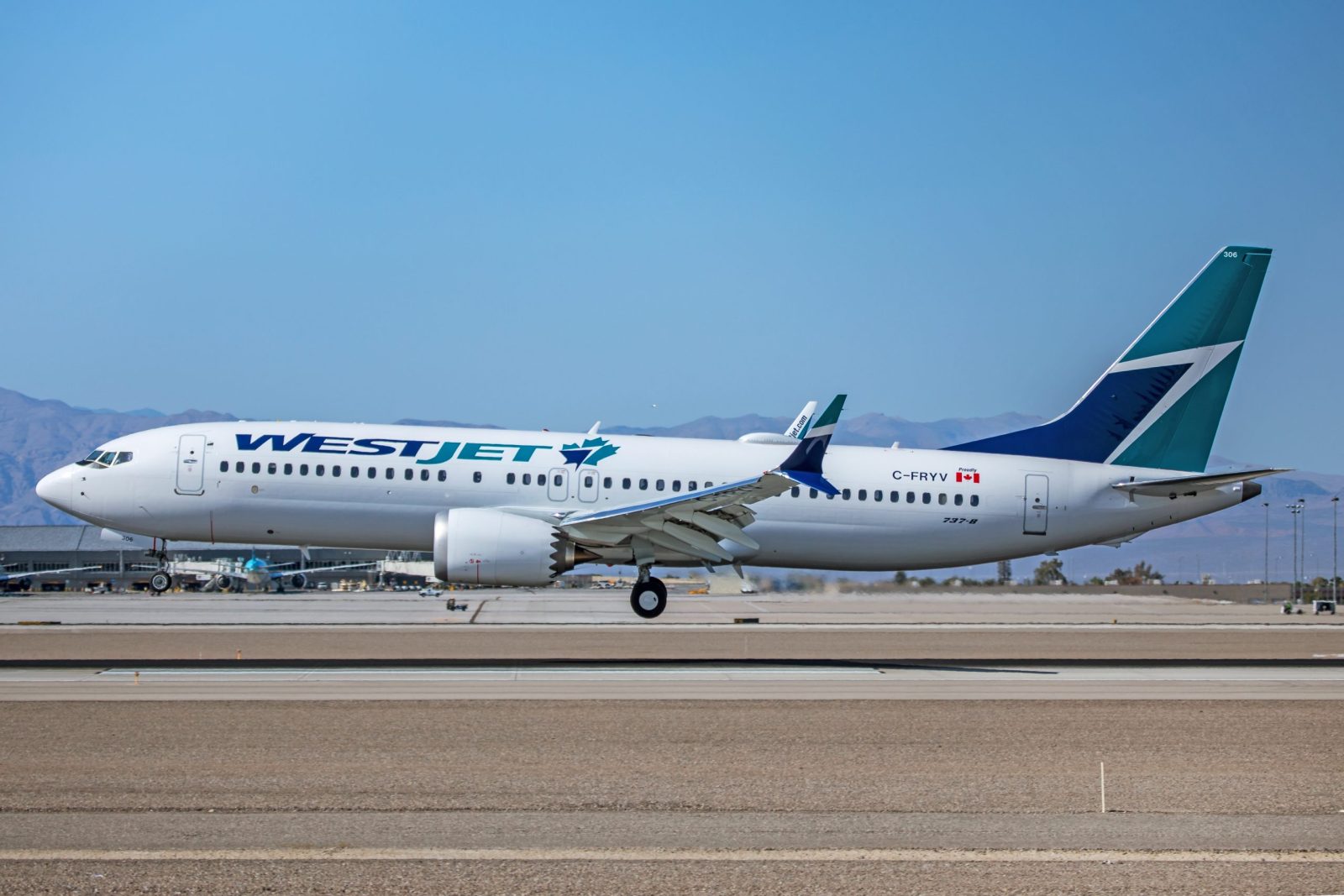
A WestJet Boeing 737 MAX 8 at Harry Reid International Airport in Las Vegas. (Photo: AirlineGeeks | William Derrickson)

WestJet is bolstering its sun destinations and partner connection offerings this winter with the release of its 2023-2024 winter schedule. Canada’s second largest airline is adding four new routes, restarting several others, and extending a number of seasonal summer routes through the winter months.

Increased Leisure Travel Options

With Canada’s cold winter climate, the country sees high demand for leisure travel to warmer destinations in the Caribbean and Central America during the winter months. Airlines like Air Transat and Sunwing Airlines – which is now owned by WestJet – have historically capitalized on this seasonal demand and leased additional aircraft during the winter to offer additional flights to sunny vacation destinations. Air Canada and WestJet also bolster their southbound flying in the winter months with seasonal routes and capacity increases.

WestJet’s 2023-2024 winter schedule follows this trend, with the airline introducing four new sun destination routes and restarting an additional three. The four new routes are as follows:

  • Calgary International Airport to Tampa International Airport in Florida, USA
  • Edmonton International Airport to Sangster International Airport in Montego Bay, Jamaica
  • Toronto Pearson International Airport to Bonaire International Airport in the Caribbean Netherlands
  • Winnipeg James Armstrong Richardson International Airport to Bahías de Huatulco International Airport in Mexico
A WestJet Boeing 787 enters the runway at Paine Field in Washington.
(Photo: AirlineGeeks | Katie Bailey)

Each of these routes is being offered once weekly and will be operated by WestJet’s Boeing 737 aircraft family. The Toronto – Bonaire route is particularly notable, as it is WestJet’s first route to the airport. The carrier will be the only airline offering nonstop flights between Canada and Bonaire.

Earlier this year, WestJet announced that it had finalized the acquisition of competing leisure carrier Sunwing Airlines. Sunwing has also announced an expansion of travel offerings this winter, with a 15% increase in capacity and new vacation package offerings in Cuba. As WestJet has announced that it will be shutting down Sunwing, this will likely be one of the last winters where Canadians will travel south on Sunwing-branded flights.

Extensions and New Connections

The Calgary-based carrier has also announced that it will be extending two Atlantic Canada routes from Calgary through the winter season. Moncton International Airport, in the province of New Brunswick, and St. John’s International Airport, in Newfoundland and Labrador will see up to two flights each week to and from Calgary International Airport during the winter season.

WestJet is also extending several routes that will help facilitate connections onto flights operated by partner airlines, citing exceptional demand. Four of these routes will bring passengers to codeshare partner Delta Air Lines’ major hubs:

  • Edmonton International Airport to Minneapolis–Saint Paul International Airport
  • Saskatoon International Airport to Minneapolis–Saint Paul International Airport
  • Winnipeg James Armstrong Richardson International Airport to Hartsfield–Jackson Atlanta International Airport
  • Vancouver International Airport to Hartsfield–Jackson Atlanta International Airport
A WestJet 787-9 prepares for a test flight at Paine Field. (Photo: AirlineGeeks | Katie Bailey)

Finally, the airline will also continue flying between Calgary International Airport Paris Charles de Gaulle Airport through the winter season, allowing connections to European destinations with Air France.

“This year’s winter schedule is about providing Canadians with what they want: affordable sun destination getaways from across Canada; enhanced domestic connectivity from coast-to-coast; and the assurance that some of our most popular routes, previously operated exclusively in the summer, are available year-round,” John Weatherill, Executive Vice-President and Chief Commercial Officer of the WestJet Group said in a statement.

Andrew Chen

Andrew is a lifelong lover of aviation and travel. He has flown all over the world and is fascinated by the workings of the air travel industry. As a private pilot and glider pilot who has worked with airlines, airports and other industry stakeholders, he is always excited to share his passion for aviation with others. In addition to being a writer, he also hosts Flying Smarter, an educational travel podcast that explores the complex world of air travel to help listeners become better-informed and savvier travelers.

Pakistan International Airlines Flights to U.K. On The Horizon

PIA could be returning to the U.K.

A PIA A320 aircraft (Photo: Aasif Azaan / CC BY-SA (https://creativecommons.org/licenses/by-sa/4.0))

After three years of suspending the services, Pakistan International Airlines is expected to resume services to the U.K. in the coming three months according to Khawaja Saad Rafique, the aviation minister.

In addition, the airline is paving the way to resume flights to Europe after European Aviation Safety Agency (EASA) passed PIA’s remote audit. EASA’s staff will go to Pakistan in September to conduct a physical audit of the airline and the country’s Civil Aviation Authority (CAA). However, there is no sign of lifting the restrictions from the U.S. FAA thus far. PIA ceased flight operations to the U.S. in 2017.

The country’s flag carrier was banned from flying to the U.K., the European Union and the U.S. since the plane crash in 2020. The deadly accident left 97 people dead. The report of the incident unveiled 262 pilots in the country had dodged the examination and 141 PIA pilots involved in the scandal.

“God willing, the PIA flights will resume at least to the U.K. in three months, and, later, flights to Europe and America will resume.” Rafique said.

The resumption could be a shot in the arm as the U.K. and Europe contributed 37% of its revenue. Rafique said the carrier had been facing a loss of Rs70 billion ($436 million) annually due to the suspension of the flights.

Meanwhile, PIA needs to keep the current slot at London’s Heathrow Airport for the future. The airport requires the airline to use at least 70% of the time. The report has revealed the airline has leased its slot to Vietnam Airlines and Kuwait Airways. As a result of the fake license incident, the airline needs to be restructured and requires billions of dollars in investment to avoid closure.

Future of the Airline

Rafique implied that privatization could be the answer to PIA, citing that Air India had recently placed an order for acquiring 450 aircraft. PIA couldn’t compete with other neighboring rivals with the current fleet of 27 or 28 operational aircraft. According to the carrier, the airline owns a fleet of 30 aircraft, operating regional services, such as Qatar, Malaysia and the Canadian city of Toronto.

The airline is facing a loss of Rs80 billion this year. Earlier this year, the cash-strapped airline’s flight was blocked at Kuala Lumpur International Airport over a debt.

Meanwhile, the government is trying to outsource the operations of Islamabad International Airport by Aug.12. Islamabad is set to be the first airport to outsource in the country and is expected to be outsourced for 15 years. Afterward, Karachi and Lahore Airport will follow in Islamabad’s footsteps.

The government said the navigational services and runway operations will not be outsourced. CAA will continue to provide the services.

ITA Airways Makes Historic Flight to Libya After 10-Year Hiatus

An ITA Airways Airbus A320 with the new livery at Milano Linate International Airport. (Photo: Francesco Zangari – lin_planespotting)

In a historic development for Libyan aviation, ITA Airways, the state-owned flag carrier of Italy, successfully operated the first commercial flight between Rome and Libya on July 24, 2023. Libyan interim Prime Minister Abdul Hamid Dbeibeh was on board the Airbus A320 as it departed from Leonardo da Vinci airport in Fiumicino, Italy and landed at Tripoli’s Mitigate Airport.

The resumption of commercial flights between Italy and Libya marks a significant milestone for both nations. For Libya, it signifies the end of a ten-year hiatus in air travel between the two countries, which was originally imposed due to various challenges, including political instability and security concerns. The launch of regular flights is expected to commence in the fall, bringing renewed opportunities for connectivity and cooperation.

This development comes after Italy agreed to lift a decade-long ban on Libyan civil aviation using Italian airspace last week. The move reflects a growing confidence in the safety and security measures implemented by Libyan airports, paving the way for improved air travel between the two nations. The decision to allow Libyan carriers back into Italian airspace marks a turning point for the Libyan aviation scene, which has struggled to regain momentum since Muammar Gaddafi’s downfall in 2011.

ITA Airways
An ITA Airways Airbus A320 with the new livery at Leonardo Da Vinci International Airport. (Photo: ITA Airways)

Libyan sources have revealed that Prime Minister Dbeibeh was personally present on the inaugural flight, underscoring the significance of this milestone for Libya.

Addressing reporters upon arrival at the International Conference on Development and Migration in Rome, Prime Minister Dbeibeh expressed his enthusiasm for the restored air link between the two countries. He hailed the flight as “a step that paves the way for opening airspace with other countries,” indicating that this development could serve as a model for establishing similar air connections in the future. In light of this positive development, Prime Minister Dbeibeh also revealed plans to open an air route between Rome and Benghazi.

The resumption of flights between Italy and Libya is expected to have broader implications for the Libyan aviation industry. As travel restrictions are gradually lifted, the demand for air travel to and from Libya is likely to increase. This could lead to the expansion of routes, additional flight frequencies, and the entry of more airlines into the market, providing travelers with more choices and convenience.

Continued collaboration between Italy and Libya in this regard will be vital to ensuring the sustainable growth of the aviation sector and fostering a positive perception of Libya as a safe and attractive destination for international travelers. The inaugural flight represents a significant step forward in revitalizing Libya’s aviation industry while hoping that this milestone will serve as a catalyst for further developments, ushering in a new era of connectivity.

Victor Shalton

Victor Shalton's love for aviation can be traced to when he was 11-years-old. As a seasoned aviation writer, he takes pride in providing the best aviation coverage around the globe and is passionate about advancing his skills in the aviation space. In addition, he loves travelling, writing, arts and while his speaking engagements have taken him around the world, he is proud to call Nairobi home.

ITA Airways Board of Directors Elected, Awaiting Lufthansa Additions

ITA A330
An ITA Airways Airbus A330-200 at Rome Fiumicino Airport. (Photo: ITA Airways)

A few days ago in Fiumicino at the operational headquarters of the Italian airline ITA Airways, the airline’s Shareholders’ Meeting was held, under the chairmanship of Antonino Turicchi, to renew the Board of Directors and the Board of Statutory Auditors, whose mandate had expired.

In a statement, the airline said that its new Board of Directors has been restricted from five to three directors as per agreements between the Italian Ministry of Economy and Finance and the German group Lufthansa. The German airline will have two directors of its own, one of whom with the role of CEO.

It is good to remember that, at the present date, ITA Airways is still wholly-owned by the Italian Ministry of Economy and Finance. Lufthansa will buy 41% of ITA Airways for €325 million, with the option to acquire the remaining shares later, perhaps even 90-100% by 2033. It is imperative to remember that the privatization process is still contingent upon the approval of the Directorate-General for Competition of the European Union.

ITA Airways has been a SkyTeam member since its inception in October 2021. However, former CEO Lazzerini had already confirmed in May that the airline will leave the Skyteam alliance for entry into Star Alliance. a process that will take about a year.

Appointments

The new Chairman of ITA Airways is Antonino Turicchi, previously a member of the Board of Directors of Banca Monte dei Paschi di Siena, Leonardo, Alitalia, Autostrade per l’Italia S.p.A., and a member of the Supervisory Board of STMicroelectronics. Since December 2019, he has been the Chief Executive Officer of Fintecna S.p.A. He is currently Chairman of Gardant SGR S.p.A., the Gardant Group’s asset management company specializing in investment solutions for institutional investors.

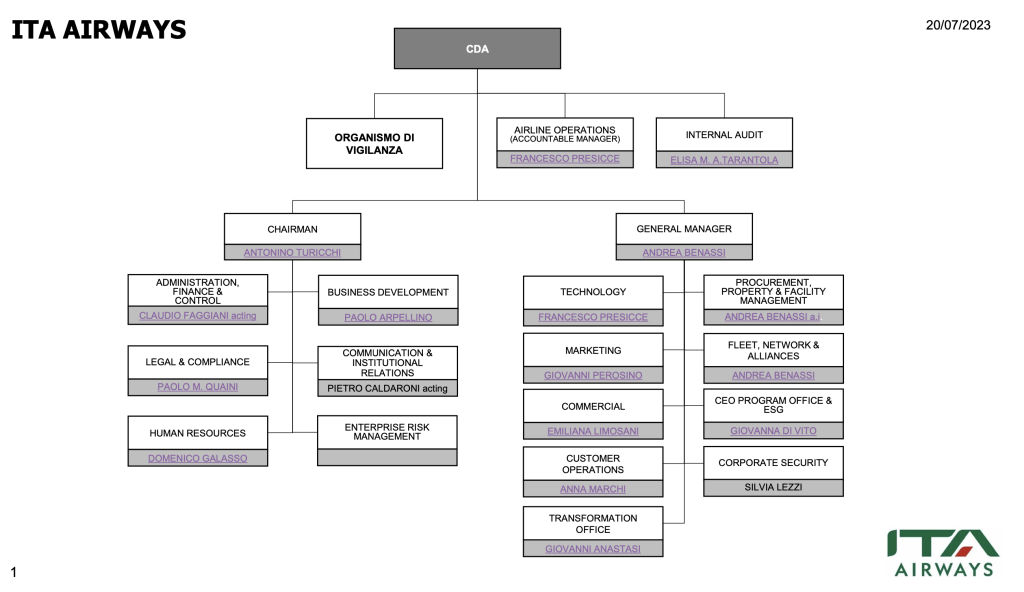
Valeria Vaccaro and Francesco Spada have been elected directors, while the Board of Statutory Auditors has been reconfirmed. Andrea Benassi, current Chief Network, Fleet, and Alliances Officer, will assume the position of General Manager. At the same time, Francesco Presicce, the former Chief Technology Officer, has been appointed Accountable Manager of ITA Airways.

The Board of Directors of the Italian airline also approved the termination of the employment relationship with Fabio Maria Lazzerini, its former CEO and General Manager.

ITA Airways' New Board of Directors
ITA Airways’ New Board of Directors. (Photo: ITA Airways)

Plans and fleet

Lazzerini, last May, confirmed that the merger with Miles & More (Lufthansa’s frequent flyer program) would not take place and that Volare would remain the loyalty program of ITA Airways. However, the German group will appoint the new CEO of the Italian airline, and it has yet to be seen which changes will come along with that. Volare has over one million members, but only 40% use frequent flyer benefits.

After 2025, the German group expects another investment of around €450 million, and the Italian Ministry of Economy and Finance could retain only 10% or a representative on the board of directors. ITA Airways’ business plan envisages revenue growth of €2.5 billion in 2023 and €4.1 billion expected in 2027.

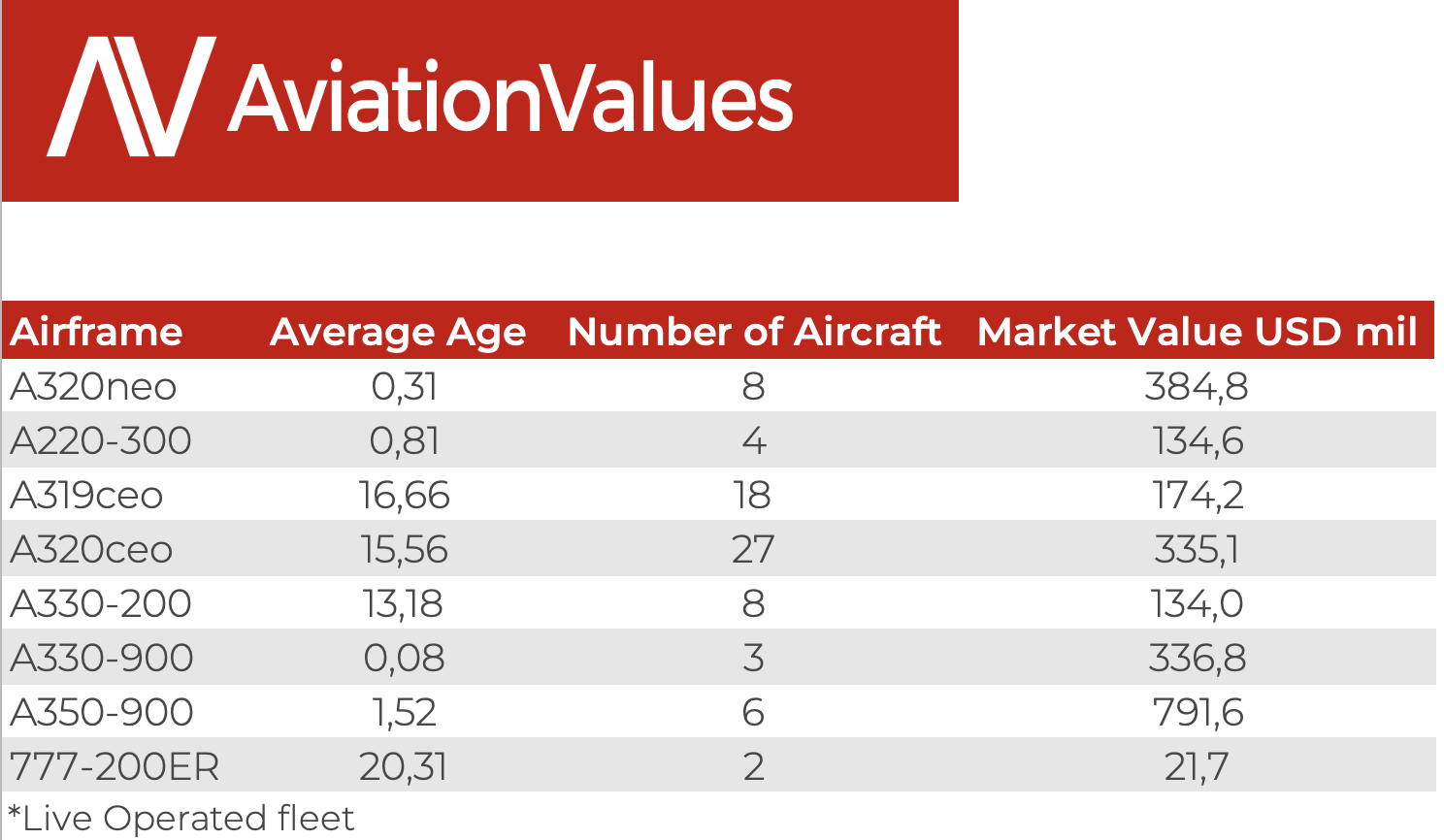
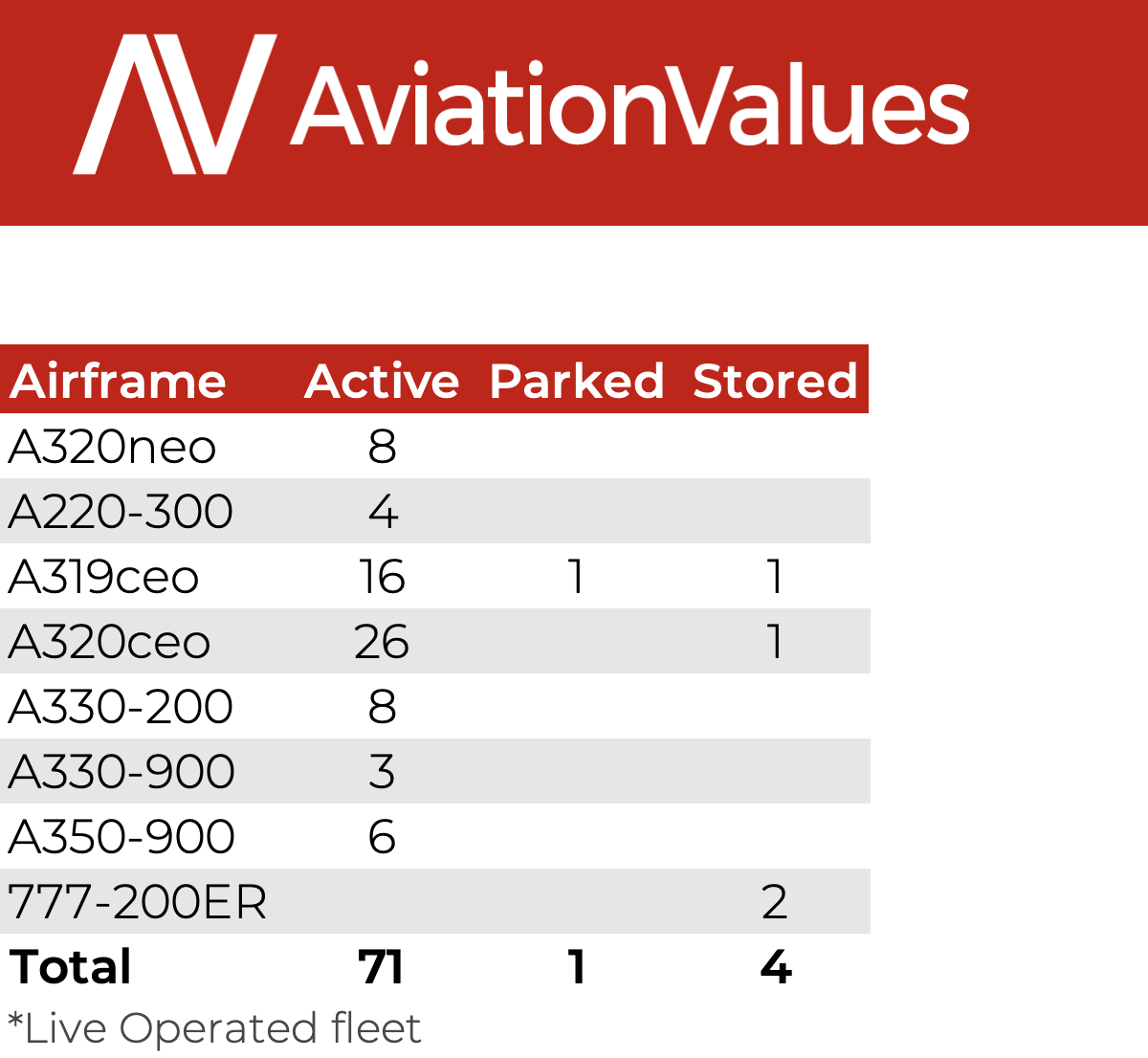
With the German group, the goal is to reach a fleet of 94 aircraft with 5,500 employees. ITA Airways’ fleet currently consists of 71 aircraft in service, with an average age of 8 and a half years.

Vincenzo Claudio Piscopo

Vincenzo graduated in 2019 in Mechanical Engineering with an aeronautical curriculum, focusing his thesis on Human Factors in aircraft maintenance. In 2022 he pursued his master's degree in Aerospace Engineering at the University of Palermo, Italy. He combines his journalistic activities with his work as a Reliability Engineer at Zetalab.

American Matches Proposed United Pilot Contract in New Update

American is the latest carrier to refresh its proposed contract.

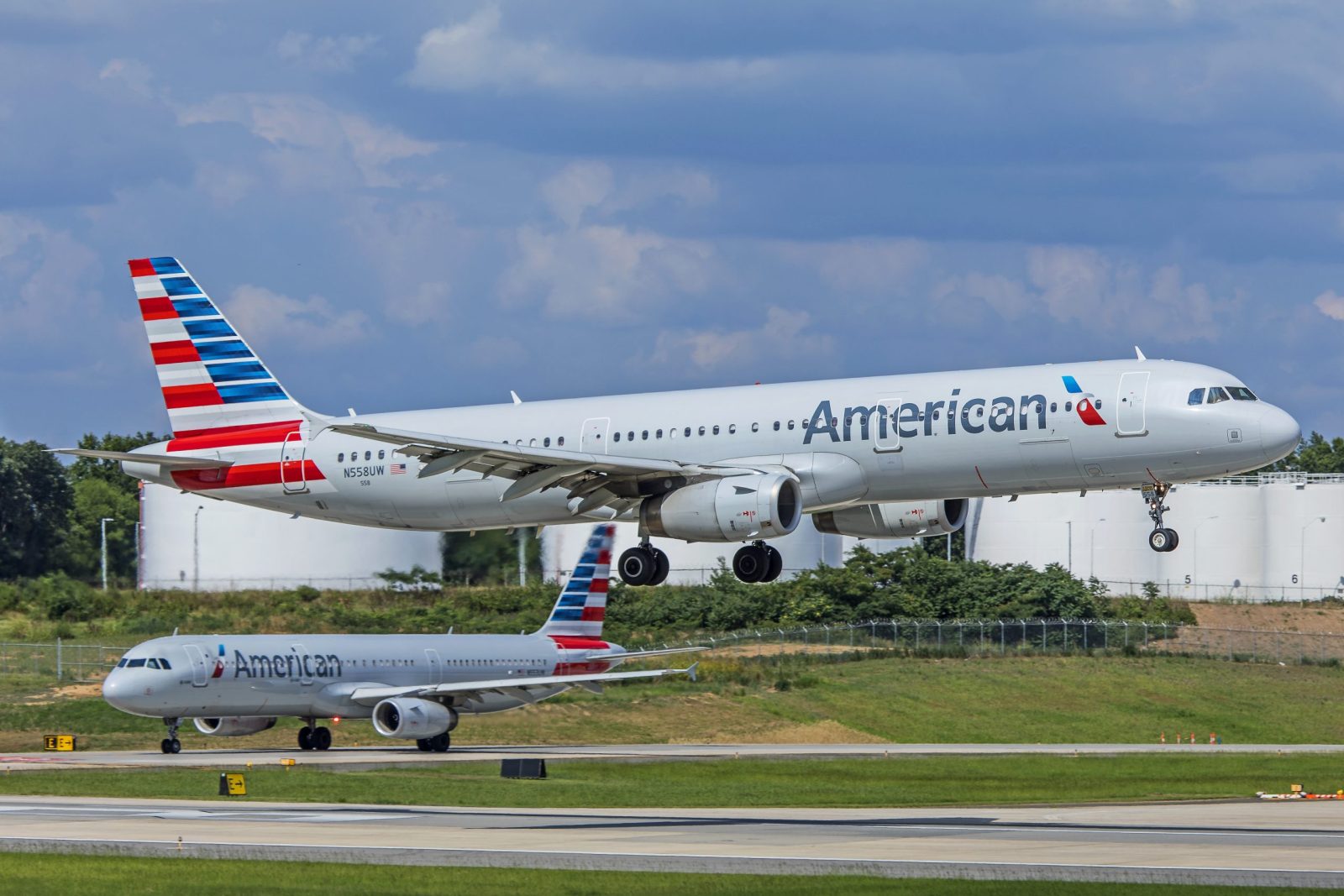
An American Airbus A321 landing in Charlotte. (Photo: AirlineGeeks | William Derrickson)

One week after United Airlines reached an Agreement in Principle (AIP) for a new $9 billion contract with its pilots, American Airlines has updated its own proposal to match United’s offer. American’s updated proposal added over $1 billion to the contract it proposed this Spring.

American’s new contract matches the pay rates, backpay, sick time, life insurance, and other benefits offered to United pilots, per American Airlines CEO Robert Isom. American’s pilots will begin voting on the updated deal on Monday.

Captain Ed Sicher, the President of the Allied Pilots Association, the union that represents American Airlines pilots, said union leadership will weigh “whether management’s comprehensive proposal is worthy of a membership vote.”

“We’ll return to the bargaining table and do what’s necessary to get to a deal. It just won’t be done quickly,” Isom said. “We run a complex business and any changes to what we agreed to — even small ones — may have a profound impact. Reconsideration of all of these items would take time.”

Industry-Wide Pilot Contracts

American was the second legacy carrier in the United States to propose a new contract to its pilots. Across the board, airline pilots have been fighting for years to win new contracts with their companies, but the Covid-19 pandemic gave pilots extra leverage to pressure airlines for more.

Delta Air Lines pilots approved what was at the time an industry-leading deal in March. That gives unions at American, United, and other major carriers additional bargaining power they could use to set the bar for what their own contracts should have been. American proposed pilots a new contract in the spring, and pilots were set to vote on the contract over the summer.

A pilot waves from an American E190 at LaGuardia.
(Photo: AirlineGeeks | William Derrickson)

However, after United’s recent contract proposal outdid American’s, company management went back to the drawing board out of fear the pilots would reject the contract by comparing it to United’s. Just after United’s agreement was announced, the Allied Pilots Association called on management to “meet the new industry standard” if it wants the contract to be approved by pilots.

By bringing its own proposal close in line to what United is offering, American makes it more likely that the proposal will be approved after all. If that happens, it will be years before the union will need to resume negotiation on what yet another contract might look like.

Pilots’ Bargaining Power

The covid-19 pandemic has given pilots tremendous power to put pressure on airlines for massively-improved contracts. Airlines from the smallest regional airlines up to the biggest airlines in the country have seen pay hikes over the past year.

However, what bargaining power will look like when contracts are up next is still to be seen. Over the next few years, the aviation industry will continue to not only recover from the pandemic but surge forward. United, in its own right, has added a significant number of long-haul flights in 2023, and the company has not shown any signs of slowing its expansions down.

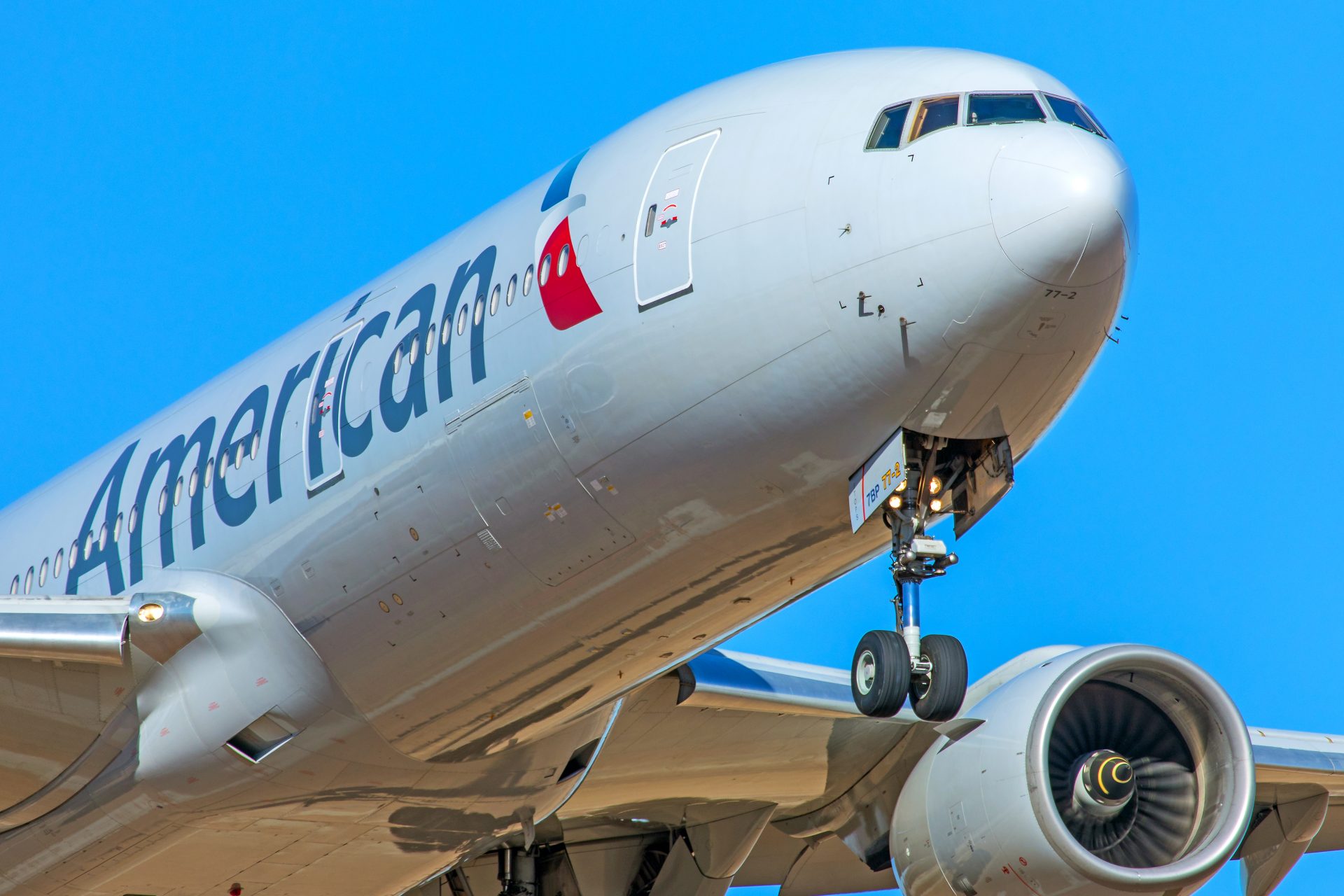
An American Boeing 777-200 in Dallas/Fort Worth.
(Photo: AirlineGeeks | William Derrickson)

If such expansions continue, not only at United but at all other airlines, pilots will likely continue to have significant power in determining new contracts. How airline management will respond to continued pressure from pilots has yet to be seen, and the relative power pilots have next time to make another significant jump in compensation might not be as great assuming there is not another catastrophe to upend the industry and put pilots and airlines under pressure.

The big three US airlines each, in some form or another, rank as the world’s biggest airline. The Allied Pilots Union represents 15,000 pilots at American Airlines alone. Thus, they have tremendous power to set larger trends around the world in how other airlines pay flight and cabin crew. We have seen with these waves of pilot contracts that the actions of any one of the big three and their pilots have significant implications for the other two and other major airlines in the United States and around the world.

John McDermott

John McDermott is a commercial pilot pursuing a career in professional flight. His passion for aviation began in an Ann Arbor bookstore with a tale of enemy pilots during World War 2, and he hasn't looked back. Besides flying and writing for AirlineGeeks, John volunteers with Professional Pilots of Tomorrow and travels whenever he gets the chance.

Alaska Airlines Reconnects Portland, Redmond

Alaska Airlines
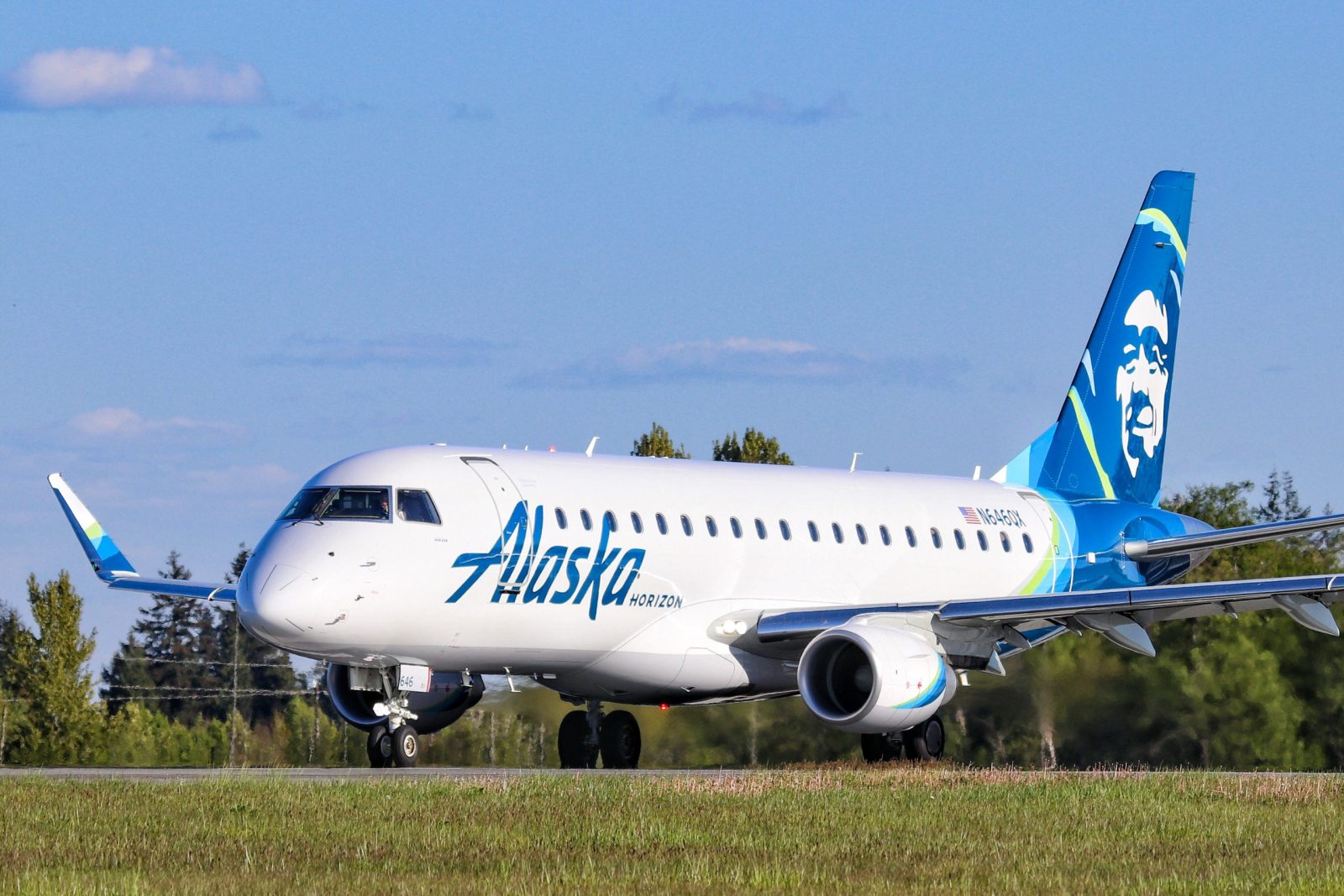
An Alaska Airlines E-175 operated by Horizon Air at Paine Field. (Photo: AirlineGeeks | Katie Zera)

Seattle-based Alaska Airlines had announced plans to resume its popular, yet short, route between Redmond and Portland, both located in Oregon. The route spans 116 miles and is a much faster alternative to the nearly three-hour drive between the cities.

The once-daily service between the cities will resume on Nov. 29, 2023 on board the carrier’s 76-seat Embraer E175s. The service is currently only scheduled to be operated seasonally ending on April 10, 2024, but it could be extended if the route performs well.

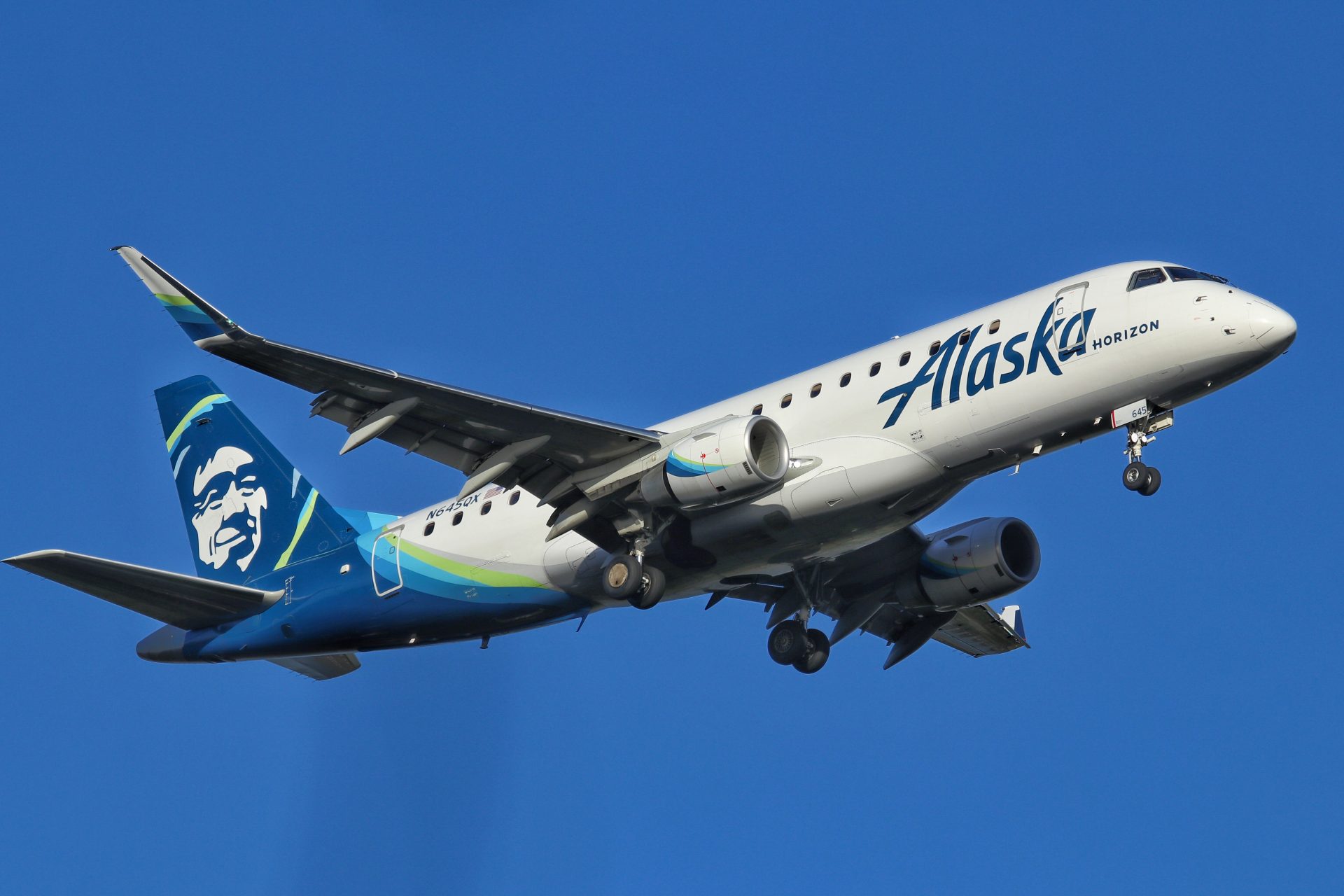
A Horizon Air Embraer E175 operating for Alaska Airlines.
(Photo: AirlineGeeks | Katie Bailey)

Alaska last operated the flights in November of 2021 using the Q400 and ended the service due to “insufficient passenger demand due to covid.” Alaska Airlines’ Q400 aircraft, which has since been retired from the airline’s fleet, does have the same number of seat as the E175, but it didn’t offer a first or premium cabin like the jet aircraft, and it was obviously much slower since it was a turboprop aircraft.

While Alaska Airlines stopped the route in 2021, other airlines have since then. Notably, San Francisco-based Boutique Air briefly served the route between the two cities, but they used a private FBO in Portland, so passengers needed to go through security a second time in Portland if they connected on to another airline. Boutique operated the route from Oct. of 2020 to July 2021 on a once-to-twice-daily basis depending on the day, and then again sporadically operated the route in November and December of 2022. They used a much smaller, the 8-seat Pilatus PC12.

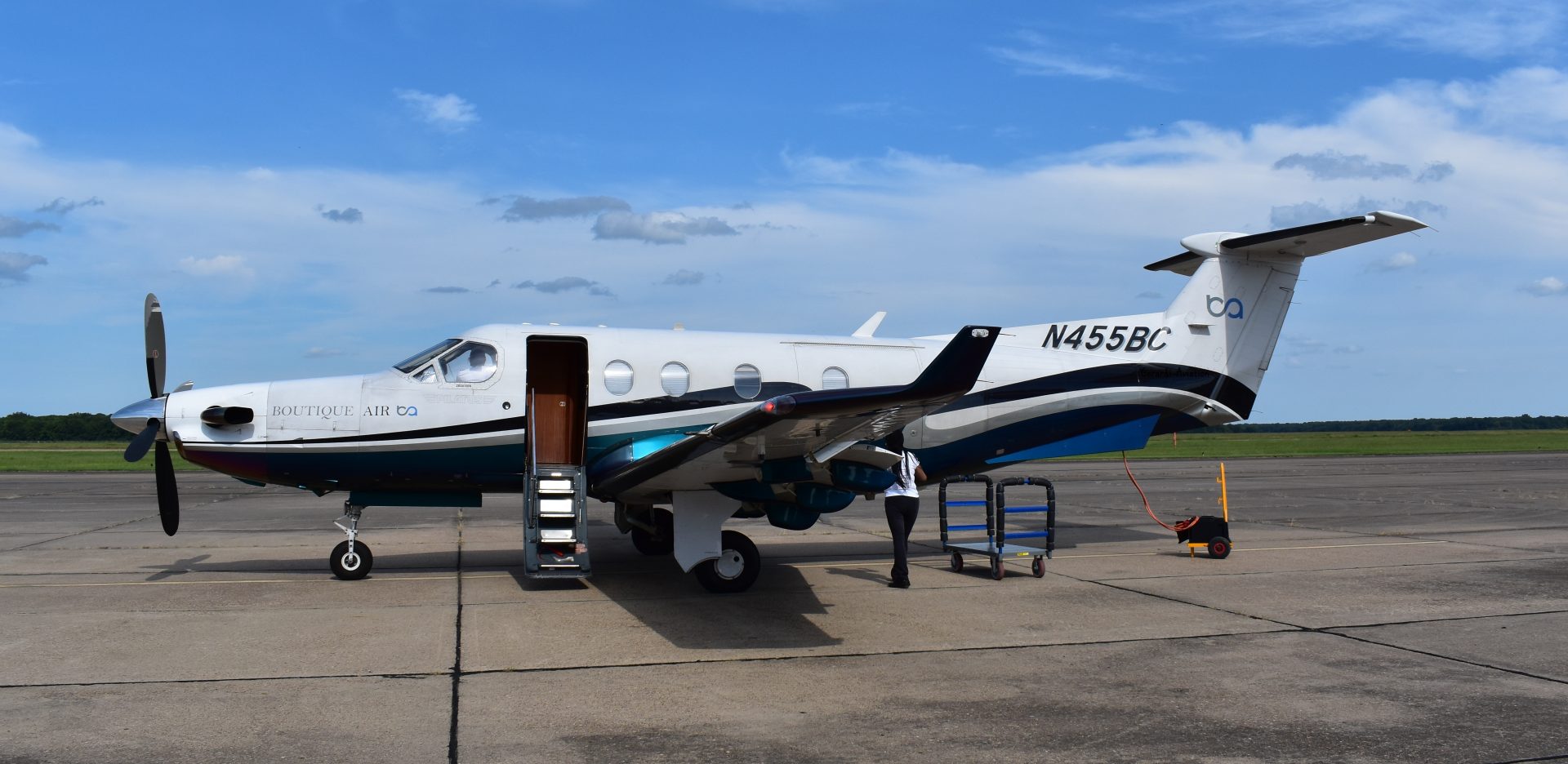
A Boutique Air Pilatus PC-12 in Greenville, Miss. (Photo: AirlineGeeks | Joey Gerardi)

This will be the fifth route Alaska Airlines flies from Redmond. They already operate flights to San Diego, Los Angeles, San Francisco, and Seattle-Tacoma.

All flights and information presented in this article are subject to change.

Joey Gerardi

Joey has always been interested in planes for as long as he can remember. He grew up in Central New York during the early 2000s when US Airways Express turboprops ruled the skies. Being from a non-aviation family made it harder for him to be around planes and would only spend about three hours a month at the airport. He was so excited when he could drive by himself, the first thing he did with his driver's license was get ice cream and go plane spotting for the entire day. He graduated from Western Michigan University in 2022 with a B.S. in Aviation Management & Operations and a Minor in Business, and currently works for a major airline in his hometown.

Delhi Airport Gets Fourth Runway, Dual-Elevated Taxiway

An Air India 787. (Photo: AirlineGeeks | William Derrickson)
An Air India Boeing 787-8. (Photo: AirlineGeeks | William Derrickson)

Delhi’s Indira Gandhi International Airport, India’s busiest airport, has reached a significant milestone with the inauguration of a fourth operational runway, RWY 11L/29R, and a state-of-the-art dual elevated taxiway, Eastern Cross Taxiway (ECT). These new facilities were inaugurated on Jul 14, 2023, by Mr. Jyotiraditya Scindia, the Union Civil Aviation Minister of India, and are set to revolutionize the airport’s capacity and efficiency.

Enhanced Capacity with RWY 11L/29R

The newly constructed RWY 11L/29R, a remarkable feat by Larsen and Toubro (L&T), becomes Delhi Airport’s fourth runway. Running parallel to RWY 11R/29L, this 4.4-kilometer-long and 45-meter-wide runway is equipped with CAT III-B / CAT II technology. The addition of RWY 11L/29R is expected to increase the airport’s daily flight capacity from 1,500 to an impressive 2,000 movements. This boost will effectively cater to the ever-growing demand for air travel within the Indian aviation industry.


With sustainability in mind, the airport aims to reduce its carbon footprint significantly. IndiGo operated a validation flight to carry out checks and inspect the runway before it could be put into service. Soon after, an Air India Airbus A320neo to Jammu, India, was the first scheduled flight to take off from the runway on Jul 14, 2023. For the time being, the runway will handle only departures until RWY 10/28 undergoes recarpeting and repairs, after which RWY 11L/29R will be fully operational for both arrivals and departures.

Efficient Connectivity with Eastern Cross Taxiway (ECT)

Accompanying the new runway, the Eastern Cross Taxiway (ECT) is a revolutionary dual-elevated taxiway positioned above the IGI T3 Access Road. Spanning 2.1 kilometers in length and 202 meters in width, the ECT is Code F compliant, allowing seamless navigation for widebody aircraft like Airbus A380 and Boeing 747.

This innovation significantly reduces taxi time between the northern and southern airfields on the airport’s eastern side. The ECT not only streamlines airfield movements but also brings substantial environmental benefits. Reducing the distance from RWY 29R to Terminals 1 and 2 from 9 kilometers to a mere 2 kilometers, the ECT helps save approximately 350 kilograms of fuel and reduces carbon emissions by up to 1,114 kilograms per aircraft. These efforts align with the airport’s vision to achieve Net Zero Carbon Emissions within the next seven years.

Future Development Projects

Delhi International Airport Limited (DIAL) is proactively driving several developmental projects to accommodate the burgeoning demand for air travel in India. Among these initiatives, Terminal 1 is undergoing a significant expansion, expected to be completed by the end of 2023. With more than three times its current area, Terminal 1 will serve as an integrated facility for arrivals and departures, doubling its capacity from 20 million to 40 million passengers annually.

Additionally, the airport is actively adopting digital solutions, such as facial recognition and e-boarding passes, to ensure a faster and more convenient passenger experience while moving towards a paperless environment.

Vihaan Kushwaha

It all started at the age of five when Vihaan got a Qantas 747 model from Sydney Airport. Since then, he has been an AvGeek, collecting aircraft models, safety cards, and even magazines! He has flown over 120 flights to more than 25 countries worldwide. Vihaan shares his passion for photography and aviation by spotting at New Delhi's Indira Gandhi International Airport and wherever flights take him. Apart from being an AvGeek, Vihaan is currently an undergraduate business management student and aims to pursue a career in aviation consulting and analysis. You can check out some of his spotting work at @aviation.del on Instagram.

Ryanair Commits to Post-War Ukrainian Investment

Ryanair is gearing up to serve a war-stricken nation.

A Ryanair 737 at Paine Field. (Photo: AirlineGeeks | Katie Bailey)

Ryanair Group CEO Michael O’Leary was in Kyiv, Ukraine this week to outline Ryanair’s strategy to assist the country to recover once the war is over and airspace in the region is reopened for commercial aircraft.

“Ryanair was Ukraine’s 2nd largest airline before the unlawful Russian invasion in Feb 2022,” said Mr. O’Leary. “Once the skies over Ukraine have reopened for commercial aviation, Ryanair will charge back into Ukraine linking the main Ukraine airports with over 20 EU (European Union) capitals, and we are working closely with the Ukrainian Government to rebuild Ukraine’s aviation, industry and its economy.”

The commitment given by Ryanair is that operations to and from the main airports of Kyiv, Lviv and Odesa will commence within eight weeks of the reopening of airspace. Though the conflict is still ongoing, Mr. O’Leary outlined the airline’s plan post-war is “to invest heavily in Ukraine and lead this aviation recovery by investing up to $3 billion and basing up to 30 new Boeing MAX aircraft at Ukraine’s 3 main airports in Kyiv, Lviv and Odesa.”

Growing Capacity 

The level of capacity detailed by the airline will see 600 weekly flights operating from the 3 main airports both domestically and internationally. This will amount to over five million seats in the first 12 months of post-war operation rising to 10 million per annum over a five-year period. Prior to the conflict Ryanair also operated from Ukraine’s Kharkiv and Kherson airports and Mr. O’Leary stated that “Ryanair will return to serving those airports too, as soon as the infrastructure has been restored.”

Deputy Prime Minister for Restoration of Ukraine and Minister for Infrastructure, Oleksandr Kubrakov met with Mr. O’Leary and members of the airline’s senior management team. Mr. Kubrakov outlined the importance of the Ryanair Group’s commitment to the post-war strategy of Ukraine. “Maintaining the operability of the aviation infrastructure and personnel vocational skills remains vital for us in the conditions of war. Meanwhile, the resumption of flights will be possible as soon as the security situation allows. However, we are already working on solutions and investment plans to enable aircraft to fly up quickly. I am grateful for the leadership in the recovery of our aviation industry, for the specific proposals and decisions of Ryanair, a loyal partner of Ukraine.”

Together the group toured Kyiv’s Boryspil International Airport in what the airport’s CEO Oleksiy Dubrevskyy called “a powerful signal that the largest airline in Europe sees huge potential in the Ukrainian air transport market.”

Mr. Dubrevskyy added: “We, meanwhile, are ready to move from strategic planning to specific operational actions when the airspace becomes open and safe for civil aviation. I strongly believe that Boryspil Airport will remain the main air gate for the return of our citizens to Ukraine and will continue to play a leading role in the recovery of the Ukrainian economy.”

John Flett

John has always had a passion for aviation and through a career with Air New Zealand has gained a strong understanding of aviation operations and the strategic nature of the industry. During his career with the airline, John held multiple leadership roles and was involved in projects such as the introduction of both the 777-200 and -300 type aircraft and the development of the IFE for the 777-300. He was also part of a small team who created and published the internal communications magazines for Air New Zealand’s pilots, cabin crew and ground staff balancing a mix of corporate and social content. John is educated to postgraduate level achieving a masters degree with Distinction in Airline and Airport Management. John has held the positions of course director of an undergraduate commercial pilot training programme at a leading London university. In addition he is contracted as an external instructor for IATA (International Air Transport Association) and has been a member of the Heathrow Community Fund’s ‘Communities for Tomorrow’ panel.
Sign-up for newsletters & special offers!

Get the latest stories & special offers delivered directly to your inbox

SUBSCRIBE

Uh-oh! It looks like you're using an ad blocker.

Our website relies on ads to provide free content and sustain our operations. By turning off your ad blocker, you help support us and ensure we can continue offering valuable content without any cost to you.

We truly appreciate your understanding and support. Thank you for considering disabling your ad blocker for this website