A Turkish A321 in London. (Photo: AirlineGeeks | William Derrickson)
Turkish Airlines released its financial and operating results for the third quarter of 2022. Turkey’s national carrier reported positive figures, making it the fifth consecutive quarter with a net profit.
As reported by the company itself in a press release, Turkish Airlines made a net profit of 1.5 billion dollars between July and September. The official statement highlighted “operational agility” and “ability to meet growing demand” as key elements of the recovery.
Total revenues reached 6.1 billion dollars, up 52% from what was reported in the third quarter of 2019.
In addition, cargo revenues, which accounted for 14% of the total, increased 110% compared to the same period in the year prior to the start of the pandemic. The company reported cargo revenues of 880 million dollars.
Separately, Turkish Airlines highlighted a 5% reduction in unit costs, excluding fuel, compared to the third quarter of 2019. As a result, earnings before interest, taxes, depreciation, amortization and leasing reached 2.1 billion dollars. The airline said the result “shows the company’s cash generation potential.”
Total seat capacity exceeded 2019 levels by 16% during the third quarter. Between July and September, the airline carried a total of 23 million passengers. The occupancy rate was 91.4% on domestic flights, while it reached 85.3% on international operations.
As of September 30, Turkish Airlines had a total of 390 aircraft in operation in its fleet, 260 of them single-aisle and 109 narrow-body, as well as 21 cargo aircraft.
Despite operational contingencies at many of Europe’s largest airports, especially during the northern summer season, the airline recorded a cancellation rate of 0.3%, well below the European operators’ average of 1.7%.
This story was originally published by Agustin Miguens of Aviacionline in syndication with AirlineGeeks.
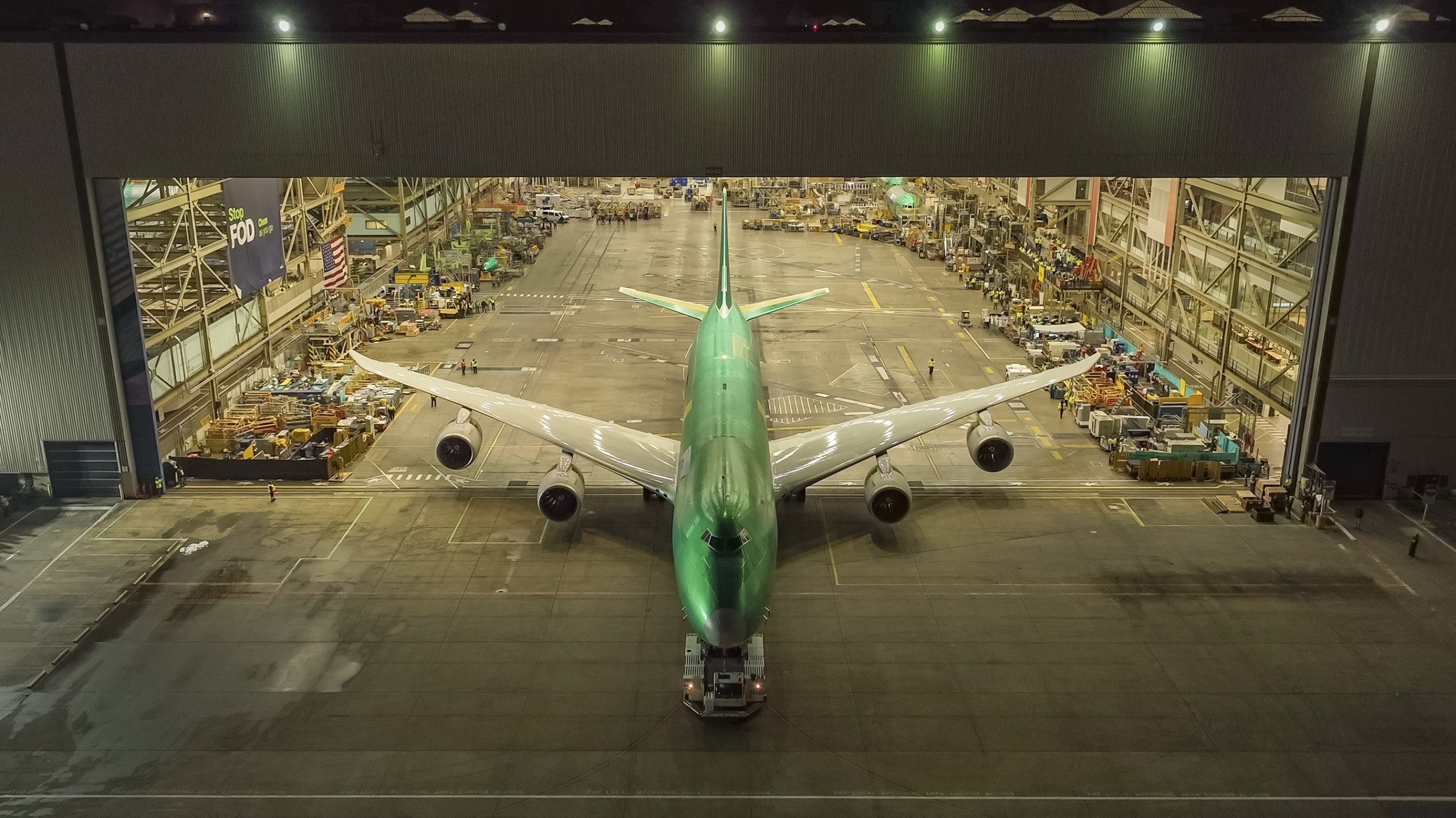
The last Boeing 747 left the company’s widebody factory in advance of its delivery to Atlas Air in early 2023. (Photo: Boeing/Paul Weatherman)
Manufacturing giant Boeing has marked the end of an era as its last 747 rolled out of the factory in Everett,Wash., on Tuesday. With the event having dominated global headlines, the 747-8 Freighter will be delivered to Atlas Air in early 2023, becoming the freight line’s 53rd 747.
Referencing the history of the world’s first wide-body airliner, Boeing Vice President Kim Smith, stated: “for more than half a century, tens of thousands of dedicated Boeing employees have designed and built this magnificent airplane that has truly changed the world”, adding “we are proud that this plane will continue to fly across the globe for years to come.”
The 747’s operational history is extensive, having entered commercial service with now-defunct airline Pan Am in January 1970. Since then, a total of 1,574 of the ‘jumbo jets’ have been manufactured since production first commenced in 1967, meaning the iconic aircraft has been in service for over half a century – approximately 46% of the 119-year history of flight.
Boeing’s Future Uncertain
While the 747 gave Boeing a long-time edge over its competition, the manufacturing giant’s future is far less certain. The 737 MAX’s legacy continues to haunt the company, with a critical U.S. Senate report finding that “during 737 MAX recertification testing, Boeing inappropriately influenced FAA human factor simulator testing of pilot reaction times involving a Maneuvering Characteristics Augmentation System (MCAS) failure.”
Boeing this week has been left to continue dealing with the MAX fallout, with Tuesday, Dec. 6 seeing Congress dropping an exemption that would have allowed it to bypass new regulatory requirements. This saw the company’s shares drop two percent on Wednesday, Dec. 7. as Boeing runs out of options to avoid the increased costs required to upgrade the 737-MAX 7 and 737-MAX 10.
According to Reuters on Nov. 29, a proposal was drafted by Senate Commerce Committee chair Maria Cantwell to give Boeing an exemption to the MAX 7 and MAX 10 if it could implement increased safety “such as enhanced angle of attack (AOA) and a means to shut off stall warnings and overspeed alerts, for all MAX aircraft.”
Mike’s love affair with flight and mechanical objects in the sky began at an early age, fascinated by space documentaries and the vintage Flight Simulator ’95. He currently works as an instructor for UAVs and is training to receive his Private Pilot Licence with the goal of working in manned flight instruction. An avid reader of all things aviation and manned space flight, Mike stays close to developments in aerospace while reminiscing and sharing the rich history of flight with others. He loves writing, engineering and science.
The Academy Museum, Fairfax/Wilshire Los Angeles (Photo: John Flett)
Dec.7 marked ICAO’s International Civil Aviation Day giving pause for reflection on how the aviation industry has shaped our lives for over one hundred years. Aviation has long been a passion but prior to being involved with the industry directly, I had an involvement in cinema. Interest in the film still looms large in my life, and sometimes the two passions intertwine beyond the obvious of a flight being used to explore destinations that have been featured in movies.
Last year, the Academy of Motion Pictures Arts and Science (AMPAS) opened a museum in Los Angeles dedicated to the film industry. AMPAS is the organization behind the Academy Awards that will hold the 95th celebration of motion pictures on 12 March. Visiting the museum in the city’s Miracle Mile district alongside the Los Angeles County Museum of Art and the La Brea Tar Pits was an interesting cinematic experience. What was totally unexpected was discovering an intriguing link between the fledgling U.S. commercial airline industry and the intersection of Wilshire Boulevard and Fairfax Avenue on which the AMPAS Museum is located.
The Academy Museum is located on the northeast corner of Wilshire and Fairfax in a stunning art deco building that used to house the May Company department store. On the southeast side of the intersection is the Petersen Automotive Museum. However, in the late 1910s through 1930 on the northeast side of Fairfax and diagonally opposite the Academy museum on the southwest side were two airfields. De Mille Field No. 2 on the northeast and across the road on the southwest corner was Chaplin Airfield. These were just two airfields of the 55 ‘airports and landing fields identifiable on a map of Los Angeles county from the first few decades of human flight.
Cecil B. De Mille — the Academy Award-winning director of movies such as The Greatest Show on Earth and The Ten Commandments — had owned an airfield further north on Fairfax imaginatively named De Mille Field No. 1. De Mille’s airline Mercury Aviation Company relocated to Field No. 2 in 1920 and among the airfield’s peculiar characteristics was a gas station that fuelled aircraft on one side and cars on the other.
According to the Miracle Mile Residential Association (MMRA) website’s ‘Aviation History of the Miracle Mile,’ Mercury Aviation flew with surplus World War I aircraft and purchased its first new aircraft in 1920. With the new Junkers aircraft joining the fleet Mercury Aviation operated flights to destinations such as Santa Catalina Island, Calif., San Diego and San Francisco.
Chaplin Airfield was owned by Sydney Chaplin the brother of legendary Hollywood icon Charlie Chaplin. Chaplin had formed the Syd Chaplin Aircraft Corporation offering services to San Diego and scenic flights. According to the MMRA Chaplin advertised “a fleet of newest Curtis one and two-passenger airplanes, large shops with complete equipment and hangars for our own ships as well as those belonging to business firms and individuals.”
The MMRA states that the airfields were the first in the world to offer commercial flights to multiple destinations and that De Mille Field No. 2 was the destination for the first commercial flight, originating in New York operated to Los Angeles. However, both De Mille and Chaplin’s airline endeavors lasted a little over two years, and research shows conflicting reports as to which airfield would be sold and renamed Rogers Airport. Rogers airport operated until the early 1930s, when the demand for residential real estate rose considerably marking the end of an aviation era in the area.
John has always had a passion for aviation and through a career with Air New Zealand has gained a strong understanding of aviation operations and the strategic nature of the industry. During his career with the airline, John held multiple leadership roles and was involved in projects such as the introduction of both the 777-200 and -300 type aircraft and the development of the IFE for the 777-300. He was also part of a small team who created and published the internal communications magazines for Air New Zealand’s pilots, cabin crew and ground staff balancing a mix of corporate and social content.
John is educated to postgraduate level achieving a masters degree with Distinction in Airline and Airport Management. John has held the positions of course director of an undergraduate commercial pilot training programme at a leading London university. In addition he is contracted as an external instructor for IATA (International Air Transport Association) and has been a member of the Heathrow Community Fund’s ‘Communities for Tomorrow’ panel.
A Porter Airlines Q400 taking off. (Photo: BriYYZ from Toronto, Canada (Monday evening departure) [CC BY-SA 2.0 (https://creativecommons.org/licenses/by-sa/2.0)], via Wikimedia Commons)
Toronto-based short-haul carrier Porter Airlines announced a lengthy and exciting new overhaul for its passenger experience on Tuesday. The airline that has made a name for itself with convenient services to Toronto’s Billy Bishop Airport with DeHavilland Dash 8 Q-400 aircraft is revamping its offerings on the single-aisle turboprop as well as its brand new, Embraer E195-E2 jets.
The airline announced that all Embraer E195-E2 aircraft will offer free Wi-Fi to all passengers including inflight access to streaming services. Porter says that, on longer flights, it will begin to offer fresh meal options. The airline also says it will be maintaining its standard, 2-2 seating on the E195-E2 fleet allowing more personal space for every passenger.
More perks for everyone
Michael Deluce, President and CEO of Porter Airlines said in a press release, “Other airlines have been focused on taking away perks and comforts for decades, but we believe that people should actually enjoy flying as economy passengers. It is possible, as we know from having already redefined regional travel over 16 years ago. Now we’re ready to do it for a broader North American market in a way that no traditional or low cost carrier is willing to. It’s an enhanced experience that builds on our reputation for providing an elevated level of service to every passenger at reasonable prices in a single class of service.”
The carrier is still making sure to account for the needs of every passenger too, announcing a new set of fare classes that allow customers to choose the perks they do and don’t want.
Something new
Porter Reserve will let passengers experience all of the benefits of Porter’s full service just at a much lower rate while Porter’s traditional economy fare will now be sold as Porter Classic. Seats on the new Embraer E195-E2 will have 132 seats in an all-economy configuration offering various legroom offerings at the front of the aircraft. Porter’s E195-E2 aircraft will allow the airline to expand its services from Toronto Pearson Airport to destinations as far as Mexico while its shorter haul Dash 8s will continue to operate out of Billy Bishop Airport for convenient, short regional flights.
Porter says it aims to show travelers that affordable, comfortable travel can still be done at a time when many carriers continue to cut costs. The airline says the first of its 100 E195-E2 aircraft will be delivered later this year with routes announced later in December.
Ezra Gollan is a student, photographer and aviation enthusiast based in New York, New York. He has spent over half a decade around New York City’s airports as a photographer.
Air Tanzania A220 Inbounded in the Netherlands Over Dispute
An Air Tanzania aircraft was seized in the Netherlands on Thursday, December 2, in accordance with a Swedish firm’s tribunal plea.
The arresting party – a private Swedish legal entity – claims that the jurisdiction Tanzania must pay $165 million in damages, over the African country’s move to revoke a land title in 2016 in the multibillion-dollar sugar project in Bagamoyo.
The contended aircraft is an Airbus A220-300 aircraft which is operated by Air Tanzania Company Limited (ATCL), doing business as Air Tanzania. The project in Bagamoyo was for the construction of a bioelectricity plant to switch between sugar and ethanol production based on market demand.
However, in June 2016, the Tanzanian government ruled that the approval of the land transfer to the energy company was made regardless of a warning that the land belonged to the Saadani National Park, and was thus protected.
The revocation of the land was a significant blow for the Swedish company, which had been working on the project for over ten years and had invested $52 million. The claimant alleges that Tanzania has not fulfilled its contractual obligations. As a result, the Swedish company successfully applied to the Dutch court for permission to seize the aircraft.
According to sources, the acquisition of the quite recently acquired aircraft has not been financed or leased. In the meantime, it has been suggested that Tanzania already appealed against the permission to conservatory arrest the aircraft in the Netherlands.
Tanzanian Attorney General Eliezer Feleshi confirmed the aircraft seizure, calling it unlawful. “It’s true that they went to court in the Netherlands after we had successfully appealed to the ICSID for a stay of execution. Everything is under control,” he said to The Citizen.
Feleshi pointed out that it was conducted a day after the International Center for Settlement of Investment Disputes (ICSID) – an organization that falls under the umbrella of the World Bank Group – issued a stay of execution order. He also stated that the African country’s government has already filed an appeal against the Dutch court’s decision, arguing that it has enough assets to pay the money compensation instead, but declined to offer further details.
The ICSID is an international arbitration institution for legal disputes and conciliation between international investors and States. Tanzania had requested the ICSID to issue a stay of execution in a pending further proceedings.
Is the aircraft seizure valid?
The question arises whether the recent precautionary arrest of the aircraft, which is registered as to nationality in Tanzania, is valid pursuant to international and local laws.
The Dutch court’s judge commented on the decision, arguing that the ICSID’s provisional stay of the compensation execution only took effect on the date the institution registered the state’s annulment request.
Victor Shalton's love for aviation can be traced to when he was 11-years-old. As a seasoned aviation writer, he takes pride in providing the best aviation coverage around the globe and is passionate about advancing his skills in the aviation space. In addition, he loves travelling, writing, arts and while his speaking engagements have taken him around the world, he is proud to call Nairobi home.
Embraer revealed new aircraft concepts today as part of the company’s progress report on Energia, Embraer’s initiative to get the aviation industry to net-zero by 2050.
A year on from Embraer’s Sustainability in Action event, which detailed the study of four new aircraft concepts powered by new technologies and renewable energies, the company has been focusing on two 19-30 seater designs for hybrid electric and hydrogen-electric propulsion. Guided by the company’s 50-year technical expertise, external inputs from airlines, and joint studies with engine OEMs, these two approaches to net-zero offer a technically realistic and economically feasible pathway to net-zero.
The Brazillian manufacturer shared the updates via The Shape Of Things To Come. The one-hour presentation streamed live to the world on YouTube from São José dos Campos in Brazil and Amsterdam in the Netherlands.
The Energia Family
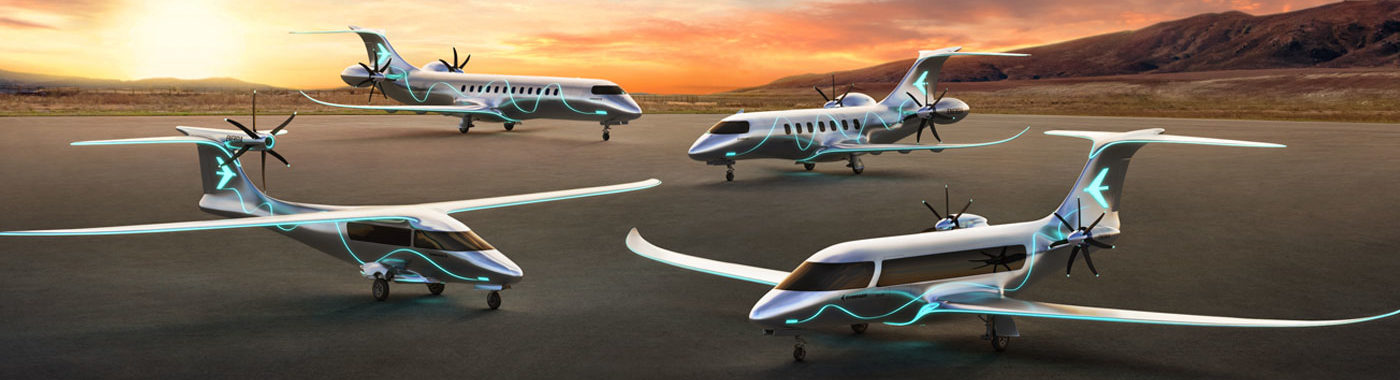
The original Energia family released in 2021. (Photo: Embraer)
First announced in November 2021, The Energia Family was comprised of four concept aircraft of varying sizes that incorporate different propulsion technologies – electric, hydrogen fuel cell, dual fuel gas turbine, and hybrid-electric.
• Energia Hybrid (E9-HE), a 9-seat hybrid-electric propulsion plane with rear-mounted engines.
• Energia Electric (E9-FE), a 9-seat full electric propulsion plane with aft contra-rotating propellers.
• Energia H2 Fuel Cell (E19-H2FC), a 19-seat hydrogen-electric propulsion aircraft with rear-mounted electric engines.
• Energia H2 Gas Turbine (E50-H2GT), a 35 to 50-seat hydrogen or SAF/JetA turbine propulsion plane with rear-mounted engines.
After a year in development, the Brazillian company has down-selected the concepts it’ll focus on in the next year. In the next phase, the manufacturer will concentrate its resource on developing SAF-based hybrid-electric propulsion and Hydrogen-electric propulsion. In addition to narrowing down propulsion technology, the company also decided to move forward with 19 and 30-seater airplanes.
On the low end, Embraer is upsizing its hybrid-electric 9-seater to a 19-seater while shelving the full electric plane altogether. The 9-seat segment is a hotly contested space with several engine makers, such as MagniX and Ampaire, working on Cessna 208 conversions. On the upper end, it makes sense for Embraer to mature the technology with smaller planes before committing to a schedule for readying the 50-seater.
Energia H2 Fuel Cell
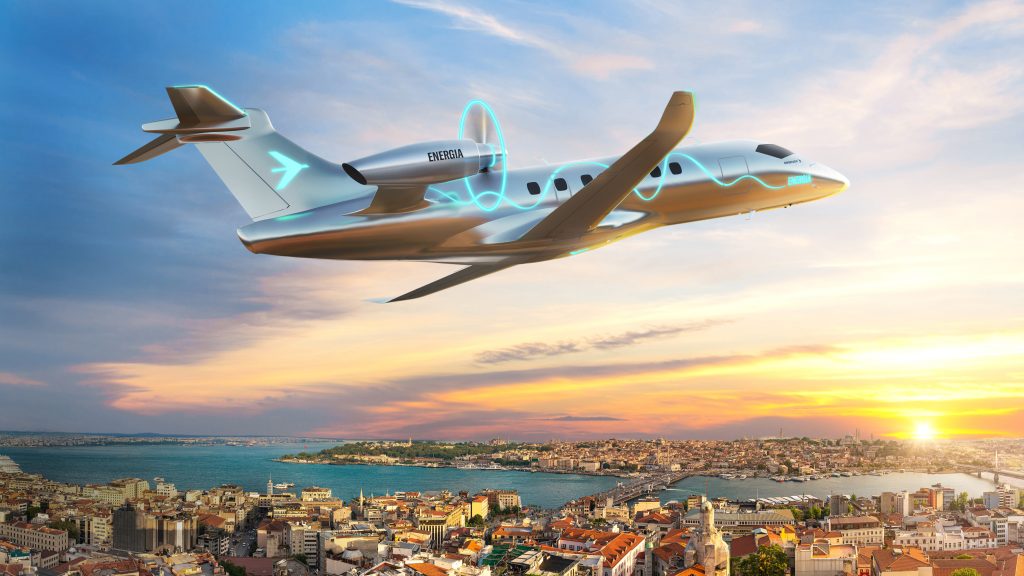
A rendering of E19-H2FC over the skies of Istanbul. (Photo: Embraer)
The Energia H2FC looks largely the same as what Embraer released a year ago. The design is still a T-tailed plane with two rear-mounted propeller engines. According to the manufacturer, this design enabled the aircraft to have a clean wing design that provides better aerodynamics and uses a shorter harness to lower energy loss.
A noticeable addition is the air inlet at the base of the empennage. Due to the heat generated from the fuel cell installed in the tail, it requires RAM air to cool down the battery pack.
The company also disclosed the range of its Hydrogen airplane. Embraer expects the plane to have a range of 200nm, which the company noted excludes regulatory reserves and estimated fuel cell degradations. The company expects the aircraft to be technologically ready in 2035.
Energia Hybrid Electric
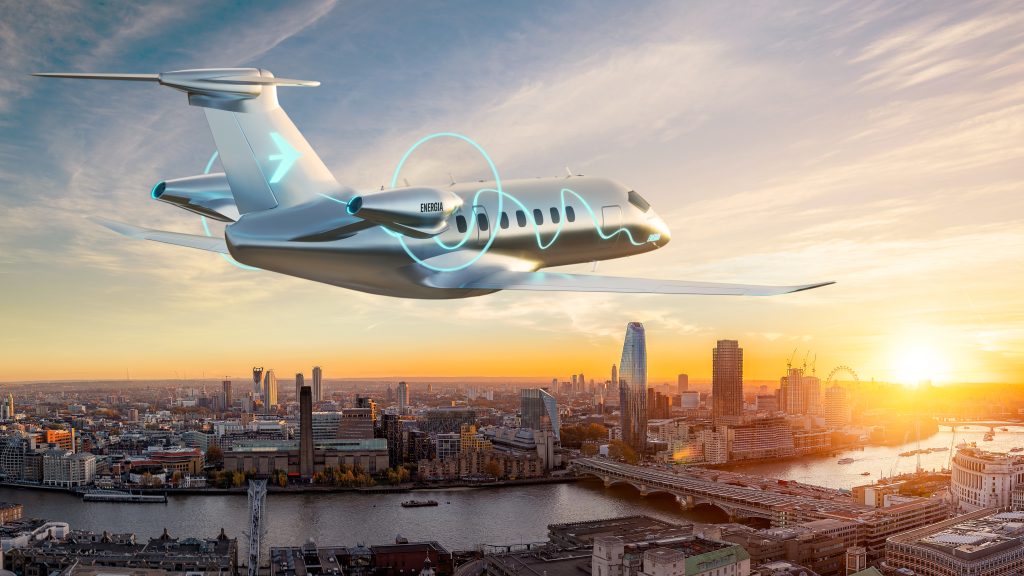
A rendering of E19-HE over the skies of London. (Photo: Embraer)
Unlike many existing concepts, such as the Heart Aerospace ES-30, where the aircraft uses a gas turbine as a generator to power an electric engine, the Energia E19-HE utilizes a parallel architecture. The plane uses battery cells during the intense power phases, such as taxing and take-off, while benefiting from the traditional thermal engine’s high efficiency during the cruise phase. This design allows the plane to carry a smaller battery pack, improving the airplane’s performance.
Since it only has a small battery back and uses traditional propulsion for most parts of the flight, it did not require an inlet similar to that on the E9-H2FC. With its lighter weight, the Brazillian company suggests it could reduce carbon emissions by 90% by using SAF. The E19-HE is expected to be technologically ready in 2030.
Interior
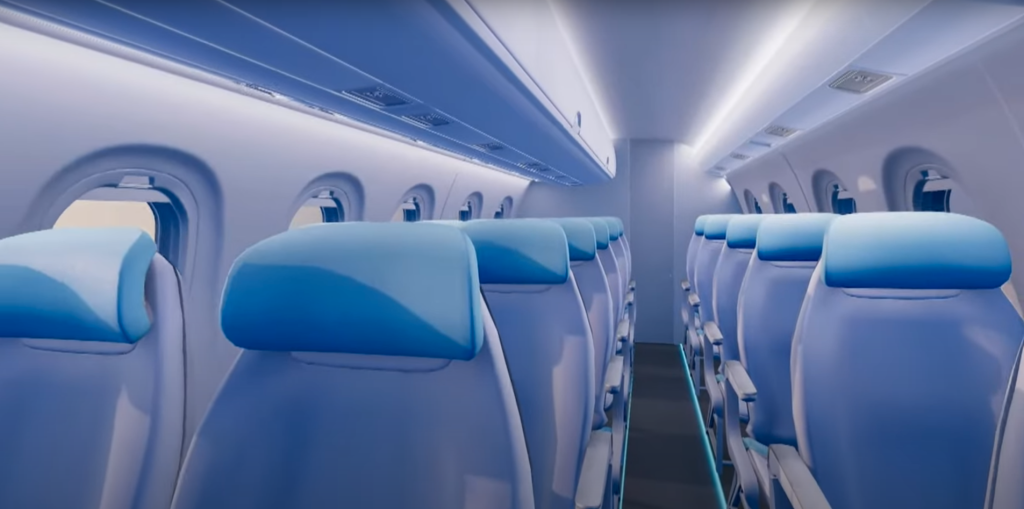
The interior of the Energia family aircraft. (Photo: Embraer)
The regional aircraft giant also showcased the Energia family’s interior design during the live-stream event. The cabin features a 1+2 layout which also allows average passenger standing space in the aisle. This arrangement is a departure from most of the existing 19-seat aircraft designs, where seating is mainly in a 1+1 layout. The design may be a result to improve weight distribution with the battery in the tail.
The cabin also provides small overhead bins, which along with other components, will be made from lightweight, sustainable materials. With the plane’s focus on lightweight, it may still allow operators to fly the aircraft without a flight attendant.
Outlook
As companies advanced in sustainable aviation research, 2022 has seen more companies pivoting from fully electric aviation to hybrid or hydrogen propulsion. It’s no exception with Embraer. This change also converges the South American manufacturer’s track with its European counterpart, which should give us much confidence that the industry is honing in on a realistic approach to a sustainable future.
Fangzhong grew up near an OEM airport in northeastern China, where he developed his enthusiasm for aviation. Taking upon his passion, he's now working as an aircraft interior design engineer. Besides working in the aerospace industry, Fangzhong enjoys trying out different types of airplanes and seeing how airplane interiors have evolved. So far, he's flown on over 80 types of aircraft. He also planespots in his spare time. His rarest catches included the 747 Shuttle Carrier Aircraft and AN-225.
A WestJet Boeing 787 enters the runway at Paine Field in Washington. (Photo: AirlineGeeks | Katie Bailey)
Effective April 30, 2023, WestJet will begin its first transpacific operation with the Calgary (YYC) – Tokyo/Narita (NRT) route. This service will be the only non-stop connection between the province of Alberta and Asia.
The last operation between Alberta and Japan was on October 26, 2019, with a daily Air Canada service between Calgary and Narita operated on Boeing 767-300ER: after more than 3 years, both cities are once again connected with non-stop flights.
“The Alberta government congratulates Calgary and WestJet and believes this is an important announcement for our province. Alberta is becoming more open to the world. We are excited to see that the October agreement will result in billions of new investments in Calgary,” said Alberta Premier Danielle Smith.
The route will be operated on Boeing 787-9 Dreamliner aircraft seating 320 passengers in three classes (16 Business Class/28 Premium Economy/276 Economy) and promotional fares are available from CAD 628 each way. This service will be available throughout the year.
In November this year, WestJet began strengthening its connectivity in Asia by placing its “WS” code on codeshare flights of its partner Japan Airlines on the Vancouver (YVR) – Tokyo/Narita (NRT) route.
“As transpacific air travel between Canada and Japan increases, this is an ideal time to take this new step in our cooperation with Japan Airlines,” said John Weatherill, WestJet’s chief commercial officer.
By the 2023 summer season, Narita International Airport (NRT) will be connected to Toronto (YYZ), Montreal (YUL), Vancouver (YVR) and Calgary (YYC), bringing back all Canadian destinations offered prior to the pandemic. WestJet will be the fourth airline to offer non-stop flights between Canada and Japan.
Korean Air began operations with its Pratt & Whitney-powered Airbus A321neo aircraft, the newest model in the company’s fleet. The new A321neo features a new Prestige Class product with a fully reclining seat, the only South Korean company to offer this feature on a narrowbody aircraft.
Korean Air’s first service of the A321neo was on November 30 on flight KE 1027, which took off from Seoul-Gimpo Airport (GMP) at 09:34 local time and landed at Jeju International Airport (CJU) at 10:34, after one hour.
According to Cirium, in December the South Korean flag carrier will have an offer of 45,136 seats per month on flights operated by Airbus A321neo. This model is expected to operate international services to mainland China, Japan and Southeast Asia.
“This next-generation, fuel-efficient A321neo will take our customers’ experience to a new level with the award-winning Airspace cabin and fully reclining business class seats,” said Soo Keun Lee, Korean Air’s executive vice president and chief operating and safety officer.
“With the A321neo’s fuel-per-seat improvements of at least 25% compared to Korean Air’s previous-generation fleet of the same size, the airline will significantly reduce its operating costs as well as emissions at the same time,” said Christian Scherer, Airbus chief commercial officer and head of Airbus. Korean Air’s Airbus A321neo aircraft seats 182 passengers in two classes with 8 seats in Prestige Class and 174 seats in Economy.
Prestige Class
The lie-flat seats are fully reclining 180 degrees, the first time the airline has offered this type of product on its fleet of narrowbody aircraft.
Personal entertainment screens are 44 cm wide for On-Demand service and a wireless charger for smartphones.
Prestige Class
The lie-flat seats are fully reclining 180 degrees, the first time the airline has offered this type of product on its fleet of narrowbody aircraft.
Personal entertainment screens are 44 cm wide for On-Demand service and a wireless charger for smartphones.
Economy
Seats will have a seat pitch of up to 121 degrees, and IFE personal entertainment screens are 33 cm wide. In addition, seats are fitted with an adjustable headrest and an individual coat rack.
Airspace Cabin
Korean Air is the first Asian airline to feature Airspace Cabin on an Airbus A321neo, with a new lighting system suitable for each phase of flight. The overhead compartments are 40% larger compared to other A321neo and the bathroom is equipped with bright lighting and antibacterial coating. By the first half of 2023, A321neo aircraft will have in-flight internet service.
Korean Air is continuing with its fleet modernization plans and is scheduled to take delivery of 30 Airbus A321neo by 2027.
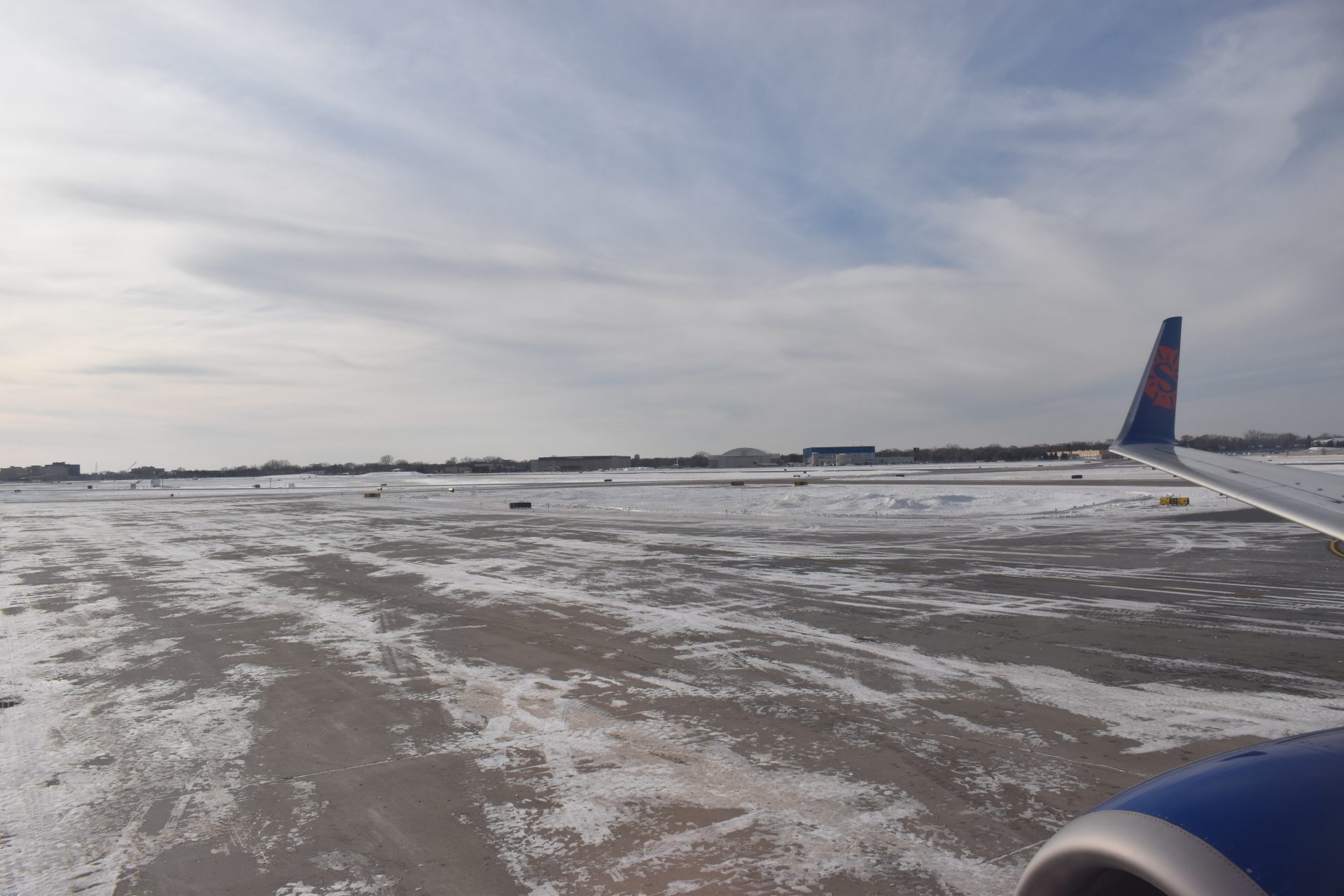
Sun Country 737-800 in the EAS community of Eau Claire, Wis. (Photo: AirlineGeeks | Joey Gerardi)
Minneapolis-based Sun Country Airlines has been expanding a lot recently with a major announcement a couple of weeks ago adding 12 new destinations to their route map. However, out of all the destinations they could’ve announced, Eau Claire, Wis. is not one I would place bets on.
SkyWest under the United Express branding — that probably sounds like a broken record — requested to terminate 29 Essential Air Service communities back in the spring of 2022, and Eau Claire, Wis. was one of them. So, they —along with the other 28 communities started the EAS bidding process — with many of them having decisions made by now and others having already started the service on new carriers.
The EAS contract in Eau Claire is one of the more interesting ones with Sun Country being selected. This makes Eau Claire — the only EAS community in the lower 48 — to have regularly scheduled flights on a Boeing 737. It’s Sun Country’s first and only EAS contract, and when Eau Claire to Las Vegas starts, it will become the longest EAS route in the entire country.
This was an inaugural flight to an EAS community on a really short flight with a larger plane, a turn in the middle of the day with no overnight in Eau Claire required, and a round-trip fare of less than $30 from Minneapolis. This unique combination of items made it so AvGeeks from around the Midwest and even around the country flocked to Sun Country’s hub to experience this unique flight, making it an AvGeek experience like no other.
The day before my flight I tried to check in online, but when I hit the ’email mobile boarding pass’ option on the site, all it did was send me an email of my trip confirmation and no boarding pass. I figured it was a mistake I made so I tried it again, but it still didn’t work, so instead of getting a mobile boarding pass my trip confirmation was re-emailed to me about five more times before I gave up. So I had to get my boarding pass at the counter on the day of the flight.
Day of the Flight
As mentioned previously, this was an AvGeek hotspot event with many coming in from different parts of the country, and as such, I was meeting quite a few of them there to talk about geeky stuff. I arrived earlier than I needed to for a flight like this, three hours prior, so that I could converse with the others going on the trip and head to the gate.
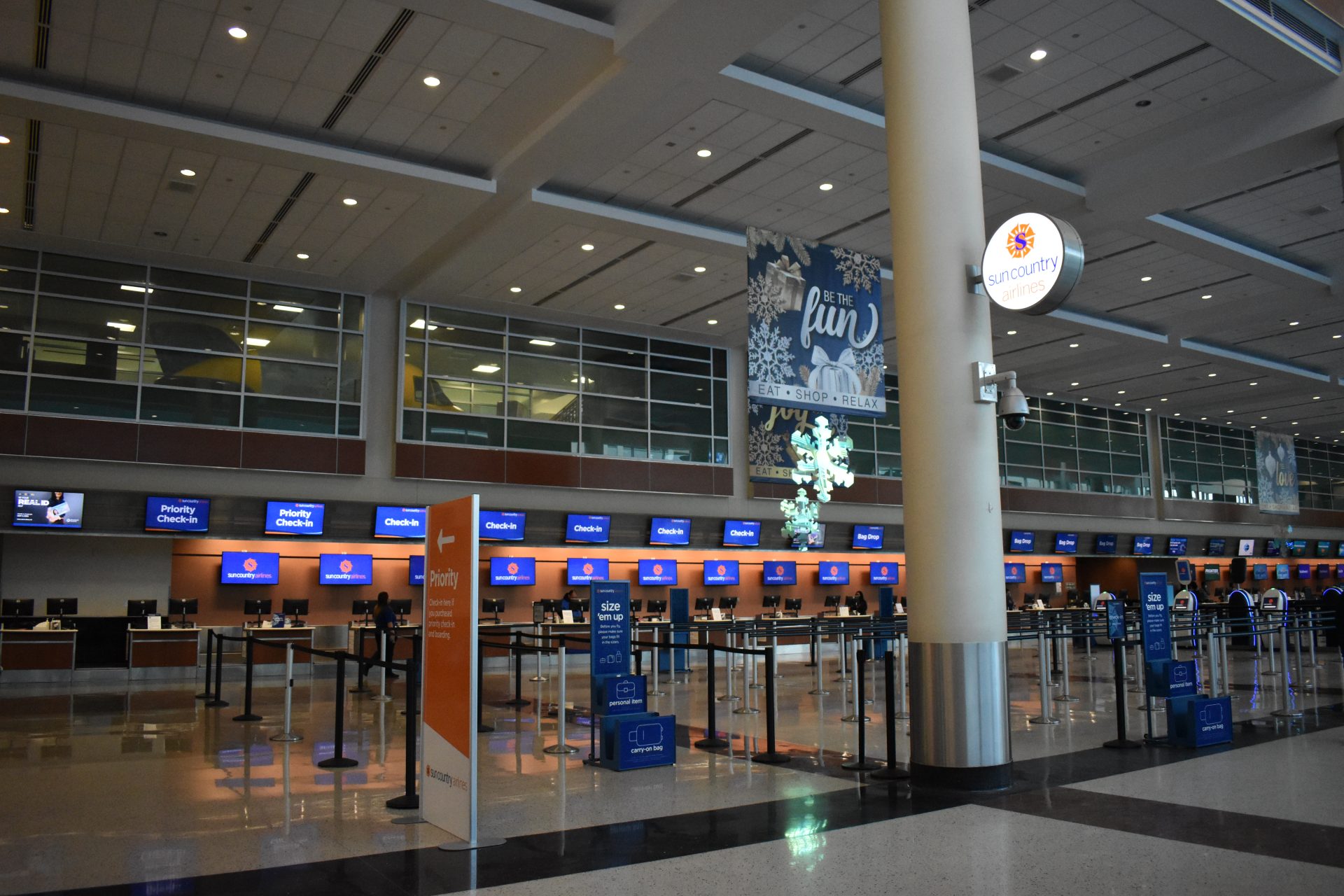
For the inaugural flight, it departed Minneapolis mid-day during a pretty relaxed time within the Sun Country schedule. Meaning with not many other Sun Country flights departing around this time the check-in area was completely empty of passengers. When this flight changes times it will be leaving within a busy Sun Country bank time, making it harder to get a printer boarding pass with their online check-in not working correctly, so hopefully they can get this issue fixed.
Sun Country’s empty check-in area at their Minneapolis hub (Photo: AirlineGeeks | Joey Gerardi)
I was able to get a printed boarding pass since the mobile version was never sent, and they were also able to print my boarding pass for the return flight. This second return boarding pass confused the agent, but I explained what I was doing, and she mentioned she has already seen a couple of people with cameras pass by.
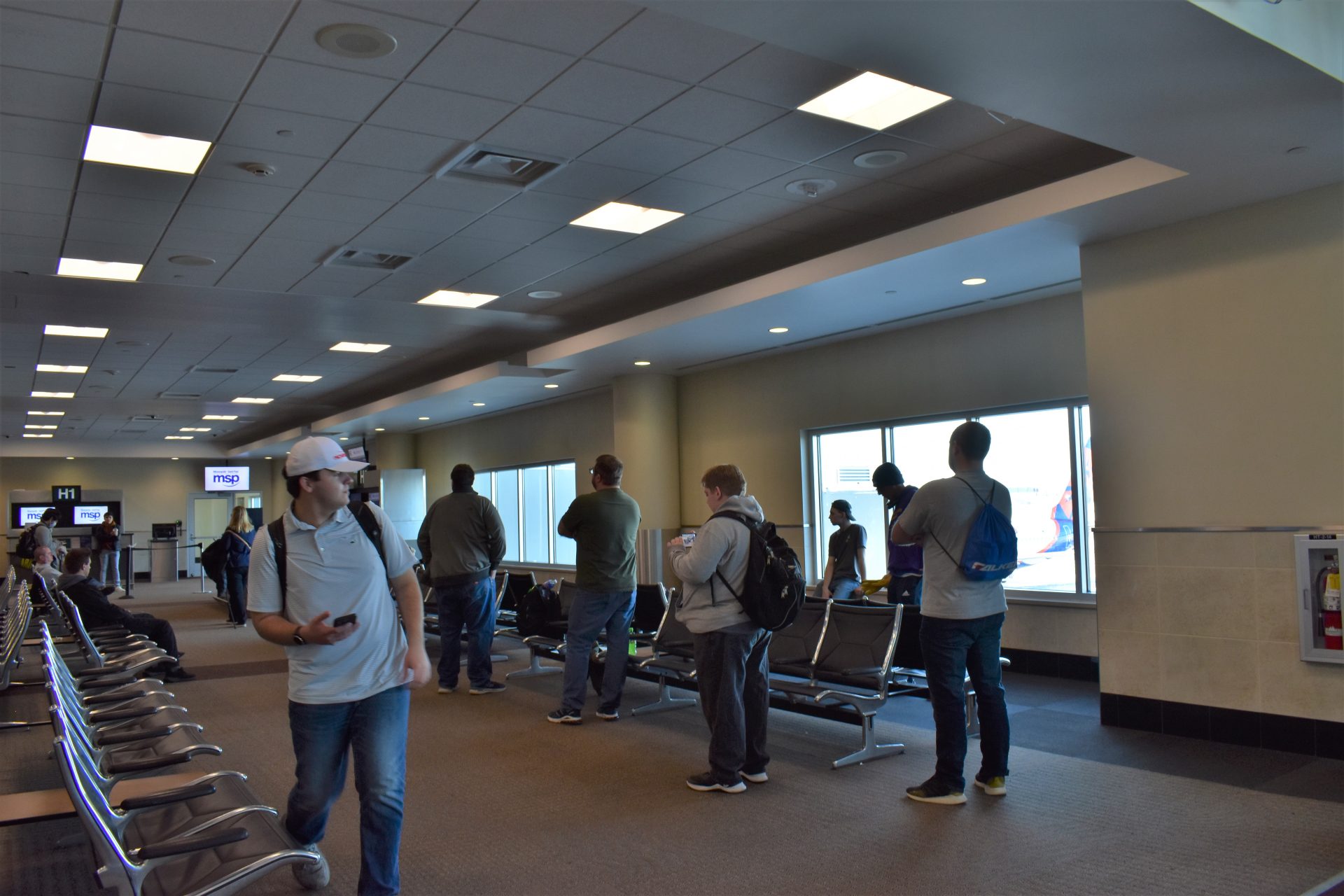
With the departure occurring in an empty non-existent flight bank, security was a breeze, especially with TSA PreCheck, which the airline participates in airports. Along with this empty flight area, it also meant a pretty empty gate area too, except for the bunch of AvGeeks that had the same idea I did and arrived early.
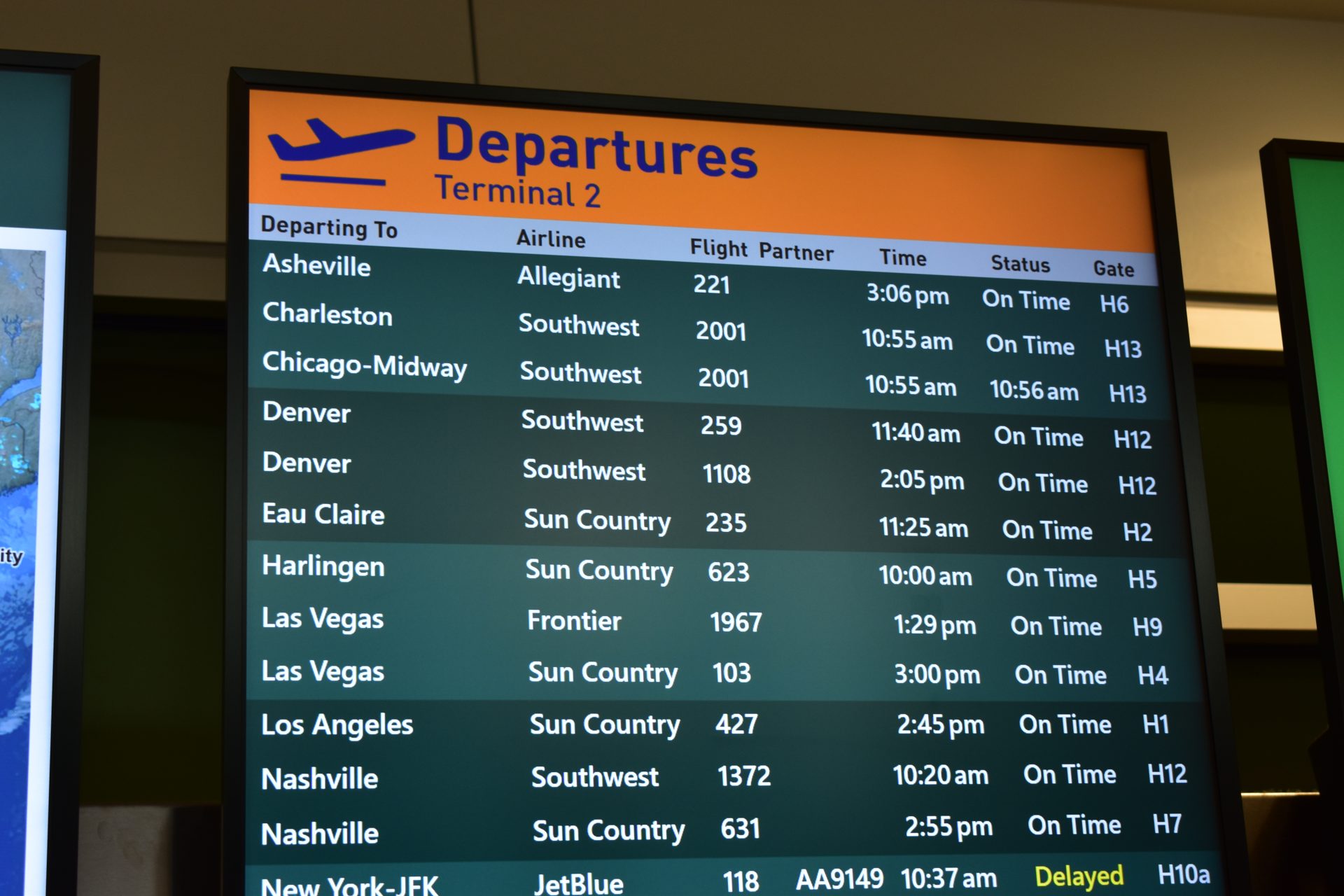
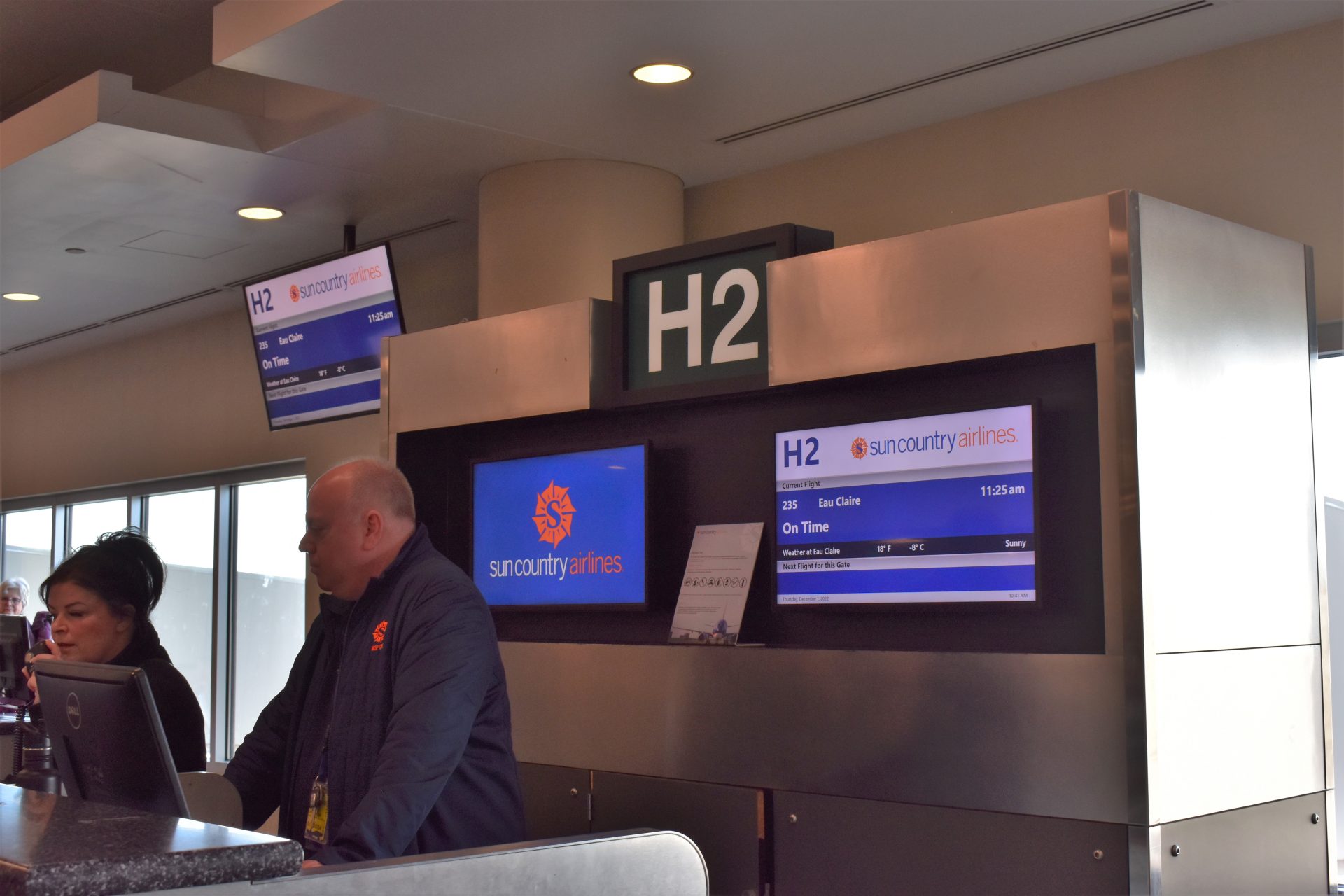
The departure board at Minneapolis/St. Paul (Photo: AirlineGeeks | Joey Gerardi)
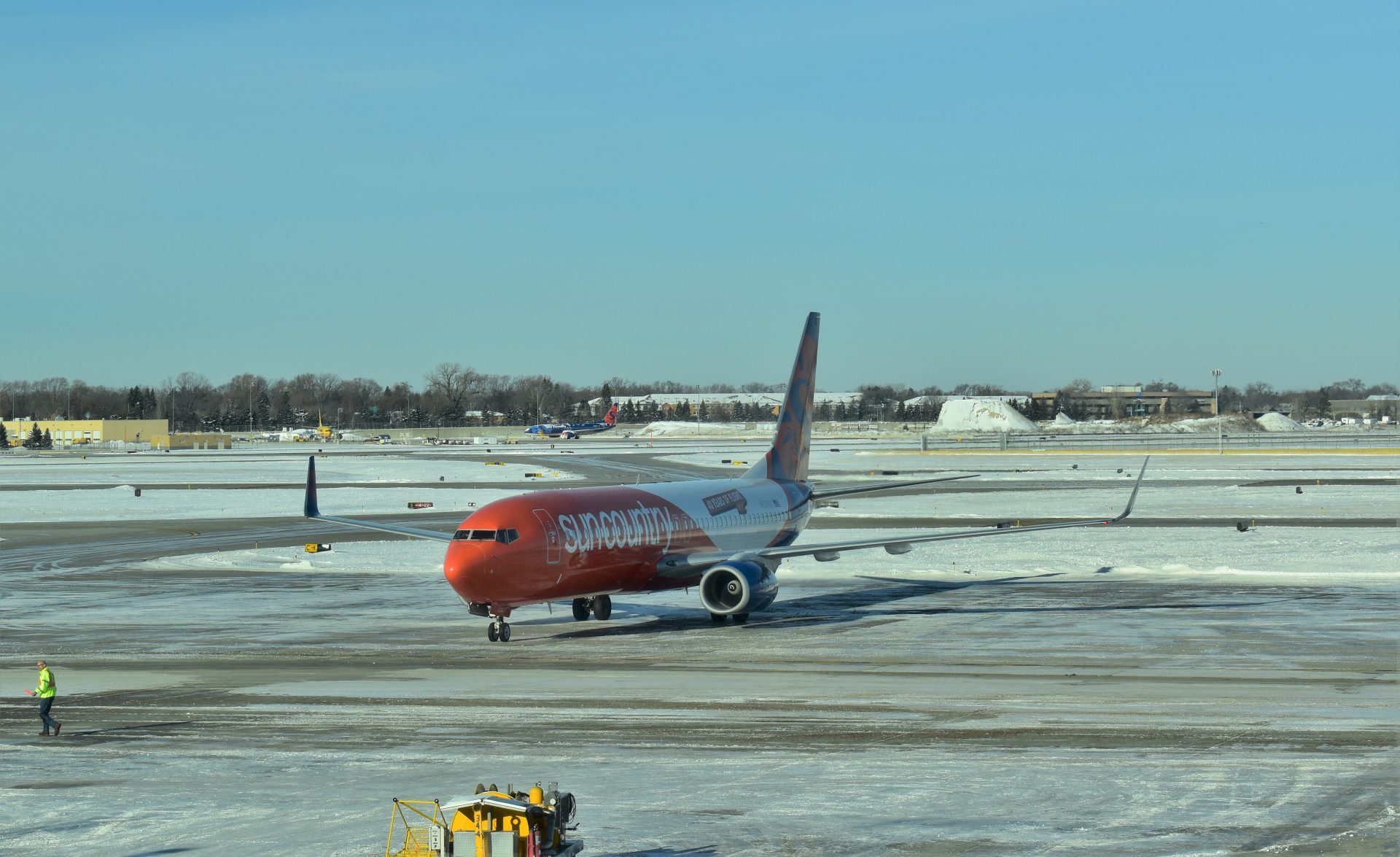
It wasn’t long before the aircraft arrived, N834SY, a Boeing 737-800 that previously belonged to FlyDubai and had taken its last flight three days prior. With inaugurals, airlines like to try and have that aircraft ready to go as they don’t want delays on the very first flight, especially with events that are covered as much as this one by media and AvGeeks alike.
N834SY, our aircraft for the inaugural (Photo: AirlineGeeks | Joey Gerardi)
By this time, more people had shown up for the flight and I began talking with the passengers. It seemed that a majority, if not all of the passengers on this flight going to Eau Claire fit into one of four groups; AvGeeks doing this for fun, people from the media, whether it is local or regional, Sun Country employees that have confirmed tickets on the flight, or non-revenue employees of the airline. It was a very low and possibly non-existent number of people going to Eau Claire that weren’t already aware of the flight’s significance before they showed up at the gate.
AvGeeks clustered around the gate before boarding (Photo: AirlineGeeks | Joey Gerardi)
Just to give you a clue on how close Eau Claire is to Minneapolis; the flight is 85 miles direct between the cities, and driving between them is 90 miles and can be accomplished in under 1.5 hours. One or two of the AvGeeks on this trip drove in from Eau Claire to Minneapolis that morning, will take the flight to Eau Claire and back to Minneapolis just to be on the inaugural, and then will drive back to Eau Claire after the flight is over.
The departure gate for Eau Claire (Photo: AirlineGeeks | Joey Gerardi)
One of the eligibility requirements for EAS communities is that they have to be 70-highway-miles or more from the nearest medium or large hub airport, and with Minneapolis being 90 miles away they technically do make that requirement, and they aren’t even the closest EAS city to a hub. But they are one of the few that are this close to a hub and connect the flight to the closest hub.
Roughly 10 minutes before boarding started I finally got an email, five of them in fact, with mobile boarding passes that I had asked the website to send me almost 24 hours prior, seems like a glitch in the website that they need to fix. If someone was stuck at the counter without a boarding pass at all, it wouldn’t help them when they receive it almost a full day later.
With all of the talking between new and old friends, we hardly realized how fast time passed and boarding time came around. They started the boarding process 40 minutes before departure time, despite the fact there were only actually 45-people on the flight, meaning they could’ve boarded everyone in 30-second increments and still had time to spare.
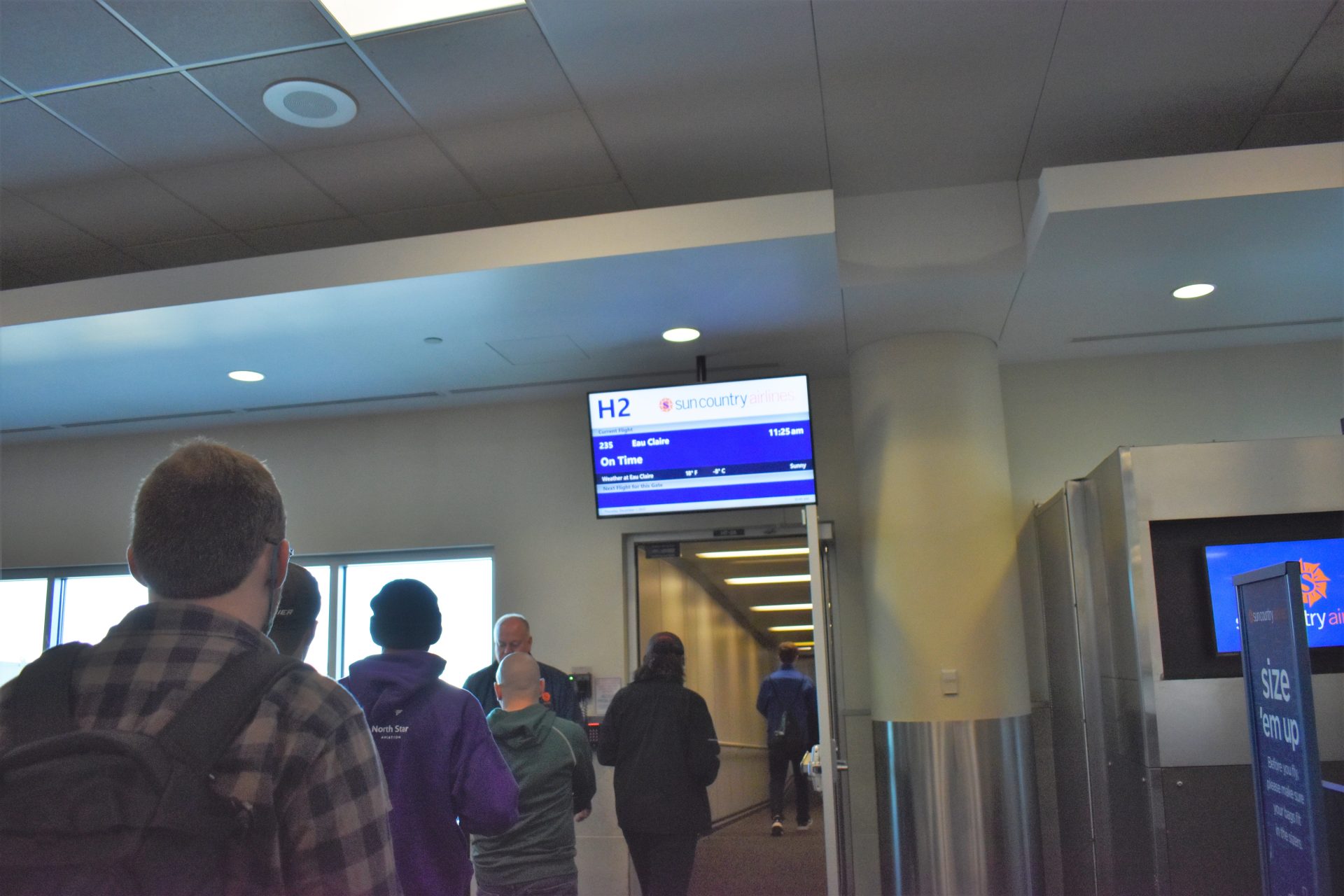
Boarding the flight to Eau Claire (Photo: AirlineGeeks | Joey Gerardi)
I choose seat 6F for both flights, just behind the seats the airline designates as “Best” which are rows 1-5, but far enough forward to get a good shot of the engine and wings.
My seat, 6F for the both flights (Photo: AirlineGeeks | Joey Gerardi)
As we started boarding so early with not many people, all the AvGeeks on board got cameras in hand and began documenting this occasion. We talked with each other for the rest of the boarding process which was pretty empty given most of us were already on the plane. The plane was really empty, but most of the window seats in the front half of the plane were taken leaving most of the aisle and middle seats empty except for those traveling with someone else.
Most of the aisle and middle seats were left empty (Photo: AirlineGeeks | Joey Gerardi)
Safety demonstration and pushback exactly at our scheduled departure time, 11:25 a.m., and the taxi to the runway took roughly ten minutes. We took off at 11:38 a.m. towards Eau Claire, Wis.
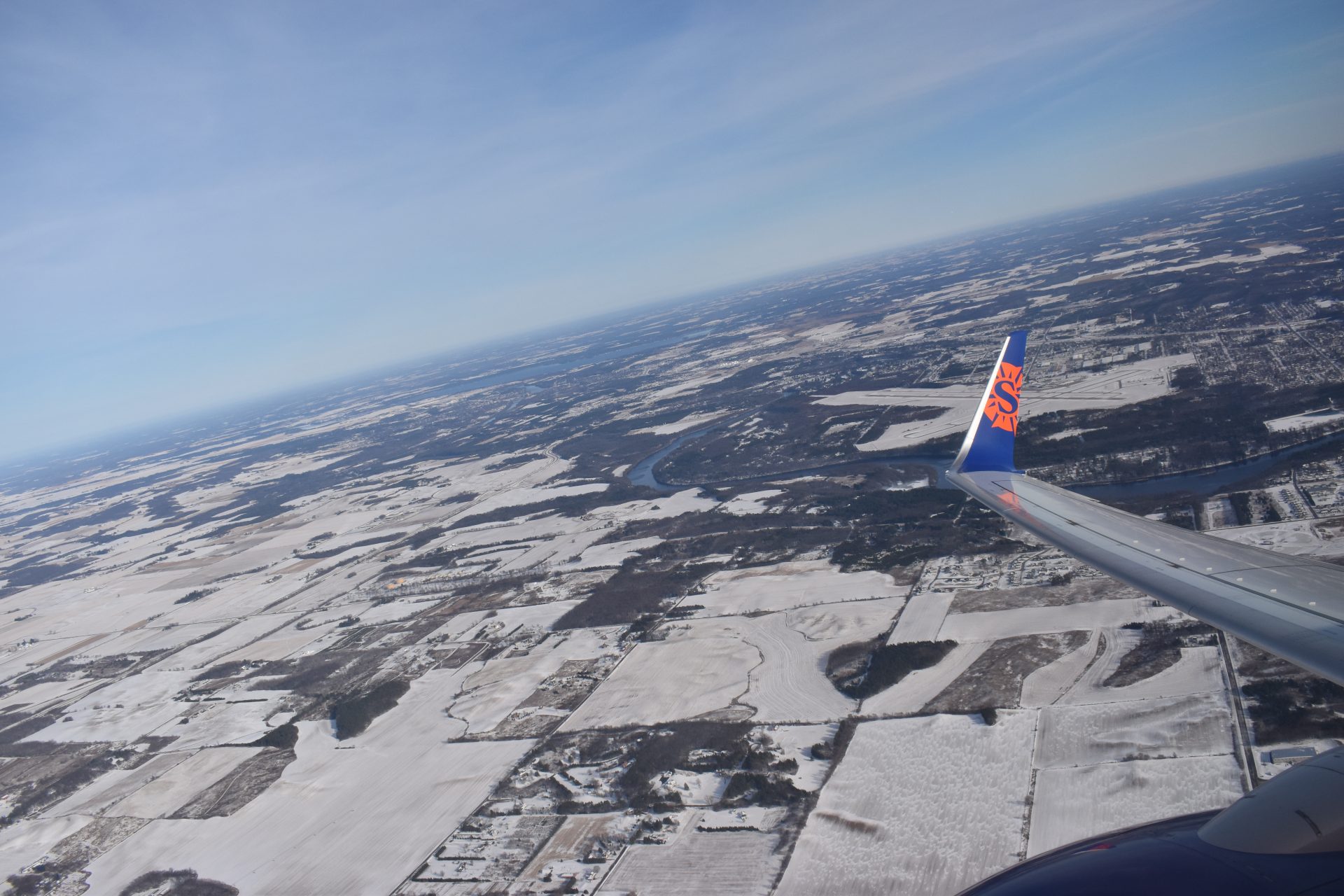
Just after taking off from Minneapolis towards Eau Claire (Photo: AirlineGeeks | Joey Gerardi)
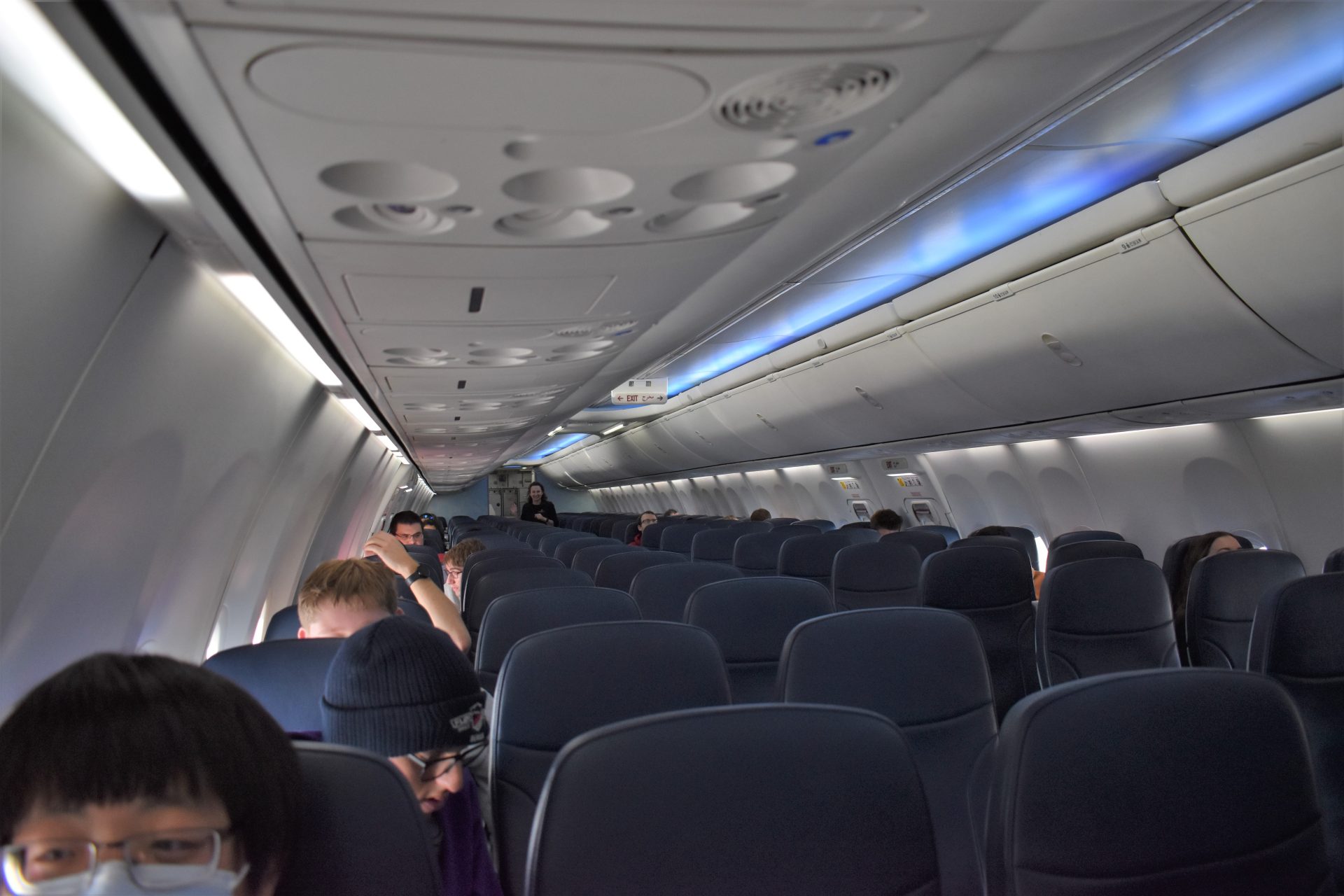
As far as the flight goes, there wasn’t anything special about the short flight to Eau Claire. No service due to the short flight, and the entertainment didn’t work, since we cruised below 10,000 feet, at 6,800 feet. Even if entertainment worked, the flight was too short, so we just looked out of the window and enjoyed the sights on the way to Eau Claire.
At our cruising altitude of 6,800 feet (Photo: AirlineGeeks | Joey Gerardi)
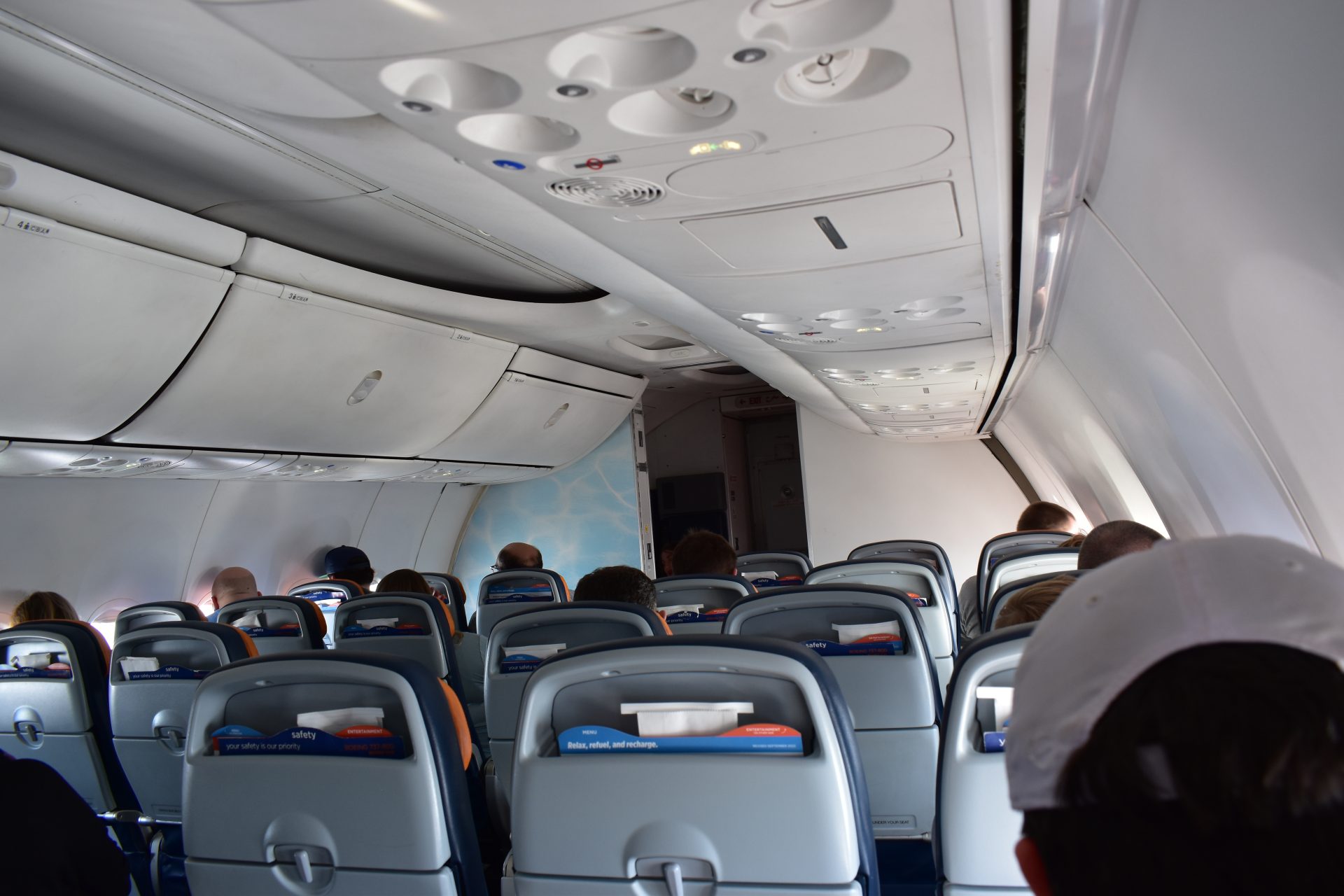
It did give me a chance to check out the features left by the former operator of this aircraft, FlyDubai while including the blue bulkhead walls. And the walls were inconsistent with only some of them having the blue ‘ocean water’ look on them. It’s not like they didn’t have time to remove it with Sun Country taking possession of this plane in May of 2019, it has most likely been through the refitting shop multiple times since then. Another unique feature from the previous airline is the words ‘Exit’ also being written in Arabic in multiple parts of the cabin.
Blue bulkhead still left over from FlyDubai (Photo: AirlineGeeks | Joey Gerardi)
It wasn’t long before we began our short and quick descent into Eau Claire, with the airport appearing out of the right side of the cabin.
Eau Claire Airport in the distance (Photo: AirlineGeeks | Joey Gerardi)
It wasn’t long before we touched down in Eau Claire at exactly noon after a 22-minute hop from Minneapolis.
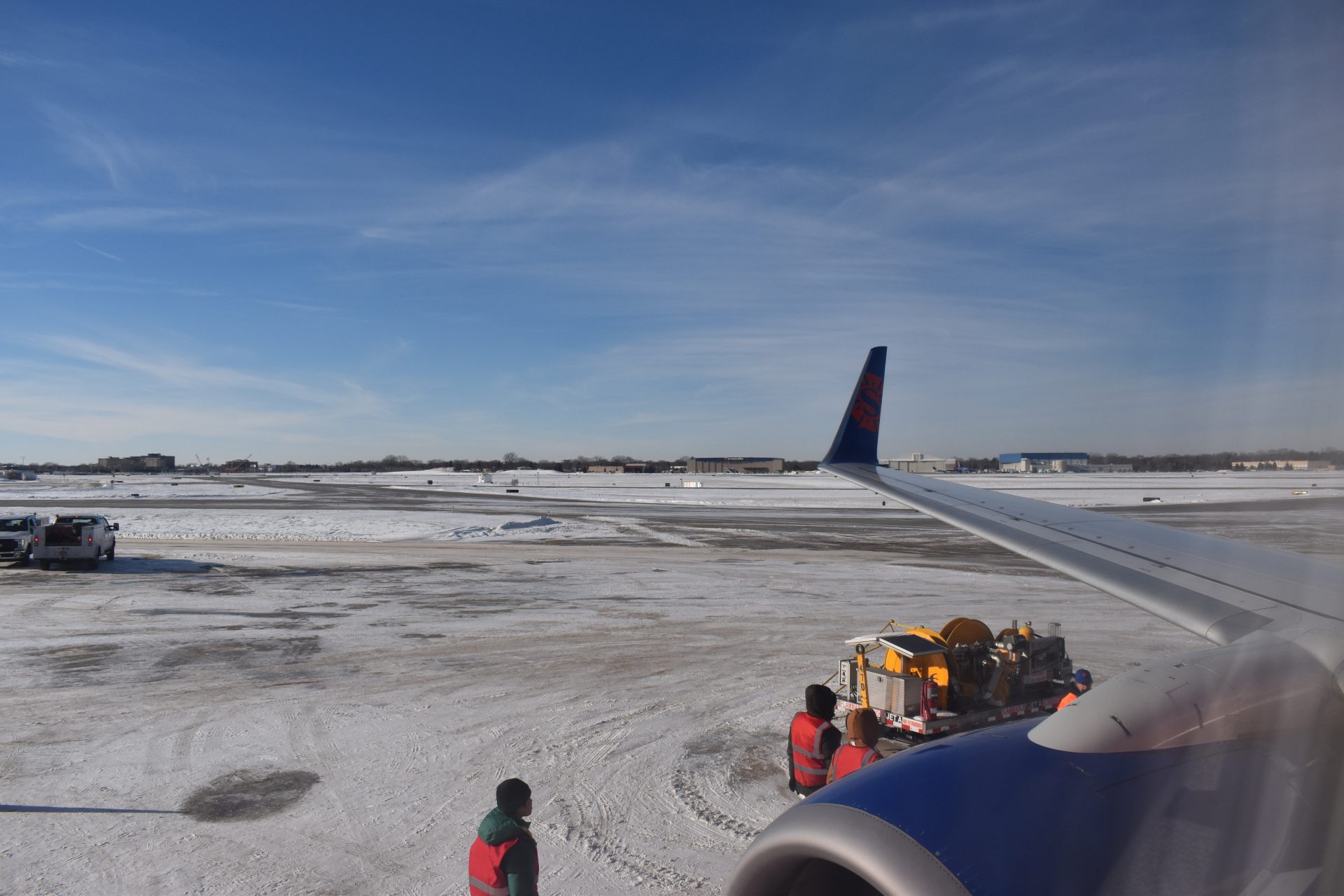
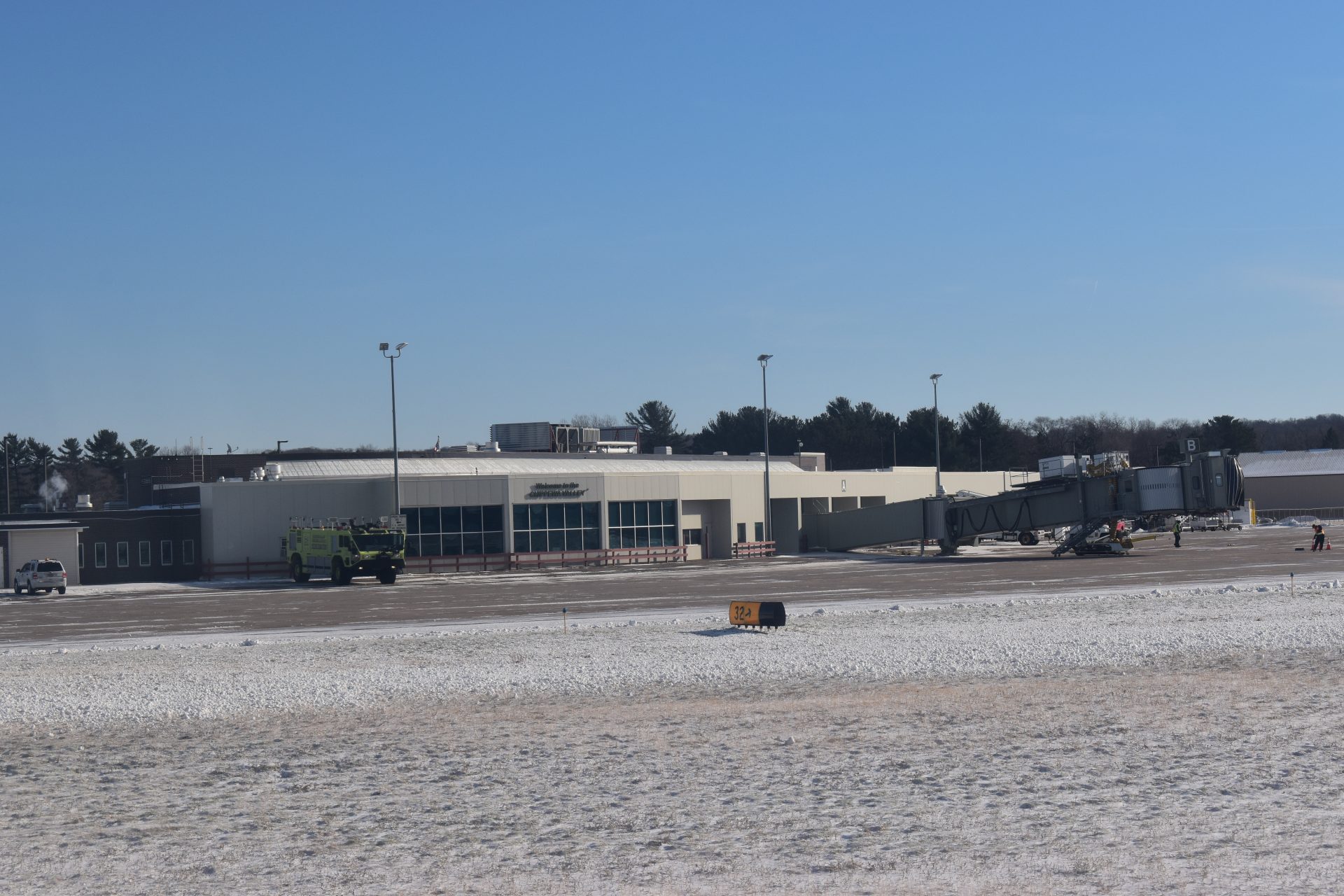
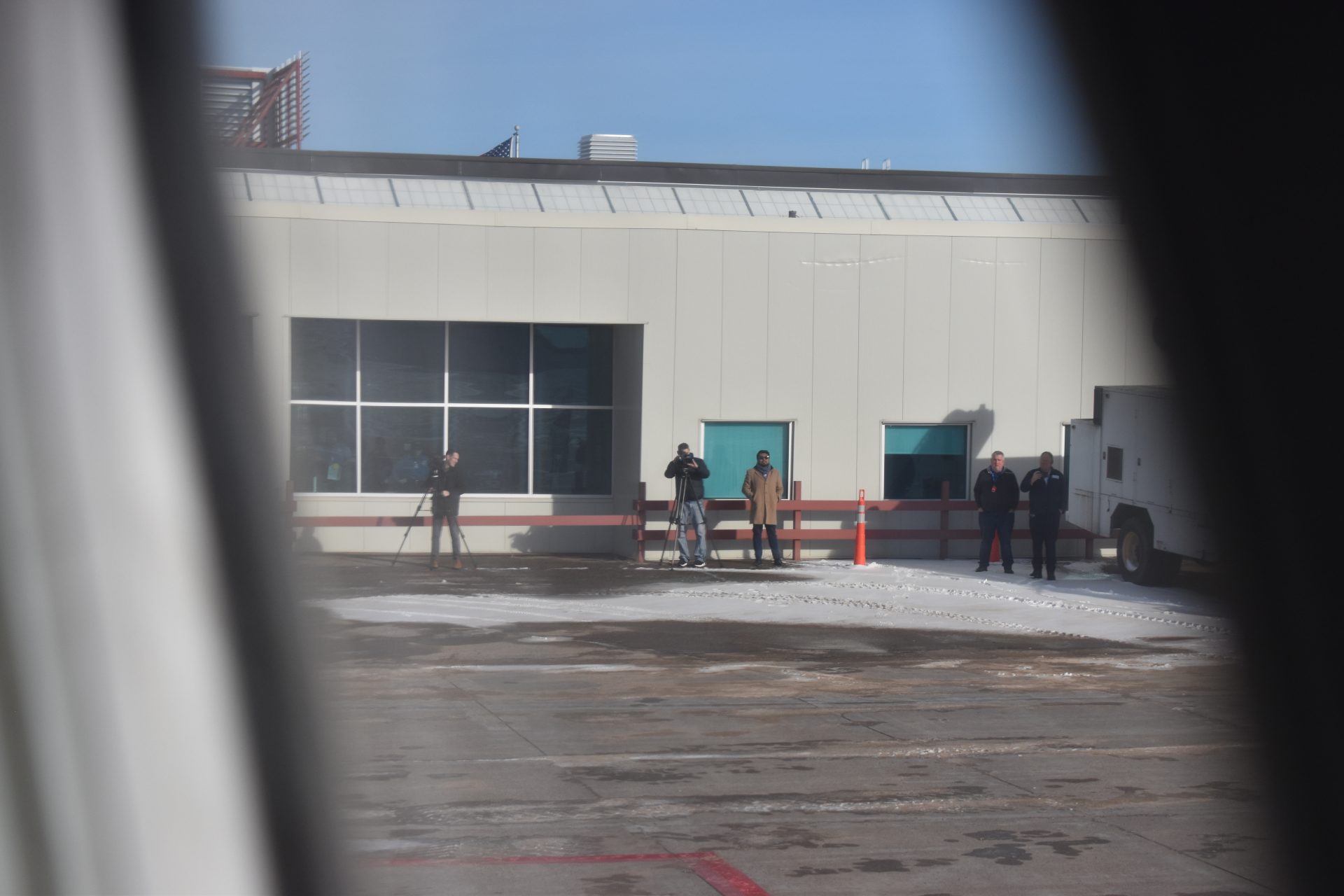
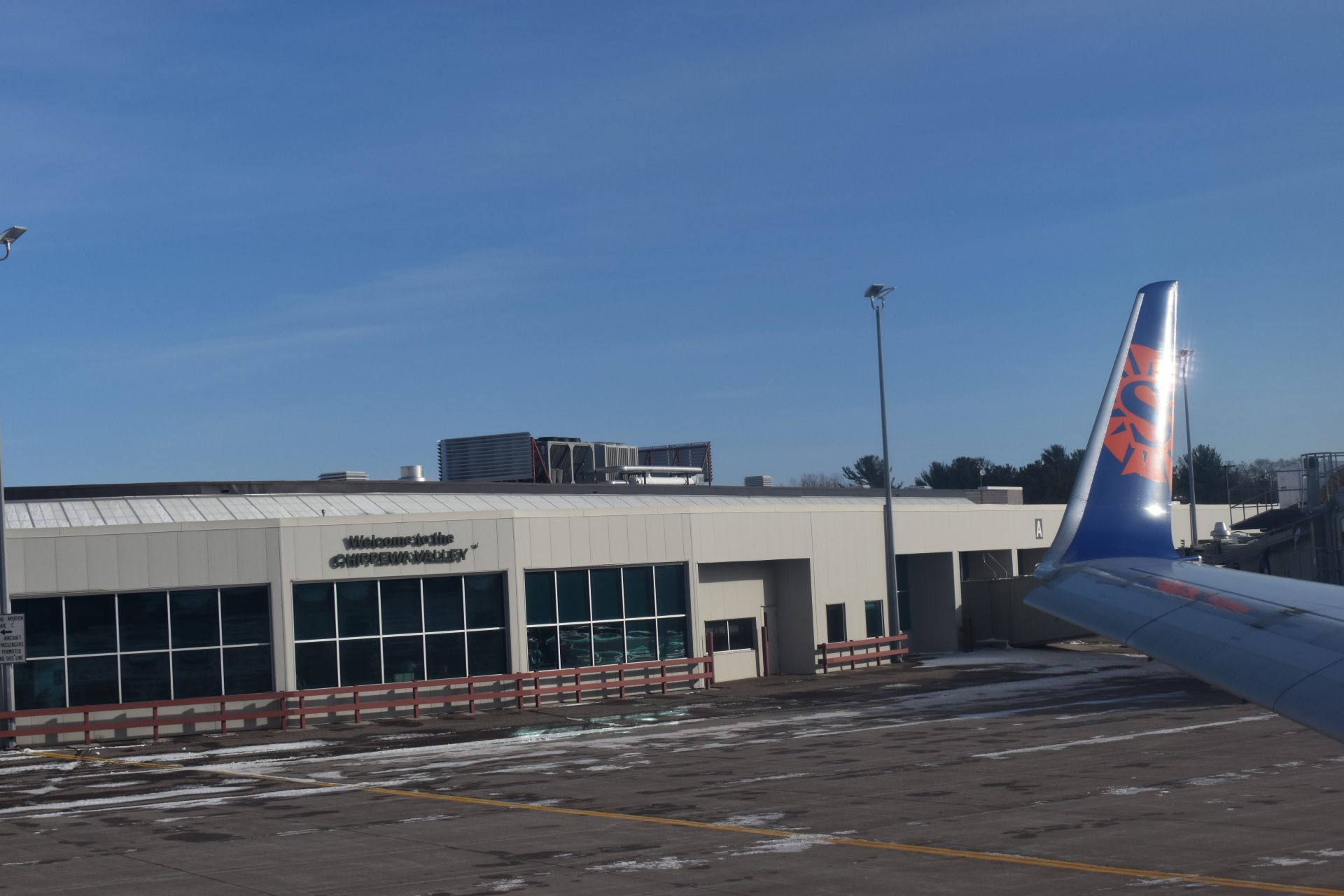
Out of the window, you could see the jetway we were going to use, which was at a larger angle than it usually was when United served this airport on the Bombardier CRJ-200s.
Arriving into Eau Claire (Photo: AirlineGeeks | Joey Gerardi)
Even though most of us on the plane were heading back to Minneapolis on this same plane, we still needed to get off. We didn’t need to go through security again as long as we stayed in the secured gate area, but a TSA officer said that there was a celebration as well as goodie bags and a ceremony that was being held in the lobby before security and we could go out if we wanted to. He also offered to send some goodie bags through security for those of us that didn’t want to leave to go to the ceremony.
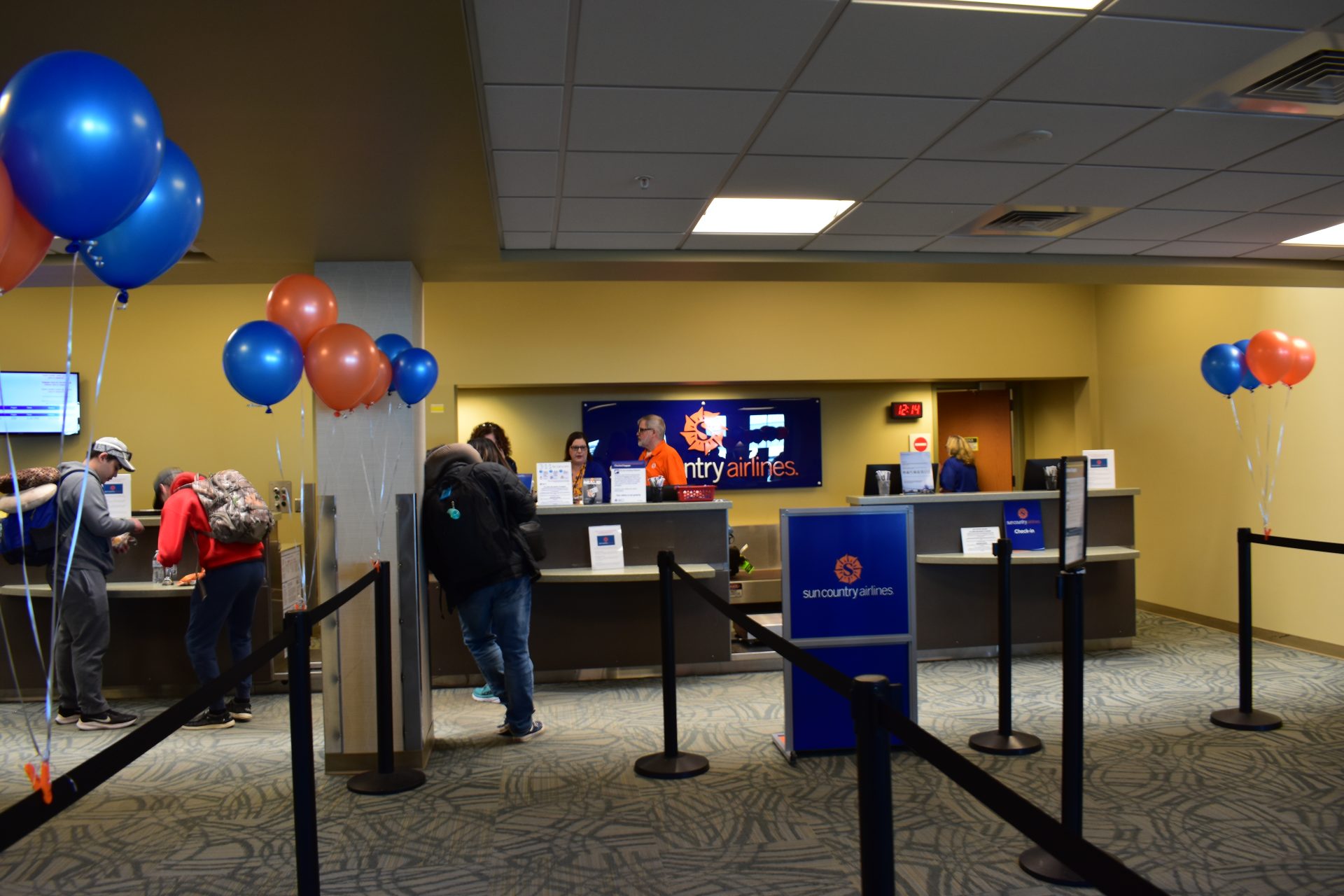
The airport was fully expecting many AvGeeks to show up on this flight given the unique aspect of it and prepared for it, which was obvious given the previously mentioned conversation with the TSA agent. There were balloons set up around the ticket counter and a separate room off the lobby which featured goodie bags, mini cupcakes, chips, and a number of other items.
Sun Country’s ticket counter in Eau Claire (Photo: AirlineGeeks | Joey Gerardi)
The room off the lobby at EAU had gifts for passengers (Photo: AirlineGeeks | Joey Gerardi)
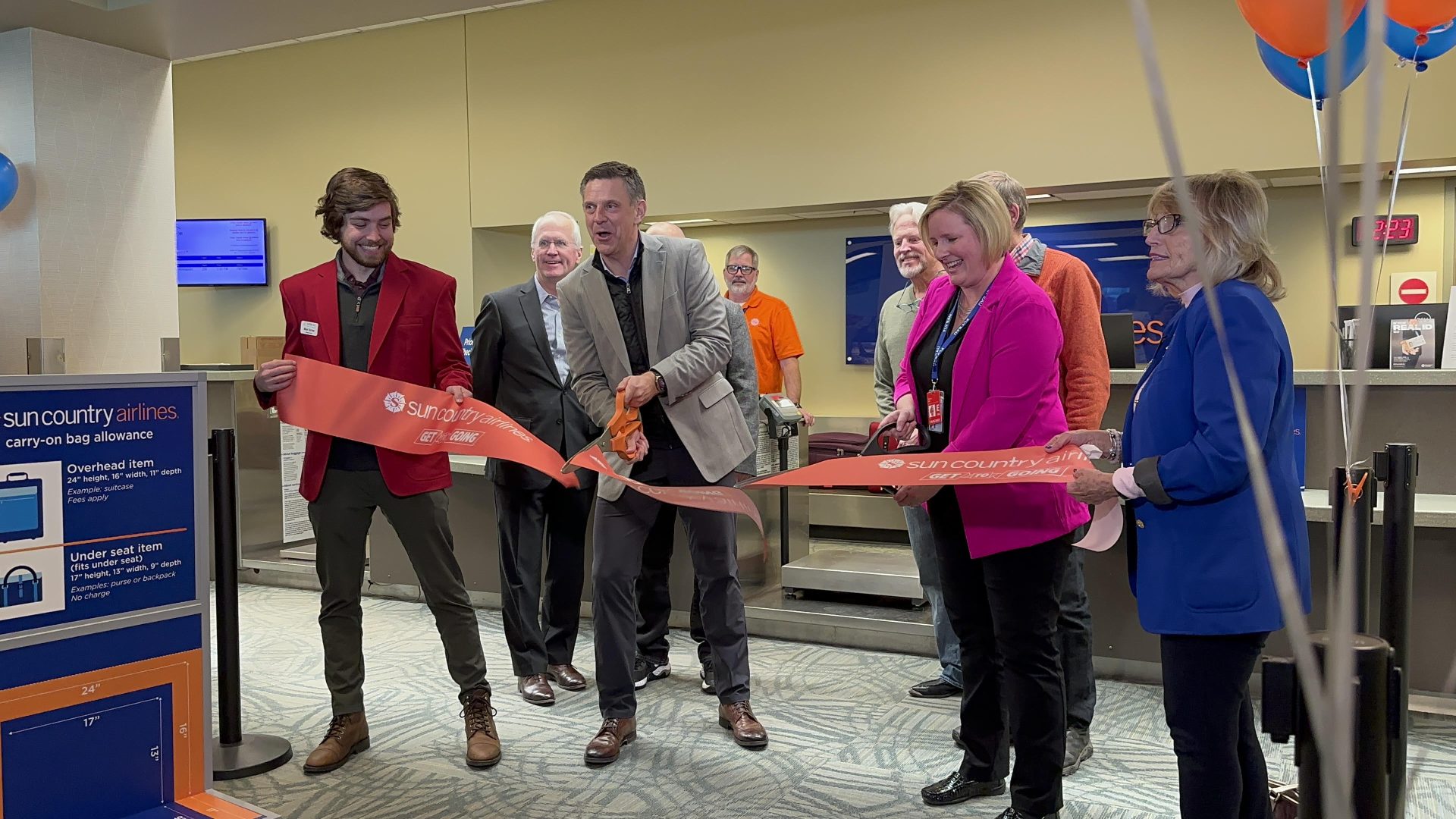
It wasn’t long before the large crowd of people gathered around the Airport director and Sun Country’s Senior Vice President for some quick speeches, which were then followed by a ribbon-cutting ceremony.
The ribbon cutting ceremony at Eau Claire (Photo: AirlineGeeks | Joey Gerardi)
Another AvGeek item I managed to get that nobody else got is part of the ceremonial ribbon, I try to get a part of the ribbon from every inaugural I attend and I was able to acquire one from the 46th EAS community I have been to; which is this community.
Directly after the ribbon ceremony, I needed to head back through security as the flight back was already boarding, luckily Eau Claire had a TSA PreCheck lane, which helped considering most of the AvGeeks on this flight were in the regular security lane making my transit back to the gate much easier with all of the camera gear I was traveling with.
Boarding has started for the flight back to Minneapolis (Photo: AirlineGeeks | Joey Gerardi)
For the flight back to Minneapolis there were 59 passengers, and some of them were folks that didn’t know about the special occasion beforehand and were making connections to other Sun Country flights in Minneapolis.
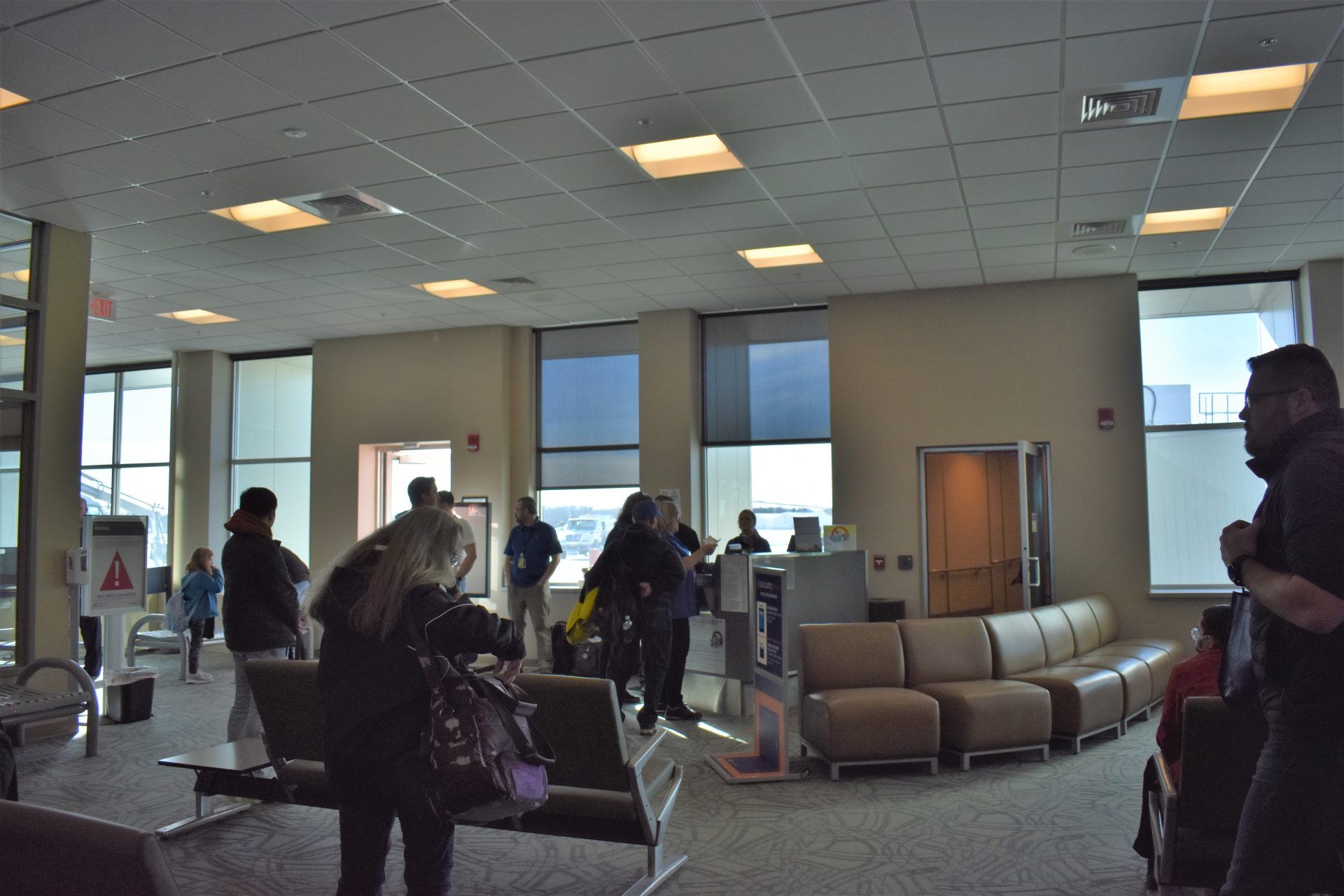
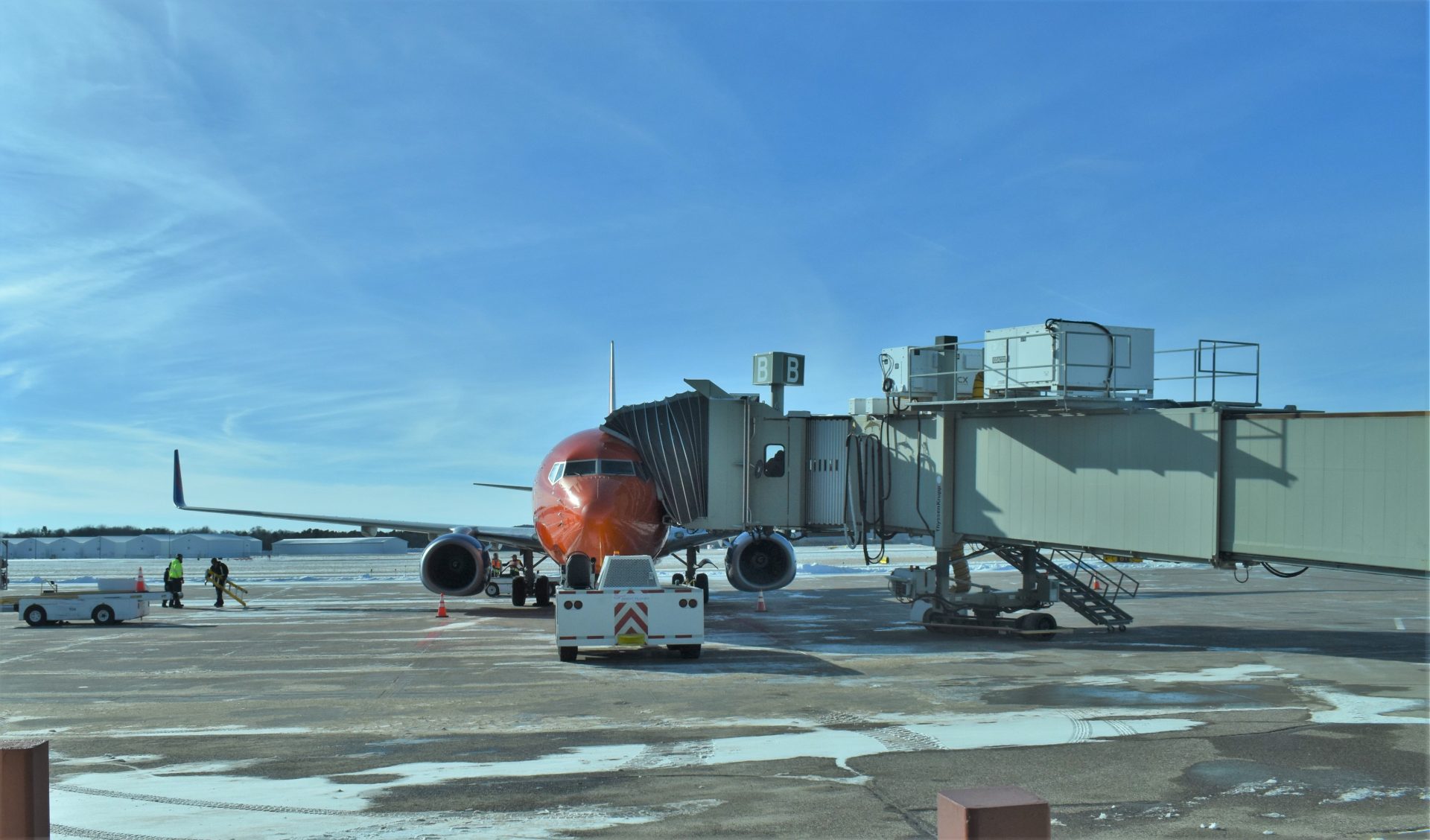
Another interesting aspect of this airport, is they had no gate numbers, but instead gate letters, with us departing from ‘Gate B’.
My aircraft at the gate in Eau Claire, Wis.
The pilots welcomed us all back on board and we left the gate after a slower-than-average pushback. This was due to the fact the agents here in Eau Claire were still training in the pushback of a larger plane, so they took it slower, which is good.
We did leave the gate a little late, but this is to be expected for a first flight and especially one with this much celebration and local press at the airport covering the event. The scheduled departure was 1 p.m., we pushed back from the gate at roughly 1:12 p.m., so not that much later.
The local Eau Claire press at the airport (Photo: AirlineGeeks | Joey Gerardi)
It is so fascinating seeing an aircraft this big operate at a terminal this small, especially considering it is an EAS airport.
Taxiing out of Eau Claire back to Minneapolis (Photo: AirlineGeeks | Joey Gerardi)
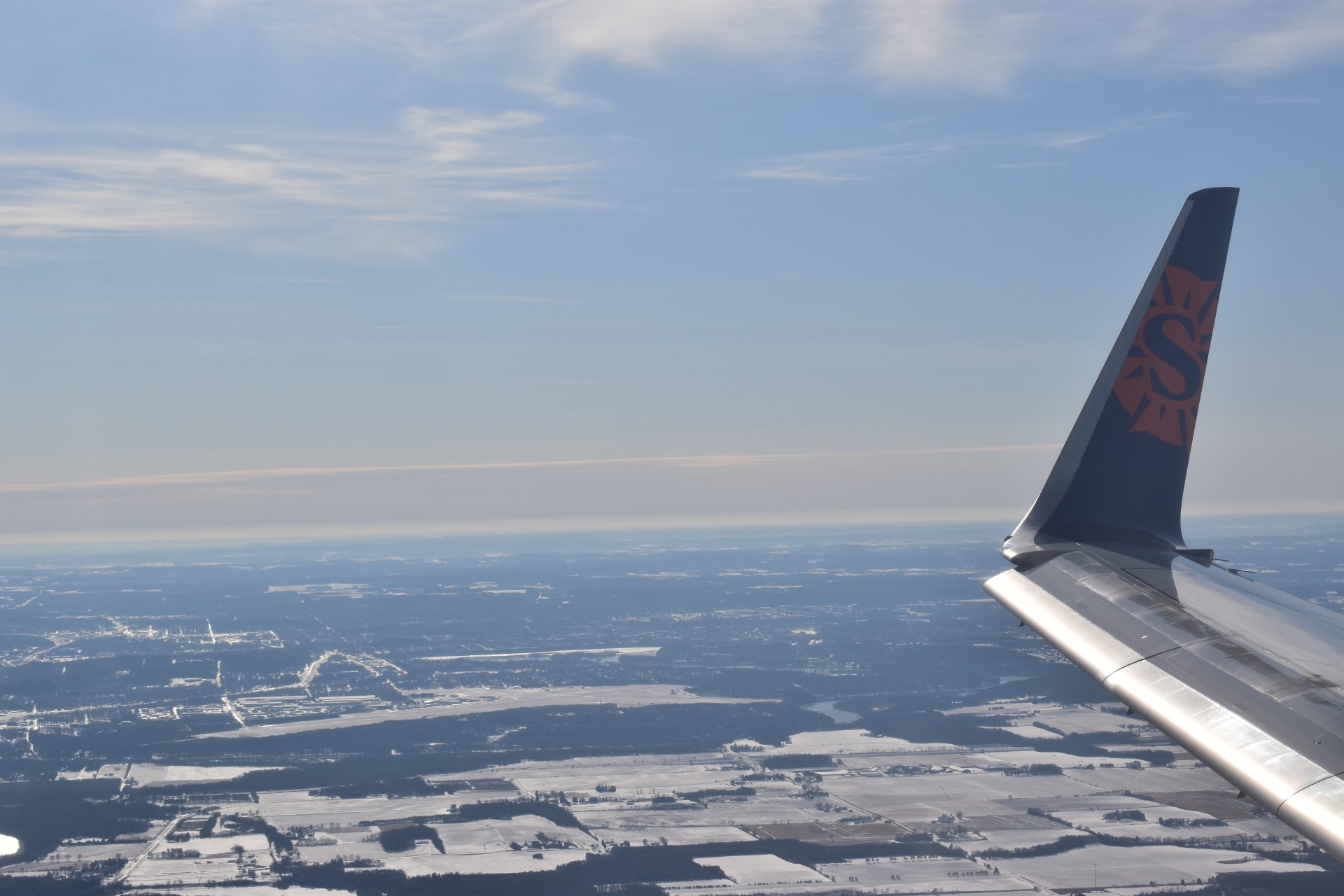
We took to the skies at 1:20 p.m. and began making our quick flight back to Minneapolis. The flight back really wasn’t special either, although we did get a little higher than before going up to 11,800 feet.
Just after taking off from Eau Claire (Photo: AirlineGeeks | Joey Gerardi)
The WiFi did kick on at 10,000 feet, but it wasn’t even worth connecting to it. By the time you got something to start playing, you’d be below 10,000 again and it would turn off. Despite that, the flight attendant still made the announcement of “there are many hours of tv and streaming options available…” which most of us found amusing given our short flight time.
On the flight back I also noticed the USB posts underneath the seats, which would help for longer flights, but again given this short flight there was really no need for it.
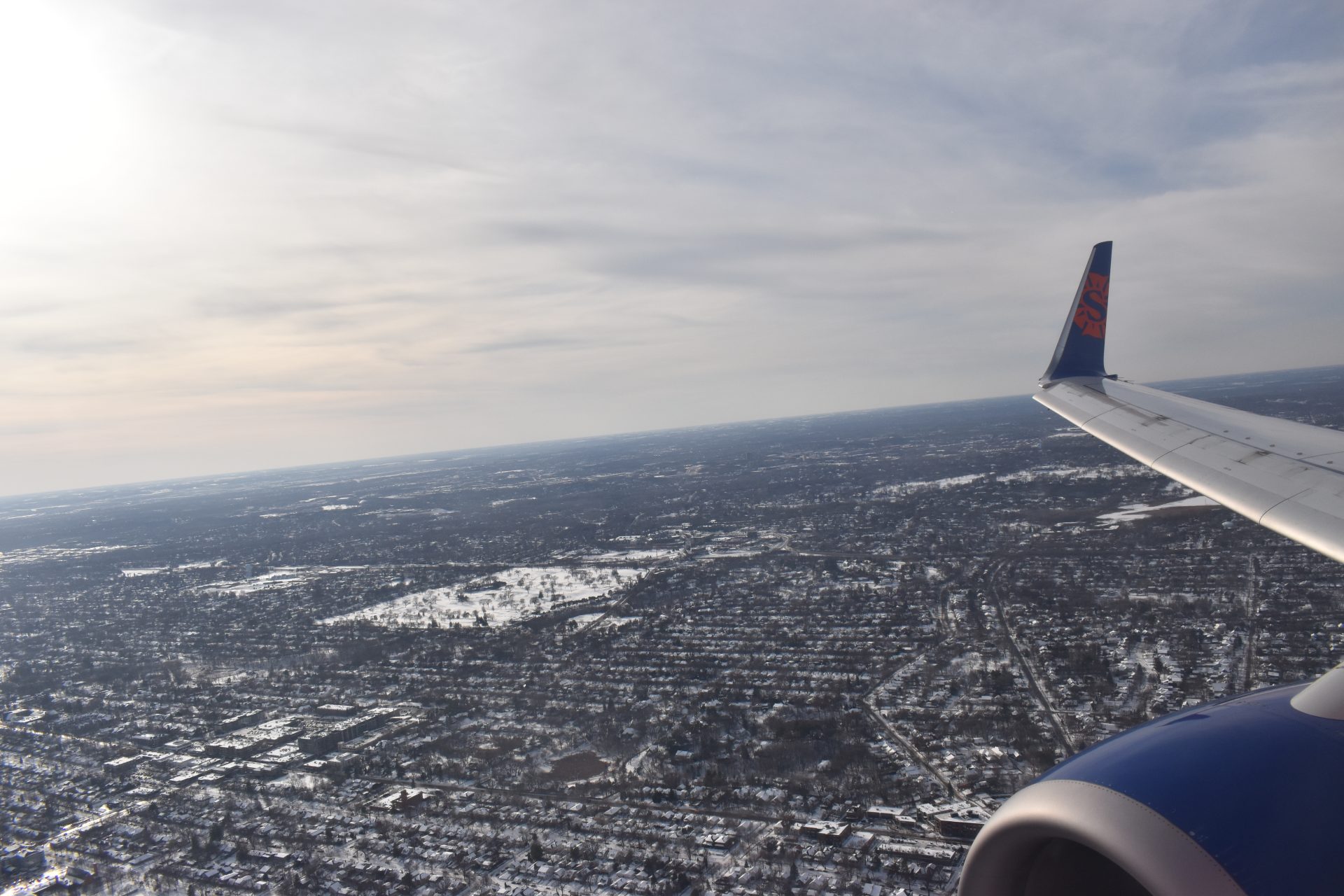
On approach to Minneapolis/St. Paul (Photo: AirlineGeeks | Joey Gerardi)
It wasn’t long before we landed in Minneapolis at 1:46 p.m. after 26 minutes of flying time, bringing us into Minneapolis one minute behind our originally scheduled arrival time. With flights scheduled as 45 minutes and actual flight time being around 25, it doesn’t leave much room for error in the winter when they need to be de-iced. Eau Claire won’t be a problem, but when the weather is bad and de-ice lines are long in Minneapolis it might create problems down the line for passengers.
Just after arriving in Minneapolis (Photo: AirlineGeeks | Joey Gerardi)
After getting off the plane, I and a few of the AvGeeks that hadn’t already disappeared into the now-crowded terminal got a group photo, before we all went our separate ways. Going on these trips is fun, but going on them with other like-minded AvGeeks can be a fun and unique experience like no other. It is about the people you meet and make friends with along the way as well as the planes and flights you go on and am so glad I got others to go with me on an inaugural flight to an EAS community.
Me, fifth from the left, with other AvGeeks that went on the inaugural flight (Photo: AirlineGeeks | Joey Gerardi)
Wrap up
This unique flight to Eau Claire definitely is something to behold, where the boarding process in Minneapolis is twice the time of actual flying time to the destination. While this route will help some people, I do think the fact they chose Sun Country to operate it will deter some of the frequent and business travelers from using Eau Claire as an option. Not because they are Sun Country, but the fact, they will only operate flights four times a week to Minneapolis, which is the connecting hub.
While they will operate flights from Eau Claire to Orlando, Ft. Myers, Fla. and Las Vegas in the coming months, these flights will be geared towards leisure travelers and not those connecting and the less-than-daily flights to a connecting hub will hurt the business traveler aspect of the airport and those that need to travel on days Sun Country doesn’t have flights. I assume those individuals will probably drive to other airports that do offer connecting flights and more than daily options and might even drive directly to Minneapolis for their travels.
At the same time, I believe with the EAS subsidies they are getting for these routes might make the cost of flights to the leisure destinations less costly out of Eau Claire than out of Minneapolis. This might make some people drive to Eau Claire for flights. So, while it will hurt one aspect of travel, I do believe it will help the other hopefully making this route a success. Although success is wanted, the subsidies will definitely help the route and cost-effectiveness from Sun Country’s aspect.
As said by Eau Claire’s airport director, “If you had told me back in March when we started this airline transition process, that it would culminate with a Sun Country 737 sitting on our ramp, I would’ve said they were crazy, but here we are”. I honestly agree with her, nobody could have predicted this happening, and I’m sure nobody had flown on Sun Country to Eau Claire, Wis. on their 2022 bingo sheet.
Joey has always been interested in planes for as long as he can remember. He grew up in Central New York during the early 2000s when US Airways Express turboprops ruled the skies. Being from a non-aviation family made it harder for him to be around planes and would only spend about three hours a month at the airport. He was so excited when he could drive by himself, the first thing he did with his driver's license was get ice cream and go plane spotting for the entire day. He graduated from Western Michigan University in 2022 with a B.S. in Aviation Management & Operations and a Minor in Business, and currently works for a major airline in his hometown.
Airbus-CERN Partnership to Develop Superconducting Tchnologies to Decarbonize Aviation
A mock-up of how a potential hydrogen-powered engine testbed could look on the Airbus A380. (Photo: Airbus)
A few days ago, Airbus UpNext, entered into a partnership with CERN, the world’s largest particle physics laboratory (located in Geneva, Switzerland) to carry out a research project to evaluate how superconductivity can contribute to the decarbonization of future aviation systems.
Airbus UpNext is a branch of Airbus that explores innovative technologies, identifying future trends in the aerospace industry by developing working prototypes for emerging aerospace technologies. Various innovative projects include VERTEX, eXtra Performance Wing, Blue Condor, and ASCEND. In particular, the latter (an acronym for Advanced superconducting and Cryogenic Experimental powertraiN Demonstrator), initiated by Airbus in 2021, is a demonstrator that aims to mature electric propulsion technologies, through the use of a cold source, in the form of liquid hydrogen, together with superconducting technologies to significantly increase the performance of electric and hybrid propulsion systems in the near future.
CERN (Conseil Européen pour la Recherche Nucléaire) is a center that conducts world-class research on fundamental physics, uniting scientists from around the world to push the frontiers of science and technology to create opportunities for technology and know-how transfer.
The collaboration announced between Airbus Upnext and CERN serves to further evaluate superconductivity in the aerospace field and how it can contribute to the decarbonization of future aircraft. The goal is the creation of a demonstrator called Super-Conductor for Aviation with Low Emissions (SCALE) suitable to promote the adoption of superconductivity technologies in aircraft electrical distribution systems.
This technology will exploit the phenomenon of “superconductivity,” which is the ability of certain materials to generate strong magnetic fields and conduct very high electric currents with virtually zero resistance when exposed to very low temperatures (about -250 °C).
The SCALE project, which will then be integrated inside an aircraft, aims to develop and test under laboratory conditions by 2025 an optimized superconducting cryogenic thruster of about 500 kW, powered via a DC connection (cable and cryostat) with a cryogenic superconducting system with a liquid helium cooling system.
This agreement now makes it possible to combine the knowledge gained from the Airbus ASCEND demonstrator with CERN’s scientific capabilities in the field of superconductors, bringing together physicists and engineers from both parties involved, representing a joint European effort to decarbonize civil aviation. SCALE will be designed, built and tested by CERN using Airbus UpNext specifications, and first results are expected by the end of 2023.
The problem that the entire aviation industry is trying to solve is related to current electrical systems that cannot meet the necessary power requirements without adding weight to the aircraft. The study of superconduction could be a promising solution to this technical problem.
Airbus also recently announced at the Airbus Summit 2022 on Nov. 30-Dec. 1 the development of its own hydrogen-powered, zero-emission fuel cell engine. The propulsion system is seen as one of the potential solutions to equip its zero-emission aircraft that will enter service by 2035.
Airbus will begin ground testing of this fuel cell engine architecture. Then, presumably starting in 2025, it will begin testing aboard its ZEROe demonstrator aircraft, an A380 MSN1 specially modified to carry liquid hydrogen tanks and related delivery systems.
Vincenzo graduated in 2019 in Mechanical Engineering with an aeronautical curriculum, focusing his thesis on Human Factors in aircraft maintenance. In 2022 he pursued his master's degree in Aerospace Engineering at the University of Palermo, Italy. He combines his journalistic activities with his work as a Reliability Engineer at Zetalab.