









Stories

Air Canada Ramps Up Flights to United States

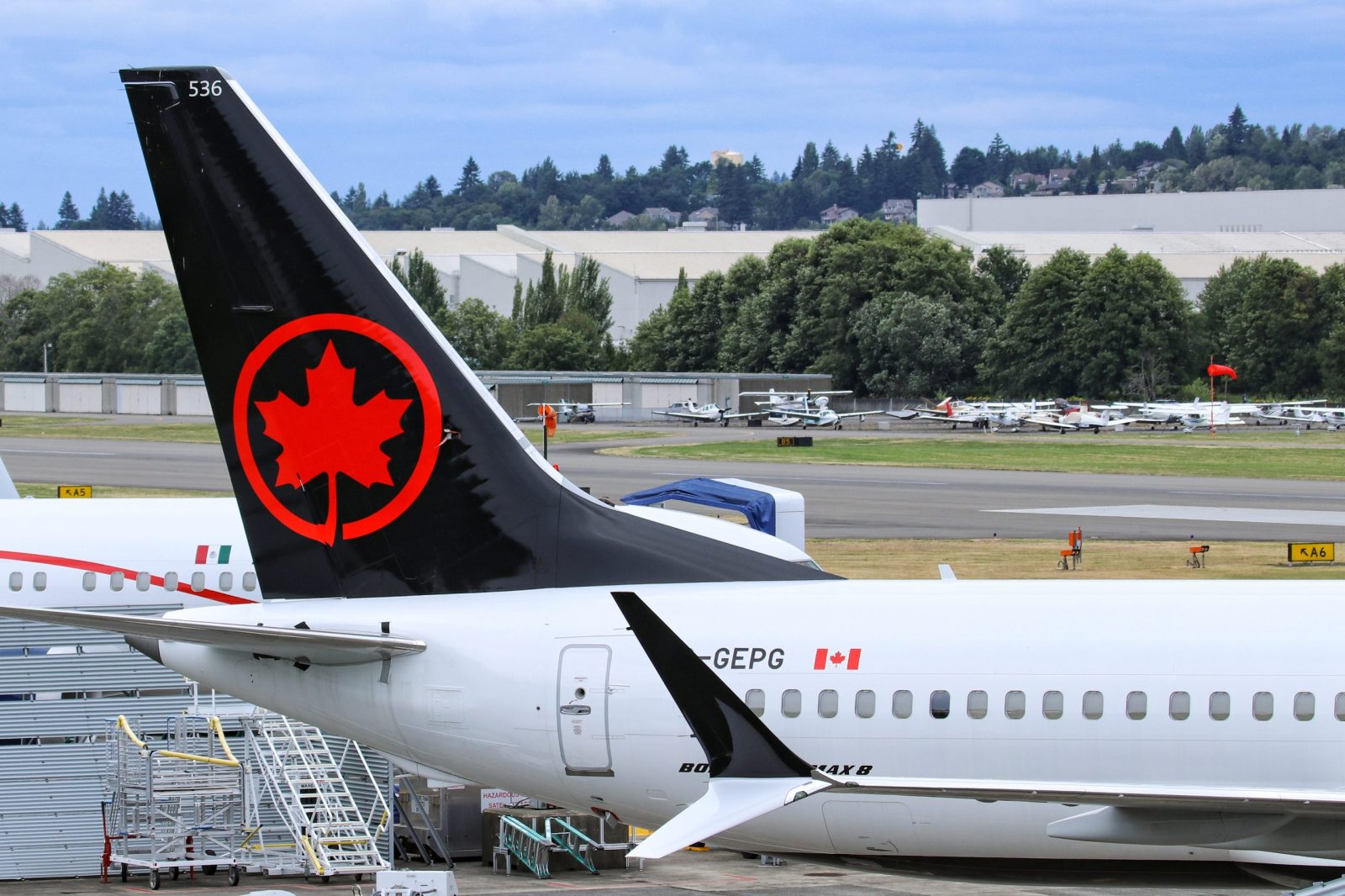
Air Canada 737 MAX 8
An Air Canada 737 MAX 8. (Photo: AirlineGeeks | Katie Zera)

Air Canada is increasing its operations to the U.S. for the northern summer season 2023 with three new routes to New York (JFK) and a new destination in California, the resumption of 13 cross-border services and increased operations to multiple popular U.S. cities. The Canadian flag carrier continues to build its global network as passenger demand increases.

“Air Canada is pleased to offer customers the most choice of any airline flying to the U.S. by summer 2023, where we will operate more than 400 daily flights on 95 routes to 47 destinations. We will start early with new routes to JFK from Toronto and Montreal beginning March 26, and Toronto – Sacramento in June” said Mark Galardo, senior vice president, Network Planning and Revenue Management at Air Canada.

“In addition, we will restore previously suspended routes and increase frequencies on existing routes as we rebuild our cross-border schedule,” added Galardo.

The company will offer for the 2023 summer season more than 3,500 seats on 39 daily flights from Vancouver (YVR), Calgary (YYC), Halifax (YHZ), Ottawa (YOW), Montreal (YUL) and Toronto (YYZ) to the three major New York metropolitan area airports (LaGuardia, Newark and JFK).

As of March 26, 2023, the carrier landed at John F. Kennedy Airport (JFK) with two new routes from its major hubs on the Canadian east coast.

Montreal (YUL) – New York (JFK)

Flight AC 8898 YUL 18:35 – JFK 20:00 daily flights.
Flight AC 8899 JFK 12:45 – YUL 14:20 daily flights.

Toronto (YYZ) – New York (JFK)

Flight AC 8554 YYZ 11:00 – JFK 12:36 daily flights.
Flight AC 8556 YYZ 20:30 – JFK 22:06 daily flights.
Flight AC 8553 JFK 10:00 – YYZ 11:45 daily flights.
Flight AC 8555 JFK 13:25 – YYZ 15:10 daily flights.

All services will be operated by Air Canada Express in Embraer E175 aircraft with a capacity of 76 passengers in two classes.

Sacramento, fifth destination in California

Beginning June 1, 2023, the Canadian airline will serve a fifth California destination that will complement its operations in Los Angeles (LAX), San Francisco (SFO), San Jose (SJC) and San Diego (SAN).

Flight Itinerary

Toronto – Sacramento Flight AC 759 YYZ 18:30 – SMF 20:55 Monday, Wednesday, Friday and Sunday.
Sacramento – Toronto Flight AC 758 SMF 09:25 – YYZ 17:15 Monday, Tuesday, Thursday and Saturday.

The route will be operated on Airbus A220-300 aircraft with a capacity of 137 seats in two classes.

New routes for the winter

For this 2022/2023 winter boreal season, Air Canada will start new services, starting December 16 with the Halifax (YHZ) – Newark (EWR) route with daily flights and starting December 17 with the Vancouver (YVR) – Miami (MIA) and Montreal (YUL) – Tampa (TPA) routes, both with three operations per week.

Resumption of 13 cross-border services

Vancouver (YVR)
Austin (AUS): three flights per week starting May 1, 2023.
Anchorage (ANC): daily flights as of May 1, 2023.
Boston (BOS): daily flights as of June 17, 2023.

Calgary (YYC)
Los Angeles (LAX): daily flights as of May 1, 2023.

Montreal (YUL)
Nashville (BNA): three weekly flights as of May 1, 2023.
Philadelphia (PHL): two daily flights as of May 1, 2023.
Pittsburgh (PIT): daily flights as of May 1, 2023.
Seattle (SEA): daily flights as of May 1, 2023.

Toronto (YYZ)
Milwaukee (MKE): daily flights as of May 1, 2023.
Hartford (BDL): two daily flights starting June 1, 2023.
Salt Lake City (SLC): three flights per week beginning June 1, 2023.
Portland, Oregon (PDX): daily flights beginning June 17, 2023.
Kansas City (MCI): daily flights starting June 17, 2023.

More flights to the United States

Montreal (YUL)
San Diego (SAN): three weekly flights to operate daily.

Vancouver (YVR)
Seattle (SEA): increases from 5 to 6 daily flights.
San Francisco (SFO): increases from 4 to 5 daily flights.
San Diego (SAN): increases from 2 to 3 daily flights.
Newark (EWR): increases from 7 times per week to two daily flights.

Toronto (YYZ)
San Francisco (SFO): increases from 3 to 5 daily flights.
San Diego (SAN): increases from 7 times per week to two daily flights.
Seattle (SEA): increases from 7 times per week to two daily flights.
Minneapolis (MSP): increases from 3 to 4 daily flights.
Philadelphia (PHL): increases from 3 to 4 daily flights.
Pittsburgh (PIT): increases from 3 to 4 daily flights.
Washington – Reagan (DCA): increases from 2 to 4 daily flights.
Indianapolis (IND): increases from 2 to 3 daily flights.
Baltimore (BWI): increases from 2 to 3 daily flights.

This article was originally published by Rainer Nieves Dolande on Aviacionline in syndication with AirlineGeeks.

Cathay Pacific Brings Back its First Class Offering

A Cathay Pacific 777 lifts off from Dusseldorf, Germany. (Photo: AirlineGeeks | Fabian Behr)

Cathay Pacific is once again offering its First-Class product which will initially be available on flights to Europe and Japan. As passenger demand increases, the airline continues to add more operations, more seats and upgrade its premium services. London Heathrow (LHR) is the first destination to re-introduce the airline’s flagship product, as operations to the British capital are on the rise.

Flight Itinerary

Hong Kong – London/Heathrow Flight CX 251 HKG 23:00 – LHR 05:50+1
London/Heathrow – Hong Kong Flight CX 252 LHR 11:15 – HKG 07:40+1

From January 18, 2023, First Class service will again be available in France.

Flight Itinerary

Paris – Hong Kong Flight CX 261 HKG 22:45 – CDG 06:15+1
Hong Kong – Paris Flight CX 260 CDG 12:15 – HKG 07:40+1

Japan will be the only destination in Asia where Cathay Pacific will offer First Class from February 1, 2023.

Flight Itinerary

Hong Kong – Tokyo/Haneda Flight CX 548 HKG 08:55 – HND 13:45
Tokyo/Haneda – Hong Kong Flight CX 549 HND 16:05 – HKG 20:15

The only aircraft in the Cathay Pacific fleet that has the First-Class product are the Boeing 777-300ERs which offer 6 seats in a 1-1-1 layout.

“We are very excited to bring back our First-Class service after an extended absence as the global appetite for travel returns with a vengeance. We know our customers were looking forward to being able to fly First Class with us again, and we are delighted to offer on routes we know are incredibly popular with them,” said Vivian Lo, General Manager, Customer Experience and Design, Cathay Pacific

This article was originally published by Rainer Nieves Dolande on Aviacionline in syndication with AirlineGeeks.

United Airlines Purchases up to 200 Boeing 787s, Largest Wide-Body Aircraft Order in U.S. History

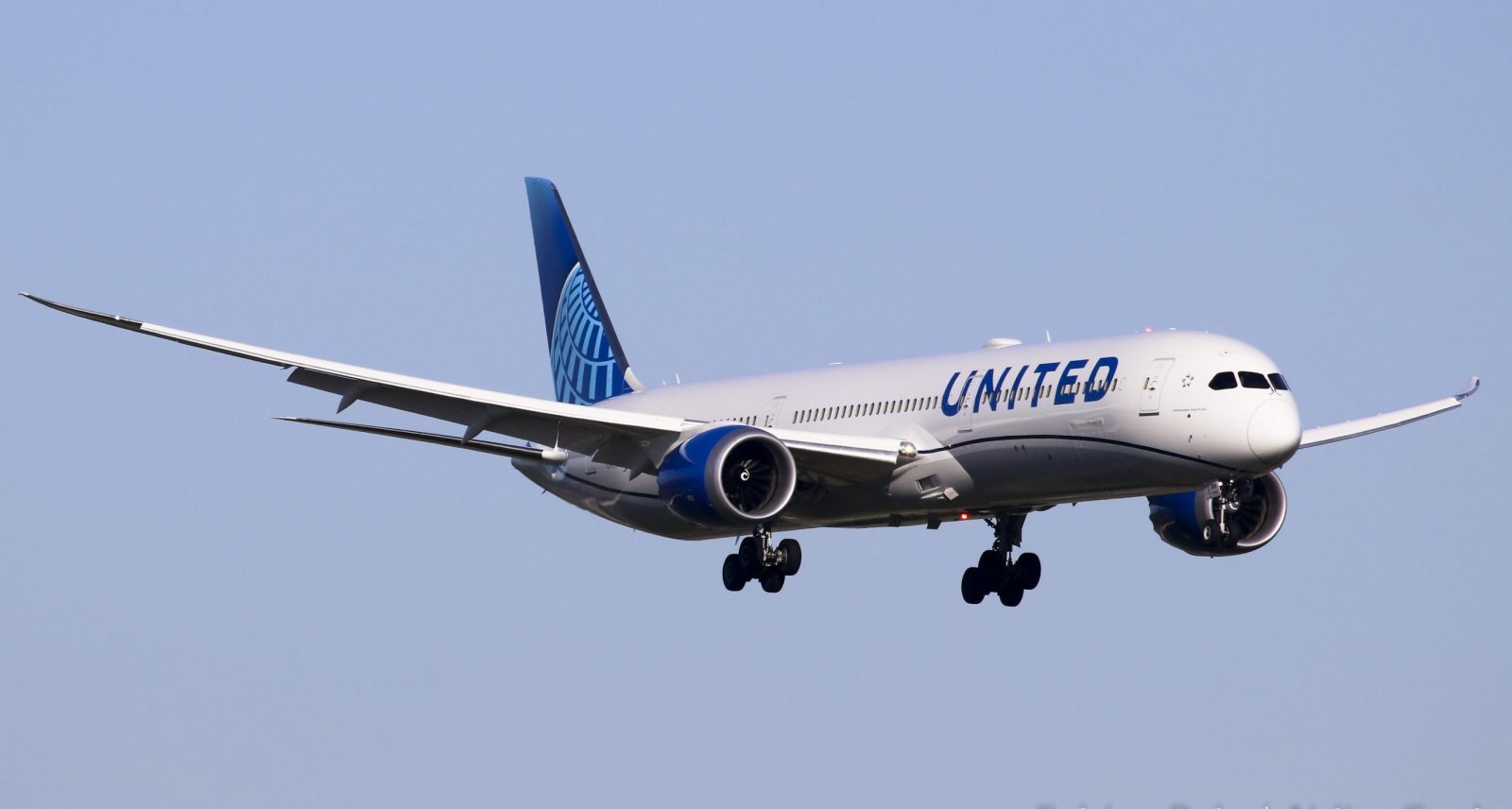
United 787-10
A United 787 Dreamliner descends into Amsterdam. (Photo: AirlineGeeks | Fabian Behr)

Confirming rumors that had been swirling in recent weeks, United Airlines announced Tuesday an agreement with Boeing for the purchase of 100 Boeing 787 Dreamliner with options for another 100, making it the largest order for widebody aircraft by a U.S. airline in history.

The Dreamliners, which will be of the 787-8, 787-9 or 787-10 variants, will be received between 2024 and 2032. 100 of these aircraft will be destined to replace the Boeing 767 and 777, which will mark the final retirement of the 767 fleet by 2030.

The carrier also executed options to purchase 44 Boeing 737 MAXs to be delivered between 2024 and 2026 and ordered another 56 MAXs to be delivered between 2027 and 2028. The company expects to receive around 700 new narrow-body and wide-body aircraft by 2032. In 2023 this will represent two each week and in 2024 three per week.

“United emerged from the pandemic as the world’s leading global airline and the flag carrier of the United States,” said United CEO Scott Kirby. “This order further solidifies our lead and creates new opportunities for our customers, employees and shareholders by accelerating our plan to connect more people to more places around the globe and deliver the best experience in the sky.” he added.

“With this investment in its future fleet, the 737 MAX and 787 will help United accelerate its fleet modernization and global growth strategy,” said Stan Deal, president and CEO of Boeing Commercial Airplanes. “The Boeing team is honored by United’s trust in our family of airplanes to connect people and transport cargo around the world for decades to come.” he concluded.

This article was originally published by Edgardo Gimenez Mazó on Aviacionline in syndication with AirlineGeeks.

Air France Resumes Flights to Newark After a Decade

An Air France 777-200 taxis at Boston Logan Airport (Photo: AirlineGeeks | Greg Linton)

On December 12 Air France resumed its non-stop services between Paris (CDG) and Newark (EWR) after more than a decade. The airline’s last operation on this route was on March 24, 2012, on a service operated in Airbus A330-200 with four weekly flights.

Flight AF 62 was operated on a Boeing 777 registered F-GSPK and christened “Pau”, which took off from Charles de Gaulle Airport (CDG) at 12:47 local time and landed at Newark Liberty International Airport (EWR) at 14:22, after seven hours and 35 minutes.

According to Cirium, Air France will offer 25,778 seats per week between Paris and the two main airports in the New York metropolitan area by January 2023. The French flag carrier is the leading airline operator in this market where it competes with United, American Airlines, French Bee, La Compagnie and soon JetBlue and Norse Atlantic Airways.

Flight Itinerary

Paris – Newark Flight AF 62 CDG 12:30 – EWR 15:00 daily flights.
Newark – Paris Flight AF 63 EWR 17:00 – CDG 06:10+1 daily flights.

Flights will be operated on Boeing 777-200ER aircraft with a capacity of 280 passengers in three classes (40 Business Class/28 Premium Economy/216 Economy) and promotional fares start at USD 177 each way.

Newark (EWR) will be Air France’s 13th destination in the United States this winter season 2022/2023, the company also offers services from Paris – Charles de Gaulle (CDG) to Atlanta (ATL), Boston (BOS), Dallas/Fort Worth (DFW), Washington – Dulles (IAD), Houston (IAH), New York (JFK), Los Angeles (LAX), Miami (MIA), Chicago O’ Hare (ORD), Seattle (SEA) and San Francisco (SFO).

This article was originally published by Rainer Nieves Dolande on Aviacionline in syndication with AirlineGeeks.
Qantas Resumes Operations to South Korea After 15 Years

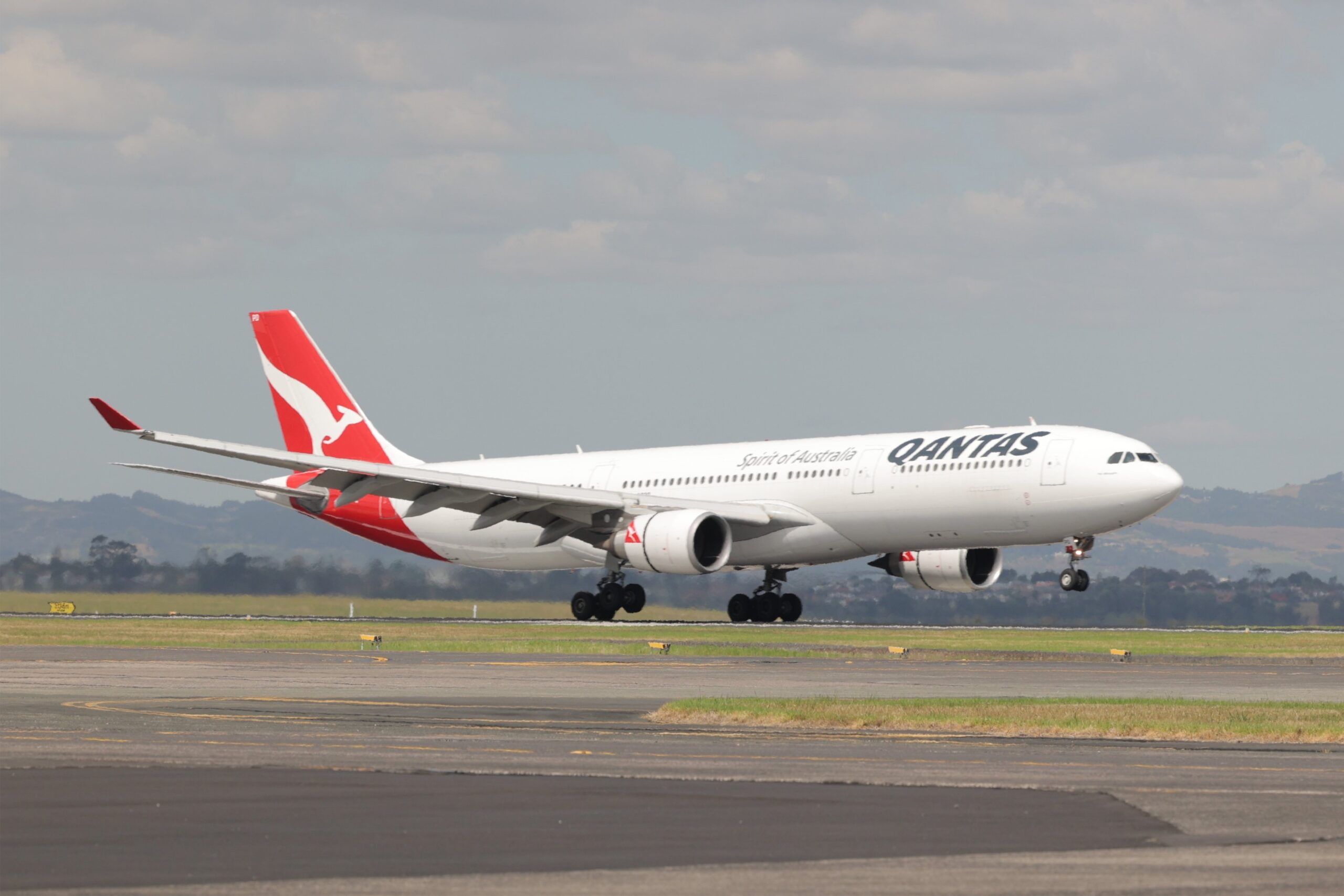
Qantas A330
A Qantas A330 at Auckland. (Photo: Auckland Airport)

After a 15-year absence, Qantas has resumed operations to South Korea with service between Sydney (SYD) and Seoul – Incheon (ICN). The South Korean capital is the 28th destination the airline has resumed or launched as a new route since Australian borders were reopened.

Flight QF 87, operated by an Airbus A330 registered VH-QPF, took off from Kingsford Smith Airport (SYD) at 10:09 local time and landed at Incheon International Airport (ICN) at 17:47, after nine hours and 37 minutes.

Qantas has recently launched new routes to countries where not served previously, as Delhi (DEL) and Bangalore (BLR) in India and Rome (FCO) in Italy.

This new service, which will complement JetStar’s Sydney (SYD) and Seoul (ICN) services, will offer more than 200,000 seats annually between Australia and South Korea, with customers having the option of premium or low fares.

“The combination of Qantas and Jetstar means we can provide business, premium leisure and low-cost travel options to a destination that suits different budgets, with good connections for those traveling to and from other parts of Australia,” said Andrew David, CEO of Qantas Domestic and International.

Flight Itinerary

Sydney – Seoul/Incheon Flight QF 87 SYD 09:35 – ICN 18:20 Tuesday, Thursday, Saturday and Sunday.
Seoul/Incheon – Sydney Flight QF 88 ICN 19:50 – SYD 08:15+1 Tuesday, Thursday, Saturday and Sunday.

The route will be operated by Airbus A330-300 aircraft with a capacity of 297 passengers in two classes (28 Business Class/269 Economy).

Route details

According to the Australian Department of Infrastructure, Transport, Cities and Regional Development, 417,552 passengers and 8,343.8 tons of cargo were moved in the June 2018-2019 period between Sydney (SYD) and Seoul/Incheon (ICN).

“We are delighted that the NSW Government’s Aviation Attraction Fund has created this opportunity to bring more people from Seoul to Sydney, providing a boost for our tourism operators,” said Ben Franklin, NSW Minister for Tourism.

Qantas is the only full-service Australian airline to offer services between Australia and South Korea and is the fourth largest airline operator in this segment. This route will operate throughout the year, but between May and October, service will be reduced to three weekly flights. Currently, JetStar, Korean Air and Asiana also operate in this market.


This article was originally published by Rainer Nieves Dolande on Aviacionline in syndication with AirlineGeeks.

Airbus Deploys airBaltic A220-300 on Demo Tour To Africa, Looking To Court New Customers

An airBaltic Airbus A220 on approach into Amsterdam. (Photo: AirlineGeeks | Fabian Behr)

Airbus presented an airBaltic Airbus A220-300 on a demonstration flight to TAAG – Linhas Aéreas de Angola last Tuesday — Dec. 6 — in Luanda, Angola.

The model is expected to be integrated into the fleet of the flag carrier of the Republic of Angola from August 2023 and will thus receive six units over the next two years via lease agreement with ALC.

The event, which took place at the 4 de Fevereiro International Airport, saw invited guests boarding the airBaltic aircraft which features 145 seats in a single class passenger cabin. Thus far, airBaltic has carried nearly 10.2 million passengers on the Airbus A220-300 aircraft.

Since May 2020, airBaltic operates all its flights with a single aircraft type – Airbus A220-300, thus minimizing the complexity and benefiting from the additional efficiency provided by the aircraft. The airline’s fleet now consists of 38 A220-300 with two more planned to join by the end of this year.

This is the first time that Airbus has conducted a demonstration flight in the Southern African region.

TAAG announced last week that it’s staff will start training from next February 2023, in order to be able to carry out “safely and efficiently the operation and maintenance of the new aircraft,” and that the A220s will replace the Boeing 737-700 currently in service to regional destinations in Africa.

“The reinforcement of TAAG’s fleet is evidence of the modernization and growth path that includes a more versatile fleet capable of responding to the needs of the continental and Latin American markets (aligned with the growing evolution of TAAG’s network of destinations and frequencies),” said Eduardo Fairen, Chairman of the Executive Committee of TAAG, “which will allow the company to take greater advantage of the country’s geostrategic positioning, boosted by the Luanda hub and the New Dr. Agostinho Neto, which is in an accelerated finishing phase, on the outskirts of the Angolan capital.

“TAAG’s objective is to work with everyone, and with the best manufacturers in the world, structuring its fleet in a multi-brand format (Boeing, Airbus and Dash8) choosing the most appropriate aircraft for our regional and intercontinental operations,” Fairen said.

Powered by Pratt & Whitney PW1500G geared turbofan engines, the A220 is capable of flying non-stop on routes of up to 3,400 nautical miles (6,300 kilometeres), and generates fuel savings of up to 25% compared with older generation aircraft of a similar size.

The aircraft is available in two versions, with the -100 variant seating between 100 and 130 passengers and the larger -300 variant seating between 130 and 160 in typical airline layouts.

The A220-300’s have completed more than 117,000 flights and flown over 256,000 block hours.

Today, the aircraft is operated in the African region by several airlines including Air Tanzania, Air Senegal, Air Austral, and EgyptAir on both domestic and international services.

Nigeria’s Ibom Air has an order for 10 units with deliveries to begin in 2023.

To date, Airbus has received 740 orders for the A220 and delivered more than 200.

Victor Shalton

Victor Shalton's love for aviation can be traced to when he was 11-years-old. As a seasoned aviation writer, he takes pride in providing the best aviation coverage around the globe and is passionate about advancing his skills in the aviation space. In addition, he loves travelling, writing, arts and while his speaking engagements have taken him around the world, he is proud to call Nairobi home.

Air Europa and Azul Linhas Aéreas Sign New Codeshare Agreement

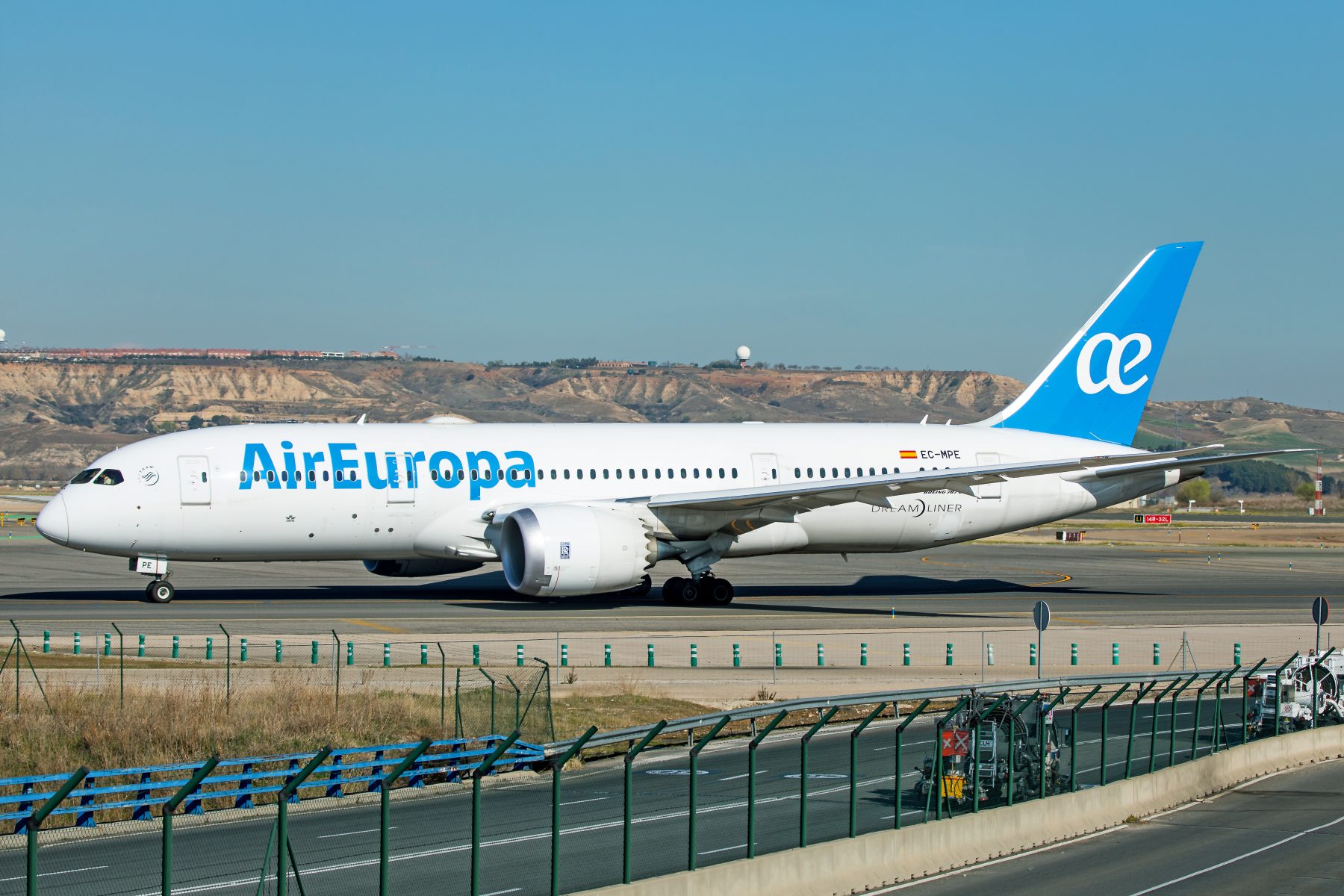
Air Europa 787
An Air Europa 787-8 in Madrid. (Photo: AirlineGeeks | William Derrickson)

Air Europa and Azul Linhas Aéreas have signed a new codeshare agreement: as a result of the partnership, the Spanish airline will expand its presence in Brazil and offer more connection alternatives for its passengers from the international airports of São Paulo-Guarulhos (GRU) and Salvador de Bahia (SSA) to nine other cities in the South American country. The agreement will allow the Brazilian carrier will reinforce its international expansion plan.

Air Europa will use its carrier code to market flights operated by Azul from São Paulo to Cuiabá (CGB), Belo Horizonte (CNF), Curitiba (CWB), Porto Alegre (POA), Rio de Janeiro-Santos Dumont (SDU) and Recife (REC). The company will also offer its customers connections from Salvador de Bahia to São Paulo-Congonhas (CGH), Belo Horizonte (CNF), Campinas-Viracopos (VCP), Porto Seguro (BPS) and Recife (REC).

Likewise, Azul will use its code on flights operated by Air Europa between Madrid-Barajas (MAD) and Lisbon (LIS).

Estelle Leray, Air Europa’s Director of Alliances, said the agreement is “a great achievement for both companies”. She also stressed that the partnership would allow the company to reinforce its “growth and consolidation”, as well as meaning “more and better flight options with the many benefits and advantages of flying codeshare”.

“For us it is very important that Azul expands agreements with international companies, jointly strengthening our networks and increasing the relevance of the companies involved”, said André Mercadante, Director of Alliances and Planning of the Brazilian airline. “Air Europa, which has been a partner for years, brings more strength to this project, which is a great achievement for us”, he added.

This article was originally published by Agustin Miguens on Aviacionline in syndication with AirlineGeeks.
Delta Re-Adjusts EAS Tag Flights, Again

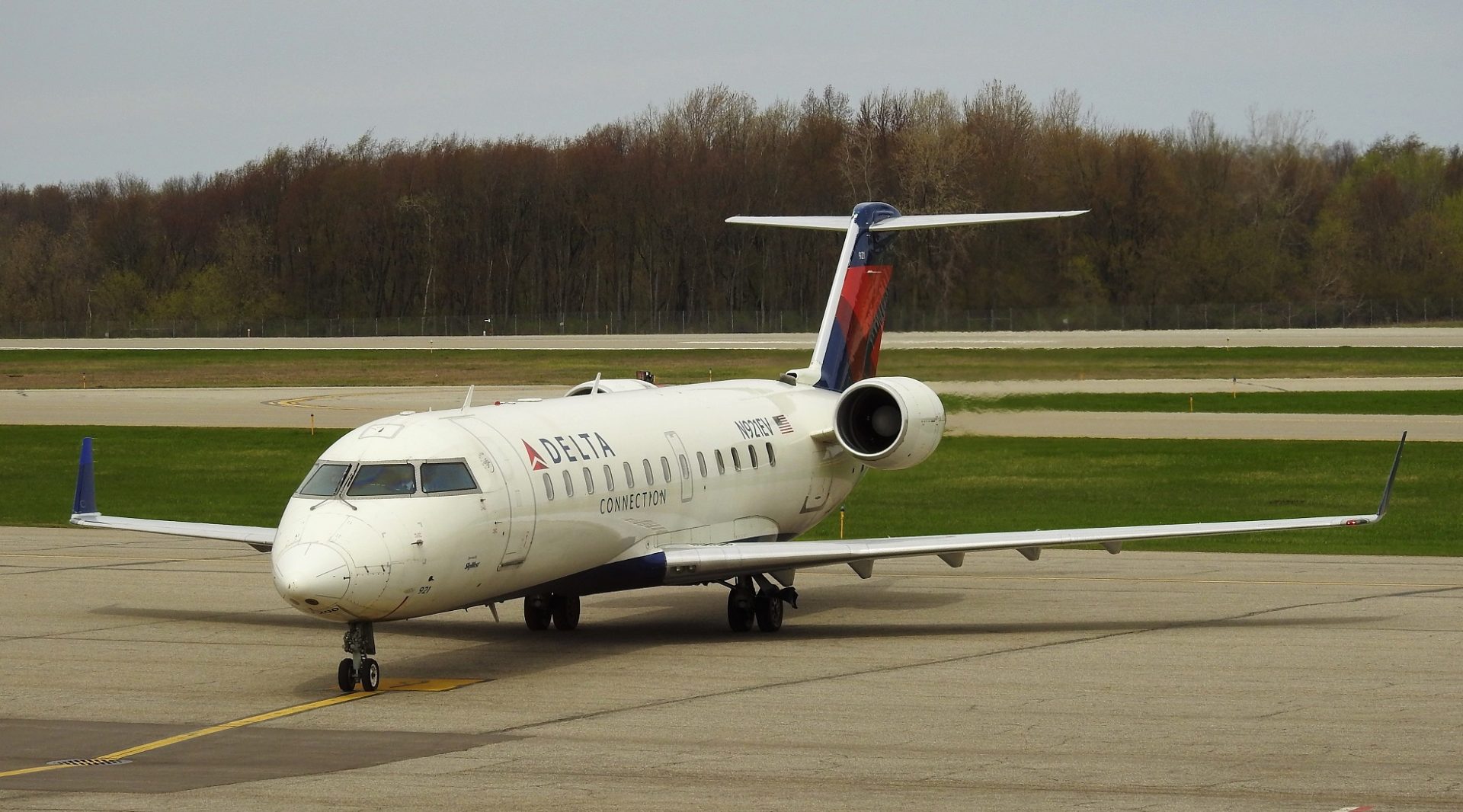
A Delta Connection CRJ-200 in Minneapolis/St. Paul (Photo: AirlineGeeks | Joey Gerardi)

Atlanta-based Delta Air Lines has once again updated its ever-changing flight schedule for some of the small communities it operates to in the Midwestern U.S. While most of the communities do lose their tag flights and go back to their original nonstop flights, some still do retain them but change where the extra stop will occur. A tag flight is when an aircraft makes a stop in the first city and continues to the next.

It would be worth mentioning all of the communities involved in the tag routes are Essential Air Service, or EAS, communities. The airline that operates the flights to them, in this case, SkyWest, receives federal funding to operate twice daily nonstop flights to a hub. It is unclear whether or not this addition of extra stops has affected the amount of money the airline is receiving from the government.

A Delta Connection CRJ-200 (Photo: AirlineGeeks | Joey Gerardi)

Previously, the tag flights were planned to operate only from September 2022 until January 2023 due to pilot shortages and had hoped to get rid of them by the start of the new year. With these tags flights remaining to some degree, it is evident the pilot shortage hasn’t completely 100% resolved, but the number of communities that are receiving the tag flights has gone down, signaling that the pilot shortage is calming down to some degree.

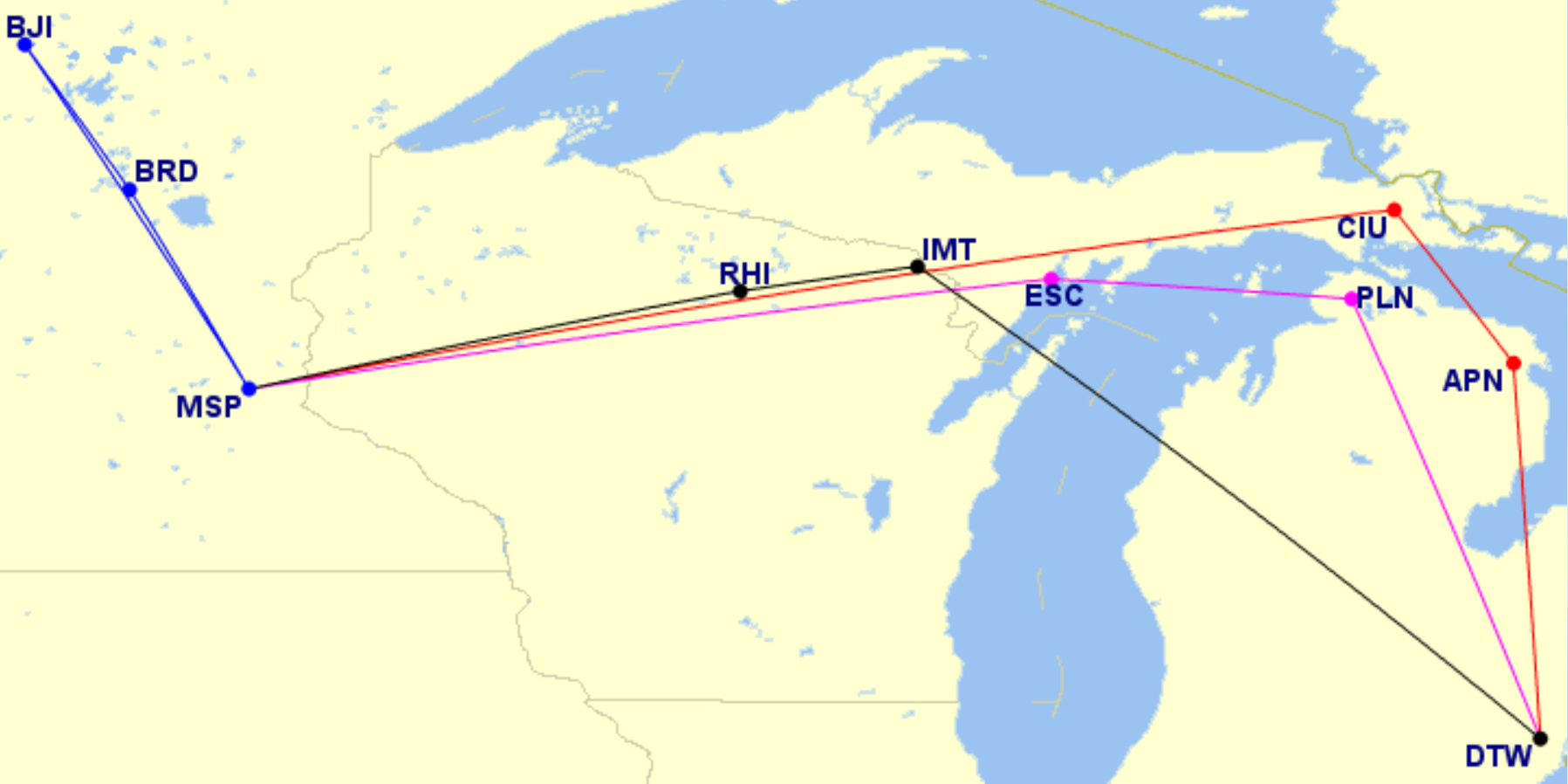
Previously, 10 of these EAS communities were affected by and received tag flights: Minnesota cities Bemidji, Brainerd, International Falls and Hibbing as well as Rhinelander, Wisconsin and Michigan cities Iron Mountain, Escanaba, Pellston, Alpena and Sault Ste. Marie.

The tag flights before Dec.1, 2022. Not pictured: International Falls and Hibbing (Screenshot: GreatCircleMapper)

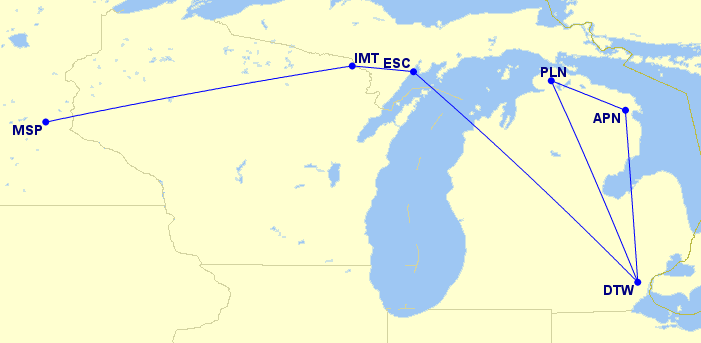
But with this recent schedule change, only four communities are receiving tag flights, Escanaba, Iron Mountain, Alpena, and Pellston, all of which are in Michigan. Alpena and Pellston aren’t unfamiliar with each other and have been linked together in the past when Mesaba served the route.

The current tag flights (Screenshot: GreatCircleMapper)

Iron Mountain briefly had a tag with nearby Rhinelander, Wis. on the way to Minneapolis, and did go back to nonstop flights for roughly a month, before being switched back to a tag. This time the tag will operate on the eastbound segment, stopping in Escanaba on its way back to Detroit.

For just under a month in September 2022, Pellston was tagged with Escanaba and Alpena was tagged with Sault Ste. Marie, then they all went back to their original nonstop flights for almost a month. Now Alpena and Pellston are being tagged together, while Sault Ste. Marie still retains it’s nonstop service to two different hubs.

The flight between Escanaba and Iron Mountain will become the shortest route in the carriers network at only 50 miles, becoming the shortest in the carriers recent history, even shorter than the previous short lived record holder Iron Mountain to Rhinelander which was 67 miles. The flight between Pellston and Alpena becoming the second shortest route at 69 miles long.

A Delta Connection CRJ-200. (Photo: AirlineGeeks | Joey Gerardi)

With these previously mentioned tag flights scheduled to continue until at least April of 2023, it is evident that these smaller communities in the airlines network will be the ones to face the majority of the obvious effects from the current pilot shortage in our industry. While at the same time, if the past four-to-five months have taught us anything, it is that these schedules are always subject to change and flight schedules could be altered at a moments notice with little to no changes felt by anyone except those that live in these communities.

All flights in this article are operated on SkyWest 50-seat CRJ-200’s under the Delta Connection brand, and schedule data was pulled directly from Delta’s booking platform.

Joey Gerardi

Joey has always been interested in planes for as long as he can remember. He grew up in Central New York during the early 2000s when US Airways Express turboprops ruled the skies. Being from a non-aviation family made it harder for him to be around planes and would only spend about three hours a month at the airport. He was so excited when he could drive by himself, the first thing he did with his driver's license was get ice cream and go plane spotting for the entire day. He graduated from Western Michigan University in 2022 with a B.S. in Aviation Management & Operations and a Minor in Business, and currently works for a major airline in his hometown.

Air India Expected to Acquire 500 Aircraft

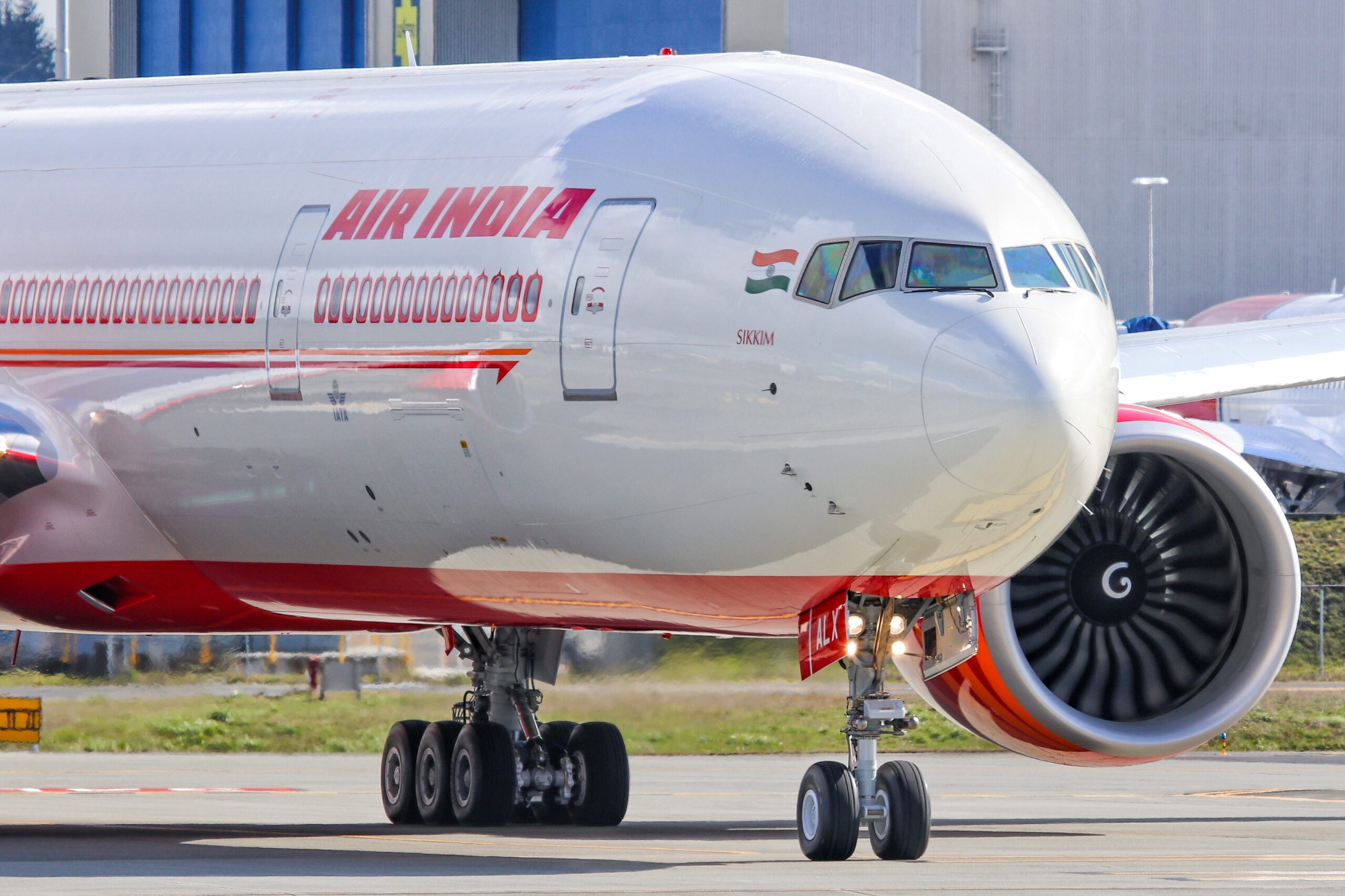
An Air India 777-300ER (Photo: AirlineGeeks | Katie Bailey)

According to Reuters, Air India is on the way to sealing the order of 500 jetliners. The contracts include 400 narrow-body jets and 100 wide-bodies flights from Airbus and Boeing. After being acquired by Tata Group earlier this year, Air India has shown its ambition to remain as a global leader. Earlier, the Indian flag carrier has announced to enhance its fleet by leasing six Boeing B777-300ER.

The new order is forecast to be announced in coming weeks and worth tens of billions of dollars. The potential orders have a wide variety of aircraft, ranging from Airbus A350 XWBs to Boeing 787 Dreamliners and Boeing 777s. Airbus and Boeing have declined to comment. It is expected the new aircraft would expand its fleet and replace some aging aircraft.

Reuters said Air India has been considering the mammoth contract for months. But Campbell Wilson, Chief Executive of the airline don’t want to rush into making a deal.

Earlier, Wilson revealed the potential order, “We are in deep discussion with Boeing, Airbus and engine manufacturers for a historic order of the latest generation aircraft that will power Air India’s medium-and long-term growth.”

It comes two weeks after the merger of Air India and Vistara, a joint venture of Tata Group and Singapore Airlines. After merging, Air India becomes the largest international airline and second largest in the domestic. IndiGo is still the largest domestic airline in the country.

Air India and Vistara (including Air India Express and AirAsia India) holding a fleet of 218 wide body and narrow body aircraft. Air India will be the only Indian carrier group to operate full and budget airline services. Singapore Airlines and Tata aim to complete the merger by Mar. 2024. According to Vistara, Vistara will operate as an independent airline before the merge.

Air India determines to increase its market share to 30% on international and domestic markets over the next five years. The airline currently has a domestic market share of 10% and 12% of the international market.

Set Itself Long-Term Goal

According to local media, Air India Express and AirAsia India will merge and rename in the future, and the low-cost carrier would acquire new 50 Boeing 737 Max. Currently, Air India Express owns a fleet of 24 Boeing 737.

India is the third largest aviation market in the world, but the frail domestic infrastructure, pilot shortage and the tough competition with other airlines could be the major obstacles to the airline.

In addition, Air India committed to providing a comfortable flight to passengers, announcing to refurbish its wide body fleet, including 27 Boeing 787-8 and 13 Boeing 777 aircraft, a makeover that cost over $400 million.

Etihad Airways To Reintroduce Airbus A380 After Years of Storage

Etihad's A380 lands at London Heathrow (Photo: AirlineGeeks | William Derrickson)

There’s been much speculation about the return of the A380, but recently Etihad Airways announced that the airline will bring back four of the super-jumbos. The first Airbus A380 will be reintroduced from summer 2023.

Within days of the news of the last Boeing 747 produced in Everett, on the outskirts of Seattle, on behalf of Atlas Air, it was thought that the era of the super-jumbo was definitely over. Airbus had also produced the last Airbus A380 for Emirates, the world’s largest A380 user, marking the end of an era for an aircraft that was once considered the future of aviation because of the ever-increasing demand for passenger transport.

However, because of the pandemic, the huge drop in travelers due to restrictions, the tourism-related civil aviation crisis, and new targets to combat environmental pollution, almost all of the airlines (that survived the impact of the crisis) set aside the super-jumbos for “smaller” and more efficient, next-generation aircraft.

Despite these two very bad years, however, there is a great upswing in tourism, and just a few days ago Etihad Airways, the national airline of the United Arab Emirates, announced that it would reintroduce the Airbus A380 into its fleet after a surge in requests from its customers.

Etihad Airways had removed the Airbus A380 from its fleet in 2021 and even Etihad Group CEO Tony Douglas was certain that it would not return to the fleet, even deleting it from the airline’s website.

However, thanks to an incredible surge in demand that has made them financially viable again, four Airbus A380s will operate on the route between Abu Dhabi and London’s Heathrow Airport, and the first will be reintroduced starting in the summer of 2023. The increase in demand for air travel is not only on the single route but has been recorded by the airline across its entire network. Etihad, however, plans to bring four of its A380s back into the fleet in the summer of 2023, with the possibility also to increase frequencies on existing routes and to launch new destinations. The return of the Airbus A380s will also be supported by the addition of five Airbus A320s to the fleet.

Etihad is currently preparing the aircraft to fly again, and part of this preparation includes recruiting and training A380 teams, including pilots, cabin crew, and technical ground staff.

Antonoaldo Neves, Chief Executive Officer of Etihad Airways, commented that with the Airbus A380, its award-winning cabins will be reintroduced, such as the famous First Class cabin “The Residence,” for the first time, offered as an option for guests to further enhance their experience in First.

Etihad’s Airbus A380s feature The Residence and three cabin classes on the double-decker aircraft, including 9 First Apartments, 70 Business Studios and 405 Economy Smart Seats.

Vincenzo Claudio Piscopo

Vincenzo graduated in 2019 in Mechanical Engineering with an aeronautical curriculum, focusing his thesis on Human Factors in aircraft maintenance. In 2022 he pursued his master's degree in Aerospace Engineering at the University of Palermo, Italy. He combines his journalistic activities with his work as a Reliability Engineer at Zetalab.
Sign-up for newsletters & special offers!

Get the latest stories & special offers delivered directly to your inbox

SUBSCRIBE

Uh-oh! It looks like you're using an ad blocker.

Our website relies on ads to provide free content and sustain our operations. By turning off your ad blocker, you help support us and ensure we can continue offering valuable content without any cost to you.

We truly appreciate your understanding and support. Thank you for considering disabling your ad blocker for this website