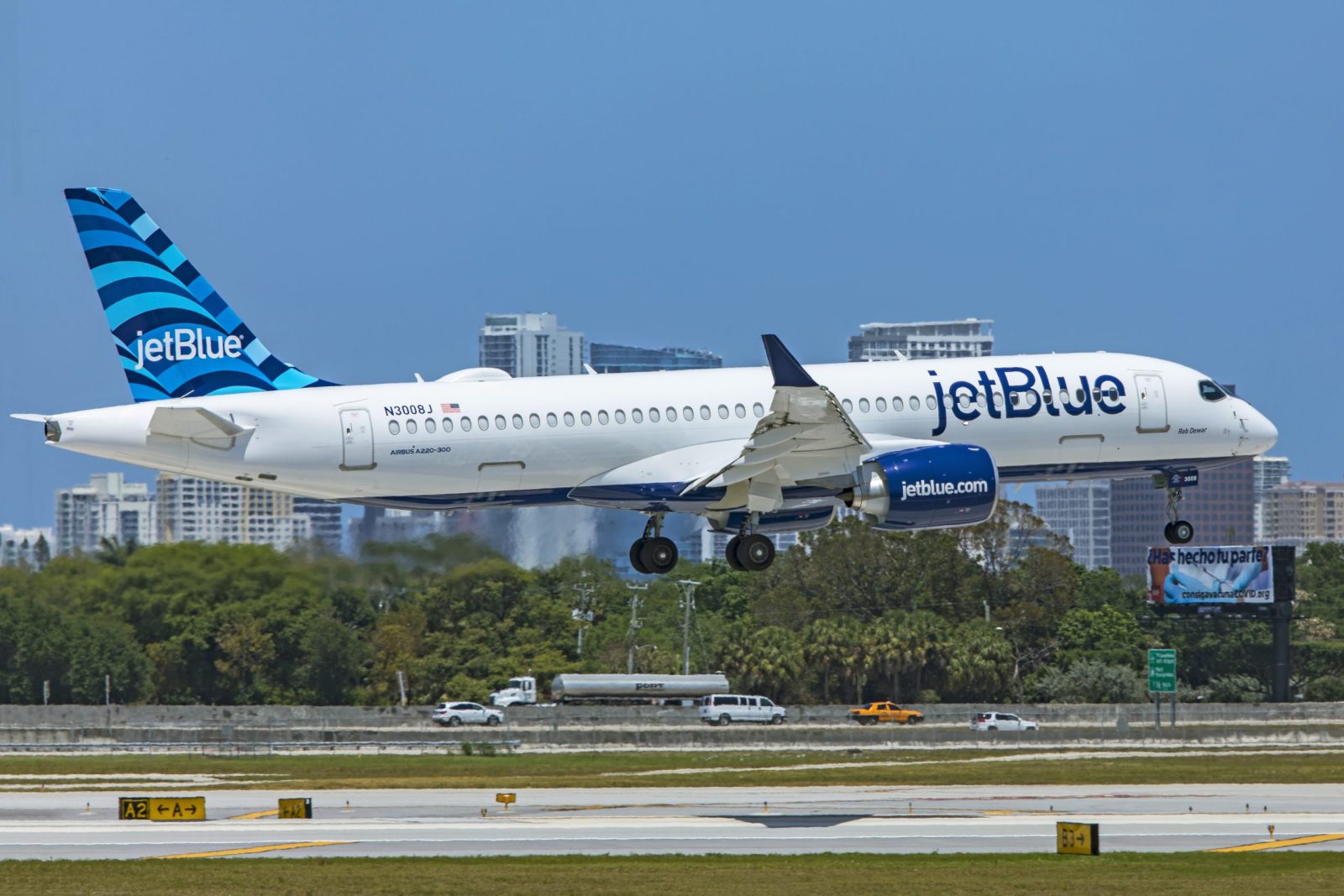
A JetBlue Airways Airbus A220 prepares for landing in Fort Lauderdale, Florida.
(Photo: AirlineGeeks | William Derrickson)
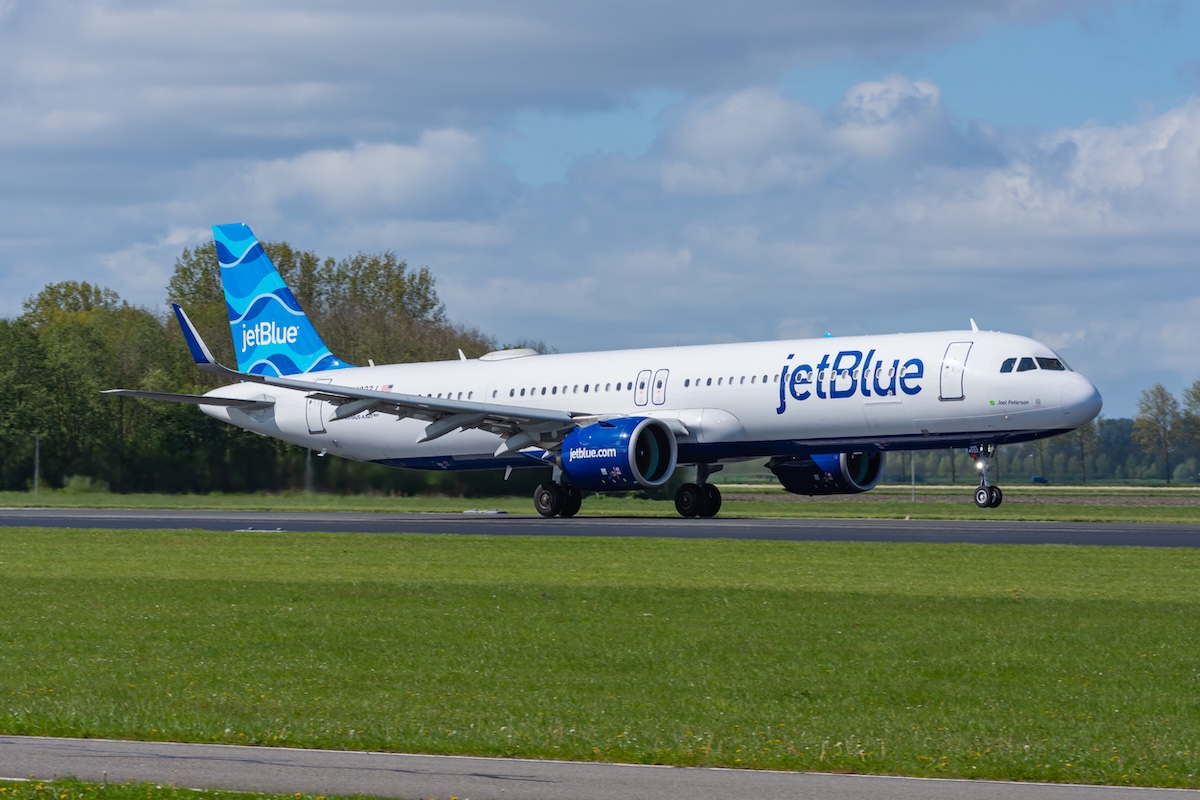
JetBlue’s leadership is not considering filing for bankruptcy – at least in the near term – despite mounting fuel costs.
According to a recent internal memo obtained and first reported by Bloomberg on Monday, JetBlue CEO Joanna Geraghty told employees that a bankruptcy filing is off the table for 2026. The carrier has sufficient liquidity, she said, and access to additional capital if needed.
JetBlue is attempting to turn around its business by slashing unprofitable routes, improving efficiency, and expanding its premium products. The New York-based airline has not recorded a full-year net profit since 2019, prior to the COVID-19 pandemic.
A recent surge in jet fuel prices, brought on by the war in Iran, could throw a wrench into JetBlue’s plans. A clearer picture of the carrier’s financial health will come when it reports its first-quarter earnings on April 28.
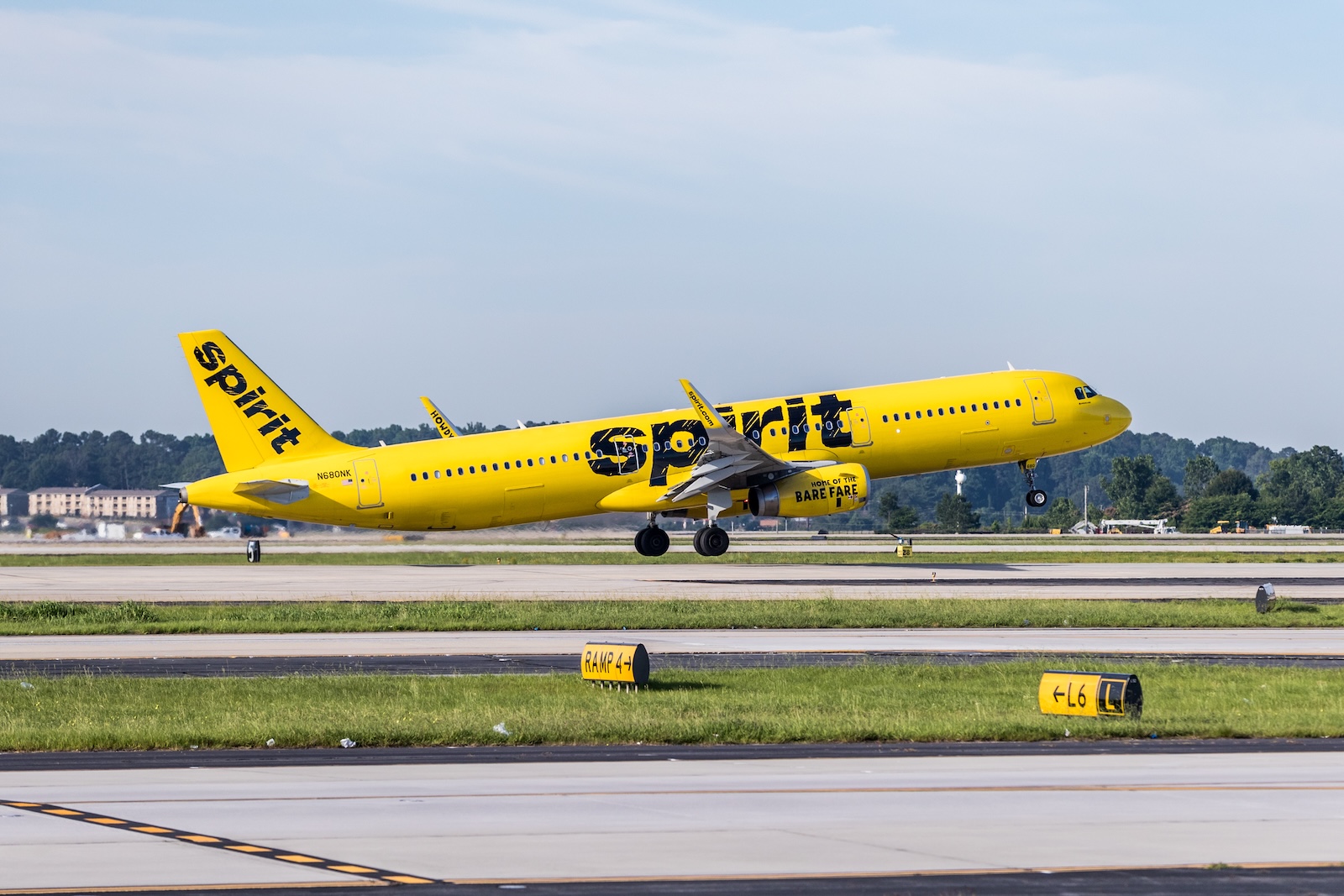
Climbing energy costs have already taken a toll on budget carrier Spirit, which is reportedly seeking financial assistance from the federal government. According to insiders, the possibility of liquidation has been discussed.
Zach Vasile is a writer and editor covering news in all aspects of commercial aviation. He has reported for and contributed to the Manchester Journal Inquirer, the Hartford Business Journal, the Charlotte Observer, and the Washington Examiner, with his area of focus being the intersection of business and government policy.
American Sets Start Date for Venezuela Flights
Service between Miami and Caracas will operate daily.
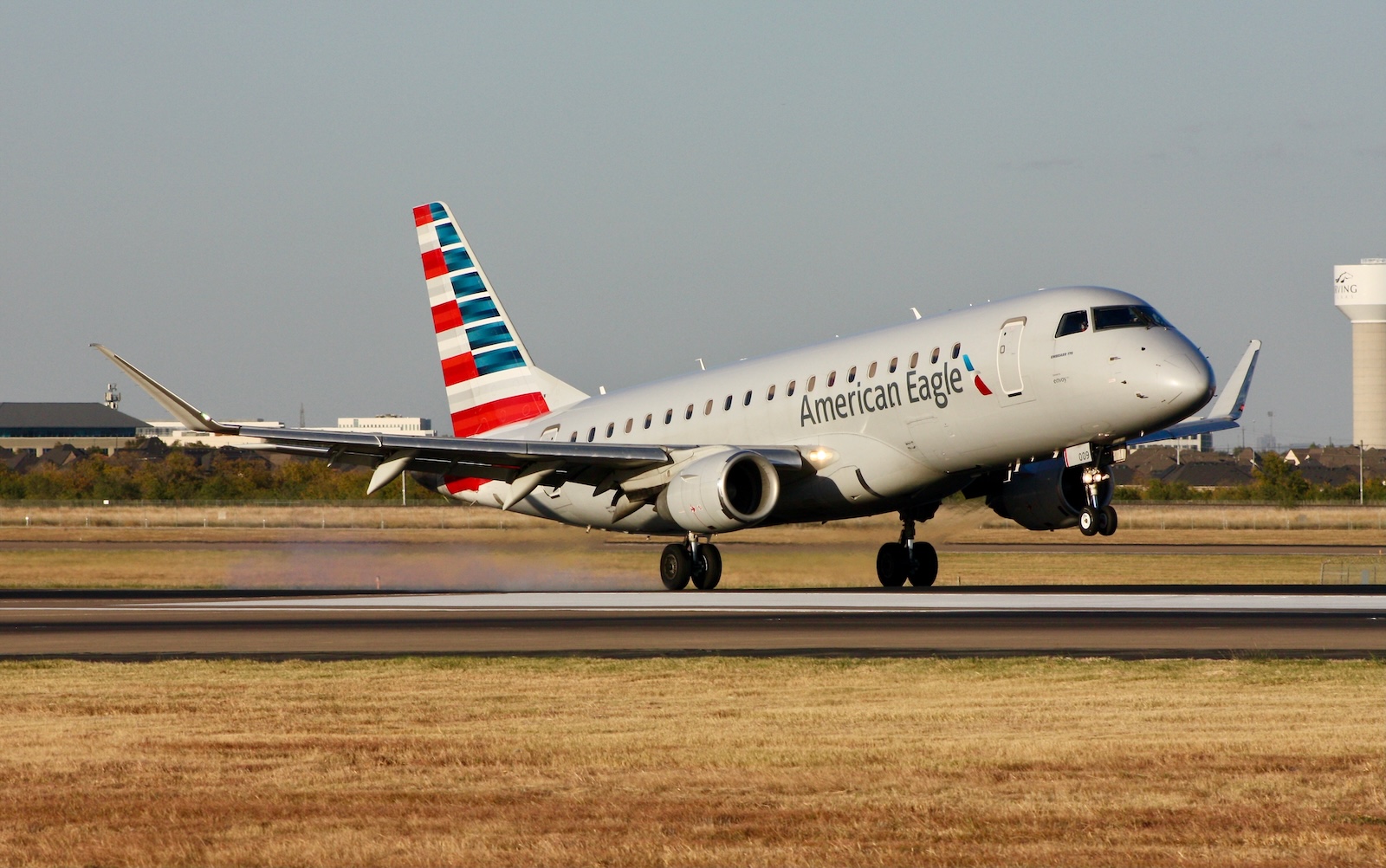
An American Eagle E175. (Photo: Shutterstock | Austin Deppe)
After a roughly seven-year pause, American Airlines is once again selling tickets to Venezuela.
The carrier announced Monday that daily nonstop service between Miami and Caracas will resume on April 30. The airline had put forward April 30 as a potential restart date earlier this month, but officially confirmed it on Monday.
Flights will depart Miami at 10:16 a.m. Eastern Time and arrive in Caracas at 1:36 p.m. Return flights will leave Caracas at 2:40 p.m. Eastern Time and land in Miami at 6:13 p.m.
The connection will be operated by American subsidiary Envoy using Embraer E175 dual-class aircraft.
The U.S. Department of Homeland Security banned all commercial passenger and cargo flights between the U.S. and Venezuela in 2019 over concerns about the safety of passengers and crews. That order was lifted in late January following the capture of Venezuelan President Nicolás Maduro.
Relations between the two countries have somewhat normalized in the months since. In March, the Department of Transportation approved American’s request to reconnect Caracas and Maracaibo, which is located in western Venezuela.
American has the strongest Caribbean and South American network of any U.S. airline, and was seen as a likely candidate to kick off the return of U.S. carriers to Venezuela.
Zach Vasile is a writer and editor covering news in all aspects of commercial aviation. He has reported for and contributed to the Manchester Journal Inquirer, the Hartford Business Journal, the Charlotte Observer, and the Washington Examiner, with his area of focus being the intersection of business and government policy.
Senators Warn Against United-American Merger
Lawmakers cited the potential for higher fares and job losses in a letter to the carriers’ chief executives.
Sens. Elizabeth Warren, D-Mass., and Mike Lee, R-Utah, sent a letter to United CEO Scott Kirby and American CEO Robert Isom on Sunday raising concerns about a possible linkup between two of the country’s biggest airlines. A merger, if realized, would reduce competition, the lawmakers said, opening the door to higher prices, lower wages for workers, and negative effects on smaller airlines, which would be unable to compete with an industry “behemoth.”
“A United-American merger could lead to increased prices for consumers, at a time when airlines are already squeezing flyers through higher fares and fees,” the lawmakers wrote.
Warren and Lee put several questions to Kirby and Isom, specifically whether or not a merger has been discussed, how such a deal would be “consistent with the public interest,” and if it could lead to higher fares and fees and the loss of jobs and routes.
The senators asked for a reply by May 3.
Bloomberg reported last week that Kirby pitched the idea of acquiring American to President Donald Trump and White House officials. He reportedly argued that the combination would make the resulting airline more competitive in international markets.
The news stunned the broader airline industry, and many analysts believe the linkup, if real, would have almost no chance of surviving the U.S. Justice Department’s antitrust review process.
Zach Vasile is a writer and editor covering news in all aspects of commercial aviation. He has reported for and contributed to the Manchester Journal Inquirer, the Hartford Business Journal, the Charlotte Observer, and the Washington Examiner, with his area of focus being the intersection of business and government policy.
British Airways Starts New U.S. Route
The connection will operate four times per week this summer.
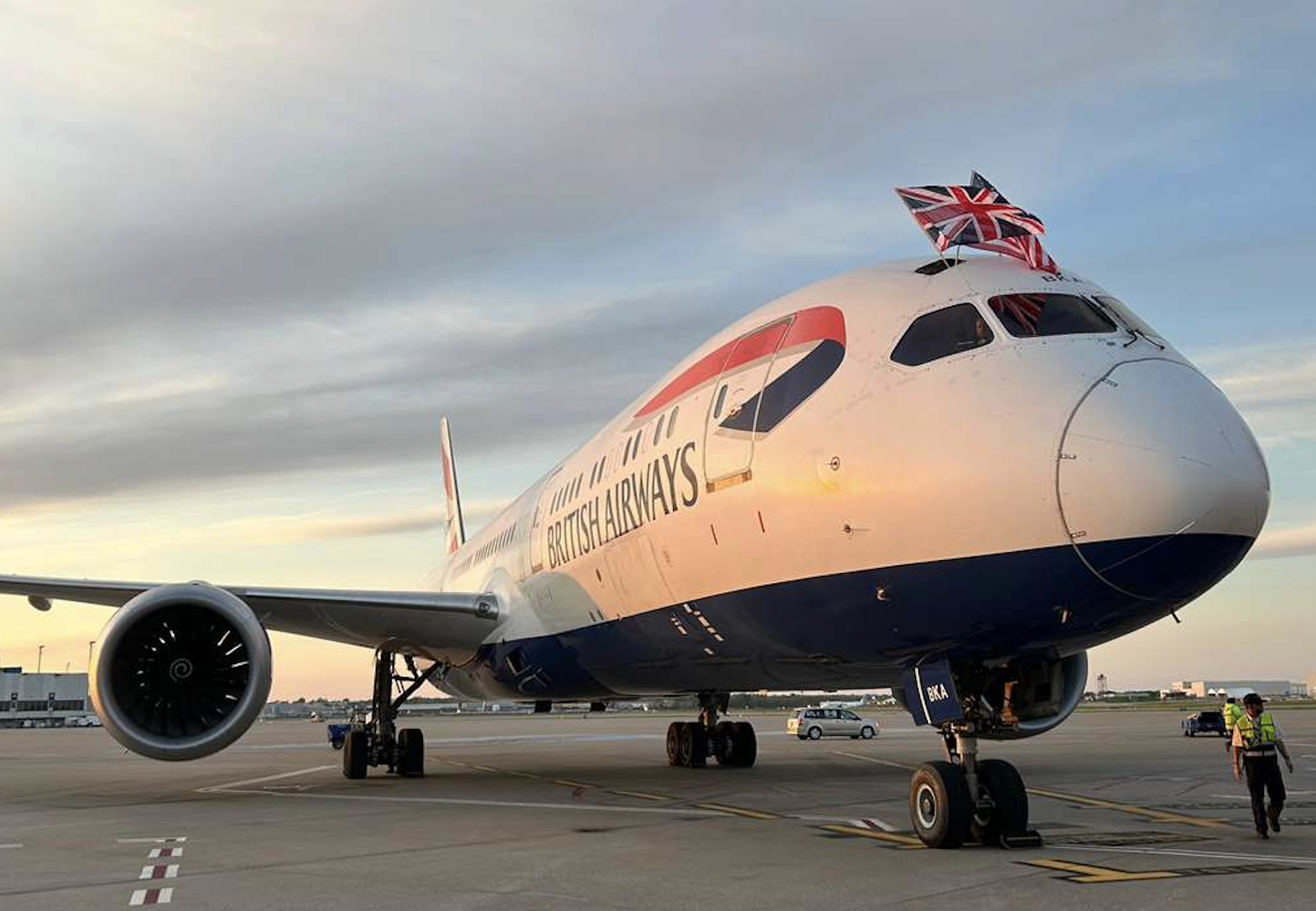
British Airways touches down in St. Louis. (Photo: British Airways)
British Airways on Sunday officially added a new route to the U.S. Midwest.
The carrier operated its inaugural flight between London Heathrow and St. Louis, touching down at Lambert Field on Sunday evening. British Airways will fly the route four times per week, on Tuesdays, Wednesdays, Fridays, and Sundays, during the summer season.
The airline said it is using a Boeing 787 Dreamliner for the transatlantic connection.
St. Louis is the 27th U.S. destination in British Airways’ network. The carrier is now the only one in the world offering nonstop flights between the U.K. and Missouri’s second-largest city.
The airline also started service to Guernsey in the Channel Islands on Sunday.
Zach Vasile is a writer and editor covering news in all aspects of commercial aviation. He has reported for and contributed to the Manchester Journal Inquirer, the Hartford Business Journal, the Charlotte Observer, and the Washington Examiner, with his area of focus being the intersection of business and government policy.
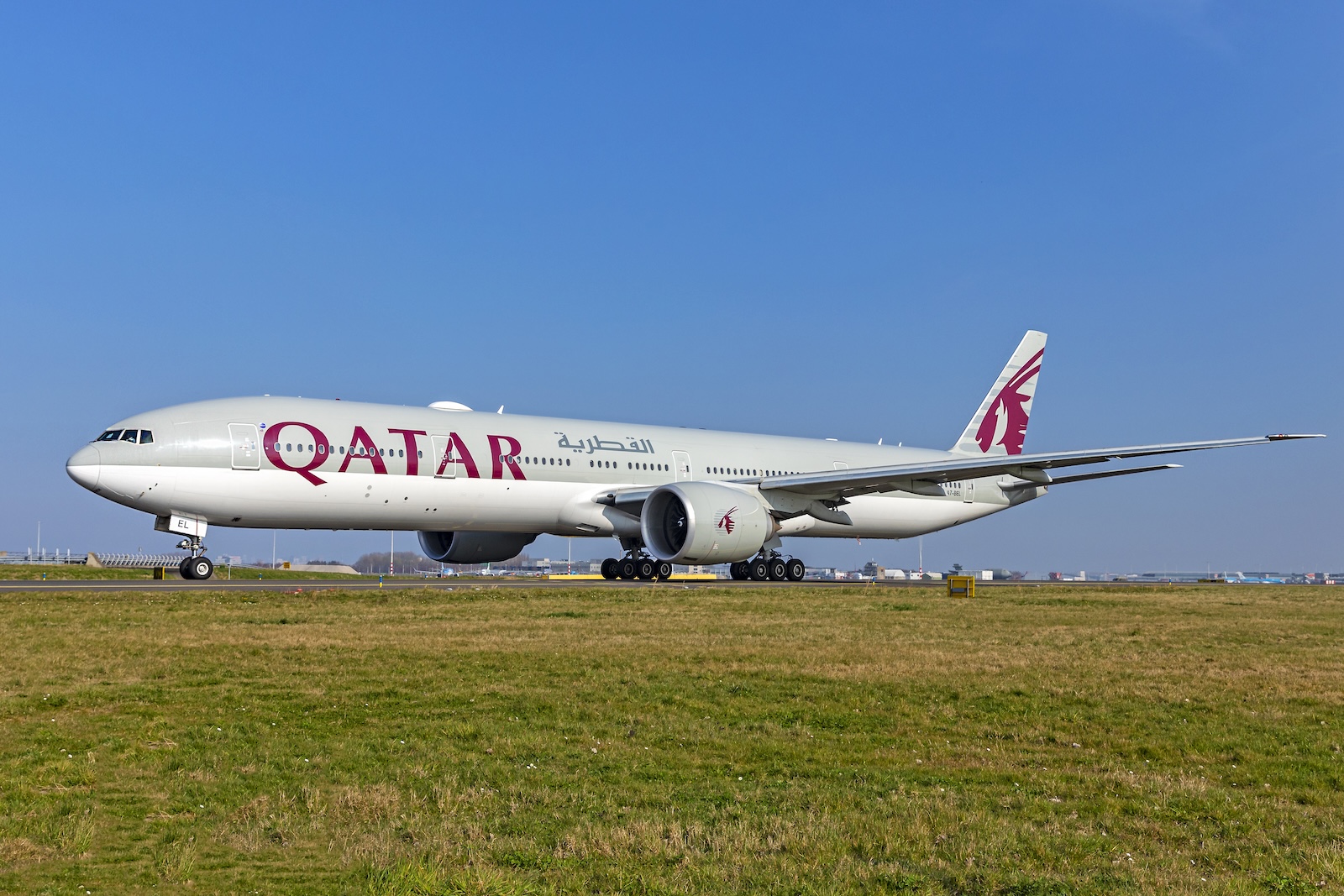
Qatar Allows Foreign Carriers to Resume Operations
Regulators are moving to normalize the flight schedule at Hamad International Airport.
Qatari officials said the decision is based on a recent risk assessment initiated after the April 8 ceasefire between the U.S. and Iran.
“All flights and related operations will be carried out in accordance with the highest internationally recognised safety and security standards,” regulators said. “All necessary measures and precautions are in place to safeguard passengers and aviation personnel.”
Qatar closed its airspace following the outbreak of fighting between the U.S., Israel, and Iran in late February. About two weeks into the conflict, the country resumed a small number of flights to and from Doha, all operated by flag carrier Qatar Airways. Flight traffic has continued to rebound since the start of the ceasefire.
Iran has fired dozens of missiles and drones at Qatar, mostly targeting the joint Qatari-U.S. Al Udeid Air Base and liquefied natural gas infrastructure.
Hamad is the second-busiest airport in the Gulf region, behind Dubai, and the third-busiest in the Middle East, behind Dubai and Istanbul.
Zach Vasile is a writer and editor covering news in all aspects of commercial aviation. He has reported for and contributed to the Manchester Journal Inquirer, the Hartford Business Journal, the Charlotte Observer, and the Washington Examiner, with his area of focus being the intersection of business and government policy.
Barcelona is JetBlue’s second destination in Spain, behind Madrid, and its seventh in Europe overall.
“We’re excited to introduce our first service to Spain’s Catalonia region, connecting two dynamic global hubs and expanding our international reach,” JetBlue President Marty St. George said in a news release. “This route builds on our existing transatlantic presence from Boston and gives customers more choice and value when traveling between the U.S. and Europe.”
JetBlue will continue growing its European footprint with the launch of service between Boston and Milan on May 10.
The airline currently offers year-round service to Amsterdam, London Heathrow, and Paris. Besides Barcelona and the upcoming route to Milan, the carrier’s seasonal connections to Europe include Dublin, Edinburgh, London Gatwick, and Madrid.
Zach Vasile is a writer and editor covering news in all aspects of commercial aviation. He has reported for and contributed to the Manchester Journal Inquirer, the Hartford Business Journal, the Charlotte Observer, and the Washington Examiner, with his area of focus being the intersection of business and government policy.
American Rejects United Merger Speculation
The airline said it is not engaged in discussions with its competitor and has no interest in doing so.
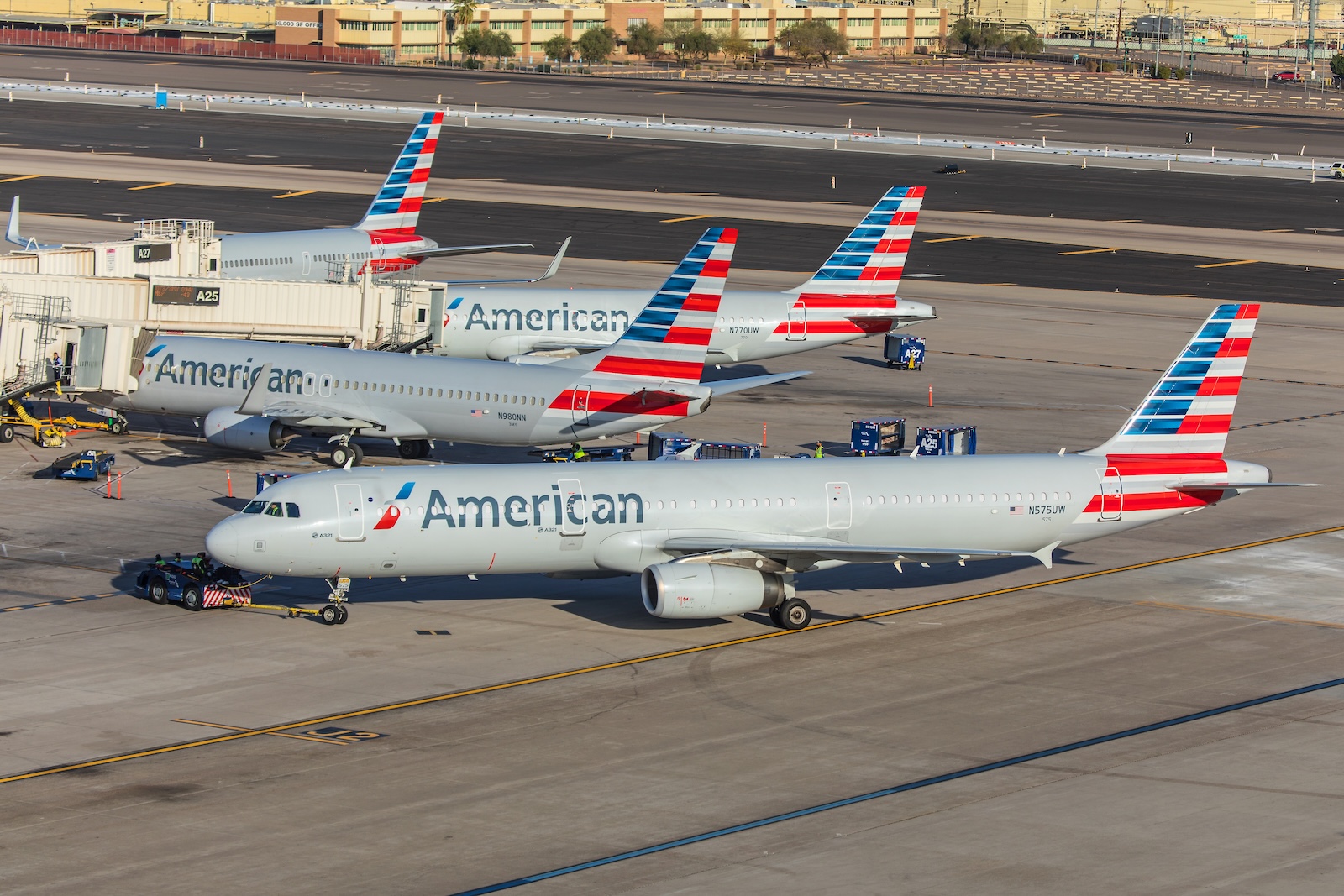
American aircraft in Phoenix. (Photo: AirlineGeeks | William Derrickson)
American Airlines put to rest days of intense speculation late Friday by saying it has no interest in merging with rival United.
“American Airlines is not engaged with or interested in any discussions regarding a merger with United Airlines,” the carrier said in a statement. “While changes in the broader airline marketplace may be necessary, a combination with United would be negative for competition and for consumers, and therefore inconsistent with our understanding of the [Trump] administration’s philosophy toward the industry and principles of antitrust law.”
“Our focus will remain on executing on our strategic objectives and positioning American to win for the long term,” the airline added.
Last week, Bloomberg reported that United CEO Scott Kirby pitched the idea of a linkup with American directly to President Donald Trump in February. The news stunned many in the airline industry, including some analysts who said they saw virtually no way for such a deal to clear the U.S. Justice Department’s antitrust review process.
The president “loves to see big deals happen,” Duffy told CNBC.
Neither Duffy nor the Transportation Department have publicly weighed in on talk of an American-United combination.
Prior to Friday, American had also declined to comment.
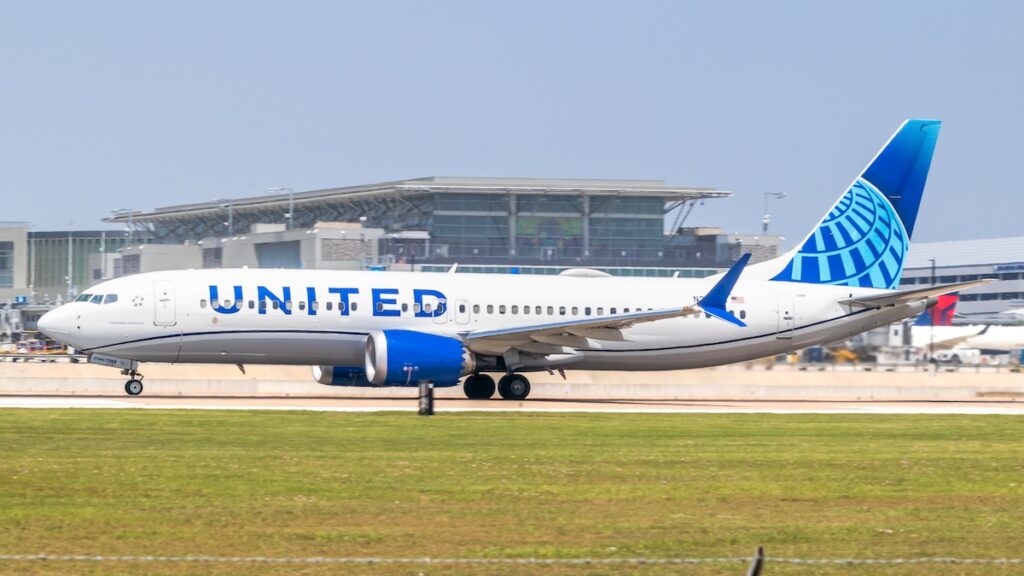
A United 737 MAX 8. (Photo: Shutterstock | lorenzatx)
In its statement, American praised Trump, Duffy, and “numerous other leaders in the administration who have demonstrated expertise and an ongoing commitment to continue to improve the world’s best aviation industry.” It said it looked forward to working with the White House to “strengthen the broader airline industry.”
A merger involving American and United would create the undisputed largest airline in the world, with control over about 34% of the domestic U.S. air travel market. Currently, no single carrier holds more than 18%.
Zach Vasile is a writer and editor covering news in all aspects of commercial aviation. He has reported for and contributed to the Manchester Journal Inquirer, the Hartford Business Journal, the Charlotte Observer, and the Washington Examiner, with his area of focus being the intersection of business and government policy.
Air Seychelles to Introduce Istanbul Service
Flights will start in May and operate twice per week.
Flights will operate twice per week from May 2 to June 27, the carrier said, using a 249-seat Airbus A330-300 leased from HiFly.
Flights will depart Istanbul at 10:15 p.m. on Tuesdays and Saturdays and will arrive in the Seychelles at 7 a.m. the following day. Flights depart the Seychelles at 8:50 a.m. and will arrive in Istanbul at 3:55 p.m. the same day.
The Mahe-based airline said the route will support access for tourists. Conflict in the Middle East has severely impacted the Seychelles because many visitors travel to the country with Gulf-based carriers.
The airline has also recently started up flights from Paris to enhance connectivity for international visitors.
Lorne is a South Africa-based aviation journalist. He was captivated and fascinated by flying from the day he took his first airline flight. With a passion for aviation in his blood, he has flown to destinations in all corners of the globe. Lorne has traveled extensively and lived in various countries. Drawing on his travels and passion for aviation, Lorne enjoys writing about airlines, routes, networks, and new developments.
Opinion: The Myth About Masks
Outdated studies, misunderstood guidance, and the persistence of a safety claim the author says does not hold up.
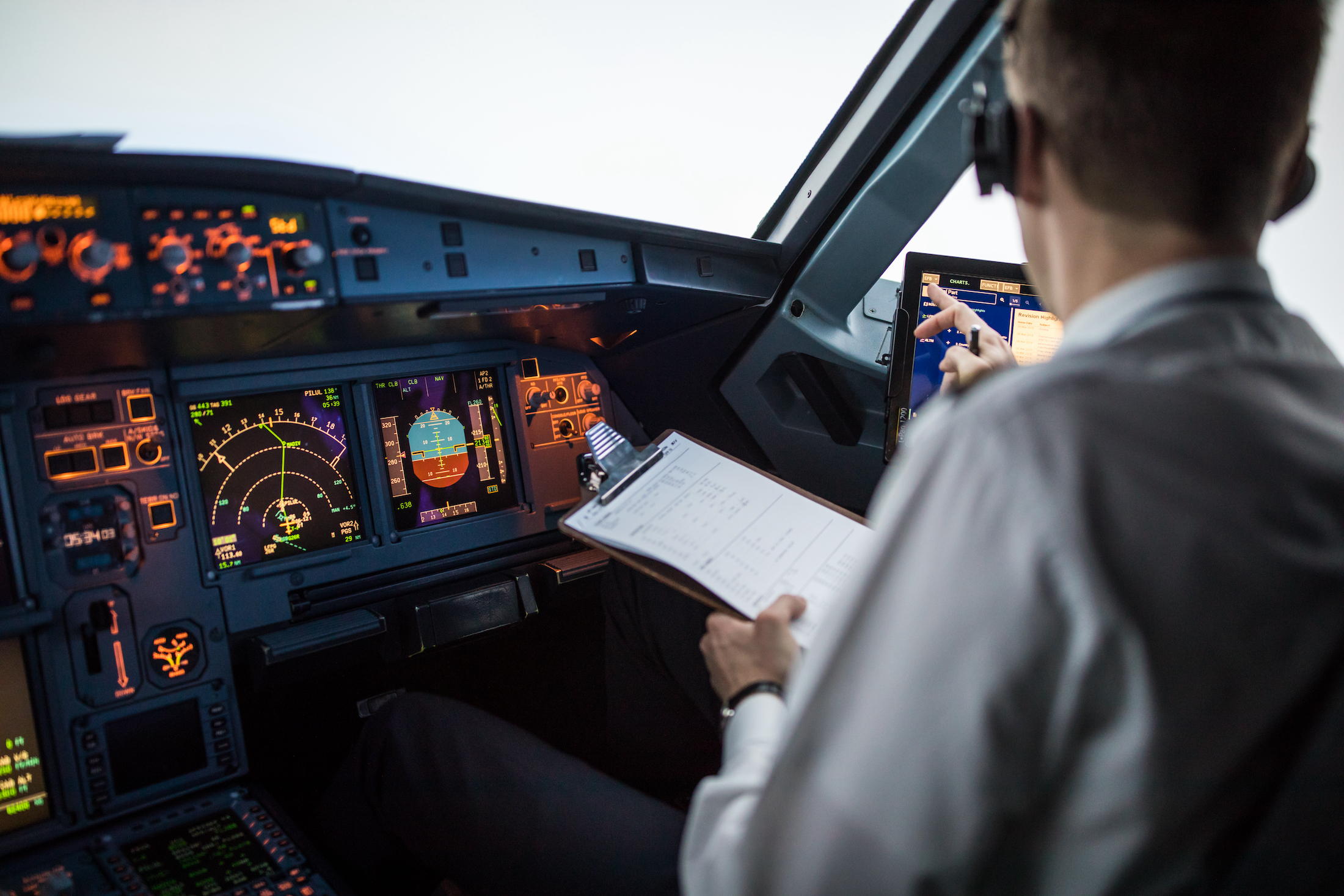
Pilot executing pre-flight procedures in a commercial airliner cockpit before takeoff. (Photo: Shutterstock | l i g h t p o e t)
A recent article examined Alaska Airlines’ decision to prohibit beards among its pilots, presenting the policy as a safety measure tied to concerns about oxygen mask leakage during decompression events. The airline cited a long-standing belief that facial hair can compromise mask seals and impair a pilot’s ability to respond effectively in an emergency. The article also referenced my 2025 study, which challenges that assumption.
This piece aims to clarify why the belief that beards significantly degrade aviation mask performance is a myth—not merely debatable, but unsupported by credible, relevant data. More importantly, it explores why this belief persists: it provides a convenient way for airlines to frame grooming preferences as safety requirements.
The Myth of Regulatory “Reaffirmation”
The article quoted Alaska Airlines’ Vice President of Flight Operations, David Mets, who suggested that the FAA has recently “reaffirmed” its position on beards and pilot safety. However, no such reaffirmation exists in FAA policy or public statements.
This claim appears to lend renewed authority to a 47-year-old document: FAA Advisory Circular AC 120-43. Many airlines rely on this circular to justify beard bans, citing its conclusion that facial hair could impair mask performance during emergencies.
Yet the foundation of this advisory is what might be called “legacy science”—primarily studies conducted by OSHA on industrial respirators. These studies demonstrate that beards can compromise seals in equipment designed for prolonged use in highly toxic environments, where even microscopic particle leakage can be fatal.
This is not comparable to aviation. Pilot oxygen masks are designed for short-term emergency use—typically around ten minutes—providing sufficient oxygen for descent to a safe altitude. OSHA has never tested aviation masks under aviation conditions, and its standards were never intended to evaluate their effectiveness. Applying those findings to cockpit oxygen systems is a category error.
The Myth of Longstanding FAA Evidence
The FAA’s advisory circular references a single aviation-related study: a non-peer-reviewed presentation from 1979 delivered at a conference in Las Vegas. This study tested just four participants and concluded that “a decrement in mask efficiency did occur because of the presence of beards.”
The limitations are significant:
The sample size (n=4) is far too small to support general conclusions
No statistical analysis was performed
Key methodological details—such as mask types and measurement units—were not clearly reported
In reviewing the data, I conducted a statistical power analysis on one of the mask conditions. The results indicate that approximately 29 participants would have been required to achieve statistical significance. Instead, conclusions were drawn by visually interpreting a small dataset—effectively “eyeballing” the results.
Even more importantly, the study measured oxygen content in exhaled air at ground level. It did not simulate hypoxia or decompression conditions. Yet its findings have been extrapolated for decades to suggest that bearded pilots would be at risk of hypoxia at altitude—an inference unsupported by the data. Hypoxia causes many physiological compensatory mechanisms such as more frequent, shallower breathing, increased heart rate, vasoconstriction in the lungs and vasodilation in the systemic circulation.
Despite these flaws, this single, limited study — combined with misapplied OSHA research — has shaped policy and practice across the airline industry for nearly half a century.
If the FAA truly believed that beards posed a significant safety risk, it would be obligated to prohibit them outright. It has not done so.
What the Evidence Actually Shows
To date, only two studies have directly examined aviation oxygen mask performance under realistic conditions:
A study conducted at Simon Fraser University using a hypobaric chamber
A study conducted at Embry-Riddle Aeronautical University using a normobaric hypoxia chamber
Both studies tested modern aviation masks (circa 2020) under hypoxic and smoke/fume conditions. Both found that mask effectiveness was not compromised by facial hair of any length.
In contrast to the 1979 FAA study, these experiments used sufficient sample sizes and appropriate statistical methods. For example, a power analysis of the ERAU data indicated that only 12 participants were needed to detect meaningful effects due to low variability; the study included twice that number.
Inside a Boeing 787 Dreamliner flight deck at the Farnborough Airshow. (Photo: AirlineGeeks | William Derrickson)
Participants were also exposed to highly volatile substances designed to test mask leakage. While wearing masks, none could detect these substances. Without masks, their reactions were immediate and pronounced. This suggests that even small, highly mobile molecules could not penetrate the seal — making it unlikely that larger smoke or fume particles would do so.
These findings represent the only direct, modern evidence on aviation mask performance with bearded users. They cannot be dismissed simply because they conflict with longstanding assumptions.
The “Abundance of Caution” Argument
Some argue that banning beards is justified as a precaution—even in the absence of strong evidence. But this position deserves scrutiny.
Policies framed as safety measures should be grounded in demonstrable risk. When they are not, they risk becoming tools for enforcing preferences under the guise of safety. Airlines are within their rights to set grooming standards—but those standards should be presented transparently, not justified by unsupported claims.
There is also a broader consideration. Facial hair can be tied to religious practice, medical conditions, or cultural expression. Restrictions, therefore, extend beyond aesthetics into questions of personal and social freedom.
As William James observed, “a difference that makes no difference is no difference at all.” If facial hair does not materially affect safety, then its prohibition should not be defended on that basis.
The belief that beards compromise aviation oxygen masks to the point of impairing pilot performance is not supported by credible evidence. It persists not because it has been proven, but because it has gone insufficiently challenged.
Rather than relying on outdated studies and misapplied research, the industry would benefit from continued, rigorous investigation. If safety is truly the priority, then conclusions must be driven by data—not tradition, assumption, or convenience.
Until such evidence exists, the “mask myth” remains just that: a myth.
Jonathan French retired from 23 years of teaching Aerospace Physiology and neurosciences at Embry-Riddle Aeronautical University in May 2025. Prior to ERAU, Dr French was an Aerospace Physiologist for the USAF. Before that, he worked for a major pharmaceutical company as part of a team that developed the first FDA approved Alzheimer’s drug. Currently, he continues to research and write papers about the effects of hypoxia on the vestibular system and Aerospace neuropharmacology, among other topics.
Report: Spirit Seeks Emergency Funding from Trump Admin
The airline is reportedly struggling to stay ahead of rising jet fuel costs.
A Spirit Airbus A321 aircraft. (Photo: Shutterstock | Felipe I Santiago)
Spirit Airlines has asked the federal government for an emergency bailout, according to a report from The Air Current published late Friday.
Citing individuals with knowledge of the matter, the outlet said Spirit is seeking hundreds of millions of dollars to offset the rising cost of jet fuel. The exact size of the potential rescue package was not immediately clear.
Spirit, which is navigating its second stint in bankruptcy protection, faced speculation this week that it could be on the brink of liquidation.
Unnamed sources told The Wall Street Journal, The New York Times, and CNBC that fuel costs have derailed the ultra-low-cost carrier’s recovery plans and forced discussions about a potential liquidation. The sources who spoke to CNBC said an announcement could come as early as this week.
The Air Current also reported that representatives from the nation’s low-cost airlines will meet with U.S. Transportation Secretary Sean Duffy next week to help gauge the market segment’s financial health after a difficult last two months.
Spirit has not commented on the report. Earlier this week, the airline said it would not reply to “market rumors and speculation.”
Zach Vasile is a writer and editor covering news in all aspects of commercial aviation. He has reported for and contributed to the Manchester Journal Inquirer, the Hartford Business Journal, the Charlotte Observer, and the Washington Examiner, with his area of focus being the intersection of business and government policy.
Sign-up for newsletters & special offers!
Get the latest stories & special offers delivered directly to your inbox