










Stories

FAA Caps Flights at Chicago O’Hare

The agency is cutting over 300 flights per day from the airport's summer schedule.

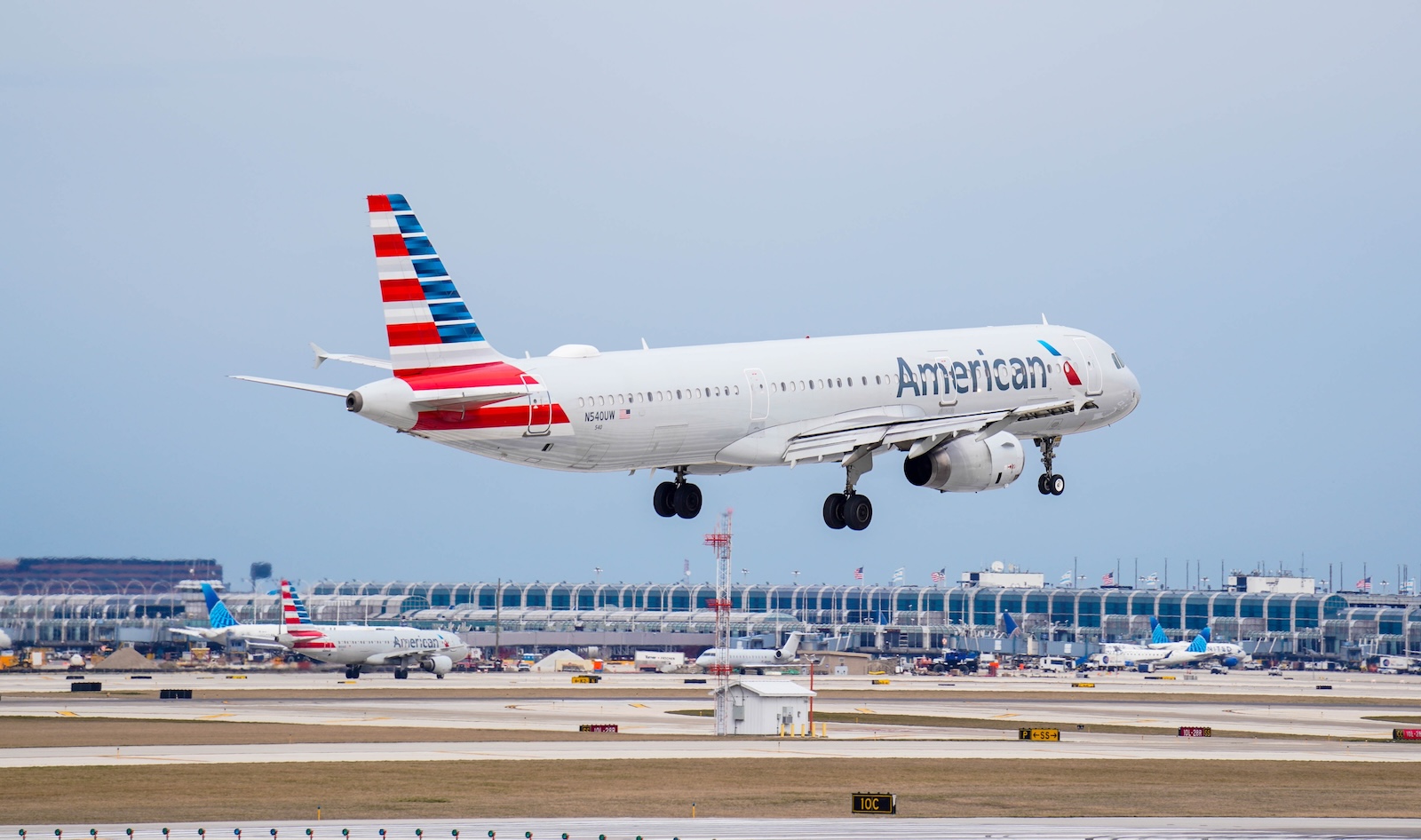
American A321 in Chicago
An American A321 in Chicago. (Photo: Shutterstock | MKPhoto12)

The FAA on Thursday imposed scheduling limits at Chicago O’Hare in a bid to stave off a potential wave of delays and cancellations this summer.

The agency said it will cap flights at 2,708 per day, down from the over 3,080 on the airport’s original summer 2026 schedule. Allocations among airlines will be based on 2025’s approved schedules.

“FAA expects that air carriers will work cooperatively with the Slot Administration Office to implement the cap and allocations in a manner that is operationally feasible and achieves the stated goals of safety and efficiency,” officials wrote in an order set to be published in the Federal Register on Monday.

The limitations will be in effect from May 17 to Oct. 24.

The FAA signaled in February that it would intervene to prevent O’Hare from being pushed past its capacity. The airport, the country’s busiest by flight volume, has been the site of an escalating turf war between United, which is based in Chicago, and American. Both carriers greatly expanded their schedules at O’Hare this summer in a bid to capture valuable market share.

The competition helped drive up peak-day scheduled operations by 14.9% compared to the summer of 2025.

Transportation officials said O’Hare cannot accommodate that increase with its current infrastructure. Extensive construction work at the airport also complicated the picture, increasing the likelihood of flight delays and cancellations if the original summer 2026 schedule went into effect as planned.

“If you book a ticket, we want you and your family to have the certainty that you’ll fly without endless delays and cancellations,” U.S. Transportation Secretary Sean Duffy said in a statement. “We successfully turned Newark Liberty International into the most on-time airport in the Tri-State Area by fixing telecoms issues at record speed and reducing overcapacity. Applying that same strategy at O’Hare – where unrealistic schedules were set to dramatically exceed what they could handle – will reduce delays and make this busy summer travel season a little easier.”

Both United and American released statements expressing appreciation for the DOT and FAA’s work on the issue. United said it is reviewing the order, while American said it has secured a “sufficient level” of flights at O’Hare to operate a “successful hub” there this summer.


Zach Vasile

Zach Vasile is a writer and editor covering news in all aspects of commercial aviation. He has reported for and contributed to the Manchester Journal Inquirer, the Hartford Business Journal, the Charlotte Observer, and the Washington Examiner, with his area of focus being the intersection of business and government policy.

Livery of the Week: Cathay Pacific Turns 80

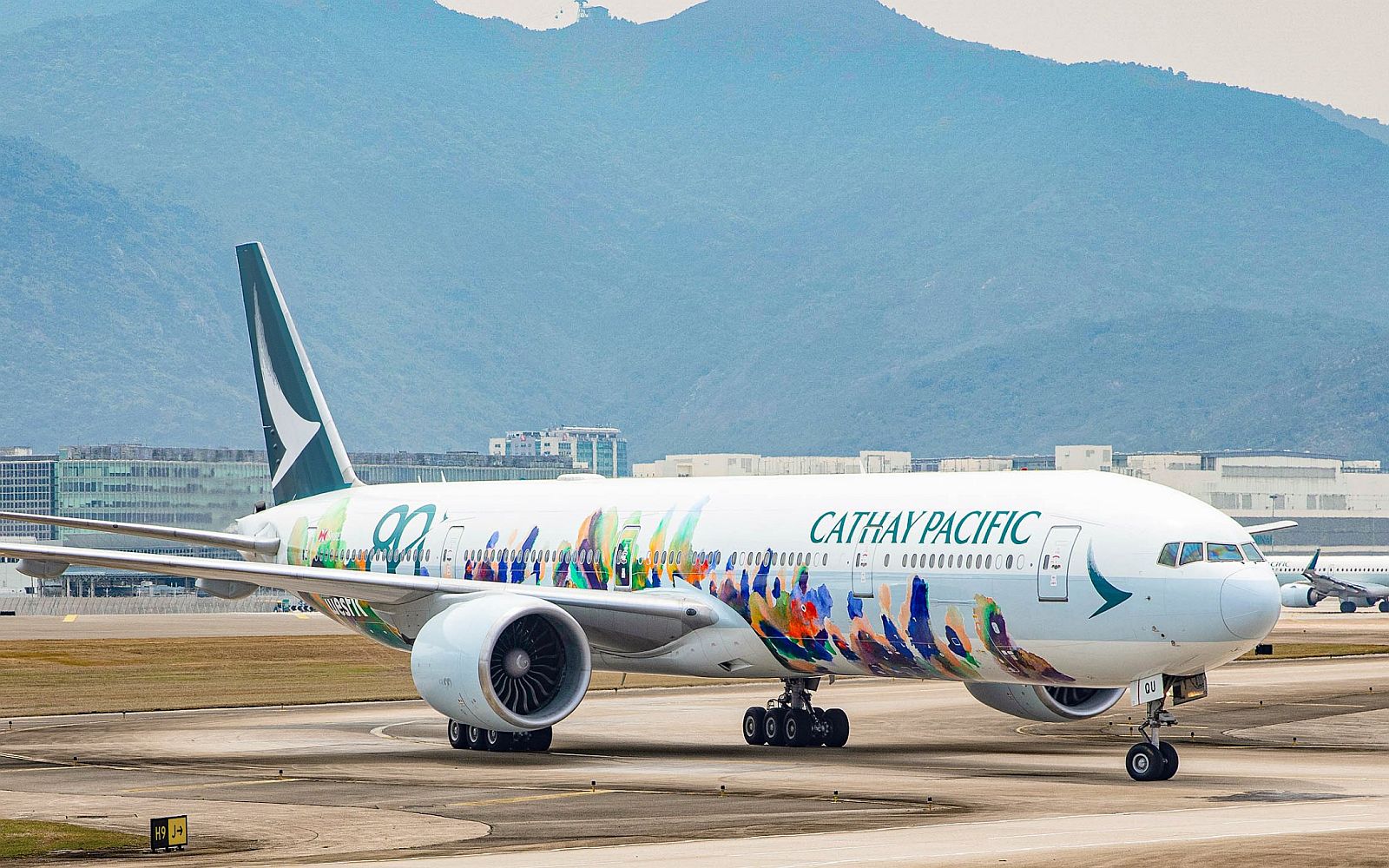
Cathay Pacific Boeing 777-300 in special livery "Spirit of Hong Kong - 80th Anniversary Edition"
Cathay Pacific Boeing 777-300 in special livery "Spirit of Hong Kong - 80th Anniversary Edition" (Photo: X | @cathaypacific)

Editor’s Note: AirlineGeeks is proud to present our ‘Livery of the Week’ series. Every Friday, a team member will share an airline livery, which can be from the past, present, or even a special scheme. Some airline liveries are works of art. The complexity associated with painting around critical flight components and the added weight requires outside-the-box thinking from designers. The average airliner can cost upwards of $200,000 to repaint, creating a separate aircraft repainting industry as a result. 

Have an idea for a livery that we should highlight? Drop us a line. 

In a landmark collaboration between two of the most recognized brands in Hong Kong, Cathay Pacific and the West Kowloon Cultural District Authority (“WKCDA”), a new art-based livery called “Spirit of Hong Kong – 80th Anniversary Edition” was unveiled last month at a ceremony in Hong Kong.

Cathay Pacific and West Kowloon

Oneworld Alliance member Cathay Pacific is celebrating its 80 years of existence, since it was founded on Sept. 24, 1946, and has been a travel partner for WKCDA since 2023. West Kowloon is the name of a business and cultural district located in the Western part of the Kowloong peninsula facing the Victoria Harbour in Hong Kong, and it comprises 40 hectares of reclaimed land blending together art, education, open space, hotel, office and residential developments and retail, dining and entertainment facilities.

WKCDA is responsible for the development of this area and has inspired this special livery that “ingeniously combines WestK’s “Where Art Comes Alive” brand vision with Cathay’s commitment to creating an elevated and meaningful customer experience under its “Move Beyond” ethos, further solidifying both parties’ shared long-term commitment to advancing the development of Hong Kong’s arts, culture and creative industries,” said WKCDA in a press release.

The Old and the New

“For eight decades, Cathay has grown alongside Hong Kong,” said Ronald Lam, Cathay Pacific Group Chief Executive. “As we mark ‘80 Years Together’ with our home city, we are honoring our heritage with the return of our classic ‘lettuce leaf sandwich’ livery on our Airbus A350 and Boeing 747 aircraft, while also embracing the future with a vibrant modern art livery on our Boeing 777-300ER aircraft.”

“In partnership with WKCDA and through ‘The Spirit of Hong Kong’ livery, we aim to support outstanding local artistic creativity and showcase the unique culture and spirit of Hong Kong to audiences around the world. Through our investment of well over HK$100 billion into our fleet, cabin products, lounges and digital innovation, we will continue to win hearts and strengthen Hong Kong’s status as a leading international aviation hub — moving our city, customers and team forward together.”

The Aria Suites

The aircraft in this new livery is a Boeing 777-300ER aircraft, registered as B-KQU, powered by two GE90-115BL2 engines, and it was delivered to Cathay Pacific on Dec. 20, 2014, and has flown for the airline ever since.

The aircraft is configured in a three-class seating arrangement featuring the newest Cathay Pacific onboard product, including the newest Aria Business Class suite with fully-flat seats, 24-inch 4K screen and privacy panes. This Boeing 777-300 has 45 Business Class suites (in a 1-2-1 configuration), 48 Premium Economy seats (2-4-2) and 268 Economy Class seats.

Looking for a new airplane model? Head over to our friends at the Midwest Model Store for a wide selection of airlines and liveries.

Vanni Gibertini

Vanni fell in love with commercial aviation during his undergraduate studies in Statistics at the University of Bologna, when he prepared his thesis on the effects of deregulation on the U.S. and European aviation markets. Then he pursued his passion further by obtaining a Master’s Degree in Air Transport Management at Cranfield University in the U.K. followed by holding several management positions at various start-up carriers in Europe (Jet2, SkyEurope, Silverjet). After moving to Canada, he was Business Development Manager for IATA for nine years before turning to his other passion: sports writing.

American Rolls Out Trading Cards

The collectibles feature aircraft from the carrier's past and present.

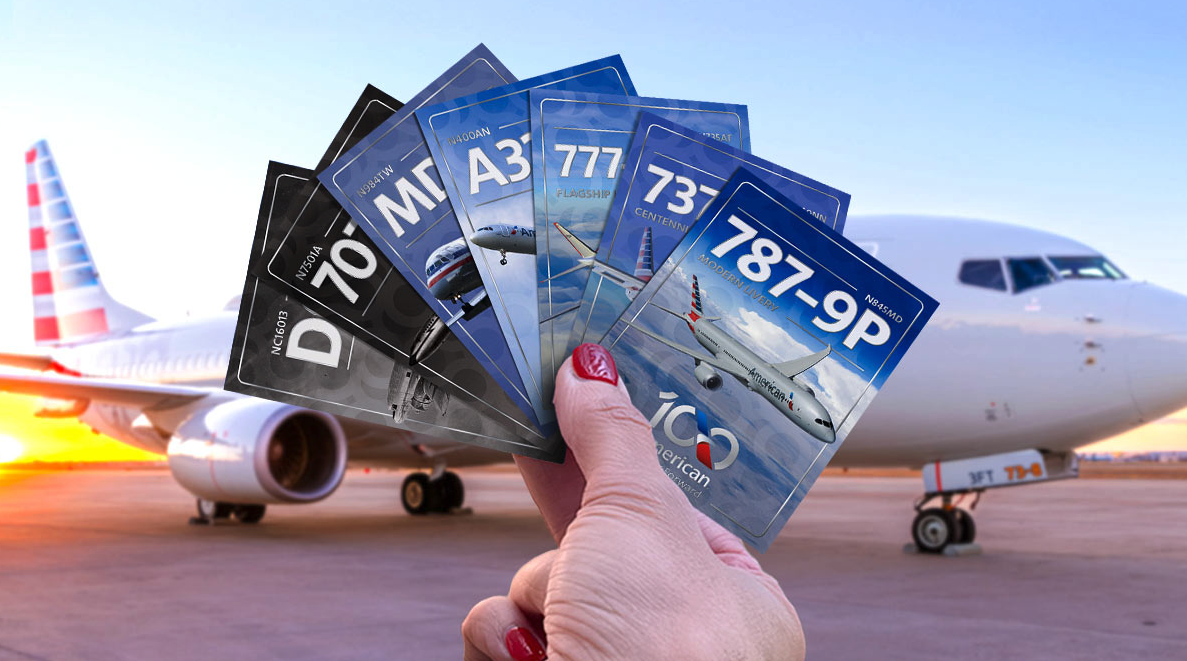
American Airlines trading cards. (Photo: American Airlines)

American Airlines is celebrating its 100th anniversary with a new line of branded trading cards.

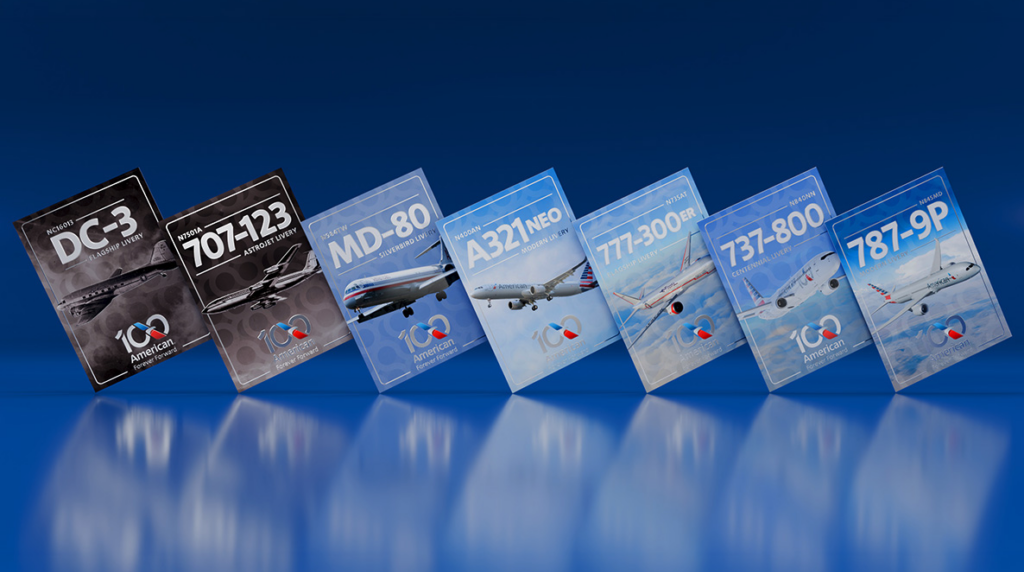
Officials said the cards will feature American’s four current fleet types, specifically the Airbus A321neo, Boeing 737-800, 777-300, and 787-9. Three special edition cards will showcase past aircraft types that played an important role in the carrier’s history – the Douglas DC-3, 707, and McDonnell Douglas MD-80.

Every card includes an image of the aircraft, aircraft specifications, diagrams, and facts about the type.

Passengers will be able to request cards from pilots starting in May. The airline plans to print over 7 million cards in time for the summer.

American Airlines trading cards. (Photo: American Airlines)

“These trading cards are a culmination of 100 years of special moments shared between pilots, planes, and passengers,” Alan Johnson, American’s vice president of flight operations, said in a news release. “Whether flying for the first time or the 100th, these cards give everyone the opportunity to connect with pilots, commemorate meaningful trips, and reflect on the progress of flight.”

Several U.S. airlines offer branded trading cards. Their existence has become more widely known with the rise of social media, encouraging new carriers to join the trend.

Zach Vasile

Zach Vasile is a writer and editor covering news in all aspects of commercial aviation. He has reported for and contributed to the Manchester Journal Inquirer, the Hartford Business Journal, the Charlotte Observer, and the Washington Examiner, with his area of focus being the intersection of business and government policy.

National Takes Delivery of Its First 777-200F

The carrier ordered four of the type in 2024.

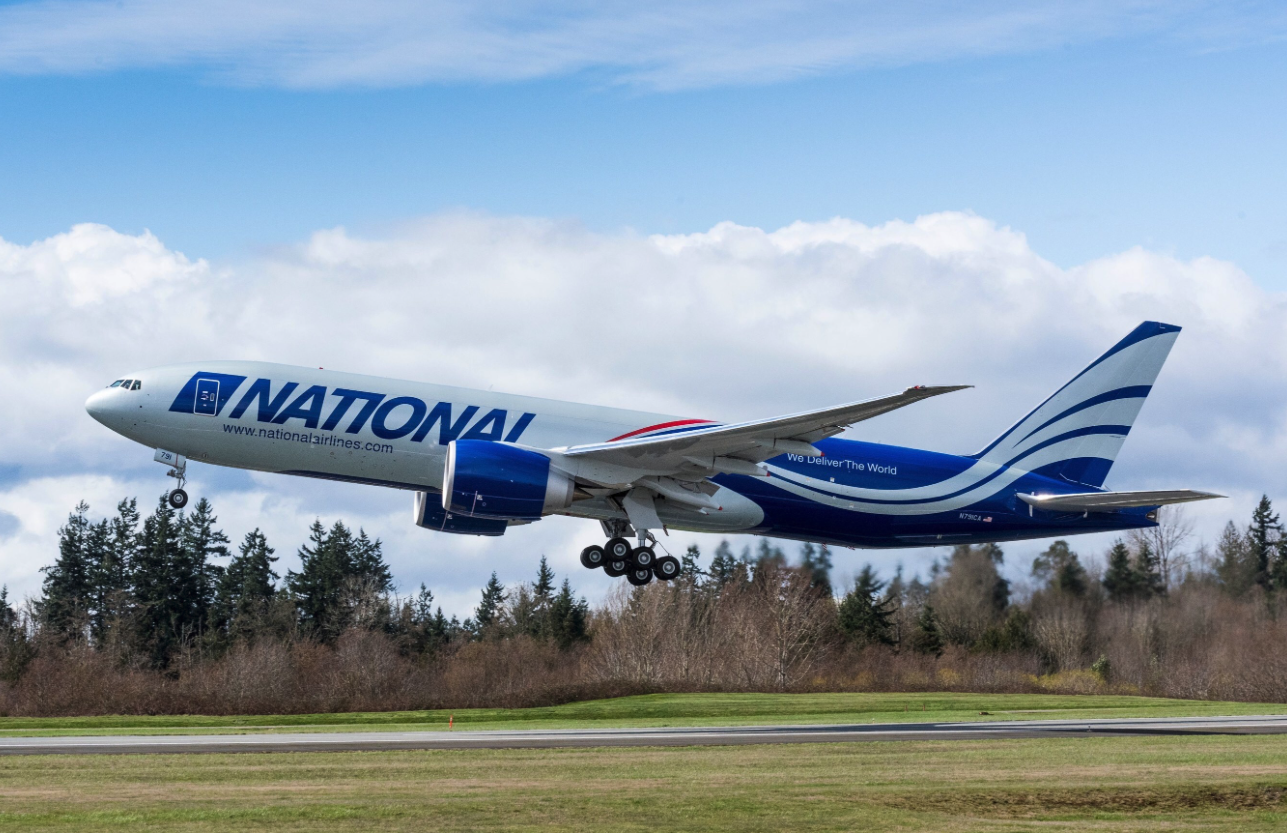
National Airlines' first Boeing 777-200F. (Photo: National Airlines)

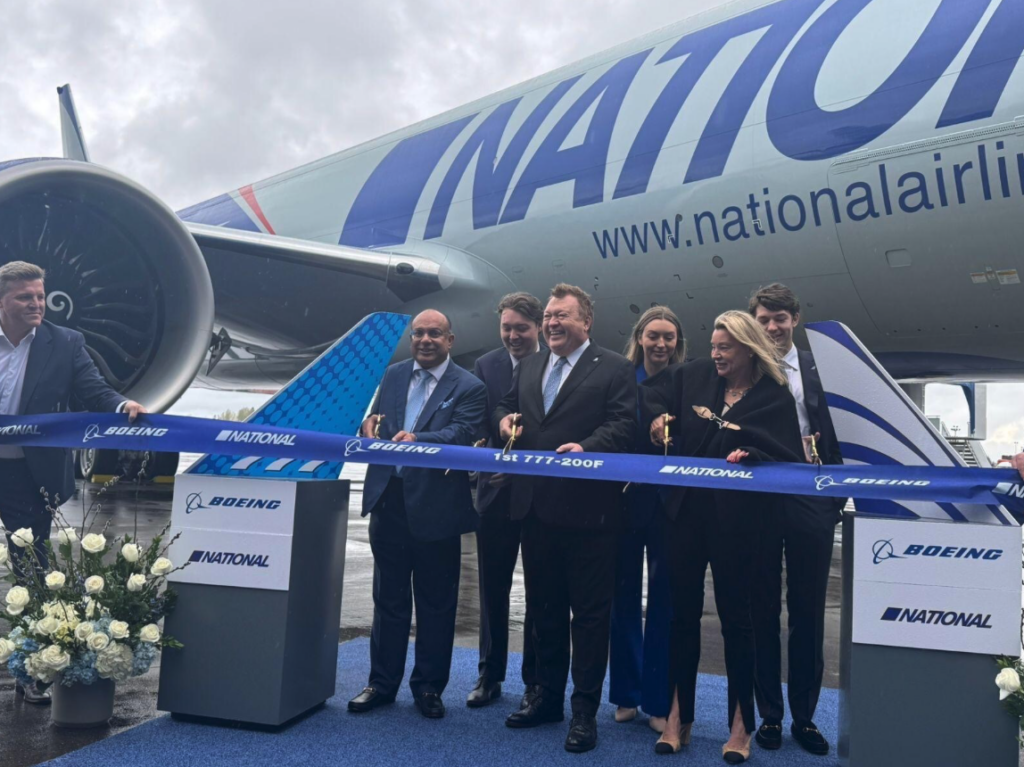
Florida-based cargo and passenger charter operator National Airlines took delivery of its first Boeing 777-200F this week.

The handover took place at a ceremony at Boeing’s factory in Everett, Washington, on Tuesday.

Officials said the freighter aircraft’s range, fuel efficiency, and payload capacity will enhance the airline’s global cargo network.

National placed an order for four 777-200F aircraft in July 2024.

Officials at the ribbon-cutting ceremony for National Airlines’ first Boeing 777-200F. (Photo: National Airlines)

“This is an extension of our commitment to the aviation industry and customers to offer the most advanced and customed cargo solutions worldwide,” National Airlines Chairman Chris Alf said in a statement.

The remaining three aircraft in National’s order will be delivered “in the coming months,” the carrier said.

Besides the newly arrived -200F, National operates nine 747-400 freighters and a passenger fleet of Airbus A330-300 and A330-200 aircraft.

Zach Vasile

Zach Vasile is a writer and editor covering news in all aspects of commercial aviation. He has reported for and contributed to the Manchester Journal Inquirer, the Hartford Business Journal, the Charlotte Observer, and the Washington Examiner, with his area of focus being the intersection of business and government policy.

Lufthansa to Ground, Retire Aircraft, Close Subsidiary

The carrier said it will shut down Lufthansa CityLine and remove some of its less efficient jets from service.

A Lufthansa A340-600 in Munich. (Photo: AirlineGeeks | Fabian Behr)

Lufthansa Group said Thursday that it will accelerate plans to ground and retire some aircraft due to the ongoing surge in jet fuel prices.

The most immediate change, and perhaps the most surprising, is the deactivation of regional subsidiary Lufthansa CityLine. As of Saturday, all of the carrier’s 27 operational aircraft will be permanently removed from Lufthansa Group’s flight program, “in order to reduce further losses of the loss-making airline.”

CityLine, which is based in Munich, was previously set to wind down in 2027.

Lufthansa Group left some ambiguity about when exactly the subsidiary will be permanently closed but said it has already offered employees work at other divisions within the company.

At the end of summer, Lufthansa’s last four remaining Airbus A340-600s will be retired, and two Boeing 747-400s will be grounded. Officials said the removal of the six long-haul aircraft will help conserve fuel.

Lufthansa plans to permanently retire the 747-400 next year.

During the winter of 2026-27, five aircraft will be temporarily removed from Lufthansa’s mainline short- and medium-haul operations. Lufthansa Group did not say which aircraft types will be affected.

“The package for accelerated implementation of fleet and capacity measures is unavoidable in light of the sharply increased kerosene costs and geopolitical instability,” Lufthansa Group CFO Till Streichert said in a statement. “The goal is to focus our short- and medium-haul platforms more clearly and make them more competitive.”

Streichert also noted the accelerated shutdown of Lufthansa CityLine and called the decision “painful.”

In an added measure, Lufthansa Group said it has implemented new savings targets for staff recruitment, internal events, and external consulting services. The targets will help the company meet a previously announced goal of eliminating 4,000 administrative positions group-wide by 2030, officials said.

Zach Vasile

Zach Vasile is a writer and editor covering news in all aspects of commercial aviation. He has reported for and contributed to the Manchester Journal Inquirer, the Hartford Business Journal, the Charlotte Observer, and the Washington Examiner, with his area of focus being the intersection of business and government policy.

American to Roll Out Electronic Boarding Gates

The e-gates will be installed at Dallas/Fort Worth this summer.

An American Airlines Boeing 777 flares for touchdown in Dallas. (Photo: AirlineGeeks | Parker Davis)

After a successful pilot program, American Airlines plans to introduce electronic boarding gates at Dallas/Fort Worth this summer.

The carrier said this week that it will install the gates at the Terminal C Pier Expansion to start.

The gates are made by Swiss security company dormakaba. When customers scan their boarding pass, the machine validates it, and the gates swing open.

Officials said the gates will help regulate the pace of boarding to reduce congestion, and streamline tasks for American employees, who will be able to spend more time directly assisting travelers.

An illustration of the boarding gates. (Credit: American Airlines)

“Boarding plays a key role in how customers experience the final moments before their flight, and electronic boarding gates will further elevate that experience, creating a more seamless and consistent process,” American Chief Customer Officer Heather Garboden said in a news release.

American trialed the technology in November, and it received strongly positive feedback from users, the carrier added.

Zach Vasile

Zach Vasile is a writer and editor covering news in all aspects of commercial aviation. He has reported for and contributed to the Manchester Journal Inquirer, the Hartford Business Journal, the Charlotte Observer, and the Washington Examiner, with his area of focus being the intersection of business and government policy.

Report: Spirit at Risk of Liquidation

The carrier was on track to emerge from bankruptcy protection this spring or summer.

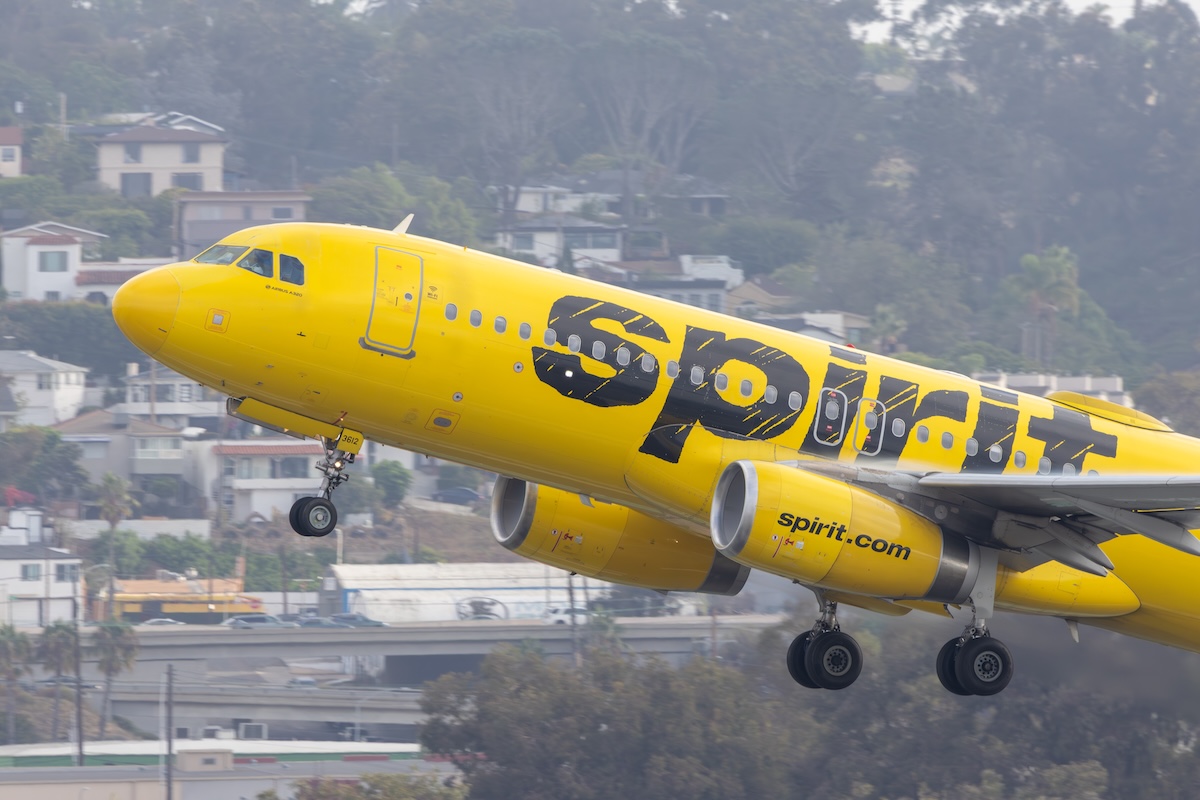
Spirit Airbus A320
A Spirit Airbus A320. (Photo: Shutterstock | Jomica8)

Budget airline Spirit could be on the brink of liquidation, sources told multiple media outlets this week.

The financially troubled carrier has been restructuring its operations and initially expected to exit Chapter 11 bankruptcy some time this spring or summer, with a smaller, more economical fleet and a new pilot contract meant to contain labor costs. But the rising price of jet fuel has complicated that picture, the sources said, and discussions with the airline’s creditors now include the possibility of liquidation.

Bloomberg was first to report the development, with CNBC later reporting that Spirit could liquidate as soon as this week. The business news channel also cited unnamed people with knowledge of the matter.

In a statement, Spirit said it would not comment on “market rumors and speculation.”

Climbing fuel prices have affected airlines of every size and market level, but they could prove particularly damaging to ultra-low-cost carriers such as Spirit, who must carefully manage every expense to stay in the black. According to the International Air Transport Association, aviation fuel prices have doubled globally since the start of the conflict in Iran.

Spirit filed for bankruptcy protection in August 2025 in the face of climbing costs and ballooning debt, some of which was carried over from its prior stint in Chapter 11 protection. It has laid off corporate staff, furloughed pilots and flight attendants, canceled routes, pulled out of certain markets, and sold off aircraft in an effort to reduce spending.

Despite frequent media reports that the carrier was on the verge of collapse, Spirit appeared to be on the upswing in recent months. It canceled and reversed some employee furloughs, and negotiated a new contract with its pilots’ union that implemented temporary pay cuts and put off raises until 2028.

In February, the airline announced it had reached a deal with its creditors that would allow it to exit bankruptcy protection by the late spring or early summer. The plan envisions a much smaller version of Spirit, with fewer aircraft and routes.

Zach Vasile

Zach Vasile is a writer and editor covering news in all aspects of commercial aviation. He has reported for and contributed to the Manchester Journal Inquirer, the Hartford Business Journal, the Charlotte Observer, and the Washington Examiner, with his area of focus being the intersection of business and government policy.

Allegiant, Sun Country Secure Final Regulatory Approval for Merger

But the deal is still subject to customary closing conditions and approval by shareholders, who will vote early next month.

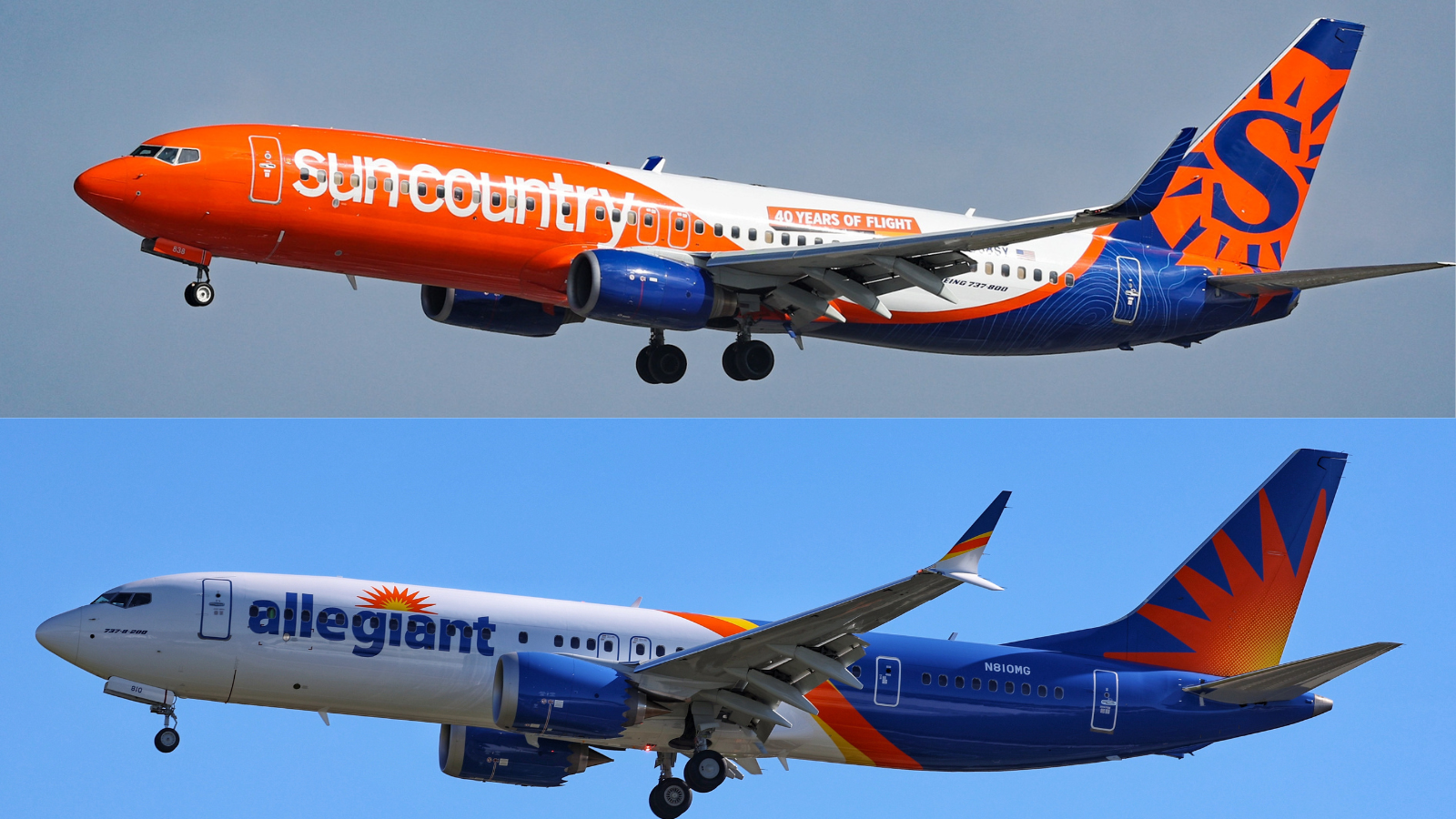
Sun Country and Allegiant aircraft
Sun Country and Allegiant aircraft. (Photo: AirlineGeeks | Katie Zera)

Allegiant and Sun Country have cleared another regulatory hurdle on their way to merging some time later this year.

The partners announced Wednesday that the U.S. Department of Transportation has granted a joint interim exemption application that will allow both carriers to continue operating as separate entities under common ownership after the closing date.

The authorization “marks a significant step” toward completing Allegiant’s acquisition of Sun Country, officials said.

“This approval underscores the strength of our shared vision and the thoughtful approach both teams have taken throughout this process,” Allegiant CEO Gregory C. Anderson said in a statement. “We remain focused on bringing these organizations together in a way that builds on their strengths, while positioning the combined company for long-term growth and resilience.”

Under the terms of the DOT’s approval, Allegiant and Sun Country will continue to operate independently after the merger closes, maintaining their own business models, route networks, and products, as they worked toward a single operating certificate. Leaders of both airlines said this structure will help ensure operational continuity during the merger process.

According to Allegiant, the DOT’s recent ruling “satisfies the last remaining regulatory approval-related condition” for the planned linkup. Now, the deal will go before Allegiant and Sun Country’s shareholders. Both airlines have scheduled shareholder meetings for May 8.

If investors approve the merger, it could close as soon as May 13, officials said.

Allegiant is set to acquire Sun Country in a cash-and-stock deal valuing Sun Country at $18.89 per share. The combined airline would serve about 22 million customers annually and operate in nearly 175 cities.

Zach Vasile

Zach Vasile is a writer and editor covering news in all aspects of commercial aviation. He has reported for and contributed to the Manchester Journal Inquirer, the Hartford Business Journal, the Charlotte Observer, and the Washington Examiner, with his area of focus being the intersection of business and government policy.

Asian Carriers Suspend Routes, Reduce Service Over Fuel Prices

Airlines are scrambling to adjust their summer schedules to stay ahead of price volatility.

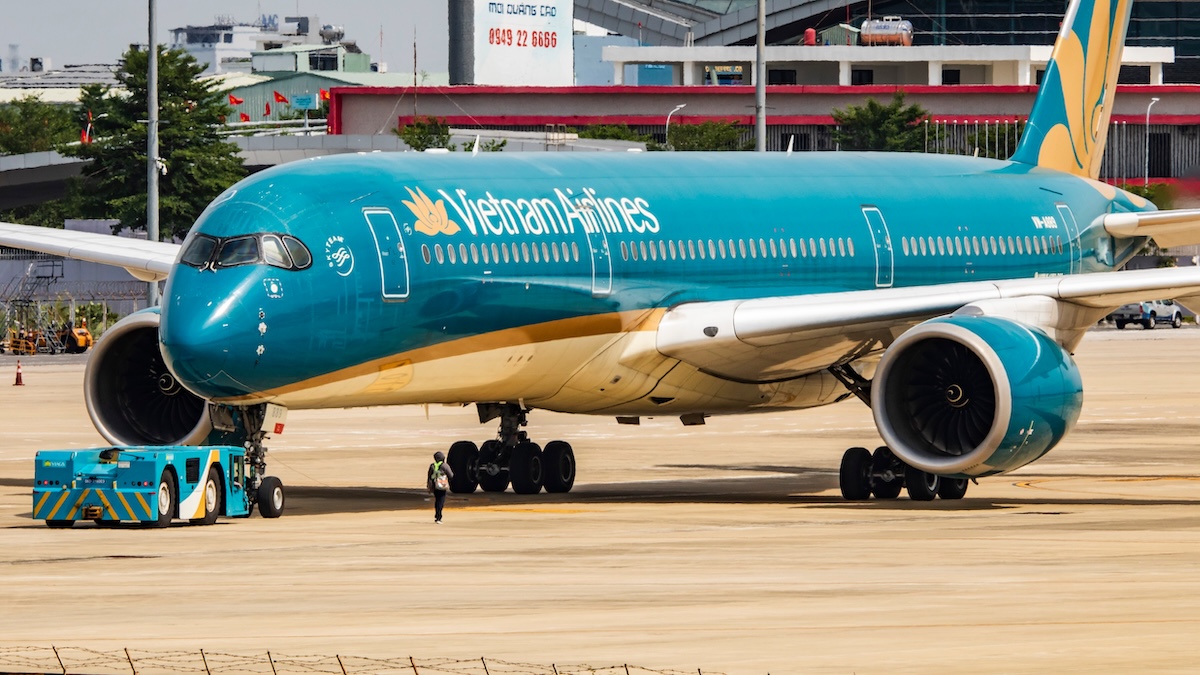
A Vietnam Airlines A350-900
A Vietnam Airlines A350-900. (Photo: Shutterstock | Thanhliemnguyen)

A number of airlines in Asia are temporarily suspending routes and scaling back frequencies on others in an effort to contain costs and conserve jet fuel.

Fuel is a major expense for carriers generally, and any fluctuation in the price can affect the economics of their route networks. Some airlines have also responded with new surcharges and fees.

Fuel prices have shot up as a result of the conflict in the Middle East, and the volatility is being felt acutely in East Asia, where China and Thailand, two of the region’s largest aviation fuel suppliers, have halted exports to protect their own reserves. This is forcing fuel importers, including in Singapore, Vietnam, the Philippines, and Cambodia, to compete with larger buyers for limited supplies.

Hong Kong

Cathay Pacific will halt some flights from the middle of May until the end of June. 

The airline said it will cancel almost 2% of its scheduled passenger flights from May 16 to June 30.

Cathay Pacific has also levied a 34% surcharge on all passenger flights from April 1. 

Budget carrier HK Express will cut around 6% of flights from May 11.

Thailand

Thai Lion Air, Nok Air, Thai AirAsia, and Thai AirAsia X have temporarily suspended select service in their summer 2026 timetables.

Thai Lion Air will halt flights between Don Mueang and Seoul Incheon from May 9 to Sept. 30.

Nok Air has suspended its Chiang Mai-Udon Thani route through April.

Thai AirAsia has halted several routes, including Suvarnabhumi-Narathiwat, Don Mueang-Xi’an, Hong Kong-Okinawa, Phuket-Chennai, and Phuket-Kochi.

Thai AirAsia X is also temporarily suspending flights between Don Mueang and Shanghai and Don Mueang and Riyadh.

Thai Airways imposed a 10% fuel surcharge in early April.

Vietnam

Vietnam Airlines and low-cost carrier VietJet have also been impacted by rising fuel costs. Both carriers have suspended a number of domestic and regional flights. 

Philippines

Philippine Airlines and low-cost carrier Cebu Pacific have also suspended several domestic and regional services.

Lorne Philipot

Lorne is a South Africa-based aviation journalist. He was captivated and fascinated by flying from the day he took his first airline flight. With a passion for aviation in his blood, he has flown to destinations in all corners of the globe. Lorne has traveled extensively and lived in various countries. Drawing on his travels and passion for aviation, Lorne enjoys writing about airlines, routes, networks, and new developments.

Caribbean Airlines Gets New Oversight

The government of Trinidad is looking to stabilize the carrier as it faces pressure from rising jet fuel prices.

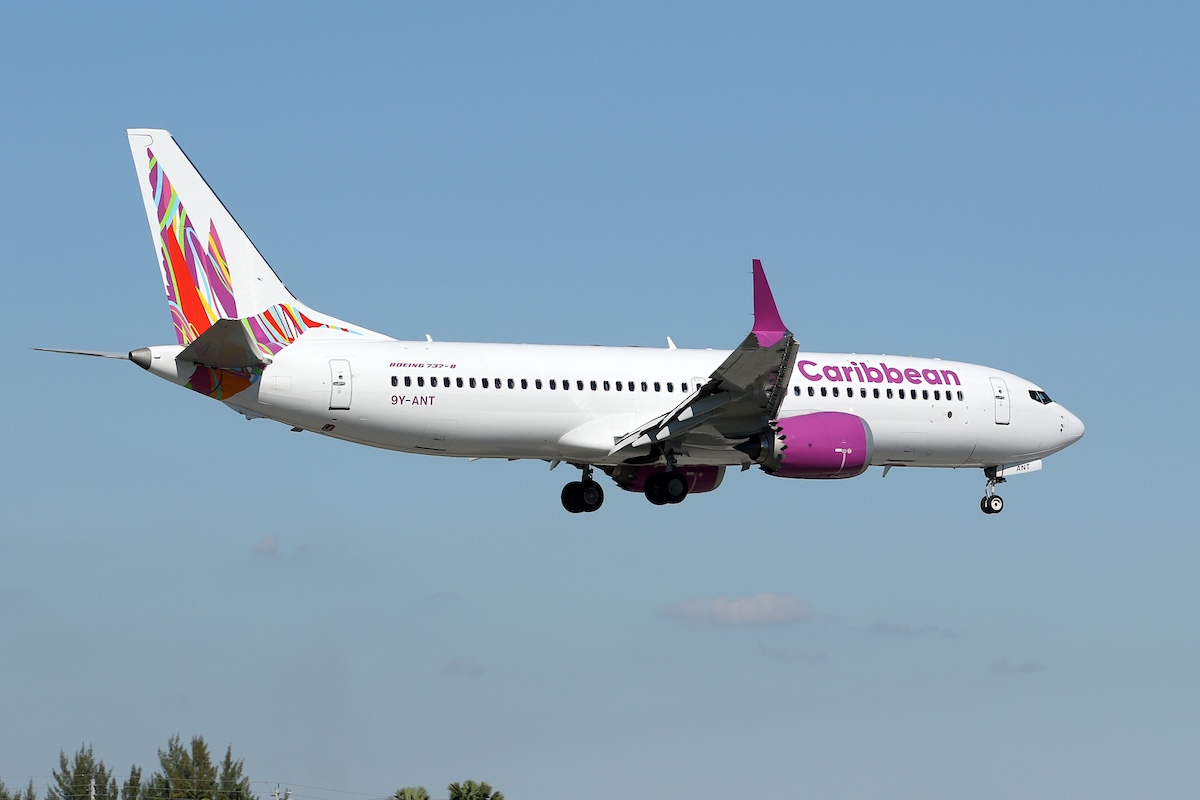
A Caribbean Airlines Boeing 737 MAX
A Caribbean Airlines Boeing 737 MAX. (Photo: Shutterstock | Kevin Porter)

Management of Caribbean Airlines has been transferred from Trinidad and Tobago’s Finance Ministry to its Transportation Ministry, government officials announced this week.

The airline, which serves as the flag carrier of both Trinidad and Tobago and Jamaica, is reportedly facing severe financial headwinds, made worse by the recent surge in global jet fuel prices. Earlier this month, it denied a report that it was on the brink of collapse.

Transportation Minister Eli Zakour will now oversee Caribbean Airlines. In a statement, Zakour said he will prioritize improving efficiency and addressing the carrier’s “financial challenges.”

According to the Trinidad and Tobago Guardian, the airline has not produced a properly audited financial statement in years, despite spending millions of dollars on an outside financial review. It reportedly incurred considerable losses from its past ownership of Air Jamaica, which ceased operations in 2015.

Caribbean Airlines, often abbreviated as CAL, serves destinations throughout the Caribbean and helps link the region to the U.S., with regularly scheduled flights to and from Miami, Fort Lauderdale, and Orlando in Florida and New York-JFK.

The airline is owned by the governments of Trinidad and Tobago and Jamaica, with Trinidad and Tobago holding the majority of the company.

Zach Vasile

Zach Vasile is a writer and editor covering news in all aspects of commercial aviation. He has reported for and contributed to the Manchester Journal Inquirer, the Hartford Business Journal, the Charlotte Observer, and the Washington Examiner, with his area of focus being the intersection of business and government policy.
Sign-up for newsletters & special offers!

Get the latest stories & special offers delivered directly to your inbox

SUBSCRIBE

Uh-oh! It looks like you're using an ad blocker.

Our website relies on ads to provide free content and sustain our operations. By turning off your ad blocker, you help support us and ensure we can continue offering valuable content without any cost to you.

We truly appreciate your understanding and support. Thank you for considering disabling your ad blocker for this website