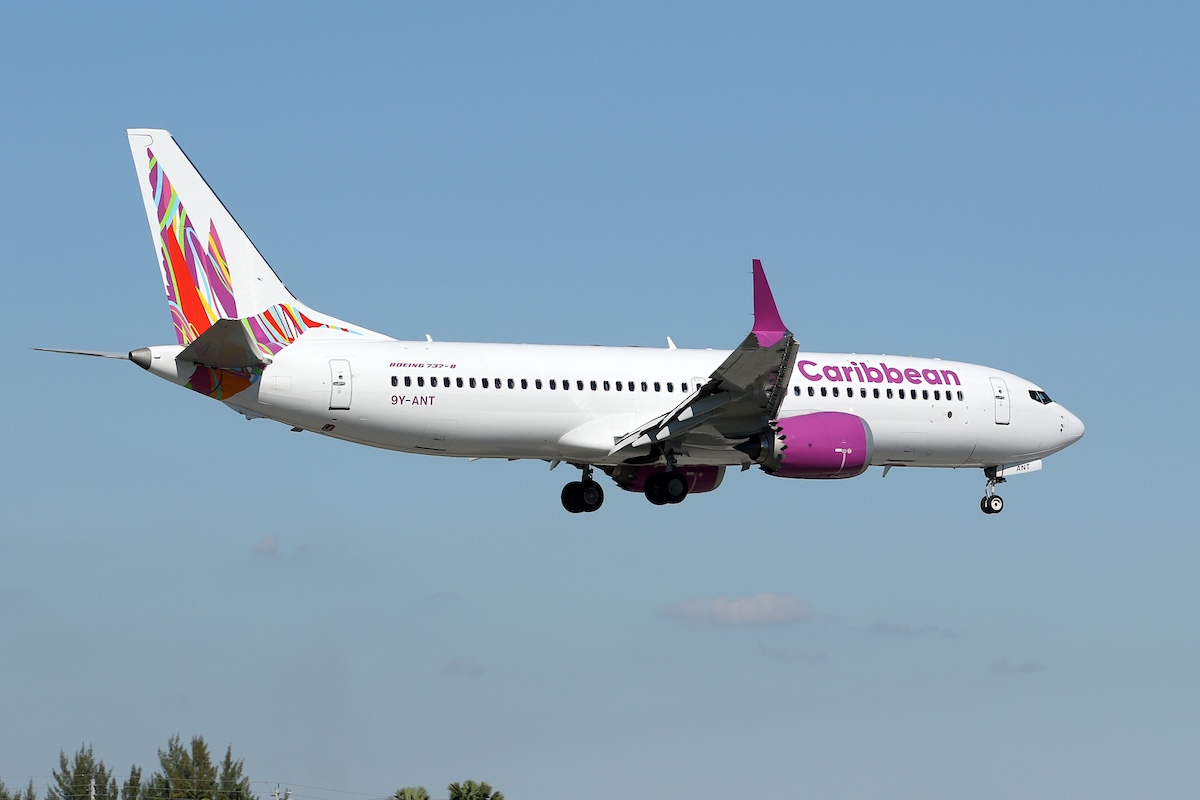
A Caribbean Airlines Boeing 737 MAX. (Photo: Shutterstock | Kevin Porter)
Management of Caribbean Airlines has been transferred from Trinidad and Tobago’s Finance Ministry to its Transportation Ministry, government officials announced this week.
The airline, which serves as the flag carrier of both Trinidad and Tobago and Jamaica, is reportedly facing severe financial headwinds, made worse by the recent surge in global jet fuel prices. Earlier this month, it denied a report that it was on the brink of collapse.
Transportation Minister Eli Zakour will now oversee Caribbean Airlines. In a statement, Zakour said he will prioritize improving efficiency and addressing the carrier’s “financial challenges.”
According to the Trinidad and Tobago Guardian, the airline has not produced a properly audited financial statement in years, despite spending millions of dollars on an outside financial review. It reportedly incurred considerable losses from its past ownership of Air Jamaica, which ceased operations in 2015.
Caribbean Airlines, often abbreviated as CAL, serves destinations throughout the Caribbean and helps link the region to the U.S., with regularly scheduled flights to and from Miami, Fort Lauderdale, and Orlando in Florida and New York-JFK.
The airline is owned by the governments of Trinidad and Tobago and Jamaica, with Trinidad and Tobago holding the majority of the company.
Zach Vasile is a writer and editor covering news in all aspects of commercial aviation. He has reported for and contributed to the Manchester Journal Inquirer, the Hartford Business Journal, the Charlotte Observer, and the Washington Examiner, with his area of focus being the intersection of business and government policy.
Qantas Gives Update on ‘Project Sunrise’ A350-1000ULR
The first of the ultra-long-range variant is expected to be delivered at the end of the year.
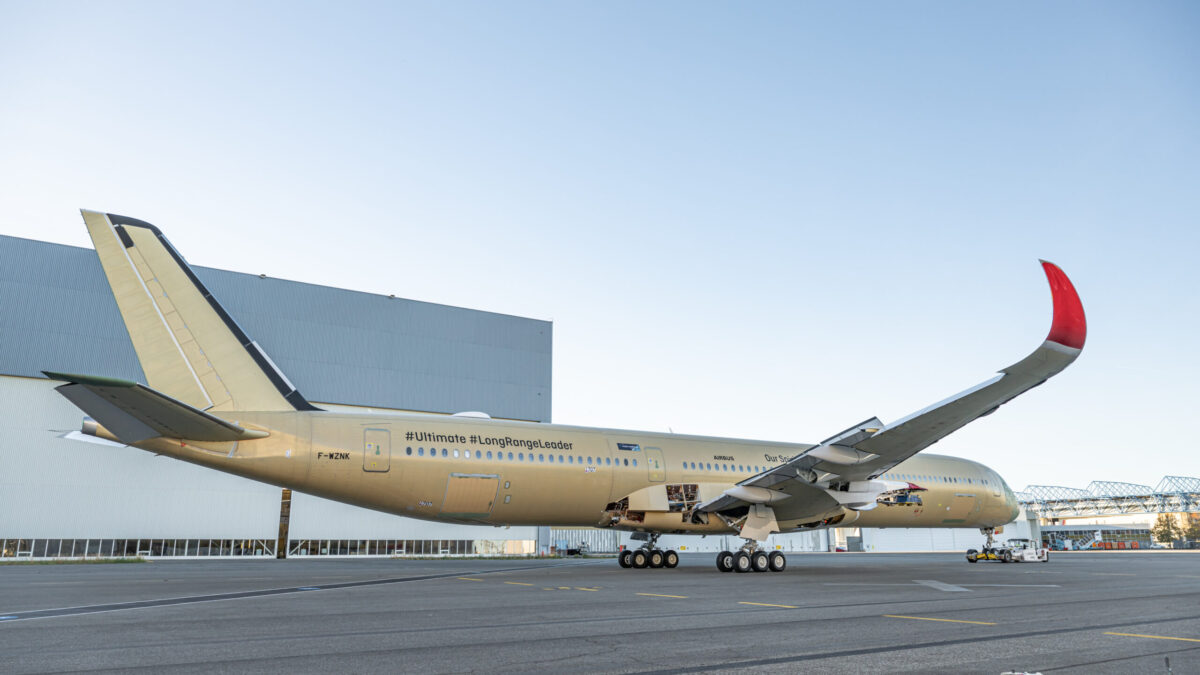
In a post on social media, the Australian flag carrier said engines were recently installed on the first production -1000ULR. The airline also shared pictures of the aircraft, now sporting a temporary livery that reads “Our Spirit flies further” and “Project Sunrise.”
“The first Airbus A350-1000ULR rolled out of the hangar in Toulouse this week, with its Rolls Royce Trent XWB engines fitted and ready to start final ground checks and a two-month flight testing campaign,” the post’s caption read.
Qantas’ Project Sunrise, which the -1000ULR was developed for, aims to connect the east coast of Australia with far-flung destinations around the world with a single flight. The first commercial Project Sunrise flights will link Sydney with New York and London, routes which currently require one or more stops along the way.
The ultra-long-range A350 will be able to fly for 22 continuous hours, made possible by an additional 20,000-liter fuel tank and enhanced operating systems.
The first -1000ULR, possibly the one that got its engines this week, is expected to be delivered to Qantas at the end of this year after completing testing.
Zach Vasile is a writer and editor covering news in all aspects of commercial aviation. He has reported for and contributed to the Manchester Journal Inquirer, the Hartford Business Journal, the Charlotte Observer, and the Washington Examiner, with his area of focus being the intersection of business and government policy.
Air New Zealand Unveils Economy Bunk Bed ‘Pods’
The beds will be available on select flights between New York and Auckland.
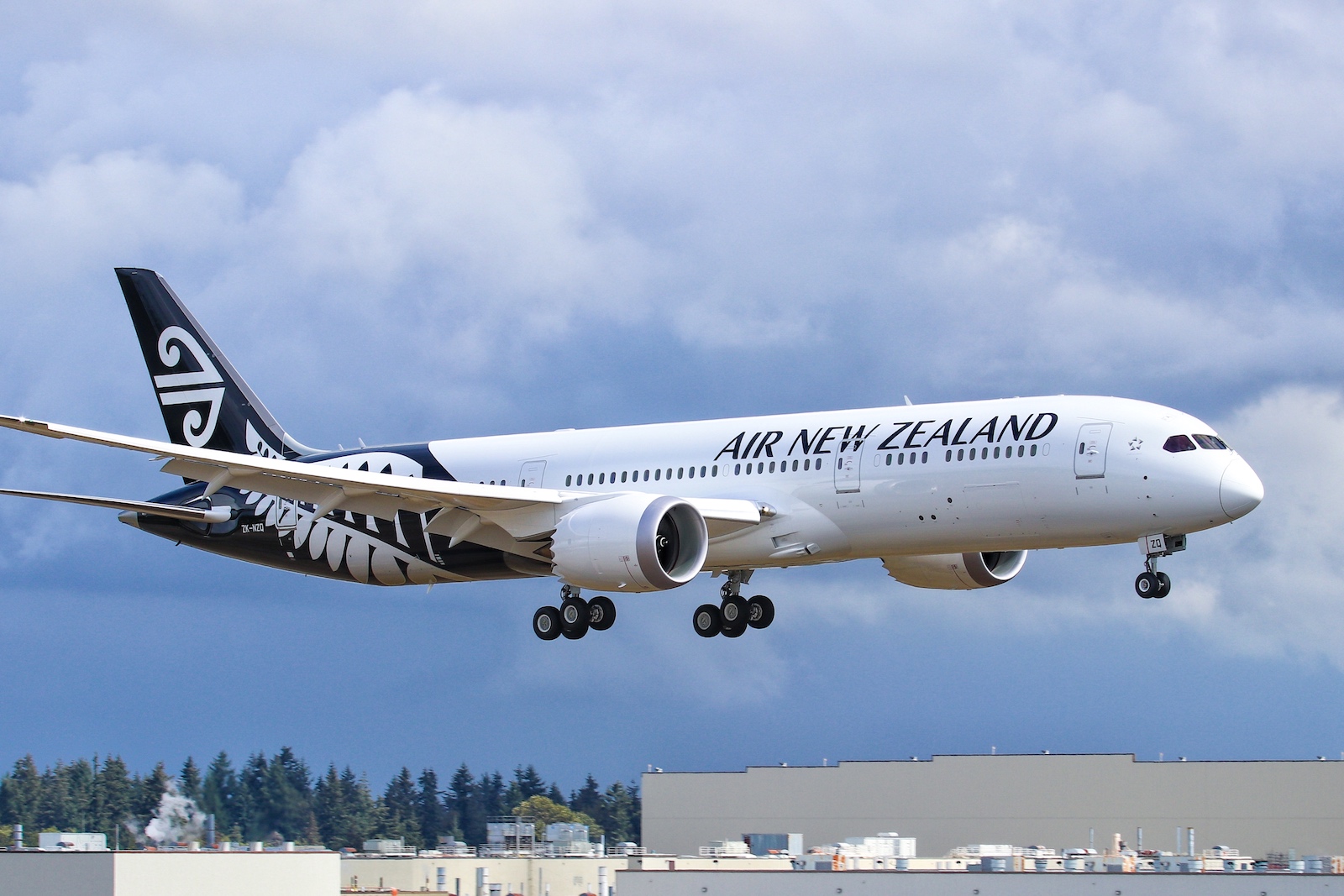
An Air New Zealand Boeing 787-9 Dreamliner. (Photo: AirlineGeeks | Katie Zera)
After years of designing and planning, Air New Zealand is ready to roll out its “Economy Skynest” concept – bunk beds that passengers can book for four-hour sessions to catch some shut-eye on exceptionally long flights.
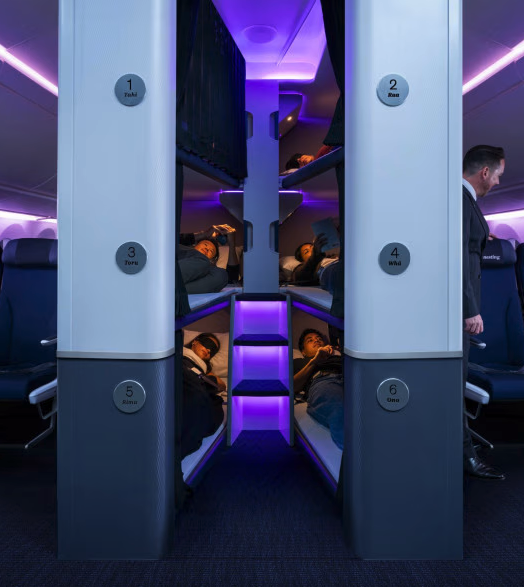
The carrier said it is installing Skynest sections on its new Boeing 787-9 Dreamliners, between the Economy and Premium Economy cabins. Each consists of six lie-flat beds in a bunk-style configuration.
Individual beds come with a full-length mattress, bedding, ventilation, a reading light, a privacy curtain, and USB-A and USB-C ports. Customers will also get an amenities kit with an eye mask, ear plugs, socks, and skincare products.
For a starting price of 495 NZD, or about $292, Economy and Premium Economy passengers can book a four-hour session in a bed. The sessions will be planned outside of meal service times.
The airline plans to offer two sessions per flight to start, and all bedding will be changed between the two bookings, officials said.
Skynest is available to travelers 15 and up. Air New Zealand advised that passengers will need to be able to climb to reach the second and third tier of beds, which are elevated.
Air New Zealand’s Economy Skynest. (Photo: Air New Zealand)
“For a country as remote as New Zealand, the journey matters,” Air New Zealand CEO Nikhil Ravishankar said in a news release. “Tourism is a 46 billion NZD industry, but growth depends on travelers’ willingness to spend long hours in the air to get here. Skynest is designed to help make that easier… By giving more people the chance to properly rest on ultra long-haul flights, it helps make travel to and from New Zealand more manageable.”
The beds will be available on select flights between New York and Auckland. Bookings will start on May 18, for travel starting in November.
Zach Vasile is a writer and editor covering news in all aspects of commercial aviation. He has reported for and contributed to the Manchester Journal Inquirer, the Hartford Business Journal, the Charlotte Observer, and the Washington Examiner, with his area of focus being the intersection of business and government policy.
El Al to Resume Service on Nine Routes
The restart follows the recent ceasefire between the U.S. and Iran.
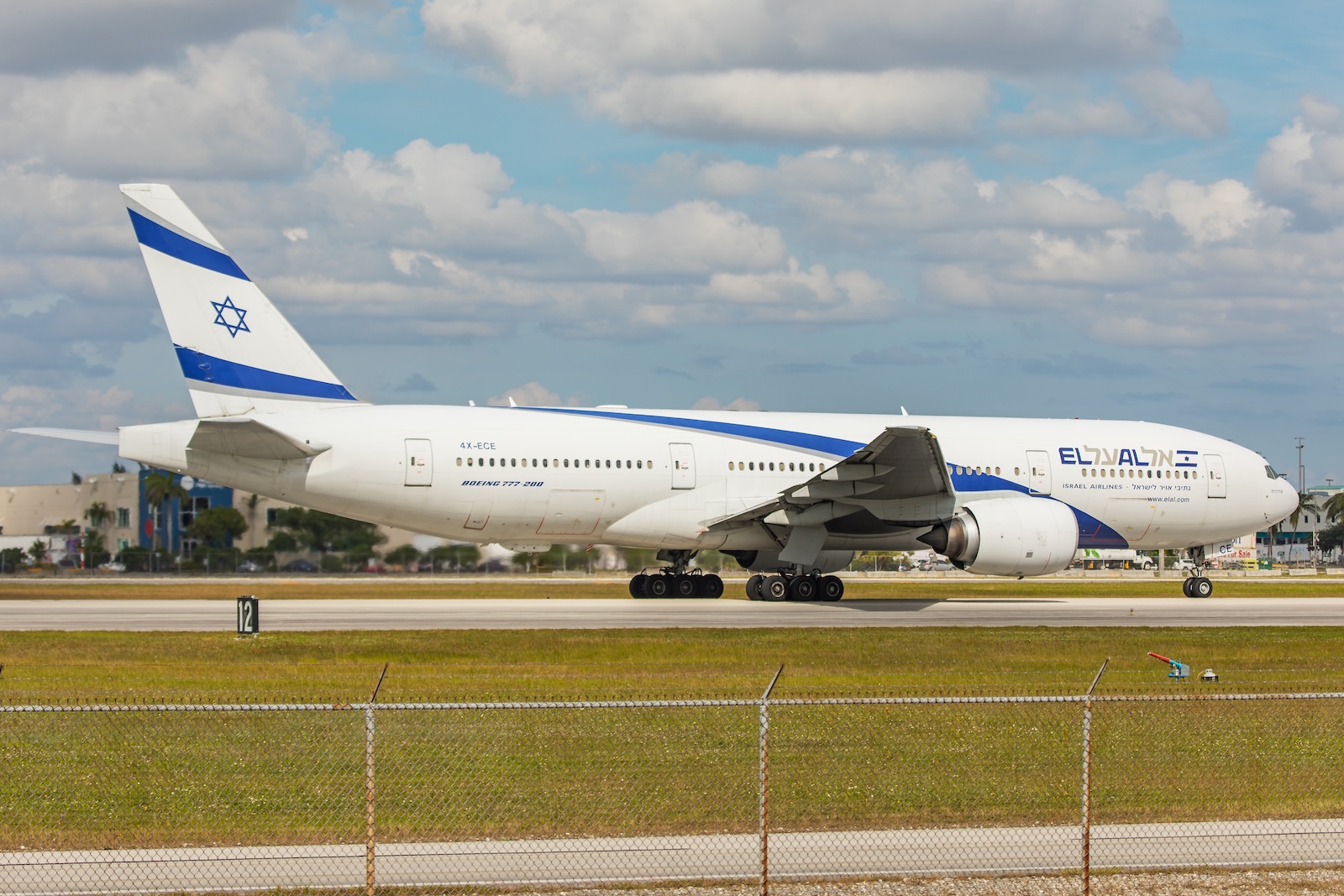
An El Al Boeing 777-200 aircraft. (Photo: AirlineGeeks | William Derrickson)
Israel’s flag carrier will restart service to nine destinations this week.
As a result of the ceasefire agreement between the U.S. and Iran, El Al said it will recommence flights to Boston; London Luton; Tivat, Montenegro; Krakow; Marseille; Sofia; Paphos, Cyprus; Rhodes; and Thessaloniki before the end of the week.
Many flights to and from Israel have been suspended since conflict began in the Middle East on Feb. 28.
But with the ceasefire in place, several airlines are set to restart service to Israel’s primary hub, Ben Gurion Airport, in Tel Aviv.
The Jewish Chronicle reported that Bluebird Airways, ALK Airlines, TUS Airways, Smartwings, Georgian Airways, FlyOne, Ethiopian Airlines, Etihad Airways, and Hainan Airlines are expected to restart service shortly.
However, other carriers do not intend to return to Israel until later this year.
British Airways has suspended its Israel service until July 1. United and Air Canada will not return to Israel until September.
Lorne is a South Africa-based aviation journalist. He was captivated and fascinated by flying from the day he took his first airline flight. With a passion for aviation in his blood, he has flown to destinations in all corners of the globe. Lorne has traveled extensively and lived in various countries. Drawing on his travels and passion for aviation, Lorne enjoys writing about airlines, routes, networks, and new developments.
What Would a United-American Merger Look Like?
A potential deal could transform the U.S. airline industry, but only if approved by regulators.
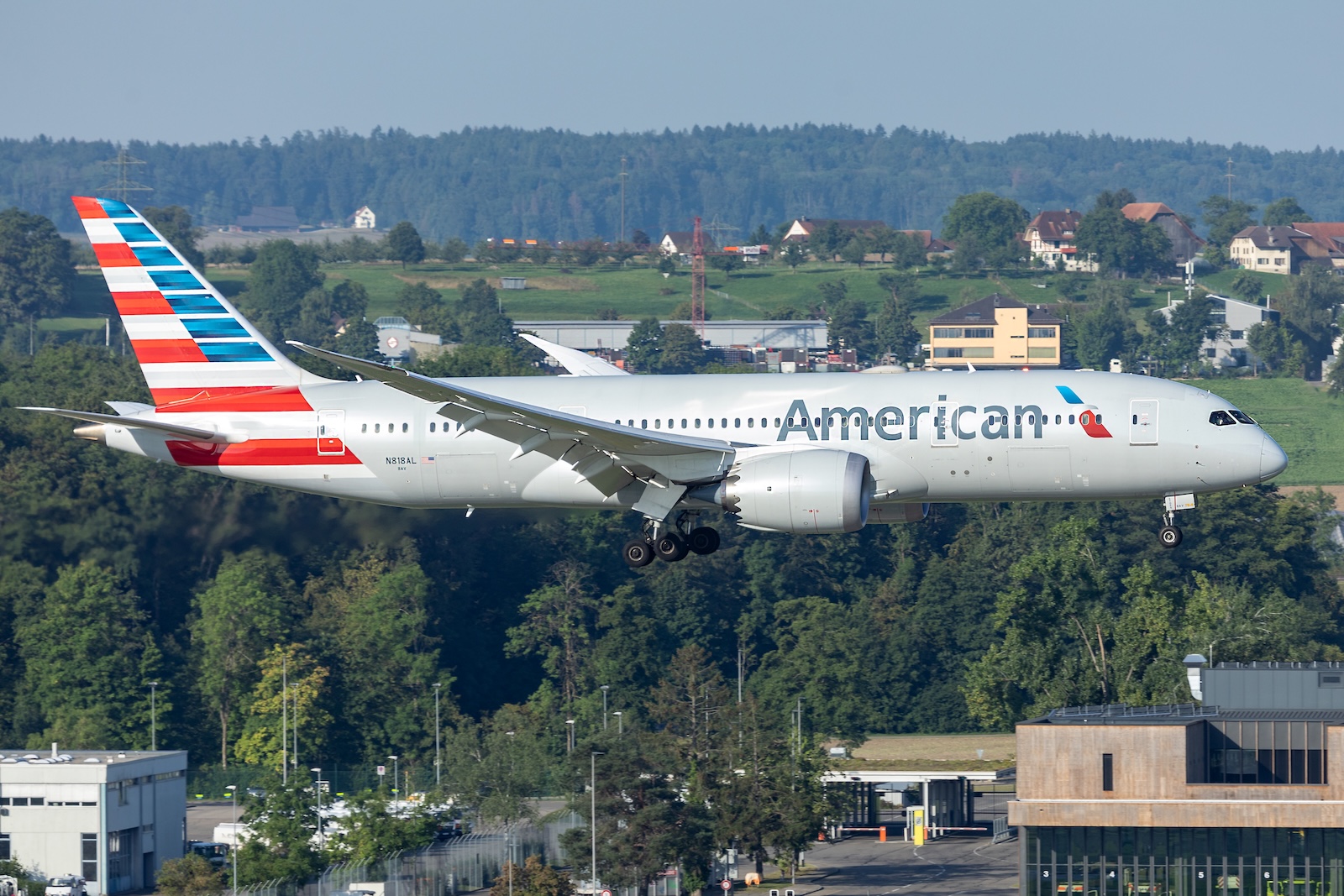
An American Boeing 787-8 Dreamliner. (Photo: AirlineGeeks | William Derrickson)
A merger involving United and American Airlines would create the undisputed largest airline in the world and shake up the U.S. air travel market, but industry experts believe such a deal would face incredibly long odds, even under the mainly deal-friendly Trump administration.
Bloomberg reported late Monday that United CEO Scott Kirby floated the idea of a linkup with American to President Donald Trump in February. He reportedly argued that the resulting airline would be more competitive in international markets.
Neither United nor American have commented on the story, and the White House has not weighed in. But the news has caused considerable speculation throughout the airline industry, mainly because United and American are already two of the largest airlines in the world, and a potential linkup could be the biggest ever for the sector.
According to figures from the Bureau of Transportation Statistics, United controls about 16.7% of the U.S. air travel market, while American holds 17.4%. A linkup would give the combined company a market share of just over 34%, a level of dominance not seen by any U.S. airline in years.
A post-merger carrier would have to rationalize its network and fleet, making it difficult to estimate its potential earnings per year or total number of aircraft. But executives would likely retain and capitalize on the strengths of each business – for United, its international long-haul routes, loyalty programs, and premium products, and for American, its comparatively younger fleet and dominance in the Caribbean and Latin America.
A merger would permanently end United and American’s battle for access at Chicago O’Hare. American is pursuing legal action over the allocation of gates at O’Hare, and both carriers are planning to ramp up operations there this summer in a bid to capture valuable market share.
In February, the FAA announced it would step in and order flight reductions to keep O’Hare from exceeding its capacity.
Officials would also have to hash out a new headquarters. United is famously based in Chicago, while American has its central office in Fort Worth, Texas.
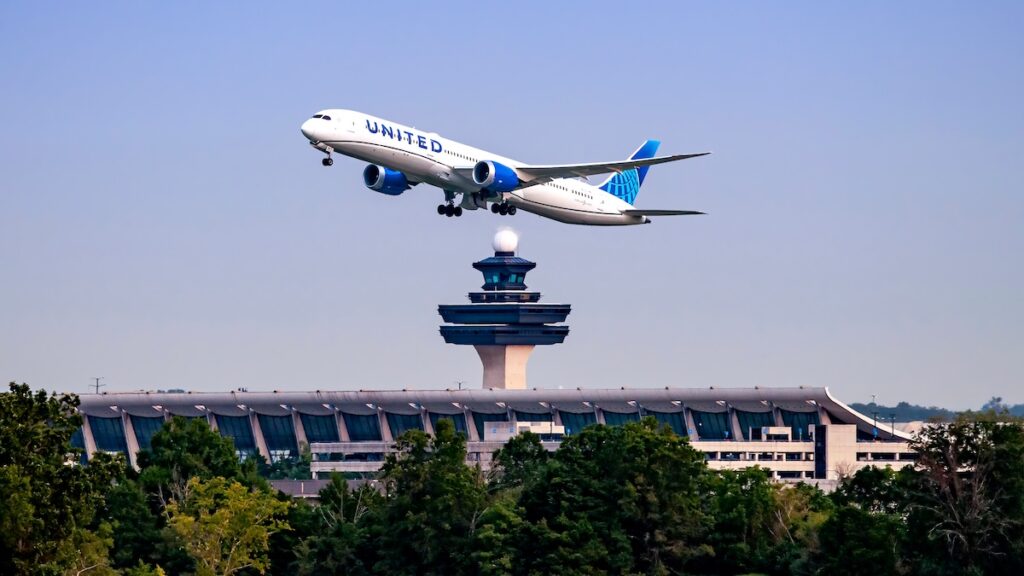
A United Boeing 787 at Washington Dulles. (Photo: Shutterstock | Andrew Mauro)
There could also be an indirect impact on a third airline, JetBlue. United and JetBlue announced their Blue Sky partnership last year, and the carriers are gradually integrating some aspects of their rewards programs and booking platforms. Critics of the alliance, including Spirit, argued to regulators that United is engaged in a de facto acquisition of JetBlue that could hurt competition and raise prices in the long term.
Many experts believe a proposed United-American linkup would almost certainly be blocked by the U.S. Justice Department’s Antitrust Division, since regulators have intervened to stop much smaller linkups in the recent past, such as JetBlue’s failed acquisition of Spirit in 2024.
The federal government is usually most concerned with prices paid by consumers, which could rise as the industry becomes more concentrated and the incentive to compete with lower fares fades.
“This would be the biggest of all time,” George Hay, a law professor at Cornell University, told CNBC on Tuesday. “I can’t even see the slightest chance that a court would allow it.”
The president “loves to see big deals happen,” Duffy told CNBC’s Phil LeBeau.
But the secretary also noted that any merger would have to be evaluated for its potential effects on fares and competitiveness.
In a note, investment bank and financial services firm Jefferies said regulators would likely make United and American divest certain assets and rework their labor contracts before a deal could be approved.
Zach Vasile is a writer and editor covering news in all aspects of commercial aviation. He has reported for and contributed to the Manchester Journal Inquirer, the Hartford Business Journal, the Charlotte Observer, and the Washington Examiner, with his area of focus being the intersection of business and government policy.
Air Canada Introduces New Premium Seats
The offerings are part of a broader redesign of the carrier’s long-haul cabins.
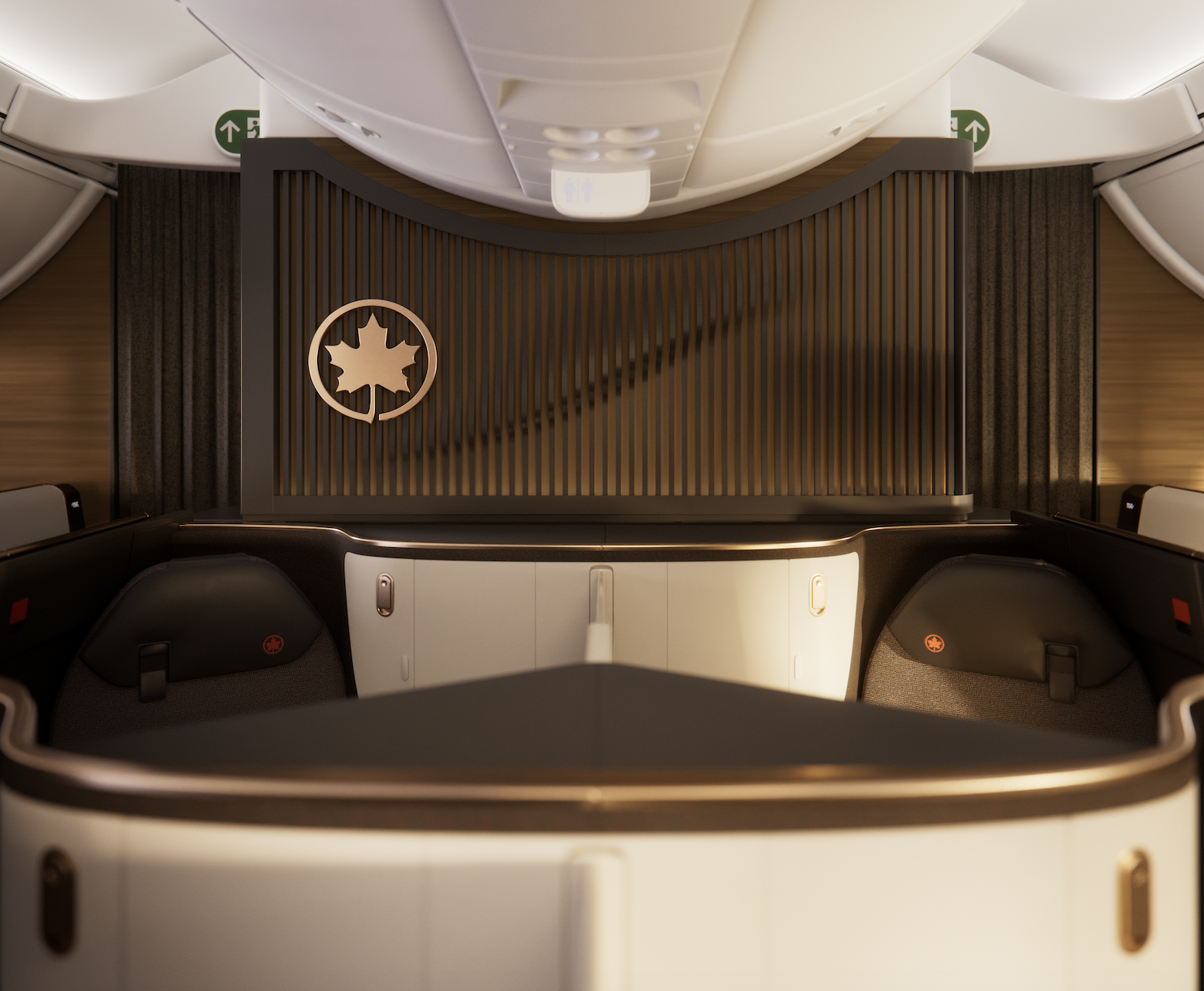
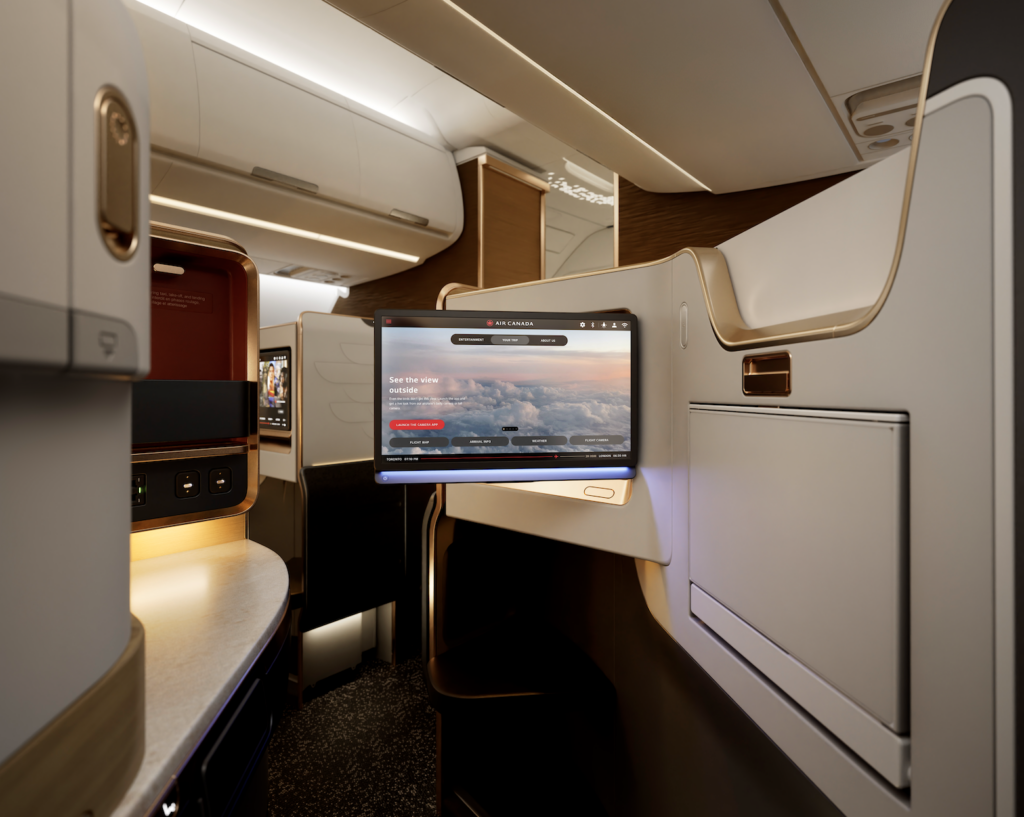
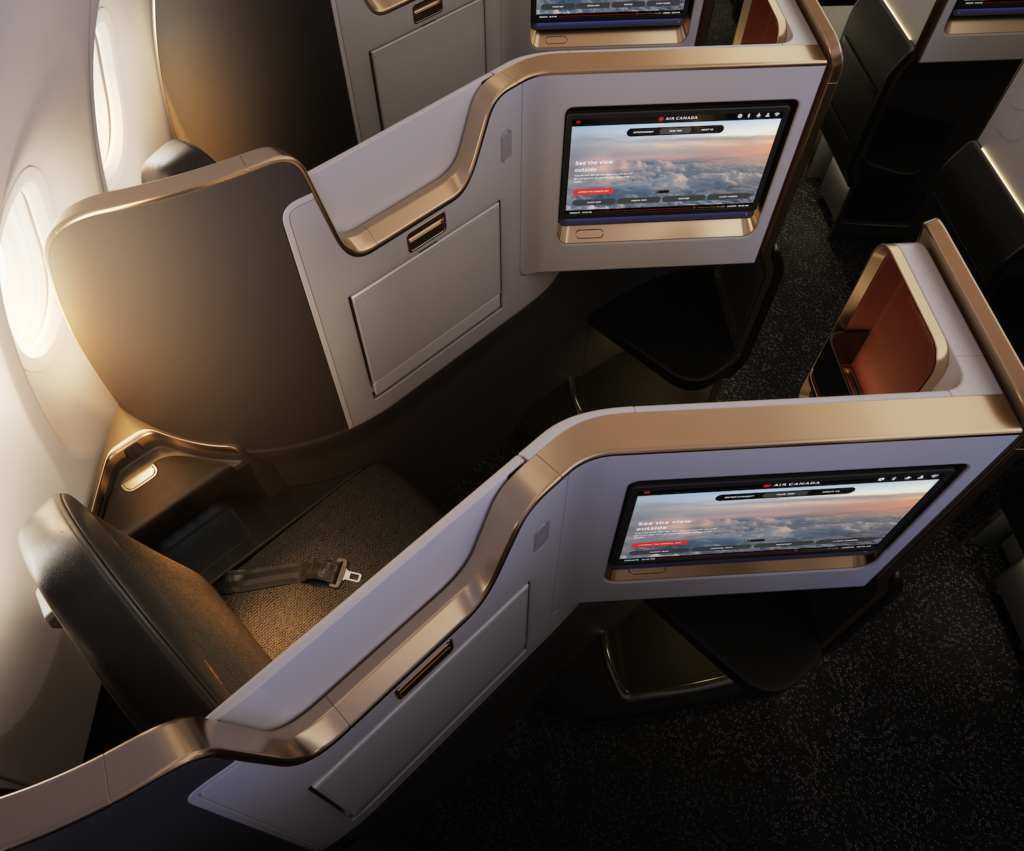
A display showing how Signature Class seats will look on Air Canada's 787-10. (Credit: Air Canada)
Air Canada this week gave a first look at the redesigned cabin interiors it will install on its two new long-range aircraft, the Airbus A321XLR and the Boeing 787-10 Dreamliner.
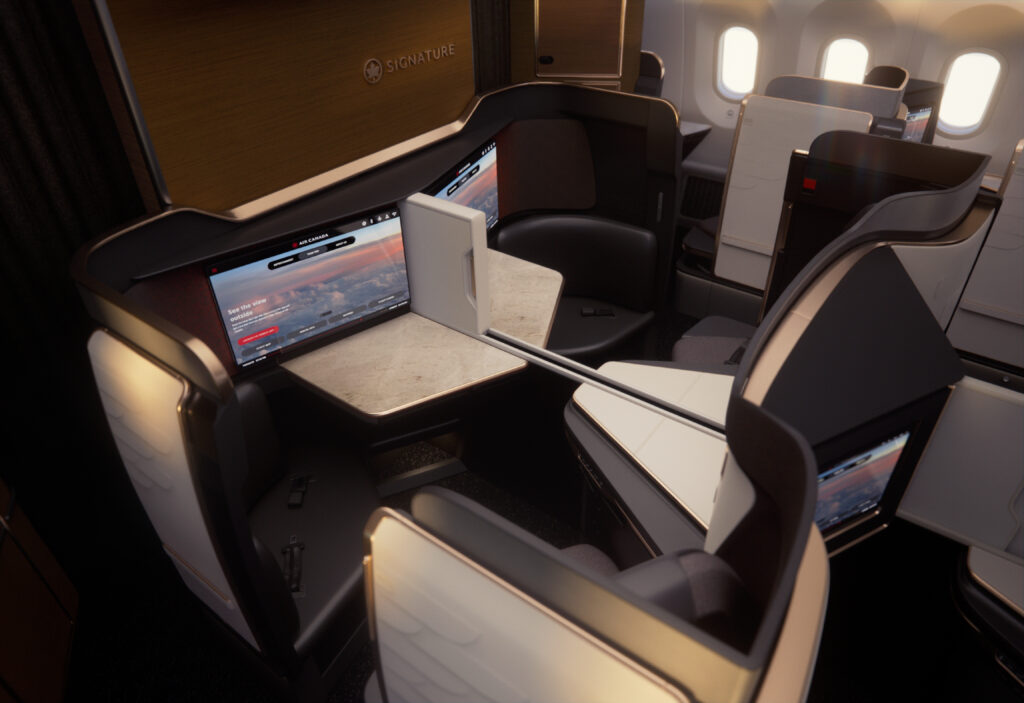
The design concepts come with new premium seat types – lie-flat Air Canada Signature Class seats for the A321XLR, and suite-style Air Canada Signature Plus seats for the 787-10.
A rendering of Signature Class on the A321XLR. (Credit: Air Canada)
The Signature Class seats on the A321XLR will be the first lie-flat seats on any single-aisle jet in Air Canada’s fleet, officials said. There will be 14 of them on each aircraft.
The Signature Plus suites on the new Dreamliners will come with a longer, 6-foot, 5-inch bed, a quartzite-topped table, a dedicated guest seat, privacy doors, and larger 4K OLED screens. The seats will be located at the front of the aircraft.
A rendering of Signature Class on the A321XLR. (Credit: Air Canada)
Passengers outside of business class will also see upgrades from the redesign. Air Canada plans to install new, ergonomic seats, larger overhead bins, larger 4K screens, Bluetooth audio, and USB-C and AC power outlets across every cabin on the new aircraft.
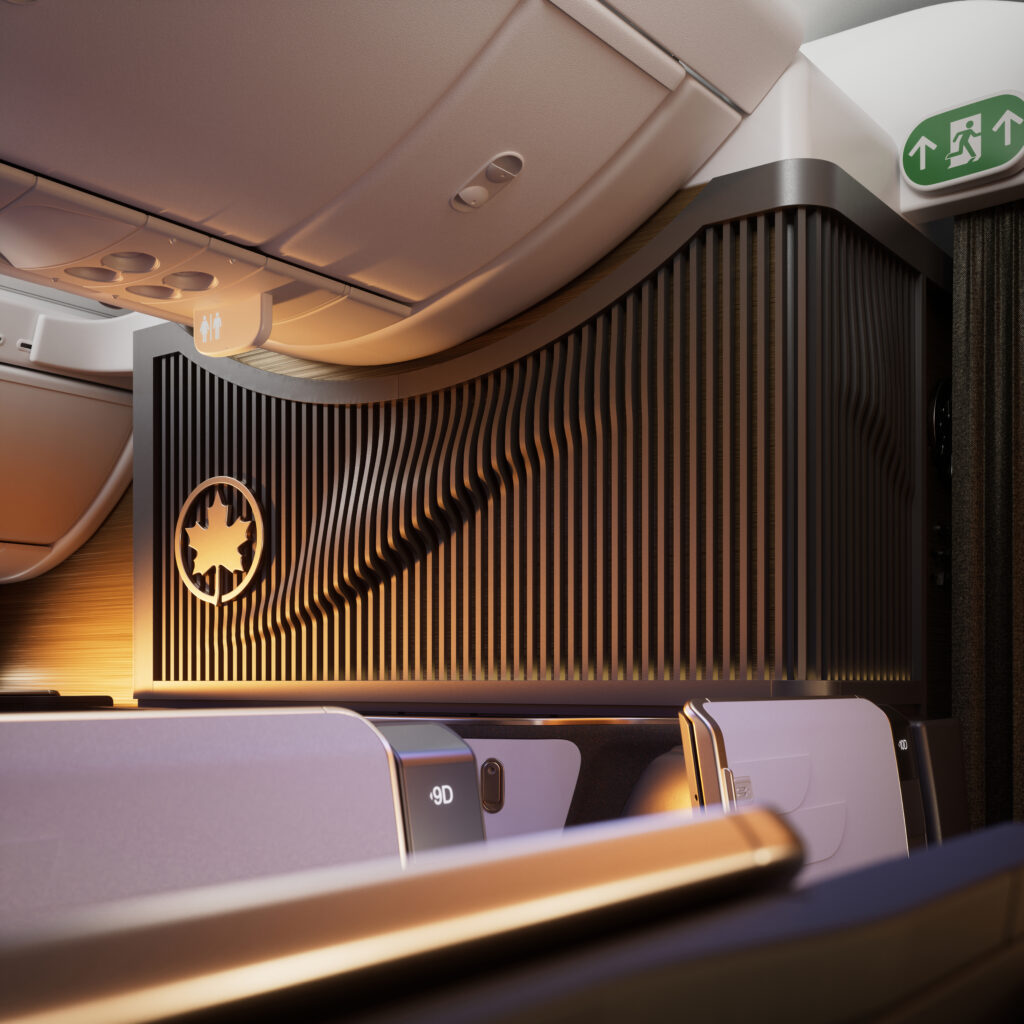
In line with Air Canada’s “Glowing Hearted” design standard, the new interiors will pair red stitching and bespoke fabrics with a gray and stone color palette. Designers have also worked in natural wood grain details, bronze metal accents, and some unique artistic flourishes, including a “canopy” of backlit maple leaves on the A321XLR and a wave-like monument near the premium cabins on the 787-10.
A display showing Signature Plus suites on the 787-10. (Credit: Air Canada)
“From the moment of stepping on board, we’re setting a new standard for how Canadians and the world connect with our brand,” Mark Nasr, Air Canada’s executive vice president and chief operations officer, said in a news release. “Details matter: we listened closely to feedback and challenged ourselves to create an experience defined by a strong Canadian sense of place, alongside a commitment to craftsmanship, functionality, and long-term durability.”
A display showing Signature Class on the 787-10. (Credit: Air Canada)
Air Canada expects to take delivery of its first A321XLRs this spring. The carrier’s first 787-10s will arrive somewhat later, with the first two projected to enter service by the end of the year.
The aircraft will be used to expand Air Canada’s long-haul international network, including new routes to Europe.
Zach Vasile is a writer and editor covering news in all aspects of commercial aviation. He has reported for and contributed to the Manchester Journal Inquirer, the Hartford Business Journal, the Charlotte Observer, and the Washington Examiner, with his area of focus being the intersection of business and government policy.
Viva Aerobus Signs On to JFK’s New Terminal One
The carrier connects New York with Mexico City and Monterrey.
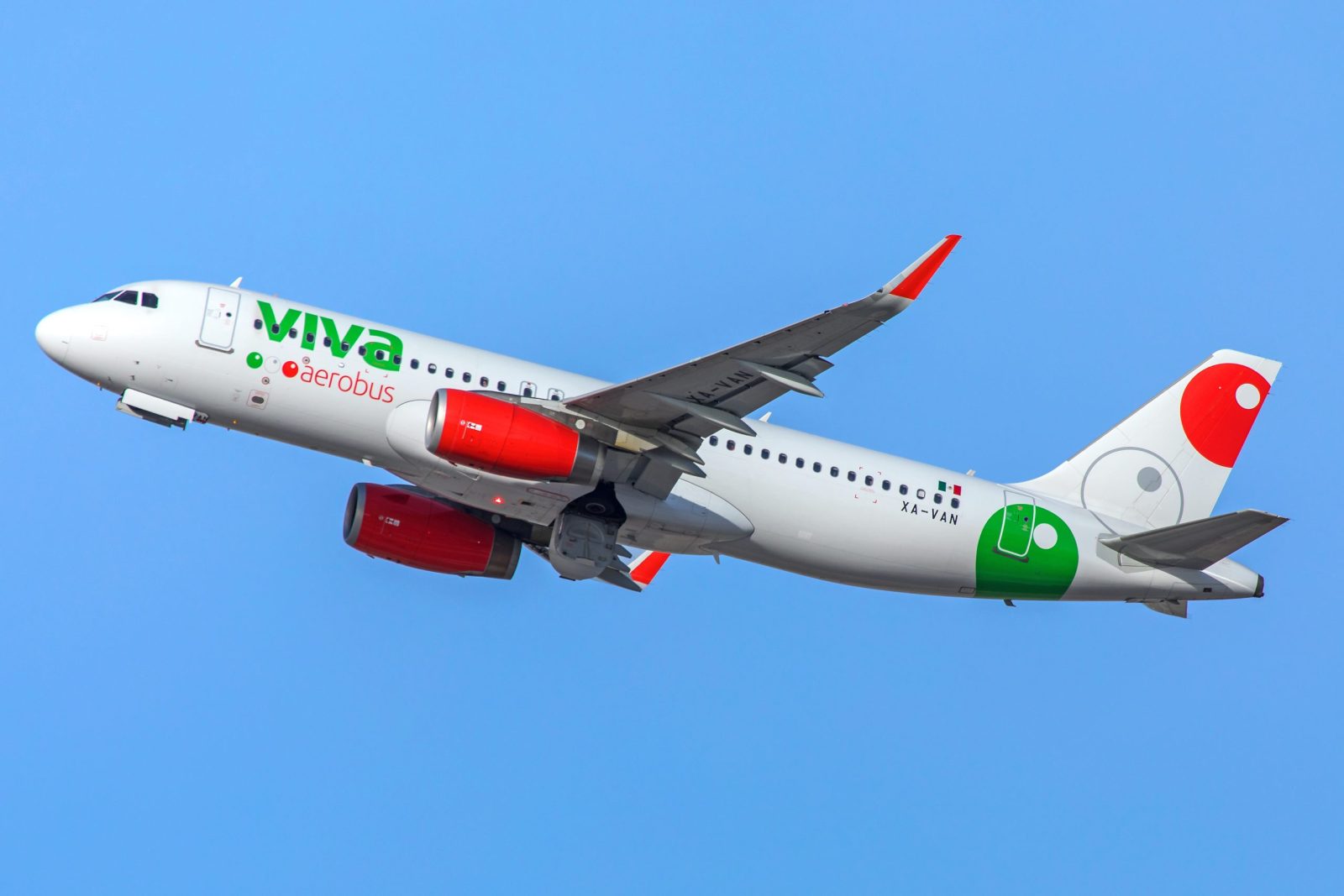
A Viva Aerobus Airbus A320. (Photo: AirlineGeeks | William Derrickson)
Mexican budget carrier Viva Aerobus on Monday became the latest airline to announce a move to New York-JFK’s new Terminal One.
In a statement, the consortium behind the terminal project said Viva is the first Latin American carrier to opt for the new facility, which is expected to open in phases starting later this year.
Viva connects JFK to Mexico City and Monterrey.
The new Terminal One is being built on sites occupied by the existing Terminal 1 and the former Terminal 2 and Terminal 3. The project’s first phase, which includes new arrivals and departures halls and a set of 14 new gates, is on track to open this year. When completed, the facility will have a total of 23 gates.
The new terminal is part of a broader $19 billion transformation project at JFK launched by the Port Authority of New York and New Jersey. Officials plan to modernize and expand two existing terminals, construct a new ground transportation center, and build an entirely new, simplified roadway network.
Other major airlines set to operate from the new Terminal One include Air France, KLM, Etihad, Korean Air, Turkish Airlines, Qatar Airways, and Air New Zealand.
Zach Vasile is a writer and editor covering news in all aspects of commercial aviation. He has reported for and contributed to the Manchester Journal Inquirer, the Hartford Business Journal, the Charlotte Observer, and the Washington Examiner, with his area of focus being the intersection of business and government policy.
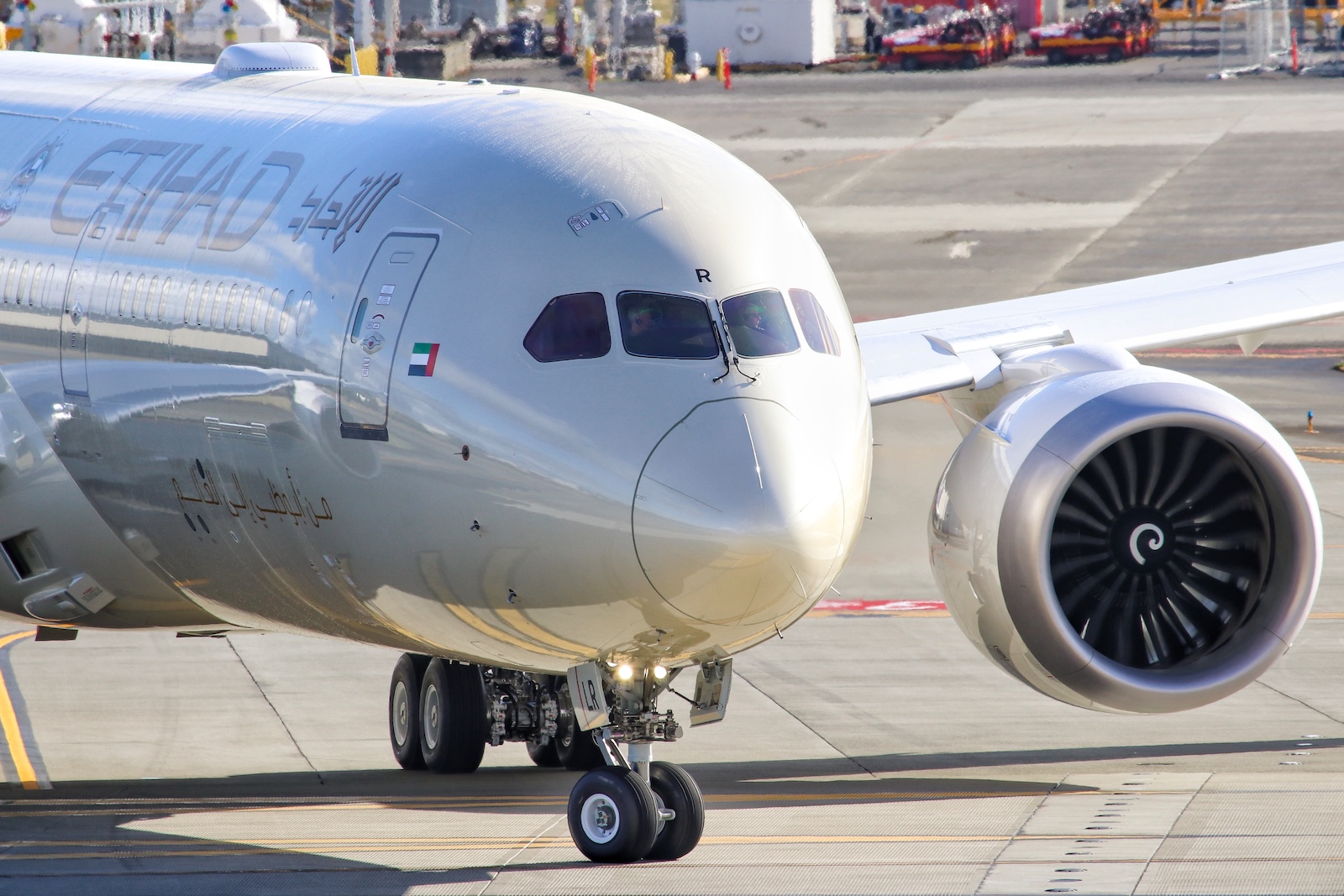
Etihad Plans Major Expansion in China
Five new routes will come online between October and March 2027.
All five new connections will operate with Boeing 787-9 Dreamliners.
According to its schedule, Etihad plans to offer seven weekly flights to Shanghai and Guangzhou, five weekly flights to Hangzhou and Shenzhen, and four weekly flights to Chengdu.
Etihad officials said the routes will support growing trade and investment ties between China and the United Arab Emirates, and solidify the UAE as a gateway between East Asia and the Middle East, Africa, and Europe.
“China is a strategically important market for Etihad and a key pillar of our network growth,” Etihad CEO Antonoaldo Neves said in a news release. “This expansion represents a significant increase in capacity and a clear signal of our long-term commitment to the market.”
Currently, Etihad’s only destination in mainland China is Beijing Daxing. The carrier also serves Hong Kong, which is one of the country’s two special administrative regions.
Zach Vasile is a writer and editor covering news in all aspects of commercial aviation. He has reported for and contributed to the Manchester Journal Inquirer, the Hartford Business Journal, the Charlotte Observer, and the Washington Examiner, with his area of focus being the intersection of business and government policy.
Report: United CEO Pitched Merger with American
Scott Kirby reportedly brought the idea to senior government officials, but it is not clear if the two carriers are in talks.
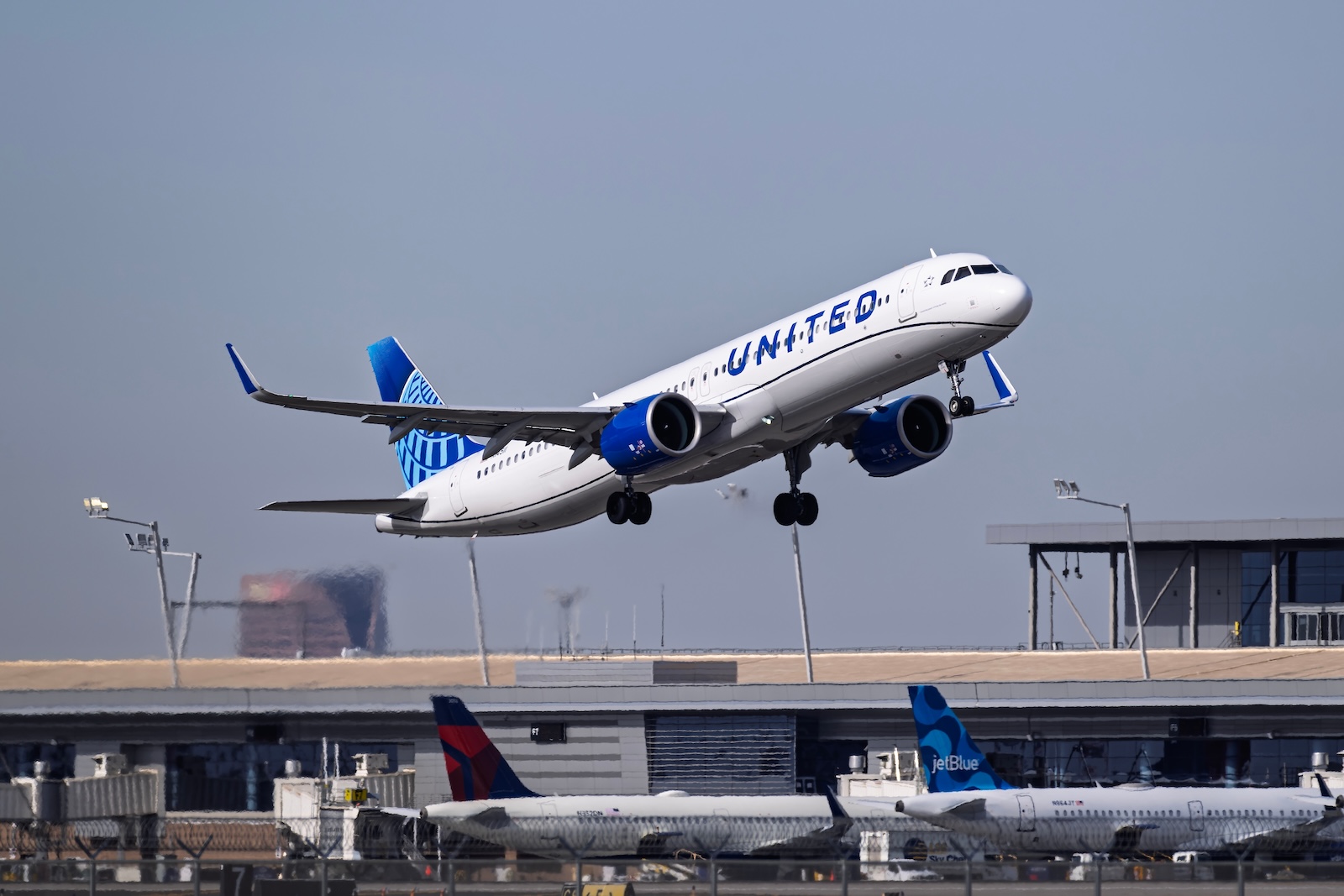
A United A321neo. (Photo: Shutterstock | Robin Guess)
United CEO Scott Kirby has pitched the idea of combining the Chicago-based airline with rival American, according to a report from Bloomberg.
Sources with knowledge of the matter told the financial news outlet that Kirby brought the idea to senior government officials. It was not immediately clear if American was aware of the discussions.
Bloomberg’s reporting was confirmed by Reuters late Monday afternoon.
Neither United nor American have commented on the story.
A merger of the two airlines would transform the U.S. airline industry, creating a colossal carrier with an enormous combined fleet. United and American already lead North America and the world in many annual metrics, including number of passengers transported.
American, however, has struggled with profitability, and unionized pilots and flight attendants there have argued that the airline risks being permanently surpassed by United and Delta.
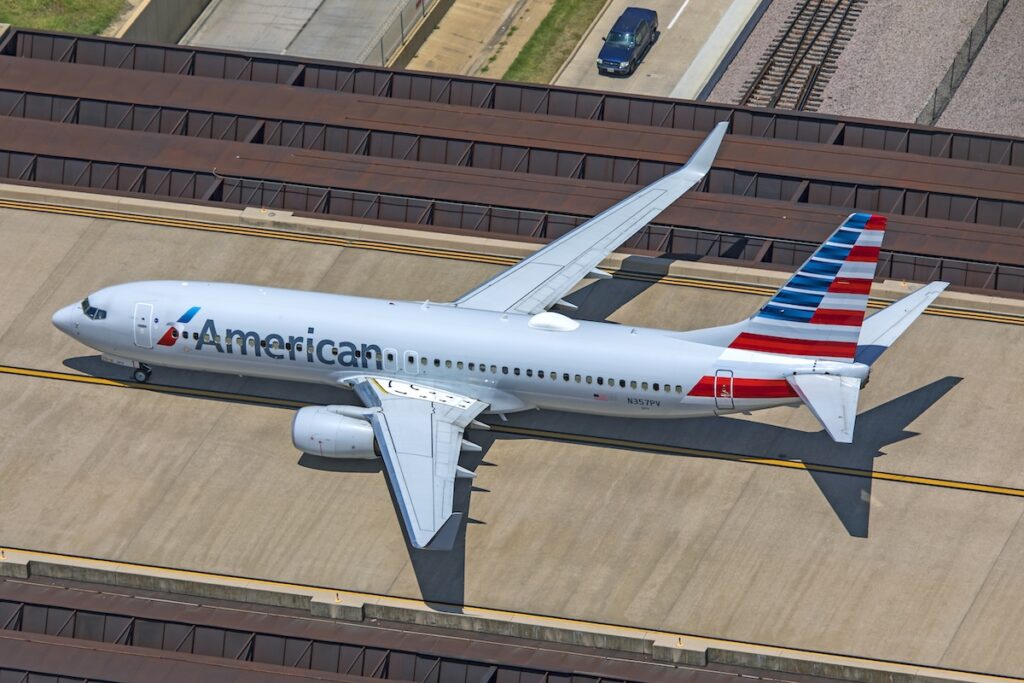
An American 737 at Dallas/Fort Worth (Photo: AirlineGeeks | William Derrickson)
No officials from the Trump administration have yet weighed in on the alleged proposal. In a possible hint at the White House’s thinking, Transportation Secretary Sean Duffy recently said the federal government is open to the idea of mergers in the airline industry, even ones involving the Big Four. But any linkup would have to be scrutinized for its potential effects on pricing and industry competitiveness, Duffy added.
Zach Vasile is a writer and editor covering news in all aspects of commercial aviation. He has reported for and contributed to the Manchester Journal Inquirer, the Hartford Business Journal, the Charlotte Observer, and the Washington Examiner, with his area of focus being the intersection of business and government policy.
Amazon Leo Introduces Satellite Internet Antenna for Commercial Aircraft
The device was specially engineered to withstand high speeds and extreme temperatures, the company said.
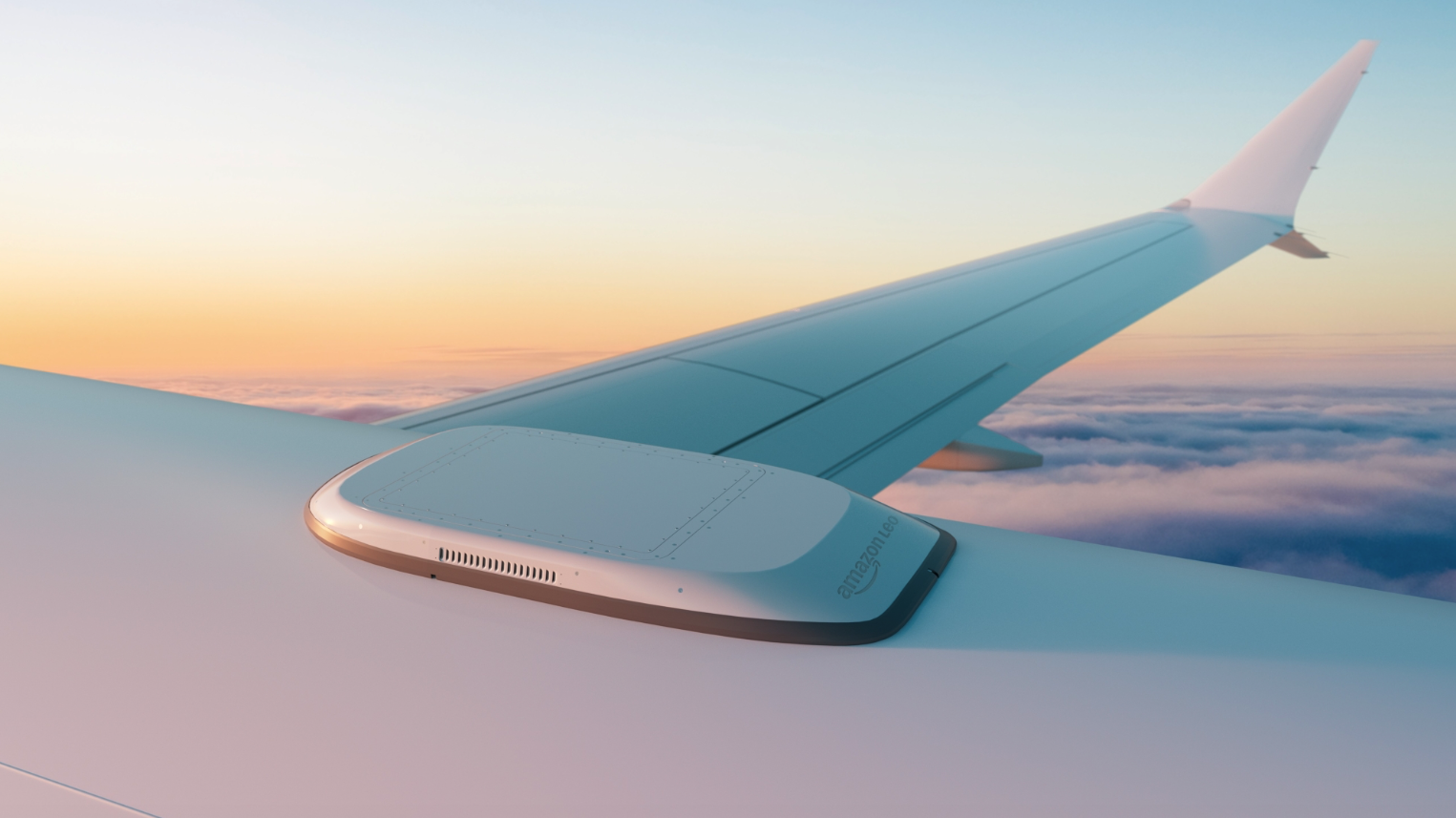
A rendering of the new Amazon Leo antenna attached to an aircraft. (Credit: Amazon)
Amazon Leo this week debuted the antenna that it says will enable high-speed satellite internet on in-flight commercial aircraft.
The new array will deliver simultaneous speeds of up to 1 gigabit per second for downloads and 400 megabits per second for uploads, the company said Monday. A single unit is expected to provide enough bandwidth for every passenger in every cabin of an aircraft, as well as the crew.
The antenna works by connecting a flight to the nearest available Amazon Leo satellite, then passing off the connection as the airplane travels.
So far, Delta and JetBlue have agreed to use the company’s satellite constellation, which now consists of over 200 satellites in low-Earth-orbit. Officials recently said that they have another 200 satellites assembled and ready for launch.
“Amazon Leo can connect a full plane of passengers and crew with speeds that handle any activity seamlessly, whether passengers want to game, watch a movie, listen to music, or collaborate with colleagues on a project,” Trevor Vieweg, director of global business for Amazon Leo, said in a news release. “We expect our service to be so fast and reliable that passengers will seek out flights featuring Leo connectivity.”
The new antenna is flat and rectangular, only 2.6 inches high to reduce drag, and will be attached to the top exterior part of an aircraft’s fuselage. Amazon Leo said the device was engineered to withstand high speeds, harsh weather, and extreme temperatures. To cut down on maintenance, there are no moving parts.
The company has said its constellation will come online in mid-2026. Its service will compete directly with SpaceX’s Starlink, which has signed deals with carriers such as United, Southwest, and Lufthansa.
Zach Vasile is a writer and editor covering news in all aspects of commercial aviation. He has reported for and contributed to the Manchester Journal Inquirer, the Hartford Business Journal, the Charlotte Observer, and the Washington Examiner, with his area of focus being the intersection of business and government policy.
Sign-up for newsletters & special offers!
Get the latest stories & special offers delivered directly to your inbox