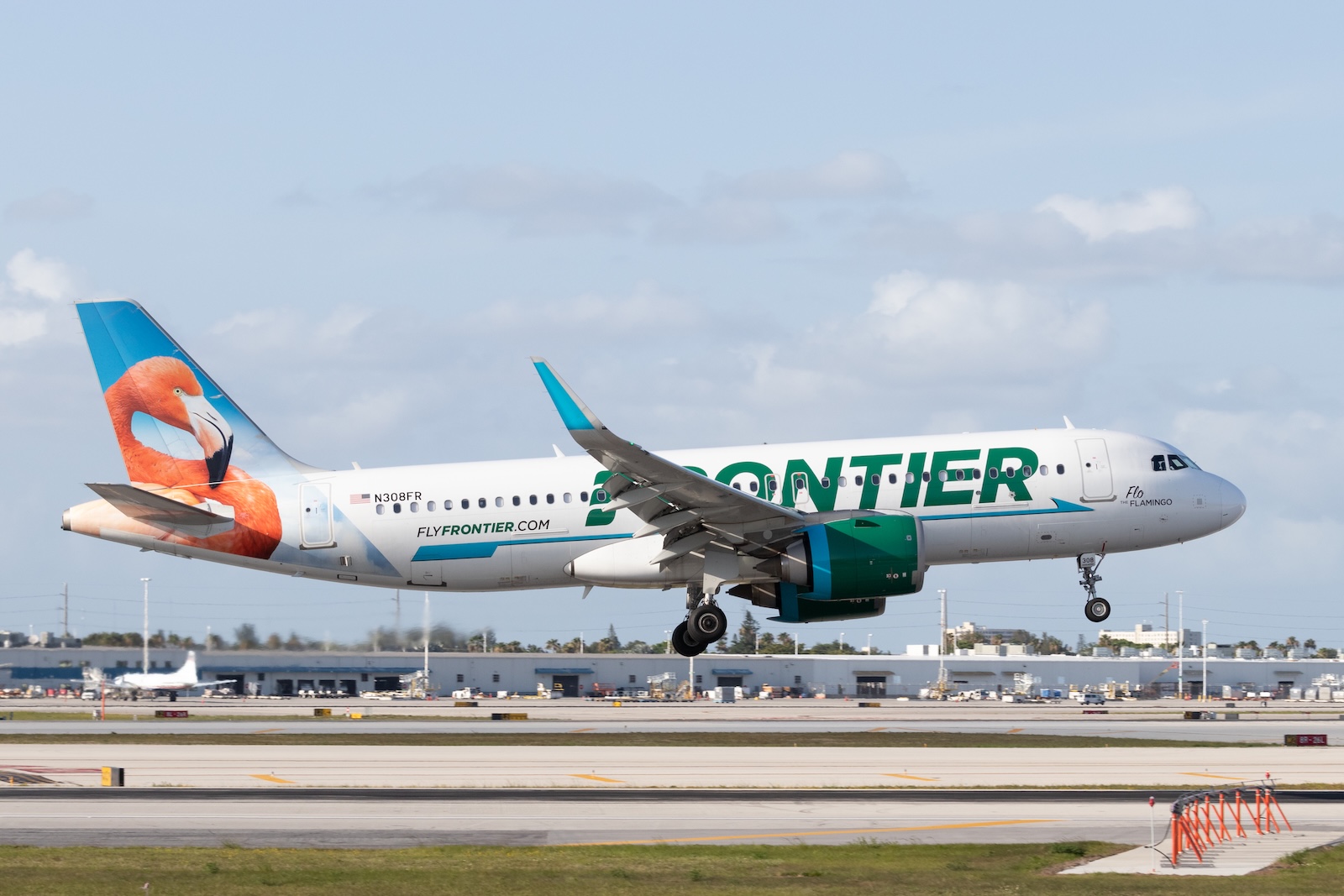
The carrier started service between Miami and Chicago O’Hare and between Orlando and Pensacola. The Miami-Chicago route will operate three times per week, while the Orlando-Pensacola route will run twice a week.
“We are pleased to launch convenient and affordable flight options between these destinations just in time for the busy spring break season,” Josh Flyr, Frontier’s vice president of network and operations design, said in a news release.
Frontier last served the two routes in 2022. It announced plans to add them back late last year.
Zach Vasile is a writer and editor covering news in all aspects of commercial aviation. He has reported for and contributed to the Manchester Journal Inquirer, the Hartford Business Journal, the Charlotte Observer, and the Washington Examiner, with his area of focus being the intersection of business and government policy.
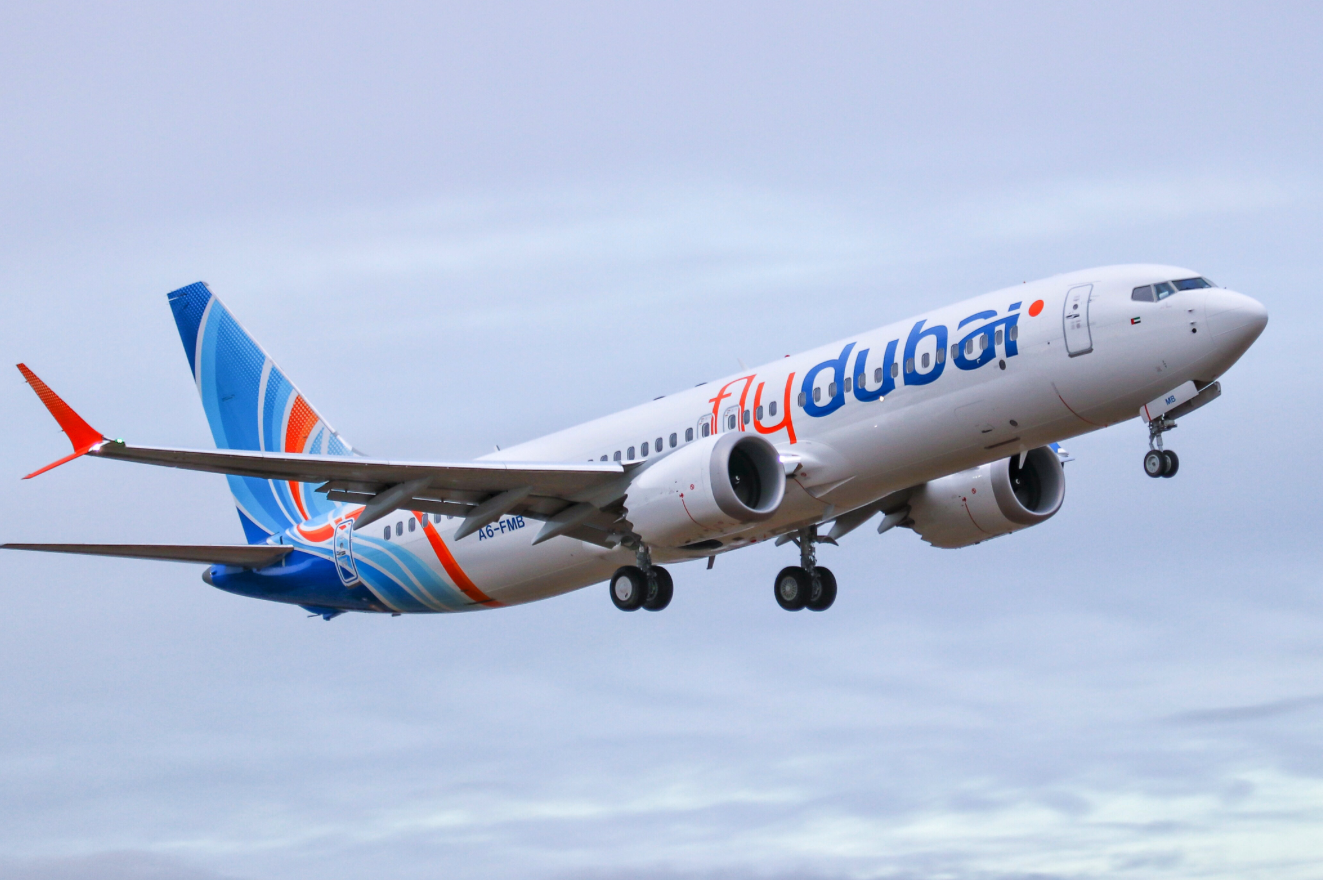
The carrier announced it will commence service to Bangkok from Sept. 15. Flydubai will operate double-daily flights from Dubai International to Don Mueang International Airport in Bangkok.
The airline will operate this service from Terminal 3 at Dubai International Airport.
It will codeshare the route with Emirates, which offers a full-service product to Suvarnabhumi International Airport, the city’s primary airport for full-service carriers.
Don Mueang is the second of Bangkok’s international airports. It handles mainly budget airlines operating domestic and regional flights. These include Air Asia, Nok Air, Thai Lion Air, and Batik Air.
“Thailand remains a very popular destination for both leisure and business travel,” Hamad Obaidalla, Flydubai’s chief commercial officer, said in a news release. “The launch of our double-daily service to Bangkok reflects continued demand across our network and underscores our commitment to providing our customers with more convenient and flexible travel options.”
Expansion in Southeast Asia
Bangkok will become Flydubai’s second destination in Thailand. The carrier already flies into Krabi, in southern Thailand.
The addition of Bangkok will take Flydubai’s Thailand operations to 28 weekly flights.
The carrier also offers service to Langkawi and Penang in Malaysia.
Lorne is a South Africa-based aviation journalist. He was captivated and fascinated by flying from the day he took his first airline flight. With a passion for aviation in his blood, he has flown to destinations in all corners of the globe. Lorne has traveled extensively and lived in various countries. Drawing on his travels and passion for aviation, Lorne enjoys writing about airlines, routes, networks, and new developments.
American Plans New Lounge in Chicago
Construction is now underway in O'Hare's Concourse L.
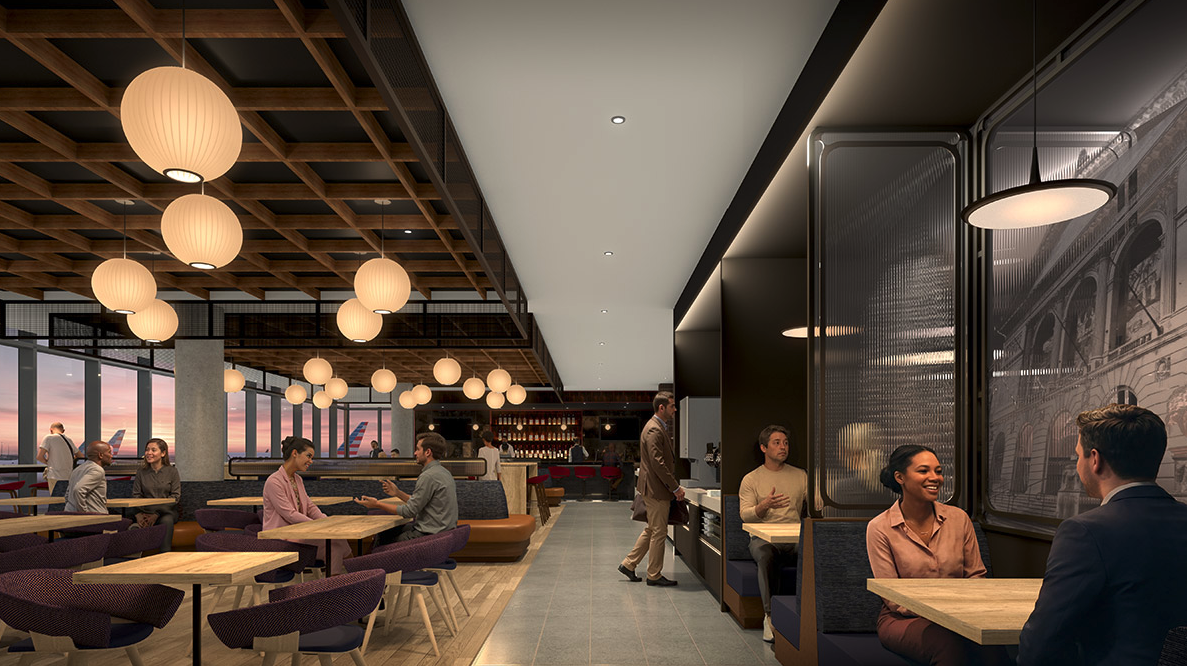
Construction on the over 10,000-square-foot space in Concourse L is now underway, the carrier announced last week. The new lounge will eventually replace American’s existing Admirals Club at O’Hare, also situated in Concourse L.
That lounge will remain open through construction of the new facility.
The new Admirals Club will feature floor-to-ceiling windows overlooking the runway and design elements inspired by the city, officials said.
“We’re helping customers at ORD connect to the world with more than 500 flights daily and we want to offer a premium experience from start to finish,” Heather Garboden, American’s chief customer officer, said in a news release. “The new Admirals Club lounge will offer more seating and upgraded amenities and fully reflect the standards our customers expect when visiting one of our lounges.”
The carrier did not say when the new space will open to members.
American has three Admirals Clubs and one Flagship lounge in Terminal 3 at Chicago O’Hare.
Zach Vasile is a writer and editor covering news in all aspects of commercial aviation. He has reported for and contributed to the Manchester Journal Inquirer, the Hartford Business Journal, the Charlotte Observer, and the Washington Examiner, with his area of focus being the intersection of business and government policy.
Delta Pays Out $1.3 Billion in Profit Sharing
Employees will also get a raise this year, executives said.
Airline officials said the payout represents about 9% of workers’ eligible annual earnings, or over four weeks of extra pay. This year’s bonus is among the largest in the company’s history.
“Sharing our success is central to our values,” Delta CEO Ed Bastian said in a news release. “That’s why we’ve paid more than $11 billion in profits directly to our employees worldwide since 2015. Congratulations to every member of the Delta team on this well-earned payout and thank you for your outstanding performance taking care of our customers in 2025.”
Airline leaders also said that employees will receive a pay increase this year. More details will be shared soon, they said.
Delta beat industry expectations with its fourth-quarter and full-year earnings report, released last month. The carrier reported full-year operating revenue of $58.3 billion and income of $5.8 billion, with an operating margin of 10%.
Zach Vasile is a writer and editor covering news in all aspects of commercial aviation. He has reported for and contributed to the Manchester Journal Inquirer, the Hartford Business Journal, the Charlotte Observer, and the Washington Examiner, with his area of focus being the intersection of business and government policy.
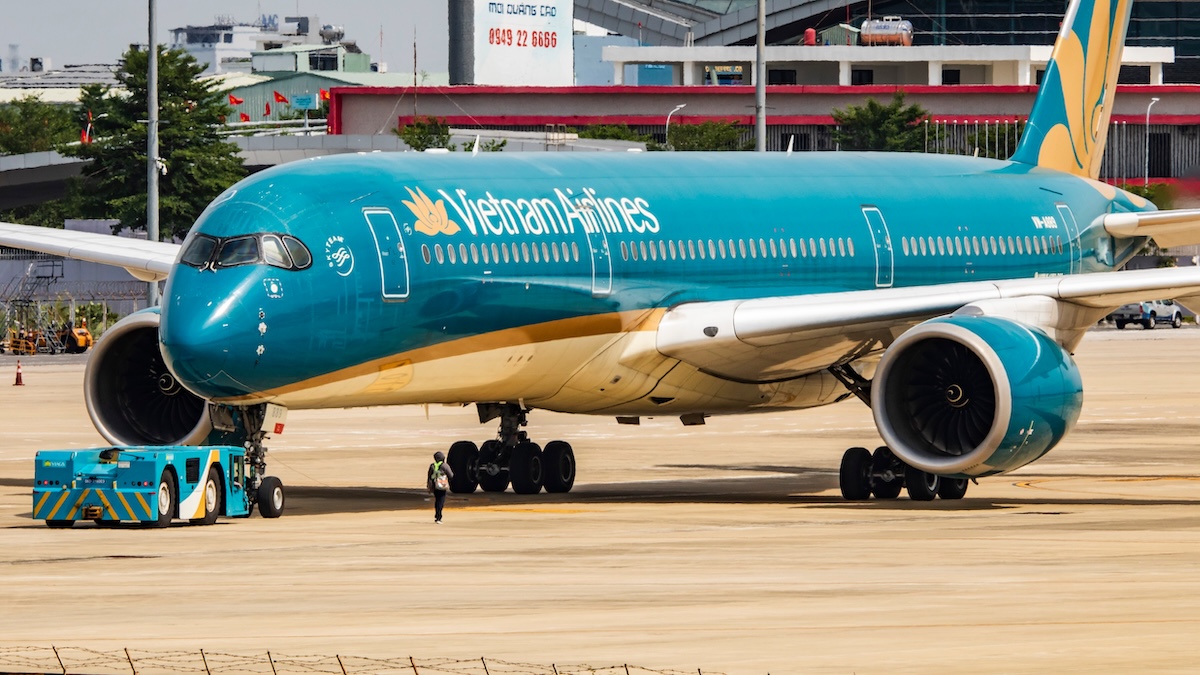
A Vietnam Airlines A350-900. (Photo: Shutterstock | Thanhliemnguyen)
Vietnam’s national airline will launch a new route to Europe this year.
Hanoi-based Vietnam Airlineswill start nonstop service to Amsterdam on June 16, officials said on Monday. Flights will operate three times per week between the Dutch capital and Hanoi, on Tuesdays, Thursdays, and Saturdays, using an Airbus A350-900 aircraft.
The carrier currently flies to various European destinations, including Paris, Frankfurt, London, Munich, Milan, and Copenhagen.
Vietnam Airlines will operate a same-day turnaround on this route.
Both Hanoi and Amsterdam are SkyTeam hubs, but they are not connected with nonstop service. Flying between the two cities currently requires connecting in Paris. Vietnam Airlines flies between Charles de Gaulle and Hanoi.
Lorne is a South Africa-based aviation journalist. He was captivated and fascinated by flying from the day he took his first airline flight. With a passion for aviation in his blood, he has flown to destinations in all corners of the globe. Lorne has traveled extensively and lived in various countries. Drawing on his travels and passion for aviation, Lorne enjoys writing about airlines, routes, networks, and new developments.
Delta to Double First Class Seats on Certain A321neos
The configuration is temporary as the carrier waits on flatbed suites.
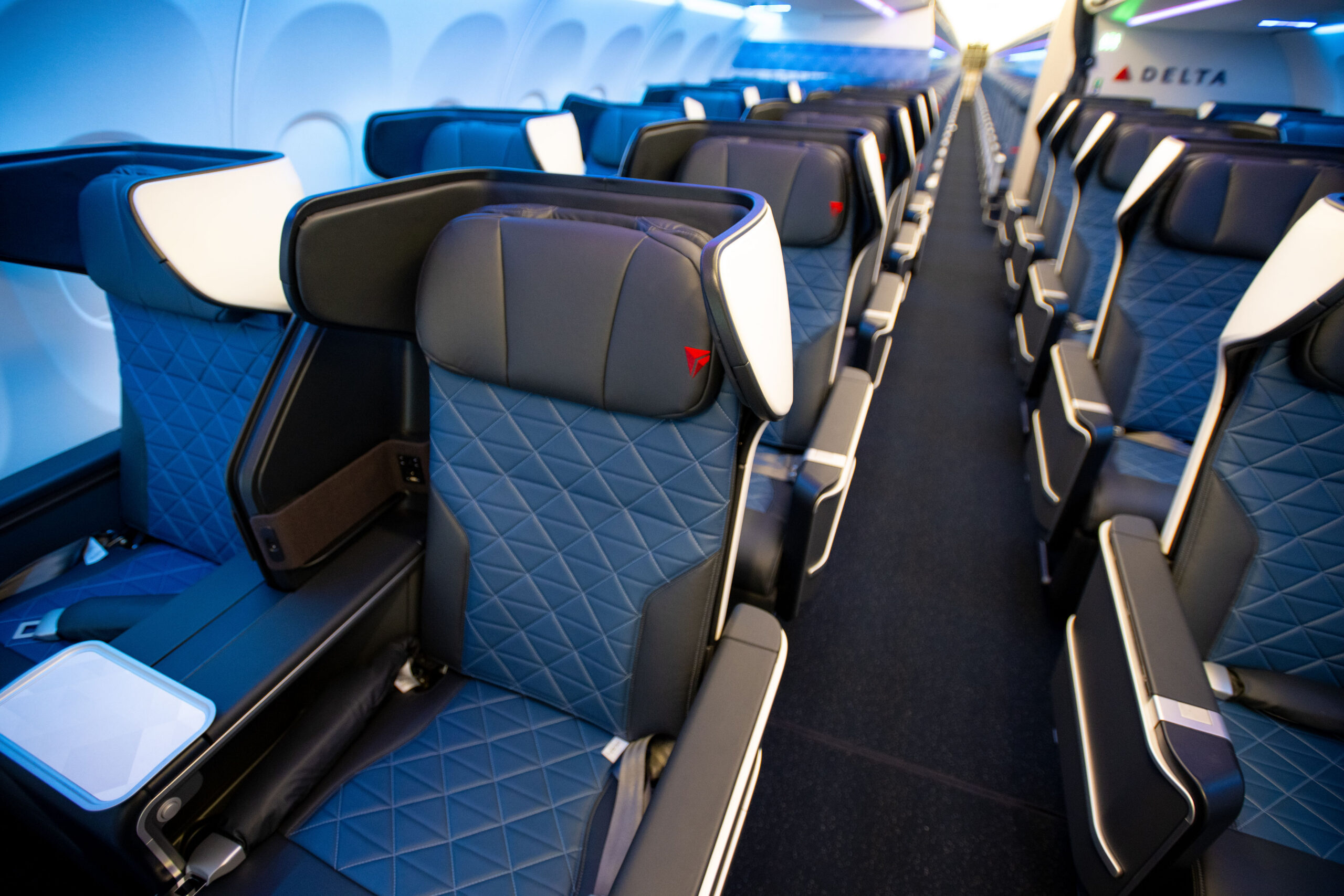
A Delta A321neo domestic first class cabin. (Photo: Delta)
Certain Delta Airbus A321neo aircraft are entering service with significantly more first class seats than normal.
The airline said Friday that its seven newest A321neos will have 44 Delta First seats, more than double the standard 20 for the type. This is not necessarily by design, officials said, but because flatbed suite-style seats meant for the aircraft have not yet been delivered.
“Sometimes the supply chain throws us a curve,” Mauricio Parise, Delta’s vice president of customer experience design, said in a news release. “Rather than wait, we chose to implement a creative solution to ensure our customers had access to some of our newest aircraft in time for the summer travel season.”
The aircraft are scheduled to fly on routes between Atlanta and Los Angeles, San Francisco, Seattle, and San Diego. They are expected to enter service in May and June.
Delta said it does not know how long the expanded first-class cabin will be used but emphasized that its teams, including flight attendants, are working to ensure Delta First customers get the same experience as they would in the A321neo’s current configuration.
Zach Vasile is a writer and editor covering news in all aspects of commercial aviation. He has reported for and contributed to the Manchester Journal Inquirer, the Hartford Business Journal, the Charlotte Observer, and the Washington Examiner, with his area of focus being the intersection of business and government policy.
American Adds Flights for Kentucky Derby
The carrier will expand service on existing routes to Louisville and temporarily operate new ones.
The carrier announced Friday that it will temporarily expand service from seven airports that already connect to Louisville and add special flights from 13 other cities that ordinarily do not.
This year, the Kentucky Derby falls on May 2. Most of American’s added flights to Louisville are scheduled for April 30 and May 1, with return flights set for May 3.
Travelers departing Boston; Charlotte, North Carolina; Chicago O’Hare; Dallas/Fort Worth; Miami; Philadelphia; and Washington National will have access to more flights and larger aircraft during Derby week, officials said. All seven of those airports have regular scheduled service to Louisville via American year-round.
The 13 markets with temporary service leading up to and after the race are Austin, Texas; Houston; Jacksonville, Florida; Las Vegas; Los Angeles; New Orleans; New York-JFK; New York-LaGuardia; Phoenix; Pittsburgh; Raleigh-Durham, North Carolina; Santa Ana, California; and West Palm Beach, Florida.
American said it will more than double the number of flights it normally operates at Louisville on peak days before and after the race, with 41 arriving flights on April 30 and 46 departing flights on May 3.
Zach Vasile is a writer and editor covering news in all aspects of commercial aviation. He has reported for and contributed to the Manchester Journal Inquirer, the Hartford Business Journal, the Charlotte Observer, and the Washington Examiner, with his area of focus being the intersection of business and government policy.
Spirit to Recall 500 Furloughed Flight Attendants
The AFA-CWA said members are being brought back to help resolve “operational issues.”
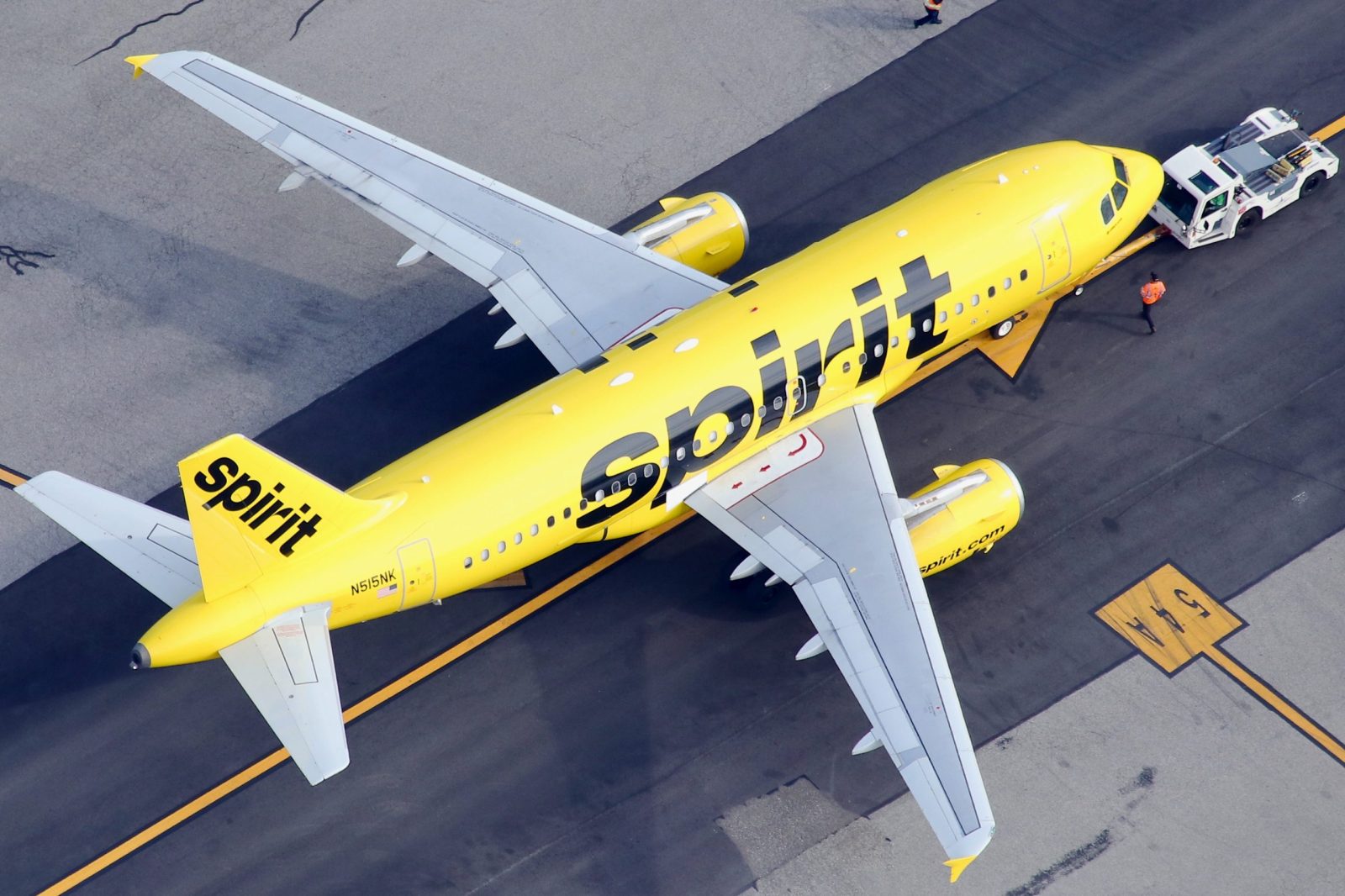
A Spirit Airbus A319 pushing back at LAX. (Photo: AirlineGeeks | James Dinsdale)
Spirit will recall hundreds of flight attendants who were furloughed as part of its bankruptcy restructuring.
In a post on X, the Association of Flight Attendants-CWA, which represents flight attendants at Spirit, said the airline’s management “just announced the recall of 500 flight attendants back to the line to help the operation.”
“This is good news for 500 flight attendants and their families and critical to those of us on the line that have faced a grueling operation over the last two months,” the union said. “The company’s goal in recalling flight attendants is to ease some of the operational issues since the furloughs.”
The flight attendants will be recalled in order of system seniority, with the involuntarily furloughed brought back first.
Spirit furloughed approximately 1,800 flight attendants in December in an attempt to reduce costs and bring staffing levels in line with its reduced fleet size and pared-back flying schedule. Since declaring bankruptcy for a second time in August, the ultra-low-cost carrier has also furloughed pilots and cut some corporate and operations staff.
In addition to furloughs and job cuts, Spirit has rejected aircraft leases, sold airport gates, slashed routes, and withdrawn from certain markets. It is currently seeking permission from the court overseeing its bankruptcy to auction off 20 Airbus jets, which could generate over half a billion dollars before taxes.
Zach Vasile is a writer and editor covering news in all aspects of commercial aviation. He has reported for and contributed to the Manchester Journal Inquirer, the Hartford Business Journal, the Charlotte Observer, and the Washington Examiner, with his area of focus being the intersection of business and government policy.
American Starts Service to New Florida Destination
The route was first announced in September and came online Thursday.
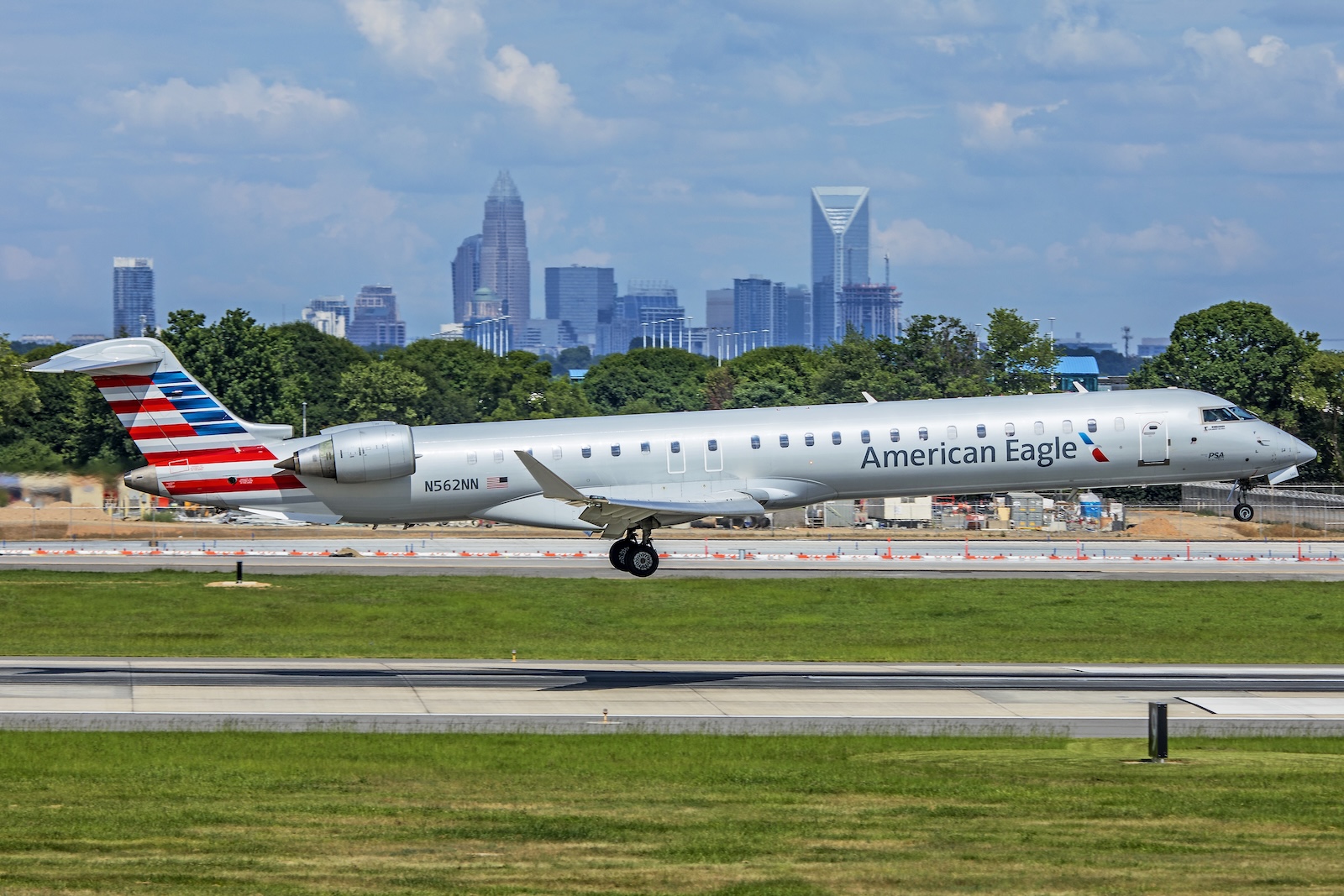
An American CRJ-900. (Photo: AirlineGeeks | William Derrickson)
American Airlines touched down in Vero Beach, Florida, for the first time on Thursday, officially launching the carrier’s newest route from Charlotte, North Carolina.
According to VeroNews.com, an American Eagle commuter flight carrying 61 passengers landed at Vero Beach Regional Airport at 11:21 a.m., slightly ahead of schedule. The return flight to Charlotte took off at 12:43 p.m.
Vero Beach is now served by three commercial airlines – American, Breeze, and JetBlue.
WPTV-TV reported that American and Vero Beach Regional Airport have a month-to-month contract, meaning the carrier could exit the market on relatively short notice. The airport’s director told the station that if American were to leave, operations would revert back to normal without issue.
American is the largest airline in Florida by seat capacity. It serves 17 airports in the state, including Miami, Fort Lauderdale, West Palm Beach, and Orlando.
Zach Vasile is a writer and editor covering news in all aspects of commercial aviation. He has reported for and contributed to the Manchester Journal Inquirer, the Hartford Business Journal, the Charlotte Observer, and the Washington Examiner, with his area of focus being the intersection of business and government policy.
Delta Expands Hawaii Flying
The carrier adds new service and increases capacity across multiple hubs.
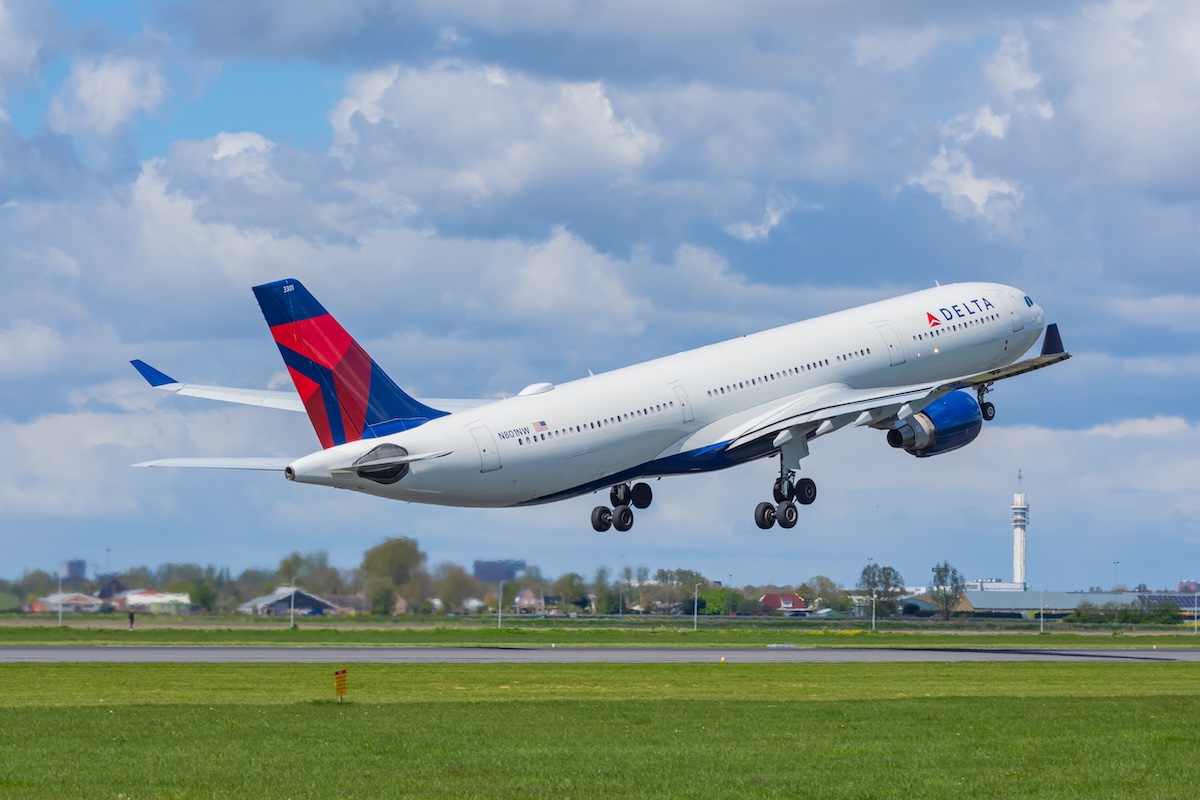
A Delta A330-300. (Photo: Shutterstock | Minh K Tran)
Delta announced an expansion of its winter 2026 schedule to Hawaii, growing capacity and adding new long-haul flying as part of what the airline says will be its largest seasonal Hawaii operation to date.
The carrier will introduce new service and restore a previously operated long-haul route beginning Dec. 19, 2026, while also increasing frequencies and adjusting aircraft on several existing Hawaii markets.
Delta will launch new nonstop service between its Minneapolis–St. Paul hub and Maui. The route will operate daily during peak holiday and spring break periods, with five weekly flights through the core winter season. The service will be operated with Airbus A330-300 aircraft.
The airline will also resume nonstop service between Boston and Honolulu, the longest domestic flight in the U.S. Flights will operate daily during peak late-December travel before transitioning to four weekly frequencies for the remainder of the winter season. The route will also be flown with an Airbus A330-300.
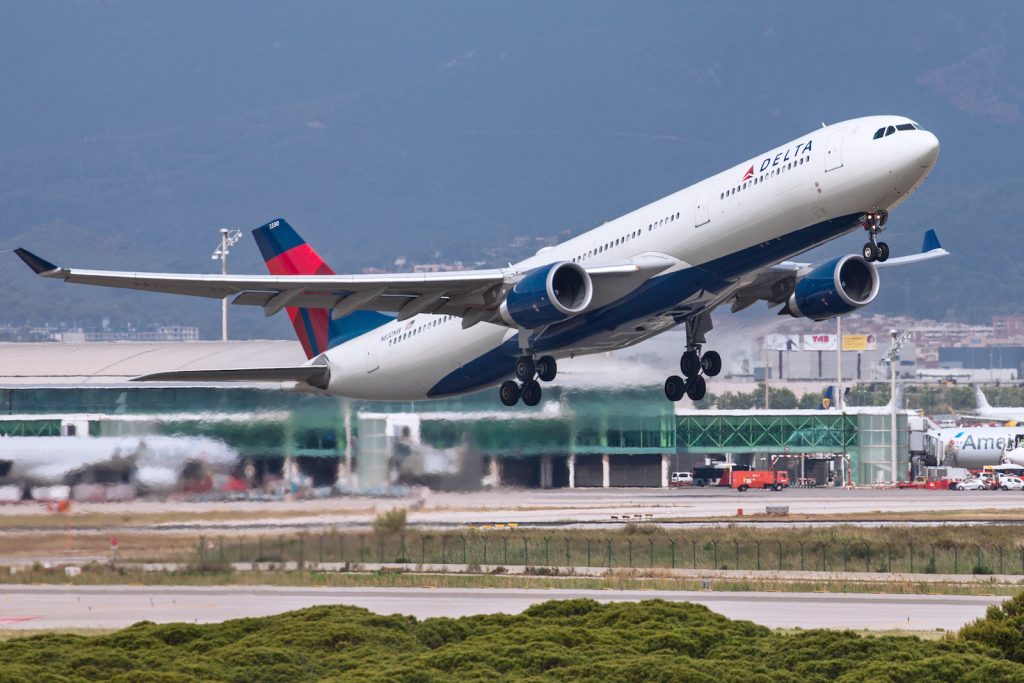
A Delta A330-300 aircraft. (Photo: Shutterstock | Santi Rodriguez)
In addition to the new and returning routes, Delta will expand flying on several existing Hawaii routes during the winter schedule.
Expanded Service
Atlanta to Honolulu will see a second frequency operating three times weekly from January through March on Airbus A330-300 aircraft. Detroit to Honolulu will increase from three weekly flights to daily service beginning Nov. 9, 2026, also operated by Airbus A330-300 aircraft.
Service between New York-JFK and Honolulu will expand from up to five weekly flights to daily service beginning April 1, 2026, using Boeing 767-300 aircraft. Salt Lake City to Kona will begin daily service on Nov. 9, 2026, earlier than in the prior winter season, operated by Boeing 767-300 aircraft.
Delta will also upgauge Los Angeles to Kona service to Boeing 767-300 aircraft for the winter season.
Ryan founded AirlineGeeks.com in February 2013 and has spent more than a decade covering the airline business. His work has been featured by CNN, WJLA, CNET, and Business Insider. His aviation experience spans airport operations, Part 135 regulatory compliance, and airline crew workforce planning, along with time behind the yoke of a Cessna 172 and interviews with airline executives. Ryan now serves as Group President of Firecrown Media’s Aviation Group. He holds a B.S. in Air Transportation Management and an MBA from Arizona State University and teaches Airline Management at Embry-Riddle Aeronautical University.