
Stories

Livery of the Week: Starlux Unveils Metallic Gold and Silver Designs

The Taiwan-based airline is partnering with artist Hajime Sorayama to realize the liquid metal concept.

Starlux A350 in Seattle
A Starlux A350 in Seattle (Photo: AirlineGeeks | Katie Zera)

Editor’s Note: AirlineGeeks is proud to present our ‘Livery of the Week’ series. Every Friday, a team member will share an airline livery, which can be from the past, present, or even a special scheme. Some airline liveries are works of art. The complexity associated with painting around critical flight components and the added weight requires outside-the-box thinking from designers. The average airliner can cost upwards of $200,000 to repaint, creating a separate aircraft repainting industry as a result. 

Have an idea for a livery that we should highlight? Drop us a line. 

Taiwanese carrier Starlux this week unveiled plans for futuristic gold and silver aircraft liveries that it hopes to have in the air by summer.

The airline is partnering with Japanese artist Hajime Sorayama on the project, dubbed “AIRSORAYAMA” by Starlux. Sorayama is known for his highly detailed and sometimes erotic illustrations, which prominently feature metallic elements.

The effort, about three years in the making, was formally announced in Tokyo on Tuesday.

Two Airbus A350-1000 aircraft will be coated with high-concentration mica color shades, one gold with silver accents, and the other silver with gold accents. Multi-coating techniques will give the airplanes the layered, fluid appearance of liquid metal, officials said.

Starlux gold
The mainly gold AIRSORAYAMA livery. (Credit: Starlux)

The off-color accents will be on the belly of the aircraft, and are meant to give the jets a shark-like appearance, in keeping with a famous Sorayama motif.

The two aircraft are named Starlux AIRSORAYAMA Silver (B-58553) and Starlux AIRSORAYAMA Gold (B-58554). They are expected to enter service in the third quarter of this year.

“What we sought was to bring warmth and beauty into the flying experience,” Starlux Chairman K.W. Chang said in a news release. “Sorayama-sensei’s creations embody futurism and breathe emotion into the metal, mirroring the precision and care behind aviation itself.”
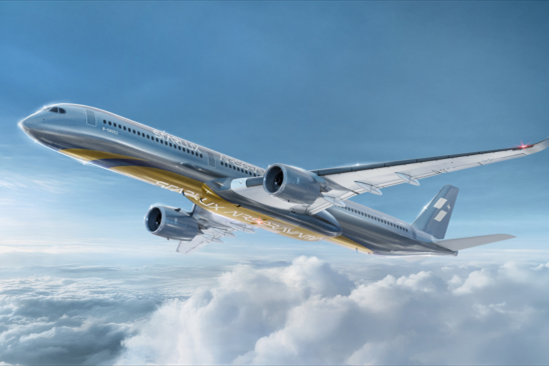
Starlux silver
The mainly silver AIRSORAYAMA livery. (Credit: Starlux)

The coating was developed in collaboration with Airbus and coatings manufacturer Mankiewicz.

Looking for a new airplane model? Head over to our friends at the Midwest Model Store for a wide selection of airlines and liveries.

Zach Vasile

Zach Vasile is a writer and editor covering news in all aspects of commercial aviation. He has reported for and contributed to the Manchester Journal Inquirer, the Hartford Business Journal, the Charlotte Observer, and the Washington Examiner, with his area of focus being the intersection of business and government policy.

JetBlue Braces for a Post-Spirit South Florida

Executives say several contingency plans are ready, with Fort Lauderdale at the center.

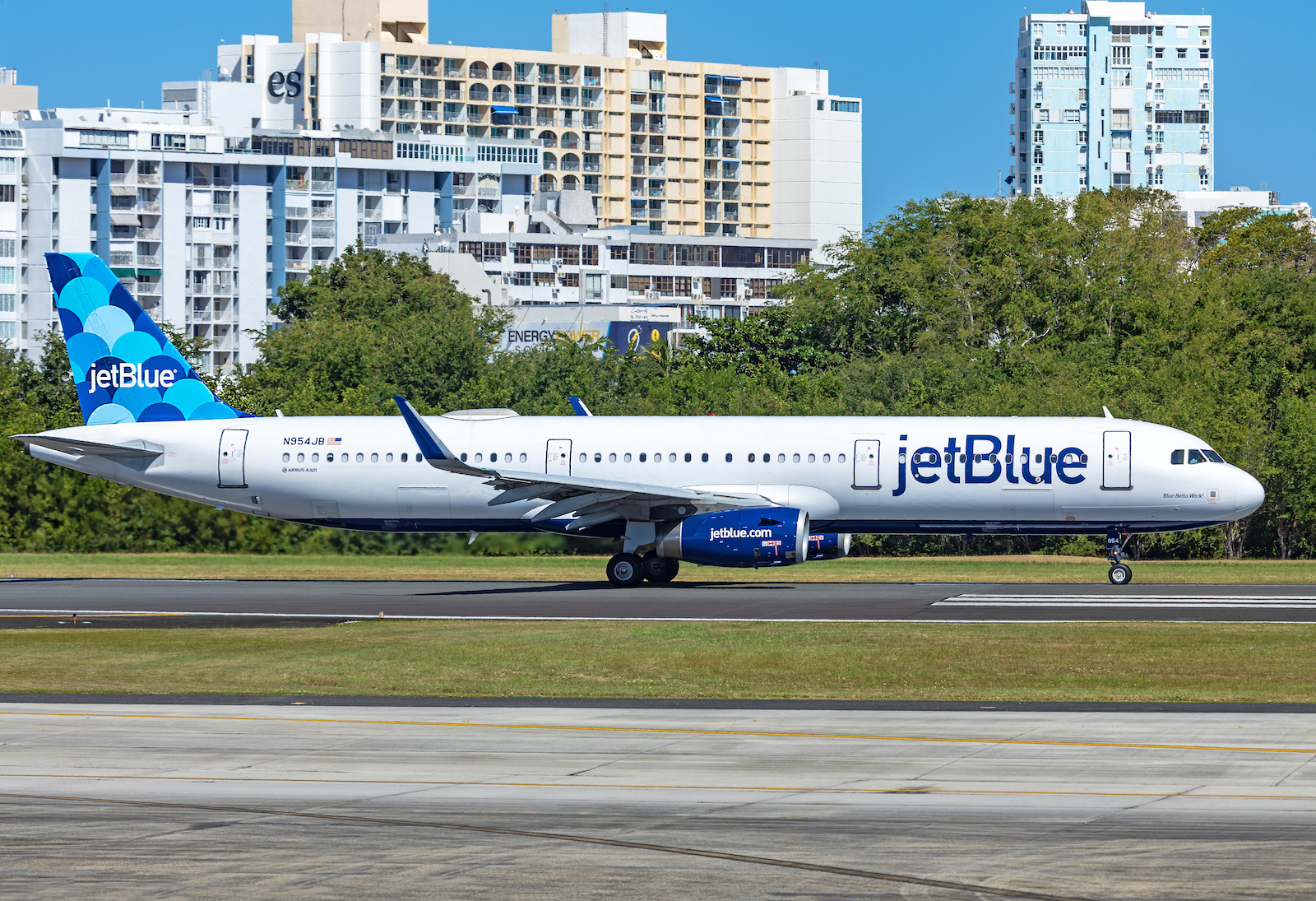
JetBlue A321
A JetBlue A321 aircraft. (Photo: AirlineGeeks | William Derrickson)

JetBlue has several plans in place in the event of a Spirit shutdown, executives said earlier this week. These plans are particularly focused on the carrier’s Fort Lauderdale, Florida, hub, but could include other markets.

Spirit is currently the largest airline in Fort Lauderdale with a nearly 30% market share, while JetBlue is the airport’s No. 2 carrier at 19%.

“… We do have multiple plans in place depending on the outcome of Fort Lauderdale and Spirit,” JetBlue’s CEO, Joanna Geraghty, said during an earnings call on Tuesday. “So we’re ready for a number of scenarios to ensure that customers are protected and that we bring the JetBlue product and the offering to more folks in South Florida and beyond.”

Spirit’s second-quarter capacity in Fort Lauderdale is expected to be down 15% compared to the same period in 2024, according to data from Cirium Diio.

Other airlines have added capacity in the South Florida market as the bankrupt ultra-low-cost carrier has scaled back, though JetBlue doesn’t expect any meaningful upsides.

“I mean, obviously, the rumors are out there. I think that there’s certainly probably more rumors than they have airplanes, but I don’t think there’s any upside for us to try to make any assumptions on that,” added Marty St. George, JetBlue’s president, during the call.

Second Bankruptcy Continues

In August, Spirit filed for Chapter 11 bankruptcy for the second time in less than a year. Its back-to-back bankruptcy filings followed a slew of failed merger attempts, including with JetBlue.

Now, Castlelake has emerged as a new buyer for the ultra-low-cost carrier after renewed merger talks with Frontier reportedly fell through.

The airline is still working through its second bankruptcy filing, while shedding employees and aircraft. It has also pulled out of 18 destinations.

Ryan Ewing

Ryan founded AirlineGeeks.com in February 2013 and has spent more than a decade covering the airline business. His work has been featured by CNN, WJLA, CNET, and Business Insider. His aviation experience spans airport operations, Part 135 regulatory compliance, and airline crew workforce planning, along with time behind the yoke of a Cessna 172 and interviews with airline executives. Ryan now serves as Group President of Firecrown Media’s Aviation Group. He holds a B.S. in Air Transportation Management and an MBA from Arizona State University and teaches Airline Management at Embry-Riddle Aeronautical University.

South Africa’s Lift Joins IATA

The startup airline began operations in 2020.

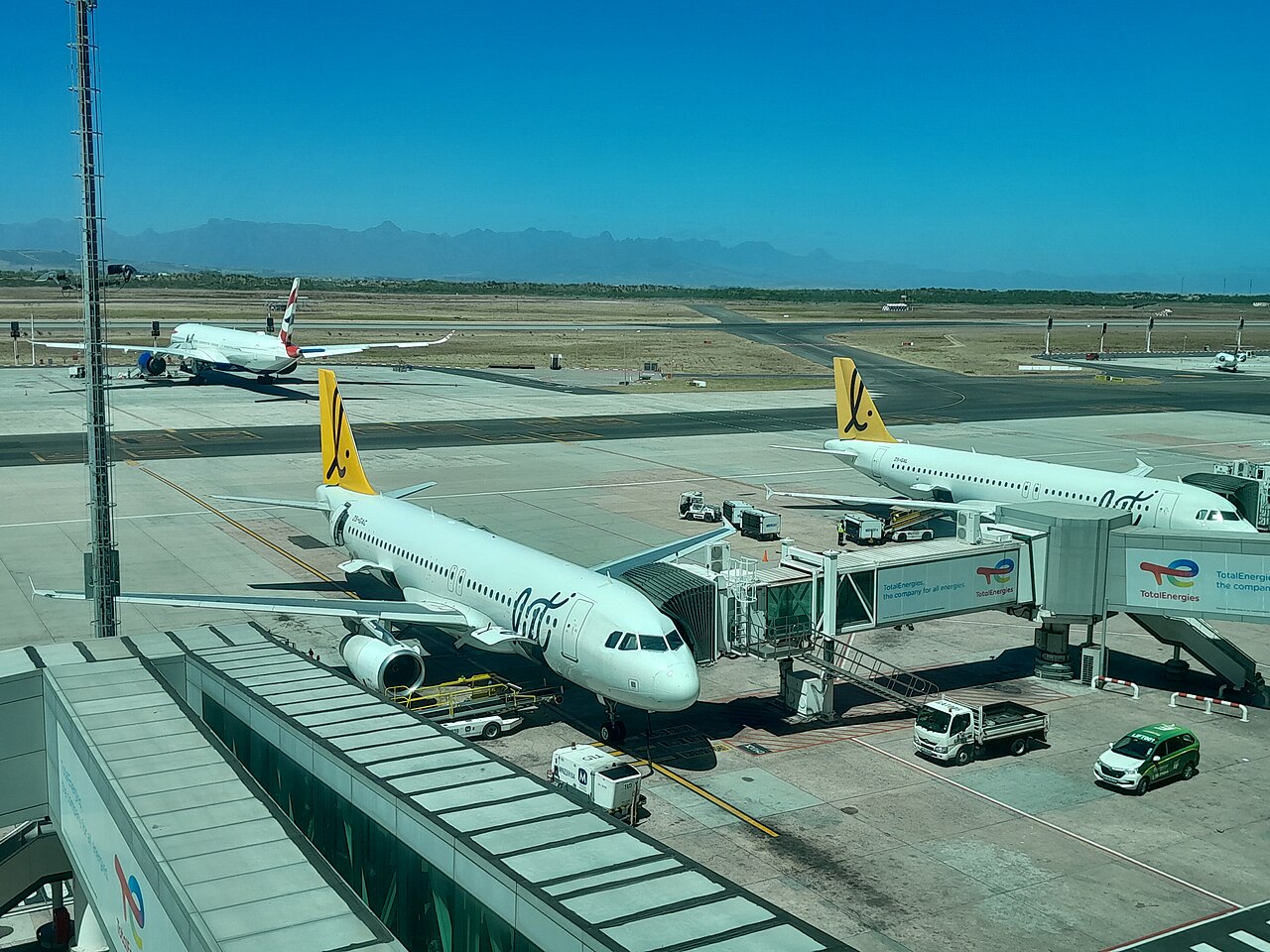
LIFT Airlines Airbus A320 aircraft
LIFT Airlines Airbus A320 aircraft (Photo: AirplaneNiner, CC BY 4.0 , via Wikimedia Commons)

South Africa’s Lift has obtained membership in the International Air Transport Association (IATA).

The airline announced on social media this week that it is now an IATA member. Lift’s official IATA code is GE.

IATA membership offers airlines global recognition, cost savings, and operational efficiencies. It also signifies participation in the global air transport sector, enabling carriers to effectively sell, transport, and settle transactions.

Membership in IATA is important for airlines that wish to expand as well as to grow their market share, and Lift has expansion plans on the horizon.

Last year, Global Airways, the company that operates Lift, applied to South Africa’s International Air Services Licensing Council for air service rights to operate flights to Mauritius and Reunion. These routes will become the airline’s first beyond South Africa’s borders.

Unique Airline Model

Launched in December 2020, Lift operates low-cost domestic service in South Africa.

Its business model has proven popular locally. The carrier offers complimentary coffee (or wine) and snacks on flights, and permits passengers to change or cancel their flights right up to the day of departure, with credits going into a wallet for future use.

Lift’s first scheduled service was between Johannesburg and Cape Town. Then, in October 2022, it started flying between Johannesburg and Durban. In November 2022, the airline connected the country’s three major cities when it launched service between Durban and Cape Town, effectively completing what is known locally as the golden triangle.

Lift operates a fleet of Airbus A320 aircraft.

Lorne Philipot

Lorne is a South Africa-based aviation journalist. He was captivated and fascinated by flying from the day he took his first airline flight. With a passion for aviation in his blood, he has flown to destinations in all corners of the globe. Lorne has traveled extensively and lived in various countries. Drawing on his travels and passion for aviation, Lorne enjoys writing about airlines, routes, networks, and new developments.

Delta Adds Flights for Super Bowl

The carrier is expanding capacity on routes to and from the Bay Area.

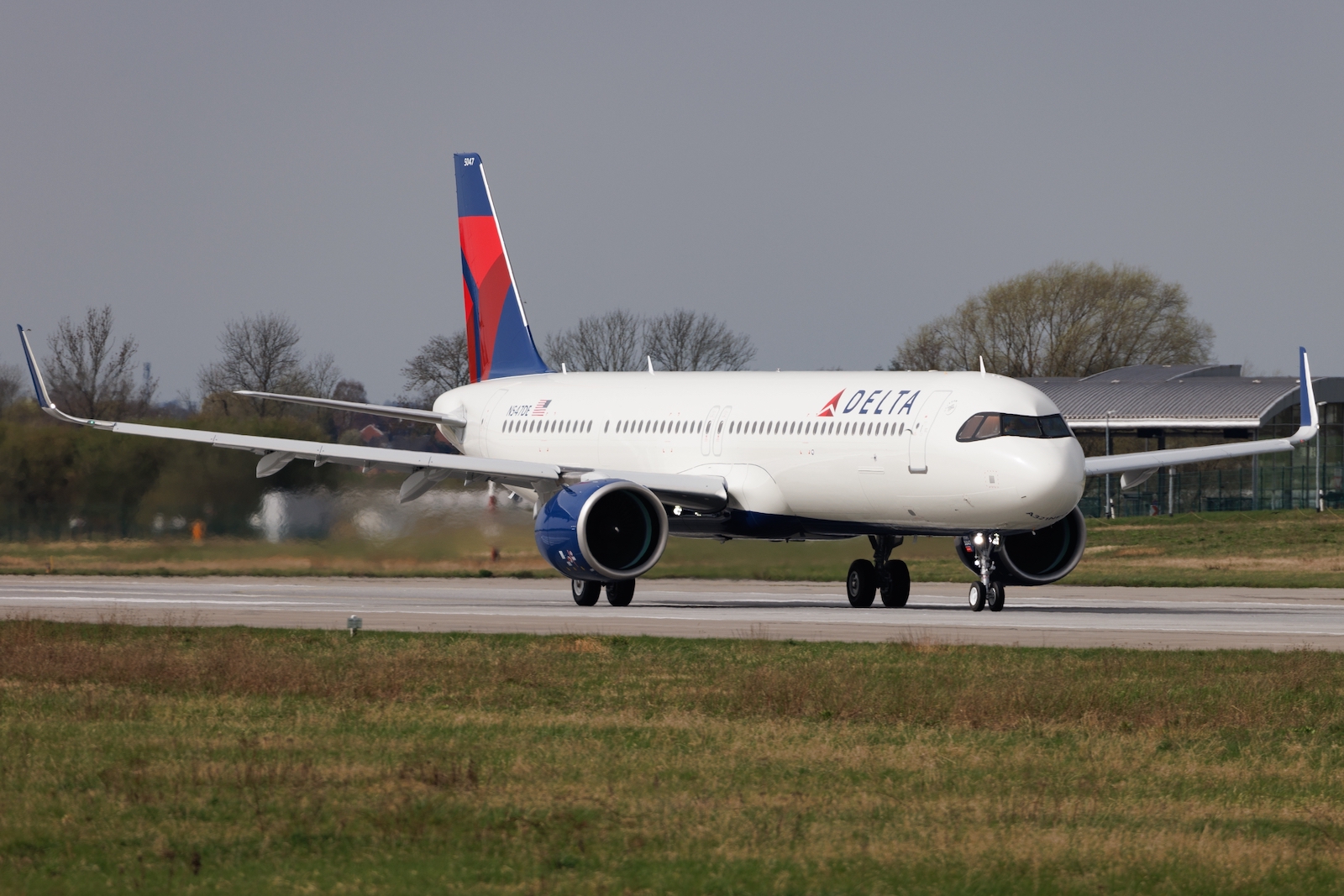
A Delta A321neo
A Delta Airbus A321neo. (Photo: Shutterstock | Kevin Hackert)

Delta is expanding capacity on certain routes to and from the Bay Area to accommodate increased traffic from the Super Bowl.

In a statement, the airline said it will add flights from Boston and Seattle – the hometowns of the two teams competing in Super Bowl LX – and operate temporary service between New York and San Jose, California.

The game is being played at Levi’s Stadium in Santa Clara, California.

Delta plans to increase the number of daily nonstop flights between Boston and San Francisco from two to three on Feb. 6. Four return flights will operate on Feb. 9, the day after the game.

A one-off flight from New York to San Jose will depart JFK on Feb. 6, with return service on Feb. 9. These flights will use an Airbus A321neo aircraft, officials said.

Delta will also add an extra flight from San Francisco to Seattle on Feb. 9. The carrier currently connects Seattle and San Francisco five times daily, and Seattle and San Jose four times daily.

“From additional departure options to multiple Bay Area gateways, Delta’s expanded schedule builds off our existing robust domestic network that is designed to meet increased demand and keep customers moving forward,” Amy Martin, Delta’s vice president of network planning, said in a news release.

Delta is the official airline of the Seattle Seahawks.

Zach Vasile

Zach Vasile is a writer and editor covering news in all aspects of commercial aviation. He has reported for and contributed to the Manchester Journal Inquirer, the Hartford Business Journal, the Charlotte Observer, and the Washington Examiner, with his area of focus being the intersection of business and government policy.

Porter Adds New U.S. Destination

The carrier is also adding routes between cities already in its network and increasing frequencies on existing routes.

A Porter Embraer aircraft
A Porter Embraer aircraft (Photo: Shutterstock | Welshboy2020)

Canada’s Porter Airlines will launch service to a new destination in the U.S. this spring.

Starting May 11, the carrier will connect Toronto City Airport and Nashville, Tennessee, for the first time. The route will operate seven times weekly, officials said.

Porter is also adding routes linking Boston with Toronto Pearson and Montreal, starting May 14. The airline currently serves Boston from Toronto City Airport and Ottawa.

Toronto-to-Boston will operate 14 times weekly, while Montreal-to-Boston will operate seven times weekly.

Also in May, Porter will launch service between Ottawa and Windsor; Ottawa and Sudbury; Toronto Pearson and Quebec City; Ottawa and Kelowna; Hamilton and St. John’s; and Hamilton and Winnipeg.

“We are making a substantial increase in flights for Porter this summer, touching on every region we fly to,” Andrew Pierce, Porter’s vice president of network planning and reporting, said in a news release. “Our overall network is growing by 20%, the fastest rate for any airline in North America, as we continue providing service for more passengers.”

Porter is also increasing the frequency of three routes within Canada – Ottawa to Winnipeg, Toronto Pearson to Deer Lake, and Hamilton to Halifax – and extending seasonal routes through the summer.

Only one of these routes connects to the U.S. – Hamilton to Fort Lauderdale, Florida. That service will operate twice a week through the summer.

The others are Toronto Pearson to Cancun (up to six times per week), Toronto Pearson to Costa Rica (twice weekly), Toronto Pearson to Nassau (twice weekly), and Ottawa to Cancun (three times weekly).

Zach Vasile

Zach Vasile is a writer and editor covering news in all aspects of commercial aviation. He has reported for and contributed to the Manchester Journal Inquirer, the Hartford Business Journal, the Charlotte Observer, and the Washington Examiner, with his area of focus being the intersection of business and government policy.

American to Resume Service to Venezuela

The carrier is the first U.S. airline to signal a return to the country.

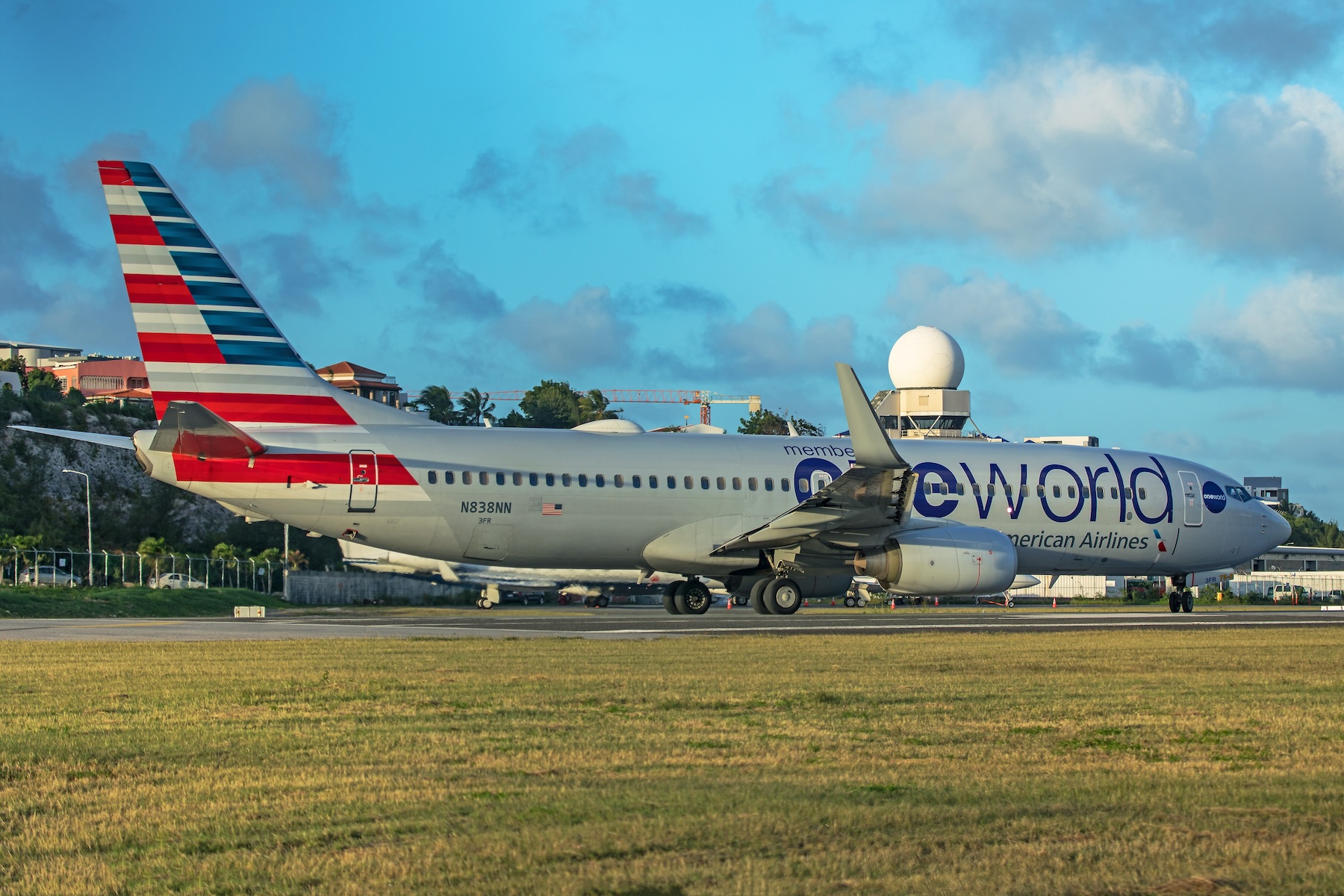
American 737-800
An American 737-800 aircraft. (Photo: AirlineGeeks | William Derrickson)

American Airlines said Thursday that it is working to resume daily nonstop service to Venezuela after a nearly seven-year pause.

The carrier said it is in close contact with federal authorities and is ready to restart service pending “government approval and security assessments.”

American last served Venezuela in 2019. At the time, it was the largest U.S. carrier operating in the country.

“We have a more than 30-year history connecting Venezolanos to the U.S., and we are ready to renew that incredible relationship,” American COO Nat Pieper said in a statement. “By restarting service to Venezuela, American will offer customers the opportunity to reunite with families and create new business and commerce with the United States.”

Relations between the U.S. and Venezuela have been especially fraught over the last several years. The U.S. Department of Transportation and Department of Homeland Security suspended passenger and cargo flights to the country in May 2019, citing risks to customers, air crews, and aircraft.

Earlier this month, U.S. military and law enforcement personnel entered Caracas and captured Venezuelan President Nicolás Maduro and wife, who had been indicted in the Southern District of New York for alleged drug trafficking and “narcoterrorism.” They remain detained in New York, awaiting trial.

While tensions remain high, the Trump administration has signaled that it may take limited steps to normalize relations with Venezuela now that Maduro is gone, including possibly reopening an embassy.

Zach Vasile

Zach Vasile is a writer and editor covering news in all aspects of commercial aviation. He has reported for and contributed to the Manchester Journal Inquirer, the Hartford Business Journal, the Charlotte Observer, and the Washington Examiner, with his area of focus being the intersection of business and government policy.

Wizz Air Eyes Limited U.S. Flights

The ultra-low-cost carrier may look to operate charter flights this summer.

Wizz Air
A Wizz Air A321 aircraft in the airline's new livery. (Photo: Wizz Air)

Hungarian discount carrier Wizz Air is laying the groundwork for potential flights to the U.S. during the 2026 FIFA World Cup.

Late last week the airline filed a request with the U.S. Department of Transportation to begin flights between the U.S. and U.K. The petition was submitted by Wizz’s U.K. subsidiary, and aims to start service “as soon as possible.”

The filing set off speculation that Wizz was looking to enter the U.S. market with regular scheduled service. On Thursday, however, Wizz CFO Ian Malin clarified that scheduled service to the U.S. is not in the cards, and that the filing was merely a procedural step in arranging potential charter flights to North America during the 2026 FIFA World Cup.

Malin’s comments were reported by Skift.

The World Cup will be jointly hosted by 16 cities in the U.S., Canada, and Mexico. Several airlines have already announced special flights to and from the host cities to accommodate increased demand.

Wizz operates mainly within Europe but also offers flights to North Africa and the Middle East. Plans to expand in the Middle East were curtailed last year when the carrier shut down its Emirati subsidiary, Wizz Air Abu Dhabi.

Some aviation industry commentators have speculated that, following its retreat from the Middle East, Wizz will turn toward North America and transatlantic service, though no new routes have been announced.

Zach Vasile

Zach Vasile is a writer and editor covering news in all aspects of commercial aviation. He has reported for and contributed to the Manchester Journal Inquirer, the Hartford Business Journal, the Charlotte Observer, and the Washington Examiner, with his area of focus being the intersection of business and government policy.

Breeze Adds Three New Destinations

Carrier announces new markets, plus dozens of new and returning routes starting this summer.

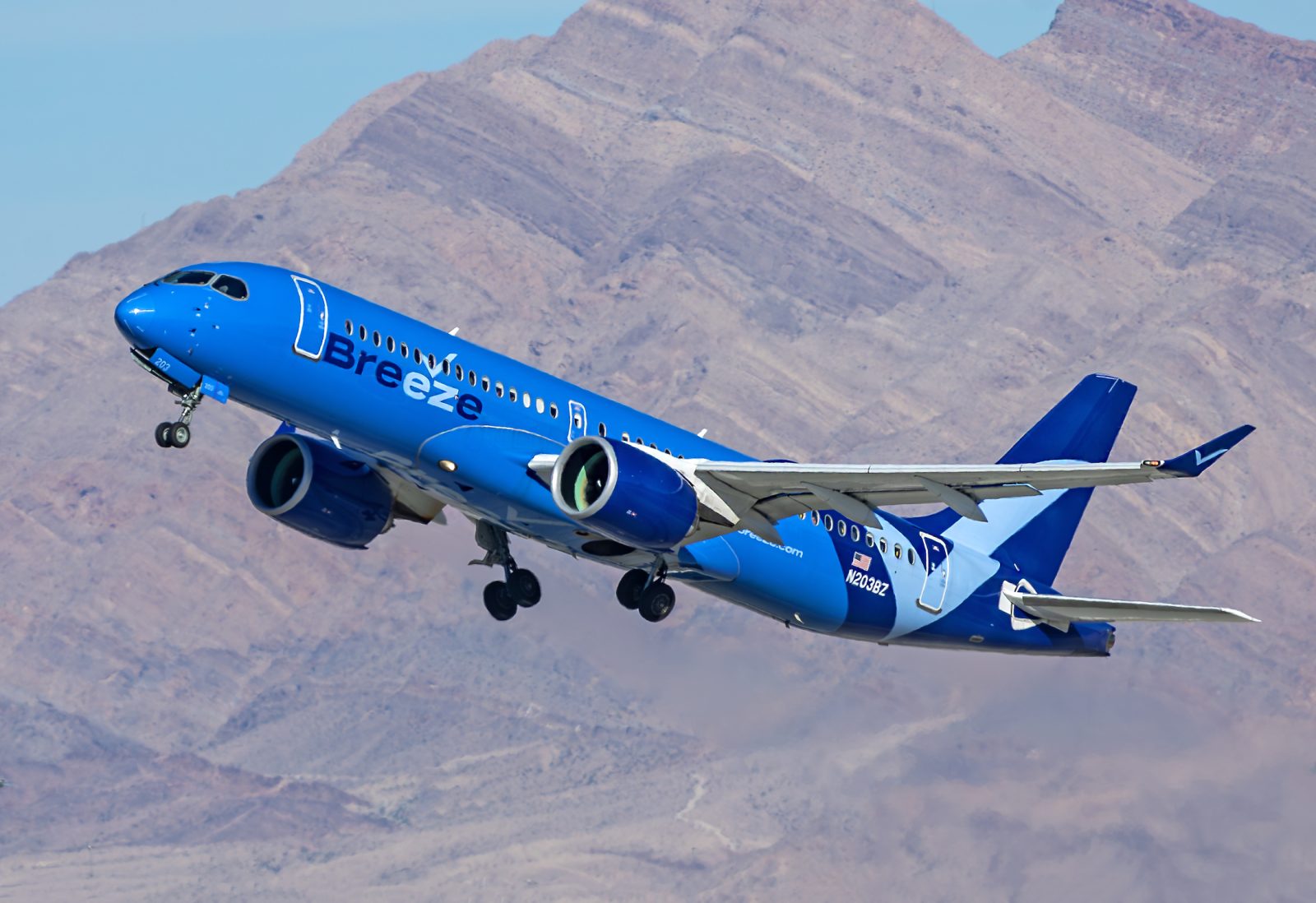
Breeze A220
A Breeze A220 aircraft. (Photo: AirlineGeeks | William Derrickson)

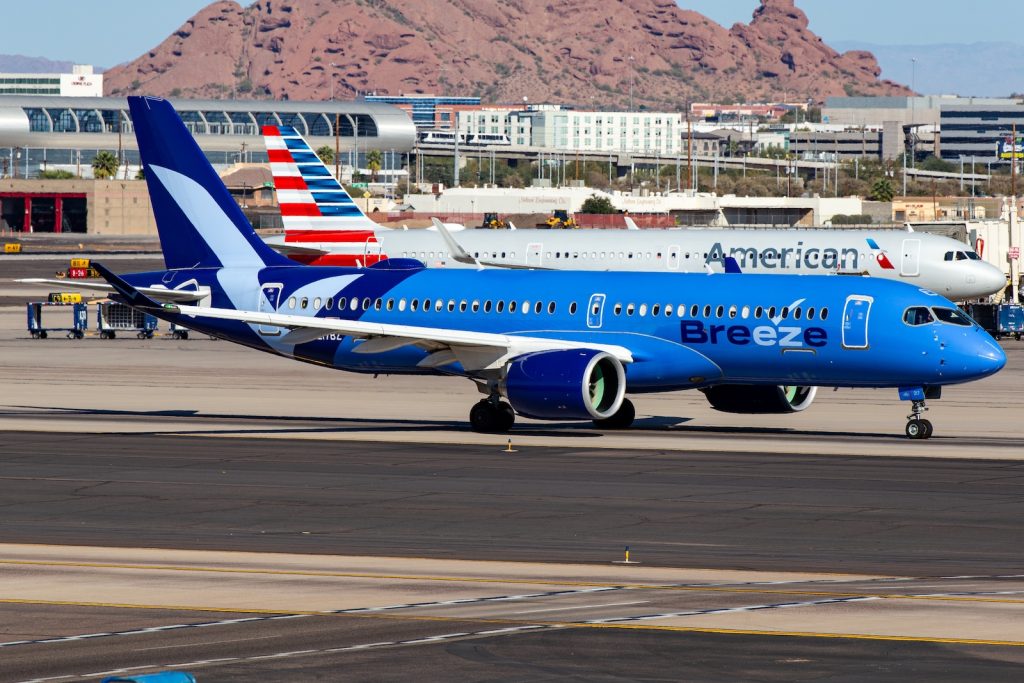
Breeze on Wednesday announced a wide-ranging route expansion that will add new destinations, restore previously served markets, and introduce dozens of new and seasonal routes across its network beginning this summer.

The expansion includes new service to Atlantic City, New Jersey; Brownsville, Texas; and Nassau, Bahamas, along with the carrier’s return to San Antonio after a four-year absence. 

Atlantic City will join Breeze’s network with new nonstop service to Charleston, South Carolina, beginning May 6, and to Raleigh-Durham starting June 11. The carrier will also offer one-stop BreezeThru service between Atlantic City and Tampa beginning June 11.

A Breeze A220
A Breeze A220. (Photo: Shutterstock | Wenjie Zheng)

Brownsville will receive new nonstop service to Orlando starting May 15, marking Breeze’s entry into the South Texas market.

International Expansion

Breeze will also add new international service between Tampa and Nassau, Bahamas, beginning June 11. The route will operate twice weekly and will become the airline’s fourth international destination.

The airline will restore service to San Antonio, Texas, with new nonstop flights from Memphis and Raleigh-Durham beginning May 8. Additional seasonal nonstop service from Pensacola will launch June 10, along with one-stop BreezeThru service from Tampa.

Additional Routes

As part of the expansion, Breeze is also introducing several new and seasonal domestic routes, including:

  • Columbus–Greenville-Spartanburg nonstop service beginning May 8
  • Huntsville–Fort Lauderdale nonstop flights starting June 12
  • Seasonal Hartford–Louisville nonstop service launching May 29
  • Seasonal Los Angeles–Louisville nonstop flights beginning May 6
  • Seasonal Pittsburgh–Louisville nonstop service starting May 7
  • Seasonal Madison–Raleigh-Durham nonstop flights beginning May 8

Several routes will also be offered as BreezeThru services, including Columbus–Orlando and Raleigh-Durham–San Antonio.

Ryan Ewing

Ryan founded AirlineGeeks.com in February 2013 and has spent more than a decade covering the airline business. His work has been featured by CNN, WJLA, CNET, and Business Insider. His aviation experience spans airport operations, Part 135 regulatory compliance, and airline crew workforce planning, along with time behind the yoke of a Cessna 172 and interviews with airline executives. Ryan now serves as Group President of Firecrown Media’s Aviation Group. He holds a B.S. in Air Transportation Management and an MBA from Arizona State University and teaches Airline Management at Embry-Riddle Aeronautical University.

Aer Lingus Confirms It Will Close U.K. Base

Service between Manchester and New York-JFK will end in February.

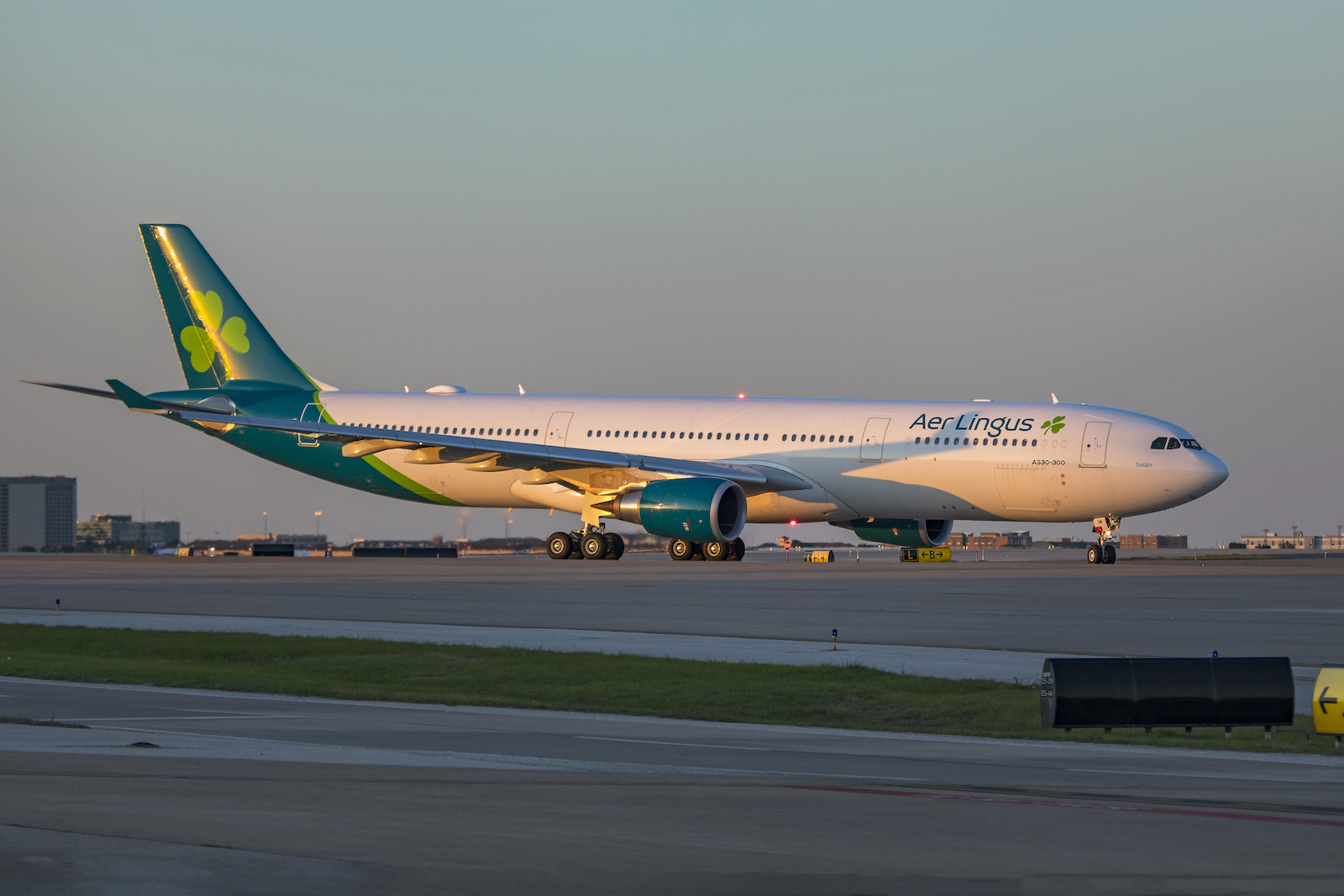
Aer Lingus A330-300
An Aer Lingus Airbus A330-300 (Photo: AirlineGeeks | William Derrickson)

After months of deliberations, Irish flag carrier Aer Lingus has decided to shutter its long-haul base in Manchester, England.

In a message posted on its website, the airline said the base will close permanently on March 31. Nonstop transatlantic service between Manchester and New York-JFK will end earlier, on Feb. 23.

Aer Lingus also serves Orlando, Florida, and Bridgetown, Barbados, from Manchester, and those routes will also end, though it was not immediately clear when.

“We understand that this is disappointing news and apologize for the disruption to our customers,” the carrier’s message read. “All impacted customers are being informed of the cancellation of flights directly and provided with reaccommodation and refund options.”

Aer Lingus said it will operate flights between Dublin and Barbados in April and May to reaccommodate some affected customers. Short-haul service between Manchester and destinations in Ireland will not be impacted by the base closure.

The airline also serves New York-JFK and Orlando from Dublin.

Aer Lingus acknowledged last year that Manchester was underperforming relative to its Ireland-based long-haul operations. Officials said they were considering their options, including shutting down the base.

Earlier this month, the carrier ended transatlantic ticket sales to and from Manchester. The step was taken “to minimize customer disruption in the event of a closure of the Manchester base,” Aer Lingus said at the time.

Zach Vasile

Zach Vasile is a writer and editor covering news in all aspects of commercial aviation. He has reported for and contributed to the Manchester Journal Inquirer, the Hartford Business Journal, the Charlotte Observer, and the Washington Examiner, with his area of focus being the intersection of business and government policy.

NTSB Blames ‘Systemic Failures’ For Deadly D.C. Collision

The agency will issue a final report on the accident in the coming weeks.

DCA aircraft
Aircraft at Reagan National Airport. (Photo: Ryan Ewing)

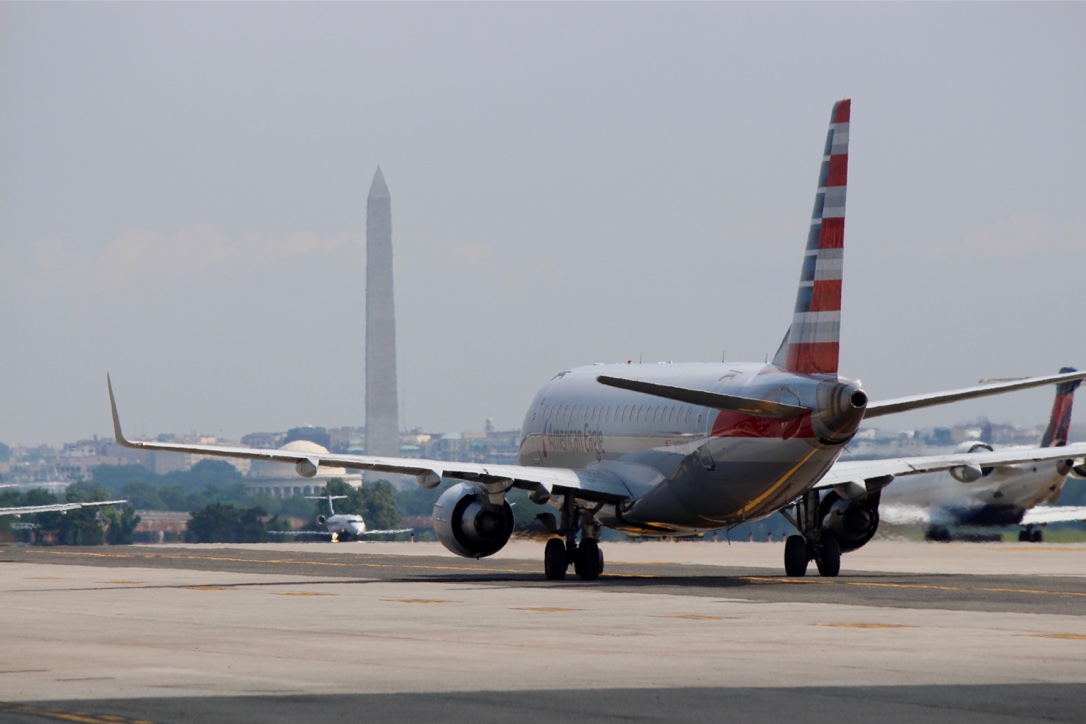
Longstanding problems with route design, air traffic control practices, and safety protocols contributed to last year’s fatal collision of a commercial jet and a U.S. Army helicopter over Washington, D.C., the NTSB said this week.

The agency capped an over eight-hour hearing Tuesday by voting to approve 74 findings and 50 recommendations to prevent similar accidents in the future. The FAA and the Army were singled out for “systemic failures” that made the airspace around Ronald Reagan Washington National Airport particularly dangerous.

“This complex and comprehensive one-year investigation identified serious and long-standing safety gaps in the airspace over our nation’s capital,” NTSB Chair Jennifer Homendy said in a statement. “Sadly, the conditions for this tragedy were in place long before the night of Jan. 29.”

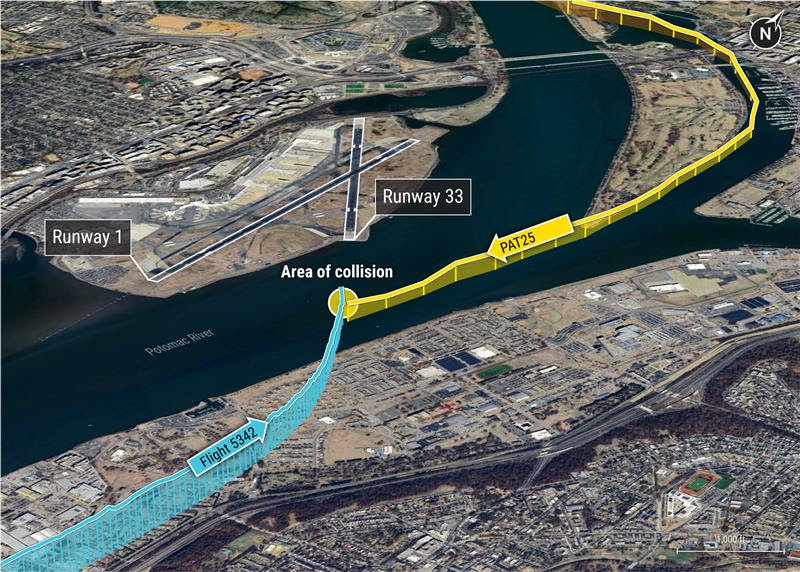
American Airlines Flight 5342, operated by PSA Airlines, was approaching Washington National when it collided with a UH-60 Black Hawk helicopter over the Potomac River. All 67 people on both aircraft were killed.

The NTSB’s investigation found that the FAA’s helicopter route design in the Washington area did not provide necessary separation between helicopters and fixed-wing aircraft. The route structure at the time allowed helicopters to fly directly beneath an active approach corridor for commercial aircraft without sufficient risk mitigation measures, the agency reported.

NTSB graphic
An NTSB graphic showing the paths of the two aircraft. (Credit: NTSB)

The FAA’s guidance on helicopter route altitudes and boundaries was also deficient, the NTSB found, and unclear information created space for misinterpretation. Charts for fixed-wing pilots did not depict nearby helicopter routes that intersected approach paths.

Another major point of contention since the crash has been staffing at air traffic control facilities, and investigators said high workloads contributed to the accident by reducing controllers’ focus on potential or developing problems.

The NTSB also faulted the FAA for lacking effective strategies to reduce the risk of collisions around Washington National, even though close calls between commercial aircraft and helicopters were a recurring issue in the area.

The Army was criticized for failing to identify and address hazards associated with helicopter operations in congested civilian airspace. Investigators found that the Army did not have a flight data monitoring program for helicopters operating near major airports and had only limited participation in safety reporting systems.

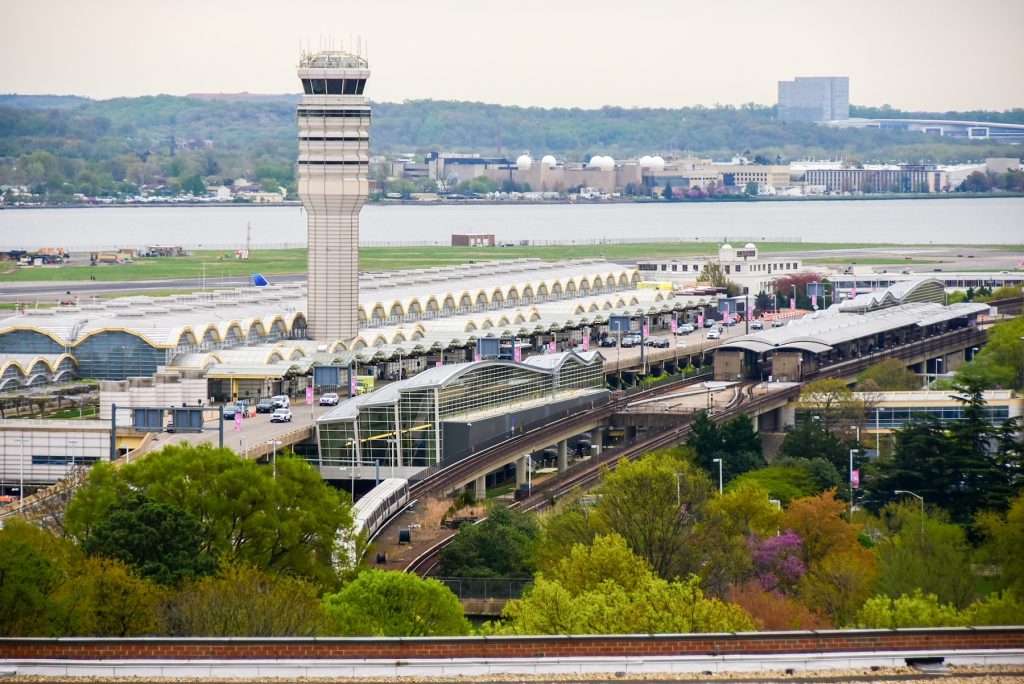
Reagan National Airport
Ronald Reagan Washington National Airport. (Photo: Shutterstock | TJ Brown)

NTSB personnel also determined that neither aircraft was equipped with collision avoidance technology capable of providing effective alerts at the low altitude where the accident occurred. If the American flight had been equipped with an airborne collision avoidance system that used ADS-B In, the crew would have had better position information about the Army helicopter, the agency said. Such a system could have provided a first alert 59 seconds before the collision took place.

The NTSB’s recommendations – issued to the FAA, the Army, the U.S. Department of Transportation, the Department of Defense Policy Board on Federal Aviation, and the RTCA – call for reforms to helicopter route design, air traffic control procedures, data sharing and safety management systems, and collision avoidance technology.

Regulators have already implemented a number of safety measures intended to prevent military-civilian collisions at and around Washington National, with some taking effect within days of the crash. A helicopter route in the area was canceled, and new broadcasting requirements were imposed on military aircraft operating around the airport. An interim rule recently published by the FAA prohibits helicopters and powered lift aircraft from operating in certain areas around Washington National.

The NTSB is expected to issue a final report on the collision in the coming weeks.

Zach Vasile

Zach Vasile is a writer and editor covering news in all aspects of commercial aviation. He has reported for and contributed to the Manchester Journal Inquirer, the Hartford Business Journal, the Charlotte Observer, and the Washington Examiner, with his area of focus being the intersection of business and government policy.
Sign-up for newsletters & special offers!

Get the latest stories & special offers delivered directly to your inbox

SUBSCRIBE