










British jet engine maker Rolls Royce has drawn up plans to cut a significant number of non-engineering jobs in a restructuring as early as Tuesday, per Sky News.
Scope of The Job Cut
Rolls Royce is set to cut 2,000 to 2,500 jobs, or about 6% of its global staff, which measures 50,000 people. The company has around 24,800 employees in the UK; more than 10,000 employees in Germany; and over 6,000 in the US. The cuts will be distributed across its global operations and likely affect hundreds of UK staff. Sky News reports that the company has briefed UK officials on the prospective job reduction.
The cut is expected to cut costs and reduce duplication within the company. The plan sounded familiar to what Airbus did in 2016, where it restructured itself and reduced duplication of management roles to significantly lower costs.
The New CEO’s Push for Efficiency
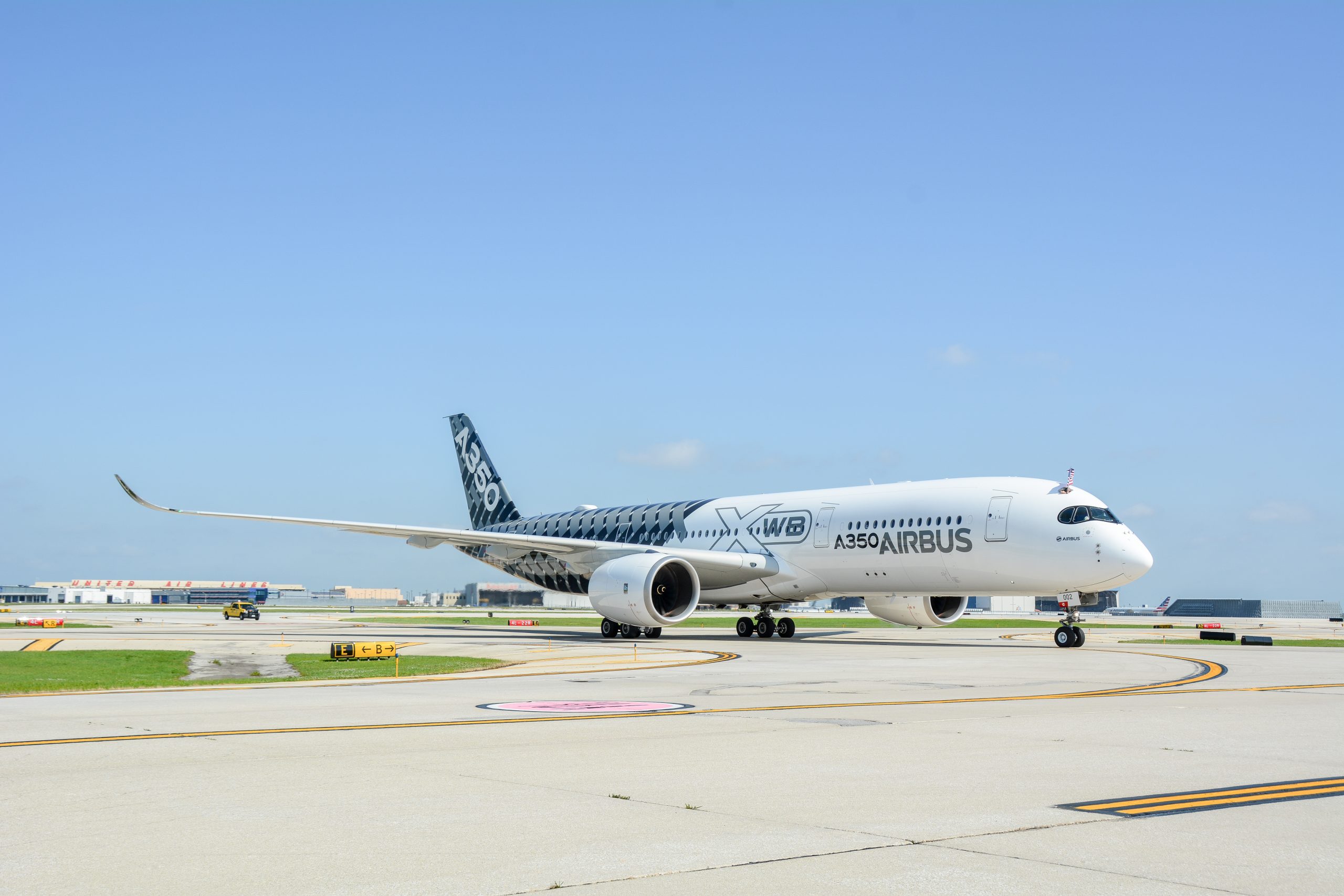
The move will be among the most significant steps taken by Tufan Erginbilgic, who took over as Rolls Royce’s Chief Executive in January 2023. Tufan has said Rolls, which provides engines for Airbus A350 and Boeing 787 planes, is a “burning platform” that needs to improve its cash generation, cut debt, and invest for the future.
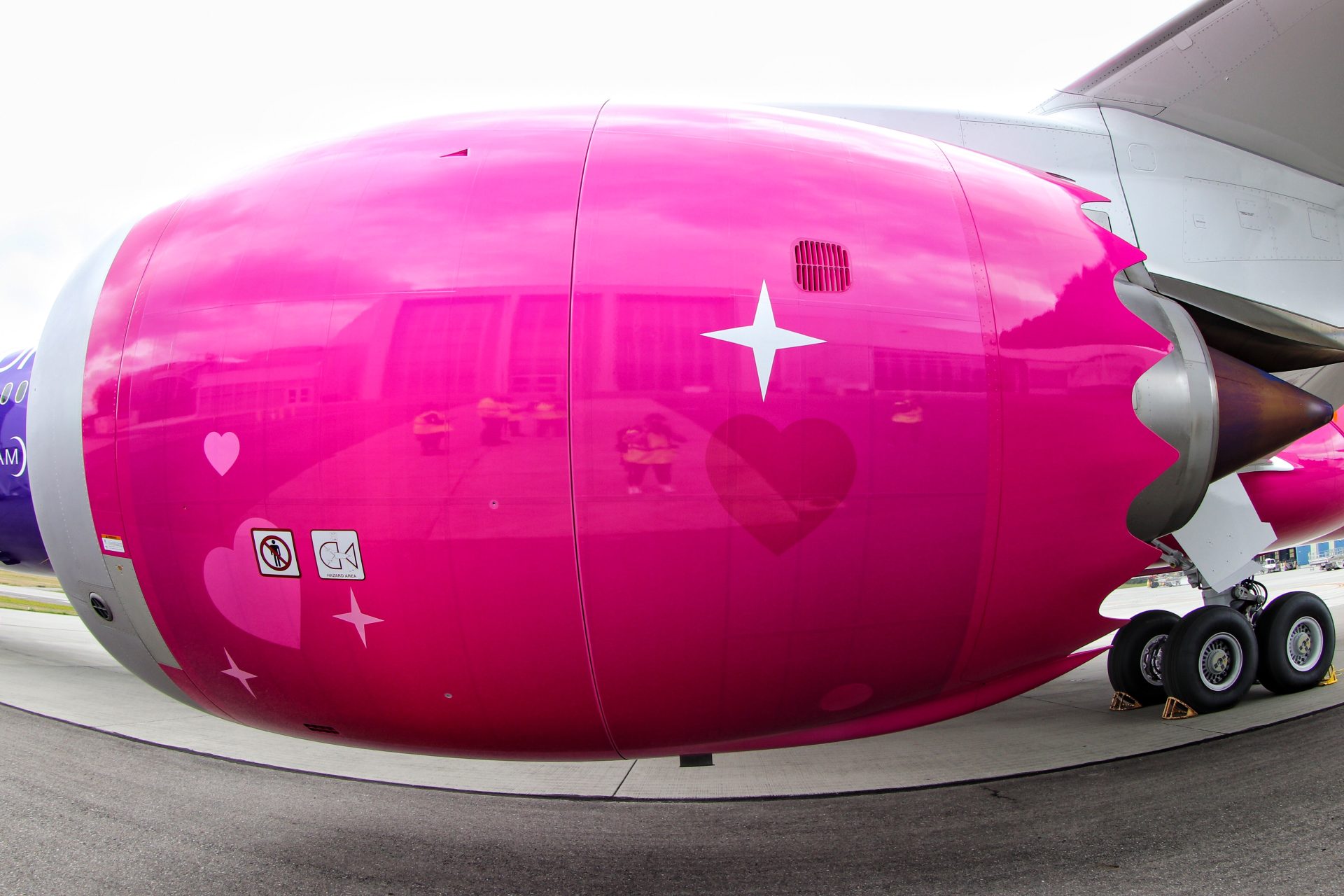
(Photo: AirlineGeeks | Katie Bailey)
Since his inauguration, he’s closed the company’s AI start-up, The R2 Factory venture, though the company stated it would “endeavor to find redeployment opportunities for our people within Rolls-Royce.” The company’s leadership team has also seen shake-ups by the new CEO, with newly appointed CFO and president of Civil Aviation. Shares of the company have risen 120% since the start of the year, driven by the strong air travel recovery and Erginbilgic’s turnaround plans.
Focus of the Engine Maker
“I am honored to be joining Rolls-Royce at a time of significant commercial opportunity and strategic evolution as its customers embrace the energy transition,” Tufan Erginbilgic said in his first public address to the company.
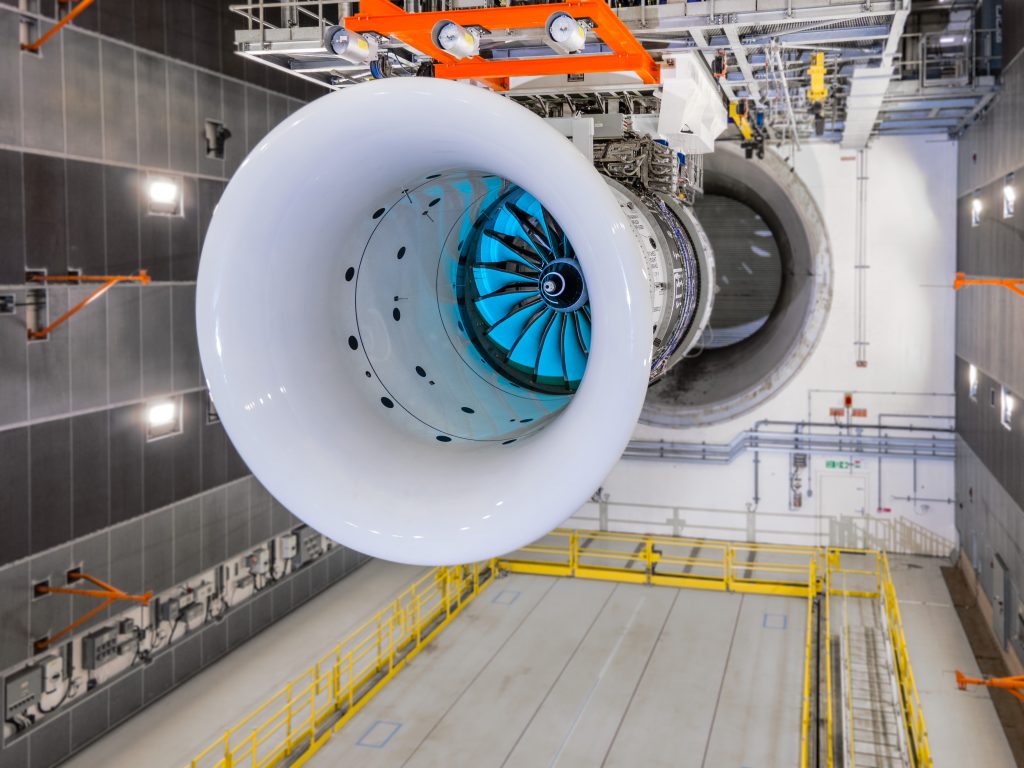
During the Paris Airshow this year, the CEO said that the engine maker did not rule out future partnerships in the narrowbody market. However, it has a sufficient runway for growth in its large engine business. While it does not have an active narrowbody program yet, the company indicated that its new UltraFan technology is scalable and offers the potential to power new narrowbody and widebody aircraft anticipated in the 2030s.
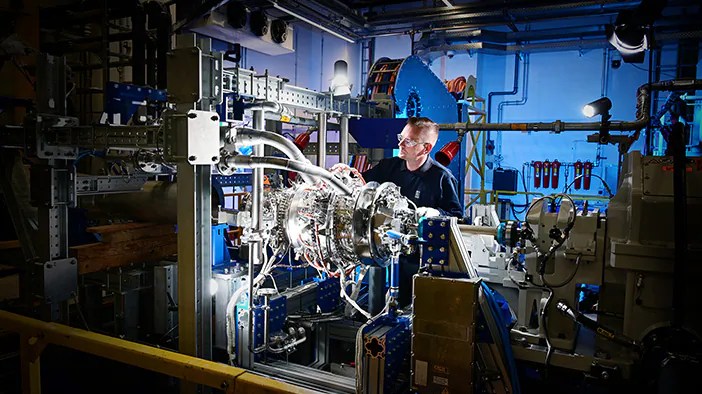
Rolls Royce is a lot more active on the energy transition front, where it partnered with Airbus and EasyJet to launch the Hydrogen in Aviation (HIA) alliance in September to ensure that infrastructure, policy, regulatory, and safety frameworks are ready for when the first hydrogen-powered aircraft takes to the skies. Two weeks ago, it completed the first fuel burn of a new small gas turbine developed for the Advanced Air Mobility (AAM) market.
The non-engineering job cut should free up more capital for the company to focus on its engineering and deliver on its strategic visions.
