










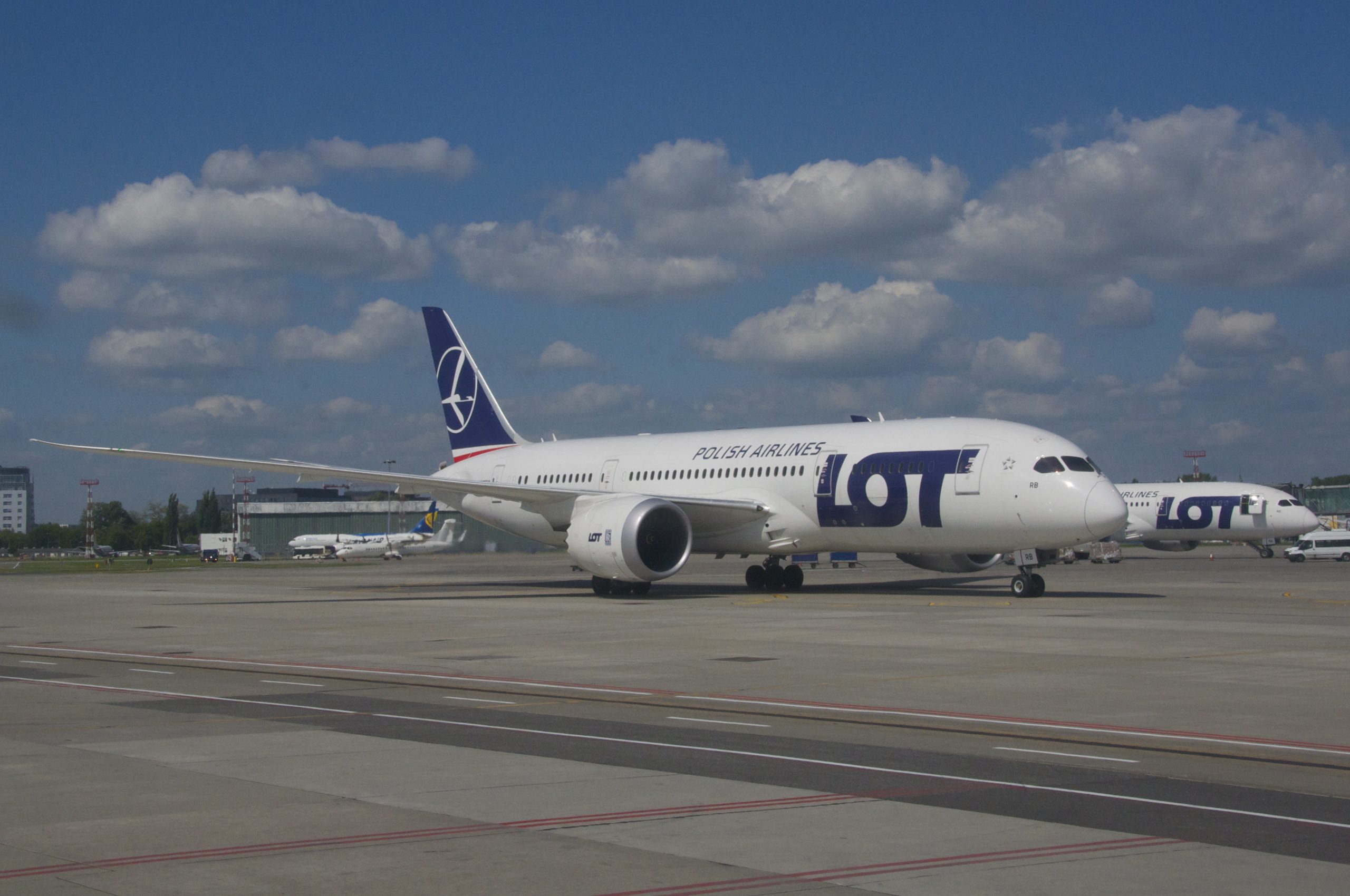

This month, Michał Fijoł, the recently-appointed CEO of LOT Polish Airlines, presented a strategy the carrier will follow in the coming years of 2024-2028. All the boxes in the previous document, outlining the growth for the years 2016-2020, were checked ahead of time in 2019. With air transportation back on the fairly predictable path, it’s time for the next step forward.
The Strategy’s Four Pillars
The strategy will stand on four pillars: to be bigger, better, socially conscious, and financially stable. It is a stable and conservative base for future growth. It is worth noting that the carrier is at the center of gravity of the coming Polish airport hub, known as the Central Port of Communication. Every detail of the strategy can be perceived with this context in mind.
The carrier is profitable, with a healthy profit of 1 billion PLN ($237 mil) for the financial year 2022. This accomplishment will allow the company to pay down the due part of the 2.9 billion PLN ($688 mil) state aid granted to take it through the pandemic. The profitability is set to be carried forward, as the CEO states that the current strategy is less ambitious and more balanced than the previous one.

Nevertheless, the goals are still there and don’t disappoint. The target number of passengers carried is set to reach 17 million and is similar to the current capacity of the LOT’s home Warsaw Chopin Airport. The regional network development, including routes operated from Warsaw-Radom airport, could play its role, but the number probably envisions transferring the operations to the new Solidarity Hub airport mentioned above.
The Core of Any Carrier is its Fleet
LOT’s current fleet will not accommodate such growth. Two items that came with no big surprise were touching the carrier’s fleet, including both the short-haul and the long-haul components.
It was already in the air that LOT was looking for the short-haul fleet renewal. The three issues pointing towards that were the Boeing 737 MAX grounding, which resulted in LOT canceling part of their order for the type; the recent Bombardier Q-400 retirement; and finally the Embraer fleet age, where some of the aircraft are approaching 20 years of service. Therefore, it is said that the carrier should select the future vendor for its short-haul fleet soon. The choice is limited here between Airbus A220 and Embraer E-2 series.

There are mention of new additions, but a retrofit instead when it comes to talking about the long-haul fleet. After years of offering the dated-yet-spacious style of business class, LOT will transition to the direct aisle access product by selecting Recaro as its partner in retrofitting the widebody fleet.
A Fairy Tale About Far East and Middle East
The Asia-oriented network plans do not leave any doubts that LOT will need more widebody planes. There are multiple destinations that are wishfully planned in the Far East that are right about the perfect candidates to be operated by a fleet of Boeing 787 Dreamliners. The shorter routes, on the other hand, including to the Middle East and Central Asia, will be probably operated with narrowbody planes, as the current routes to Dubai and Astana arer. It is surprising that this kind of broad network development plan doesn’t include more Indian routes, as currently LOT operates only Delhi and Mumbai.

A Smart Way to Strengthen the Transatlantic
The transatlantic expansion doesn’t look as broad, but here the emphasis might be put on the quality rather than the quantity. It was already announced that, after terminating partnership with United, LOT intends to sign a codeshare agreement with JetBlue Airways, a strategic move that will finally allow the US officials to use LOT Polish Airlines operated flights to travel under “Fly America Act”. That might be a significant boost to the high-yield portion of the traffic carried by LOT. The destinations selected in the strategy are not all that surprising as some of them were already rumored or have even been announced by the carrier in the past.

