











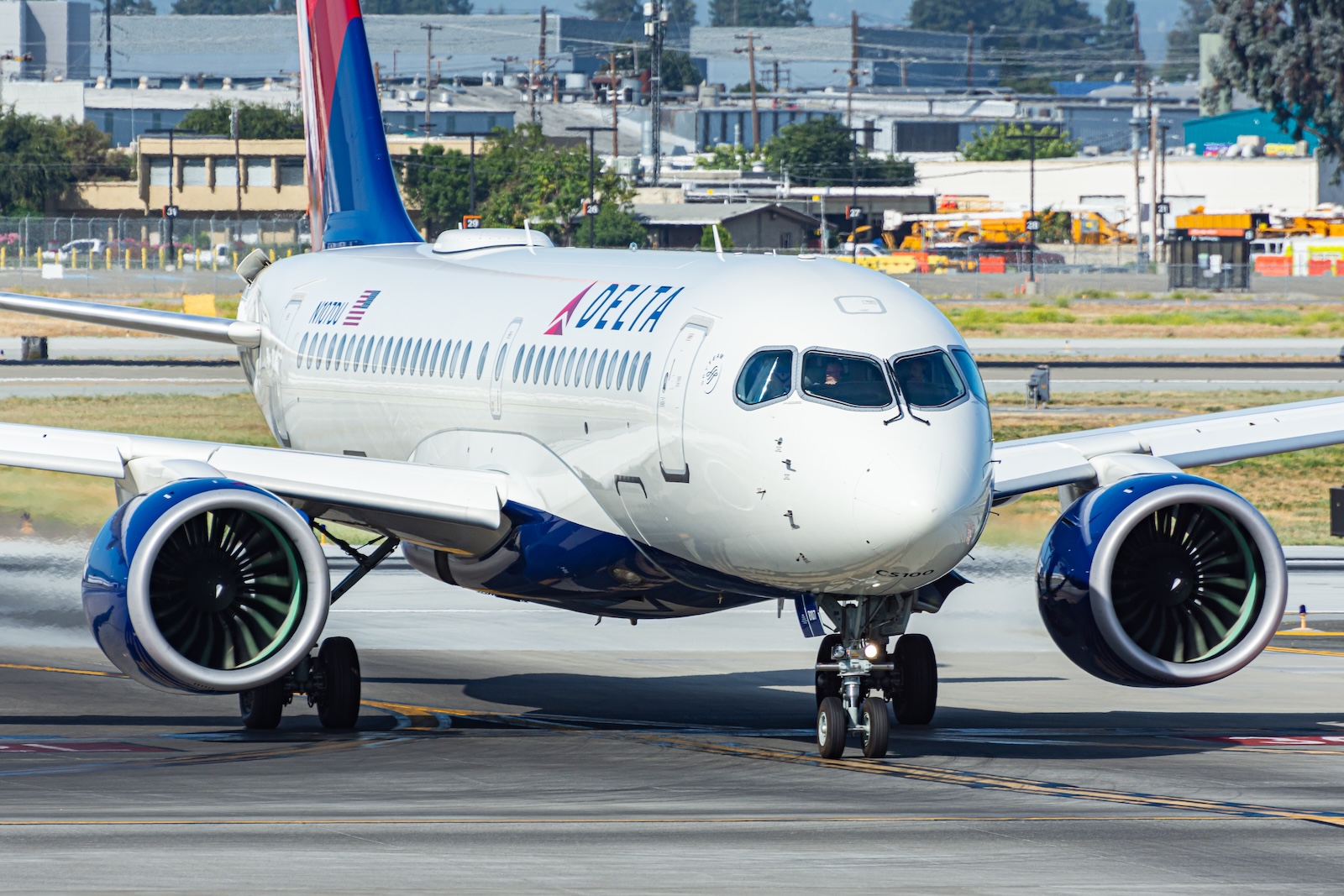


The Trump administration has instructed Delta and Mexican flag carrier Aeroméxico to end their nearly decade-long joint venture within a matter of months.
In a final order issued late Monday, the U.S. Department of Transportation said the alliance no longer serves the flying public’s interests and is exacerbating “market distortions” within Mexico.
The joint venture between Delta and Aeroméxico goes beyond standard interline and codeshare agreements by allowing the carriers to share information and jointly determine routes. Its unconventional structure required a special dispensation from the Transportation Department shielding the partners from federal antitrust enforcement, which was granted during the closing days of the Obama administration in late 2016.
The Trump administration said it is choosing to let that grant of immunity lapse because the Mexican government is illegally intervening to help Delta and Aeroméxico and pushing other U.S. carriers out of the important Mexico City market in the process.
“This action is necessary because of ongoing anticompetitive effects in U.S.-Mexico City markets that provide an unfair advantage to Delta and Aeroméxico as two predominant competitors and create unacceptable actual and potential harm for stakeholders, including consumers,” the Transportation Department’s order stated. “These anticompetitive effects have broader implications beyond Mexico City, affecting competition for passengers and cargo operations in additional markets between the United States and Mexico.”
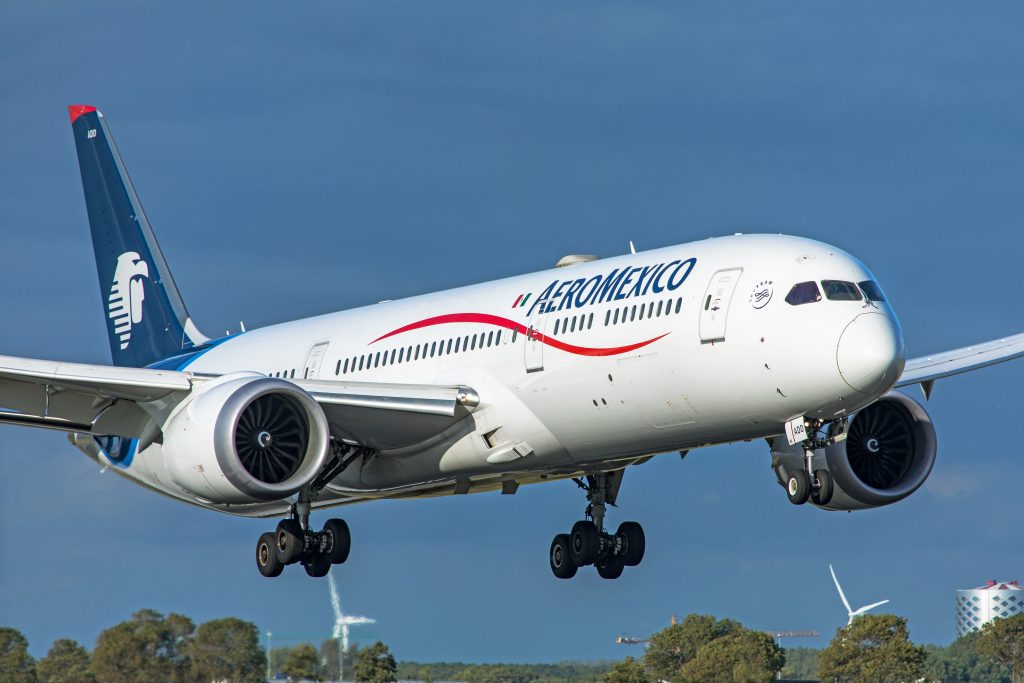
Delta and Aeroméxico’s immunity from antitrust enforcement will expire Jan. 1, 2026, the department said, meaning the joint venture cannot operate past that date.
“We are disappointed that the Department of Transportation has chosen to terminate its approval of the strategic and pro-competitive partnership between Delta and Aeroméxico, a decision that will cause significant harm to U.S. jobs, communities, and consumers traveling between the U.S. and Mexico,” Delta said in a statement on Monday. “We are reviewing the department’s order and considering next steps.”
The carrier said no flights are expected to be canceled as a result of the government’s decision.
‘Too Much At Stake’
The Delta-Aeroméxico alliance has faced growing scrutiny over the last few years. In 2022, under the Biden administration, transportation officials raised concerns about the Mexican government’s decision to unilaterally seize slots from foreign carriers, which was making it harder for U.S. airlines like Alaska Airlines and JetBlue to access Mexico City International Airport, the busiest airport in Mexico.
The situation worsened in 2023 when the Mexican government, citing congestion problems, ordered U.S. cargo operators like FedEx and UPS to relocate from Mexico City International Airport to the recently opened Felipe Ángeles International Airport. Felipe Ángeles is considered a less desirable landing point for freight carriers, as it is further away from Mexico City and increases logistical hurdles.
By 2024, the Transportation Department had tentatively decided to let the antitrust immunity agreement expire. Both carriers urged the department to reconsider and claimed the decision violated their due process rights while failing to show that any U.S. carriers were materially harmed.
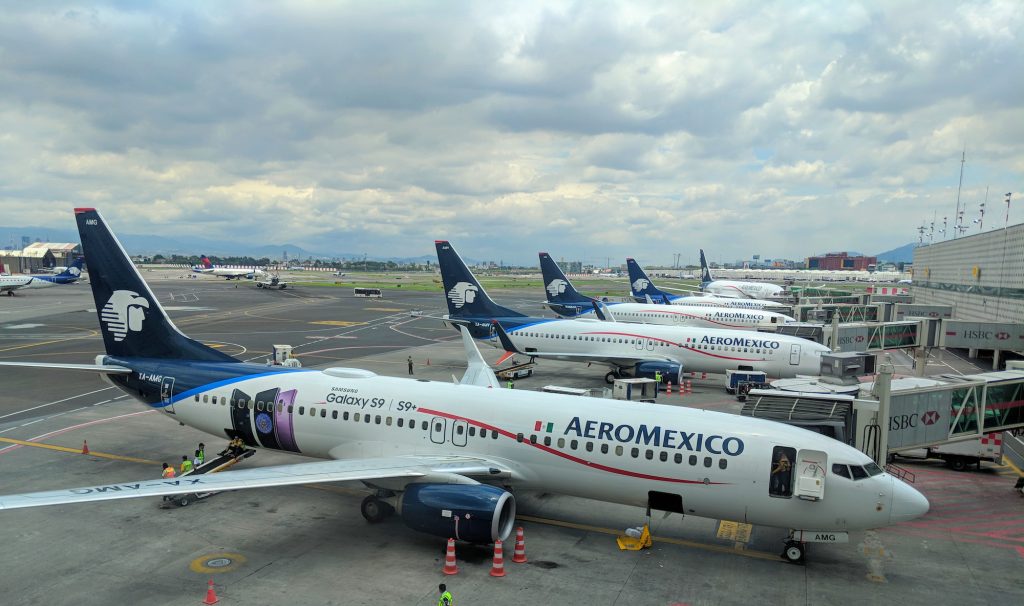
The Trump administration took up the issue in July, telling Delta and Aeroméxico that it was inclined not to renew their antitrust protection because of the Mexican government’s unfair interventionist policies, which allegedly violated air transport agreements between the U.S. and Mexico.
Delta and Aeroméxico maintain that their joint venture promotes commerce and competition, but the Transportation Department on Monday rejected that argument, saying the partners’ “unique privileges” are no longer warranted.
“The joint venture is exacerbating the competitive issues that are present and growing,” the department said. “An immunized alliance is not an entitlement. Far too much is at stake when the question is whether two airlines should comply with the U.S. antitrust laws.”
The Transportation Department clarified that it is not opposed to Delta and Aeroméxico continuing other aspects of their relationship, like codesharing. Delta’s 20% stake in Aeroméxico will also remain intact.