Stories

Union: ‘There Was Never a Pilot Shortage’

ALPA leader argues low wages and pandemic disruptions — not a lack of interest — reduced pilot supply.

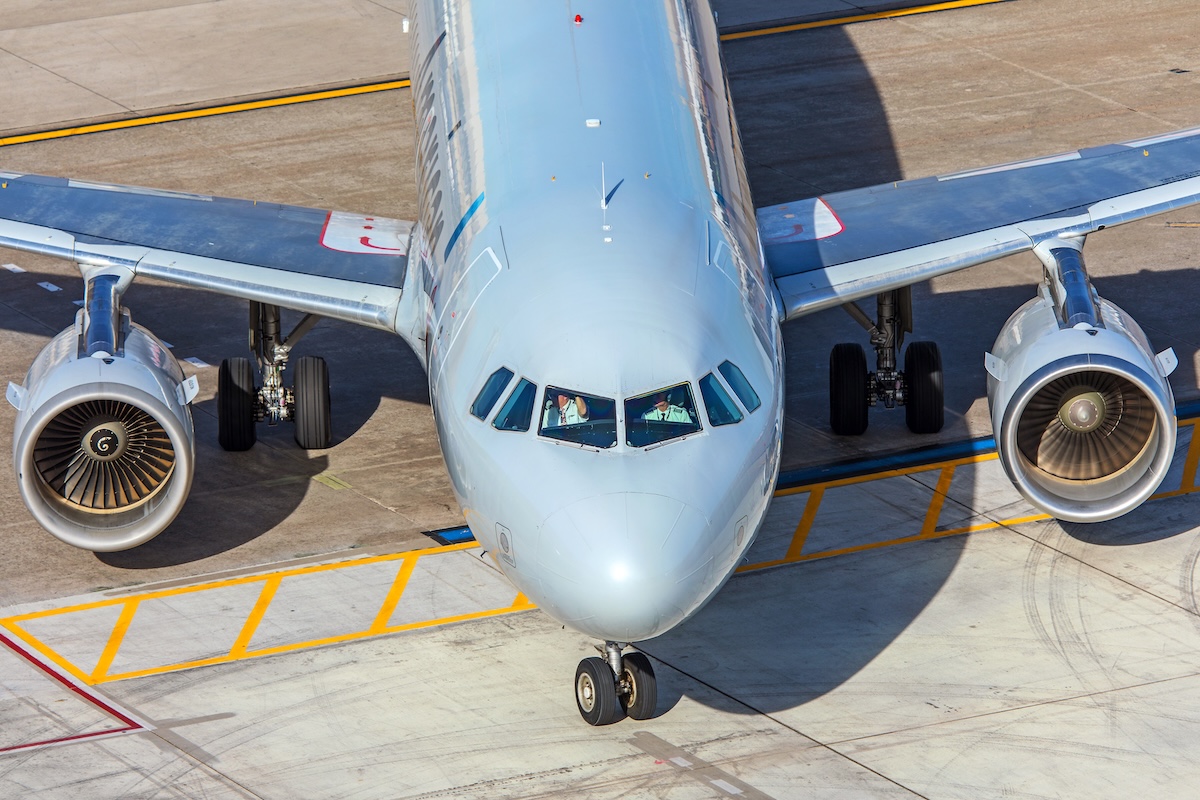
An American A319 in Phoenix
An American A319 in Phoenix (Photo: AirlineGeeks | William Derrickson)

Air Line Pilots Association (ALPA) first vice president, Captain Wendy Morse, said the airline industry did not experience a true pilot shortage in recent years, instead attributing hiring challenges to what she called a prolonged “pipeline problem” caused by low regional airline wages, high training costs, and repeated shocks to the aviation labor market.

“There is no pilot shortage. There was never a pilot shortage,” Morse said during Skift’s Aviation Forum last week. She argued that the decline in new aviators stemmed from industry conditions that made flying a less viable career path. 

“Salaries [were] so low that nobody wanted to be a pilot anymore,” she said, adding that the post-9/11 downturn and the bankruptcy era at major U.S. carriers discouraged a generation of prospective pilots.

Morse offered an example from her own family, recalling when one of her sons considered entering the profession. After weighing a high university tuition bill against starting regional airline pay of around $20,000 per year at the time, he ultimately chose a different path. “If you’d like to be a pilot for the love of flying, go be a pilot,” she told him, but added that the career outlook then was vastly different from what new aviators encounter today.

She said similar disruptions appeared during the COVID-19 pandemic when flight training slowed, and new-hire pipelines tightened. “Everything kinda shut down… the pipeline wasn’t there,” she said.

Supply-and-Demand Gap

Industry forecasts continue to show a measurable supply-and-demand gap, even as conditions improve. Oliver Wyman’s latest North American outlook projects a shortage of roughly 13,300 pilots by 2032. The U.S. Bureau of Labor Statistics estimates about 18,200 annual openings for commercial pilots through the next decade, largely driven by retirements and long-term demand.

Morse’s comments align with earlier statements from ALPA leadership, who have repeatedly argued that market conditions — not an absolute lack of pilots — shaped hiring trends. In an April interview with AirlineGeeks, ALPA’s president said claims of a nationwide pilot shortage were exaggerated and pointed instead to compensation and training barriers. 
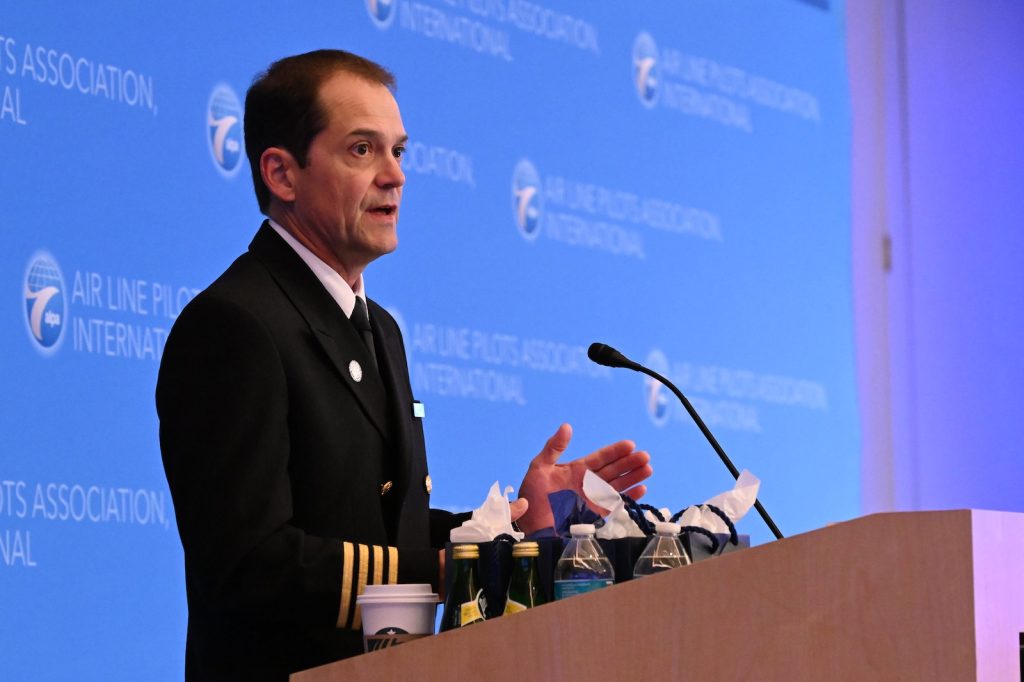
ALPA President Jason Ambrosi
ALPA President Jason Ambrosi (Photo: ALPA)

Some airline leaders have voiced similar assessments. Sun Country CEO Jude Bricker said in May that the pilot shortage was effectively over for his carrier, noting that training throughput and hiring had stabilized and that the airline was no longer constrained by cockpit staffing. 

Morse said the present-day environment looks markedly different from the conditions that shaped earlier downturns. “As long as you keep an airline industry that people want to work in — and we have that right now,” she continued.

She added that financial performance at major carriers has strengthened in recent years, calling the shift “a nice turnaround” compared with earlier portions of her four-decade career at United.

ALPA represents around 80,000 pilots in North America, including those at United and Delta.

Ryan Ewing

Ryan founded AirlineGeeks.com in February 2013 and has spent more than a decade covering the airline business. His work has been featured by CNN, WJLA, CNET, and Business Insider. His aviation experience spans airport operations, Part 135 regulatory compliance, and airline crew workforce planning, along with time behind the yoke of a Cessna 172 and interviews with airline executives. Ryan now serves as Group President of Firecrown Media’s Aviation Group. He holds a B.S. in Air Transportation Management and an MBA from Arizona State University and teaches Airline Management at Embry-Riddle Aeronautical University.

Alaska Starts Ticket Sales For London Route

Service will start in May 2026.

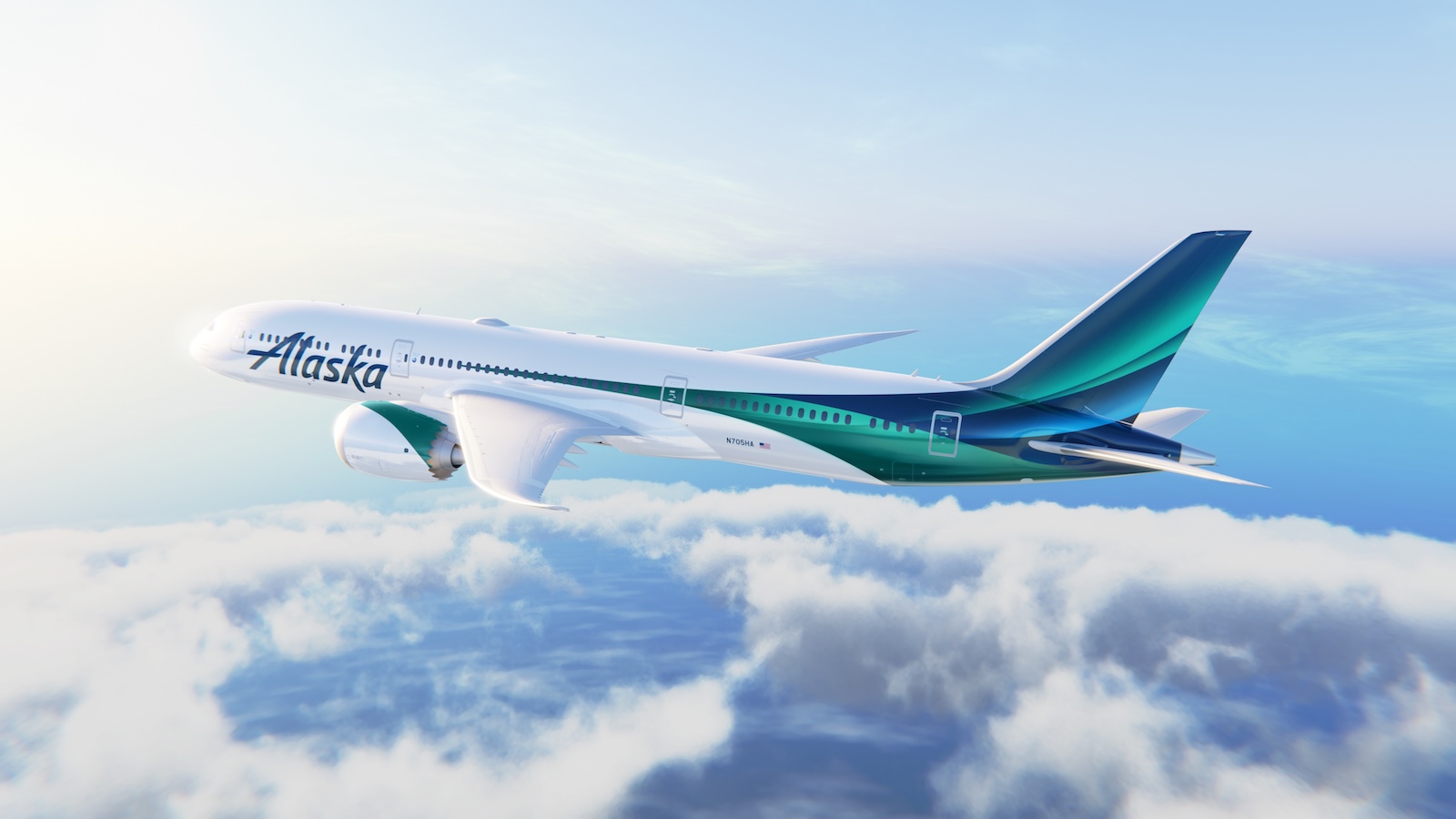
Alaska 787-9 livery
Alaska's new 787-9 livery. (Photo: Alaska Airlines)

Tickets are now on sale for Alaska Airlines’ upcoming long-haul route linking Seattle and London.

The new connection, first announced earlier this year, will launch May 21, 2026, the carrier said Tuesday. Alaska plans to operate the route daily with a Boeing 787-9 aircraft.

Both the flight from Seattle to London and the return flight from London to Seattle will depart in the evening, allowing travelers to spend their whole day in either city before boarding their flight. Alaska said the timing is a potential benefit for business travelers in particular.

The carrier will operate out of London Heathrow’s Terminal 3, facilitating connections to Europe via other oneworld members.

By mid-2026, Alaska will offer five intercontinental destinations from Seattle. The airline will start seasonal routes to Rome and Reykjavik, Iceland, in April and May, respectively. Flights to Tokyo and Seoul are already operating.

Zach Vasile

Zach Vasile is a writer and editor covering news in all aspects of commercial aviation. He has reported for and contributed to the Manchester Journal Inquirer, the Hartford Business Journal, the Charlotte Observer, and the Washington Examiner, with his area of focus being the intersection of business and government policy.

American Plans New Route, Cuts Two

The carrier is shaking up its East Coast network.

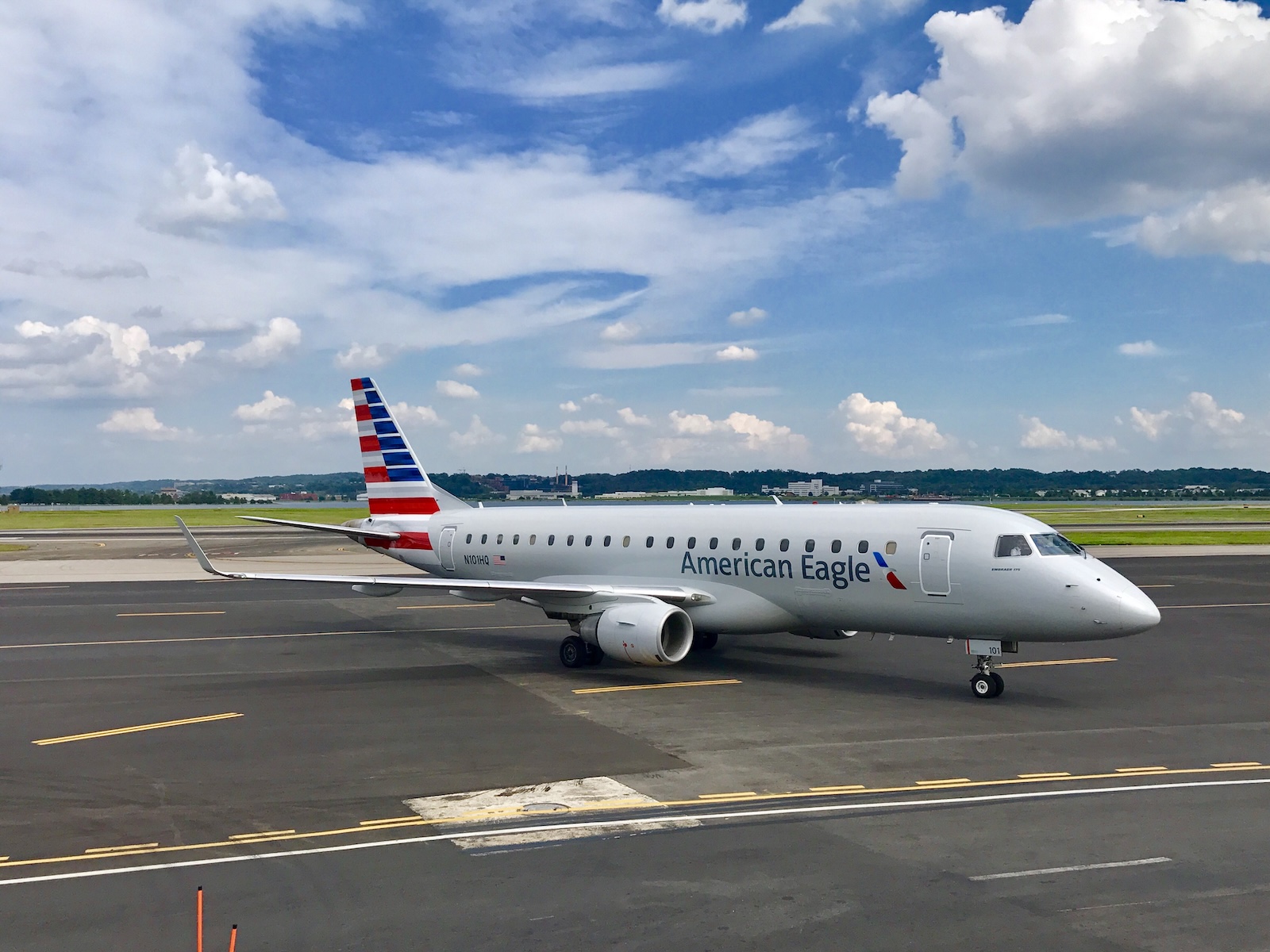
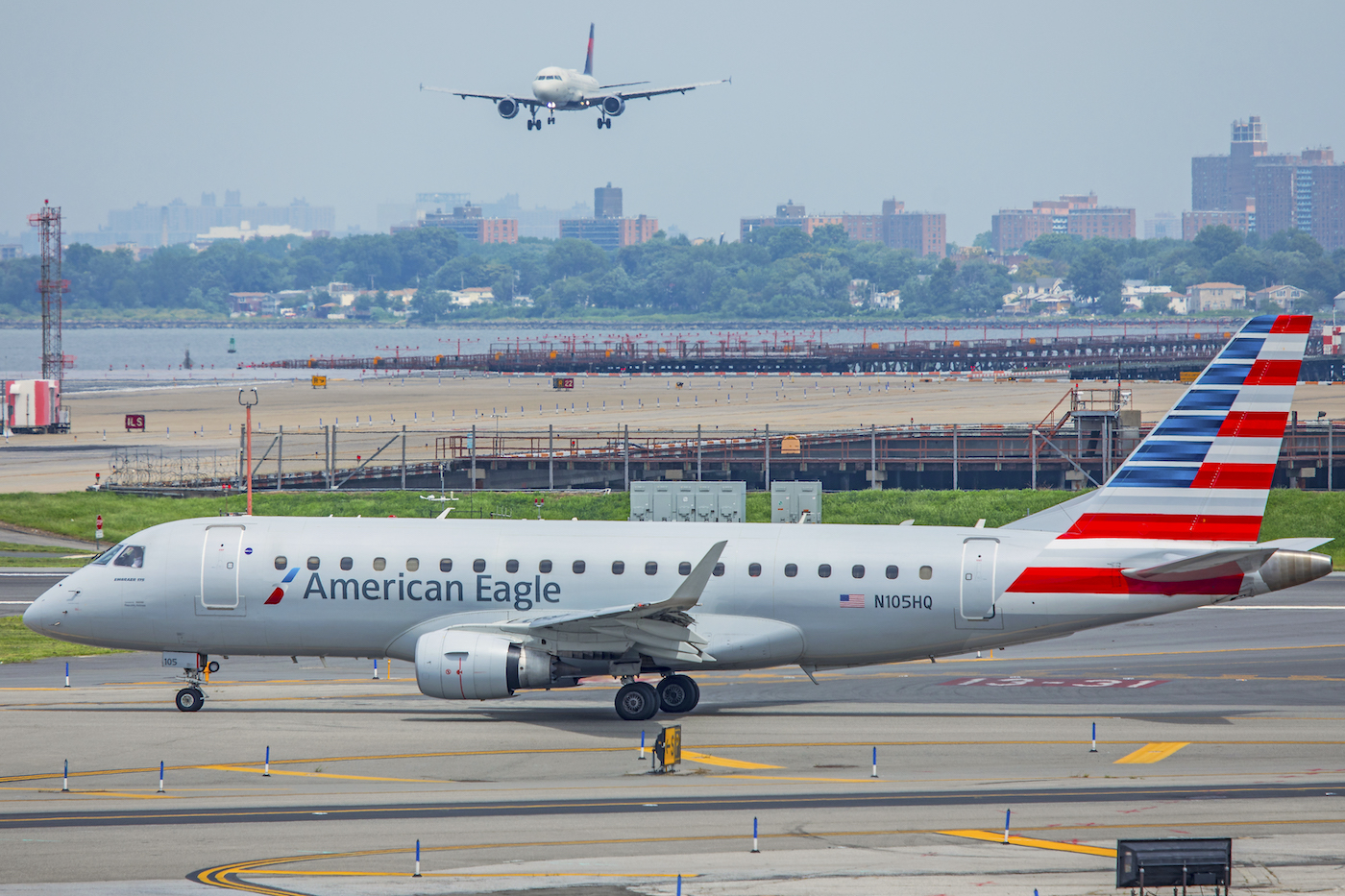
American Eagle jet
An American Eagle Embraer jet. (Photo: Ryan Ewing)

American is planning to launch a new 91-mile route next year, while also suspending two more. 

According to schedule data from aviation analytics company Cirium, the airline will start connecting Boston and Nantucket, Massachusetts. Flights are slated to begin on June 18, operating daily on a Republic Airways Embraer E175.

Both JetBlue and Cape Air currently serve this intra-state market. 

Route Cuts

American will also axe two routes in 2026. Twice-daily service between New York-JFK and Toronto is scheduled to end on May 20. 

The carrier has linked the two airports for over two decades.

In addition, American’s seasonal service between Philadelphia and Hilton Head, South Carolina, will not return through next summer. The route will operate four times in June 2026, but won’t continue in July or August. 

An airline spokesperson could not be immediately reached for comment on the network changes.

Ryan Ewing

Ryan founded AirlineGeeks.com in February 2013 and has spent more than a decade covering the airline business. His work has been featured by CNN, WJLA, CNET, and Business Insider. His aviation experience spans airport operations, Part 135 regulatory compliance, and airline crew workforce planning, along with time behind the yoke of a Cessna 172 and interviews with airline executives. Ryan now serves as Group President of Firecrown Media’s Aviation Group. He holds a B.S. in Air Transportation Management and an MBA from Arizona State University and teaches Airline Management at Embry-Riddle Aeronautical University.

DOT Cancels Southwest’s Final Payment For 2022 Holiday Meltdown

The carrier received an $11 million credit for improving its operations.

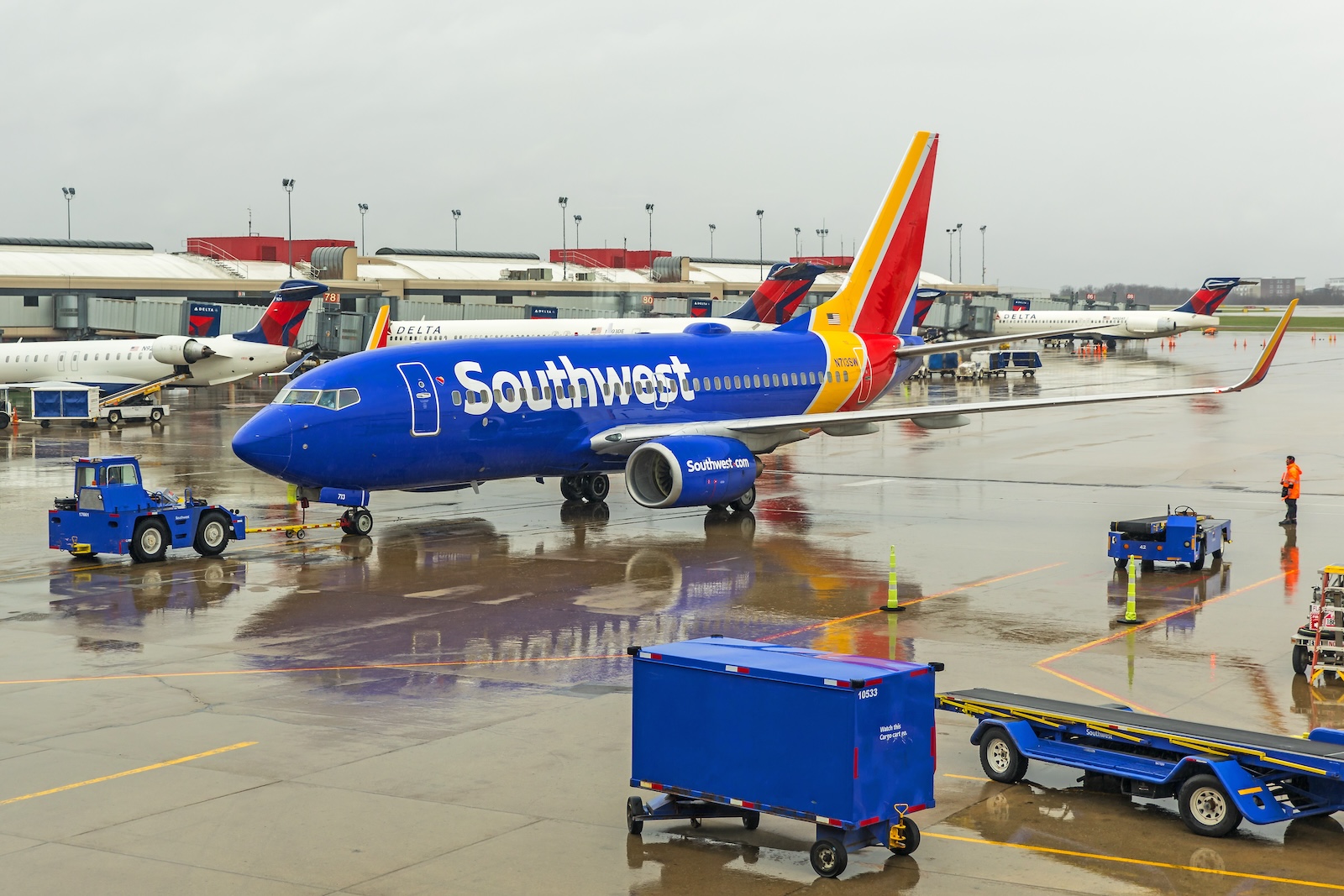
Southwest 737
A Southwest 737. (Photo: AirlineGeeks | William Derrickson)

Southwest will not have to pay the final $11 million installment of a penalty it received for wide-scale operational disruptions during the holiday travel season three years ago.

In a recent order, the U.S. Department of Transportation said it is providing Southwest with an $11 million credit in lieu of the payment “for significantly improving its on-time performance and completion factor” through a $112.4 million investment in its network operations control.

“DOT believes that this approach is in the public interest as it incentivizes airlines to invest in improving their operations and resiliency, which benefits consumers directly,” the order states. “This credit structure allows for the benefits of the airline’s investment to be realized by the public, rather than resulting in a government monetary penalty.”

Southwest canceled thousands of scheduled flights in December 2022 due to a massive technology failure. The outage coincided with a major winter storm that impacted much of the Midwest and East Coast and further hampered holiday travel. The news media, and later the DOT, dubbed the event a “meltdown.”

The federal government fined Southwest $140 million over the fiasco, with $35 million due to the U.S. Department of the Treasury. The carrier paid $12 million toward the penalty in February 2024 and another $12 million in January of this year, leaving $11 million outstanding until the DOT’s recent decision.

Transportation officials said Southwest has invested over $1 billion in its operations to improve performance and reliability since the winter of 2022.

Zach Vasile

Zach Vasile is a writer and editor covering news in all aspects of commercial aviation. He has reported for and contributed to the Manchester Journal Inquirer, the Hartford Business Journal, the Charlotte Observer, and the Washington Examiner, with his area of focus being the intersection of business and government policy.

IATA: Global Airline Industry Set For Record Profits

The trade group said carriers are showing resilience despite headwinds from supply chain problems and sluggish trade.

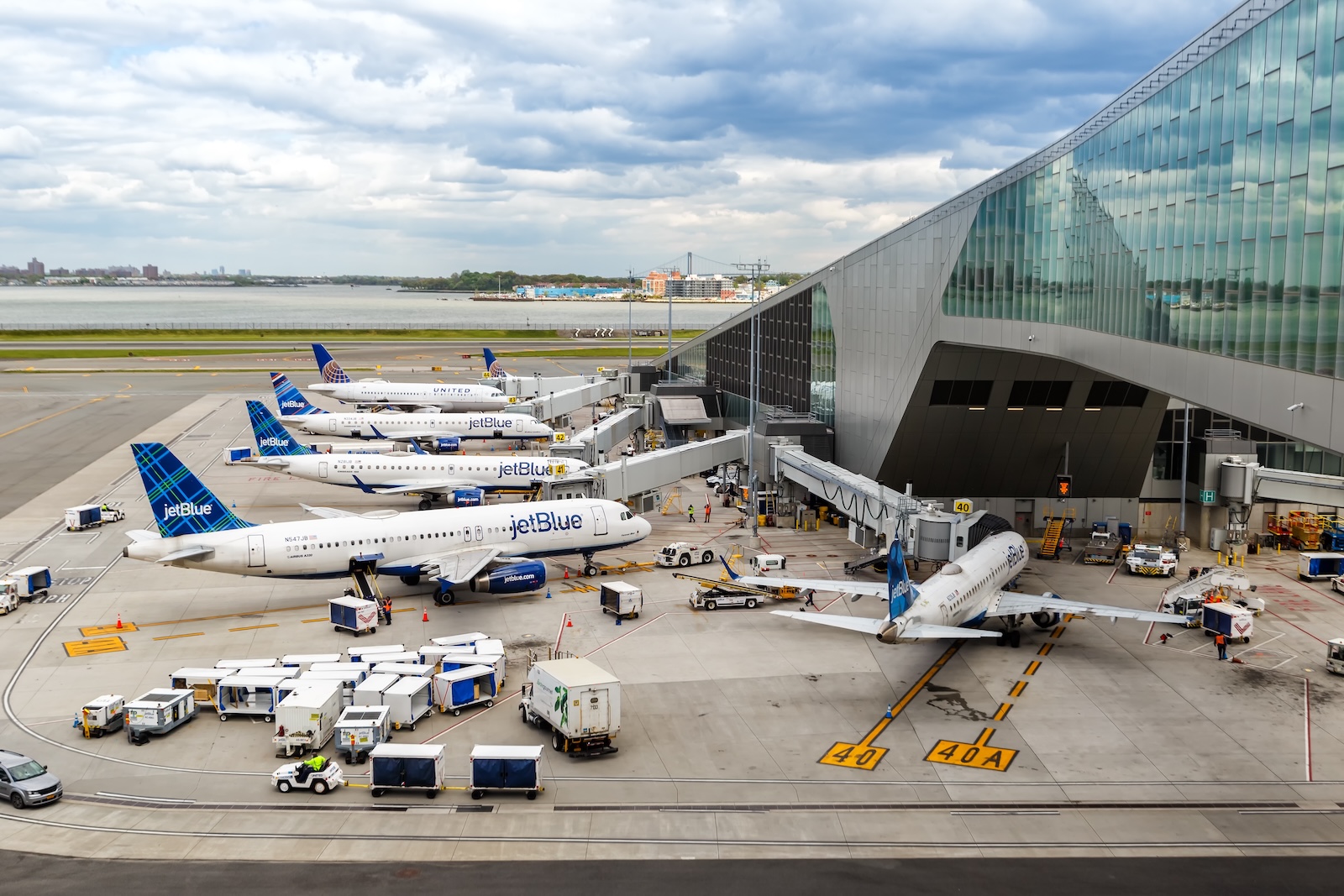
United and JetBlue aircraft
United and JetBlue aircraft. (Photo: Shutterstock | Markus Mainka)

The global airline industry will post record profits next year despite delays in new aircraft deliveries and other headwinds, the International Air Transport Association forecast this week.

The trade group said the airline sector will generate a total net profit of $41 billion in 2026, up from $39.5 billion in 2025. Operating profits will climb from $67 billion to $72.8 billion, the IATA predicted, while total industry revenues will reach just over $1 trillion, up 4.5% over the current year.

The industry’s net profit margin is expected to remain stable at 3.9%. Net profit per passenger transported is expected to be $7.90, unchanged from 2025 but below a high of $8.50 in 2023.

In a statement, IATA General Director Willie Walsh said the forecast is “welcome news” considering the various challenges the industry faces, including “bottlenecks in the aerospace supply chain, geopolitical conflict, sluggish global trade, and growing regulatory burdens.”

“Airlines have successfully built shock-absorbing resilience into their businesses that is delivering stable profitability,” Walsh said.

Some factors weighing in favor of the airlines are expected growth in revenue passenger kilometers, stable GDP, easing inflation, and strong results from cargo operations.

Walsh singled out cargo’s performance as “particularly impressive” given the economic turbulence of 2025.

“As trade flows adapt to a protectionist U.S. tariff regime, air cargo has been the hero of global trade buoyed in part by robust e-commerce and semiconductor shipments to support the boom in AI investments,” he said. “Notably, air cargo enabled front-loading to deliver products ahead of tariff deadlines, and it flexibly accommodated demand surges as tariffed goods normally destined for the U.S. found new markets. The critical role of air cargo is front and center as the global economy adjusts to new realities.”

Still, the IATA warned that most of the factors dragging down growth in the airline industry will not meaningfully improve in 2026. The global backlog in aircraft will continue to grow, infrastructure constraints will likely persist, and regulatory costs, particularly in Europe, will remain high, the trade group said.

Carriers are also expected to run up against rising aircraft maintenance costs, meagre gains in fuel efficiency, and stagnating employment productivity.

Zach Vasile

Zach Vasile is a writer and editor covering news in all aspects of commercial aviation. He has reported for and contributed to the Manchester Journal Inquirer, the Hartford Business Journal, the Charlotte Observer, and the Washington Examiner, with his area of focus being the intersection of business and government policy.

ALPA Says Single-Pilot Efforts Not Finished

Union leader warns reduced-crew concepts could reemerge despite recent setbacks.

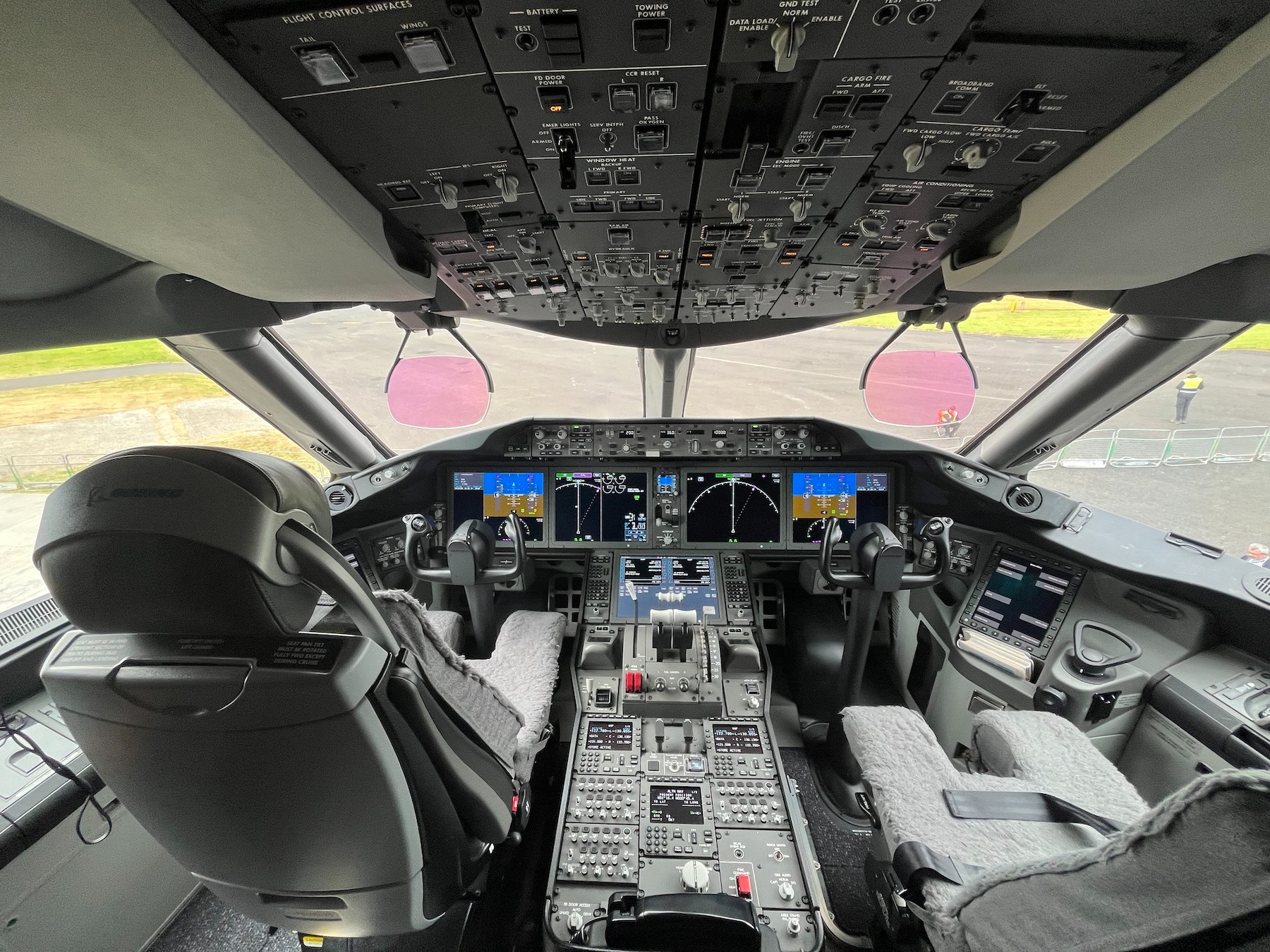
Inside a Boeing 787 Dreamliner flight deck at the Farnborough Airshow
Inside a Boeing 787 Dreamliner flight deck at the Farnborough Airshow. (Photo: AirlineGeeks | William Derrickson)

The Air Line Pilots Association (ALPA) says industry efforts to move toward single-pilot airline operations have slowed but remain a concern, according to comments from its First Vice President Captain Wendy Morse, who cautioned that recent pushback has resulted in a pause — not an end — to reduced-crew proposals.

Speaking at the Skift Aviation Forum last week, Morse said ALPA’s “Safety Starts With 2” campaign was launched in response to initiatives — backed at various points by Airbus and European regulators — to explore single-pilot operations on long-haul flights. The concept, she said, was driven by cost. 

“Airbus decided that it was a really good idea to have one pilot in the cockpit because it would cost less money,” she said.

Morse described scenarios explored under the proposal, such as allowing a pilot to leave the controls to use onboard facilities while the other rests. “They actually say, ‘Well, we have two pilots — one of them in rest,’” she said. “Okay, what happens when that pilot that’s got the controls needs to use the facilities? … Who’s at the controls? Oh, nobody’s at the controls.”

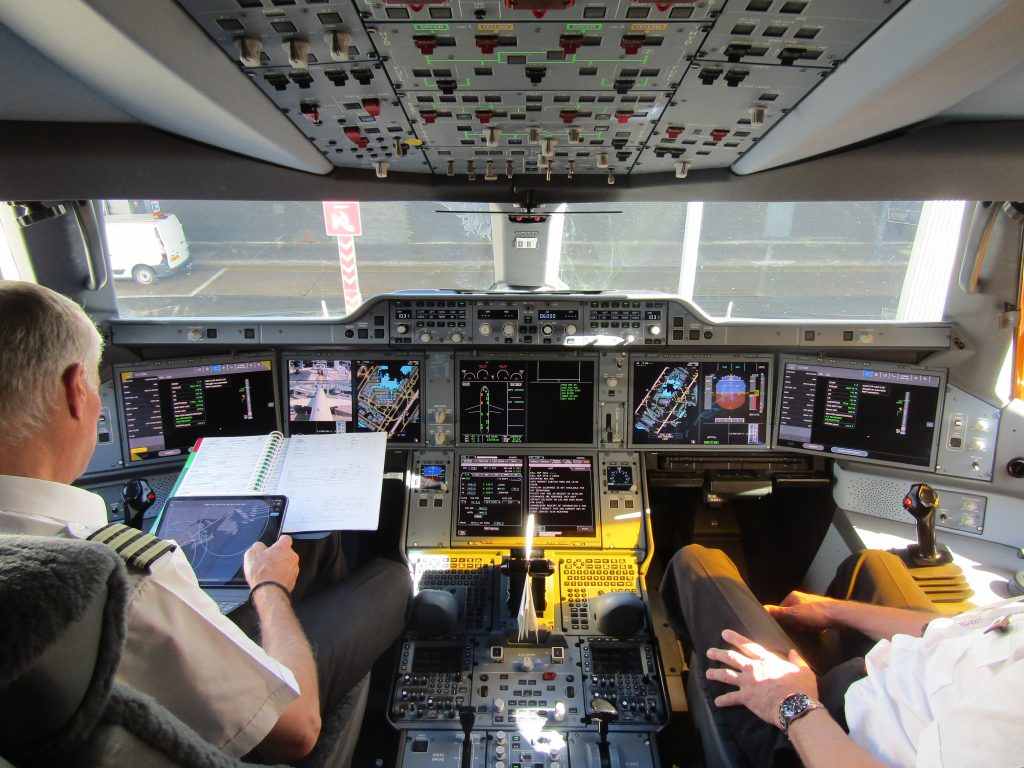
A350 cockpit
The cockpit of a Virgin Atlantic Airbus A350-1000 XWB. (Photo: AirlineGeeks | Tom Pallini)

She said ALPA’s opposition, along with broader industry resistance, helped stall the idea. “We pushed them back,” Morse said. “But I think it’s paused and not over. So we will have to continue that fight.”

Morse added that dual-pilot operations remain essential in complex and dynamic environments. “You need two wings,” she said, referencing the union’s messaging. “Safety starts with two.” 

She said the union expects future attempts to revive reduced-crew concepts as manufacturers and operators continue to evaluate cost-saving measures.

The discussion came as Morse emphasized the importance of maintaining strong manual-flying skills and foundational training, saying safety data continues to show the need for pilots to remain fully engaged in aircraft operation. She also said technological advancements — including automation, real-time turbulence tools, and terrain-avoidance systems — should support, not replace, pilot decision-making.

Ryan Ewing

Ryan founded AirlineGeeks.com in February 2013 and has spent more than a decade covering the airline business. His work has been featured by CNN, WJLA, CNET, and Business Insider. His aviation experience spans airport operations, Part 135 regulatory compliance, and airline crew workforce planning, along with time behind the yoke of a Cessna 172 and interviews with airline executives. Ryan now serves as Group President of Firecrown Media’s Aviation Group. He holds a B.S. in Air Transportation Management and an MBA from Arizona State University and teaches Airline Management at Embry-Riddle Aeronautical University.

United, Delta Take Stakes in Republic

Republic and Mesa formally merged as Republic Airways Holdings in November.

Republic E170
A Republic Airways Embraer 170 in New York. (Photo: AirlineGeeks | William Derrickson)

United and Delta have taken minority stakes in Republic Airways Holdings following the merger of Republic and Mesa Airlines last month.

According to Republic’s recent filings with the U.S. Securities and Exchange Commission, United has acquired about 7.7 million shares, while Delta has taken around 6.7 million shares, making both airlines over 10% owners in the combined company. Delta had owned stock in the pre-merger Republic, and each share was automatically converted into the right to receive 38.9 shares of the new company upon the merger’s close.

Both acquisitions were initiated on Nov. 25, the day the merger closed.

Republic said in its Form 8-K that it has approximately 46.9 million shares of common stock outstanding, including about 1.2 million restricted shares subject to vesting terms of equity awards and about 2.8 million escrow shares.

Republic and Mesa completed their merger in November. The combined business now owns the world’s largest Embraer fleet, with nearly 300 E170 and E175 aircraft, and operates over 1,300 daily departures, making it one of the largest regional airlines in the U.S.

Even though they are now legally one company, the two carriers will maintain parallel operations until they can be consolidated into a single operating certificate.

Republic and Mesa will continue to operate flights for their current airline partners. Republic has service agreements with United, Delta, and American, while Mesa works only with United, flying as United Express.

Zach Vasile

Zach Vasile is a writer and editor covering news in all aspects of commercial aviation. He has reported for and contributed to the Manchester Journal Inquirer, the Hartford Business Journal, the Charlotte Observer, and the Washington Examiner, with his area of focus being the intersection of business and government policy.

Union Blocks Allegiant’s Push for Foreign Pilots

Teamsters Local 2118 refused to certify that the pilot positions meet “prevailing wage” standards.

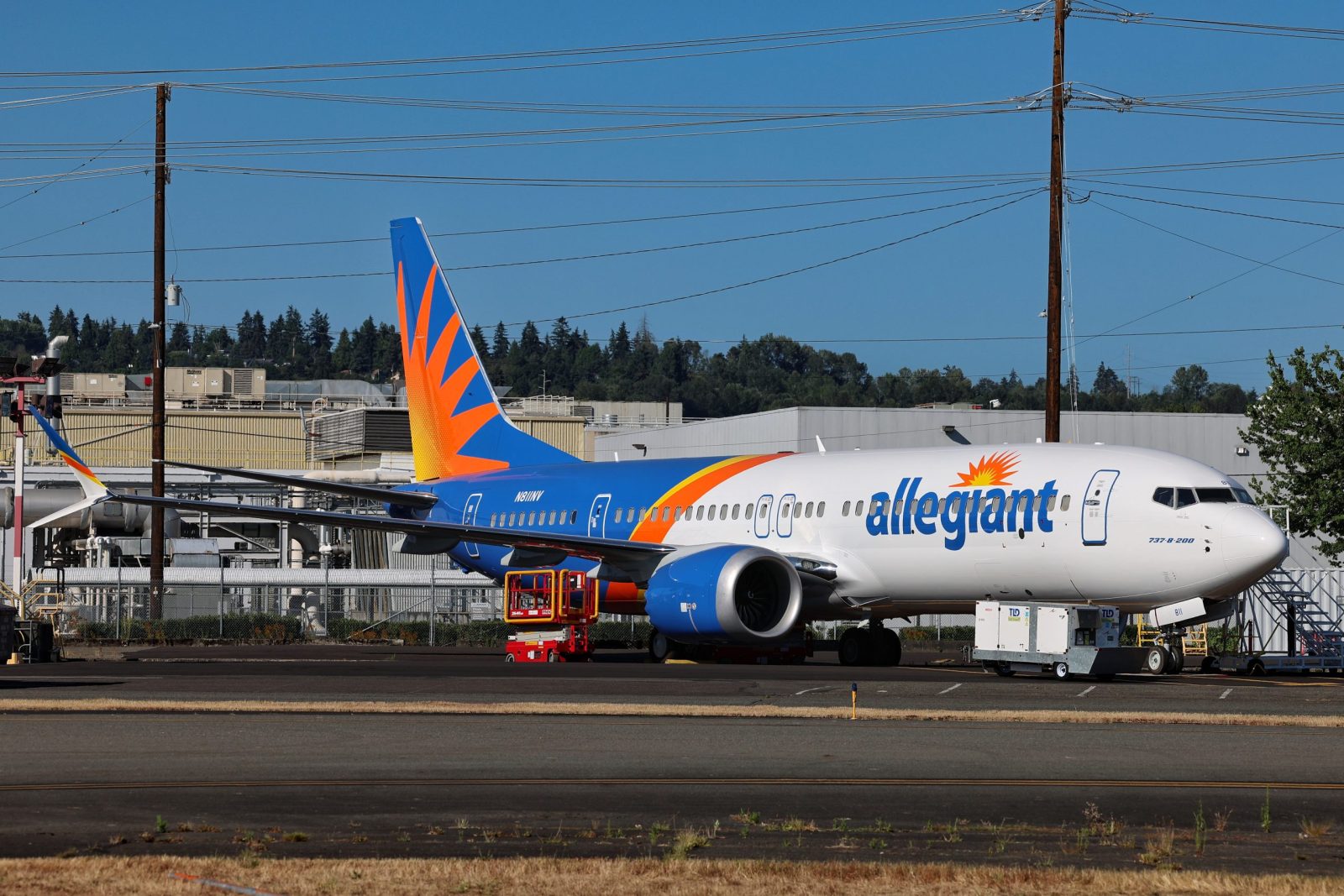
An Allegiant 737 MAX at Boeing Field.
An Allegiant 737 MAX at Boeing Field. (Photo: AirlineGeeks | Katie Zera)

The labor union representing pilots at Allegiant is reportedly blocking the low-cost airline’s attempt to secure permanent U.S. residency for about 60 foreign pilots.

Reuters reported Saturday that the union refused to certify to the U.S. Department of Labor that the pilot positions meet “prevailing wage” standards, a critical regulatory step in getting foreign pilots their green cards. The positions start at around $50,000 per year.

Teamsters Local 2118 said it has asked Allegiant to focus on raising pay to attract more U.S. pilots, and to keep current employees from leaving for a competitor.

Allegiant told Reuters that it currently employs approximately 62 pilots from Chile, Australia, and Singapore through H-1B1 and E-3 visa programs, amounting to about 4% of its total pilot workforce. The foreign pilots act as a supplement, not a replacement, for U.S. pilots, the carrier emphasized.

The union disputed Allegiant’s rationale, arguing that there is no longer a pilot shortage in the U.S. and that the company could take steps to ameliorate staffing uncertainty by paying better wages.

“They had such a hard time in ‌2023 finding pilots, they actually started hiring visa pilots out of Chile on an H-1B1 because they promised them citizenship, a green card verbally to come fly in America for 50,000 bucks a year,” Gregory Unterseher, director of the airline division of ‍the International Brotherhood of Teamsters, told Reuters. “Because they’re having such a hard time keeping and maintaining pilots at such a low wage.”

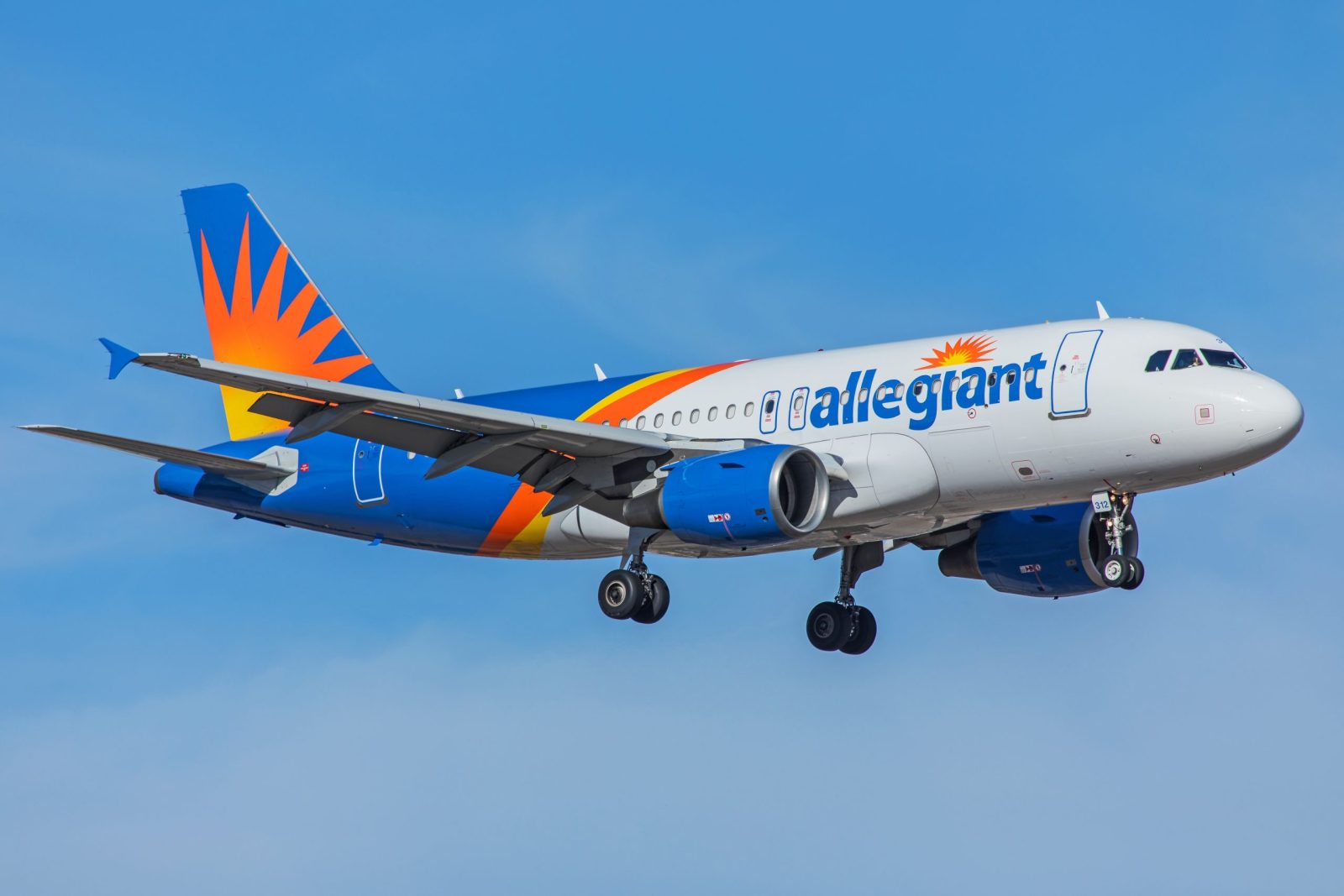
Allegiant A319
An Allegiant A319 in Las Vegas. (Photo: AirlineGeeks | William Derrickson)

Fight Over Pay

In a letter to the foreign pilots, Allegiant acknowledged that the union’s decision not to certify would delay their green cards.

Allegiant and its pilots have been at odds for years over pay and scheduling. The carrier’s pilots are working under a labor contract signed in 2016, which the union has pressed to replace. Last month, pilots picketed at airports across the country as they called for better wages.

Allegiant said at the time that it had put forward a “competitive package” that includes an immediate 50% average increase in hourly wages that scales to 70% over five years.

The airline and the Teamsters are currently in talks mediated by the National Mediation Board.

Zach Vasile

Zach Vasile is a writer and editor covering news in all aspects of commercial aviation. He has reported for and contributed to the Manchester Journal Inquirer, the Hartford Business Journal, the Charlotte Observer, and the Washington Examiner, with his area of focus being the intersection of business and government policy.

American Moves to Track Spirit Bankruptcy

Carrier requests full access to filings as Spirit weighs restructuring options.

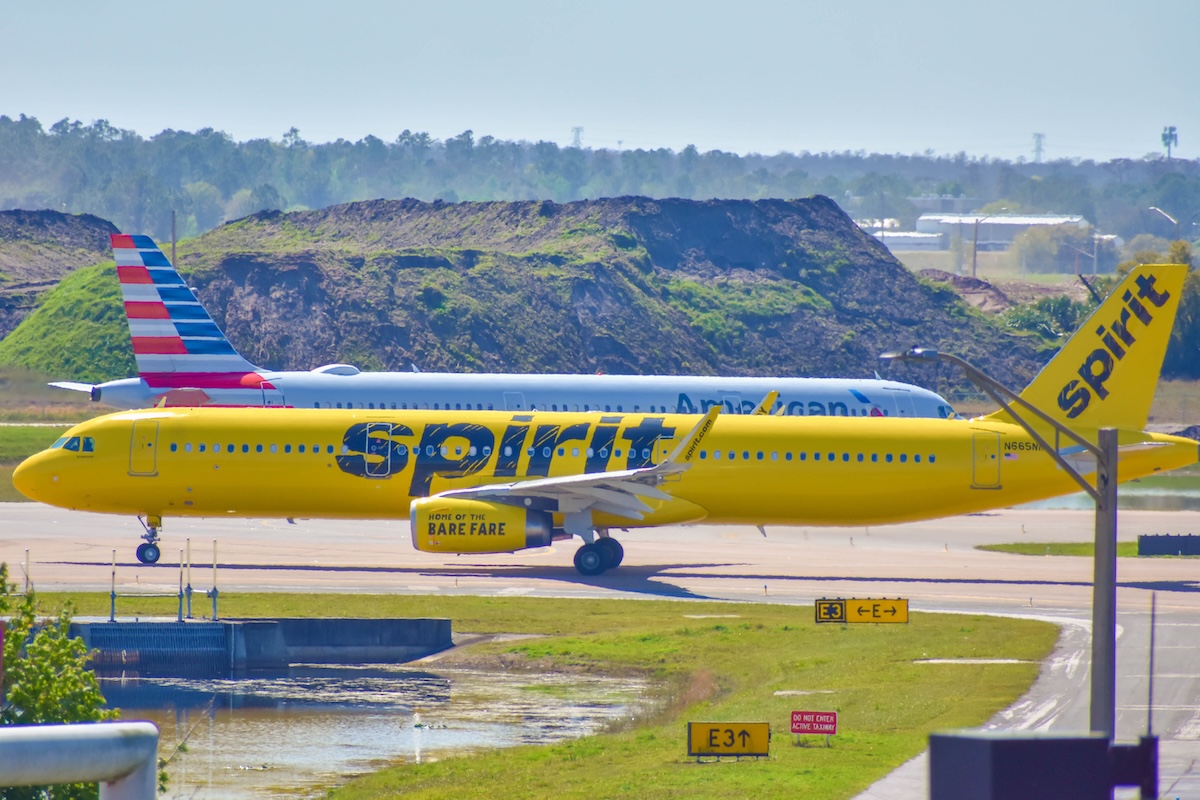
American and Spirit aircraft in Orlando, Florida
American and Spirit aircraft in Orlando, Florida (Photo: Shutterstock | VIAVAL TOURS)

American Airlines has filed a notice of appearance in Spirit’s Chapter 11 case, asking the bankruptcy court to provide the carrier with all future documents and updates tied to the proceedings.

In the Friday filing, American asked to receive “any and all notices given or required to be given” in the case, including “orders, notices, hearing dates, applications, motions, petitions, requests, complaints, demands, replies, answers, schedules of assets and liabilities and statements of affairs, operating reports, plans of reorganization and liquidation, and disclosure statements.” 

The notice states that this applies to materials delivered “by mail, hand delivery, telephone, electronic mail, or otherwise.”

The carrier’s filing also specifies that the request should not be interpreted as a waiver of its rights in the case.

An American spokesperson told Reuters the move is connected to an “airport-specific agreement” between the two carriers, without providing further details. In August, Spirit filed for bankruptcy for the second time in less than a year and has said it continues to evaluate restructuring options.

The ultra-low-cost carrier continues to warn about its ability to continue as a “going concern.” Last quarter, it reported a $317 million net loss. 

Ryan Ewing

Ryan founded AirlineGeeks.com in February 2013 and has spent more than a decade covering the airline business. His work has been featured by CNN, WJLA, CNET, and Business Insider. His aviation experience spans airport operations, Part 135 regulatory compliance, and airline crew workforce planning, along with time behind the yoke of a Cessna 172 and interviews with airline executives. Ryan now serves as Group President of Firecrown Media’s Aviation Group. He holds a B.S. in Air Transportation Management and an MBA from Arizona State University and teaches Airline Management at Embry-Riddle Aeronautical University.

Alaska to Open New 737 Base

The carrier plans to station up to 250 pilots there.

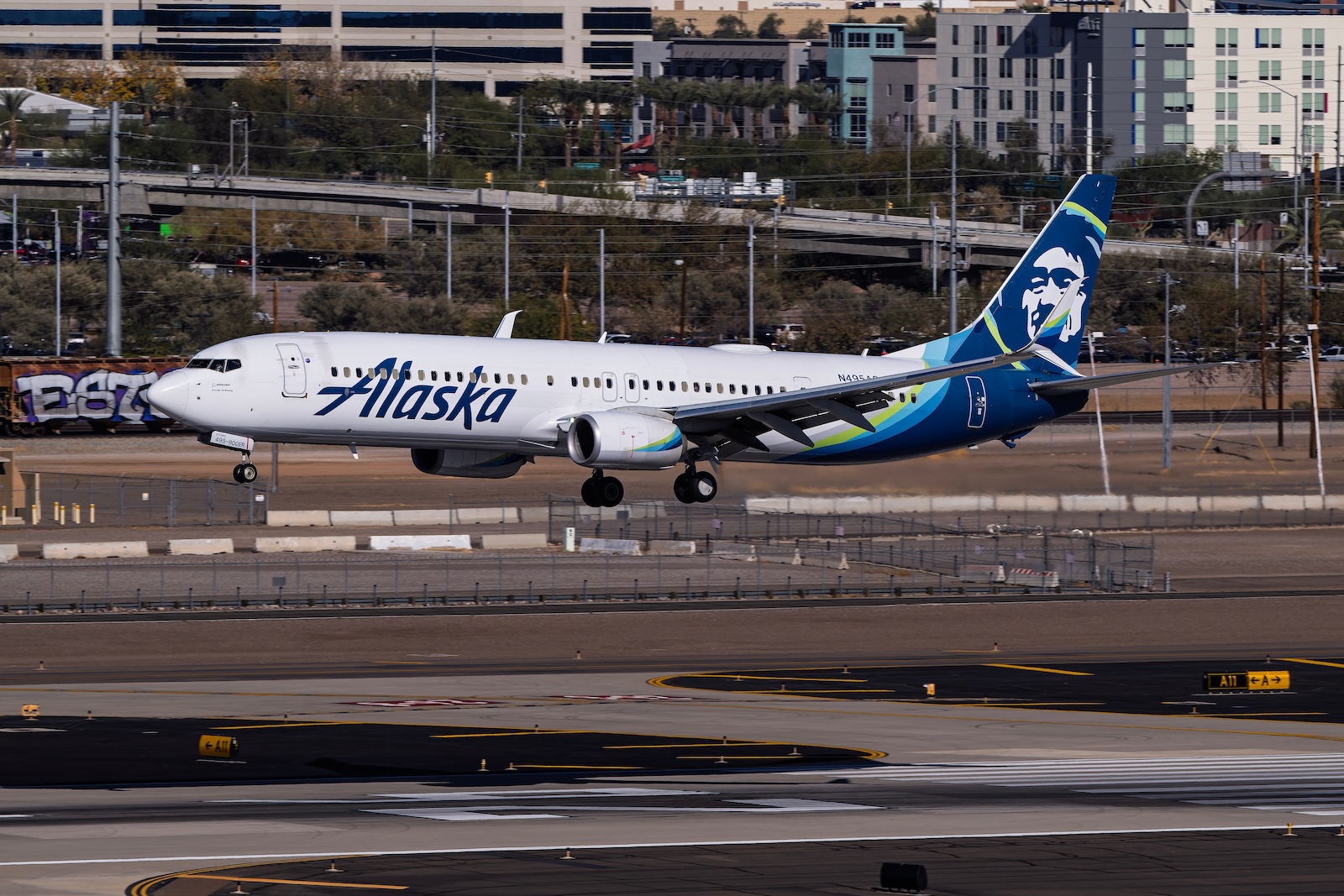
Alaska 737-900ER
An Alaska Boeing 737-900ER. (Photo: Shutterstock | Robin Guess)

Alaska Airlines is reportedly planning to open a new crew base in Southern California.

The Anchorage Daily News reported that the airline will open a 737 base in San Diego on June 1, 2026. The carrier expects to station up to 250 captains and first officers there, the newspaper said.

As part of the expansion, Alaska will hire 90 new first officers during the first quarter of 2026, though they will not all be based in San Diego. The airline acknowledged that, to fully staff San Diego, pilots will have to be moved from other West Coast bases, though it did not detail how this would be done or which crew bases would lose pilots in the reshuffling.

The San Diego base will be Alaska’s third in California – behind Los Angeles and San Francisco – and sixth overall.

“San Diego is the fastest-growing hub in Alaska Airlines’ network, with 80% capacity growth between 2023 and the schedule we will fly next year, including 14 new routes,” Neil Thwaites, Alaska’s regional vice president of California, told the Daily News. “Establishing a pilot base here helps us improve operational reliability and support future growth in the region. While the base itself doesn’t automatically mean new routes, we are committed to long-term growth in San Diego, and the pilot base will help enable that.”

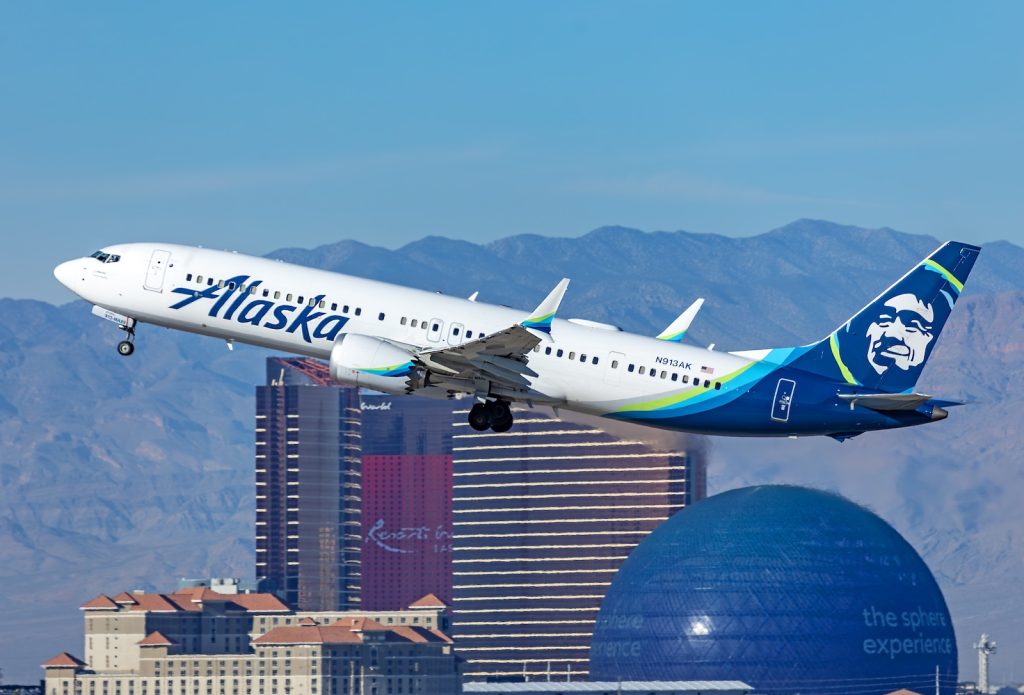
Alaska 737 MAX
An Alaska Boeing 737 MAX 9. (Photo: AirlineGeeks | William Derrickson)

According to the Daily News’ report, eligible pilots can apply for an estimated 80 captain positions and 70 first officer positions between Dec. 15 and 28. A final decision on those positions will be made by Jan. 6, 2026.

A second round will take place in October of next year, when about 60 captain and 40 first officers slots become available.

Thwaites told the Daily News that pilots can apply from any of Alaska’s existing crew bases, which also include Seattle, Portland, Oregon, and Anchorage, Alaska.

Alaska has been steadily growing its presence in San Diego. In October, it announced several new routes from the city, including to Dallas/Fort Worth, Raleigh-Durham, North Carolina, and Tulsa, Oklahoma.

Zach Vasile

Zach Vasile is a writer and editor covering news in all aspects of commercial aviation. He has reported for and contributed to the Manchester Journal Inquirer, the Hartford Business Journal, the Charlotte Observer, and the Washington Examiner, with his area of focus being the intersection of business and government policy.
Sign-up for newsletters & special offers!

Get the latest stories & special offers delivered directly to your inbox

SUBSCRIBE

Uh-oh! It looks like you're using an ad blocker.

Our website relies on ads to provide free content and sustain our operations. By turning off your ad blocker, you help support us and ensure we can continue offering valuable content without any cost to you.

We truly appreciate your understanding and support. Thank you for considering disabling your ad blocker for this website