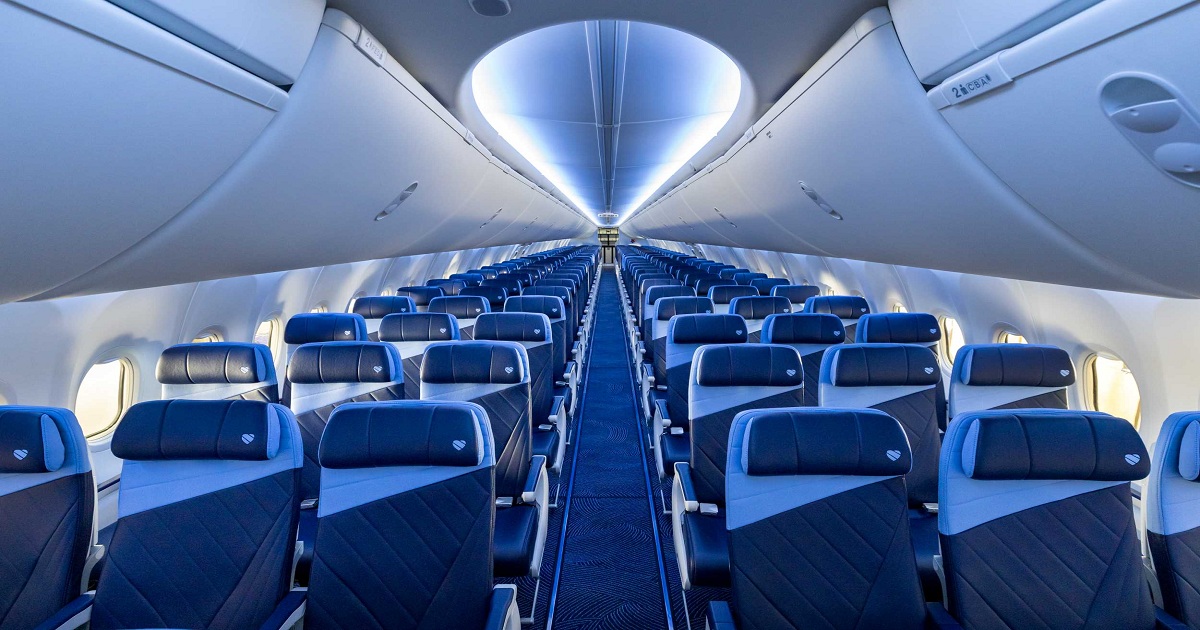
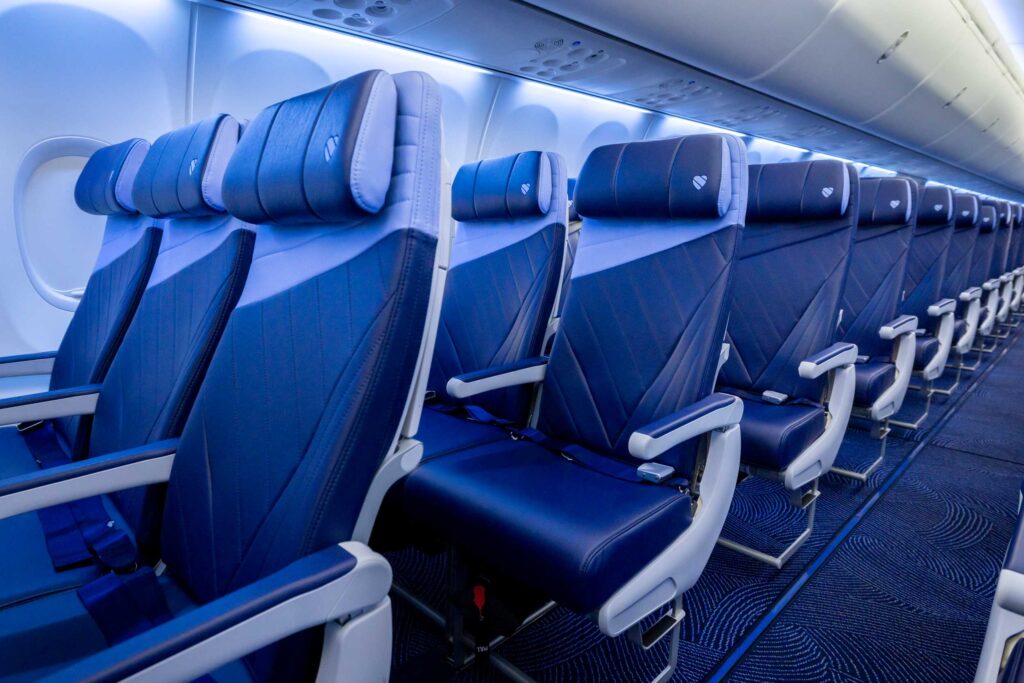
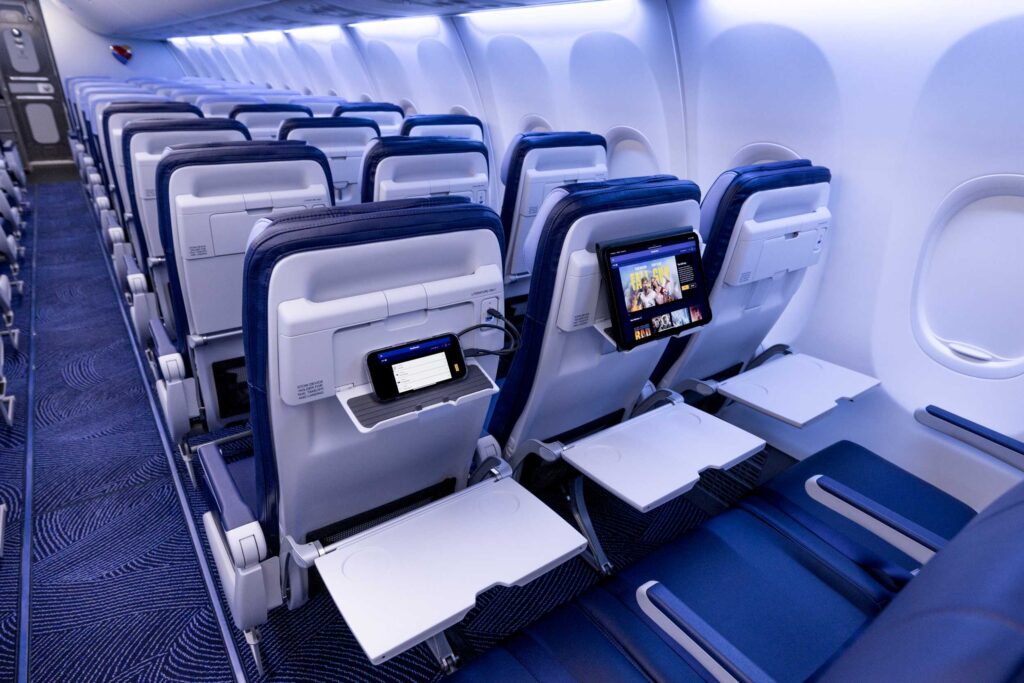
The Boeing 737 MAX 8, registered as N8972S, has a new lighting system, updated carpets, larger overhead bins, and seats made by premium aircraft seat maker Recaro. The seats come with USB-A and USB-C ports, as well as seatback device holders, which allow passengers to watch content on their phones or tablets.
Each new airplane that Southwest receives from Boeing will come with these features, the airline said.
Recaro seats in Southwest’s new cabin layout. (Photo: Southwest)
Southwest has promoted the rollout of its new interior for over a year. It marks another departure from its traditional no-frills approach, which the carrier’s leadership has largely shed in hopes of attracting higher-spending travelers and competing more directly with United, Delta, and American.
The updated interiors include Southwest’s first-ever extra legroom seats, denoted by a sky blue sunray design visible from the front and back. The airline currently uses an open seating model, but starting Jan. 27, 2026, assigned seating will come into effect, and the extra legroom seats will become a premium option.
Customers who upgrade to extra legroom seats will also get to board earlier, and will have access to complimentary drink and snack options.
Zach Vasile is a writer and editor covering news in all aspects of commercial aviation. He has reported for and contributed to the Manchester Journal Inquirer, the Hartford Business Journal, the Charlotte Observer, and the Washington Examiner, with his area of focus being the intersection of business and government policy.
10 Must-Read Books on Aviation History and Beyond
Explore these 10 essential books for every aviation enthusiast.
Aviation history is full of daring tales of courage and achievement. These books recount many of the most pivotal moments in flying history. [Pixabay]
Aviation is a captivating journey that transcends mere mechanics and machinery — it’s where human aspiration meets engineering marvels. Whether you’re an aviation enthusiast or new to the realm, the literary world offers a gateway into this exhilarating field. The following books encompass pioneering stories, breathtaking adventures, and innovative breakthroughs, each offering a unique perspective on aviation’s incredible evolution.
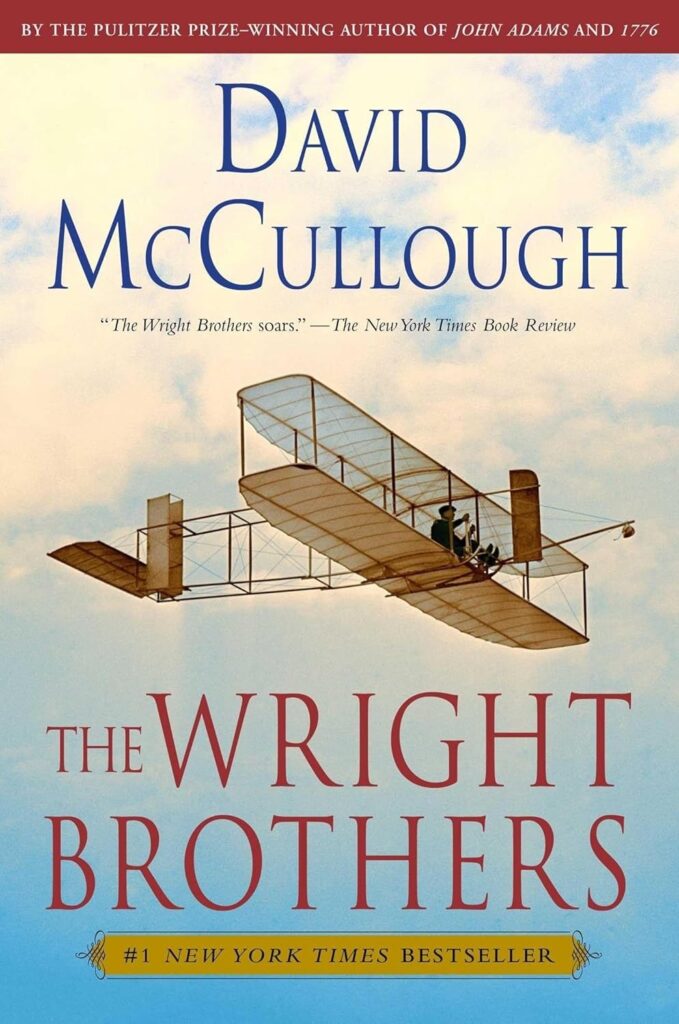
The Wright Brothers by David McCullough [Courtesy: Amazon]
David McCullough’s The Wright Brothers brings to life the legendary tale of Wilbur and Orville Wright, who transformed aviation from a dream into reality. While their 1903 flight at Kitty Hawk is well-known, McCullough’s narrative delves deeper, offering insights into their upbringing, family ties, and relentless pursuit of flight.
Antoine de Saint-Exupéry, renowned for The Little Prince, captures the essence of early aviation in Wind, Sand and Stars. As a mail pilot navigating precarious landscapes, Saint-Exupéry’s poetic prose illuminates the highs and lows of open-cockpit flying, celebrating the courage and introspection intrinsic to aviation.
In Fate Is the Hunter, Ernest K. Gann recounts the harrowing unpredictability of aviation’s early days, from commercial airlines to perilous WWII missions. Through gripping memoir and reflection, Gann explores the interplay of skill and fate that defined an era before modern avionics.
Thunderbolt! by Robert S. Johnson and Martin Caidin
Thunderbolt! follows Robert S. Johnson, a WWII ace in the P-47 Thunderbolt. Co-authored with Martin Caidin, this account provides a vivid portrayal of aerial dogfights and wartime camaraderie, emphasizing aviation’s role in reshaping the largest conflict in history.
In Fly Girls, Keith O’Brien sheds light on the trailblazing women of early aviation. Beyond Amelia Earhart, the book chronicles the inspiring stories of Florence Klingensmith, Ruth Elder, and others who defied gender norms to soar through the skies during the 1920s and ’30s.
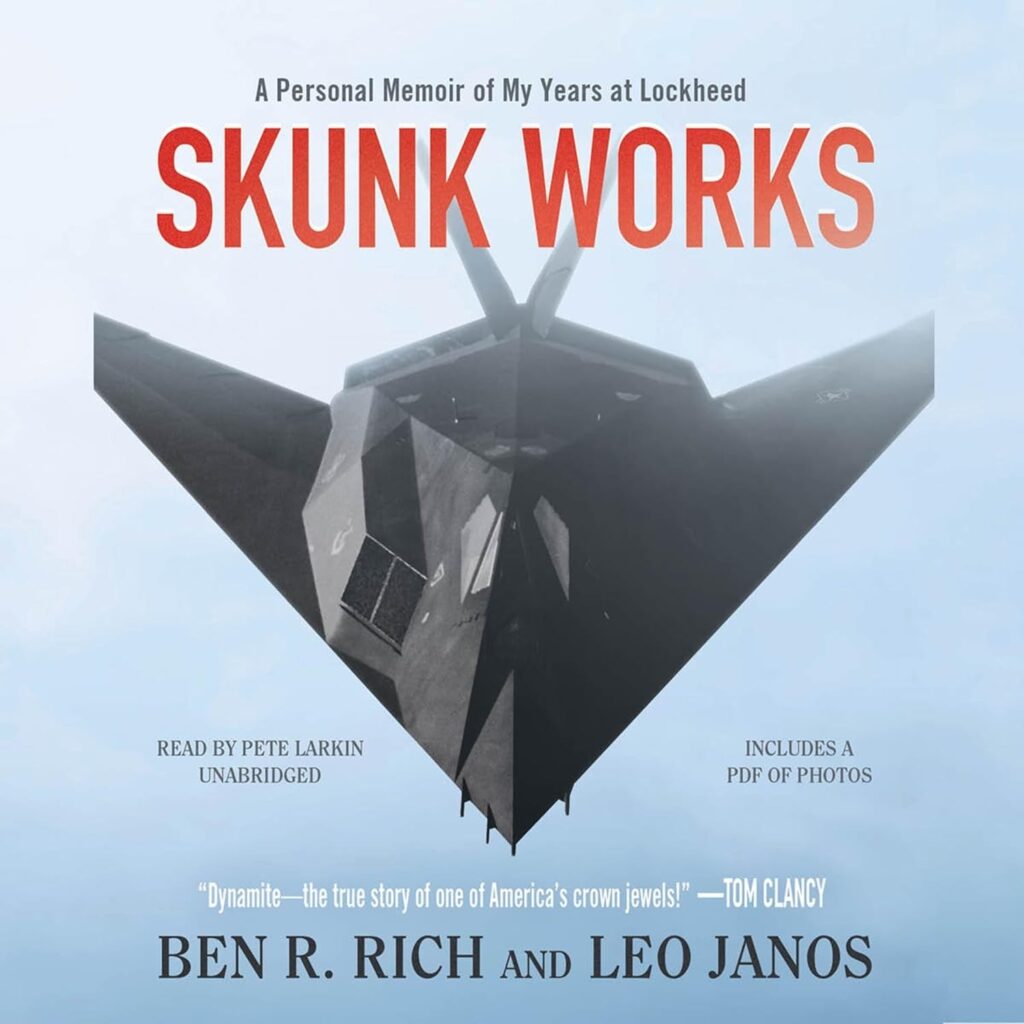
Skunk Works: A Personal Memoir of My Years of Lockheed [Courtesy: Amazon]
Ben R. Rich’s Skunk Works offers a behind-the-scenes look at Lockheed’s top-secret projects like the U-2 and SR-71. This memoir reveals the challenges and triumphs of Cold War aerospace engineering, where innovation shaped the future of aerial reconnaissance and defense.
Yeager, the autobiography of Chuck Yeager, chronicles his journey from WWII combat to breaking the sound barrier. Co-written with Leo Janos, the book captures the spirit of test pilots who pushed boundaries during the “rocket age” of supersonic flight.
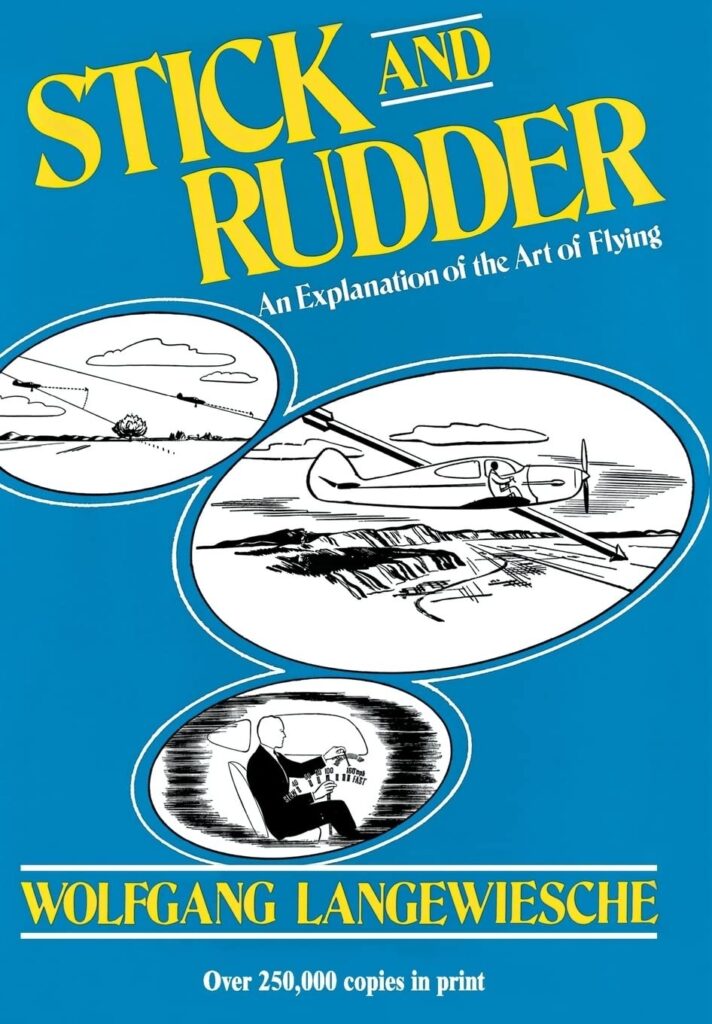
Stick and Rudder: An Explanation of the Art of Flying [Courtesy: Amazon]
Stick and Rudder has remained a timeless guide for aviators, offering clear explanations of flight fundamentals. Though first published during WWII, its insights continue to inform pilots on aerodynamics and flight techniques.
Rinker Buck’s Flight of Passage recounts a 1966 cross-country journey in a Piper Cub with his brother. This memoir captures the spirit of 20th-century American aviation, highlighting youthful adventure and the enduring allure of flight.
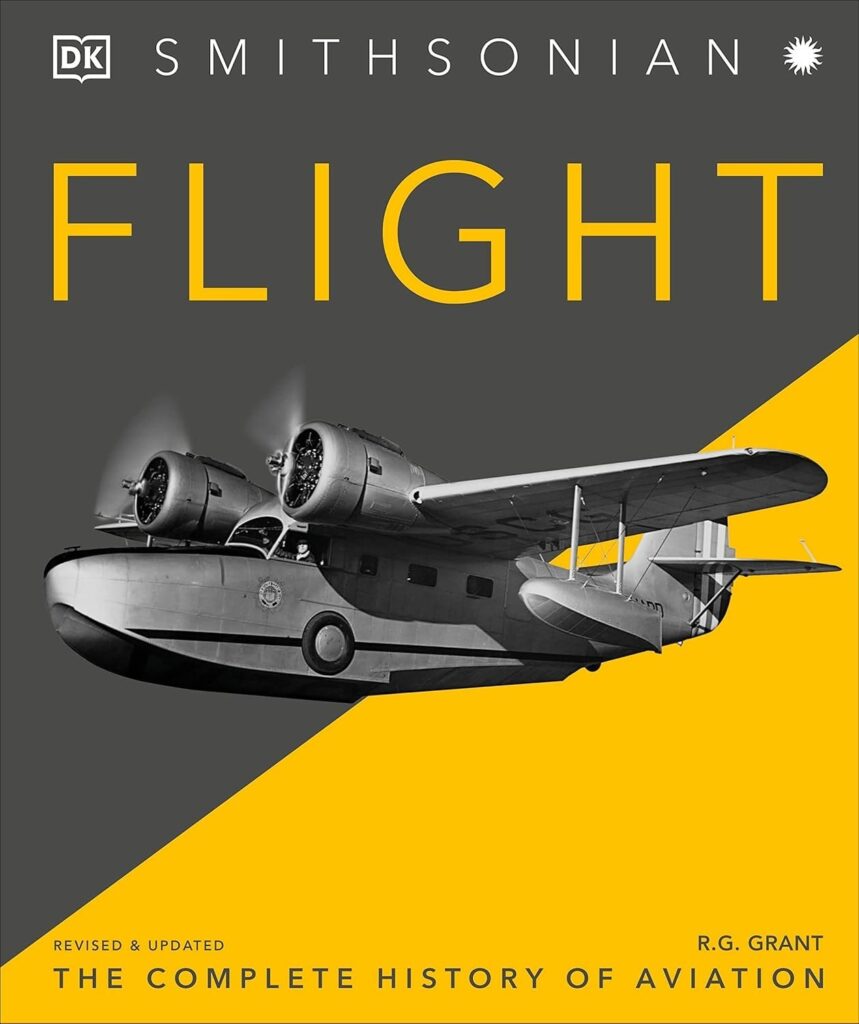
Flight: The Complete History of Aviation [Courtesy: Amazon]
R.G. Grant’s Flight: The Complete History provides a sweeping overview from the first hot-air balloons to modern jets. Richly illustrated, it contextualizes aviation’s milestones, framing the visionary individuals who transformed the skies into a new frontier.
Engaging with these carefully curated titles not only deepens your understanding of aviation’s profound history but also revitalizes the wonder and zeal that have driven humans to conquer the skies.
AirlineGeeks may earn revenue from the products available on this page and participate in affiliate programs.
AirlineGeeks.com was founded in February 2013 as a one-person blog in Washington D.C. Since then, we’ve grown to have 25+ active team members scattered across the globe. We are all here for the same reason: we love deep-diving into the fascinating realm of the airline industry.
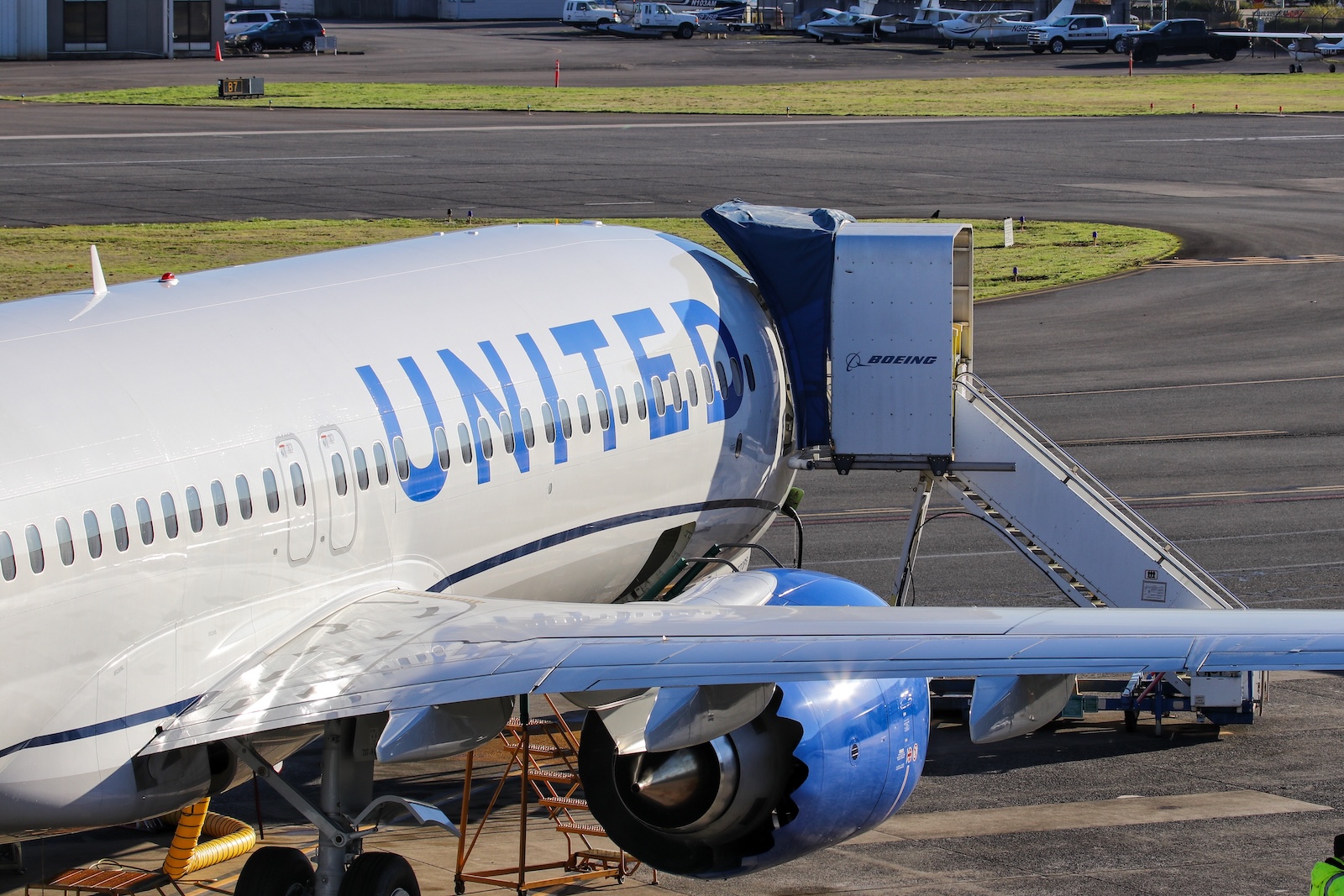
A United Boeing 737 MAX 9. (Photo: AirlineGeeks | Katie Zera)
United is planning to further shrink its corporate workforce next year, citing process improvements enabled by AI.
During a third-quarter earnings call on Thursday, the Chicago-based carrier said its corporate workforce was reduced by 4% this year. In 2026, this trend is slated to continue with a 4% reduction.
“We’re not just looking to make our operation more efficient,” United CFO Mike Leskinen said during the call. “We’re making process changes and using AI to make the work of our headquarters management team more efficient too.”
Leskinen noted other tech upgrades, including for operations and maintenance.
Ryan founded AirlineGeeks.com in February 2013 and has spent more than a decade covering the airline business. His work has been featured by CNN, WJLA, CNET, and Business Insider. His aviation experience spans airport operations, Part 135 regulatory compliance, and airline crew workforce planning, along with time behind the yoke of a Cessna 172 and interviews with airline executives. Ryan now serves as Group President of Firecrown Media’s Aviation Group. He holds a B.S. in Air Transportation Management and an MBA from Arizona State University and teaches Airline Management at Embry-Riddle Aeronautical University.
In a statement, Abra Group said the expanded order will accelerate its fleet renewal plan and help support new medium- and long-haul routes across the Americas and into Europe. The company also said it has signed leases for up to seven A330neo aircraft.
Abra now has a total of 138 aircraft on order with Airbus.
“This announcement confirms that we continue to make the necessary investments aligned with our commitment to provide millions of people with greater access to air travel, consolidating our position as one of the largest and most competitive airline groups in Latin America,” Abra CEO Adrian Neuhauser said in a statement. “Our incremental A320neo order ensures the replacement and growth needs of our current narrowbody fleet. It also strengthens our international growth strategy to better connect Latin America with itself and the world through a more efficient fleet.”
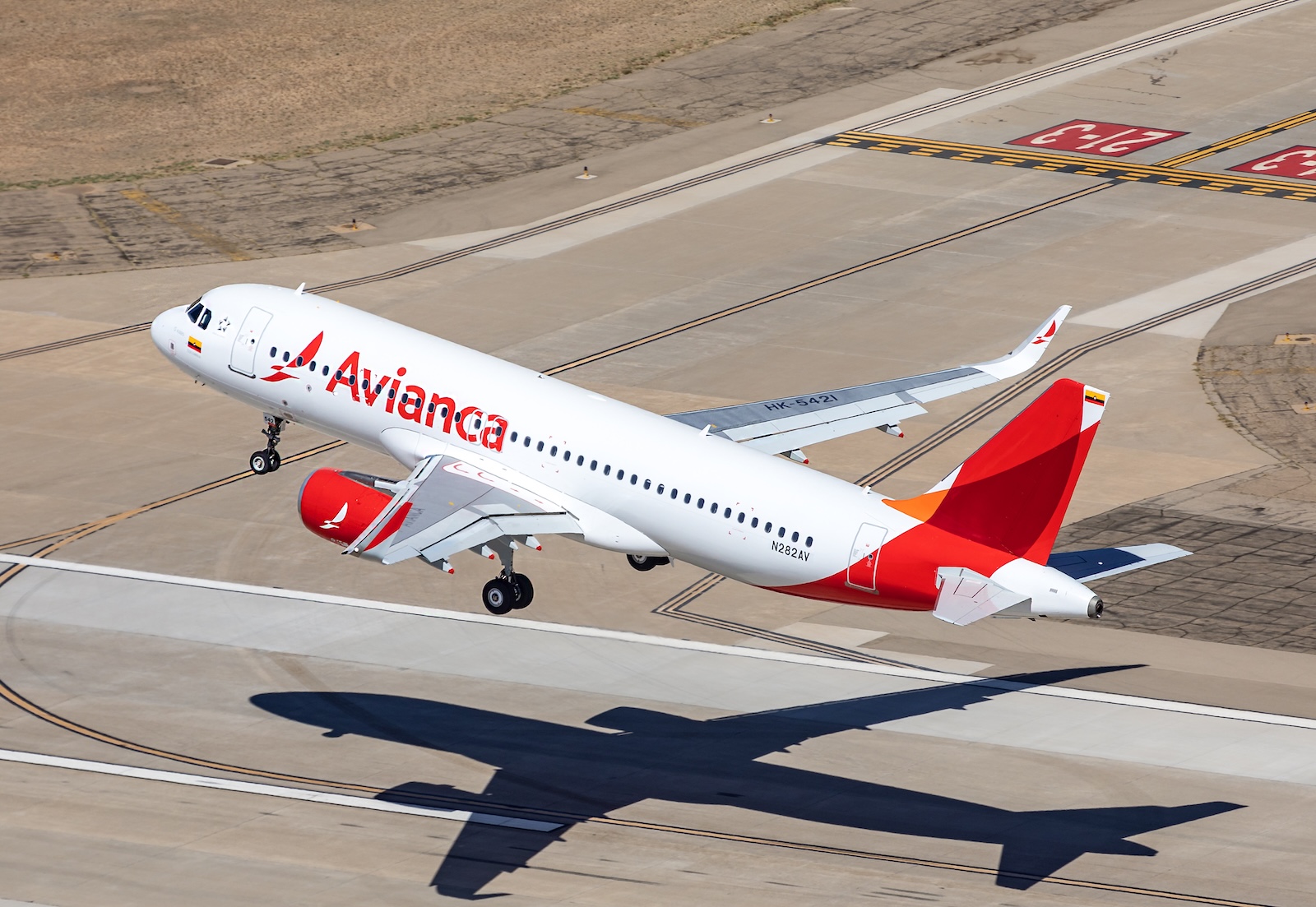
Abra did not say how the 57 airplanes will be distributed among its airlines. The group, which is headquartered in the U.K., serves as the holding company for Avianca, GOL, and Spain’s Wamos Air, and has a minority stake in Chile’s Sky Airline.
Avianca flies mainly to destinations in North and South America, with a few long-haul routes to Europe. GOL’s route map is concentrated mainly in South America, though it also offers connections to Mexico, Florida, and the Dominican Republic.
Abra has 96 737 MAX jets on order with Boeing, expected to be delivered between now and 2030. The combined Airbus and Boeing orders will grow Abra’s narrowbody fleet by 234 aircraft.
Zach Vasile is a writer and editor covering news in all aspects of commercial aviation. He has reported for and contributed to the Manchester Journal Inquirer, the Hartford Business Journal, the Charlotte Observer, and the Washington Examiner, with his area of focus being the intersection of business and government policy.
Spirit to Cut Hundreds of Jobs, Close Maintenance Stations
The airline will furlough pilots, reduce corporate staff, and shutter some facilities early next year.
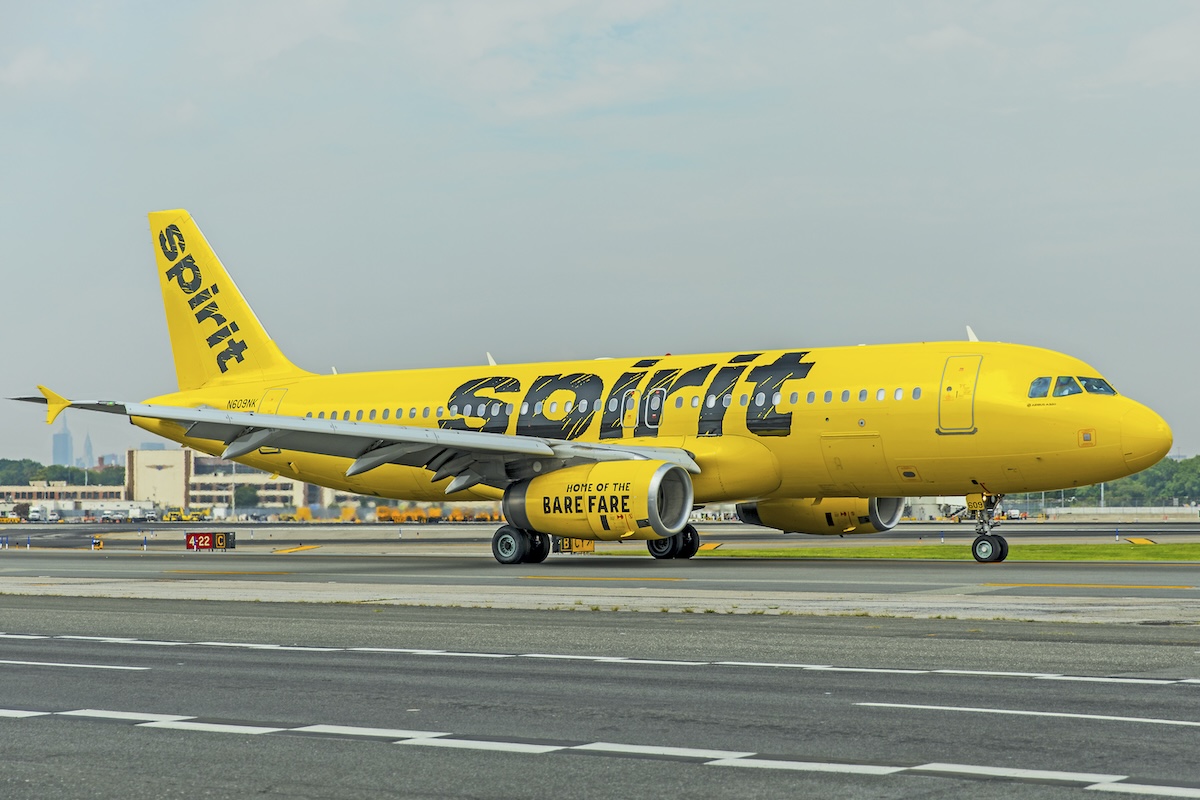
A Spirit A320. (Photo: AirlineGeeks | William Derrickson)
Spirit said it will carry out significant workforce reductions as part of its continuing restructuring, aligning staffing levels with a smaller fleet and reduced capacity heading into 2026.
An airline spokesperson confirmed to AirlineGeeks that the plan includes furloughing up to 365 more pilots and downgrading 170 captains to first officers during the first quarter of next year. The number of affected pilots is likely to decrease due to voluntary attrition, the spokesperson added.
The ultra-low-cost carrier will also close its maintenance stations and warehouse operations in Baltimore, Maryland, and Chicago, with those changes taking effect Jan. 1, 2026.
The carrier said there will be “volume-based staffing adjustments” across other maintenance locations and additional reductions across its corporate teams.
Spirit did not specify how many corporate positions would be affected.
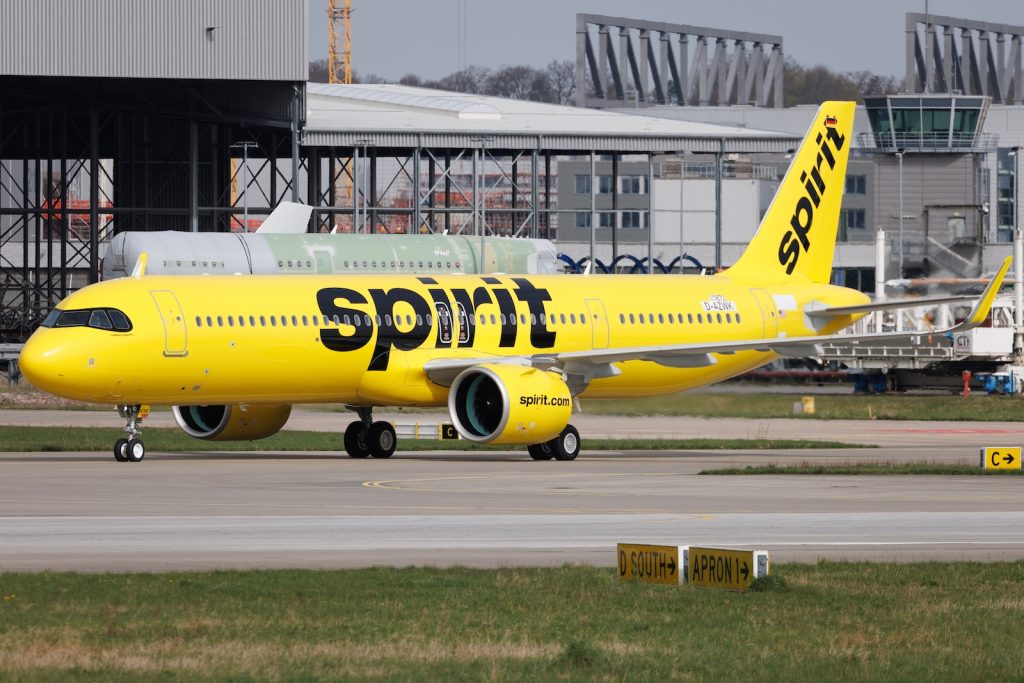
A Spirit Airbus A321neo aircraft. (Photo: Shutterstock | Kevin Hackert)
“As part of our ongoing restructuring, we are taking additional steps to align staffing across our organization with our previously announced capacity reduction and smaller operating fleet size,” the spokesperson said. “We recognize the impact these decisions have on our Team Members, and we are committed to treating all those affected with care and respect.”
Ryan founded AirlineGeeks.com in February 2013 and has spent more than a decade covering the airline business. His work has been featured by CNN, WJLA, CNET, and Business Insider. His aviation experience spans airport operations, Part 135 regulatory compliance, and airline crew workforce planning, along with time behind the yoke of a Cessna 172 and interviews with airline executives. Ryan now serves as Group President of Firecrown Media’s Aviation Group. He holds a B.S. in Air Transportation Management and an MBA from Arizona State University and teaches Airline Management at Embry-Riddle Aeronautical University.
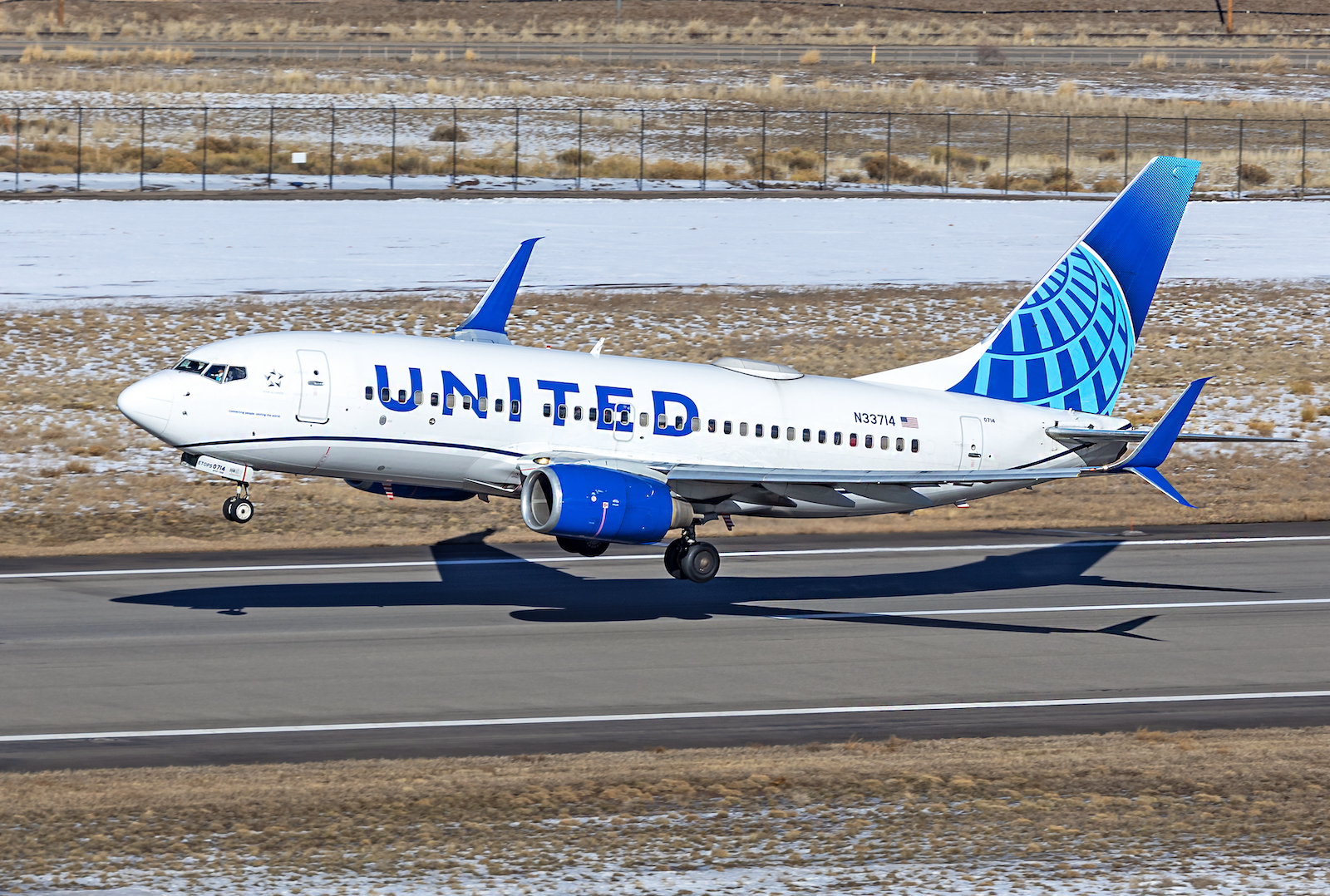
A United Airlines Boeing 737-700. (Photo: AirlineGeeks | William Derrickson)
United expects to close out the year on a high note.
In an earnings report released Wednesday, the carrier forecast fourth-quarter adjusted earnings of between $3 and $3.50 per share, which would improve on an already-strong $2.78 per share in Q3. The carrier’s Q4 projection is well above industry expectations, which averaged out to about $2.86 per share.
United also said that if momentum from the third quarter continues through the next three months, the airline could deliver the highest total operating revenue for a single quarter in its history.
United’s leaders based their prediction on several favorable trends, including rising demand for luxury travel, a segment the airline has worked hard to capture. The industry is also rolling back capacity, creating a more favorable pricing environment for carriers.
In a statement, United CEO Scott Kirby pointed to a series of long-term investments, some begun almost a decade ago, that are now bearing fruit both for United’s customers and its bottom line. These include the widescale installation of seatback screens, the opening of a fourth United Club location in Denver, and the rollout of United Polaris lie-flat seats.
Kirby said the improvements have helped grow the airline’s pool of brand-loyal customers despite volatility in the broader economy this year.
United on Wednesday posted operating revenue of $15.2 billion and net income of $949 million for the third quarter. Year-over-year, premium cabin revenue rose 6%, basic economy revenue increased by 4%, and loyalty revenue climbed 9%.
Zach Vasile is a writer and editor covering news in all aspects of commercial aviation. He has reported for and contributed to the Manchester Journal Inquirer, the Hartford Business Journal, the Charlotte Observer, and the Washington Examiner, with his area of focus being the intersection of business and government policy.
Oregon’s Capital City Pooling Funds to Attract New Airline
Salem has not had scheduled commercial air service since August.
The Oregon State Capitol in Salem. (Photo: Shutterstock/Jacob Boomsma)
Salem, the state capital of Oregon, is putting together public and private funds in hopes of attracting a new airline after Avelo’s exit from the West Coast left the community without a single commercial carrier.
The Statesman Journal reported this week that the city council of Salem voted to move $100,000 from the city’s general fund to its airport fund each year for three years. The money will go toward a minimum revenue guarantee for an airline that opts to serve Salem-Willamette Valley Airport, also known as McNary Field. The airport is owned by the City of Salem.
The organizations Travel Salem and Fly Salem successfully raised pledged amounts of $400,000 per year for three years, the newspaper reported, bringing the total available for a revenue guarantee to $1.5 million over three years.
City staff told the Statesman Journal that the minimum goal for a viable revenue guarantee is $500,000 per year for three years.
Avelo in July announced plans to end all of its West Coast routes and shut down its base in Burbank, California. Service to Salem, among other destinations, was slated to end in mid-August. According to the Statesman Journal, the airline’s last flight out of Salem-Willamette Valley Airport took place on Aug. 10.
Avelo was expected to continue operations out of Burbank until December, but that deadline was moved up to Oct. 20.
Zach Vasile is a writer and editor covering news in all aspects of commercial aviation. He has reported for and contributed to the Manchester Journal Inquirer, the Hartford Business Journal, the Charlotte Observer, and the Washington Examiner, with his area of focus being the intersection of business and government policy.
Avelo Axes Three Routes
The carrier says it is not seeing “high enough demand” in these markets.
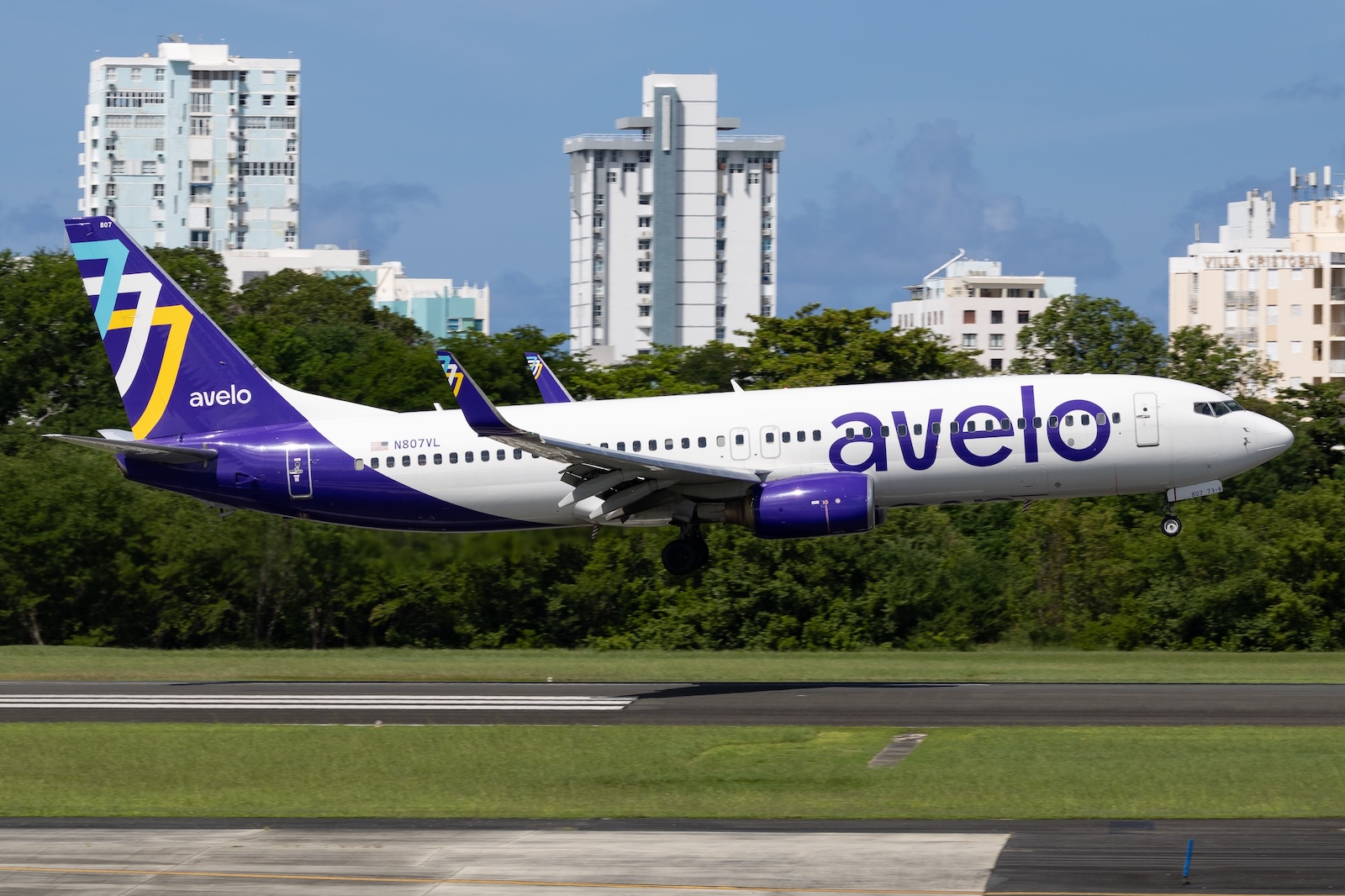
An Avelo Boeing 737-800. (Photo: Shutterstock | Edgardo M Moya)
Avelo will discontinue three routes, including an international route, in the coming months. The ultra-low-cost carrier confirmed the changes this week.
The airline will halt flights between Raleigh/Durham and Montego Bay, along with Fort Myers, Florida, effective Jan. 3 and Jan. 7, respectively.
Avelo is also ending its route between Lakeland, Florida, and Long Island, New York, effective Nov. 30.
“Unfortunately, we aren’t seeing high enough demand to account for the large capacity of our planes. These are the only routes being canceled at this time,” an airline spokesperson told AirlineGeeks.
Ryan founded AirlineGeeks.com in February 2013 and has spent more than a decade covering the airline business. His work has been featured by CNN, WJLA, CNET, and Business Insider. His aviation experience spans airport operations, Part 135 regulatory compliance, and airline crew workforce planning, along with time behind the yoke of a Cessna 172 and interviews with airline executives. Ryan now serves as Group President of Firecrown Media’s Aviation Group. He holds a B.S. in Air Transportation Management and an MBA from Arizona State University and teaches Airline Management at Embry-Riddle Aeronautical University.
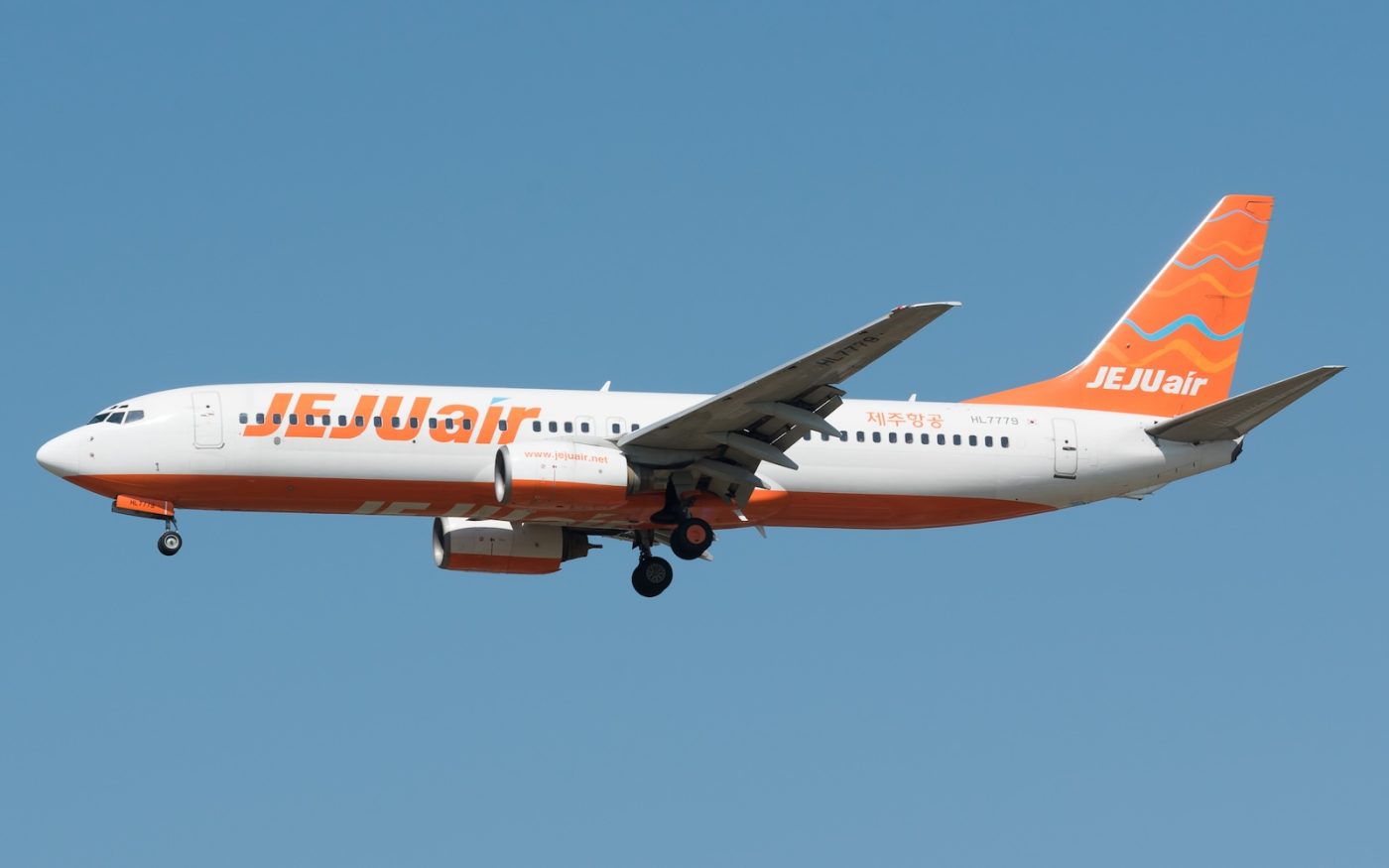
A Jeju Air Boeing 737 aircraft. (Photo: AirlineGeeks | Ben Suskind)
Relatives of passengers killed in the Jeju Air crash in South Korea late last year are suing Boeing, arguing that outdated flight systems contributed to the accident.
Aviation law firm Herrmann Law Group said Wednesday that it filed a complaint against Boeing in King County Superior Court in Seattle on behalf of 14 families who lost loved ones in the accident, which occurred at Muan International Airport.
The aircraft involved in the crash was a Boeing 737-800.
The lawsuit blames Boeing for failing to modernize “outdated” electrical and hydraulic systems, which ultimately compromised the accident flight’s landing gear.
“Rather than admitting its fault in this tragic accident, Boeing resorts to its old, worn out ‘blame the pilots’ tactic,” said Charles Herrmann, lead attorney for the plaintiffs, in a statement. “These pilots make easy targets; they perished in the flames with the passengers. They cannot defend themselves.”
“Bereaved families deserve the truth,” he added. “Met with evasion in Korea, these plaintiffs seek justice in U.S. courts where we can legally compel them to reveal the truth.”
The cause of the crash of Jeju Air Flight 2216 is still under investigation, but South Korean officials have suggested that a bird strike disabled one of its engines as it approached Muan International Airport on Dec. 29, 2024. The 737’s landing gear did not deploy, and the aircraft belly-landed beyond the normal touchdown zone. It overran the runway, crashed into a lighting structure, and then hit a concrete-encased berm supporting an antenna array.
All 175 passengers were killed, along with four of the six crew members. The two survivors were rescued from the rear of the aircraft.
According to the lawsuit, the 737’s backup power systems did not switch on after the bird strike, leaving a number of other systems, most critically the landing gear and reverse thrusters, disabled. Nearly every system designed to slow the aircraft, both in the air and on the ground, failed, attorneys for the plaintiffs said.
Zach Vasile is a writer and editor covering news in all aspects of commercial aviation. He has reported for and contributed to the Manchester Journal Inquirer, the Hartford Business Journal, the Charlotte Observer, and the Washington Examiner, with his area of focus being the intersection of business and government policy.
American Unveils Vintage ‘Flagship’ Livery
The airline will start flying a Boeing 777 with the special design next month.
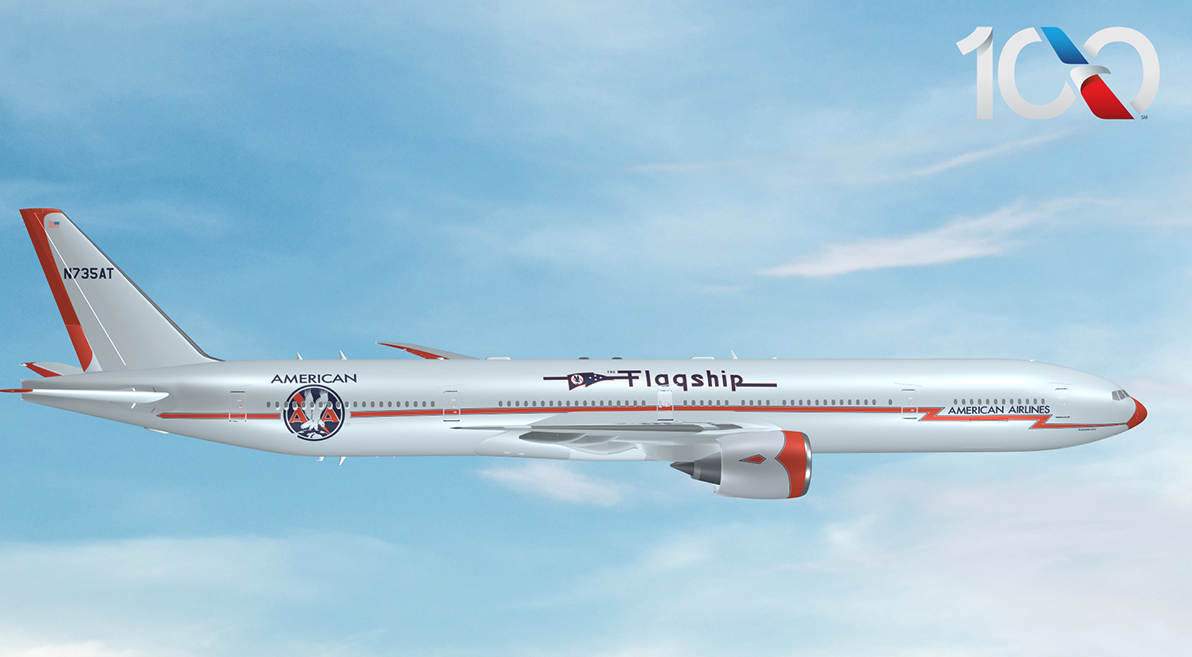
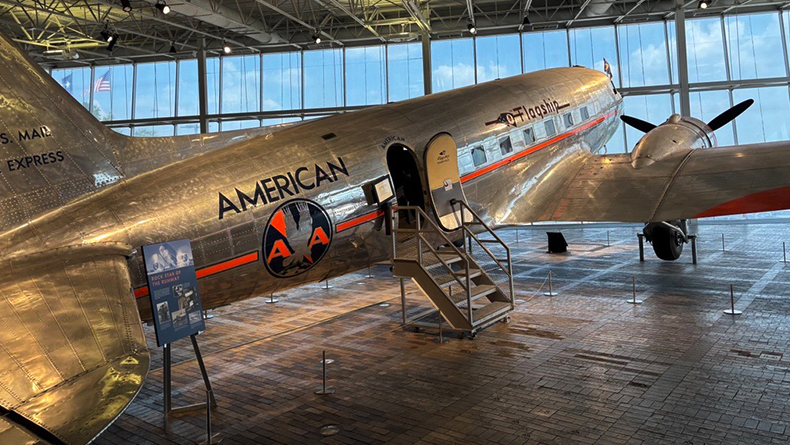
The “Flagship” livery incorporates design elements from American’s old Douglas DC-3 aircraft, which sported an instantly recognizable orange lightning bolt motif and a roundel with an eagle. It will be painted on a Boeing 777-300ER registered as N735AT. The aircraft’s first flight with the new livery will take place in November.
In keeping with American’s former policy of naming DC-3s after the cities they served, the specially designed 777 will be known as “Flagship DFW.”
Airline leaders said the new livery is meant to call attention to the planned refresh of American’s 777-300 fleet, set to start next year. As part of the overhaul, the widebody jets will get Flagship Suite seats, which come with privacy doors, wireless charging pads, and a chaise lounge seating option.
The Flagship Knoxville housed in the American Airlines CR Smith Museum in Fort Worth, Texas. The airline’s new Flagship livery borrows from this design. (Photo: American Airlines)
American debuted the Flagship Suites earlier this year on its Boeing 787-9s.
The 777-300s will also get upgraded Premium Economy seats.
“American has thoughtfully chosen a design that evokes our rich history while looking ahead to our next 100 years,” said Ron DeFeo, American’s chief communications officer, in a news release. “Throughout American’s history, ‘Flagship’ has always been recognized as our premium travel experience… Painting the original Flagship design on our Flagship aircraft is a powerful way to honor that legacy while embracing the future.”
American is set to observe its centennial in April 2026.
Zach Vasile is a writer and editor covering news in all aspects of commercial aviation. He has reported for and contributed to the Manchester Journal Inquirer, the Hartford Business Journal, the Charlotte Observer, and the Washington Examiner, with his area of focus being the intersection of business and government policy.
Sign-up for newsletters & special offers!
Get the latest stories & special offers delivered directly to your inbox