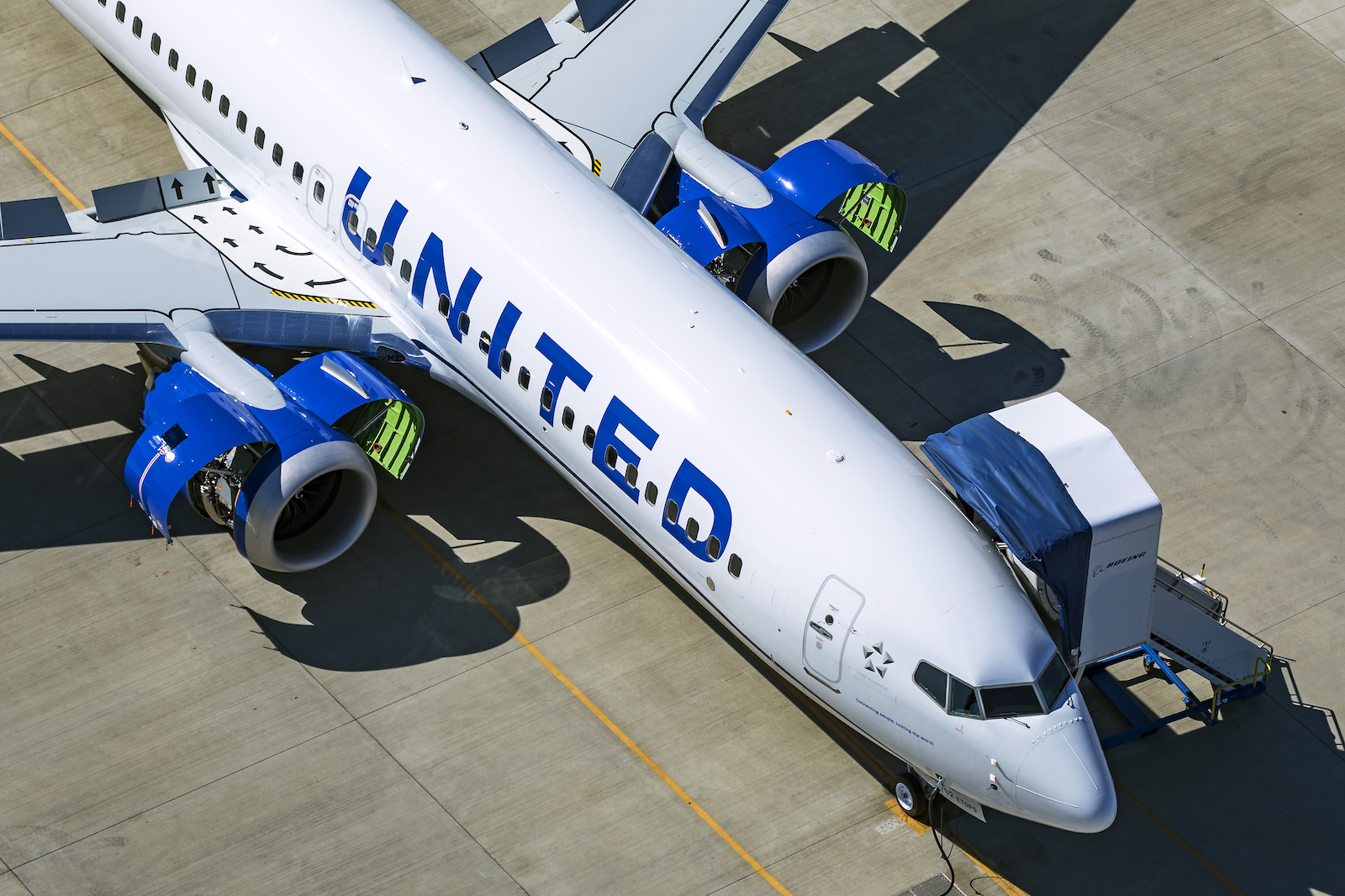
A United 737 MAX 8. (Photo: AirlineGeeks | William Derrickson)
A United 737 MAX 8 flying from Denver to Los Angeles was forced to make an emergency landing after the cockpit’s windscreen cracked.
United Flight 1093 diverted to Salt Lake City and landed safely on Thursday after the cracked windscreen was reported at cruise altitude over Moab, Utah, the NTSB said in a statement. Investigators are gathering radar, weather, and flight recorder data, the agency said, and the damaged windscreen is being sent to a lab for examination.
“On Thursday, United flight 1093 landed safely in Salt Lake City to address damage to its multilayered windshield,” United said in a statement. “We arranged for another aircraft to take customers to Los Angeles later that day and our maintenance team is working to return the aircraft to service.”
The New York Post reported Sunday that one of the pilots was injured when an unidentified object struck the windscreen, and shared an image of a pilot’s bloodied arm that had been circulating on social media. Neither the NTSB nor United has confirmed those details.
Another photo, also unverified, appeared to show scorch marks on the aircraft’s exterior above the windscreen.
The marks, combined with the aircraft’s reported cruise altitude – far higher than most birds can fly – prompted some social media users to speculate that a small meteorite or piece of space debris may have caused the damage.
Zach Vasile is a writer and editor covering news in all aspects of commercial aviation. He has reported for and contributed to the Manchester Journal Inquirer, the Hartford Business Journal, the Charlotte Observer, and the Washington Examiner, with his area of focus being the intersection of business and government policy.
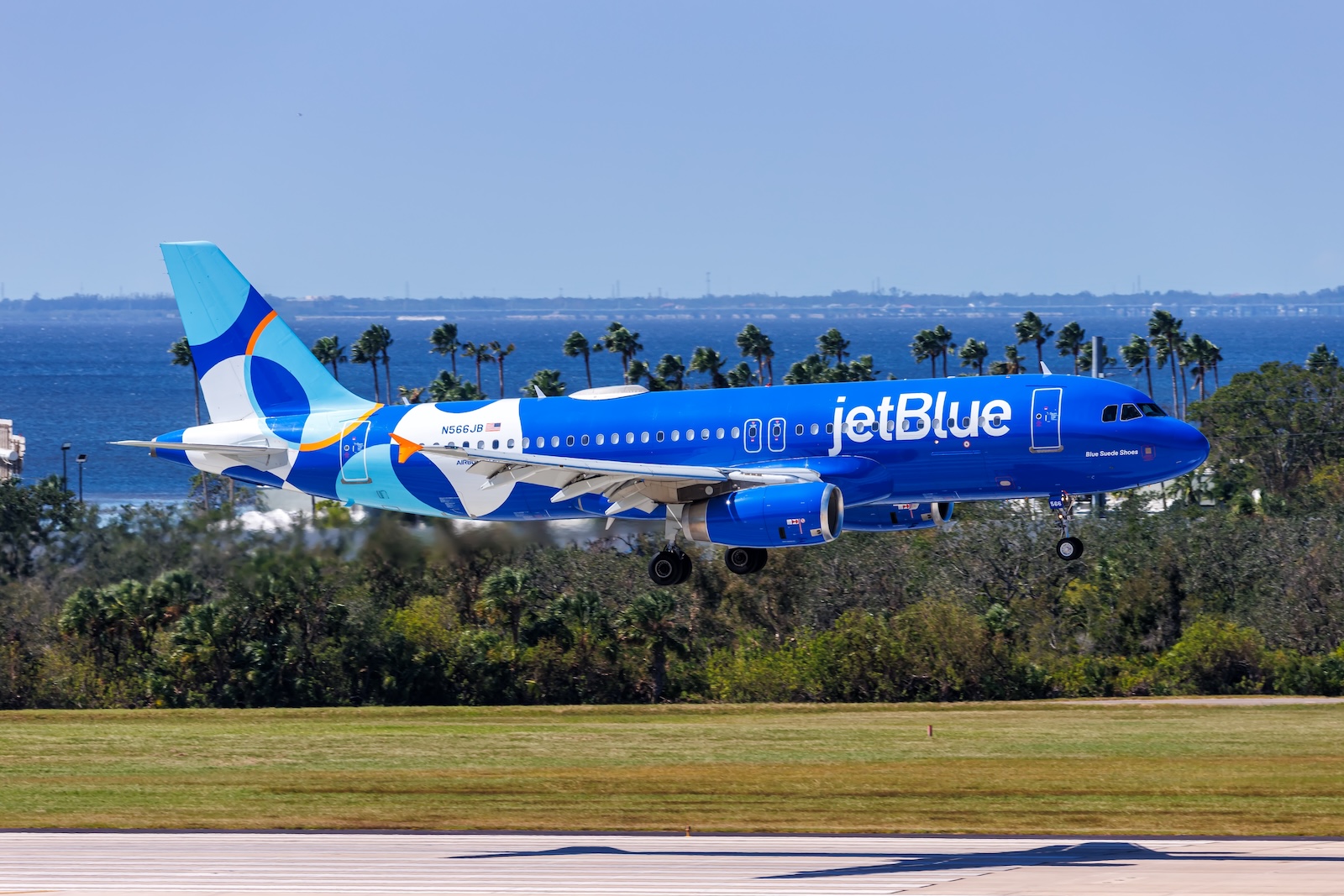
A JetBlue A320. (Photo: Shutterstock | Markus Mainka)
JetBlue will end service on a route it began less than a year ago in 2026. With this cut, the New York-based airline will also completely exit this airport.
Early next year, the carrier will no longer serve the Dutch Caribbean island of Bonaire, according to this week’s Cirium Diio schedule update. Local media also reported the change.
JetBlue began twice-weekly flights between its New York-JFK hub and Bonaire in November 2024. Service will now end on Jan. 3, 2026, after being previously planned as a year-round route.
“At JetBlue, we’re always working to fine-tune our network to best align with customer demand and support our long-term success,” an airline spokesperson said in a statement to AirlineGeeks. “As part of this, JetBlue will end its once-weekly service between New York (JFK) and Bonaire (BON) after local authorities informed us they will be ending a multi-year revenue guarantee early. The last day of service will be January 3, 2026.”
Ryan founded AirlineGeeks.com in February 2013 and has spent more than a decade covering the airline business. His work has been featured by CNN, WJLA, CNET, and Business Insider. His aviation experience spans airport operations, Part 135 regulatory compliance, and airline crew workforce planning, along with time behind the yoke of a Cessna 172 and interviews with airline executives. Ryan now serves as Group President of Firecrown Media’s Aviation Group. He holds a B.S. in Air Transportation Management and an MBA from Arizona State University and teaches Airline Management at Embry-Riddle Aeronautical University.
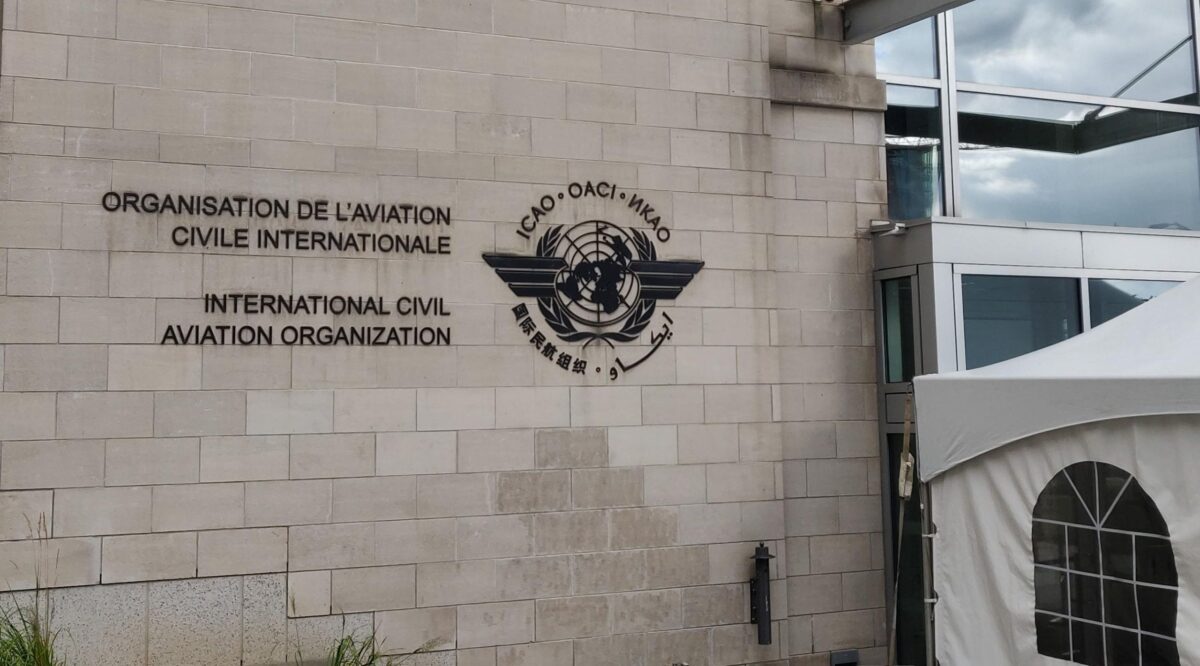
ICAO Headquarters in Montreal (Photo: Vanni Gibertini)
As red maple leaves started to color the Montreal skyline during the first week of October, the 42nd ICAO General Assembly drew to a close at the organization’s headquarters in the Canadian city. During this triannual event, delegates from the 193 Member states and invited observers discussed the hundreds of working papers and potential resolutions that will set the path for the next three years.
Net-Zero Emissions
The Assembly’s most prominent outcome was its solidification of ICAO’s commitment towards a sustainable future for air transport. For the first time since the beginning of aviation’s journey towards sustainability, Member States unanimously endorsed the ICAO Global Framework for Sustainable Aviation Fuels (SAF) and other cleaner energy initiatives.
The Assembly also emphasized the importance of the full operationalization of the ICAO Finvest Hub, a fundamental tool to connect decarbonization projects with public and private investors to accelerate the launch of a fully functional emission credits market.
Raising the Pilot Retirement Age: More Data Needed
One of the hottest topics discussed during the first week of the Assembly was the proposal made by IATA to raise the pilot retirement age from 65 to 67, reflecting ongoing research and analysis into workforce needs, health, and safety trends.
While currently some jurisdictions (such as Australia, Canada, Japan, and New Zealand) allow pilots to continue in their profession indefinitely until they can no longer satisfy the required medical standards, no pilots over 65 years of age are allowed to operate on international routes because this was established by ICAO Members in 2006.
For the time being, ICAO stated that “medical science is inconclusive on the effects of raising the age limit for pilots”, but there was clear consensus that ICAO should continue to consult with stakeholders, analyze evidence, and evaluate medical and operational impacts before issuing any regulatory change, ensuring that safety remains paramount.
Furthermore, the Assembly endorsed the ICAO Council’s determination that radio frequency interference (RFI) with Global Navigation Satellite Systems (GNSS) from North Korea and Russia violates the Chicago Convention (1944), and two resolutions were passed formally condemning both States and urging compliance with international obligations.
Finally, the Assembly tasked ICAO with taking the lead on establishing a framework for new challenges emerging in today’s commercial aviation, such the need to implements plans for cybersecurity at a national level, the creation of a new Task Force on Artificial Intelligence to shape safe applications and performance benchmarks for AI in aviation, and the modernization of the regulatory approaches for new entrants, notably remotely piloted aircraft systems (RPAS).
Next Stop: 2028
Member States will now have to incorporate the resolutions approved by the Assembly in their national legislations as soon as possible as with the support of ICAO’s “no country left behind” principle once again reaffirmed during the meetings in Montreal.
The delegates will return to Montreal in 2028 for the 43rd ICAO General Assembly.
Vanni fell in love with commercial aviation during his undergraduate studies in Statistics at the University of Bologna, when he prepared his thesis on the effects of deregulation on the U.S. and European aviation markets. Then he pursued his passion further by obtaining a Master’s Degree in Air Transport Management at Cranfield University in the U.K. followed by holding several management positions at various start-up carriers in Europe (Jet2, SkyEurope, Silverjet). After moving to Canada, he was Business Development Manager for IATA for nine years before turning to his other passion: sports writing.
Miami Leaders Seeking Nonstop Flights to East Asia, Middle East
County commissioners want routes to established and up-and-coming economic hubs.
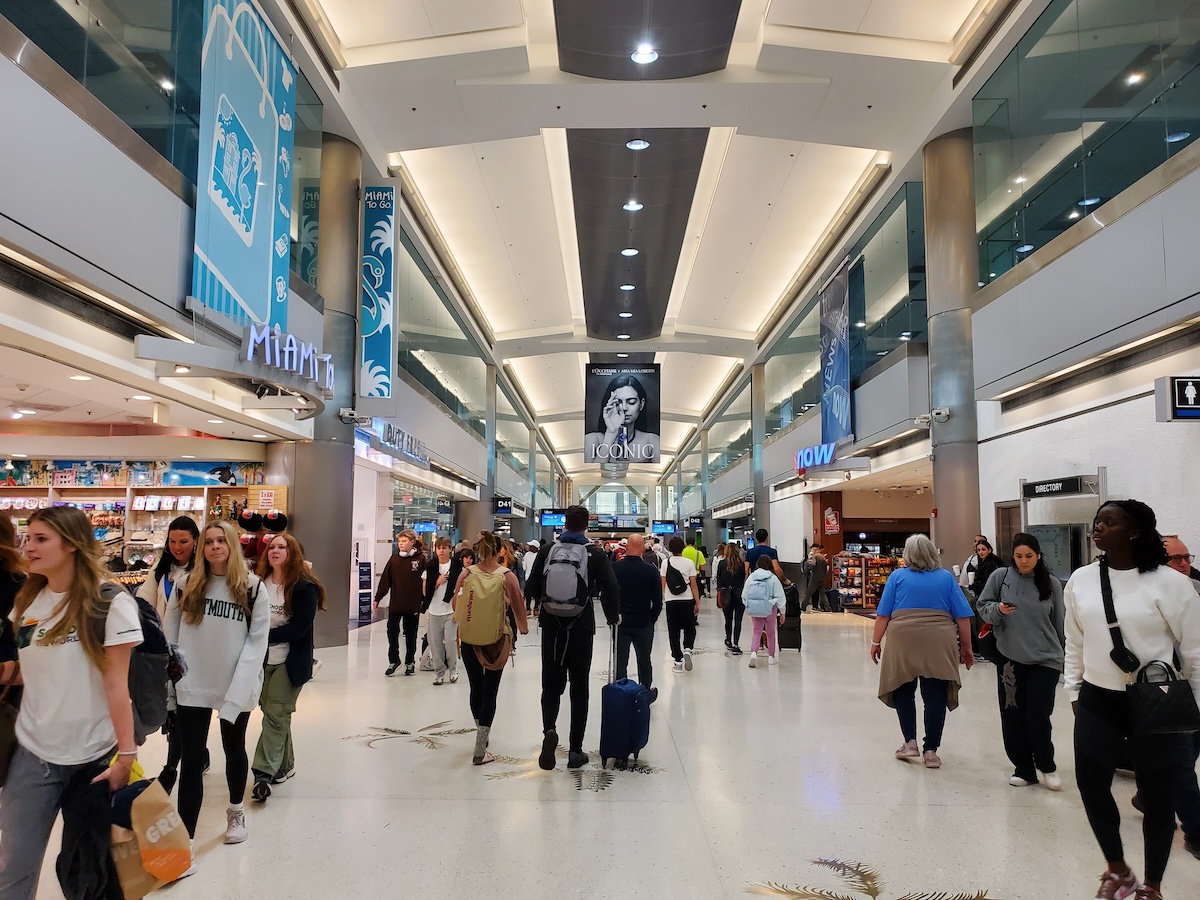
A terminal in Miami. (Photo: Shutterstock | Khairil Azhar Junos)
Officials in Miami are pushing for new routes connecting the city to destinations in East Asia, the Middle East, and South America.
The Miami-Dade County Board of Commissioners this week issued a resolution calling on Mayor Daniella Levine Cava to investigate the feasibility of nonstop passenger flights between Miami and Tokyo, Singapore, Riyadh, Saudi Arabia, and Asunción, Paraguay. Currently, none of the airlines at Miami International Airport offer nonstop service to those cities.
If possible, the resolution adds, the mayor should “undertake all appropriate efforts to solicit such flights from the appropriate carriers.”
Miami International Airport is owned and operated by the Miami-Dade Aviation Department, which is part of the county government.
The commissioners highlighted the potential economic benefits of establishing connections to the four cities. Tokyo and Singapore have some of the largest city economies in the world, they said, and both Riyadh and Asunción are growing fast and likely to achieve greater international prominence in the years ahead. Launching service to those locations would increase tourism and business travel and open up new commercial opportunities, the board said.
Miami is a major transit point between the continental U.S. and Latin America, but no airlines there fly nonstop to Paraguay.
Miami International Airport offers nonstop flights to Dubai and Doha, Qatar, in the Middle East, but the commissioners want to see service to Riyadh as well as it develops into a business and technology hub. Riyadh is the capital of and largest city in Saudi Arabia.
Zach Vasile is a writer and editor covering news in all aspects of commercial aviation. He has reported for and contributed to the Manchester Journal Inquirer, the Hartford Business Journal, the Charlotte Observer, and the Washington Examiner, with his area of focus being the intersection of business and government policy.
IndiGo Orders More Widebody Jets
The purchase will help support the carrier’s international expansion.
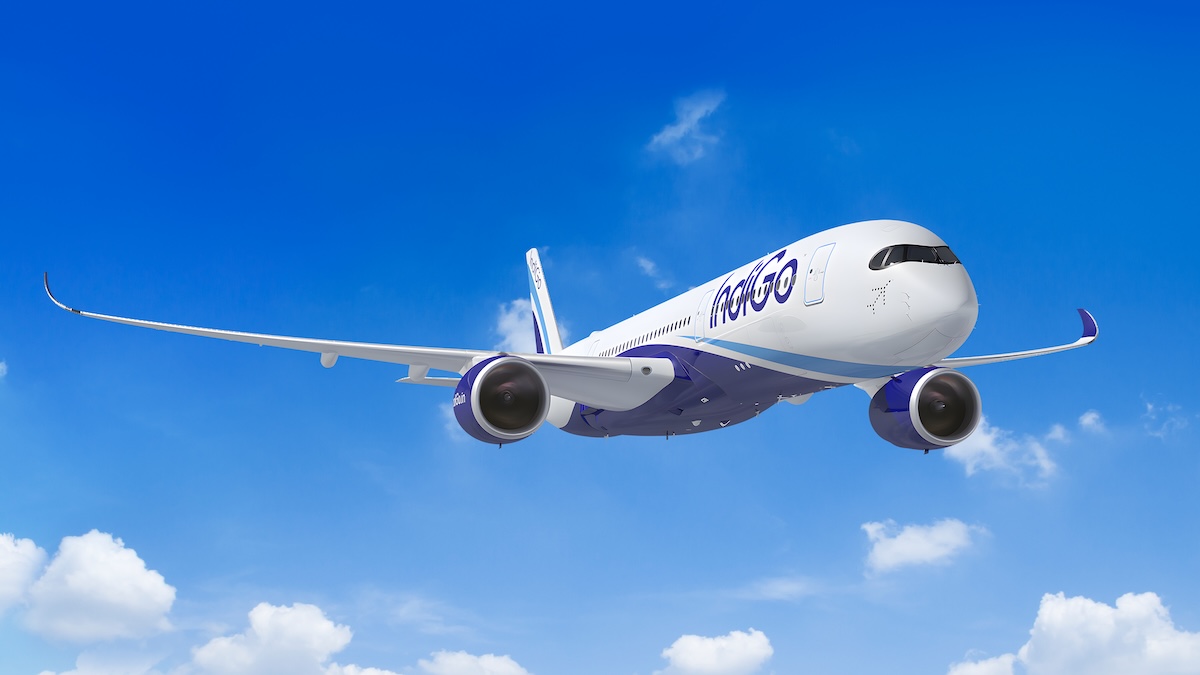
The carrier said Friday that it converted options under a June memorandum of understanding with Airbus into a firm order, bringing its total A350 commitment to 60 jets. Airline leaders said the widebody aircraft will help IndiGo expand its long-haul international route network.
“The conversion of this MoU into a firm order for 30 additional A350-900s is a testament to our confidence in the future of Indian aviation and our strategic partnership with Airbus, further reinforced by the strong start of our long-haul operations,” IndiGo CEO Pieter Elbers said in a statement. “These aircraft, as they join our fleet in the years to come, will play a pivotal role in enabling IndiGo expand its reach, connect India with more destinations across the globe, and offer our customers new international travel opportunities.”
Financial details of the order were not disclosed.
IndiGo’s fleet consists almost entirely of Airbus aircraft, with A320-family jets supporting most domestic and short-haul international routes.
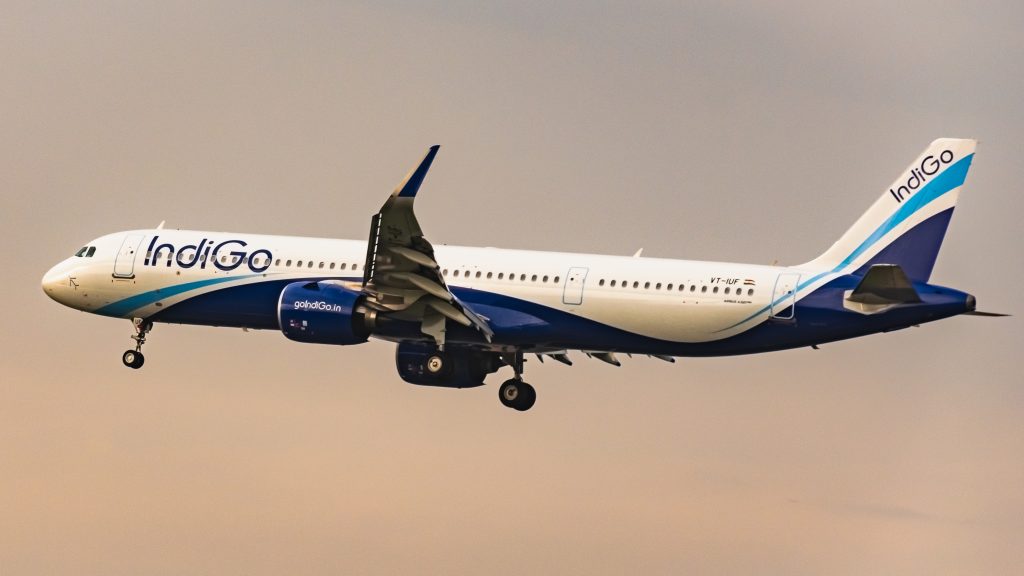
An IndiGo Airbus A321neo at Delhi Airport. (Photo: AirlineGeeks | Vihaan Kushwaha)
The carrier flies mostly within South Asia, but earlier this year it launched long-haul flights to Manchester in the U.K., Amsterdam, and Copenhagen. Later this month, it will add London to its route network, with Athens set to follow in 2026.
IndiGo also offers medium-haul flights to destinations such as Istanbul, Jakarta, Mauritius, Nairobi, and Hong Kong.
Zach Vasile is a writer and editor covering news in all aspects of commercial aviation. He has reported for and contributed to the Manchester Journal Inquirer, the Hartford Business Journal, the Charlotte Observer, and the Washington Examiner, with his area of focus being the intersection of business and government policy.
Livery of the Week: Emirates Celebrates Its Courier Service
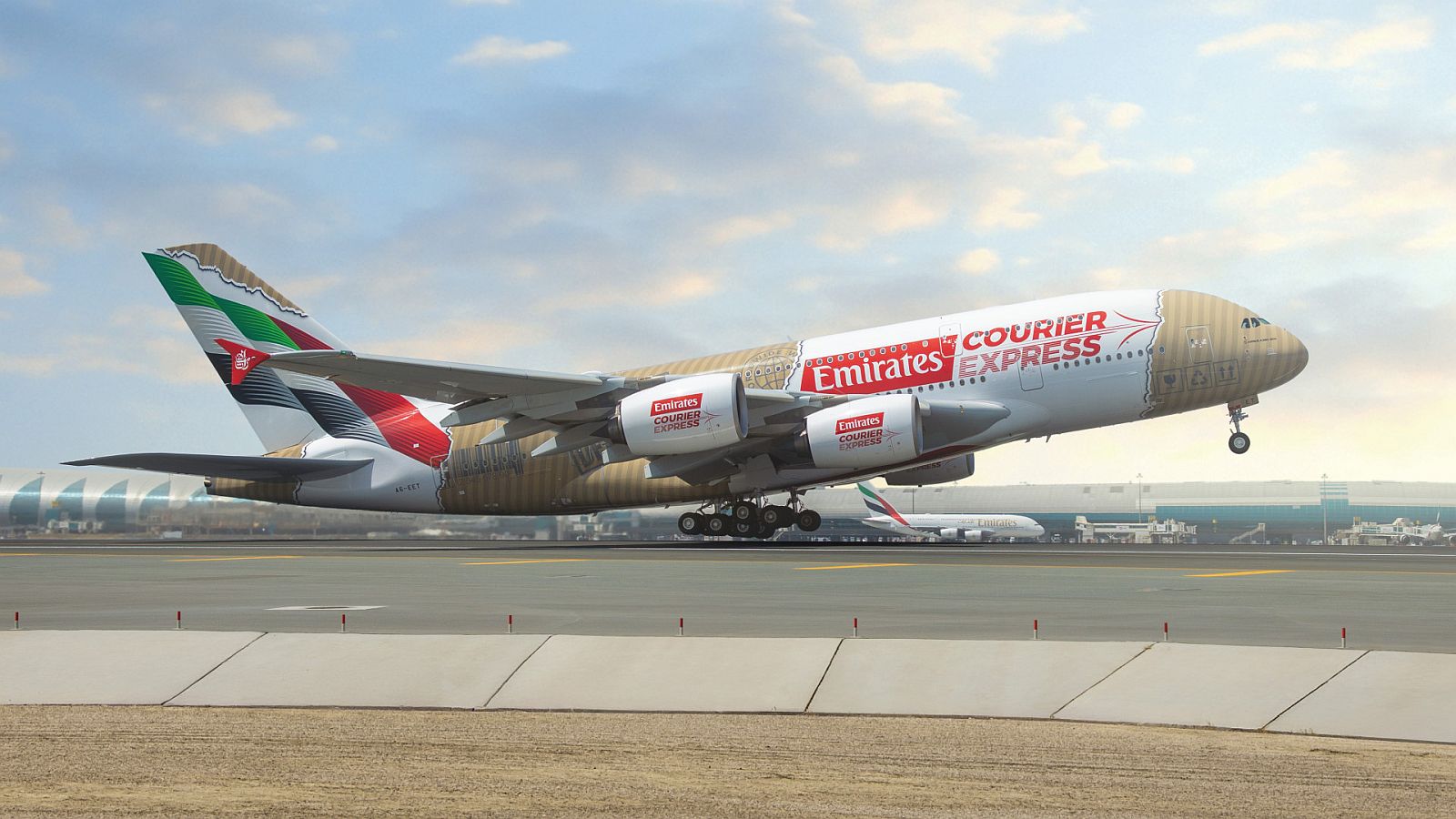
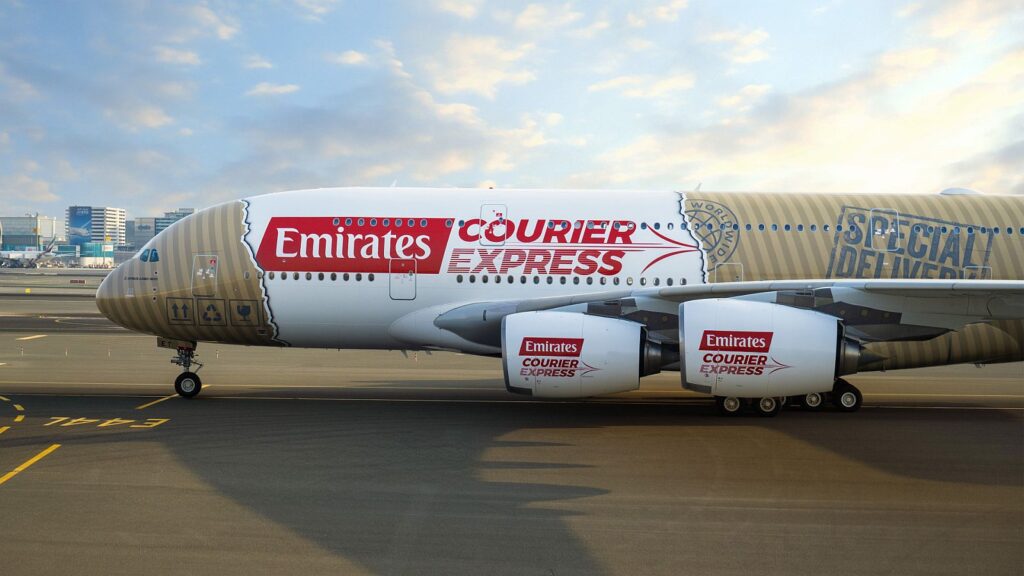
Emirates' Airbus A380 in Emirates Courier Express special livery (Photo: Emirates)
Editor’s Note: AirlineGeeks is proud to present our ‘Livery of the Week’ series. Every Friday, a team member will share an airline livery, which can be from the past, present, or even a special scheme. Some airline liveries are works of art. The complexity associated with painting around critical flight components and the added weight requires outside-the-box thinking from designers. The average airliner can cost upwards of $200,000 to repaint, creating a separate aircraft repainting industry as a result.
Have an idea for a livery that we should highlight? Drop us a line.
Last April, Dubai-based carrier Emirates announced the launch of its logistics service, Emirates Express Courier. This innovative shipping service is specifically designed for businesses and focuses on a quicker door-to-door delivery made possible by leveraging its extensive network connecting Dubai International Airport to over 100 destinations in every inhabited continent.
The service was initially available in seven markets (Bahrain, Kuwait, Oman, Saudi Arabia, South Africa, the UAE, and the United Kingdom) and has subsequently expanded to Australia.
In order to celebrate this milestone in Emirates’ expansion into the logistics supply chain market, the carrier decided to paint one of its Airbus A380 aircraft in a special livery showcasing the brand of this new enterprise.
A Paper-Wrapped A380
The nose and the rear section of the fuselage are painted as if they are “wrapped in kraft paper, torn to reveal the UAE flag on the tailfin and the Emirates Courier Express logo emblazoned on each side”, says Emirates in a press release. A “special delivery” stamp and tracking barcodes adorn the brown-paper section of the fuselage to complete the rendering.
Emirates’ Airbus A380-861 in Emirates Courier Express special livery (Photo: Emirates)
The aircraft chosen to display this special livery is an Airbus A380, registered as A6-EET, delivered to the carrier on Mar. 27, 2014, powered by four Engine Alliance GP 7270 turbofan engines and configured in a three-class configuration with 14 First Class seats, 76 Business Class seats and 399 Economy Class seats for a total of 489 passengers.
Looking for a new airplane model? Head over to our friends at the Midwest Model Store for a wide selection of airlines and liveries.
Vanni fell in love with commercial aviation during his undergraduate studies in Statistics at the University of Bologna, when he prepared his thesis on the effects of deregulation on the U.S. and European aviation markets. Then he pursued his passion further by obtaining a Master’s Degree in Air Transport Management at Cranfield University in the U.K. followed by holding several management positions at various start-up carriers in Europe (Jet2, SkyEurope, Silverjet). After moving to Canada, he was Business Development Manager for IATA for nine years before turning to his other passion: sports writing.
Delta Adding New Transcontinental Route
The airline is also expanding service in a handful of existing markets.
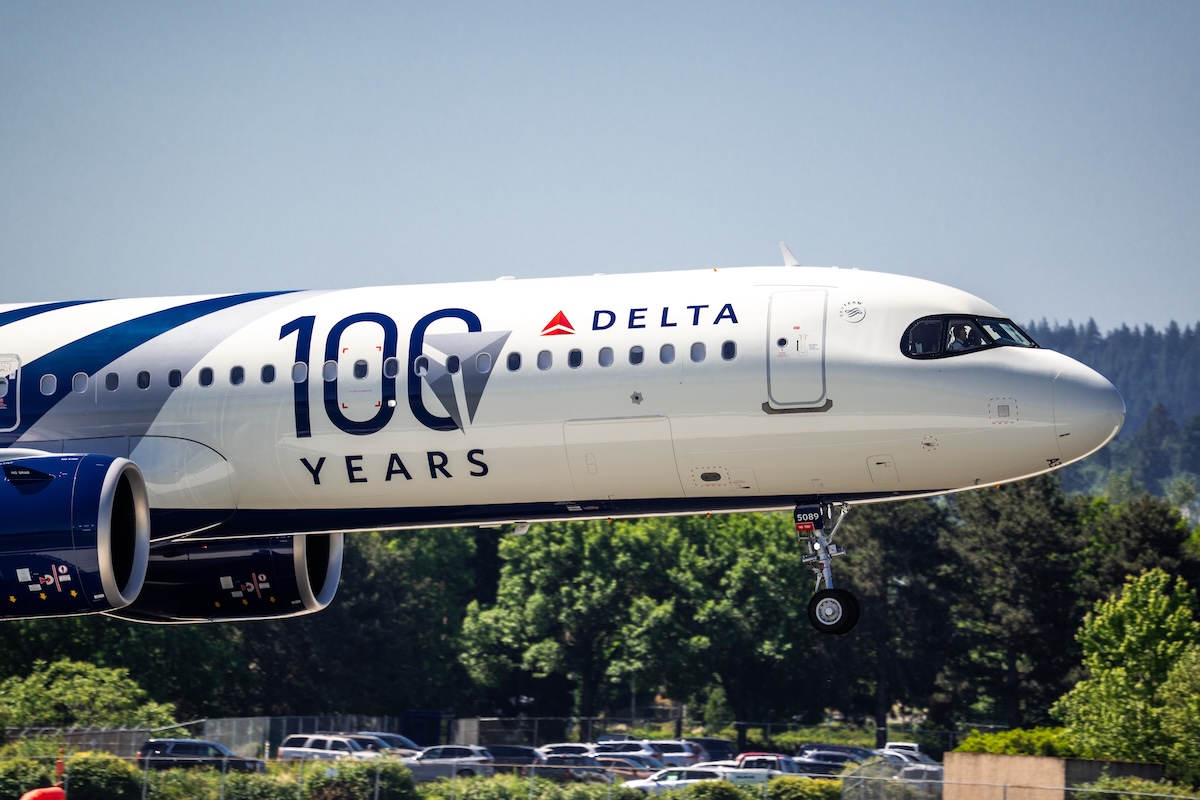
A Delta A321neo in the airline's 100-year special livery (Photo: Shutterstock | Aurelia Blankenship)
Delta is set to expand its network from Seattle next spring, introducing new and increased service across several markets.
Beginning May 7, 2026, the airline will launch brand-new daily nonstop flights between Seattle and Philadelphia — a route the airline says has been highly requested by both corporate and leisure travelers. Flights will be operated by an Airbus A321neo.
American and Alaska currently link the two cities with non-stop flights.
On the same date, Delta will move up the start of its fourth daily Seattle–Boston flight, which was originally scheduled to begin in June.
An airline spokesperson confirmed the network additions to AirlineGeeks on Friday.
West Coast Service Boost
The airline will also add frequencies on two West Coast routes. Service from Seattle to Ontario, California, will increase to four times daily, while San Jose, California, will grow to five times daily.
“Seattle continues to be one of Delta’s most important coastal gateways, connecting customers to key business and leisure destinations across the country and around the world,” said Amy Martin, Delta’s network planning chief, in a statement. “Philadelphia has been a top-requested destination from our Seattle corporate customers, and this new service reflects our commitment to investing in the routes that matter most to them while building an even stronger network from the Pacific Northwest.”
Ryan founded AirlineGeeks.com in February 2013 and has spent more than a decade covering the airline business. His work has been featured by CNN, WJLA, CNET, and Business Insider. His aviation experience spans airport operations, Part 135 regulatory compliance, and airline crew workforce planning, along with time behind the yoke of a Cessna 172 and interviews with airline executives. Ryan now serves as Group President of Firecrown Media’s Aviation Group. He holds a B.S. in Air Transportation Management and an MBA from Arizona State University and teaches Airline Management at Embry-Riddle Aeronautical University.
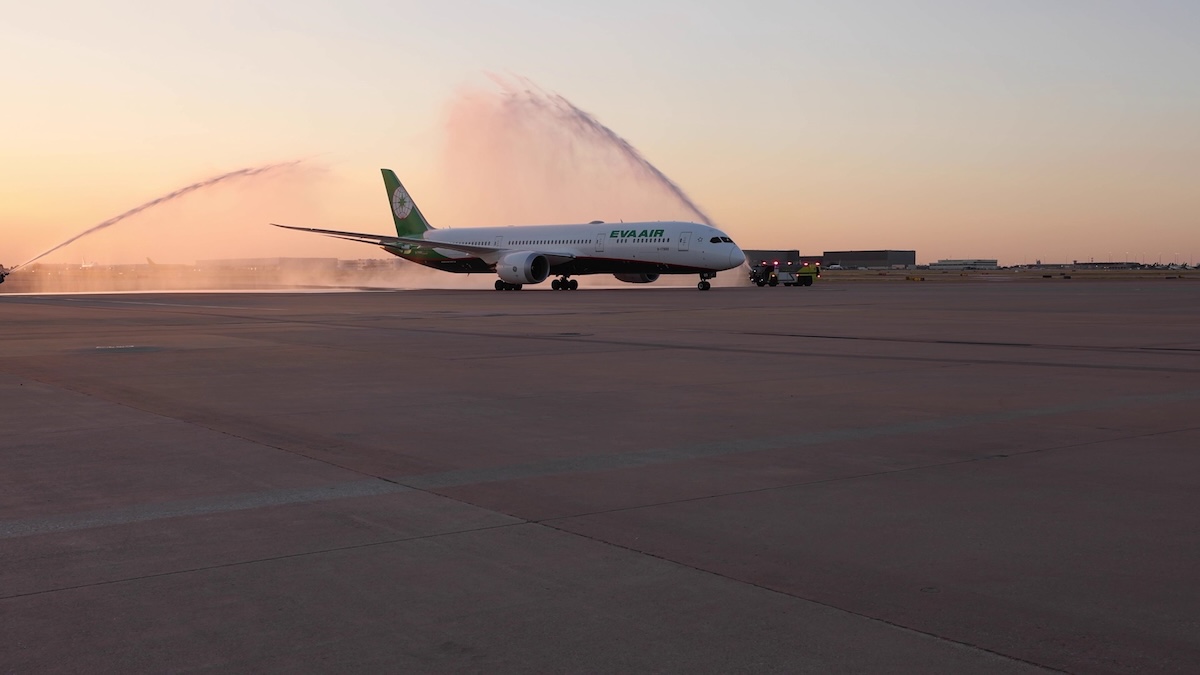
Water canon salute for EVA's first flight to Dallas/Fort Worth (Photo: EVA Air)
Following the launch of its newest route to Dallas/Fort Worth on Oct. 3, EVA Air is gearing up for more growth in the U.S. The Taiwanese airline currently offers passenger service to seven U.S. cities.
In addition to its recently launched Dallas/Fort Worth service, EVA flies to Houston, San Francisco, Chicago O’Hare, New York-JFK, Los Angeles, and Seattle. But more markets could be on the way.
Andrew Su, EVA’s North America Head Office executive vice president, told AirlineGeeks on the sidelines of the carrier’s Dallas/Fort Worth inaugural flight festivities that more options are on the table, especially as competition between Taiwan and the U.S. heats up.
“We already have very extensive service from the West Coast,” Su said. “We have 33 [flights] from Los Angeles and San Francisco, and 10 weekly from Seattle. And the rest of the gateways, we have daily service.”
“I have to admit the competition is there, especially since we have three major carriers in Taiwan,” Su added in response to a question about growth in Phoenix. “But we have already run the business in North America for more than 30 years, so we are the leader.”
Unlike its competitors, EVA’s U.S. growth ambitions may be farther east, Su hinted.
“Now we are looking forward to a little bit to the East Coast,” he said.
Su’s comments come less than a month after Taipei’s Taoyuan International Airport Corporation and the Metropolitan Washington Airports Authority – which operates Washington Dulles – inked a new partnership to promote nonstop service between Taiwan and Washington, D.C. Currently, there are no regular flights between the two cities.
Why Dallas/Fort Worth?
Most of EVA’s passenger destinations in the United States are Star Alliance hubs. Dallas/Fort Worth bucks this trend, being a oneworld stronghold.
Su said the airline has been looking to add passenger flights to Dallas/Fort Worth “for a long time,” noting the region’s continued population growth.
“And you’ve got a lot of leading industry here in Dallas,” he added. “So I think it’s the right time for us to come to this market.”
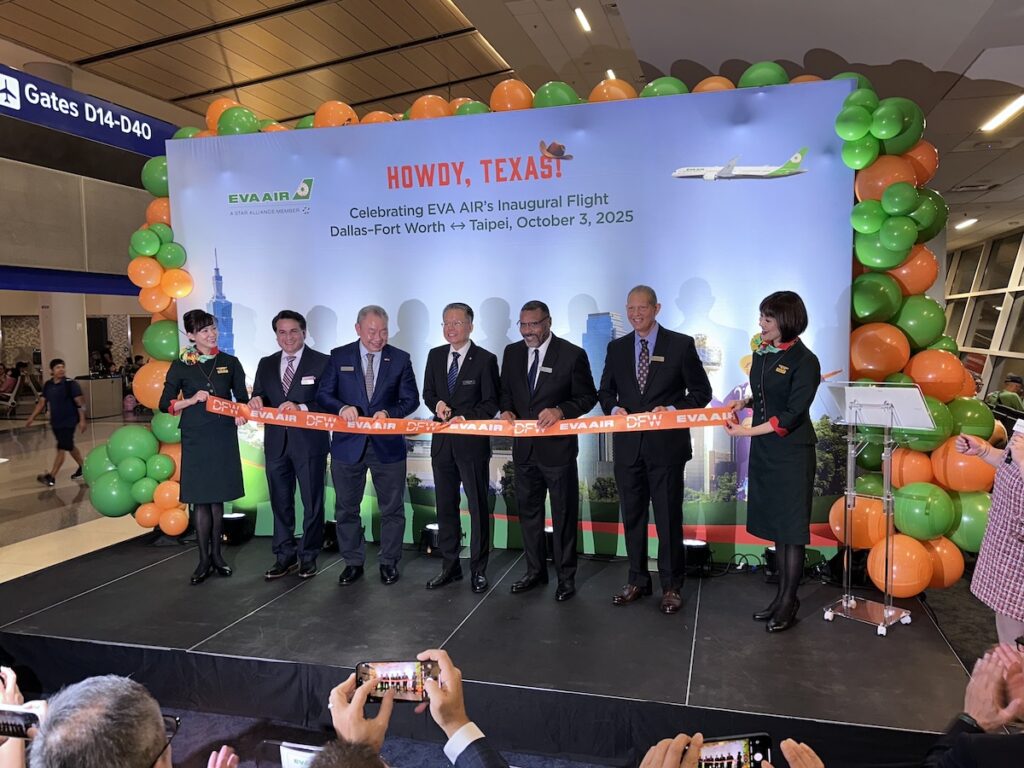
Ribbon cutting for EVA’s first passenger flight to Dallas/Fort Worth (Photo: AirlineGeeks | Ryan Ewing)
EVA has operated cargo flights to Dallas/Fort Worth for several years. It is also the airline’s second destination in Texas after Houston.
Expansion is already planned on the Taipei-to-Dallas/Fort Worth route, too. After launching earlier this month with three times weekly service, the route will increase to five times weekly on Nov. 18.
Starting on Dec. 15, the new route will become a daily service.
Ryan founded AirlineGeeks.com in February 2013 and has spent more than a decade covering the airline business. His work has been featured by CNN, WJLA, CNET, and Business Insider. His aviation experience spans airport operations, Part 135 regulatory compliance, and airline crew workforce planning, along with time behind the yoke of a Cessna 172 and interviews with airline executives. Ryan now serves as Group President of Firecrown Media’s Aviation Group. He holds a B.S. in Air Transportation Management and an MBA from Arizona State University and teaches Airline Management at Embry-Riddle Aeronautical University.
A Southwest Boeing 737-700. (Photo: AirlineGeeks | William Derrickson)
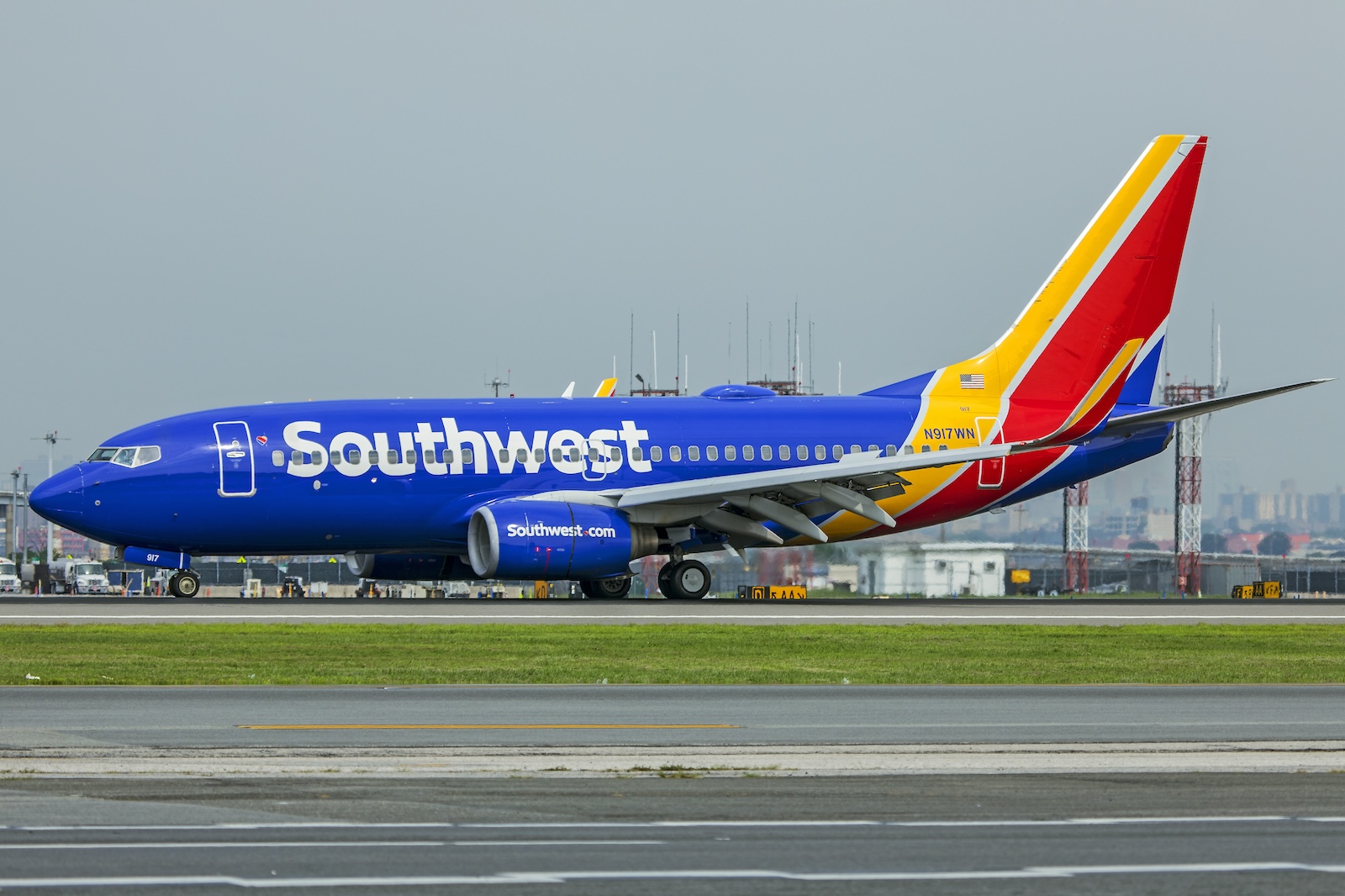
Southwest is partnering with a tech company whose platform offers customers incentives to switch off of high-demand and overbooked flights.
The airline said this week that it is deploying Volantio’s artificial intelligence-powered “Re-Commerce Platform” to help fill more seats on existing flights. The technology is expected to deliver increased revenue in the post-booking period, improving the carrier’s overall profitability.
“Volantio’s innovative platform creates new ways to recognize and reward travelers, while also strengthening our revenue performance in the post-booking window,” Matt Louis, Southwest’s vice president of revenue management, said in a news release. “It’s a true win-win for both Southwest and our customers.”
The Re-Commerce Platform identifies peak flights up to seven days before departure and offers customers the chance to move to alternative confirmed flights in exchange for rewards. The service is free to use for all Southwest customers.
Volantio’s platform is already used by a number of airlines, including Alaska Airlines, Air Canada, and Qantas. Alaska’s chief financial officer has said the tool drives “well over $20 million in impact per year.”
“Post-booking revenue management represents an exciting source of incremental value for airlines, and what makes it unique is that everyone wins,” Azim Barodawala, Volantio’s CEO and co-founder, said in a statement. “Travelers gain more choice and rewards, while airlines unlock greater efficiency and effectiveness.”
Zach Vasile is a writer and editor covering news in all aspects of commercial aviation. He has reported for and contributed to the Manchester Journal Inquirer, the Hartford Business Journal, the Charlotte Observer, and the Washington Examiner, with his area of focus being the intersection of business and government policy.
Airlink Partners With Air Austral
The new deal is meant to improve connectivity between Reunion Island and Southern Africa.
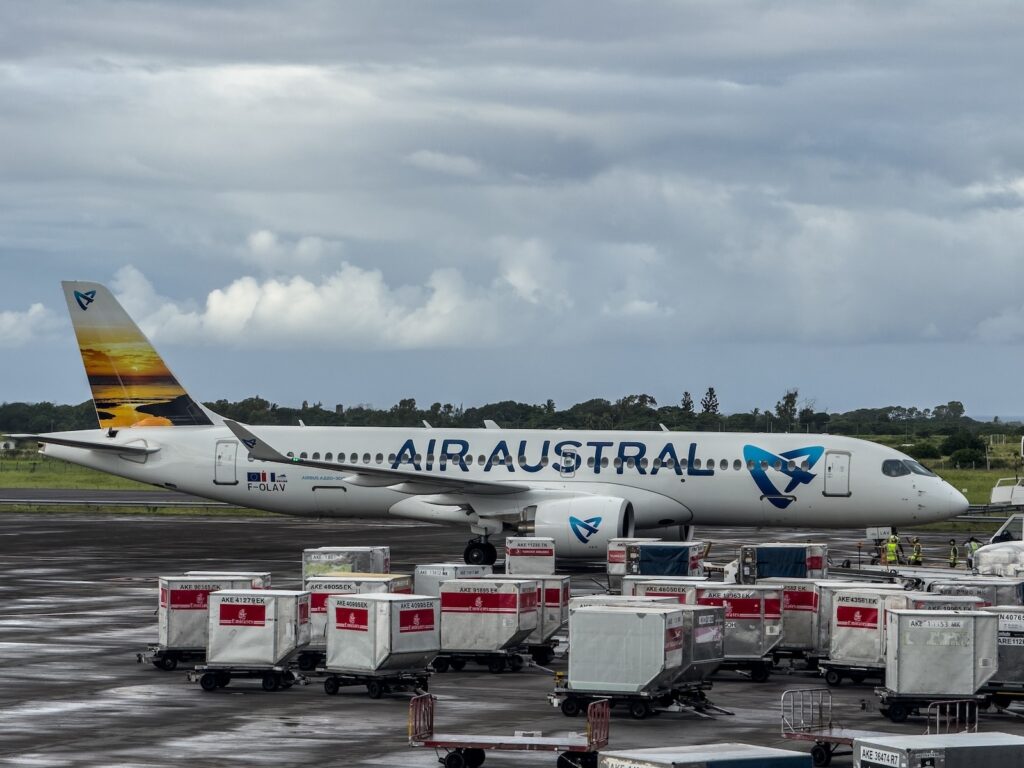
Air Austral is a French airline based in Reunion Island. It is a major player in the Indian Ocean region, offering services to France as well as other regional destinations.
The carrier operates a modern fleet made up of two Boeing 787-8 dual-class aircraft, three 777-300 triple-class aircraft for long-haul flights, and three new Airbus A220 aircraft for regional flights.
Improved Indian Ocean Connectivity
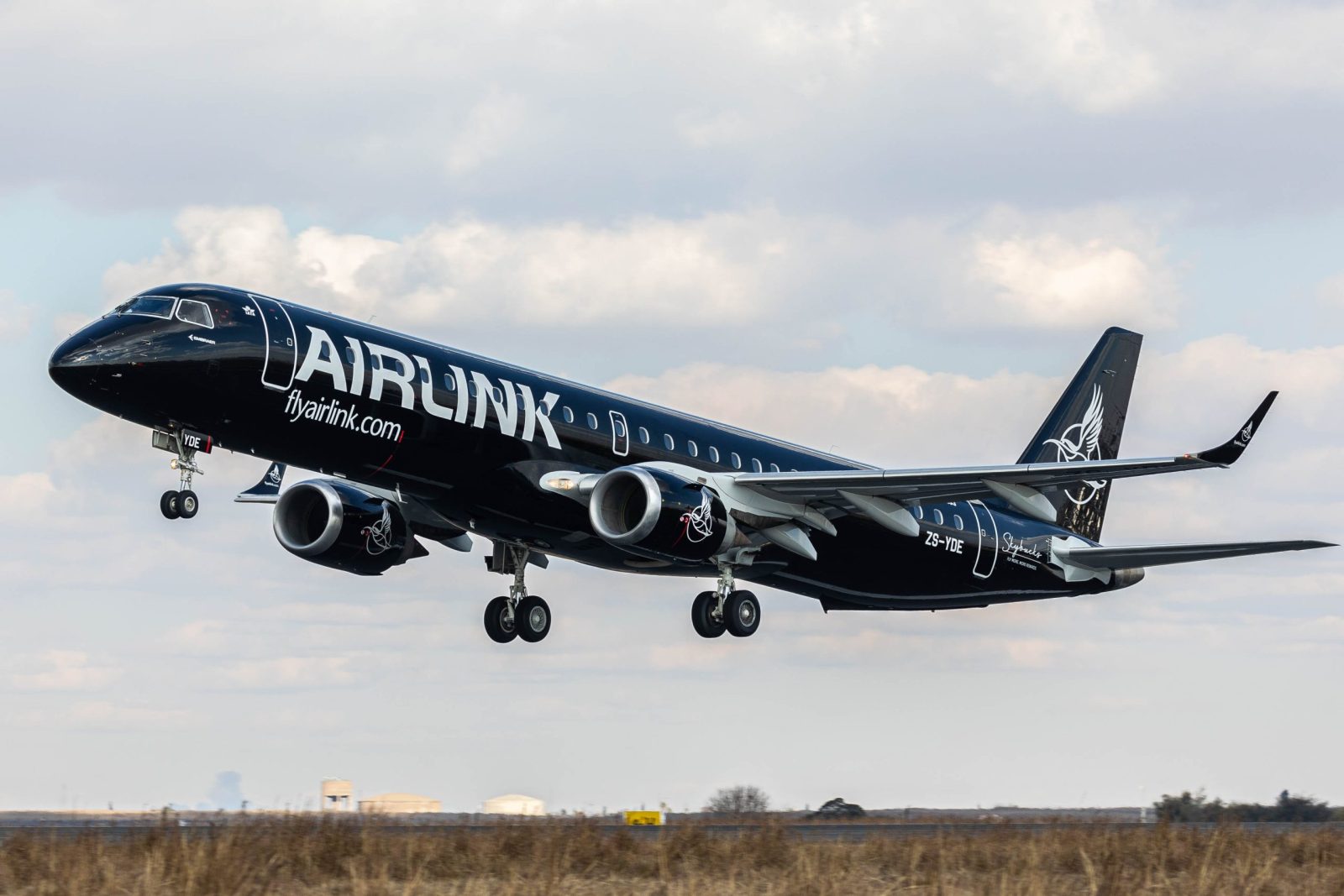
The agreement improves connectivity for passengers, bringing the networks of both airlines closer together. Air Austral’s passengers will have access to Airlink’s network of 45 destinations across South Africa and the Southern Africa region.
These destinations will be offered as connections through Johannesburg, on Air Austral’s Reunion–Johannesburg services.
An Air Austral Airbus A220. (Photo: Shutterstock | Mario Hagen)
“This partnership represents a major milestone in the development of our network. By joining forces with Airlink, we are offering our customers more choice and flexibility to access Southern Africa,” said Air Austral CEO Hugues Marchessaux in a news release.
Bilateral SPA Agreement
Air Austral’s passengers will be able to book connecting trips on a single ticket, with baggage checked through to their final destination. From Reunion, they can connect to destinations such as Cape Town, Durban, Windhoek, Gaborone, Lusaka, Victoria Falls, and others.
Airlink is also now able to offer services beyond Reunion on Air Austral’s route network. This includes flights to Mauritius, Madagascar, Mayotte, the Comoros Islands, the Seychelles, and others with a single ticket.
“This collaboration marks an exciting step forward in strengthening connectivity between the Indian Ocean islands and the African continent — unlocking new opportunities for trade, tourism, and cultural exchange. Together, we are building bridges that bring our regions closer and create lasting value for our customers,” Airlink CEO de Villiers Engelbrecht said in a statement.
Lorne is a South Africa-based aviation journalist. He was captivated and fascinated by flying from the day he took his first airline flight. With a passion for aviation in his blood, he has flown to destinations in all corners of the globe. Lorne has traveled extensively and lived in various countries. Drawing on his travels and passion for aviation, Lorne enjoys writing about airlines, routes, networks, and new developments.
Sign-up for newsletters & special offers!
Get the latest stories & special offers delivered directly to your inbox