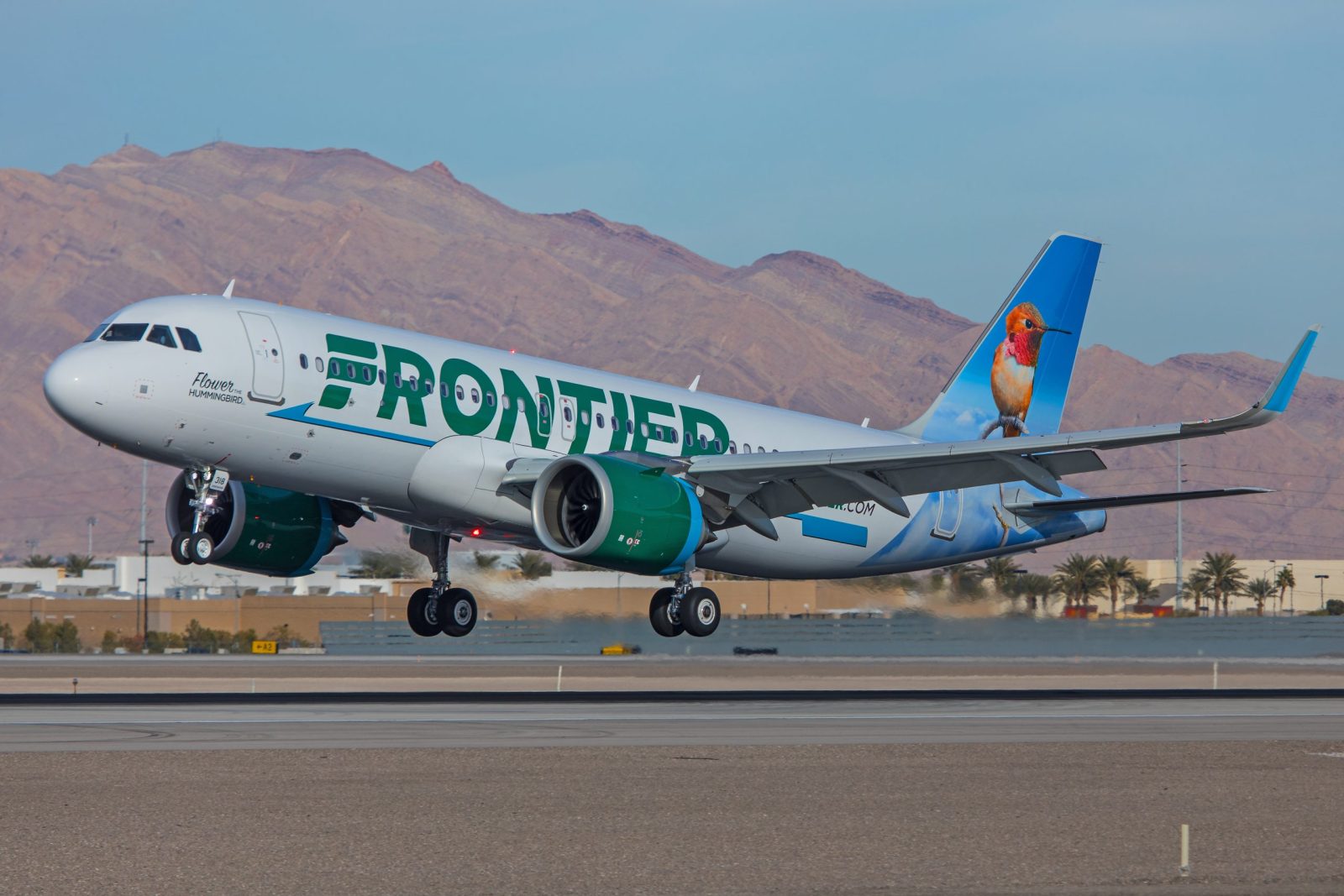
A Frontier Airbus A320neo in Las Vegas. (Photo: AirlineGeeks | William Derrickson)
Frontier CEO Barry Biffle has called for tighter restrictions on private aircraft operations during periods of heavy air traffic, arguing that private flights can worsen delays and lead to cancellations for scheduled airlines.
In a LinkedIn post last week, Biffle wrote that when airlines file flight plans in line with their schedules, private jet operators often submit earlier departure times to gain priority.
“A private jet wants to leave at the same time. … They and we know we will likely get a ground delay program of two or three hours,” he said. “The PJ simply files for an earlier time and then gets to leave when they wanted to leave once they get the delay program.”
He added that such practices can leave airlines without viable operating windows. “Sadly, airlines often end up having to cancel because these delays stack up and time out our crews,” Biffle wrote.
The Frontier chief said he plans to meet with the Federal Aviation Administration to discuss potential solutions, suggesting that limits on private aircraft movements during peak travel periods could help reduce disruptions for commercial passengers.
In a follow-up post on Tuesday, Biffle thanked industry peers and travelers who had reached out in response to his comments. “It’s time to stop cancelling people’s flights just because we don’t organize the airport and airspace usage,” he wrote, reiterating his call for what he described as “common sense” management of the national airspace system.
Ryan founded AirlineGeeks.com in February 2013 and has spent more than a decade covering the airline business. His work has been featured by CNN, WJLA, CNET, and Business Insider. His aviation experience spans airport operations, Part 135 regulatory compliance, and airline crew workforce planning, along with time behind the yoke of a Cessna 172 and interviews with airline executives. Ryan now serves as Group President of Firecrown Media’s Aviation Group. He holds a B.S. in Air Transportation Management and an MBA from Arizona State University and teaches Airline Management at Embry-Riddle Aeronautical University.
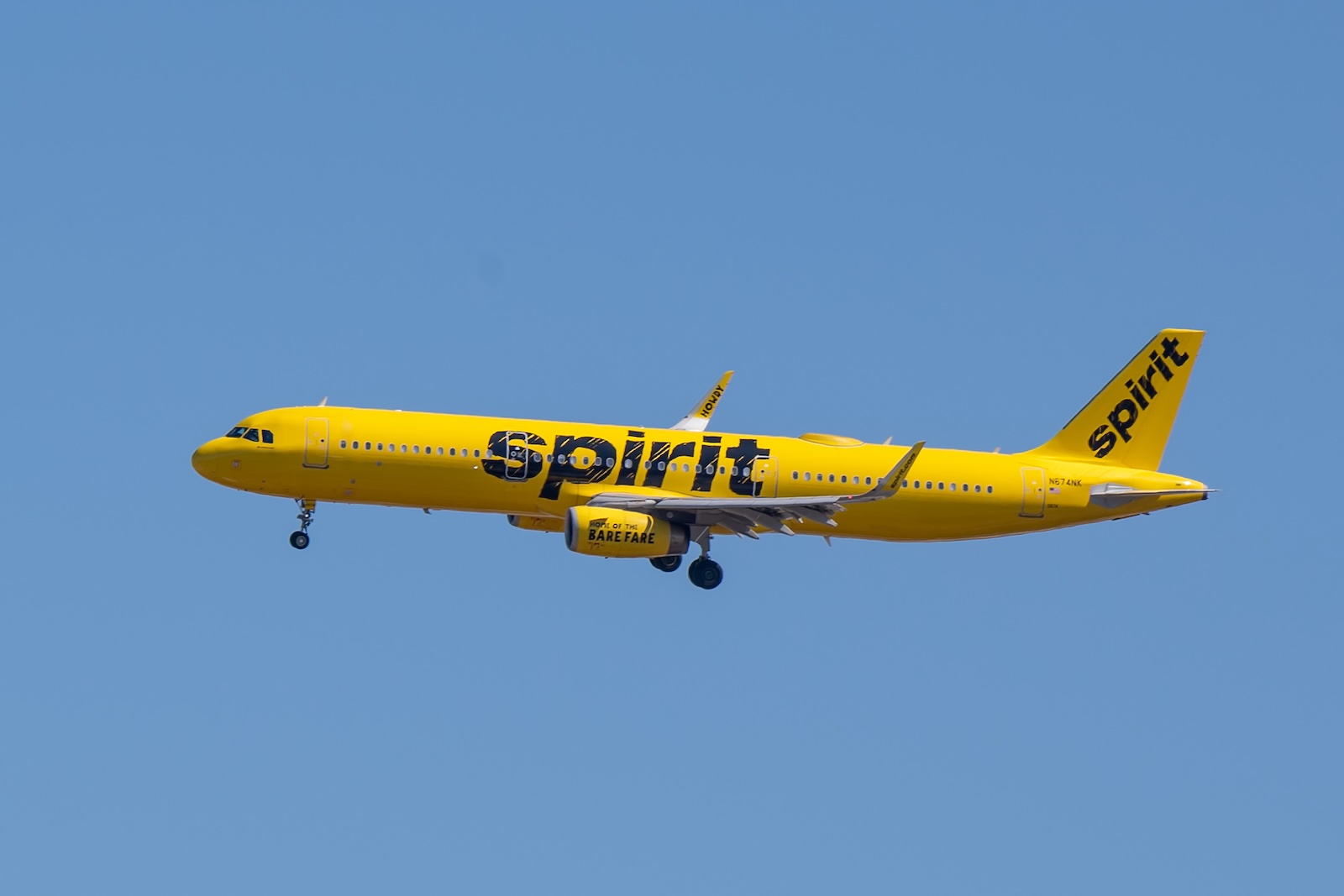
A Spirit Airbus A321 (Photo: Shutterstock | Ron Adar)
Ultra-low-cost carrier Spirit expects to record full-year losses for 2025 and 2026 but should return to profitability by 2027, according to documents submitted to the U.S. Securities and Exchange Commission on Tuesday.
The airline, which is currently navigating its second Chapter 11 bankruptcy in a year’s time, forecasts a net loss of about $804 million this year and $145 million next year. By 2027, however, with Spirit’s restructuring plan nearing completion, net income should move into the black and reach $219 million by the year’s end, the filings said.
The carrier has not posted an annual profit since 2019. Spirit’s no-frills price structure, which fueled significant growth in the 2010s, left it susceptible to changes in the market following the COVID-19 pandemic, including overcapacity and a rise in labor and maintenance costs. It filed for bankruptcy in November 2024, emerged from the process in March, and, after worsening financial results, reentered Chapter 11 over the summer.
Spirit has slashed routes, shed aircraft leases, and furloughed hundreds of pilots as it works to reduce its debt load and secure financial lifelines from creditors. Its long-term transformation plan calls for the elimination of all “unprofitable flying,” cutbacks in airport gate rents, advertising spend, and non-core expenses, and “right-sizing” its workforce, which would likely entail further job cuts.
Spirit leadership ultimately hopes to reposition the brand from “budget traveler” to a “value-seeking audience.”
The airline recently secured a $475 million multi-tranche financing facility from its existing bondholders. The money is expected to be used to help Spirit maintain normal flying operations during the bankruptcy period.
Zach Vasile is a writer and editor covering news in all aspects of commercial aviation. He has reported for and contributed to the Manchester Journal Inquirer, the Hartford Business Journal, the Charlotte Observer, and the Washington Examiner, with his area of focus being the intersection of business and government policy.
Spirit Cancels Airbus Order
The carrier had planned to take delivery of up to 62 aircraft.
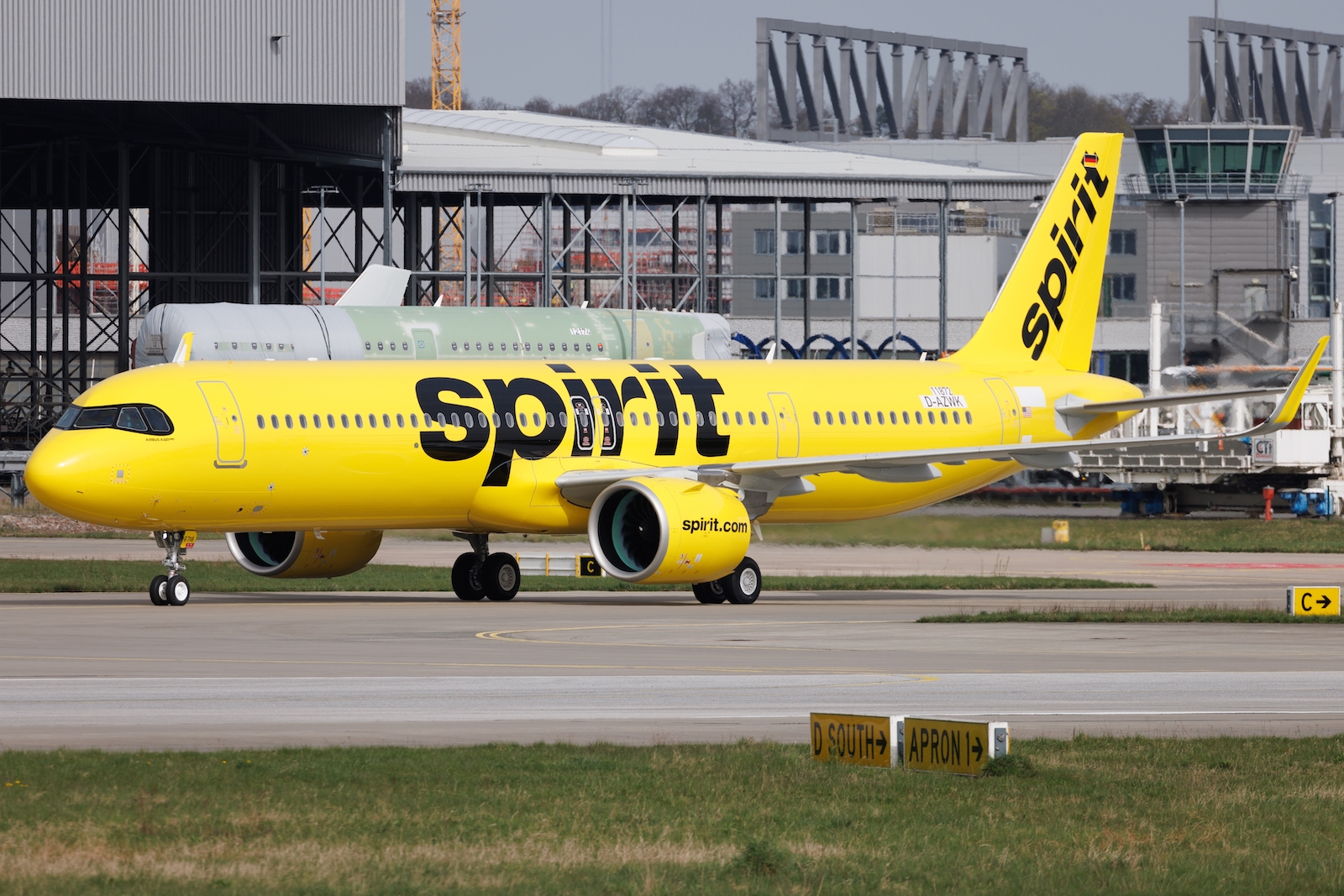
A Spirit Airbus A321neo aircraft. (Photo: Shutterstock | Kevin Hackert)
Spirit has canceled a large portion of its Airbus aircraft order book as part of its ongoing Chapter 11 restructuring, according to court documents filed in New York.
Under an agreement approved by the bankruptcy court, the carrier will terminate its order for 52 Airbus aircraft and give up options for 10 more. The deal forms part of a broader settlement with aircraft leasing company AerCap, which had financed or managed a portion of Spirit’s future deliveries.
In exchange, AerCap will make a $150 million cash payment to the ultra-low-cost carrier and gain the right to file an unsecured claim of up to $572 million against the airline’s bankruptcy estate.
The airline expects the revised order and lease structure to save hundreds of millions of dollars in long-term obligations.
More on Order
According to fleet data from Cirium, the airline has a total of 90 aircraft on order, along with 50 options. These include A320neo and A321neo aircraft.
Ryan founded AirlineGeeks.com in February 2013 and has spent more than a decade covering the airline business. His work has been featured by CNN, WJLA, CNET, and Business Insider. His aviation experience spans airport operations, Part 135 regulatory compliance, and airline crew workforce planning, along with time behind the yoke of a Cessna 172 and interviews with airline executives. Ryan now serves as Group President of Firecrown Media’s Aviation Group. He holds a B.S. in Air Transportation Management and an MBA from Arizona State University and teaches Airline Management at Embry-Riddle Aeronautical University.
Air Canada announced Tuesday that it will double the frequency of its luxury coach service between Toronto Pearson International Airport and the nearby Region of Waterloo International Airport in Woolwich, Ontario.
Starting Dec. 1, the Landline Company will operate 10 daily round trips between the two airports for Air Canada, up from the current five.
Airline leaders said the service, which launched last year, has proven popular with customers in the Kitchener-Waterloo area. Customers can use the bus route to reach Toronto Pearson and from there connect to Air Canada’s global route network.
A spokesperson for Landline said the expanded schedule will allow passengers to better align their coach trip with their departure or arrival time.
Landline also operates Air Canada bus routes connecting Toronto Pearson with John C. Munro Hamilton International Airport in Hamilton and Kingston Norman Rogers Airport in Kingston.
Zach Vasile is a writer and editor covering news in all aspects of commercial aviation. He has reported for and contributed to the Manchester Journal Inquirer, the Hartford Business Journal, the Charlotte Observer, and the Washington Examiner, with his area of focus being the intersection of business and government policy.
Aviation Deals of the Week
Explore some major discounts on headsets, flight bags, and more.
Surely, you'll find something you list in this week's deal roundup. [Courtesy: Sporty's]
At AirlineGeeks, we know that staying ahead in the aviation game requires not just skill, but also the right tools and gadgets. This week’s standout bargains feature essential equipment that ensure your flights are both enjoyable and efficient. Whether you’re a budding pilot or a seasoned aviator, these deals offer top-notch performance and value.
Private Pilot Oral Exam Guide Private Pilot Flash Cards [Courtesy: Amazon]
Remember flash cards from your high school Spanish or chemistry class? They’re a great way to study for tests. That’s why we’re pretty psyched to see these flash cards for the private pilot exam guide on sale. There are eight themes covering the main contents of the exam. If you want to dig a little deeper into the answers, there are reference materials listed on each card. There are 307 cards in the set.
Otto the Pilot Jumpsuit Costume [Courtesy: Sporty’s]
A Halloween costume based on “Airplane!” from 1980? Surely, you can’t be serious. (Wait for the punchline.) This inflatable jumpsuit can fit someone up to 6-foot-2-inches tall when fully inflated. A built-in fan keeps him fully inflated. Fun trivia: Aeromexico reportedly was the only airline to buy this movie for their in-flight entertainment. Yes, we are serious. And don’t call me Shirley.
Microsoft Flight Simulator 2024 [Courtesy: Amazon]
For those passionate about flight simulation, the Microsoft Flight Simulator 2024 Premium Deluxe SteelBook Edition is a must-have. Released on November 21, 2024, this iteration offers unprecedented detail and user-friendly enhancements. Experience real-world weather conditions and a stunningly realistic flying environment. Hobbyists and professional pilots alike will find this edition indispensable.
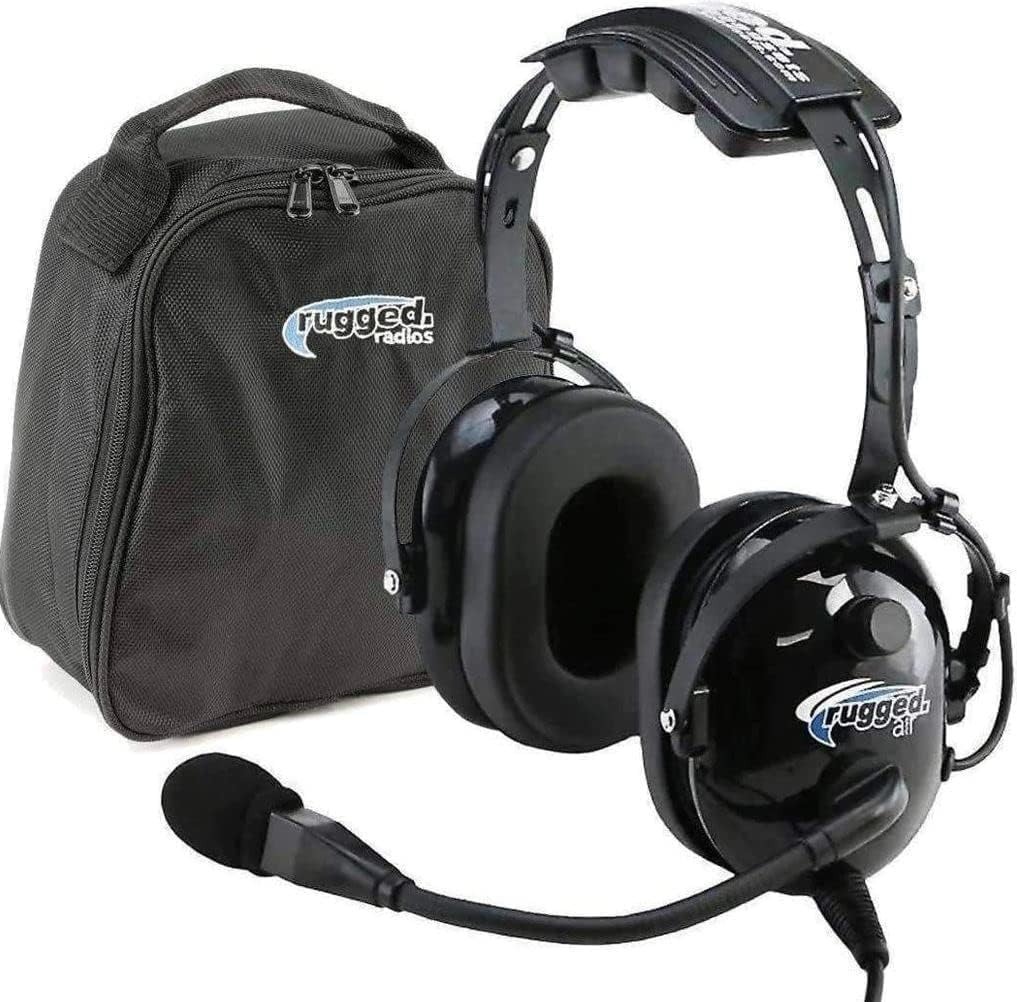
Pilots seeking an affordable yet reliable headset will appreciate the Rugged Air RA200. This passive headset boasts a 24 dB noise reduction, ensuring clear audio during flights. Its robust construction includes a stainless steel headband and gel ear seals for comfort.
Perfect for beginner drone pilots, the Holy Stone HS210T provides a unique flying experience with both land and air modes. Easy-to-use features like circle fly and 3D flips make it accessible for all skill levels. While it lacks a camera, its simplicity and affordability make it ideal for mastering the fundamentals of drone piloting.
Flight Gear Three Port Smart Charger (65W) [Courtesy: Sporty’s]
Keep your devices charged and ready with the Flight Gear Three Port Smart Charger. This compact accessory is perfect for pilots and frequent travelers, offering two USB-C ports capable of delivering up to 65 watts for high-demand electronics. A USB-A port ensures versatility for smaller gadgets.
The versatile flex clamp from MyGoFlight is an essential accessory for every pilot. Attachable to any yoke shaft or bar, this clamp supports device rotation while minimizing vibration for optimal stability during flights. Designed with durability in mind, it’s priced at $149 with an additional 15% off using the code GIFTOFFLIGHT2024.
Price:$149 (plus 15 percent off on this product and other MyGoFlight products when using the code GIFTOFFLIGHT2024)
By taking advantage of these offers, you can enhance your aviation toolkit without breaking the bank. Dive into these deals and elevate your flying experience to new heights.
AirlineGeeks may earn revenue from the products available on this page and participate in affiliate programs.
AirlineGeeks.com was founded in February 2013 as a one-person blog in Washington D.C. Since then, we’ve grown to have 25+ active team members scattered across the globe. We are all here for the same reason: we love deep-diving into the fascinating realm of the airline industry.
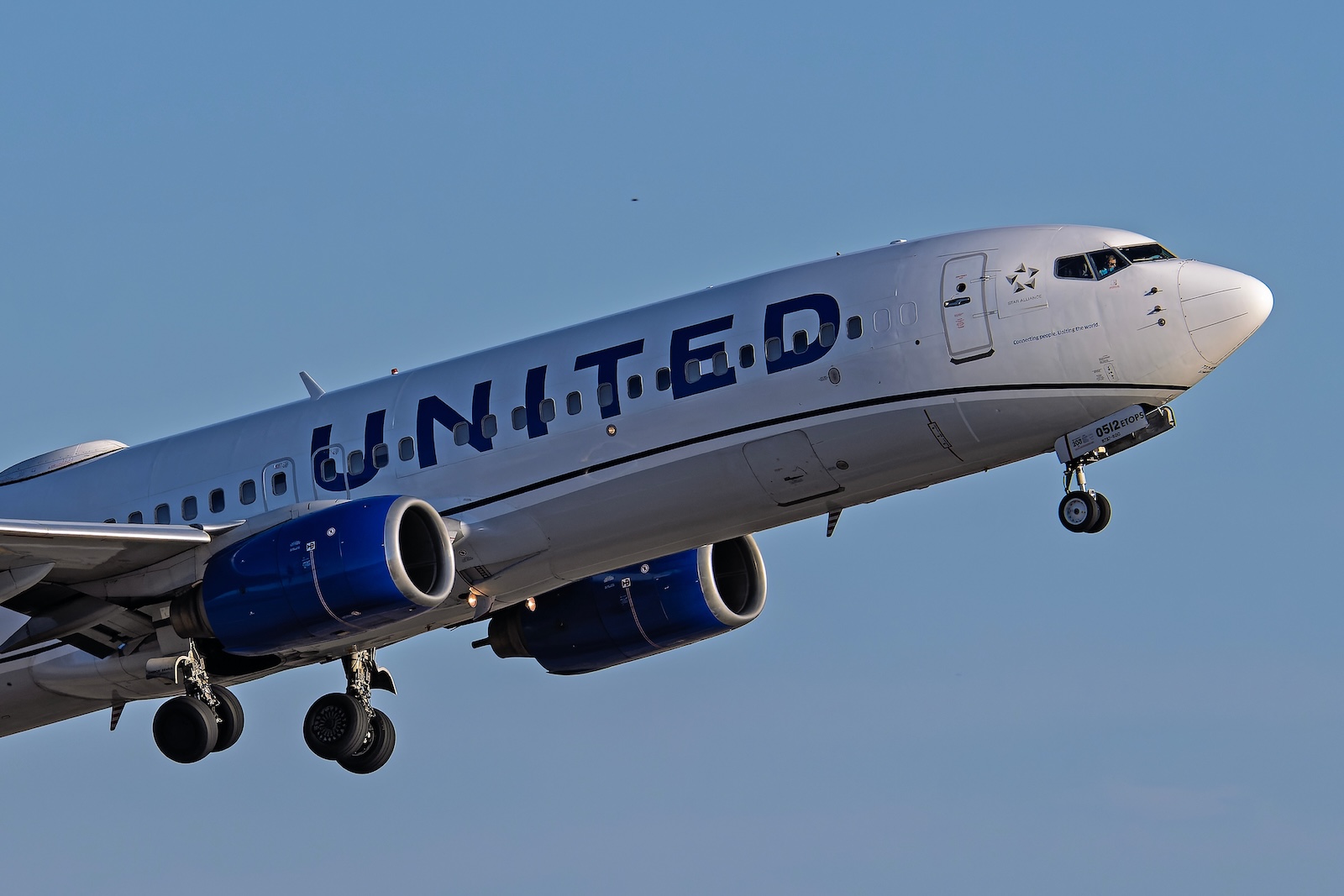
United Flight 2940 is set to depart Newark Liberty International Airport in New Jersey for Houston around 8 a.m. using a Boeing 737-800 aircraft with two Starlink antennas. The over 170 passengers on board will be able to access Starlink Wi-Fi through their personal devices and inflight entertainment screens, the carrier said, allowing them to stream, shop, game, and work much as they would at home, with high speeds and low latency.
Also on Wednesday, the Starlink-equipped 737 will fly from Houston to Fort Lauderdale, Florida, as Flight 365 and from Fort Lauderdale back to Houston as Flight 445.
The airline expects to install Starlink on up to 15 mainline 737-800 aircraft each month. United has already installed Starlink on more than half of its regional jets.
Starlink equipment installed on a United 737-800. (Photo: United)
“We’re committed to raising the bar when it comes to the onboard experience, and with Starlink, we’re changing how people fly,” David Kinzelman, United’s chief customer officer, said in a statement. “Whether it’s catching a live game, streaming an award show, or working, United customers won’t miss a beat when they’re onboard a Starlink-equipped flight.”
The FAA in September approved a supplemental type certificate for Starlink’s use on United’s 737-800s. The carrier expects to have an additional aircraft type certified to offer Starlink by the end of the year, though it did not say which type that will be.
Starlink, which is owned by aerospace company SpaceX, provides wireless internet service from a constellation of more than 7,600 miniature satellites in low Earth orbit. It offers speeds of up to 250 megabits per second.
United makes Starlink-enabled wireless internet free for all MileagePlus customers.
Zach Vasile is a writer and editor covering news in all aspects of commercial aviation. He has reported for and contributed to the Manchester Journal Inquirer, the Hartford Business Journal, the Charlotte Observer, and the Washington Examiner, with his area of focus being the intersection of business and government policy.
Breeze Secures Financing for Planned Growth
The airline has entered a partnership with alternative investment manager AIP Capital.
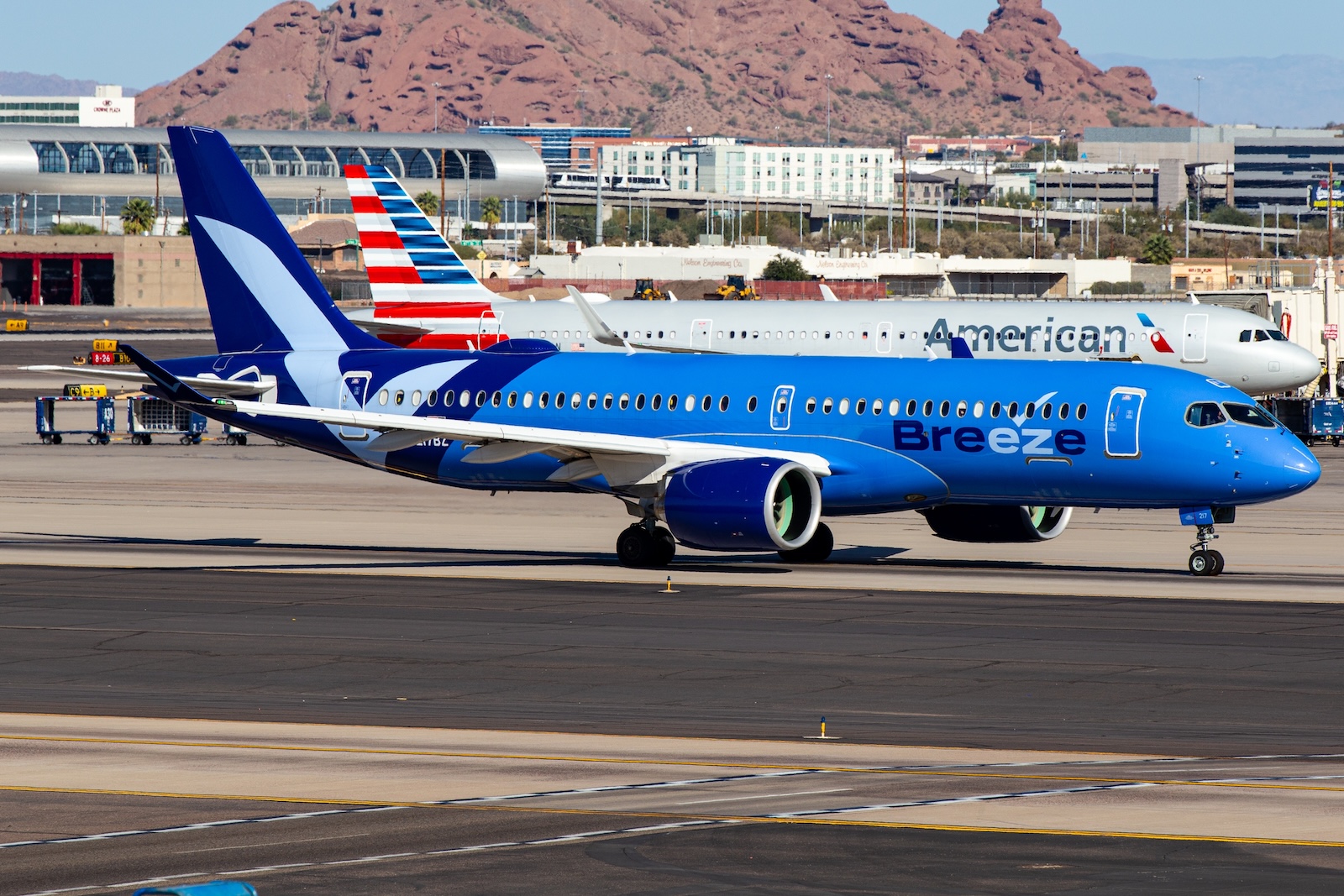
A Breeze A220. (Photo: Shutterstock | Wenjie Zheng)
Low-cost airline Breeze said it has secured new financing to support its ongoing growth efforts.
Breeze and alternative investment manager AIP Capital on Tuesday announced the closing of $47.5 million in secured debt financing through AIP’s private credit business. The financing is secured by a “diversified collateral package” including the airline’s spare parts inventory, a spare engine, and a flight simulator, the partners said.
Breeze leaders said AIP’s loan will help power the carrier’s growth strategy, which includes the addition of new domestic and international routes and new ancillary products.
“We’re excited to have partnerships like AIP looking to explore innovative ways to support Breeze’s growth and mission to provide an elevated premium leisure experience to our current and future guests in unserved and underserved communities,” Breeze CFO Trent Porter said in a statement.
Breeze last month announced the planned launch of its first international flights after being certified as a U.S. flag carrier by the FAA. Starting early next year, the airline will serve Cancun, Mexico; Punta Cana, Dominican Republic; and Montego Bay, Jamaica.
Breeze has also added a number of domestic destinations this year, including Fort Lauderdale and Key West, Florida; Salisbury, Maryland; Greensboro/Winston-Salem, North Carolina; Albany and Rochester, New York; and Memphis, Tennessee. New routes to Lincoln, Nebraska, and Tri-Cities, Tennessee, are expected to come online later this year.
Zach Vasile is a writer and editor covering news in all aspects of commercial aviation. He has reported for and contributed to the Manchester Journal Inquirer, the Hartford Business Journal, the Charlotte Observer, and the Washington Examiner, with his area of focus being the intersection of business and government policy.
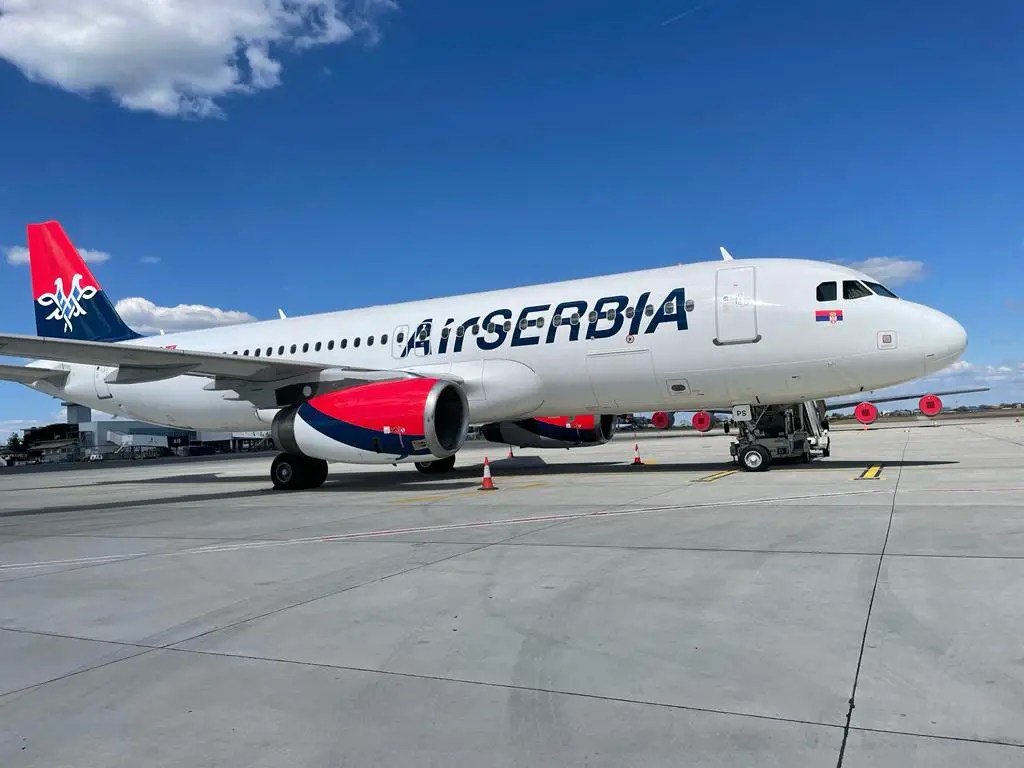
Starting May 23, 2026, flights will operate twice weekly, on Wednesdays and Saturdays, using Airbus A330‑200 aircraft. Tickets go on sale Oct. 16.
By the time it launches, Air Serbia’s Belgrade-Toronto route will be the first nonstop connection between the two cities in 34 years. Jat Airways, then the flag carrier of Yugoslavia, last served the route in May 1992.
Toronto will be Air Serbia’s third destination in North America, behind New York and Chicago, and its first in Canada.
“This strategic step marks the beginning of a new chapter in the history of our company and represents a continuation of Serbia’s economic, commercial, and cultural development,” Air Serbia CEO Jiří Marek said in a statement. “Toronto is known as one of the world’s most important destinations with a large Serbian diaspora, so the significance of this direct service goes beyond economic and commercial considerations.”
Air Serbia said travelers from Toronto will be able to connect through Belgrade to European destinations like Athens, Budapest, Bucharest, Prague, Sarajevo, Vienna, Zurich, Sofia, Bulgaria, and Dubrovnik, Croatia, among others.
Air Serbia flies mainly within Europe but also offers connections to Turkey, Georgia, central Russia, and China.
Zach Vasile is a writer and editor covering news in all aspects of commercial aviation. He has reported for and contributed to the Manchester Journal Inquirer, the Hartford Business Journal, the Charlotte Observer, and the Washington Examiner, with his area of focus being the intersection of business and government policy.
Qantas Says Stolen Customer Data Leaked Online
The Australian flag carrier was targeted by hackers in July.
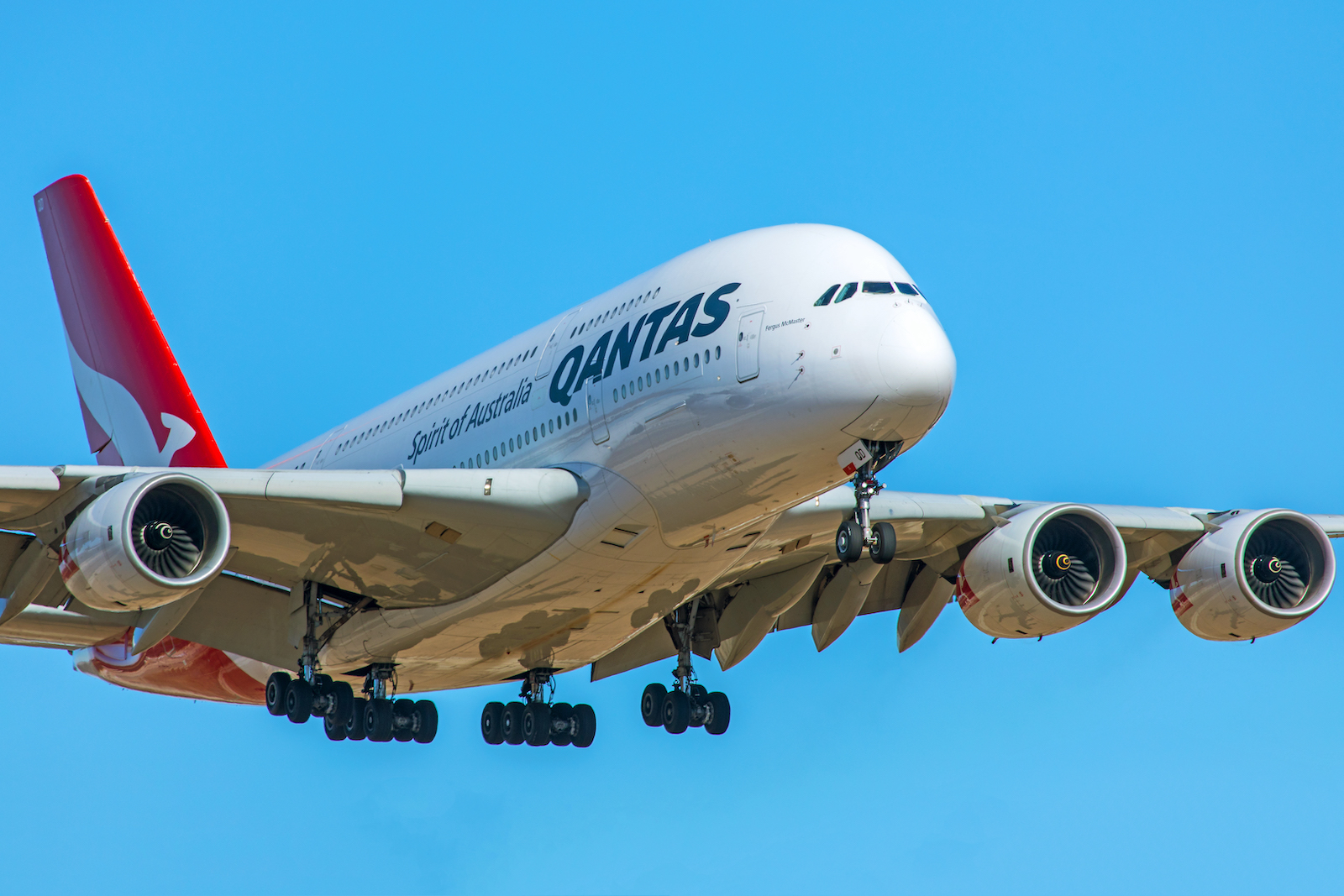
In a statement, the airline said cybercriminals stole 5.7 million customer records, most of which were limited to a customer’s name, email address, and frequent flyer details. A smaller number of customers also had their business or home address, date of birth, gender, and phone number exposed.
No credit card details, personal financial information, or passport details were affected, Qantas said, and passwords, PINs, and login details were not accessed or compromised. The data that was stolen is not enough to gain access to frequent flyer accounts, according to airline officials.
Customers whose data was stolen were notified back in July when the breach took place. The hackers are believed to have gained access to the records through a third-party platform.
Qantas did not say how many of the 5.7 million stolen records were leaked, or how it became aware that customers’ information is now circulating online.
The carrier said it has an ongoing injunction, granted by the Supreme Court of New South Wales, to prevent the stolen data from being viewed, used, transmitted, or published by anyone, but Troy Hunt, a cybersecurity expert in Australia, told The New York Times this week that the order essentially amounts to asking the hackers not to publish the records. Australian courts have no way of enforcing the injunction, he added.
Qantas is continuing to work with law enforcement agencies, including the Australian Cyber Security Centre and the Australian Federal Police, to investigate the breach.
Australian police have not publicly identified the cybercriminal group that attacked Qantas, but earlier this year, the FBI warned that international hacker collective Scattered Spider is increasingly targeting the airline industry, making the organization a likely suspect. The group’s members operate from the U.S., Canada, and the U.K.
Zach Vasile is a writer and editor covering news in all aspects of commercial aviation. He has reported for and contributed to the Manchester Journal Inquirer, the Hartford Business Journal, the Charlotte Observer, and the Washington Examiner, with his area of focus being the intersection of business and government policy.
Virgin Atlantic Appoints New CEO
Corneel Koster will lead the airline starting in 2026.
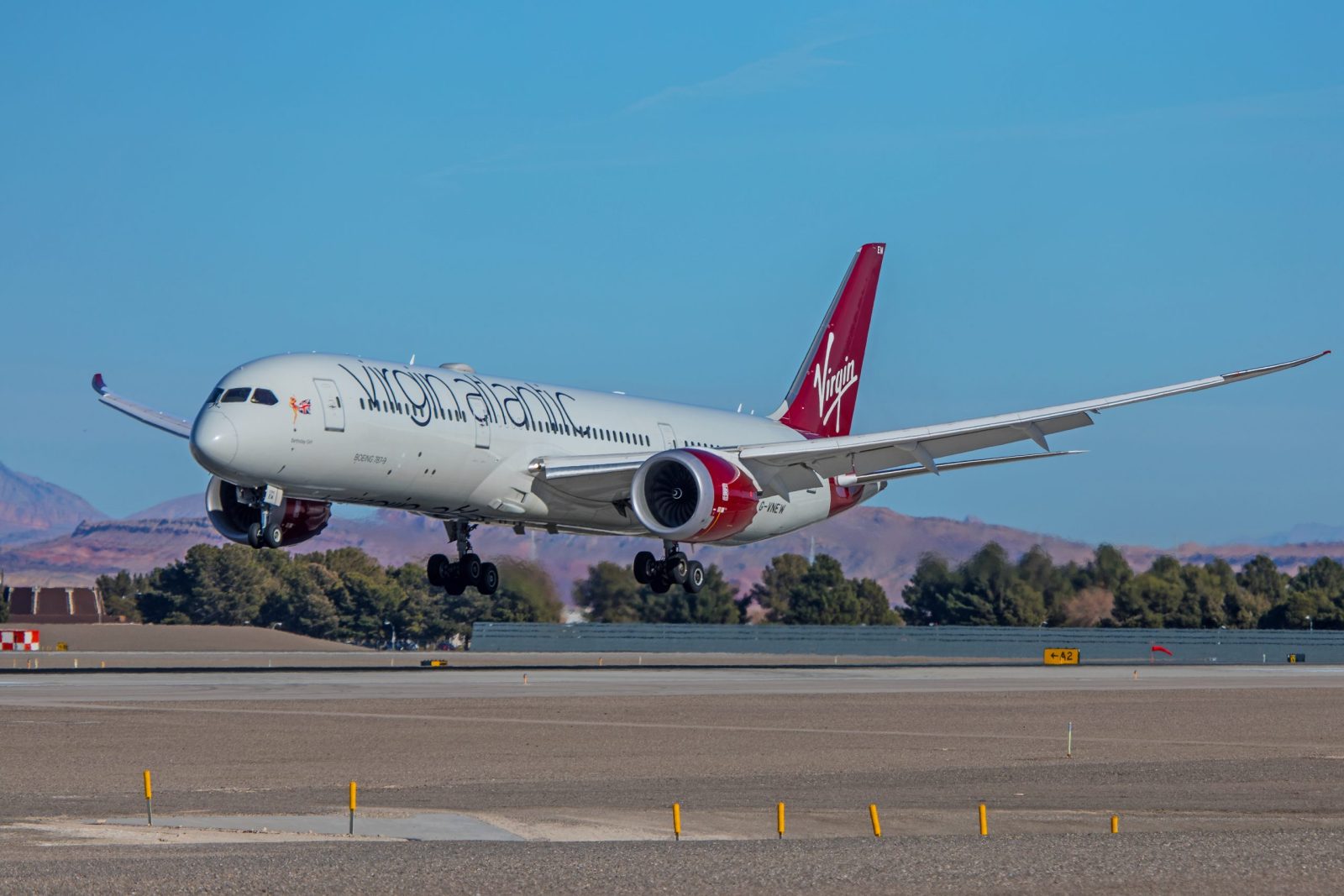
A Virgin Atlantic Boeing 787 Dreamliner seconds from touchdown in Las Vegas.
(Photo: AirlineGeeks | William Derrickson)
Virgin Atlantic’s leadership board has appointed Corneel Koster as the airline’s new CEO.
Koster –who served as the board’s chief customer and operating officer for the British carrier– will succeed Shai Weiss as CEO starting on Jan. 1, 2026. Weiss will leave the company after a seven-year tenure on Dec. 31, 2025.
According to a news release from Virgin Atlantic, Koster “has been instrumental in running a safe and reliable operation” since rejoining Virgin’s board in 2019.
“As part of the leadership team, he played a pivotal role ensuring the airline emerged from the pandemic thriving and reliable, while leading the introduction of the airline’s award-winning A330neo aircraft and delivering digital operational transformation,” the release stated.
Koster has held senior and commercial roles at Virgin Atlantic, Delta, Aeromexico, and KLM Royal Dutch Airlines over his 30-year career.
His predecessor became CEO in 2019 and led the company during the chaotic COVID-19 pandemic. Weiss was credited with leading customer satisfaction and helping the airline return to profitability during his tenure.
“Shai has done an outstanding job over the past seven years,” said Richard Branson, founder of Virgin Atlantic, in the release. “I’m grateful for his vision, passion and commitment to creating brilliant experiences that have made the airline stronger and raised the bar across the industry. I’m delighted to welcome Corneel as CEO. He embodies the Virgin spirit – bold, curious and ready to shake up the status quo. We look forward to this exciting new chapter.”
Weiss congratulated Koster on his appointment, saying he could “think of no one better to take over” the position.
“I leave Virgin Atlantic full of pride, knowing I have played a part in its bright red history,” he said. “Together, we’ve transformed through the pandemic and emerged faster, better and stronger than ever. We are now well on our way to achieving our mission of becoming the most loved travel company, having laid the foundations for a world of exciting opportunities as a premium flag carrier.”
Caleb Revill is a journalist, writer and lifelong learner working as a Junior Writer for Firecrown. When he isn't tackling breaking news, Caleb is on the lookout for fascinating feature stories.
Sign-up for newsletters & special offers!
Get the latest stories & special offers delivered directly to your inbox