Stories

Frontier Adds Four New Routes

Flights will start in November and December.

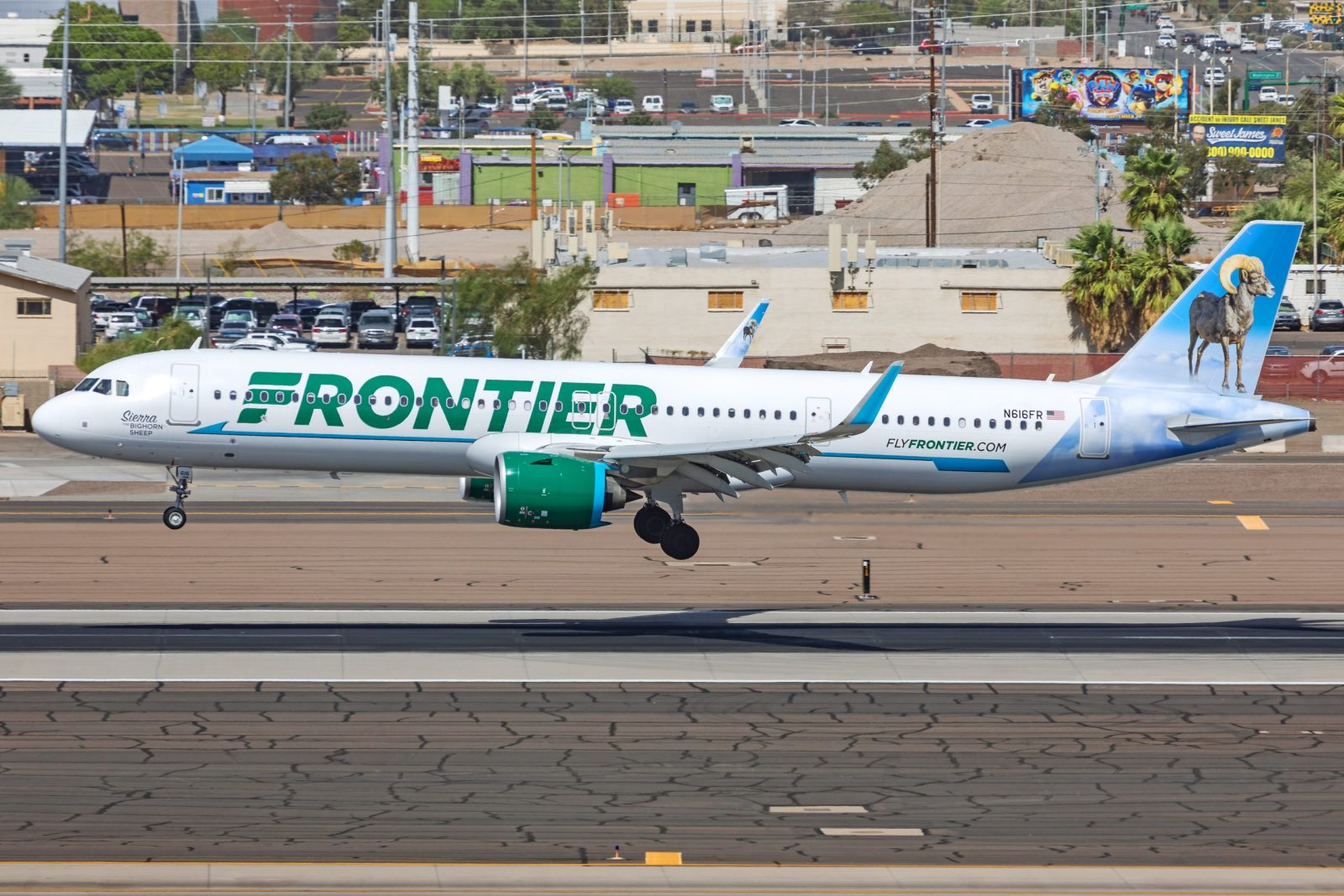
Frontier A321neo
A Frontier A321neo. (Photo: AirlineGeeks | William Derrickson)

Frontier will launch four new nonstop routes across the U.S. and Caribbean later this year.

Starting Nov. 20, the ultra-low-cost airline will connect Denver and Fort Lauderdale, Florida; Detroit and Los Angeles; and Kansas City and Orlando, Florida. A fourth new route, Houston Bush to San Juan, Puerto Rico, will start the following month, on Dec. 17.

All routes will operate once daily except for Kansas City-Orlando, which will run four times weekly.

Frontier has been adding connections over the past two months in an attempt to capture market share left behind by the collapse of former competitor Spirit Airlines. Earlier this month it launched service on eight former Spirit routes, including Boston to Orlando, Dallas/Fort Worth to New Orleans, and Detroit to Philadelphia.

Zach Vasile

Zach Vasile is a writer and editor covering news in all aspects of commercial aviation. He has reported for and contributed to the Manchester Journal Inquirer, the Hartford Business Journal, the Charlotte Observer, and the Washington Examiner, with his area of focus being the intersection of business and government policy.

Frontier to Offer Starlink Wi-Fi

The carrier expects to launch its first Starlink-equipped aircraft in 2027.

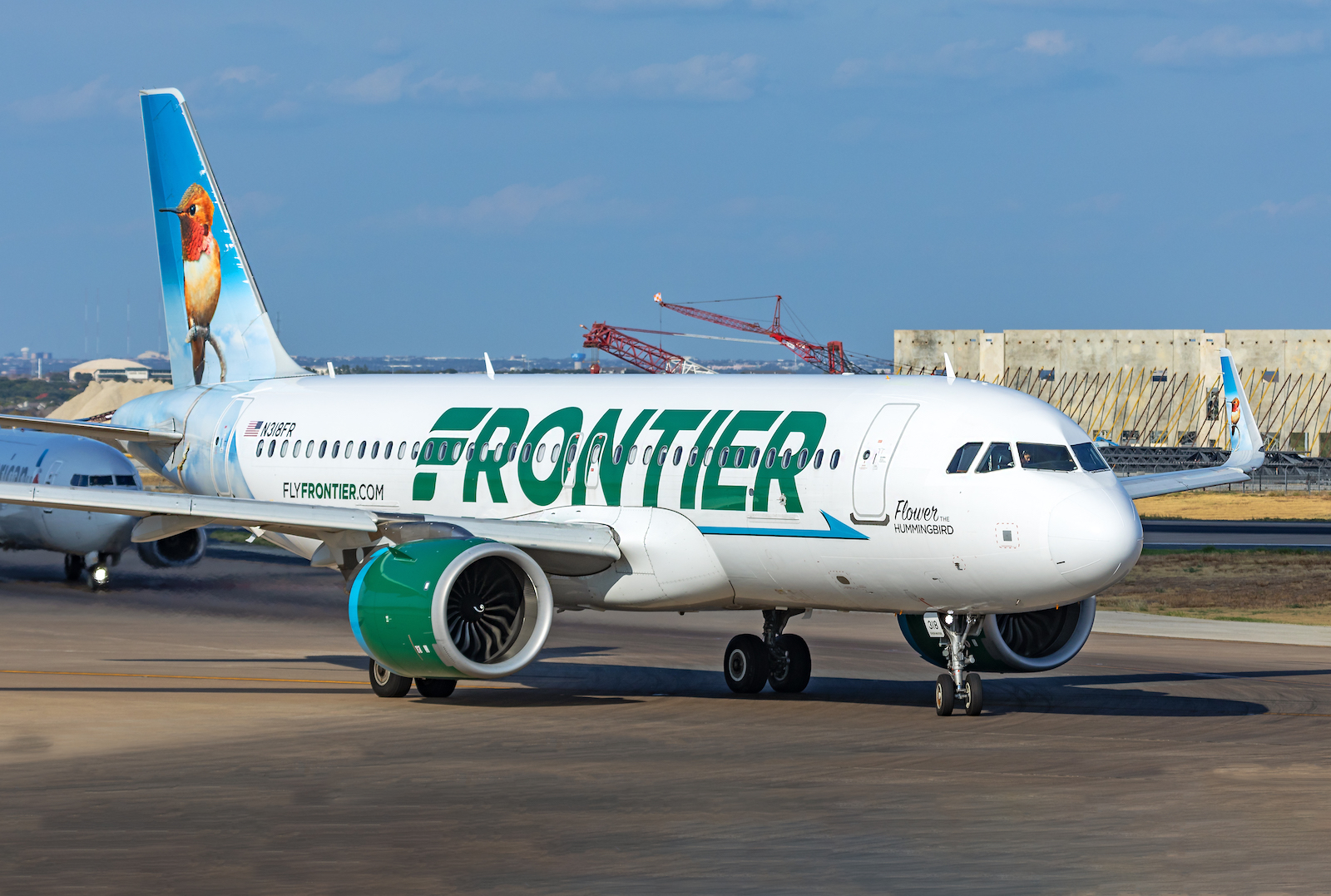
A Frontier A320neo
A Frontier Airbus A320neo. (Photo: AirlineGeeks | William Derrickson)

Frontier this week became the latest U.S. airline to select SpaceX’s Starlink for in-flight wireless internet service.

The carrier said Starlink’s high-speed, low-latency offering will allow passengers to stream high-definition content, game, and work much as they would on the ground. The service will also provide gate-to-gate connectivity for the airline’s pilots, flight attendants, maintenance teams, and ground operations workers.

Frontier said it plans to launch its first Starlink-equipped aircraft in early 2027. It will be the first carrier in the U.S. to use a new system managed directly by Starlink, officials added.

Frontier is majority owned by private equity firm Indigo Partners, and the other airlines in Indigo’s portfolio – specifically Wizz Air, Volaris, JetSmart, and Cebu Pacific – are also getting connected to Starlink. Across the five brands, Starlink antennas will be installed on over 1,000 aircraft.

“We’re continuing to invest in the products and services that matter most to our customers,” Frontier CEO Jimmy Dempsey said in a news release. “Starlink transforms the onboard experience, giving customers the flexibility to work, stream, browse, and stay connected throughout their journey… It’s another example of how we’re evolving the travel experience while staying true to our commitment to offering the lowest fares.”

Several major U.S. carriers, including United, American Airlines, Alaska Airlines, and Southwest, are in the process of installing and rolling out Starlink Wi-Fi on their aircraft. Delta has opted for Starlink competitor Amazon Leo.

Zach Vasile

Zach Vasile is a writer and editor covering news in all aspects of commercial aviation. He has reported for and contributed to the Manchester Journal Inquirer, the Hartford Business Journal, the Charlotte Observer, and the Washington Examiner, with his area of focus being the intersection of business and government policy.

United Introduces Economy Plus Row With Open Middle Seats

The layout will give customers more room to stretch out, the carrier said.

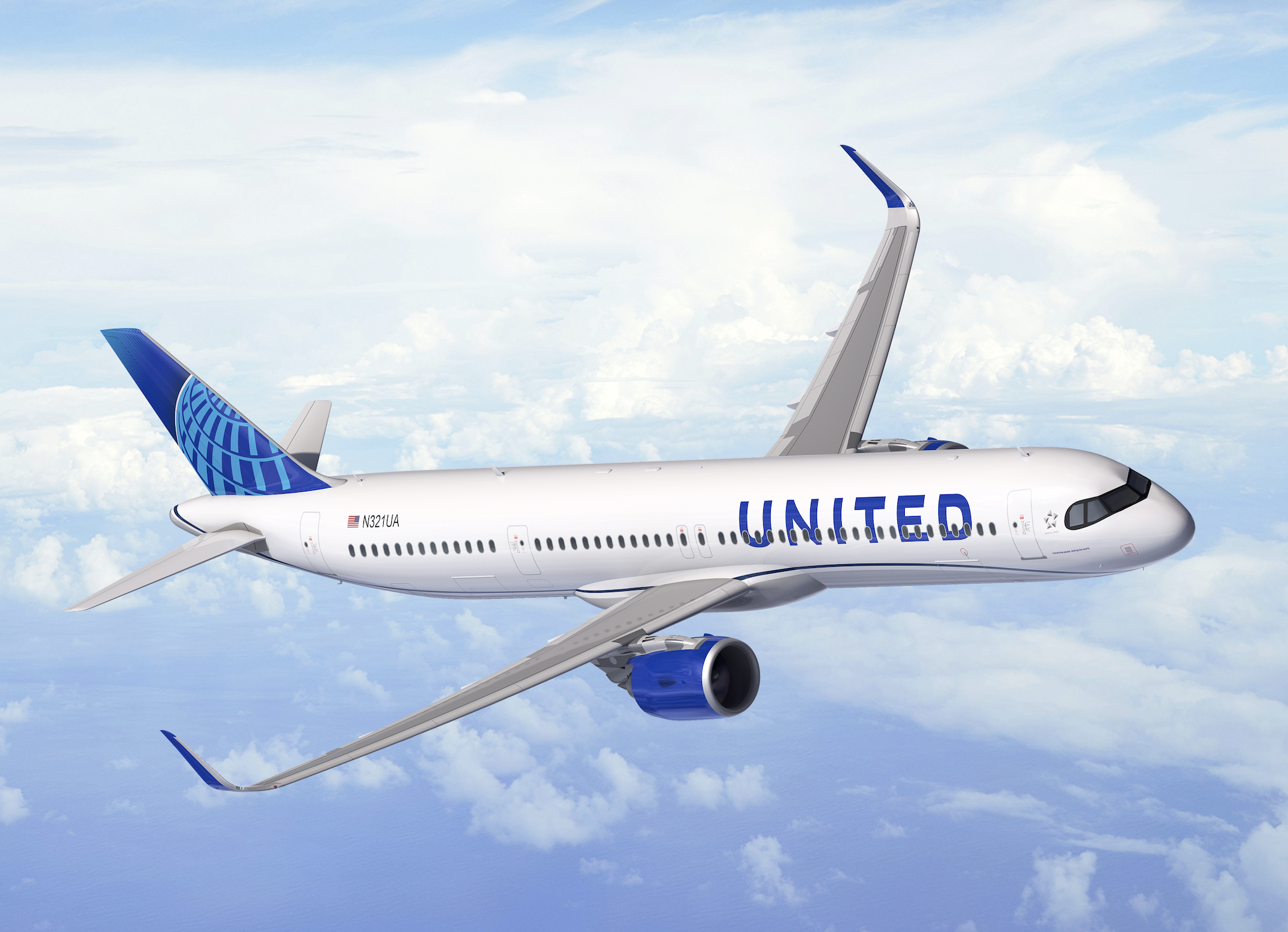
A rendering of United's A321XLR. (Credit: Airbus)

United is rolling out a new seating arrangement designed to give some Economy Plus customers more elbow room.

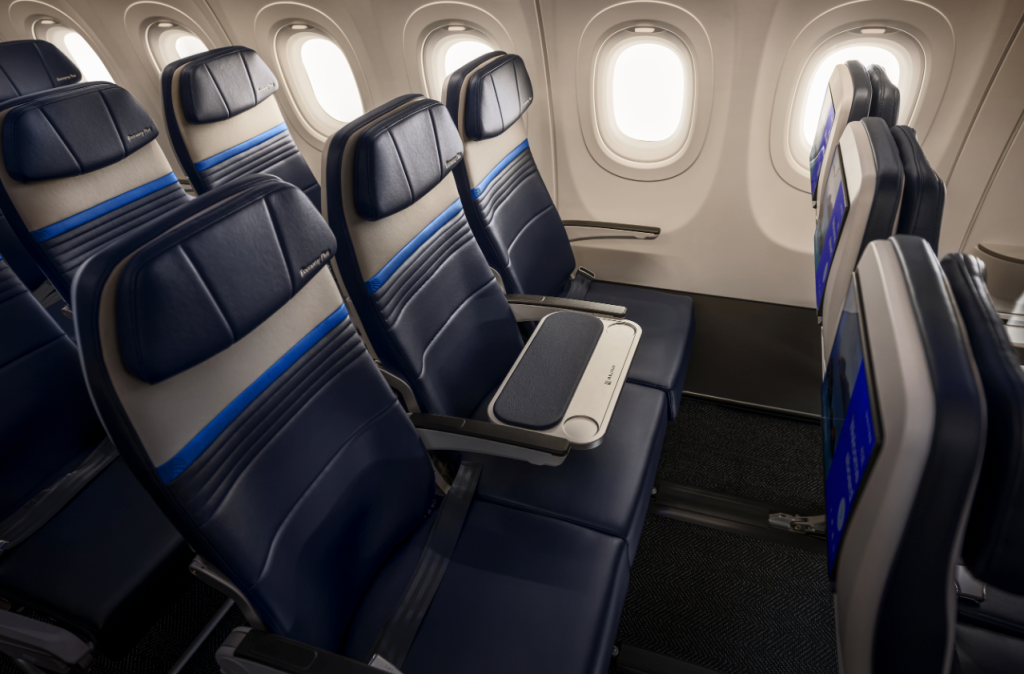
The carrier announced Tuesday that a single row of Economy Plus on its new Airbus A321XLRs will have open middle seats, with a shared table positioned across the empty seats. The new feature will give passengers more room to stretch out, and a convenient place to sit small personal items, United officials said.

The middle seat table is permanently fixed, with a soft, leather-like covering and two indentations for cups.

United’s extra-room Economy Plus row on the A321XLR. (Photo: United Airlines)

“We’re investing nose-to-tail across our fleet and giving customers choice and value in every cabin,” Andrew Nocella, United’s executive vice president and chief commercial officer, said in a news release.

Tickets for seats in the extra-room rows are expected to become available for purchase later this year.

United took delivery of its first A321XLR in June. The type is expected to enter domestic service with the airline this fall, officials said, with international flights planned for early 2027.

Zach Vasile

Zach Vasile is a writer and editor covering news in all aspects of commercial aviation. He has reported for and contributed to the Manchester Journal Inquirer, the Hartford Business Journal, the Charlotte Observer, and the Washington Examiner, with his area of focus being the intersection of business and government policy.

Florida Airport Seeks Airline Service After 17-Year Gap

County officials are looking to partner with one of the Big Three.

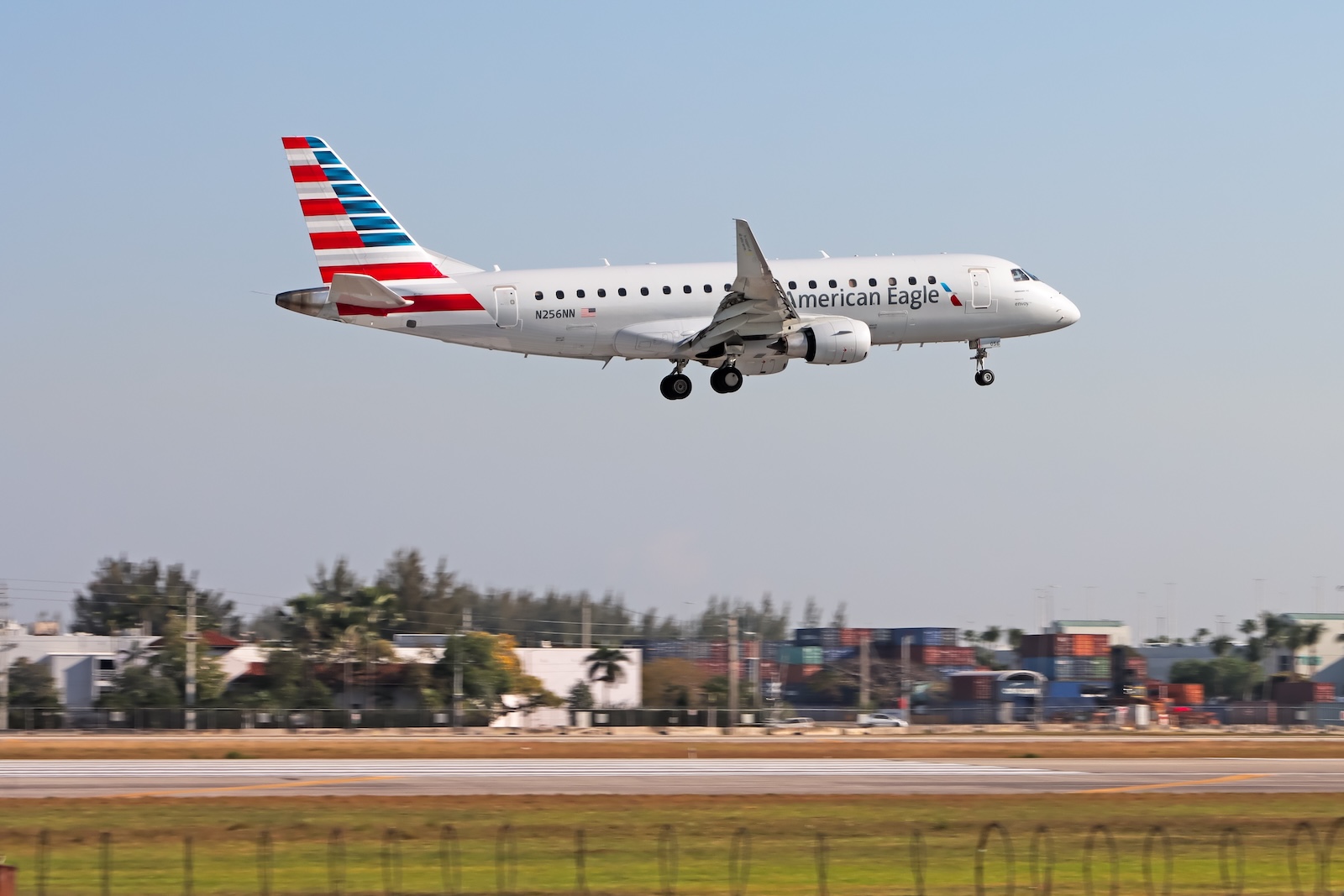
American Eagle E175
An American Eagle E175. (Photo: Shutterstock | Ryken Papy)

A Florida Keys airport that has not had commercial air service for almost 20 years is looking to restart regular scheduled flights.

In May, Monroe County applied for a grant of $1 million through the Department of Transportation’s Small Community Air Service Development Program for Florida Keys Marathon Airport. The money would make up part of a roughly $2.5 million minimum revenue guarantee for an airline that opts to start service at Marathon.

The airport is located along the Overseas Highway, in the Middle Keys.

Revenue guarantees are often used by small or expanding airports to help reduce the financial risk for potential partner airlines. In most cases, the airport covers the difference if ticket sales for a specific route or routes fall short of an agreed target.

According to Monroe County officials, Marathon has had no commercial service since Cape Air ended operations there in 2009. The last major airline to serve the airport was Delta, which pulled out in 2007.

The county is looking to partner with United, Delta, or American, and envisions different routes for each.

For United, it would make the most sense to link Marathon with Washington Dulles, the county said in its SCASD application, because the Washington, D.C.-Baltimore region is the third-largest source of travelers by air to the Florida Keys. For Delta, Atlanta would be the logical choice due to the size of the airline’s operation at Hartsfield-Jackson, and because Atlanta was a top market for Marathon when the airline provided service in the 2000s. American, meanwhile, would likely use Miami to funnel travelers from markets where the Keys are in high demand, including Boston, New York, Chicago, and D.C.

Monroe County disclosed that it has already begun discussions about air service with American. The county included a letter of support from Jason Reisinger, managing director of global network planning at American, in its application to the DOT.

“As you know, air service development is important for the economic health of a region and is critical to connecting a community to the world,” Reisinger wrote. “The region surrounding Marathon has a goal of initiating its first air service in almost two decades with flights to American’s Miami hub. Marathon’s approach to initiating air service fits well with American’s network, given Miami is one of the largest hubs in our network.”

While noting that new flights are not guaranteed even if the grant money comes through, Reisinger said the funding could “significantly bolster the case for the proposed service.” He said American will continue discussions with Marathon.

If the community is unable to secure flights to a major hub, officials said, other destinations could be considered. Boston, Chicago, Cincinnati, Ohio, Indianapolis, Pittsburgh, Orlando, Florida, Raleigh, North Carolina, and Nashville, Tennessee, among other cities, were mentioned as alternatives.

The remaining $1.5 million of Marathon’s minimum revenue guarantee is being provided by community and business organizations, including the Monroe County Tourist Development Council and Visit Florida.

Monroe County said the airport’s terminal could be made ready for commercial flights by early 2027.


Zach Vasile

Zach Vasile is a writer and editor covering news in all aspects of commercial aviation. He has reported for and contributed to the Manchester Journal Inquirer, the Hartford Business Journal, the Charlotte Observer, and the Washington Examiner, with his area of focus being the intersection of business and government policy.

Breeze Adds Two New Routes

Service will start in January 2027.

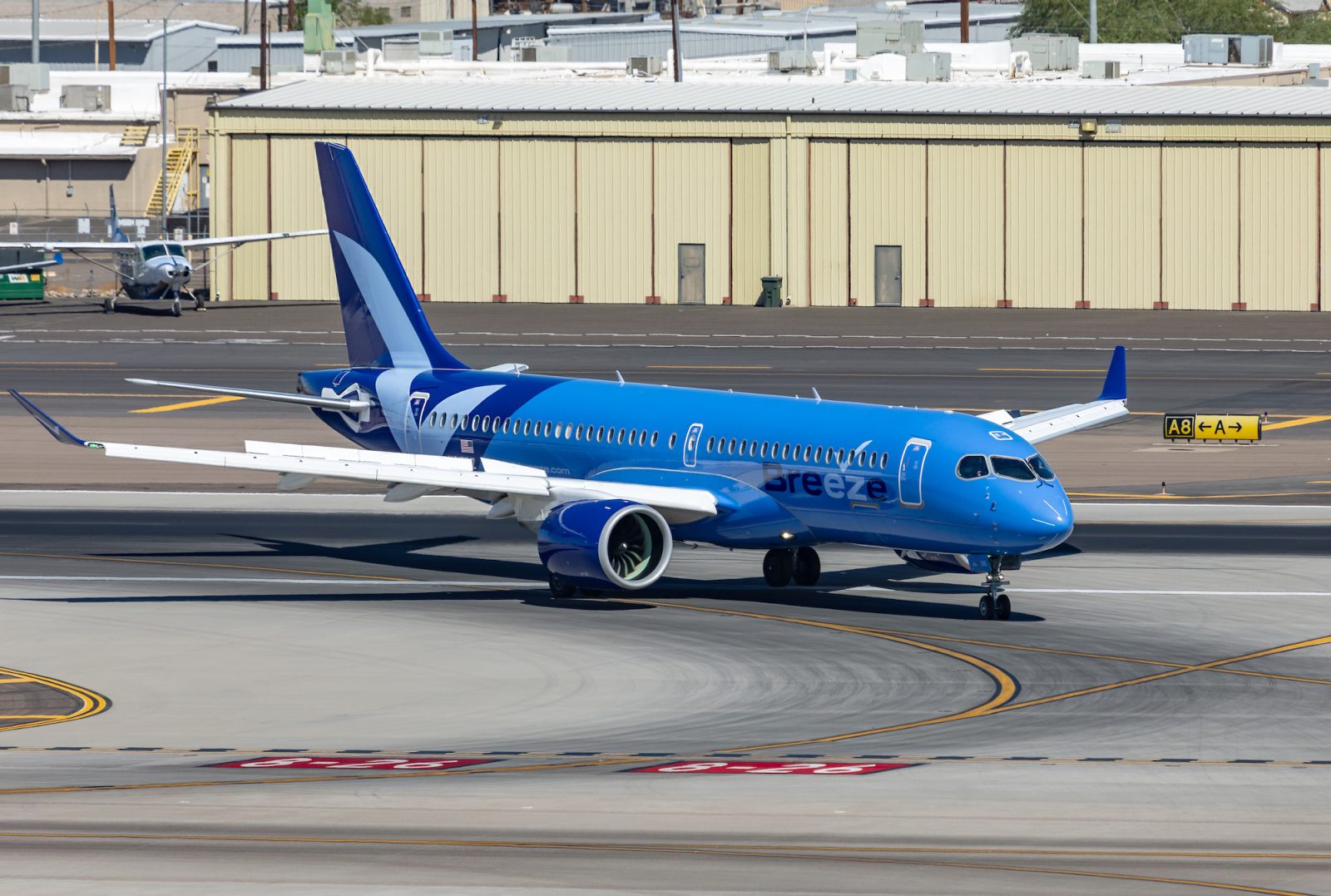
Breeze A220
A Breeze A220 in Phoenix. (AirlineGeeks - William Derrickson)

Low-cost airline Breeze will add two new routes from Tampa, Florida, early next year.

Service from Tampa to Las Vegas will begin Jan. 5, 2027, while service to Islip, New York, will commence one day later, on Jan. 6, the carrier confirmed to AirlineGeeks.

Flights to Las Vegas will operate daily, while flights to Islip will run twice per week, on Wednesdays and Saturdays.

Islip is served via Long Island MacArthur Airport.

Breeze already serves all three cities, and has a pilot base in Tampa.

Zach Vasile

Zach Vasile is a writer and editor covering news in all aspects of commercial aviation. He has reported for and contributed to the Manchester Journal Inquirer, the Hartford Business Journal, the Charlotte Observer, and the Washington Examiner, with his area of focus being the intersection of business and government policy.

Air Canada Launches Montreal Shuttle Service

The bus route connects Montreal-Trudeau with the city center.

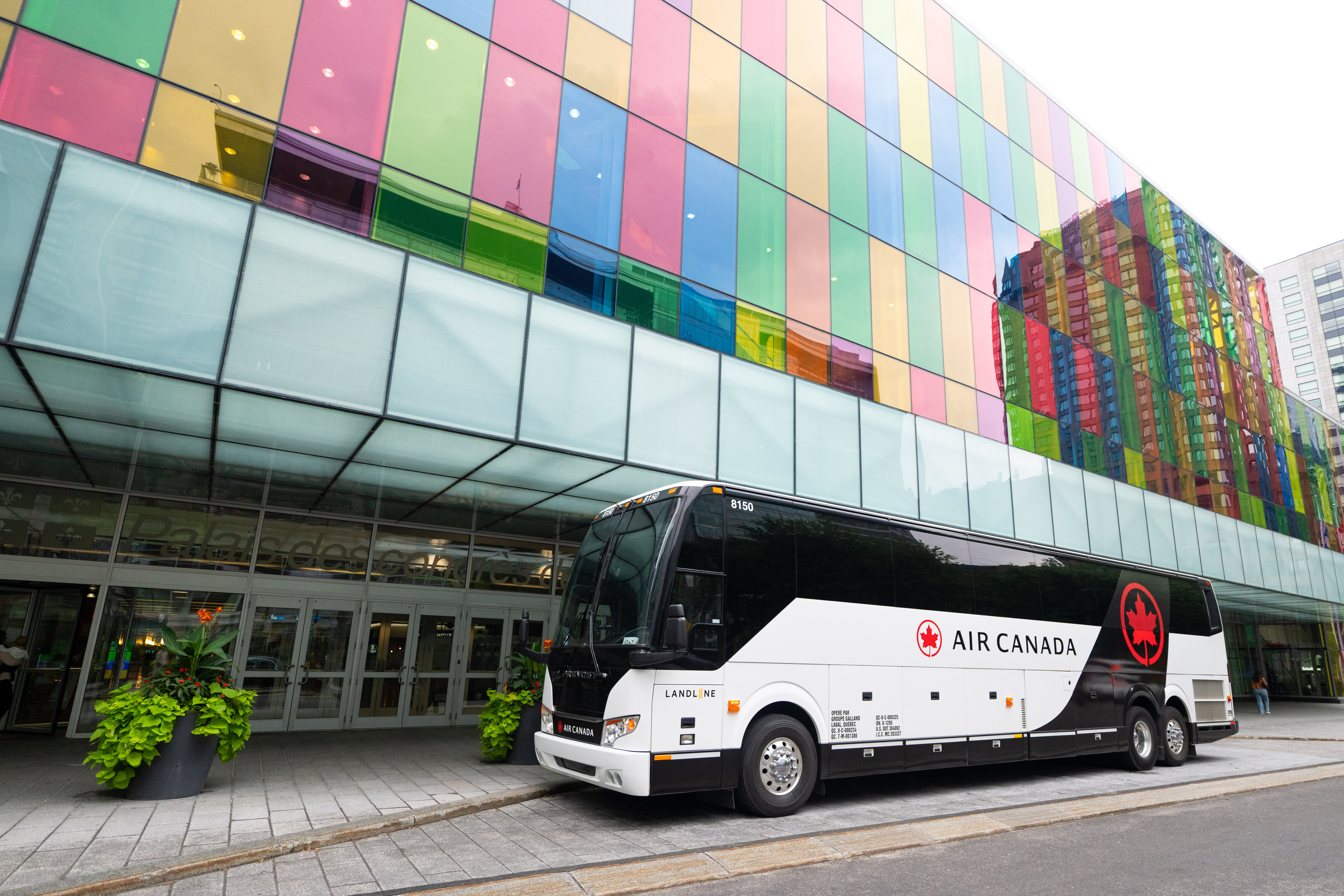
A Landline bus in front of the Palais des congrès de Montréal. (Photo: Air Canada)

Air Canada on Monday debuted a new shuttle service connecting downtown Montreal with Montreal-Trudeau International Airport.

Operated by the Landline motorcoach company, the shuttle will run from 4:45 a.m. to 10 p.m., with a total of 37 trips per day. Departures are scheduled every 15 minutes at peak times, the carrier said, specifically in the early morning, and every 30 minutes for the remainder of the day.

The route links the Palais des congrès de Montréal – a convention center near downtown – and Montreal-Trudeau, about 12 miles away. There is a dedicated waiting area at the Palais des congrès for shuttle passengers.

By using the highway’s high-occupancy vehicle lane and a private entrance at the airport, the service saves customers up to 25 minutes, officials said.

“The Air Canada City Shuttle gives our customers a faster, more predictable way to travel between downtown Montreal and the airport,” Ranbir Singh, director of regional airlines and markets at Air Canada, said in a news release. “Our customers can now bypass traffic and avoid waiting in taxi lines. By combining frequent downtown service and faster, more direct access to YUL, we are making it easier for them to connect to Air Canada’s global network.”

The bus service is $9 for one person one way, plus taxes. Children under 15 ride free with an accompanying adult.

Air Canada also offers Landline coach service between Toronto Pearson and several smaller airports in southern Ontario.

Zach Vasile

Zach Vasile is a writer and editor covering news in all aspects of commercial aviation. He has reported for and contributed to the Manchester Journal Inquirer, the Hartford Business Journal, the Charlotte Observer, and the Washington Examiner, with his area of focus being the intersection of business and government policy.

Apollo Outbids Castlelake in EasyJet Takeover Fight

The carrier’s board endorsed the new offer on Friday.

An easyJet A320 taxiing at Schiphol Airport. (Photo: AirlineGeeks | William Derrickson)

Another U.S.-based investment firm is making a play to acquire British low-cost airline EasyJet.

The carrier announced Friday that it has reached an “agreement in principle” with Apollo Global Management, which submitted a takeover offer of £7.15 per share in cash last week. That proposal beats an earlier bid from alternative investment manager Castlelake, which valued the airline at £6.90 per share.

EasyJet reached a similar agreement in principle with Castlelake on July 5, but it now appears that deal is off. The carrier’s board said Friday that it is “no longer minded to recommend the Castlelake proposal.”

Castlelake’s offer was not legally binding or conclusive – the company would have had until Aug. 3 to extend a final, firm bid. Similarly, Apollo will have until Aug. 7 to confirm its own offer.

“This is still just a possible offer, and there is no certainty that any firm offer will be made,” EasyJet advised. “Apollo has not officially committed to a final, binding bid yet, and there is no guarantee that a final deal will actually happen.”

Under the British law governing corporate acquisitions, companies have a defined period of time to extend proposals, make a deal, or walk away.

Perhaps anticipating some concern from customers, EasyJet said in a statement that it will continue to operate as normal if it is ultimately acquired by Apollo.

“Apollo attaches great importance to the strength of the EasyJet brand and intends that it will remain in use following the completion of the transaction,” the carrier said. “Apollo plans to keep the current brand license agreement between EasyJet and EasyGroup Ltd in place without any changes.”

Castlelake announced its interest in EasyJet last month, after the oil shock stemming from the war in Iran depressed the airline’s stock price. The carrier’s board rejected several early offers, insisting it had no interest in a sale, but said it would recommend Castlelake’s fifth proposal, which it considered a fair valuation.

Zach Vasile

Zach Vasile is a writer and editor covering news in all aspects of commercial aviation. He has reported for and contributed to the Manchester Journal Inquirer, the Hartford Business Journal, the Charlotte Observer, and the Washington Examiner, with his area of focus being the intersection of business and government policy.

Allegiant Executive Says Sun Country Brand Will Be Phased Out Completely

The two carriers officially merged in May but are maintaining separate operations for the time being.

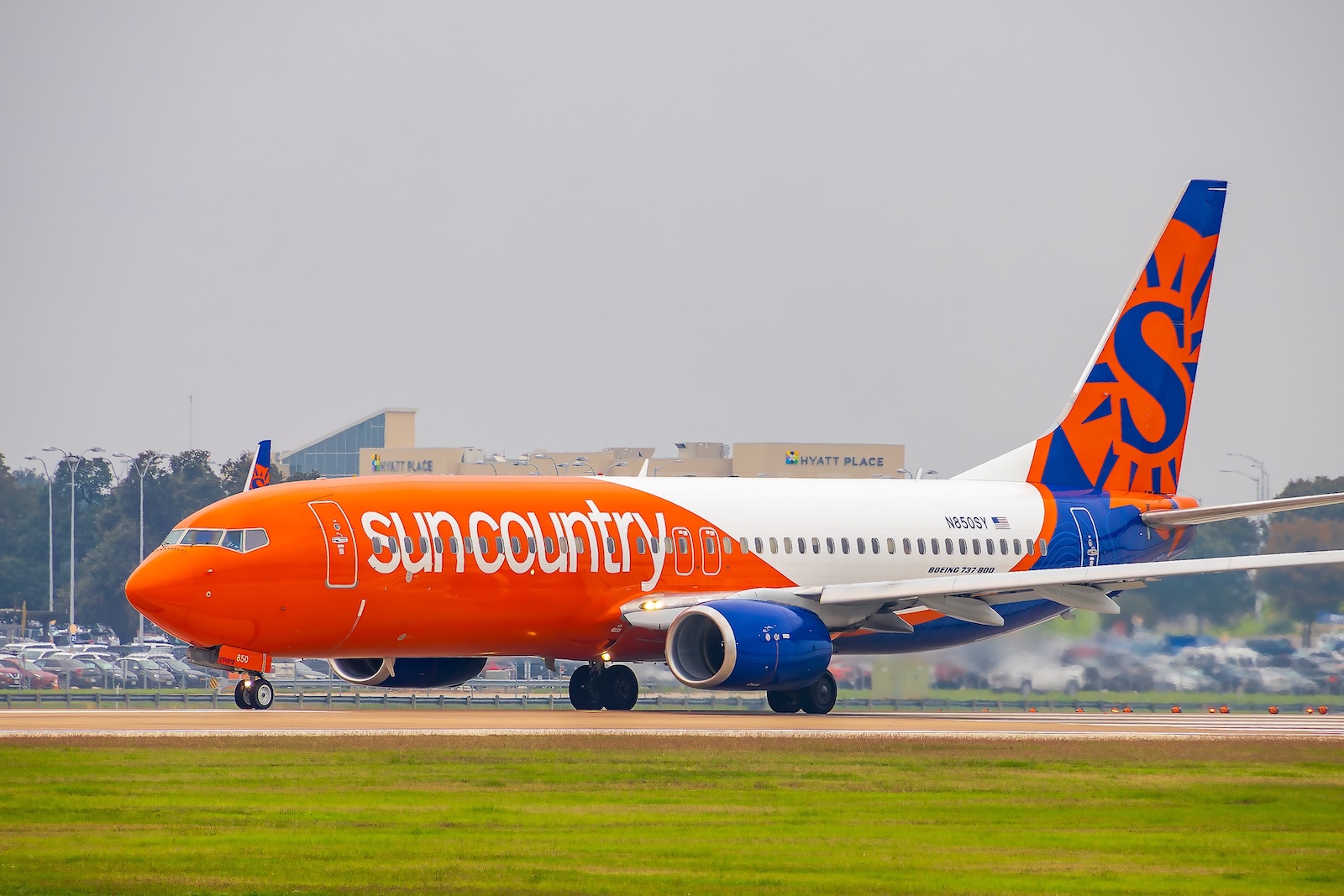
Sun Country Boeing 737-800
A Sun Country Boeing 737-800. (Photo: Shutterstock | lorenzatx)

Sun Country’s distinctive orange-and-blue livery – well recognized in Minnesota and beyond – could be a thing of the past by early 2028.

Kristen Schilling-Gonzales, Allegiant’s vice president of network, planning, and charters, told USA Today earlier this week that the merged company will use the Allegiant name exclusively after securing a single operating certificate from the FAA.

“After we start flying under a single operating certificate, it will be the Allegiant brand going forward,” she said. “We’re working on negotiating with working groups on single labor agreements.”

Allegiant acquired Sun Country earlier this year, and while it was always likely that the smaller airline would be folded into its new parent company, there was also a chance the Sun Country name could be maintained in some form, at least for flights in Minnesota and the broader Midwest. Allegiant executives have said the two carriers will continue to operate separately, with minimal impact on customers, for the time being.

Schilling-Gonzales told USA Today that it could be 18 to 24 months before the single operating certificate comes through.

Sun Country is based at Minneapolis/Saint Paul International Airport and serves destinations across the U.S., Canada, Mexico, Central America, and the Caribbean. It has been in business for 44 years.

Zach Vasile

Zach Vasile is a writer and editor covering news in all aspects of commercial aviation. He has reported for and contributed to the Manchester Journal Inquirer, the Hartford Business Journal, the Charlotte Observer, and the Washington Examiner, with his area of focus being the intersection of business and government policy.

GOL Launches New Service to U.S.

Flights are now operating three times weekly.

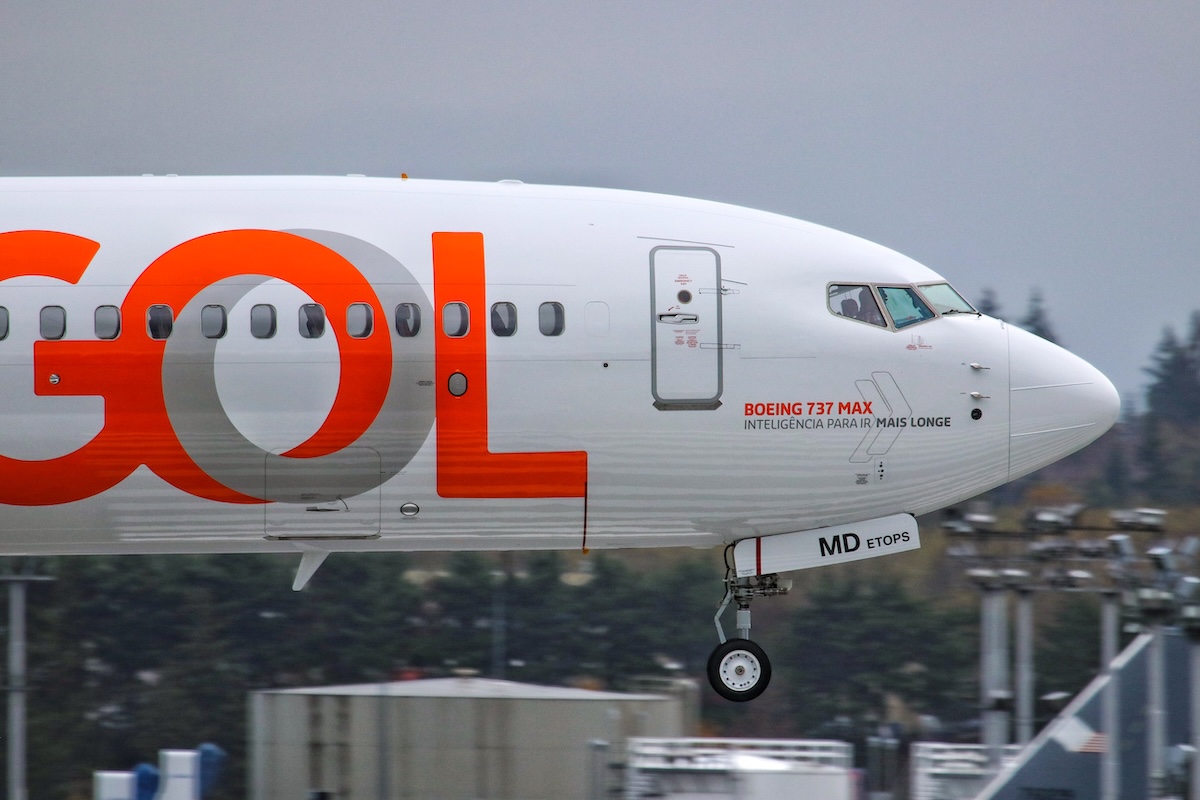
A GOL Boeing 737 MAX 8
A GOL Boeing 737 MAX 8 (Photo: AirlineGeeks | Katie Zera)

Brazilian low-cost airline GOL Linhas Aéreas began nonstop flights between Rio de Janeiro and New York-JFK on Wednesday.

The service operates three times per week using Airbus A330 aircraft. Flights depart Rio on Sundays, Wednesdays, and Fridays, and return from New York on Mondays, Thursdays, and Saturdays.

GOL first announced the Rio-JFK route in March. It is the airline’s first ever long-haul international connection.

In the U.S., GOL also serves Miami and Orlando, Florida. Most of its route network is concentrated in South America.

The airline has said it plans to add more long-haul routes, including transatlantic flights, as it takes delivery of more A330s.

Zach Vasile

Zach Vasile is a writer and editor covering news in all aspects of commercial aviation. He has reported for and contributed to the Manchester Journal Inquirer, the Hartford Business Journal, the Charlotte Observer, and the Washington Examiner, with his area of focus being the intersection of business and government policy.

Report: DHS Building Its Own Fleet For Deportation Flights

The department currently charters flights with independent operators.

A U.S. Customs and Border Protection vehicle in Nogales, Arizona.
A U.S. Customs and Border Protection vehicle in Nogales, Arizona. (Photo: Shutterstock | Matt Gush)

The Department of Homeland Security is putting together a fleet of government-owned aircraft to operate deportation flights for undocumented immigrants, Bloomberg reported on Friday.

The department is currently looking for a company to operate the airplanes, the outlet said. The contractor would handle not only deportation flights but also emergency response missions and transportation for high-ranking government officials.

The nascent fleet reportedly includes two C-37Bs – the military’s name for converted Gulfstream 550s – and seven Boeing 737-700s. The C-37Bs are used only for executive transport, not deportation flights.

DHS currently charters deportation flights with independent operators, who use their own aircraft. Up until January, the department’s most visible partner was ultra-low-cost airline Avelo, which flew deportation flights from a base at Mesa Gateway Airport in Arizona. The carrier ended its involvement amid criticism from immigration and human rights activists and some lawmakers, who argued that the company was profiting from the abuse of migrants.

Avelo said the deportation program “provided short-term benefits but ultimately did not deliver enough consistent and predictable revenue to overcome its operational complexity and costs.”

It is possible that DHS has elected to build its own fleet rather than continue to rely on outside companies that could be susceptible to public pressure.

Bloomberg reported that the new, government-owned fleet will be capable of flying “around the clock,” and on short notice.

Zach Vasile

Zach Vasile is a writer and editor covering news in all aspects of commercial aviation. He has reported for and contributed to the Manchester Journal Inquirer, the Hartford Business Journal, the Charlotte Observer, and the Washington Examiner, with his area of focus being the intersection of business and government policy.
Sign-up for newsletters & special offers!

Get the latest stories & special offers delivered directly to your inbox

SUBSCRIBE

Uh-oh! It looks like you're using an ad blocker.

Our website relies on ads to provide free content and sustain our operations. By turning off your ad blocker, you help support us and ensure we can continue offering valuable content without any cost to you.

We truly appreciate your understanding and support. Thank you for considering disabling your ad blocker for this website