









Stories

Delta and Saudia Ink New Agreement

Delta and Saudia have signed a new codeshare agreement opening new destinations for both carriers, strengthening the U.S. airline's Gulf presence.

A Delta 737-900ER in Las Vegas. (Photo: AirlineGeeks | William Derrickson)

Early Wednesday morning, Delta and Middle Eastern giant Saudia signed a codeshare agreement. This news comes after Delta had previously signed a memorandum of understanding with new Saudi Arabian carrier Riyadh Air. 

The new agreement with Saudia will expand on an existing interline agreement between the two carriers as both are a part of the SkyTeam alliance. The new codeshare agreement will allow Delta customers to connect on Saudia to nine destinations in Saudi Arabia. Reciprocally, Saudia customers will have the ability to connect to 12 destinations in the United States out of Delta’s hubs in New York and Los Angeles according to the latest press release.

Perry Cantarutti, senior vice president of alliances for Delta, is enthusiastic about the new agreement stating that “strengthening our partnership responds to customer demand for more travel choice between the Gulf and North America.”

Middle Eastern Giants

Delta now has agreements with two different carriers in the Middle East. Currently, American Airlines and United Airlines have agreements in place with Qatar Airways and Emirates respectively. Since strengthening relationships, the two U.S. major carriers have each launched their own service to the Middle East. American serves Doha from Philadelphia and United serves Dubai from Newark. 

With longer range A350-1000s on order, Delta appears to be gearing up for the launch of new routes. At an event reported on by Thrifty Traveler, the carrier’s CEO Ed Bastian stated a press release regarding the signing of an agreement with IndiGo will be released in the coming days. Along with this announcement was the statement by Bastian that Delta “really want[s] to serve the market directly.” The A350-1000 aircraft on order would allow Delta to once again fly this route economically after retirng its fleet of Boeing 777-200 aircraft during the pandemic.

Thus, the idea of non-stop flights to Saudi Arabia by the carrier is a future possibility. At the time of writing, no United States airline flies to Saudi Arabia. Delta at one point flew to the Middle East, specifically Dubai, with the Boeing 777 until the route was discontinued in 2016. A potential new route would mark the carrier’s re-entry to the Middle Eastern market for the first time in nearly a decade. 

While Delta has agreements signed with both Saudi Arabian carriers, the two have also signed agreements with each other. This agreement includes codeshare agreements as well. While Saudia is established connecting Saudi Arabia with the world, Riyadh Air is gearing up to take on the Middle Eastern mega giants of Emirates and Qatar Airways. 
Zach Cooke

Zach’s love for aviation began when he was in elementary school with a flight sim and model planes. This passion for being in the air only intensified throughout high school when he earned his Private Pilot Certificate. He then attended Embry-Riddle Aeronautical University, earning his certificates and ratings to later flight instruct and share his passion for aviation with others. He now resides in the North East living out his dream as an airline pilot.

KLM Faces Tough Times, Cuts Cost

KLM Royal Dutch Airlines implements strategic cost-cutting measures to enhance financial stability and address industry challenges.

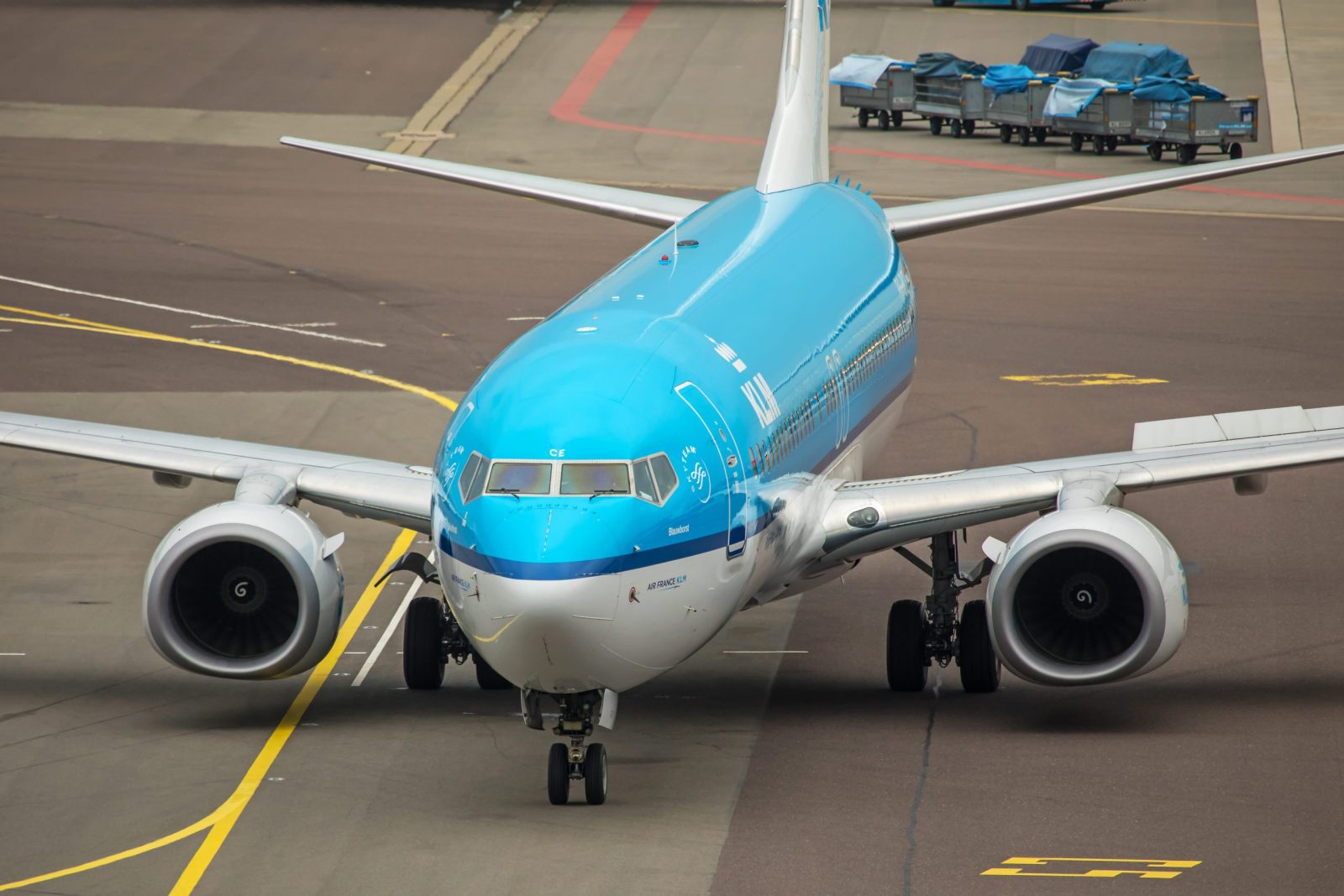
A KLM 737-800 in Amsterdam (Photo: AirlineGeeks | William Derrickson)

KLM Royal Dutch Airlines has announced a series of cost-cutting measures to improve its financial performance and ensure long-term sustainability. The airline, facing rising costs and operational challenges, seeks to bolster its bottom line amid a challenging industry landscape.

KLM’s announcement comes as the airline industry continues to recover from the COVID-19 pandemic. While passenger demand has rebounded, airlines have faced challenges related to rising fuel prices, supply chain disruptions, and labor shortages. According to Marjan Rintel, KLM’s President and CEO, the airline’s flights are full, but its overall capacity has not yet reached pre-pandemic levels.

Cost-Cutting Initiatives

In a recent statement, the carrier outlined several initiatives to be implemented over the coming months. These measures include increased productivity through automation, mechanization, and reduced absenteeism, aiming for a 5% increase in labor productivity by 2025.

Additionally, KLM will streamline its organizational structure to eliminate redundancies and reduce overhead costs, potentially restructuring certain departments or outsourcing non-core functions. The airline will also identify areas where expenses can be cut, such as real estate, non-critical investments, and procurement.

To mitigate the impact of the pilot shortage, the airline is implementing strategies to ensure that all flights can be operated with a balanced distribution between intercontinental and European routes. Additionally, the airline is addressing the shortage of technicians and supply chain issues that have led to reduced flight operations. Measures are being taken to minimize cancellations, and if necessary, KLM will explore options for partially outsourcing maintenance services.

Financial Goals and Employee Impact

The airline’s financial goals also include achieving a structural profit margin above 8% by 2026-2028, targeting a €450 million improvement in its operating result. Bas Brouns, KLM’s Chief Financial Officer, emphasized that the new measures will both increase revenue and cut costs, strengthening the airline’s cash flow and improving financial management.

He noted that these actions will support KLM’s billion-dollar investments in fleet renewal and customer experience enhancements. Brouns highlighted that in the coming years, KLM will transition to quieter, cleaner, and more fuel-efficient aircraft, aligning with government agreements and reducing noise pollution for Schiphol’s local communities.

While the announced measures are expected to have a positive impact on financial performance, they may also have implications for employees. KLM has expressed a commitment to protecting jobs as much as possible, but some restructuring could be necessary.


Tolga Karadeniz

Tolga is a dedicated aviation enthusiast with years of experience in the industry. From an early age, his fascination with aviation went beyond a mere passion for travel, evolving into a deliberate exploration of the complex mechanics and engineering behind aircraft. As a writer, he aims to share insights , providing readers with a view into the complex inner workings of the aviation industry.

Alaska Continues 737-900 Retirements

Alaska is retiring some of its oldest jets next year. Currently, the Seattle-based airline's fleet includes eight Boeing 737-900s.

Alaska 737-900
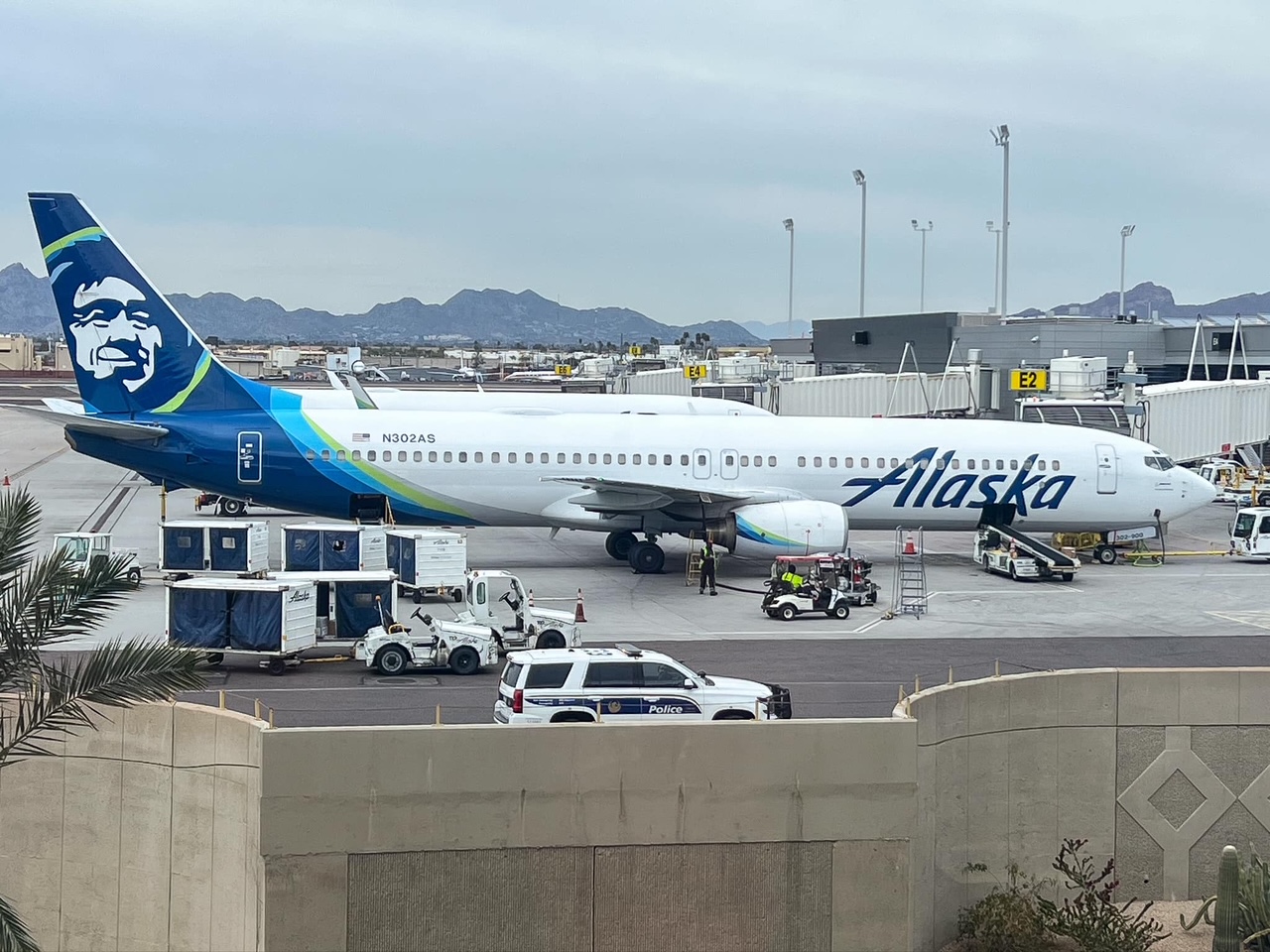
An Alaska 737-900 in Phoenix. (Photo: AirlineGeeks | Katie Zera)

Alaska is retiring some of its oldest jets next year. Currently, the Seattle-based airline’s fleet includes eight Boeing 737-900s.

These aircraft — which are different from the 737-900ER variant — have an average age of nearly 23 years old. They are a rather rare type, too, with only 37 in service around the world, according to Cirium Fleet Analyzer data.

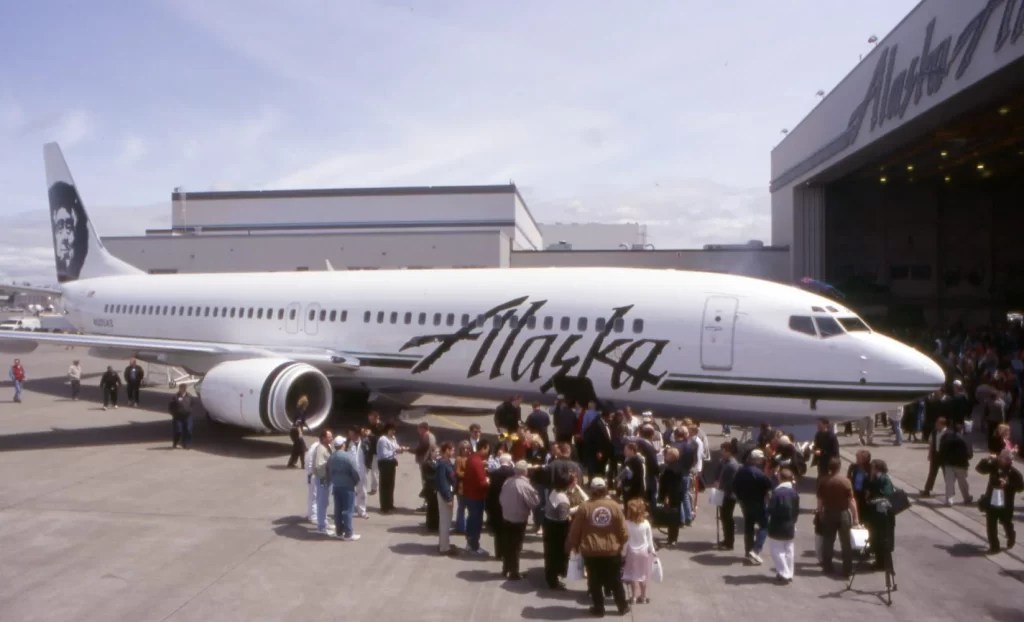
In 2001, Alaska became the launch customer for the 737-900. At the time, it was the largest variant of Boeing’s best-selling aircraft type.

Next year, the carrier plans to retire its few remaining 737-900s. In an August filing with the Securities and Exchange Commission, Alaska noted that the sub-fleet will drop to six aircraft by the end of 2024, then zero in 2025.

On Tuesday, the airline retired two more 737-900s — registered as N305AS and N306AS — leaving only eight in the carrier’s fleet. Interestingly, N305AS was the first-ever 737-900 to enter service, delivered on May 15, 2001.

Alaska took delivery of the first Boeing 737-900 in 2001. (Photo: Alaska Airlines)

The aircraft were ferried from the carrier’s Seattle hub to a storage facility at Pinal Airpark in Marana, Arizona. Schedule data from Cirium Diio shows the 737-900s operating through January 2025.

Alaska has no immediate plans to phase out its fleet of 79 737-900ERs (Extended Range). This type is a far more popular version of the 737-900, with nearly 500 in service worldwide.


Ryan Ewing

Ryan founded AirlineGeeks.com in February 2013 and has spent more than a decade covering the airline business. His work has been featured by CNN, WJLA, CNET, and Business Insider. His aviation experience spans airport operations, Part 135 regulatory compliance, and airline crew workforce planning, along with time behind the yoke of a Cessna 172 and interviews with airline executives. Ryan now serves as Group President of Firecrown Media’s Aviation Group. He holds a B.S. in Air Transportation Management and an MBA from Arizona State University and teaches Airline Management at Embry-Riddle Aeronautical University.

NBA Nabs Approval for VIP-Configured A321neos

The National Basketball Association (NBA)'s charter fleet of Boeing 757-200s is set to get a major upgrade in the coming years.

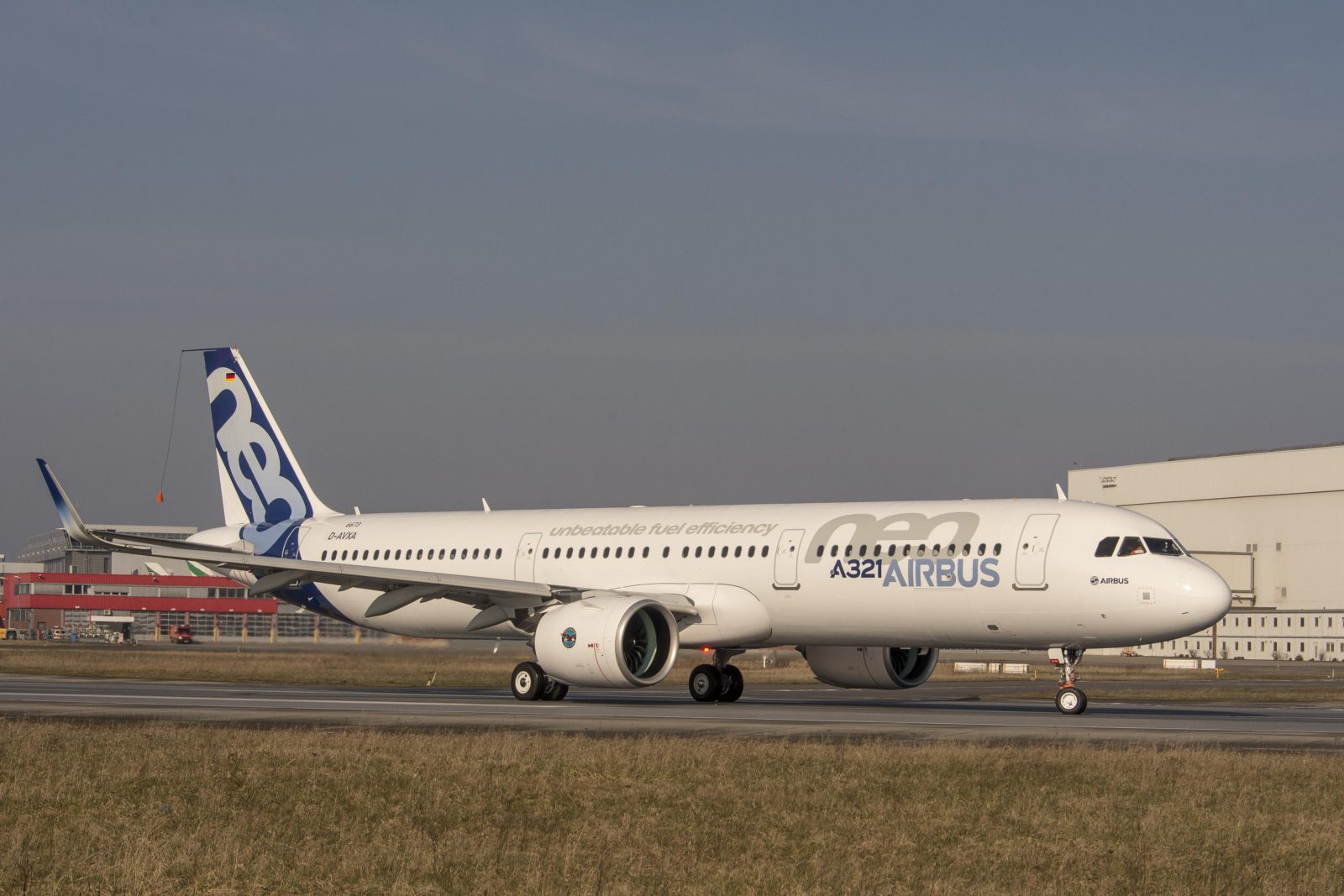
The Airbus A321neo completes its first flight (Photo: Airbus)

The National Basketball Association (NBA)’s charter fleet is about to get a major upgrade. On Wednesday, the Department of Transportation approved a change in the agreement between Delta and the league, allowing for newer aircraft.

Delta currently operates a fleet of 11 Boeing 757-200s for the NBA that are leased from Aviation Capital Group. These aging jets — which are well over 30 years old — feature a special VIP-configuration.

According to Cirium Fleet Analyzer data, the 757s have only 72 seats, a stark difference from the 199-seat configuration used on regular Delta flights. The 757s were first introduced to the NBA’s travel schedule as part of a 2015 agreement with the Atlanta-based airline.

New Aircraft

In July 2024, a law firm representing the airline and league submitted plans to extend the agreement, which was slated to end in September 2026. Now with DOT approval, the revised agreement includes a fleet of up to 14 specially configured Airbus A321neo aircraft.

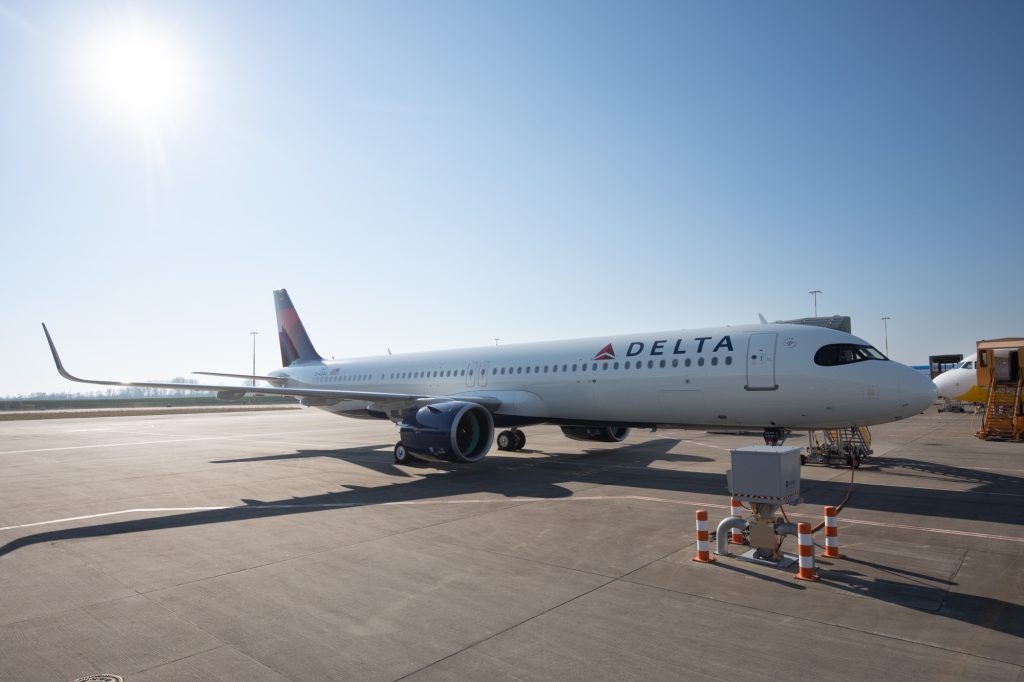
A Delta A321neo (Photo: Delta)

As first reported by Corporate Jet Investor, these aircraft will have humidifiers and lie-flat beds onboard with interiors being designed by Comlux. They will be used to shuttle players from the NBA’s 30 teams along with coaches and other staff between games.

Like the 757 arrangement, Delta will operate the Airbus aircraft, placing them under its operating certificate. During the league’s off-season, the airline can also utilize the aircraft for “ad-hoc” charters.

A July filing from the parties says the A321neos will be delivered over approximately 32 months, equipped with Pratt and Whitney GTF engines. Delta’s current fleet of A321neos includes 62 active aircraft.

Ryan Ewing

Ryan founded AirlineGeeks.com in February 2013 and has spent more than a decade covering the airline business. His work has been featured by CNN, WJLA, CNET, and Business Insider. His aviation experience spans airport operations, Part 135 regulatory compliance, and airline crew workforce planning, along with time behind the yoke of a Cessna 172 and interviews with airline executives. Ryan now serves as Group President of Firecrown Media’s Aviation Group. He holds a B.S. in Air Transportation Management and an MBA from Arizona State University and teaches Airline Management at Embry-Riddle Aeronautical University.

FAA: No ‘Significant Safety Issues’ Found Following United Audit

The Federal Aviation Administration says it completed a monthslong safety review of United Airlines, finding no major issues.

United Dreamliner
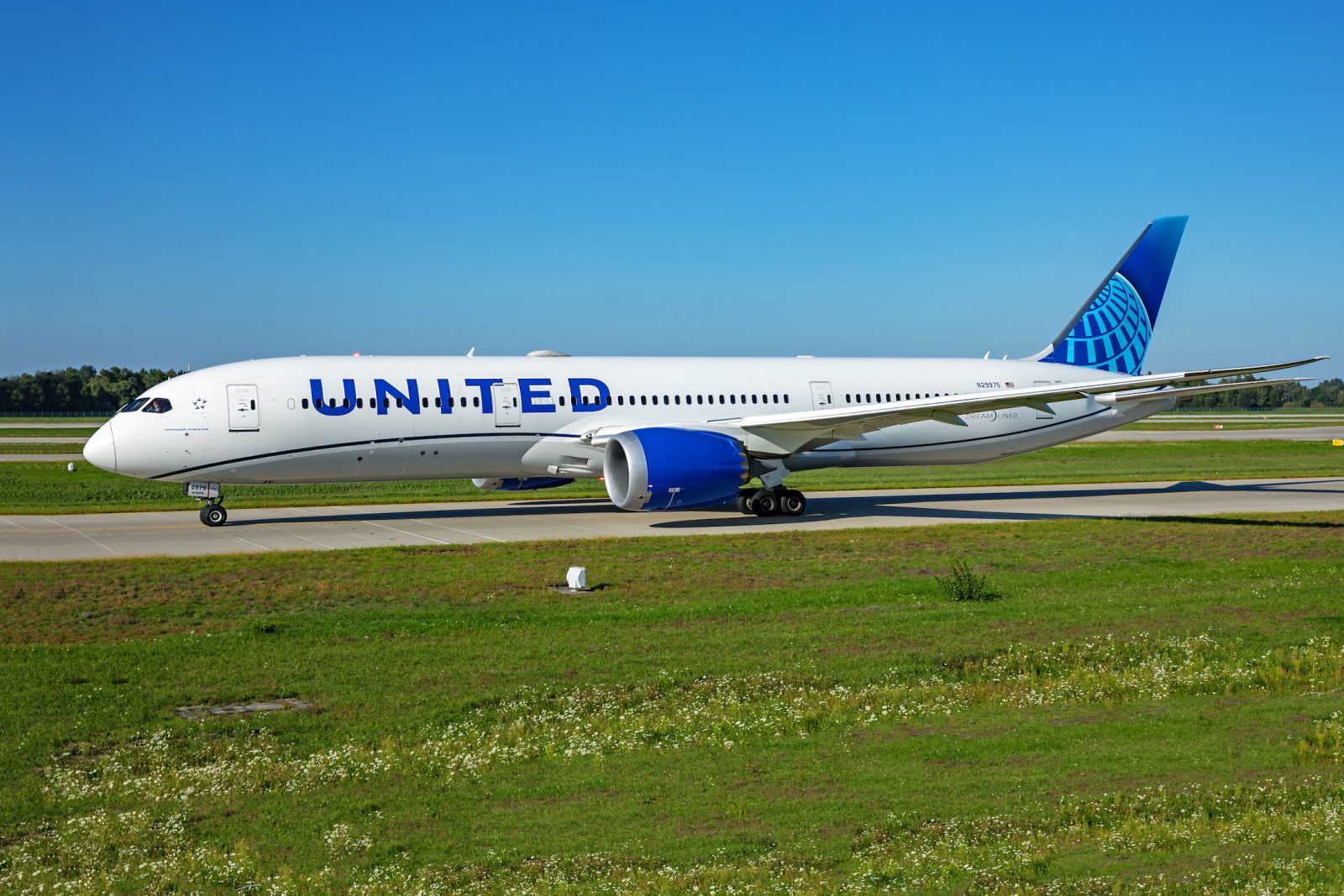
A United 787-9 Dreamliner. (Photo: AirlineGeeks | William Derrickson)

The Federal Aviation Administration says it completed a monthslong safety review of United, paving the way for the airline to fully resume certification activities.

In a statement, a spokesperson from the agency said it found no “significant safety issues” following the Certificate Holder Evaluation Program (CHEP) audit. The review stemmed from a flurry of headline-making incidents earlier this year.

These incidents included a United Boeing 777-200 losing a tire during takeoff from San Francisco in March. The next day, a 737 MAX 8 slid off the end of a wet runway at Houston’s George Bush Intercontinental Airport.

The airline’s CEO acknowledged the string of incidents in a March letter to customers.

“Unfortunately, in the past few weeks, our airline has experienced a number of incidents that are reminders of the importance of safety,” he said. “While they are all unrelated, I want you to know that these incidents have our attention and have sharpened our focus.”

The FAA’s audit began in late March, prompting the airline to delay the launch of some new routes.

United declined to comment on the ending audit, instead directing inquiries to the FAA.


Ryan Ewing

Ryan founded AirlineGeeks.com in February 2013 and has spent more than a decade covering the airline business. His work has been featured by CNN, WJLA, CNET, and Business Insider. His aviation experience spans airport operations, Part 135 regulatory compliance, and airline crew workforce planning, along with time behind the yoke of a Cessna 172 and interviews with airline executives. Ryan now serves as Group President of Firecrown Media’s Aviation Group. He holds a B.S. in Air Transportation Management and an MBA from Arizona State University and teaches Airline Management at Embry-Riddle Aeronautical University.

Kenya’s Skyward Express Expands Internationally

Skyward Express, a Kenyan private airline, is preparing to launch a new route to Dar es Salaam, marking its first international expansion.

A Skyward Express Fokker aircraft
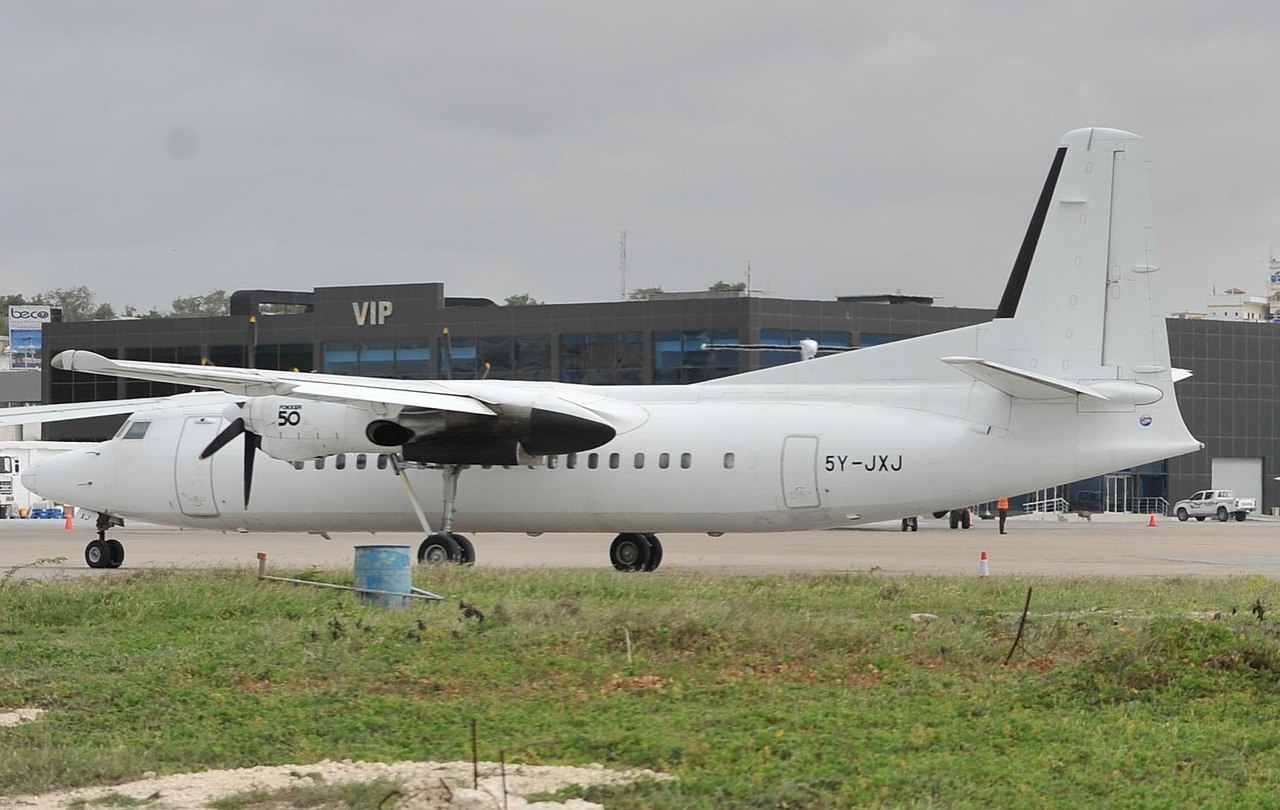
A Skyward Express Fokker aircraft (Photo: AMISOM/Omar Abdisalan, CC0, via Wikimedia Commons)

Skyward Express, a Kenyan private airline, is preparing to launch a new route to Dar es Salaam, marking its first international expansion. Starting November 15, 2024, the airline will offer non-stop flights from Nairobi to Dar es Salaam three times a week on Mondays, Fridays, and Sundays. These flights will be operated using Fokker 100 aircraft, as announced on September 26, 2024.

This new service will introduce competition to a route already served by Kenya Airways, Air Tanzania, and Precision Air. It will also be Skyward Express’ second route from Jomo Kenyatta International Airport, bringing the airline’s total route network to 10. The service is designed to attract both business travelers and tourists looking for convenient travel options between the two cities.

While Skyward Express primarily operates from Wilson Airport in Nairobi, this new route strengthens its presence at JKIA. Earlier in September, the airline acquired its first Dash 8-400 aircraft (previously operated by Horizon Airlines) as part of De Havilland Canada’s newly launched OEM Certified Refurbishment Program. This program includes the installation of new Pratt & Whitney Canada PW150A engines.

Additionally, Skyward Express also received its third Fokker F100 (registration 5Y-SKB, MSN 11369), which arrived in Nairobi on March 8, 2024, after stopovers in Luxembourg, El Alamein, and Djibouti. This is the airline’s second F100 delivery within a month, following the arrival of MSN 11395 on February 10, and the first delivery (MSN 11416) in June 2023.

With these new additions, Skyward Express now operates three Dash 8 aircraft, alongside a fleet that includes one Dash 8-300, one Dash 8-100, three Fokker 100s (with another expected soon), one Fokker 70, and two Fokker 50s. Established in 2013 and based at Wilson Airport, the airline primarily serves Kenya’s domestic market.

Founded by a group of Kenyan pilots and investors, Skyward Express initially focused on ad hoc charters within East Africa. Over the years, the airline has significantly expanded its operations, becoming one of the leading carriers in the Kenyan domestic market. It currently offers flights to destinations such as Mombasa, Lamu, Eldoret, Lodwar, Diani/Ukunda, Malindi, Kitale, Kakamega, and Migori, with plans to add more regional destinations soon.


Victor Shalton

Victor Shalton's love for aviation can be traced to when he was 11-years-old. As a seasoned aviation writer, he takes pride in providing the best aviation coverage around the globe and is passionate about advancing his skills in the aviation space. In addition, he loves travelling, writing, arts and while his speaking engagements have taken him around the world, he is proud to call Nairobi home.

33,000 Boeing Workers Lose Health Care Coverage

Boeing has cut health care coverage for 33,000 of its workers and their families as machinist strikes continue to halt production in the Pacific Northwest.

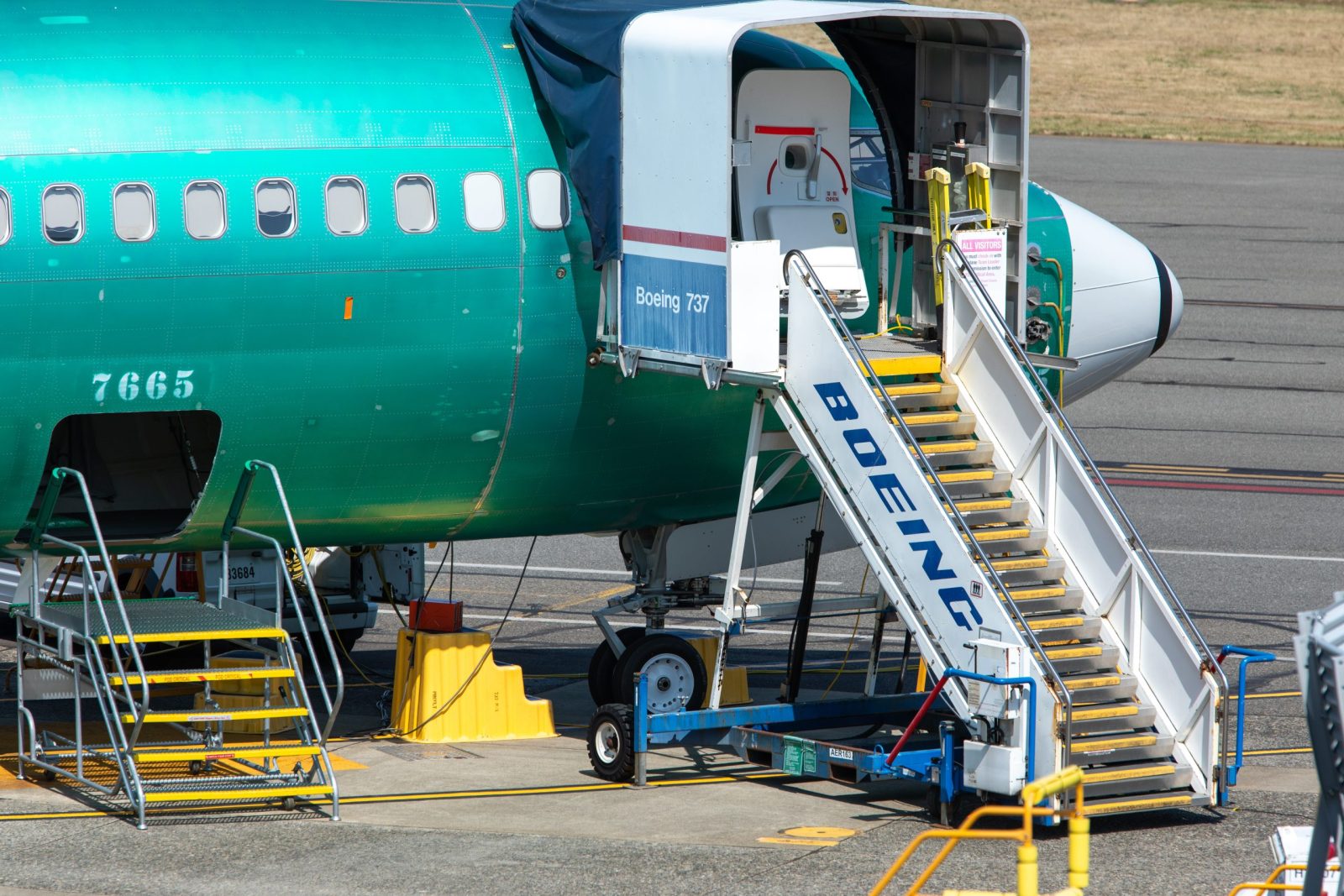
A Boeing 737 aircraft (Photo: (Photo: Shutterstock | VDB Photos)

Boeing has cut health care coverage for 33,000 of its workers and their families as machinists union strikes continue to halt production in the Pacific Northwest.

A news release from the International Association of Machinists and Aerospace Workers (IAM) emailed Tuesday stated that workers were informed of the cuts by U.S. Postal Service notifications to their homes. The move is being criticized by striking union members as a misstep by Boeing.

“Boeing executives cannot make up their minds,” said IAM International President Brian Bryant in the release. “One day they say they want to win back the trust of their workforce. The next moment, on the heels of many recent missteps by their labor relations team, Boeing executives are now tripping over dollars to get pennies by cutting a benefit that is essential to the lives of children and families, but is nothing compared to the cost of the larger problems Boeing executives have created for their workforce and for the company itself over the last ten years. Their missteps are costing not just the workers but our nation.”

Bryant called for action by Boeing’s new CEO, Kelly Ortberg.

“It’s time for the new CEO to truly engage at the proposal-based level and to take the reins from his subordinates who are fumbling critical decisions like this one,” he continued. “There is no reason the health benefits question could not have been punted on to allow more time for negotiations at the table – it is an unnecessary and cruel decision by Boeing executives that will cost the company much more than it saves them, both short-term and long-term.”

Jon Holden, president of IAM District 751, said his fellow union members, who have been on strike since Sept. 13, were prepared for this kind of treatment.

“It’s been a long couple of decades with many threats to their livelihoods and this was an expected action in line with this management team,” Holden said in the release. “Over the years, members are often impacted by ill-advised decisions from the C-Suite, yet we stand strong and confident in our efforts to raise the standard for everyone.”

IAM refused to vote on Boeing’s “final” contract offer last week, stating that the company bypassed the negotiating process by broadcasting the offer publicly. That offer expired on Friday.

Bryant said delays by Boeing have caused IAM members to be kicked off their insurance plan.

“This is unnecessary and could have been avoided by continuing talks to come to an acceptable agreement, instead of walking away from mediation last Friday,” Bryant said. “Our members continue to be strong in their resolve and will not settle for anything but a fair contract that recognizes and rewards the critical and dedicated work they perform.”

In a statement sent to NBC affiliate King 5, Boeing confirmed that health care coverage ended for the striking employees on Monday. The company said it is prepared to meet at any time and negotiate with the aim of reaching an agreement as soon as possible.

Boeing did not immediately respond to AirlineGeeks’ request for comment.

AirlineGeeks.com Staff

AirlineGeeks.com was founded in February 2013 as a one-person blog in Washington D.C. Since then, we’ve grown to have 25+ active team members scattered across the globe. We are all here for the same reason: we love deep-diving into the fascinating realm of the airline industry.

Qatar Airways Plans New North America Route

Qatar Airways announced that it will launch a new service to Toronto Pearson International Airport starting in December 2024.

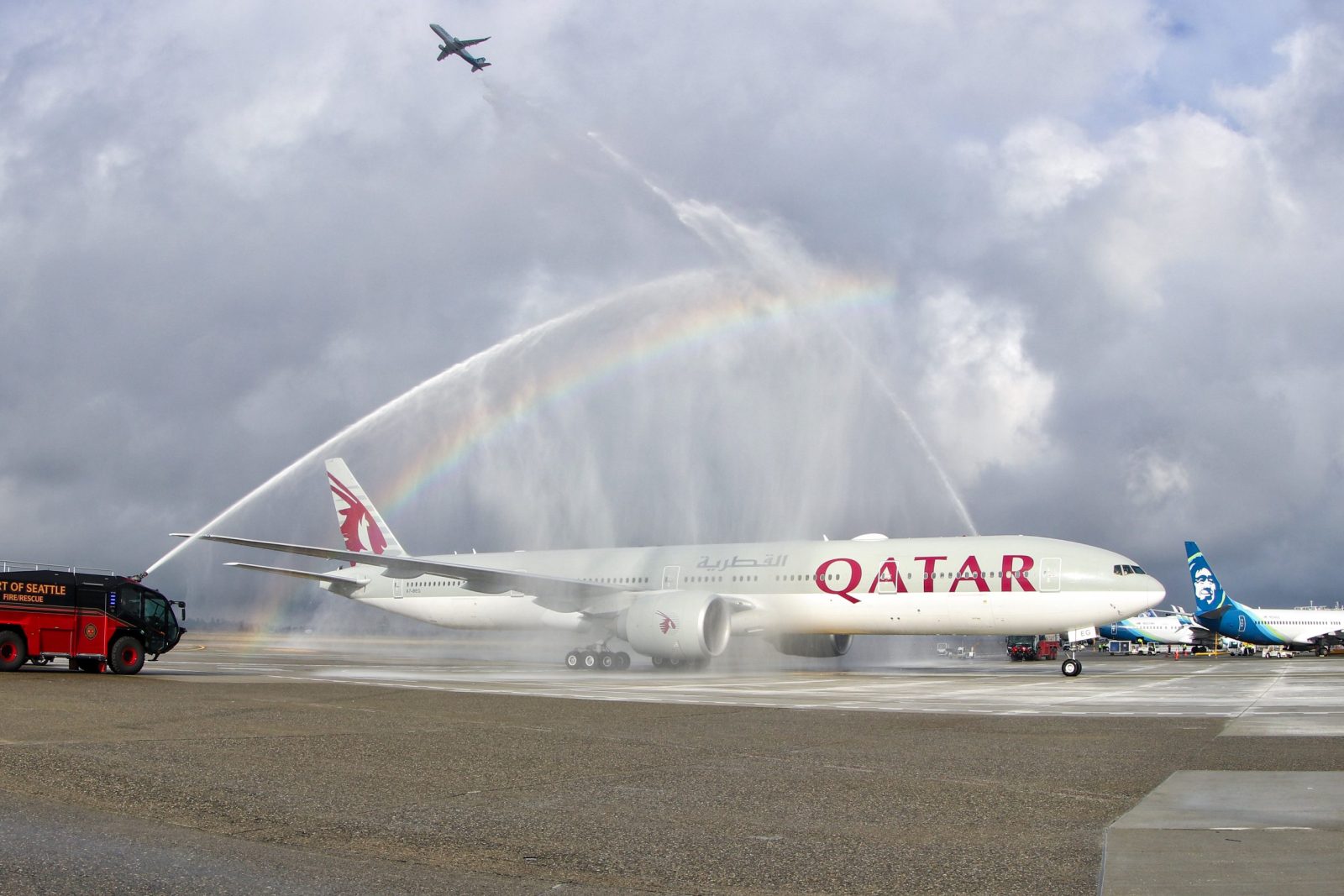
A Qatar Airways Boeing 777 (A7-BEG) receives a water cannon salute as it arrives in Seattle. (Photo: AirlineGeeks | Katie Zera)

Qatar Airways announced that it will launch a new service to Toronto Pearson International Airport starting on December 11, 2024. This marks the airline’s 14th route to the Americas and its second destination in Canada, joining Montréal.

The new route will be operated by a Boeing 777-300ER aircraft, featuring 42 Qsuite Business Class seats and 312 Economy seats. Flights will operate three times per week.

“The addition of a fourteenth gateway to our Americas network is also a testament to our aim in maintaining a key presence across the local market, and cements our reputation as a reliable global connector,” said the airline’s CEO Engr. Badr Mohammed Al-Meer in a press release.

Flights from Doha to Toronto will depart at 9:50 a.m., arriving at 3:55 p.m. local time. The return flight will depart Toronto at 8:00 p.m., landing in Doha at 4:30 p.m.

The carrier briefly operated a handful of repatriation flights to Toronto in 2020 during the COVID-19 pandemic.

Ryan Ewing

Ryan founded AirlineGeeks.com in February 2013 and has spent more than a decade covering the airline business. His work has been featured by CNN, WJLA, CNET, and Business Insider. His aviation experience spans airport operations, Part 135 regulatory compliance, and airline crew workforce planning, along with time behind the yoke of a Cessna 172 and interviews with airline executives. Ryan now serves as Group President of Firecrown Media’s Aviation Group. He holds a B.S. in Air Transportation Management and an MBA from Arizona State University and teaches Airline Management at Embry-Riddle Aeronautical University.

Airport Receives Millions in State Funds to Lure More JSX Service

The town of Taos, New Mexico, announced that it secured $8.2 million in state funding to expand air service with semi-private carrier JSX.

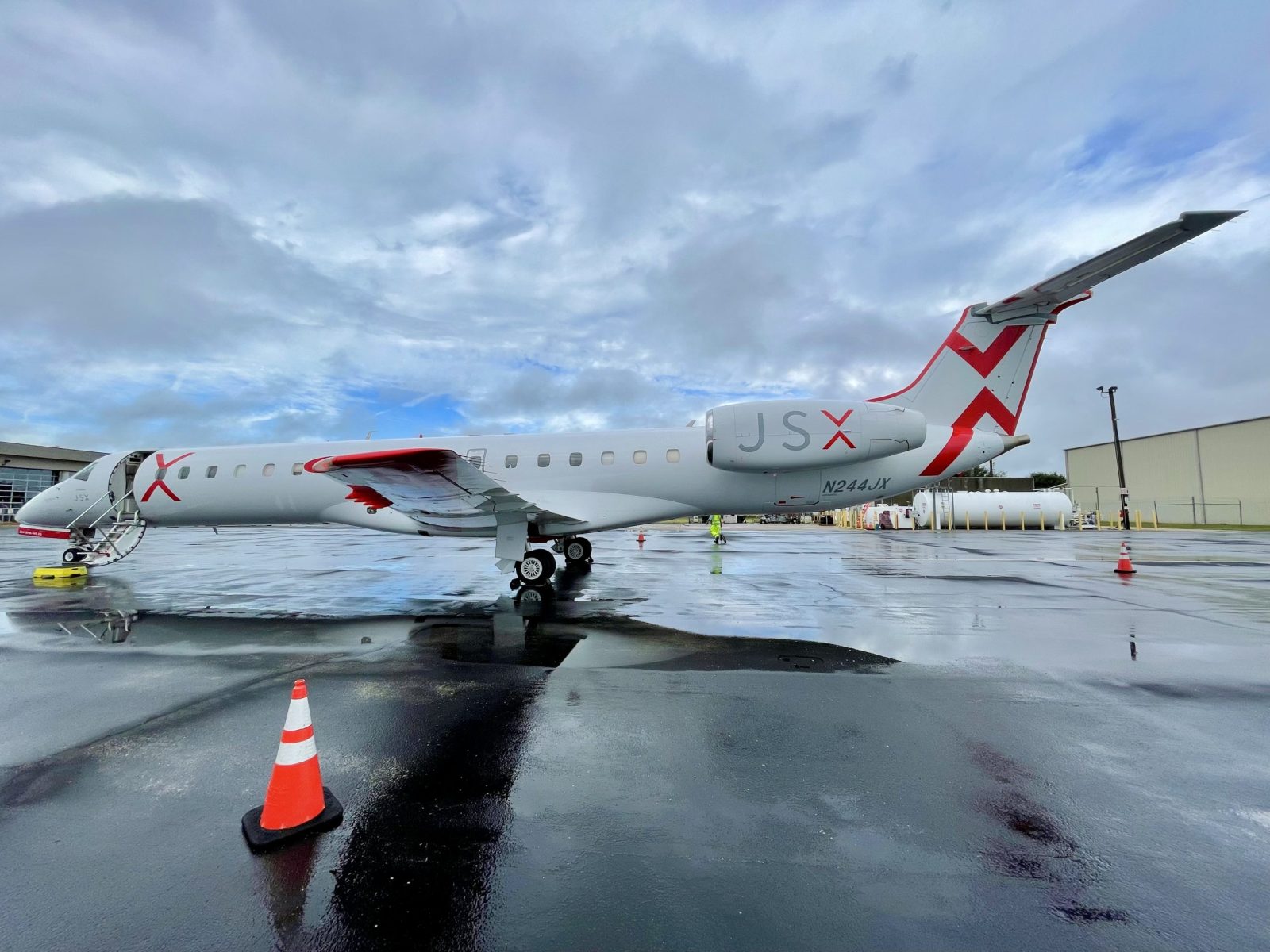
A JSX Embraer E-145 on the FBO ramp at Austin-Bergstrom International Airport. (Photo: AirlineGeeks | Mateen Kontoravdis)

The town of Taos, New Mexico, announced that it secured $8.2 million in state funding to expand air service. Taos has a population of just under 6,500 residents and is best known as a seasonal skiing destination.

According to a news release from the town, the new funding joins $3.2 million that was awarded earlier this year for a total of $11.4 million. New Mexico’s Department of Transportation provides these grants under its Rural Air Service Enhancement program.

This funding, the town says, has opened the door for recently added JSX routes to Denver and Dallas. With the added $8.2 million, Taos is slated to get even more service.

JSX is the only carrier serving Taos Regional Airport. The semiprivate operator currently flies to Dallas Love Field and Denver-Rocky Mountain Airport from the northern New Mexico town.

Starting on Dec. 9, 2024, through March 31, 2025, the town said it will again see JSX flights to Carlsbad and Burbank, California, as well as Austin, Texas. Flights to Las Vegas will only operate in October.

“This expansion aligns with our ongoing efforts to promote economic growth and meet the demand for travel in the region,” said Taos’ chief procurement officer, Bailey Andrea, in the news release. “The additions will support the continued success of our air services program while ensuring maximum use of our grant funds with the community in mind, contributing to the broader goal of enhancing Taos as a year-round destination.”

The carrier has yet to load the flights on its website. In April, the Taos Ski Valley resort allowed its air service contract with the town to expire, ending the “Taos Air” public charter brand. Now, the town has a direct contract with JSX.

Ryan Ewing

Ryan founded AirlineGeeks.com in February 2013 and has spent more than a decade covering the airline business. His work has been featured by CNN, WJLA, CNET, and Business Insider. His aviation experience spans airport operations, Part 135 regulatory compliance, and airline crew workforce planning, along with time behind the yoke of a Cessna 172 and interviews with airline executives. Ryan now serves as Group President of Firecrown Media’s Aviation Group. He holds a B.S. in Air Transportation Management and an MBA from Arizona State University and teaches Airline Management at Embry-Riddle Aeronautical University.

Airlines Scramble to Reroute Flights Following Iran Missile Attack

Early reports on Tuesday of an Iranian ballistic missile attack on Israel have prompted many airlines to reroute flights.

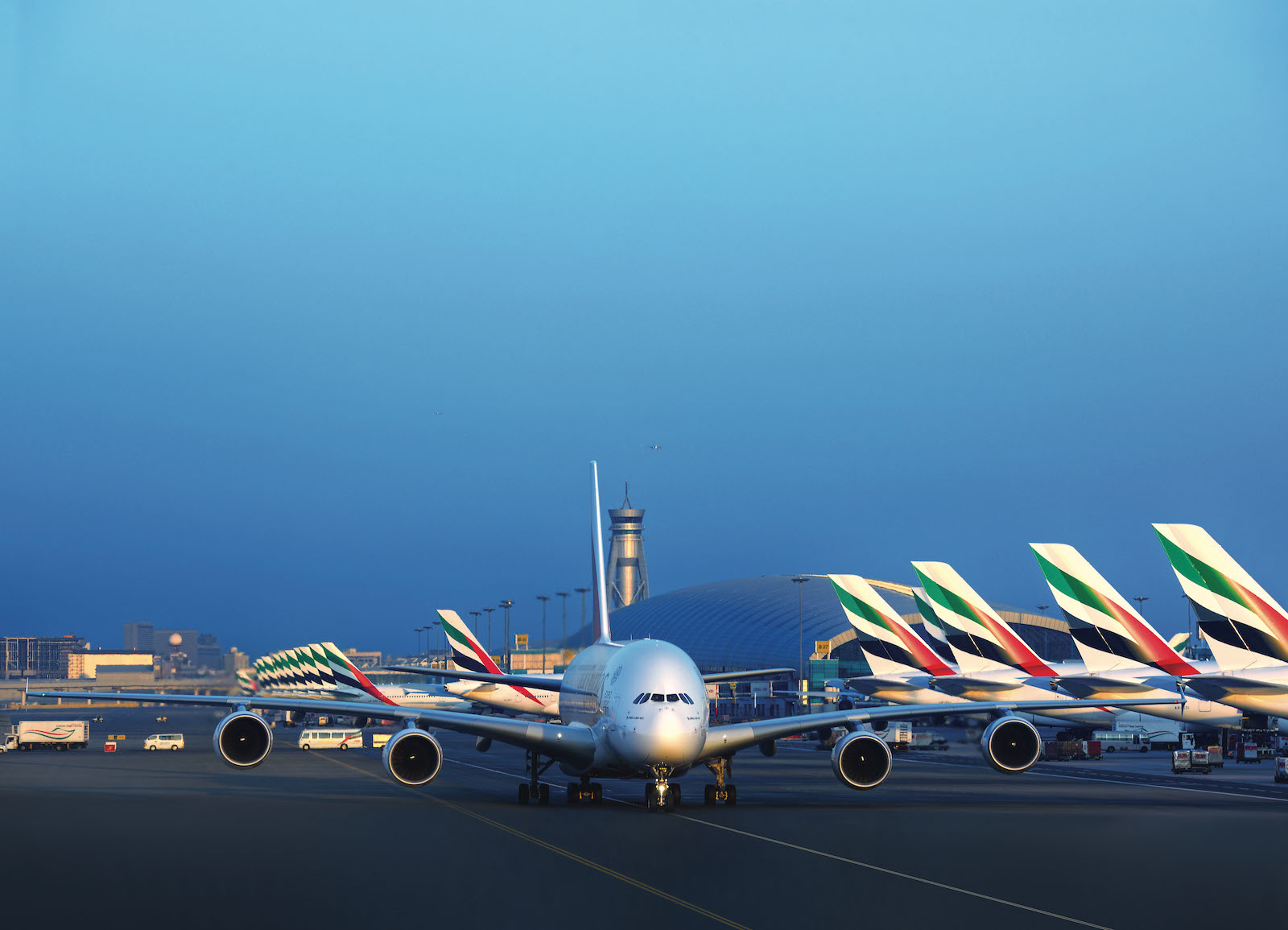
Emirates aircraft in Dubai
Emirates aircraft in Dubai (Photo: Emirates)

Early reports on Tuesday of an Iranian ballistic missile attack on Israel have prompted many airlines to reroute flights around one of the world’s most congested sectors of airspace.

According to flight tracking platform FlightRadar24, both Jordanian and Iraqi airspaces are among those closed in the region. Flights currently airborne between Europe and the Middle East have either returned to their origins or diverted.

Lufthansa flights to Mumbai and Hyderabad, India, and Dubai, United Arab Emirates, turned back to Frankfurt, Germany. Swiss’ flight between Zurich and Dubai diverted to Antalya, Turkey.

British Airways flight 107 from London Heathrow to Dubai diverted to Larnaca, Cyprus, on Tuesday evening. Multiple Emirates flights en route to the carrier’s Dubai hub were also impacted per flight tracking data.

“Following tonight’s airspace closures, Emirates has cancelled some flights and diverted others. We are closely monitoring the situation and are making all efforts to ensure minimal disruption to customers, while assisting those impacted,” an Emirates spokesperson said in a statement. “Emirates advises customers departing or arriving at Dubai International Airport to check their flight status on emirates.com for the latest information regarding their flights.”

Arrivals and departures from Tel Aviv’s Ben Gurion Airport in Israel were halted following the attack.

The news comes just hours after several European airlines — including Lufthansa and KLM — extended flight suspensions to Tel Aviv; Beirut, Lebanon; and Tehran until at least the end of October.

Editor’s Note: This story is developing.

Ryan Ewing

Ryan founded AirlineGeeks.com in February 2013 and has spent more than a decade covering the airline business. His work has been featured by CNN, WJLA, CNET, and Business Insider. His aviation experience spans airport operations, Part 135 regulatory compliance, and airline crew workforce planning, along with time behind the yoke of a Cessna 172 and interviews with airline executives. Ryan now serves as Group President of Firecrown Media’s Aviation Group. He holds a B.S. in Air Transportation Management and an MBA from Arizona State University and teaches Airline Management at Embry-Riddle Aeronautical University.
Sign-up for newsletters & special offers!

Get the latest stories & special offers delivered directly to your inbox

SUBSCRIBE

Uh-oh! It looks like you're using an ad blocker.

Our website relies on ads to provide free content and sustain our operations. By turning off your ad blocker, you help support us and ensure we can continue offering valuable content without any cost to you.

We truly appreciate your understanding and support. Thank you for considering disabling your ad blocker for this website