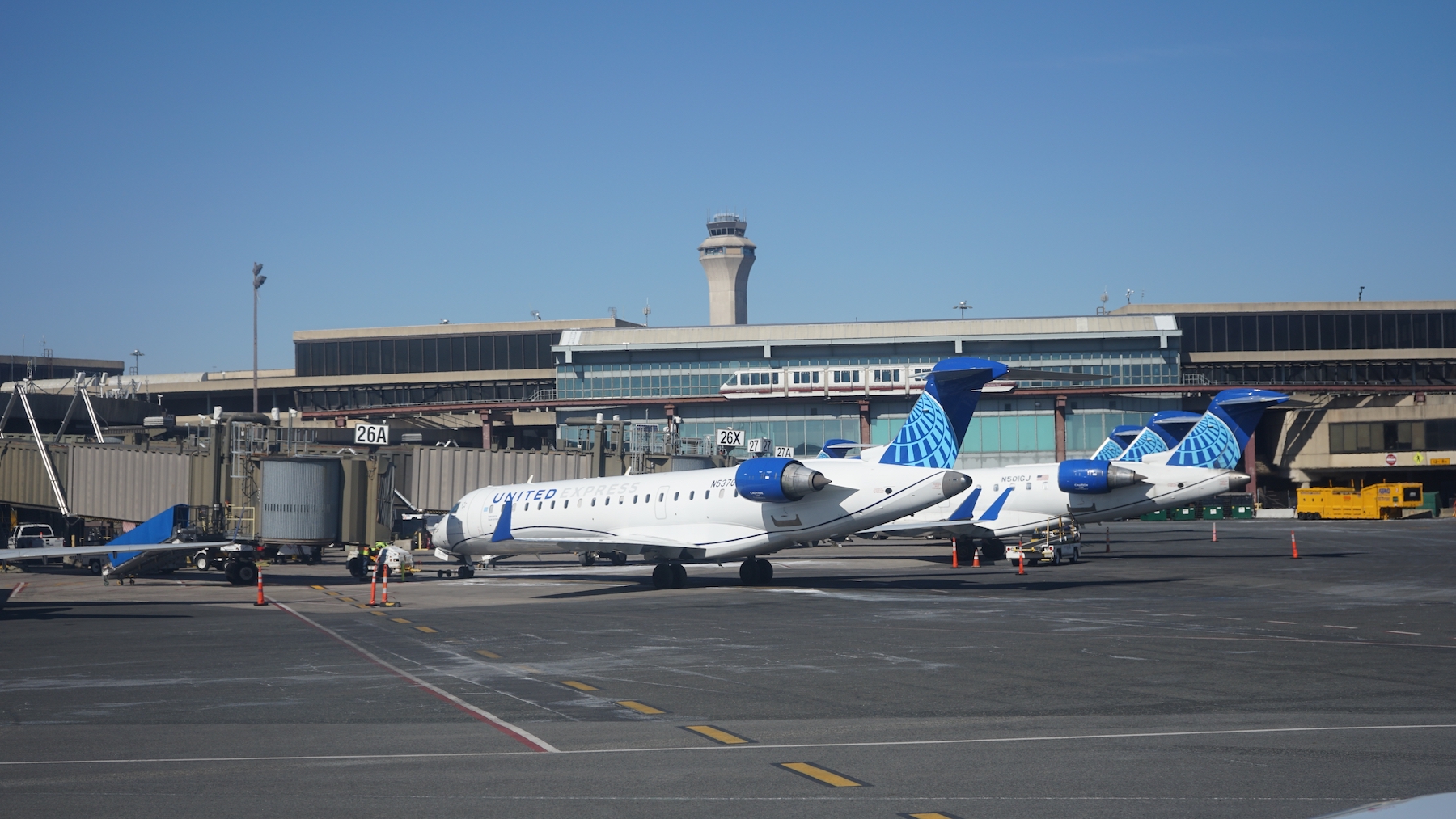
A United Express CRJ aircraft in Newark. (Photo: Shutterstock - Bui Le Manh Hung)
Earlier this month, JetBlue was awarded its first-ever Essential Air Service (EAS) contract in the town of Presque Isle, Maine. In the continental U.S., this contract is worth the most with an annual subsidy of nearly $11 million.
JetBlue, United, American, and Boutique Air bid for the high-value contract. United — the incumbent — proposed service to its Newark hub with 12-weekly flights on a 50-seat CRJ-550. JetBlue proposed and was awarded daily service to Boston on an Embraer E190, and later an Airbus A220.
The New York-based airline put forth the least expensive option out of all the proposals at over $1 million less than the next cheapest. But now United is pushing back on the Department of Transportation (DOT)’s pick to serve Presque Isle, calling the decision “erroneous.” The carrier had been serving the Maine town for six years.
United Claims Decision Was Unfair
In a rather rare move, United is asking the DOT to reconsider, arguing the decision was unfair and not in the public interest.
The crux of the dispute lies in differing service levels. United says its proposal adhered to the initial criteria outlined by the DOT, offering 12 weekly round-trip flights between Presque Isle and Newark. JetBlue, though, secured a waiver to operate with fewer flights.
United contends that the DOT gave undue weight to the recommendation of the Presque Isle City Council, which favored JetBlue. In a letter sent last week, the carrier argues the Council’s decision didn’t reflect the needs of the community, many of whom submitted comments supporting continued service with United.
Further complicating matters is the potential reduction in service for Presque Isle residents. JetBlue’s proposal offers only one daily round-trip flight, whereas United proposed nearly two. This, United claims, could limit travel options and connections for passengers flying out of Presque Isle.
The airline also argues it was placed at a disadvantage by the DOT’s changing requirements. If the department knew it would consider proposals with fewer flights, United says it should have informed bidders beforehand. This would have allowed United to adjust their proposal accordingly.
“The decision was not well-reasoned and ignored the Department’s own data and information submitted on the docket,” the airline said.
In light of these claims, United is requesting the DOT to reconsider its decision and reissue a solicitation with clear and well-defined requirements. Additionally, they want the current EAS order extended until a new carrier is chosen under a revised selection process.
Ryan founded AirlineGeeks.com in February 2013 and has spent more than a decade covering the airline business. His work has been featured by CNN, WJLA, CNET, and Business Insider. His aviation experience spans airport operations, Part 135 regulatory compliance, and airline crew workforce planning, along with time behind the yoke of a Cessna 172 and interviews with airline executives. Ryan now serves as Group President of Firecrown Media’s Aviation Group. He holds a B.S. in Air Transportation Management and an MBA from Arizona State University and teaches Airline Management at Embry-Riddle Aeronautical University.
A Delta Connection CRJ-200 (Photo: AirlineGeeks | Joey Gerardi)
The CRJ-200 is again making an appearance on some Delta-marketed flights. As first reported by Enilria, the aircraft type has re-appeared on select flights from the carrier’s Detroit and Salt Lake City hubs.
SkyWest – which operates the flights under the Delta Connection banner – confirmed that the CRJ-200 would be utilized on an “as-needed basis” as the company works to keep up with summer travel demand. The regional airline noted that the 50-seat aircraft would only be used in June and July adding, “all associated aircraft substitutions are temporary in nature and will not affect flight schedules or frequencies.”
In December 2023, Delta removed the last CRJ-200 from its scheduled network. The airline recently mandated that all scheduled routes have a premium cabin, which included regional markets. The CRJ-200s have a 50-seat single-class configuration.
SkyWest is planning to introduce the CRJ-550 in early July on select routes from Delta’s Salt Lake City hub. The aircraft is configured with 10 first class seats along with 40 in economy.
“As we continue to transition our CRJ550 fleet and to ensure adequate fleet resources during the busy summer travel season, SkyWest may utilize the CRJ200 in some Delta Connection markets in June and July on an as-needed basis,” SkyWest told AirlineGeeks in a statement.
The regional carrier already operates roughly 80 CRJ-200s for United Express.
According to Flightradar24 data, a handful of SkyWest CRJ-200 are operating Delta routes. N936EV was recently returned to service on Tuesday after over four months in storage. The aircraft resumed revenue service on Thursday to Alpena and Escanaba, Mich. from Detroit.
Ryan founded AirlineGeeks.com in February 2013 and has spent more than a decade covering the airline business. His work has been featured by CNN, WJLA, CNET, and Business Insider. His aviation experience spans airport operations, Part 135 regulatory compliance, and airline crew workforce planning, along with time behind the yoke of a Cessna 172 and interviews with airline executives. Ryan now serves as Group President of Firecrown Media’s Aviation Group. He holds a B.S. in Air Transportation Management and an MBA from Arizona State University and teaches Airline Management at Embry-Riddle Aeronautical University.
AAdvantage members flying Fiji Airways can look forward to a smooth and rewarding travel experience, the airline said. Elite members will be treated to priority check-in and boarding, ensuring a stress-free start to their Fijian adventure. Additionally, they’ll enjoy complimentary baggage allowance, the ability to choose their preferred seats in advance, and a revamped system for redeeming their accumulated miles for award flights.
“This loyalty partnership marks a significant milestone, bringing together two renowned carriers to offer new benefits to millions of travelers,” said Andre Viljoen, Managing Director and Chief Executive Officer of Fiji Airways, in a press release. “We are excited about the positive impact this collaboration will have on both our airlines and our guests who will benefit from the exclusive perks offered by the AAdvantage program.”
AAdvantage, boasting the title of the world’s longest-running travel loyalty program, extends far beyond simple frequent flyer benefits. According to American, it provides members with a comprehensive travel rewards experience. Members can earn and redeem miles in diverse ways, access a multitude of reward options, and enjoy a tiered system of status benefits that unlock additional perks.
“We are taking our partnership with Fiji Airways one step further by offering our mutual customers the opportunity to unlock more destinations and travel experiences through the AAdvantage program,” said Anmol Bhargava, American’s Vice President of Partnerships, in a statement. “We look forward to welcoming Fiji Airways customers into the AAdvantage program so they can experience all the ways we deliver on our commitment that travel is better as an AAdvantage member.”
This exciting development coincides with another milestone for Fiji Airways – its upcoming induction as the 15th member of the oneworld alliance in 2025. Both initiatives strategically target the growth of Fiji’s thriving tourism industry. The AAdvantage program, with its extensive network of American travelers, is expected to increase visitor arrivals to the region.
According to a 2023 report by the Fiji Bureau of Statistics, tourism significantly contributes to Fiji’s economy, accounting for roughly 40% of GDP.
“With this partnership, Fiji Airways is set to gain access to a vast network of American travelers, potentially increasing visitor arrivals to the enchanting destination of Fiji,” Viljoen added. “The allure of Fiji’s pristine beaches, vibrant culture, and warm hospitality is expected to attract a growing number of American tourists, contributing to the nation’s thriving tourism industry.”
Tolga is a dedicated aviation enthusiast with years of experience in the industry. From an early age, his fascination with aviation went beyond a mere passion for travel, evolving into a deliberate exploration of the complex mechanics and engineering behind aircraft. As a writer, he aims to share insights , providing readers with a view into the complex inner workings of the aviation industry.
Trip Report: SAS’ First Flight to Atlanta
Scandinavian Airlines. one of the largest airlines in the Scandinavian region, has expanded once again, and this time to a key hub for its future endeavors.
An SAS Airbus A330 arriving in Atlanta for the first time to a water cannon salute (Photo: AirlineGeeks | Joey Gerardi)
SAS – Scandinavian Airlines. one of the largest airlines in the Scandinavian region, has expanded once again, and this time to a key hub for its future endeavors. Come September 2024, SAS will leave its long-standing membership with the Star Alliance for SkyTeam.
Dr. Joe Leader, the CEO of APEX (Airline Passenger Experience Association), had some thoughts about the airline’s move to Sky Team; “In Star Alliance, unfortunately, SAS was treated a bit like a second-class citizen, this is an opportunity for them to really become the great airline that they have always been underneath.” This treatment does come as a surprise, especially since SAS was one of the five founding members of the airline alliance.
A Delta Airlines Boeing 767 in the special SkyTeam livery. (Photo: SkyTeam)
This new SAS route to Atlanta from Copenhagen is vital not only because it’s the busiest airport in the world, but also the headquarters and largest hub of Delta Air Lines, one of the founding airlines of SkyTeam. Passengers from SAS will be able to enjoy connections on Delta in and out of their hub.
During remarks at the inaugural ceremony, the President and CEO of SAS Anko van der Werff did have an interesting comment about their move over to SkyTeam; “Hopefully, all of those SkyTeam hubs will also be our home.”
Newark, for example, is one of SAS’ largest North American gateways with flights to three destinations. Newark and Chicago also hold the only SAS lounges outside of the Scandinavian region.
SAS currently only operates to four SkyTeam hubs in North America: Los Angeles, Atlanta, New York-JFK, and Boston. And each of those flights only operate once a day on either A330s or A350s, except for JFK which sees twice daily flights, but they are on the much smaller Airbus A321neo.
The Flight
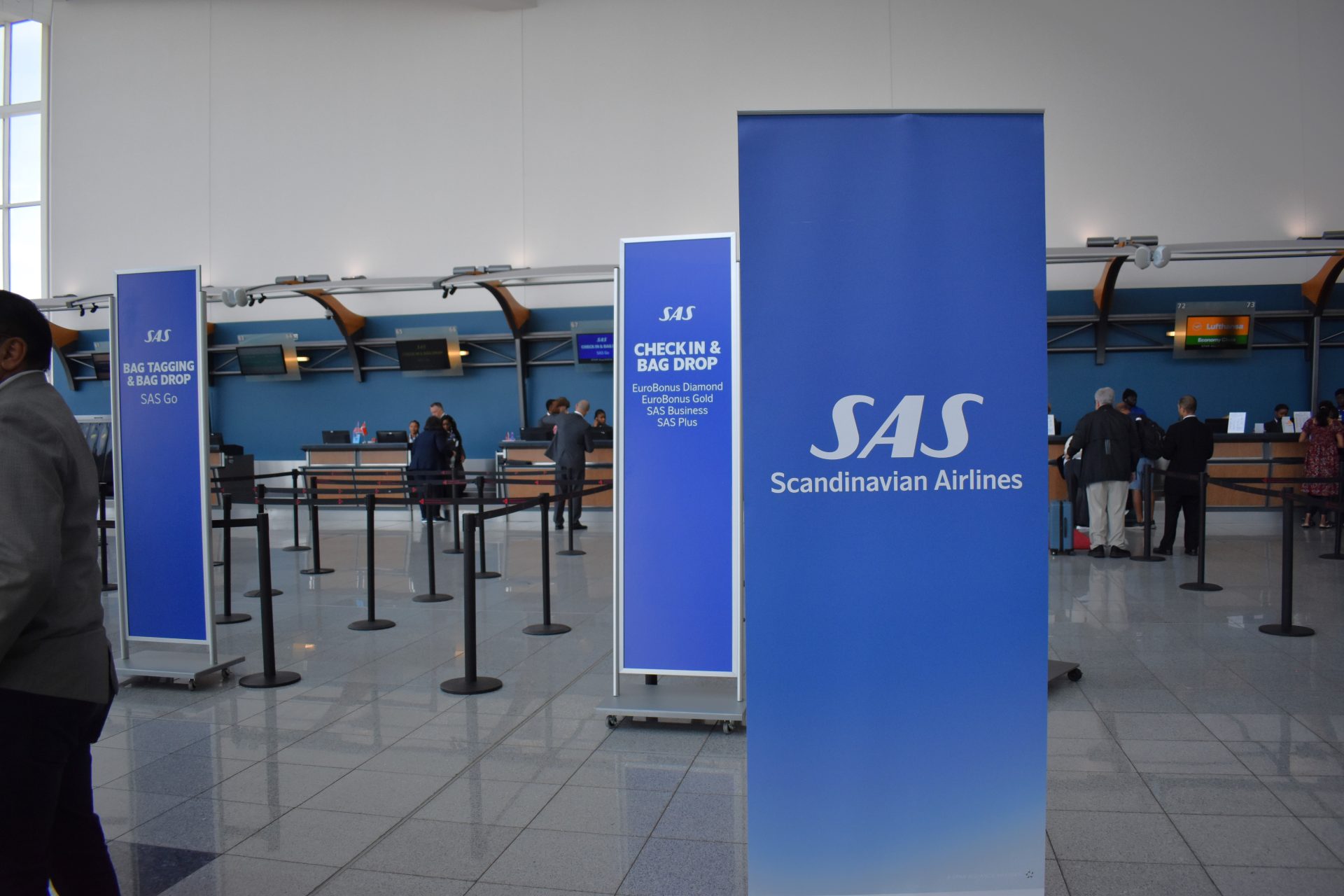
I arrived at the airport from a connecting flight, so I was earlier than I needed to be. I went to the ticket counter around five hours before departure, and they were just starting to accept people to check in, I am glad I did given that I got the coveted Sequence 1 on my boarding pass, meaning I was the first person to check-in.
SAS Check-in area at Atlanta-Hartsfield (Photo: AirlineGeeks | Joey Gerardi)
Getting through security was super easy as the airline participates in the TSA PreCheck program and it took little to no time, relative to Atlanta’s normal security line. At the time of the inaugural, the airline used a gate in the F terminal, although with the SkyTeam partnership, its location may change.
Also, it would be worth pointing out that when traveling in SAS Business and SAS Plus, passengers do get access to the airline’s lounge, but that’s only if you are in a city that has an SAS lounge. For cities with no SAS lounge and only Star Alliance partner lounges, then only SAS Business passengers will be allowed access to them, which is a bit disappointing for those SAS Plus passengers thinking that they get the access. In Atlanta, the Star Alliance partner lounge is the United Club on the opposite side of the airport in the T Gates, but that will change once the SAS SkyTeam membership goes into effect later this year.
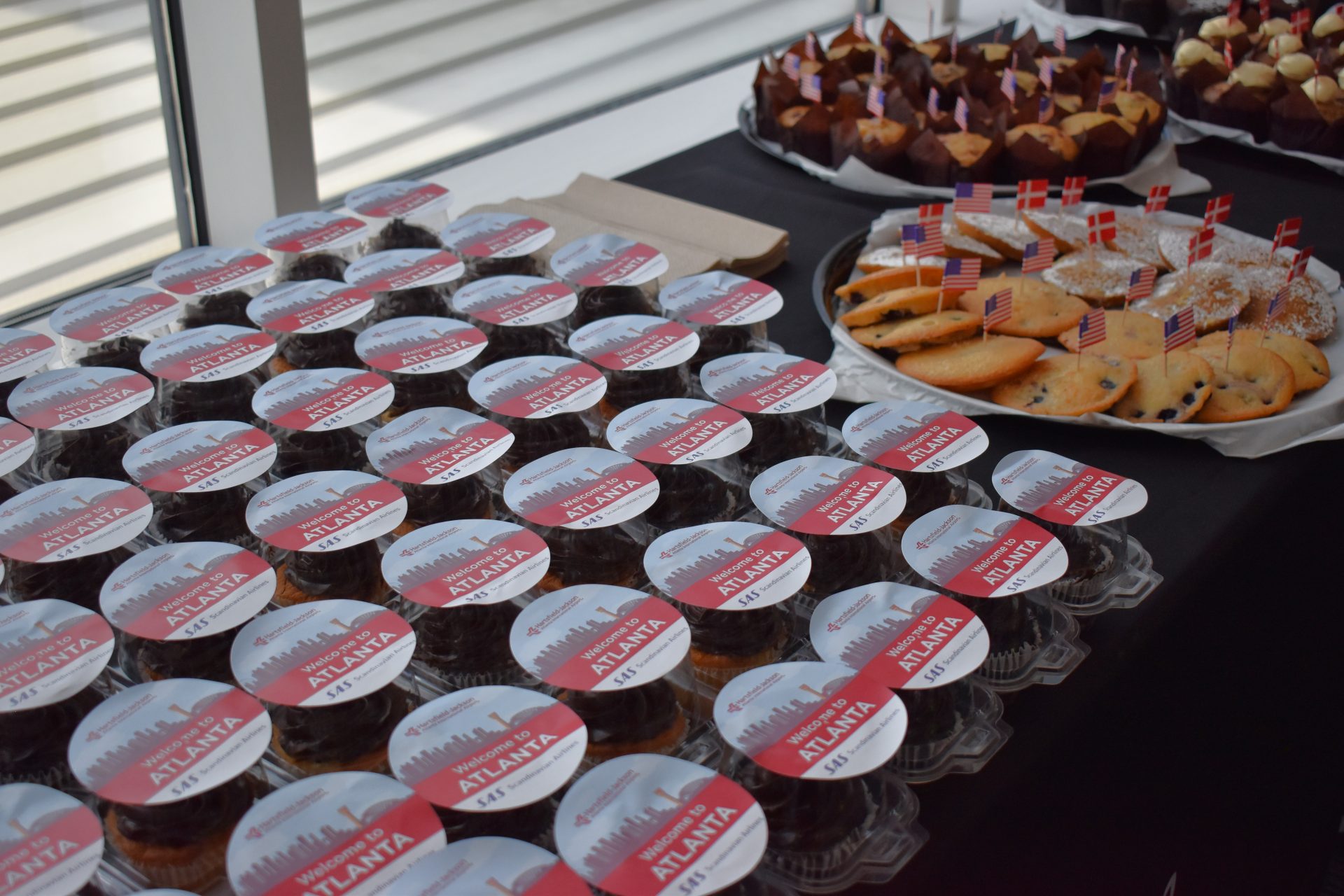
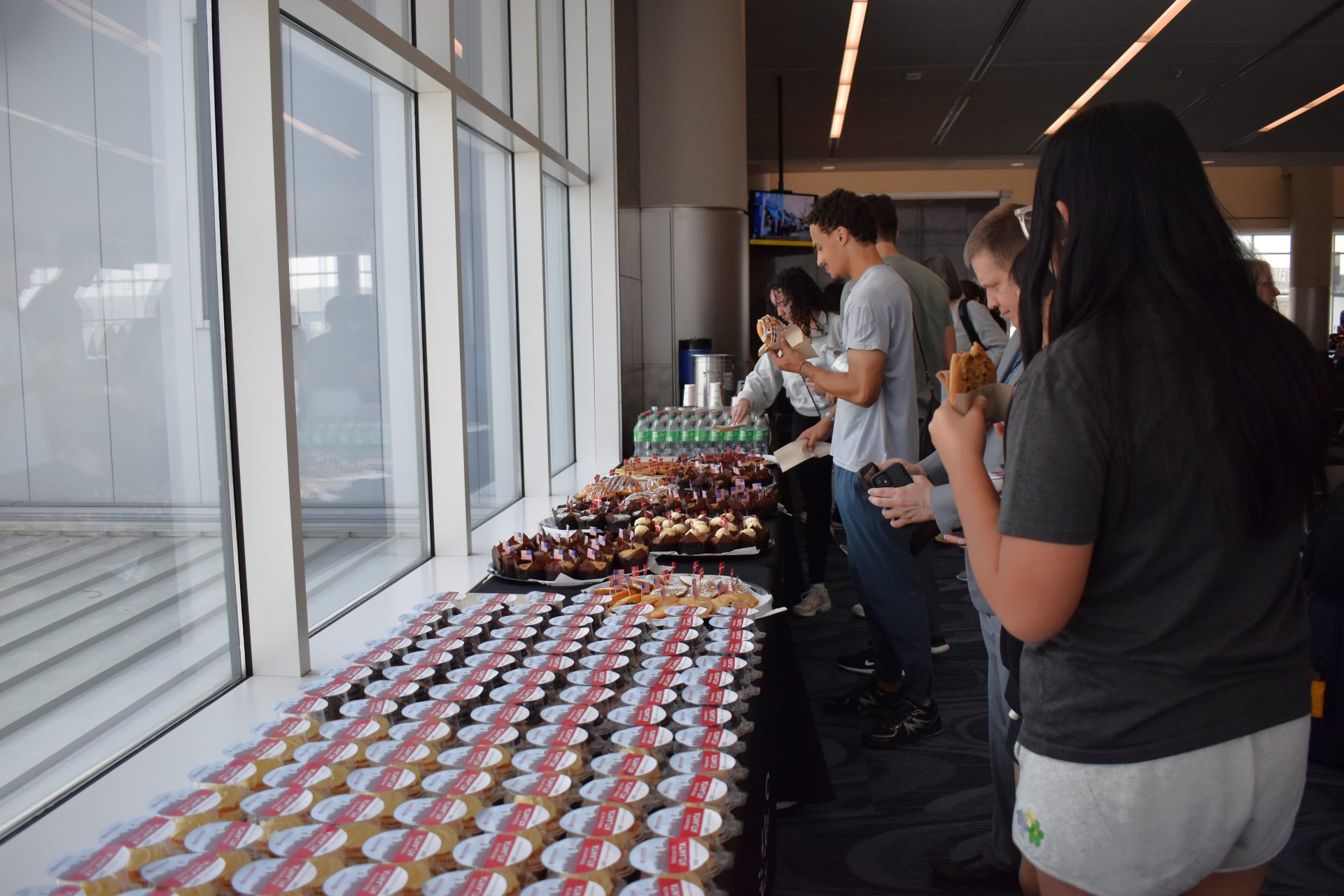
As soon as I got to the gate, I noticed they had started setting up for the celebration. I stepped back and waited until they finished. The setup included a long dessert table along with drinks, tea, and coffee. On the other end of the table were cupcakes with stickers commemorating the event.
The cupcake and cookie table for the inaugural (Photo: AirlineGeeks | Joey Gerardi)
Over the course of a couple of hours, but what felt like a couple of minutes, the passengers on board the flight slowly started to arrive at the gate, as well as the dignitaries, executives, and special guests making speeches during this event.
Passengers partaking in the celebration at the gate (Photo: AirlineGeeks | Joey Gerardi)
The aircraft LN-RKS, an Airbus A330-300 that carries the name “Frithiof Viking,” arrived with a traditional water canon salute, which is typical for special flights like this and is always fun to watch.
Immediately following were speeches from the airport manager in Atlanta, the COO of the city of Atlanta, the airline’s CEO, and finally the Danish Ambassador to the United States. They all made speeches to commemorate this historic occasion for the airline and city. Following the speeches, there was a ribbon-cutting and a couple more photo ops with the executives.
Ribbon cutting from left to right; Ambassador of Denmark to the United States Jesper Møller Sørensen, City of Atlanta COO LaChandra Burks, General Manager of ATL Balram B. Bheodari; and SAS President & CEO Anko van der Werff (Photo: AirlineGeeks | Joey Gerardi)
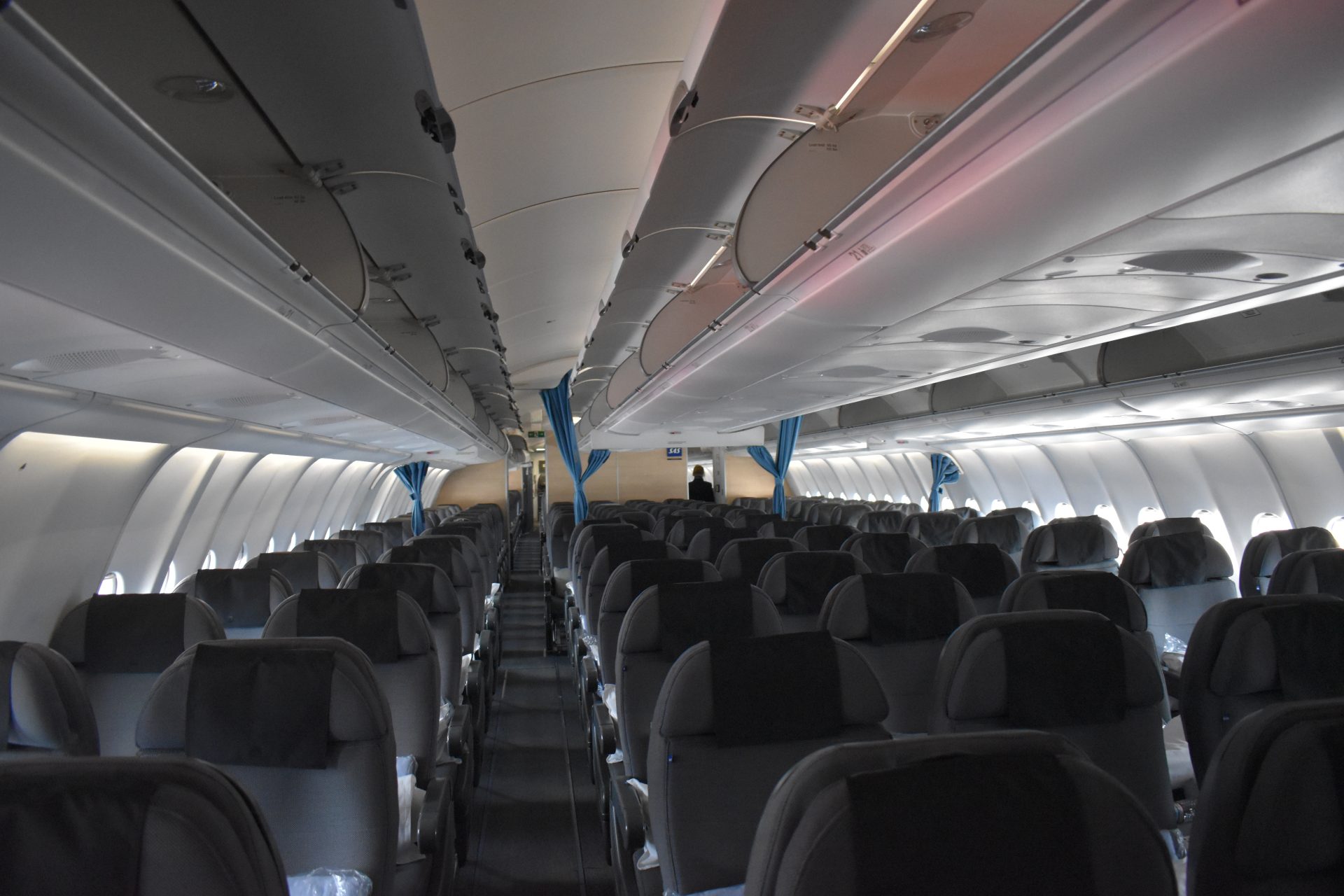
Unfortunately for those going on the flight, the party had to end as we were nearing departure time, but before getting on board, all passengers were given a small bag of peach-flavored licorice to take with them. On board the airline’s Airbus A330–300, SAS Plus has 56 seats arranged in a 2-3-2 configuration.
Forward of the blue curtain, the SAS Plus cabin on its A330-300 (Photo: AirlineGeeks | Joey Gerardi)
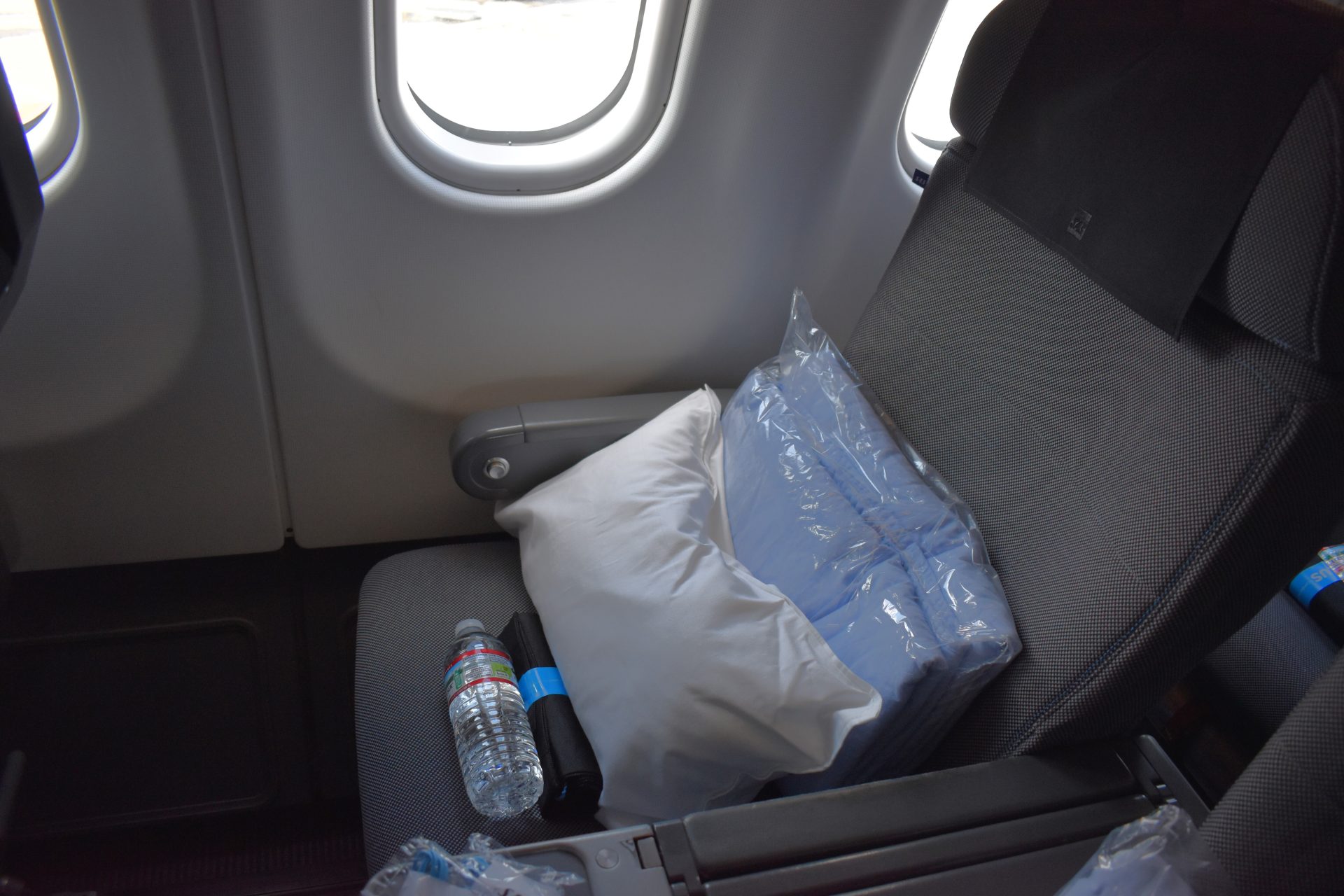
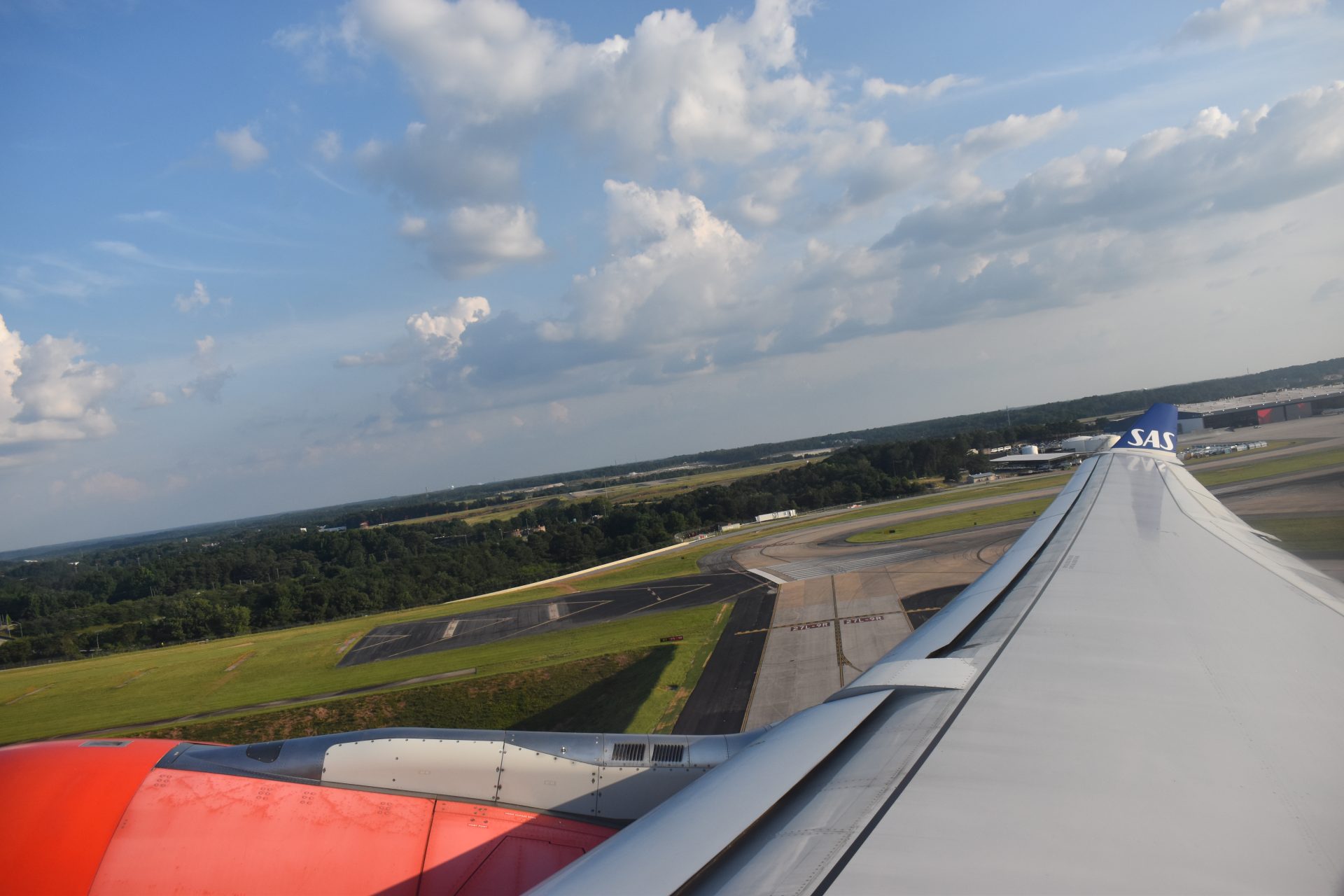
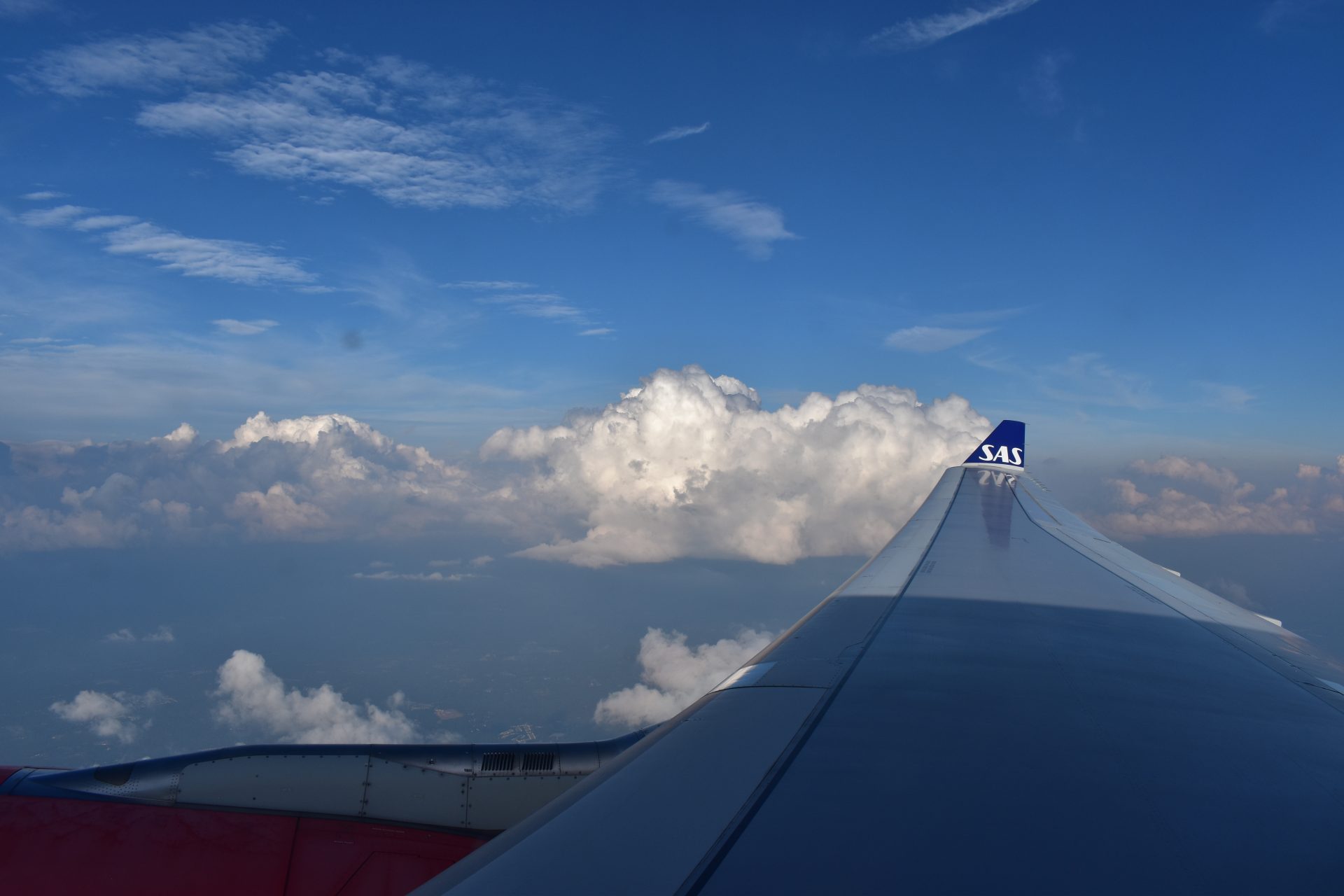
My seat for this flight was 24H, a window seat in this cabin. This row was just behind the leading edge of the wing so you had a good view of the SAS wingtip, but also the big orange engines of their A330s. Waiting at the SAS Plus seats upon boarding is a pillow, blanket, as well as a water bottle, and an amenity kit. The seat was super comfortable and was the perfect step between the main cabin and SAS Business section.
My SAS Plus seat, 24H (Photo: AirlineGeeks | Joey Gerardi)
Pushback and taxi to the runway were normal, just like every other flight, but with the addition of announcements from the crew commemorating the first flight out of Atlanta. We took to the skies on time and turned north to make our way across the northern portion of the Atlantic Ocean.
The seats also have a footrest that drops down from the seat in front, as well as a plug on the front side. The IFE on the seat back in front offered a headphone jack and USB port.
Departing from Atlanta on SAS’ inaugural flight from the city (Photo: AirlineGeeks | Joey Gerardi)
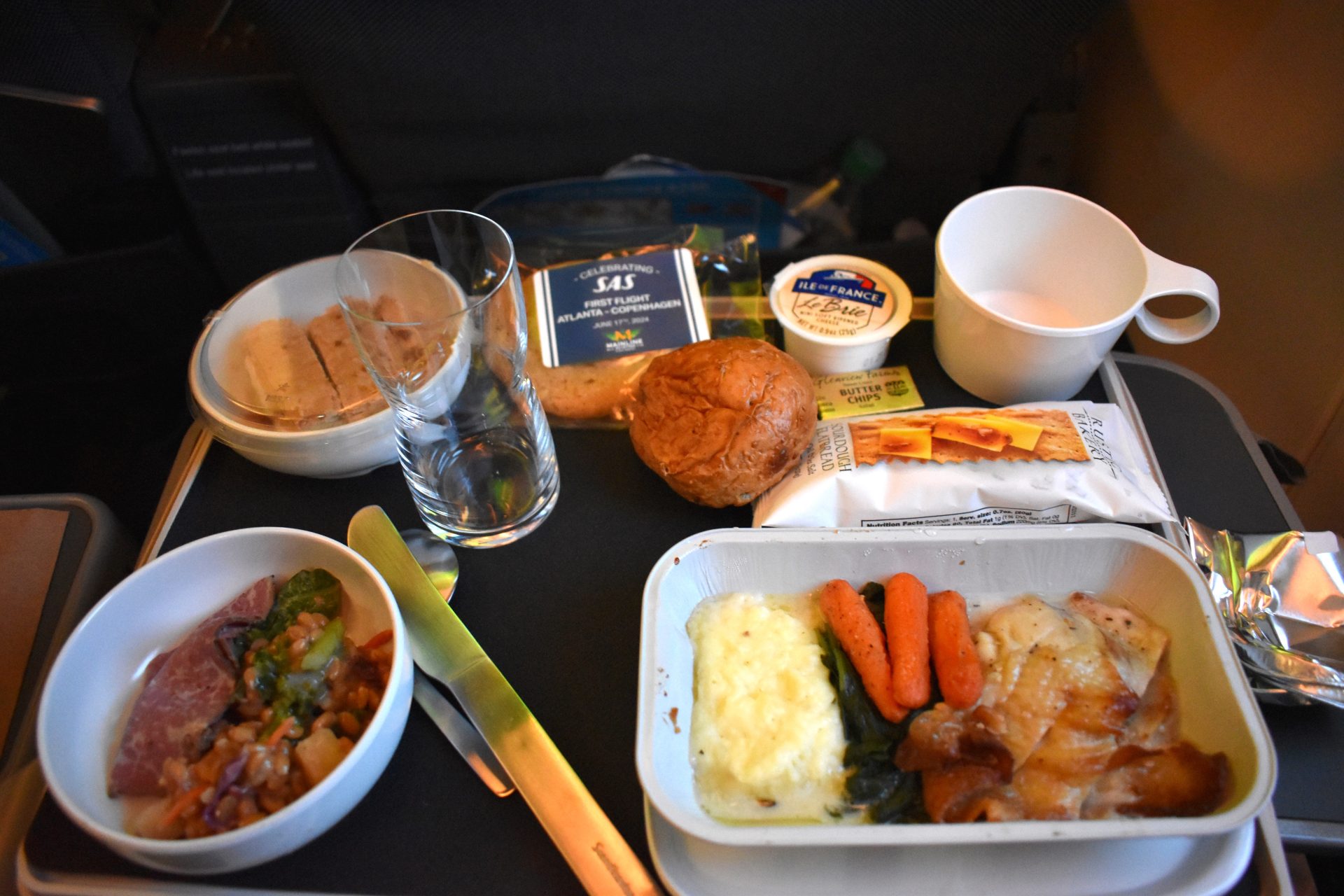
As we continued to climb up to our cruising altitude of 39,000 feet, the crew came around with the drink cart along with a pack of nuts for us. Roughly an hour and 20 minutes after takeoff, they came out with the main meal cart, which for SAS Plus was a choice of either chicken or fish, and I decided to go with the chicken option.
Climbing up to cruise on SAS inaugural flight from Atlanta (Photo: AirlineGeeks | Joey Gerardi)
My chicken came with mashed potatoes, beans, and carrots. There’s also a small salad that consists of cannellini beans, spinach, and prosciutto. On the side, there was bread and butter, as well as cheese and crackers. For dessert, there was a peach pie crust and a peach white chocolate cookie with a sticker on it for the inaugural flight. There were a considerable amount of peach items on this flight since it was the inaugural out of Atlanta, and Georgia is well known for its peaches.
The chicken option for SAS Plus passengers (Photo: AirlineGeeks | Joey Gerardi)
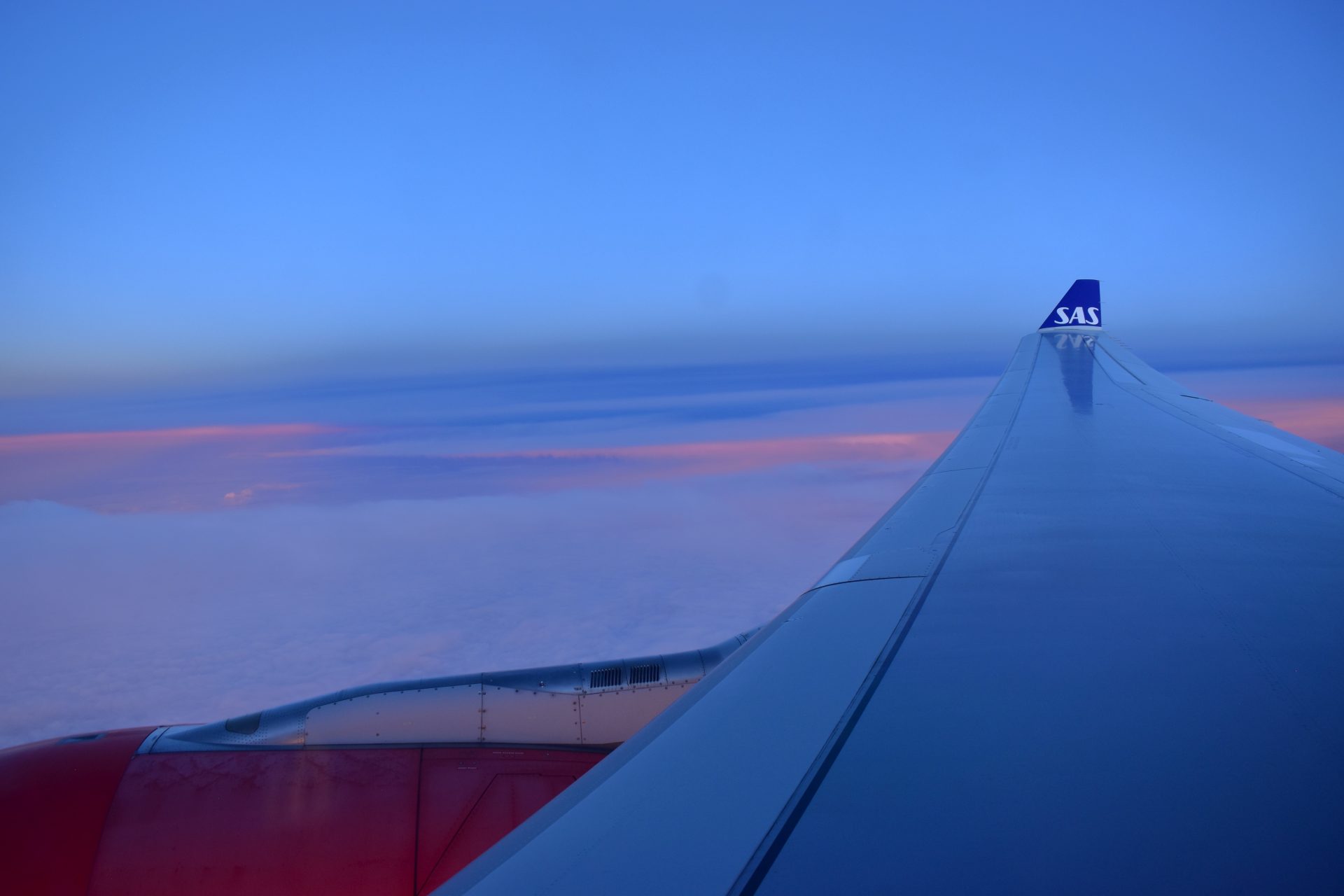
The cup was true glass and the silverware was actually metal/silver, however, the plates, dishes, and tray were all plastic, which wasn’t a bad thing and it made the tray a lot less heavy and lopsided. It was nice having actual silverware versus the wooden stuff that doesn’t cut food very well. The sun continued to go down, and the sky began to turn pink which looked really beautiful in contrast with the blue wingtip and bright orange engine of the aircraft.
The sun continued to set as we went east over northern Canada (Photo: AirlineGeeks | Joey Gerardi)
By the time we had gotten over Montréal, the sun had completely set and that is about when the crew asked us to close our shades, and then turned down the cabin lights so we would get sleep as Copenhagen is six hours ahead of Atlanta.
Now that a lot of people are leaning their seats back, you can clearly see just how much these seats recline in SAS Plus. They are not lie-flat seats like in business, but they definitely recline more than those in economy behind us.
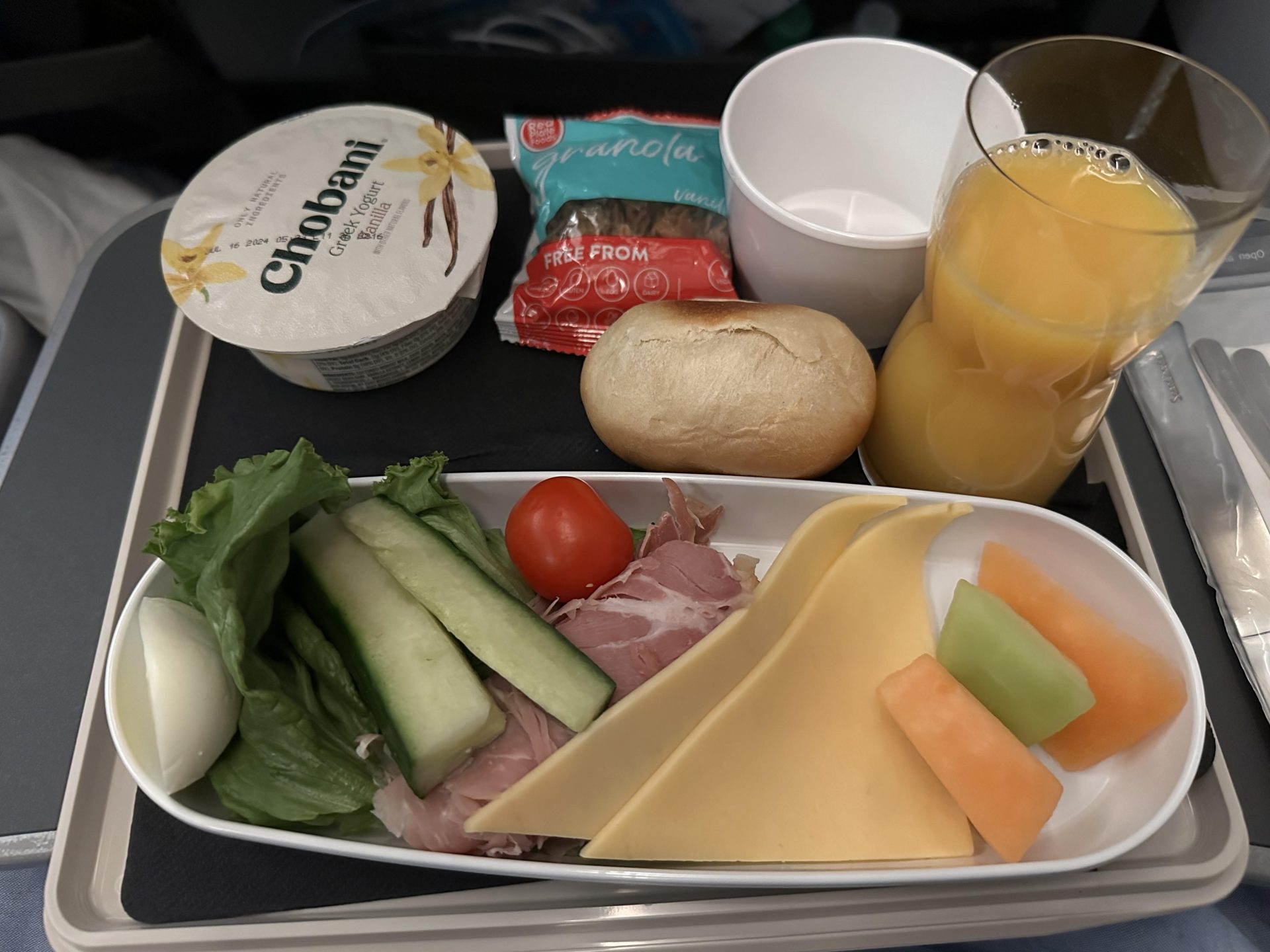
I got around four hours of what I think was considered sleep, but I’m not 100% sure as I don’t usually sleep great on airplanes. When I woke up, there were about 1.5 hours left in the flight and we were somewhere over the Faroe Islands. Coincidentally it was right about when the crew was bringing around the breakfast, which was a lot lighter than dinner as is typical in Europe.
Breakfast consisted of cheese, fruit, vegetables, an egg, and prosciutto. There was also a side of yogurt with granola, bread, and a drink choice.
Breakfast came around 1.5 hours before landing (Photo: AirlineGeeks | Joey Gerardi)
It wasn’t long after that they started cleaning up the cabin in preparation for landing in Copenhagen. The cabin lights also turned a variety of colors just before landing as well, which was nice and was similar to what Norse Atlantic does for their northern light display, but much more subtle.
It was really beautiful going into Copenhagen, and there were some clouds, but for the most part, I was able to see the ground below given where I was seated in the cabin. And I spent the rest of what was left of the flight, looking out the window at the views below.
Descending into Copenhagen (Photo: AirlineGeeks | Joey Gerardi)
We came to the airport from the north so just before we turned final to the airport, I was able to see where we were about to land which is always a unique treat.
Copenhagen Airport in the distance just before turning final to the airport (Photo: AirlineGeeks | Joey Gerardi)
We landed in Copenhagen, Denmark just before 10 a.m. after exactly 8.5 hours of flight time from Atlanta. Inaugural flights are always so much fun; the celebrations, the smiling faces, and the excitement of starting a new route, and even more so when it is a completely new city for an airline.
The airline has mentioned that the load factor for the new Atlanta route is already in the 80% range. It is expected that these numbers will get even better once the SkyTeam benefits kick in and passengers can connect on Delta flights.
A video trip report for this flight will be released in the coming weeks.
Editor’s Note: SAS provided AirlineGeeks with a seat on this flight, but this trip report is an objective portrayal of the events and is in no way swayed by that aspect.
Joey has always been interested in planes for as long as he can remember. He grew up in Central New York during the early 2000s when US Airways Express turboprops ruled the skies. Being from a non-aviation family made it harder for him to be around planes and would only spend about three hours a month at the airport. He was so excited when he could drive by himself, the first thing he did with his driver's license was get ice cream and go plane spotting for the entire day. He graduated from Western Michigan University in 2022 with a B.S. in Aviation Management & Operations and a Minor in Business, and currently works for a major airline in his hometown.
Air Seychelles, ExecuJet Join Forces for VIP Travel
Air Seychelles announced a partnership with Zurich-based ExecuJet to provide exclusive VIP fixed-base operator (FBO) services.
An Air Seychelles Airbus A320neo. (Photo: Air Seychelles)
On June 25, 2024, Air Seychelles announced a partnership with ExecuJet, a leading global business aviation company based in Zurich, Switzerland, to provide exclusive VIP fixed-base operator (FBO) services in Seychelles. This collaboration aims to enhance the travel experience for VIP clients, ensuring a seamless and luxurious journey from arrival to departure.
An FBO is a commercial enterprise granted the right by an airport authority to provide various aviation services, such as fuel, parking, hangar space, passenger services, and restaurant facilities to the general aviation community.
Operating under the name “Air Seychelles VIP,” the FBO at Seychelles International Airport (FSIA) will offer a range of premium services, including:
• Personalized and discreet handling services ensuring maximum comfort and efficiency, including flight planning and permit assistance, airside transfers to and from the aircraft, ensuring privacy and convenience.
• Comfortable and private lounge areas for relaxation and business needs in an exclusive area away from the commercial terminal.
• On-site customs and immigration facilities for swift private processing.
• Dedicated owned and operated fleet of VIP chauffeur vehicles to satisfy luxury transportation needs.
• Full array of privately owned Ground Support Equipment to fulfil all your aircraft needs, regardless of aircraft size.
• Tailored concierge services to meet individual requirements, from hotel bookings to special requests.
Air Seychelles Chief Executive Officer, Sandy Benoiton, commented, “We are thrilled to partner with ExecuJet to bring world-class FBO services to our VIP clientele. This collaboration underscores our commitment to providing exceptional travel experiences and reinforces our position as a leading carrier in the region.”
With this new partnership with Air Seychelles, ExecuJet now operates in 34 airports worldwide, Bali, Barcelona, Berlin Schoenefeld, Brussels, Cape Town, Copenhagen, Dubai International, Dubai South, Girona, Hong Kong, Ibiza, Istanbul Atatürk Airport, Istanbul Sabiha Gokcen Airport, Johannesburg, Kuala Lumpur, Lagos, Melbourne, Monterrey, Moscow, Munich, New Delhi, Newmarket, Palma, Perth, Riyadh, Singapore, St. Gallen-Altenrhein, St. Maarten, Sydney, Toluca, Valencia, Wellington, and Zurich.
ExecuJet – Vice President Africa, Gavin Kiggen, added, “Our partnership with Air Seychelles is a testament to our dedication to excellence in aviation services. We look forward to delivering unmatched FBO services that cater to the needs of high-profile travellers visiting the Seychelles.”
Since 2015, ExecuJet has been owned by the Luxaviation Group, based in Luxembourg. Luxaviation Group CEO Patrick Hansen said, “We are extremely happy to have entered this partnership with Air Seychelles. I want to thank both teams for their continued efforts that led to this agreement, which will undoubtedly be a milestone for our development in the region and the expansion of our global FBO network.”
Victor Shalton's love for aviation can be traced to when he was 11-years-old. As a seasoned aviation writer, he takes pride in providing the best aviation coverage around the globe and is passionate about advancing his skills in the aviation space. In addition, he loves travelling, writing, arts and while his speaking engagements have taken him around the world, he is proud to call Nairobi home.
NTSB Sanctions Boeing For ‘Blatantly’ Violating Terms Of Agreement
The National Transportation Safety Board (NTSB) issued a statement this morning sanctioning Boeing for “blatantly” violating investigative regulations.
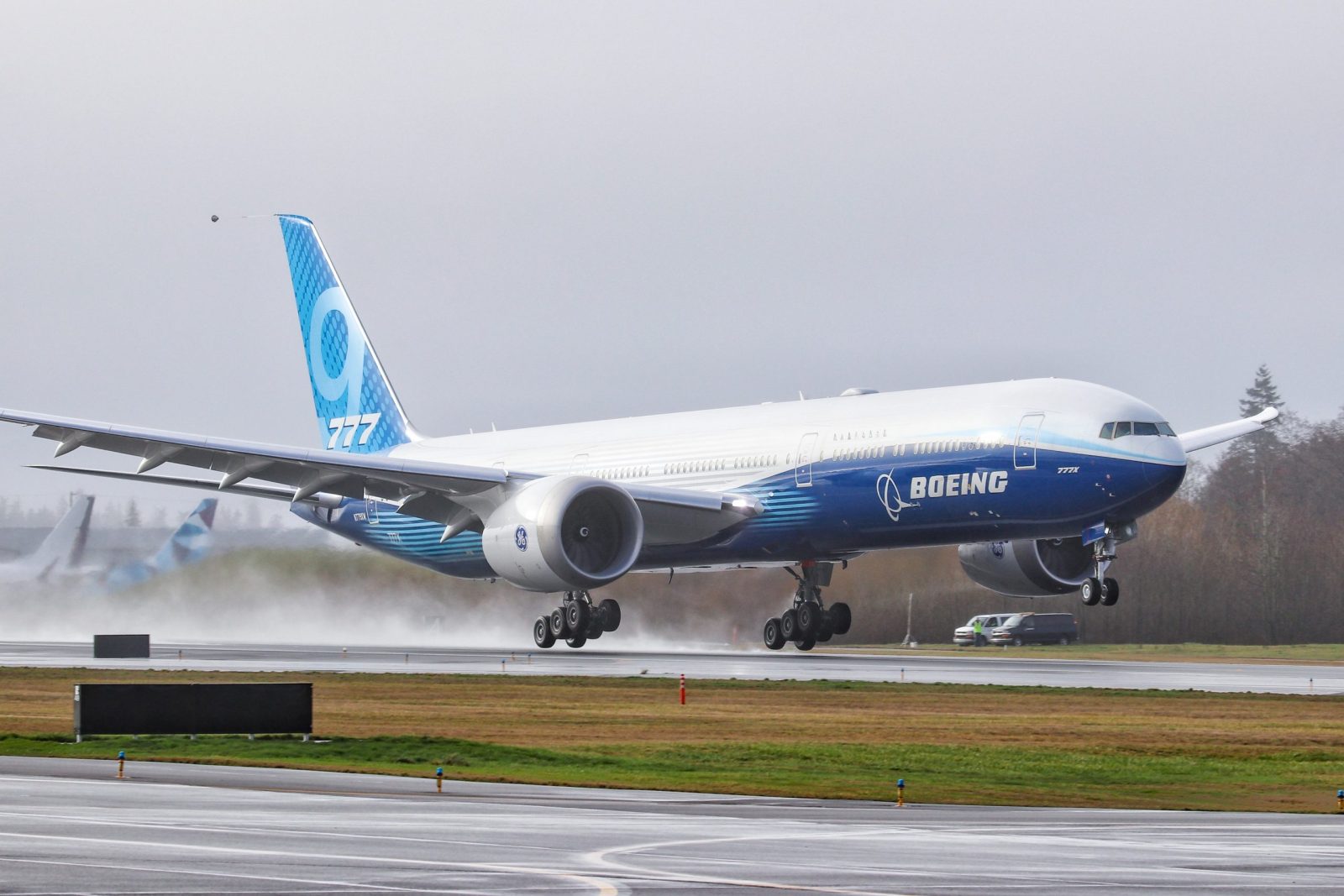
Boeing's 777X departs on its maiden test flight (Photo: AirlineGeeks | Katie Zera)
The National Transportation Safety Board (NTSB) issued a statement this morning sanctioning Boeing for “blatantly” violating investigative regulations it agreed to as a party in the probe of the door-plug blowout in Portland, Oregon. The NTSB cited a Boeing media briefing on June 25 in which the manufacturer “provided non-public investigative information to the news media that NTSB had not verified or authorized for release. In addition, Boeing offered opinions and analysis on factors it suggested were causal to the accident.”
The statement continued, “In the briefing, Boeing portrayed the NTSB investigation as a search to locate the individual responsible for the door plug work. The NTSB is instead focused on the probable cause of the accident, not placing blame on any individual or assessing liability.”
Making public the investigative information and offering analysis of that information, the NTSB wrote, “are prohibited by the party agreement that Boeing signed when it was offered party status by the NTSB at the start of the investigation. As a party to many NTSB investigations over the past decades, few entities know the rules better than Boeing.”
The NTSB did not remove Boeing’s party status in the investigation, but it has lost access to investigative information; and the NTSB may subpoena relevant records as it continues the investigation. In addition, Boeing will be subpoenaed to appear at an investigative hearing on August 6-7 in Washington, but the manufacturer will not be allowed to ask questions of other parties in the investigation.
And finally, the NTSB wrote, “Given that Boeing is under investigation by the U.S. Department of Justice [DOJ] in relation to its Deferred Prosecution Agreement stemming from Boeing’s interactions with the FAA prior to the Boeing MAX fatalities, the NTSB will be coordinating with the DOJ Fraud Division to provide details about Boeing’s recent unauthorized investigative information releases in the 737 MAX 9 door plug investigation.”
Editor’s Note: This story first appeared on AvWeb.
AirlineGeeks.com was founded in February 2013 as a one-person blog in Washington D.C. Since then, we’ve grown to have 25+ active team members scattered across the globe. We are all here for the same reason: we love deep-diving into the fascinating realm of the airline industry.
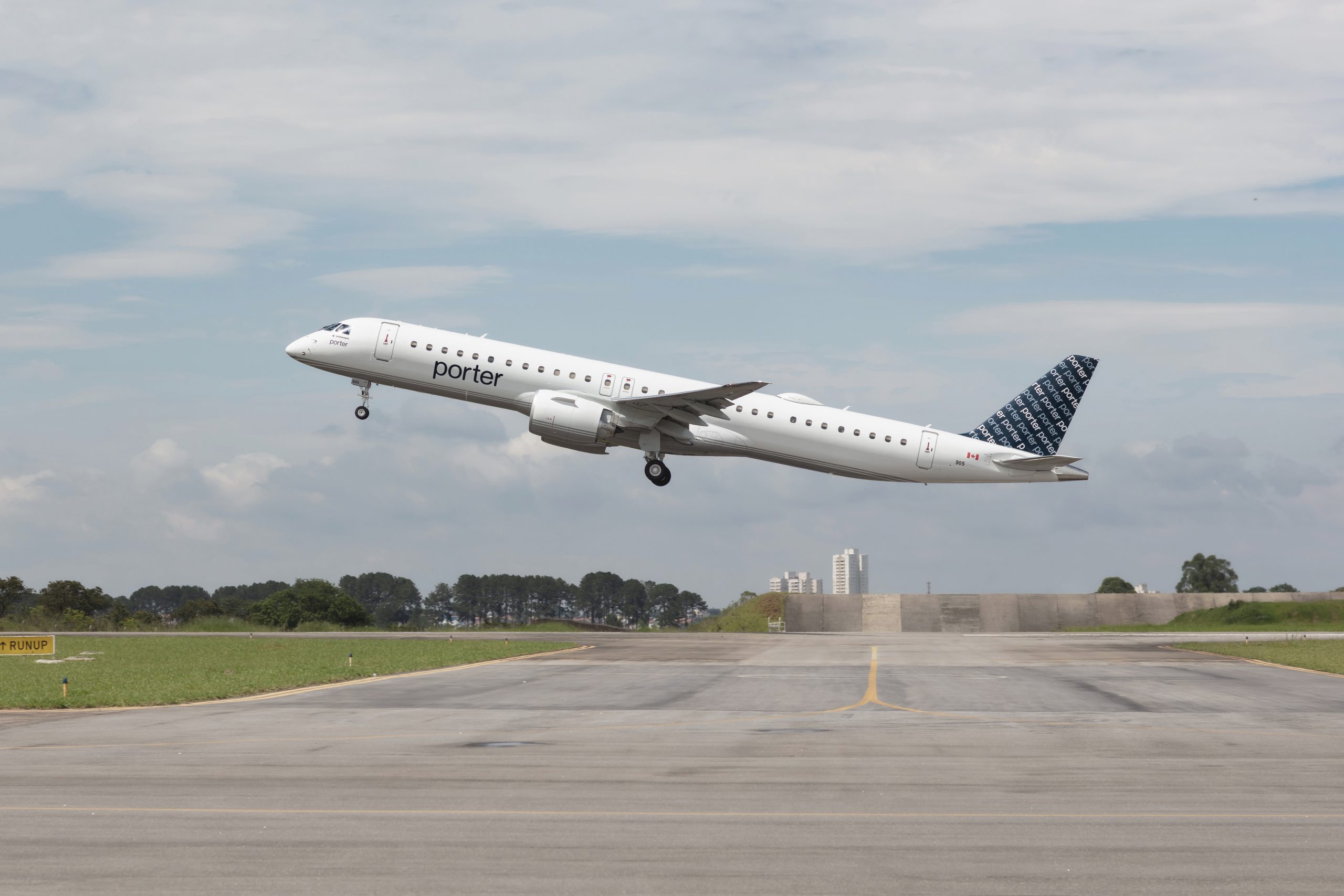
A Porter Airlines Embraer 195-E2. (Photo: Embraer)
Toronto-based Porter Airlines has announced its decision to bet big on a very crowded market. Each winter millions of Canadian travel South from the Eastern cities to reach Florida either to grab a few days of sunshine or to reach their second home and escape the cold and snow back home.
Porter’s timetable will offer up to 124 weekly flights between Canada and Florida, 14 routes, six destinations in The Sunshine State (Fort Lauderdale, Fort Myers, Miami, Orlando, Tampa, and West Palm Beach) from four Canadian airports (Halifax, Montreal, Ottawa, and Toronto-Pearson).
“We experienced a strong response to our Florida service last winter,” says Porter Airlines’ President Kevin Jackson in a press release. ”Now, we’re providing our passengers with substantially more flight options to meet their Florida travel plans this winter, including departures from four major Canadian airports. What differentiates the Porter experience is our emphasis on style, care and charm. We provide an elevated economy experience that is unmatched in North America.”
The E2 Expansion Continues
Founded in 2006 and based at Billy Bishop Toronto City Airport located on an island in front of Downtown Toronto, Porter Airlines has been forced to operate turboprop aircraft (De Havilland Canada DHC-8-400) due to the noise restriction imposed by the city of Toronto given the close proximity of the airport to a large population.
In 2015, the Federal Government struck down their proposal to lift the jet ban from the airport and to extend the runway so they could start operating Bombardier C-Series aircraft (now the Airbus A220). Porter had to go back to the drawing board and decided to start flying from Toronto Pearson and to order 75 Embraer E195-E2 aircraft so they could reach destinations farther away.
In 2023, the airline started operating the next-generation Embraer aircraft and were able to reach the West Coast for the first time entering, among others, the lucrative Toronto-Vancouver market, which is now seeing increased competition with Porter and low-cost airline Flair compete with the incumbents Air Canada and WestJet.
With this decisive move to attack the Florida market, Porter Airlines will compete head-to-head not only with the flag carrier Air Canada and the low-cost airline Flair, but also with the leisure carriers Sunwings and Air Transat, with the latter able to deploy considerable capacity in those markets with Airbus A321 and A330 aircraft.
Focus on a Premium Experience
“Passengers will travel in a style unlike any carrier serving this market, with Porter’s elevated economy experience onboard the 132-seat Embraer E195-E2,” says the press release announcing the expansion in Florida. “With a two-by-two configuration, there are no middle seats on any flight. Free premium snacks and free beer and wine, served in glassware, are included in every fare. Passengers also enjoy free, fast WiFi, with speeds capable of supporting the use of multiple devices and the ability to curate your own entertainment through personal streaming subscriptions. Priority check-in, extra legroom seats, premium pre-mixed cocktails, and fresh, healthy meals are also available with the all-inclusive PorterReserve fare or for purchase à la carte with PorterClassic.”
The lower noise and CO2 emissions of the new generation Embraer jet, as well as their commitment to a higher standard of service, will be needed to lure customers away from the perks of Air Canada’s frequent flier status or the rock bottom fares provided by ULCC Flair Airlines.
The strength of Sunwings and Air Transat in the package holiday business, still very popular among Canadian sun-bound vacationers, will constitute a challenge for Porter that will not be able to attack their competitors on schedule convenience: at best Porter will offer a double-daily service on the Toronto-Fort Lauderdale or Toronto-Tampa routes, against the sometimes 5, 6 or more daily connections of the competition.
However, their superior level of service could sit very nicely with the affluent Canadian wishing to fly South in style without having to break the bank to splurge on a Business Class seat.
Vanni fell in love with commercial aviation during his undergraduate studies in Statistics at the University of Bologna, when he prepared his thesis on the effects of deregulation on the U.S. and European aviation markets. Then he pursued his passion further by obtaining a Master’s Degree in Air Transport Management at Cranfield University in the U.K. followed by holding several management positions at various start-up carriers in Europe (Jet2, SkyEurope, Silverjet). After moving to Canada, he was Business Development Manager for IATA for nine years before turning to his other passion: sports writing.
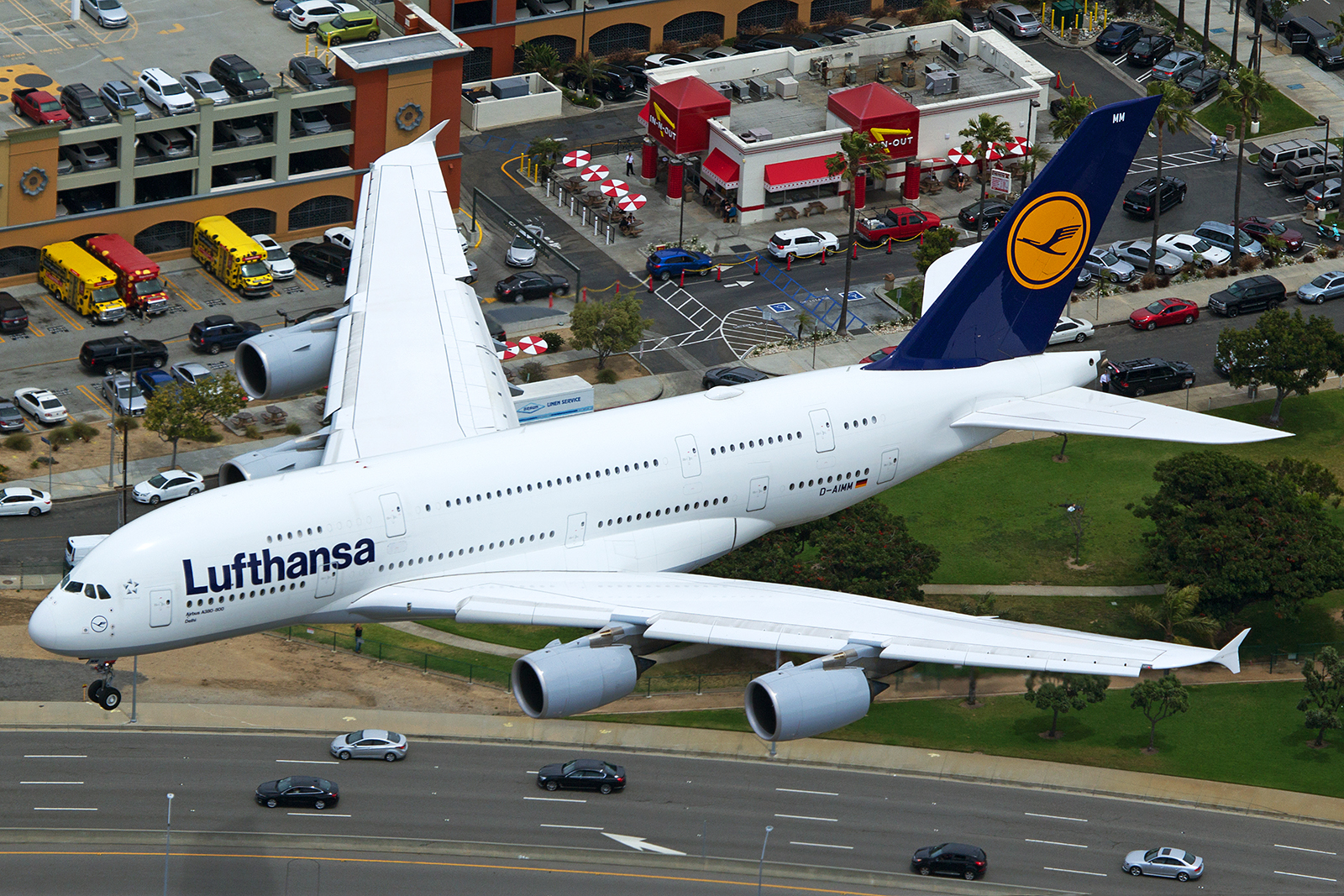
A Lufthansa A380 approaching LAX. (Photo: AirlineGeeks | William Derrickson)
In response to rising operational costs and environmental regulatory requirements, Lufthansa recently announced that it will begin introducing an environmental cost surcharge. Sustainable Aviation Fuels (SAF) and the movement towards exercising net-zero carbon emissions for daily operations by 2050 is a prominent goal of several major airlines around the globe.
The European Union (EU) requires a two percent blend of SAF from 2025 and a 70 percent blend by 2050. For Lufthansa, the surcharge is meant to cover the costs of the mandated requirements of SAF for 27 EU countries, in addition to the U.K., Norway, and Switzerland.
The German flag carrier also faces other regulatory environmental costs from institutions like the EU and the International Civil Aviation Organization (ICAO), including adjustments to the EU’s Emissions Trading System (EUETS) and the Carbon Offsetting and Reduction Scheme for International Aviation (CORSIA).
The Surcharge
The surcharge will be levied this summer for tickets with departures on and after Jan. 1, 2025. According to the airline, this fee, which will range from 1 Euro up to 72 Euros depending on the route and ticket type, will assist in propelling the airline’s efforts to achieve its use of SAF, fleet modernization, and align itself better with mandated EU regulations.
Now, with the continued increased interest in adopting more sustainable practices, carriers like Lufthansa are faced with the obstacle of rising costs and how to manage environmental regulations. As a result, the decision from the prominent Star Alliance carrier will likely inspire other carriers to follow suit.
Benjamin has had a love for aviation since a young age, growing up in Tampa with a strong interest in airplane models and playing with them. When he moved to the Washington, D.C. area, Benjamin took part in aviation photography for a couple of years at Gravelly Point and Dulles Airport, before dedicating planespotting to only when he traveled to the other airports. He is an avid, world traveler, having been able to reach 32 countries, yearning to explore and understand more cultures soon. Currently, Benjamin is an Air Transporation Management student at Arizona State University. He hopes to enter the airline industry to improve the passenger experience and loyalty programs while keeping up to how technology is being integrated into airports.
JSX Adds New Routes, Resumes Salt Lake City Flights
Despite potential regulatory headwinds, JSX is adding a batch of new routes this winter and resuming service to Salt Lake City.
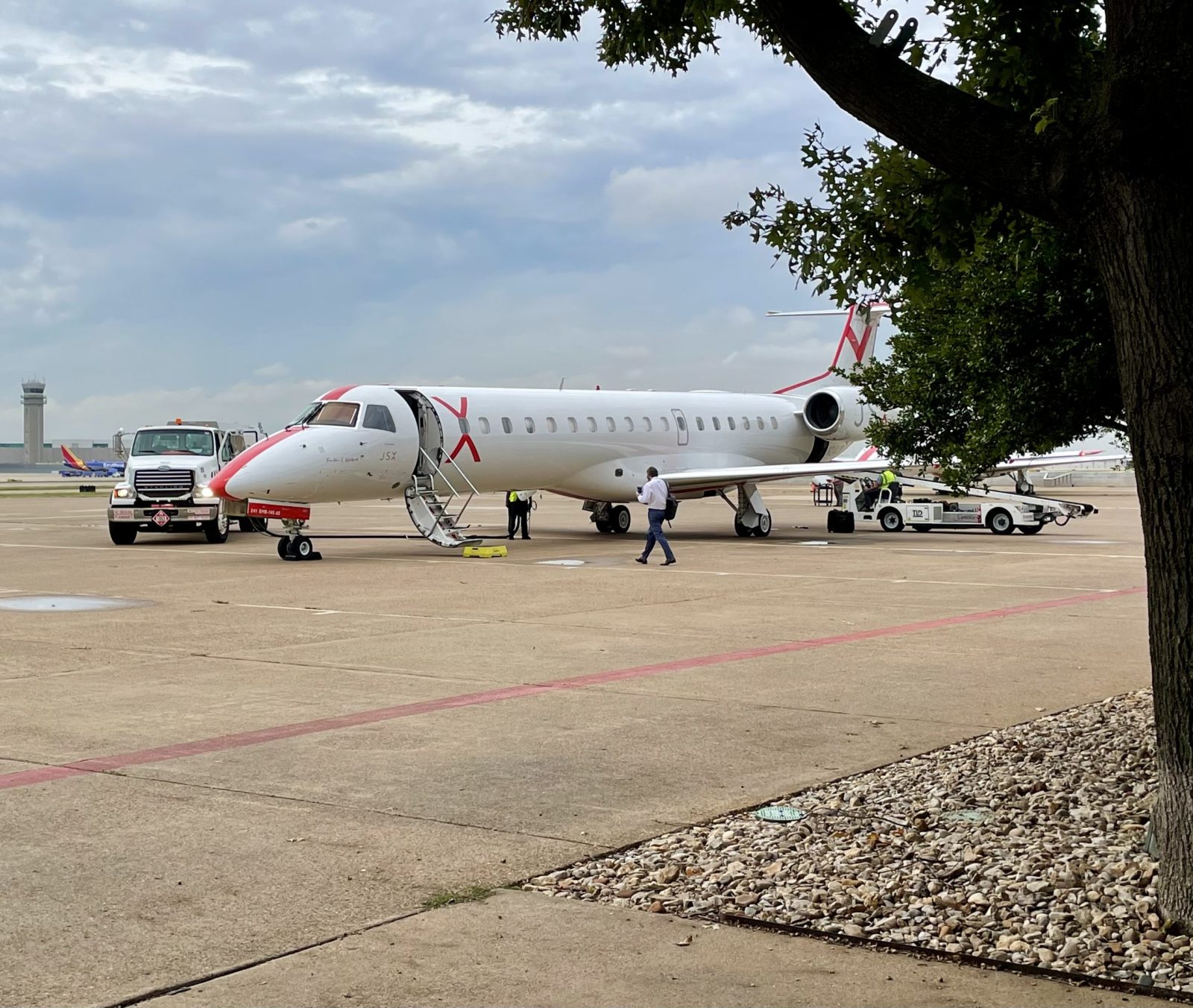
A JSX E145 prepares for its next flight at Dallas Love Field. (Photo: AirlineGeeks | Mateen Kontoravdis)
Self-described semi-private operator JSX is adding new flights to Florida and bringing back seasonal service to Salt Lake City.
Starting in late November and December, travelers can fly JSX to Naples and West Palm Beach, Fla. Service to Boca Raton will also resume at this time.
In addition, JSX will return to Salt Lake City with service relaunching in December. The carrier plans to serve Burbank, Las Vegas, Denver/Boulder, and Scottsdale from the Utah capital.
New Florida Routes
Nonstop flights to Naples (APF) from Westchester County, NY (HPN) and Morristown, NJ (MMU) are slated to begin on November 21. The routes will be served five times per week.
Nonstop flights to West Palm Beach (PBI) from Westchester County, NY (HPN) start November 15. Service from Morristown, NJ (MMU) will start on November 22. Both flights will operate once per day.
Seasonal service resumes to Boca Raton (BCT) from Westchester County, NY (HPN) and Morristown, NJ (MMU) on November 22.
Returning Seasonal Service to Salt Lake City:
Service to Salt Lake City (SLC) resumes on December 19 with nonstop flights from Burbank (BUR), Las Vegas (LAS), Denver/Boulder (BJC), and Scottsdale (SCF). The carrier says all flights will operate on a daily basis.
“We look forward to increasing access to seamless, comfortable & enjoyable air travel for Customers traveling with friends, family, pets, and grandparents this holiday season to these idyllic vacation destinations across Florida and Utah,” said JSX’s CCO David Drabinsky in a news release. “As we continue to expand our network, we take great pride in ensuring an unmatched level of service at an unbeatable & attainable price point.”
The Dallas-based company may soon face regulatory headwinds as the Federal Aviation Administration (FAA) updates rules for public charter operators.
Ryan founded AirlineGeeks.com in February 2013 and has spent more than a decade covering the airline business. His work has been featured by CNN, WJLA, CNET, and Business Insider. His aviation experience spans airport operations, Part 135 regulatory compliance, and airline crew workforce planning, along with time behind the yoke of a Cessna 172 and interviews with airline executives. Ryan now serves as Group President of Firecrown Media’s Aviation Group. He holds a B.S. in Air Transportation Management and an MBA from Arizona State University and teaches Airline Management at Embry-Riddle Aeronautical University.
First Look: Delta Opens First Premium International Lounge
The massive new Delta One Lounge features spaces that pay tribute to the lounge’s host city, a fine dining restaurant, and a designated wellness space.
The first Delta One lounge, located at New York's JFK Airport (Photo: Delta Air Lines)
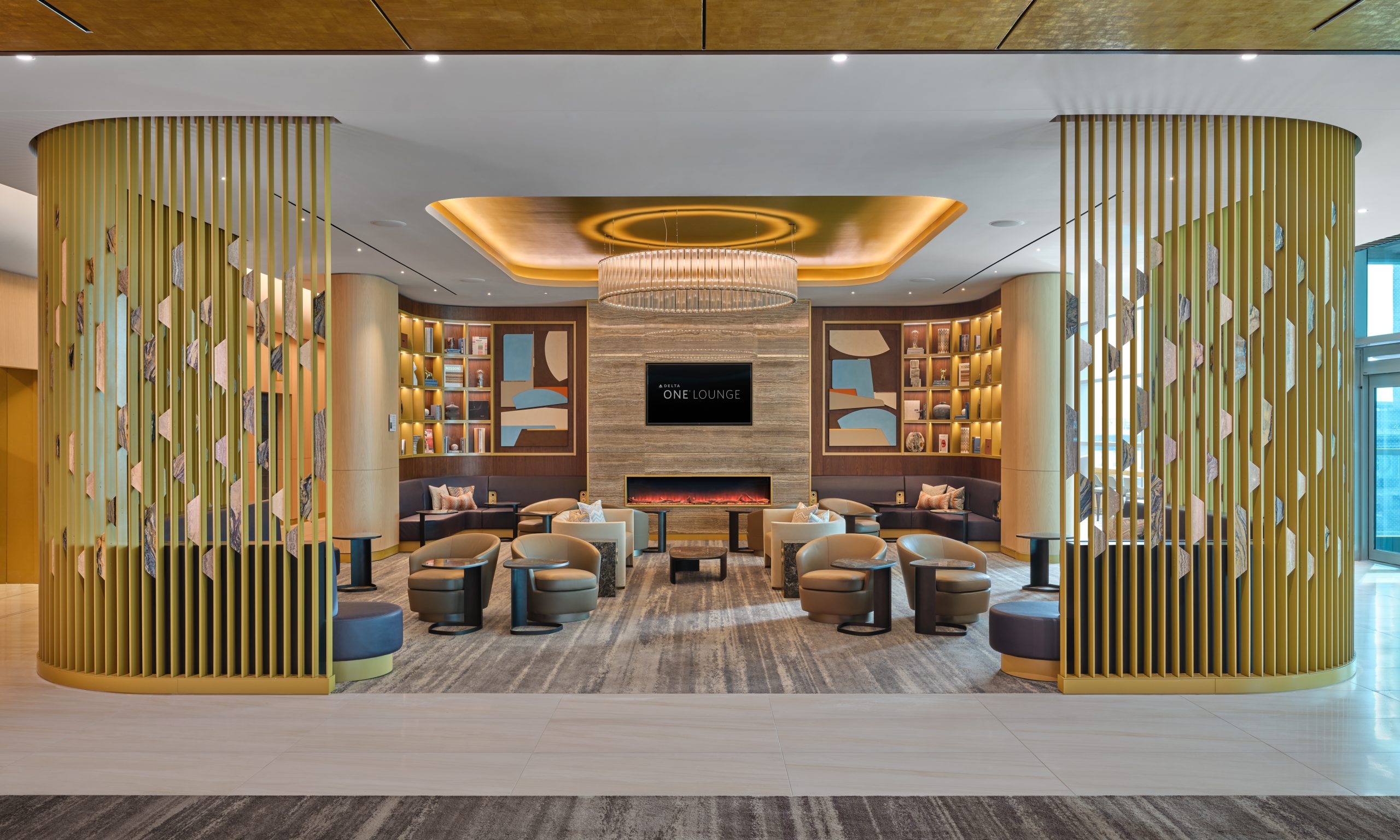
Delta Air Lines is opening its first premium international lounge later this week. The massive new Delta One Lounge features spaces that pay tribute to the lounge’s host city, a fine dining restaurant, and a designated wellness space.
A Nod To New York
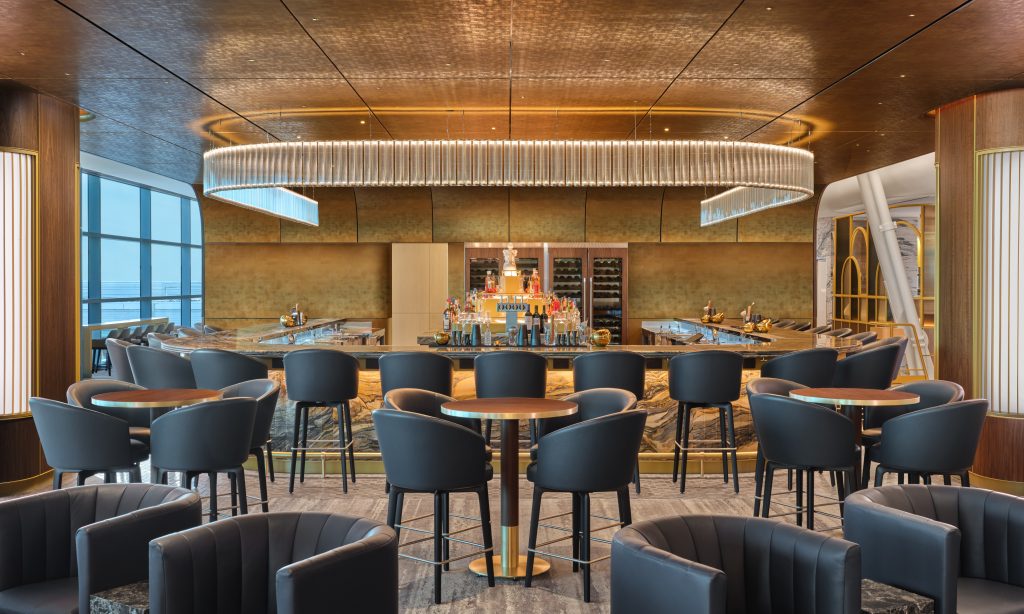
The first Delta One Lounge is located at New York’s John F. Kennedy International Airport (JFK). Design features throughout the lounge are inspired by the Big Apple. The bar area features an Art Deco-inspired lighting fixture, while the ceiling and fluted glass are inspired by the gold leaf ceiling and chandeliers of Radio City Music Hall.
The bar area in the Delta One Lounge at JFK Airport in New York (Photo: Delta Air Lines)
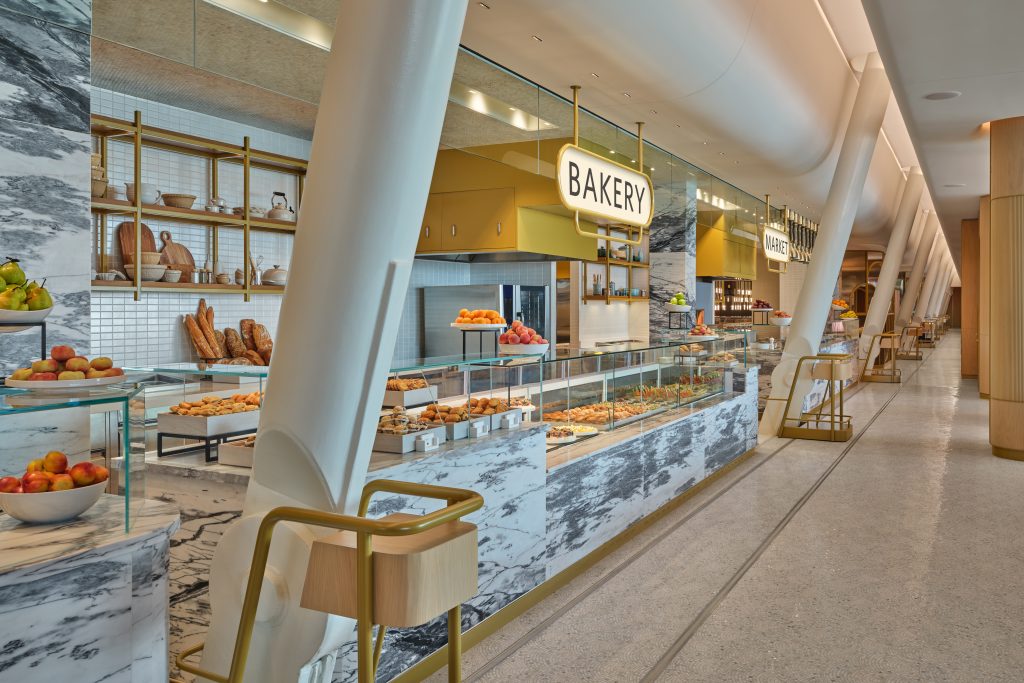
Meanwhile, travelers looking for a snack can visit the market and bakery area, which features a white marble counter that pays tribute to the city’s delicatessen food counters. There is also a hidden gem for aviation enthusiasts: the penny-round ceiling above the food counter is a nod to the original JFK terminal.
The market and bakery dining area in the JFK Delta One Lounge (Photo: Delta Air Lines)
An Amenity-Packed Experience
Delta is catching up to its competitors in the premium lounge space, with the Delta One lounge being a response to American’s Flagship and United’s Polaris Lounges. However, Delta appears to have taken this challenge seriously, delivering a well-curated lounge experience.
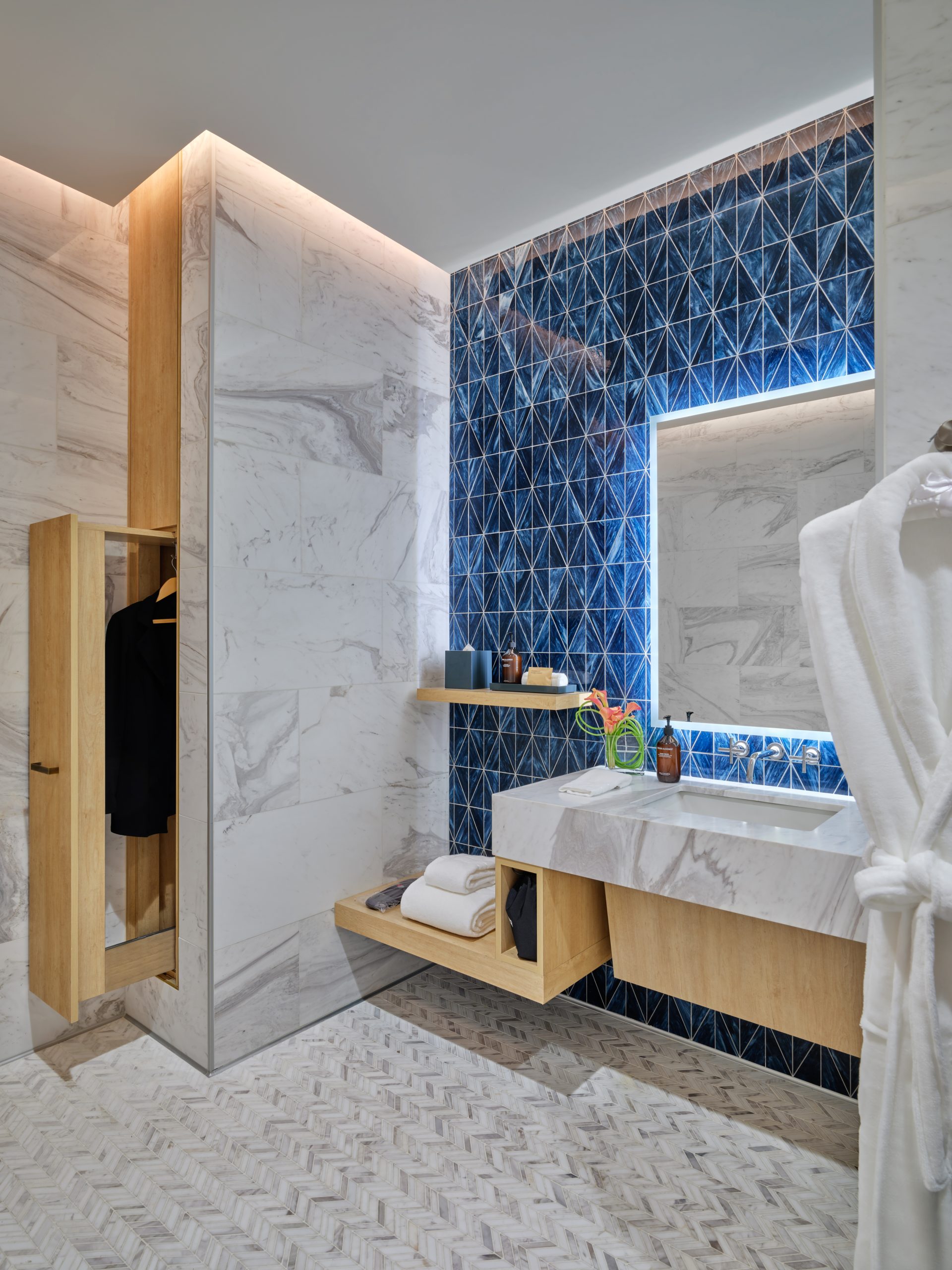
When it comes to food and beverage, the JFK Delta One Lounge has a 140-seat fine dining restaurant serving three-course meals, a walk-up bakery and market area, and a fully stocked bar. There are also eight marble-lined shower suites and a valet clothes steaming and shoe-shining service. For travelers looking to work, the lounge has eight soundproof working booths, as well as a service that allows guests to borrow a second monitor.
One of eight shower suites at the JFK Delta One Lounge (Photo: Delta Air Lines)
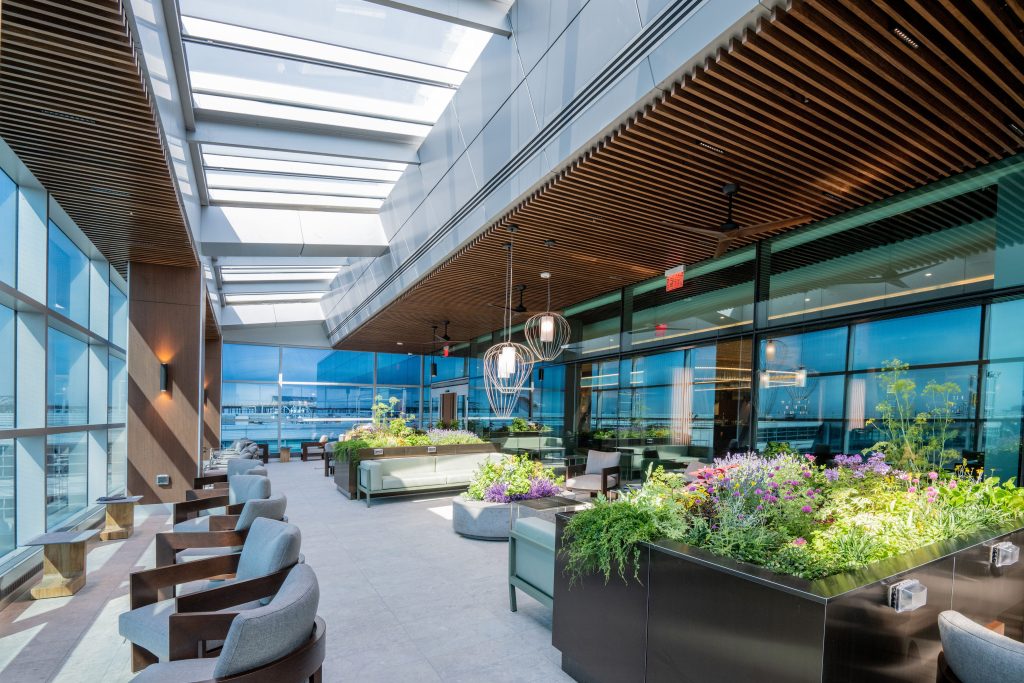
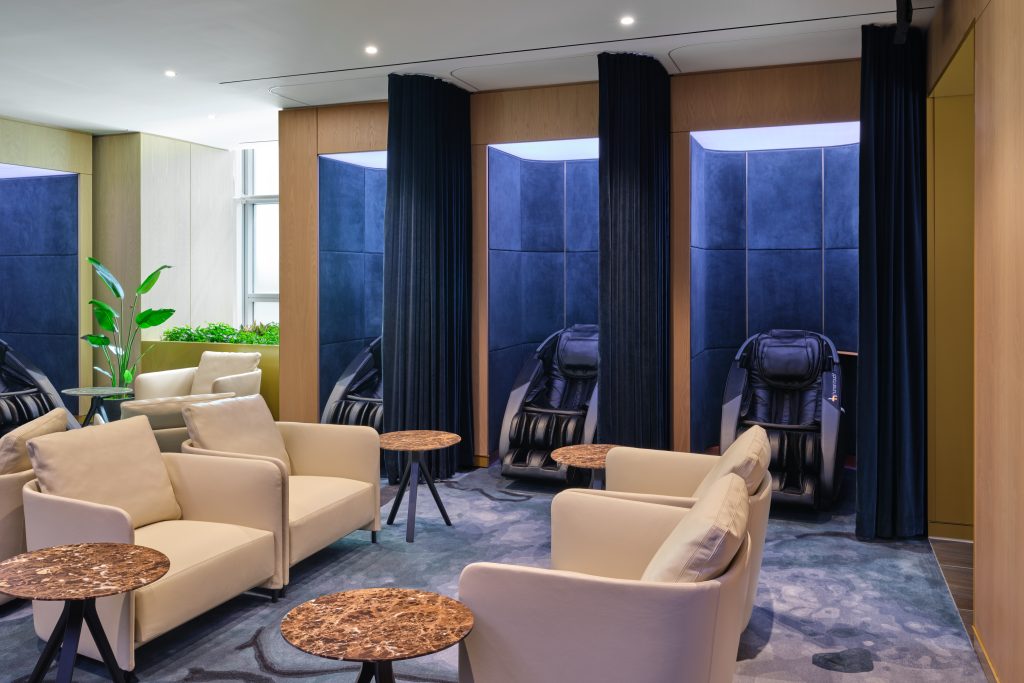
Airfield views are available from a terrace area with seasonal plants and a retractable. Meanwhile, those seeking a bit of relaxation can attend the designated wellness area, which features nine reservable relaxation pods with full-body massage and nap chairs. The adjacent “Serenity Lounge” is a quiet space with special lighting that mimics the light colors affecting human circadian rhythms.
The Delta One Lounge at New York’s JFK Airport has a lounge with airfield views, seasonally updated plants and a retractable roof. (Photo: Delta Air Lines)
Delta’s Largest and Most Exclusive Lounge
The lounge is located in JFK Airport’s Terminal 4, near the main security checkpoint between Concourses A and B. The Delta One Lounge has over 39,000 square feet of space, making it the airline’s largest lounge.
Like American Flagship Lounges and United Polaris Lounges, access to the Delta One Lounge is limited to the airline’s top premium customers. To access the lounge, travelers must have a same-day departing or arriving Delta One ticket or be traveling on a same-day flight in a premium cabin on Air France, LATAM, KLM, Korean Air or Virgin Atlantic. Those who are members of Delta 360o – Delta’s invitation-only status tier in its SkyMiles loyalty program – also have access to the lounge if they are traveling in First Class to any destination.
Additional Delta One Lounges are slated to open later this year at Los Angeles International Airport (LAX) and Boston Logan International Airport (BOS).
The wellness area in the JFK Delta One Lounge (Photo: Delta Air Lines)
Andrew is a lifelong lover of aviation and travel. He has flown all over the world and is fascinated by the workings of the air travel industry. As a private pilot and glider pilot who has worked with airlines, airports and other industry stakeholders, he is always excited to share his passion for aviation with others. In addition to being a writer, he also hosts Flying Smarter, an educational travel podcast that explores the complex world of air travel to help listeners become better-informed and savvier travelers.