









Stories

Trip Report: Crossing the Pacific in ANA’s Boeing 787-9 Business Class

ANA offers a solid soft and hard products during as shown on this recent Business Class trip onboard their Boeing 787-9.

ANA Boeing 787-9 Dreamliner Business Class cabin (Photo: AirlineGeeks | Andrew Chen)

On a recent trip to Asia, I had the opportunity to fly in Business Class on an All Nippon Airways (ANA) Dreamliner Boeing 787-9. I had not flown on a Japanese airline since the COVID-19 pandemic and was keen to try out the product.

When it comes to service and passenger experience, ANA is widely considered to be one of the top airlines in the world. Although my flight would not feature the airline’s newest Business Class seat – “The Room” – I was still keen to see what the airline had in store.

My flight would take me from Vancouver International Airport to Tokyo’s Haneda International Airport with a flying time of close to eleven hours. ANA is the only carrier to fly between these two airports, but Air Canada, Japan Airlines and Zipair offer service from Vancouver to Tokyo Narita International Airport.

Check-In and Security

I arrived in Vancouver on a connecting flight and therefore did not need to visit the check-in desks. However, I went to take a look at what the experience would have been like. When I arrived, check-in had not started yet and there were a few dozen people waiting in the Economy Class check-in line. The Business Class line, however, was empty. Had I needed to check-in or drop my bags at the counter, I would have not had to wait once the counter opened.

ANA check-in area at Vancouver International Airport (Photo: AirlineGeeks | Andrew Chen)

Similarly, there were very few people at the international security checkpoint. There was a short line that moved very quickly, meaning that we got through security within a few minutes.

Entrance to the international security (D Gates) checkpoint at YVR (Photo: AirlineGeeks | Andrew Chen)

As a side note, it is possible to make an airside connection from a domestic flight to an international flight in Vancouver. However, we had a long layover and chose to leave the secure area and go into the city for lunch.

Two Lounge Options

ANA Business Class passengers have two lounge options in Vancouver: the Air Canada Maple Leaf Lounge and the Plaza Premium Lounge. Of course, I had to check out both.

Air Canada’s Maple Leaf Lounge is located immediately past the international security checkpoint. There are three Maple Leaf Lounges at Vancouver International Airport, with the other two being located in the domestic terminal and the transborder terminal (for flights to the United States).

Entrance to the international Air Canada Maple Leaf Lounge at YVR (Photo: AirlineGeeks | Andrew Chen)

There were multiple different types of seating throughout the Maple Leaf Lounge, including high-top tables, lounge chairs and bar seating. The lounge also offered shower rooms, quiet rooms and fantastic views of the ramp. We were there in the early afternoon, and it was fairly empty at the time.

The food selection was not huge, but there were still a variety of options available. There was a small selection of self-serve hot food options, a salad bar and a selection of pastries and desserts. On the other side of the food area, there was a staffed counter that offered a few other prepared options like a butter chicken bowl and tacos. The lounge also had a full-service bar.

After a brief stay in the Maple Leaf Lounge, I went to check out the other lounge option. The international terminal Plaza Premium Lounge in Vancouver is currently being renovated, and the company has therefore set up a temporary location near Gate 68. The space is essentially a part of the terminal that cordoned off for use by lounge guests. The divider is a temporary half-wall so the lounge felt like much of the rest of the terminal, albeit with slightly better seating.

Seating in the YVR temporary international Plaza Premium Lounge (Photo: AirlineGeeks | Andrew Chen)

There was a fridge with salads, yogurt, fruit, desserts and drinks right beside the main entrance. On the other side of the lounge, there was a small selection of hot food options and bread.

Like the Maple Leaf Lounge, the Plaza Premium Lounge was sparsely populated. The space did not offer much beyond a few simple food options and a cordoned-off seating area. It did, however, have sweeping views of the north side of the terminal and the airport’s north runway.

Vancouver’s Gorgeous International Terminal

I am a big fan of Vancouver’s international terminal. The airport has a modern feel but also features warm design elements like a blue-green carpet that represents logs flowing down a river, as well wood paneling throughout the terminal. The indoor river and aquarium also wow me each time I go through the terminal.

Inside Vancouver International Airport’s international departures pier (Photo: AirlineGeeks | Andrew Chen)

This was also my first time seeing the new Pier D expansion. The addition to the international terminal added eight new gates and a new glassed-in open-air atrium. Unfortunately, the atrium was closed when I visited.

Aircraft and Boarding

My flight was operated by a three-year-old Boeing 787-9, registered as JA925A. The aircraft was delivered to ANA from Boeing’s Charleston, S.C. facility in April 2021 and has been with the airline ever since.

In true Japanese fashion, boarding began exactly as scheduled. Our flight left from Gate D70. The team of gate agents ensured that passengers were boarding by zone, and the process seemed to move very efficiently.

ANA Boeing 787-9 JA925A at Vancouver International Airport (Photo: AirlineGeeks | Andrew Chen)

ANA Boeing 787-9 Business Class Seat

The airline has two configurations for its international Boeing 787-9s. Our aircraft had a total of 246 seats, with 40 in Business Class, 14 in Premium Economy Class and 192 in Economy Class. The other configuration has 215 seats in total, with a higher ratio of premium seats. ANA also has high-density 787-9s with 375 seats for use on domestic flights.

ANA Boeing 787-9 Business Class seats (Photo: AirlineGeeks | Andrew Chen)

Each Business Class passenger had a lie-flat seat with direct aisle access.

ANA Boeing 787-9 Business Class seat (Photo: AirlineGeeks | Andrew Chen)

There was a large table beside each seat, along with a literature pocket, a remote control, a reading light and a headphone jack. A power plug and USB-C charging port were also conveniently located beside the seat above the table. There was also a “do not disturb” button that would turn on a light that was visible to flight attendants passing by.

Literature pocket, reading light, charging ports, headphone jack and remote control on ANA’s Boeing 787-9 Business Class seat (Photo: AirlineGeeks | Andrew Chen)

Immediately below the large table area was another table that swung out in front of the seat, as well as controls for the seat. These are the seats that were introduced when ANA first introduced Boeing 787-9s on international routes in 2015, and certain seat elements like the seat control buttons and the design of the remote control show the product’s age. Although it appeared to be a bit outdated compared to what is on offer with some competitors, the seat appeared to be in good condition and offered the space and recline that passengers would expect in a long-haul business class product.

Seat controls and table storage in ANA’s Boeing 787-9 Business Class (Photo: AirlineGeeks | Andrew Chen)

The seats were laid out in a staggered configuration. This meant that the window seats alternated between “true” window seats and seats that were closer to the aisle. I was seated in Seat 3A, a “true” window seat that gave me better window access and more privacy than the even-numbered seats on the left side of the aircraft. On the right side of the aircraft, the even-numbered seats are the “true” window seats.

ANA Boeing 787-9 Business Class window seats (Photo: AirlineGeeks | Andrew Chen)

Departure from Vancouver

A flight attendant came around with pre-departure beverages, offering a choice between orange juice and sparkling wine.

ANA Business Class pre-departure drink (Photo: AirlineGeeks | Andrew Chen)

We pushed back as scheduled for an on-time departure and taxied out to Runway 08R for an eastbound departure from Vancouver.

An afternoon departure from YVR on board an ANA Boeing 787-9 (Photo: AirlineGeeks | Andrew Chen)

Dinner Service

The main meal service began around 45 minutes after departure. Flight attendants came around with pre-packaged wet towels. Given the prevalence of hot towels in Japan, I was surprised that ANA had not brought these back yet.

ANA Business Class menu and moist towelette (Photo: AirlineGeeks | Andrew Chen)

There were two meal options available: a “Japanese Cuisine” option and an “International Cuisine” option. Within the international menu, there were two main courses on offer: braised beef short ribs and sauteed Chilean sea bass. I went with the Japanese selection.

Dinner began with a beverage service, and I went with ANA’s original “aromatic kabosu” non-alcoholic drink. Kabosu is a citrus fruit closely related to yuzu and I found the drink to be sweet with a light citrusy flavor.

ANA’s original “aromatic kabosu” citrus drink (Photo: AirlineGeeks | Andrew Chen)

The beverage service was followed by the amuse-bouche, which was the same for both the Japanese and international menus: smoked salmon with cauliflower and a duck and cheese canape.

Amuse-bouche: duck and cheese canape & smoked salmon with cauliflower (Photo: AirlineGeeks | Andrew Chen)

Then came a tray consisting of the next three items on the menu. There were a variety of Japanese dishes, ranging from sashimi slices to simmered abalone. Overall, I quite enjoyed the selection. The sashimi and kelp were particularly nice, but the deep-fried scallops were soggy and the lobster was very tough.

ANA Business Class Japanese appetizers (Photo: AirlineGeeks | Andrew Chen)

Next was the main course, which was a poached pork dish served with rice, miso soup and pickled vegetables. This course was very tasty.

Main course of poached pork, served with rice, pickled vegetables and miso soup (Photo: AirlineGeeks | Andrew Chen)

Finally, the flight attendants came around with dessert. Although there were three options listed on the menu (fruit, cheese and cake), they only offered the mango cake.

ANA Business Class mango cake (Photo: AirlineGeeks | Andrew Chen)

Inflight Entertainment

Business class seats ANA’s Boeing 787-9s have 18-inch touch screens. The screen can also be controlled with the wired remote control beside the seat. There were around 150 movies and a selection of shows and games, as well as a moving map. While the system was responsive and generally worked well, the interface and overall appearance felt a bit outdated.

18-inch touch screen in ANA’s Boeing 787-9 Business Class cabin ANA Boeing 787-9 Business Class window seats (Photo: AirlineGeeks | Andrew Chen)

WiFi was also available for a fee. ANA’s Boeing 787-9s have the airline’s second-generation WiFi, provided by Panasonic Avionics. Three different plans based on usage time were available.

ANA Boeing 787-9 WiFi Pricing (Photo: AirlineGeeks | Andrew Chen)

I had no need for WiFi on this flight and therefore did not have the chance to test the speeds and reliability.

Amenities: Slippers, Headphones and Amenity Kit

Each passenger got a pair of slippers, headphones and an amenity kit. The slippers came with a mini shoehorn, which was a nice touch. The headphones had active noise reduction but otherwise felt fairly cheap.

ANA Business Class slippers, headphones, amenity kit, blanket and mattress pad ANA Boeing 787-9 Business Class window seats (Photo: AirlineGeeks | Andrew Chen)

The amenity kit itself was from luxury luggage provider Globe Trotters. Inside the kit, I found an eye mask, ear plugs, a toothbrush with toothpaste, and L’Occitane en Provence body milk and lip balm.

ANA Business Class amenity kit contents (Photo: AirlineGeeks | Andrew Chen)

Lavatories

There were three lavatories available to Business Class passengers: one at the front of the aircraft and two between the two Business Class cabins. Additional toiletries were on offer in the lavatories, including mouthwash and cleaning wipes. The toilets also had bidets – a unique feature only seen on Japanese airlines. The lavatories were kept very clean throughout the flight.

Between the two main cabins, there was a small table where the flight attendants set up a basket with toiletries and some chocolates.

Toiletries and chocolates on a table mid-flight (Photo: AirlineGeeks | Andrew Chen)

Lie-Flat Seat Bed Transformation

After finishing a movie, I figured that it was time to get a bit of rest. Since the flight arrived in the evening, I did not want to get too much sleep, but I was still fairly tired from an early wakeup that morning.

Along with the slippers, headphones and amenity kit, I found a mattress pad, blanket and pillow on my seat during boarding. I stored the mattress pad and blanket in the overhead bin until it was time for bed.

ANA Boeing 787-9 Business Class lie-flat bed (Photo: AirlineGeeks | Andrew Chen)

The setup was fairly comfortable and I was easily able to get a few hours of sleep. I am not a particularly large person but I think some people might find the footwell to be a bit narrow.

Pre-Arrival Meal Service

Approximately two hours before landing, the second meal service began. This consisted of a light meal, once again with “Japanese Cuisine” and “International Cuisine” choices. I picked the Japanese option again, which featured grilled salmon served with vegetables and rice. I thoroughly enjoyed this meal as well.

ANA Business Class pre-arrival meal (Japanese option) (Photo: AirlineGeeks | Andrew Chen)

Service

As expected with a Japanese airline, the service on this flight was fantastic. The flight attendants were consistently friendly and polite, staying true to the famous Japanese service culture. They were attentive throughout the flight and made regular passes through the cabin to check on passengers.

Arrival

We descended through the dark Pacific skies before landing on Haneda Airport’s Runway 23. Most international flights at Haneda arrive at Terminal 3, formerly known as the International Terminal, but ANA began operating some international flights out of a newly renovated part of Terminal 2 in March 2020. After only two weeks, those operations ceased due to the COVID-19 pandemic and the international area of Terminal 2 did not reopen to flights until the summer of 2023. The international wing therefore felt brand-new.

Haneda Airport Terminal 2 international area (Photo: AirlineGeeks | Andrew Chen)

After exiting the renovated international part of the terminal, the fact that the building was two decades old became more apparent.

Landside at Haneda Airport Terminal 2 (Photo: AirlineGeeks | Andrew Chen)

Final Thoughts

I had a fantastic flight on ANA’s Boeing 787-9 Business Class. While some parts of the seat seem a bit outdated, it still had everything I would expect from a long-haul business class product. Meanwhile, the airline provided solid catering and amenities, and the cabin crew delivered stellar service. I had an excellent experience overall and am glad to see ANA continuing to live up to its reputation as one of the top full-service carriers in the world.


ANA Boeing 787-9 Business Class cabin after arriving in at Haneda Airport (Photo: AirlineGeeks | Andrew Chen)

Andrew Chen

Andrew is a lifelong lover of aviation and travel. He has flown all over the world and is fascinated by the workings of the air travel industry. As a private pilot and glider pilot who has worked with airlines, airports and other industry stakeholders, he is always excited to share his passion for aviation with others. In addition to being a writer, he also hosts Flying Smarter, an educational travel podcast that explores the complex world of air travel to help listeners become better-informed and savvier travelers.

Large Majority Of Encore Pilots Vote To Strike

There are dark clouds on the horizon for WestJet Encore, the fully-owned regional subsidiary of the WestJet Group, the second-largest airline group in Canada.

WestJet Encore
WestJet Encore De Havilland Canada Dash 8-400 NextGen (Photo: Eric Salard, CC BY-SA 2.0 DEED)

There are dark clouds on the horizon for WestJet Encore, the fully-owned regional subsidiary of the WestJet Group, the second-largest airline group in Canada.

The group’s management and the Air Line Pilots Association (ALPA) representing Encore’s 322 pilots have been in negotiations for the new contract since September, but the positions have remained quite distant, to the point that on April 2, just one week into the cooling off period called by the federal mediator before any strike could occur, a strike-authorization vote saw overwhelming support in favor of industrial action in case it is needed.

“Of the 89 percent of pilots that took part to the […] vote, 97 percent voted in favor of a strike,” said ALPA in a press release.

Career Progression and Seniority

Encore pilots have been complaining of working conditions that are some of the worst in the Canadian airline industry, leading to a very high rate of attrition which in turn has caused more challenging schedules and fatigue issues for the remaining staff. In addition to that, the current contract does not provide a clear growth path within the group for Encore pilots.

“Without drastic improvement on our next contract, there will be little stopping WestJet Encore pilots from continuing to seek better employment opportunities elsewhere. That’s why we are looking for an industry-standard contract comparable to some of our regional colleagues across Canada,” said Capt. Carin Kenny, chair of the WestJet Encore ALPA Master Executive Council. “We are here to fight for a contract that will once again make working within the WestJet Group a career goal. Unfortunately, despite management’s platitudes, our proposals continue to fall on deaf ears.”

The cooling off period will end on Apr. 14, and if an agreement is not reached by that date Encore pilots will be able to walk off their jobs as of 72 hours later, therefore leading to potential disruptions to Encore’s schedule as of April 17.

Last January, ALPA filed a request for conciliation assistance with the Federal Mediation and Conciliation Service, a move that is aimed at obtaining the assistance of the Federal Government in the bargaining talks. The main stumbling blocks in the negotiation were career progression, seniority, and career recognition. When discussing the working conditions for staff at an airline’s regional unit, it is not uncommon that the most contentious issues concern the progression mechanisms within the various units of the group and especially how seniority lists are compiled.

Ready for the Fight

In February, Encore pilots received $1 million from ALPA’s Major Contingency Fund in support of their industrial action, and further payment may be likely should the strike go ahead later this month.

WestJet issued a statement following the April 2 vote in support of the strike: “A strike authorization vote is a common step by unions in context of the overall labor negotiation process and does not mean a strike will occur,” said Diederik Pen, President of WestJet Airlines and Group Chief Operating Officer. “We are steadfast in our commitment to reach an agreement with ALPA that addresses the unique concerns of our Encore pilots, is competitive within Canada’s airline industry and ensures we have a long-term sustainable future so that we can continue to operate critical air service for millions of Canadians, while providing meaningful employment for thousands at the WestJet Group.”

Vanni Gibertini

Vanni fell in love with commercial aviation during his undergraduate studies in Statistics at the University of Bologna, when he prepared his thesis on the effects of deregulation on the U.S. and European aviation markets. Then he pursued his passion further by obtaining a Master’s Degree in Air Transport Management at Cranfield University in the U.K. followed by holding several management positions at various start-up carriers in Europe (Jet2, SkyEurope, Silverjet). After moving to Canada, he was Business Development Manager for IATA for nine years before turning to his other passion: sports writing.

Insights: 50-Seat Regional Jets Are On Their Way Out

The tides are rapidly changing for 50-seat regional aircraft operations in the U.S. More of the type are now in storage than in service.

United CRJ-200
A United Express CRJ-200 exiting the runway in Ogdensburg, N.Y. (Photo: AirlineGeeks | Joey Gerardi)

AirlineGeeks.com Staff

AirlineGeeks.com was founded in February 2013 as a one-person blog in Washington D.C. Since then, we’ve grown to have 25+ active team members scattered across the globe. We are all here for the same reason: we love deep-diving into the fascinating realm of the airline industry.

Bankrupt Charter Airline iAero to Cease Operations

iAero Airways, the largest passenger charter and cargo carrier in the U.S., will cease operations on Saturday after a recent restructuring attempt.

An iAero Airways Boeing 737-800 converted freighter lands at Miami International Airport on Nov. 24, 2021. (Photo: Shutterstock/Kevin Porter)

iAero Airways, the largest passenger charter and cargo carrier in the U.S., will cease operations on Saturday after an unsuccessful effort to restructure the company under bankruptcy protection, President Timothy Rainey informed employees.

Headquartered in Greensboro, N.C., iAero operates several narrowbody cargo jets for DHL Express. Other customers include the National Hockey League and U.S. Immigration and Customs Enforcement. The airline’s main flying base is at Miami International Airport.

“It is with great regret that without continuing DIP financing from our lenders or an alternative lender, we have been directed to prepare to suspend all revenue operations of the airline at the end of the day on April 6,” Rainey said Monday in a memo to staff members that that was obtained by FreightWaves.

The airline received $22.5 million in debtor-in-possession financing from Synovus Financial Corp. when it filed for bankruptcy reorganization last September and an additional $5 million in March, which allowed it to keep operating.

Synovus, which has first priority over the company’s assets, recently agreed to sell 28 Boeing 737 passenger aircraft to Eastern Airlines in exchange for assuming $71 million in first-lien debt, but iAero has been unable to find anyone interested in running the DHL cargo and NHL business, said Rainey.

iAero, founded in 1997 as Swift Air before its 2019 acquisition by iAero Group, is one of the few domestic passenger airlines to still operate older Boeing 737 Classics. It has about 30 active aircraft and a dozen more parked or in storage. The operating fleet includes about eight 737-300s and 11 737-400s, plus a dozen newer 737-800s, according to various fleet databases.

As of September, iAero Airways conducted about 100 flights per week for DHL, utilizing 12 dedicated freighters. Cargo revenue became a significant source of revenue during the COVID crisis and by 2022 represented 12% of total revenue, according to the bankruptcy filing.

iAero provides its own aircraft for some of the routes it operates for DHL. Other aircraft it flies in the DHL network are owned by DHL, with iAero providing crews and maintenance. Some of the freighters wear the DHL livery, including at least one 737-800. The freighters operate in the United States and between Miami; Santo Domingo, Dominican Republic; and San Juan, Puerto Rico.

Other primary customers include professional and college sports teams, musical groups, and travel service companies in Cuba. The airline also handles deportation flights for the Department of Homeland Security, its largest customer. And Texas Gov. Greg Abbott, a Republican, chartered iAero to transport migrants to Chicago as part of his campaign to shift the burden of immigration to Democrat-controlled cities, according to the Chicago Tribune.

iAero ran into financial difficulties when slower cash flow made it difficult to service an $860 million debt load, which in turn made it difficult to raise additional capital. According to court documents, business problems included mismanagement and alleged fraud by previous leadership, the downturn in leisure passenger flying during COVID, a temporary cessation of flight service for DHS and a $29 million adverse arbitration award as a result of a contract dispute with a sales agency.

iAero Airways generated $345 million in gross revenue during 2022, according to its bankruptcy filing. The holding company also owns a business that conducts light aircraft maintenance and airframe checks, and an engine maintenance, repair and overhaul business. As of last fall, the three sister companies employed 860 people.

iAero’s demise potentially removes a large chunk of capacity from the charter market, opening the door for rivals such as Global Crossing Airlines, also based in Miami, to pick up customers.

All iAero employees will be compensated for work conducted through April 6, the memo said.

Eastern is a small airline that currently operates four Boeing 767 widebody passenger jets and two Boeing 777s, mostly on a charter basis. It offered some scheduled service to South America from New York a couple years ago. The company has 14 planes on its books, but eight of the aircraft have not flown in months, according to aircraft tracking site FlightRadar24.

A judge for the U.S. Bankruptcy Court for the Southern District of Florida in Miami is scheduled on April 8 to make a decision on whether to approve the asset sale to Eastern Airlines. Under terms of its stalking horse bid, any party that makes a higher offer for iAero has to pay a $2 million breakup fee.

Multiple creditors oppose the sale of assets to Eastern Airlines, arguing that the sale process is designed to benefit Synovus at the expense of all other stakeholders. Private Jet Services Group, the general sales agency, alleges iAero and former president Jeffrey Conry, now an executive at Eastern, struck a non-cash sweetheart deal to help iAero’s owners avoid paying $102 million for breach of contract that began when Conry was at iAero.

All-cargo operator Western Global Airlines, headquartered in Estero, Florida, exited bankruptcy protection earlier this year.

Editor’s Note: This story first appeared on FreightWaves. 

AirlineGeeks.com Staff

AirlineGeeks.com was founded in February 2013 as a one-person blog in Washington D.C. Since then, we’ve grown to have 25+ active team members scattered across the globe. We are all here for the same reason: we love deep-diving into the fascinating realm of the airline industry.

Government Extends Support to Cabo Verde Airlines Amid Financial Resurgence

The government of Cabo Verde has given the green light to the General Treasury Directorate to extend a state guarantee to the country's airline.

Cabo Verde Airlines (TACV) Boeing 737-700 (Photo: Instagram @caboverdeairlines)

The government of Cabo Verde has given the green light to the General Treasury Directorate to extend a state guarantee to Transportes Aéreos de Cabo Verde, S.A. (TACV) for a loan worth 250 million escudos (equivalent to $2.4 million USD) secured from Caixa Económica de Cabo Verde. This decision follows the company’s resurgence after its privatization process was halted.

As per Resolution No. 27/2024, released on March 28, 2024, and published in the Official Gazette, the state’s guarantee for the bank loan is aimed at shoring up the company’s cash flow. The extension request for the loan’s maturity, extending it from four to five years, was submitted to Caixa Económica de Cabo Verde and granted approval. The guarantee, provided for the operation, is prolonged for a commensurate period.

Against this backdrop, and in a bid to streamline the inflow and outflow of funds, the resolution elaborates that the company is readjusting its financial obligations, including the aforementioned loan, in line with its medium to long-term activity plan.

Presently, the company is executing its Interim Business Plan 2023-2027, which encompasses various investments to sustain and broaden operations, ensuring the business’s sustainability. As part of this initiative, financial responsibilities, including the aforementioned loan, are being restructured.

Transportes Aéreos de Cabo Verde (TACV), formerly known as Cabo Verde Airlines, sought state assistance as a guarantor amidst challenges exacerbated by the health crisis and complications linked to its renationalization. On Feb. 2, 2023, the Council of Ministers authorized the General Directorate of the Treasury to provide two necessary guarantees, as requested by the carrier. These guarantees facilitated a twelve-month moratorium for settling two loans secured with Caixa Económica de Cabo Verde, including 100 million escudos (approximately $972,620 USD) and 110,265,000 escudos (approximately $1,072,459 USD), respectively.

These loans, alongside others, were secured by TACV to revive its operations, which were suspended between March 18, 2020, and December 2021, initially due to the COVID-19 pandemic, and subsequently due to disputes between Lofleidir, its former majority shareholder (51%), and the Cape Verdean State. However, despite resuming operations post-renationalization, the operator encountered fresh challenges, such as an 80% surge in fuel prices between January and June 2022, attributed to the conflict in Ukraine.

Victor Shalton

Victor Shalton's love for aviation can be traced to when he was 11-years-old. As a seasoned aviation writer, he takes pride in providing the best aviation coverage around the globe and is passionate about advancing his skills in the aviation space. In addition, he loves travelling, writing, arts and while his speaking engagements have taken him around the world, he is proud to call Nairobi home.

United Offers Pilots Unpaid Leave Due To Boeing Delivery Delays

Amid delivery delays from Boeing, the notable Chicago-based Star Alliance carrier announced its offer of unpaid leave to its pilots.

United 737 MAX 9
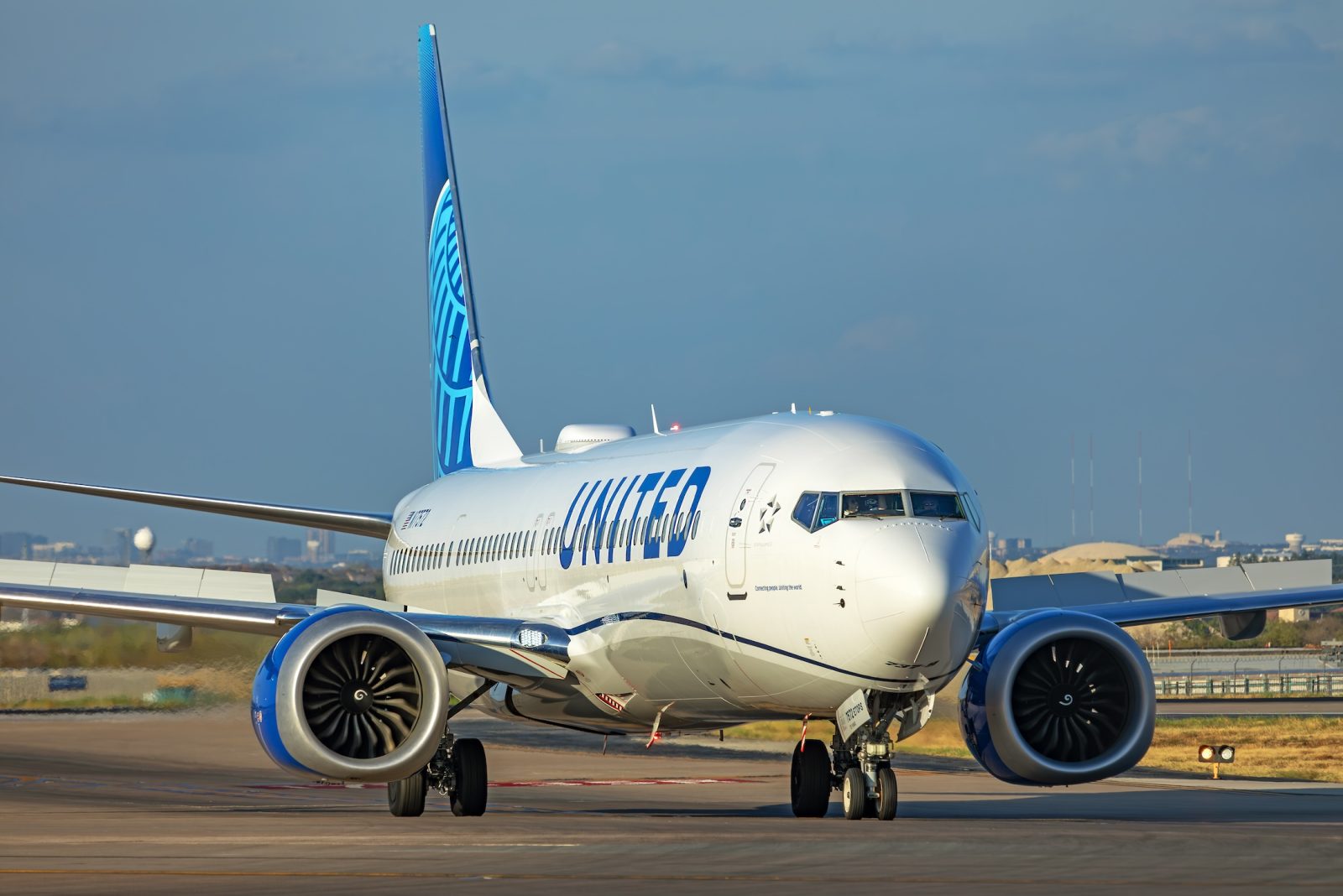
A United 737 MAX 9 aircraft (Photo: AirlineGeeks | William Derrickson)

United Airlines is offering its pilots an unpaid leave program in May, citing delayed deliveries of Boeing aircraft. The news comes a month after it was reported that the airline would pause new hiring for May and June.

United’s Unpaid Leave Offer 

As first reported by CNBC, United has offered voluntary unpaid time off for the month of May to its pilots. Pilots have the option of taking the whole month off or picking select dates. They also have the option of a blank schedule that allows them to pick up trips.

United has confirmed the request for voluntary time off due to excess staffing resulting from Boeing delivery delays. The United chapter of the Air Line Pilots Association (ALPA) – the union representing the airline’s pilots – has told its members that it expects the airline to make similar offers for the remaining summer bid periods, with the possibility that they will continue in the fall.

Slowdown in Pilot Hiring

A few weeks ago, United opted to pause new pilot classes for May and June, also citing Boeing delivery delays. An internal memo at the time stated that the carrier planned on resuming new hire classes in July, but it is unclear if that is still the case. The airline had planned to hire 800 pilots by the end of April.

The revelation that United is planning for excess staffing marks a sharp departure from the airline’s recent record-breaking hiring numbers. Less than six months ago, the carrier was hiring record numbers of pilots in the fall months, amid a slowdown in hiring among is competitors.

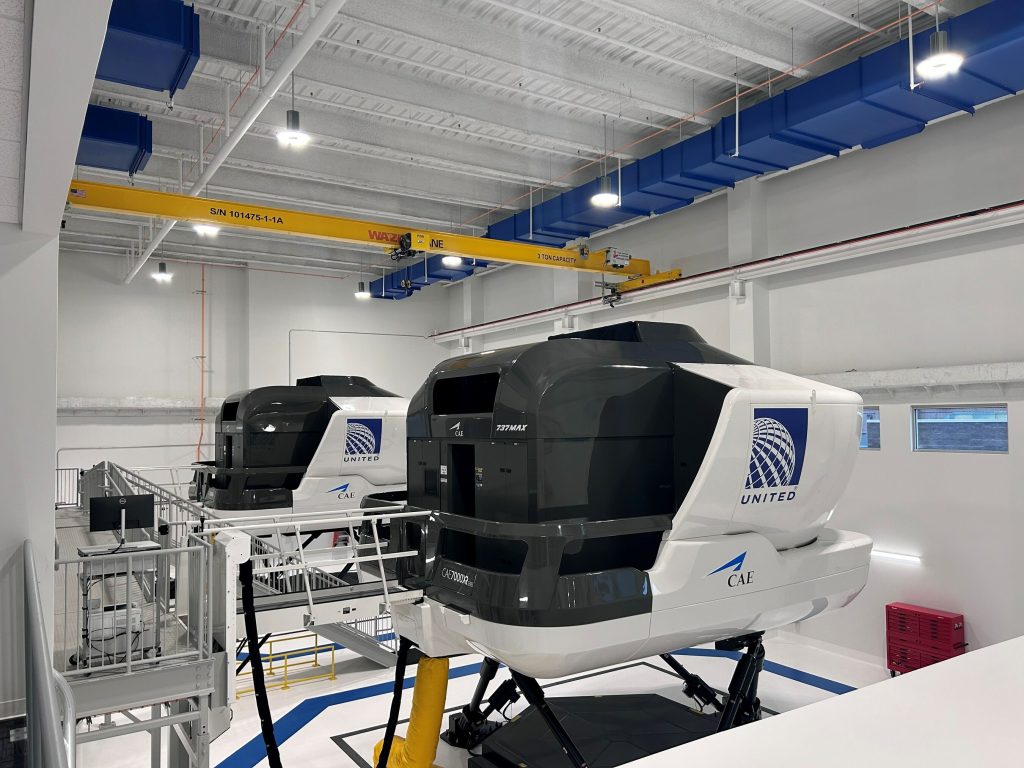
In 2022, the airline reached an all-time high for pilot hiring, bringing on approximately 2,500 new hires. The airline has also recently announced a major expansion to its flight training center in Denver.

United’s new building at their Flight Training Center in Denver. (Photo: United Airlines)

United pilots also saw a historic new contract last year, with significant pay rises in line with its competitors. Last summer, the airline reached an agreement with the Air Line Pilots Association for a new $10 billion contract that would bring raises ranging from 35% to 40% over four years for flight crew.

Boeing’s Delivery Delays

The first few months of the year have been rough for Boeing. Since the now-infamous Jan. 5 door plug blowout, the notable aircraft manufacturer has faced newfound scrutiny of its quality control practices,  a major management shakeup and widespread negative news coverage.

On top of these problems, the airline has been facing long certification delays for the largest variant of the Boeing 737 MAX, the 737-10 MAX. The latest problems at Boeing will likely extend the certification and delivery timeframe even more, with United’s CEO Scott Kirby publicly stating that the airline is building a fleet plan without the Boeing 737-10 MAX.

Kirby has stated that even in the best-case scenario, deliveries of the largest 737 MAX type would be five years behind schedule. The airline currently has hundreds of Boeing 737 MAX aircraft on order.

Andrew Chen

Andrew is a lifelong lover of aviation and travel. He has flown all over the world and is fascinated by the workings of the air travel industry. As a private pilot and glider pilot who has worked with airlines, airports and other industry stakeholders, he is always excited to share his passion for aviation with others. In addition to being a writer, he also hosts Flying Smarter, an educational travel podcast that explores the complex world of air travel to help listeners become better-informed and savvier travelers.

JetSetGo’s Billion-Dollar Ambition: Reshaping India’s Private Jet Landscape

Indian charter flight operator JetSetGo has made headlines regarding its recently-announced expansion plans, a first in the region.

Gulfstream's G700 aircraft amid one of its many flight tests. (Photo: Gulfstream Aerospace)

Indian charter flight operator JetSetGo has made headlines regarding its expansion plans. The private jet operator intends to raise USD 900 million as well as plan for an IPO by 2027-28. This is not all; the operator is also planning on purchasing aircraft which will have a minimum flying range of six hours. 

The above is a highly ambitious move by the company, to infuse funds of almost a billion dollars while also buying new aircraft. The above is in line with the fact that the demand for private charter flights in India has been on the rise ever since the COVID-19 pandemic.

People who needed to travel and could afford to, chartered flights to not expose themselves to a larger number of people. Charters were also used to help in evacuation attempts during the pandemic. 

However, these days, the primary demand for charters is from VIPs, cricket teams, corporates, etc., who need to charter flights to move people in and out of a destination fast and without the hassle of flying on a scheduled operator.  In recent years, there have been multiple high-profile events such as the Ram Mandir inauguration in Ayodhya, the India VS. Pakistan Match in Ahmedabad, and most recently, the pre-wedding festivities hosted by Indian billionaire Mukesh Ambani for his son.

All those events saw a heightened use of private jets and private charters to ferry guests and attendees. Several corporates in India have also purchased private jets as a time-saving measure. 

Progress Over The Years:

JetSetGo was started in 2012 by young and ambitious entrepreneur, Kanika Tekriwal, along with Sudheer Perla. The company offers charters using both aircraft and helicopters. When they had forayed into the market, the problem was not the demand for charters, but that the supply wasn’t enough. 

Over the years, JetSetGo has managed to build up a fleet of 10 airplanes and one helicopter.

Looking Ahead

The operator’s plans also include phasing out its older aircraft and instead inducting newer long-range aircraft. By upgrading its fleet, international markets will open up for charters. Currently, 80% of the flights chartered are domestic. This step will increase the available market for jet charters. 

The airline has also struck a deal to induct over 200 hybrid-electric aircraft. The deal was made with three different firms: Electro.aero, Horizon Aircraft, and Overair. 

Almost every aspect of this development is highly exciting in the private jet charter market of India. Recent trends point to a positive and promising future for this niche in the Indian aviation market. The fact that it has also planned to induct hybrid-electric aircraft is a first of its kind in the country. 

ALPA, Industry Say Pilot Supply Is Stable

A new release from the Air Line Pilots Association (ALPA) notes that the U.S. pilot supply has recently become more stable.

Pilot in flight deck
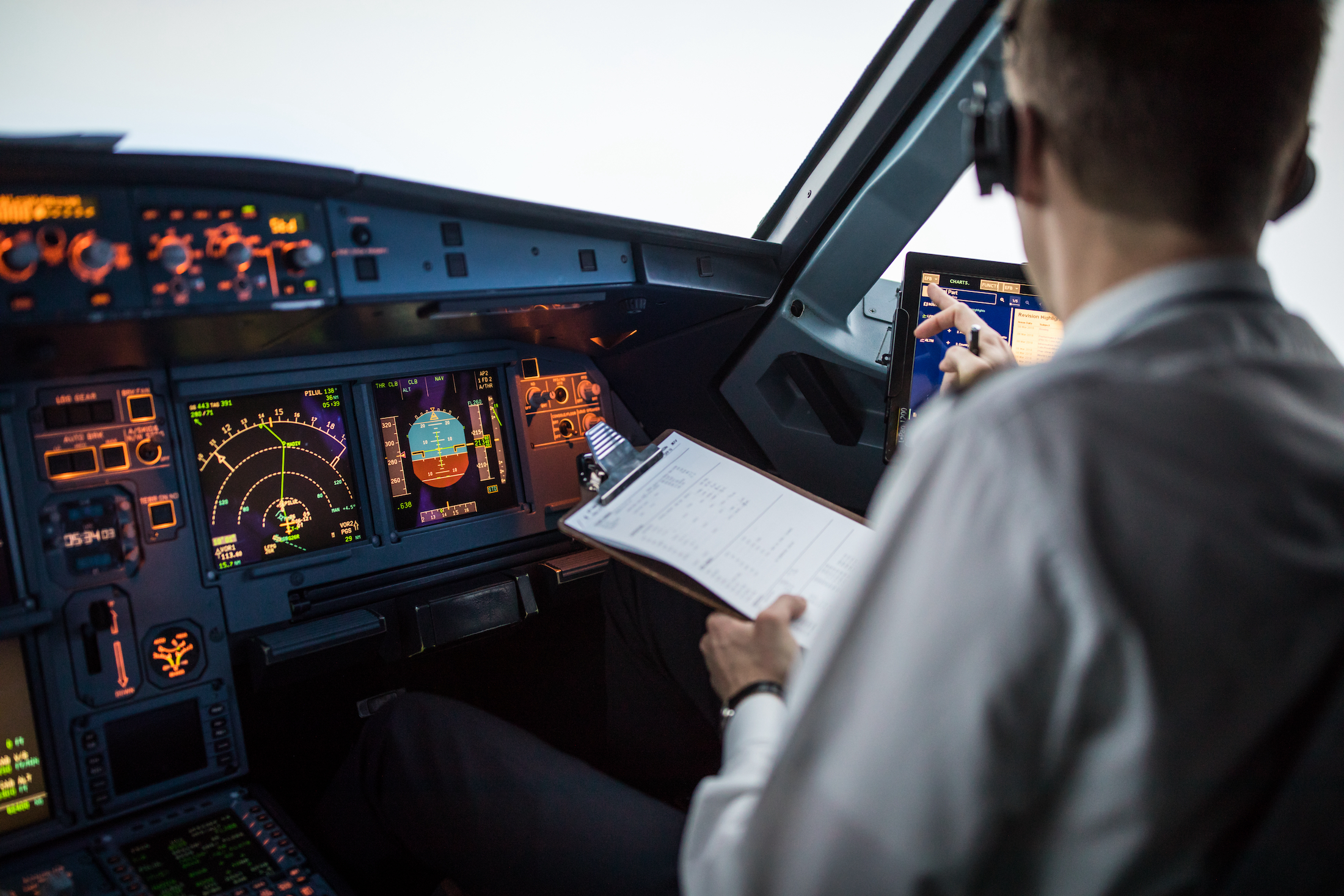
Pilot executing pre-flight procedures in a commercial airliner cockpit before takeoff. (Photo: Shutterstock | l i g h t p o e t)

A new release from the Air Line Pilots Association (ALPA) notes that the U.S. pilot supply is stable with more than 11,000 pilots certified in the past 12 months.

ALPA highlighted recently released FAA pilot-production data, indicating that the U.S. is consistently certifying a greater number of airline pilots on a monthly basis compared to pre-pandemic levels.

The news comes as industry experts and financial analysts agree that pilot demand has been met, and there is even a surplus of pilots as several airlines have scaled back hiring.

Executives at TD Cowen and Goldman Sachs have expressed optimism, indicating the industry is moving past its previous challenges. “The improved outlook vs. the introduction of the GS Pilot Supply & Demand model in December 2022 is primarily driven by higher-than-expected certificates issued (2022 and 2023 were both records) in addition to slower fleet growth and modestly lower-than-expected retirements,” according to Goldman Sachs.

Several regional airlines have noticed a shift in the environment with decreased attrition rates. Mesa Airlines CEO Jonathan Ornstein said, “There was a time when none of us could find first officers. Now I mean, I think we have close to 2,000 applicants for qualified first officers.”

CommuteAir CEO Rick Hoefling echoed that statement to AirlineGeeks in October. “We can hire first officers. I think almost every regional airline right now has a stack of first officers. The problem is building their time at the same time you’re attriting out captains at a pretty high rate in the industry. We went from a pilot shortage to a captain shortage now in the industry. So the pendulum is starting to move.”

Despite ongoing claims of a pilot shortage by special interest groups, ALPA maintains that while there were some initial backlogs post-COVID, the system is working and yielding a record number of pilots.

Editor’s Note: This article first appeared on AVweb.

AirlineGeeks.com Staff

AirlineGeeks.com was founded in February 2013 as a one-person blog in Washington D.C. Since then, we’ve grown to have 25+ active team members scattered across the globe. We are all here for the same reason: we love deep-diving into the fascinating realm of the airline industry.

Lufthansa’s Green Fare: A Hit or a Flop?

The Green fare brand - added in 2023 - is allegedly getting traction. The carrier is welcoming the trend and extending the scope of the offering.

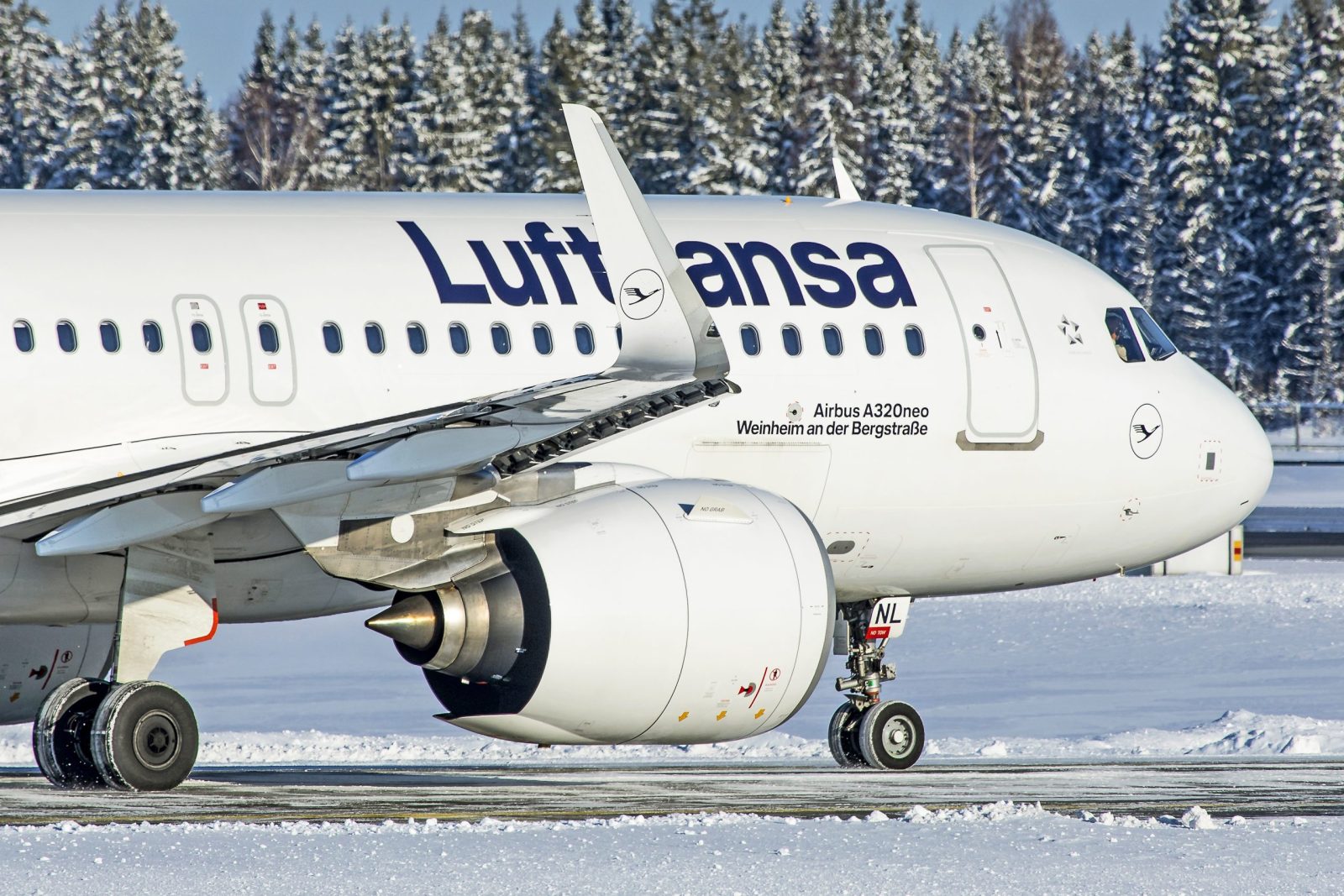
A Lufthansa A320neo in Oslo. (Photo: AirlineGeeks | William Derrickson)

Lufthansa has recently released a statement summarizing one year of the so-called Green fares being live.

The Green Option

Seeking to serve a particular niche of customers and trying to fulfill its sustainability obligations, Lufthansa introduced a new fare brand last year. The additional option was implemented in parallel to the existing brand in the carrier’s fare structure.

As sustainability is not usually the main focus of passengers looking for the best deal in the market, the Green fare brand is not targeting them either. It is set up already including some main ancillary services like checked baggage and prereserved seats. The increase in price over the Economy Classic (or even the Economy Flex) is meaningful but allegedly the extra revenue will go towards completely offsetting the carbon footprint of the particular trip.

The carrier pledges that Sustainable Aviation Fuel (SAF) will be then cycled into the fuel supply in the next six months after the travel was made. The remaining carbon offset is achieved by funding one of the sustainability projects, some of which include carbon capture technologies.

Lufthansa Economy Green fare attributes (Photo: Lufthansa’s website)

Lufthansa Claims The Demand Is There

According to the carrier’s press release, more than one million passengers have chosen the Green fare over the past year. That is less than one percent of the total of 123 million passengers carried by the Lufthansa Group last year but, given the limited number of markets, the release claims the popularity comes in at three percent.

The interesting turn of events that the release also mentions is that the routes with the highest Green popularity are the likes of Hamburg-Munich, Zurich-London, and Frankfurt-Berlin. This must be a welcomed result as domestic air travel in Europe is the reason for the most backlash among environmentalists. In total, travelers have offset more than 77,000 tonnes of CO2 since the launch of Green Fares by offsetting their flight-related carbon emissions.

Topping that, the airline mentioned that even four percent of its passenger base uses sustainable carbon-offsetting products within the carrier’s ecosystem. The Green fare is only part of the journey as passengers could already select other offsetting options during the booking process. It is also possible to offset flight-related CO2 emissions during or after the flight.

It’s Just Business

Those wondering where the hatch is will be disappointed. The sustainability measures come from three powerful sources. This is the customers, voting with their wallets, the citizens of the countries voting for the parties implementing the green policies, and the shareholders outlining the focus for the company.

As per the customers, it is not a coincidence that the Green fares were introduced starting with Scandinavia. Just before the pandemic took out all the headlines, it was a major concern in the region. This means providing such Green option might shift the revenue between the airlines.

The concerns of society make their way into the policy and through the policy to the economy with soaring carbon emission offset prices, which went up close to 20x in the last decade. The item became a major one on the cost side of the business.

As per the shareholder’s interest, Lufthansa Group is a publicly traded company. A simple check of the top shareholders of the company and their investing strategy, will reveal that ESG (standing for Environmental, Social, and Governance issues) is a major factor. The sustainability mandate feels toned down in light of the recent geopolitical events but is a noble one nonetheless.

Filip Kopeć

A passionate aviation enthusiast that started off his career as an aerospace engineer, but found his true calling on the commercial side of the airline business. Now as a finance guy among avgeeks and an avgeek among finance guys, he has experience working in the Revenue Divisions of three airlines. In his spare time he enjoys traveling, but admittedly sometimes is more about the journey than the destination.

Lakeland Gets First Air Service in 10 Years

Avelo Airlines gives Lakeland its first air service in over ten years, since DirectAir filed for Chapter 7 liquidation back in 2012.

Avelo's 737-800 aircraft in Burbank (Photo: AirlineGeeks | Ryan Ewing)

Lakeland, Fla. has seen a troubled past in terms of commercial airline service with carriers starting and stopping service, with many instances of the airport going carrier-less for many years at a time. They were without service from 1980 until 1987, 1988 to roughly 2006, 2008 to 2011, and finally 2012 until the present day. These service gaps are due to a variety of reasons from lack of demand, to the airlines serving them going bankrupt.

An Avelo Airlines Boeing 737-700 at Tweed-New Haven. (Photo: Avelo Airlines)

Back in the winter of 2023, Avelo announced its intentions to serve the airport with a broad Spring 2024 timeline as the start date. But on the morning of March 27, 2024, the carrier finally announced a start date; June 13, 2024, with flights operating twice a week to its Northeast base in New Haven, Conn.

The most recent airline to operate flights to Lakeland was DirectAir, which operated to Lakeland from three cities beginning in 2011. But this ended shortly after in 2012 when the airline went into Chapter 7 liquidation. It is interesting to note this isn’t the first DirectAir city that Avelo has started, as the airline does fly another former DirectAir route from Orlando to Kalamazoo, Mich.

The Avelo crew and members of airport staff at the inaugural party in Kalamazoo, Mich. (Photo: AirlineGeeks | Joey Gerardi)

Lakeland is located about halfway between Orlando and Tampa, the first of which already houses a sizeable Avelo base offering flights to at least 10 destinations. The airline also flies from Tampa, but only to three destinations. Avelo has a reputation for starting service to cities that airlines had forgotten, with the most famous example of this being its base in New Haven as it is the only airline flying to this city.

As previously mentioned, Avelo flights to Lakeland, Fla. starting on June 13, 2024, and will operate to New Haven twice a week. Flights show up on its website as “Orlando/Lakeland,” despite actually being closer to Tampa than it is to Orlando.

Joey Gerardi

Joey has always been interested in planes for as long as he can remember. He grew up in Central New York during the early 2000s when US Airways Express turboprops ruled the skies. Being from a non-aviation family made it harder for him to be around planes and would only spend about three hours a month at the airport. He was so excited when he could drive by himself, the first thing he did with his driver's license was get ice cream and go plane spotting for the entire day. He graduated from Western Michigan University in 2022 with a B.S. in Aviation Management & Operations and a Minor in Business, and currently works for a major airline in his hometown.
Sign-up for newsletters & special offers!

Get the latest stories & special offers delivered directly to your inbox

SUBSCRIBE

Uh-oh! It looks like you're using an ad blocker.

Our website relies on ads to provide free content and sustain our operations. By turning off your ad blocker, you help support us and ensure we can continue offering valuable content without any cost to you.

We truly appreciate your understanding and support. Thank you for considering disabling your ad blocker for this website