A British Airways 787-9 at LAX (Photo: AirlineGeeks | William Derrickson)
British Airways is adding two major cities in southeast Asia back to its route network. Later this year, the British flag carrier is slated to re-introduce flights to Bangkok and Kuala Lumpur.
British Airways’ Shifting Bangkok Service
Flights between London Gatwick Airport and Bangkok Suvarnabhumi Airport will begin on Oct. 28, 2024. The seasonal route will operate three times per week using British Airways’ Boeing 777-200ER aircraft with an older configuration, featuring 32 Club World seats (business class), 48 World Traveller Plus seats (premium economy class), and 252 World Traveller (economy class).
The carrier previously flew between London and Bangkok before the start of the COVID-19 pandemic, but the route existed in a different form. In pre-pandemic times, British Airways operated a daily service to Bangkok from London Heathrow Airport. Thailand is an extremely popular tourist destination and the introduction of a non-daily service from Gatwick shows a more leisure-focused approach to this route.
While British Airways will be the only airline serving Bangkok from Gatwick, the London–Bangkok market is not lacking in competition. Thai Airways International flies twice daily between Bangkok and London Heathrow and EVA Air operates a daily fifth freedom flight between the two airports.
A Return to Kuala Lumpur
Kuala Lumpur is also returning to the British Airways network after a four-year pandemic hiatus. Starting on Nov. 10, 2024, the airline will resume daily flights between London Heathrow Airport and Kuala Lumpur International Airport. The route will be served by Boeing 787-9 aircraft, with eight First Class seats, 42 Club World seats, 39 World Traveller Plus seats, and 127 World Traveller seats.
The four-class daily service from London Heathrow shows that the Kuala Lumpur route is more business-focused than the Bangkok market. British Airways will also not be without competition on this route. Fellow oneworld alliance partner Malaysia Airlines flies twice per day between London Heathrow and Kuala Lumpur.
Andrew is a lifelong lover of aviation and travel. He has flown all over the world and is fascinated by the workings of the air travel industry. As a private pilot and glider pilot who has worked with airlines, airports and other industry stakeholders, he is always excited to share his passion for aviation with others. In addition to being a writer, he also hosts Flying Smarter, an educational travel podcast that explores the complex world of air travel to help listeners become better-informed and savvier travelers.
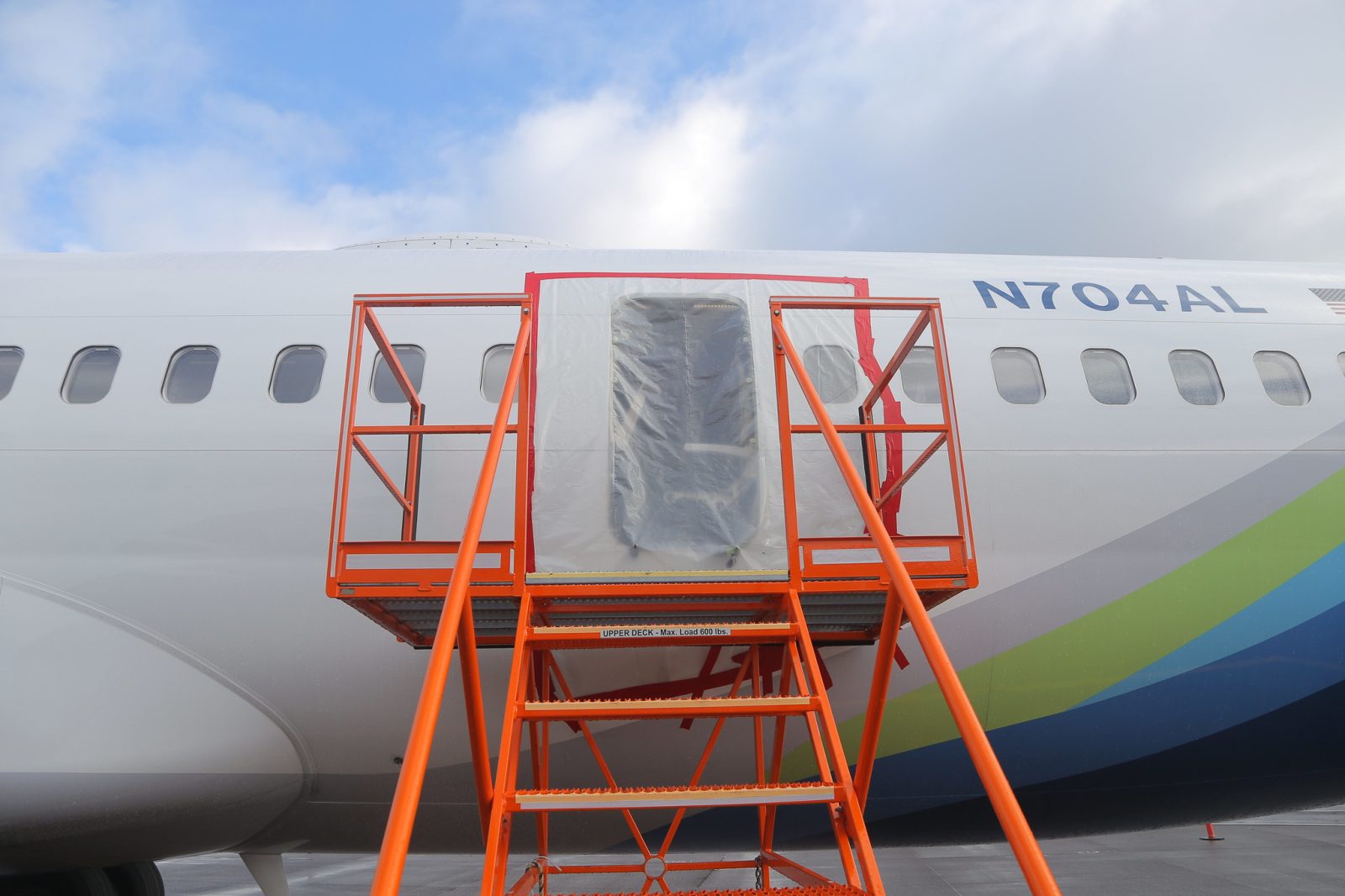
The FAA is investigating an incident in which an Alaska Airlines Boeing 737 MAX 9 lost a door plug in flight. (Photo: NTSB)
In a Senate hearing on Wednesday, NTSB Chair Jennifer Homendy said that Boeing has failed to hand over key records on work done to Alaska 1282’s now-infamous door plug before it was delivered. Homendy says that the NTSB has requested certain documents and information “numerous times over the last few months” but has not received them.
“Boeing has not provided us with the documents and information that we have requested…specifically with respect to opening, closing and removal of the door and the team that does work at the Renton facility,” Homendy said during a Senate Commerce Committee hearing.
“It’s absurd that two months later we don’t have that,” Homendy commented. “Without that information, that raises concerns about quality assurance, quality management, safety management systems [at Boeing].”
The NTSB is currently trying to determine which Boeing employee worked on the 737 MAX 9’s plug door as part of the investigation process. Meeting with the specific employee may shed light on why they failed to act on the bolts. Both the specific worker who installed the plug door and other Boeing employees may be able to shed additional light on how Boeing’s culture is affecting employees’ thoroughness, decision-making, and attitudes toward work.
A team of 25 people at Boeing’s Renton factory deal with plug doors on 737 MAX 9 aircraft. Though the NTSB has been unable to interview the team’s leader due to medical leave, the names of the other people on the team have not been disclosed, thus preventing investigators from meeting with any workers who might have touched the door plug in question.
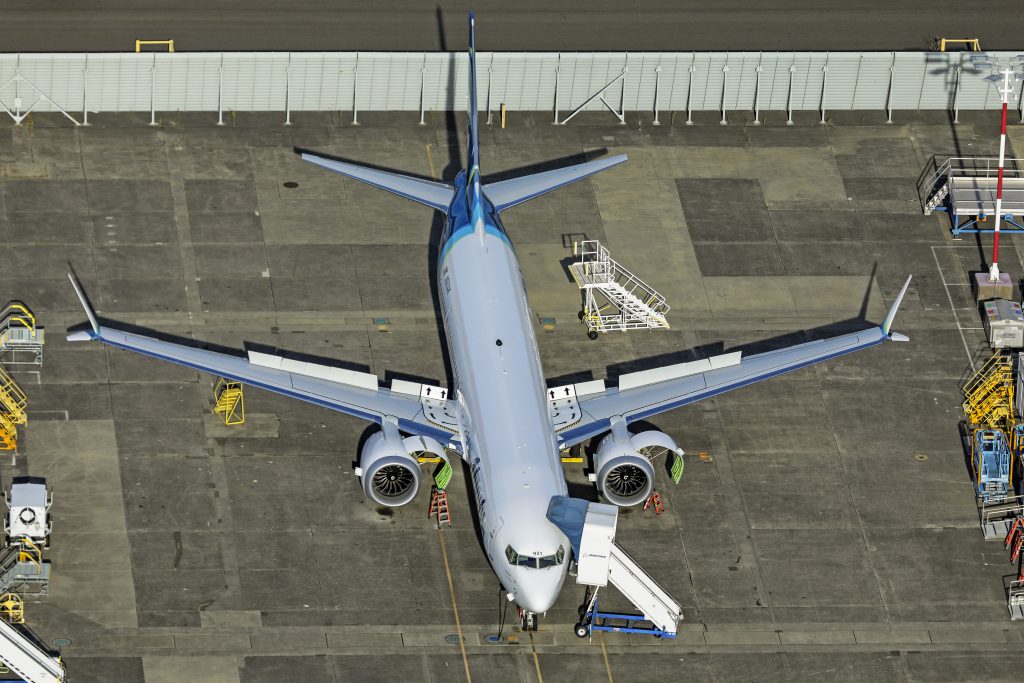
An Alaska Airlines 737 MAX 9 sits in Seattle prior to delivery. (Photo: AirlineGeeks | William Derrickson)
When asked about the possibility that requested documents simply do not exist, Homendy replied: “There are two options. Either they exist and we don’t have them, or they do not exist, which raises two very different questions — several different questions, depending on which one is the right answer.”
“We have been informed [Boeing has] a procedure to maintain documents on when work is performed, including when door plugs are open, closed, or removed,” Homendy continued. “We have not been able to verify that. And without that information that raises concerns about quality assurance, quality management, safety management systems within Boeing.”
Homendy did mention that this failure to produce documentation “is not for lack of trying,” as the information requested by the NTSB is quite precise. Still, Homendy says the NTSB has gone through texts and pictures regarding the incident but still has not received such information from Boeing directly.
The NTSB has engaged its attorney on the matter. The government must prove that Boeing is acting intentionally to obstruct the NTSB if they want to pursue any charges regarding obstruction of a federal investigation.
Additionally, the NTSB has said that people presented by Spirit Aerospace for interviews did not actually work for Spirit but instead were employed by subcontractors.
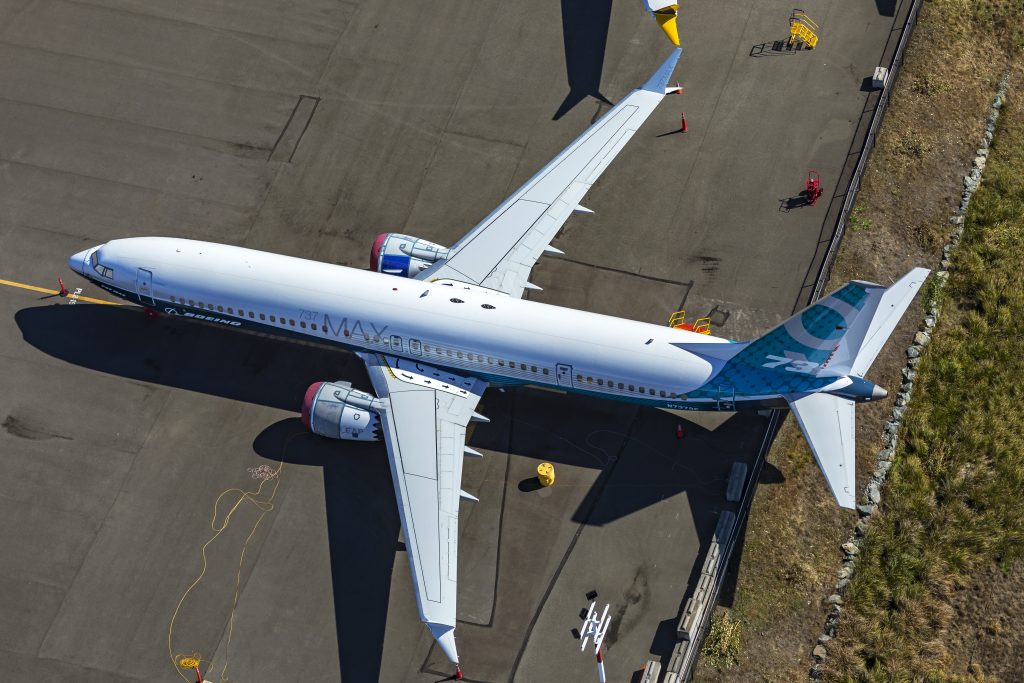
A Boeing 737 MAX 9 testbed aircraft (Photo: AirlineGeeks | William Derrickson)
Neither Boeing nor Spirit has commented on these remarks as of the time of writing.
U.S. Senator Maria Cantwell, a Democrat from Washington, highlighted Boeing’s critical role as a major exporter and defense contractor, adding to the importance that the company’s procedures are fine-tuned.
“We need to get this right,” Cantwell said. “We need to help with the investigation so we can find out what in our system needs to be improved.”
Cantwell announced after Homendy’s testimony that she plans to send a letter to Boeing calling for their full, immediate cooperation.
“Whatever final conclusions are reached, Boeing is accountable for what happened. An event like this must not happen on an airplane that leaves our factory,” Boeing president and CEO Dave Calhoun said in a February statement. “We simply must do better for our customers and their passengers.”
Since the investigation started, the FAA has increased oversight of Boeing, and an audit of the manufacturer’s production and manufacturing processes is underway. As that audit continues, Boeing is looking into the possibility of purchasing Spirit Aerospace, a contractor that spun off of Boeing in the early 2000s to produce various aircraft components as an independent company.
John McDermott is a commercial pilot pursuing a career in professional flight. His passion for aviation began in an Ann Arbor bookstore with a tale of enemy pilots during World War 2, and he hasn't looked back. Besides flying and writing for AirlineGeeks, John volunteers with Professional Pilots of Tomorrow and travels whenever he gets the chance.
12 Years Ago: A Look Back at the United-Continental Merger
The merger of United and Continental — cemented on March 3, 2012 — is one of the industry's more notable transformations.
A Continental 767-400 (Photo: Mark Winterbourne | P H O T O G R A P H Y from Leeds. West Yorkshire, United Kingdomderivative work: Altair78 [CC BY (https://creativecommons.org/licenses/by/2.0)])
The airline industry is well-known for being cutthroat and competitive, where there are turbulent times and moments of success and profitability. Air carriers have come and gone as those transitions transformed the physical nature of the business, and new trends arise. The merger of United and Continental — cemented on March 3, 2012 — is one of those notable transformations.
At first, the two carriers initially had discussions of a merger in 2008, but those were called off. The industry as a whole was in the process of consolidation and adapting to new challenges to cut down on losses and expand connectivity.
United later instead began talks with US Airways once again in April 2010. However, those talks quickly fell through, clearing the path for further talks between United and Continental. As a result, the two carriers proposed a “merger of equals.” since United was the dominant partner, in May 2010. Both entered a definitive merger agreement, with the new holding company known as United Continental Holdings, Inc.
A Continental Airlines 737-900 (Photo: Continental_Airlines_Boeing_737-800_N71411.jpg: Brian from Toronto, CanadaContinental737.JPG: NicolasJzderivative work: Altair78 [CC BY-SA (https://creativecommons.org/licenses/by-sa/3.0)])In terms of the route network, United brought in the hubs of Chicago, Washington Dulles, Los Angeles, San Francisco, and Denver, while Continental featured Newark, Houston, Cleveland, and Guam to complement. The financial merger transaction was completed on Oct. 1, establishing the new United.
Under the helms of Jeff Smisek, who was United’s CEO at the time, the airline announced a new livery and logo, leaving behind the iconic “Rising Blue” or “Blue Tulip,” shifting more towards Continental’s “Globe” logo. Each aircraft would have the airline’s name capitalized on the side of the fuselage.
The Final Flight
As 2012 rolled around, the final days of Continental were barreling towards the end. The last official Continental flight was CO flight 1267 departing from Phoenix at 11:59 p.m. on March 2, 2012 and landing in Cleveland at 5:46 a.m. on March 3, ultimately completing the merger.
Today, United continues to be one of the major three legacy airlines in the U.S. The prominent Star Alliance carrier unveiled a new, updated livery in April 2019 featuring a larger tail logo, new shades of blue, a gray belly, and the words “Connecting People. Uniting the World.” painted near the nose of the aircraft.
Benjamin has had a love for aviation since a young age, growing up in Tampa with a strong interest in airplane models and playing with them. When he moved to the Washington, D.C. area, Benjamin took part in aviation photography for a couple of years at Gravelly Point and Dulles Airport, before dedicating planespotting to only when he traveled to the other airports. He is an avid, world traveler, having been able to reach 32 countries, yearning to explore and understand more cultures soon. Currently, Benjamin is an Air Transporation Management student at Arizona State University. He hopes to enter the airline industry to improve the passenger experience and loyalty programs while keeping up to how technology is being integrated into airports.
What Aircraft Orders to Expect This Year
Aircraft orders from United, Riyadh Air, Saudia, Cathay Pacific, El Al, and several other airlines are expected in the coming months.
Two months and an airshow later, the aviation industry enters the summer season and there are already a very healthy amount of orders for both Boeing and Airbus. The latest significant orders came from American Airlines, for Airbus A321neo, Boeing 737 MAX 10, and Embraer E175 aircraft, along with Ethiopian for the 777-9.
During the Singapore Airshow a week prior, Airbus received orders from Starlux for A330neo and A350F aircraft, and signed an MoU with VietJet for 20 A330neo. Thai ordered 45 787-9s with options for converting from Boeing, and Royal Brunei secured four 787-9s.
Based on factors including current fleet composition, the need for fleet renewal and growth, and financial performance, here is a look at the airlines that are likely to place an order in the near future.
United Airlines
With Boeing under investigation, triggered by the Alaska door plug accident, delivery and certification are slowing down across most Boeing product lines. As a result, CEO Scott Kirby has indicated that the airline no longer expects delivery of 737 MAX 10s until 2025 and is working on a fleet plan without the type.
Many expect United to place an order for a narrowbody type soon, likely with Airbus, as Kirby was reportedly in Toulouse attempting to secure earlier delivery slots.
Riyadh Air and Saudia
An order that is almost certainly taking place this year will come from Riyadh Air, with its launch planned for 2026, the choice of widebody is confirmed but no narrowbody has been ordered yet. Another Saudi carrier, Saudia, is expected to place an order for narrowbody jets for fleet renewal. After placing an order for 39 Dreamliners last year, the last piece of its renewal and growth project is a narrowbody type.
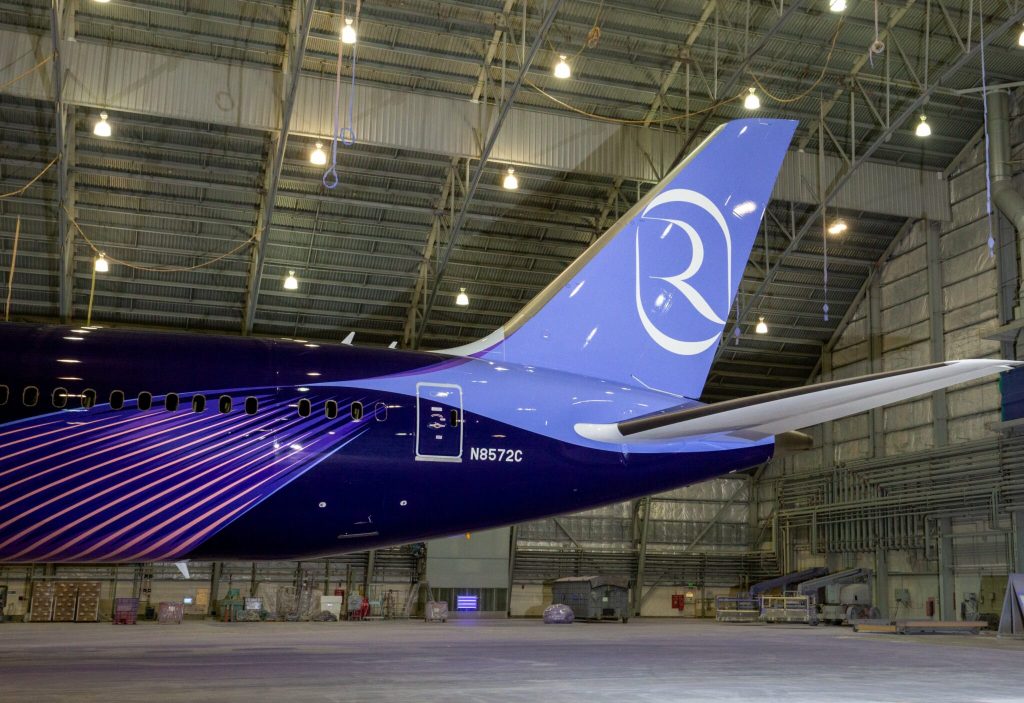
Riyadh Air’s logo design on a Boeing 787 (Photo: Riyadh Air)
Cathay Pacific
Cathay Pacific is finally profitable after years of struggle due to blows from political unrest, economic downturn, and the pandemic. The airline placed a top-up order for the A321neo last year and is renewing its products across cabins from later this year.
However, it still lacks a replacement for its A330-300s. It is a fleet of 42 according to planespotter.net and many units are over 20 years old, so a widebody order can be expected for fleet renewal.
Some possibilities include Boeing’s 787-10, as many other Asian carriers, such as Singapore and EVA AIR, have done. Airbus is also expected to make a push with its A330neo.
Chinese Carriers
It is rather difficult to predict orders from state-owned Chinese carriers as geopolitics play an important factor. However, with traffic slowly picking up, an order is a possibility.
A narrowbody order is less likely because the COMAC 919 has garnered many orders, and there are still many unfulfilled 737 MAXs and A320neos destined for Chinese carriers that are yet to be delivered. A widebody order, however, is more likely. Specifically, there are aging A330s currently in the fleets of all three major Chinese carriers.
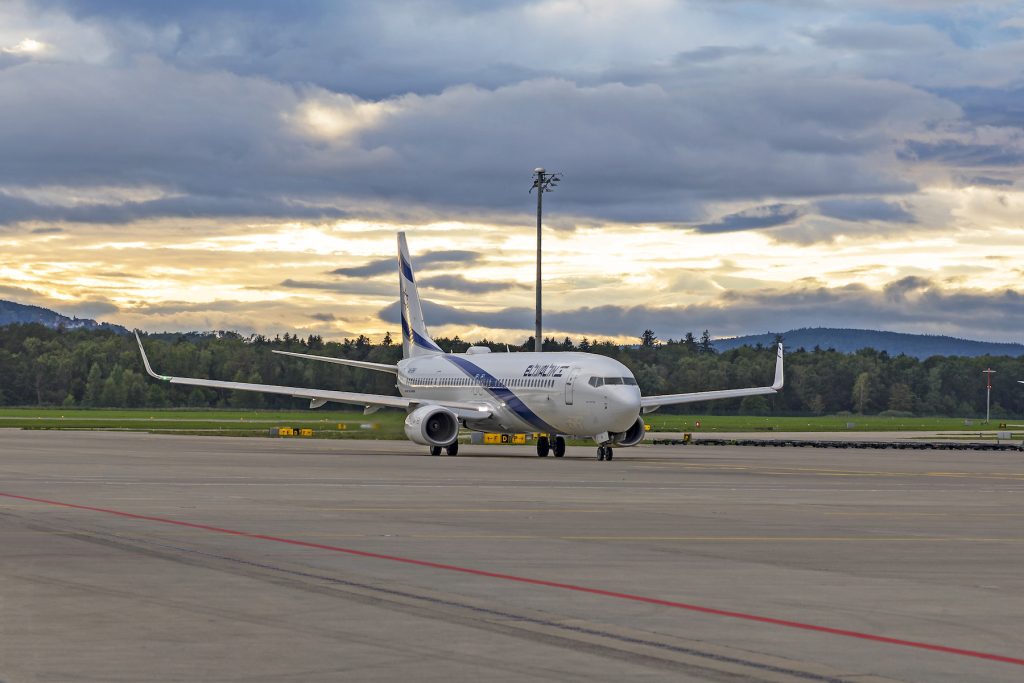
An El Al 737-800 (Photo: AirlineGeeks | William Derrickson)
Biman Bangladesh is also still deciding between Boeing and Airbus for its widebody order, which could include some freighters as well. Elsewhere in Asia, depending on the status of the Korean Air-Asiana merger, several new orders can take place from Korean carriers. T’way and Air Premia were also granted more flying rights to Europe and North America, which will require new widebody aircraft.
Anthony is an aviation enthusiast who grew up around the world from St. Louis to Singapore, and now lives in Amsterdam. He loves long-haul flying and finds peace in the sound of engine cruising. He aspires to share his passion for the sky though writing and providing another angle on the stories.
Norse Atlantic Airways and Air Peace Ink Partnership for London-Lagos Service
Norse Atlantic Airways announced a new partnership with Nigeria's largest carrier Air Peace, introducing a new ACMI charter service.
Norse Atlantic Airways on February 26 announced a new partnership with Nigeria’s largest carrier Air Peace, introducing a new ACMI (Aircraft, Crew, Maintenance, and Insurance) charter service connecting London and Lagos, Nigeria.
Scheduled to commence in April 2024 for an initial two-month period, with the possibility of extension, this collaboration aims to provide seamless air travel between these significant destinations.
Bjørn Tore Larsen, CEO and Founder of Norse Atlantic Airways, expressed enthusiasm about the venture, stating in a press release, “We are excited to collaborate with Air Peace in launching this ACMI charter service between London Gatwick and Lagos. This partnership offers a unique opportunity to utilize our charter operation expertise, ensuring reliable and high-quality service for Air Peace and its customers.”
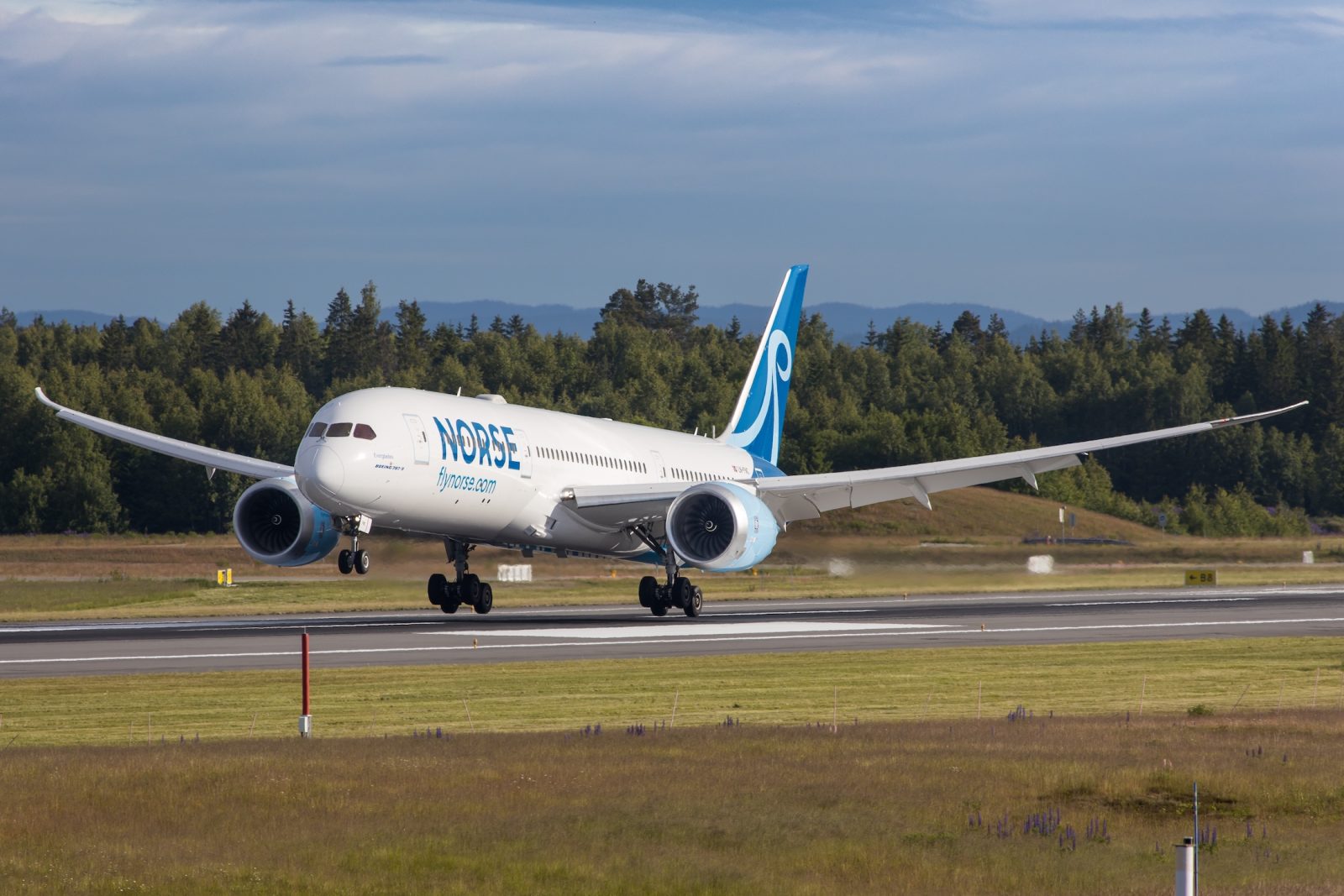
Under the agreement, three Boeing 787-9 Dreamliners from Norse Atlantic will operate as charters four times a week, utilizing Air Peace’s slots at London Gatwick. This will complement Air Peace’s five weekly flights to be operated with its own Boeing 777s, as confirmed by Air Peace’s CEO, Allen Onyema, in an interview with Arise News channel.
Allen Onyema expressed Air Peace’s satisfaction with the partnership, stating, “Air Peace is pleased to have entered into this partnership with Norse Atlantic Airways for our London service launch. As we expand into the European market, we believe this strategic collaboration will enable us to surpass our customers’ expectations, providing them with an exceptional air travel experience as we continually enhance our operations for innovative service delivery.”
Negotiations for slot allocation at a London airport were challenging, with Air Peace initially offered Luton or Stansted, options it deemed less competitive compared to Heathrow or Gatwick.
Presently, Air Peace serves 19 destinations within Nigeria and 11 international destinations, including Mumbai, Johannesburg, and Jeddah, with plans to add New York-FK in the near future. The airline’s diverse fleet includes Embraer E195-E2s, Boeing 737s, Airbus A320s, and Boeing 777s, with additional aircraft awaiting delivery.
Victor Shalton's love for aviation can be traced to when he was 11-years-old. As a seasoned aviation writer, he takes pride in providing the best aviation coverage around the globe and is passionate about advancing his skills in the aviation space. In addition, he loves travelling, writing, arts and while his speaking engagements have taken him around the world, he is proud to call Nairobi home.
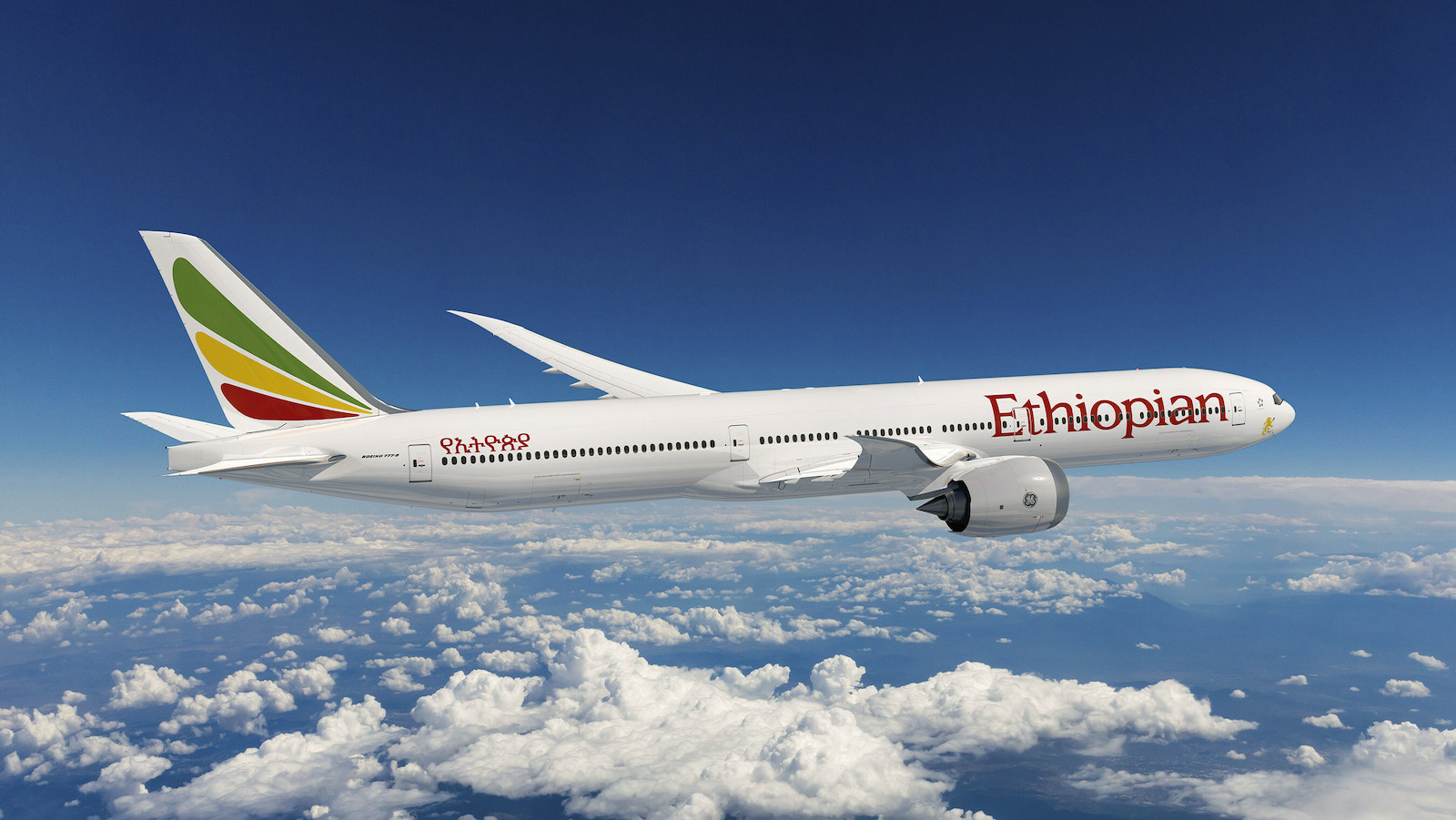
Ethiopian Airlines announced on Tuesday that it is expanding its widebody fleet through an agreement with Boeing. The deal involves the purchase of eight Boeing 777-9X passenger airplanes, with the option to acquire up to 12 additional jets. This move makes Ethiopian Airlines the first African customer of Boeing’s 777X.
“We are proud to continue leading the way in African aviation by embracing cutting-edge technologies to enhance our services and customer satisfaction. The 777-9, with its improved operational performance and commitment to environmental sustainability, offers greater flexibility, reduced fuel consumption, and lower carbon emissions,” said Mr. Mesfin Tasew, CEO of Ethiopian Airlines Group, in a press release. “We appreciate Boeing for their longstanding partnership and support, and we look forward to operating the 777-9 across African skies and beyond.”
Boeing highlights that the 777-9 incorporates advanced technologies from the 787 Dreamliner family. It features new carbon-fiber composite wings and engines that enable the airplane to achieve 10% better fuel efficiency and operating costs compared to its competitors. The 777-9 will support Ethiopian Airlines’ plans to expand and modernize its fleet, enhancing its capabilities to serve high-demand markets in Africa, Asia, Europe, and North America.
“Ethiopian Airlines’ selection of the 777-9 as the flagship of its growing fleet marks another milestone in our longstanding partnership,” added Brad McMullen, Boeing’s senior vice president of Commercial Sales and Marketing. “With a relationship spanning 75 years, we deeply appreciate the trust and confidence Ethiopian Airlines has in our airplanes.”
This agreement builds upon Ethiopian’s 2023 order for 11 787 Dreamliners and 20 737 MAX airplanes with a provision for an additional 36 airplanes, announced at the 2023 Dubai Airshow. The deal is a record-breaking order with Boeing, marking the largest-ever purchase of Boeing aircraft in Africa’s history.
Boeing aircraft currently make up over half of Ethiopian Airlines’ fleet, which includes 29 787 Dreamliners, 20 777s, three 767s, 27 Next-Generation 737s, and 15 737 MAX jets.
Ongoing Delivery Delays
The Boeing 777X program has faced delays. Initially, Boeing intended to deliver the first 777X aircraft in 2020. However, due to various factors, including certification delays, the expected delivery date has been pushed back.
As of now, Boeing’s 777X is currently undergoing flight testing and is expected to enter commercial service in 2025.
Victor Shalton's love for aviation can be traced to when he was 11-years-old. As a seasoned aviation writer, he takes pride in providing the best aviation coverage around the globe and is passionate about advancing his skills in the aviation space. In addition, he loves travelling, writing, arts and while his speaking engagements have taken him around the world, he is proud to call Nairobi home.
As part of a Monday announcement, the Fort Worth-based airline detailed plans to retire its American Eagle-branded Embraer 145 and Bombardier CRJ-200 aircraft.
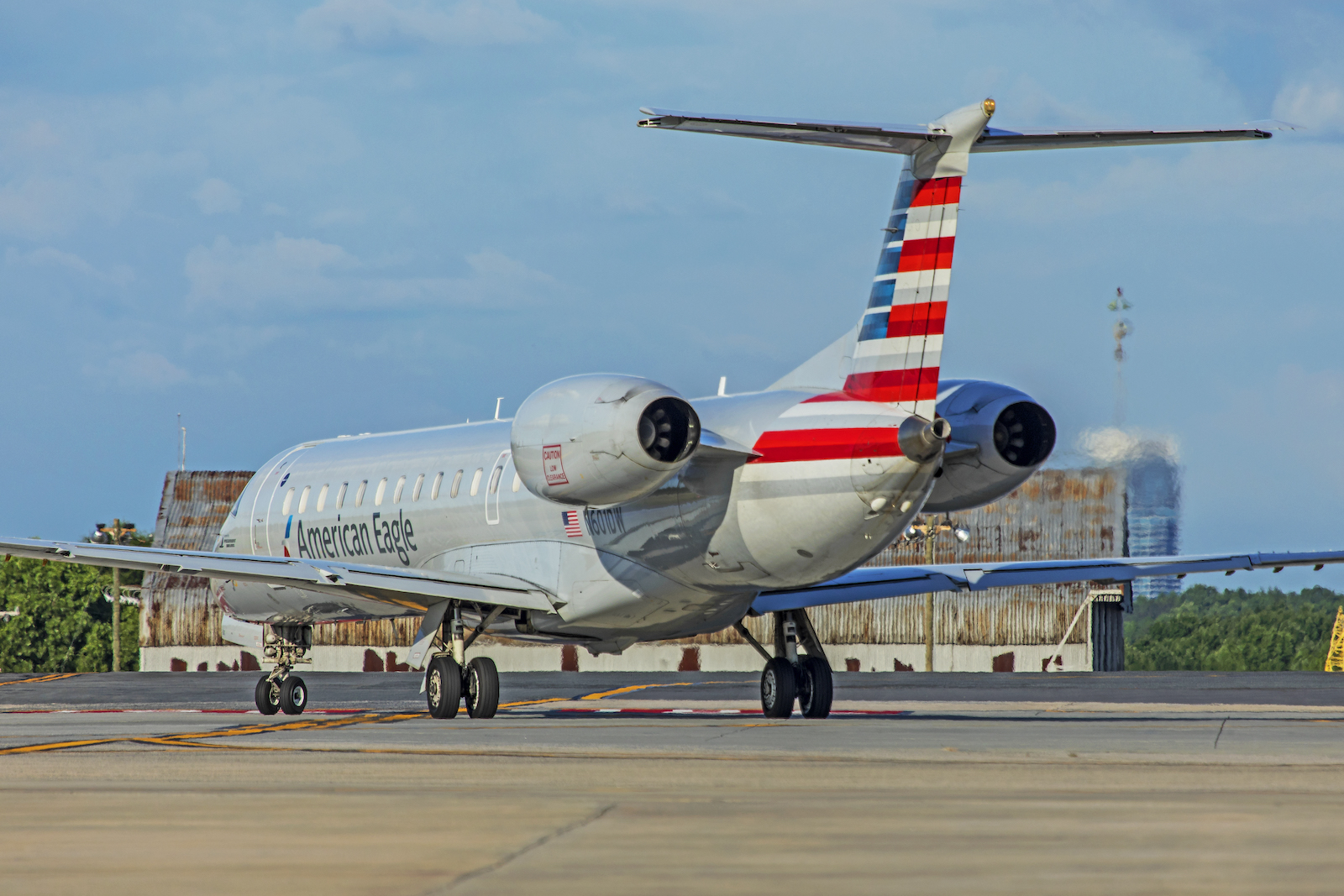
An American Eagle Embraer E145 aircraft (Photo: AirlineGeeks | William Derrickson)
American is firming up plans to phase out its remaining 50-seat regional jet aircraft. As part of an announcement on Monday, the Fort Worth-based airline detailed plans to retire its American Eagle-branded Embraer 145 and Bombardier CRJ-200 aircraft.
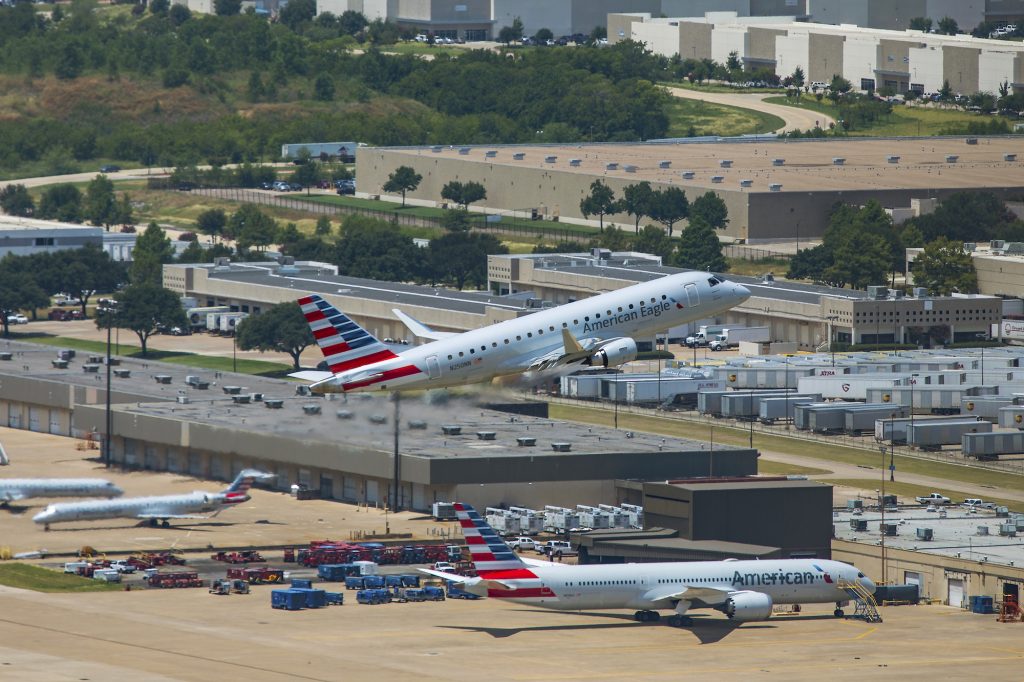
By 2030, the carrier plans to retire all of its 50-seat regional jets in favor of two-class aircraft, including the Embraer 175 and CRJ-900. On Monday, American announced an order for 90 E175 aircraft along with 43 additional purchase rights. With the combined firm orders and purchase rights, the airline’s latest E175 deal is worth $7 billion at current list prices.
Another American subsidiary — Piedmont — only operates the E145 with 60 in its fleet. Air Wisconsin also operates the CRJ-200 on behalf of American from the airline’s Chicago O’Hare hub.
An Envoy Air E175 aircraft (Photo: AirlineGeeks | William Derrickson)
The airline says it is “focused on bringing larger, dual-class regional aircraft into its fleet, which will continue to drive connectivity from smaller markets to the rest of [its] global network.” In a news release, American adds that the use of two-class aircraft benefits passengers with high-speed Wi-Fi, in-seat power outlets, and more spacious cabins.
“The E175 is truly the backbone of the U.S. aviation network, connecting all corners of the country,” said Arjan Meijer, CEO of Embraer Commercial Aviation, in a press release. “One of the world’s most successful aircraft programs, the E175 was upgraded with a series of modifications that improved fuel burn by 6.5%. This modern, comfortable, reliable and efficient aircraft continues to deliver the connectivity the U.S. depends on day after day. This represents American’s largest-ever single order of E175s, and we thank American for its continued trust in our products and people.”
50-Seat Exodus
Exasperated by the COVID-19 pandemic and pilot shortage, U.S. airlines shed much of their 50-seat regional jet fleets. In December 2023, Delta operated its last branded CRJ-200 flight.
According to schedule data from Cirium Diio, the number of flights planned on 50-seat Embraer 145 and CRJ-200 series aircraft at American, Delta, and United are down nearly 70% between 2018 and 2023. On the other hand, planned flights on Embraer’s E175 are up nearly 14% during the same period.
“The 50-seaters are beginning their retirement phase, and by the end of this decade there will be very few 50-seat regional jets still flying, at least for United,” United Chief Commercial Officer Andrew Nocella told FlightGlobal in 2021. “Connecting smaller communities to major hubs… is going to become an issue at the end of this decade.”
United has yet to provide specifics on its next steps in removing 50-seat regional jets from service. The airline has United Express-branded CRJ-200 service via SkyWest and a 40% ownership stake in E145 operator CommuteAir.
Ryan founded AirlineGeeks.com in February 2013 and has spent more than a decade covering the airline business. His work has been featured by CNN, WJLA, CNET, and Business Insider. His aviation experience spans airport operations, Part 135 regulatory compliance, and airline crew workforce planning, along with time behind the yoke of a Cessna 172 and interviews with airline executives. Ryan now serves as Group President of Firecrown Media’s Aviation Group. He holds a B.S. in Air Transportation Management and an MBA from Arizona State University and teaches Airline Management at Embry-Riddle Aeronautical University.
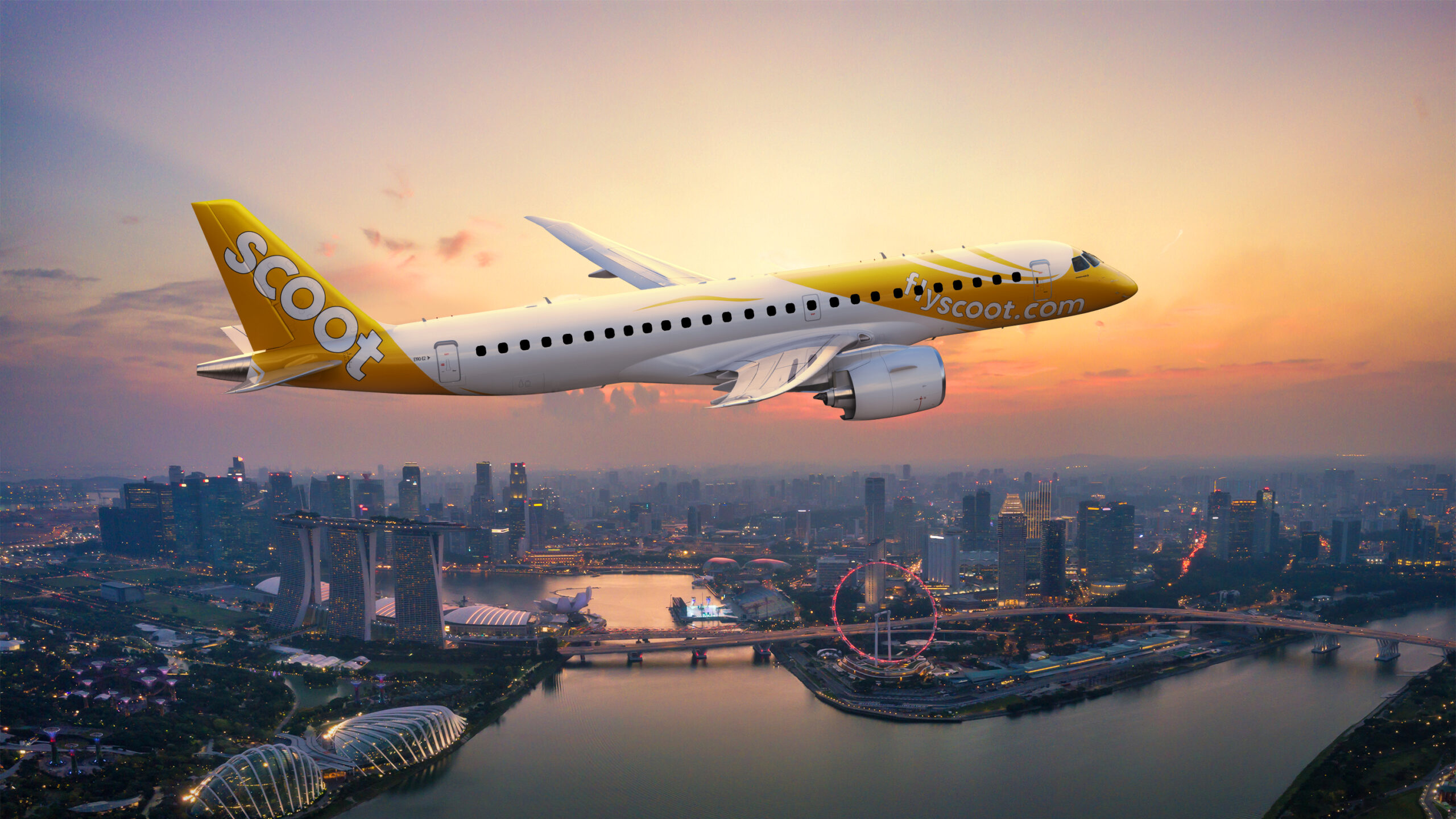
Scoot, Singapore Airlines’ low-cost carrier subsidiary, has announced the first Embraer E190-E2 is scheduled to be delivered in April, with its inaugural flight to Krabi, Thailand planned for May 7. Meanwhile, the airline unveils new destinations in the coming months, such as Koh Samui, Thailand and Sibu, Malaysia. The new services come a year after announcing the acquisition of nine E190-E2s from Embraer.
In addition, Scoot is expecting a second E190-E2 to be delivered in the next month too, enhancing four additional cities as a result. In the wake of the arrival of the new aircraft, Scoot could operate twice daily to Koh Samui, Thailand, from early June and take over the airline’s existing flight to the Thai cities of Krabi and Hat Yai from May 7, increasing flight frequencies to both destinations from seven times to 10 times weekly. The operations are subject to government and regulatory approval.
“This marks a new chapter of growth for Scoot and the SIA Group, and a significant step in strengthening our presence and connectivity in the region,” Leslie Thng, Chief Executive Officer of Scoot, said in a news release.
The Brazilian aircraft manufacturer’s E190-E2 and E195-E2 were granted type certification from the Civil Aviation Authority of Singapore (CAAS) last November. Scoot becomes the first Singaporean carrier to operate the E2s.
Earlier, the airline mentioned that E190-E2s could be sustainable and improve the connection between Singapore and second-tier cities around Southeast Asia. In the meantime, Scoot was named 2024 Value Airline of the Year at 2024 Air Transport World, revealing it would remain agile and innovative as it leverages synergies with Singapore Airlines. According to the airline, Scoot currently owns a fleet of 52 aircraft, ranging from Boeing 787-8s to Airbus A321neos.
Provide a Better Service to Scoot
The no-frills airline and Embraer have deepened their cooperation by signing a contract for Embraer Collaborative Inventory Planning (ECIP) in February. The aircraft manufacturer is expected to provide a tailored expendable spare parts inventory management program to assist Scoot in reducing operational costs by optimizing inventory levels. Also, Singapore becomes the center for Embraer’s services and support Asia Pacific operations.
“Our continued partnership with Embraer is testament of our commitment to deliver optimal performance with the new E190-E2,” Ng Chee Keong, Chief Operating Officer of Scoot, said.
Embraer has gone further in expanding its business in Singapore. The acquisitions of E190-2 have paved the way for establishing the state-of-the-art E2 full flight simulator in Singapore. Embraer and CAE have launched a new pilot training program at the Singapore – CAE Flight Training Centre. The vibrant hub has become Embraer’s first pilot training program in the Asia Pacific region.
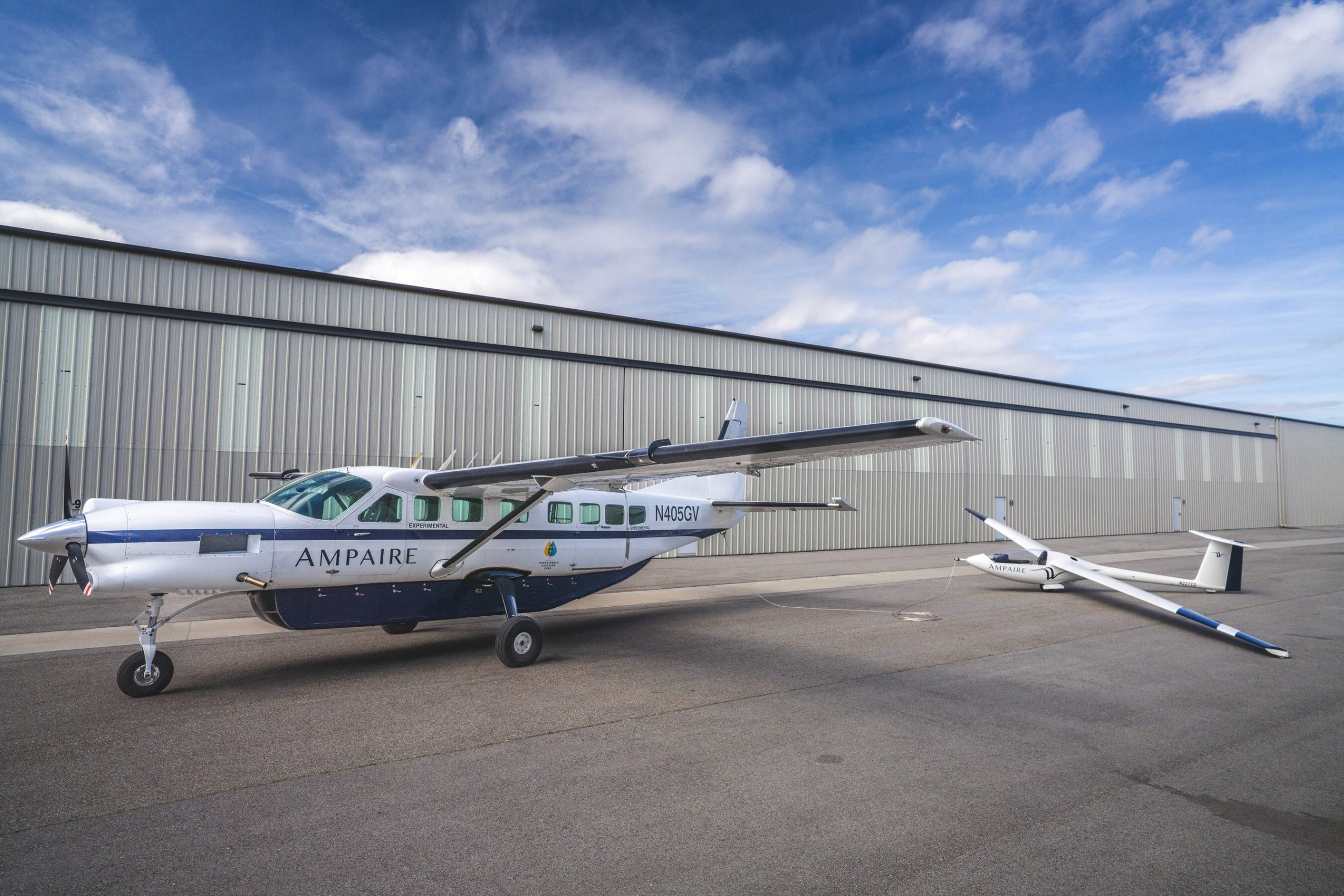
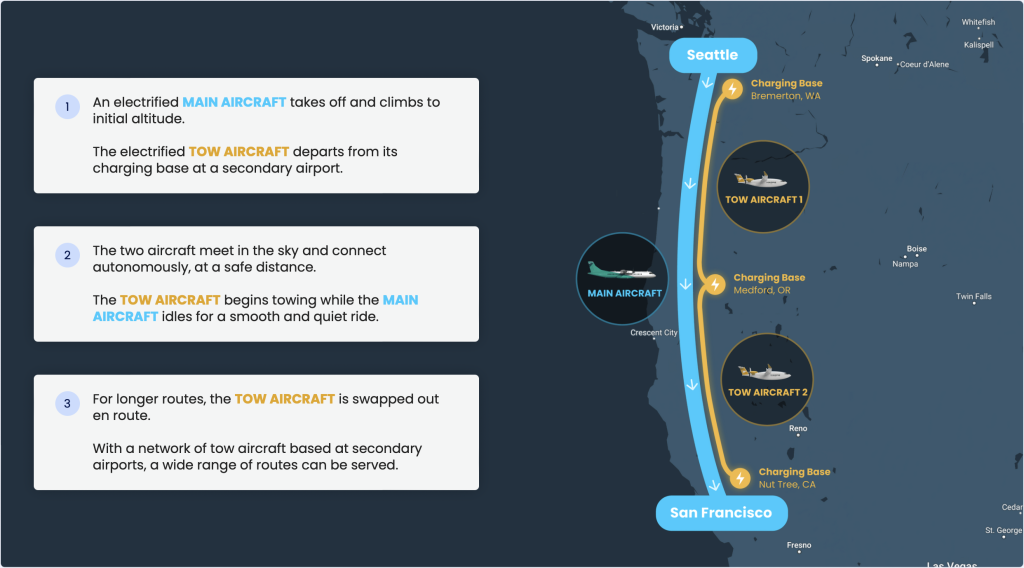
Ampaire Eco Caravan in Camarillo, Calif. The Magpie approach works by towing an electric airplane through the sky with a high-performance electrified tow aircraft. (Photo: Ampaire)
U.S. hybrid-electric propulsion developer Ampaire has acquired electric aero tow startup Magpie Aviation.
“With this acquisition, Ampaire anticipates further revenue growth across both commercial and defense sectors while simultaneously enhancing the capabilities and mission scope of our existing hybrid aircraft,” said Kevin Noertker, CEO of Ampaire. “Building upon our recent acquisition of Talyn Air, the addition of Magpie exemplifies our deliberate approach to integrating pivotal companies and assets on our path to accelerate our leadership in electrified aviation. Expect more compelling advancements throughout the year as Ampaire remains steadfast in our commitment to advancing our growth strategy.”
The Glider Approach
Magpie Aviation’s operating concept is to extend electric flight range by towing. (Photo: Magpie Aviation)
Magpie emerged from stealth mode in April 2023, revealing a video of its developing Active Hook technology. The Hayward, Calif.-based company planned to use a dedicated full-electric airplane and tow the aircraft carrying payload. It also envisioned using multiple tow aircraft to extend the range of a single flight to achieve zero-emission.
Unlike a glider aircraft, the main aircraft only gets towed during cruising, making it more akin to a tanker operation. However, the tow can’t transfer any energy from the towing aircraft because electric energy will lose efficiency during the transfer.
Magpie plans to gradually scale up the aero tow system to the point at which, by 2030, regional turboprop-size aircraft could be pulled in everyday commercial service by electric tow aircraft.
This acquisition marks the second startup the company has acquired that’s developing alternative technology to extend electric flight range. The Hawthorne, Calif.-based company announced its acquisition of Talyn Air in July 2023. The latter was developing a vertical take-off and landing carrier craft to handle an electric airplane’s energy-heavy take-off and landing phases.
The eVTOL aircraft will then drop the electric plane for cruising. The technology is similar in concept to Virgin Galactic, Virgin Orbit, and Stratolaunch, where a dedicated launch aircraft takes the payload to altitude so the payload craft can be designed more efficiently and use all its energy to transport the payload.
A Pivot Toward Military Funding
In addition to developing novel operating concepts, both startup companies acquired by Ampaire are getting funding through the U.S. Air Force’s AFWERX Agility Prime program. The military aspect appears to be more critical to Ampaire’s strategy.
According to the report by Aviation Week, Ampaire’s CEO Kevin Noertker said that he sees potentially large opportunities for two-stage connected or towed aircraft concepts in defense applications, particularly in a hybrid configuration for improved performance.
After acquiring Talyn Air, the hybrid-electric powertrain developer got its first defense contract in 2023. It also enhances the trend for novel propulsion technology developers to rely more on military projects for funding.
In addition to funding, working with the military provides an accelerated product delivery path. While several companies have received G-1 Issue Paper for electric propulsion or eVTOL applications, they still have to undergo extremely rigorous tests with the FAA to certify the aircraft. Working with the military enables these companies to deliver airplanes and collect operating data sooner, so they will implement the design quicker and mature the product for commercial use.
Despite its successful demonstration in extended electric flights, the Californian company holds no headlining orders except for 50 aircraft for Personal Airline Exchange. Therefore, the success of its military projects could be especially important for its product to reach the flying public.
Fangzhong grew up near an OEM airport in northeastern China, where he developed his enthusiasm for aviation. Taking upon his passion, he's now working as an aircraft interior design engineer. Besides working in the aerospace industry, Fangzhong enjoys trying out different types of airplanes and seeing how airplane interiors have evolved. So far, he's flown on over 80 types of aircraft. He also planespots in his spare time. His rarest catches included the 747 Shuttle Carrier Aircraft and AN-225.
Spirit, JetBlue Pilots Plan to Negotiate New Contracts After Failed Merger
The airlines jointly terminated the proposed merger after a federal court blocked it. Now, pilots at both airlines are planning to re-negotiate contracts.
JetBlue and Spirit aircraft (Photo: Jim Allen / Firecrown)
Spirit and JetBlue pilots on Monday announced plans to negotiate union contracts after the airlines ended their proposed $3.8 billion merger, the pilots’ union said.
The Spirit pilots notified management of their intent to reopen contract negotiations after the airlines canceled their planned merger due to being unlikely to meet required closing conditions by July 24, JetBlue said in a news release. The pilots’ notice is the first step in reopening contract negotiations.
“Our union has been preparing for this possible outcome and is ready to write the next chapter for Spirit Airlines as a standalone company,” said Capt. Ryan Muller, chair of the Spirit ALPA Master Executive Council. “Our current contract was negotiated under the assumption of a merger with JetBlue. Now we will be seeking a full suite of quality-of-life and compensation improvements for our pilots.”
The union and Spirit management had reached a contract agreement in January 2022, which included a clause to reopen negotiations if the JetBlue merger fell through, the union said in a news release.
JetBlue Pilots Look Toward Longer-Term Contract
JetBlue pilots announced contract negotiations after the pilots “opted for a short-term extension rather than a full comprehensive contract,” said Capt. Justin Houck, chair of the JetBlue ALPA Master Executive Council, in a news release. JetBlue pilots ratified a short-term contract extension in January 2023.
“While the contract extension last year served as a temporary measure during the merger process, it was never intended to substitute for a comprehensive contract,” Houck said. “JetBlue pilots are now ready to achieve the full collective bargaining agreement they have earned.”
The merger, which the companies said would have created competition with the “big four” airlines, was blocked in January by a Massachusetts federal court. The judge ruled the deal violated antitrust laws. The airlines had appealed the judge’s ruling, which was set to be heard in June.
“The Justice Department proved in court that a merger between JetBlue and Spirit would have caused tens of millions of travelers to face higher fares and fewer choices. We will continue to vigorously enforce the nation’s antitrust laws,” said Attorney General Merrick B. Garland in a news release.
Several states and the DOJ sued in March 2023 to halt the merger. The Massachusetts federal court blocked the acquisition after a 17-day trial in October. Federal prosecutors alleged that the merger would increase flight prices “on routes where the two airlines currently compete as JetBlue sought to acquire and eliminate its main ultra-low-cost competitor, depriving travelers of choice.”
JetBlue will pay Spirit a $69 million termination fee. JetBlue CEO Joanna Geraghty said the airline has already embarked on plans “to restore profitability.” Spirit CEO and President Ted Christie said in a news release that the airline was also implementing new initiatives to boost profits.
Brinley Hineman covers general assignment news. She previously worked for the USA TODAY Network, Newsday and The Messenger. She is a graduate of Middle Tennessee State University and is from West Virginia. She lives in Brooklyn with her poodle Franklin.
Sign-up for newsletters & special offers!
Get the latest stories & special offers delivered directly to your inbox