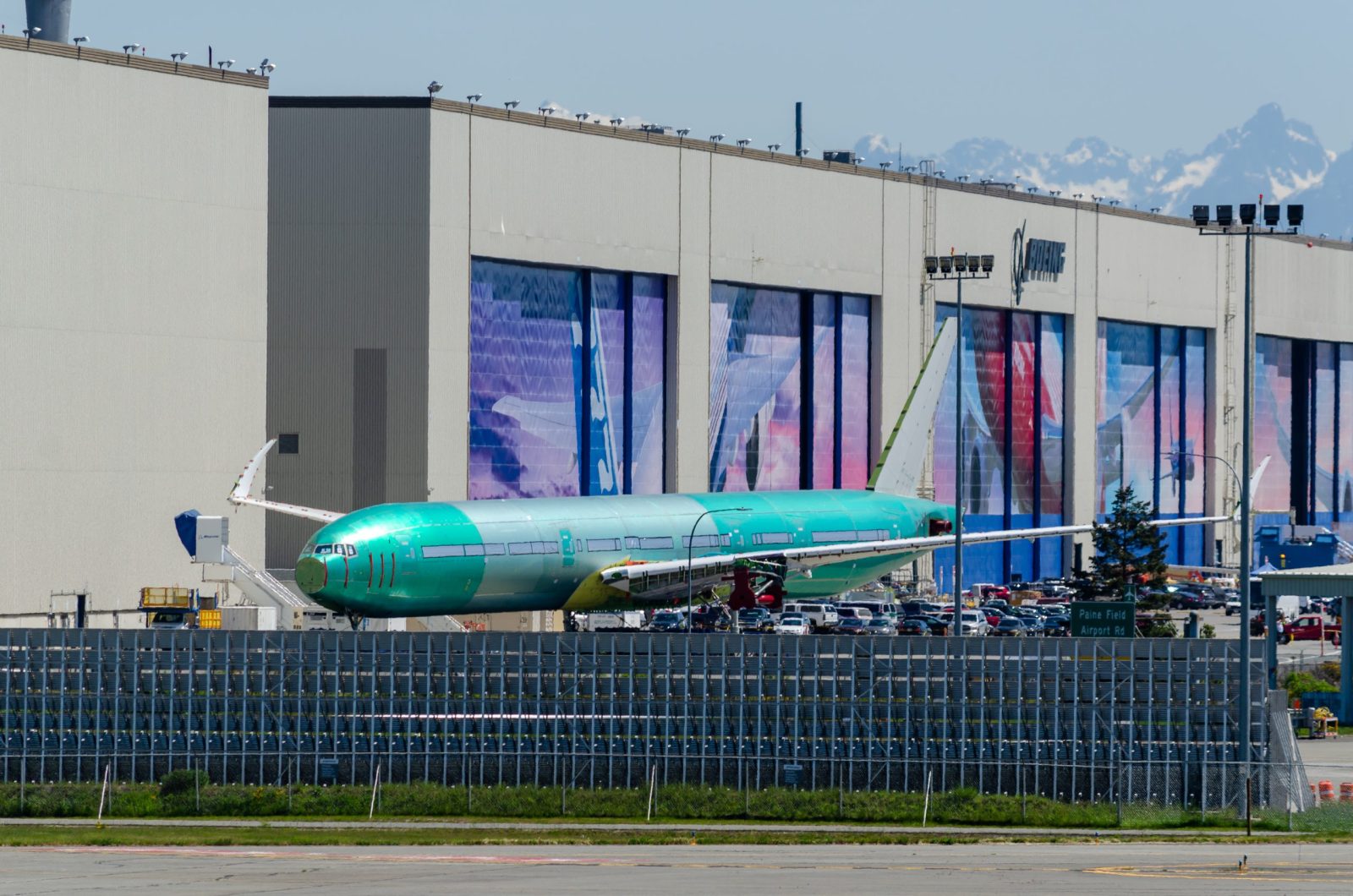
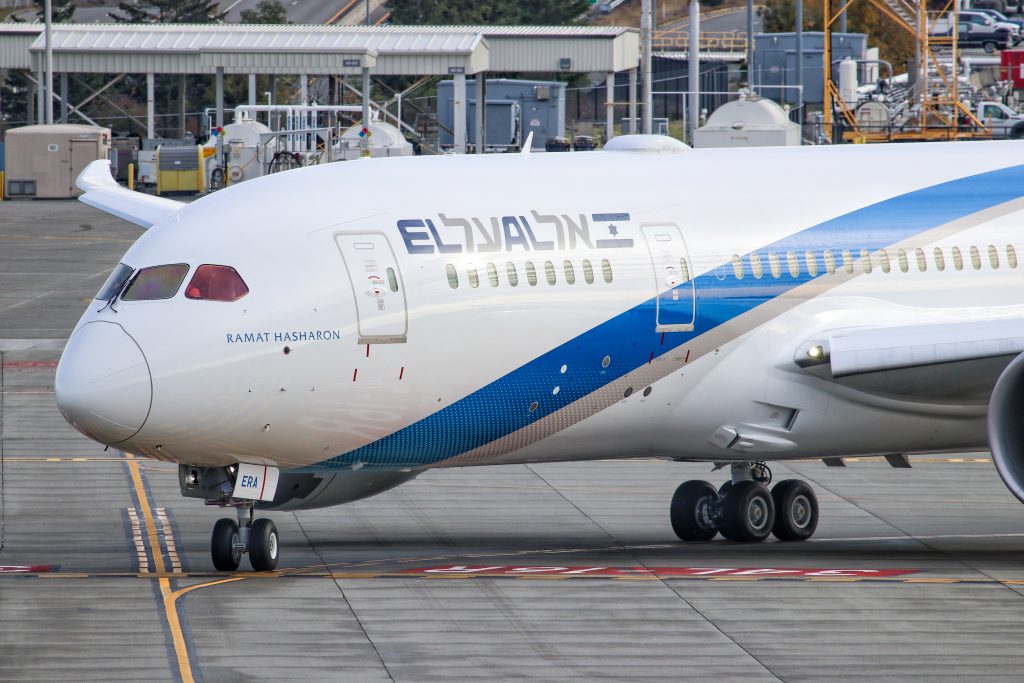
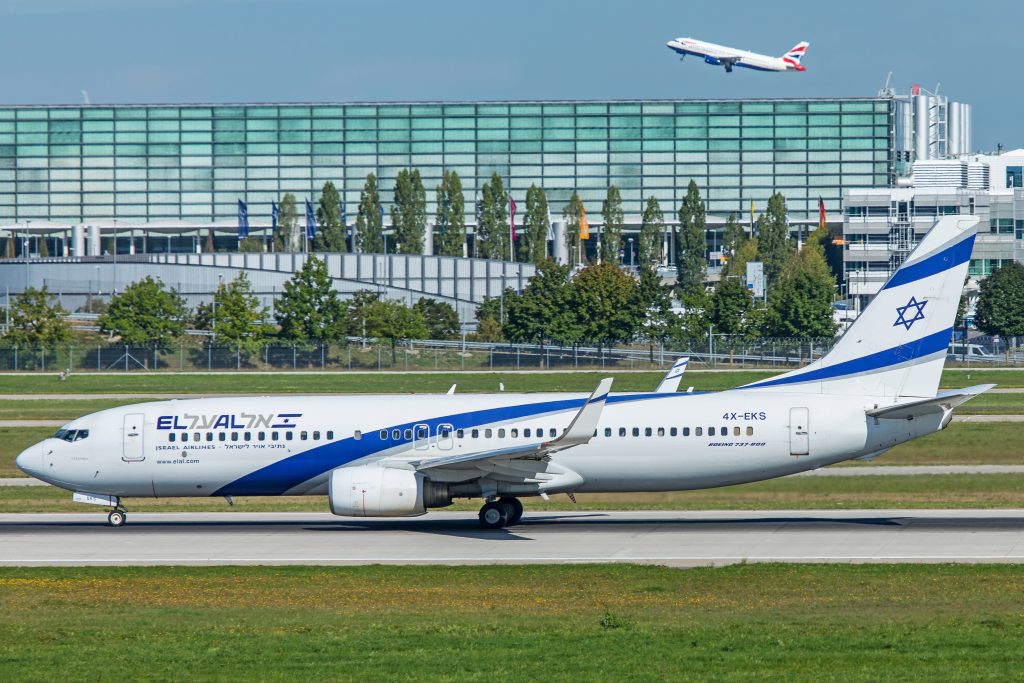
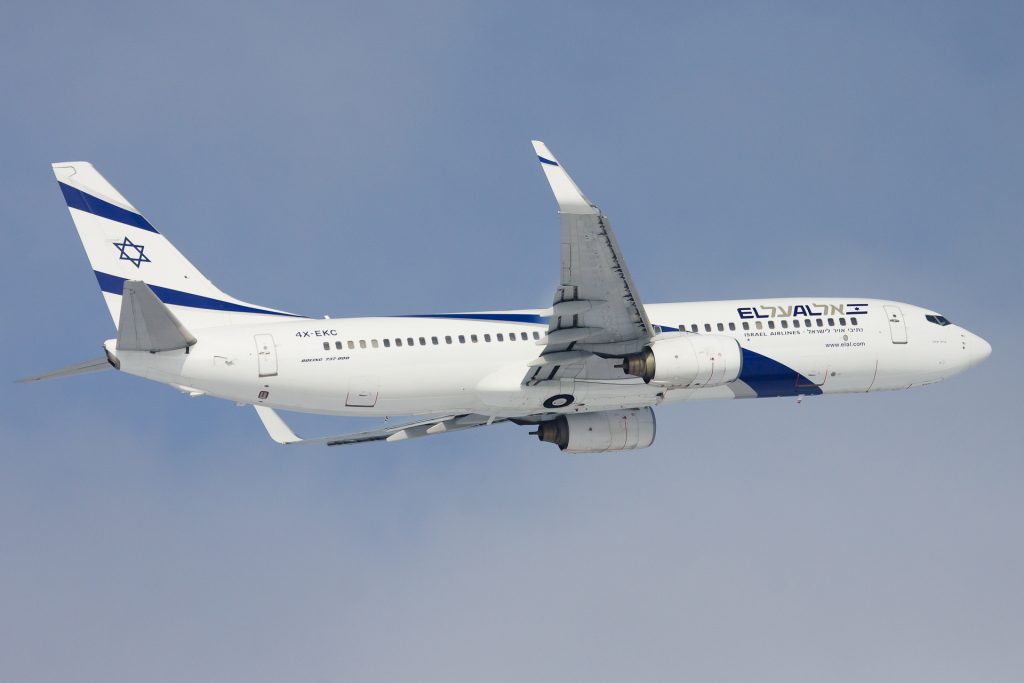
An El Al Dreamliner in Everett, Wash (Photo: AirlineGeeks | Katie Bailey)
Israel’s national airline – El Al – seems determined on continuing near regular operations despite an active war taking place in its home country. The airline has also added flights to support the repatriation of citizens while also heeding the call of the Israeli military to bring in 360,000 reservists.
In a largely unprecedented move, El Al will also operate flights on Saturday, which is the Jewish Sabbath. As a religious observation, the airline does not typically operate from sundown Friday evening until sundown Saturday evening. According to View from the Wing, El Al consulted with rabbis and concluded that preserving life was critical.
Continuing Service in a War-Torn Region
With OpsGroup categorizing Israel’s airspace as a ‘Level 1 – Do Not Fly’ risk, most carriers have pulled down their schedules to Tel Aviv, the region’s largest airport. Numerous reports continue to emerge of attacks directly on the airport as war continues to rage.
AirlineGeeks analyzed schedule information from industry data provider OAG. Even while maintaining the largest market share at Tel Aviv’s Ben Gurion airport at roughly 20%, El Al has canceled only nine flights total since reports began to emerge of Hamas’ initial attack on Saturday, Oct. 7 to Thursday, Oct. 12.
For 2023, El Al has the most capacity from Israel, according to Cirium data. The carrier had 30,498 scheduled for the entire year.
El Al’s nine flight cancellations represent approximately 3% of the carrier’s 290 scheduled operations from Tel Aviv. Of course, not all of these cancellations are directly correlated with the ongoing war.
For reference, Israir – a domestic and regional operator in the country – has scrubbed 39% of its planned schedule during the same period. Also, Turkish Airlines, one of only a handful of international operators still serving Tel Aviv, canceled 44 of its planned 88 flights.
Despite being the largest airline in Israel, El Al has canceled the fewest number of flights relative to its planned schedule.
Maintaining a Safe Link
Flying through a war zone does indeed present its own set of risks, but so does cutting off an air link. With wartime bringing its own set of economic challenges as well, perhaps El Al is weighing those risks as it looks at the airline’s overall strategy.
The airline is well-positioned to handle such events as most of its fleet has anti-missile deterrence capabilities. It also has some of the most stringent security protocols in the world.
Ryan founded AirlineGeeks.com in February 2013 and has spent more than a decade covering the airline business. His work has been featured by CNN, WJLA, CNET, and Business Insider. His aviation experience spans airport operations, Part 135 regulatory compliance, and airline crew workforce planning, along with time behind the yoke of a Cessna 172 and interviews with airline executives. Ryan now serves as Group President of Firecrown Media’s Aviation Group. He holds a B.S. in Air Transportation Management and an MBA from Arizona State University and teaches Airline Management at Embry-Riddle Aeronautical University.
A TAAG 777-300ER (Photo: AirlineGeeks | Parker Davis)
Just a few days ago, a pivotal moment unfolded within the corridors of TAAG Angola Airlines, the national flag carrier of Angola. The airline’s Shareholders’ Meeting convened, presided over by Eduardo Fairen, to initiate a transformation that would influence the airline’s governance and strategic vision.
The meeting signified the winds of change as the airline embarked on reshaping its leadership structure and charting a new course for its future. The changes come as the airline celebrates a promising fleet expansion, which includes the acquisition of four Boeing 787 Dreamliners and the introduction of a Boeing 737-800BCF into its operational lineup.
The order includes two Boeing 787-9 and two Boeing 787-10 aircraft, with the first delivery expected in August 2024. This forward-looking decision to introduce the 787 Dreamliner, known for its remarkable fuel efficiency and passenger comfort, aligns with the airline’s vision for modern, efficient, and versatile aircraft.
As Eduardo Fairen, CEO of TAAG Angola Airlines, stated, “The 787 option suits our intent for modern, size-wise, and efficient equipment, able to progressively replace our current widebody fleet, and provide our customers with an improved flight experience.”
These Dreamliners are set to open new routes and expand TAAG’s international network, offering passengers larger windows, improved cabin humidity, and a more comfortable flying experience. Moreover, the Dreamliner’s reduced fuel consumption and emissions will contribute to the airline’s commitment to sustainability.
737-800BCF Addition
In addition, the airline is in the process of incorporating a Boeing 737-800BCF (Boeing Converted Freighter) into its fleet. This versatile aircraft, originally a 2000-vintage 737-800, is set to play a vital role in the airline’s cargo business operations.
While specific details about the 737-800BCF’s role and routes are forthcoming, it’s evident that TAAG is diversifying its fleet to cater to various flight typologies, including cargo operations. The addition of this freighter marks TAAG’s commitment to offering a comprehensive range of services to meet the needs of its customers.
Board Restructuring: A New Era for Governance
In parallel with its fleet renewal, TAAG Angola Airlines is restructuring its Board of Directors. With the entry of new Executive and Non-Executive Directors, the Board now consists of 11 members, with seven serving as Executive Directors and four as Non-Executive Directors.
1. Chairman of the Board of Directors – Ana Major
2. President of the Executive Committee – Eduardo Fairen
3. Executive Administrator Operations – João Semedo
4. Executive Administrator Maintenance and Engineering – Said Daalaoui
5. Executive Commercial Administrator – Nowel Ngala
6. Executive Administrator Infrastructure, Supply Chain, and Services – Manuela Pardal
7. Executive Finance Administrator – Gabriela Bastos
8. Executive Director, Legal and Human Capital – Suzana Ramos
The Non-Executive Directors, Rui Carreira, Misayely Abias, and Iuri Neto, bring valuable insights and oversight to the Board.
Important to note is that TAAG will be welcoming Asky Airlines’ commercial director Nowel Ngala as its Chief Commercial Officer (CCO) and director. Ngala’s extensive experience in the aviation industry will be instrumental in driving the airline’s commercial activities, especially in light of the challenges posed by the pandemic and the forthcoming opening of the new Luanda airport.
Victor Shalton's love for aviation can be traced to when he was 11-years-old. As a seasoned aviation writer, he takes pride in providing the best aviation coverage around the globe and is passionate about advancing his skills in the aviation space. In addition, he loves travelling, writing, arts and while his speaking engagements have taken him around the world, he is proud to call Nairobi home.
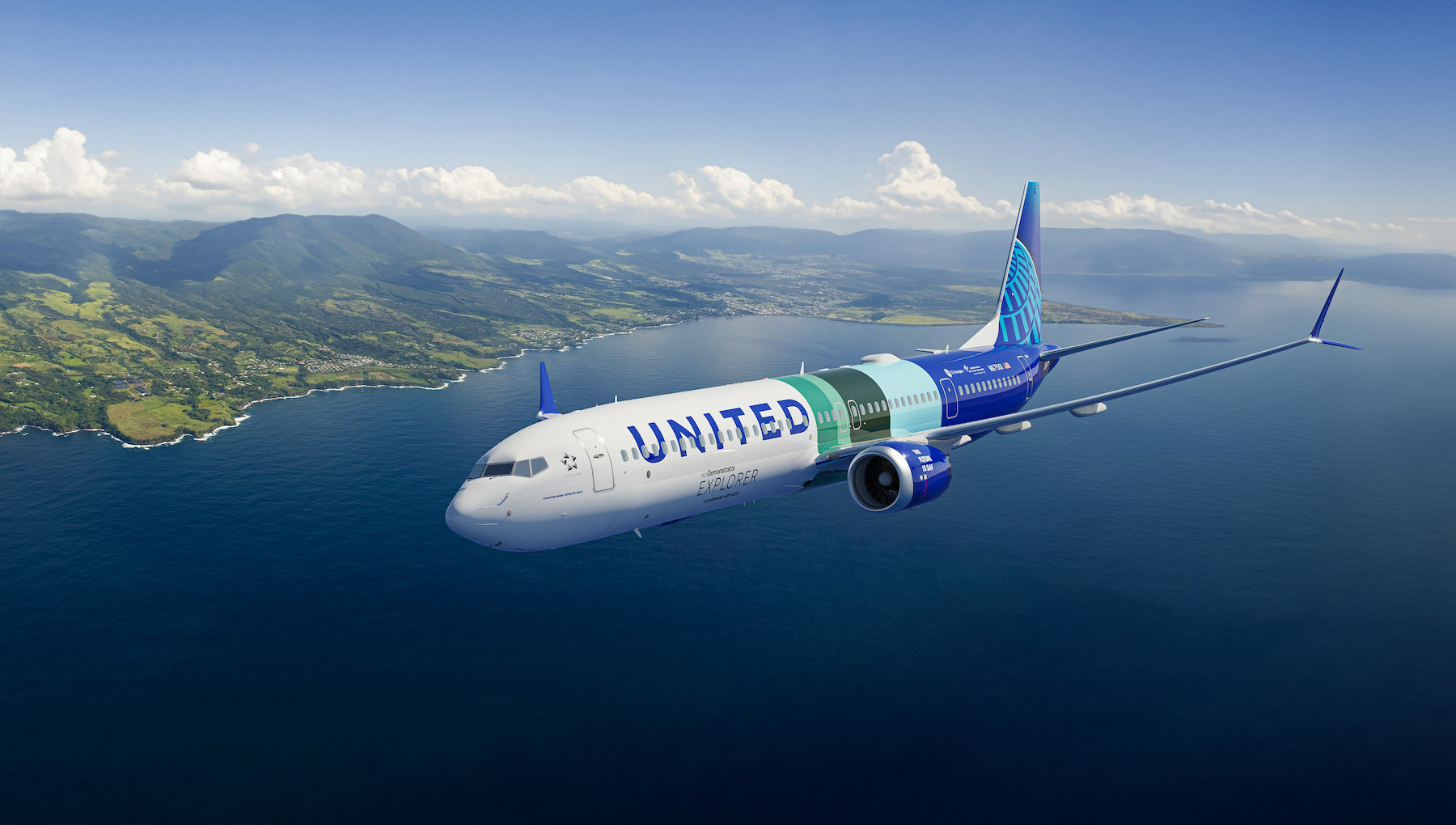
Boeing, NASA and United to test SAF benefits with 737-10 and DC-8 aircraft flying together. NASA's DC-8 will measure emission data comparing jet fuel and SAF.
Boeing is partnering with NASA and United Airlines for in-flight testing to measure how sustainable aviation fuel (SAF) affects contrails and non-carbon emissions, in addition to reducing the fuel’s life cycle climate impact. Shown here, Boeing’s second ecoDemonstrator Explorer, a 737-10 destined for United Airlines with LEAP-1B engines, will fly with 100% SAF and conventional jet fuel in separate tanks and alternate fuels during testing. (Photo: Boeing)
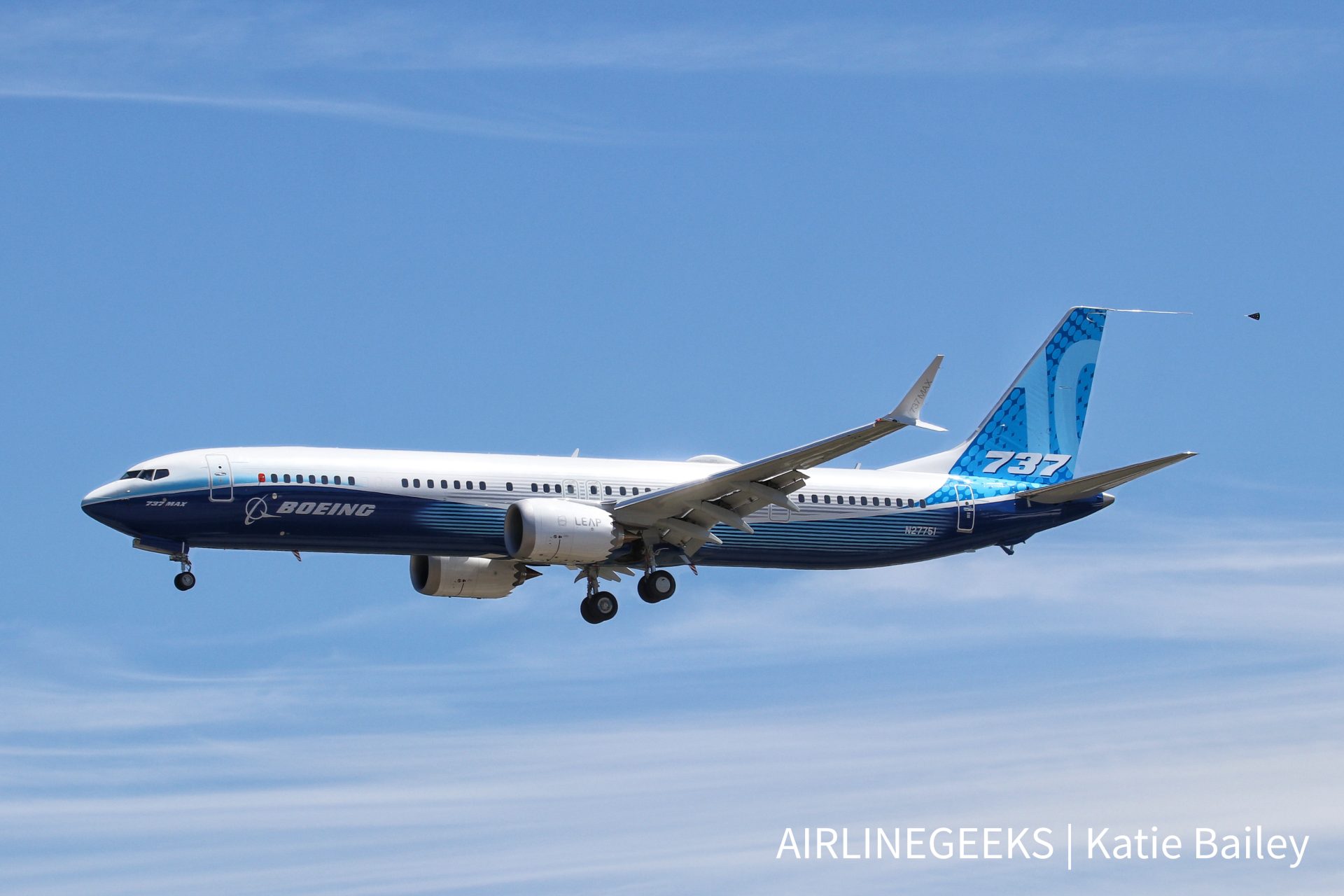
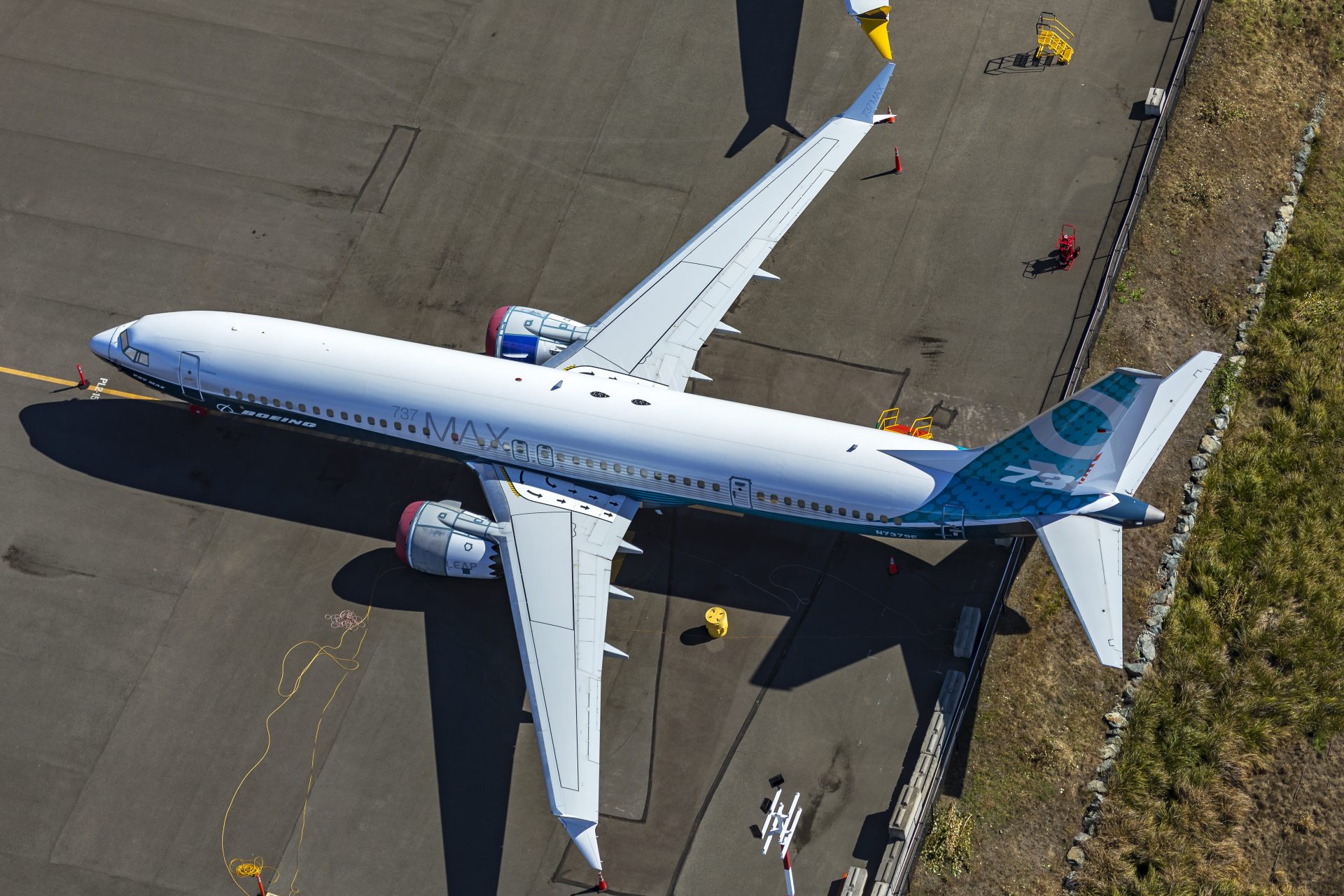
Airlines and manufacturers across the globe are pouring resources and time into finding a fuel solution that will reduce the impact aviation has on the environment. Boeing, the German Aerospace Center, NASA and United Airlines are continuing the search in a rather interesting way. Using a Boeing 737 MAX 10 painted in a special United eco livery and a NASA DC-8, the group will monitor and record emission data from the 737 using SAF and traditional jet fuel in flight.
Boeing has used numerous ecoDemonstrator aircraft over the years to improve industry understanding of the impacts aviation has on the environment. Most recently, the Arlington, Va.-based manufacturer has used an Alaska Airlines 737 MAX 9, 777-200ER and 787-10. The 737 MAX 10 which will be used during the air-to-air flights has been painted with a special livery signifying the environmental mission the aircraft will carry out.
United Airlines 737 MAX 10 N27602 (in The Future is SAF livery) test flight at KPAE today. pic.twitter.com/9Vs8zhhwcO
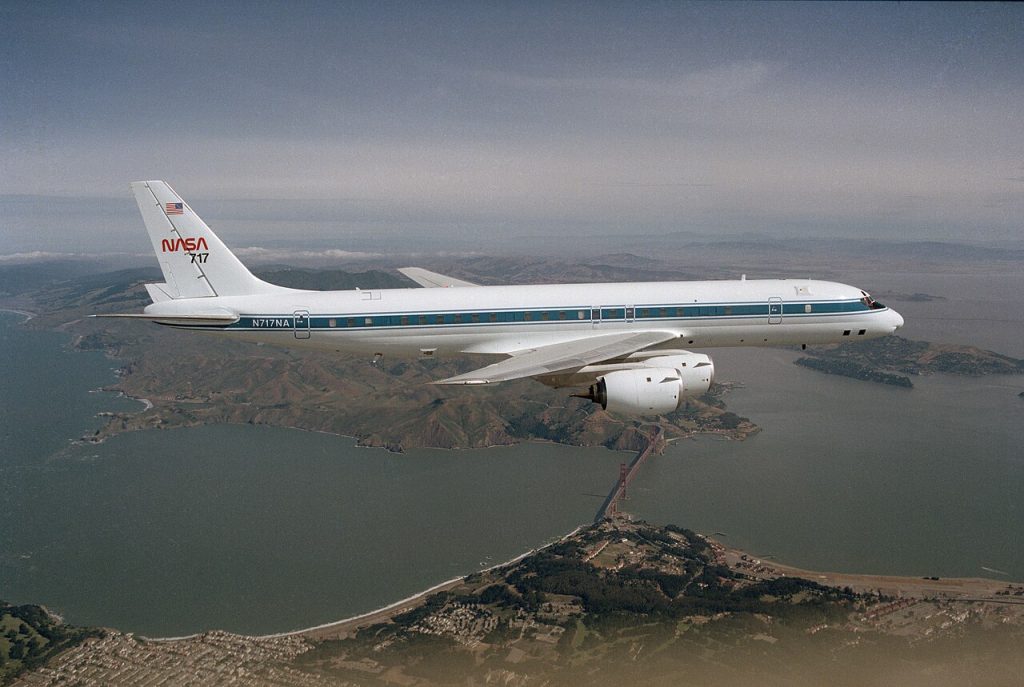
The 737 will fly with sustainable aviation fuel (SAF) in one tank and conventional jet fuel in another, allowing atmospheric comparison data between the two to be captured by the NASA DC-8, which will be following the 737 in flight. Specifically, the NASA airborne science lab will be capturing emissions produced by each fuel type and contrail ice particles. The goal of the testing is to gain more of an understanding of how fuel designs, engine combustion and other technologies can reduce atmospheric heating.
According to Boeing, SAFs can reduce emissions by 85% of the fuel’s life cycle. Created from blends of materials, such as cooking oil and agricultural waste, SAFs are the most promising fuel source for significantly reducing emissions in the aviation industry in the near future. Per the press release, Boeing has committed to deliver aircraft entirely compatible with SAFs by 2030.
NASA’s mission integration manager for Sustainable Flight National Partnership, Rich Wahls, believes deploying the agency’s DC-8 will be extremely beneficial stating “Flight testing is complex and resource-intensive, yet it’s the gold standard for understanding how sustainable aerospace innovations affect changes in contrails and climate.”
NASA’s DC-8 (Photo: Photographer: Eric James, Public domain, via Wikimedia Commons)
Based in Palmdale, Calif., NASA’s DC-8 is a four-engine rarity in the current aviation world. Joining NASA in 1985, the 53-year-old aircraft is still going strong, collecting atmospheric data across the globe and studying changes in the environment. The test bed also has the ability to monitor and track space bourne objects, along with offering an inexpensive way to test instrumentation to be deployed on satellites.
As the launch customer of the longer -10 variant, United is demonstrating their continued support in furthering SAF research. The 737 MAX 10, with the option for 10 more seats than the shorter -9, will reduce fuel emissions by 20% compared to the aircraft types it will replace, says Boeing.
Zach’s love for aviation began when he was in elementary school with a flight sim and model planes. This passion for being in the air only intensified throughout high school when he earned his Private Pilot Certificate. He then attended Embry-Riddle Aeronautical University, earning his certificates and ratings to later flight instruct and share his passion for aviation with others. He now resides in the North East living out his dream as an airline pilot.
Private to Professional Pilot: Minimum Crew Rest
How rest requirements work at both Part 121 and Part 135 carriers in the U.S., and what do they mean in the non airline world.
Inside the flight deck of United's 787 at Washington Dulles (Photo: AirlineGeeks | Craig Fischer)
Many people are aware of minimum crew rest periods. Whether it’s through a connection in the industry, an experience where a delay lead to the crew timing out, or a story about such an experience, crew rest periods in Part 121 (and Part 135) flying have proved a critical piece of travel for many.
Minimum pilot rest requirements have been around since the 1960s, and flight attendants got their own duty time limitations in the 1990s. The pilot rules were updated in 2011 with a two-year implementation period, and cabin crews won protections for mandatory 10 hour rest periods in 2022.
It’s important to distinguish between the three pilot rest requirements: the Part 121 requirement for all flight crewmembers, the Part 135 requirement for unscheduled one- and two-pilot crews, and the Part 91 requirement (yes, part 91 has a minimum crew rest requirement).
For our readers who are not intimately familiar with the regulations governing aviation, Part 121 deals with scheduled air carriers (companies like American Airlines, United Airlines, Delta Air Lines, etc). Part 135 (generally speaking) unscheduled charter flights plus a limited type of scheduled flying. Part 91 is general operating and is the regulations chapter a large majority of small propeller planes use.
Let’s recap all three regulations. The air carrier regulation governing all the airlines a casual reader is familiar with is easy to understand. 14 CFR § 121.471 outlines that no flight crew may fly without:
9 consecutive hours of rest for less than 8 hours of scheduled flight time
10 consecutive hours of rest for 8 or more but less than 9 hours of scheduled flight time
11 consecutive hours of rest for 9 or more hours of scheduled flight time.
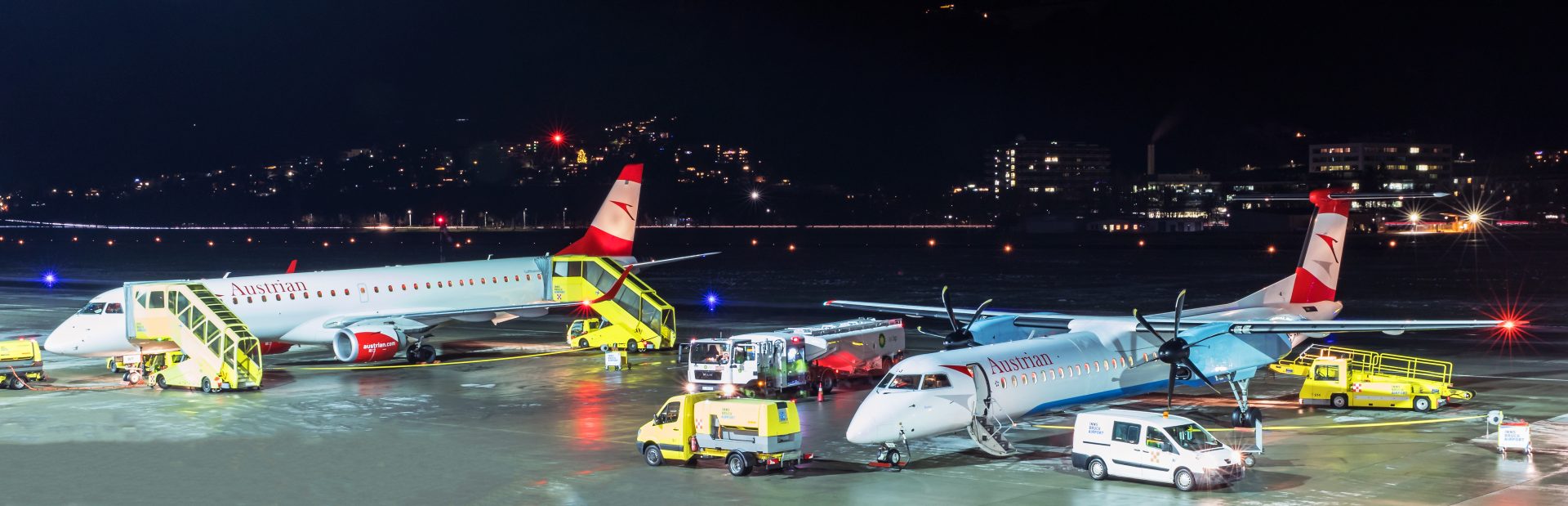
Austrian Airlines aircraft on the ramp at Innsbruck. (Photo: AirlineGeeks | Wikkiam Derrickson)
14 CFR § 135.267, which governs crew rest for the charter operations, outlines that flight crew must receive:
8 hours for a flight crew consisting of one pilot; or
10 hours for a flight crew consisting of two pilots qualified under Part 135 for the operation being conducted
However, Part 135 pilots may exceed these flight limits if:
Their assigned duty period is no more than 14 hours
Those 14 hours are immediately preceded by and followed by a required rest period of at least 10 consecutive hours of rest; and
The cumulative amount of commercial flying they do does not exceed 8 hours for a flight with one pilot and 10 hours for a flight consisting of two pilots.
There are additional rest requirements when a pilot under Part 135 exceeds their duty time. The important thing to know for those is that if a Part 135 pilot exceeds their maximum duty time regulations, there are extended crew rest limitations before they can be on duty again.
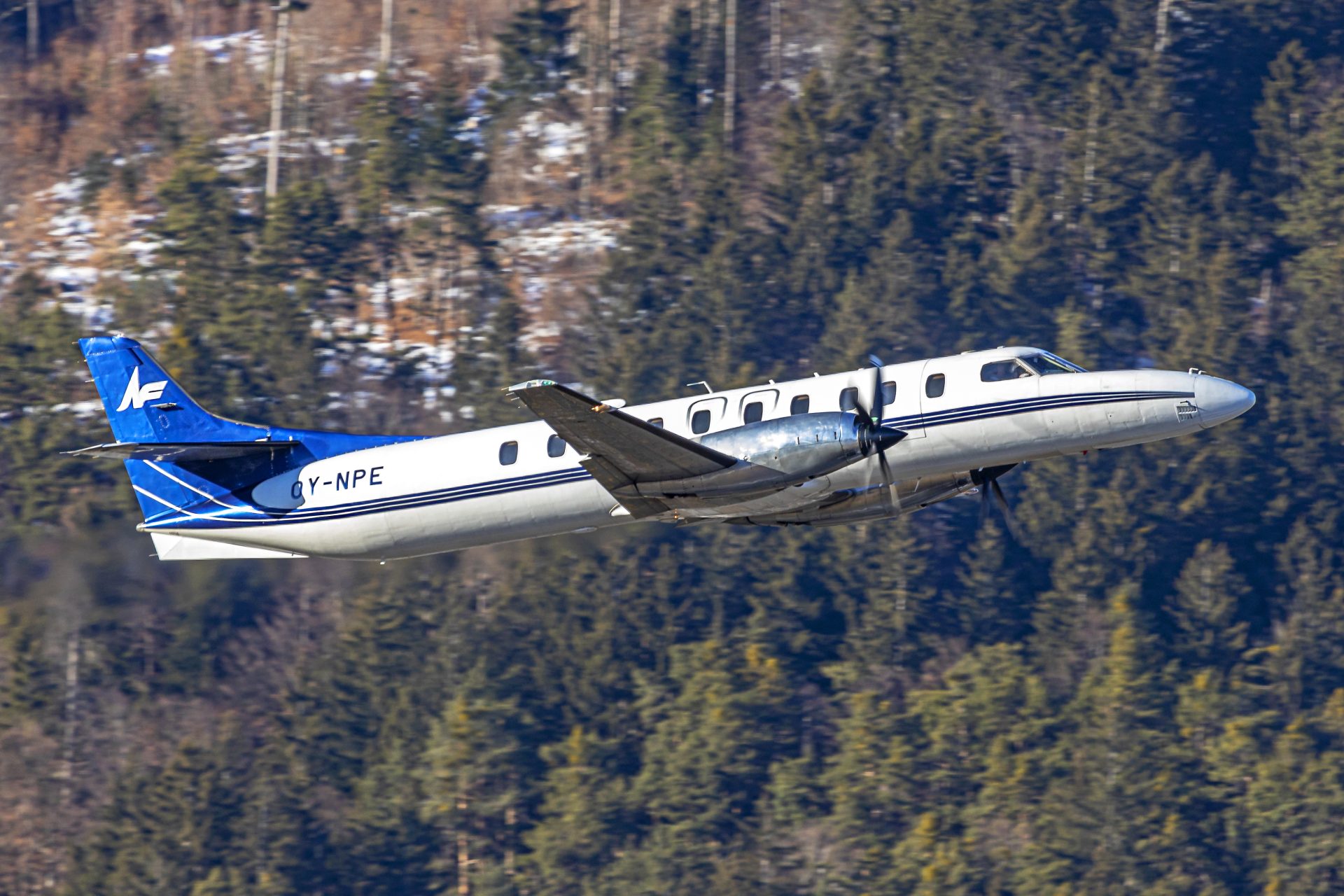
An Alborg Airtaxi North Fairchild Swearingen Metroliner climbing out on departure. (Photo: AirlineGeeks | William Derrickson)
And the Part 91 duty time requirement. This requirement pertains to aircraft operating Part 91 that are managed by an operator of some kind. This covers a wide variety of situations, but one notable situation is when an air carrier operates an aircraft repositioning flight under Part 91 to move it to an airport where maintenance is performed or a scheduled flight will originate. 14 CFR § 91.1059 dictates that, during any 24 consecutive hours, the total flight time to a crew may not exceed:
8 hours for a flight crew consisting of one pilot; or
10 hours for a flight crew consisting of two pilots qualified under Part 91 for the operation being conducted.
14 hours of total duty time
The minimum rest requirement increases after a duty period involving multi-time-zone flights: the minimum rest time goes from 10 hours to 14.
Legal Applicability
The common theme between all three regulations is that they apply to pilots who have some connection to commercial flight operations. That means that hobby pilots have no minimum rest or maximum duty time requirements (and that, though it likely very rarely happens, there is nothing stopping commercial pilots from going to fly general aviation for hours without interfering with their minimum commercial rest requirements).
That does not mean, of course, that general aviation pilots should not think about minimum rest requirements at all. In fact, just that there are no minimum rest requirements – and no flight department managers looking over their shoulders – means that general aviation pilots can be even more creative with their rest requirements than airline pilots.
An Overview of Personal Minimums
Every pilot, whether they are a commercial pilot or a lifetime hobby pilot, is intimately familiar with the concept of “personal minimums.” These are guidelines above and beyond the legal flight minimums for certain operations that define which conditions a pilot feels safe flying in and the concrete limitations that will define which conditions will cause them to cancel a flight.
Personal minimums should cover a wide range of issues, such as weather conditions, physiological states, or mental dispositions. A visual-only pilot may say, for example, that even though the minimum cloud height for visual flight is 1,000,’ that they will not fly unless the minimum cloud ceiling is at least 3,000’ above the ground.
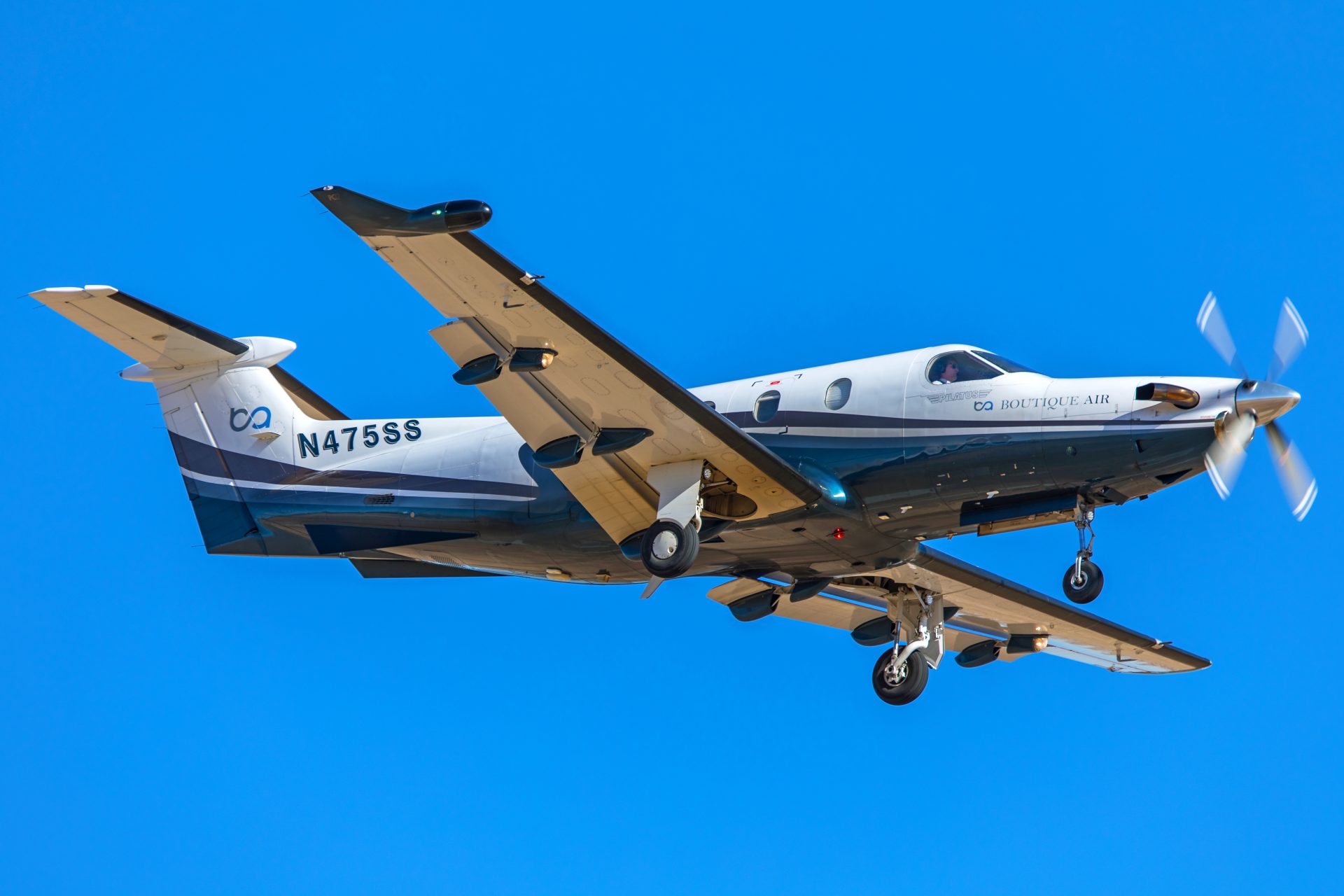
A Boutique Air Pilatus PC-12 (Photo: AirlineGeeks | William Derrickson)
All this to say: fatigue is an oft-overlooked aspect of personal minimums. It is included in the famous IMSAFE checklist that all pilots are familiar with, but it is easy for a pilot to wave it off by saying “I got enough rest; I can feel it”…after downing three cups of coffee in a row and assuming that their caffeine high will both solve all their fatigue problems and last forever.
However, fatigue is among the most insidious threats pilots face. The FAA’s own training materials highlight that pilots may be completely unable to notice signs of fatigue in themselves until they start making massive errors, by which point their control is already clumsy, their thinking slow, and their coordination deteriorating. These are all conditions that could prove incredibly hazardous if an emergency situation arises that pilot notices late and has more difficult handling, or if they encounter a challenging situation like a sudden encounter with instrument meteorological conditions at night.
Establishing Personal Minimums
Therefore, pilots need to go beyond determining whether they feel ok to fly. As with other personal minimums, pilots should use concrete minimums to define whether they’ve gotten enough rest. The regulations we’ve already outlined (§ 121.471, § 135.267, and § 91.1059) are great starting points. Pilots should try to emulate these regulations; after all, if they’re good enough for professional airline pilots, why aren’t they good enough for general aviation pilots?
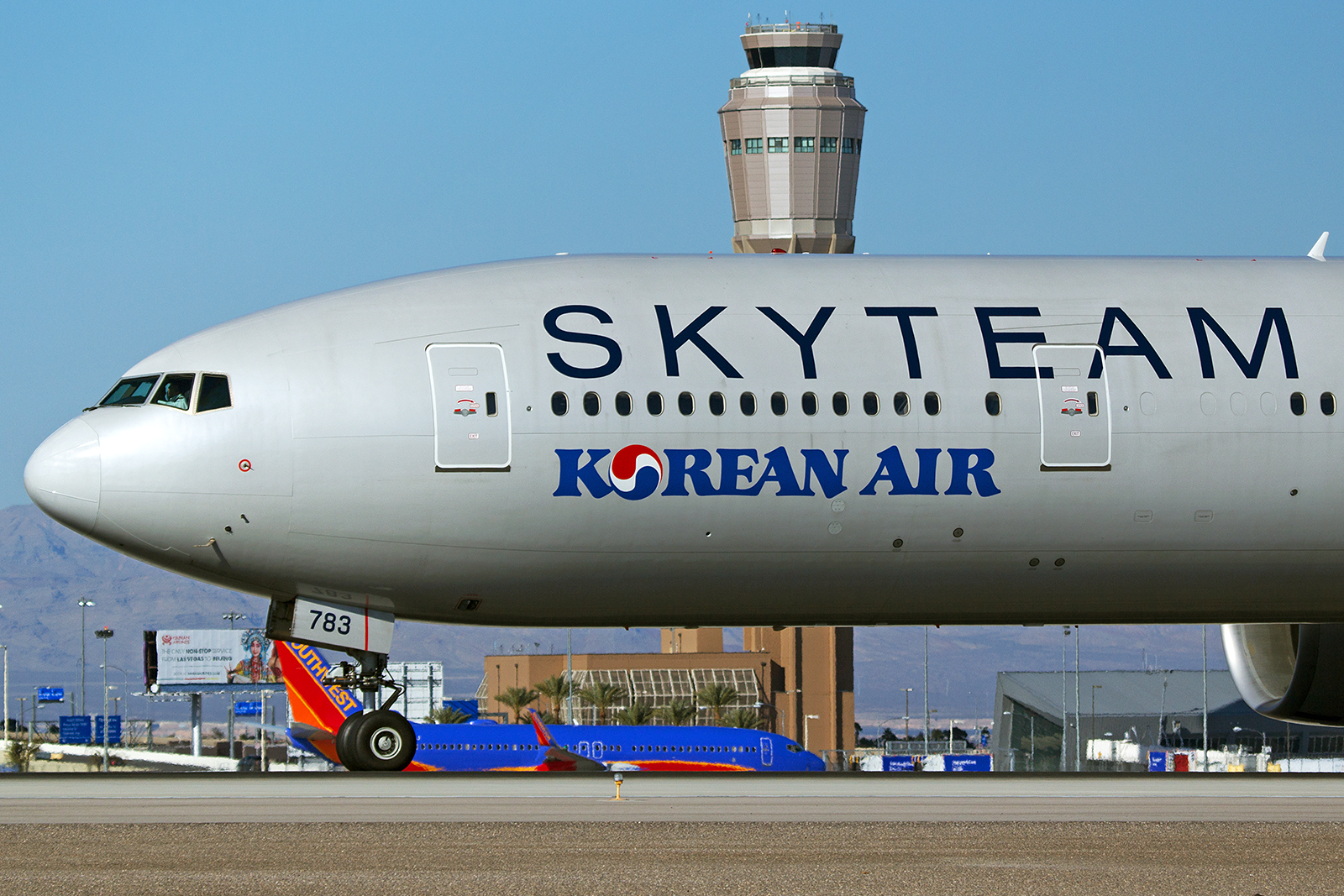
A Korean Airlines Boeing 777 in Las Vegas. (Photo: AirlineGeeks | William Derrrickson)
However, just like with personal minimums in other situations, pilots should not feel limited to these regulations. If a pilot finds that they in fact need more rest than outlined (maybe they need 8-10 hours of sleep instead of just 8-10 hours of “rest” before flights), they should not hesitate to implement the change.
Further, an additional personal limit might be to say that the pilot will take additional rest in between flights on a single trip. A student pilot completing a 150 NM solo cross country for private pilot certification or a 300 NM solo cross country for commercial pilot certification might stop at each airport they land out to stretch their legs, use the bathroom, have a snack, and recoup for the next segment of their flight. By allowing themselves to de-stress in between each flight, they can de-stress and keep themselves alert for longer since they don’t need to be sharply focused for hours at a time.
Rest Before Duty Time
It is also important to notice that many of the rest requirements in the regulations above list the minimum rest requirements between duty times, not flight times. That means that the clock runs, loosely, from when the pilot leaves the airport one night to when they arrive back the next morning. This is not a question of needing 8 hours from when the wheels touch the pavement on one flight to when they lift off on the next; it’s a question about rest between finishing the post-flight checks one day to starting the pre-flight inspection on the next.
This is another aspect that private pilots must integrate themselves. Don’t just think about how fatigue impacts your flying ability. Consider how it affects your ability to notice discrepancies on your preflight inspection and your ability to properly secure the airplane for the night. All of these items affect the airworthiness of your aircraft and therefore the safety of your flight.
Fatigue Has Many Sources
And pilots should not forget about how other aspects of life impact fatigue. Stress is an especially-critical factor that affects fatigue levels. A pilot may get more tired out dealing with stress than they do without it, so if a pilot knows that they are stressed about something outside of flying, they must increase their rest requirements before and during flights.
The same argument could be made about particularly-challenging flights. The energy demand on a pilot is a lot different on a rural VFR cross country on a bright, cool, clear fall morning to get Sunday brunch versus on a blistering-cold flight in hard IMC. A pilot must be aware of the mission ahead of them and determine if they have enough rest not only to fly but to handle the specific mission ahead of them.
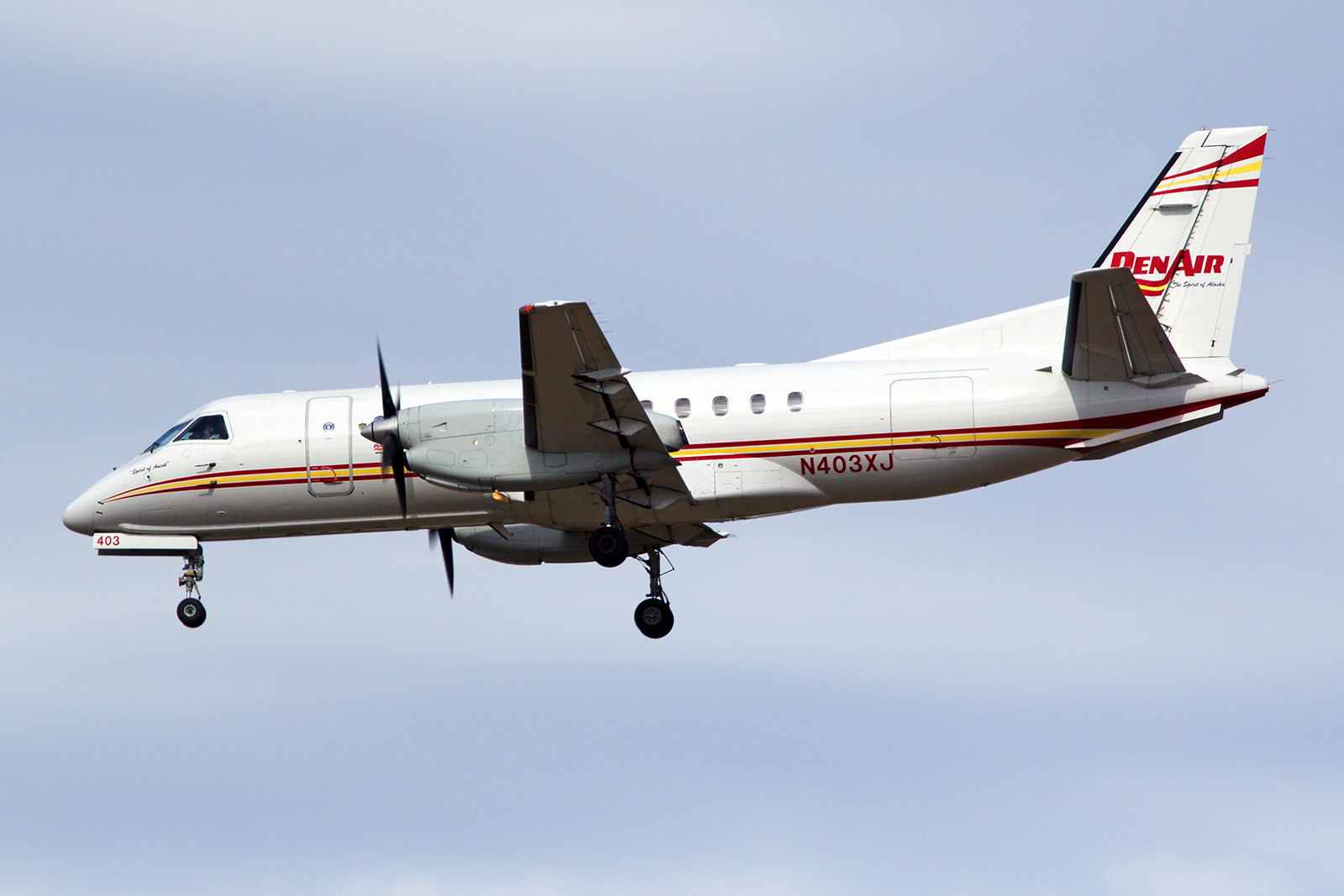
A PenAir Saab 340B on approach to Denver International Airport. (Photo: AirliineGeeks | William Derrickson)
“I can tell you firsthand that well-rested crew members are important to safety,” said acting FAA administrator Billy Nolen, a former airline pilot, in October 2022. This sentiment relates not only to professional pilots but to the casual flyers that share the national airspace system, use the same airports, and in some cases operate in relatively-close proximity to commercial aircraft in busy terminal areas.
Fatigue impacts every aspect of a pilot’s ability to operate an aircraft safely. Do not let it impact your flying in a detrimental way. Using concrete personal minimus about the amount of rest you will get before flights and the amount of rest you will take on long trips is critical to your safety and should not be taken lightly.
Pilots must always give themselves every possible opportunity to succeed. Think of the saying to “use all available resources.” The same sentiment applies to rest: use each available opportunity to keep yourself alert and focused on the task at hand to assure the safe completion of your flight.
Editor’s Note: Welcome back to the Private to Professional series. Each week, we will take time to break down a new regulation written for professional pilots in Part 121 and Part 135 flying, and we will consider different ways to apply those regulations to general aviation. Some regulations have straightforward applications to general aviation, but there is usually more that meets the eye. Thus, we will take time to explore a wide variety of ways general aviation pilots can apply even simple things, like minimum rest requirements, to their own flying. Check back in next week for the next installment of the series. Read last week’s article here.
John McDermott is a commercial pilot pursuing a career in professional flight. His passion for aviation began in an Ann Arbor bookstore with a tale of enemy pilots during World War 2, and he hasn't looked back. Besides flying and writing for AirlineGeeks, John volunteers with Professional Pilots of Tomorrow and travels whenever he gets the chance.
New Startup Targets the Maldives with Ultra-Premium Model
"We are a startup with a lot of innovation," the airline CEO emphasized. The carrier will begin service to several cities in Europe and the Middle East.
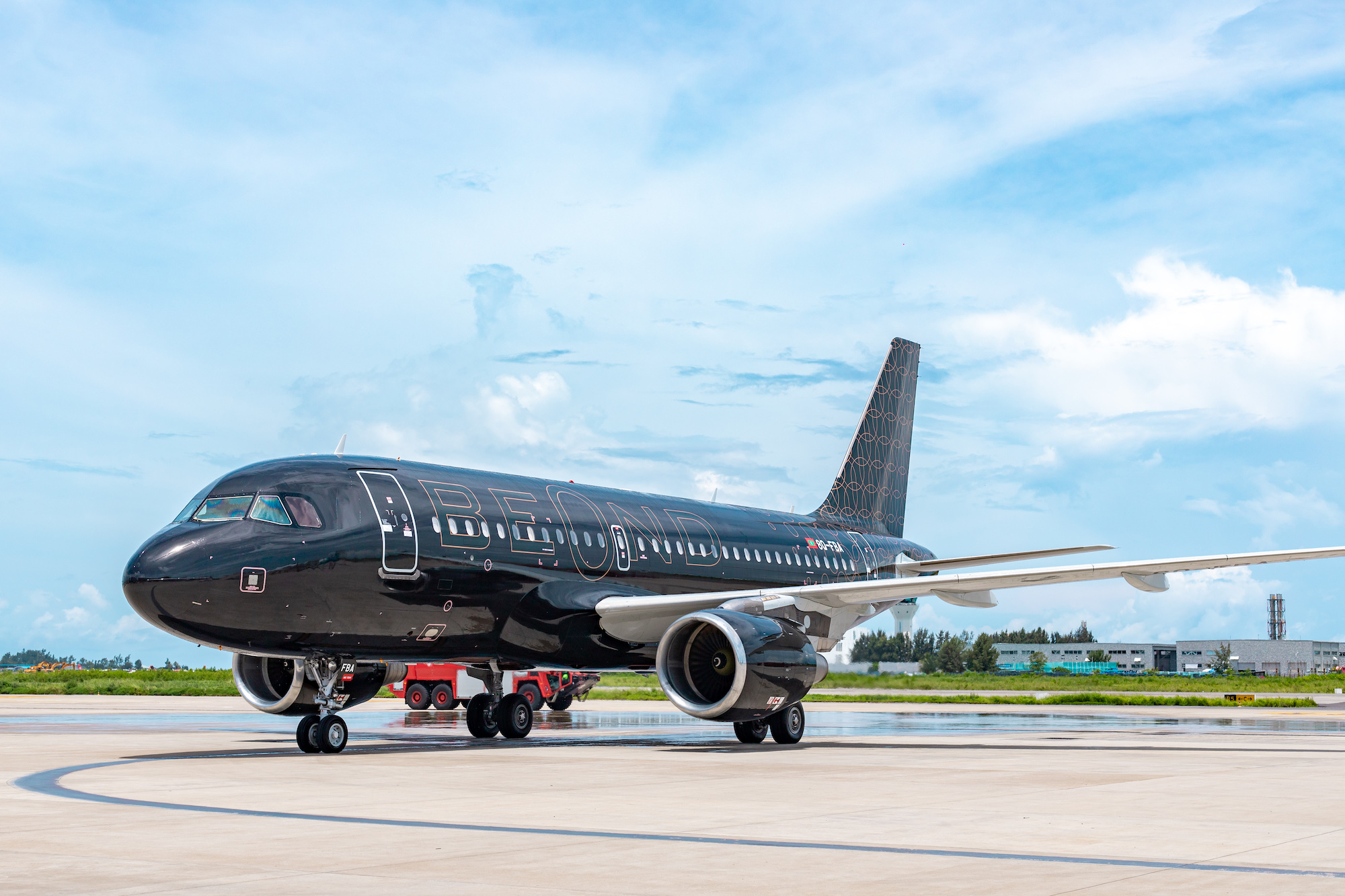
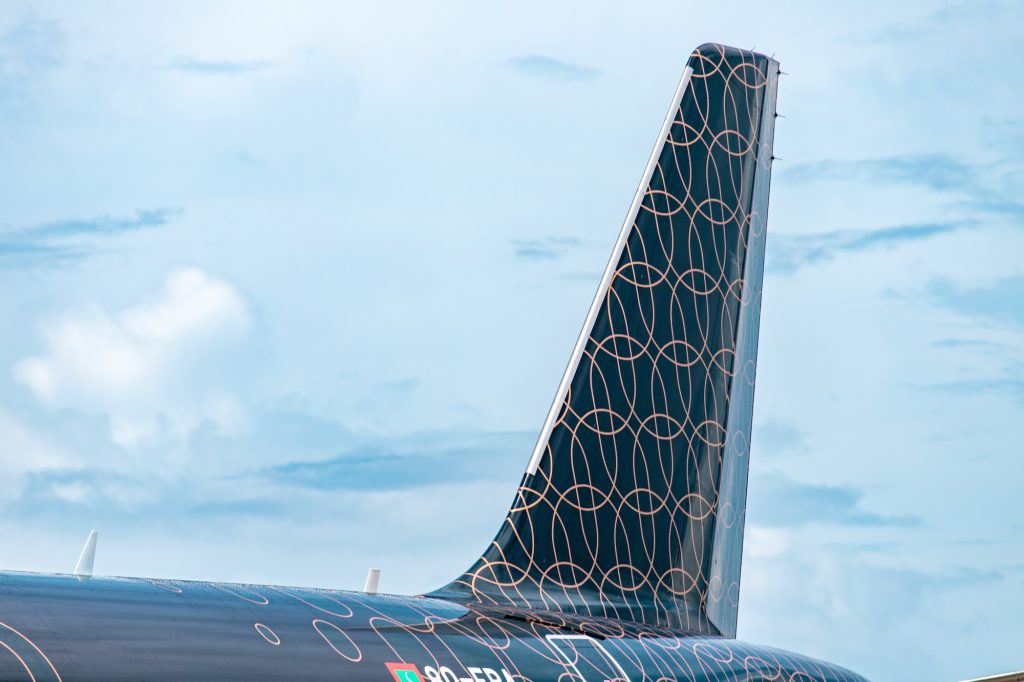
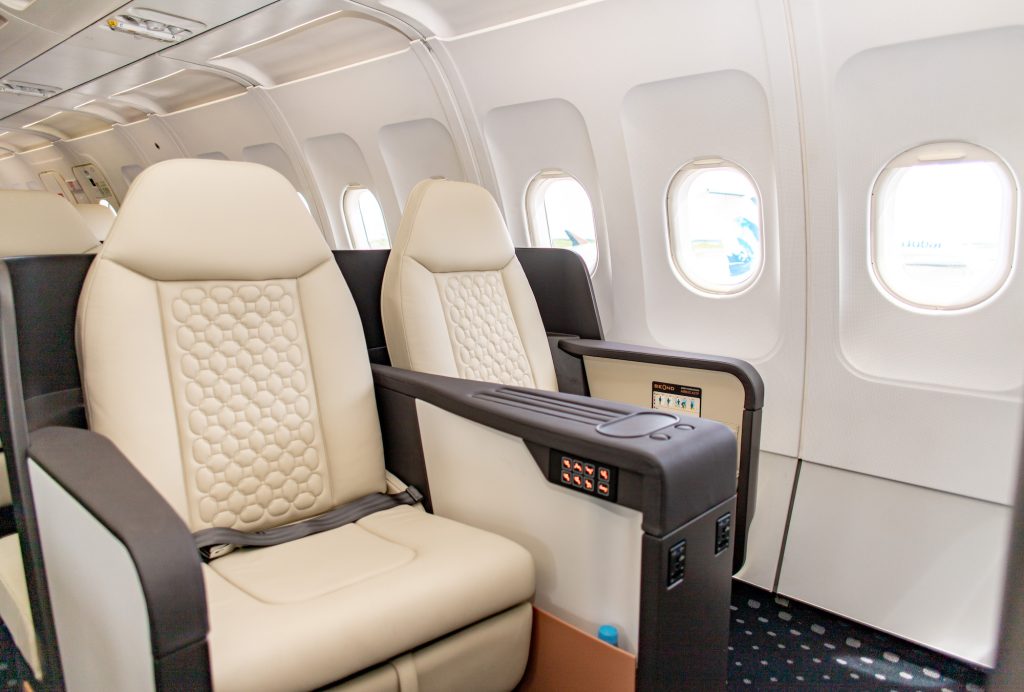
Beond, a new all-premium leisure airline based out of the Maldives, has launched with an Airbus A319, featuring 44 lie-flat seats in a 2×2 configuration. The carrier revealed its brand and livery at a press conference in Dubai on Wednesday.
The airline’s approach to operations focuses on the simplicity of its business model. Beond will focus on one customer segment: the leisure premium traveler, with a single in-flight product across a single aircraft type with the same configuration. Of course, this simplifies operations quite a bit therefore reducing operational costs that often come with running highly complex airline operations.
In a press conference, the company’s CEO Tero Taskila emphasized that Beond is not a so-called ‘all-business’ airline, but instead a premium leisure operator.
The livery was specially designed from a California firm (Photo: Beond)
Maximum Outsourcing
Asset-light is the other key part of the startup’s plan. The airline expects to utilize maximum outsourcing for maintenance, catering, staff, etc. This will come alongside leasing aircraft instead of ownership. Beond says it will use a leased fleet of 68-seat A321LR/XLR aircraft to reduce costs. Deliveries of the newer jets are expected in 2024, the airline says.
Additionally, turnaround times are much faster for narrowbody aircraft. Beond expects to have turnaround times be less than an hour to maximize aircraft utilization across the eventual fleet.
Premium Positioning
Every new airline needs a hub or focus city. For Beond, it is Male Airport in the Maldives. Given the brand’s position as a premium leisure airline, it chose the Maldives, which generally has strong demand for premium leisure travel to the famed vacation destination. It’s also located within range of several key markets that can be readily served by the expected fleet.
The seats are designed by Optimares, which are found also on Four Seasons’ private jet (Photo: Beond)
The airline also expects that there is significant pent-up demand that will endure. Furthermore, the Maldivian government has expressed significant support for the airline with Beond being able to secure more slots than any other carrier at the Male airport. As part of the airline’s experience offerings, it plans to partner with resorts in the Maldives. “The resorts [in the Maldives] have welcomed us with open arms,” Taskila shared.
In November, Beond will begin service from Munich, Zurich, and Riyadh. Later, in March 2024, Milan and Dubai will begin. The carrier will serve Dubai’s Al Maktoum International Airport (DWC). Flights from Europe will be forced to make a technical stop in Dubai as the airline awaits its longer-range aircraft.
Beond is looking toward massive growth over the next five years out of Male. It expects to acquire 32 aircraft and serve 52 non-stop destinations across four continents and 26 countries. The startup airline is slated to serve many primary markets within Europe, Asia, Oceania, and Africa such as London, Paris, Shanghai, Taipei, Johannesburg, and Sydney. However, given the relatively small aircraft size and lower costs to scale, Beond expects to be able to fly to a large number of secondary markets that may not have enough demand for non-stop widebody service. This will include markets such as Warsaw, Basel, and Almaty.
“We are purely point-to-point,” the airline’s CEO added during a press conference in Dubai.
While the overall idea of a long haul all-premium airline is not unique, none so far have set such ambitious goals as Beond. La Compagnie, another all-premium airline, has been around since 2013, however, it only has a fleet of two aircraft and serves four destinations, Newark, N.J., Milan, Nice, and Paris. It also took the airline nine years to finally make a profit.
Editor’s Note: AirlineGeeks’ Hemal Gosai and Ryan Ewing contributed to this story.
Hemal took his first flight at four years old and has been an avgeek since then. When he isn't working as an analyst he's frequently found outside watching planes fly overhead or flying in them. His favorite plane is the 747-8i which Lufthansa thankfully flies to EWR allowing for some great spotting. He firmly believes that the best way to fly between JFK and BOS is via DFW and is always willing to go for that extra elite qualifying mile. Hemal's opinions are his own and do not reflect those of his employer.
First Look: American Debuts Refreshed Allegheny Retro Jet
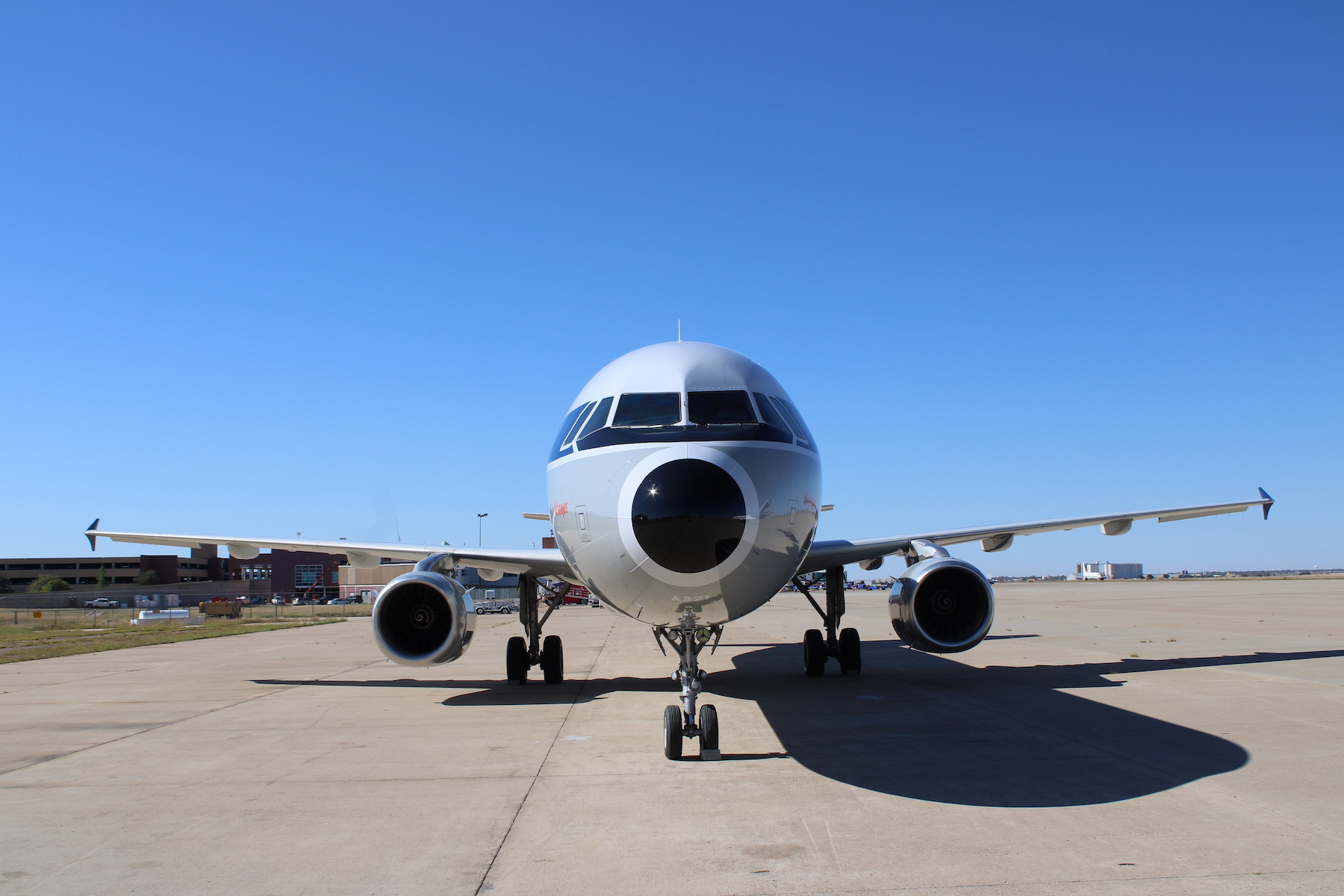
In September, American repainted two A321s – N581UW and N852UW – in the PSA and Piedmont heritage liveries respectively. The Allegheny livery becomes the latest.
The Allegheny retro livery was once on an A319 (Photo: American Airlines)
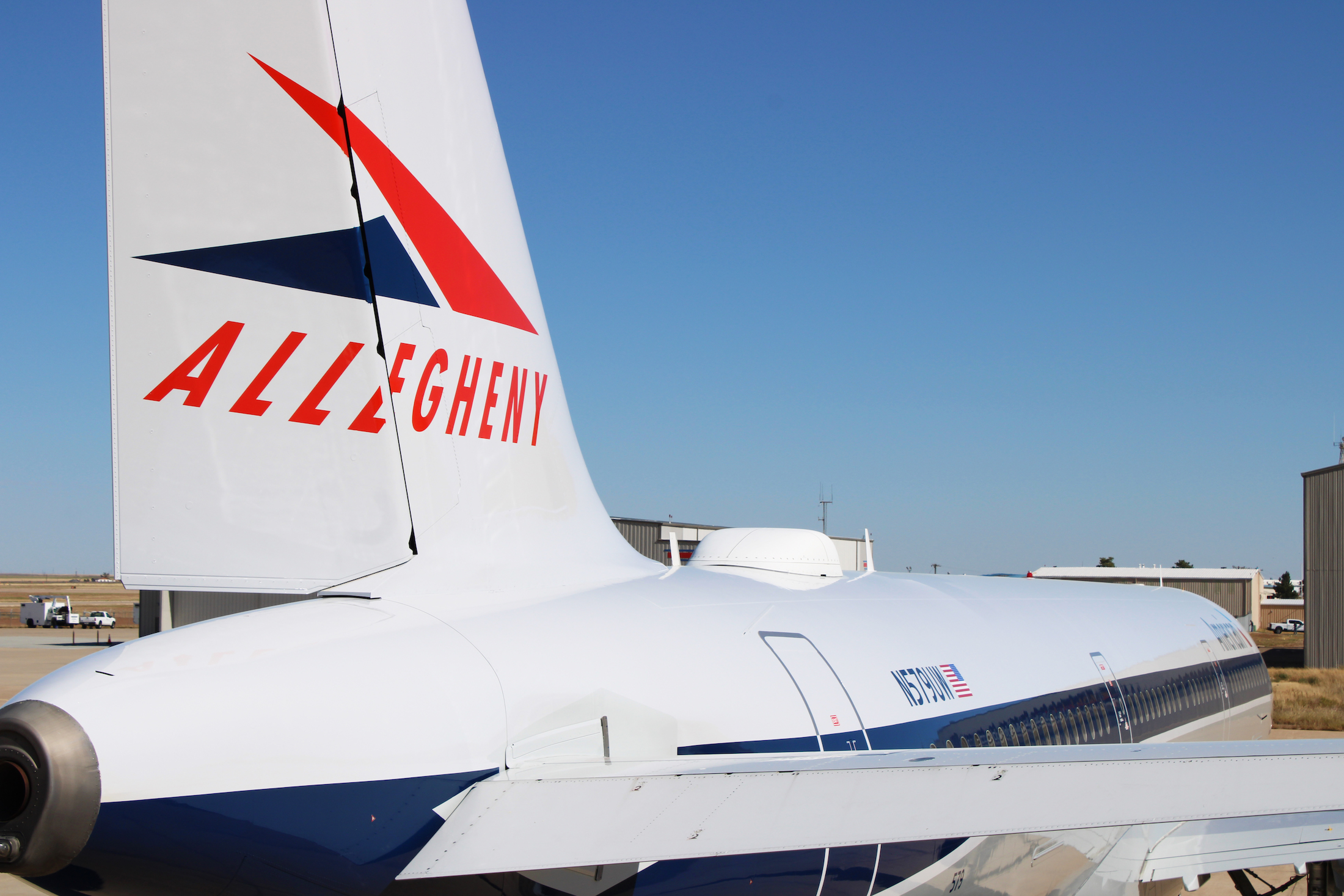
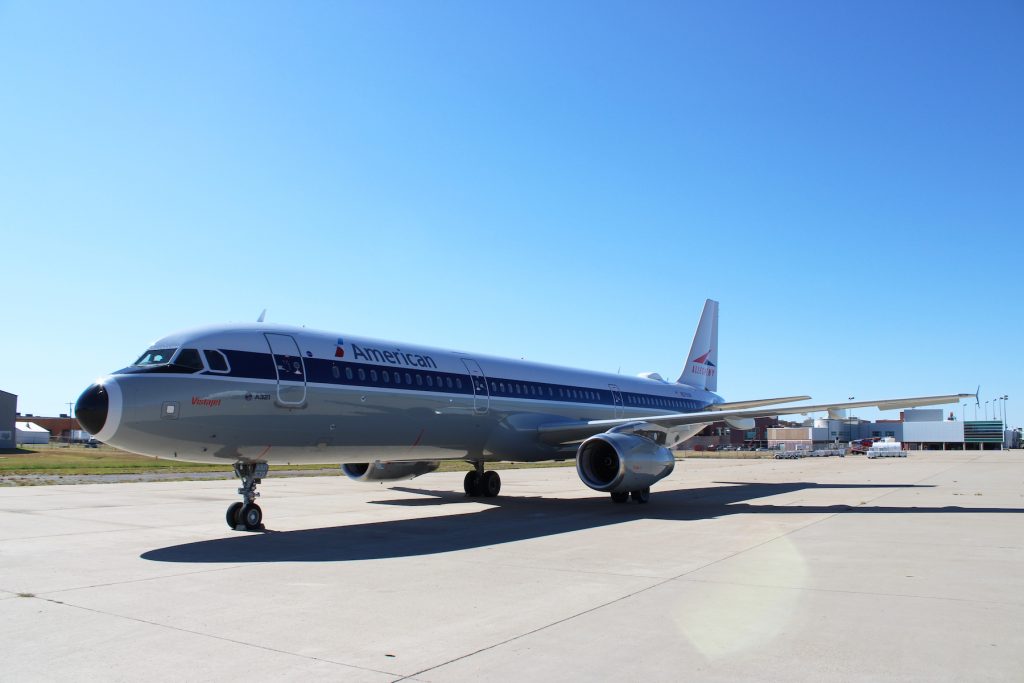
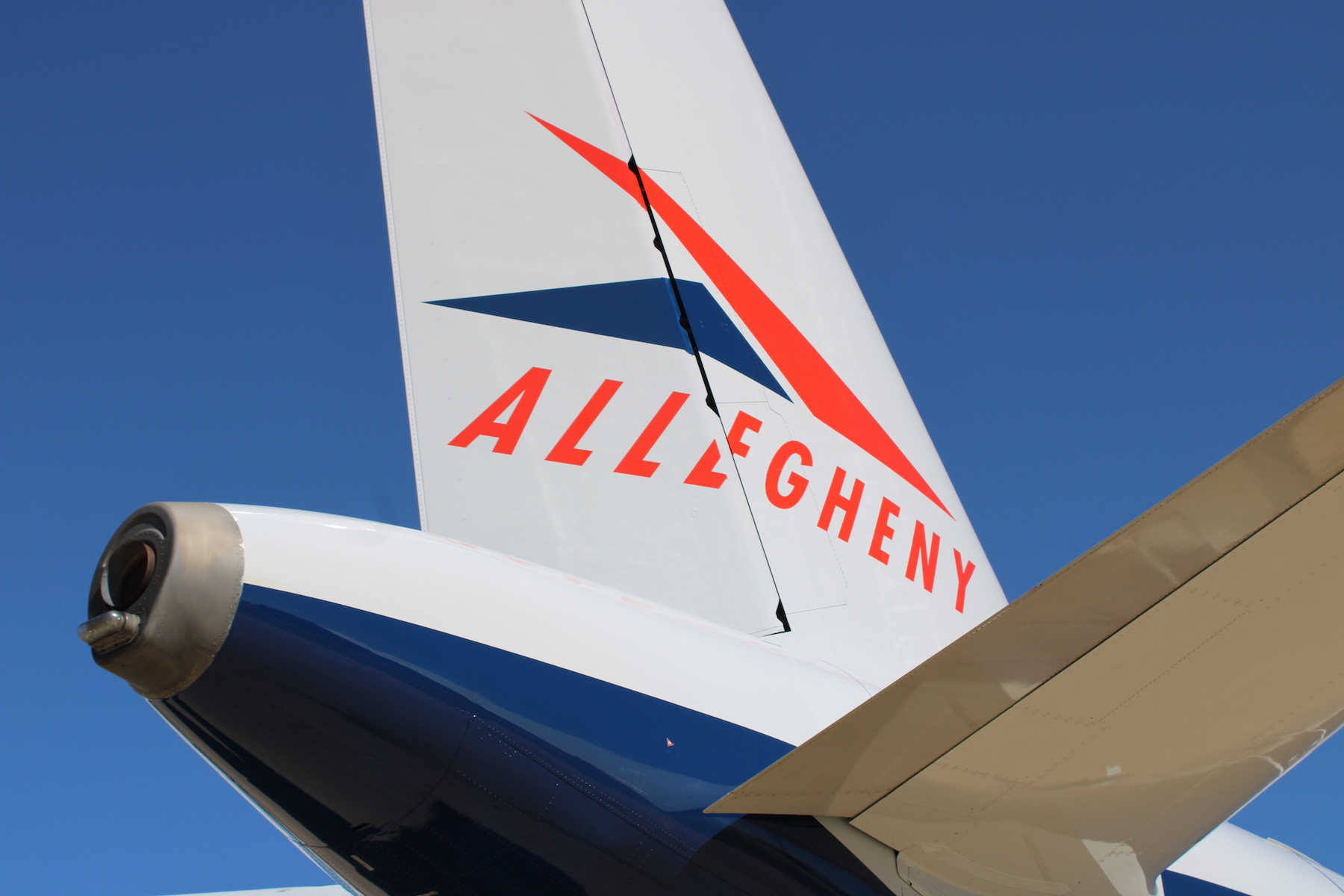
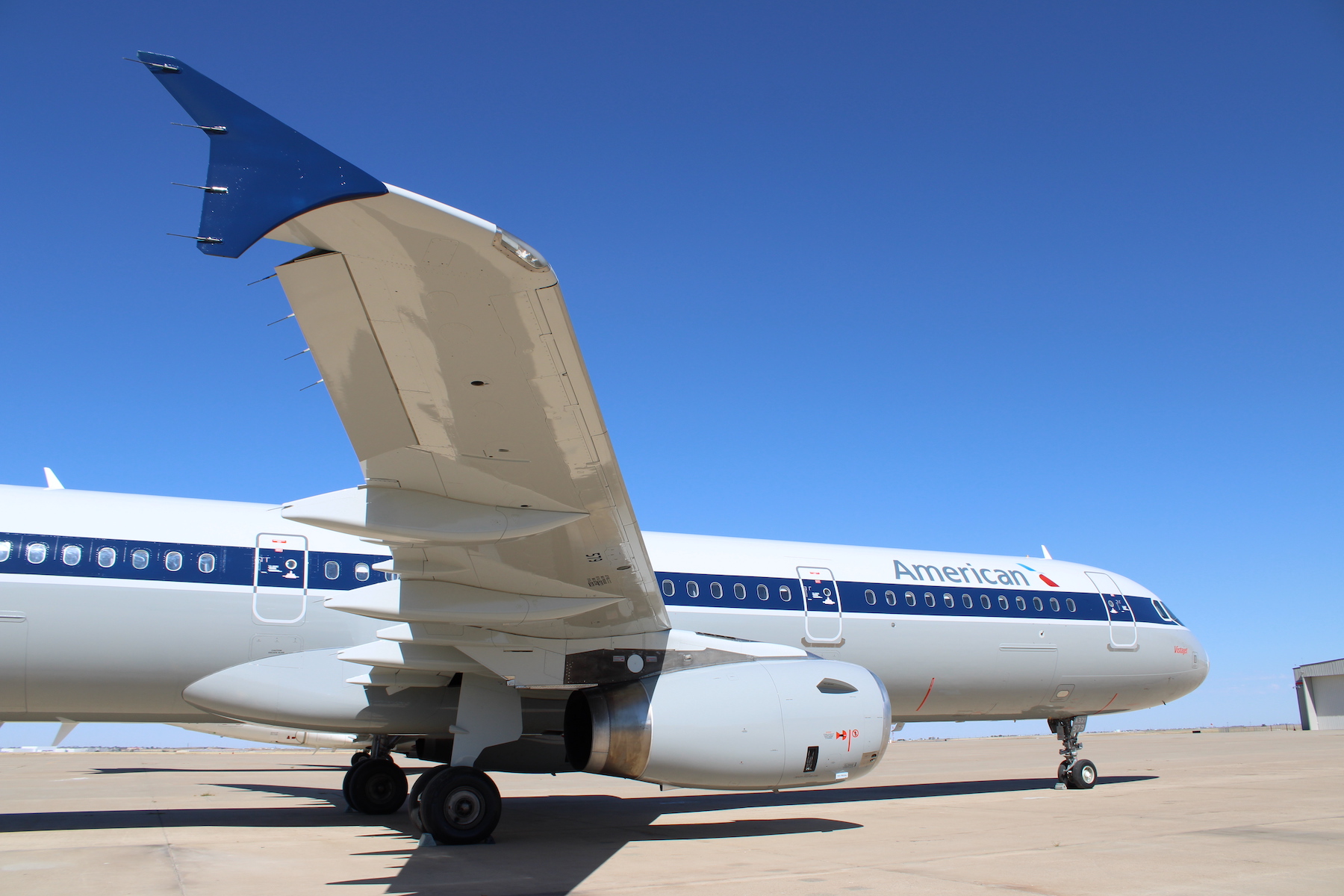
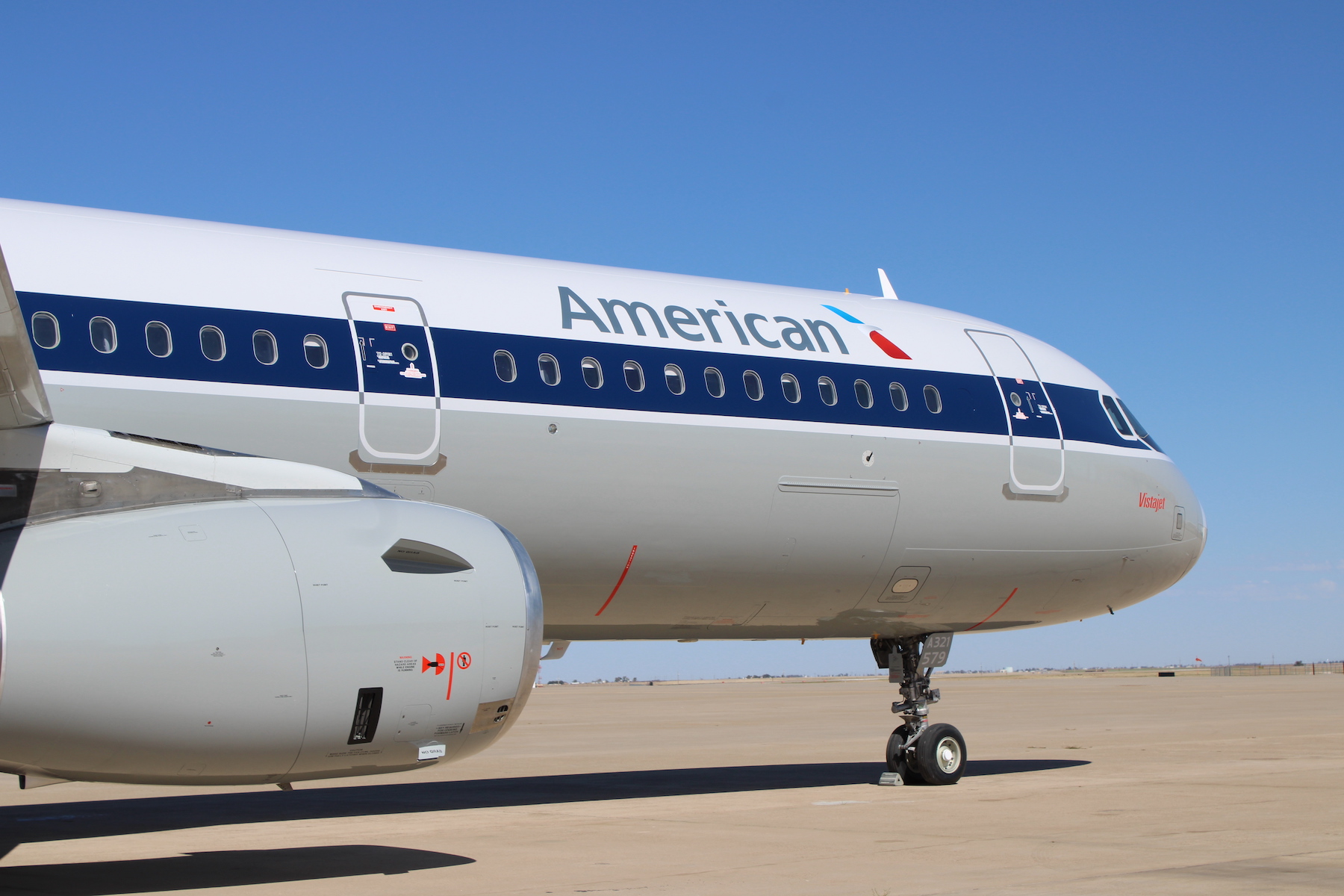
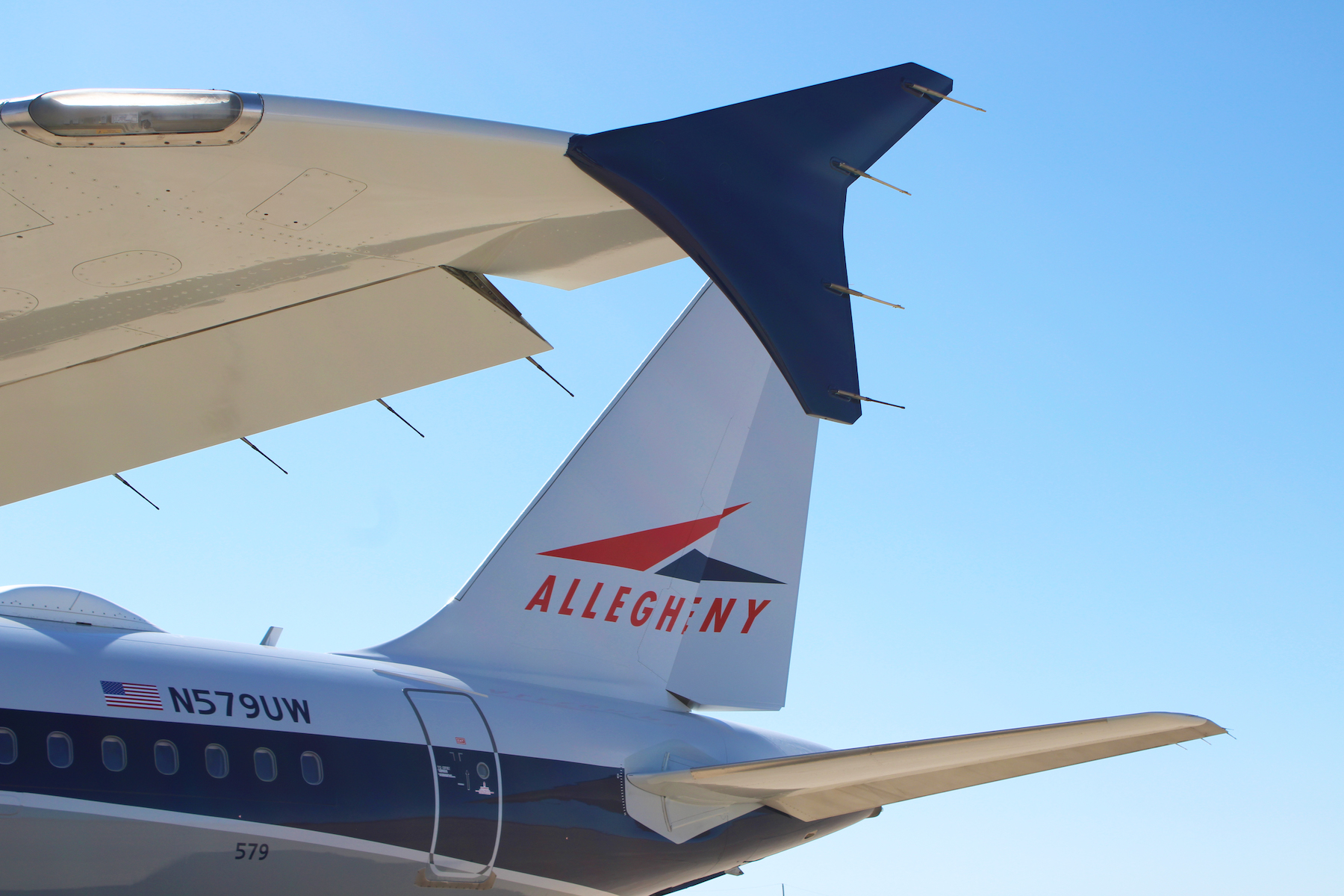
Fort Worth-based American Airlines has unveiled the latest (re)addition to its lineup of retro-themed liveries. Previously on an A319 (N745VJ), the carrier shifted the paint scheme to a larger A321 (N579UW). The Allegheny retro jet joins a list of recently refreshed special liveries, including American’s PSA, Piedmont, and US Airways themes.
Earlier this year, the airline announced that it would be moving all its A319 retro liveries to the larger A321 variant. Sometimes called ‘heritage’ liveries, each one represents an airline from the past that eventually made up today’s American Airlines brand. These include US Airways, Piedmont, PSA, America West, and Allegheny on the airline’s Airbus fleet.
American’s latest refreshed heritage aircraft looks back at the Allegheny brand (Photo: American Airlines)
On the carrier’s 737 fleet, retro liveries include TWA (N915NN), AirCal (N917NN), RenoAir (N916NN), the 1950s-era AstroJet (N905NN), and the polished aluminum AA design (N921NN). In total, American has 10 aircraft representing past brands.
In September, American repainted two A321s – N581UW and N852UW – in the PSA and Piedmont heritage liveries respectively.
A Look Back at Allegheny Airlines
Originally known as All American Aviation Company, Allegheny was a once well-known regional airline in the U.S., especially in its home state of Pennsylvania. The airline’s roots can be traced back to 1939.
Initially, the airline’s primary focus was to provide airmail services to smaller communities in Pennsylvania. It operated a fleet of single-engine Stinson Reliant aircraft and was a key link in connecting remote areas.
After World War II, the company rebranded as All American Airways, pivoting to scheduled passenger services. In 1953, it was again rebranded as Allegheny Airlines to reflect its regional focus on the Allegheny Mountain region. The airline rapidly grew its fleet and route network throughout the 1950s and 1960s. It primarily operated twin-engine aircraft such as the Convair 340 and 440, as well as the Fairchild F-27.
The airline later began acquiring larger aircraft, such as the McDonnell Douglas DC-9. In 1979, it changed its name to USAir. The USAir name eventually evolved into US Airways and later merged with American Airlines in 2013.
Allegheny called its DC-9 the ‘VistaJet,’ which is reflected on American’s A321 retro livery today.
Behind the Livery
American has a relatively extensive line-up of retro liveries compared to some of its peers. The updated Allegheny design rolled out of the paint shop in Amarillo, Texas on Tuesday.
Painting large commercial aircraft can cost nearly $200,000, according to CNBC. Some airlines invest heavily in their paint schemes, including both special and standard liveries. Often artfully designed, liveries have the ability to tell unique stories.
All photos provided by American Airlines
Editor’s Note: If you like deep diving into the intriguing realm of airline liveries, logos, and designs, head over to AirlineGeeks’ ‘Livery of the Week.’ series. Each week, our team looks at a specific design – both past and present – and the story behind it.
Ryan founded AirlineGeeks.com in February 2013 and has spent more than a decade covering the airline business. His work has been featured by CNN, WJLA, CNET, and Business Insider. His aviation experience spans airport operations, Part 135 regulatory compliance, and airline crew workforce planning, along with time behind the yoke of a Cessna 172 and interviews with airline executives. Ryan now serves as Group President of Firecrown Media’s Aviation Group. He holds a B.S. in Air Transportation Management and an MBA from Arizona State University and teaches Airline Management at Embry-Riddle Aeronautical University.
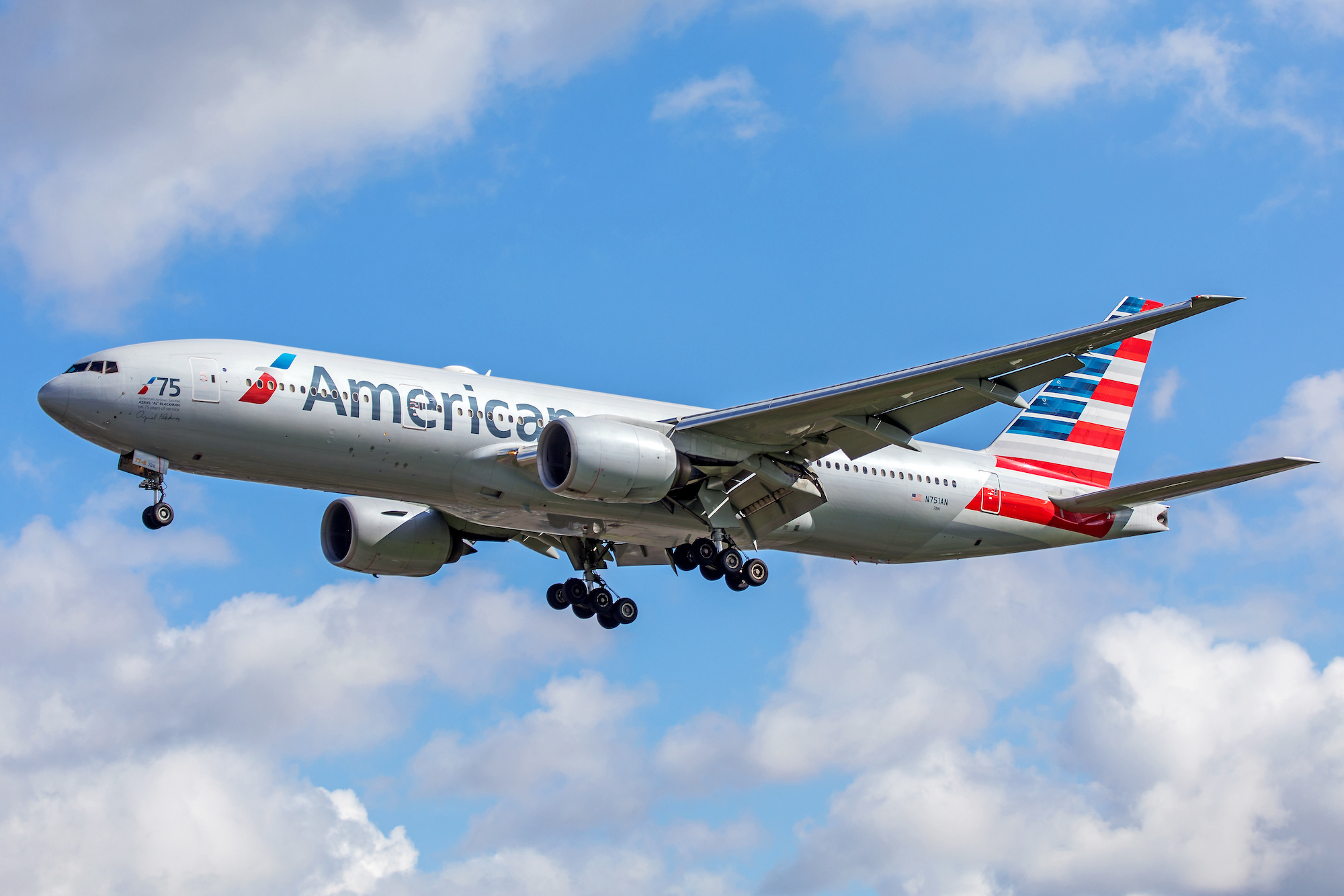
An American 777-200 in London (Photo: AirlineGeeks | William Derrickson)
In an application filed with the United States Department of Transportation (DOT), American Airlines has requested the seven weekly slot pairs that will soon be vacated by Delta at Tokyo Haneda Airport. American is requesting the slots to restart service between Haneda and New York’s John F. Kennedy International Airport (JFK).
American’s Haneda Slot Request
American is proposing to start a daily service between New York and Tokyo Haneda. In its application to the DOT for the slots, the Fort Worth-based carrier stated that it “has firm plans to commence daily year-round nonstop roundtrip service between New York City’s John F. Kennedy International Airport and Haneda with these seven weekly slot pairs using widebody aircraft.”
The proposed service would connect two major global cities and would add to the four existing daily flights between the two airports. Both Japan Airlines and All Nippon Airways currently fly two daily flights between Haneda and JFK using Boeing 777-300ER aircraft. Japan Airlines and American are Oneworld alliance partners and American currently codeshares on Japan Airlines’ flights between JFK and Haneda.
American briefly operated a flight between JFK and Tokyo Haneda between February 2011 and December 2013, but ended the service, citing unprofitability due to late arrival and early departure slot times. The airline also previously flew from JFK to Tokyo’s other major airport – Narita International Airport – until it ended that route in favor of its Haneda service in 2012.
The Battle for Haneda Slots
After the opening of Narita Airport in 1978, Haneda became primarily used for domestic flights. In 2010, the airport opened a new international terminal and expanded its international offerings. The roster of international flights at Haneda has continued to grow, as it is the preferred airport for many travelers and airlines due to its close proximity to central Tokyo.
However, capacity at Haneda is limited and the demand for slots is high. Following the expansion of the U.S.–Japan Air Transport Agreement in 2019, the DOT was in a position to grant an additional 12 weekly slot pairs between Haneda and the United States, bringing the total number of U.S. slots to 17. After a public interest review, the DOT awarded these slots to four airlines: American Airlines, Delta Air Lines, Hawaiian Airlines and United Airlines.
Delta received the greatest number of slots at five. The slots were granted to each airline to serve specific U.S. airports and one of Delta’s awarded pairs was for a route between Portland International Airport and Haneda. While the airlines were to lose a slot should they not use it, the DOT put a waiver on this condition during the COVID-19 pandemic. This waiver is coming to an end this month and Delta still has not started its Portland–Haneda route. For months, Delta asked the DOT to allow it to shift the slot to another U.S. airport, citing changing market conditions.
The DOT was unconvinced by Delta’s arguments, stating that the slot awarding process should be restarted instead: “The department believes, consistent with our past practice, that should any of the carriers selected for Haneda service wish to change their U.S. gateway, the public interest would be best served by our consideration of such a request on the basis of a fresh and complete evidentiary record, and in light of the circumstances presented at that time.”
In September, Delta indicated that it would not be starting service between Portland and Haneda, thereby freeing up the slot pair that American is now requesting. United has also applied for these slots to operate flights from Houston’s George Bush Intercontinental Airport and Haneda. United has separately asked for some of Hawaiian’s unused frequencies to start a Guam–Haneda service.
Andrew is a lifelong lover of aviation and travel. He has flown all over the world and is fascinated by the workings of the air travel industry. As a private pilot and glider pilot who has worked with airlines, airports and other industry stakeholders, he is always excited to share his passion for aviation with others. In addition to being a writer, he also hosts Flying Smarter, an educational travel podcast that explores the complex world of air travel to help listeners become better-informed and savvier travelers.
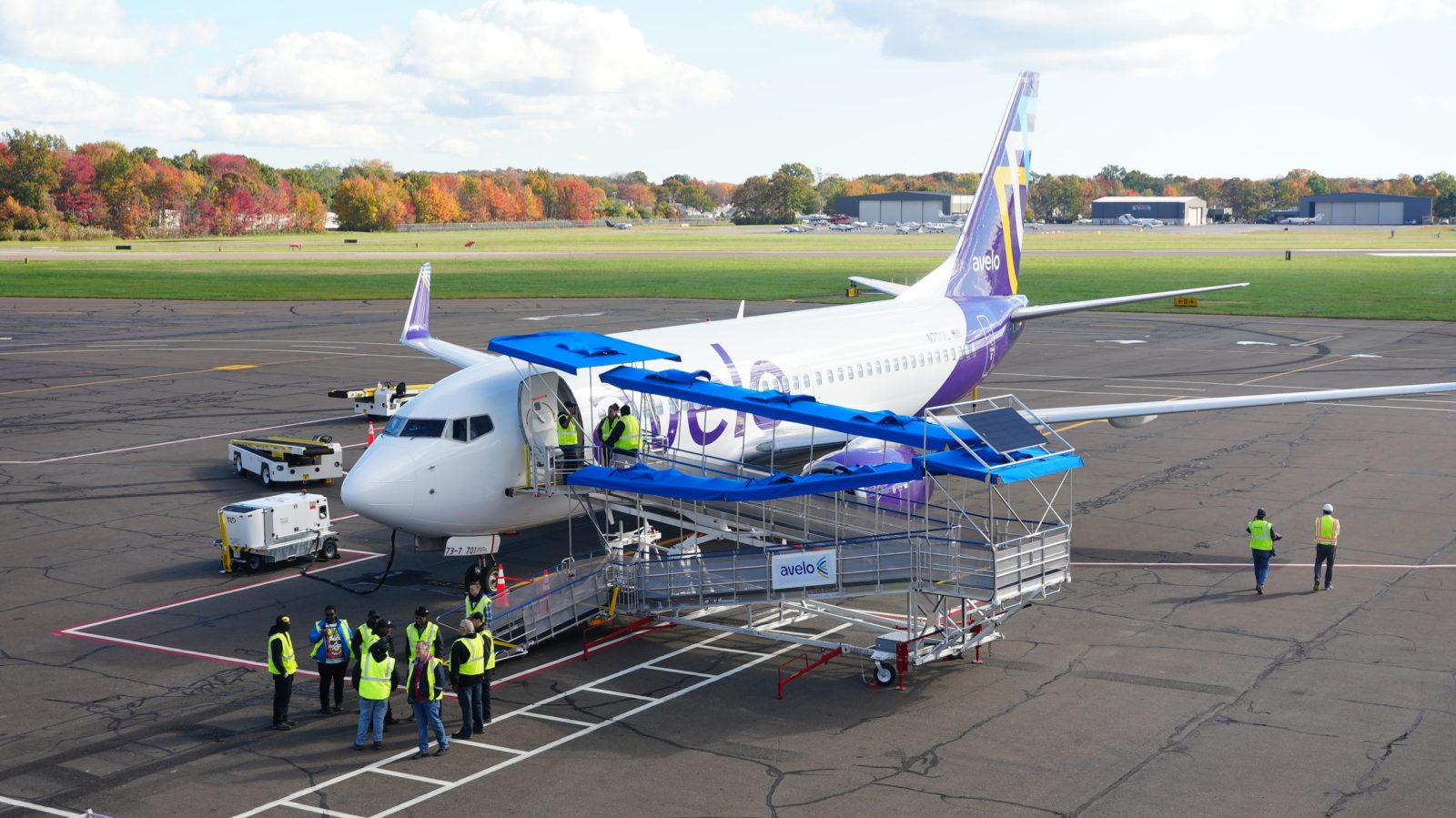
An Avelo Airlines Boeing 737-700 at Tweed-New Haven. (Photo: Avelo Airlines)
Avelo Airlines announced on Tuesday that it is increasing compensation for its pilots for the fifth time since the company launched in April 2021.
According to the airline, its first-year hourly pay rate for captains starts at $240 and first officers at $131. The pay rate is capped at 12 years, coming to $298 per hour for captains and $201 per hour for first officers. Avelo reports that it also offers a 125 percent pay incentive when pilots fly 75 hours or more.
“The pay increase we are announcing, combined with the other exceptional benefits and quality of life Avelo offers, will continue to make Avelo a very attractive destination for pilots,” said Avelo Airlines chairman and CEO Andrew Levy. “Our pilots play a critical role in Avelo’s future, and we look forward to welcoming many more of these outstanding aviation professionals to our airline in the months and years ahead.”
“At Avelo Airlines, pilots hire pilots,” said Avelo COO Greg Baden. “This is an exciting opportunity for both direct-entry captains and young professional aviators to get in on the ground floor of an incredible journey as they continue their careers.”
Avelo is also set to open a new pilot and flight attendant training center in Orlando, Fla., at the beginning of 2024.
Editor’s Note: This story originally appeared on FlyingMag.com.
AirlineGeeks.com was founded in February 2013 as a one-person blog in Washington D.C. Since then, we’ve grown to have 25+ active team members scattered across the globe. We are all here for the same reason: we love deep-diving into the fascinating realm of the airline industry.
On Tuesday, Boeing announced the opening of its Engineering and Technology Center in Brazil, one of 15 Boeing engineering sites worldwide that develop advanced technology to drive aerospace innovation. Based in São José dos Campos (SP), where the company began operations in 2014, the engineering center is an expansion of Boeing’s strategic investments in Brazil, employing about 500 engineers supporting current and future programs.
“Boeing’s longstanding partnership with Brazil dates back more than 90 years, and during that time, we have collaborated with the Brazilian aerospace industry and community to tap into the incredible technical abilities and problem-solving skills of Brazilian engineers,” said Lynne Hopper, vice president of Boeing Engineering, Strategy and Operations.
“Their expertise strengthens our commitment to engineering excellence and positions us to tackle the next generation of challenges in our industry,” Hooper.
A Boeing 737 MAX 10 on a test flight. (Photo: AirlineGeeks | Katie Zera)
Abimde (Brazilian Association of Defense Materials Industry) and AIAB (Association of Aerospace Industries of Brazil) sued in November 2022 to interrupt the hiring in draconian terms. It’s unclear if Boeing’s Memorandum of Understanding for Technological Cooperation with the state of São Paulo includes any concession regarding the lawsuit filed in the state’s 3rd Federal Court of São José dos Campos.
Boeing’s Talent Problem
The new engineering center is part of the Arlington, Va.-based company’s initiative to ditch Russia, where it used to hire as many as 1,500 engineers. The company had to shutter its operations in Russia weeks after the country started invading Ukraine. The US company relocated about 100 engineers from its Moscow engineering center to countries in the Middle East and East Europe. However, the interruption still left a dent in its engineering resources.
Although not very directly impacting Boeing, the recent conflict in Israel will undoubtedly impact the company’s ability on some of its engineering projects due to its relationship with companies such as Israel Aerospace Industries. The Middle Eastern company supplies the 787’s passenger & cargo floor grids, door surrounds, and the pivot bulkhead. In the past, Boeing has also inducted many engineers from its supplier’s cargo conversion division to its own.
A Boeing 737 MAX 9 testbed aircraft. (Photo: AirlineGeeks | William Derrickson)
Boeing is also facing more challenges at its home base in the Seattle area. It lost more than 500 of its senior engineers due to pension changes in 2022. It has also lost its engineering talents to tech companies for many years. A slew of new space and aerospace start-ups are also fighting fiercely for engineers in the area. For instance, Amazon’s Blue Origin has grown from 850 employees to more than 3,000 in the Seattle area in 2022. In the last two years, both MagniX and ZeroAvia, leaders in electric and hydrogen aircraft propulsion, opened offices down the street from Boeing.
The challenges have forced Boeing to fill the holes elsewhere. However, it’s concerning how much more fragmented the Aerospace’s giant operations will become and how that will affect its effectiveness as a product design organization.
Fangzhong grew up near an OEM airport in northeastern China, where he developed his enthusiasm for aviation. Taking upon his passion, he's now working as an aircraft interior design engineer. Besides working in the aerospace industry, Fangzhong enjoys trying out different types of airplanes and seeing how airplane interiors have evolved. So far, he's flown on over 80 types of aircraft. He also planespots in his spare time. His rarest catches included the 747 Shuttle Carrier Aircraft and AN-225.
Israel’s El Al Poised to Maintain Vital Air Link
As other airline's cut flights to Israel, El Al has spent well over $100 million preparing itself for threats and maintaining a link.
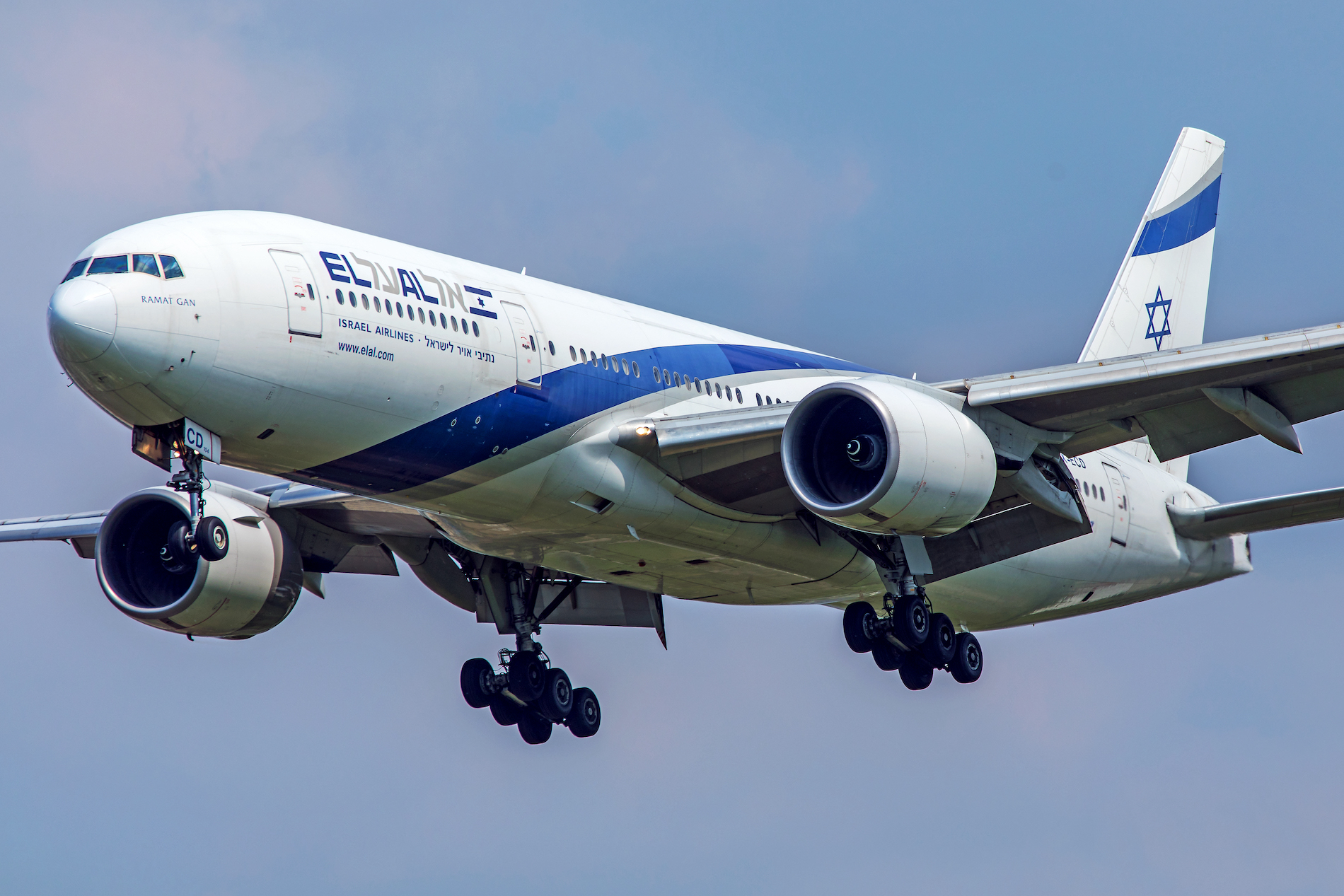
An El Al 777-200 in London. (Photo: AirlineGeeks | William Derrickson)
El Al is no stranger to thwarting threats across its fleet of 41 aircraft and 55 different stations worldwide. For nearly two decades, the now privately funded airline has spent over $1 million per aircraft installing various missile defense systems while enhancing security protocols that span well beyond its Tel Aviv hub.
“Citizens of Israel, we are at war. Not an operation, not a round [of fighting,] at war! This morning Hamas initiated a murderous surprise attack against the state of Israel and its citizens,” Israeli Prime Minister Benjamin Netanyahu said on Saturday during an address.
On average, nearly a quarter of flights to/from Israel have been canceled since attacks broke out on October 7, per data from FlightAware. Since Saturday, approximately 45% of flights in the country experienced delays. Aviation regulators have admonished pilots flying in or around Israel with the FAA advising ‘caution.’
Preserving an Air Bridge
Bucking the trend of precautionary service cancellations, El Al is operating a near-normal schedule. Between Saturday and Sunday, El Al had 77 scheduled flights departing Israel, and canceled only a single frequency. The carrier had 80 flights arriving in Israel, with only one canceled, according to FlightAware data.
“Our flights are operated as scheduled,” El Al’s website reads.
Not only is the carrier preserving its regular schedule, but it is also adding additional flights to bring soldiers to its home country. In an unprecedented move, Israel called for 300,000 reservists on Monday, per Reuters.
Of course, maintaining some level of passenger service is one lifeline for a war-ravaged country, but what about cargo? While El Al no longer operates a dedicated freighter, the airline sells cargo capacity across its fleet of passenger jets. In July, El Al’s Tel Aviv home airport reported 14,387 tons of cargo transported in passenger aircraft.
An El Al Dreamliner in Everett, Wash (Photo: AirlineGeeks | Katie Bailey)
Out of the roughly 6,700 international flights into Israel scheduled for October 2023, El Al operates 22% of them, per data from Cirium.
‘Do Not Fly’ Airspace
Amid the flurry of reports that Hamas is targeting Ben Gurion airport with rocket fire, the nearby airspace remains bustling. Pleadings from other regulators have not slowed down traffic, and the Civil Aviation Authority of Israel says it is “mitigating the risk to an acceptable level of safety,” per a FlightGlobal report.
OpsGroup – a group of industry operations professionals who monitor global airspace conditions – issued a stark warning on Monday. Citing recent air disasters involving attacks on airliners, including MH17 and UIA752, the group cautions that a similar event could happen in Israel.
“Israel is now an active war zone, and therefore the Safe Airspace warning is at Level 1 – Do Not Fly. The Israeli cabinet officially declared war against Hamas on Sunday, Oct 8th,” a post from the group read. “The risk of a passenger aircraft becoming a casualty of this war is high.”
Shared on Monday, OpsGroup’s post does note that a significant amount of operating flights are El Al’s, which may still be repatriating citizens and conducting troop transport.
An El Al 737-800 aircraft (Photo: AirlineGeeks | William Derrickson)
“This may give operators even a sense that ops are normal – but bear in mind that these El Al flights are to some degree troop transport movements, and in fact may increase the appetite for making civil aircraft a target,” the post concludes.
Even though El Al has capped fares and added frequencies, it is unclear how many of its flights are solely operating to transport troops. Despite these warnings, a handful of other air carriers continue to fly a near-regular schedule to Israel. Arkia, Israir, and Pegasys Airlines reportedly had no cancellations over the weekend.
Keeping Business As Usual?
Airlines perform regular risk assessments to balance safety and efficiency. In fact, the European Aviation Safety Agency (EASA) recommends that operators conduct a ‘robust risk assessment’ when deciding whether to fly to Israel.
Keeping an airline flying with rocket fire in its home base’s backyard is indeed a risky play, but El Al comes prepared.
A 2002 terrorist incident where a shoulder-fired missile narrowly missed an Israeli Boeing 757 prompted El Al to install a system called Flight Guard on its fleet. “When a plane comes under attack, the system responds by firing flares designed to confuse a heat-seeking missile and divert it away from the original target,” a 2004 CNN article reads. The fully automated system included a Doppler radar with a full 360-degree view. If a missile were to be detected, flares would be deployed in seconds, a tactic commonly used on fighter jets.
A recent StackExchange post indicates that the system may have been modernized over time. Another Israeli-designed system named C-MUSIC DIRCM (direct infrared countermeasure) leverages lasers instead of flares to deter any approaching missiles. The airline reportedly began deploying the C-MUSIC system in 2013.
An El Al 737-800 with an anti-defense system installed on the bottom of the fuselage (Photo: AirlineGeeks | Fabian Behr)
El Al’s safety and security infrastructure go well beyond its fleet. A majority of the company’s pilots are ex-Air Force aviators, some of whom have combat experience. The airline – along with Israeli officials – reportedly staff each flight with an armed air marshal.
On the ground, it is not uncommon to see extensive security personnel around El Al’s aircraft, even in out-stations. While its aircraft taxi, El Al will commonly enlist local law enforcement to trail the jet until it becomes airborne. Back inside the terminal, El Al security personnel question passengers prior to check-in, and then again at the gate. Airports worldwide often must cordon off a distinct gate for flights to Israel in compliance with the country’s stringent security policies.
A 2003 analysis in Bloomberg News estimated that El Al spends approximately $100 million per year to comply with Israeli security measures. The airline employs security staff and contractors at all of its stations.
Often dubbed a model for air travel security, El Al has built an airline around its security protocols. During wartime, maintaining critical connections is important for moving both people and supplies. Defense programs such as the U.S.’s Civil Reserve Air Fleet (CRAF) seek to do just that with contracted airliners.
Investing millions of dollars and decades readying itself for wartime, El Al appears steadfast in continuing regular operations.
Ryan founded AirlineGeeks.com in February 2013 and has spent more than a decade covering the airline business. His work has been featured by CNN, WJLA, CNET, and Business Insider. His aviation experience spans airport operations, Part 135 regulatory compliance, and airline crew workforce planning, along with time behind the yoke of a Cessna 172 and interviews with airline executives. Ryan now serves as Group President of Firecrown Media’s Aviation Group. He holds a B.S. in Air Transportation Management and an MBA from Arizona State University and teaches Airline Management at Embry-Riddle Aeronautical University.