









Stories

U.K.’s Doncaster Sheffield Airport Could Resume Service

Doncaster recorded an operating loss of 4.3 million pounds and handled about 400,000 passengers in the 12 months ending in Mar. 2022

Doncaster Airport (Photo: https://www.peel.co.uk/wp-content/uploads/2020/02/newdsa.jpg)

After almost one year of ceasing flight operations, U.K.’s Doncaster Sheffield Airport could revive in two years, according to Mirror.

Doncaster closed its doors last November as a result of a lack of financial viability and high fixed costs. Last year, the airport turned down the South Yorkshire Mayoral Combined Authority (SYMCA)’s financial lifeline and believed the public sector grant was not viable. The closure of the airport left the council devastated. Ironically, Doncaster was crowned as the best airport in the U.K. ahead of its closure.

EY, a consultant company, has shed light on the future profitability, expecting the airport could make a profit within five years, and deliver up to a billion pounds to the region in jobs while also increasing land value. The report has reviewed that Doncaster could attract up to two million passengers a year within a decade, more than pre-pandemic levels.

“Still a long way to go but there’s some light at the end of the tunnel,” Oliver Coppard, the mayor of South Yorkshire, said.

The City of Doncaster (CDC) has held a series of meetings with Peel Group, the airport’s landowner. CDC is willing to take on a 100-year lease on the site, but Peel hasn’t accepted the proposal thus far.

The council has gone further in preparing a Compulsory Purchase Order (CPO) to regain the site if a deal cannot be reached. The council has prepared 3.1 million pounds ($3.8 million) for legal fees, in case a CPO is required.

Determined to Relaunch Doncaster

Meanwhile, the authority has negotiated with 15 private sector firms interested in operating the future airport. The interested parties could be bidding for the contract by October 25. The new operator is expected to be chosen in March 2024. Also, the Civil Aviation Authority pushed back a decision on whether the site control airspace should be removed.

“Since the future of Doncaster Sheffield Airport was first threatened, we’ve always said we would do whatever we could to save our airport,” Coppard said.

CDC believes that the reopening of the airport could be a catalyst for economic growth and would restore international connectivity for Doncaster and South Yorkshire, which is currently the biggest city in Europe without an airport. The airport is forecast to create almost 5,000 direct jobs as well as creating up to 11,500 jobs in the wider economy.

“Saving the airport is critically important for Doncaster and South Yorkshire,” Ros Jones, the mayor of Doncaster, said.

Doncaster recorded an operating loss of 4.3 million pounds and handled about 400,000 passengers in the 12 months ending in March 2022. TUI became the sole airline at Doncaster after the withdrawal of Wizz Air from the airport last June.
South African Airways Expands Fleet, Adds New African Destination

The current fleet of South African Airways stands at a total of six active aircraft, which comprises five Airbus A320s and one A340-300.

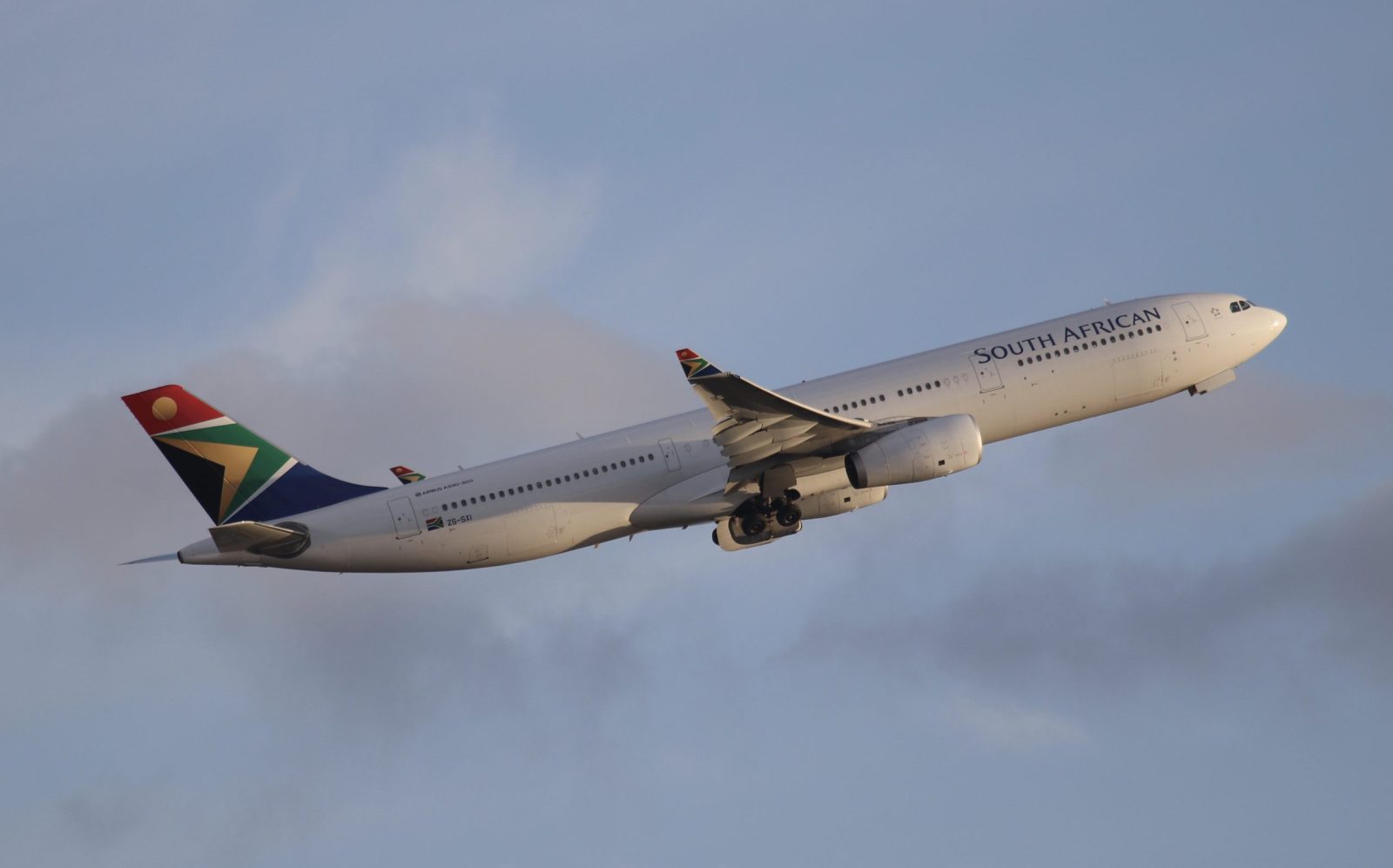
A South African A330 taking off. (Photo: AirlineGeeks | James Dinsdale)

In line with their vision to enhance their operational capacity and routes, South African Airways (SAA) has welcomed an additional Airbus A330-300 to its fleet, the airline reports. The aircraft, registered as ZS-SXI, comes as part of SAA’s strategy to reconnect with passengers and rebuild its network.

The current fleet of South African Airways stands at a total of six active aircraft, which comprises five Airbus A320s and one A340-300. Additionally, the airline is leasing a Boeing 737-800. Two of their jets are presently undergoing maintenance, an A320 and an A330-300.

Plans are already in motion for the new Airbus A330-300, with scheduled flights set to commence. Starting from October 31, the airline intends to operate flights from Cape Town to São Paulo, and from November 6, flights will connect Johannesburg to this vital route. Both routes will be serviced by the Airbus A330-300, configured to accommodate up to 249 passengers across two classes: 46 seats in business class and 203 in economy class.

Domestic Boost: Sun Express Leases Two Boeing 737s

SAA is not just looking to expand its international footprint; it’s also committed to meeting the domestic travel demands of its passengers. The South African national airline has entered into a temporary leasing agreement with Turkish-German holiday airline Sun Express that involves two Boeing 737-800 aircraft, which SAA intends to deploy on domestic routes during the high-demand southern summer season.

The first Sun Express aircraft will be in operation from October 20 to March 31 with the second joining the fleet from November 16 to March 31. These Boeing 737s will connect major South African cities, including Johannesburg, Cape Town, and Durban, offering travelers greater flexibility and convenience. Notably, this arrangement coincides with Sun Express’ reduced jet requirements in the northern winter.

Abidjan Joins the Network

SAA’s commitment to growth extends to the African continent, with the airline announcing the launch of a new route to Abidjan in Côte d’Ivoire. This marks SAA’s 12th destination in Africa.

The Abidjan route, which will be operated via Accra, Ghana, will utilize the Airbus A330-300 aircraft. Bookings are already open for this route, with the inaugural flight set to take off on Tuesday, Nov. 14, 2023. This route will enhance connectivity between South Africa and West Africa, providing passengers with a convenient and efficient travel option.

The flight schedule will see SAA flying to Félix Houphouët Boigny International Airport in Abidjan three times a week, departing Johannesburg on Tuesdays, Thursdays, and Saturdays at 11:00 a.m. with an arrival time in Abidjan at 5:00 p.m., including a brief 55-minute stopover in Accra.

What sets this route apart is SAA’s commitment to reducing travel time for passengers. Compared to other airlines serving this route, SAA aims to cut the flight duration to just 6 hours, thanks to its strategic stopover in Accra.

Moreover, this route introduces an airfreight connection between Accra, Abidjan, and Johannesburg, promoting trade links among these major cities and strengthening SAA’s global network.

Interim CEO, Professor John Lamola, reiterated that the decision to add Abidjan to SAA’s route schedule was the result of careful analysis, emphasizing the airline’s commitment to sustainability since its restart.

Victor Shalton

Victor Shalton's love for aviation can be traced to when he was 11-years-old. As a seasoned aviation writer, he takes pride in providing the best aviation coverage around the globe and is passionate about advancing his skills in the aviation space. In addition, he loves travelling, writing, arts and while his speaking engagements have taken him around the world, he is proud to call Nairobi home.

test

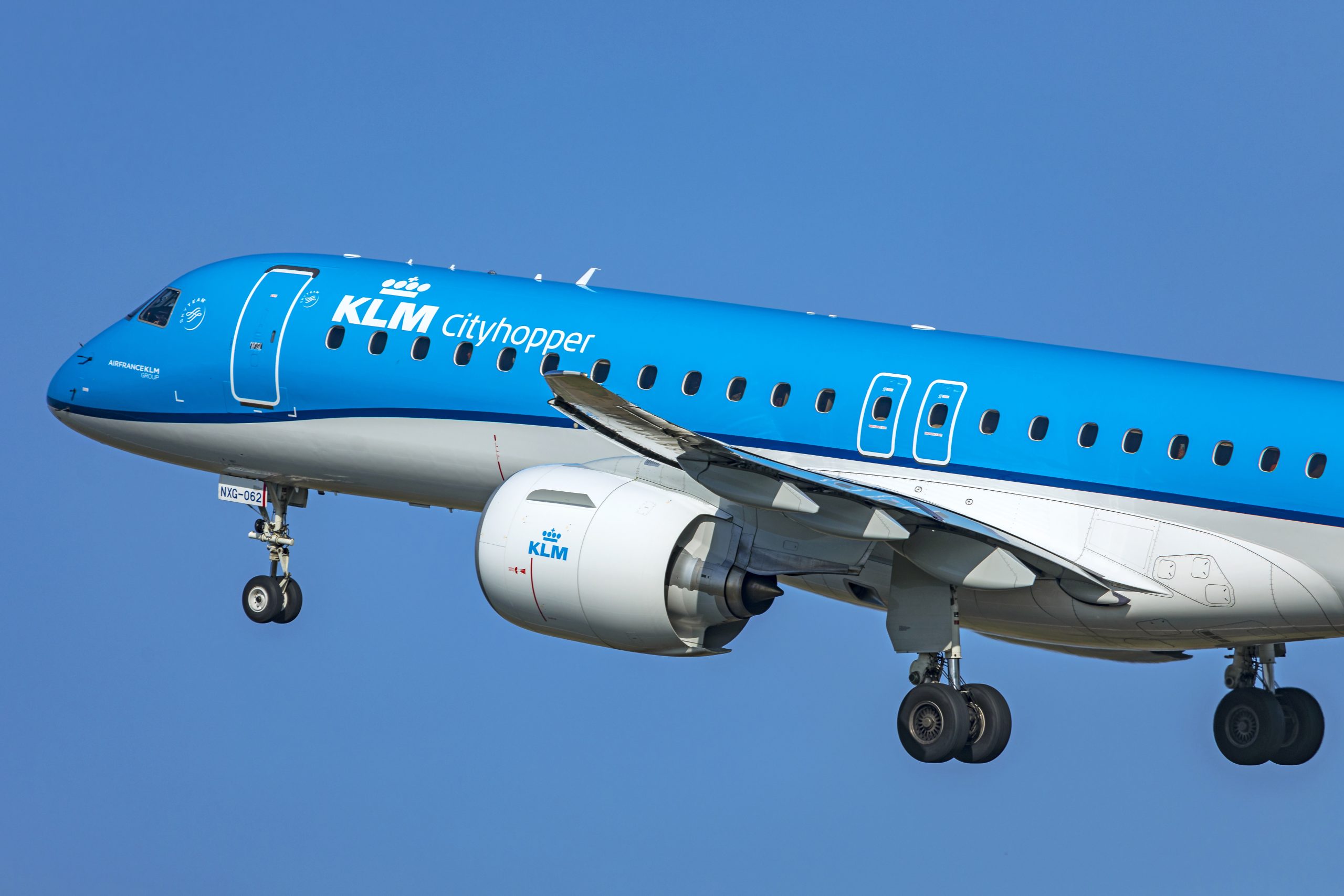
A KLM Cityhopper Embraer E190. (Photo: AirlineGeeks | William Derrickson)

AirlineGeeks.com Staff

AirlineGeeks.com was founded in February 2013 as a one-person blog in Washington D.C. Since then, we’ve grown to have 25+ active team members scattered across the globe. We are all here for the same reason: we love deep-diving into the fascinating realm of the airline industry.

Carriers Scuttle Flights to Israel as FAA Tells Pilots to ‘Exercise Caution’

Passengers traveling through the Tel Aviv airport were advised to be on alert to take shelter.

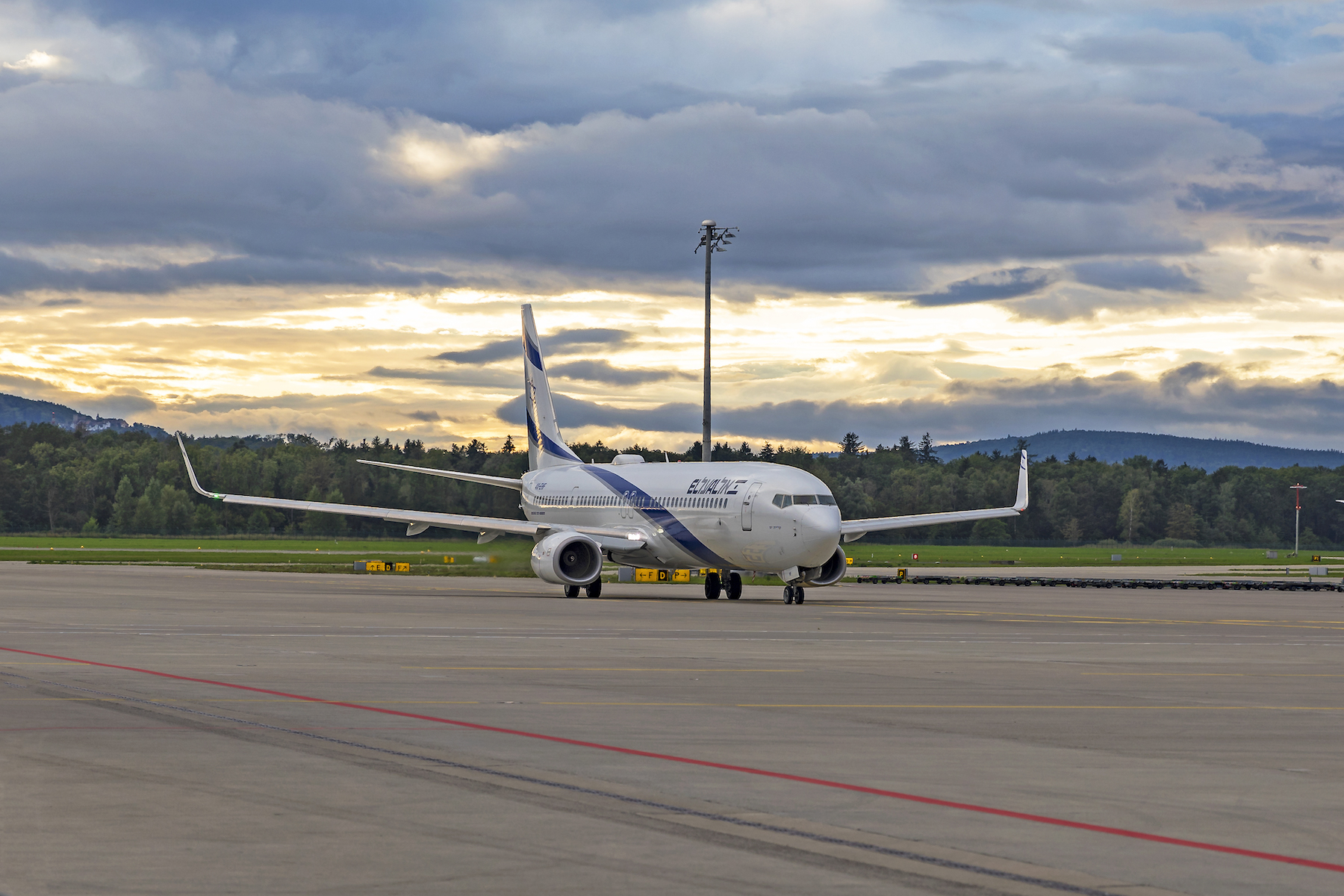
El Al 737-800
An EL AL 737-800 (Photo: AirlineGeeks | William Derrickson)

Flight operations at Ben Gurion International Airport (LLBG) in Tel Aviv, Israel, saw widespread cancellations and delays Monday as many major international carriers canceled service following the eruption of war after a large-scale deadly attack by Islamic militant group Hamas.

A rocket landed close to the airport Monday, according to media reports.

Travel disruptions are among the many latest developments for the country left reeling after a multifront surprise attack Saturday by more than 1,000 Hamas fighters that left an estimated more than 1,100 dead and thousands more wounded.

The airport has an average of 236 flight departures daily, according to FlightAware data. On Sunday, about 27 percent of flights into Israel had been canceled and about half were delayed.

About 37,000 air passengers travel to Israel daily, according to Cirium, an aviation analytics company.

By Monday, major carriers United Airlines, Delta Air Lines, and American Airlines all suspended service to Israel, The Associated Press reported Monday.

Not all carriers cut service, however. Israel airline El Al ramped up flights in order to bring Israeli reservists back to the country amid its unprecedented call-up of 300,000 reserve troops, Reuters reported. The airline had not canceled any flights, and many of its flights in and out of Israel were full, an El Al spokesperson told Reuters.

‘Exercise Caution’

In a Notice to Air Missions, or NOTAM, published Monday, the FAA advised all air carriers and commercial air operators planning to fly into or out of Tel Aviv to “exercise caution”

“Due to the ongoing conflict situation in the region, between Israel and Gaza-based extremist militants, operators are advised to review current security, threat information and NOTAMs,” the FAA said. “Delays are expected, [so] operators should calculate fuel accordingly.”

Passengers traveling through the Tel Aviv airport were advised to be on alert to take shelter.

“In light of the security situation in the state of Israel, Ben Gurion Airport is prepared in accordance with the orders of the Home Front Command,” airport management said in a notice to travelers. “Given the need to evacuate the terminal when there is an alarm at the airport, the following instructions must be followed: When an alarm sounds, passengers are asked to obey the instructions of security personnel in order to reach the protected areas.”

This story was originally published by Kimberly Johnson on FlyingMag.com

AirlineGeeks.com Staff

AirlineGeeks.com was founded in February 2013 as a one-person blog in Washington D.C. Since then, we’ve grown to have 25+ active team members scattered across the globe. We are all here for the same reason: we love deep-diving into the fascinating realm of the airline industry.

New England Patriots, Eastern Airlines Face Off in Lawsuit

At the time of writing, Eastern has not commented on the suit, so we do not really know why exactly it demanded more money.

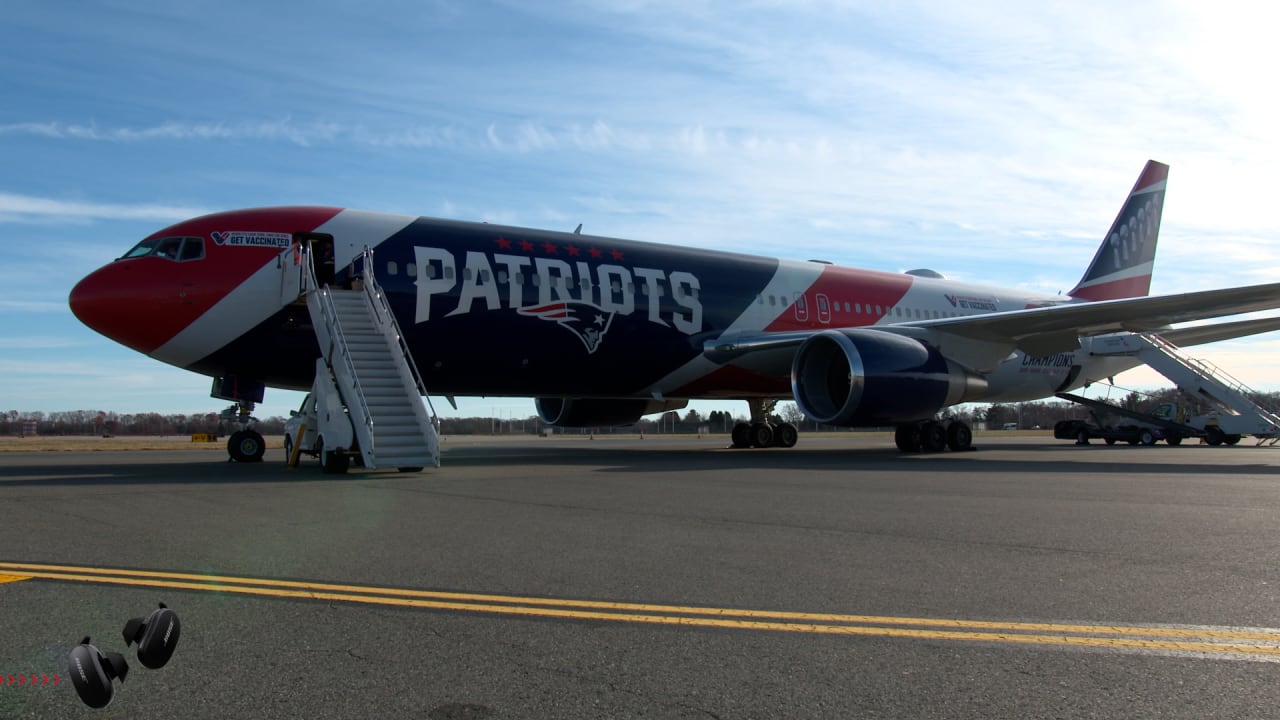
A Boeing 767 owned by the New England Patriots. (Photo: New England Patriots)

Moving NFL teams is a massive logistical challenge. Teams need to move hundreds of players and staff and thousands of pounds of equipment every time they go on the road, and they often fly business class to accommodate the large size of many players.

The business of moving sports teams is so lucrative that major airlines have aircraft specially dedicated to moving the teams they’re partnered with. However, in recent years, some NFL teams have reverted to buying their own airplanes to cut the middleman and handle travel themselves.

The Patriots’ Team Jets

One of the most notable teams to do so was the New England Patriots, who in 2017, purchased two Boeing 767-300s and painted them in a unique livery featuring six Lombardi trophies. The team hired Eastern Airlines in 2020 to operate the flights, and the airline has since used the planes on cargo and charter flights during the NFL offseason to make extra money.

The contract that the Patriots signed with Eastern was for six seasons, which should have gotten them through the end of the 2026 season. However, the team alleges that Eastern violated that contract by threatening to stop operating the flights without more money. According to the New York Post, the Patriots cut ties with the airline and subsequently filed a $22.8 million lawsuit against Eastern in Manhattan court, along with a holding company that leased the planes to Eastern for the originally agreed-upon six seasons.

“If the [New England Patriots] did not pay Eastern more than provided for in the parties’ agreement, Eastern would simply walk away from the agreement, leaving the Patriots without an airplane operator on the eve of the upcoming NFL season, and with no plan in place to transport the Patriots’ sizeable contingent of players, coaches, and other personnel across the country,” the Patriots allege.

While the lawsuit is pending, the Patriots will go back to chartering American Airlines jets for the season. The iconic Patriots jets will sit idle until a resolution is reached.

Economics of Private Team Jets

Purchasing a jet is not a bad idea for sports teams that have the upfront capital to do so. Buying jets, even ones as old as the Patriots’, is not a cheap endeavor, but if a team could afford the upfront cost, they would save on operating expenses by handling many of the costs of travel themselves.

However, airplanes only make money when they’re actually flying. This is one of the great perks of working with an operator like Eastern. Not only would the Patriots not take on the additional hassle of hiring crews, worrying about currency, and paying to maintain the jet themselves, but the plane could more easily make money during the offseason by utilizing the established connections the operator already has.

Thus, the Patriots are losing out on a lot of money with their jets sitting on the ground, as they still need to pay for maintenance, to store the aircraft, and to keep the aircraft properly registered. There are also additional checks that must be completed on planes long sitting idle before they can be returned to service later on.

These effects are compounded by the fact that the Patriots own not one but two planes, apparently so they would have a backup available if one plane encountered maintenance issues at an inconvenient time. So the airline needs to maintain not one but two idling jets as they work out the lawsuit with Eastern and find a new operator.

Eastern Airlines’ Situation

Why exactly Eastern demanded more money is as of yet unclear. One must wonder, though, whether the carrier is in financial trouble and saw this demand as one of the few ways they would bring on additional capital. If that is the case, though, it didn’t work, and the lost flight time would only compound any potential financial issues the airline has.

What’s clear is that Eastern has big plans for its future. The airline is currently in the process of starting its second regularly scheduled route: flying from New York to Wuhan, China. The airline’s only scheduled route connects Miami with Santo Domingo in the Dominican Republic. Perhaps that has unexpected costs that the airline wanted to offset, or maybe they see their services in higher demand due to the plans for the scheduled route and felt they had to charge more for services that draw resources away from their new scheduled operations.

At the time of writing, Eastern has not commented on the suit, so we do not really know why exactly it demanded more money or how they plan to respond to this suit.

John McDermott

John McDermott is a commercial pilot pursuing a career in professional flight. His passion for aviation began in an Ann Arbor bookstore with a tale of enemy pilots during World War 2, and he hasn't looked back. Besides flying and writing for AirlineGeeks, John volunteers with Professional Pilots of Tomorrow and travels whenever he gets the chance.

Stuck at the Regionals: The Downside to Flow Agreements

If your end goal is a particular major airline, think long and hard about whether you want to work for any of its associated regional airlines.

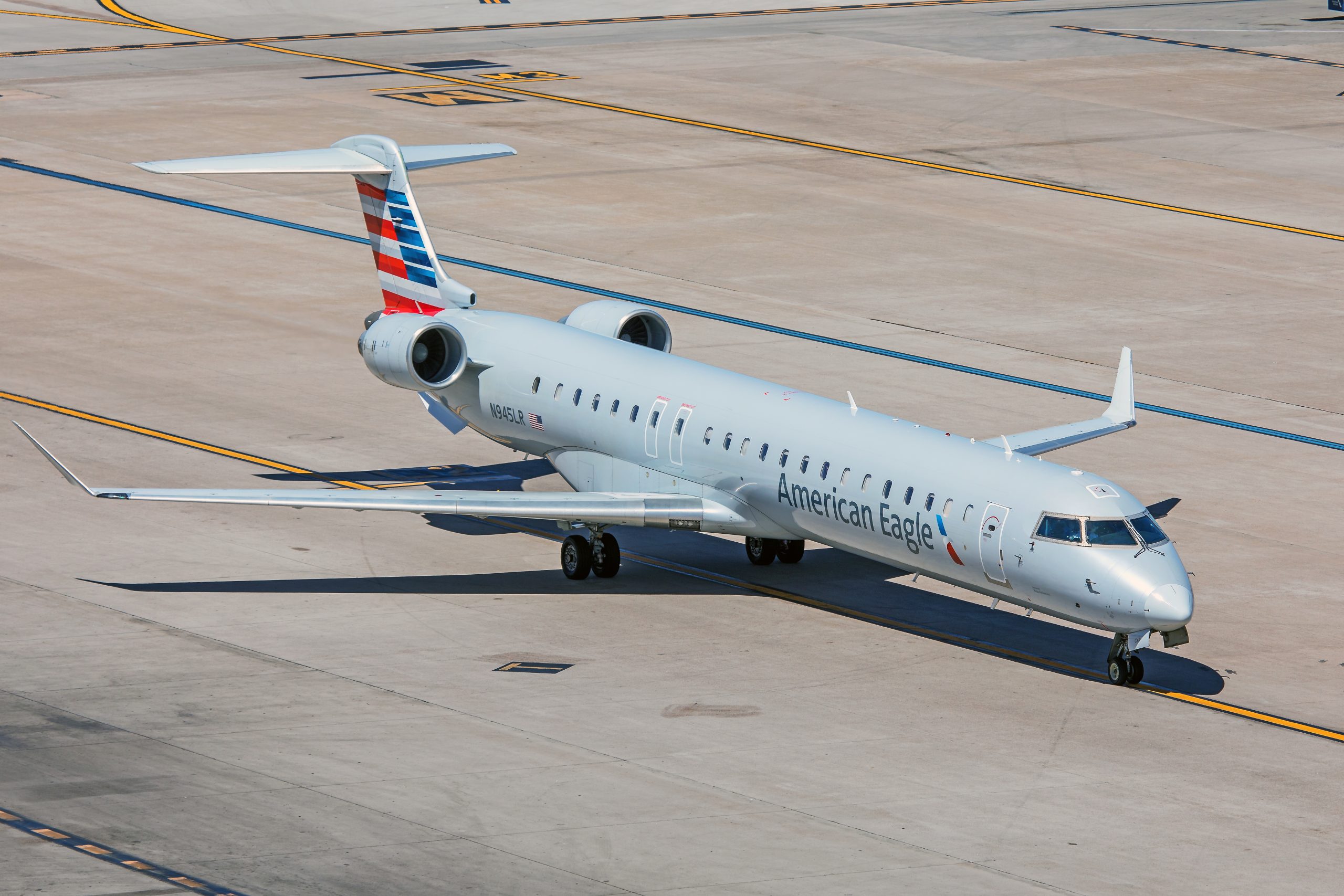
A Mesa CRJ 900 in the American Eagle livery. (Photo: AirlineGeeks | William Derrickson)

I’ve been trading texts with a good friend of mine—an airline pilot we’ll call “Scott”— regarding the flying career of his 27-year-old daughter, “Karla.” Ever since she decided to start flying in her late teens, Karla has had the goal of eventually working for Scott’s airline and would ideally like to fly a trip with him before he retires in a few years.

To this end, she attended a university with a popular collegiate aviation program that has an official relationship with said airline and whose alumni are well represented in its ranks. While in school, she took a semester to do a flight operations internship with Scott’s airline. And after instructing for a few years to build her flight time, Karla was hired at her dream airline’s wholly owned regional airline, which has a flow-through agreement in place by which its r pilots advance to the mainline carrier in seniority order, albeit at a metered rate.

By all appearances, Karla would seem to have done everything right, and in normal times I think her career moves would have made sense given her goals. But the past two years have not been normal times. Karla has been at her regional airline for 13 months now and is becoming increasingly frustrated by the perception that she’s stuck there with no way to advance. She’s still a ways from upgrading to captain and will need to be in the left seat for two years before she is eligible to flow to mainline.

Meanwhile, Scott’s airline has been hiring historically huge numbers of pilots—2,500 per year—many of whom have similar qualifications to Karla. They are not, however, hiring from her regional outside of the restrictions of the flow. By going to her dream airline’s associated regional, Karla has unwittingly put herself at a huge disadvantage. Now she is watching in frustration as the mainline ranks fill up with young, ever-senior pilots. She fears the music will stop on this hiring cycle before she has a seat.

This has been a common hiring dynamic at the airlines for years before the existence of ubiquitous flow agreements: Major airlines have long been loath to sap pilots from their associated regionals and add to their staffing woes, much preferring to poach pilots from competing carriers’ regionals. During the current pilot shortage, a common workaround has been to go from a regional airline right seat to a low-cost carrier like Spirit, JetBlue, or Frontier (all of which were reduced to hiring low-time regional first officers by mid-2021), where one becomes attractive again to mainline recruiters. Scott’s airline has hired quite a few pilots from Karla’s regional by way of Spirit or Frontier, sometimes pausing there for as little as six months. However, over the summer the job market has tightened just enough for the low-cost carriers to get pickier, and they are avoiding pilots who they think will not stick around. Karla has applied to all the low-cost carriers without success. Her college, internship, father, and current regional all betray her mercenary intent.

I can sympathize with Karla’s dilemma. I too was “stuck” at the regionals after 9/11—for a full decade as it turned out. For many pilots of my generation, it’s wryly amusing to see ambitious twenty-something pilots scramble to escape the (now well-paid) regional airlines after as little as one year of employment in the sector. But to be honest, I feel that, in a perverse way, I was almost lucky to be stuck in place when I was. Yes, I was making little money without much hope of advancement, but most everyone was in the same situation. The majors were hiring precious few, so I didn’t have to worry about missing the boat, and that helped me enjoy my time at the regionals. In comparison, today’s regional pilots like Karla have every reason to worry that they are getting left behind and growing increasingly desperate to avoid that fate. It’s a little sad to see.

I’ve advised Scott that if Karla can’t attract the eye of a low-cost carrier, she should change her focus to the other two legacy major airlines. Chances are they are all too happy to poach pilots from Karla’s regional. Even though these airlines aren’t the one Karla’s been dreaming about working for all these years, they have similar fleets and contracts, her flying opportunities and earning potential will be on par, and her seniority progression might be a little better. And once she’s on property at a mainline career, Scott’s airline might come calling after all.

For those who are applying to the regional airlines, I think Karla’s case should be considered as a cautionary tale. If your end goal is a particular major airline, think long and hard about whether you want to work for any of its associated regional airlines. Be especially wary if it has a flow-through agreement in place. Flows have a time and place—and I was hired at my major airline via a flow-through. But in this hiring cycle, they are velveteen handcuffs.

This story was originally published on FLYING by Sam Weigel. 

AirlineGeeks.com Staff

AirlineGeeks.com was founded in February 2013 as a one-person blog in Washington D.C. Since then, we’ve grown to have 25+ active team members scattered across the globe. We are all here for the same reason: we love deep-diving into the fascinating realm of the airline industry.

The History Behind the World’s Oldest Airline

KLM is celebrating its 104th birthday, officially the world's oldest airlines. The story looks at its history from the first flight to its recent success and failures, as well as its future with fleet renewal underway.

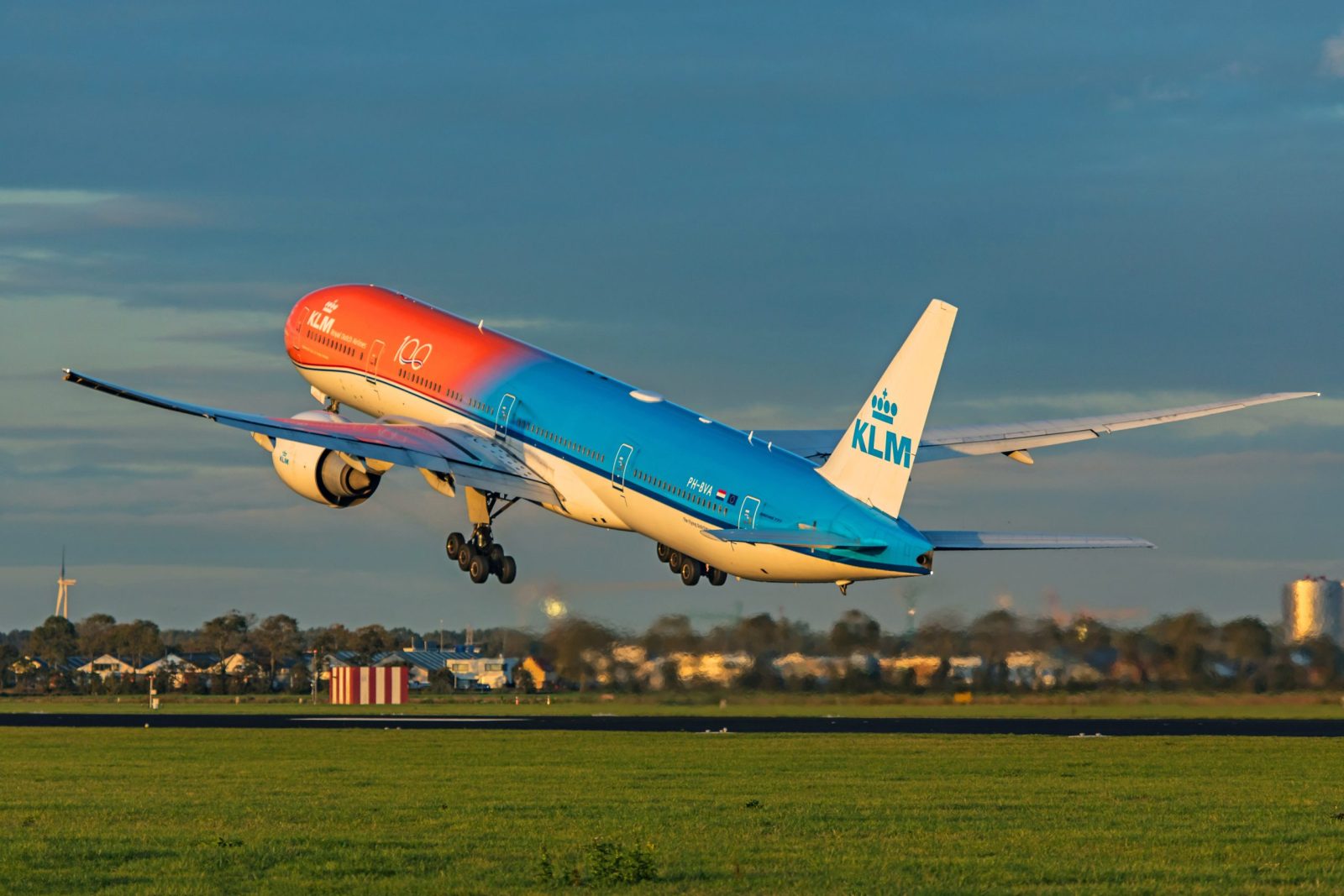
A KLM Boeing 777 aircraft (Photo: AirlineGeeks | William Derrickson)
KLM, which stands for Koninklijk Luchtvaart Maatschappij, is celebrating its 104th birthday on October 7, 2023. The Dutch national airline is the oldest commercial airlines in the world, and its history dates back to 1919. Its birthday is also marked by its oldest tradition, the release of a new Delft blue house. A new house is released on every birthday of the airline, and the 104 houses so far are mostly modeled after real houses in different parts of the country and beyond, from canal houses in Amsterdam to Dutch colonial buildings in Aruba. This year, the Delft blue house is designed based the Valkenburg can de Geul station in Limburg, situated in the south of the Netherlands near the border with Germany. KLM wishes to celebrate the 170-year history of the station and sends a message encouraging train travel alongside air travel. On this significant day for the airline, we will also walk down on the memory lane and take a look at the key developments in the airline over the years that shaped the KLM today.

Founding

KLM was founded in 1919 in Amsterdam by Albert Plesman and a group of Dutch businessmen. The first flight took off in May 1920 from London to Amsterdam using an Airco DH-16. Long-haul operation started in 1924, one of the first in the world, from Amsterdam to Jakarta. The service was the longest regular scheduled service in the world for over 10 years until WWII broke out in 1939.
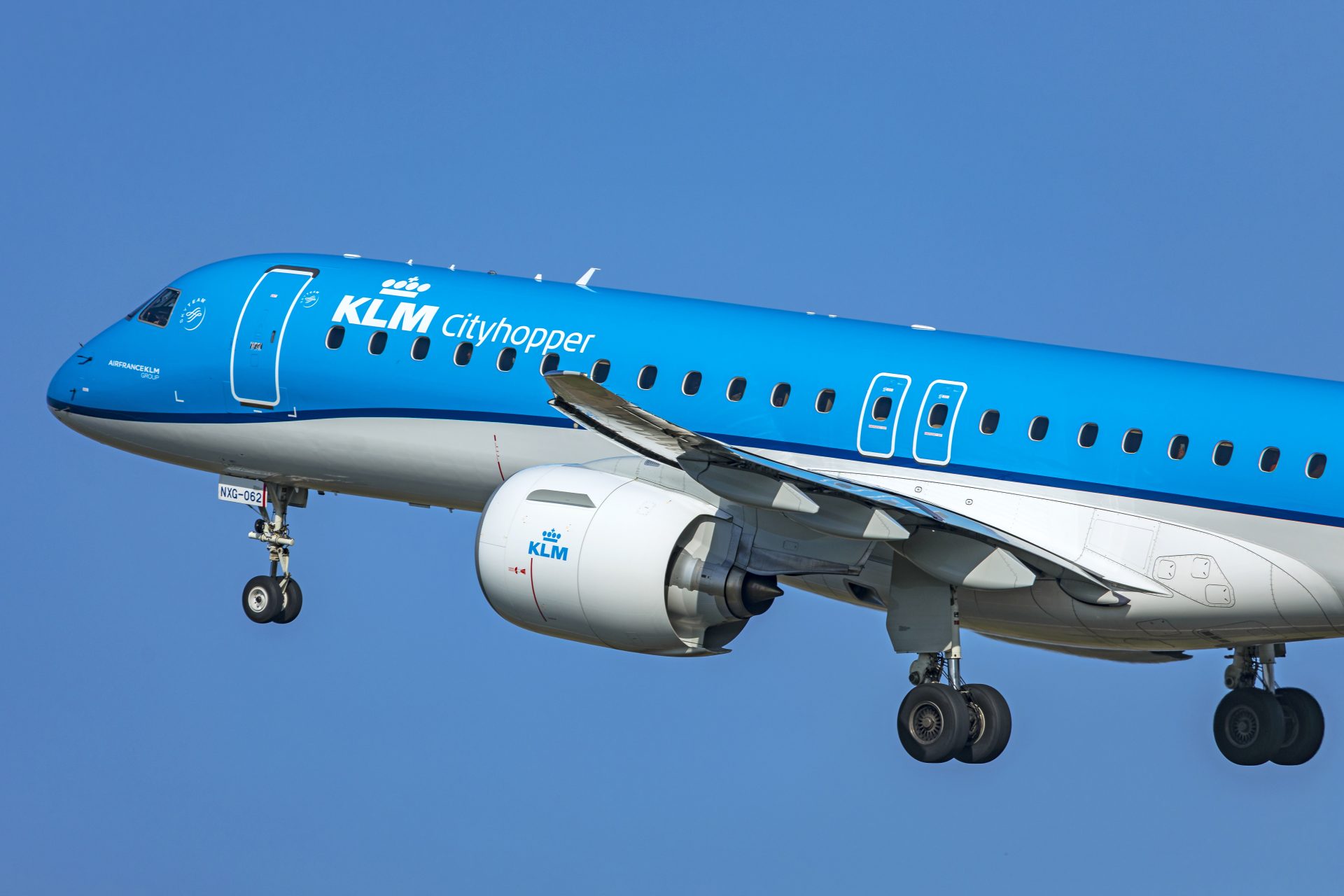
A KLM Cityhopper Embraer E190.
(Photo: AirlineGeeks)
Its network grew rapidly and, using Douglas DC-3s, services were established to Sydney. KLM also flew transatlantic as far as Curaçao and had a fairly extensive European network. Services were all paused as WWII started and the company had limited operations during the years at war.

After WWII

After WWII, KLM started rebuilding its network. It began flying between Amsterdam and New York City. The airline also became a pioneer in arctic flying as they opened the route between Amsterdam and Tokyo using DC-7. During the same period, KLM received its first jet engine airplane, the DC-7, and used it on its transatlantic flight to New York. The fleet upgrades continued into the 21st century, with KLM taking up large number of Boeing 747s and McDonnell Douglas MD-11s. KLM was known for its iconic fleet of B747 Combis, a design that allowed the aircraft to carry more cargo by removing the passenger section near the rear of the aircraft. As for MD11s, KLM operated its very last passenger flight in the world on the type in 2014.

Recent History

KLM acquired stakes in several foreign airlines during the peak of its growth, including shares in Northwest and Kenyan Airways. The acquisition of Northwest shares allowed KLM to establish an extensive North American network with its partner. The alliance continued as Northwest was acquired by Delta, and a transatlantic joint venture was later formed between Delta, KLM and Air France.
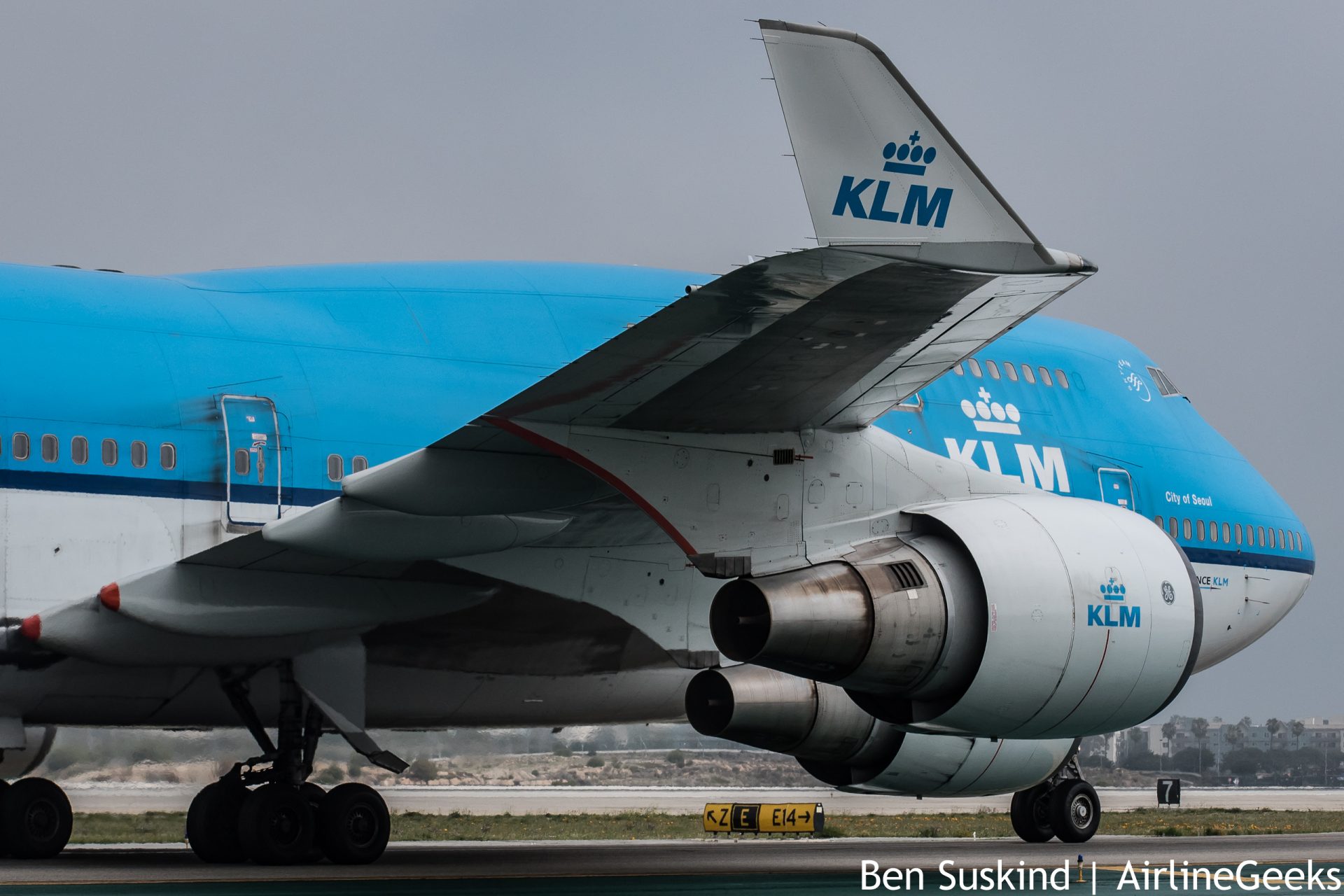
A KLM Boeing 747 taxis at Los Angeles International Airport.
(Photo: AirlineGeeks | Ben Suskind)
In 2004, KLM merged with Air France to form Air France-KLM, one of the largest airline groups in the world. The merger meant that a dual-hub system is adapted, with the group channelling passengers through both Paris-Charles de Gaulle and Amsterdam-Schiphol. KLM also formally joined the SkyTeam alliance in the same year. A number of joint ventures are also formed and proposed as KLM strengthens its position in the commercial airlines industry in the 2010s:
  • Transatlantic joint venture with Delta, Air France and Virgin Atlantic.
  • Europe-Asia joint venture with China Southern and Xiamen Airlines
  • Europe-Asia joint venture with Air France, China Eastern and Virgin Atlantic
  • Joint venture with Kenyan Airways, who KLM owned 26 percent stake at one point. The joint venture is no longer in place.

Looking Ahead

The future of KLM is looking bright as its profit soars and growth back on track. With the recent news of Air France-KLM’s acquisition of SAS and its membership of SkyTeam, the group will gain greater market share and increase its competitiveness. On the other hand, its recent order of A350s will inject the hardware needed for renewal and growth into KLM’s fleet. However, there are also many challenges ahead for KLM, with fuel price remaining unstable and the Dutch government capping the total flights at Schiphol airport. It will be interesting to see how KLM will perform in the coming years.

Anthony Bang An

Anthony is an aviation enthusiast who grew up around the world from St. Louis to Singapore, and now lives in Amsterdam. He loves long-haul flying and finds peace in the sound of engine cruising. He aspires to share his passion for the sky though writing and providing another angle on the stories.

MSC Air Cargo Launches Inaugural Weekly Flight To Tokyo

MSC Air Cargo has launched a new weekly flight service from Milan to Tokyo to boost Italian exports to Asian markets.

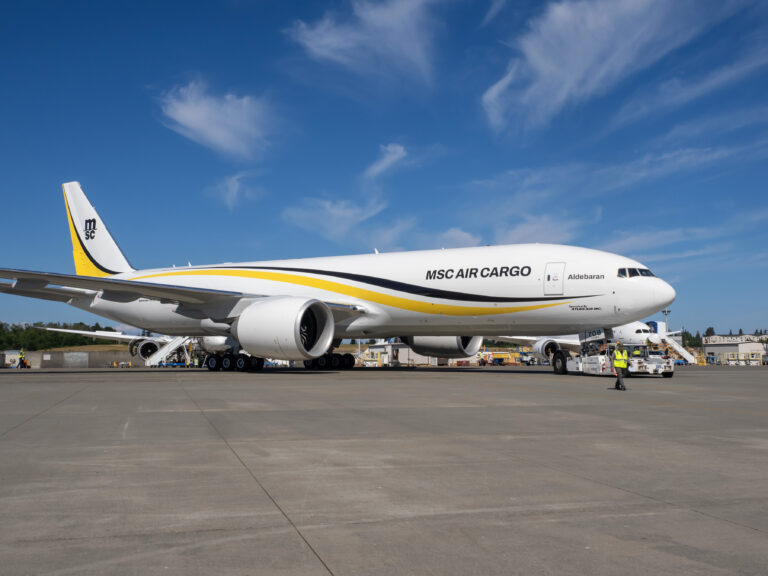
Atlas-MSC 777-200F. (Photo: Atlas Air)

MSC Air Cargo launched a new weekly flight service from Milan Malpensa Airport bound for Tokyo, using a Boeing 777-200 Freighter. This flight represents the first weekly connection (every Friday) between the Italian city and the capital of Japan.

This weekly service, dedicated to exporting high-quality and high-fashion products made in Italy to Asian markets, is carried out from Milan Malpensa in collaboration with SEA, the airport operator. The Mediterranean Shipping Company (MSC), a Swiss global giant in the maritime transport sector, started its air division, called MSC Air Cargo, at the beginning of 2023. This new division began operations using a fleet of Boeing 777s.

MSC Air Cargo has been integrated into MSC’s core business, namely the service of freight transport by sea with shipping containers. MSC has about 500 container ships, of which about 200 are owned, and about 300 are chartered.

The Swiss air cargo company’s fleet currently consists of four 777-200Fs with a payload capacity of up to 100 tonnes. Atlas Air, Inc., a subsidiary of Atlas Air Worldwide Holdings, Inc., a specialist air cargo company, operates them. The agreement between MSC and Atlas Air concerns a long-term contract (ACMI) with all additional services necessary to operate global routes.

An ACMI leasing is an agreement between two airlines, where the lessor agrees to provide an aircraft, crew, maintenance, and insurance (ACMI) to the lessee in return for payment on the number of block hours operated.

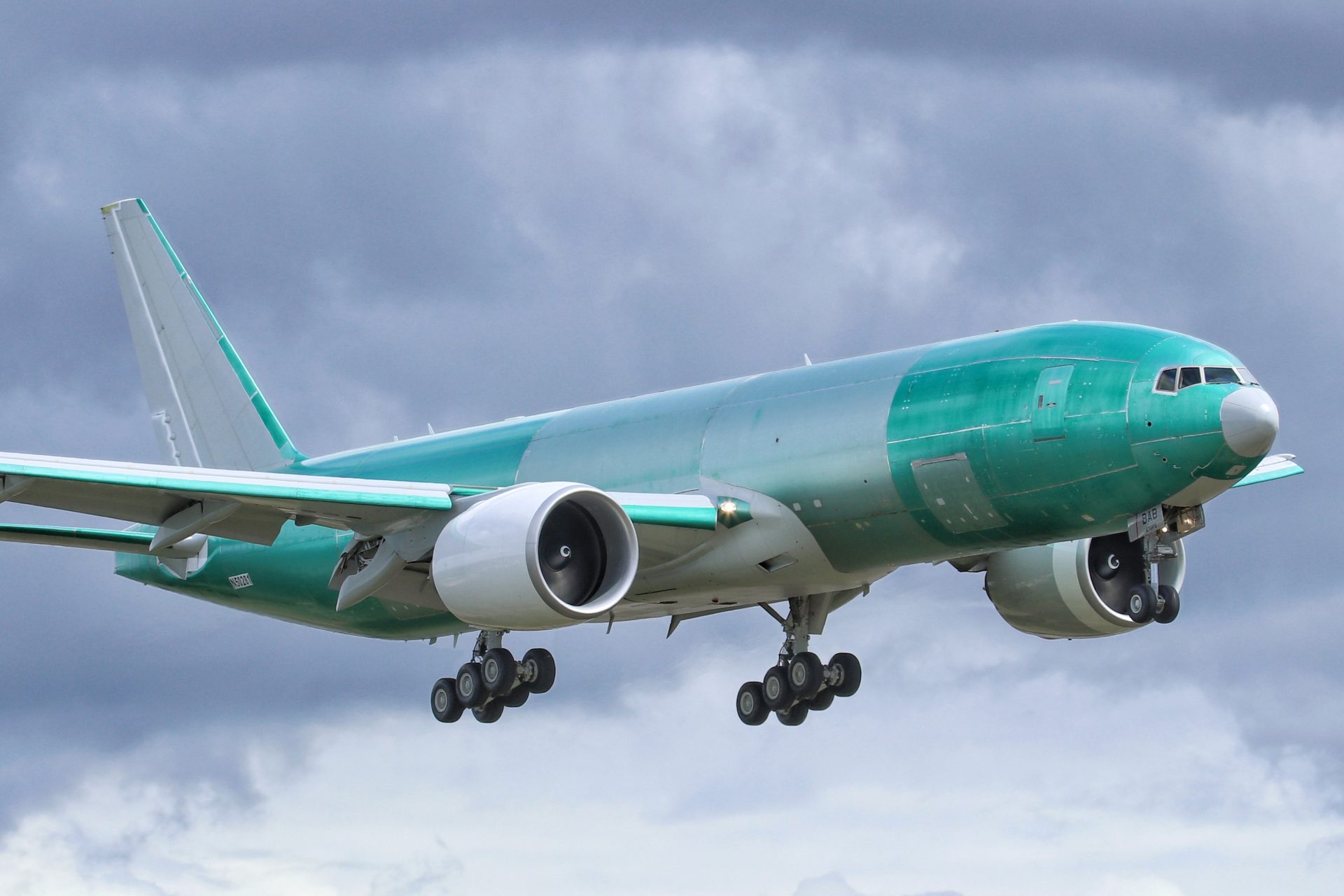
A Boeing 777F on test flights before delivery.
(Photo: AirlineGeeks | Katie Bailey)

Jannie Davel, appointed in October 2022 as Senior Vice President of MSC Air Cargo, and former Managing Director Commercial of Delta Cargo, VP of Cargo Commerical Operations – Americas for Emirates Skycargo and SVP Airfreight Americas for DHL, commented very positively on the start of this new weekly connection for Italian cargo. MSC Air Cargo is just beginning its development, and MSC plans to invest significantly in this route.

MSC Air Cargo was created to consolidate its leading position in the cargo sector with other shipping companies, such as the French CMA CGM, the Danish Maersk, and the Taiwanese Evergreen, which have already launched their cargo airlines. These airlines were born to meet the growing demand for air freight shipping, mainly due to the boom in e-commerce, which requires freight shipments faster than sea freight.

In August of this year, the Swiss cargo company acquired a majority stake in the shares of AlisCargo Airlines, an Italian cargo airline. Not only that, but the Swiss company also acquired 100% of AlisCargo’s capital. AlisCargo Airlines, established just last year in 2021, had its AOC suspended at the end of 2022. However, the airline has since resumed its activities and is now operating on behalf of MSC Air Cargo. Despite the temporary setback with the AOC suspension, acquiring AlisCargo Airlines has proven to be a strategic and promising investment for MSC.

Vincenzo Claudio Piscopo

Vincenzo graduated in 2019 in Mechanical Engineering with an aeronautical curriculum, focusing his thesis on Human Factors in aircraft maintenance. In 2022 he pursued his master's degree in Aerospace Engineering at the University of Palermo, Italy. He combines his journalistic activities with his work as a Reliability Engineer at Zetalab.

Kuwait Airways Nixes U.S. Expansion Plans

With the service changes, Kuwait Airways will no longer operate the rare A330-800neo to the United States.

Kuwait Airways A330-800 lifting off on its delivery flight. (Photo: Airbus)

In a recent schedule change, Kuwaiti flag carrier Kuwait Airways has canceled recently announced service changes from its schedule. The carrier has cut its planned service to Washington-Dulles and its A330-800neo swap to New York-JFK.

In August 2023, the carrier announced its intentions to fly from Kuwait City to Washington Dulles, which would have been the longest A330-800neo route. According to Aviation24.be, the Dulles route was slated to begin on Dec. 15, 2023, with three times weekly service.

Earlier this week, the airline zeroed out inventory on the route before scrubbing it from the schedule on Saturday, per Cirium data. Both the airport and airline have removed any references from their respective websites.

The Kuwait City to Washington Dulles market has been unserved since 2016 when United ended service.

New York-JFK Aircraft Change

According to Cirium data, Kuwait Airways also planned to continue daily A330-800neo service to New York-JFK through the end of the year. However, the carrier will change the route’s equipment type to a 777-300ER effective on Oct. 29, 2023.

Kuwait Airways was the launch customer for Airbus’ smaller A330neo variant, taking delivery of the first aircraft in 2020. The A330-800neo is a rather rare type with only 12 on order and seven in service. Uganda National Airlines, Kuwait Airways, and Garuda Indonesia are the only operators of the aircraft.

The airline did not provide any additional details on these service changes but did confirm the Dulles cancellation via a Twitter (X) direct message.

Ryan Ewing

Ryan founded AirlineGeeks.com in February 2013 and has spent more than a decade covering the airline business. His work has been featured by CNN, WJLA, CNET, and Business Insider. His aviation experience spans airport operations, Part 135 regulatory compliance, and airline crew workforce planning, along with time behind the yoke of a Cessna 172 and interviews with airline executives. Ryan now serves as Group President of Firecrown Media’s Aviation Group. He holds a B.S. in Air Transportation Management and an MBA from Arizona State University and teaches Airline Management at Embry-Riddle Aeronautical University.

How to Tour an Aircraft Manufacturing Facility (2023)

Often off-limits to the general public, some aircraft manufacturers do offer regular public tours of their massive facilities.

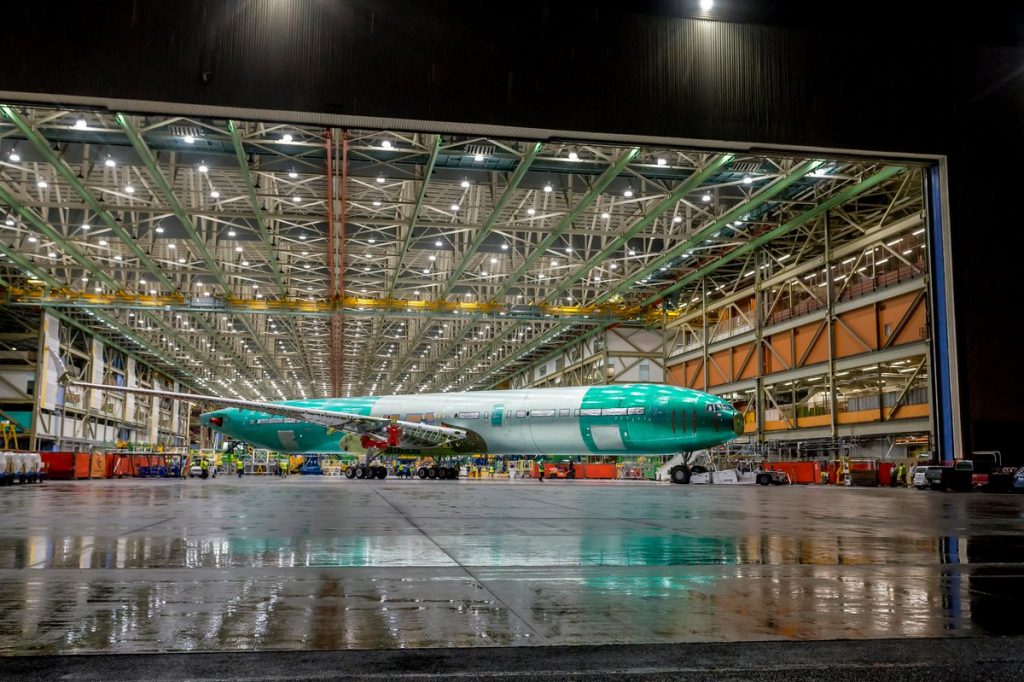
A look at the Boeing 777 assembly line in Everett, Wash. (Photo: Boeing)

Manufacturing large multimillion-dollar aircraft requires big facilities. Sometimes boasting multiple assembly lines, some of these manufacturing plants can span up to 4.3 million square feet, practically hosting small municipalities inside.

For instance, Boeing’s Everett factory holds the title as the world’s largest building by volume at a massive 18 million cubic yards. It tops the list for the world’s largest manufacturing facility, according to Fractical. Inside, Boeing offers services found in most cities, including a fire department, daycare, and gym to over 30,000 employees.

These grandiose facilities attract interest from the general public and aerospace community alike. For that reason, many manufacturers offer regular tours of their plants.

Focusing on commercial aviation, we’ll take a look at some of these tour offerings:

Boeing

The Arlington, Va.-based aerospace giant has plants scattered around the U.S. The manufacturer’s 787 assembly lines are split between Everett, Wash. and Charleston, S.C. Boeing also builds the 737 in Renton, Wash. However, the company only offers public tours of its Everett facility.

Following a COVID-19 hiatus, Boeing just recently began offering tours of the Everett facility again. Starting from the nearby Future of Flight Center, the tour is led by Boeing employees. The tour begins with a short video on Boeing’s history, visitors are then bussed over to the factory.

The 777X static model being rolled out in Everett, Wash. (Photo: Boeing)

Clocking in at about 80 minutes, visitors can expect to see the 777 assembly line while on the tour, including the company’s new 777X. According to Boeing, several enhancements have been made to the post-pandemic version of the tour, including a new path and improved visual aids.

No photography is allowed on the tour, and ticket prices do vary depending on the day.

Airbus

Unlike Boeing, Airbus manufactures commercial aircraft in several different countries, including France, Germany, and the U.S. The Toulouse, France-based company does offer public tours at some of its facilities.

Toulouse, France

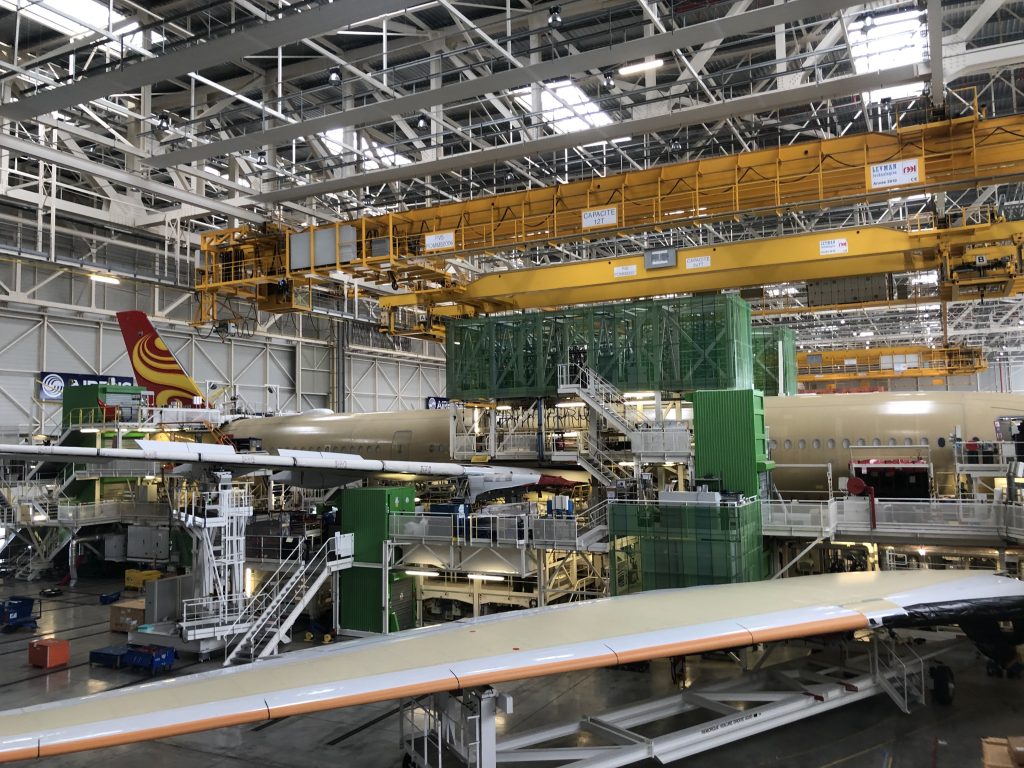
Airbus’ main factory is in Toulouse where it manufactures a variety of its commercial aircraft. A bus tour of the factory along with a visit to the A350 assembly line were included in the public tours, however, it is unclear if these still regularly operate.

Per Manatour.com, tours are bookable, but selectable days show no availability. The Toulouse tourism website lists a minimum 16 Euro price tag for the tour, but does not offer a booking function.

Inside Airbus’ Toulouse A350 assembly line (Photo: AirlineGeeks | Ryan Ewing)

Hamburg, Germany

Airbus primarily builds its narrow body jets in Hamburg. Located at Hamburg-Finkenwerder Airport, this tour does appear available. According to the website, visitors can expect to see “not only the A320 family, but also production parts of the wide-body aircraft such as A330, A350 or the former production sites of the A380, depending on the production.” Airbus stopped producing the A380 superjumbo in 2021.

According to werksfuehrung.de, Airbus also sponsors tours at some of its smaller manufacturing sites across Germany.

The Airbus A320 final assembly line in Hamburg. (Photo: AirlineGeeks | William Derrickson)

Mobile, Ala.

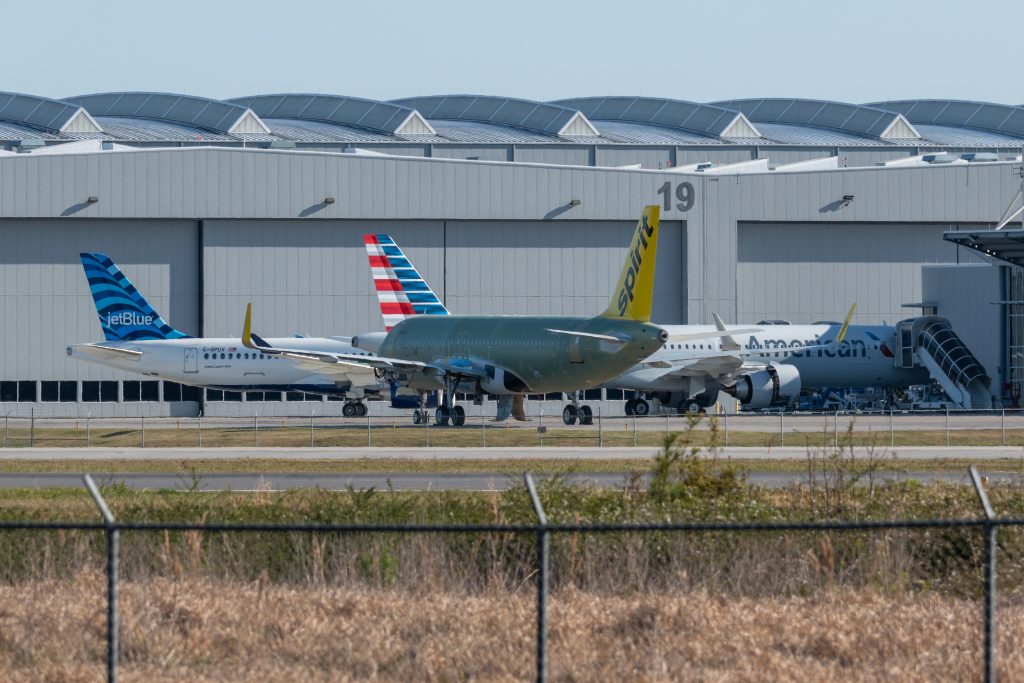
Facilitated through the Flight Works Alabama organization, visitors can tour Airbus’ Mobile factory for $28.50. The manufacturer does final assembly work for several of its narrow body variants – including the A220 – at this facility.

According to the Flight Works Alabama website, no photos or video are allowed and tours are limited to certain days. Originally home to Bombardier, Airbus also designs the A220 in Montreal, Quebec, but public tours are not offered.

Airbus produces A320 and A220 airplanes in Mobile Aeroplex at Brookley. (Photo: AirlineGeeks | Fangzhong Guo)

Other Opportunities

In terms of commercial aircraft, Embraer does not offer public tours of its home facility in Brazil. Furthermore, Bombardier/Mitsubishi no longer builds the CRJ.

On the business or military aviation side, public tours are few and far between, especially when considering the confidentiality around some of the aircraft. With that said, though, it is always a good idea to check local listings to see if a new tour is being added.

Ryan Ewing

Ryan founded AirlineGeeks.com in February 2013 and has spent more than a decade covering the airline business. His work has been featured by CNN, WJLA, CNET, and Business Insider. His aviation experience spans airport operations, Part 135 regulatory compliance, and airline crew workforce planning, along with time behind the yoke of a Cessna 172 and interviews with airline executives. Ryan now serves as Group President of Firecrown Media’s Aviation Group. He holds a B.S. in Air Transportation Management and an MBA from Arizona State University and teaches Airline Management at Embry-Riddle Aeronautical University.
Sign-up for newsletters & special offers!

Get the latest stories & special offers delivered directly to your inbox

SUBSCRIBE

Uh-oh! It looks like you're using an ad blocker.

Our website relies on ads to provide free content and sustain our operations. By turning off your ad blocker, you help support us and ensure we can continue offering valuable content without any cost to you.

We truly appreciate your understanding and support. Thank you for considering disabling your ad blocker for this website