









Stories

A Synopsis: The Floodgates Open on U.S.-Mexico Air Service

Several Mexican carriers have started adding or resuming service to U.S. destinations since the country's air safety rating was recently changed.

An Aeromexico B737 MAX 9 jet prepares for a flight to Mexico City at Tijuana International Airport. (Photo: AirlineGeeks | Albert Kuan)

After the Federal Aviation Administration (FAA) changed the nation’s air safety rating to a Category 1 in mid-September, Mexican airlines have been swift to add new markets. Prior to the rating upgrade, Mexican air carriers were restricted from adding new service to the U.S.

The FAA downgraded the country’s rating in May 2021, which preserved grandfathered in service, but essentially restricted any new adds or significant changes. Of course, these changes significantly hampered the growth potential of not only flag carrier Aeromexico but also low-cost carriers.

But what does the data say? The below chart depicts the total capacity – measured with Available Seat Miles (ASMs) – among the largest Mexican carriers (Aeromexico, Viva Aerobus, and Volaris) to the U.S. Ignoring the drop due to COVID-19 in early 2020, a modest increase in capacity existed in the first few quarters of 2019, and then a fairly flat plateau in 2021.

Total ASMs for Mexican airlines (Data: Cirium)

Comparing Q2 between 2019 and 2021, there was a modest 3% decrease in capacity. Now, with the recently announced service adds, there is a 16% increase in capacity between Q4 of 2021 and 2023. Of course, COVID-19 continued to suppress capacity in 2021. All data was obtained via Cirium Diio, so some new adds may not be reflected in these figures yet.

A Mexican Airline: Coming to a U.S. Airport Near You

With the recent change, many Mexican airlines quickly jumped on the bandwagon of either adding or resuming flights to the U.S. Services include large and medium-sized airports on both sides of the border.

Here’s a breakdown of what’s been added so far since the Sept. 14, 2023 change by the FAA:

Aeromexico

On Monday, Mexican flag carrier Aeromexico added 17 new routes from airports across Mexico. A Skyteam member, Aeromexico will codeshare with Delta on these flights, according to a press release. It is also important to note that some of these are resumptions from several years ago, as Ishrion Aviation points out.

According to the carrier, Aeromexico will have 60 daily frequencies to the U.S. by July 2024, representing a 35% increase year-over-year with a presence in 36 American markets

From Mexico City (MEX), the airline is adding Boston, Washington-Dulles, Detroit, and Salt Lake City. Opened in 2022, Aeromexico will also be adding service from Mexico City’s Felipe Ángeles (NLU) to McAllen, Texas and Dallas/Fort Worth.

An Aeromexico 737-800 departs from LAX (Photo: AirlineGeeks | William Derrickson)

Guadalajara will also receive additional Aeromexico service to Atlanta and Detroit. Monterrey will get service to Atlanta, Salt Lake City, New York-JFK, and Los Angeles. Furthermore, Bajio, Queretaro, and Merida will all get both Atlanta and Detroit flights.

Of course, with the exception of Dallas/Fort Worth, Washington Dulles, and McAllen, most of these flights are to Delta hubs. Service on most of these routes will begin throughout 2024.

According to Ishrion Aviation, Aeromexico will also add the 737 MAX 9 on several routes to the U.S., including Denver, Los Angeles, Las Vegas, Orlando, and Miami. The carrier was previously prohibited from adding this aircraft on U.S. flights under the lower safety rating.

Viva Aerobus

Mexican low-cost carrier Viva Aerobus also has not wasted time in adding to its route map. All from its Monterrey hub, the airline will begin flying to Austin, Denver, Miami, Oakland, and Orlando in 2024. Austin, Miami, and Orlando previously had Viva Aerobus service.

On Monday, the carrier also announced new service between Mérida and Orlando along with Miami, starting July 1 and July 2 respectively.
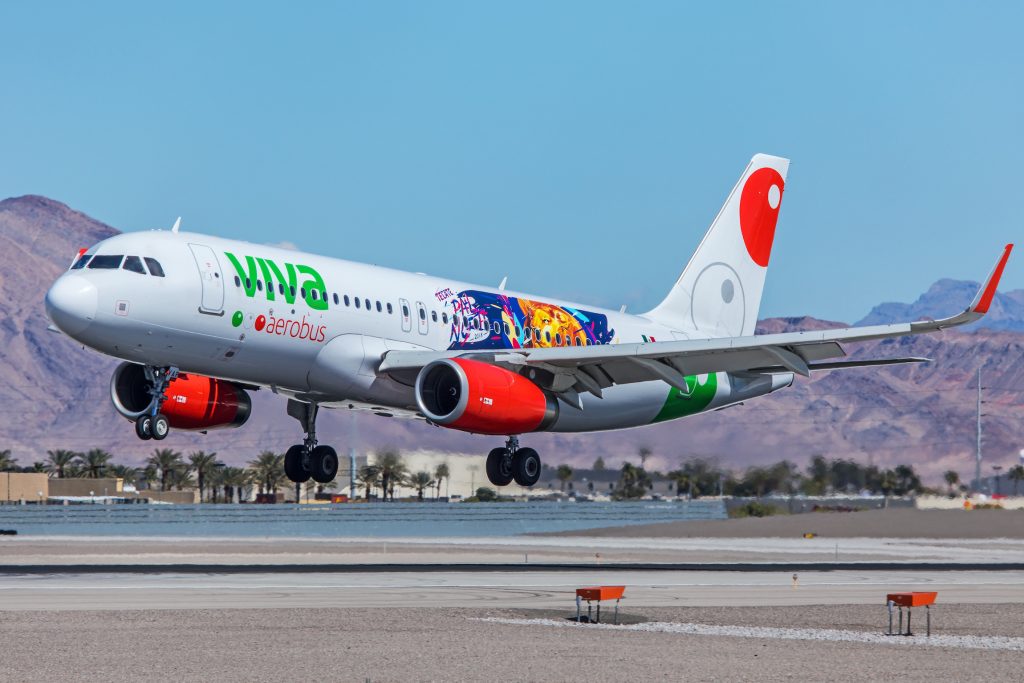
Viva Aerobus A320 LAS William Derrickson
A VivaAerobus A320 in Las Vegas (Photo: AirlineGeeks | William Derrickson)

Volaris

Another low-cost carrier, Volaris, has yet to announce any new routes. Though in a press release, the carrier stated: “As a result of the above, Volaris will follow up on the authorization procedures to open new routes to and from the United States of America, as well as to increase the number of frequencies, with the intention of increasing our service offer in said country.”
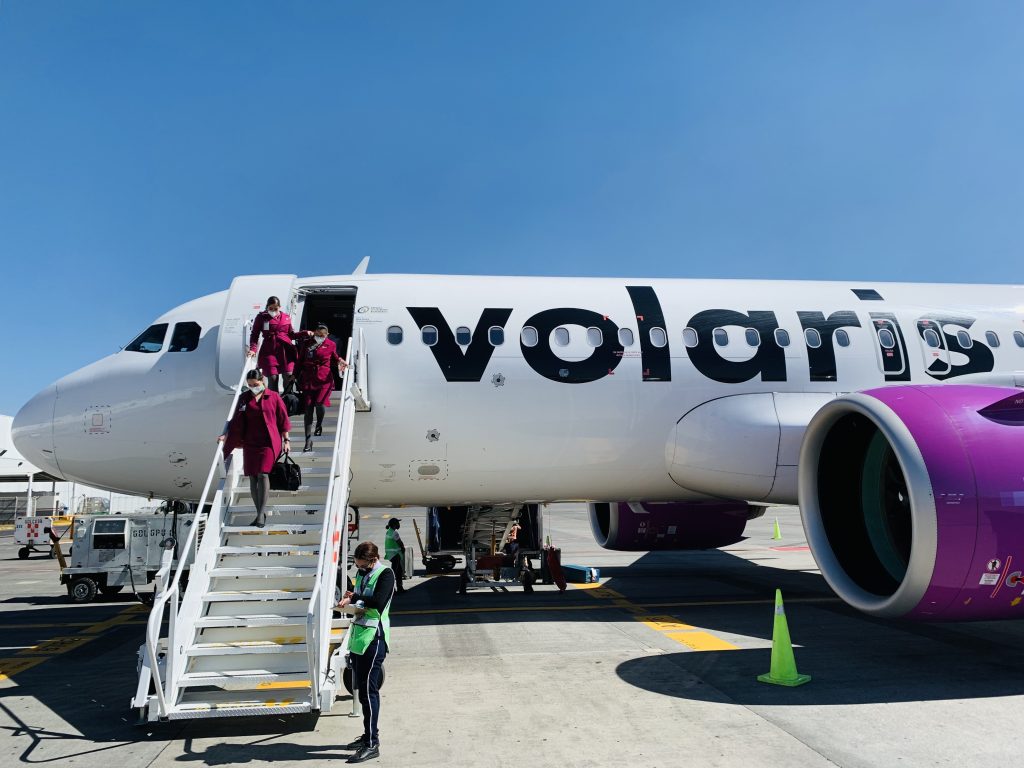
Volaris flight crew deplane an A320neo jet at Guadalajara International Airport. (Photo: AirlineGeeks | Albert Kuan)

What’s Next?

Indeed, the new Category 1 rating does open up new opportunities for service. Given airport constraints in not only Mexico City, but also many others, the carriers will be closely evaluating each market. There is a high likelihood that more routes will be added or resumed.

Ryan Ewing

Ryan founded AirlineGeeks.com in February 2013 and has spent more than a decade covering the airline business. His work has been featured by CNN, WJLA, CNET, and Business Insider. His aviation experience spans airport operations, Part 135 regulatory compliance, and airline crew workforce planning, along with time behind the yoke of a Cessna 172 and interviews with airline executives. Ryan now serves as Group President of Firecrown Media’s Aviation Group. He holds a B.S. in Air Transportation Management and an MBA from Arizona State University and teaches Airline Management at Embry-Riddle Aeronautical University.

United Places Order for 110 787 Dreamliner, A321neo Jets

The airline expects to take delivery of about 800 new narrowbody and widebody aircraft between 2023 and the end of 2032.

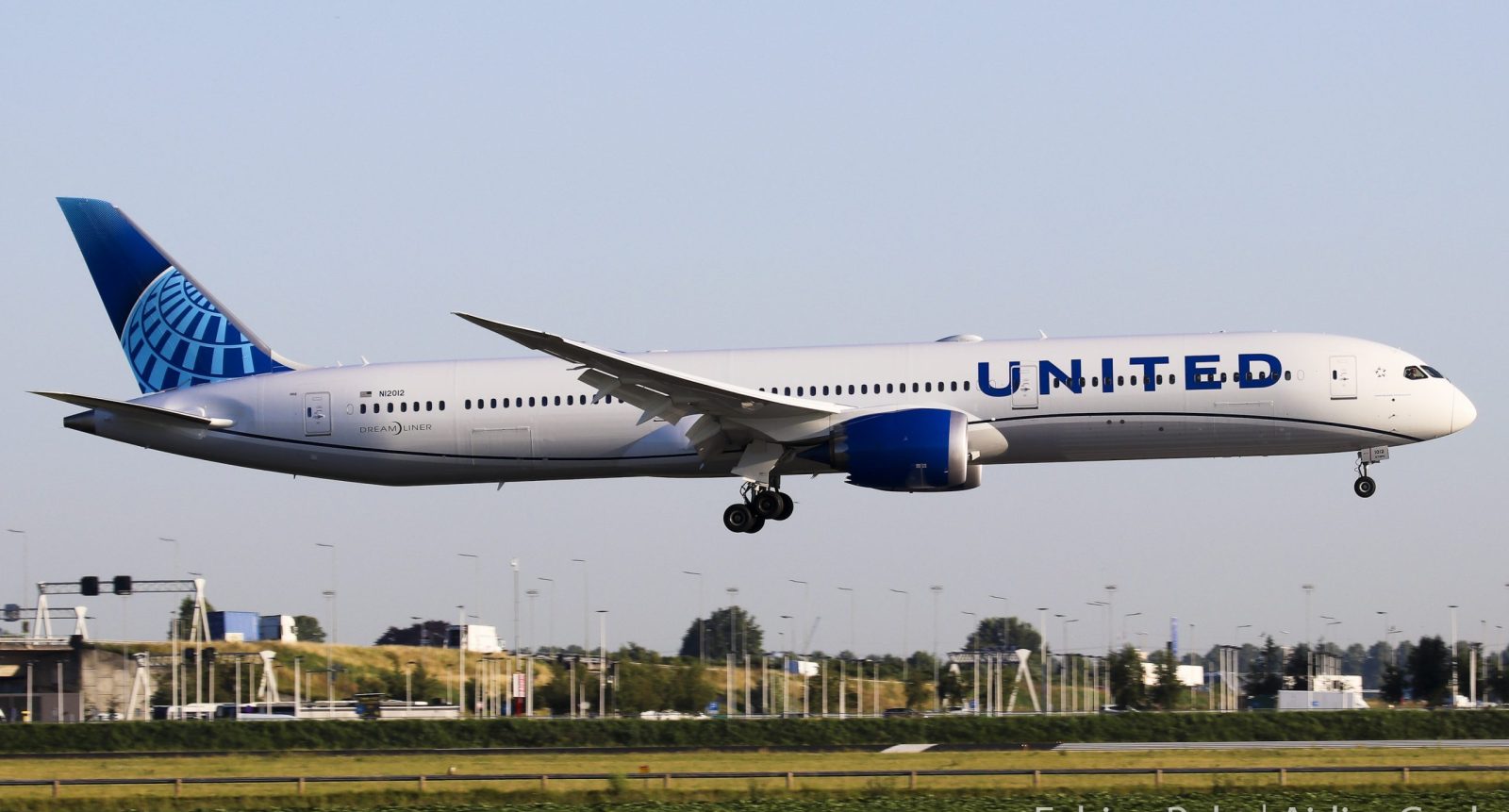
A United Boeing 787 over the runway in Amsterdam. (Photo: AirlineGeeks | Fabian Behr)

Chicago-based United Airlines on Tuesday announced two new major aircraft orders. The airline will order 50 Boeing 787 Dreamliner aircraft as well as 60 Airbus A321neo narrowbody jets. The carrier also secured new options for up to 50 more Boeing 787s and new purchase rights for up to 40 A321neos at the end of the decade.

The order comes soon after fellow Star Alliance airline Air Canada ordered up to 30 of the type. Plus, the airline’s first A321neo recently rolled out of the paint shop in Germany and is scheduled for its first flights in December. New deliveries for this order will begin in 2028.

United’s Recent Massive Airplane Orders

A big order like this is no surprise for United. The airline has been adding a significant number of long-haul routes during its pandemic recovery.

While a big order is par for the course for United, it is important to remember the massive scale of United’s expansions lately. The carrier already has an order for up to 200 Dreamliners on the books, which it placed at the end of 2022. Adding 50 more on top of those options is a major vote of confidence in the airline’s international expansion and signals that much more is on the horizon.

“We have a unique position in our hubs for international growth, and I think international’s going to be really strong in the years to come,” company CEO Scott Kirby said in 2022.

Potential for Narrowbody Expansion

The additional A321neo aircraft signals that United likely isn’t limiting its expansions to long-haul international flights. While some A321s will replace aging Airbus family aircraft, some of which United started quietly phasing out this year, there will certainly be additional capacity to add flights to more destinations across the U.S., Canada, Mexico, and Central and South America.

United also has orders for hundreds of 737 MAX aircraft, meaning that it is not only looking to replace retiring aircraft. Should the airline be able to capitalize on these orders and market openings, it may have a solid shot at becoming the world’s largest airline across the board.

United’s Climate Targets

United plans to take delivery of 700 jets by 2032, combined worth $50 billion. All those new airplanes will put additional pressure on United to meet its climate targets, which are among the most ambitious in the aviation industry.

Calls to decarbonize aviation will certainly continue. These new aircraft are among the most fuel efficient on the market, but fuel efficient aircraft alone won’t match the targets United has set out. With massive new orders drawing attention to the airline, it will be under continued pressure to hold firm to its climate plans.

John McDermott

John McDermott is a commercial pilot pursuing a career in professional flight. His passion for aviation began in an Ann Arbor bookstore with a tale of enemy pilots during World War 2, and he hasn't looked back. Besides flying and writing for AirlineGeeks, John volunteers with Professional Pilots of Tomorrow and travels whenever he gets the chance.

SAS Scandinavian Airlines Will Change Alliances

Following two other major consolidation moves in Europe, Air France-KLM, a member of SkyTeam, will take an equity stake in SAS Scandinavian Airlines.

An SAS Airbus A350XWB (Photo: AirlineGeeks | Ben Suskind)

In July of last year, SAS Scandinavian Airlines entered court-supervised Chapter 11 bankruptcy proceedings. The well-established process left the airline operating almost as usual, handling the union crisis with the pilots. After more than a year, the company resurfaces with groundbreaking news. It has selected the winning bidder for a major investment in the company that is supposed to take it out of its troubled position. The company announced the changes in a press release late Tuesday.

The Agreement

SAS selected U.S. investment firm Castlelake and Air France-KLM along with the Danish state to collectively take a majority stake in the carrier. Castlelake is said to take 32% holding of the company with Air France-KLM holding 20%. The total equity transaction in the reorganized SAS will correspond to $1.18 million (SEK 12.925 billion) including $475 million (SEK 5.225 billion) in newly issued equity shares and $700 million (SEK 7.7 billion) in secured convertible debt. Additionally, Castlelake will refinance $500 million (SEK 5.5 billion) of the outstanding debt burdening the company.

Significant implications of that investment will change the competitive landscape of Europe. As a part of the transaction SAS will exit the Star Alliance, subject to any relevant approvals and join the SkyTeam Alliance, one Air France is a founding member of.

European Consolidation

This development comes in as the third major consolidation move happening this year. Earlier this year, after battling through the pandemic and fighting off antitrust concerns, International Airlines Group, the parent company of British Airways and Iberia, announced it had finalized the Air Europa takeover that began in 2019. Following that, the multiyear uncertainty period that Alitalia went through has been finally put to rest. In another one of the big transactions, Lufthansa Group took a 41% stake in the Italian flag carrier, now branded ITA. The Air France-KLM investment puts them on an equal stance in this game for European market share.

Transatlantic Landscape

The transatlantic market is already massively consolidated towards the three joint ventures. Lufthansa Group formed “A++” with United and Air Canada. British Airways along with Iberia aligned with Finnair and American Airlines on the other side of the ocean to create Atlantic Joint Business. Finally, in 2020 Air France-KLM finalized coming together with Virgin Atlantic and Delta. Each of the joint ventures corresponds to one of the three alliances: Star Alliance, oneworld, and SkyTeam.

While Air Europa will help the International Airlines Group consolidate the Latin-American portion of the transatlantic market, it is very well probable that ITA is on its way to join the joint venture with Lufthansa Group and SAS will do the same with Air-France-KLM. This is a major development in the competitive market and one that will definitely make the regulators pay attention.

Filip Kopeć

A passionate aviation enthusiast that started off his career as an aerospace engineer, but found his true calling on the commercial side of the airline business. Now as a finance guy among avgeeks and an avgeek among finance guys, he has experience working in the Revenue Divisions of three airlines. In his spare time he enjoys traveling, but admittedly sometimes is more about the journey than the destination.

Kenya Airways Adds Double-Daily London Flights, Interline Agreement with airBaltic

Kenya Airways B787-8 LHR William Derrickson
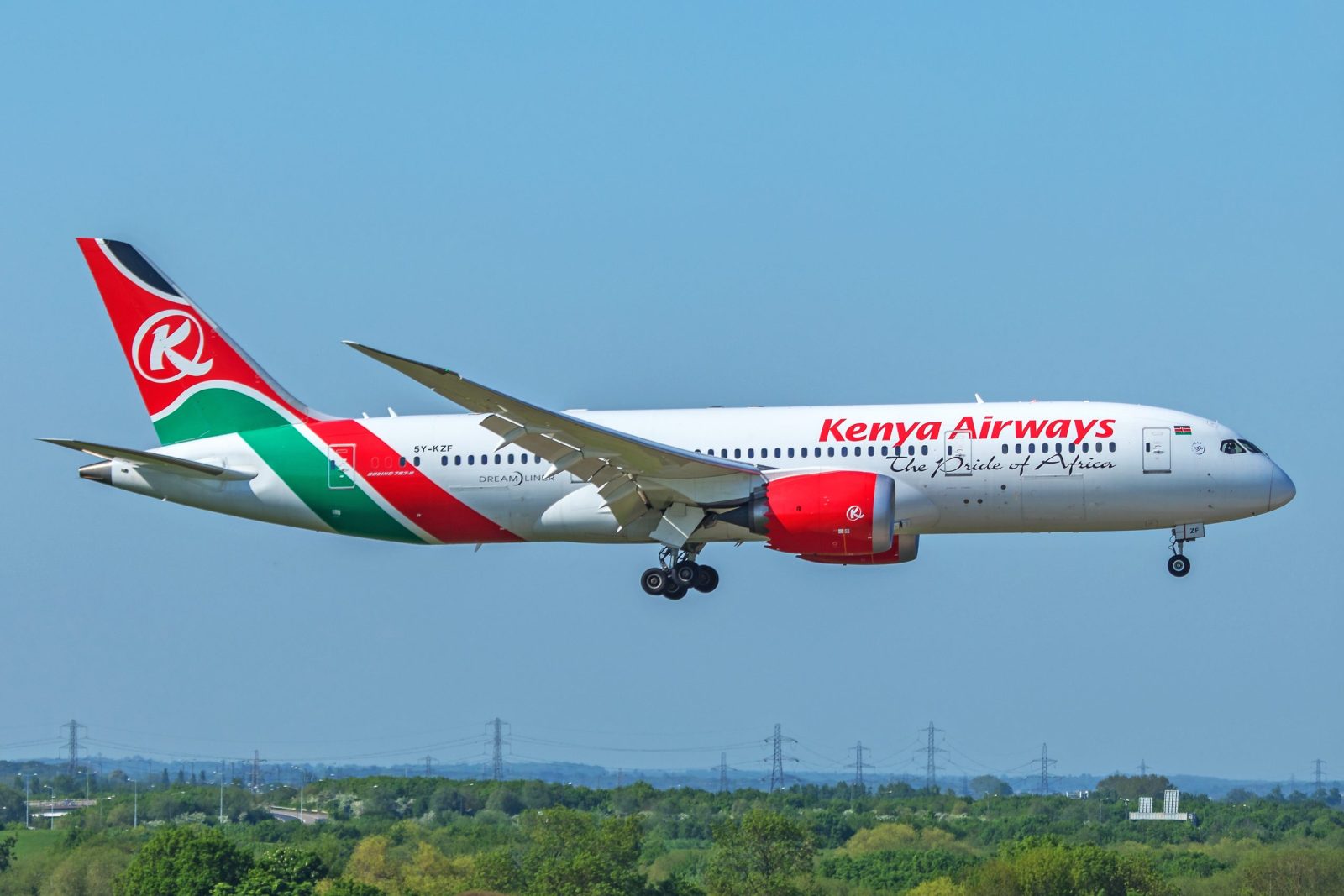
A Kenya Airways Boeing 787 landing in London. (Photo: AirlineGeeks | William Derrickson)

Kenya Airways has announced plans to enhance its services on the Nairobi to London Heathrow route, offering a total of 14 weekly flights starting from October 29, 2023. This expansion marks a substantial increase from the current 10 weekly flights and reflects the airline’s commitment to meeting the growing demand for this popular route.

Passengers can choose between the morning flight, KQ100, and the evening flight, KQ102, ensuring greater flexibility and convenience for their travel plans. The airline will operate these flights using Boeing 787-8 Dreamliner aircraft, which are known for their modern amenities and passenger comfort.

The decision to expand services comes in response to the increasing market demand for flights on this route. Nairobi serves as a vital gateway to the United Kingdom for various purposes, including business travel, leisure, trade, and education. With these additional weekly flights, Kenya Airways aims to accommodate the rising number of passengers seeking to travel between these two key destinations.

A Gateway to the United Kingdom

Kenya Airways has a longstanding history of connecting travelers from Nairobi to London, and this expansion reinforces its role as a gateway to the United Kingdom. Whether for business or leisure, the airline has been a preferred choice for travelers looking to access the UK market.

With the introduction of two daily flights, passengers can now tailor their travel schedules more effectively, making it easier to plan trips, meetings, and vacations. The morning flight, KQ100, and the evening flight, KQ102, provide passengers with a range of options to suit their individual preferences and requirements.

This expansion aligns with the airline’s commitment to meeting the evolving needs of its passengers. The increase in the number of flights is a response to the growing demand for air travel between Nairobi and London, further strengthening the airline’s position in the global aviation industry.

Expanded Flight Schedule (Effective from 29th October 2023):

Daily

  • KQ100 Nairobi 09:35 – London Heathrow 15:30
  • KQ101 London Heathrow 17:25 – Nairobi 05:00

Monday, Wednesday, Thursday, Saturday

  • KQ102 Nairobi 00:30 – London Heathrow 06:25
  • KQ103 London Heathrow 08:30 – Nairobi 20:20

Tuesday

  • KQ102 Nairobi 01:05 – London Heathrow 07:00
  • KQ103 London Heathrow 09:00 – Nairobi 20:50

Friday, Sunday

  • KQ102 Nairobi 01:35 – London Heathrow 07:30
  • KQ103 London Heathrow 09:30 – Nairobi 21:20

Kenya Airways and airBaltic’s Interline Agreement

Kenya Airways is not stopping at enhancing its London route. The SkyTeam Alliance airline has joined forces with airBaltic through an interline agreement that will revolutionize travel between Africa and the Baltic countries. This agreement opens up a world of possibilities for travelers, as airBaltic currently connects the Baltic region to over 70 destinations in Europe, the Middle East, North Africa, and the Caucasus.

Under this partnership, Kenya Airways will extend its reach in Europe through key hubs like Amsterdam, Paris, and Dubai, providing more routes and options for its passengers. In turn, airBaltic passengers can now seamlessly book through tickets to Nairobi, unlocking effortless connections to Kenya Airways’ extensive network across Africa. Destinations like Uganda, Tanzania, Seychelles, Mauritius, South Africa, and many more regional points across the continent are now within more straightforward reach.

A Shared Vision: Strengthening Ties Between Kenya and Latvia

This strategic collaboration between Kenya Airways and airBaltic promises to redefine the travel experience. Passengers can expect greater flexibility, more travel options, and the convenience of seamless connections when booking their journeys between Africa and the Baltics. This partnership not only opens up new horizons for travelers but also strengthens the ties between Kenya and Latvia.

Estonia, Latvia, and Lithuania, collectively referred to as the Baltic countries, are independent nations with a combined population of approximately 6 million. They are members of the European Union, maintain high-income economies, and boast a very high Human Development Index.

Kenya Airways’ Chief Commercial and Customer Officer, Julius Thairu, sums it up best: “Our aim is to provide connectivity for Kenya Airways customers and provide them with more travel choices across Europe.” With these developments, that aim is well on its way to being realized, making travel more accessible and enjoyable for passengers from Africa to the Baltics and beyond.

Victor Shalton

Victor Shalton's love for aviation can be traced to when he was 11-years-old. As a seasoned aviation writer, he takes pride in providing the best aviation coverage around the globe and is passionate about advancing his skills in the aviation space. In addition, he loves travelling, writing, arts and while his speaking engagements have taken him around the world, he is proud to call Nairobi home.

Looking Back: Alaska Says Farewell to Final Relics of Virgin America Brand

Alaska Airlines retires its entire Airbus fleet and returns to an all-Boeing operator. Here are all the things people loved about Virgin America.

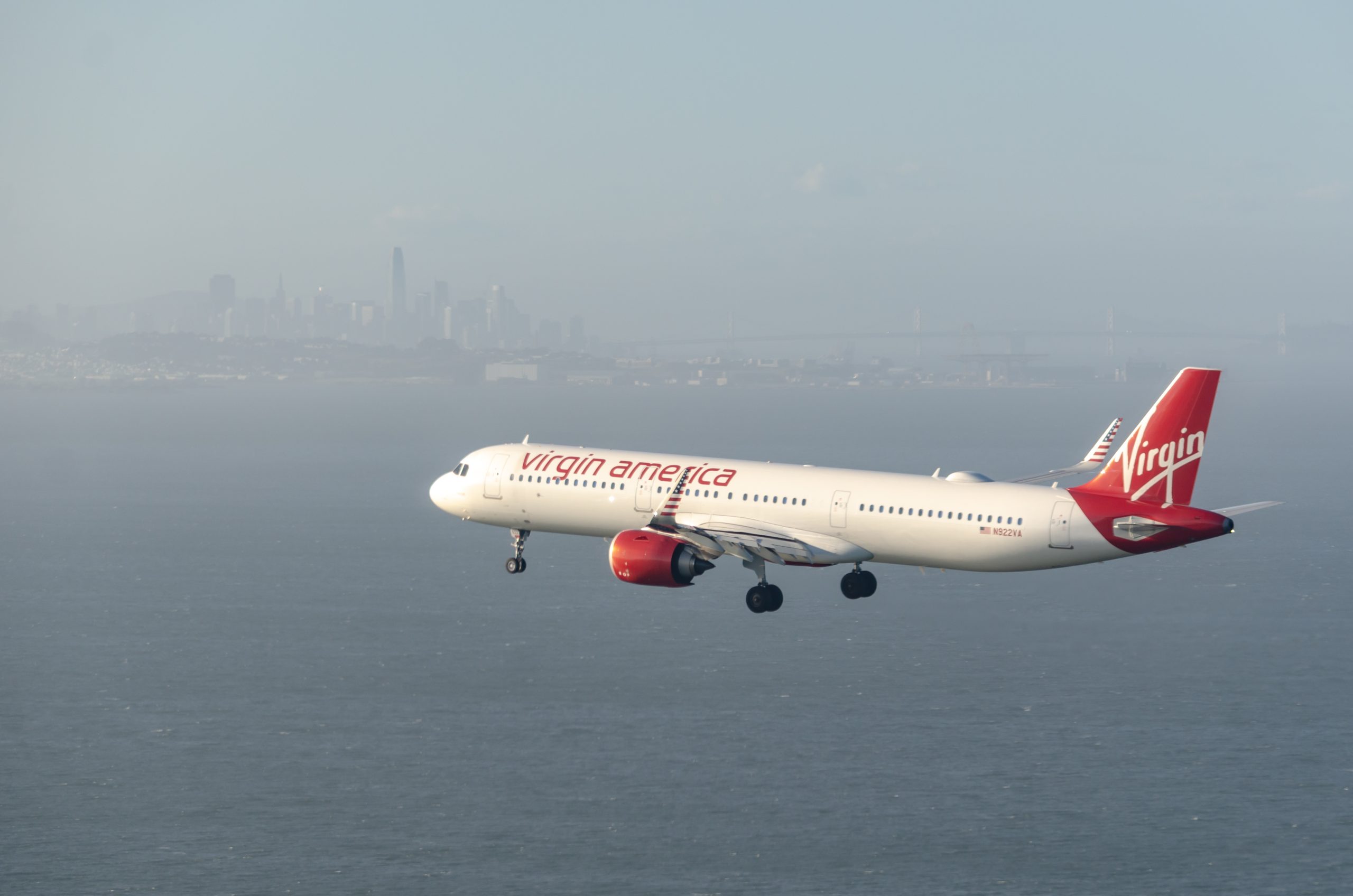
A Virgin America Airbus A321neo landing at San Francisco International Airport. (Photo: AirlineGeeks | Fangzhong Guo)

Alaska Airlines has officially concluded service with its Airbus fleet as of September 30. The aircraft, registered N921VA, left Seattle-Tacoma International Airport and arrived at Los Angeles International Airport as AS1126. The flight crew also paid tribute to the aircraft’s original owner, Virgin America, by circling above its old headquarters over the bay area. 

Make Flying Good Again

Despite its ambition to make flying good again, it was not well received in the airline industry. The Department of Transportation initially rejected the airline’s operator certificate application due to complaints from other airlines, which caused the airline to restructure its ownership.

Virgin America finally began service on August 8, 2007. It eventually became the first airline to offer fleetwide WiFi, mood lighting, touch-screen seatback entertainment, and power outlets at every seat on every flight. It was known as the fun airline among travelers.

Even the airline’s safety cards use bold colors. (Photo: AirlineGeeks | Fangzhong Guo)

The Fun Airline

The airline was constantly finding new ways to differentiate itself from its competitors. In addition to the products and services offered, it also created a lot of exposure in other channels. 

The airline partnered with CW in 2010 to create a reality TV show that followed five of Virgin America’s flight attendants. While the intention was to create more buzz for the company, the show received a lot of criticism for ignoring reality and sexism. 

Virgin America partnered with CW on a reality TV show. (Photo: CW)

While the airline fumbled on the publicity stunt, it had a lot more success with innovative amenities such as free Netflix streaming when it upgraded its inflight WiFi. 

Speaking of entertainment, probably everyone who’s flown with Virgin America remembers the fun safety dance. There are even videos of passengers on the company’s last flight singing along with the safety video.

A Young Fleet

The success of the airline was also built on a young fleet. It started with all-new airplanes and was the launch customer for Airbus A321NEO. In fact, it was the first A321NEO ever to enter commercial service that operated the last Airbus flight at Alaska Airlines. 

At its peak, it operated 67 aircraft, which consisted of 53 Airbus A320ceo, 10 Airbus A319ceo, and four A321neo aircraft. Although the merger with Alaska removed almost all signs of Virgin America ever existed, the airplanes stayed in the Seattle-based airline fleet for five years until last week.

More to Love

The Alaska Air Group acquired Virgin America in April 2016. It continued operating under its name and brand until the airline was fully merged into Alaska Airlines in April 2018. The entire fleet underwent retrofits that took out Virgin America’s signature mood lighting and the plush seats.

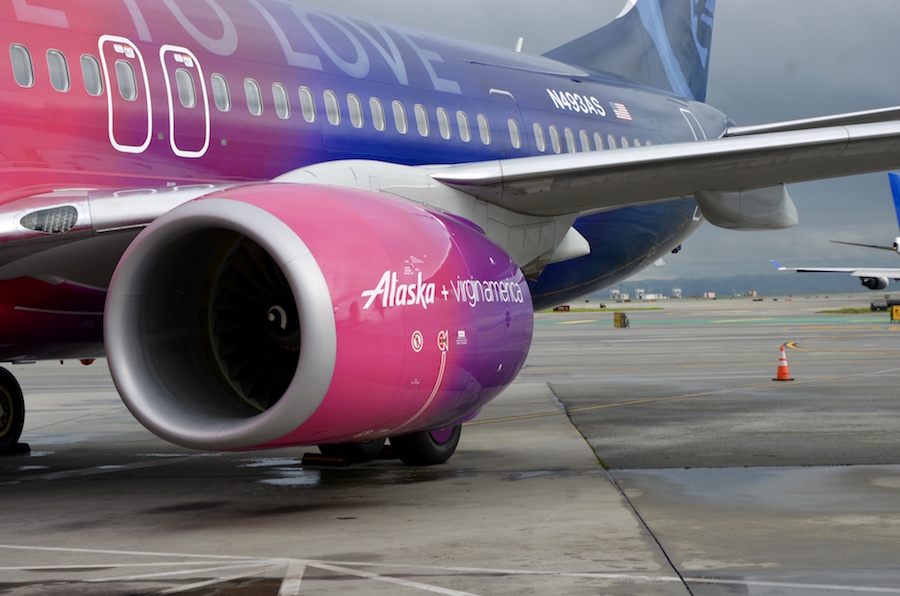
During the transition period, the newly formed airline group created the More to Love campaign to win over loyal Virgin customers. In addition to treats served onboard, it painted three airplanes with the hybrid More to Love livery. Two planes were Virgin’s A321neo, which exited with the rest of the Airbus planes. The last one, a Boeing 737-900ER, is getting repainted two days after the airline’s last Airbus flight. There is no more to love about the once quirky, fun, and different airline. 

Alaska’s new “More to Love” special livery celebrating the merger with Virgin America (Photo: Tim Jue

Fangzhong Guo

Fangzhong grew up near an OEM airport in northeastern China, where he developed his enthusiasm for aviation. Taking upon his passion, he's now working as an aircraft interior design engineer. Besides working in the aerospace industry, Fangzhong enjoys trying out different types of airplanes and seeing how airplane interiors have evolved. So far, he's flown on over 80 types of aircraft. He also planespots in his spare time. His rarest catches included the 747 Shuttle Carrier Aircraft and AN-225.

The First Ever All-Electric International Flight

A BETA Technologies CX300 electric aircraft achieved a historic milestone by completing its first international flight. This marked the groundbreaking moment when an aircraft powered by electricity, designed to transport passengers or cargo, crossed an international border for the first time.

The ALIA CX300 during a test flight. (Photo: BETA TECHNOLOGIES)

On Wednesday, September 27, 2023, a BETA Technologies CX300 electric aircraft made its first international flight from Plattsburgh, N.Y., to Montreal, Quebec, marking the first time that a 100% electrically powered aircraft configured to carry passengers or cargo, had flown across an international border.

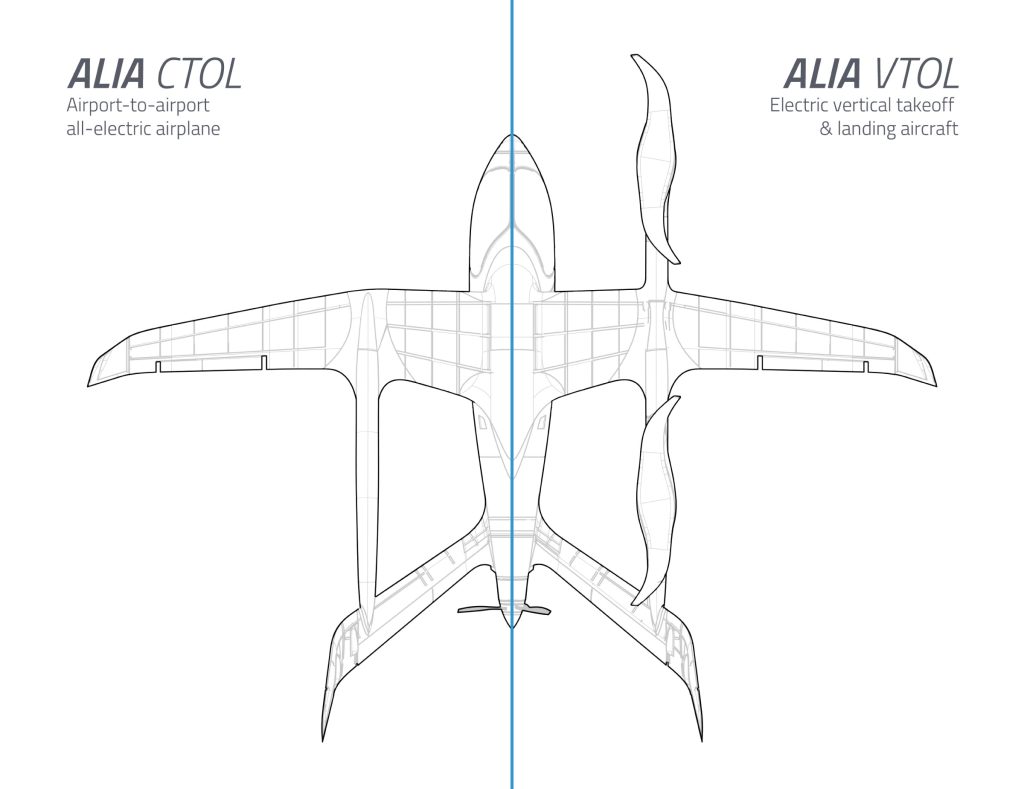
BETA Technologies, an electric aircraft company founded in 2017 by engineer and entrepreneur Kyle Clark, is developing and manufacturing electric vertical takeoff and landing (eVTOL) called ALIA-250 and electric conventional takeoff and landing (eCTOL) aircraft called the CX300.

This eCTOL version of the ALIA aircraft has already flown extensively during the R&D and testing phases in the United States. Still, this time, it demonstrates that electric aircraft can fly longer distances and cross international borders. This opens the possibility of using electric aircraft for broader applications, such as passenger travel, cargo transport, and emergency services.

This flight is a significant milestone for electric aviation and a testament to the dedication of the engineers and technicians at BETA Technologies. They have developed a truly innovative and groundbreaking aircraft that has the potential to revolutionize the aviation industry. As of 2023, the company has grown to 450 employees.

According to BETA’s website and CEO Kyle Clark, they designed the ALIA platform by looking at migratory birds of the Arctic. The aircraft are created using the first physics principles to fly in the safest, most efficient way possible. They utilize BETA’s patented electric propulsion systems, produce zero operational emissions, and carry advanced energy-dense batteries. The ALIA has a 50-foot wingspan and will carry up to five people and a pilot at a cruising speed of about 75 mph with a range of less than 250 nautical miles.

The ALIA platform variants comparison. (Image: BETA TECHNOLOGIES)

Over the years, BETA Technologies has also created a modular rapid charging station that can be easily reconfigured for urban or rural areas. BETA’s chargers can charge their aircraft in about 30 – 50 minutes.

Pilot Chris Caputo piloted the flight to Montreal and described the aircraft as intuitive, with excellent visibility, acoustics, and quietness. The ALIA eCTOL version is about ten times quieter than a fuel-burning aircraft.

The CX300 looks similar to BETA’s air taxi variant, ALIA-250, but it will fly using lift from its wings, not from lifting props. BETA believes the CX300 has a more straightforward path to certification and commercialization than its eVTOL air taxi. This is because conventional aircraft can operate from existing airports and use existing air traffic control systems.

The ALIA-250 will be capable of carrying passengers (ALIA-250) or cargo (ALIA-250c). This aircraft version was already tested with UPS in the United Arab Emirates, thanks to a license granted by the UAE government to transfer freight and logistics for customers. BETA hopes to have the CX300 certificated by the FAA and begin deliveries in 2025, while the VTOL variant is also vying for certification by 2026.

Vincenzo Claudio Piscopo

Vincenzo graduated in 2019 in Mechanical Engineering with an aeronautical curriculum, focusing his thesis on Human Factors in aircraft maintenance. In 2022 he pursued his master's degree in Aerospace Engineering at the University of Palermo, Italy. He combines his journalistic activities with his work as a Reliability Engineer at Zetalab.

Viva Aerobus Expands U.S. Reach with Two New Routes from Mérida

Viva Aerobus connects Mérida to Orlando & Miami, unlocking seamless journeys to top U.S. destinations starting July.

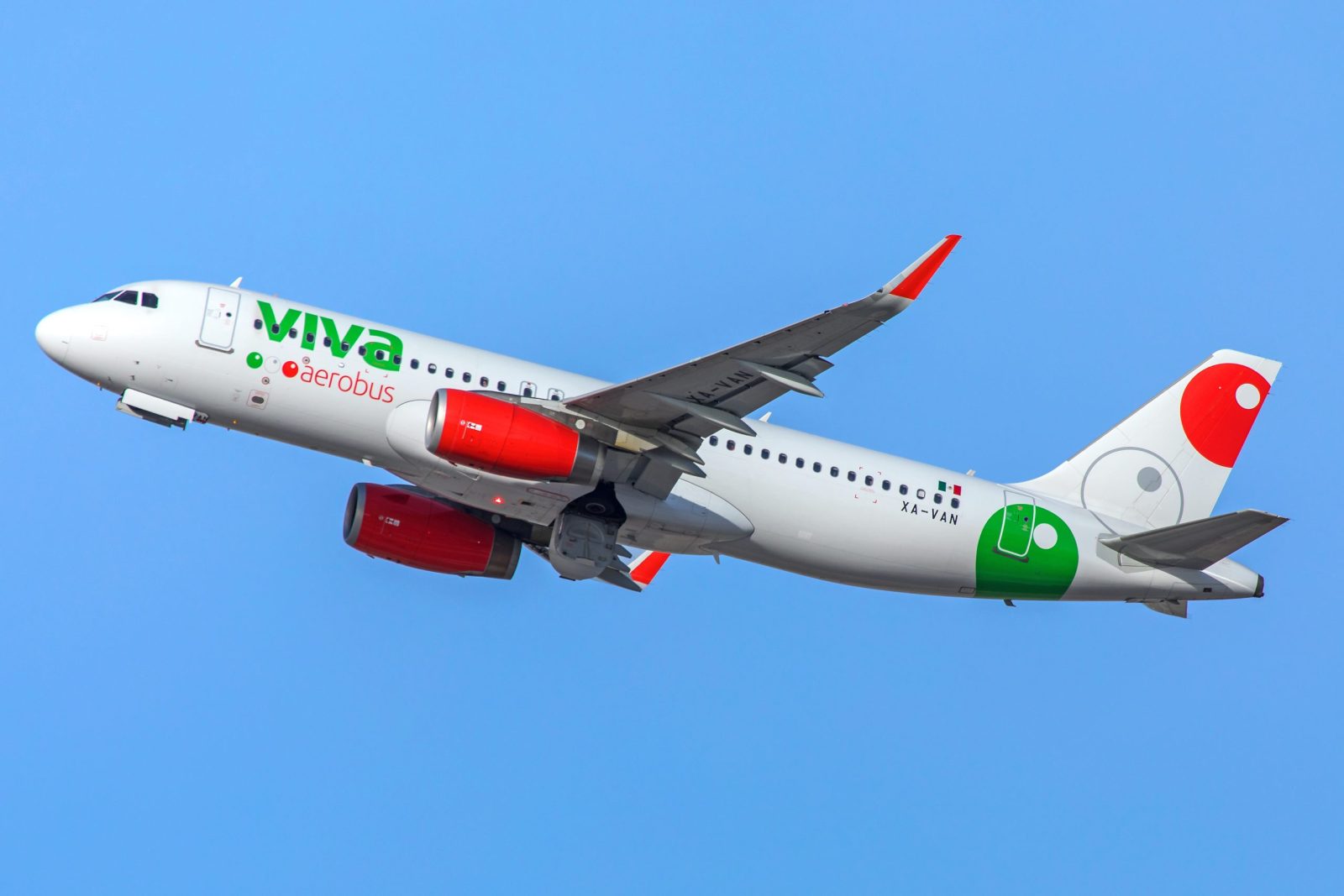
Viva Aerobus A320
A Viva Aerobus Airbus A320. (Photo: AirlineGeeks | William Derrickson)

Viva Aerobus, a leading force in the aviation sector, has recently unveiled its plans for an additional expansion into the U.S. market. The airline has announced the introduction of two new direct routes originating from Mérida’s International Airport (MID), setting the stage for improved connectivity and a boost in tourism.

MID to Orlando (MCO): A Gateway to Fantasy

Starting July 1, the airline will be connecting Mérida to Orlando’s bustling International Airport (MCO). This new route is scheduled to operate 3 times a week, offering a plethora of options for travelers. Orlando, famed for its sprawling theme parks like Walt Disney World and Universal Studios, not to mention its vibrant dining scene and entertainment hubs, is a top pick for families, solo travelers, and adventure seekers. This new connection by Viva Aerobus promises to make the journey to this fantasy world more accessible than ever.

MID to Miami (MIA): A Dive into Culture and Beaches

Just a day after the Orlando route takes off, Viva Aerobus will launch its direct flight from Mérida to Miami International Airport (MIA) on July 2. With a frequency of 4 times a week, this route is expected to gain traction quickly. Miami, with its rich tapestry of cultures, iconic beaches like South Beach, the historic Art Deco district, and a nightlife that’s second to none, offers a unique blend of relaxation and adventure. Whether it’s the art festivals, the culinary delights, or the watersports, Miami has something for everyone, and Viva Aerobus is making sure that everyone can get there with ease.

Strengthening International Presence: A Strategic Leap for Viva Aerobus

Beyond the immediate benefits to travelers, these new routes mark a pivotal step in Viva Aerobus’s strategic journey. By connecting Mérida, a city that’s a treasure trove of Mayan history and cultural landmarks, with two major U.S. destinations, the airline is not only promoting tourism but is also fostering business and cultural exchanges. The decision to expand its U.S. footprint is a clear indication of the airline’s vision to be an industry frontrunner, not just within Mexico but on the international stage as well.

Looking Ahead: The Future of Air Travel

The global travel landscape has seen its fair share of challenges in recent times. However, with announcements like these, it’s evident that the industry is on a rebound. As Viva Aerobus continues to innovate and expand its offerings, travelers can look forward to more destinations, competitive prices, and unparalleled service.

Viva Aerobus’s commitment to enhancing its route network, especially between Mexico and the U.S., is commendable. These new routes from Mérida to Orlando and Miami are not just new pathways on a map; they represent the airline’s unwavering dedication to bridging gaps, promoting tourism, and making air travel more accessible to all. As we gear up for these launches in July, one thing is certain: the skies are getting friendlier, and the world smaller.

Parth Jain

Parth Jain is a dedicated aviation enthusiast with a rich background in general and commercial aviation. Over the years, Parth has consistently demonstrated a deep fascination with the aviation industry, his interests spanning from the workings of small general aviation aircraft to the complexities of large commercial jets. Parth's interest in aviation sparked at a young age when he first set foot in an airplane. Since then, he has dedicated much of his time to gaining first hand experience, achieving his private pilot license and currently working towards his instrument rating. Parth's education and experience are a testament to his dedication and commitment to this field. As a private pilot, he has navigated complex airspace, developed an understanding of the intricate details of aircraft operations, and consistently demonstrated safe and proficient flying skills.

Former American CEO Starting Non-Profit to Promote Aviation Careers

The non-profit plans to open doors to aviation careers for underrepresented young adults, coming on the heels of a record hiring year for U.S. carriers.

American Airlines CEO Doug Parker speaks to the Snowball Express crowd in Dallas (Photo: AirlineGeeks | Parker Davis)

Former American Airlines Chairman and CEO Doug Parker is starting a non-profit, according to a Linkedin post on Monday. Parker, who served as CEO of America West, US Airways, and then American for 22 years, said the new charity will “remove the barriers that exist for underrepresented young adults to have rewarding careers in aviation, particularly as pilots.”

Parker’s organization will be named Breaking Down Barriers (BDB).

Parker’s post says that he hopes to create additional opportunities for underrepresented individuals across the aviation sector. “We believe BDB can create an enormous opportunity to transform the lives of underrepresented groups and their communities. That is work worth doing,” the post adds.

The former airline leader has appointed Dana Donati as the CEO of BDB. A former Assistant Chief Pilot for Republic Airways, Donati has wide-ranging experiences across the pilot recruitment and training sectors. Most recently, she served as CEO of United’s Aviate Academy.

“Dana is one of the most highly regarded women in commercial aviation, a talented pilot that most recently was CEO of United Aviate Academy. We are beyond fortunate to have Dana to lead this important cause,” Parker said in his Linkedin post.

Managing the Pilot Shortage

With U.S. airlines on track to hire a record number of pilots in 2023, Parker’s announcement adds to a growing list of creative solutions to attract talent in the aviation industry. All three major U.S. airlines have different pathways to becoming a pilot, sometimes starting from the most basic Private Pilots License (PPL).

While not out of the woods yet, the pilot shortage has begun easing a bit, according to AvWeb. Consultancy firm Oliver Wyman said the North American airline industry is short 14,300 pilots, which is down from 16,900 last year. However, part of this change is due to a slew of regional aircraft being parked. The firm states that regional flights have dropped 36% since 2019 and restoring to that level would require 6,000 more pilots.

Ryan Ewing

Ryan founded AirlineGeeks.com in February 2013 and has spent more than a decade covering the airline business. His work has been featured by CNN, WJLA, CNET, and Business Insider. His aviation experience spans airport operations, Part 135 regulatory compliance, and airline crew workforce planning, along with time behind the yoke of a Cessna 172 and interviews with airline executives. Ryan now serves as Group President of Firecrown Media’s Aviation Group. He holds a B.S. in Air Transportation Management and an MBA from Arizona State University and teaches Airline Management at Embry-Riddle Aeronautical University.

Cathay Pacific Orders More A321neos

Cathay Pacific is ordering 32 more A320neos. The order is a step towards growing its operation, thanks to positive signs of recovery.

Cathay Pacific A321neo
A Cathay Pacific A321neo (Photo: Cathay Pacific)

The A32oneo family continues to enjoy extraordinary growth in recent years with Hong Kong-based Cathay Pacific announcing orders for 32 more of the type. The order consists of both the A320neo and A321neo, though the exact composition is unclear. The aircraft will be in service with both Cathay Pacific and its subsidiary HK Express, according to Barron’s.

Cathay Pacific had 32 A320neos on order originally. With the new addition, the total number of A320neos the group is expected to take will increase. Currently, Cathay Pacific operates the A321neo variant while HK Express operates both. The type is mostly flying on lower-demand routes from Hong Kong to East Asia.

Finally Recovering

One of the hardest hit airlines during the COVID-19 pandemic, Cathay has turned a profit for the first time in three years, announcing a net profit of US$546 million for the first half of 2023. The positive earnings means that the airline will once again be looking at expanding services and regaining its market share.

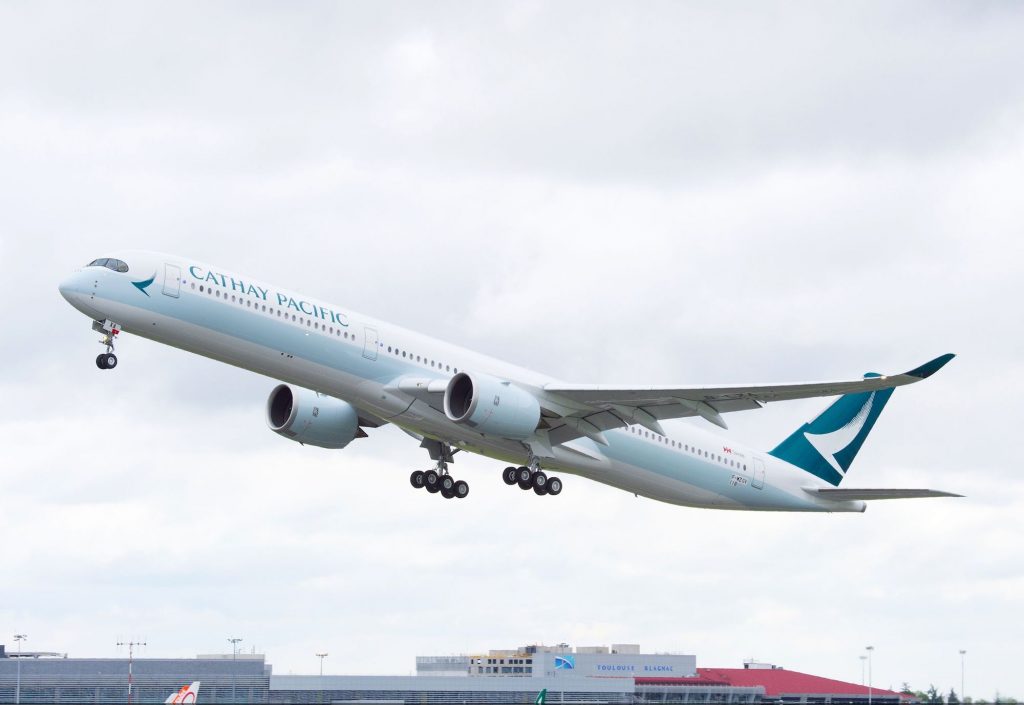
The A350-1000 departs from Toulouse (Photo: Airbus)

One of the areas it is hoping to target is the China Mainland. Cathay has had success in connecting Hong Kong to the China Mainland, allowing Chinese travelers to connect to other destinations in its network. The new A320neos, according to its CEO, will be deployed on these routes and will enable Cathay to open more destinations in the region.

The Future of Cathay Pacific

Cathay Pacific started narrow-body operations in 2021 when Cathay Dragon, a former subsidiary of Cathay, was merged into Cathay Pacific. It ended its long history of exclusively wide-body fleet operation and started flying the A321neos. With the additional orders for A320neos, we will have a rough idea of what the fleet will look like.

Cathay already boasts a fairly young fleet, with a combined cargo and passenger jets average age of 11 years according to Planespotters.net. The airline still operates a passenger fleet mainly consisting of widebody jets, with only 13 A321neos in operation at the moment out of the 160 passenger jets it operates.

The backbone of the fleet will be the Airbus A350s. Cathay Pacific is the third largest operator of the type with 47 units and has both the -900 and -1000 variants. With an average age of just a little over five years, the type is expected to support Cathay’s operation for decades to come.

The inaugural Cathay Pacific flight arrives at Dulles on Sept. 15 (Photo: AirlineGeeks | Ben Suskind)

Cathay Pacific’s aging Boeing 777 fleet, the most popular type in its fleet at the moment with 56 units, is expected to be partially taken over by the brand new and repeatedly delayed 777-9X. Cathay currently has 21 on order and is expected to start taking delivery of them in 2025. In the meantime, some A350-1000s are filling the vacancies left by the retired 777 in the fleet, though carrying very different configurations. The A330 fleet, many inherited from Cathay Dragon, is also approaching retirement age. The exact replacement is not yet known and Cathay is expected to order more aircraft in the coming seasons.

Anthony Bang An

Anthony is an aviation enthusiast who grew up around the world from St. Louis to Singapore, and now lives in Amsterdam. He loves long-haul flying and finds peace in the sound of engine cruising. He aspires to share his passion for the sky though writing and providing another angle on the stories.

First Look: Japan Airlines Debuts New A350-1000 Suites

JAL's new A350-1000 is expected to feature a four-cabin configuration with fully-private First and Business class suites. The jet will debut on its Tokyo/Haneda to JFK route.

A mock-up of Japan Airlines' A350-1000 (Photo: JAL)

Japan Airlines showed off its much-anticipated A350-1000 interiors on Monday, featuring 239 seats in a four-class configuration. Both First and Business class cabins will feature fully enclosed suites.

According to data available on Planespotter.net, JAL’s A350-1000 will be far less dense than some fellow operators of the type. For instance, Qatar Airways’ A350-1000s has a whopping 327 seats. By comparison, Qantas’ yet-to-be-delivered A350s will have 238 seats, one fewer than JAL.

Onboard Interiors

‘Completely redesigned’ seats have been installed in all classes, according to the airline. While First and Business class cabins will have private suites, Premium Economy and Economy classes will also see a revamp.

Throughout the new flagship aircraft, JAL says it will use Panasonic’s latest inflight entertainment system (IFE) and inflight Wi-Fi service will debut on the new aircraft. All classes will feature 4K screens with Bluetooth connectivity. The airline says that passengers will be able to integrate the IFE with its mobile app to save favorites.

First Class

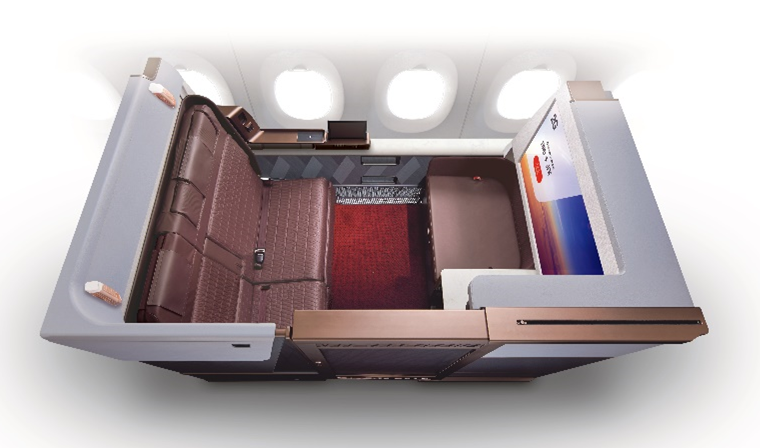
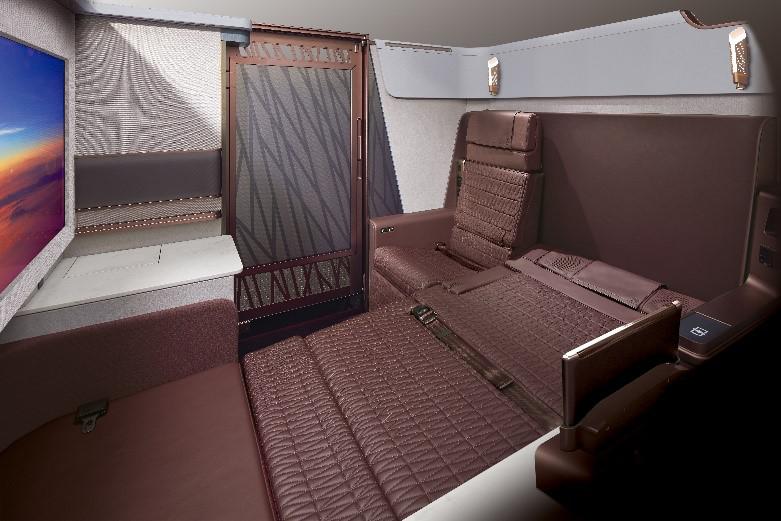
The new First Class cabins have just six suites, each featuring a door that creates a fully enclosed space.

In a press release, JAL adds that the new suites will be 48 inches wide while the accompanying IFE screens will be 43 inches. There will be three seating modes: a sofa, regular seat, single bed, or even a double bed option, which is presumably similar to Qatar Airways’ center-aisle QSuites.

JAL’s First Class on its A350-1000 (Photo: JAL)

Perhaps a unique feature of this suite is the use of the ‘world’s first headphone-free stereo.’ JAL states that there will be built-in headrest speakers, therefore eliminating the need for headphones.

First Class suite on JAL’s A350-1000 (Photo: JAL)

Business Class

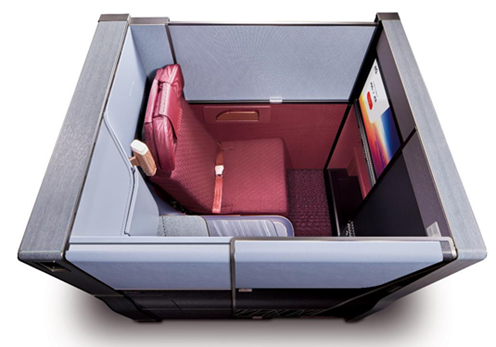
Despite the increase in seat capacity to 54 seats from 49 on its 777-300ER, doors and a fully private suite will be available. The seat is about half the width of First at only 22 inches.

Business Class on JAL’s A350-1000 (Photo: JAL)
Business Class Suite on JAL’s A350-1000 (Photo: JAL)

Of course, the seat is lie-flat, also featuring the carrier’s headphone-free stereo in the headrest.

Premium Economy

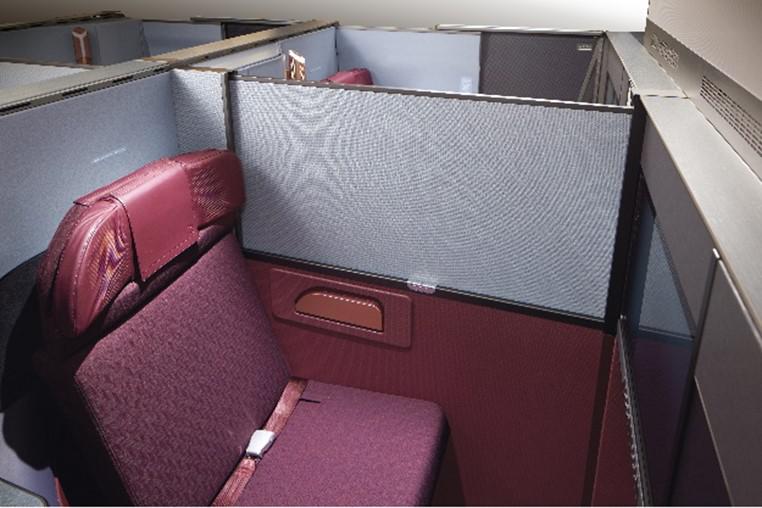
Also new to JAL’s onboard offerings, the cabin features partitions to improve privacy. According to the Japanese carrier, it is also the first Premium Economy cabin to introduce electrically operated reclining functionality.

Each seat has 42 inches of pitch and a 16-inch monitor.

Premium Economy seats on JAL’s A350-1000 (Photo: Japan Airlines)
Premium Economy on JAL’s A350-1000 (Photo: JAL)

Economy

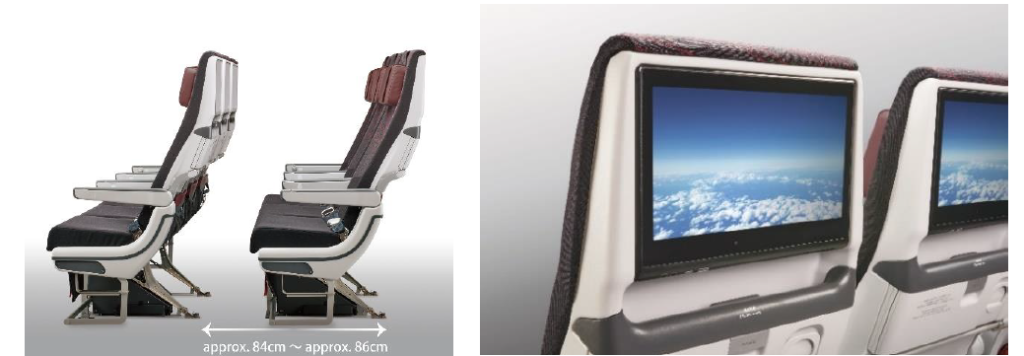
On its A350-1000, JAL plans to have 155 economy seats in a 3-3-3 configuration. Seat pitch will vary between 33-34 inches with a 13-inch screen.

Across all the A350-1000’s cabins, JAL says it is enhancing the soft product offerings as well, including new onboard dining and onboard amenities.

Economy on JAL’s A350-1000 (Photo: JAL)

Entry-into-Service Woes

Currently, JAL has 13 A350-1000s on order. The new aircraft were set to begin service in November on the carrier’s Tokyo/Haneda – New York-JFK route. However, this launch has now been pushed to late 2023 due to “supply chain disruption affecting the delivery of components,” the carrier said in a press release.

According to Cirium data, JAL operates two daily flights between Haneda and JFK. The carrier is slated to have the A350-1000s operate on alternating days once service starts.

Ryan Ewing

Ryan founded AirlineGeeks.com in February 2013 and has spent more than a decade covering the airline business. His work has been featured by CNN, WJLA, CNET, and Business Insider. His aviation experience spans airport operations, Part 135 regulatory compliance, and airline crew workforce planning, along with time behind the yoke of a Cessna 172 and interviews with airline executives. Ryan now serves as Group President of Firecrown Media’s Aviation Group. He holds a B.S. in Air Transportation Management and an MBA from Arizona State University and teaches Airline Management at Embry-Riddle Aeronautical University.
Sign-up for newsletters & special offers!

Get the latest stories & special offers delivered directly to your inbox

SUBSCRIBE

Uh-oh! It looks like you're using an ad blocker.

Our website relies on ads to provide free content and sustain our operations. By turning off your ad blocker, you help support us and ensure we can continue offering valuable content without any cost to you.

We truly appreciate your understanding and support. Thank you for considering disabling your ad blocker for this website