








Stories

Air Tanzania Enhances Its Cargo Operations

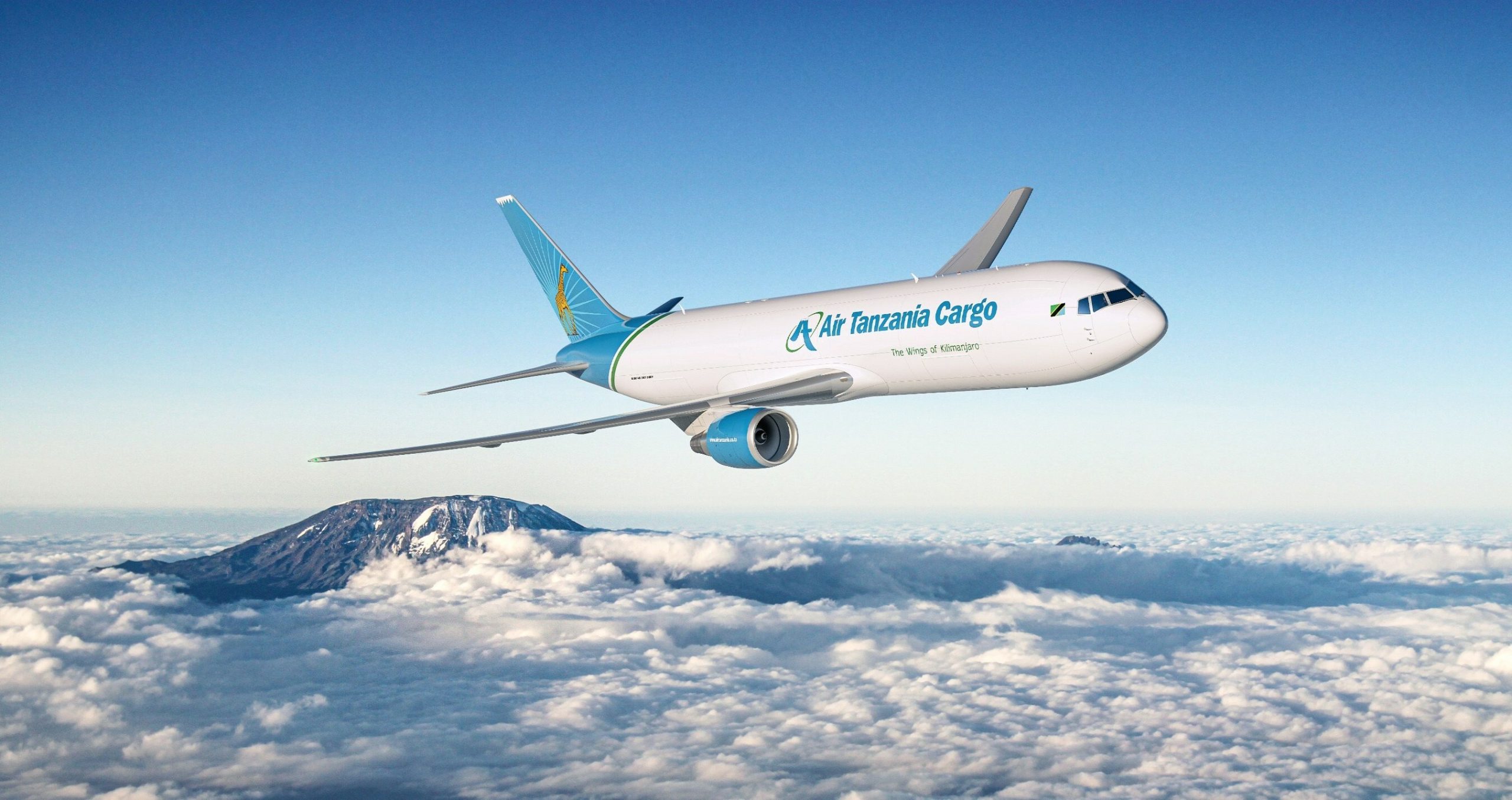
Boeing and Air Tanzania are celebrate the delivery of the airline's first 767-300 Freighter. (Photo:Boeing)

Air Tanzania — the state-owned airline of Tanzania — received its first dedicated cargo aircraft, the Boeing 767-300 Freighter. The delivery marks a significant milestone for both Air Tanzania and Boeing, as it is the first direct delivery of a 767 Freighter to an African carrier.

The introduction of the Boeing 767F will enable Air Tanzania to meet the growing demand for air freight services in the region and expand its cargo operations. However, the procurement of the aircraft has been marred by a financial dispute, leading to recent developments within the Tanzanian government.

Procurement Discrepancies and Presidential Intervention

A financial report by Tanzania’s chief auditor and anti-corruption agency revealed discrepancies in the procurement and payment of the Boeing 767-300F. The original contract stipulated a final payment of $37 million for the aircraft, but the government was presented with a bill amounting to $86 million. Tanzanian President Samia Suluhu Hassan took swift action by dismissing the head of the Tanzania Government Flight Agency (TGFA), John Nzulule, who was responsible for procuring the aircraft on behalf of Air Tanzania.

Cargo Operations and Economic Growth

Air Tanzania’s acquisition of the 767-300 Freighter is expected to revolutionize the airline’s cargo operations. With excellent fuel efficiency, operational flexibility, and low noise levels, the freighter is well-suited to support time-critical cargo schedules across Africa and beyond.

The aircraft can fly long distances with a revenue payload of over 52 tonnes, making it ideal for serving e-commerce and express cargo markets. Air Tanzania aims to expand its imports and exports industry, particularly in the transportation of perishable goods, pharmaceuticals, and other time-sensitive products.

“We are thrilled to welcome the 767-300 Boeing Freighter to our fleet. The 767 will cater to the growing cargo demand which was previously carried by passenger airplanes. The 767 will enable Air Tanzania to support a journey towards a more sustainable future and time critical cargo schedules across Africa and beyond,” Eng. Ladislaus Matindi, Air Tanzania managing director, said. “We are looking forward to expanding our imports and exports industry that require timely delivery. The arrival of the airplane will open opportunities for global businesses to transport commercial cargo goods to various parts of the world, which will boost national economic growth.”

Enhanced Freight Connectivity

The delivery of the Boeing 767-300F opens up new possibilities for Air Tanzania’s cargo customers. With increased freight connectivity between Africa, Europe, the Middle East, and Asia, the airline can provide greater efficiency and flexibility across its network. The cargo aircraft will complement Air Tanzania’s existing operations, which include commercial service across Africa and to destinations in Asia. The airline currently operates two Boeing 787-8 Dreamliners and has additional orders for one 787-8 and two 737 MAX jets.


Victor Shalton

Victor Shalton's love for aviation can be traced to when he was 11-years-old. As a seasoned aviation writer, he takes pride in providing the best aviation coverage around the globe and is passionate about advancing his skills in the aviation space. In addition, he loves travelling, writing, arts and while his speaking engagements have taken him around the world, he is proud to call Nairobi home.

Billy Bishop Toronto City Airport Gets Its First Lounge

The Aspire | Air Canada Café at Billy Bishop Toronto City Airport (Photo: Swissport)

Toronto’s downtown airport has received its first dedicated lounge with the opening of the Aspire | Air Canada Café. The new space at Billy Bishop Toronto City Airport offers a new experience for passengers at an already unique airport.

The Aspire | Air Canada Café

The new lounge is a collaboration between Air Canada and Swissport’s Aspire Lounges. With 133 seats and over 4,000 square feet of space, the lounge offers amenities including a bookable meeting room, wireless charging, workspaces for taking calls, as well as televisions and WiFi. Food offerings include a fully tendered bar, a buffet with hot and cold options and a selection of grab-and-go items.

The Aspire | Air Canada Café at Billy Bishop Toronto City Airport (Photo: Swissport)

The lounge was built to meet LEED ID+C standards, a global certification that ensures the use of sustainable building practices. Swissport stated that the new lounge aims to be the company’s first LEED-certified lounge. Other environmental efforts include wine served on tap, eliminating the need for bottles, and water provided through a filtration system instead of plastic bottles.

The Air Canada Café concept debuted at Toronto Pearson International Airport in 2019. The lounge at Toronto Pearson offers café and bar seating with complimentary food and beverages but its most notable innovation was the introduction of grab-and-go options. The Aspire | Air Canada Café at Billy Bishop Toronto City Airport is the second location for the Air Canada Café concept. Access to the lounge will be available to passengers with an Air Canada business class ticket, travelers with elite status in Air Canada’s Aeroplan loyalty program, and members of certain membership programs like Priority Pass and DragonPass.

“We are thrilled to collaborate with Air Canada on our first joint lounge concept and are very pleased with the result,” Swissport Canada Chief Executive Officer Charles Roberge stated in a press release. “With Billy Bishop City Airport now part of our lounge network, Aspire operates six lounges at four Canadian airports and plans to continue to expand across Canada”

The Aspire Lounge at Billy Bishop Toronto City Airport under construction in March 2023 — there were no visible signs of Air Canada branding at this time (Photo: AirlineGeeks | Andrew Chen)


Competition Ramps Up at Toronto’s Downtown Airport

Billy Bishop Toronto City Airport is located on an island off the shore of downtown Toronto, Canada’s largest city. From 2006 to 2011, Porter Airlines flew out of the airport with virtually no competition. Air Canada began serving Montreal, Quebec from the airport in 2011 but Porter remained the dominant carrier. While the airport still mostly sees Porter aircraft at its terminal, Air Canada has been ramping up operations at the airport, most notably with the introduction of flights to Ottawa, Ontario in 2021.

The addition of a lounge demonstrates an ongoing commitment to the airport by Air Canada. It offers an additional benefit to the airline’s highest-value customers: business class travelers and elite members of its frequent flyer program. Given its location, Billy Bishop Toronto City Airport has naturally been popular among business travelers and the new lounge is fitting for the market.

Although the lounge is the airport’s first and only lounge in the formal sense of the term, Porter Airlines previously offered complimentary snacks and beverages in the domestic departures lounge. The refreshments, combined with the airport’s comfortable seating, led some to label the entire gate area as a “lounge.”

Complimentary snacks were previously offered in the domestic gate area of Billy Bishop Toronto City Airport (Photo: AirlineGeeks | Andrew Chen)

Porter’s complimentary snacks and beverages are no longer offered, and new food and retail outlets have opened in the domestic departures lounge. While the terminal itself has not expanded in size, the gate area now appears more like that of a standard North American airport than a small unique downtown airport.

The airport’s passenger terminal owner is optimistic about what the new lounge brings to the airport. “We are thrilled to see the opening of a new lounge at YTZ. Featuring local and sustainable amenities in a serene bespoke space, this lounge builds upon the award-winning amenities for passengers at Toronto’s City Airport,” said Neil Pakey, President and CEO of Nieuport Aviation, the owner and operator of the passenger terminal.

Andrew Chen

Andrew is a lifelong lover of aviation and travel. He has flown all over the world and is fascinated by the workings of the air travel industry. As a private pilot and glider pilot who has worked with airlines, airports and other industry stakeholders, he is always excited to share his passion for aviation with others. In addition to being a writer, he also hosts Flying Smarter, an educational travel podcast that explores the complex world of air travel to help listeners become better-informed and savvier travelers.

Saudi Start-Up Riyadh Air Unveils First Livery

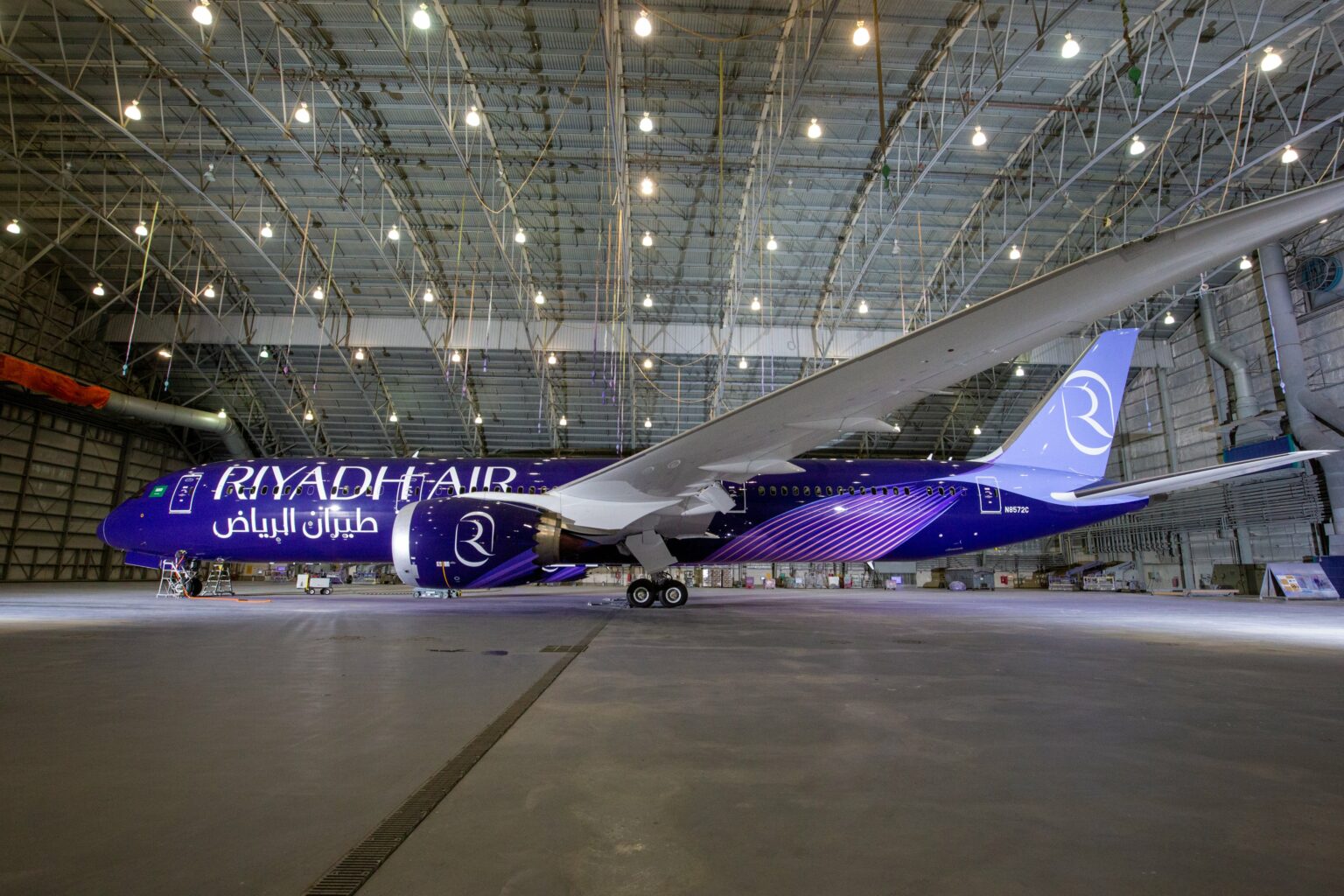
FlyDubai revealed its new livery on its first Boeing 787 Dreamliner on Sunday. (Photo: Riyadh Air)
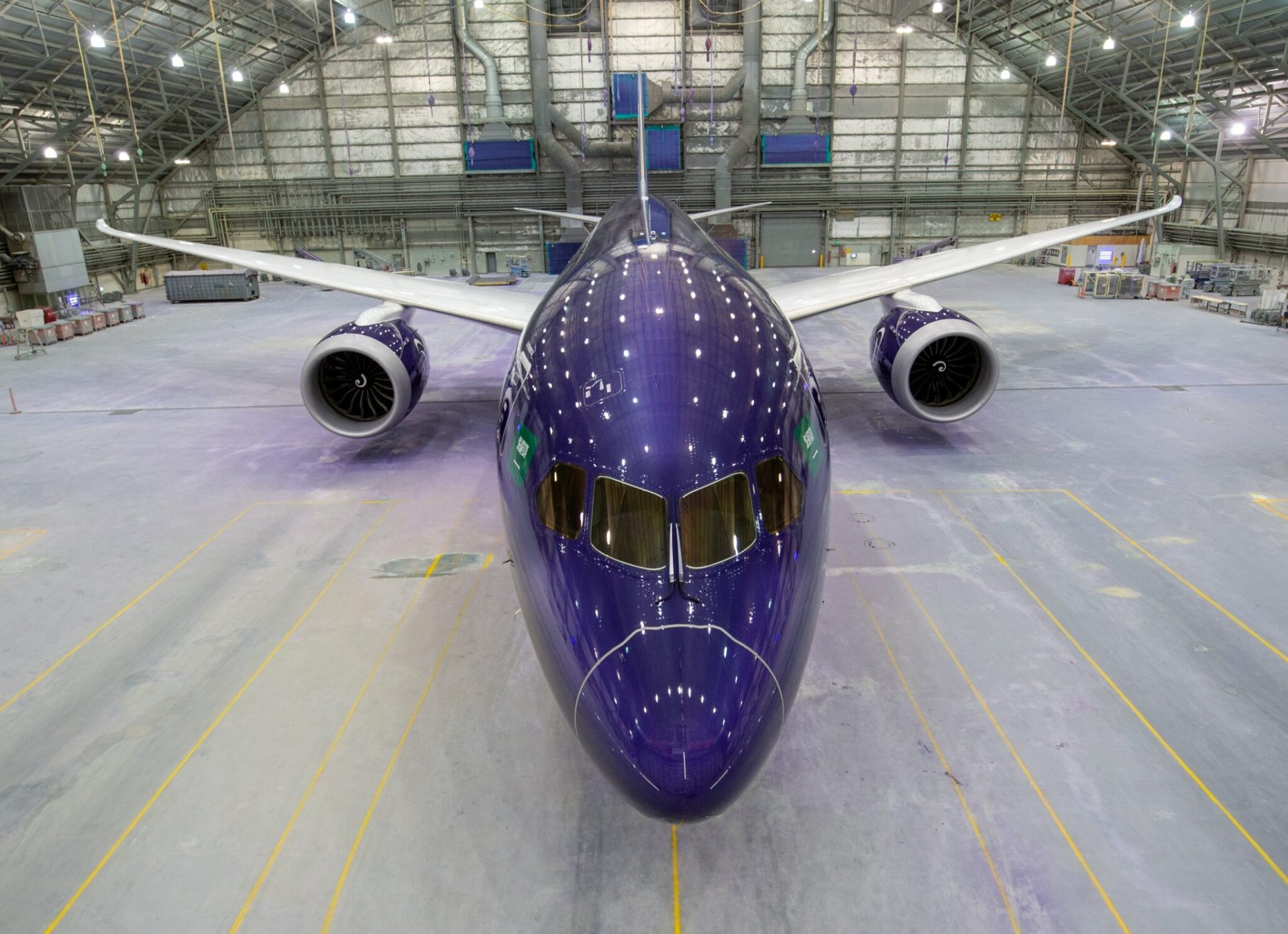
Riyadh Air's first 787 (Photo: Riyadh Air)

Saudi Arabia’s new Riyadh Air has unveiled its first livery. The first of two expected designs, the airline called it a “perfect blend of cutting-edge technology and timeless elegance.” Riyadh Air painted the scheme on a Boeing 787-9 Dreamliner, of which it has ordered up to 72.

Riyadh Air’s is one of the few liveries that is not painted on a white background. Many airlines use such white bases to reflect light off of the aircraft to prevent it from overheating. Still, Air New Zealand has a special livery on a black background, Spirit Airlines paints its planes yellow, and AirAsia uses a red base.

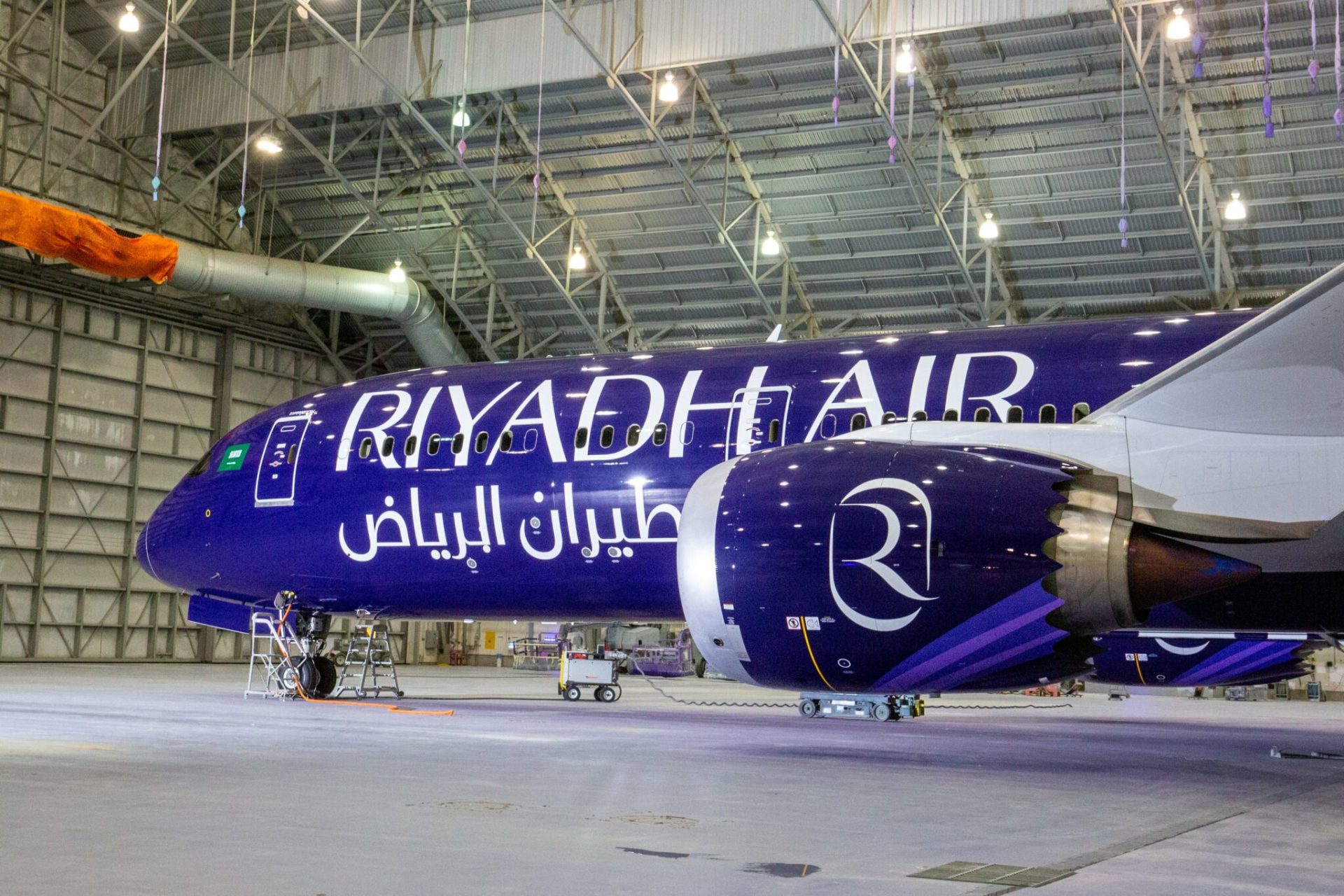
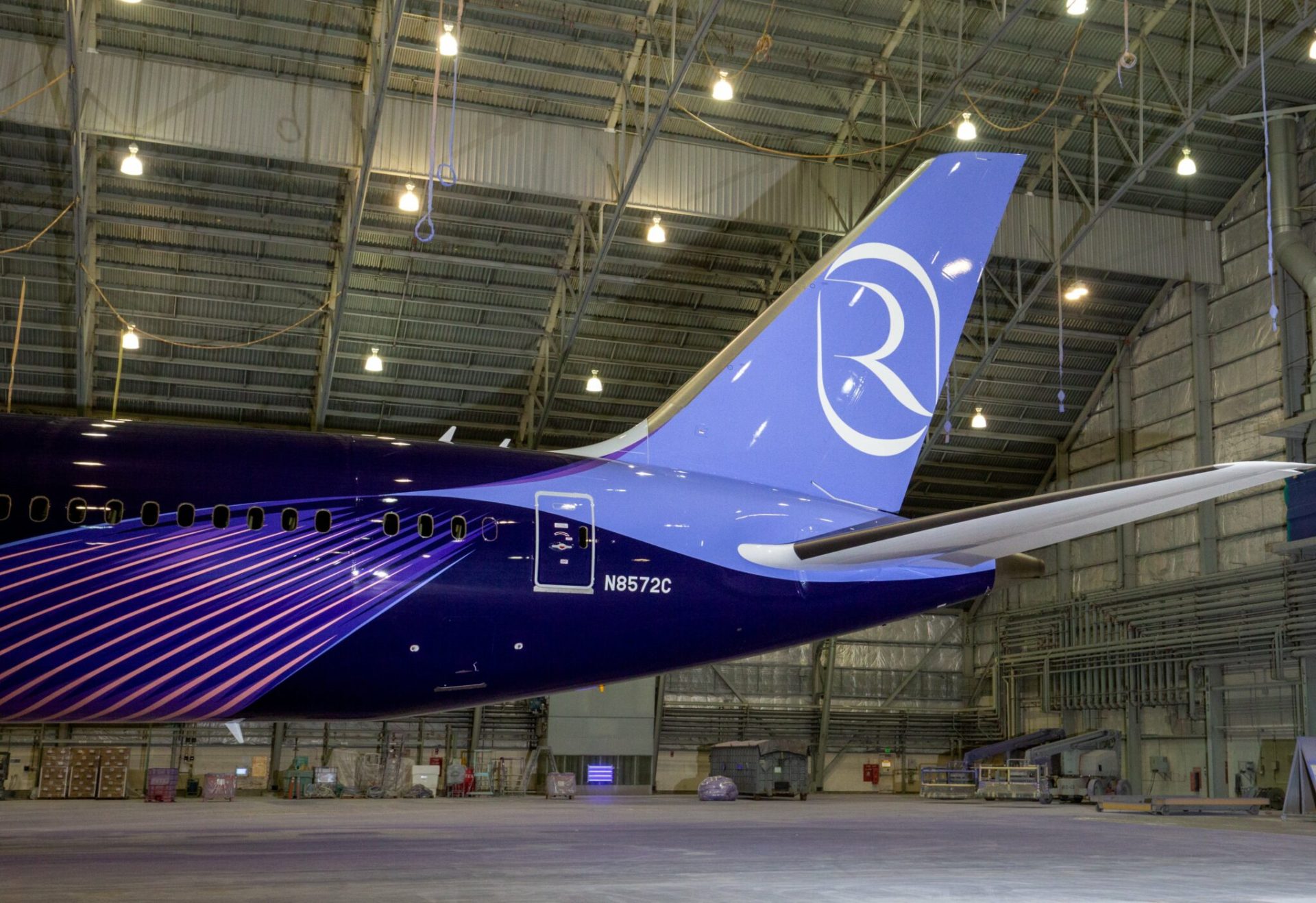
Riyadh Air uses a purple background, perhaps closest to Australia’s Bonza or the United States’ Southwest, on its aircraft’s fuselage. The deep purple tapers to a lighter shade on the tail. The airline’s name is painted in both English and Arabic.

The Dreamliner that was painted, which uses registration N8572C, was previously painted in China Southern Airlines’ livery, according to data from FlightRadar24. This registration is likely dedicated to factory planes, as it has been used on other Dreamliners undergoing testing.

The fuselage of Riyadh Air’s newly-painted Boeing 787 Dreamliner. (Photo: Riyadh Air)

The plane flew from Portland, Oregon to Charleston, South Carolina, where Boeing has its final Dreamliner production and rollout facility, for reveal. AirInsight.com reports that the aircraft is owned by Boeing and was originally built for MIAT Mongolia Airlines.

It is unclear whether Riyadh Air will split its fleet evenly between two liveries or if one will dominate. However, this first livery has captured significant attention in the aviation world and has quickly become a fan favorite for aviation geeks around the world.

It is possible that Riyadh Air will prioritize one livery for its long-haul aircraft and another for the narrowbody 737s that will potentially soon have on order. With the potential to take nearly 100 787 Dreamliners, and alleged talks with Airbus over an A350 order, there is enough reason to invest in separate liveries for both long- and short-haul aircraft. This may make logistical sense by keeping painting operations streamlined per fleet, reducing overall operating costs.

The Dreamliner’s tail tapers to a lighter shade of purple. (Photo: Riyadh Air)

Riyadh Air’s Role in the Market

Riyadh Air is Saudi Arabia’s new national airline and is being launched with the goal of increasing tourism in the country. Riyadh Air’s leaders aim to make it as large as the famed Middle Eastern carrier Emirates. Routes will initially start on these Dreamliners, though there are rumors that a Boeing 737 MAX order is also imminent.

Flights are planned to launch in 2024. Riyadh Air aims to serve over 100 destinations by 2030 and connect passengers between Asia, Africa, and Europe. While it is still to be seen how another market entrant would fare serving the same niche that Emirates, Etihad, Qatar, and even Saudia, the state-owned airline that Saudia Arabia already runs, other new market players have succeeded in recent years. Most notably, flyDubai has seen success as a low-cost counterpart to the United Arab Emirates flag carriers.

The new livery has a purple, instead of a white, base. (Photo: Riyadh Air)

Perhaps Saudia Arabia is seeking a method similar to the Emirates/Etihad duopoly in the United Arab Emirates. A key distinction, though, is that Emirates and Etihad use different hubs: Emirates goes through Dubai, while Etihad primarily uses Abu Dhabi. Saudia already uses Riyadh’s King Khalid International Airport as a hub, meaning that it will compete directly with Riyadh Air on many routes. Perhaps Saudia Arabia will keep the two airlines largely separate by flying them to distinct destinations instead of having them compete directly on many routes.

There is also a possibility that the airline will serve alcohol, which Saudia does not per Islamic law. This rumor has yet to be confirmed or denied.

“The new airline reflects the ambitious vision of Saudi Arabia to be at the core of shaping the future of global air travel and be a true disrupter in terms of customer experience,” said Riyadh Air CEO Tony Douglas.

“Riyadh Air’s commitment to its customers will see the integration of digital innovation and authentic Saudi hospitality to deliver a seamless travel experience. By positioning the airline as both a global connector and a vehicle to drive tourist and business travel to Saudi Arabia, our new 787-9s will serve as a foundation for our worldwide operations, as we build a wider network and connect our guests to Saudi Arabia and many destinations around the world,” Douglas added.

Riyadh Air visited the final Boeing 787 assembly plant in South Carolina in May in preparation for its first deliveries. The company will show off its Dreamliner at the Paris Airshow this month. The aircraft and its livery are likely to draw crowds curious to learn more about the company and get a firsthand look at what is to come.

John McDermott

John McDermott is a commercial pilot pursuing a career in professional flight. His passion for aviation began in an Ann Arbor bookstore with a tale of enemy pilots during World War 2, and he hasn't looked back. Besides flying and writing for AirlineGeeks, John volunteers with Professional Pilots of Tomorrow and travels whenever he gets the chance.

Icelandair and Turkish Airlines Ink Codeshare Agreement

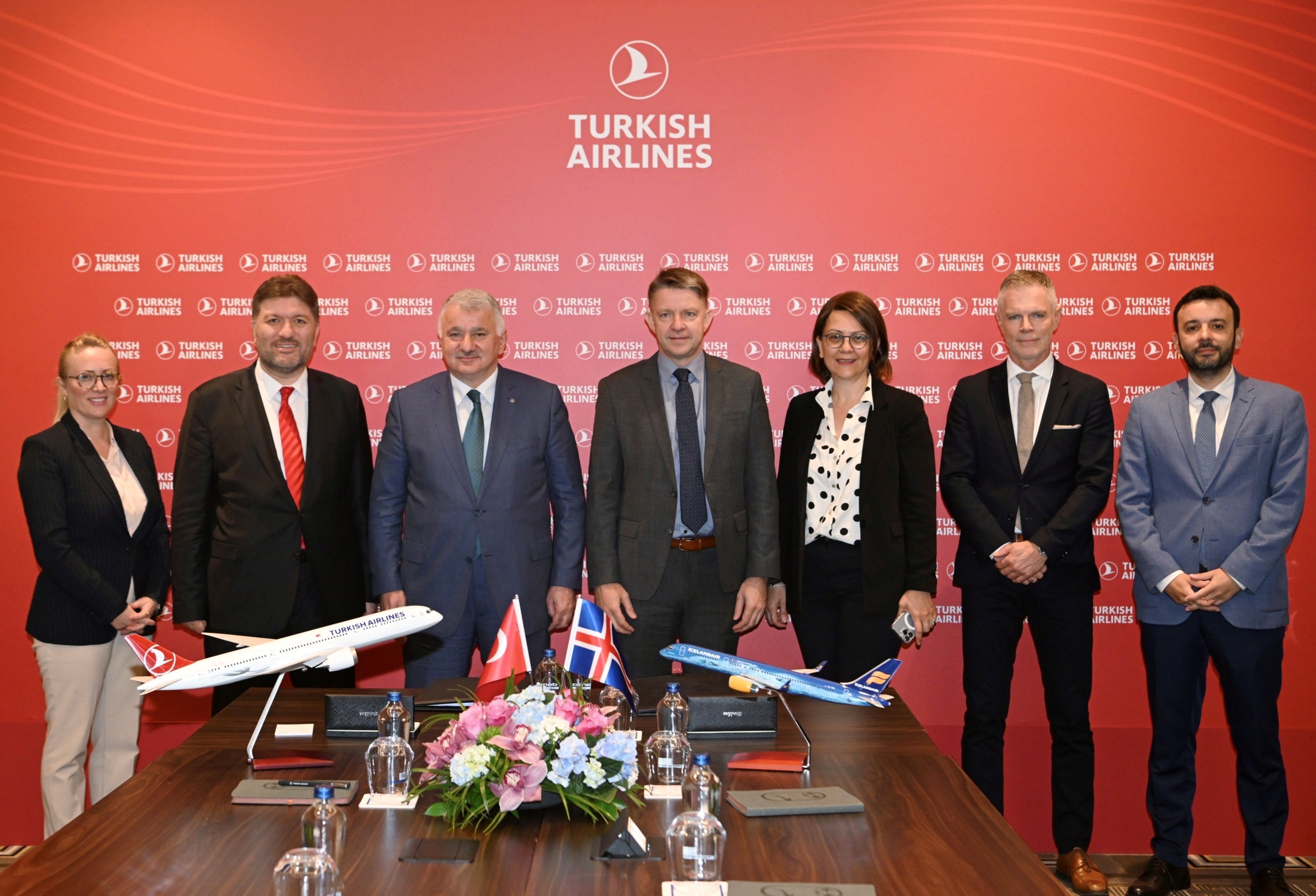
Turkish and Iceland executives at the signing event in Istanbul (Photo: Icelandair)

This weekend, Icelandair and Turkish Airlines signed a codeshare agreement between the carriers that will offer passengers connections through their respective hubs.

Turkish passengers flying into Keflavik can now connect through Icelandair’s hub and continue to destinations in North America. For passengers on Icelandair to Istanbul, they can now continue onto Turkish Airlines’ network to the Middle East, Asia, and destinations further East.

The agreement between the two carriers was signed at the International Air Transport Association (IATA) annual meeting in Istanbul, Turkey.

This also means passengers from either airline can check bags to their final destination on the other airline and purchase fares on one ticket.

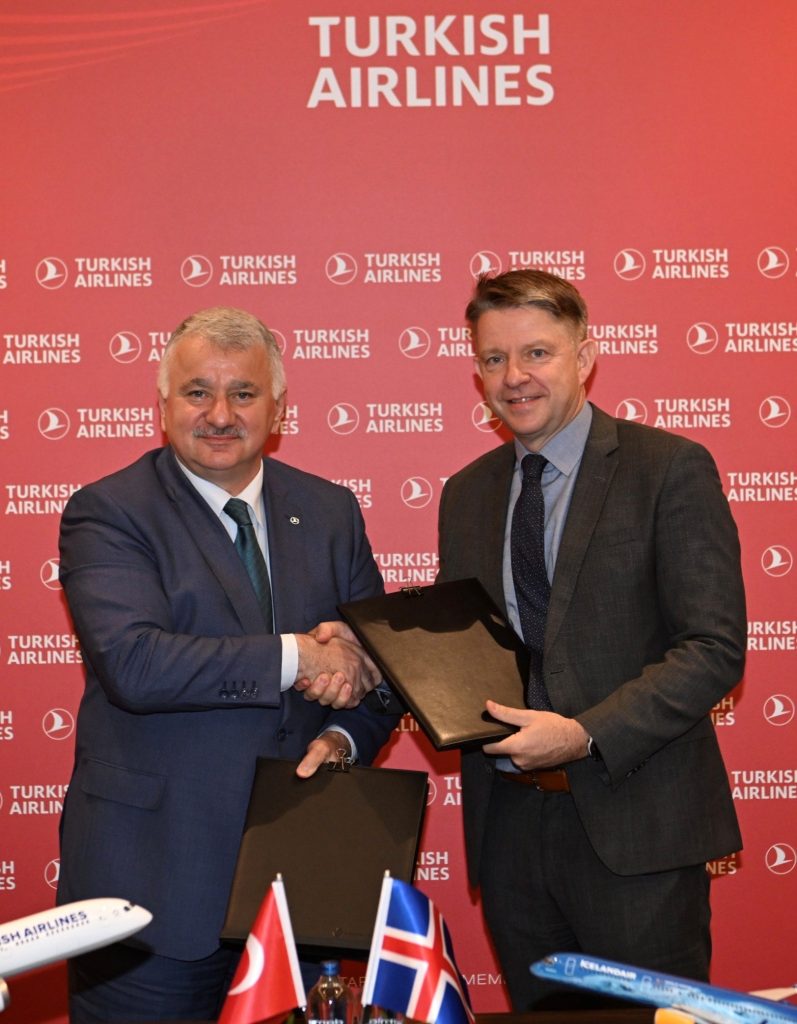
Turkish Airlines’ CEO, Bilal Ekşi, and Icelandair’s CEO, Bogi Nils Bogason Shaking hands during the codeshare signing (Photo: Icelandair)

Turkish Airlines CEO, Bilal Ekşi, did have something to say about this new agreement; “We are very glad to sign this codeshare agreement with Icelandair. With this agreement, we aim to enhance the travel options offered to our passengers through our networks.”

Bogi Nils Bogason, CEO of Icelandair also shared some words on the new-found agreement in a press release; “Our strategy is to partner with airlines that allow us to open new and exciting opportunities for our passengers while working with partners who focus on like-minded customer service expectations. With the new agreement, the world will be better connected and allow us to better serve our global passengers. We look forward to welcoming Turkish Airlines aboard.”

Joey Gerardi

Joey has always been interested in planes for as long as he can remember. He grew up in Central New York during the early 2000s when US Airways Express turboprops ruled the skies. Being from a non-aviation family made it harder for him to be around planes and would only spend about three hours a month at the airport. He was so excited when he could drive by himself, the first thing he did with his driver's license was get ice cream and go plane spotting for the entire day. He graduated from Western Michigan University in 2022 with a B.S. in Aviation Management & Operations and a Minor in Business, and currently works for a major airline in his hometown.

Boom Supersonic Announces Sustainable Aviation Fuel Supply Agreement with Dimensional Energy

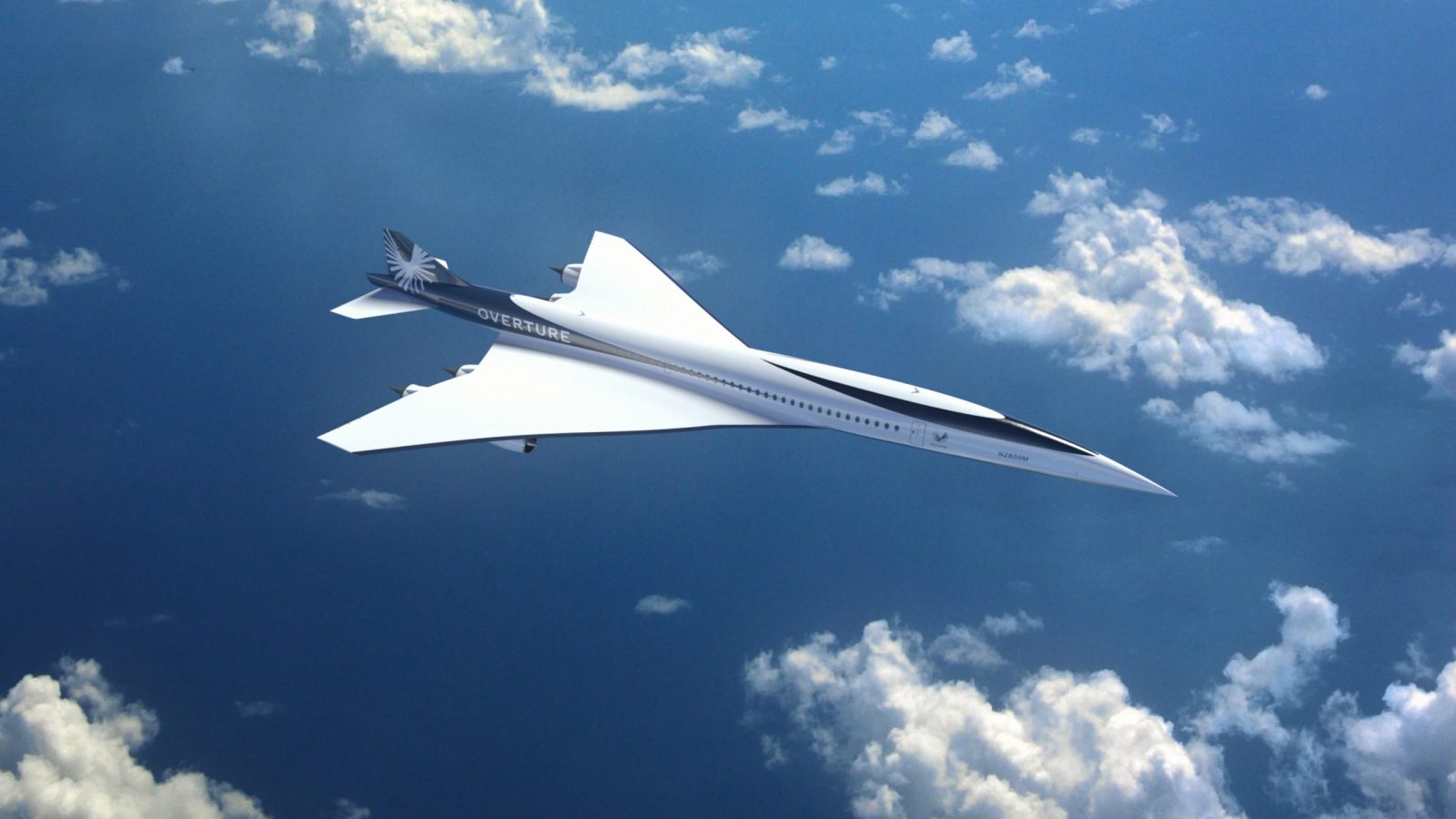
A rendering of Boom's Overture aircraft. (Photo: Boom Supersonic)

Boom Supersonic announced a few days ago that it has signed a Sustainable Aviation Fuel (SAF) purchase agreement with Dimensional Energy, a U.S.-based sustainable fuels company. Boom will purchase up to 5 million gallons of SAF annually for the duration of the Overture flight test program.

The Overture is Boom’s supersonic aircraft currently under development, which will be capable of flying at a design speed of Mach 1.7, operating on 100% sustainable aviation fuel (SAF) at a cruise altitude of 60,000 feet for a range of 4250 NM, and carrying approximately 80 passengers. The aircraft is expected to enter service by the end of the decade.

Dimensional Energy is a leading SAF liquid fuel technology and manufacturing company. At its technology center in Tempe, Arizona, it combines proprietary carbon technology with the Fischer-Tropsch process, a century-old process that uses a series of chemical reactions to convert hydrogen and carbon monoxide into liquid hydrocarbons using a catalyst. In fact, Dimensional Energy’s website shows how everything needed to produce zero-emission fuels can be taken directly from the air, via carbon dioxide from the atmosphere and industrial sites, and hydrogen from water. Inside the reactor, the catalyst breaks the molecular bonds of carbon dioxide to form carbon monoxide. Finally, the carbon monoxide mixes with hydrogen to form synthesis gas, or “syngas”, a building block for fuels and products and a substitute for oil and natural gas.

Kathy Savitt, President and Chief Business Officer of Boom, is very pleased with the agreement, which is an important step in transforming air travel and making supersonic flight sustainable for years to come.

United Airlines (the first U.S. airline to sign a contract to purchase 15 Overture aircraft with an option for 35 more) also announced an agreement to purchase at least 300 million gallons of SAF from Dimensional Energy in 2022. Mike Leskinen, President of United Airlines Ventures, said United Airlines is committed to decarbonizing its operations by 2050, which is why it has invested in the production of 5 billion gallons of SAF.

Boom Supersonic has already secured 10 million gallons of SAF and aims to achieve zero carbon emissions by 2025. Specifically, Boom has achieved carbon neutrality in 2021 through reduction initiatives and high-quality carbon credits. Boom’s 2022 Environmental Sustainability Report will be published this June.

Certainly, this agreement represents another small step into the future. But while these announcements are encouraging, we still have to wait for regulatory approval, and commercial flights will probably not start until 2029 at the earliest. It should also be remembered that Overture will not be cheap – according to Boom Supersonic itself, tickets will cost $5,000 per seat – but interest in the return of commercial supersonic flight remains high among both airlines and passengers.

Vincenzo Claudio Piscopo

Vincenzo graduated in 2019 in Mechanical Engineering with an aeronautical curriculum, focusing his thesis on Human Factors in aircraft maintenance. In 2022 he pursued his master's degree in Aerospace Engineering at the University of Palermo, Italy. He combines his journalistic activities with his work as a Reliability Engineer at Zetalab.

How to Book an All-Electric SAS Flight

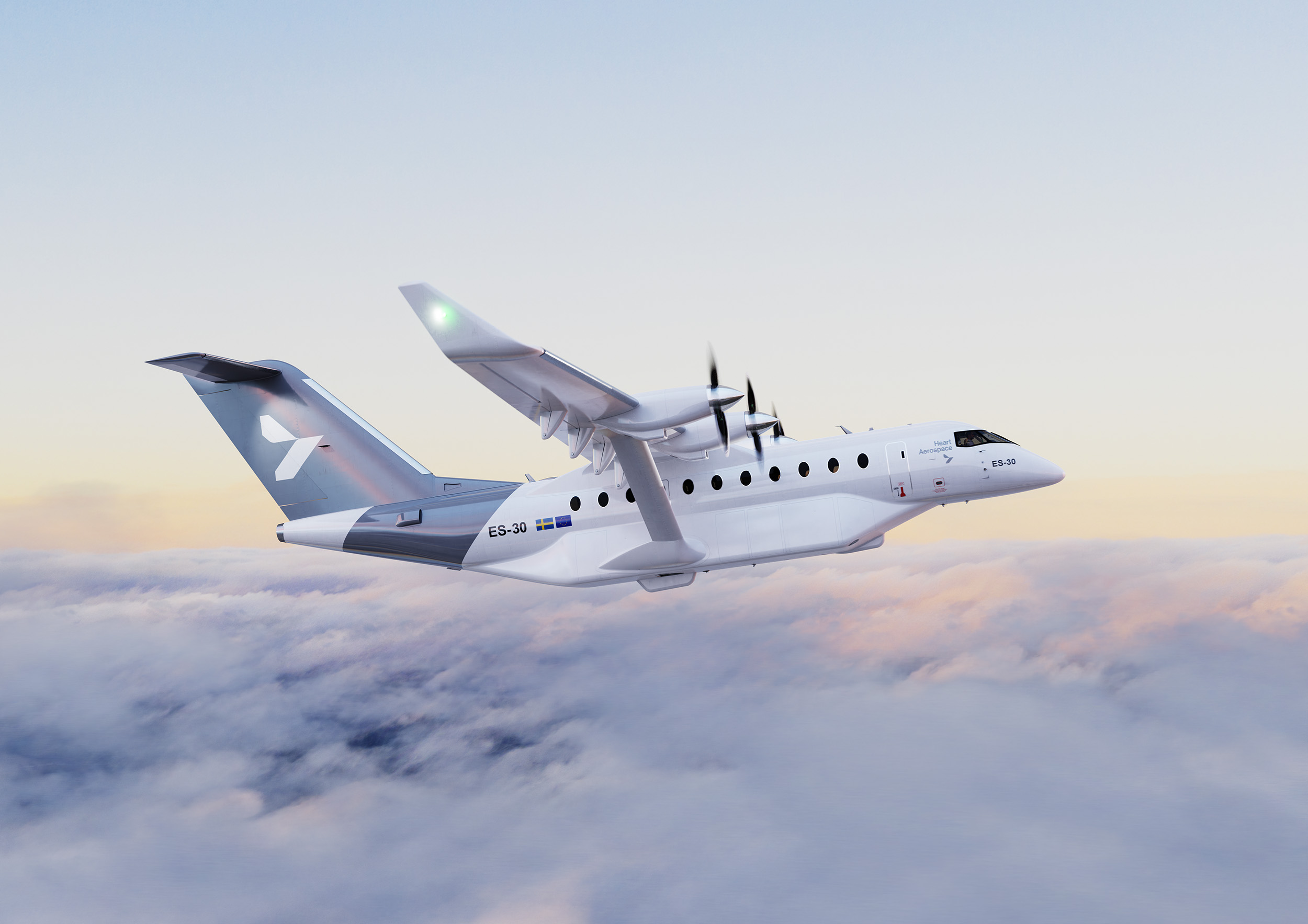
A rendering of the redesigned ES-30. (Photo: Heart Aerospace)

SAS will begin allowing customers to reserve seats on what will be the first electric aircraft flights in 2028. While the Scandinavian airline does not yet have an actual date for the flight, passengers will be able to make reservations with the airline for a date that will be announced via email at a later time. SAS has made a commitment to being net zero emissions by 2050 and they believe that using these electric aircraft on shorter flights will help them with that goal.

In a press release, Anko van der Werff, President and CEO of SAS said, “Since its inception in 1946, SAS has been one of the pioneers in the airline industry, being for instance the first commercial airline operator to fly over the North Pole to significantly shorten flight time between continents. A groundbreaking activity for which SAS received the Columbus Prize. The fact that we can now invite our passengers to the next major milestone in the future of aviation is a natural continuation of that pioneering spirit and a significant step on our journey towards more sustainable aviation.”

The Aircraft

The aircraft that SAS will be flying on this route and will be the first commercially available hybrid electric aircraft is the Heart Aerospace ES-30 Regional Airliner. The ES-30 has an expected all-electric range of about 125 miles with the potential for longer flights using the hybrid electric power plant.

The ticket price for the inaugural flight will be SEK/NOK/DKK 1946 – a tribute to the year when SAS first started flying and reservations can be made at flysas.com/electric starting at 12:00pm CET on June 2, 2023.

SAS has made a significant push towards being a fully sustainable airline, the press release continued, “Being a driving force in a more sustainable aviation is our priority, and we are working actively to lower CO₂ emission and reduce climate impact. This includes supporting innovation and partnerships to find new solutions, making investments in new, more fuel-efficient aircraft, increasing production and use of more sustainable aviation fuels and many other enhancements to our inflight offerings and service.”

The advancement of electric aircraft is both an exciting opportunity for aviation enthusiasts to experience something brand new as well as a major step in the advancement of short-haul air travel. Time will tell if electric aircraft will catch on with the increasingly skeptical public and if larger markets, such as U.S.-based airlines will place additional orders for the ES-30. United currently has an order for the all-electric aircraft on the books.

Envoy Air Retires The Embraer 145

An Embraer regional jet operated by Envoy. (Photo: AirlineGeeks | Joey Gerardi)

This past Wednesday, Envoy Air — a wholly-owned subsidiary of American Airlines — retired its last Embraer 145 from their fleet. The final revenue flight for the carrier’s E145 landed at Chicago’s O’Hare airport at 6:01 p.m. local time from Wausau, Wis. according to Flightradar24.com.

The flight was operated by N933JN which was ferried to Abilene, Texas on June 1. At the time of writing, two of Envoy’s E145s were being ferried to Abilene, presumably for storage. Most of the carrier’s E145s will find a new life, remaining under the American Eagle umbrella to be operated by Piedmont Airlines. 

Since beginning revenue service with now-defunct ExpressJet in 1997, the Embraer 145 aircraft has seen service across many global markets with production continuing until 2020. According to Airfleets.net, Envoy operated 200 of the type, since the carrier transitioned to the new name from the original American Eagle Airlines in 2014.

However, higher operating costs for carriers and a customer experience that couldn’t match its newer sibling and other turbine aircraft have partially contributed to the retirement of the type from Envoy’s fleet. The Embraer 170/175 will become the only type operated by Envoy. The larger regional jet was introduced into the Envoy fleet in 2014 and boasts a larger cabin with first-class seating along with wifi. 


Something in this picture doesn’t belong. (Photo: AirlineGeeks | Greg Linton)


American Airlines still believes in the effectiveness of the 50-seat aircraft, as the major carrier has transferred the majority of the E145s, Envoy has operated to Piedmont Airlines — also a wholly-owned subsidiary of American.

The move simplifies Envoy’s fleet, allowing the regional carrier to operate a single fleet type, the relatively newer E170/175. The move benefits Piedmont as well as the Salisbury, Md.-based carrier only operates the E145 in its fleet. So although the E145 has been retired from Envoy’s fleet, aviation enthusiasts can still fly on the aircraft under the American brand on routes operated by Piedmont around the East Coast. 

Other Airline Operations of E145

While the retirement of Envoy’s E145s means one less United States carrier operating the type, the aircraft is still operated consistently in the States. According to Airfleets.net, CommuteAir is the largest operator flying 59 E145s and the smaller Embraer 135s on behalf of United Airlines throughout the country.

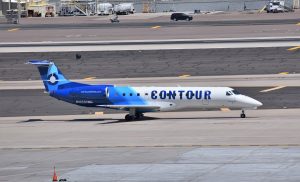
Piedmont is the second largest operator closely following CommuteAir operating 56. JetSuiteX follows the two regional carriers operating 39 E145s and E135s. Contour Aviation also operates the two variants around the country with 16 in their fleet.

The type is also operated by Denver Air Connection which has four airframes operating. There are also a plethora of private operators and militaries flying the aircraft type across the globe, continuing the legacy of the regional jet. 


A Contour Embraer E135 nicknamed “Pride of Contour” (Photo: AirlineGeeks | Joey Gerardi)

Zach Cooke

Zach’s love for aviation began when he was in elementary school with a flight sim and model planes. This passion for being in the air only intensified throughout high school when he earned his Private Pilot Certificate. He then attended Embry-Riddle Aeronautical University, earning his certificates and ratings to later flight instruct and share his passion for aviation with others. He now resides in the North East living out his dream as an airline pilot.

Canadian North Announces Arctic Capital Express Flights

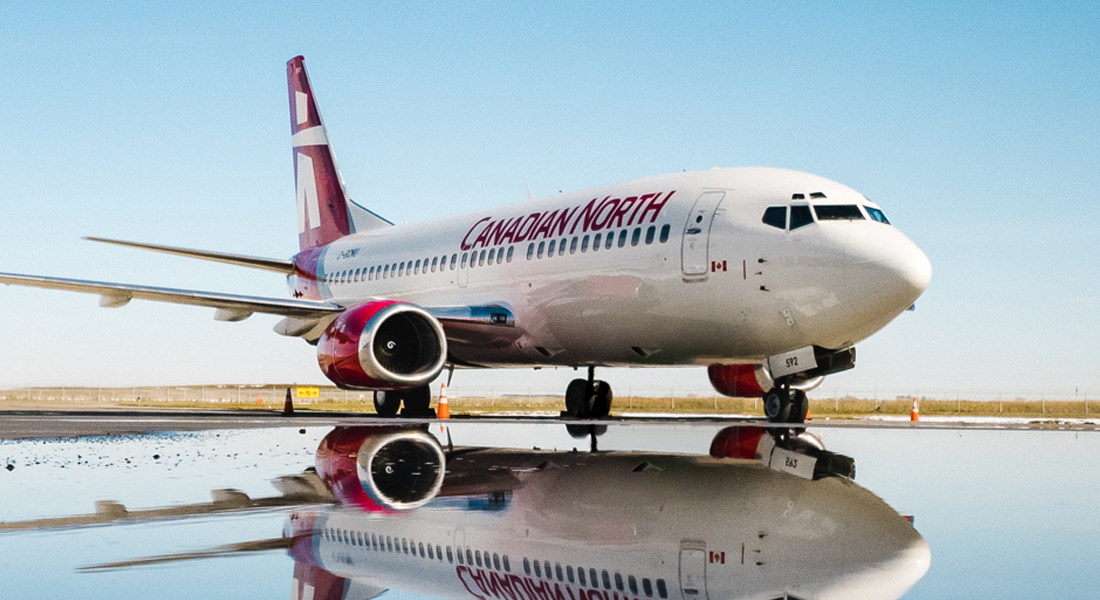
Canadian North Boeing 737-300 C-GCNU (Photo: Canadian North)

A new route is coming to Canada’s northern regions with the launch of Canadian North’s new Arctic Capital Express route. The new service is scheduled to launch on June 8, 2023 and will connect three Canadian provincial capitals.

Serving Canada’s Northern Communities

As the world’s second largest country by land size, Canada relies on air transportation to connect many of its remote areas. In addition to ten provinces in the southern portion of the country, Canada has three territories in the north. These territories pose some of the greatest transportation challenges in North America. The remoteness and small size of many northern Canadian communities makes commercial air transportation both expensive and essential.

Canadian North is an Inuit-owned airline that serves 25 communities throughout the territories of Nunavut and the Northwest Territories, as well as major cities in the southern part of Canada. It operates a turboprop fleet of ATR 42 and ATR 72 aircraft and a jet fleet of Boeing 737 Classic and Next Generation aircraft. Not only does the carrier provide a link for residents and visitors to access the Canadian arctic, but it is also a lifeline for many communities, bringing essentials like food and medical supplies to Canada’s north.

The Arctic Capital Express

Canadian North has recently announced a new service called the Arctic Capital Express. The route is named after the destinations that it serves: Ottawa: Canada’s national capital, located in the province of Ontario, Iqaluit, the capital of the Canadian territory of Nunavut and Yellowknife, which is the capital of the Northwest Territories — another Canadian territory

Given the nature of its network, much of Air North’s schedule varies throughout the week. The Arctic Capital Express is scheduled to operate in both directions on Tuesdays and Thursdays starting on June 8, 2023, but there are some differences between the two days. Most notably, the Tuesday flights include an additional stop at Rankin Inlet in Nunavut.

On Tuesdays, flight 5T 118 is scheduled to depart from Yellowknife, Canada’s Airport at 10:00 a.m. and make stops at Rankin Inlet Airport and Iqaluit Airport before arriving at Ottawa, Canada’s Macdonald–Cartier International Airport at 9:00 p.m. The flight will be operated by a Boeing 737-300.

Additionally, on Tuesdays, the flight is scheduled to leave Ottawa’s Macdonald–Cartier International Airport at 9:40 a.m. and make stops at Iqaluit Airport and Rankin Inlet Airport before arriving at Yellowknife Airport at 4:35 p.m. The flight will be operated by a Boeing 737-400.

On Thursdays, flight 5T 118 is scheduled to depart from Yellowknife Airport at 11:00 a.m. and stop at Iqaluit Airport before arriving at Ottawa Macdonald–Cartier International Airport at 9:00 p.m. The flight will be operated by a Boeing 737-400.

In addition, on Thursdays, flight 5T 119 is scheduled to leave Ottawa Macdonald–Cartier International Airport at 9:40 a.m. and stop at Iqaluit Airport before arriving at Yellowknife Airport at 3:20 p.m. The flight will be operated by a Boeing 737-300.

Canadian North’s Boeing 737 Next Generation aircraft are configured in all-economy configurations. Some of these aircraft are also the Combi variant, allowing for flexible mixed cargo and passenger configurations. The airline’s passenger-only Boeing 737-300s have 136 seats and its passenger-only Boeing 737-400 has 156 seats.

The airline states that the new route will allow passengers to reach their destination in a single day, reducing the need for overnight stops. “We’re focused on improving northern air service, it is our mission to make life better in the communities we serve,” Michael Rodyniuk, President and CEO of Canadian North said, in a press release. “Our new Arctic Capital Express will help streamline travel and shipping.”

Andrew Chen

Andrew is a lifelong lover of aviation and travel. He has flown all over the world and is fascinated by the workings of the air travel industry. As a private pilot and glider pilot who has worked with airlines, airports and other industry stakeholders, he is always excited to share his passion for aviation with others. In addition to being a writer, he also hosts Flying Smarter, an educational travel podcast that explores the complex world of air travel to help listeners become better-informed and savvier travelers.

British Airways Expands Flights to Africa

A BA A350-1000 in London.
A BA A350-1000 in London. (Photo: AirlineGeeks | William Derrickson)

Recently, British Airways announced an expansion of its services to Accra, Ghana, citing improved route performance metrics. The airline will increase its flights from the current daily nonstop service to 10 weekly flights, effective from the IATA’s Winter 2023 season.

This expansion includes the addition of three flights operating from London’s Gatwick Airport, utilizing a Boeing 777-200ER. The move aims to meet the growing demand for travel between the United Kingdom and Ghana, catering to both point-to-point passengers and those traveling to Manchester, U.K.; the United States and Eastern Canada.

Starting from Oct. 29, British Airways will enhance its connection between London and Accra, offering travelers more flight choices. The new route from Gatwick to Accra will operate three times a week, supplementing the existing daily service from London Heathrow Terminal 5.

With the introduction of flights from London Gatwick, British Airways offers Ghanaian travelers an alternative gateway to London. Premium customers, as well as Gold and Silver Executive Club members, can enjoy the recently refurbished lounges at London’s Gatwick Airport, providing a seamless and comfortable travel experience.

The expansion also provides increased cargo capacity on the route to Ghana, benefiting Ghanaian exporters who can now transport perishable and other goods more efficiently through IAG Cargo, the cargo division of the International Airlines Group.

The expansion of flights to Accra is part of British Airways’ broader strategy to restore and strengthen its Africa route network. The airline has recently added Sharm El-Sheikh, Egypt to its network in Africa and has doubled the number of flights to Cairo since 2019. These developments reflect British Airways’ commitment to expanding its presence in Africa, providing customers with more options, enhanced products, and strategic partnerships. By carefully considering routes and regions with growth potential, the airline aims to optimize its network to serve the diverse needs of travelers.

“Restoring our Africa route network has given us an opportunity to introduce new aircraft, routes, products, and partnerships, providing customers with more flexibility, choice, and an enhanced travel experience,” Moran Birger, British Airways’ Head of Sales for Africa, Middle East, and South Asia, said.

Enhanced Onboard Experience

To commemorate the start of the new services, British Airways is offering a launch special with attractive fares for travelers flying from London’s Gatwick Airport to Accra. Passengers can experience the airline’s renowned Club World and World Traveller cabins and onboard experience while taking advantage of these promotional fares.

Moreover, passengers on these flights will soon be greeted by the newly unveiled British Airways uniform. Designed by British-Ghanaian Saville Row fashion designer and tailor, Ozwald Boateng OBE, the uniform reflects the airline’s commitment to style and marks the first uniform redesign in 20 years.

Victor Shalton

Victor Shalton's love for aviation can be traced to when he was 11-years-old. As a seasoned aviation writer, he takes pride in providing the best aviation coverage around the globe and is passionate about advancing his skills in the aviation space. In addition, he loves travelling, writing, arts and while his speaking engagements have taken him around the world, he is proud to call Nairobi home.

Qantas’ First Boeing 717 Retires

Qantas' first 717 (Photo: Alec Wilson from Khon Kaen, Thailand, CC BY-SA 2.0 , via Wikimedia Commons)

After operating for two decades, Qantas Airways’ first Boeing 717 with registration VH-NXI will bid farewell to the airline in June. The aircraft operated Jetstar’s maiden flight between Melbourne and Launceston on the airline’s launch day in 2004. It has been sold to an undisclosed North American operator.

The aircraft has flown for QantasLink for the past 15 years and is named ‘Blue Mountains,’ accomplishing more than 29,000 flights and serving over 1.6 million passengers in years. ‘Blue Mountain’ was first registered in Australia in 2000, operating its first commercial flight for Impulse Airlines. Qantas acquired Impulse in 2001 and rebranded as QantasLink.

The Boeing 717 was designed for short-haul markets in the 1990s, accommodating about 100 passengers. It resembled the Douglas DC-9 in size and performance, launching as the McDonnell Douglas MD-95. The aircraft was rebranded as the Boeing 717 after a merger between McDonnell Douglas and Boeing in 1997. Boeing delivered the final two 717s to Midwest Airlines and AirTran Airways in 2006.

“It’s the end of an era for those Boeing 717s which have played a crucial role in connecting Australians across our domestic and regional network for more than two decades.” Alan Joyce, CEO of Qantas Group said in a press statement.

Qantas said ‘Blue Mountains’ is the third 717 to retire and the fleet of QantasLink’s 20 Boeing 717s will be gradually replaced by 29 Airbus A220 aircraft as part of the Project Winton fleet renewal program revealed in 2022. A320s and A220s are expected to become the backbone of its domestic fleet for the next twenty years.

Early Stages of Fleet Renewal

According to Qantas, the carrier’s biggest fleet renewal program in history is underway, and the group will receive a new aircraft every three weeks on average for the next few years. The new aircraft will be paving the way for expanding its network and restoring capacity while lowering emissions and improving efficiency.

In the meantime, Qantas has welcomed two new arrivals: a Boeing 787 Dreamliner and a Jetstar A321neo LR. The carrier has received its seventh A321neo LR, with the remaining 11 A321neo LR to be delivered by the end of 2024.

After keeping its head above water for three years, Qantas forecast its international capacity can reach 100% of pre-Covid levels by March 2024. While travel demand continues to rise, Qantas has been working to restore capacity and recalled five international aircraft back into its fleet in recent months. In January, the latest A380 stored in the desert was reactivated and an additional A380 will return to service by the end of the year.

Sign-up for newsletters & special offers!

Get the latest stories & special offers delivered directly to your inbox

SUBSCRIBE

Uh-oh! It looks like you're using an ad blocker.

Our website relies on ads to provide free content and sustain our operations. By turning off your ad blocker, you help support us and ensure we can continue offering valuable content without any cost to you.

We truly appreciate your understanding and support. Thank you for considering disabling your ad blocker for this website