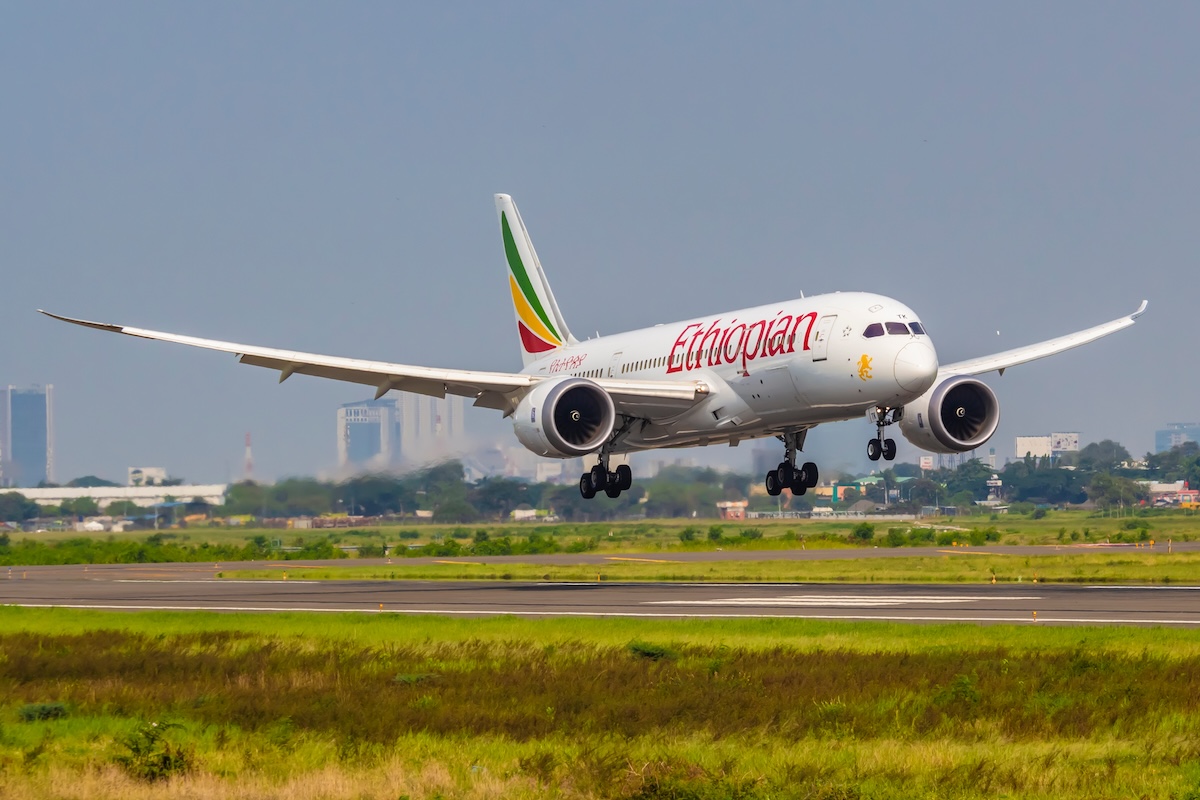
The carrier suspended service between Addis Ababa and Atlanta in early February amid reports of poor financial performance. Officials said at the time that the route would resume in June, but that date has been pushed up, and service to Atlanta is now expected to restart on May 21.
“Atlanta is one of the most vibrant markets in the United States, and Ethiopian Airlines is delighted to bring this route back into its network,” Ethiopian Airlines Group CEO Mesfin Tasew said in a news release. “The route serves growing demand from business travelers, members of the African diaspora, and tourists seeking convenient access to destinations across the African continent.”
The airline did not elaborate on its reasons for suspending the route back in February.
Ethiopian first launched service between Addis Ababa and Atlanta in 2023. The connection is the only one between Atlanta and East Africa.
Tickets are now available for purchase on Ethiopian’s website.
Zach Vasile is a writer and editor covering news in all aspects of commercial aviation. He has reported for and contributed to the Manchester Journal Inquirer, the Hartford Business Journal, the Charlotte Observer, and the Washington Examiner, with his area of focus being the intersection of business and government policy.
Page is located in northern Arizona, in Coconino County.
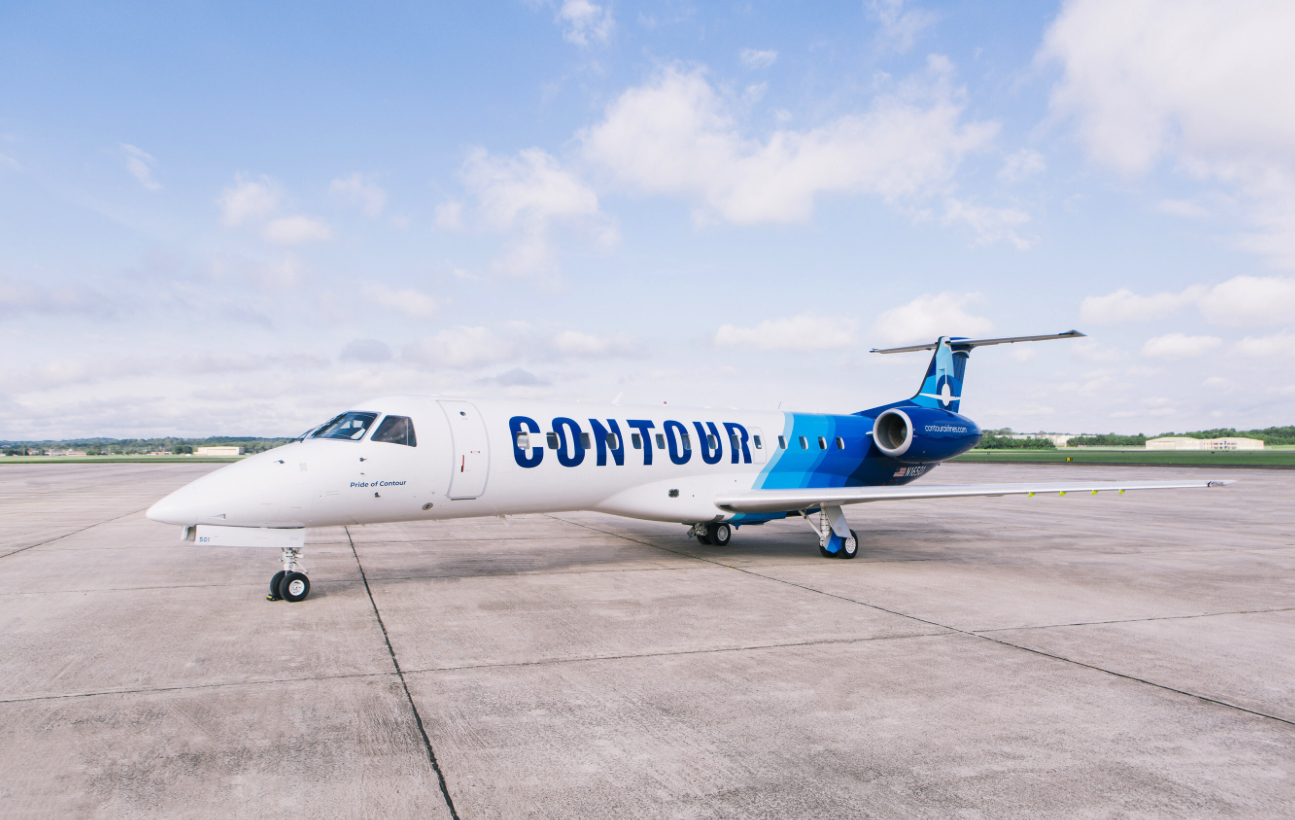
Contour currently connects Page to Phoenix.
Officials said the new route will support business and healthcare-related travel and provide direct access to outdoor recreation spots in northern Arizona, specifically Lake Powell, Horseshoe Bend, and Antelope Canyon.
“This new route makes it easier for travelers to experience Page’s incredible outdoor destinations while giving residents convenient access to the connectivity and amenities of Las Vegas,” Contour President Ben Munson said in a statement.
Contour flies primarily in the South, Midwest, and Southwest, as well as in the eastern Caribbean.
Zach Vasile is a writer and editor covering news in all aspects of commercial aviation. He has reported for and contributed to the Manchester Journal Inquirer, the Hartford Business Journal, the Charlotte Observer, and the Washington Examiner, with his area of focus being the intersection of business and government policy.
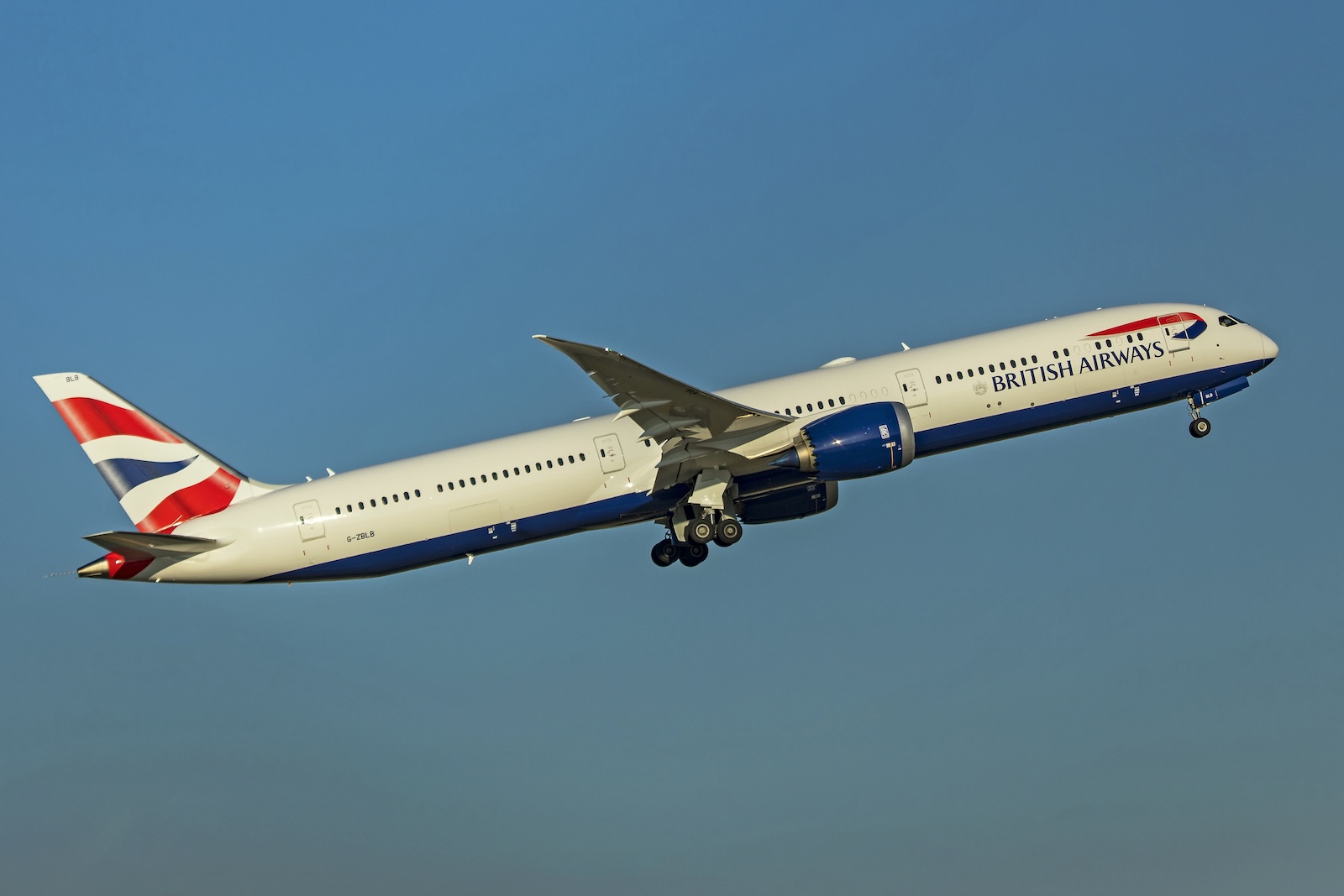
British Airways Adds Flights to U.S.
The changes are part of the carrier's winter 2026 schedule.
Flights to Houston will increase to 12 per week, Baltimore service will operate daily, and connections to New Orleans will move to four per week.
British Airways did not provide an exact start date for the changes.
The London-based airline plans to grow its long-haul network by 9% in the winter of 2026. Outside the U.S., it is upping the frequency of routes to Cape Town, Tokyo, Barbados, Kingston, Jamaica, and San Jose, Costa Rica, among other destinations.
British Airways is also launching new service to Melbourne, Australia, and Colombo, Sri Lanka, later this year.
Zach Vasile is a writer and editor covering news in all aspects of commercial aviation. He has reported for and contributed to the Manchester Journal Inquirer, the Hartford Business Journal, the Charlotte Observer, and the Washington Examiner, with his area of focus being the intersection of business and government policy.
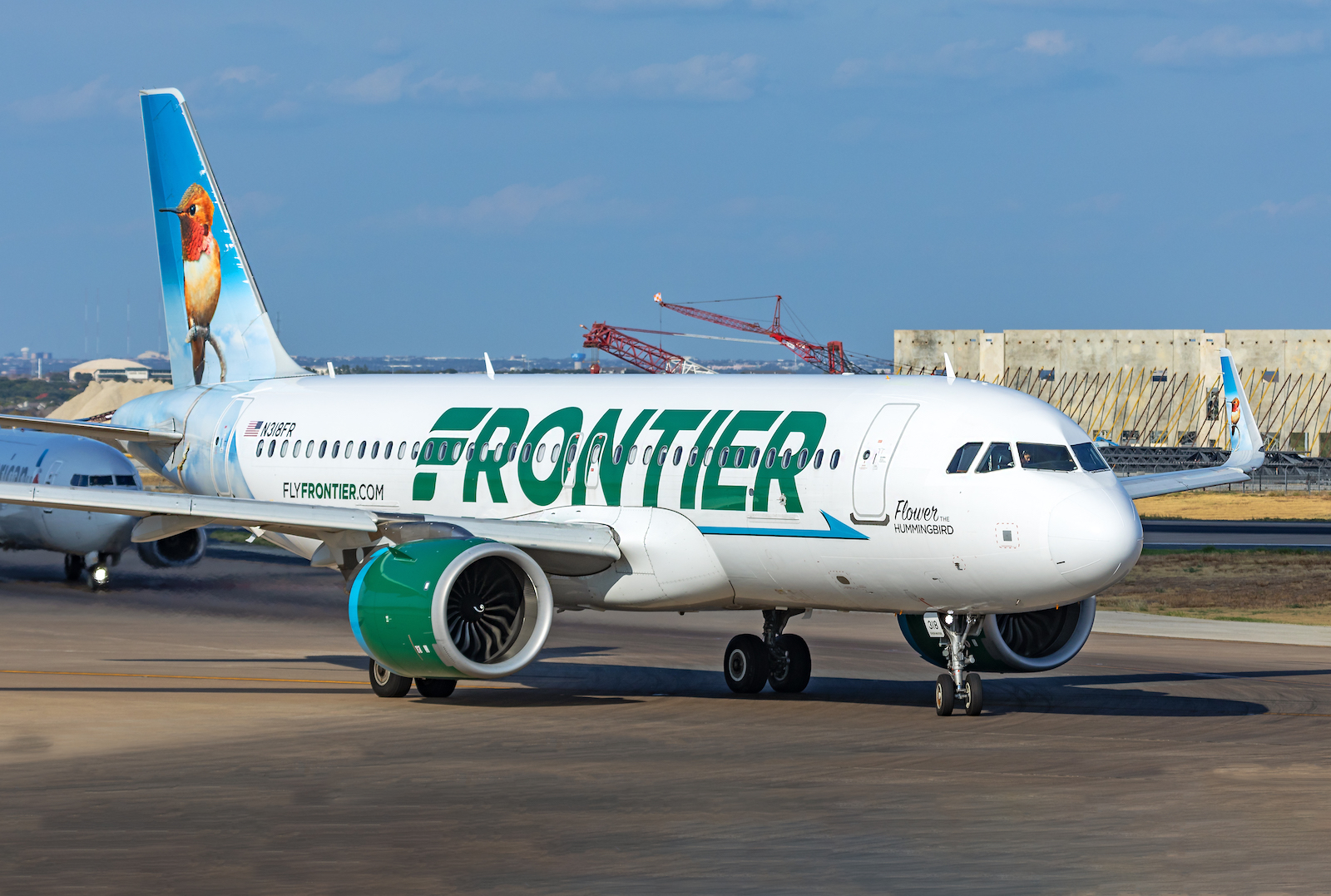
Starting May 5, the carrier will connect Dallas/Fort Worth and Newark, New Jersey, once daily. Later that month, on May 21, connections between Dallas/Fort Worth and Santa Ana, California (four times per week) and Fort Lauderdale, Florida, and Washington Dulles (daily) will begin.
On June 11, four times weekly service between Las Vegas and Nashville, Tennessee, will commence.
“We are very pleased to announce these new routes, offering more low-cost service across the U.S. just in time for the summer travel season,” Josh Flyr, vice president of network and operations design at Frontier, said in a news release. “With this new service, consumers will enjoy Frontier’s signature convenience and affordability as they travel to California, Texas, Tennessee, Washington, D.C., or any of the other exciting destinations served by America’s low fare airline.”
Flight frequencies and departure times are subject to change, Frontier said.
Zach Vasile is a writer and editor covering news in all aspects of commercial aviation. He has reported for and contributed to the Manchester Journal Inquirer, the Hartford Business Journal, the Charlotte Observer, and the Washington Examiner, with his area of focus being the intersection of business and government policy.
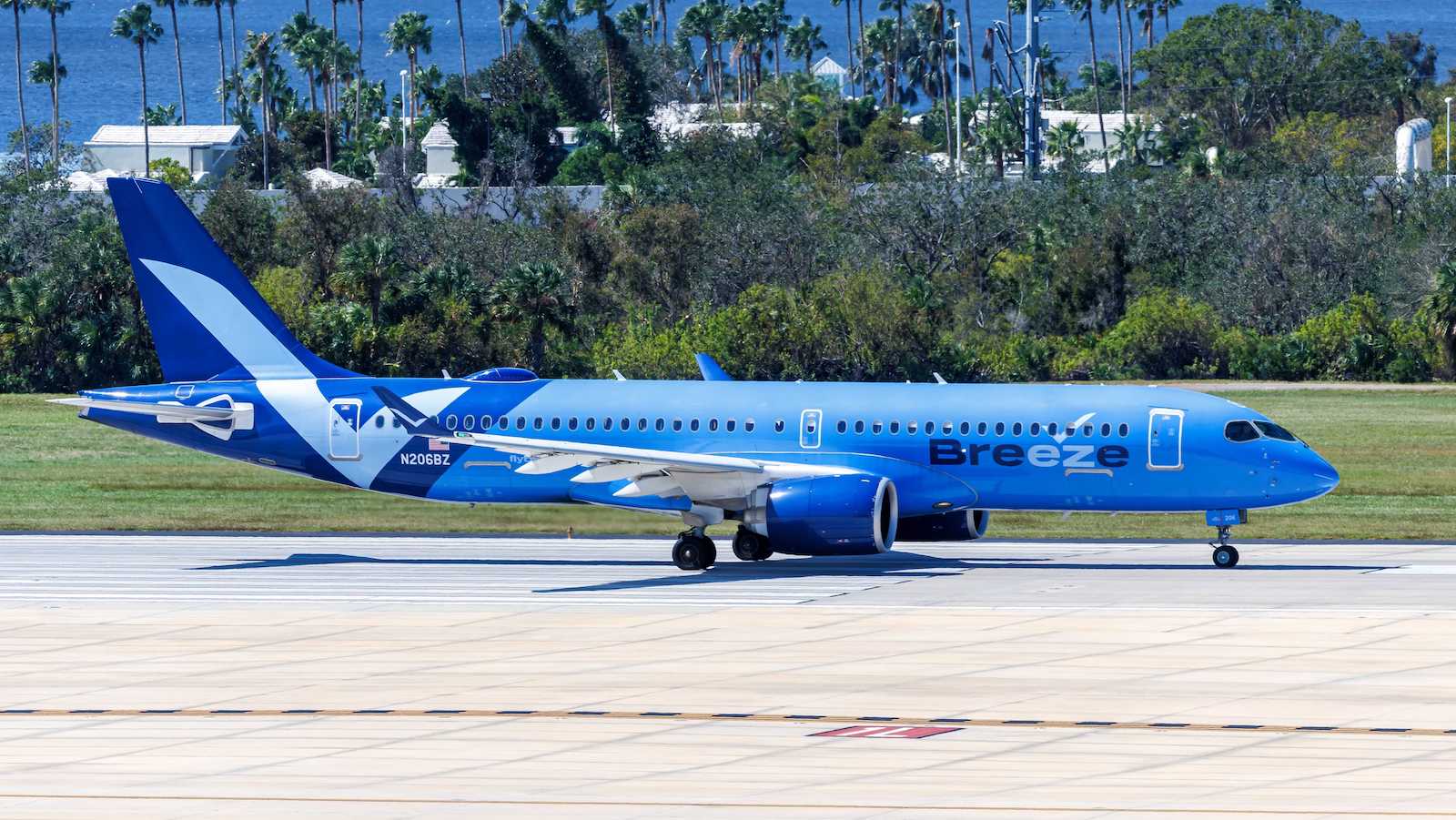
Breeze Adds New International Destination
The carrier is also launching a second route to an existing destination in the Caribbean.
A Breeze Airways Airbus A220. (Photo: Shutterstock | Markus Mainka)
Breeze Airways is adding its fifth destination outside the U.S.
The carrier said Tuesday that will connect Tampa, Florida, with San Jose, Costa Rica. Breeze does not currently serve the Central American country.
Service is expected to begin in October, officials said.
Breeze will also add a connection between Tampa and Punta Cana, Dominican Republic, beginning in July. This will be the airline’s second route to Punta Cana, which it currently serves from Raleigh-Durham, North Carolina.
“This announcement doubles the number of international destinations Breeze serves from Tampa, making it easy for our guests to visit great places across Central America and the Caribbean,” Breeze founder and CEO David Neeleman said in a news release. “With Breeze’s premium product offering and affordable fares, we know our guests in Tampa will love this new and convenient international service.”
Outside the U.S., Breeze also serves Cancun, Mexico, Montego Bay, Jamaica, and Nassau, Bahamas.
Zach Vasile is a writer and editor covering news in all aspects of commercial aviation. He has reported for and contributed to the Manchester Journal Inquirer, the Hartford Business Journal, the Charlotte Observer, and the Washington Examiner, with his area of focus being the intersection of business and government policy.
Spirit to Continue Fleet Cuts
The budget carrier recently disclosed more details of its restructuring plan.
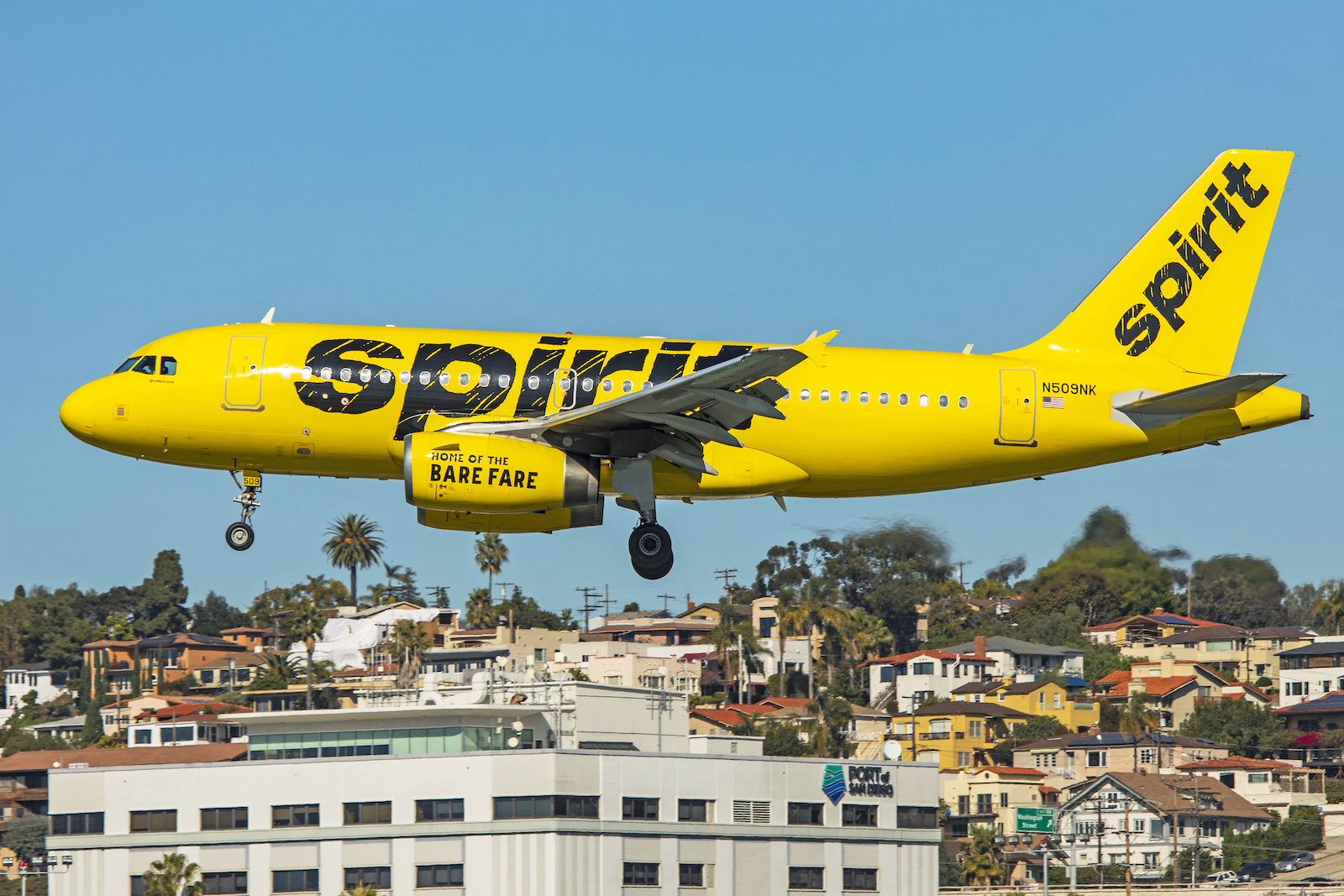
A Spirit A319. (Photo: AirlineGeeks | William Derrickson)
Spirit will continue to shrink its fleet and restructure its route network as it plans its emergence from bankruptcy, officials disclosed on Friday.
The ultra-low-cost carrier made public the first details of the restructuring plan it reached with its largest creditors late last month. Among the key takeaways is a further reduction in Spirit’s fleet, which will shrink to between 76 and 80 jets, mostly Airbus A320s and A321s. This range would leave the budget airline with about one third of the over 200 aircraft it operated at its peak.
The cuts are meant to reduce debt, lease obligations, and aircraft operation and maintenance costs.
Spirit will also continue to restructure its route network. Officials said they will concentrate on proven markets where demand for Spirit’s product remains high, such as Fort Lauderdale and Orlando in Florida, Detroit, and the New York metro area.
Spirit also plans to expand its premium capacity by adding a third row of “Big Front Seats,” and continuing to install Premium Economy seats.
Spirit leadership had hinted at some of the planned changes when the restructuring agreement was first announced in February. That plan was filed with a U.S. bankruptcy court on Friday.
“We are pleased to achieve another milestone that reflects the confidence our lenders and noteholders have in our future, with our plan better positioning Spirit to continue delivering value to American consumers,” Spirit President and CEO Dave Davis said in a news release. “While we still have work to do with other important stakeholders, today’s agreements and filings are very material steps forward toward emergence.”
Spirit has said it expects to emerge from its second stint in bankruptcy by the early summer. By that time, the carrier will have reduced its debt and lease obligations from around $7.4 billion to about $2 billion.
Zach Vasile is a writer and editor covering news in all aspects of commercial aviation. He has reported for and contributed to the Manchester Journal Inquirer, the Hartford Business Journal, the Charlotte Observer, and the Washington Examiner, with his area of focus being the intersection of business and government policy.
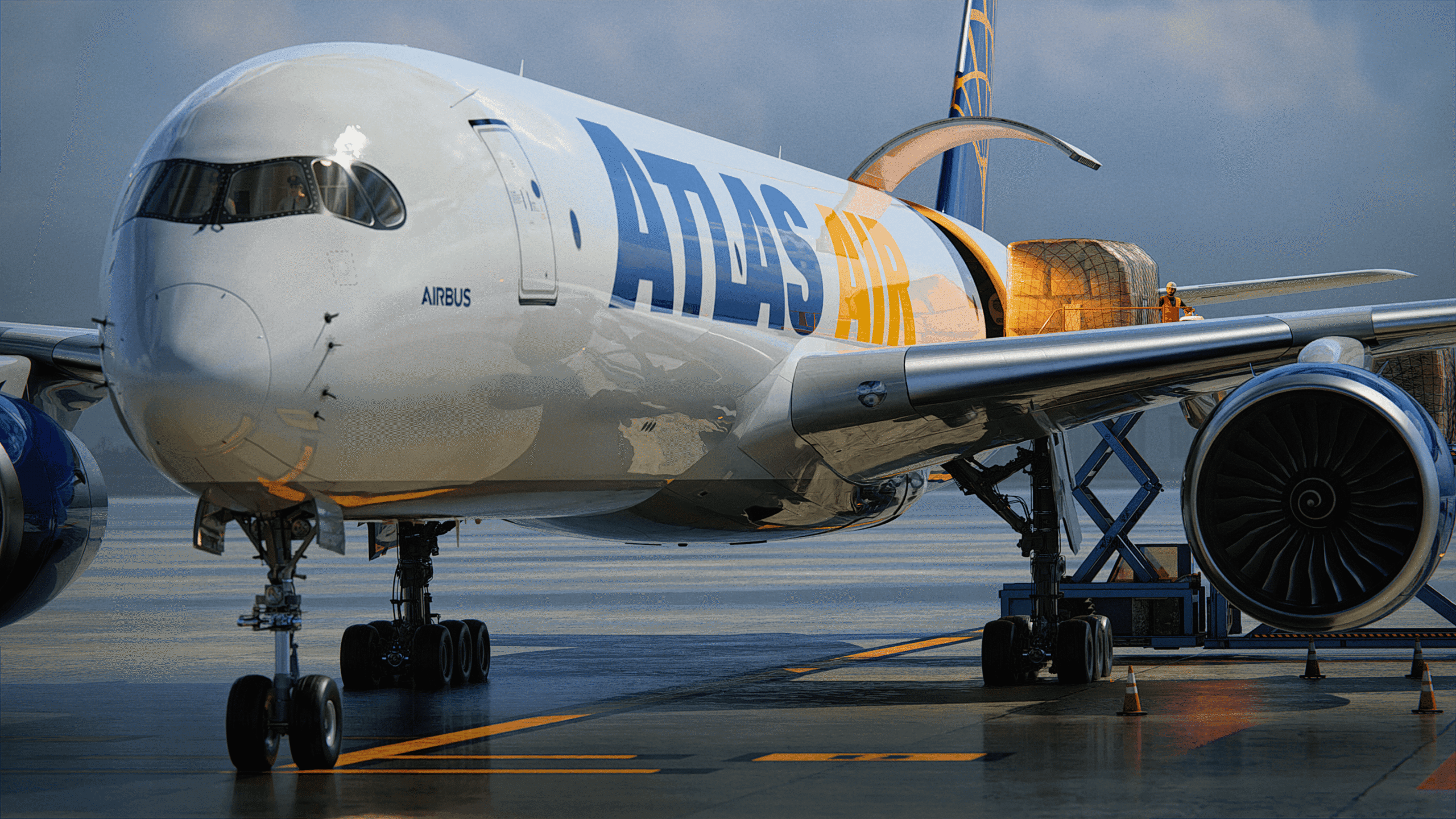
A rendering of an Airbus aircraft in an Atlas Air livery. (Credit: Airbus)
The parent company of cargo carrier Atlas Air on Monday placed the largest order ever for Airbus’ A350F freighter.
In a statement, Atlas Air Worldwide Holdings said it agreed to purchase 20 A350Fs in a bid to expand and modernize its fleet. The order includes options for 20 additional aircraft.
Atlas Air Worldwide Holdings is now the largest single customer for the type, officials said, and will get early delivery positions as the freighter enters service.
Deliveries are expected to begin in 2029.
Michael Steen, CEO of Atlas Air Worldwide, and Benoit de Saint-Exupéry, Airbus’ executive vice president of sales for commercial aircraft, at the order signing ceremony in Toulouse, France.
Atlas Air Worldwide Holdings owns Atlas Air, Polar Air Cargo, and Titan Aviation Leasing. Company leaders said the addition of the new A350Fs will broaden its offerings for leasing customers in the cargo and charter spaces.
Its current fleet is all-Boeing, consisting of the 747, 777, and 767.
“We are proud to become the largest customer for the Airbus A350F, securing early delivery positions for this next-generation widebody freighter platform,” Atlas Air Worldwide CEO Michael Steen said in a news release. “This order reflects our commitment to maintaining the industry’s most modern and fuel-efficient widebody freighter fleet to best service existing and new customers worldwide.”
The A350F is powered by Rolls-Royce Trent XWB-97 engines and has the largest main deck cargo door in the industry. Over 70% of the airframe is made of advanced materials, giving it a lighter takeoff weight than most competitors.
The aircraft is expected to enter service in the second half of 2027.
Zach Vasile is a writer and editor covering news in all aspects of commercial aviation. He has reported for and contributed to the Manchester Journal Inquirer, the Hartford Business Journal, the Charlotte Observer, and the Washington Examiner, with his area of focus being the intersection of business and government policy.
Airline CEOs Call on Congress to Pay TSA Workers
Passenger and cargo carriers are backing bills that would keep TSA officers and air traffic controllers paid during future government shutdowns.
The heads of top passenger and cargo airlines are urging Congress to pay TSA staff and pass legislation that would keep all essential aviation employees compensated regardless of the federal government’s funding status.
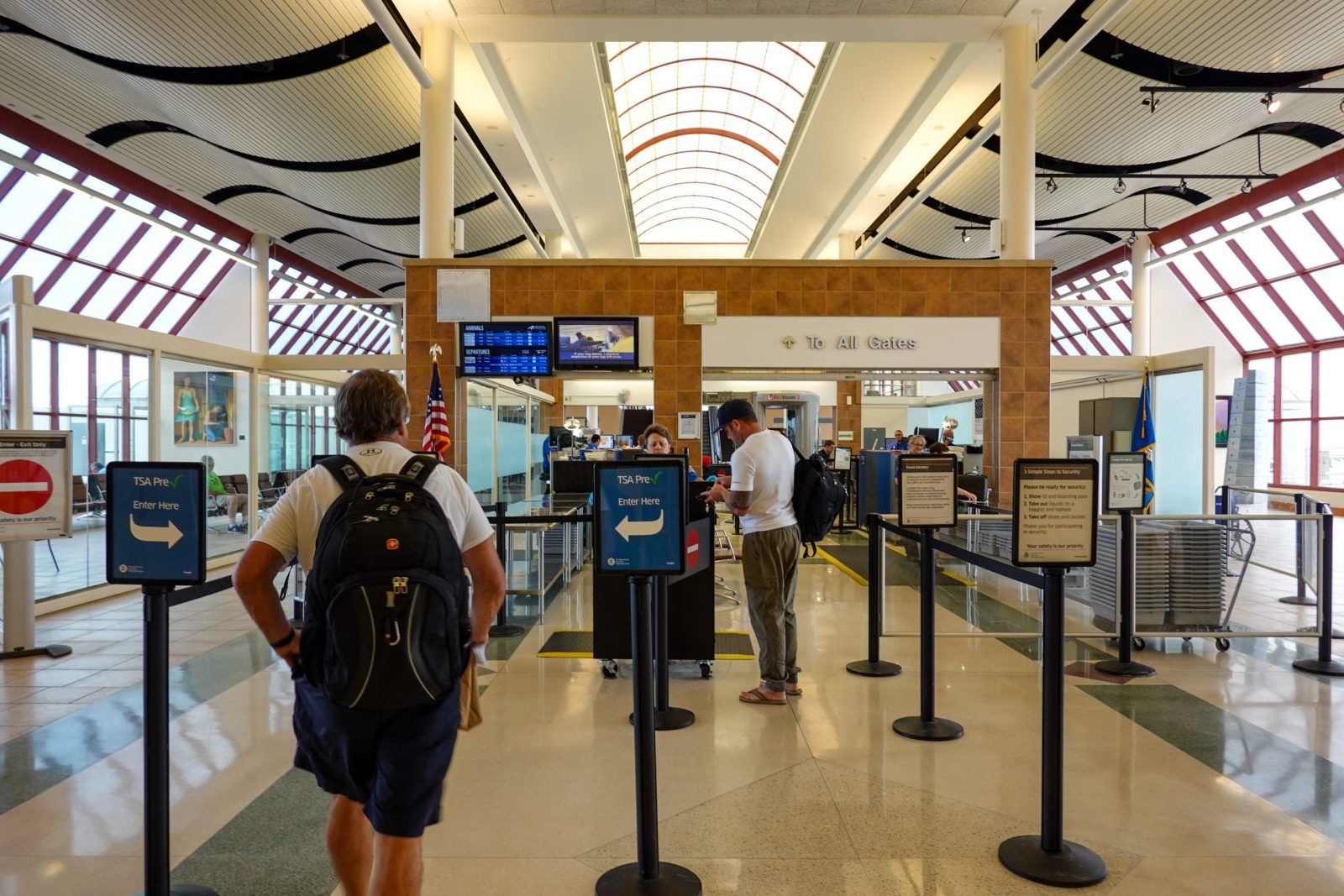
In an open letter to lawmakers released on Sunday, airline CEOs and presidents said the American public is increasingly frustrated with long security lines at airports and favors a legislative fix that would fully pay TSA workers and get them back to their posts.
“Americans, who live in your districts and home states, are tired of long lines at airports, travel delays, and flight cancellations caused by shutdown after shutdown,” the letter read. “Yet, once again, air travel is the political football amid another government shutdown.”
The airlines said Congress should reach a deal to end the ongoing partial government shutdown – which has cut off funding to the Department of Homeland Security, of which TSA is a part – and then pass bills that would keep TSA agents and air traffic controllers paid during all future government shutdowns.
“TSA officers just received $0 paychecks,” the letter said. “That is simply unacceptable. It’s difficult, if not impossible, to put food on the table, put gas in the car, and pay rent when you are not getting paid.”
The letter was signed by top officers at American Airlines, United, Delta, Alaska Air Group, Southwest, JetBlue, Atlas, UPS, FedEx, and the trade organization Airlines for America.
The CEOs pointed out that spring break travel is in full swing, and that even more Americans will travel during the upcoming FIFA World Cup and the country’s 250th anniversary celebrations this summer, making it all the more urgent to resolve funding issues now.
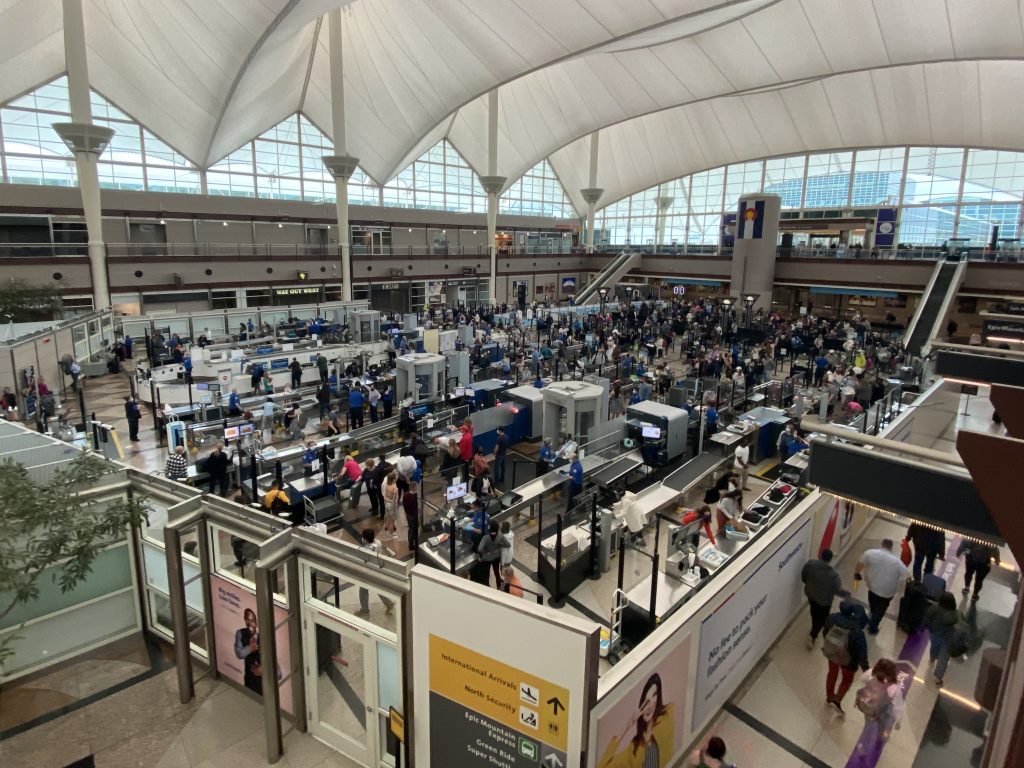
Security lines at Denver International Airport. (Photo: AirlineGeeks | Fangzhong Guo)
“It’s past time for the government to make sure that TSA officers, U.S. Customs clearance officers at airports, and air traffic controllers are paid for the job they do,” the letter concluded. “In these times when it’s hard to reach consensus on just about anything, it is significant that the vast majority of Americans want Congress to pay federal aviation workers, keep our National Airspace System secure, and ensure travelers and packages can get to their destinations safely.”
Funding for DHS has been blocked since mid-February. Lawmakers in Congress have not been able to agree on new oversight rules for Customs and Border Protection and Immigration and Customs Enforcement agents, whose activities have been heavily scrutinized amid the ramp up in immigration-related arrests and deportations over the past year.
TSA staff received partial pay last month and missed their first full paychecks last week. A growing number of the agency’s employees are calling out of work or resigning, which has contributed to congestion at airport security checkpoints.
Airlines executives and A4A have expressed growing frustration with the regularity of government shutdowns, which almost always impact air travel if they continue long enough. A shutdown last year put additional strain on an already understaffed air traffic control system, and shortages of controllers resulted in the cancellation of hundreds of flights. Carriers warned at the time that allowing the shutdown to continue would have disastrous economic consequences and could jeopardize safety.
Zach Vasile is a writer and editor covering news in all aspects of commercial aviation. He has reported for and contributed to the Manchester Journal Inquirer, the Hartford Business Journal, the Charlotte Observer, and the Washington Examiner, with his area of focus being the intersection of business and government policy.
Severe Weather Delays, Cancels Thousands of Flights Across U.S.
Storms bringing snow, high winds, and rain barreled across the Midwest and East Coast.
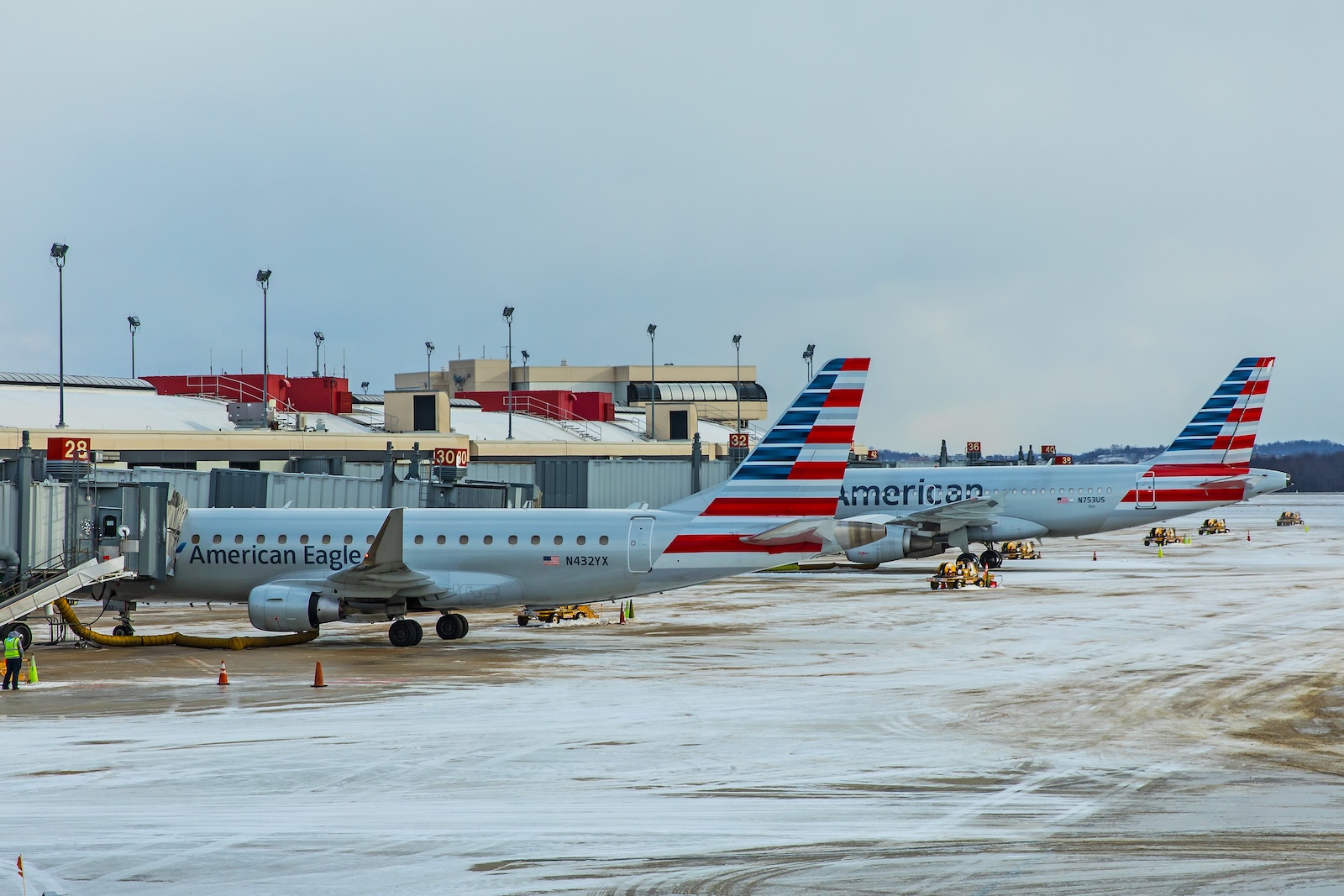
American Airlines aircraft in Pittsburgh. (Photo: AirlineGeeks | William Derrickson)
Air travel ground to a near halt across much of the country Sunday into Monday as a complex patchwork of powerful storms barreled across the Midwest and East Coast.
Heavy snow and damaging high winds struck the Upper Midwest, while parts of the South, Mid-Atlantic, and Northeast are now facing thunderstorms and heavy rain.
On Sunday, snow and low visibility impacted operations at Minneapolis-Saint Paul, Chicago O’Hare, Midway, and Milwaukee. Disruptions in some of those markets persisted through the night, as strong winds and precipitation continue.
By Monday, the center of activity had shifted to the East Coast. Some of the most intense storm clusters are expected to hit New York, Washington, D.C., and parts of the South. The National Weather Service has issued tornado warnings for parts of Georgia, North Carolina, and Virginia.
As of Monday morning, about 3,600 flights have been delayed across the U.S., and almost 2,400 have been canceled, according to tracking website FlightAware. O’Hare, LaGuardia, Charlotte, North Carolina, Atlanta, New York-JFK, Boston, Baltimore/Washington, Detroit, and Milwaukee reported the highest number of cancellations.
The late winter system comes at a particularly fraught moment for U.S. air travel. A partial government shutdown is blocking pay for TSA workers, and passengers at some airports are facing hourslong waits to clear security. On top of that, the spring break travel season is ramping up, with millions of students and families expected to fly within the U.S. over the next several weeks.
Zach Vasile is a writer and editor covering news in all aspects of commercial aviation. He has reported for and contributed to the Manchester Journal Inquirer, the Hartford Business Journal, the Charlotte Observer, and the Washington Examiner, with his area of focus being the intersection of business and government policy.
Lufthansa Gets Approval for New Business Class Seats on 787
Dreamliners with Allegris business class seats will enter service early this week.
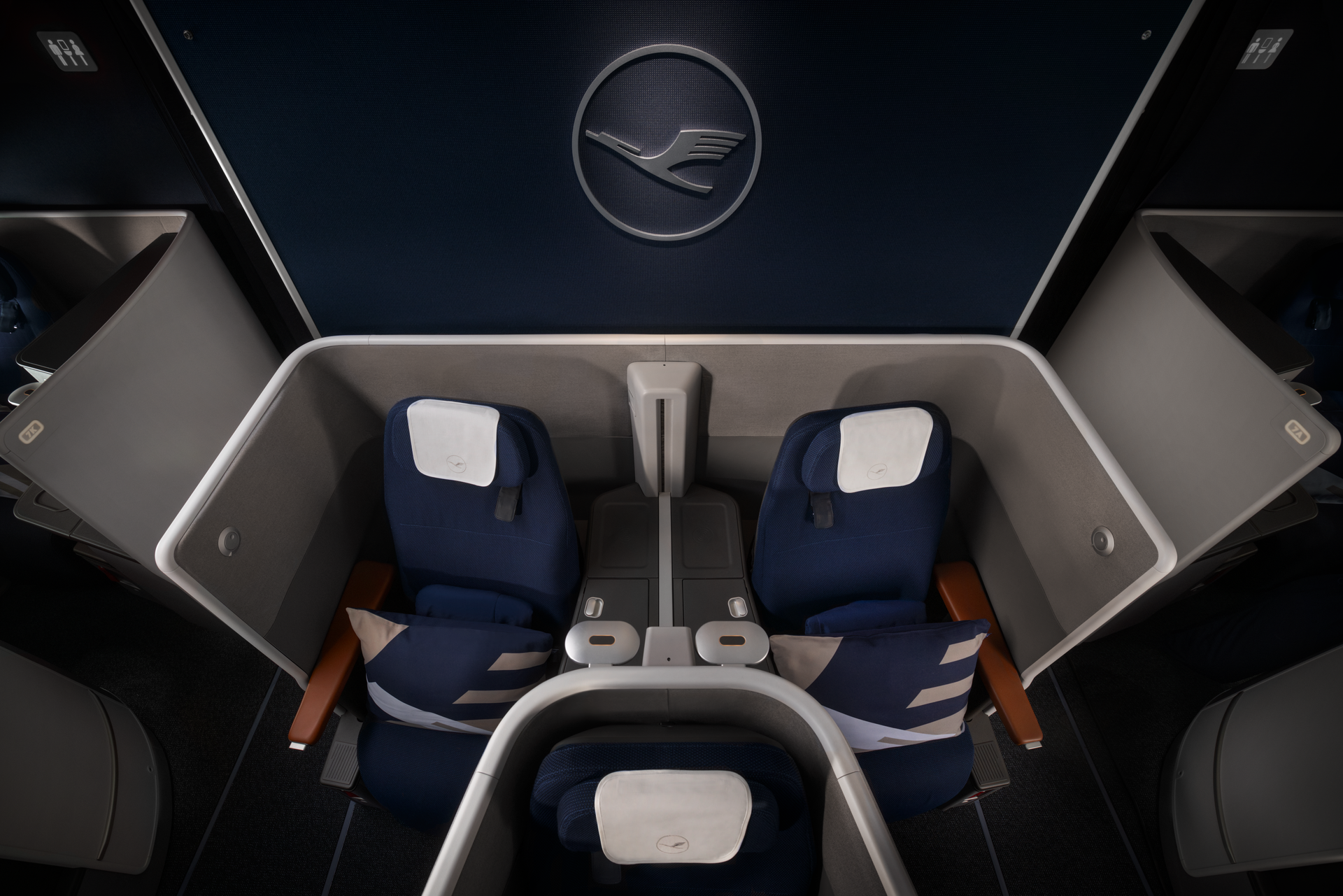
The first Lufthansa Dreamliner to operate with the new seats, registered as D-ABPM and nicknamed “Potsdam,” flew from Frankfurt to Toronto on Sunday, officials said. The remaining eight 787s equipped with Allegris seats will enter service between Monday and Wednesday.
Each aircraft has 25 certified Allegris business class seats. They come with additional space, moveable head- and footrests, lie-flat capability, climate control options, and privacy partitions. Customers can select variations of the Allegris business class seat – such as an extra-long bed seat, or a two-person suite – during booking.
Allegris is a long-haul cabin concept from Lufthansa featuring high-end materials and upgraded technology. The Allegris brand includes first class, business class, premium economy, and economy seats.
Expanding Dreamliner Fleet
Currently, during the winter season, Lufthansa flies its Dreamliners from Frankfurt to Austin, Texas, Rio de Janeiro, Bogota, Hyderabad, Mumbai, and Toronto. When the airline’s summer schedule begins on March 29, the 787-9 network will be adjusted to include Austin, Rio, Bogota, Cape Town, Shanghai, Hyderabad, and Hong Kong.
In June, 787 flights to New York-JFK and Los Angeles will begin, followed by Delhi in July.
Lufthansa has taken delivery of 10 Dreamliners, and nine are currently in service. The carrier expects to have 29 787-9s by the end of 2027.
Zach Vasile is a writer and editor covering news in all aspects of commercial aviation. He has reported for and contributed to the Manchester Journal Inquirer, the Hartford Business Journal, the Charlotte Observer, and the Washington Examiner, with his area of focus being the intersection of business and government policy.
Sign-up for newsletters & special offers!
Get the latest stories & special offers delivered directly to your inbox