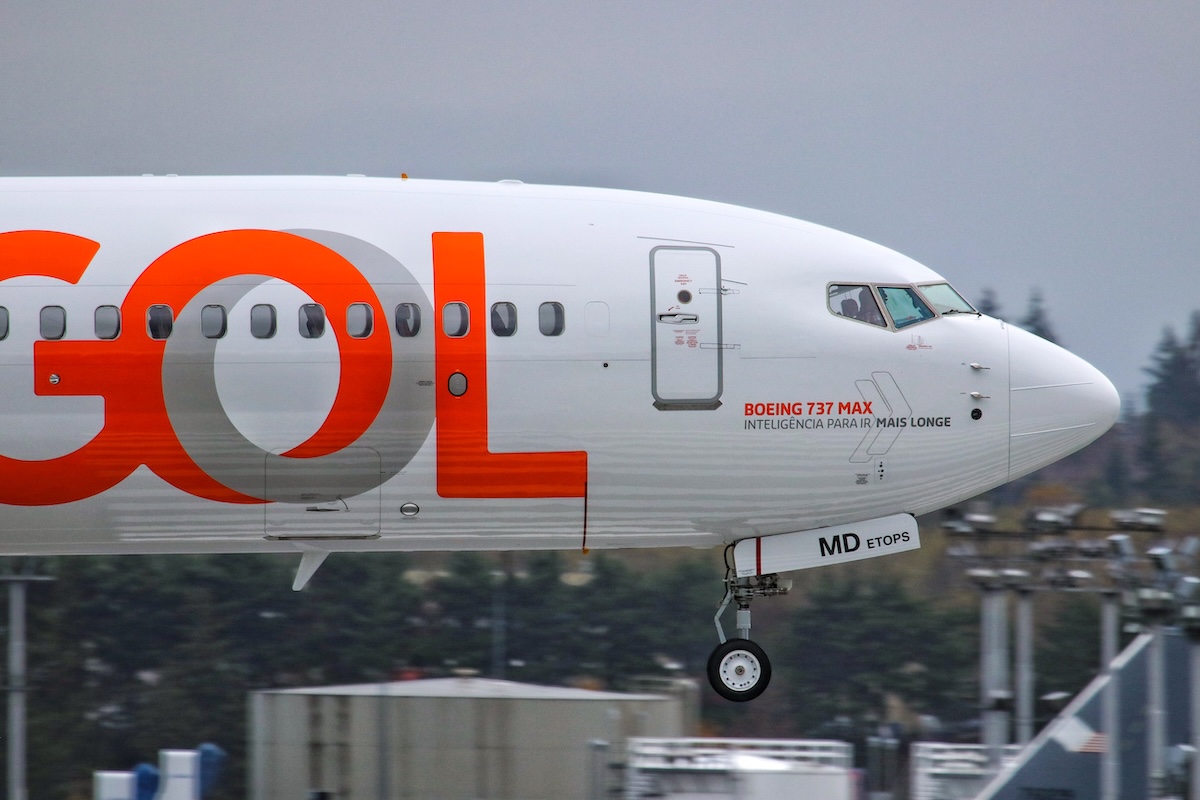
A GOL Boeing 737 MAX 8 (Photo: AirlineGeeks | Katie Zera)
Brazilian airline GOL is adding another connection to the U.S.
The low-cost carrier plans to operate four flights per week between Rio de Janeiro and Orlando, Florida. GOL currently serves Orlando from Fortaleza in northeastern Brazil and from the country’s capital, Brasília, but has never connected Orlando and Rio before.
A start date was not disclosed.
The new route is one of several made possible by GOL’s recent acquisition of up to five Airbus A330-900s. They are the first widebody jets to join the carrier’s mainline fleet.
GOL announced new nonstop service between Rio and New York-JFK last week and on Friday said it will begin flights to Paris and Lisbon, Portugal.
All four new routes will use the A330, which the airline plans to configure to seat nearly 300 passengers.
GOL flies primarily within South America, with most of its network concentrated in Brazil. Currently, its only two destinations in the U.S. are Orlando and Miami.
Zach Vasile is a writer and editor covering news in all aspects of commercial aviation. He has reported for and contributed to the Manchester Journal Inquirer, the Hartford Business Journal, the Charlotte Observer, and the Washington Examiner, with his area of focus being the intersection of business and government policy.
Report: Hundreds of Staff Quit TSA
A growing number of agents are calling out of work or resigning, increasing the likelihood of long waits at airport security.
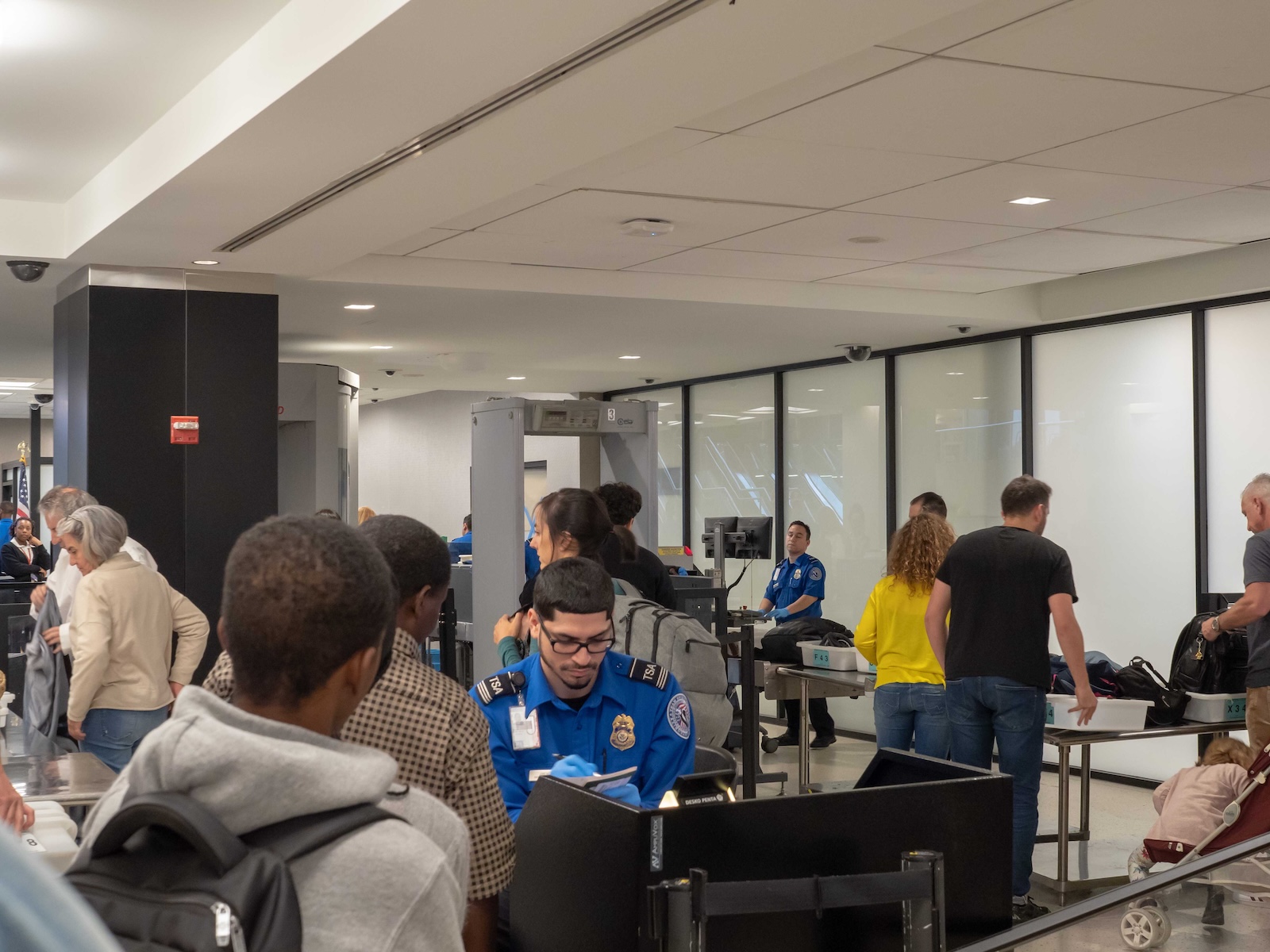
A TSA checkpoint. (Photo: Shutterstock | David Tran Photo)
Security wait times at some U.S. airports remain high and could get longer this weekend as more TSA agents call out of work or resign.
According to internal TSA statistics obtained by CBS News, over 300 employees have left the agency since the partial government shutdown began in February.
A political impasse in Congress is blocking funding for the Department of Homeland Security, which TSA is part of. But because airport security agents are considered essential, they must continue to report to work, even if they are not getting paid.
TSA employees received partial pay in late February and will miss their first full paycheck this week.
As in past shutdowns, TSA agents have been calling out in higher numbers than usual. CBS News found that absences have climbed into the double-digit percentages at some airports. The unscheduled call-out rate overall has risen to an average of 6% during the shutdown, compared to 2% normally.
With fewer agents available at checkpoints, screenings move slower, resulting in the long lines seen at airports such as Houston Hobby, Atlanta, New Orleans, Philadelphia, and Charlotte, North Carolina, last weekend. Those backups mostly eased by mid-week, but there are still trouble spots. On Friday morning, KXAN-TV reported that lines at Austin-Bergstrom International Airport spilled out into the parking lot.
The official DHS X account called attention to the situation in Austin in a post on Friday and laid the blame on Democrats, who they said are playing “political games” and endangering spring break travel. Democratic lawmakers have said they want more oversight of Immigration and Customs Enforcement and Customs and Border Protection agents before they agree to a funding deal.
Wait times could grow as more students and families fly for spring break. Many universities and schools have their spring break scheduled in March and April.
Zach Vasile is a writer and editor covering news in all aspects of commercial aviation. He has reported for and contributed to the Manchester Journal Inquirer, the Hartford Business Journal, the Charlotte Observer, and the Washington Examiner, with his area of focus being the intersection of business and government policy.
Cape Air Names New CEO
Linda Markham has retired after more than 23 years with the airline.
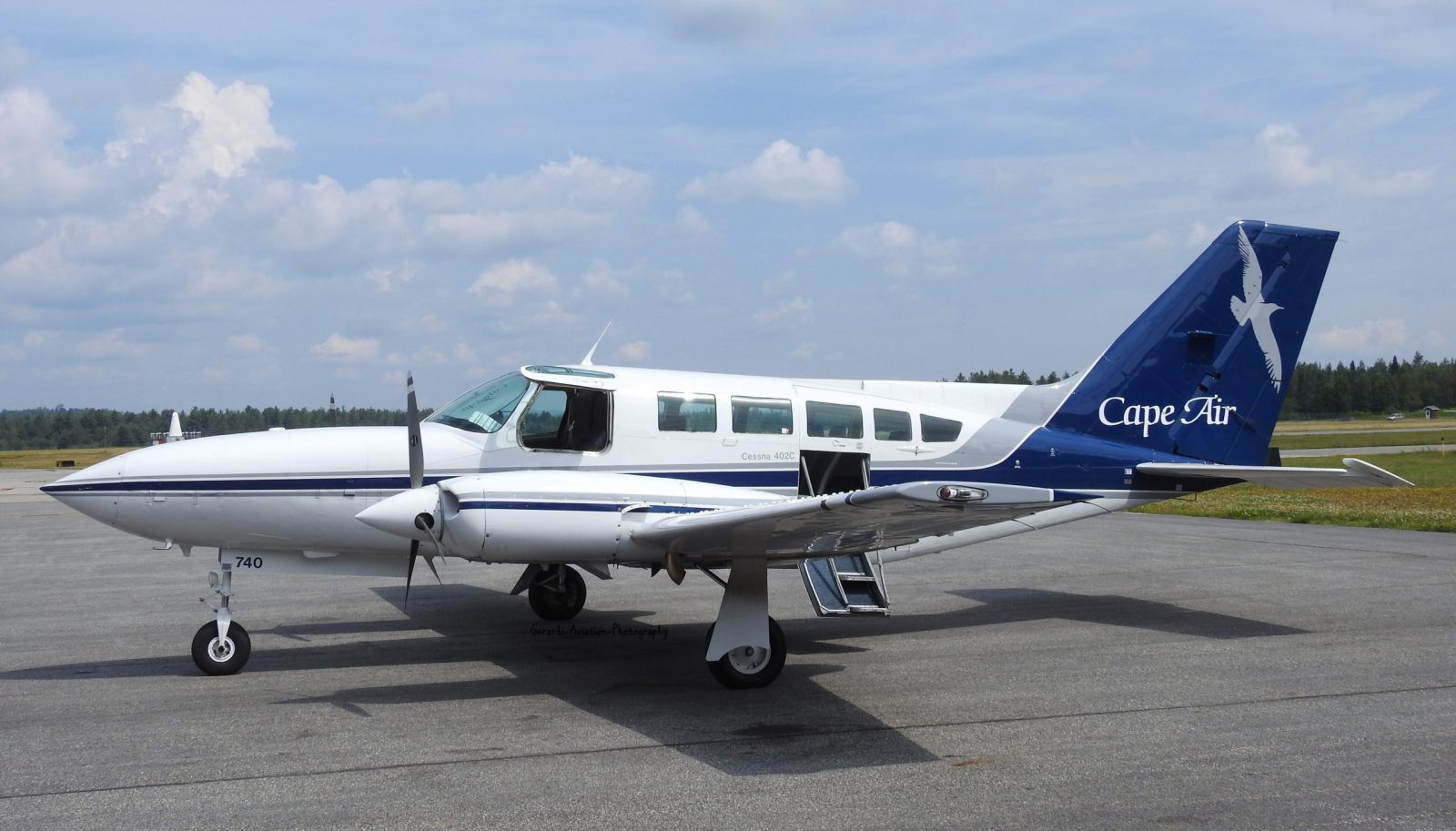
A Cape Air Cessna 402 in Saranac Lake, New York. (Photo: AirlineGeeks | Joey Gerardi)
Massachusetts-based Cape Air announced a change in leadership this week.
CEO Linda Markham has retired, officials said, and Mike Migliore has been appointed president and chief executive officer. Migliore previously served as Cape Air’s CFO.
According to her company biography, Markham was named CEO in 2021 and took over the role in 2022. She joined the airline in 2002, as director of human resources.
“After an incredible chapter leading Cape Air, I’m retiring as CEO with deep gratitude for the team, partners, and communities that made the journey so meaningful,” Markham said in a statement. “It’s been an honor to work alongside such dedicated people and to help connect so many places and passengers along the way.”
Migliore has been with the carrier for 15 years.
“Cape Air is entering an exciting new era,” he said in a statement. “I am honored to step into this role and to continue building on the strong foundation Linda established. I look forward to working with our exceptional team as we continue delivering reliable, community‑focused air service.”
As part of the leadership transition, Casey Stone will assume the role of CFO. She previously served as vice president of finance.
Cape Air is headquartered in Hyannis, Massachusetts, and operates short-haul flights in the Northeast, Montana, and the Caribbean. It operates over 300 flights daily.
Zach Vasile is a writer and editor covering news in all aspects of commercial aviation. He has reported for and contributed to the Manchester Journal Inquirer, the Hartford Business Journal, the Charlotte Observer, and the Washington Examiner, with his area of focus being the intersection of business and government policy.
Livery of the Week: Hainan Airlines
The Chinese carrier’s elegant design reflects national symbolism and premium positioning.
A Hainan 787 Dreamliner in Los Angeles. (Photo: AirlineGeeks | William Derrickson)
Editor’s Note: AirlineGeeks is proud to present our ‘Livery of the Week’ series. Every Friday, a team member will share an airline livery, which can be from the past, present, or even a special scheme. Some airline liveries are works of art. The complexity associated with painting around critical flight components and the added weight requires outside-the-box thinking from designers. The average airliner can cost upwards of $200,000 to repaint, creating a separate aircraft repainting industry as a result.
Have an idea for a livery that we should highlight? Drop us a line.
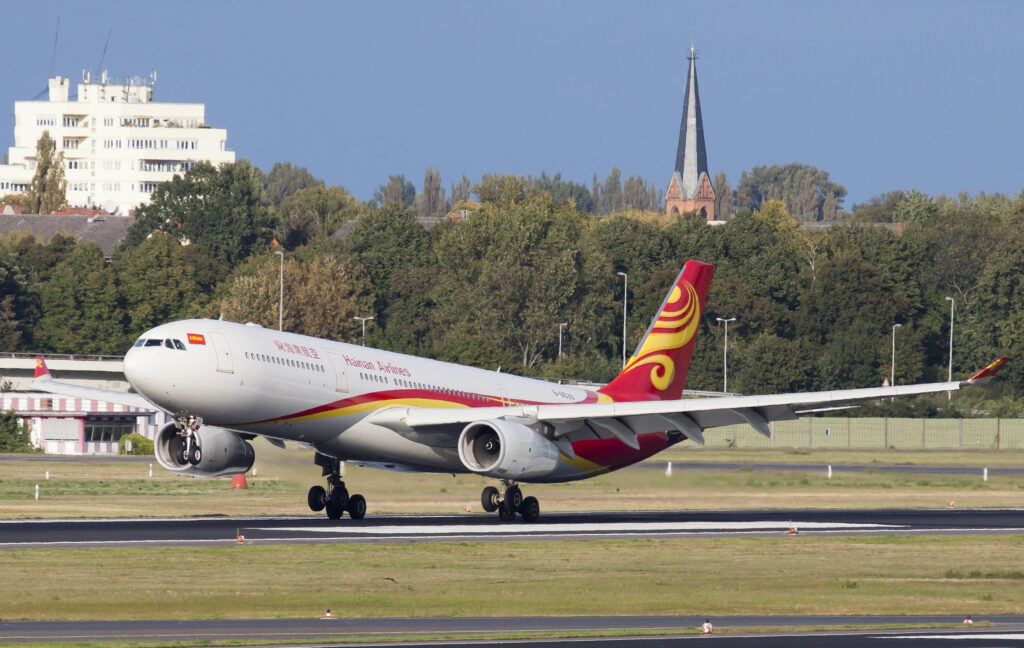
Hainan Airlines’ standard livery features a clean white fuselage paired with a bold red tail and gold accents, creating a look that has become synonymous with the carrier’s premium brand identity. The design centers on a stylized golden emblem set against the vertical stabilizer, giving the airline a distinctive presence across its widebody and narrowbody fleet.
The tail graphic is inspired by the golden roc, a legendary bird in Chinese mythology that symbolizes strength and flight. Rendered in sweeping gold lines across the red tail, the design forms a circular pattern that resembles wings in motion. The motif reflects themes of ambition and global reach, aligning with the airline’s expansion beyond China into international markets.
A Hainan Airlines A330-300 in Berlin (Photo: AirlineGeeks | Fabian Behr)
Along the fuselage, the aircraft remains primarily white, allowing the tail artwork to stand out as the focal point. “HAINAN AIRLINES” titles appear in both Chinese characters and English lettering near the forward fuselage, displayed in deep red to match the tail color. A thin red cheatline runs along the window line toward the rear of the aircraft, visually connecting the fuselage with the tail design.
The livery is applied consistently across Hainan Airlines’ fleet, including Boeing 737s, Airbus A330s, and Boeing 787 Dreamliners. While proportions vary slightly depending on aircraft type, the red tail and gold emblem remain the defining visual elements across all aircraft.
Hainan Airlines introduced this version of its branding during a period of rapid growth in the 2000s as the carrier expanded its international footprint. The design combines traditional Chinese symbolism with a modern, minimalist layout that prioritizes clarity and recognition.
Today, the red-and-gold scheme continues to represent Hainan Airlines across its global network, appearing at airports throughout Asia, Europe, and North America.
Looking for a new airplane model? Head over to our friends at the Midwest Model Store for a wide selection of airlines and liveries.
Ryan founded AirlineGeeks.com in February 2013 and has spent more than a decade covering the airline business. His work has been featured by CNN, WJLA, CNET, and Business Insider. His aviation experience spans airport operations, Part 135 regulatory compliance, and airline crew workforce planning, along with time behind the yoke of a Cessna 172 and interviews with airline executives. Ryan now serves as Group President of Firecrown Media’s Aviation Group. He holds a B.S. in Air Transportation Management and an MBA from Arizona State University and teaches Airline Management at Embry-Riddle Aeronautical University.
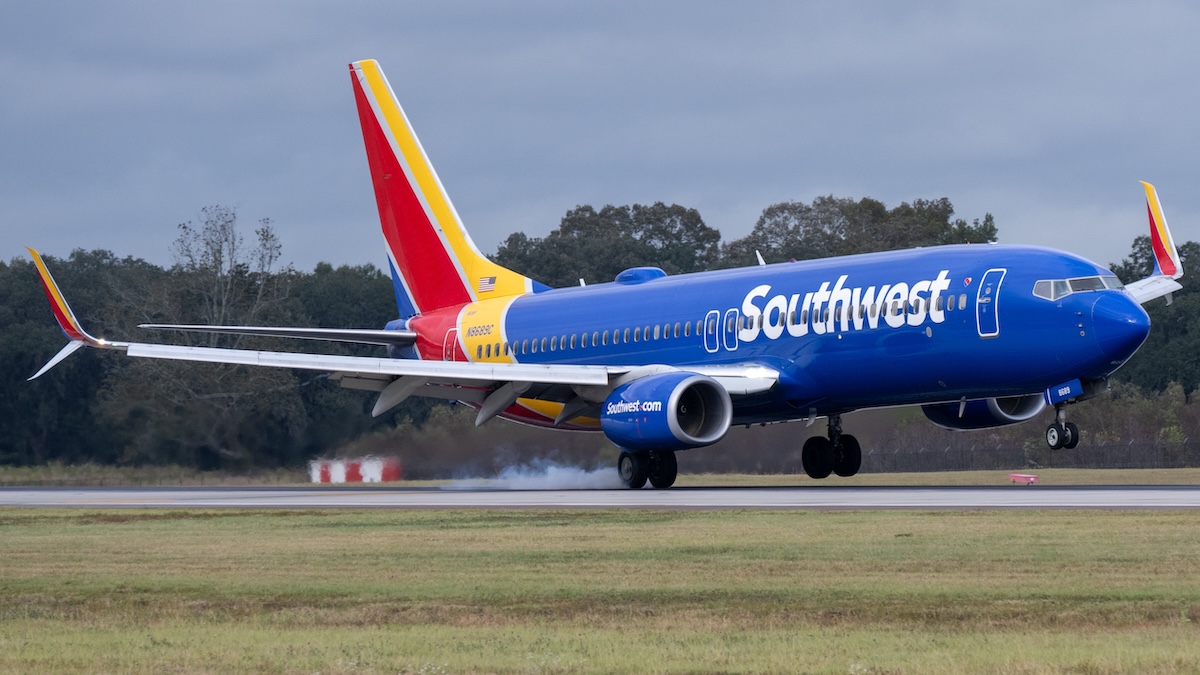
Charleston, SC - Nov 2, 2022: A Southwest Airlines Boeing 737 landing on a runway with smoke from the tires.
Southwest will drop two airports from its route map later this year, the airline confirmed Friday. The update was shared in an “end of service” alert on the carrier’s website.
All Southwest flights from Chicago O’Hare and Washington Dulles will cease on June 4.
“Southwest Airlines will no longer operate service to, from, or through Chicago/O’Hare, IL (ORD) and Washington/Dulles, DC (IAD) beginning June 4, 2026,” the carrier’s alert stated. “If you have existing travel booked that includes Chicago/O’Hare, IL (ORD) or Washington/Dulles, DC (IAD) on or after this date, your reservation will be affected.”
Washington Dulles has long been part of Southwest’s network, with the carrier serving the D.C. area airport for roughly two decades. Southwest began service to Dulles in 2006, according to U.S. Department of Transportation data.
O’Hare and Dulles join a handful of other markets that Southwest has pulled out of in recent years, including Bellingham, Washington; Syracuse, New York; Houston-Bush; and Cozumel, Mexico.
“As part of Southwest’s ongoing efforts to refine its network, the company will discontinue service to Chicago O’Hare (ORD) and Washington Dulles (IAD), effective June 4. These changes do not represent any significant changes in flight availability for these cities, as we will continue our robust service at Chicago Midway (MDW), Baltimore Washington International (BWI), and Washington Reagan National (DCA),” an airline spokesperson said in a statement.
Affected employees will be able to bid for other positions around the airline’s network, the spokesperson added.
Editor’s Note: This story was updated on Friday, March 13, 2026, at 1:12 p.m. ET to add a statement from Southwest.
Ryan founded AirlineGeeks.com in February 2013 and has spent more than a decade covering the airline business. His work has been featured by CNN, WJLA, CNET, and Business Insider. His aviation experience spans airport operations, Part 135 regulatory compliance, and airline crew workforce planning, along with time behind the yoke of a Cessna 172 and interviews with airline executives. Ryan now serves as Group President of Firecrown Media’s Aviation Group. He holds a B.S. in Air Transportation Management and an MBA from Arizona State University and teaches Airline Management at Embry-Riddle Aeronautical University.
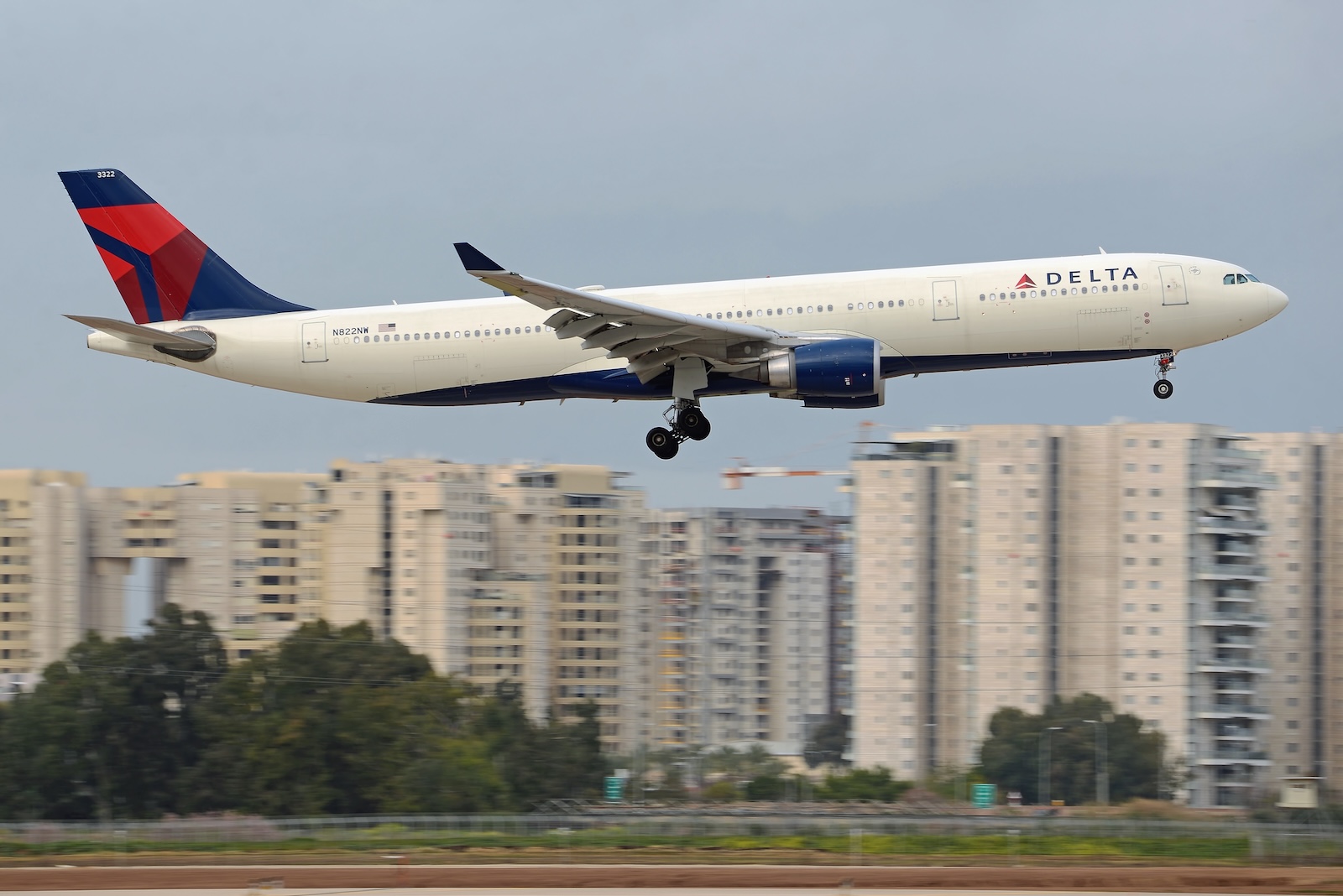
The carrier’s nonstop service between New York-JFK and Tel Aviv has been canceled through March 31, officials said, and flights between Atlanta and Tel Aviv are now paused through Aug. 4.
The airline ordinarily connects New York and Tel Aviv year-round. Service from Atlanta was supposed to restart for the season on April 15.
Delta cited the “ongoing conflict in the region.”
Affected flights will be processed in Delta’s system on Saturday, when customers will receive cancellation notices through Delta’s app and the contact information included in their reservation.
Delta suspended service between New York and Tel Aviv on Feb. 28, the day the U.S. and Israel began joint operations against Iran. Iran has responded by launching missiles and drones at Israel, making commercial air travel there potentially hazardous.
Tel Aviv’s Ben Gurion International Airport has resumed flights, though on an extremely limited basis. The State Department has urged U.S. citizens to leave the country.
Zach Vasile is a writer and editor covering news in all aspects of commercial aviation. He has reported for and contributed to the Manchester Journal Inquirer, the Hartford Business Journal, the Charlotte Observer, and the Washington Examiner, with his area of focus being the intersection of business and government policy.
U.S. Preclearance Facility Opens at Billy Bishop Toronto City Airport
The airport joins several with preclearance in Canada.
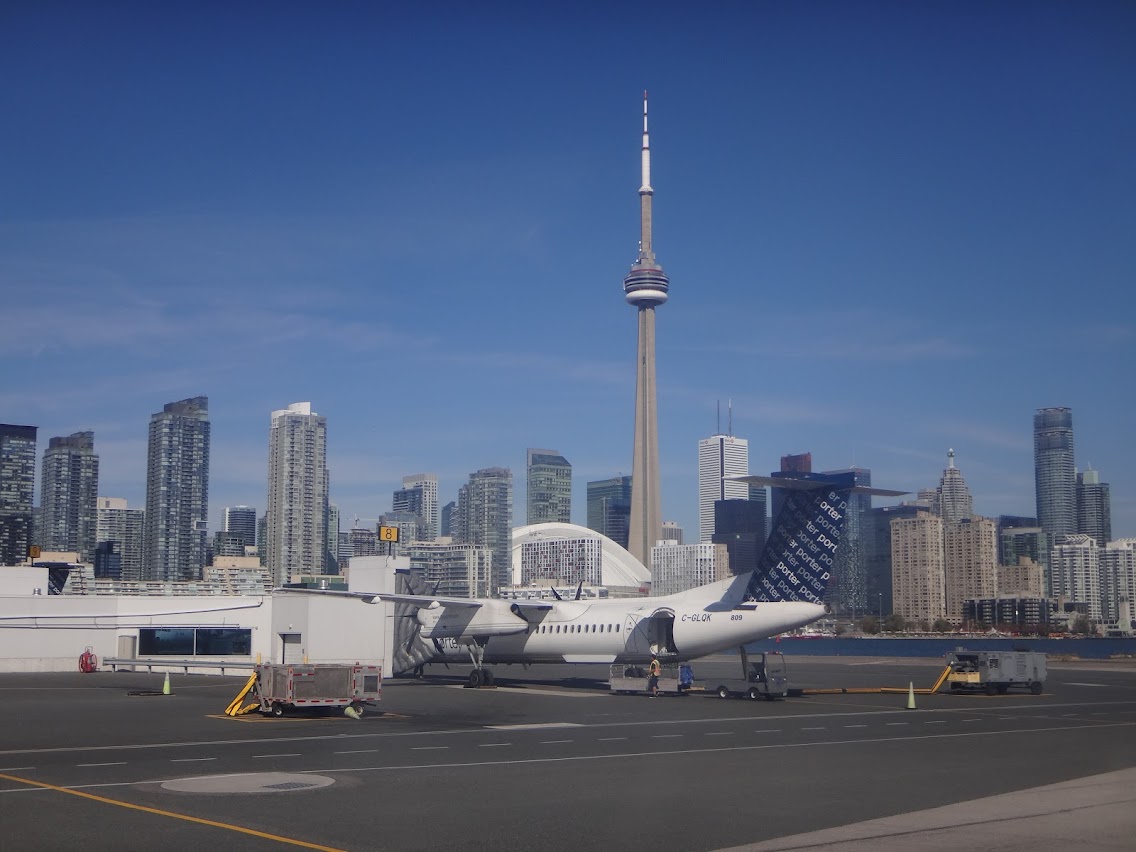
Billy Bishop Toronto City Airport (Photo: AirlineGeeks | Andrew Chen)
Preclearance is now available for United States-bound passengers departing from Billy Bishop Toronto City Airport. The airport’s new U.S. Customs and Border Protection (CBP) Preclearance facility opened on March 10, 2026.
The long-anticipated facility allows passengers traveling to the United States to go through US CPB processing in Toronto before getting on their flights. Upon arrival, passengers arrive as domestic passengers, allowing them to bypass customs and immigration processing.
Not only does preclearance facilitate easier connections in the United States, but it also allows airlines to connect international airports with American airports that do not have CBP facilities. For example, Air Canada has announced a new service between Toronto City Airport and New York’s LaGuardia Airport that will start on March 29, 2026. This route would not be possible without preclearance since CBP does not offer customs and immigration services at LaGuardia Airport.
The opening of the preclearance facility means that the airport will join eight other Canadian airports that offer preclearance. There are also U.S. CPB preclearance facilities at three airports in the Caribbean, two airports in Ireland, and at Abu Dhabi International Airport in the United Arab Emirates.
Porter Airlines has historically been the dominant airline at Toronto City Airport, offering transborder flights to cities like Boston, Chicago, Newark, and Washington. However, Air Canada has been increasing its presence at the airport in recent years. In addition to its new LaGuardia flights, the airline will start flying to Chicago O’Hare and Washington Dulles later this year.
“Today marks more than the completion of Canada’s first U.S. CBP Preclearance facility in 25 years, it represents the culmination of a decade of determination, partnership, and vision,” President and CEO of the Toronto Port Authority – the owner and operator of the airport – said in a press release. “With this milestone, we reaffirm our commitment to continued investment, innovation and advancement to secure the future of Billy Bishop Toronto City Airport.”
Andrew is a lifelong lover of aviation and travel. He has flown all over the world and is fascinated by the workings of the air travel industry. As a private pilot and glider pilot who has worked with airlines, airports and other industry stakeholders, he is always excited to share his passion for aviation with others. In addition to being a writer, he also hosts Flying Smarter, an educational travel podcast that explores the complex world of air travel to help listeners become better-informed and savvier travelers.
United officials said the partnership is critical to operations, as weather remains the leading cause of FAA air traffic delays.
The Weather Company is based in Brookhaven, Georgia, and owns the Weather Channel, Weather Underground, and Storm Radar.
As part of the collaboration, meteorologists from the Weather Company are embedded on-site at United’s network operations center, and their interpretation of atmospheric data helps guide operational decisions.
United also uses services such as Pilotbrief, a flight deck tool that provides pilots with high-resolution vertical profiles and turbulence forecasting, and Maverick WXAlert, an automated cockpit alerting system that delivers turbulence and hazard updates via ACARS.
The carrier is also increasingly integrating data feeds to power weather-related alerts and radar maps shared with customers.
“Our highest priority is always the safety of our employees and passengers, and the Weather Company’s expertise is foundational to that mission,” Nathan Polderman, senior manager of meteorology at United, said in a news release. “The integration of tools like Pilotbrief, along with real-time insights from embedded meteorologists, enables us to stay at the forefront of aviation innovation, navigating complex weather challenges with industry-leading precision and accuracy.”
The duration of the new contract was not disclosed.
United has worked with the Weather Company for over 15 years.
Zach Vasile is a writer and editor covering news in all aspects of commercial aviation. He has reported for and contributed to the Manchester Journal Inquirer, the Hartford Business Journal, the Charlotte Observer, and the Washington Examiner, with his area of focus being the intersection of business and government policy.
American to Double Size of Austin Lounge
The space will feature a “first” for the carrier’s lounge network.
The carrier said Tuesday that it will build a 12,000-square-foot lounge on the west side of its terminal at Austin-Bergstrom International Airport. Construction will start this year, though officials did not provide an exact date or month.
The new space will include a feature not seen at any other Admirals Club lounge – an outdoor terrace. American said the terrace will offer guests “expansive views of downtown Austin and the airfield.”
Inside, the lounge will be divided into distinct zones tailored to travelers’ needs, such as working, dining, and relaxing.
“As we elevate our presence in Austin, we’re excited to bring a new level of comfort and hospitality to our customers,” American Chief Customer Officer Heather Garboden said in a news release. “This new Admirals Club lounge will reflect the vibrant spirit of Austin while offering the thoughtful design and premium amenities our customers expect.”
Zach Vasile is a writer and editor covering news in all aspects of commercial aviation. He has reported for and contributed to the Manchester Journal Inquirer, the Hartford Business Journal, the Charlotte Observer, and the Washington Examiner, with his area of focus being the intersection of business and government policy.
The public charter operator said Thursday that it will reconnect Burbank and Orange County with Napa County Airport on April 17. That same day, JSX will introduce its first-ever route linking Napa and Santa Monica.
Each route will operate at least four times per week, on Mondays, Thursdays, Fridays, and Sundays, with daily service available during select weeks.
JSX said it will use Embraer E135/E145 aircraft on the Burbank and Orange County routes and an ATR 42-600 on the Santa Monica connection.
The airline did not provide an exact end date, and said flights will continue “through autumn.”
“Launching new flights from Santa Monica gives coastal California travelers another simple, seamless way to experience our award-winning service, making their flights as memorable as their destination,” JSX President David Drabinsky said in a news release.
JSX operates mainly in California, the Southwest, and along the East Coast.
Zach Vasile is a writer and editor covering news in all aspects of commercial aviation. He has reported for and contributed to the Manchester Journal Inquirer, the Hartford Business Journal, the Charlotte Observer, and the Washington Examiner, with his area of focus being the intersection of business and government policy.
Sign-up for newsletters & special offers!
Get the latest stories & special offers delivered directly to your inbox