










Stories

Sunrise Dominicana Seeks Clearance for U.S. Flights

The carrier is looking to operate both scheduled and charter service.

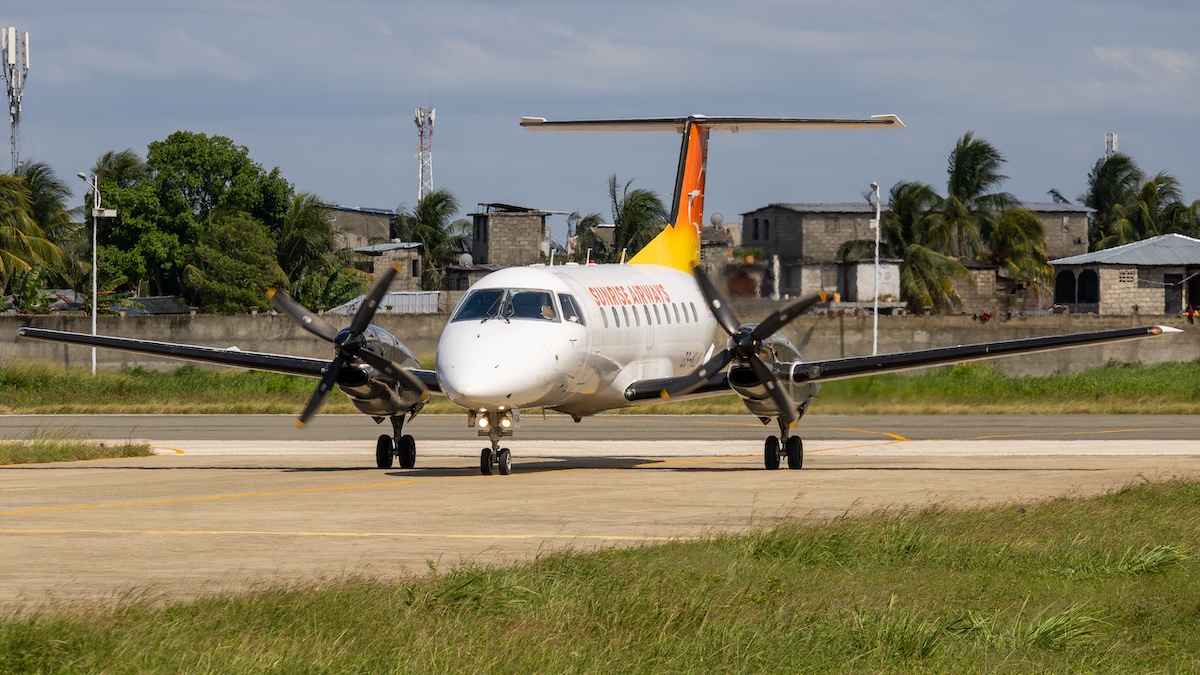
A Sunrise Airways Embraer E120
A Sunrise Airways Embraer E120. (Photo: Shutterstock | Victor De Leon)

A recently formed Dominican airline is asking permission from the Department of Transportation to launch service to the U.S.

In a filing submitted Monday, Sunrise Dominicana said it plans to operate regular scheduled service and charter flights between the Dominican Republic and the U.S. It is asking for exemption authority for five years.

The carrier said it is leasing an Embraer 120, an ERJ 135, and two British Aerospace Jetstreams.

Sunrise Dominicana was formed in 2022 and certificated for operations in the Dominican Republic in 2025.

The airline did not say which airports in the U.S. it hopes to serve.

Sunrise Dominicana has its main base at Las Americas International Airport in Santo Domingo. It currently flies to destinations in the Caribbean, such as Antigua and Tortola in the British Virgin Islands, officials said in the filing.

The airline’s president, Philippe Bayard, is also the founder of Haiti-based Sunrise Airways. That airline now serves two destinations in the U.S., Miami and Fort Lauderdale, Florida.

Zach Vasile

Zach Vasile is a writer and editor covering news in all aspects of commercial aviation. He has reported for and contributed to the Manchester Journal Inquirer, the Hartford Business Journal, the Charlotte Observer, and the Washington Examiner, with his area of focus being the intersection of business and government policy.

Air Canada Adds New Route, Flights to Mexico

Expanded service will come online this summer.

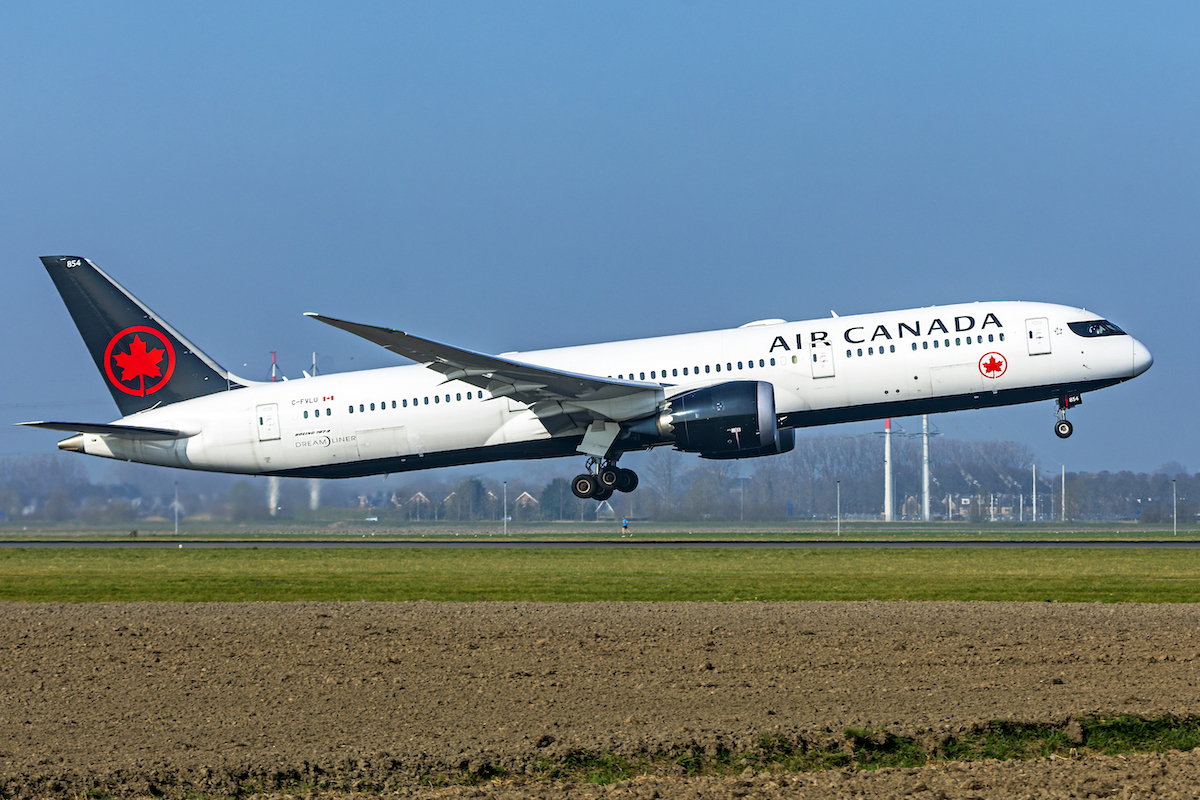
Air Canada 787 Dreamliner
An Air Canada 787. (Photo: AirlineGeeks | William Derrickson)

Air Canada is expanding service to Mexico this summer.

The carrier this week announced a new nonstop route between Montreal and Guadalajara and said it will increase flights on existing routes to Cancun, Monterrey, Mexico City, and Puerto Vallarta.

The Montreal-Guadalajara connection will launch June 2 and operate three times weekly year-round, officials said. Flights from Montreal will operate on Tuesdays, Thursdays, and Saturdays, while return flights from Guadalajara will operate on Wednesdays, Fridays, and Sundays.

Flights to Cancun, Monterrey, Mexico City, and Puerto Vallarta will increase for the summer:

  • Montreal to Cancun, from seven times weekly to 11 times weekly
  • Toronto to Monterrey, from three times weekly to four times weekly
  • Vancouver to Mexico City, from seven times weekly to 11 times weekly
  • Vancouver to Puerto Vallarta, from once weekly to twice weekly

“Air travel facilitates tourism, trade, and connectivity, and Mexico is part of Air Canada’s larger Latin America strategy of enabling fast, convenient passenger and cargo connections through our Canadian gateways to our comprehensive network across all six inhabited continents,” Mark Galardo, Air Canada’s executive vice president, chief commercial officer, and president of cargo, said in a news release.

Connections to Turkey

Air Canada also announced an interline deal with Pegasus Airlines that will allow passengers to reach Turkey on a single itinerary.

Travelers will be able to connect to a Pegasus flight to Istanbul through eight European gateways – Amsterdam, Copenhagen, Frankfurt, Munich, Geneva, Vienna, Zurich, and Athens. Also available to Air Canada customers is a Pegasus connection from Frankfurt to Izmir, Turkey, on the Aegean coast of Anatolia.

Zach Vasile

Zach Vasile is a writer and editor covering news in all aspects of commercial aviation. He has reported for and contributed to the Manchester Journal Inquirer, the Hartford Business Journal, the Charlotte Observer, and the Washington Examiner, with his area of focus being the intersection of business and government policy.

United, American to Inject $200 Million into Brazil’s Azul

The carrier is working to emerge from Chapter 11 bankruptcy.

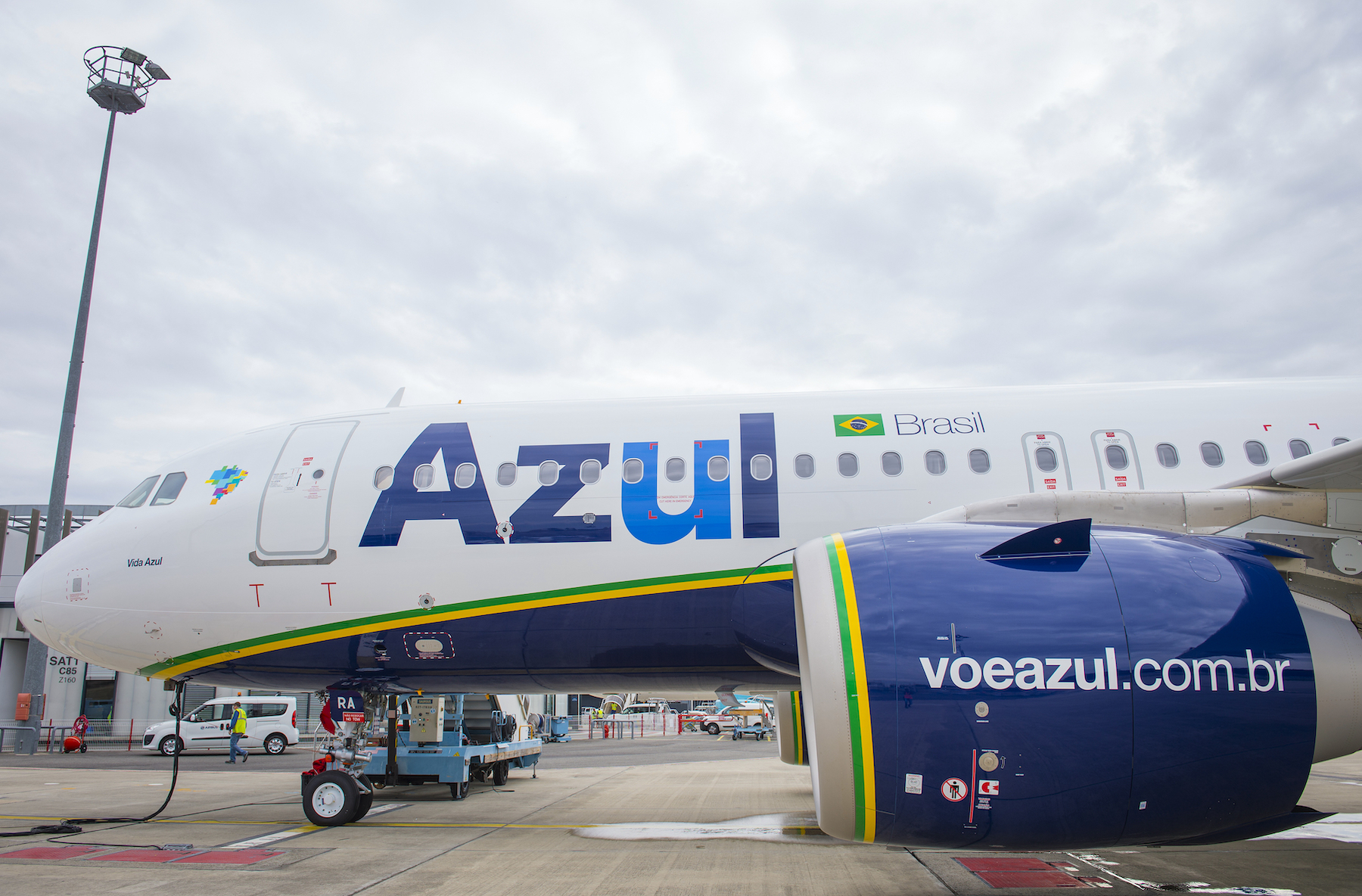
An Azul Airbus A320neo aircraft. (Photo: Airbus)

United and American Airlines have each committed $100 million to recapitalize struggling Brazilian carrier Azul once it emerges from Chapter 11 bankruptcy protection.

According to documents filed Wednesday with the U.S. Securities and Exchange Commission, United’s investment will be made through a previously disclosed public equity offering, while American will provide backing with a subscription of warrants, a type of long-term security.

Azul also entered into an additional investment agreement with existing creditors that will make another $100 million available, the filing stated.

Company officials wrote that the cash infusions will “strengthen Azul’s capital structure” and support operations after it emerges from bankruptcy.

Azul is headquartered near São Paulo and serves dozens of destinations within Brazil. It also offers medium- and long-haul service to Argentina, Paraguay, Uruguay, Curaçao, Western Europe, and the U.S., specifically Orlando and Fort Lauderdale, Florida.
The airline filed for bankruptcy in 2025, citing rising costs. Its reorganization plan is being overseen by the U.S. Bankruptcy Court for the Southern District of New York.

In December, the court approved Azul’s debt restructuring, which included permission to raise capital from United, American, and other investors.

Zach Vasile

Zach Vasile is a writer and editor covering news in all aspects of commercial aviation. He has reported for and contributed to the Manchester Journal Inquirer, the Hartford Business Journal, the Charlotte Observer, and the Washington Examiner, with his area of focus being the intersection of business and government policy.

Livery of the Week: Oman Air

A refined color palette that anchors the Omani flag carrier’s modern brand identity.

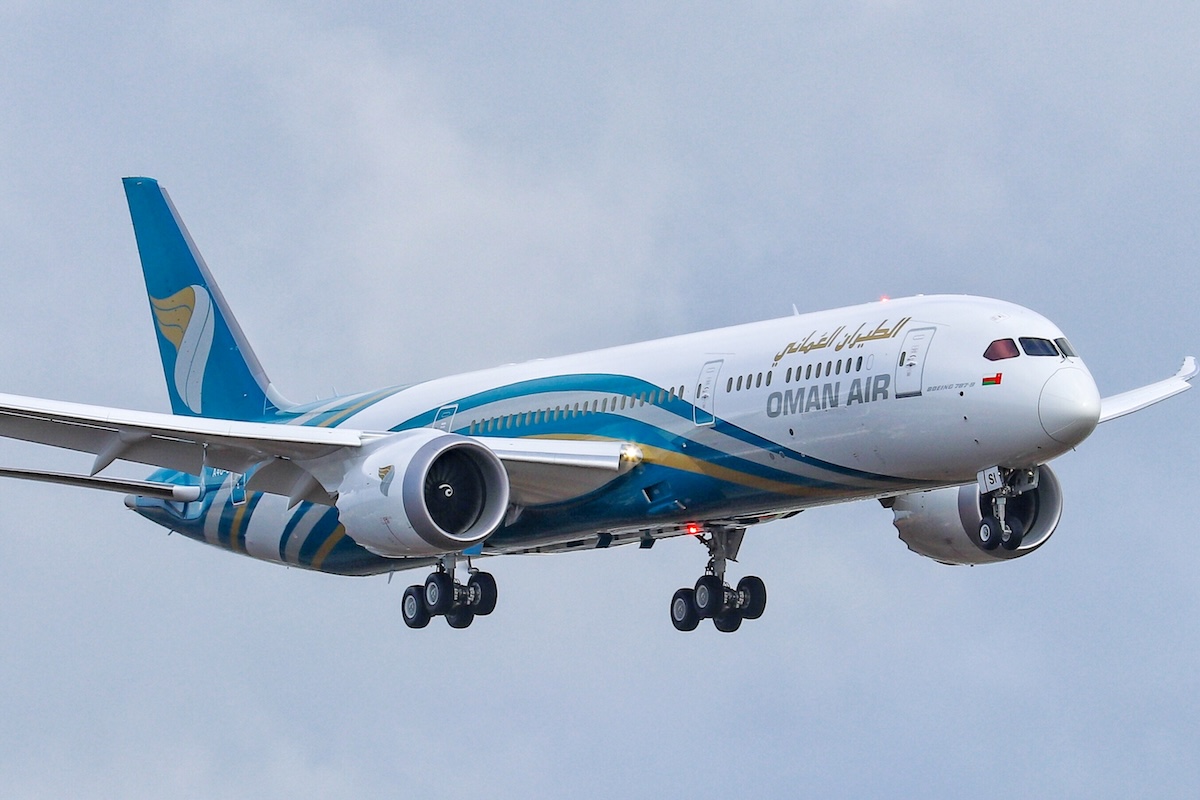
An Oman Air Boeing 787 Dreamliner
An Oman Air Boeing 787 Dreamliner (Photo: AirlineGeeks | Katie Zera)

Editor’s Note: AirlineGeeks is proud to present our ‘Livery of the Week’ series. Every Friday, a team member will share an airline livery, which can be from the past, present, or even a special scheme. Some airline liveries are works of art. The complexity associated with painting around critical flight components and the added weight requires outside-the-box thinking from designers. The average airliner can cost upwards of $200,000 to repaint, creating a separate aircraft repainting industry as a result. 

Have an idea for a livery that we should highlight? Drop us a line. 

Oman Air’s standard livery centers on a combination of gold, teal, and white, creating a restrained but distinctive look that reflects the carrier’s positioning as a premium airline from the Middle East. The design places a gold swoosh along the fuselage that curves upward toward the tail, intersecting with teal accents that frame the rear of the aircraft.

The vertical stabilizer carries Oman Air’s emblem, which incorporates Arabic calligraphy and geometric elements drawn from Omani heritage. The tail logo is rendered in gold against a teal background, making it the primary visual identifier across the fleet. The airline’s titles appear in both English and Arabic on the forward fuselage.

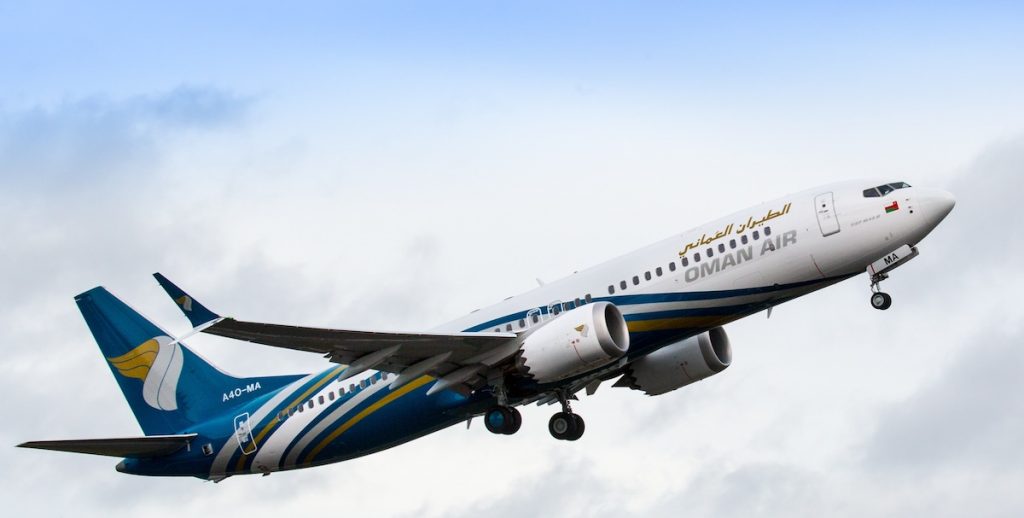
The livery is applied consistently across Oman Air’s fleet, including Boeing 737s and 787 Dreamliners. While proportions vary slightly by aircraft type, the placement of the gold cheatline and tail emblem remains uniform, creating visual continuity as the airline operates a mixed narrowbody and widebody fleet.

Oman Air Boeing 737 MAX
Oman Air’s first 737 MAX. (Photo: Boeing)

Unlike short-term promotional schemes, Oman Air’s design serves as its permanent fleet livery and is used on both new deliveries and repainted aircraft. The palette and layout have evolved incrementally over time, but the current version maintains the same core elements that have defined the airline’s brand during its expansion into Europe, Asia, and Africa.

Looking for a new airplane model? Head over to our friends at the Midwest Model Store for a wide selection of airlines and liveries.

Ryan Ewing

Ryan founded AirlineGeeks.com in February 2013 and has spent more than a decade covering the airline business. His work has been featured by CNN, WJLA, CNET, and Business Insider. His aviation experience spans airport operations, Part 135 regulatory compliance, and airline crew workforce planning, along with time behind the yoke of a Cessna 172 and interviews with airline executives. Ryan now serves as Group President of Firecrown Media’s Aviation Group. He holds a B.S. in Air Transportation Management and an MBA from Arizona State University and teaches Airline Management at Embry-Riddle Aeronautical University.

PSA, Flight Attendants Reach Tentative Labor Agreement

The deal secures pay increases and other benefits, according to the AFA.

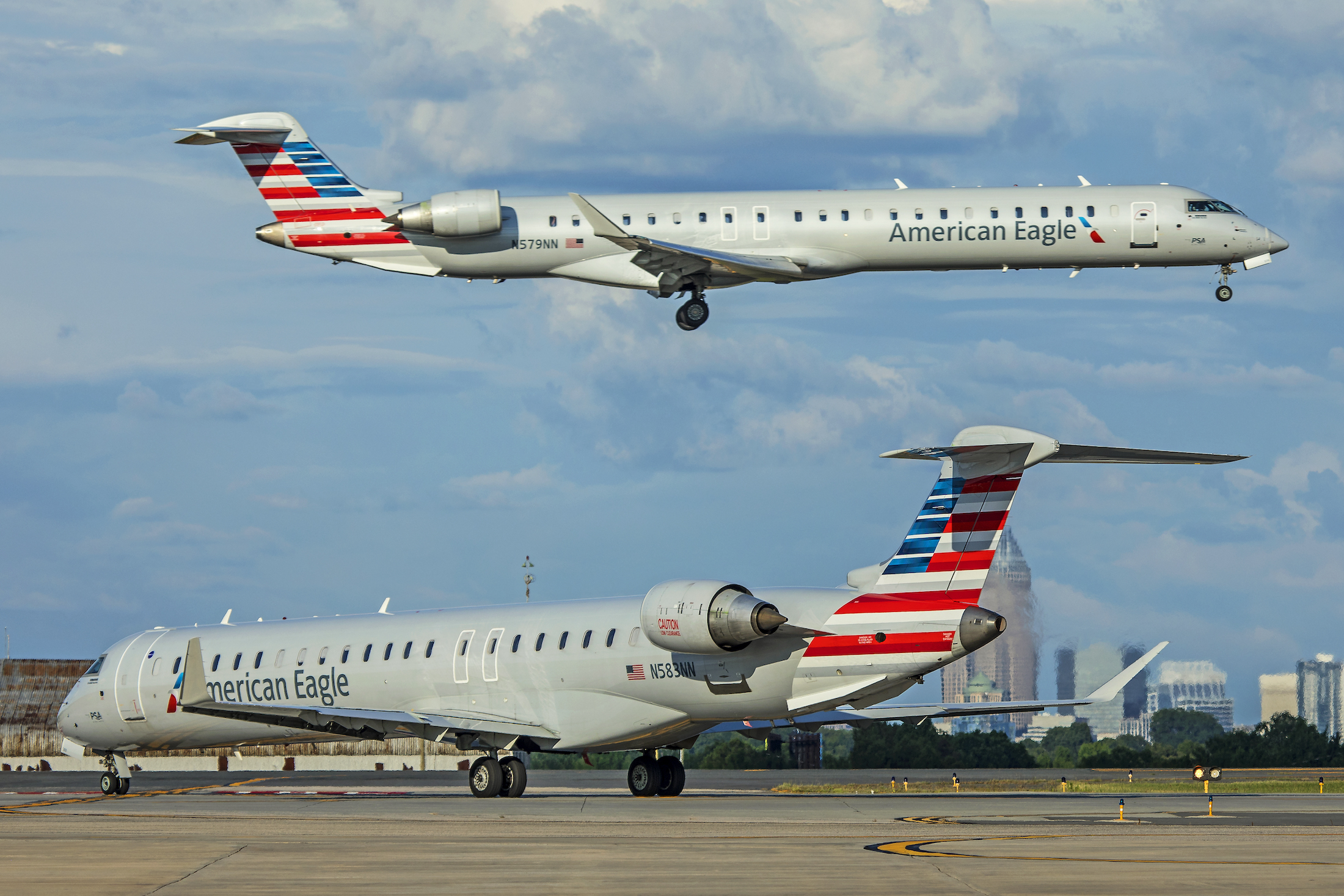
PSA aircraft in Charlotte. (Photo: AirlineGeeks | William Derrickson)

PSA Airlines and its flight attendants have reached a tentative three-year labor agreement that, if enacted, will provide an immediate 10% wage increase.

Other benefits folded into the deal include retro pay, additional wage scale raises, scheduling improvements, increased flexibility, and pay for boarding that will add 15% to 16% to compensation on average, according to the Association of Flight Attendants-CWA.

Over the life of the contract, PSA flight attendants will see a 30% to 50% increase in compensation.

The provisional agreement will be sent out to flight attendants for a ratification vote, the union said. The vote closes on March 6.

“PSA flight attendants save lives every day and serve as the face of American Eagle in ever increasingly difficult conditions,” Lee Wilkes, president of the AFA master executive council at PSA, said in a news release. “This tentative agreement starts to recognize what we do every single flight to get people to their destination safely… We look forward to locking this in and pushing forward on our careers with more in our pockets and more of our time reflected in our paychecks.”

The two sides have been negotiating since 2023, when the flight attendants’ previous contract became amendable.

PSA Airlines is a wholly owned subsidiary of American Airlines Group. It operates regional flights for American under the American Eagle brand.

In a statement, AFA International President Sara Nelson specifically thanked American CEO Robert Isom and noted “his direct engagement to make this agreement possible.”

Isom has faced growing criticism from the carrier’s mainline working groups, specifically pilots and flight attendants, over lackluster earnings results reported in January. The CEO and other executives have said that long-term investments in American’s product, fleet, and network will begin paying off in 2026, with higher earnings per share expected.

Zach Vasile

Zach Vasile is a writer and editor covering news in all aspects of commercial aviation. He has reported for and contributed to the Manchester Journal Inquirer, the Hartford Business Journal, the Charlotte Observer, and the Washington Examiner, with his area of focus being the intersection of business and government policy.

Vietnam Airlines Orders 50 Boeing 737 MAX Jets

The purchase is the carrier’s first for a Boeing single-aisle aircraft.

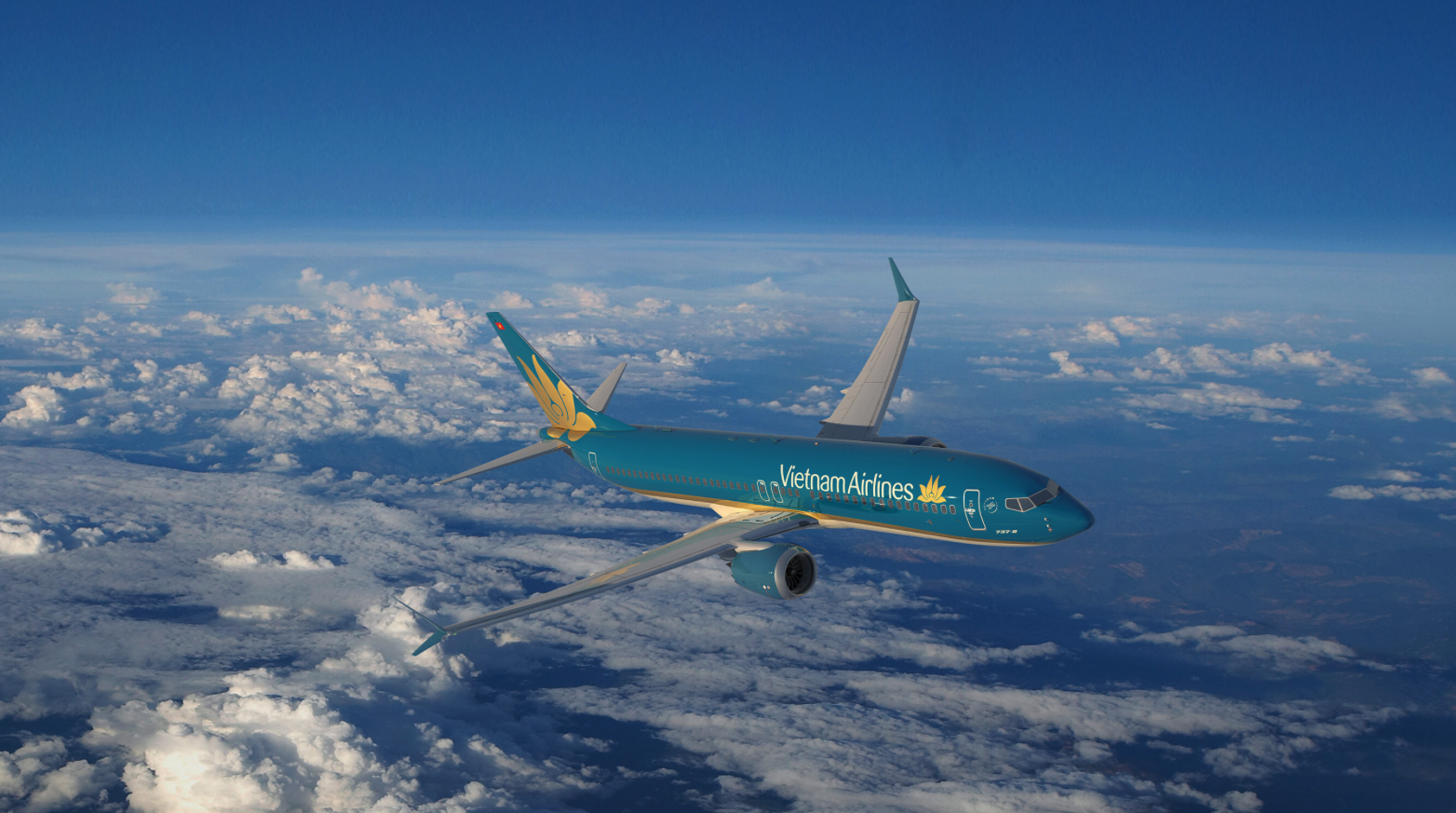
A rendering of a Vietnam Airlines 737 MAX.
A rendering of a Vietnam Airlines 737 MAX. (Credit: Vietnam Airlines)

Vietnam Airlines this week finalized its first order for the Boeing 737 MAX.

The Hanoi-based carrier agreed to buy 50 737-8s, Boeing announced Wednesday.

Vietnam Airlines operates 17 787 Dreamliners but does not currently own any single-aisle Boeing aircraft.

The companies did not say when deliveries are expected to begin.

“The investment in 50 Boeing 737-8 aircraft marks a significant step in building a modern, fuel-efficient fleet while enhancing operational performance and elevating service standards to meet international benchmarks,” Vietnam Airlines Chairman Dang Ngoc Hoa said in a news release. “This agreement also deepens the long-standing strategic partnership between Vietnam Airlines and Boeing, creating a strong foundation for our ambition to become a five-star international airline by 2030.”

Integration of the 737 MAX is expected to help reduce costs while building capacity and supporting new routes, airline officials added, noting that Vietnam’s air traffic is expected to double to more than 75 million annual passengers over the next 10 years.

Vietnam Airlines mainly flies to destinations in East and South Asia. It serves one destination in the U.S., San Francisco.

Zach Vasile

Zach Vasile is a writer and editor covering news in all aspects of commercial aviation. He has reported for and contributed to the Manchester Journal Inquirer, the Hartford Business Journal, the Charlotte Observer, and the Washington Examiner, with his area of focus being the intersection of business and government policy.

FAA, EASA Qualify Boeing 777-9 Flight Simulator

Regulators will have to approve courseware before pilot training can begin.

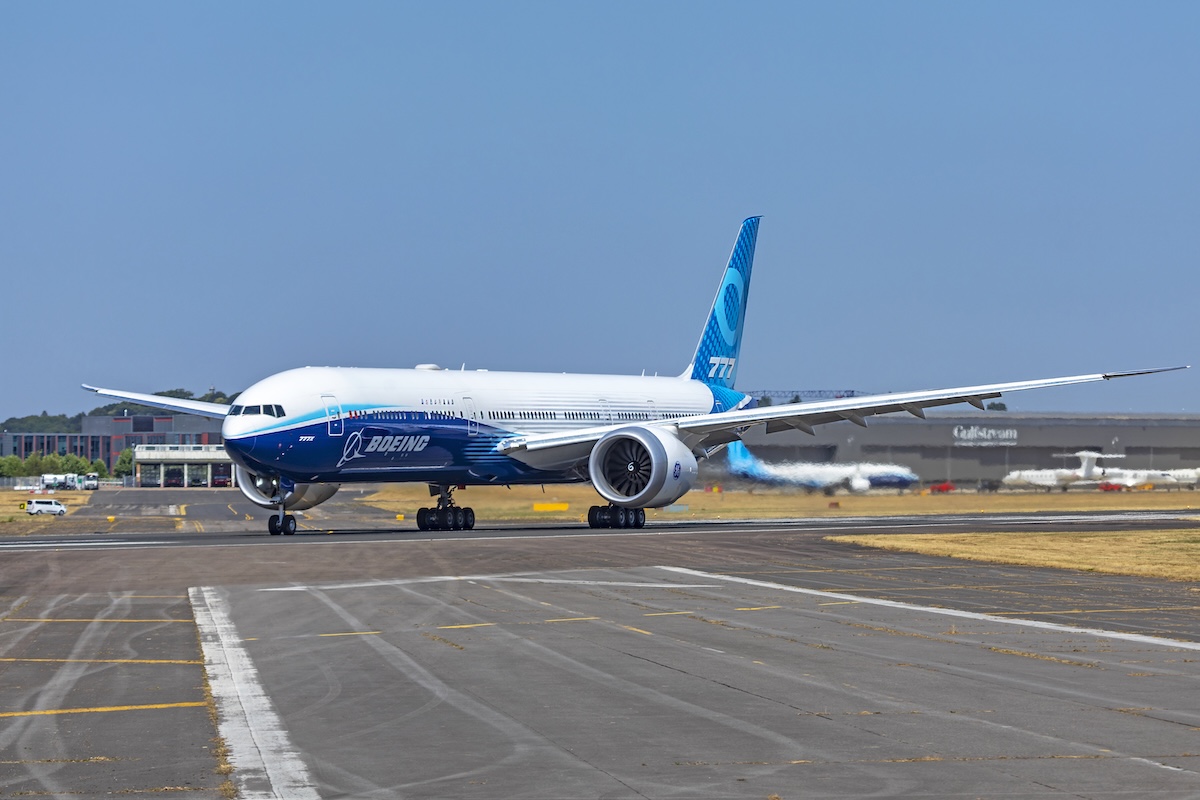
A Boeing 777X
A Boeing 777X testbed aircraft. (Photo: AirlineGeeks | William Derrickson)

A flight simulator that will train airline pilots for an upcoming Boeing 777X variant is one step closer to final approval.

The FAA and the European Union Aviation Safety Agency this week issued certificates for initial qualification for the device, which is being developed jointly by Boeing and flight simulator provider CAE. The simulator, which replicates the experience of flying a 777-9, will now be used by regulators to validate and approve training courseware before customer airlines begin pilot training.

“Securing these approvals is an important step as we prepare for the start of flight training,” Captain Gary Mandy, the 777X program’s chief technical pilot, said in a news release. “Pilots will benefit from an immersive training experience that will help ensure our customers’ operational readiness for the 777-9.”

The training devices are located at the Boeing Training Campus in Gatwick, England.

Boeing said the 777-9’s flight deck was designed for both comfort and commonality with the 787 Dreamliner. It features large-format displays with touchscreen capability; the option for dual head-up displays, similar to the 787; a redesigned pilot seat; a control and indicator for the 777X’s folding wingtips that highlights whether wingtips are extended, in motion, or folded; and integration of portable tablet-based Electronic Flight Bag capability.

The 777X series has been delayed numerous times, mainly over technical issues. But flight testing is again underway, and Boeing expects the first flight of a production 777X to take place in April.

The 777-9 will be the first 777X variant delivered to customers. Boeing is targeting early 2027 for deliveries to Lufthansa, the type’s launch client.

Zach Vasile

Zach Vasile is a writer and editor covering news in all aspects of commercial aviation. He has reported for and contributed to the Manchester Journal Inquirer, the Hartford Business Journal, the Charlotte Observer, and the Washington Examiner, with his area of focus being the intersection of business and government policy.

American Picks LEAP Engines for Future A321neo Deliveries

The carrier already uses CFM engines on its in-service A321neos, as well as on the A321XLR and Boeing 737 MAX.

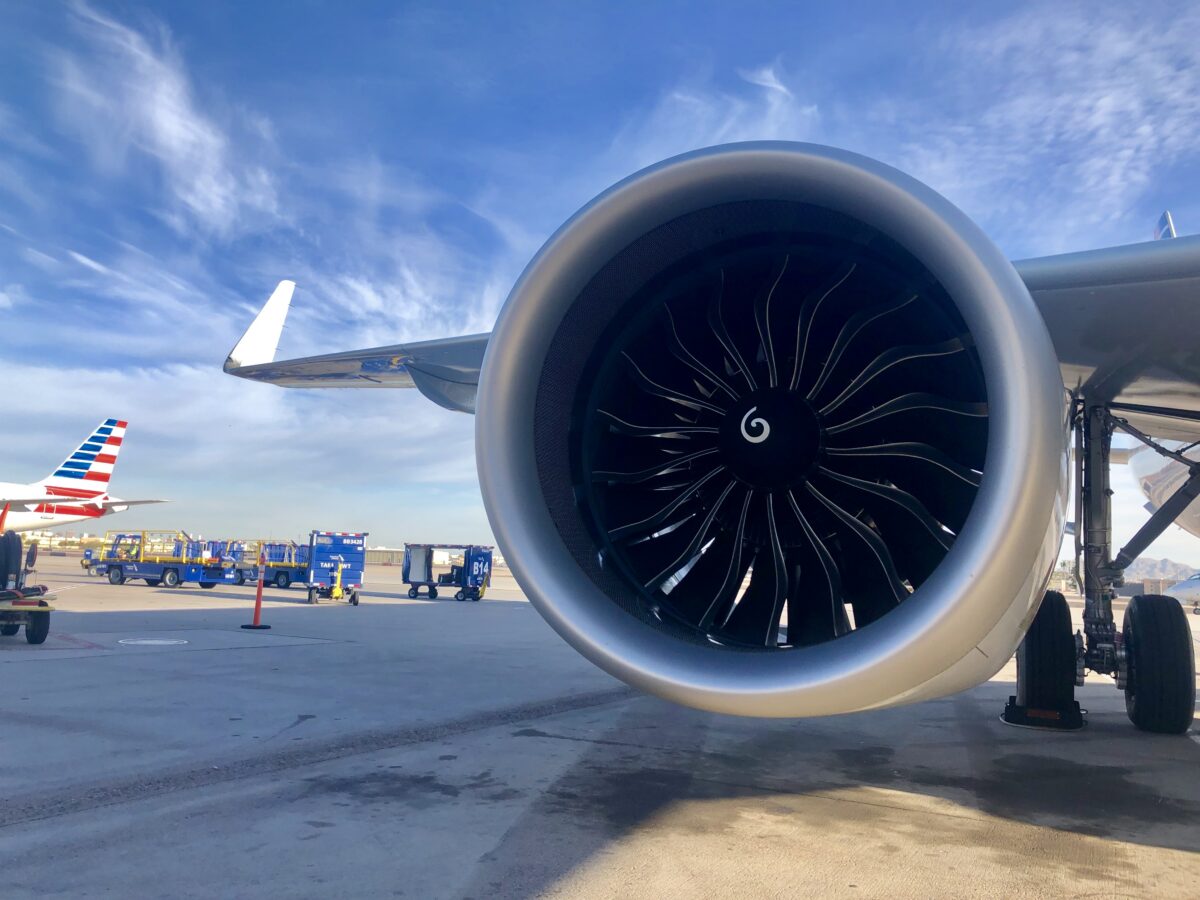
The LEAP-1A engine on American's A321neo (Photo: AirlineGeeks | Ryan Ewing)

American Airlines has selected CFM International’s LEAP-1A engine to power future deliveries of Airbus A321neo aircraft.

The carrier announced Thursday that CFM powerplants will be installed on the 85 A321neos it ordered in early 2024.

American already uses LEAP engines on its in-service A321neos, as well as on the A321XLR and Boeing 737 MAX.

“American is proud to operate more CFM/GE Aerospace-powered mainline and regional aircraft than any other airline in the world, and American’s aircraft have flown with GE Aerospace technology for almost a century,” American CEO Robert Isom said in a news release. “We are excited that CFM LEAP engines will power our next phase of A321neo deliveries, maximizing the power of our fleet investments to deliver the best network to our customers utilizing the best-performing engine in the business.”

CFM will continue to provide long-term maintenance for American’s LEAP-1A engines, officials said.

Financial terms of the engine order and maintenance agreement were not disclosed.

A321neo operators have two options to power the aircraft – the LEAP-1A and Pratt and Whitney’s PW1000G.

American has options for 116 additional A320-family aircraft, and if exercised, those jets would also be outfitted with LEAP engines, officials said.

Zach Vasile

Zach Vasile is a writer and editor covering news in all aspects of commercial aviation. He has reported for and contributed to the Manchester Journal Inquirer, the Hartford Business Journal, the Charlotte Observer, and the Washington Examiner, with his area of focus being the intersection of business and government policy.

Israel to Add Another International Airport

Officials approved construction in the southern Negev region.

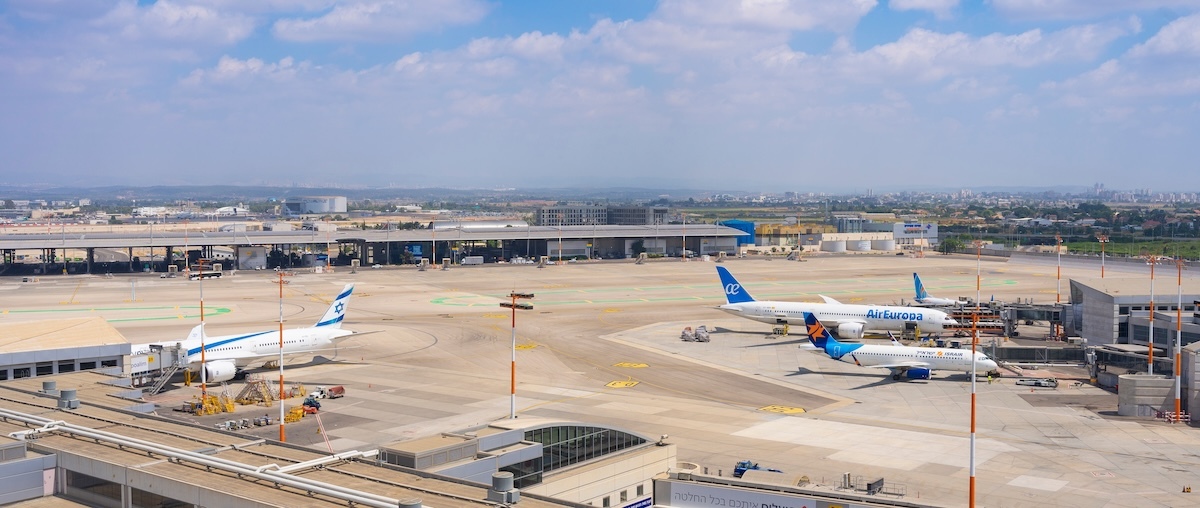
Ben Gurion International Airport
Ben Gurion International Airport. (Photo: Shutterstock | Dmitry Pistrov)

The government of Israel has approved the construction of another international airport.

According to The Jerusalem Post, officials on Sunday greenlighted the project in the Ziklag area, in Israel’s southern Negev region.

The new facility will be developed at the same time as a new international airport being built in the north of Israel. That site is being developed in Ramat David.

The government intends to accelerate planning for the Ziklag airport, so that construction can take place at the same time as the airport in the north.

Building an international airport in Ziklag was originally rejected by authorities due to its proximity to the border with Gaza. It was thought that commercial flight paths could possibly interfere with flight paths used by Israel’s Air Force.

However, defense officials have since concluded that the risk was not enough to justify halting the project.

Dealing with Congestion

The Israeli government is looking to relieve congestion at Tel Aviv’s Ben Gurion International Airport, which is the country’s main international airport.

Ben Gurion is fast approaching its maximum capacity of around 40 million passengers per year.

In addition, the development of the two new airports will be a catalyst for economic growth, officials said.

Lorne Philipot

Lorne is a South Africa-based aviation journalist. He was captivated and fascinated by flying from the day he took his first airline flight. With a passion for aviation in his blood, he has flown to destinations in all corners of the globe. Lorne has traveled extensively and lived in various countries. Drawing on his travels and passion for aviation, Lorne enjoys writing about airlines, routes, networks, and new developments.

JetBlue Flight Reports Engine Failure, Returns to Airport

A ground stop was issued for Newark, New Jersey, and later lifted.

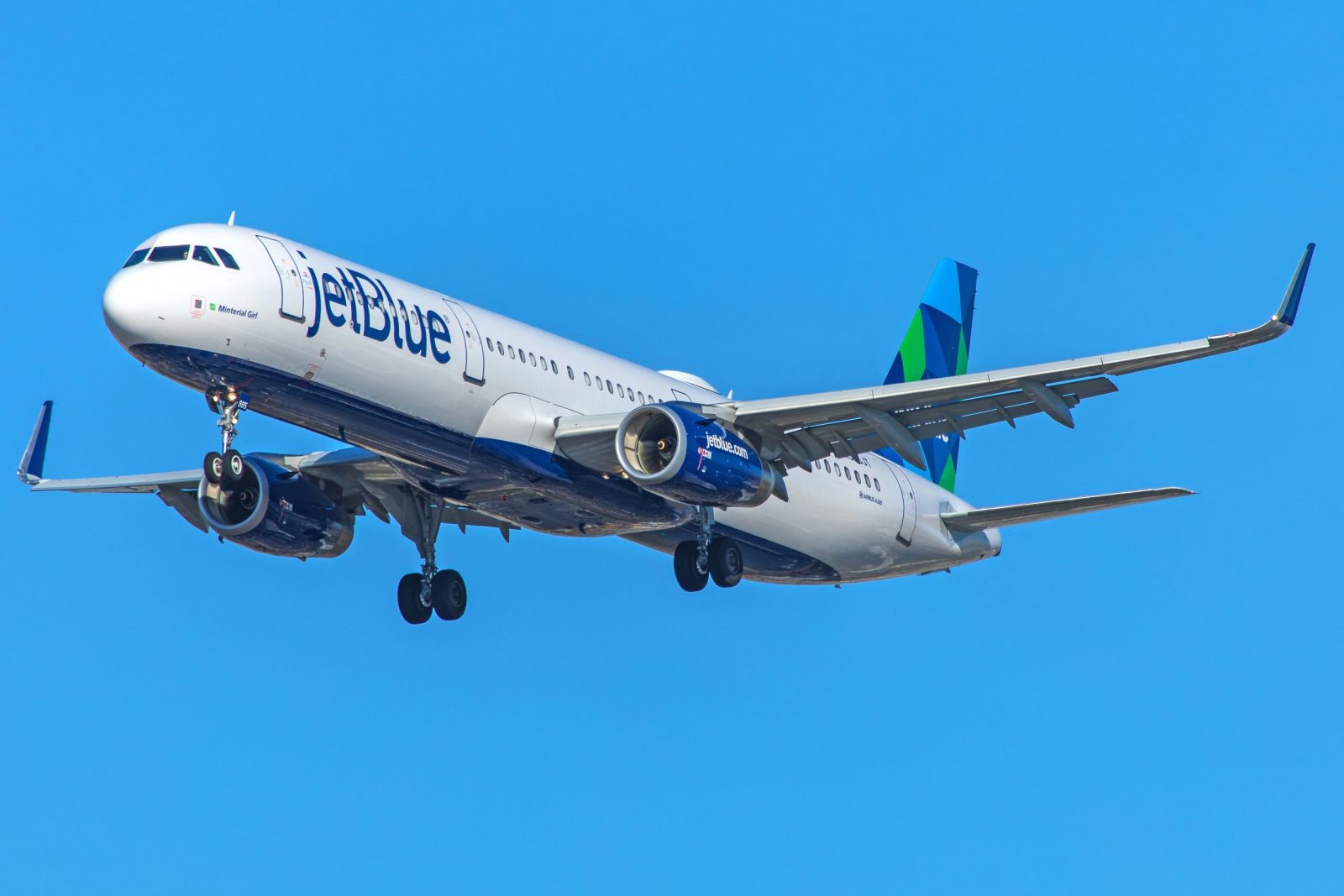
JetBlue A321
A JetBlue Airbus A321. (Photo: AirlineGeeks | William Derrickson)

A JetBlue flight departing Newark, New Jersey, was forced to turn around and return to the airport Wednesday evening after experiencing engine failure.

Local media reported that the flight took off around 5:45 p.m. bound for West Palm Beach, Florida, and returned safely with no injuries.

According to the FAA, once the airplane landed, crew reported smoke in the cockpit and evacuated passengers using inflatable slides.

Flights at Newark were temporarily stopped due to the incident, but the airport had reopened as of 7:10 p.m., according to CBS News.

Zach Vasile

Zach Vasile is a writer and editor covering news in all aspects of commercial aviation. He has reported for and contributed to the Manchester Journal Inquirer, the Hartford Business Journal, the Charlotte Observer, and the Washington Examiner, with his area of focus being the intersection of business and government policy.
Sign-up for newsletters & special offers!

Get the latest stories & special offers delivered directly to your inbox

SUBSCRIBE