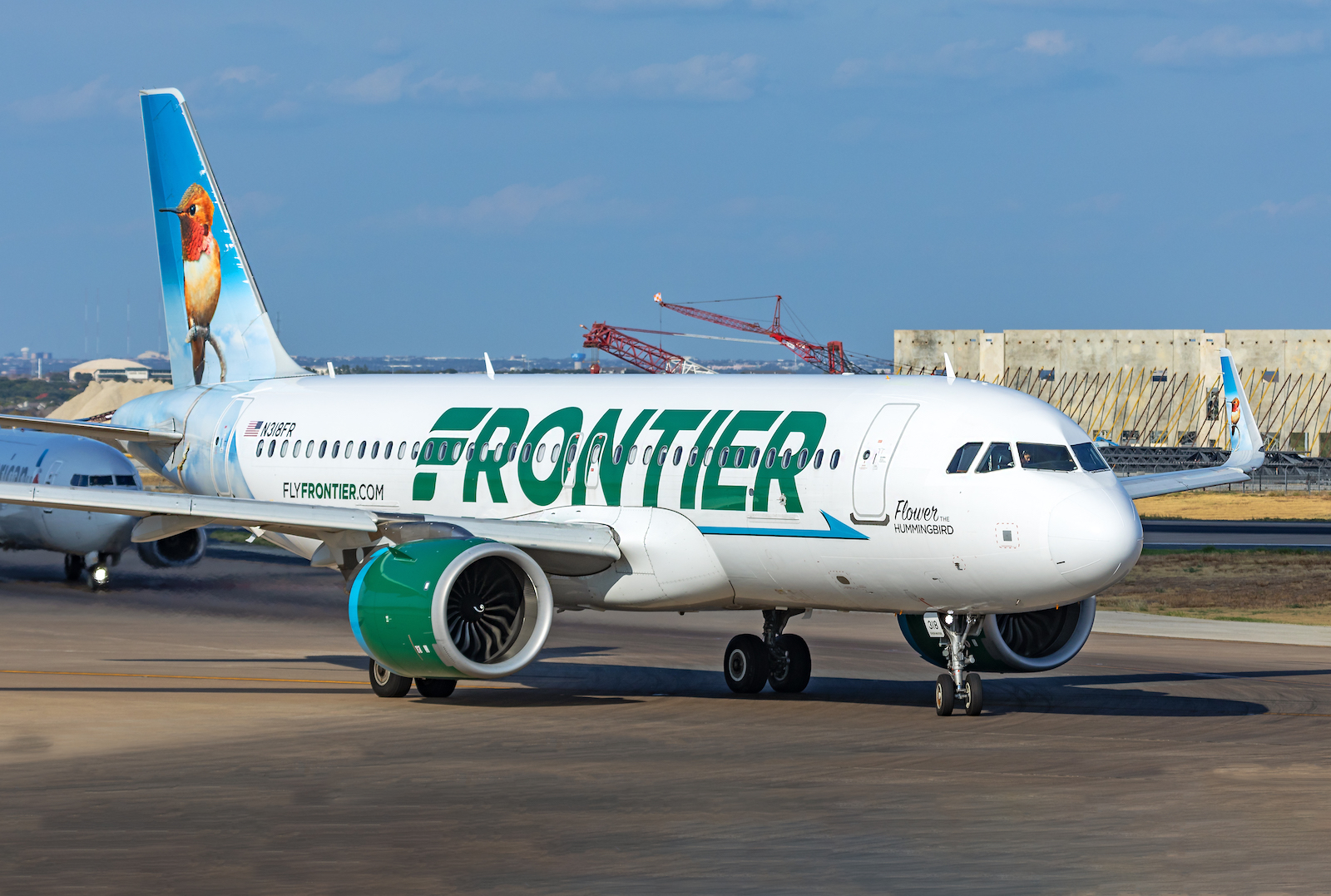
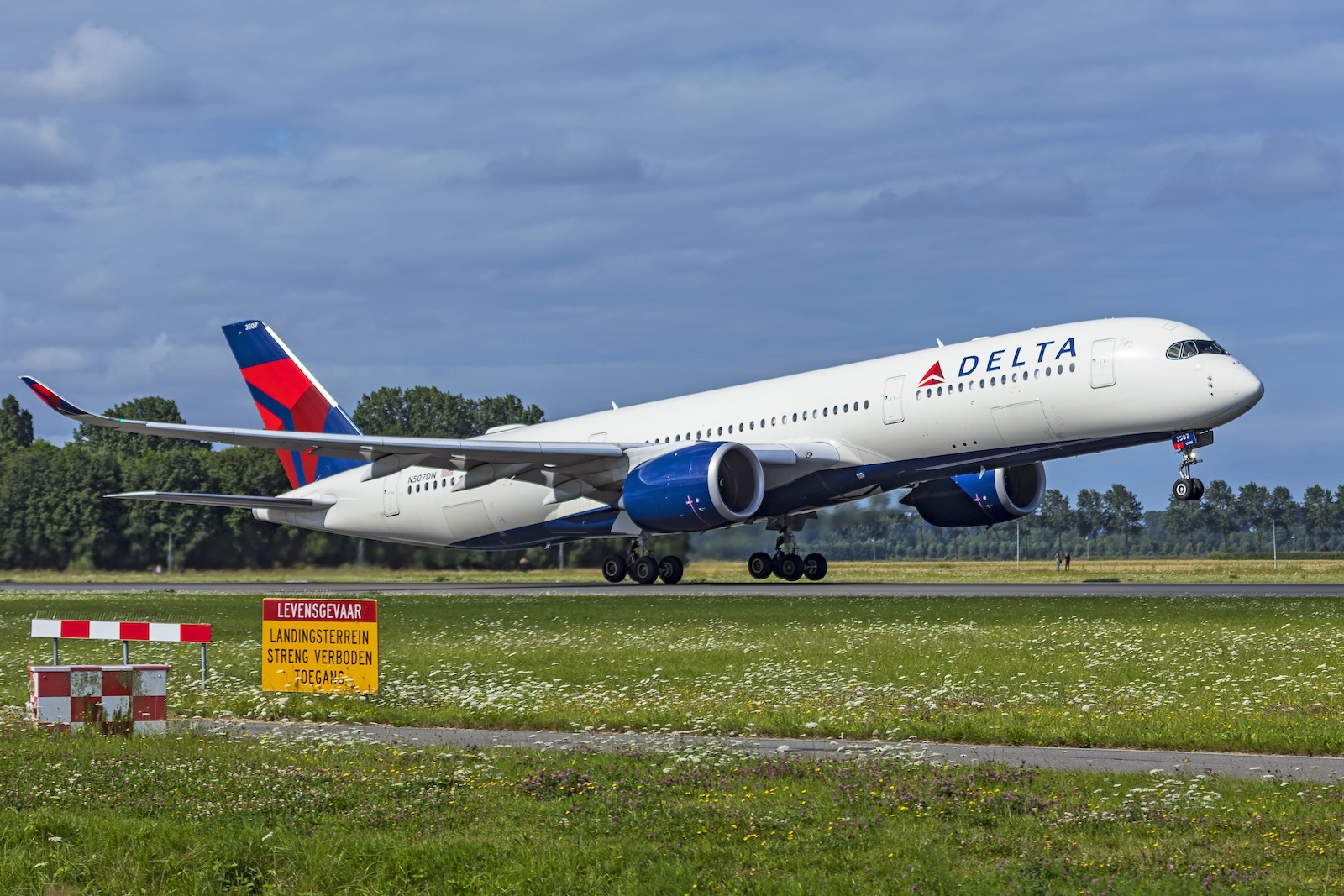
A Frontier Airbus A320neo. (Photo: AirlineGeeks | William Derrickson)
Frontier is slated to pull out of an airport it began serving this summer. This marks the ultra-low-cost carrier’s second exit from an airport in less than a year, after ending service to Palm Springs, California.
The airline’s service to Paine Field in Everett, Washington, will end in January, Enilria reported. A Frontier spokesperson confirmed the change on Thursday.
“We periodically review and update routes based on market demand,” the spokesperson said. “We greatly value our partnership with Paine Field and, as with any market departure, we will continue to evaluate a potential return at some point in the future.”
Paine Field has lost two airlines in recent years, including United and Southwest. United pulled out of the Washington airport in 2021.
When Frontier exits the airport next month, Alaska will be its only remaining airline.
Ryan founded AirlineGeeks.com in February 2013 and has spent more than a decade covering the airline business. His work has been featured by CNN, WJLA, CNET, and Business Insider. His aviation experience spans airport operations, Part 135 regulatory compliance, and airline crew workforce planning, along with time behind the yoke of a Cessna 172 and interviews with airline executives. Ryan now serves as Group President of Firecrown Media’s Aviation Group. He holds a B.S. in Air Transportation Management and an MBA from Arizona State University and teaches Airline Management at Embry-Riddle Aeronautical University.
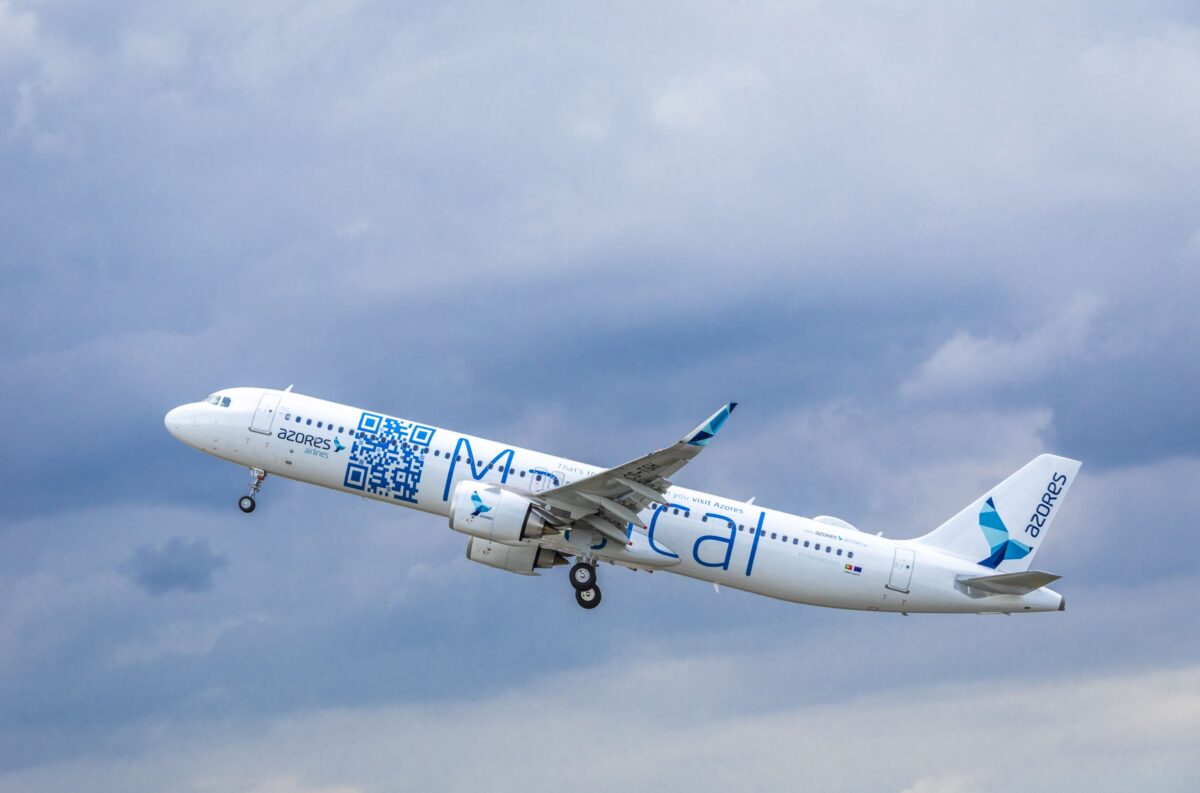
The consortium behind the Terminal One project announced Thursday that Azores will operate its nonstop flight to Ponta Delgada in the Azores islands from the new facility.
“Joining the new Terminal One is an important milestone for Azores Airlines and for the communities we serve,” Rui Miguel Furtado Coutinho, president of Azores parent company SATA Group, said in a news release. “The Azores have long been a bridge across the Atlantic, and this partnership allows us to strengthen that bridge with a state‑of‑the‑art home at JFK.”
The new Terminal One is part of a broader $19 billion transformation project at JFK launched by the Port Authority of New York and New Jersey. The new facility will have 23 gates, departures and arrivals halls, and retail and dining space. The first 14 gates are scheduled to open next year, and airport officials expect the entire terminal will be complete by 2030.
A number of international airlines have already committed to gates at the new Terminal One, including Air France, KLM, Korean Air, Etihad, China Airlines, Turkish Airlines, and Air New Zealand.
Azores connects its namesake islands with the U.S., mainland Portugal, Spain, France, Germany, Cape Verde, and Canada. Its only other destination in the U.S. is Boston.
Zach Vasile is a writer and editor covering news in all aspects of commercial aviation. He has reported for and contributed to the Manchester Journal Inquirer, the Hartford Business Journal, the Charlotte Observer, and the Washington Examiner, with his area of focus being the intersection of business and government policy.
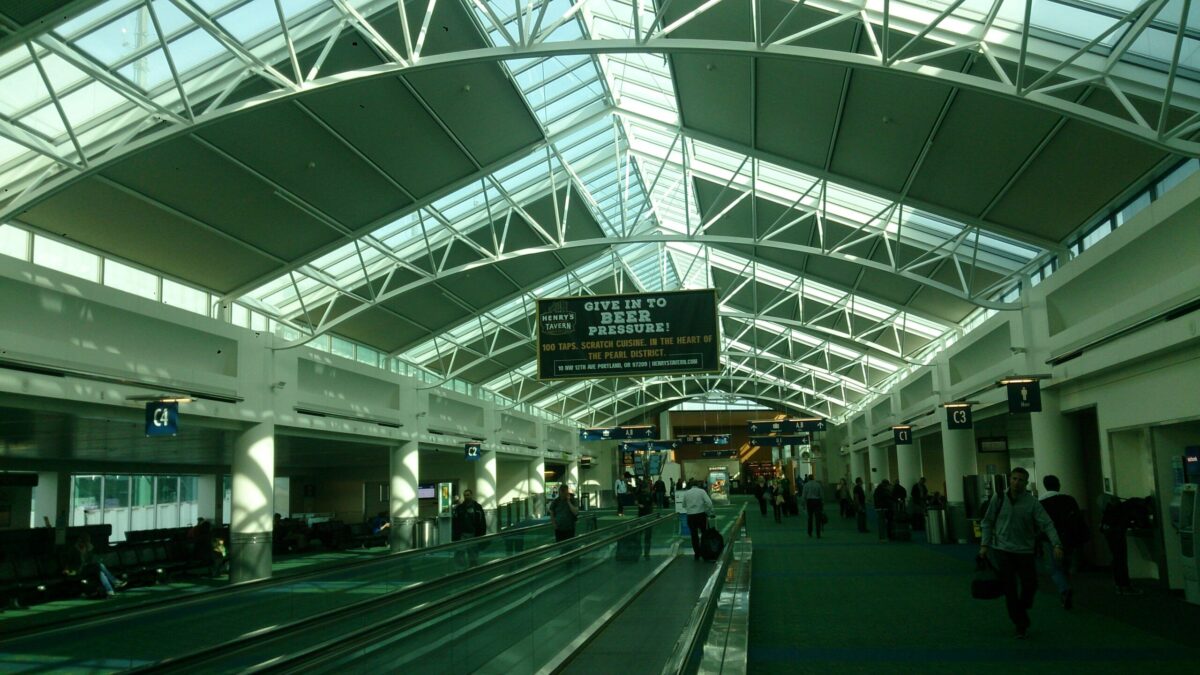
Philadelphia Airport (Photo: Unsplash - CC0 License)
Philadelphia Airport is expanding its capacity with its new capital development program. The idea is to add new terminals, gates, and cargo facilities so that the airport can act as more of a regional hub.
In this post, we look at some of the reasons why Philadelphia Airport should continue to expand and develop what it offers to the region.
Passenger traffic is increasing
Passenger traffic is increasing in the Philia area, and estimates suggest that around 31 million passengers pass through the terminal in 2024. This isn’t quite as high as the peak in 2019, but experts believe the airport will need an additional 20 gates by 2040, so the work needs to begin now.
Big events are coming to Philadelphia in the future
At the same time, a large number of major events are coming to Philadelphia in the future. For example, next year there will be the FIFA World Cup matches, and then the MLB All-Star Games, and the nation’s 250th anniversary celebrations will occur. This will mean that the airport will need upgrades to things like its roadways around the facility, waiting areas, and the signposts it uses internally to direct passengers where to go. It may also need aesthetic improvements in major lobbies and lounges to meet international standards.
Growing interest in residential accommodation in the city
There’s also a growing interest in residential accommodation in the city. More people than ever are looking to travel to the area or stay there to work long-term or professionally. A ROOST Philadelphia’s one-bedroom apartment with a den is an affordable option for individuals who don’t want to lock-in to a long-term contract.
More international and long-haul flights
Philadelphia is also becoming more like New York and Washington in the sense that it has more international long-haul flights. It used to simply be a regional hub but now people from all over the world want to travel to the city for business and pleasure purposes. Philadelphia is becoming more famous and branded, a little bit like Atlanta.
Better passenger experience
There’s also the fact that the airport expansion would provide a better passenger experience. The last time there were serious renovations in Philadelphia airport was 2012, and as a hub it’s starting to look a bit dated. Modernization would bring it up to international standards and help to reduce congestion around the airport which causes passengers a lot of stress and makes it difficult for them to catch their flights on time. It would also make the airport more competitive with local rivals, so more airlines are willing to use it.
Improved economy for the region
Finally, expanding Philadelphia Airport may improve the economy in the region. Philadelphia as a whole is one of the most deprived cities in the USA, so any infrastructure or expansion could improve the lives of people living locally. It’s not a panacea, but it could make a big difference and perhaps help the area capture more of the domestic $53 billion freight market.
AirlineGeeks.com was founded in February 2013 as a one-person blog in Washington D.C. Since then, we’ve grown to have 25+ active team members scattered across the globe. We are all here for the same reason: we love deep-diving into the fascinating realm of the airline industry.
The finished lounge will cover more than 10,000 square feet, the carrier said, and add approximately 50% more seating. The airline plans to incorporate design elements inspired by Washington, D.C., though it did not give specific details about planned features or amenities.
The space will feature airside views of the U.S. Capitol and the Washington Monument.
Construction is expected to begin in early 2026.
American has three lounges at Washington National, the others being in Concourse C and Concourse E. The lounge in Concourse E was refurbished in 2022.
The two other lounges will accommodate American passengers while the Admirals Club in Concourse D is temporarily closed.
“We’re proud to serve the Washington, D.C., market, and it’s essential that we have the lounge footprint to support all of our customers in this important hub,” Heather Garboden, American’s chief customer officer, said in a statement. “The redesigned Admirals Club lounge will provide ample seating, an upscale design, and elevated amenities that reflect the premium experience our customers deserve.”
American operates more than 255 peak daily flights out of Washington National.
Zach Vasile is a writer and editor covering news in all aspects of commercial aviation. He has reported for and contributed to the Manchester Journal Inquirer, the Hartford Business Journal, the Charlotte Observer, and the Washington Examiner, with his area of focus being the intersection of business and government policy.
JSX Plans More Turboprop Routes
Additional ATR flights will launch early next year.
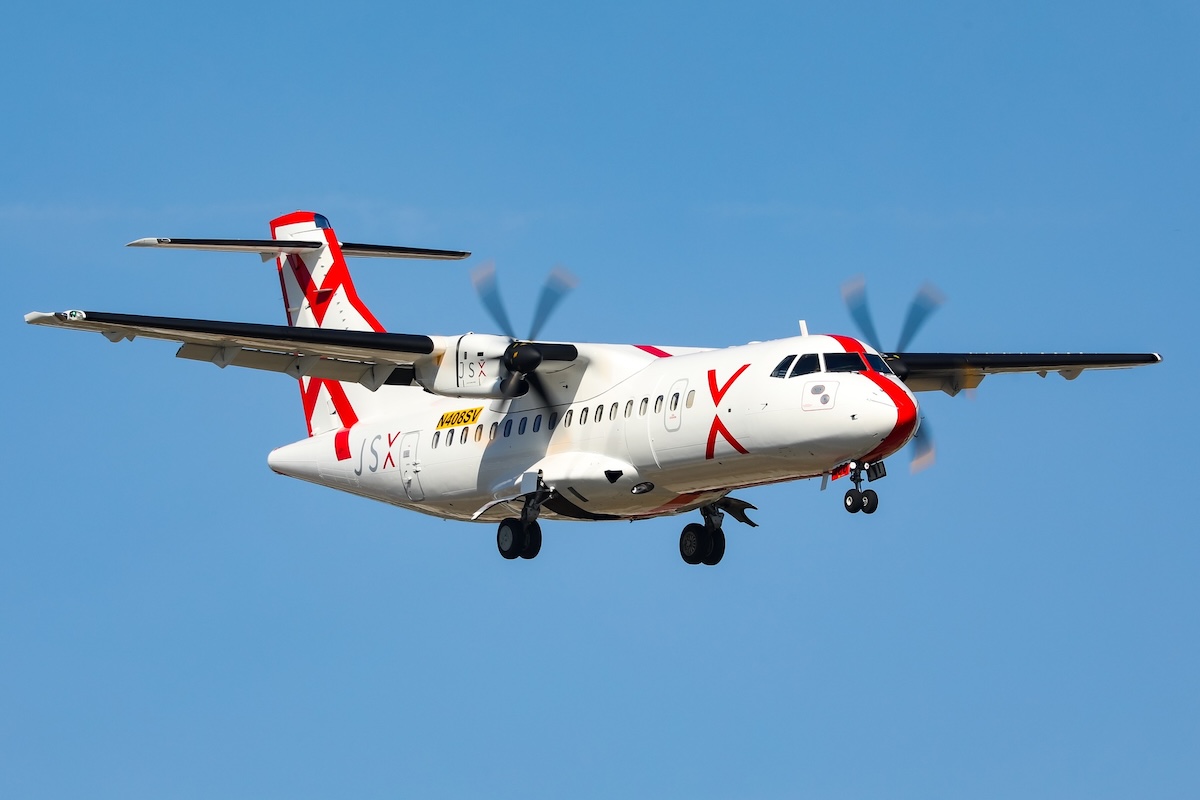
JSX's first ATR 42 on approach to Dallas Love Field (Photo: Adam Baker)
JSX announced Thursday an expansion of its new ATR turboprop operations from Southern California.
The public charter carrier will launch daily nonstop service between Santa Monica, California, and Scottsdale Airport in Arizona starting Jan. 22. Alongside the new route, JSX will increase service between Santa Monica and Las Vegas to twice-daily flights, with a further expansion to three daily roundtrips beginning Feb. 5.
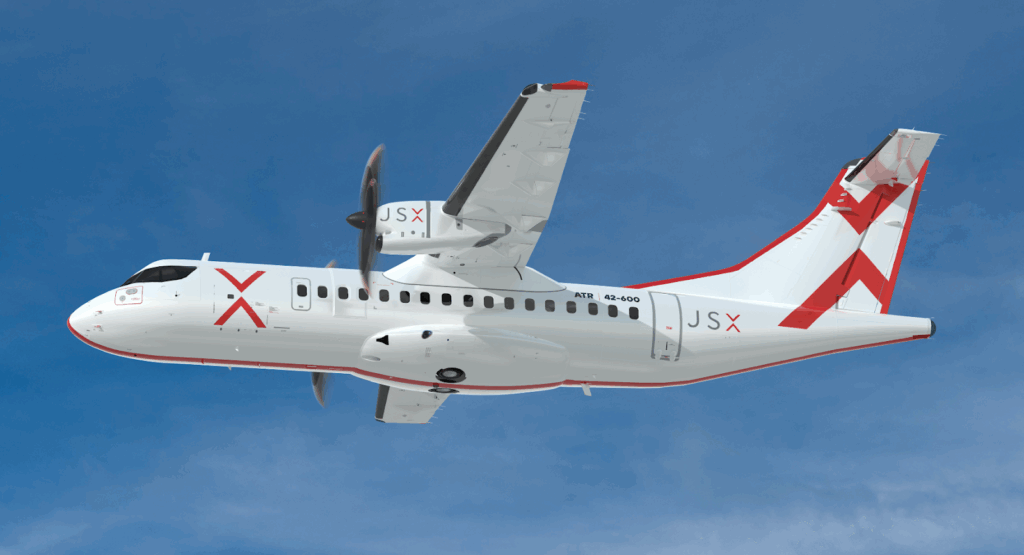
All Santa Monica flights will be operated with JSX’s ATR 42-600 turboprop aircraft, configured with 30 seats. The aircraft are part of the carrier’s broader effort to deploy turboprops on short-haul regional routes, allowing access to airports with shorter runways.
The turboprop fleet joins JSX’s Embraer E135 and E145 jets, which have traditionally formed the backbone of its operations.
The expansion comes as Santa Monica Airport remains on track to close at the end of 2028 under long-standing city plans and a federal consent decree. City officials have reiterated that all aviation activity at the airport must cease by Dec. 31, 2028, after which the property is slated for redevelopment into parks, open space, and other community uses.
Onboard, customers flying on JSX’s ATR aircraft receive business-class legroom, complimentary beverages, and in-seat personal device charging. The carrier also plans to introduce fast and free Starlink Wi-Fi across its ATR fleet during the first quarter of 2026, pending certification.
“Expanding our Santa Monica service is a direct response to strong demand for smarter, more seamless regional travel,” JSX CEO Alex Wilcox said in a news release. “With increased service to Las Vegas and new nonstop access to Scottsdale, JSX continues to redefine what short-haul flying can feel like.”
Ryan founded AirlineGeeks.com in February 2013 and has spent more than a decade covering the airline business. His work has been featured by CNN, WJLA, CNET, and Business Insider. His aviation experience spans airport operations, Part 135 regulatory compliance, and airline crew workforce planning, along with time behind the yoke of a Cessna 172 and interviews with airline executives. Ryan now serves as Group President of Firecrown Media’s Aviation Group. He holds a B.S. in Air Transportation Management and an MBA from Arizona State University and teaches Airline Management at Embry-Riddle Aeronautical University.
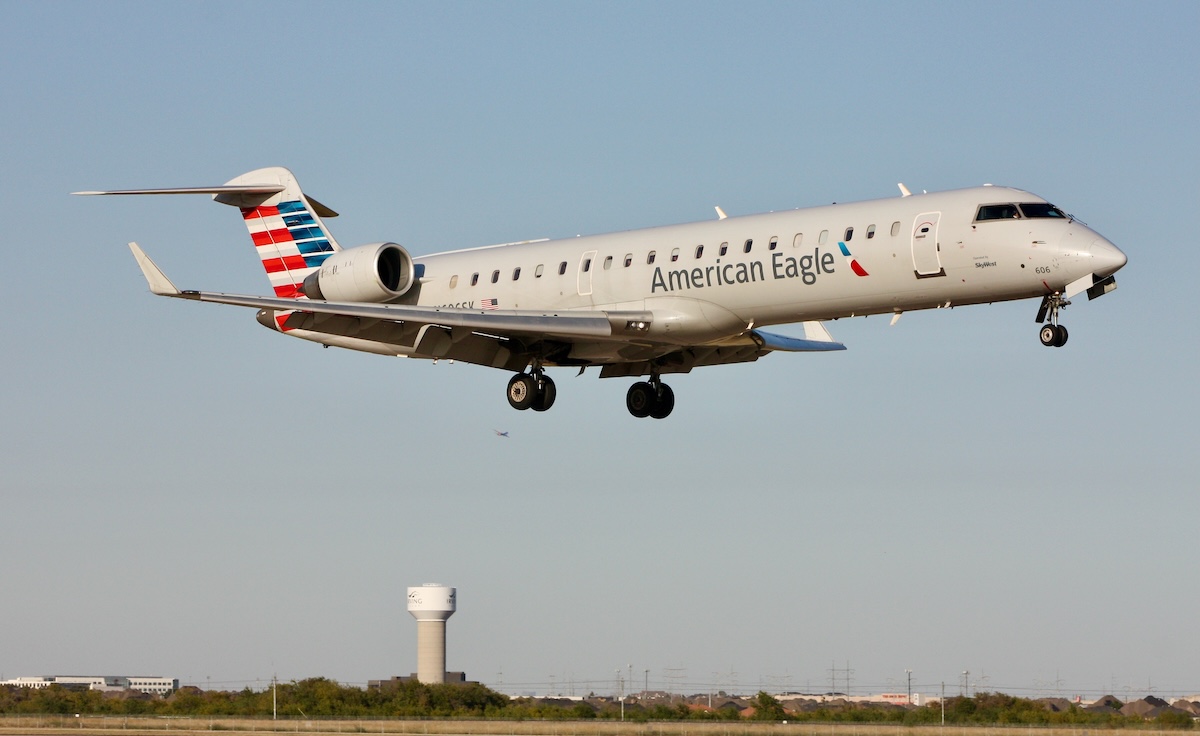
An American Eagle CRJ-700. (Photo: Shutterstock | Austin Deppe)
American Airlines is planning a domestic network expansion for summer 2026 with the addition of 15 routes, a mix of year-round and seasonal connections.
The expansion includes new service to Lincoln, Nebraska, which will become American’s 240th domestic destination.
Beginning June 4, 2026, the airline will launch daily CRJ-700 service from Chicago to Lincoln, while Dallas/Fort Worth will gain twice-daily CRJ-700 flights to the city starting the same day. Phoenix will also see seasonal daily CRJ-700 service to Lincoln beginning in winter 2026.
In Chicago, American will add three new year-round routes. Daily CRJ-700 service to Erie, Pennsylvania, and daily Embraer 170 service to the Tri-Cities region of Tennessee will both begin May 21.
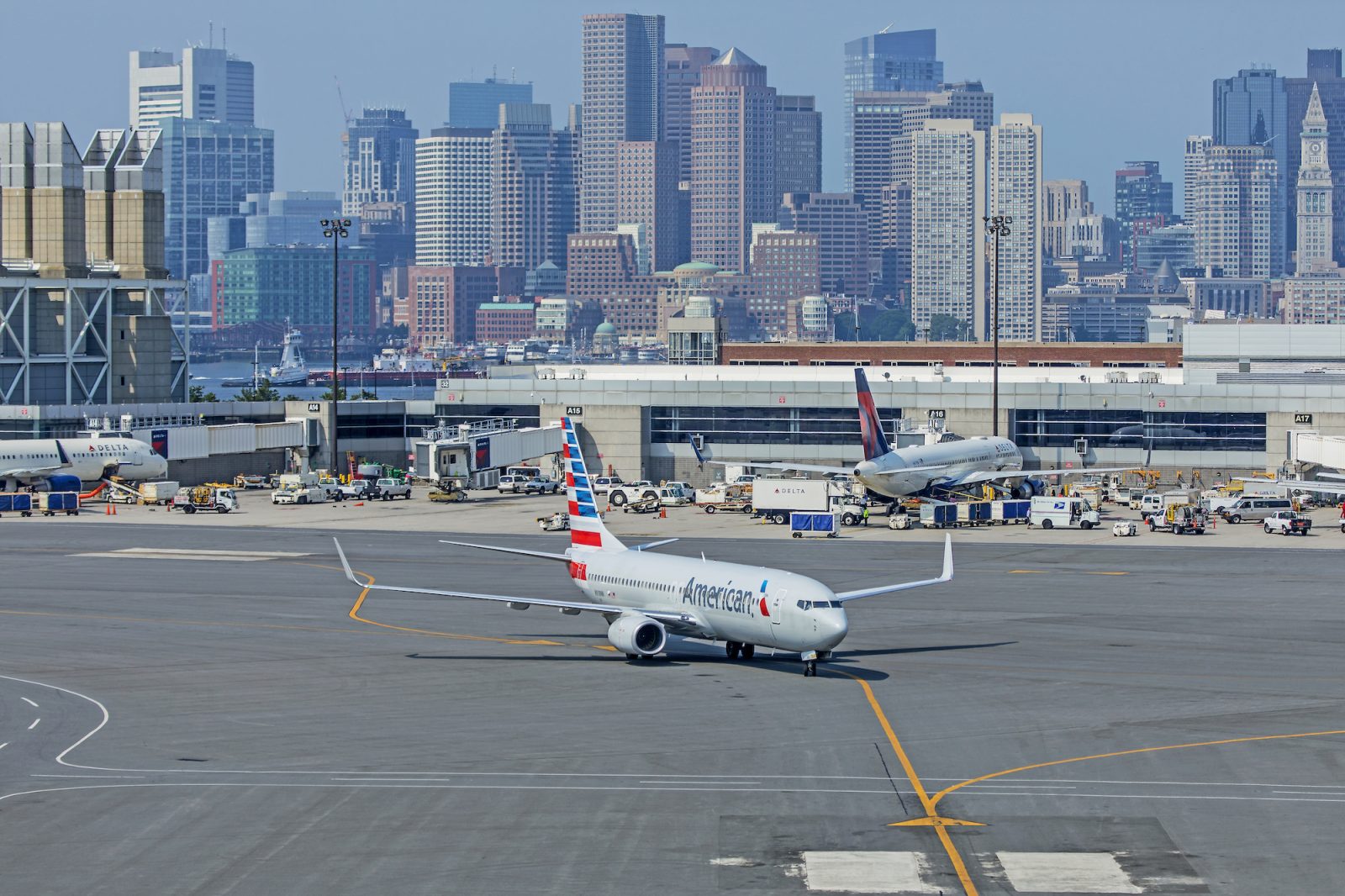
Boston will see two new routes starting June 18. American will launch year-round daily Embraer 175 service to Madison, Wisconsin, along with seasonal daily Embraer 175 flights to Nantucket, Massachusetts, operating through Sept. 8.
An American Airlines 737-800 taxiing at Boston Logan International Airport. (Photo: AirlineGeeks | William Derrickson)
From Charlotte, the airline will begin daily year-round Embraer 175 service to Columbia, Missouri, starting June 4.
Doubling Down in Phoenix
Phoenix will see the largest number of additions, with seven new routes planned. American will launch daily Embraer 175 service to Abilene and McAllen, Texas, as well as Rapid City, South Dakota, all beginning June 4.
The airline will also add seasonal daily Embraer 175 service to Bozeman, Montana, from June 4 through Sept. 8, along with twice-weekly CRJ-700 service to Kalispell, Montana, from June 19 through Sept. 6.
Additional routes include new daily CRJ-900 service from Dallas/Fort Worth to Roanoke, Virginia, beginning June 4. Miami will also gain seasonal service to Jackson, Mississippi, with once-weekly Saturday Embraer 175 flights operating from March 14 through Aug. 1.
Ryan founded AirlineGeeks.com in February 2013 and has spent more than a decade covering the airline business. His work has been featured by CNN, WJLA, CNET, and Business Insider. His aviation experience spans airport operations, Part 135 regulatory compliance, and airline crew workforce planning, along with time behind the yoke of a Cessna 172 and interviews with airline executives. Ryan now serves as Group President of Firecrown Media’s Aviation Group. He holds a B.S. in Air Transportation Management and an MBA from Arizona State University and teaches Airline Management at Embry-Riddle Aeronautical University.
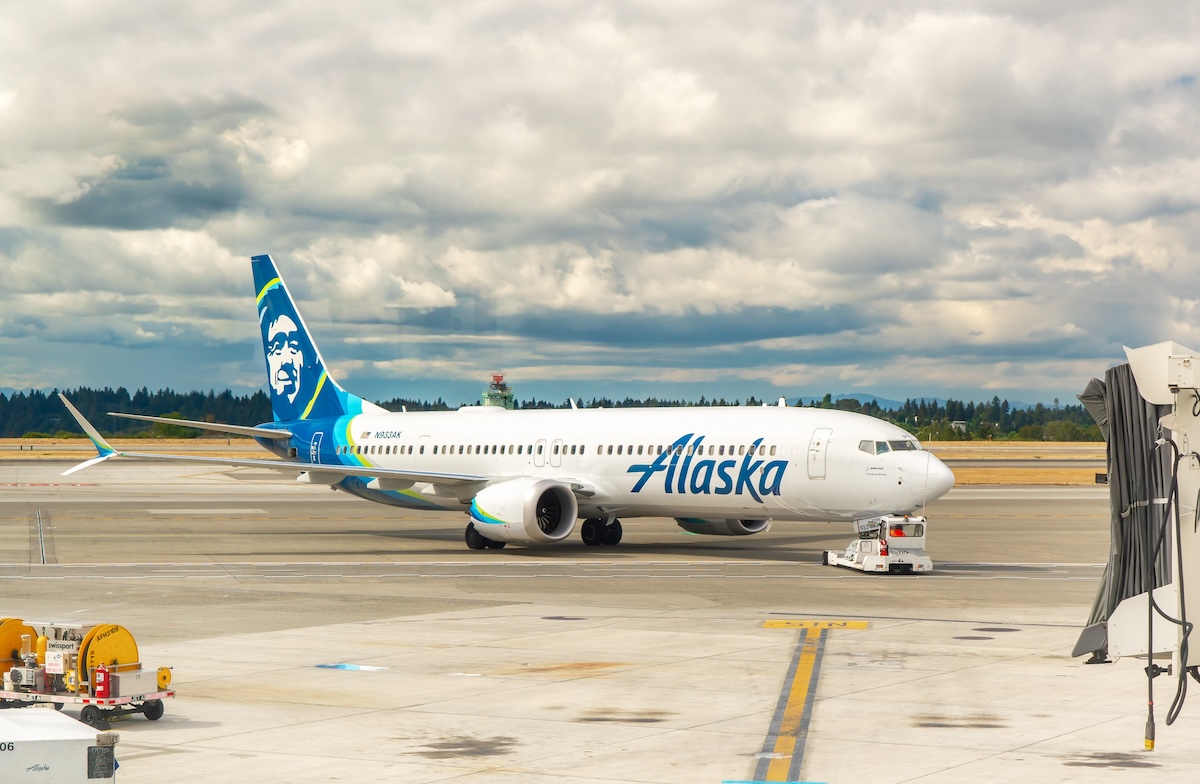
The carrier announced Thursday that it will connect Anchorage with Boise, Boston, and Spokane, Washington, and Portland, Oregon, with Bellingham, Everett/Paine Field, and Pasco in Washington, in addition to Jackson Hole, Wyoming.
The routes to Boise and Boston will use Boeing 737 aircraft, while the others will operate with Embraer E-175s. Anchorage-to-Boston will be one of the longest 737 routes in the U.S. at 3,383 miles.
The flights from Anchorage will start in June 2026 and run through mid-August to help travelers from across the U.S. reach Alaska during the summer tourism season, airline officials said. The Boise and Spokane routes will operate twice a week, while the Boston route will operate weekly.
Alaska also said it will add a second weekly flight between Anchorage and Sacramento and San Diego in the summer of 2026.
Service from Portland to Bellingham, Everett, and Pasco will run year-round, while the connection to Jackson Hole will operate during the summer only. The Bellingham route starts in March, while the others are set to launch in June.
“Anchorage and Portland are essential airports to our guests and us in our growing global network,” Kirsten Amrine, Alaska’s vice president of revenue management and network planning, said in a statement. “The state of Alaska remains high on the wish list of travelers, especially in the summer months, and we’re excited to add new nonstops to get them there. Portland is not only a great city to visit, but we also offer convenient nonstop connections for those continuing their travel across our wide network.”
Alaska also said that its Portland-Fairbanks route, set to resume this summer, will operate using a 737.
Zach Vasile is a writer and editor covering news in all aspects of commercial aviation. He has reported for and contributed to the Manchester Journal Inquirer, the Hartford Business Journal, the Charlotte Observer, and the Washington Examiner, with his area of focus being the intersection of business and government policy.
Grounded: Tower Air
The New York-based airline found its niche with long-haul destinations and specialized charters but was undone by an aging fleet and poor maintenance practices.
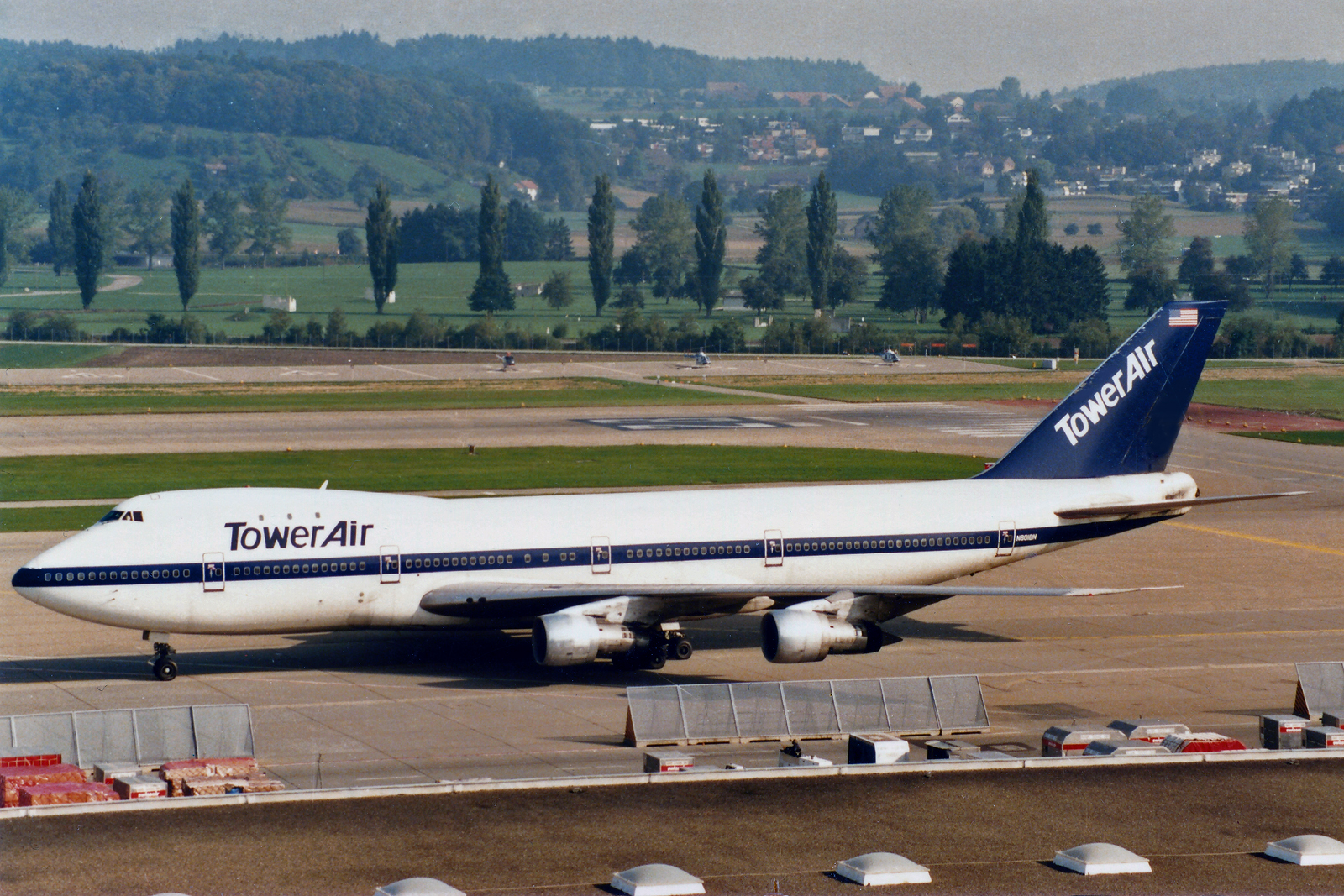
A Tower Air Boeing 747. (Photo: Kambui, CC BY 2.0 [https://creativecommons.org/licenses/by/2.0], via Wikimedia Commons)
Grounded is AirlineGeeks.com’s look back at airlines that once shaped the industry but no longer take to the skies. Each story revisits a carrier that influenced routes, fleets, or fares—and explores what ultimately led to its final descent.
In the 1980s and ‘90s, Tower Air seemed to have its hands in every niche market in commercial flying. It operated flights for the U.S. military, tapped into then-marginal markets like Tel Aviv and New Delhi, and ferried pilgrims to Mecca for the hajj.
Holding Tower’s business model together was an obsession with efficiency and cost control. The airline used older Boeing 747s, eschewed first class, and outsourced bookings to local travel agencies. Routes that did not immediately prove their profitability were cut. Schedules and markets were constantly reevaluated to keep finances in the black.
Tower’s relentless mission to cut costs, however, ultimately undermined its operations. The shoddy state of its airplanes and bare-bones service hurt its reputation with the flying public, and a non-fatal crash in 1995 only increased concerns. Growing scrutiny from regulators led to the loss of its military contracts, and in 2000, with the majority of its aging fleet grounded, Tower filed for bankruptcy and surrendered its air operator’s certificate.
Beginnings
Tower Air was the creation of Morris Nachtomi, an Israeli-American pilot who formerly worked for El Al. Nachtomi led the short-lived passenger operation at Flying Tiger Line, known as Metro International Airways, and when that business folded, he started Tower essentially as a replacement. He purchased the “Tower” name from Tower Travel Corporation, a travel agency that provided packaged tours of destinations in Israel and Western Europe.
Tower Air began operating charter and regular scheduled flights from New York-JFK in 1983 using a small fleet of Boeing 747 aircraft. Its first and main destination was Israel, Nachtomi’s home country, but the carrier eventually expanded to markets such as Paris, Brussels, and São Paulo.
Nachtomi and his partners guided the airline to profitability by keeping costs as low as possible. They scheduled flights to avoid rush hours, opted for less expensive airports (such as Orly in Paris), and immediately dropped money-losing routes.
Part of that cost-saving strategy involved operating flights less frequently than other airlines. Most of the carrier’s routes only operated once a day, or a few times per week. This made Tower Air inconvenient for certain customers, like business travelers, but the results spoke for themselves: in the early 1990s, Tower was able to offer New York-Paris fares at one-third the price of the major U.S. carriers.
1990s Heyday
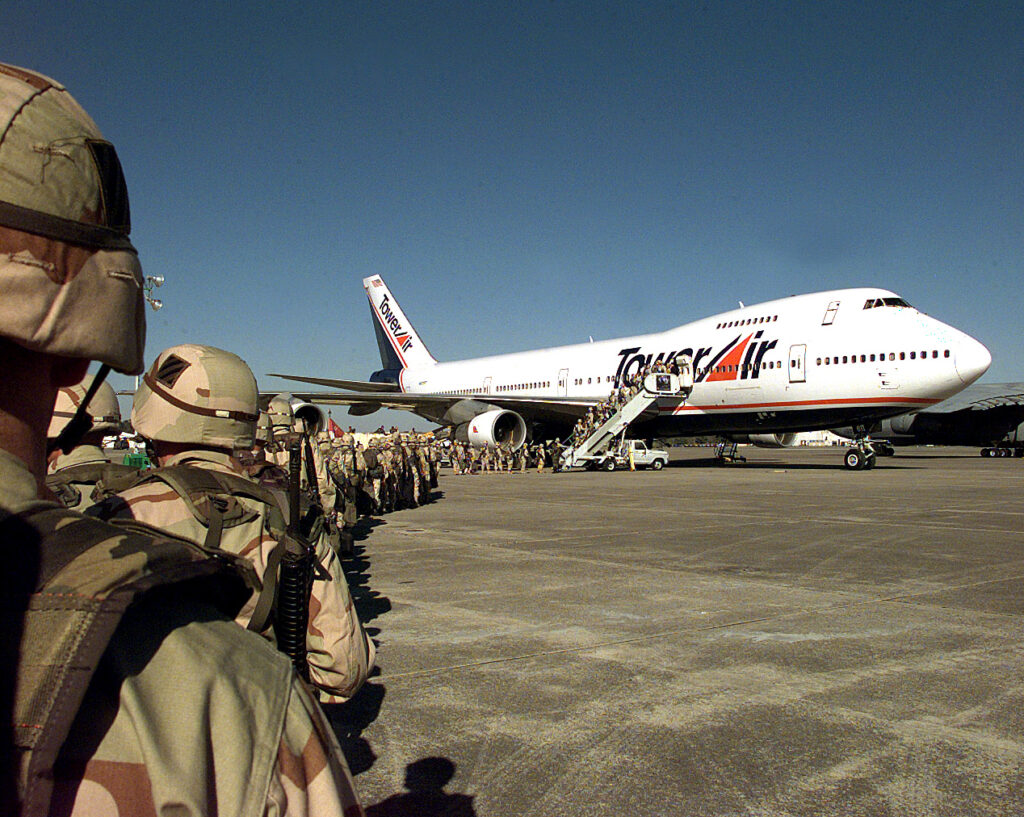
The Gulf War opened a new chapter for Tower Air. The carrier picked up contracts with the U.S. Defense Department to transport troops between the U.S. and foreign military bases. It also helped evacuate U.S. citizens from Tel Aviv on the otherwise empty return trips on military charters.
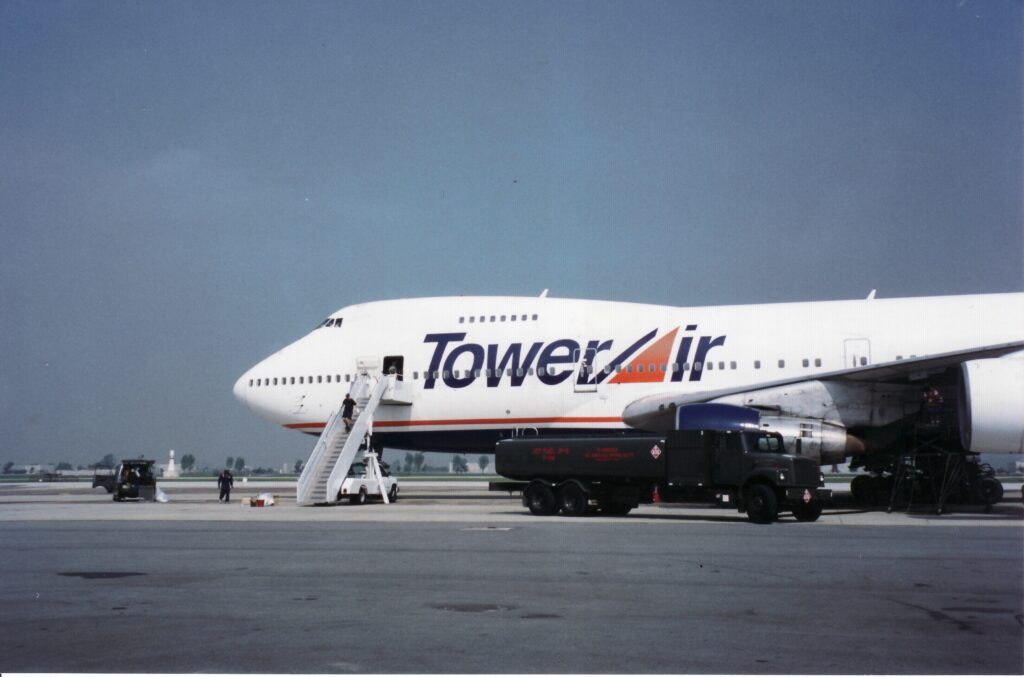
A Tower Air 747. (Photo: Titelmadchen at en.wikipedia, Public domain, via Wikimedia Commons)
Business from the Defense Department and cargo operations boosted Tower Air’s bottom line and helped fuel investment in the airline’s network and infrastructure. The carrier broadened its reach, starting flights to countries like Ireland, India, Germany, and Greece, and leased two buildings at JFK, which served as its dedicated passenger terminal and corporate headquarters.
By 1993, Tower Air was the third-busiest airline at its home airport, a significant achievement considering the highly competitive market.
Another important revenue stream in this period was chartered service to Mecca during the hajj. The carrier transported tens of thousands of Muslim pilgrims to and from Saudi Arabia each year in partnership with Air India and Garuda Indonesia. The annual trips became integral to Tower’s earnings, and it booked hajj charter flights through 2001 – a year it would not survive long enough to see.
Crash, Complaints, and Shutdown
On Dec. 20, 1995, Tower Air Flight 41 veered off the runway while attempting to take off from JFK. All 468 people on board survived, but 25 were injured, and the aircraft itself was too badly damaged to be repaired and returned to service. A subsequent NTSB investigation linked the accident to a pilot’s error.
While hardly catastrophic in itself, the crash reinforced the growing perception that Tower Air’s service and product were unreliable and low quality. Customers spotted signs of deferred maintenance, like torn seats and speed tape, and it did not improve their confidence. According to one account, by the mid-1990s, Tower Air was receiving 10 times as many complaints from passengers as its competitors.
Another crash, this time at ValuJet, blackened Tower Air’s brand by association. Flight 592 crashed into the Florida Everglades after taking off from Miami, killing all 110 people on board. Though Tower had nothing to do with the flight, the accident cast suspicion on all low-cost airlines. Customers began to steer away from budget operators, a choice made easier as major airlines continued to drop their prices through the late 1990s.
In a 1996 interview with The New York Times, Nachtomi called his company a victim of the ValuJet crash.
Soldiers line up to board a Tower Air charter aircraft at Hunter Army Air Field, Georgia, for deployment to the Persian Gulf region in 1998. (Photo: Staff Sgt. David W. Richards, U.S. Air Force, Public domain, via Wikimedia Commons)
At the same time, the airline reportedly lost some of its famous financial discipline. According to lawsuits filed after the carrier’s collapse, Tower maintained some routes that never made money because Nachtomi personally insisted they remain up and running. The lawsuits also claimed that Tower’s Tel Aviv office kept a separate set of books, making it impossible for executives in New York to properly audit them.
Maintenance problems also worsened in Tower’s final years. The 747s were showing their age, and engines began to break down. Rather than buy or lease new engines, the airline opted to cannibalize its own jets, which gradually took more and more airplanes out of service. News outlets picked up on Tower’s maintenance crisis, and it came to light that 24-year-old Guy Nachtomi, the son of Morris Nachtomi, had for a time been placed in charge of day-to-day operations at the carrier despite his lack of experience in the industry. The younger Nachtomi departed Tower in 1998.
By 2000, the majority of Tower Air’s 747 fleet was out of service, and it had shrunk its network to New York, Tel Aviv, Miami, and San Juan, Puerto Rico. It filed for bankruptcy later that same year and surrendered its FAA certification.
Little remains of Tower Air today, though its subpar service is memorialized – and often mocked – on internet aviation enthusiast forums.
Zach Vasile is a writer and editor covering news in all aspects of commercial aviation. He has reported for and contributed to the Manchester Journal Inquirer, the Hartford Business Journal, the Charlotte Observer, and the Washington Examiner, with his area of focus being the intersection of business and government policy.
Longtime Delta President to Retire
Glen Hauenstein is credited with expanding the carrier’s international reach.
In a memo to employees, CEO Ed Bastian said Hauenstein will retire effective Feb. 28, 2026, and continue as a strategic consultant until the end of the year.
“Glen’s vision and strategic mindset have been essential in transforming Delta into the leading global airline we are today,” Bastian said.
Joe Esposito, who works closely with Hauenstein, will take over network planning, revenue management, sales, and loyalty programs as executive vice president and COO.
Delta President Glen Hauenstein (Photo: Delta)
Hauenstein joined Delta in 2005. He previously worked for Continental and Alitalia.
Bastian credited Hauenstein with leading Delta’s transformation from a primarily domestic operator to a global airline with a presence on six continents. He was also instrumental in securing joint ventures with partners like Virgin Atlantic, Air France-KLM, LATAM, and Korean Air.
“His impact on Delta, and the industry overall, cannot be overstated,” Bastian said.
“I’m incredibly grateful for the opportunity to serve the people and customers of Delta over the past two decades,” Hauenstein said in a news release. “I want to thank my team members, colleagues, and the entire Delta family for their support and dedication to our shared goal of building the world’s greatest airline. I’m excited to see us embark into our next century under Joe’s leadership.”
Esposito has worked at Delta since 1990. He currently serves as Delta’s senior vice president of network planning, pricing, and revenue management.
Zach Vasile is a writer and editor covering news in all aspects of commercial aviation. He has reported for and contributed to the Manchester Journal Inquirer, the Hartford Business Journal, the Charlotte Observer, and the Washington Examiner, with his area of focus being the intersection of business and government policy.
Southwest Signs Interline Deal With Turkish Airlines
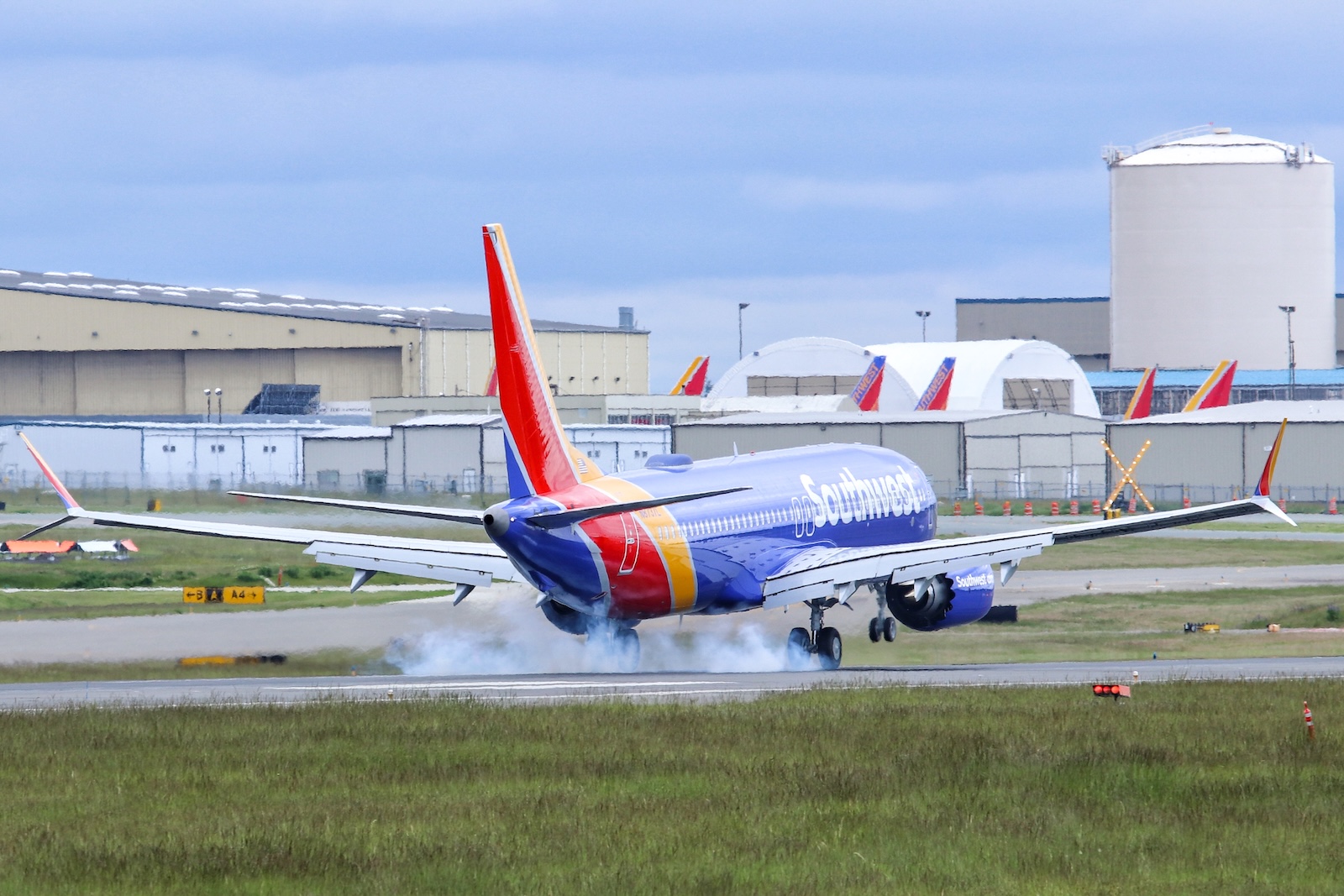
A Southwest Boeing 737 MAX 8 (Photo: AirlineGeeks | Katie Zera)
Southwest continued its spree of interline deal signings this week with a new partnership with Turkish Airlines.
Starting in January 2026, passengers will be able to book connecting Southwest and Turkish flights with a single ticket, the carrier said Wednesday.
Turkish Airlines flies to 10 U.S. cities served by Southwest, and those destinations will serve as gateways under the interline deal. Southwest did not name those locations, but based on the carriers’ route maps, they appear to be Boston, Washington Dulles, Atlanta, Miami, Detroit, Chicago O’Hare, Denver, Los Angeles, San Francisco, and Seattle.
“Both Southwest and Turkish Airlines are known for the warmth of our employees, the authenticity of our hospitality, and the reliability of our airline operations,” Southwest COO Andrew Watterson said in a news release. “We’re grateful for this new relationship that will usher thousands of international travelers each week through experiences around the globe that showcase the best of both carriers and globally enhance awareness of the Southwest brand.”
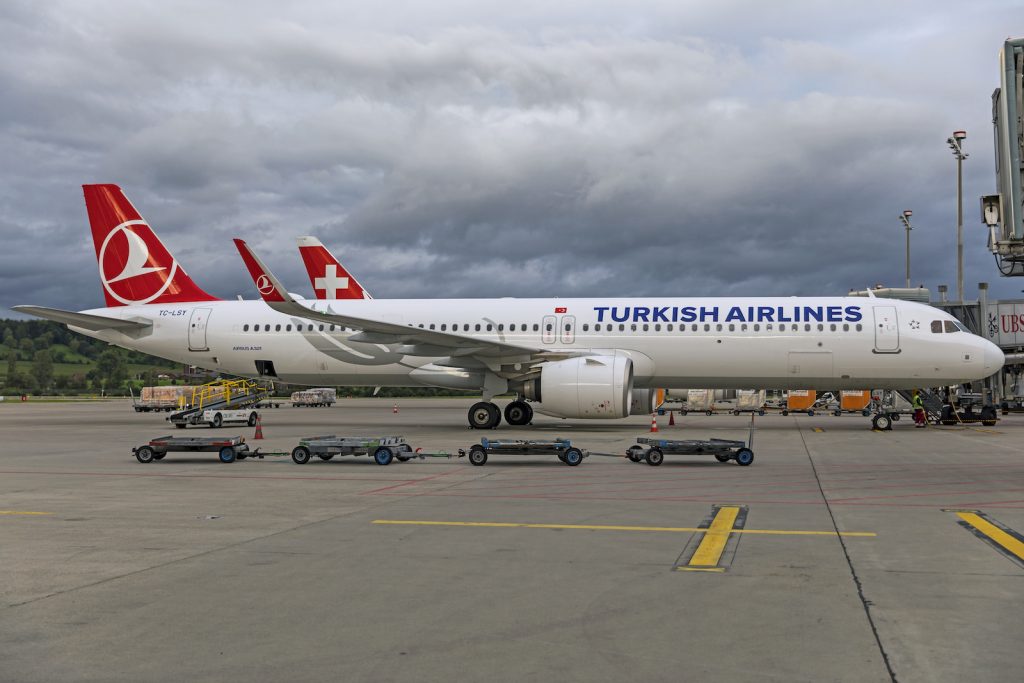
A Turkish A321neo aircraft. (Photo: AirlineGeeks | William Derrickson)
Turkish Airlines has its main hub at Istanbul Airport and serves more than 350 destinations in 132 countries.
Southwest now has interline deals with six foreign airlines, all signed this year. Three of those agreements – with Turkish Airlines, Germany’s Condor, and Philippine Airlines – were announced in just the last two months.
Zach Vasile is a writer and editor covering news in all aspects of commercial aviation. He has reported for and contributed to the Manchester Journal Inquirer, the Hartford Business Journal, the Charlotte Observer, and the Washington Examiner, with his area of focus being the intersection of business and government policy.
Sign-up for newsletters & special offers!
Get the latest stories & special offers delivered directly to your inbox