A rendering of McKinney Airport's terminal. (Credit: City of McKinney)
A north Texas airport undergoing expansion to accommodate commercial flights has signed its first airline partner.
Local station WFAA reported Tuesday that the City of McKinney, which owns and operates McKinney National Airport, has finalized an airline use and lease agreement with ultra-low-cost carrier Avelo. The airline is the first to officially commit to McKinney.
The five-year agreement gives Avelo access to runways, taxiways, aircraft parking and maintenance areas, and terminal spaces such as check-in counters and boarding gates. It includes options for a five-year extension.
Avelo has not yet said when it will begin service from McKinney or what destinations it plans to fly to.
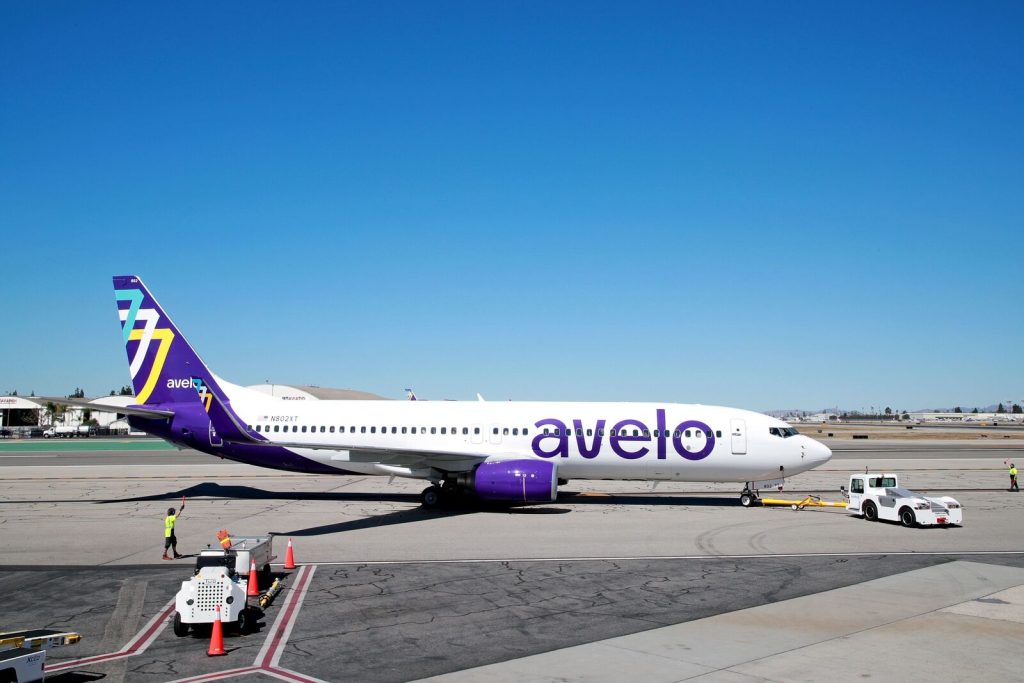
An Avelo Boeing 737 aircraft. (Photo: Avelo Airlines)
“We are very excited to be the launch airline at TKI,” Avelo CEO Andrew Levy told WFAA. “We believe that our everyday low fares, convenient and reliable service, combined with an easy-to-use, small airport, is a combination the residents of McKinney and North Texas will enthusiastically embrace.”
McKinney National Airport is located in Collin County, north of Dallas. Once the buildout at McKinney is complete, it will be the third major airport with scheduled passenger service in the region, behind Dallas/Fort Worth and Dallas Love Field.
Zach Vasile is a writer and editor covering news in all aspects of commercial aviation. He has reported for and contributed to the Manchester Journal Inquirer, the Hartford Business Journal, the Charlotte Observer, and the Washington Examiner, with his area of focus being the intersection of business and government policy.
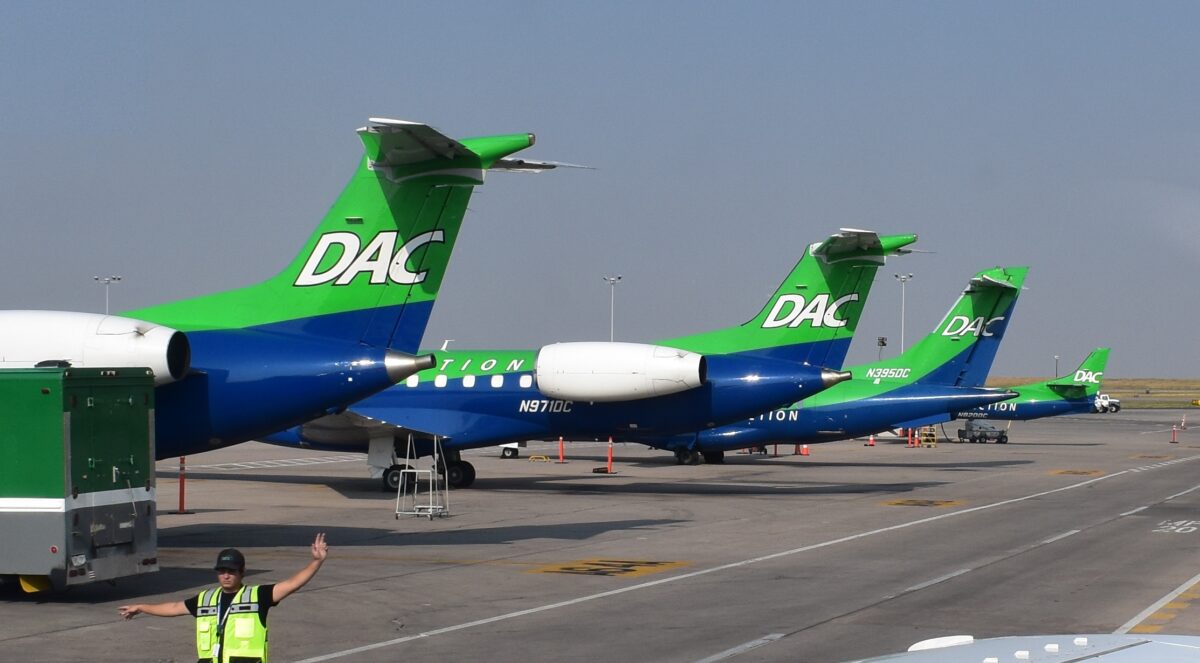
Denver Air Connection airplanes lined up in Denver. (Photo: AirlineGeeks | Joey Gerardi)
The city of Dubuque, Iowa, will once again be without scheduled commercial air service after Denver Air Connection confirmed it will end flights at Dubuque Regional Airport early next year.
The decision follows a recent vote by the Dubuque City Council to terminate its agreement with the airline, citing persistently low ridership and the cost of continuing to subsidize the service. Denver Air Connection has been the airport’s sole scheduled passenger carrier, operating daily flights to Chicago O’Hare since late 2024.
Dubuque is not an Essential Air Service community, meaning the flights were not supported by the federal government. Instead, the service relied on a locally backed minimum revenue guarantee designed to offset operating losses as the route matured. City officials have said passenger numbers failed to reach levels needed to make the service financially sustainable without continued public support.
Denver Air Connection in Muskegon (Photo: Variable Visuals / MKG Airport Facebook page)
“I can’t in good conscience vote to continue this service knowing that we are funding this straight out of our own pocket,” said Dubuque Mayor Brad Cavanagh, according to local news station KCRG.
In a statement provided to AirlineGeeks, a Denver Air Connection spokesperson thanked the city and airport leadership for their cooperation during the airline’s time in Dubuque.
“Denver Air Connection appreciates our partnership with the City of Dubuque and the dedicated efforts of Todd Dalsing and the entire airport team,” the spokesperson said.
The airline outlined refund procedures for affected passengers, noting that reservations booked directly with Denver Air Connection for flights after Jan. 15 have been canceled and will be refunded to the original form of payment.
“We are grateful for the community’s support over the past year and thank everyone who has flown with us,” the statement continued. “We will truly miss the familiar faces and relationships built at the Dubuque Regional Airport.”
With the end of Denver Air Connection’s service, Dubuque Regional Airport will have no scheduled commercial flights, marking another setback in the city’s efforts to restore consistent passenger air service after previous airline exits.
Ryan founded AirlineGeeks.com in February 2013 and has spent more than a decade covering the airline business. His work has been featured by CNN, WJLA, CNET, and Business Insider. His aviation experience spans airport operations, Part 135 regulatory compliance, and airline crew workforce planning, along with time behind the yoke of a Cessna 172 and interviews with airline executives. Ryan now serves as Group President of Firecrown Media’s Aviation Group. He holds a B.S. in Air Transportation Management and an MBA from Arizona State University and teaches Airline Management at Embry-Riddle Aeronautical University.
Citing unnamed sources with knowledge of the talks, the financial news outlet said a deal could be announced as soon as this month. Discussions are still ongoing as of this week, Bloomberg added, and could collapse without a final agreement.
Spirit, which is about four months into its second bankruptcy, recently hinted that a sale of some kind could be in the works. The airline said Monday that part of its latest financing draw would be tied to progress on its reorganization plan, or the completion of a “strategic transaction.” It did not elaborate on what a “strategic transaction” would look like.
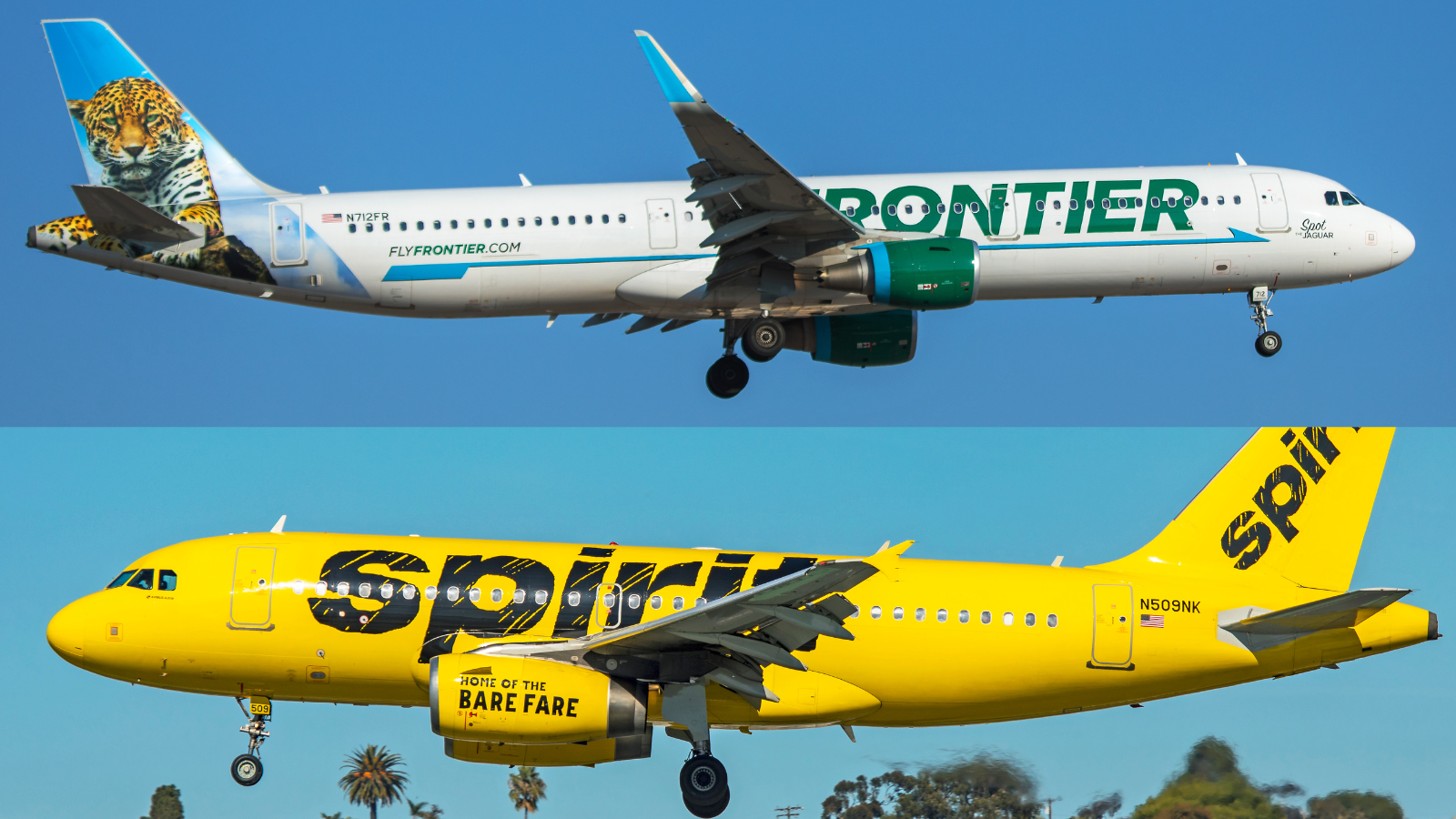
Spirit and Frontier, which both compete in the ultra-low-cost market, have discussed merging on at least three known occasions over the past three years.
In 2022, Frontier attempted to acquire Spirit, but Spirit’s shareholders rejected the offer. Two years later, in 2024, the carriers reportedly resumed discussions on a linkup, but no deal was reached. And in January, as Spirit prepared to emerge from its first stretch in bankruptcy, Frontier offered to buy the airline for about $2.1 billion in cash and stock, only to be rejected again.
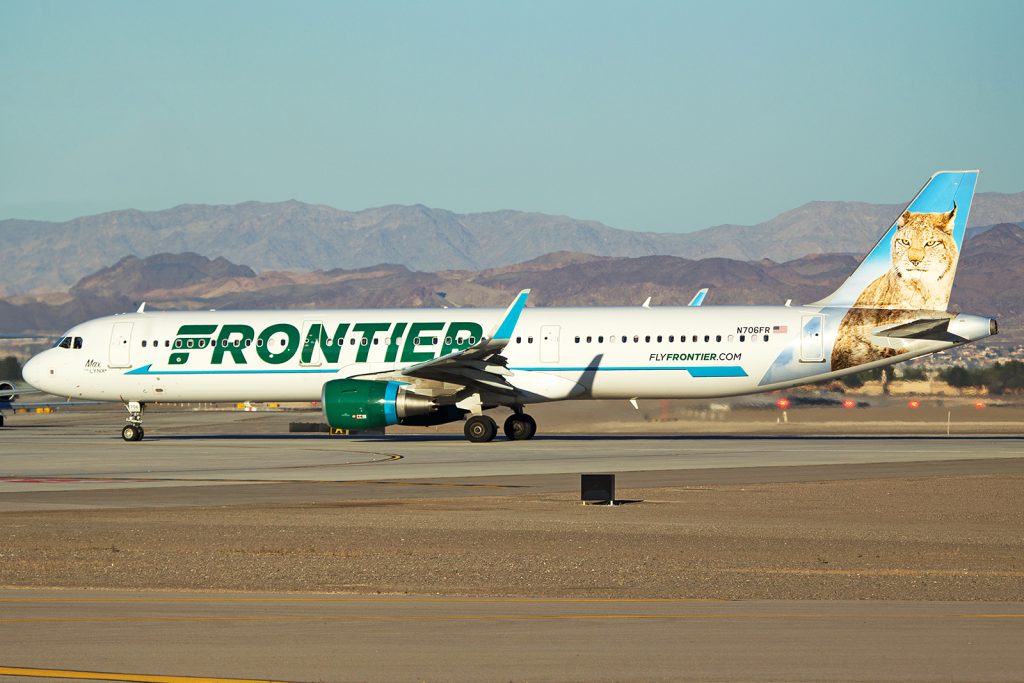
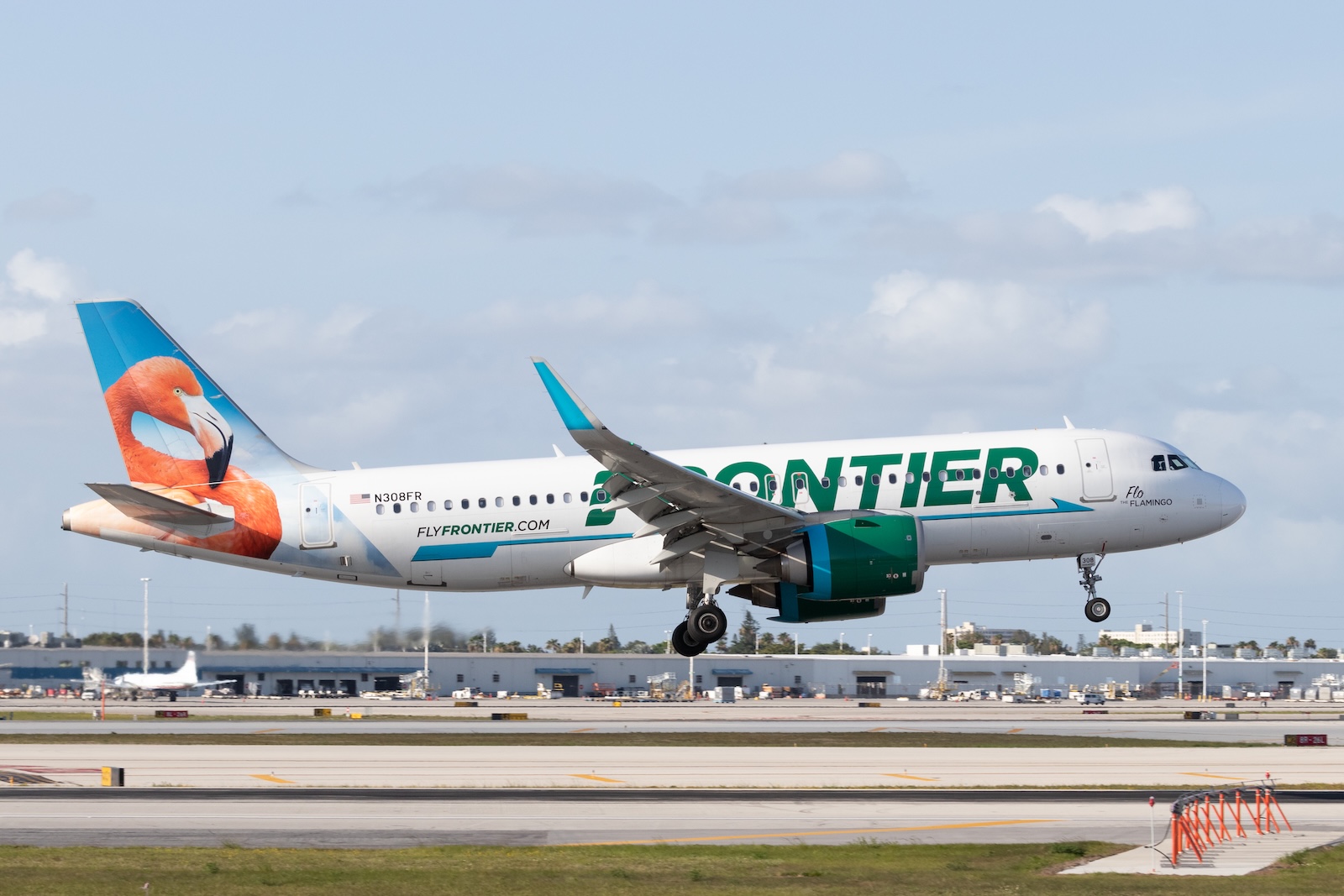
A Frontier A321 in Las Vegas (Photo: AirlineGeeks | William Derrickson)
Speaking at Skift’s Aviation Forum in Fort Worth, Texas, Neeleman suggested that the ultra-low-cost carrier model will likely not support both airlines operating independently.
In another piece of possibly connected news, Frontier on Monday announced the sudden departure of longtime CEO Barry Biffle. Biffle was a strong advocate for Frontier’s acquisition of Spirit, but he reportedly became more cautious about the idea over the last year as Spirit struggled financially and reentered bankruptcy protection.
Biffle was replaced by Frontier President James Dempsey, who will serve as interim CEO.
Zach Vasile is a writer and editor covering news in all aspects of commercial aviation. He has reported for and contributed to the Manchester Journal Inquirer, the Hartford Business Journal, the Charlotte Observer, and the Washington Examiner, with his area of focus being the intersection of business and government policy.
U.S. Airlines Expect Busiest Holiday Season Ever
Over 50 million people will fly between mid-December and early January, A4A predicts.
A4A estimates that around 52.6 million passengers will fly with a U.S. carrier between Dec. 19 and Jan. 5, 2026, a 1.5% increase from last year’s holiday period. To meet the demand, airlines are offering about 72,000 more seats per day than the 2024-25 season.
The trade group expects the busiest travel days to be Friday, Dec. 19; Saturday, Dec. 20; Sunday, Dec. 21; Friday, Dec. 26; and Sunday, Dec. 28. Wednesday, Dec. 24 (Christmas Eve); Thursday, Dec. 25 (Christmas Day); Wednesday, Dec. 31 (New Year’s Eve); and Thursday, Jan. 1 (New Year’s Day) are expected to be the lightest.
Airlines For America said its members are prepared for the rush.
“Another record holiday travel period is on the horizon, and U.S. airlines are ready to get you and your packages to destinations across the country and around the world,” A4A President and CEO Chris Sununu said in a statement. “We have more than one million men and women working across the industry to connect people and deliver presents to locations big and small.”
About 31 million people took a flight during the Thanksgiving travel period last month, setting a new record for the holiday. According to TSA data, Nov. 30, the Sunday following Thanksgiving, was the busiest travel day of the year so far, with 3.1 million passengers screened.
The surge in traffic came despite lingering concerns about the 43-day federal government shutdown, which was resolved just weeks before Thanksgiving Day. There were no significant air traffic control-related problems during the week, though some flights were held up or canceled due to repairs on Airbus A320-family aircraft.
Zach Vasile is a writer and editor covering news in all aspects of commercial aviation. He has reported for and contributed to the Manchester Journal Inquirer, the Hartford Business Journal, the Charlotte Observer, and the Washington Examiner, with his area of focus being the intersection of business and government policy.
Lufthansa Selling Pair of 747-8s, Retire Two 747-400s
The carrier says the first 747-8i will be handed over to a confidential buyer in January 2026 as part of its fleet renewal plan.
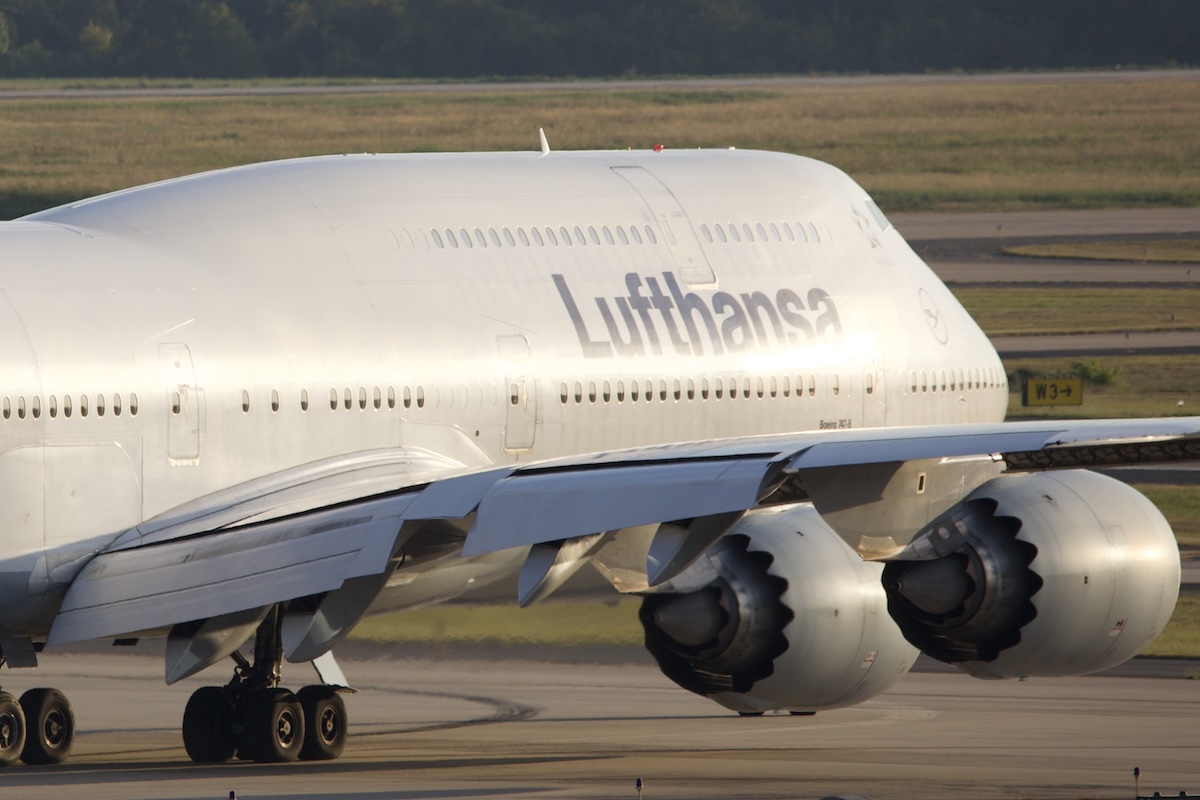
Lufthansa is planning to sell two Boeing 747-8 aircraft and phase out an additional two Boeing 747-400s from its scheduled operations next year, a spokesperson confirmed.
“As part of the Lufthansa Group’s strategy to modernize its fleet, we are continuously reviewing opportunities for early renewal of our fleet, particularly our four-engine aircraft,” the airline said in a statement shared with AirlineGeeks. “We will therefore continue the rollover of the 747 fleet next year, removing two 747-400 and two 747-8 aircraft from the scheduled fleet.”
The airline added that the two 747-8s “will be sold soon,” with the first aircraft scheduled to be handed over to a buyer in January 2026. Lufthansa said details of the transaction are subject to confidentiality.
Industry sources – including insider JonNYC – have speculated that the two 747-8s could be acquired by the U.S. Air Force, which has been evaluating used Boeing 747-8i aircraft as part of its effort to replace the aging VC-25A presidential fleet.
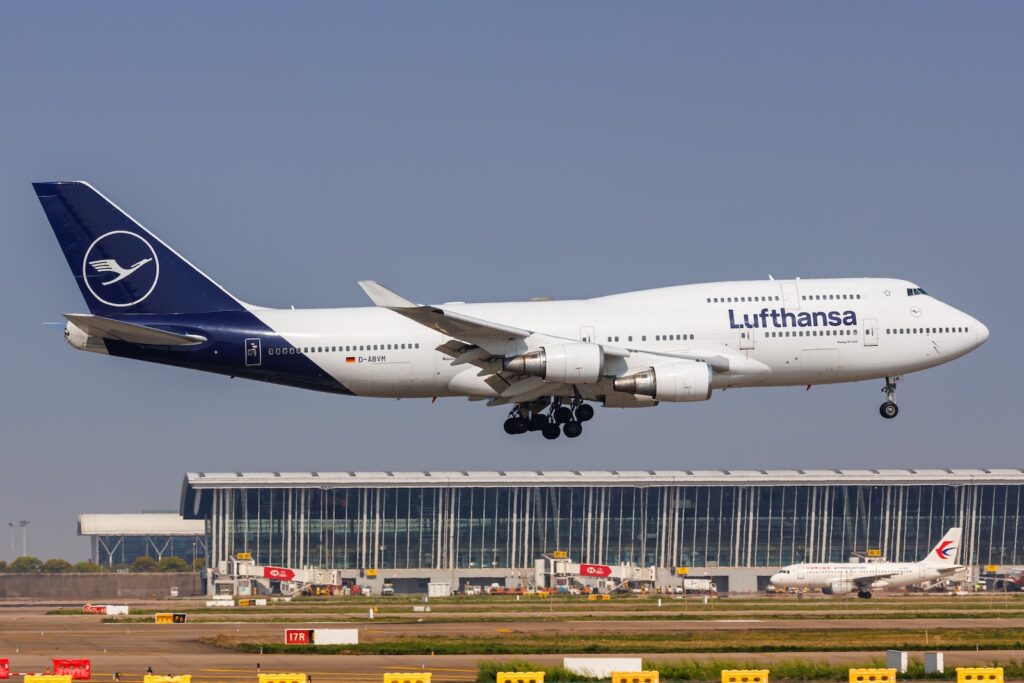
A Lufthansa Boeing 747-400 (Photo: Shutterstock | Markus Mainka)
The planned changes come as Lufthansa continues to induct newer widebody aircraft, including the Airbus A350 and Boeing 787, while it awaits the delayed entry into service of the Boeing 777X.
Ryan founded AirlineGeeks.com in February 2013 and has spent more than a decade covering the airline business. His work has been featured by CNN, WJLA, CNET, and Business Insider. His aviation experience spans airport operations, Part 135 regulatory compliance, and airline crew workforce planning, along with time behind the yoke of a Cessna 172 and interviews with airline executives. Ryan now serves as Group President of Firecrown Media’s Aviation Group. He holds a B.S. in Air Transportation Management and an MBA from Arizona State University and teaches Airline Management at Embry-Riddle Aeronautical University.
American Airlines expects its Airbus A321XLR fleet to play a meaningful role in expanding premium transcontinental flying, giving the carrier more flexibility to add routes and frequencies that are currently constrained by its limited Airbus A321T fleet.
Speaking during an interview with AirlineGeeks at an unveiling event for the new jet in New York, American’s senior vice president of network planning, Brian Znotins, said the small size of the A321T subfleet has historically limited American’s ability to grow its transcon network without making tradeoffs elsewhere.
“One of the real limitations of the A321T is we only have just over a dozen of them,” Znotins said. “If we want to grow frequency in JFK–L.A., then something else has to shrink. If we want to add a new destination, something has to shrink.”
First class seating on American Airlines’ A321T (Photo: Ryan Ewing)
The airline currently has 16 A321Ts in service, according to Cirium Fleet Analyzer data. The premium-heavy aircraft feature 10 first class seats, 20 in business, and 72 in economy. These aircraft will eventually be converted to American’s standard A321 configuration once more A321XLRs arrive.
Znotins said the A321XLR changes that dynamic by allowing American to expand its premium domestic footprint without reducing service in existing markets. He pointed to the airline’s launch of New York–Orange County, California, as an example of strong demand for premium-heavy transcontinental routes.
“We recently added JFK to Orange County, and that did really well for us,” he said. “It gives us the flexibility to say, ‘Would a second Orange County do well, or JFK–Seattle, or San Diego?’”
Znotins said the airline does not currently operate JFK–Seattle, for example, despite significant premium demand between the two markets. “There’s a lot of premium traffic that goes between those two,” he said, adding that San Diego is another market that could be well-suited to the aircraft.
According to Znotins, the A321XLR allows American to add routes or frequencies without reallocating aircraft from its existing transcontinental services. “It gives us the opportunity to offer the product to someone that we wouldn’t otherwise be able to,” he shared.
Remain Competitive
American’s near-term priority remains strengthening its current transcontinental portfolio before expanding into additional domestic markets. “Our priority is really to get the existing portfolio filled out and make sure our frequencies are competitive with the other guys,” Znotins continued.
Over the longer term, Znotins said American envisions growing both its premium transcontinental and transatlantic networks in parallel as more A321XLRs are delivered.
“Come 2027, 2028, I’d like to be able to be growing both Europe and the transcon flatbed franchise at the same time,” he said.
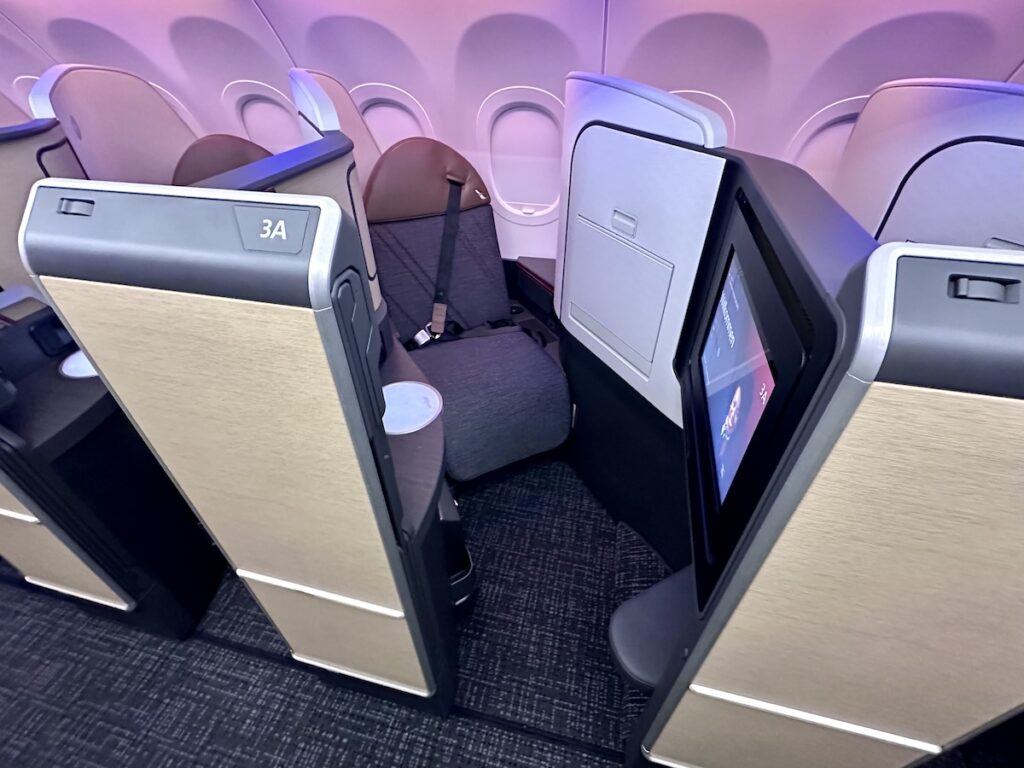
The carrier will launch A321XLR service on Thursday between New York-JFK and Los Angeles, before it starts connecting New York and Edinburgh next year. The new jet features 20 Flagship Suites, 12 premium economy seats, and 123 economy seats.
American’s Flagship Suites on the A321XLR (Photo: AirlineGeeks | Ryan Ewing)
During prepared remarks at the event, Znotins confirmed that replacing the airline’s aging A321T fleet is a priority for the A321XLR.
“First and foremost, we are going to be replacing our A321T fleet,” he said. “It’s pretty old, and we’re eager to get the best, brand-new product onboard our transcon services.”
The aircraft will initially operate premium transcontinental routes, including New York JFK–Los Angeles, JFK–San Francisco, JFK–Orange County, and Boston–Los Angeles, according to Znotins. He said the expanded fleet will also allow American to add new frequencies and destinations across its domestic premium network.
“By having an expanded fleet, we’ll be able to add new frequencies and new destinations,” Znotins said.
Range ‘No Longer an ‘Unknown’
Znotins also addressed early questions around the A321XLR’s range and performance, saying those concerns have largely been resolved as the aircraft has entered service with other carriers. He said American has held discussions with both Iberia and Aer Lingus, which are already operating the type.
“It’s no longer an unknown,” Znotins added. “Iberia has been flying it, and our partner Aer Lingus has been flying it, and we’ve talked with them.”
According to Znotins, those conversations have helped American better understand the aircraft’s real-world capabilities. “They’ve been giving us their experience with the airplane,” he said. “We feel like we’re honed in on what the range and the performance of the airplane is.”
While Znotins said American would prefer additional range, he emphasized that the airline now has confidence in the aircraft’s performance envelope. “We’d like it to be longer,” he said, “but we know what it is now, and we can make our plans accordingly.”
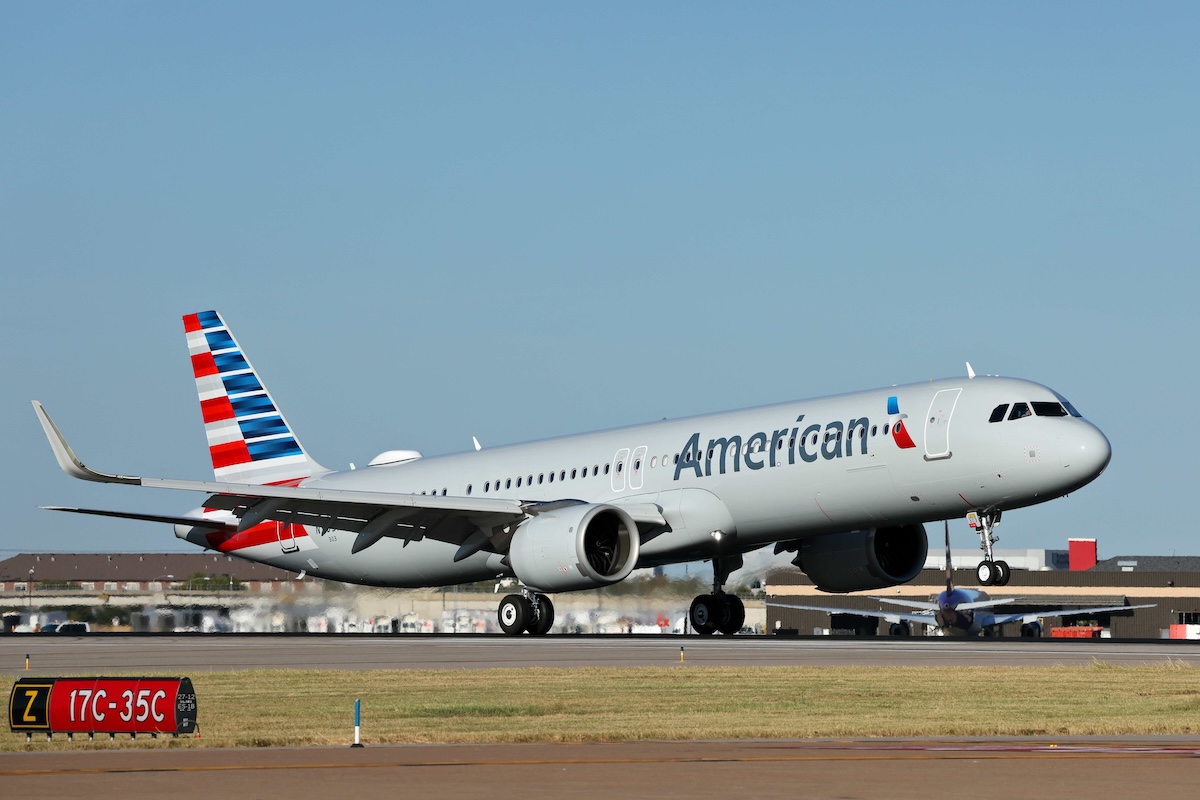
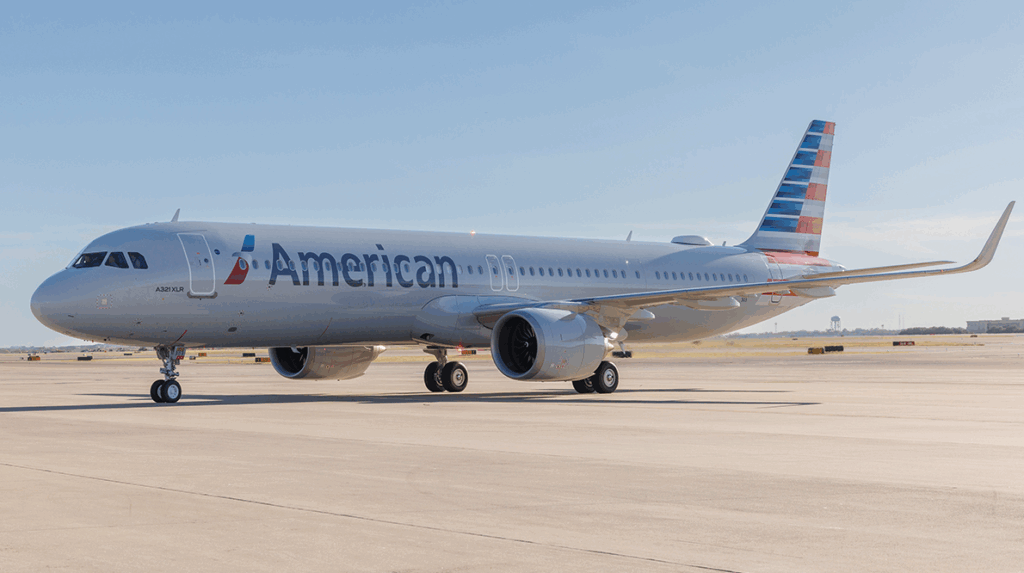
American Airlines’ first Airbus A321XLR. (Photo: American Airlines)
Beyond domestic flying, Znotins said the A321XLR will also enable long-haul growth from several of American’s hubs, particularly in transatlantic markets. He added that the aircraft allows American to right-size capacity and improve seasonality in Europe.
“Philly–Edinburgh, we run that eight months of the year right now,” he said. “I’d love to run it 12 months of the year, but a widebody is too big for the winter. I can use an XLR in the four months of the winter and then keep that year-round for us.”
As additional aircraft are delivered, Znotins said American could deploy the A321XLR on long-haul routes from hubs including Philadelphia, Miami, Chicago O’Hare, Dallas/Fort Worth, Boston, and Phoenix. He cited potential opportunities in secondary European markets, seasonal South American flying, and longer routes where widebodies have proven inefficient.
“In the winter months, an XLR could fly Miami to Córdoba,” Znotins said, referencing a previously attempted widebody route. He also pointed to potential flying from Chicago and Dallas/Fort Worth, adding that the aircraft could allow American to offer a flatbed product in markets that currently do not support widebody service.
“From a product perspective, DFW to Lima would be great,” he said. “It would be great to be able to offer a flatbed on the whole itinerary.”
Znotins also pointed to Phoenix as another market where the A321XLR could change American’s long-haul and premium domestic strategy, particularly on flights to Hawaii. He said the aircraft would give the airline more flexibility in how it deploys premium cabins on those routes.
“Out of Phoenix, flatbeds to Hawaii on a narrowbody would be great,” Znotins said. “Right now, Phoenix, we can either have flatbeds to Hawaii on a widebody or domestic narrowbody first class.”
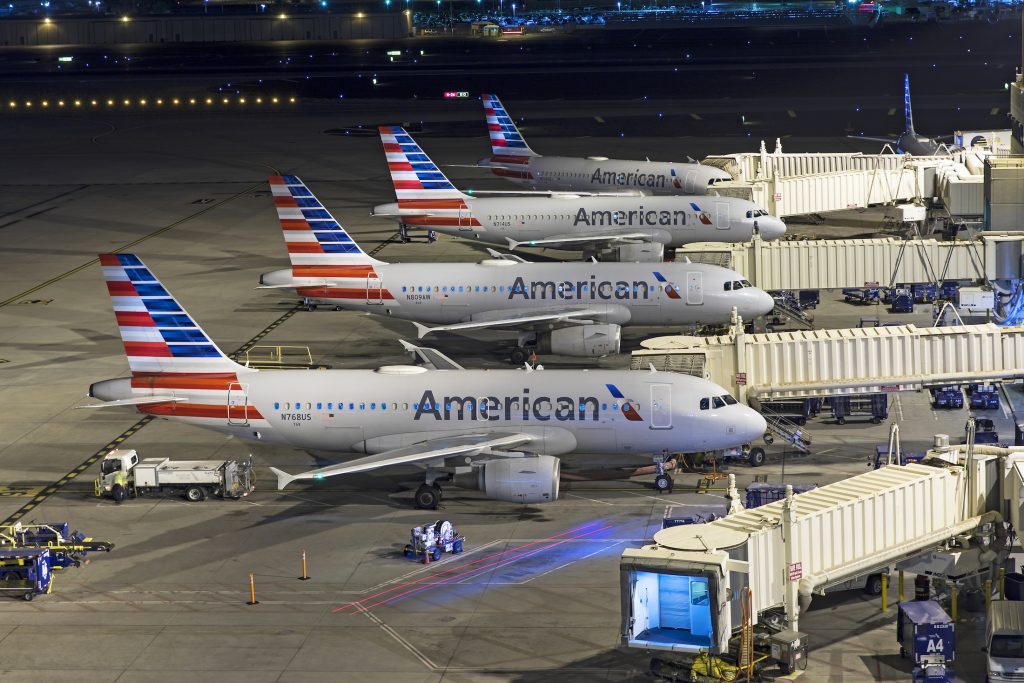
American Airbus aircraft in Phoenix (Photo: AirlineGeeks | William Derrickson)
He added that the XLR would allow American to balance capacity and product more precisely. “Sometimes I want one of one and one of the other,” Znotins said. “And the XLR will let us do that.”
The carrier’s second-largest hub in Charlotte could also see limited A321XLR flying over time, though Znotins said it is not a near-term priority compared with other hubs. While he did not rule out future deployments, he described Charlotte as a lower-ranked opportunity within the overall network plan.
“I wouldn’t exclude Charlotte,” Znotins said. “But if I’m working down the top 10, it’s probably closer to the bottom of the 10 than the top.” He added that widebody flying from Charlotte is currently performing well. “Charlotte widebodies are great, and it fills them up fantastically.”
Ryan founded AirlineGeeks.com in February 2013 and has spent more than a decade covering the airline business. His work has been featured by CNN, WJLA, CNET, and Business Insider. His aviation experience spans airport operations, Part 135 regulatory compliance, and airline crew workforce planning, along with time behind the yoke of a Cessna 172 and interviews with airline executives. Ryan now serves as Group President of Firecrown Media’s Aviation Group. He holds a B.S. in Air Transportation Management and an MBA from Arizona State University and teaches Airline Management at Embry-Riddle Aeronautical University.
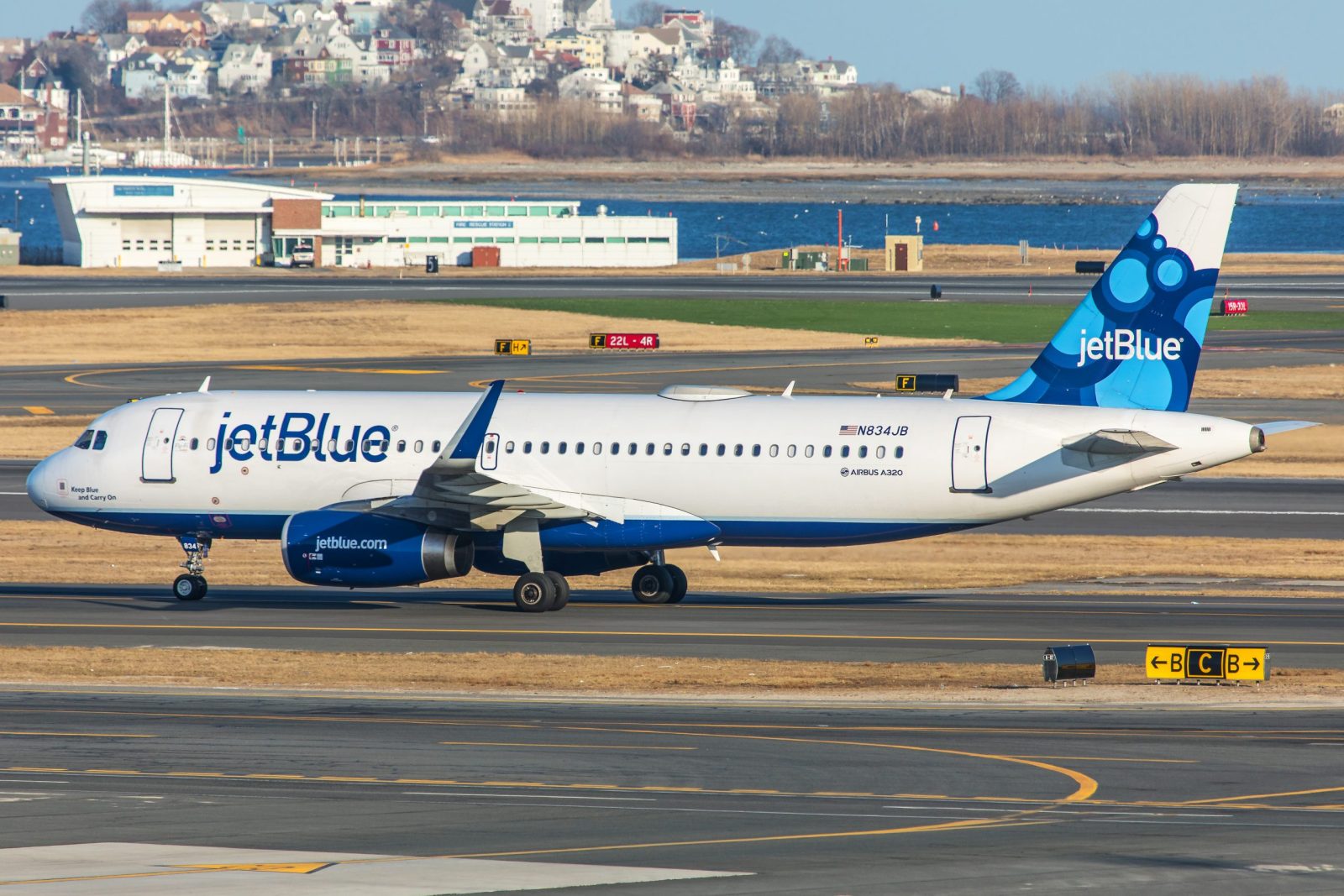
A JetBlue A320 in Boston. (Photo: AirlineGeeks | William Derrickson)
A JetBlue flight maneuvered to avoid a mid-air collision with a U.S. military aircraft near Venezuela on Friday.
According to Reuters, JetBlue Flight 1112 had departed Curaçao and was flying about 40 miles off the coast of Venezuela when it encountered a U.S. Air Force KC-135 tanker airplane. The aircraft was flying within a few miles of the JetBlue A320 and at the same altitude, and was not broadcasting its position.
“They passed directly in our flight path,” a JetBlue pilot said in an air traffic control recording reviewed by Reuters. “They don’t have their transponder turned on. It’s outrageous.”
As the tanker continued into Venezuelan airspace, the pilot said, “We almost had a mid-air collision up here.”
In a statement, JetBlue said the safety of its passengers and crew is its top priority.
“Our crew members are trained on proper procedures for various flight situations, and we appreciate our crew for promptly reporting this situation to our leadership team,” the airline said. “We have reported this incident to federal authorities and will participate in any investigation.”
The near miss comes as the White House continues its military build-up in the Caribbean. There are believed to be about 15,000 troops in the region, stationed in Puerto Rico and on U.S. Navy vessels. The USS Gerald R. Ford, the largest aircraft carrier ever built, arrived in the area in November.
As part of Operation Southern Spear, the Trump administration is targeting alleged drug trafficking boats operating off the coasts of Venezuela and Colombia. Some national security experts believe the long-term goal is to overthrow the government of Venezuela, which has had a strained relationship with Washington for years. The U.S. Defense Department asserts that the Venezuelan government facilitates the drug trade.
Last month, the FAA warned carriers flying over Venezuela to exercise increased caution due to the “worsening security situation” there. Several airlines, including Spain’s Iberia and Brazil’s GOL, canceled flights in the region as a result.
Zach Vasile is a writer and editor covering news in all aspects of commercial aviation. He has reported for and contributed to the Manchester Journal Inquirer, the Hartford Business Journal, the Charlotte Observer, and the Washington Examiner, with his area of focus being the intersection of business and government policy.
FAA Commits $108M to Fund Austin Airport Expansion
Priorities include new taxiways and upgrades to airfield infrastructure.
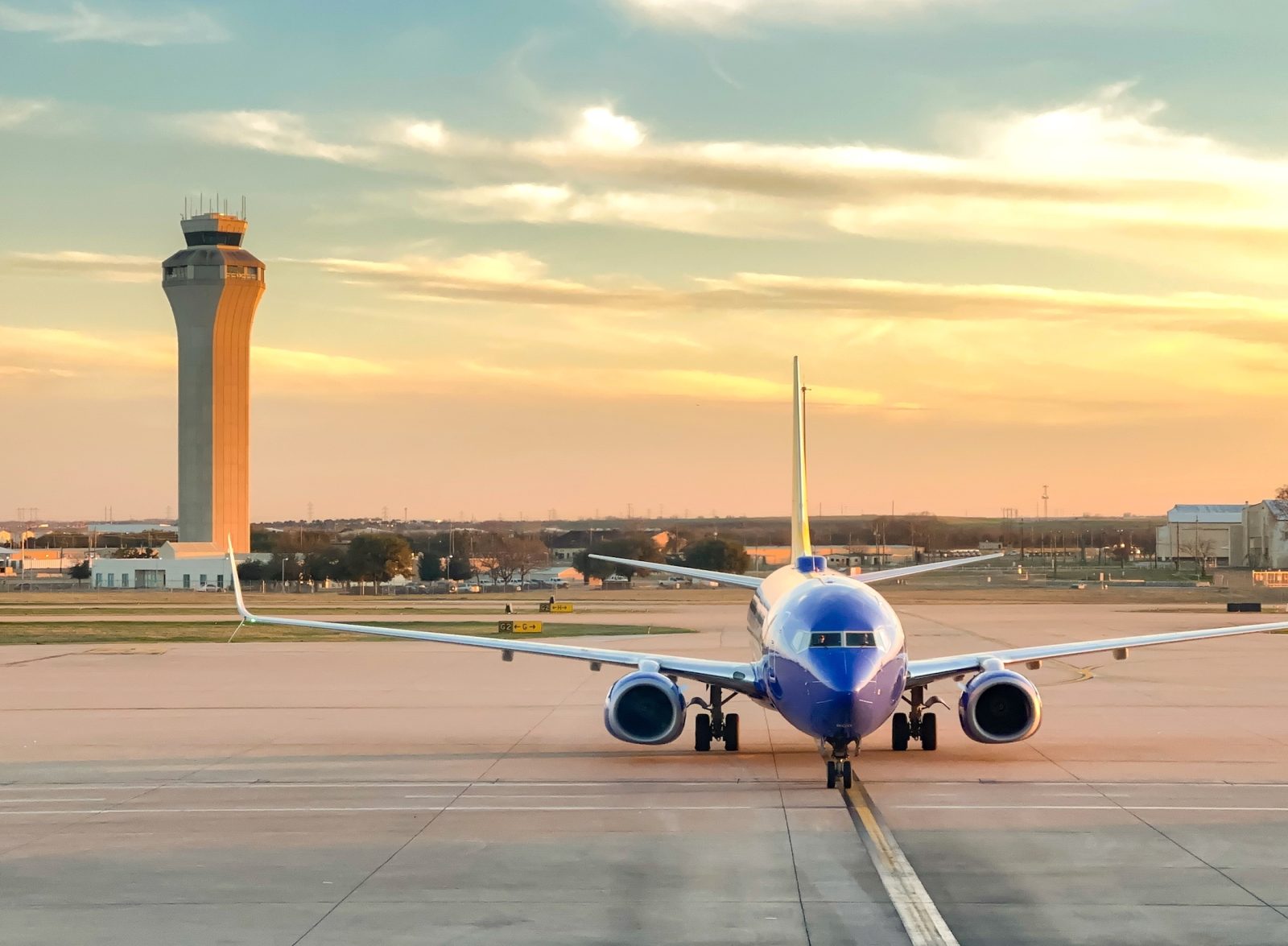
A Southwest aircraft taxis in Austin. (Photo: Shutterstock | Ceri Breeze)
Austin-Bergstrom International Airport is set to receive $108 million from the FAA to carry out infrastructure improvement projects, some of which will set the stage for the construction of a new concourse.
Airport officials said the federal commitment helps cover the cost of new taxiways, high-speed exits, and upgrades to airfield infrastructure. The taxiways are being built to support Concourse B, which will add over 20 new gates to the airport, in addition to restaurant, retail, and passenger amenity spaces.
Austin’s Aviation Department, which owns and operates the airport, planned the new concourse to accommodate recent growth in passenger traffic.
“Safe, modern infrastructure is essential to keeping our aviation system the safest and most efficient in the world,” FAA Administrator Bryan Bedford said in a statement. “This investment at Austin-Bergstrom International Airport will reduce delays and increase capacity as the airport continues to grow.”
The airport has so far secured $96.3 million from the FAA’s Airport Terminal Program for the Concourse B project. Officials said they will continue applying for competitive federal funding while also using airport revenue bonds, cash-on-hand, and future airport revenues to back the effort.
No local taxpayer dollars from the city of Austin’s general fund are used to fund airport improvements.
Southwest recently announced plans to open a new crew base in Austin. It also received incentives from the city to assist in the hiring of around 2,000 new employees in the region.
Zach Vasile is a writer and editor covering news in all aspects of commercial aviation. He has reported for and contributed to the Manchester Journal Inquirer, the Hartford Business Journal, the Charlotte Observer, and the Washington Examiner, with his area of focus being the intersection of business and government policy.
Longtime CEO Out at Frontier
The airline’s current president will succeed Barry Biffle.
The change in positions took effect Monday and was not announced beforehand. Frontier did not explain why it was parting ways with Biffle, who has served as CEO since March 2016.
Biffle will stay on in an advisory capacity until Dec. 31.
“Jimmy has been an invaluable member of Frontier’s senior leadership team for more than 10 years and has played an instrumental role in the company’s evolution and growth during that time,” Board Chair Bill Franke said in a statement. “We believe Jimmy is uniquely qualified to guide our airline into the future.”
Franke also extended the board’s thanks to Biffle for his “leadership and dedicated service” to the airline over the last 11 years.
Dempsey joined Frontier in 2014 as chief financial officer. He previously held senior management positions at Ryanair Holdings and PricewaterhouseCoopers.
“I am honored and excited to lead Frontier Airlines and thank the Board for its trust to shape Frontier’s future with our 13,000-plus dedicated and hardworking team members,” Dempsey said in a statement. “I look forward to partnering with our team to write Frontier’s next chapter as we strive to create long-term value for all stakeholders.”
Zach Vasile is a writer and editor covering news in all aspects of commercial aviation. He has reported for and contributed to the Manchester Journal Inquirer, the Hartford Business Journal, the Charlotte Observer, and the Washington Examiner, with his area of focus being the intersection of business and government policy.
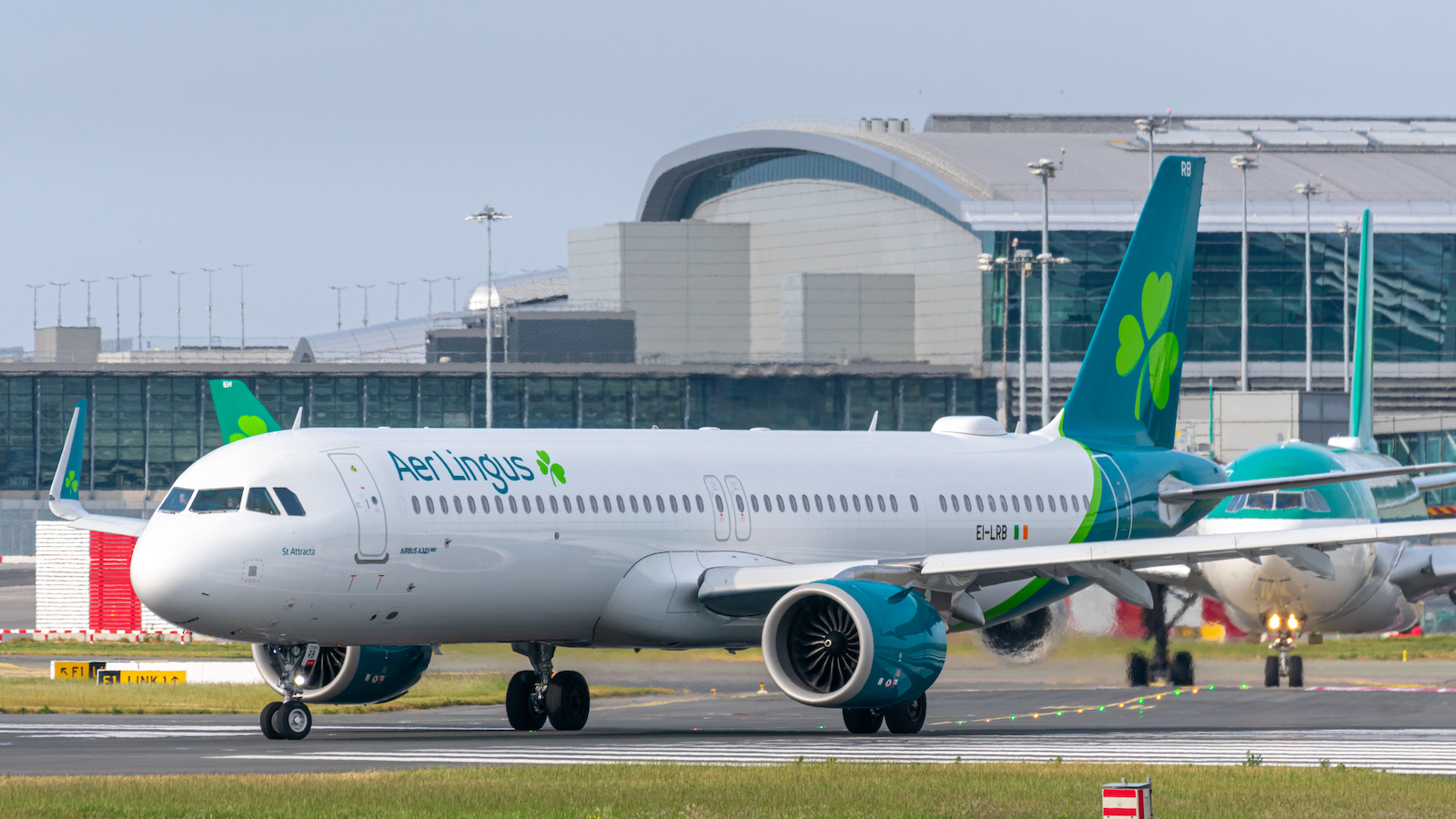
An Aer Lingus A321neo aircraft. (Photo: Shutterstock | Croatorum)
Aer Lingus is set to launch a new route to the U.S. next spring.
The carrier will begin nonstop service between Dublin and Pittsburgh on May 25, 2026, the airport announced. Flights will operate four times weekly, on Mondays, Wednesdays, Fridays, and Sundays with an Airbus A321neo aircraft. Tickets are now on sale.
Aer Lingus leaders said the route will help foster tourism while also benefiting Pittsburgh-area businesses with existing links to Ireland, including the University of Pittsburgh Medical Center, BNY, and the Pittsburgh Steelers.
“Aer Lingus is particularly pleased to add Pittsburgh to our transatlantic network, having worked closely with partners in the region to make this a possibility,” Susanne Carberry, Aer Lingus’ chief customer officer, said in a statement. “This route builds on our strong partnership with the Pittsburgh Steelers and further cements Aer Lingus’ position as a leading transatlantic carrier.”
The Steelers are owned by the Rooney family, who have longstanding ties to Ireland. The team played the first-ever NFL regular-season game in Dublin in September.
Aer Lingus currently has over 20 destinations in the U.S., including New York-JFK, Washington Dulles, Chicago O’Hare, and Los Angeles. In Pennsylvania, it also serves Philadelphia International Airport.
Zach Vasile is a writer and editor covering news in all aspects of commercial aviation. He has reported for and contributed to the Manchester Journal Inquirer, the Hartford Business Journal, the Charlotte Observer, and the Washington Examiner, with his area of focus being the intersection of business and government policy.
Sign-up for newsletters & special offers!
Get the latest stories & special offers delivered directly to your inbox