











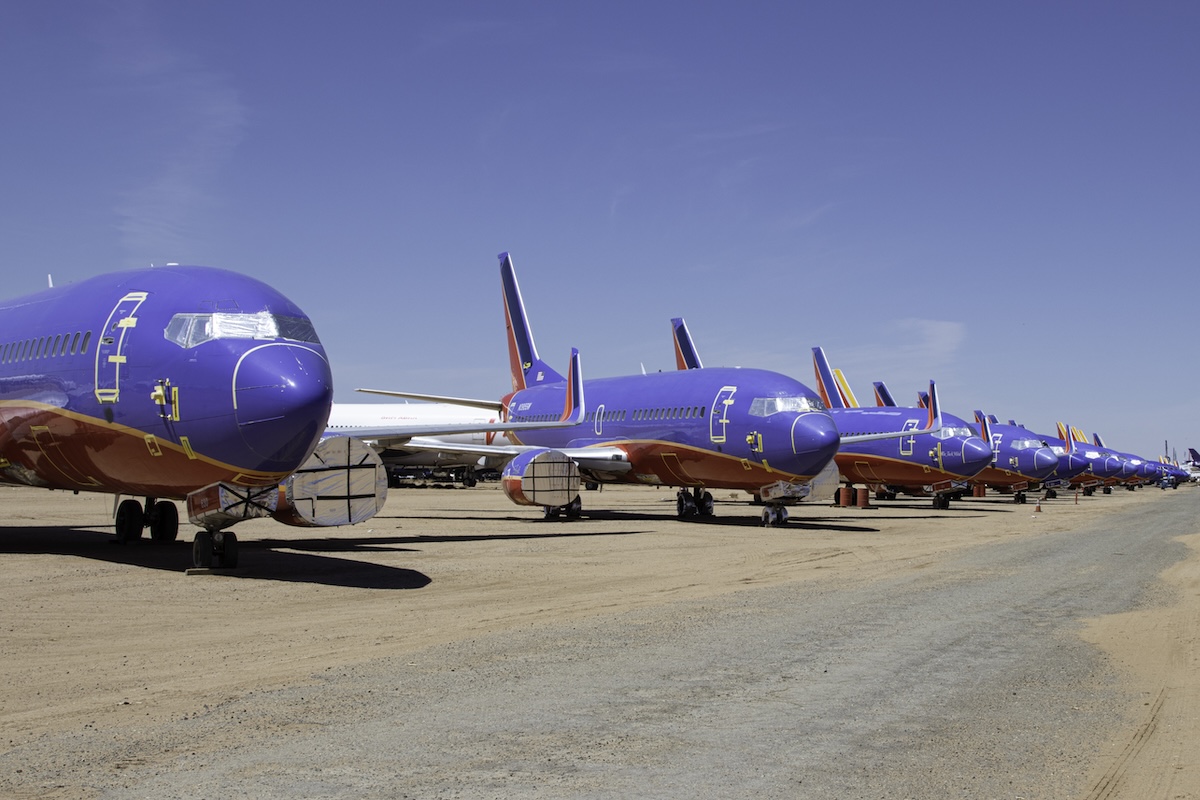


To many, an airliner leaving the fleet after 15 or 20 years may seem premature. Many aircraft are certified for service lives exceeding 30 years or 75,000 flight cycles. Yet airlines frequently retire aircraft early, even when they remain airworthy. The decision isn’t driven by age alone — it’s a balance of economics, efficiency, maintenance, and market conditions that can shift rapidly.
The Economics of Aging Aircraft
Every aircraft has a maintenance curve: the longer it flies, the more costly it becomes to keep in service. Airlines track direct operating costs such as fuel burn, maintenance, crew, and ownership expenses per flight hour. As aircraft age, heavy checks (known as C- and D-checks) require extensive downtime and can cost millions of dollars per visit.
A D-check, for example, can take six to eight weeks and cost upwards of $5 million, depending on the model, according to IATA Maintenance Cost Task Force data. At a certain point, the economics no longer make sense: investing millions into an older jet yields diminishing returns compared to financing a new, fuel-efficient aircraft with lower maintenance intervals.
Fuel Efficiency and Technology Upgrades
Fuel efficiency is often the decisive factor. New-generation aircraft such as the Airbus A321neo and Boeing 737 MAX consume 15–20% less fuel than their predecessors, a margin that can represent millions in annual savings per airplane.
As fuel remains one of the largest operating expenses — typically 20 to 30% of an airline’s cost structure — modernization pays off quickly. Replacing aging aircraft with newer types also supports sustainability commitments and CO₂ emissions reduction goals, an increasingly important factor for both regulators and investors.
Residual Value and Secondary Markets
Retirement doesn’t always mean destruction. Many “retired” aircraft transition into secondary markets as freighters, charter jets, or spares donors. The robust cargo conversion market has extended the life of aircraft like the Boeing 757 and 767, which often outlast their passenger service careers by a decade or more.
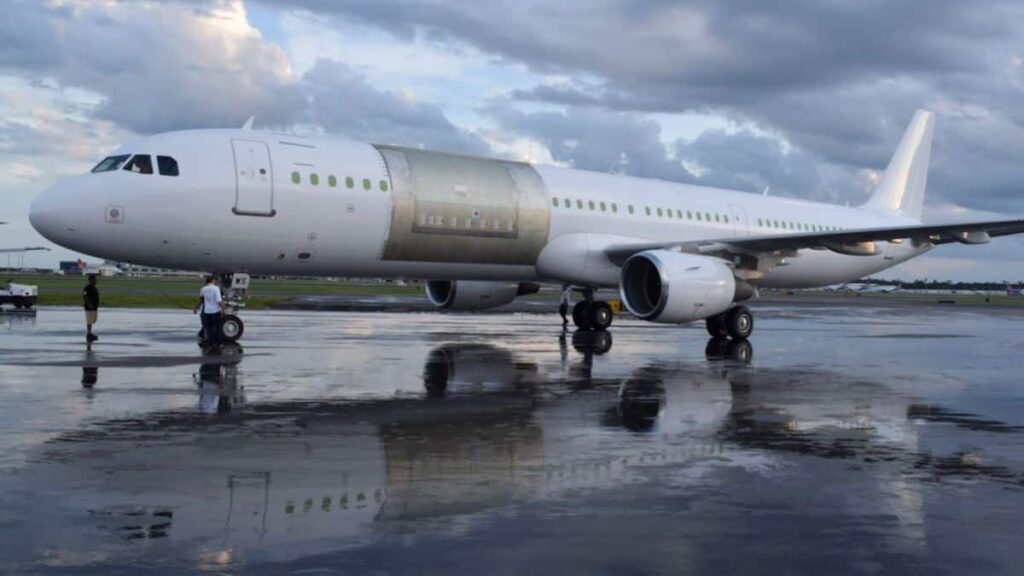
Lessors and financial institutions track residual values — the projected worth of an aircraft at a given age — to decide whether to refurbish or part out a frame. If an aircraft’s resale or part-out value exceeds the net benefit of keeping it flying, early retirement becomes the rational business choice.
Fleet Simplification Strategies
Airlines also retire aircraft early to simplify their fleets and reduce logistical complexity. Operating fewer types means lower training, maintenance, and inventory costs. Southwest famously operates an all-Boeing 737 fleet, while Spirit and JetBlue have standardized around Airbus aircraft.
Even legacy carriers like Delta and American have spent the past decade streamlining widebody operations, phasing out older Airbus A330s and 767s in favor of more efficient A330neo and 787 aircraft. Simplified fleets improve flexibility and reliability while reducing per-seat costs across the system.
A Delta 767 still holds the record for the in-service passenger jet with the most cumulative hours in the world. N171DN, which is nearly 36 years old, has 149,934 hours, according to fleet data from Cirium.

Maintenance Programs and Airworthiness Limits
Each aircraft type has a Maintenance Planning Document (MPD) outlining scheduled inspections and life-limited components. Over time, these intervals tighten as airframes accumulate cycles and fatigue data evolves. When a fleet reaches those thresholds, airlines must choose between costly modifications or retirement.
For example, the FAA’s Airworthiness Directives often mandate structural reinforcements on aging models, such as the Boeing 737 Classic or early Airbus A320s. These compliance requirements can accelerate phase-outs if retrofitting costs outweigh the aircraft’s residual value.
The Pandemic and Accelerated Retirements
The COVID-19 pandemic dramatically accelerated retirements across global fleets. Faced with grounded operations and low demand, carriers removed hundreds of widebodies and older narrowbodies from service years ahead of schedule.
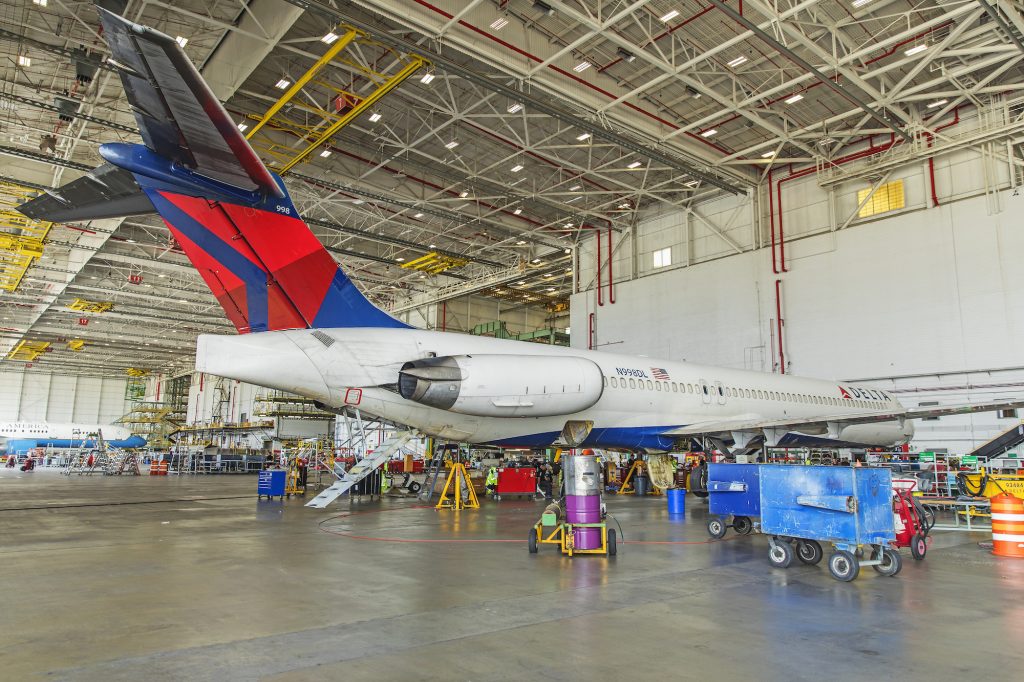
American permanently retired its Boeing 757s, 767s, A330s, and Embraer E190s in 2020, and Delta parked its MD-88, MD-90, and Boeing 777 fleets. Many of those aircraft had years of useful life left but were deemed financially inefficient for a post-pandemic recovery focused on smaller, fuel-efficient jets.
Environmental and Sustainability Goals
Newer aircraft not only save fuel but also align with the industry’s broader goal of reaching net-zero emissions by 2050. Older models, especially those using previous-generation engines, often produce 20–30% more CO₂ per seat.
For airlines publishing Environmental, Social, and Governance (ESG) reports, early retirements help reduce fleet-average emissions metrics and support compliance with national and international sustainability reporting standards.
Bottom Line
Airlines retire aircraft early not because they must, but because they can’t afford not to. When fuel, maintenance, regulatory, and environmental pressures converge, replacing an aging jet becomes a financial decision — not a sentimental one.
Each early retirement reflects a complex equation of cost, efficiency, and future planning. Whether sold for parts, converted to cargo, or stored in the desert, the aircraft’s journey rarely ends at retirement — it simply changes mission.

