











ALPA Says Single-Pilot Efforts Not Finished

Union leader warns reduced-crew concepts could reemerge despite recent setbacks.

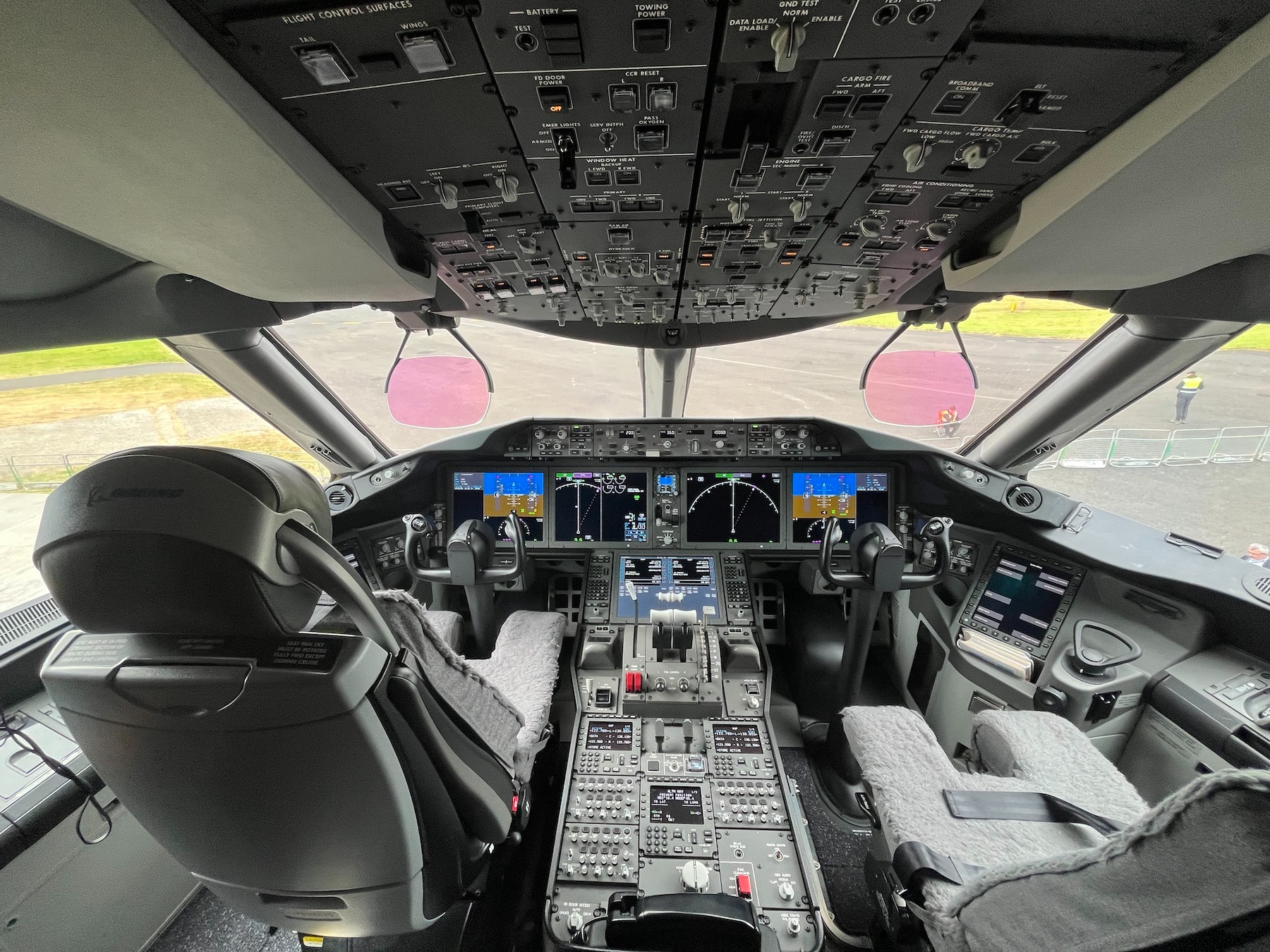
Inside a Boeing 787 Dreamliner flight deck at the Farnborough Airshow
Inside a Boeing 787 Dreamliner flight deck at the Farnborough Airshow. (Photo: AirlineGeeks | William Derrickson)
Gemini Sparkle

Key Takeaways:

  • The Air Line Pilots Association (ALPA) remains highly concerned about industry efforts to move towards single-pilot airline operations, viewing current delays as a pause rather than an end to these proposals.
  • ALPA launched its "Safety Starts With 2" campaign to oppose these cost-driven initiatives, emphasizing that dual-pilot operations are essential for safety, particularly in scenarios where a single pilot might be unattended at the controls.
  • Despite successful pushback that has temporarily stalled the idea, ALPA expects future attempts to revive reduced-crew concepts and continues to advocate for robust manual flying skills and foundational training, with technology serving as a support, not a replacement, for pilots.
See a mistake? Contact us.

The Air Line Pilots Association (ALPA) says industry efforts to move toward single-pilot airline operations have slowed but remain a concern, according to comments from its First Vice President Captain Wendy Morse, who cautioned that recent pushback has resulted in a pause — not an end — to reduced-crew proposals.

Speaking at the Skift Aviation Forum last week, Morse said ALPA’s “Safety Starts With 2” campaign was launched in response to initiatives — backed at various points by Airbus and European regulators — to explore single-pilot operations on long-haul flights. The concept, she said, was driven by cost. 

“Airbus decided that it was a really good idea to have one pilot in the cockpit because it would cost less money,” she said.

Morse described scenarios explored under the proposal, such as allowing a pilot to leave the controls to use onboard facilities while the other rests. “They actually say, ‘Well, we have two pilots — one of them in rest,’” she said. “Okay, what happens when that pilot that’s got the controls needs to use the facilities? … Who’s at the controls? Oh, nobody’s at the controls.”
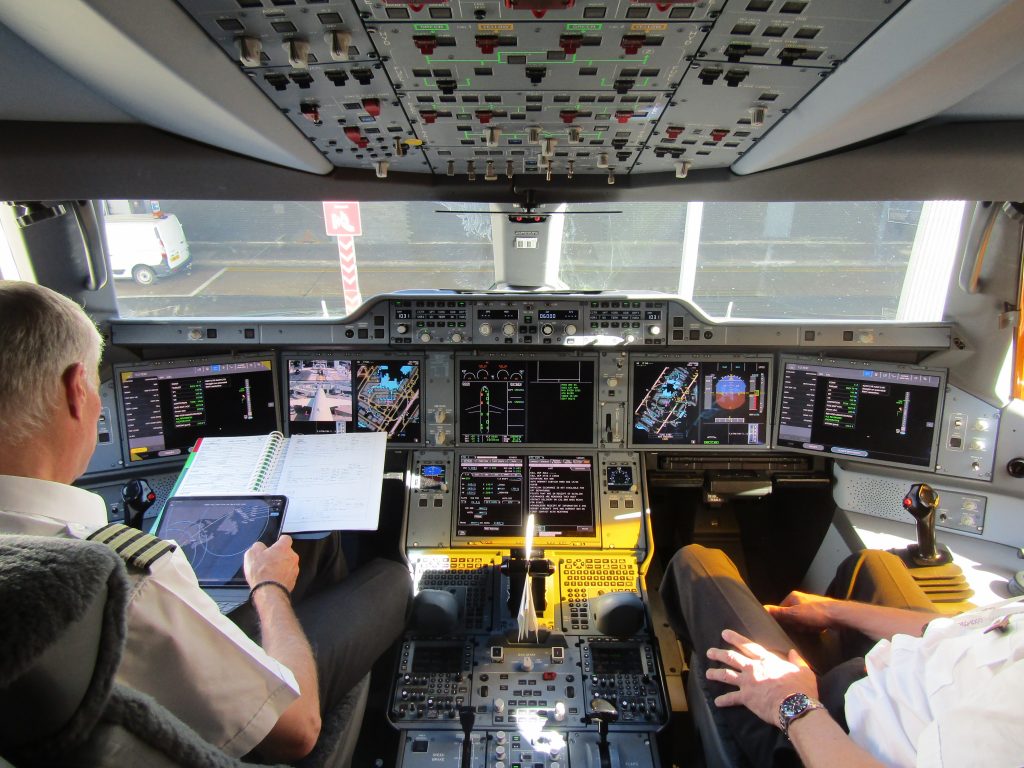
A350 cockpit
The cockpit of a Virgin Atlantic Airbus A350-1000 XWB. (Photo: AirlineGeeks | Tom Pallini)

She said ALPA’s opposition, along with broader industry resistance, helped stall the idea. “We pushed them back,” Morse said. “But I think it’s paused and not over. So we will have to continue that fight.”

Morse added that dual-pilot operations remain essential in complex and dynamic environments. “You need two wings,” she said, referencing the union’s messaging. “Safety starts with two.” 

She said the union expects future attempts to revive reduced-crew concepts as manufacturers and operators continue to evaluate cost-saving measures.

The discussion came as Morse emphasized the importance of maintaining strong manual-flying skills and foundational training, saying safety data continues to show the need for pilots to remain fully engaged in aircraft operation. She also said technological advancements — including automation, real-time turbulence tools, and terrain-avoidance systems — should support, not replace, pilot decision-making.

Ryan Ewing

Ryan founded AirlineGeeks.com back in February 2013 and has amassed considerable experience in the aviation sector. His work has been featured in several publications and news outlets, including CNN, WJLA, CNET, and Business Insider. During his time in the industry, he's worked in roles pertaining to airport/airline operations while holding a B.S. in Air Transportation Management from Arizona State University along with an MBA. Ryan has experience in several facets of the industry from behind the yoke of a Cessna 172 to interviewing airline industry executives. Ryan works for AirlineGeeks' owner FLYING Media, spearheading coverage in the commercial aviation space.
Sign-up for newsletters & special offers!

Get the latest stories & special offers delivered directly to your inbox

SUBSCRIBE

Uh-oh! It looks like you're using an ad blocker.

Our website relies on ads to provide free content and sustain our operations. By turning off your ad blocker, you help support us and ensure we can continue offering valuable content without any cost to you.

We truly appreciate your understanding and support. Thank you for considering disabling your ad blocker for this website