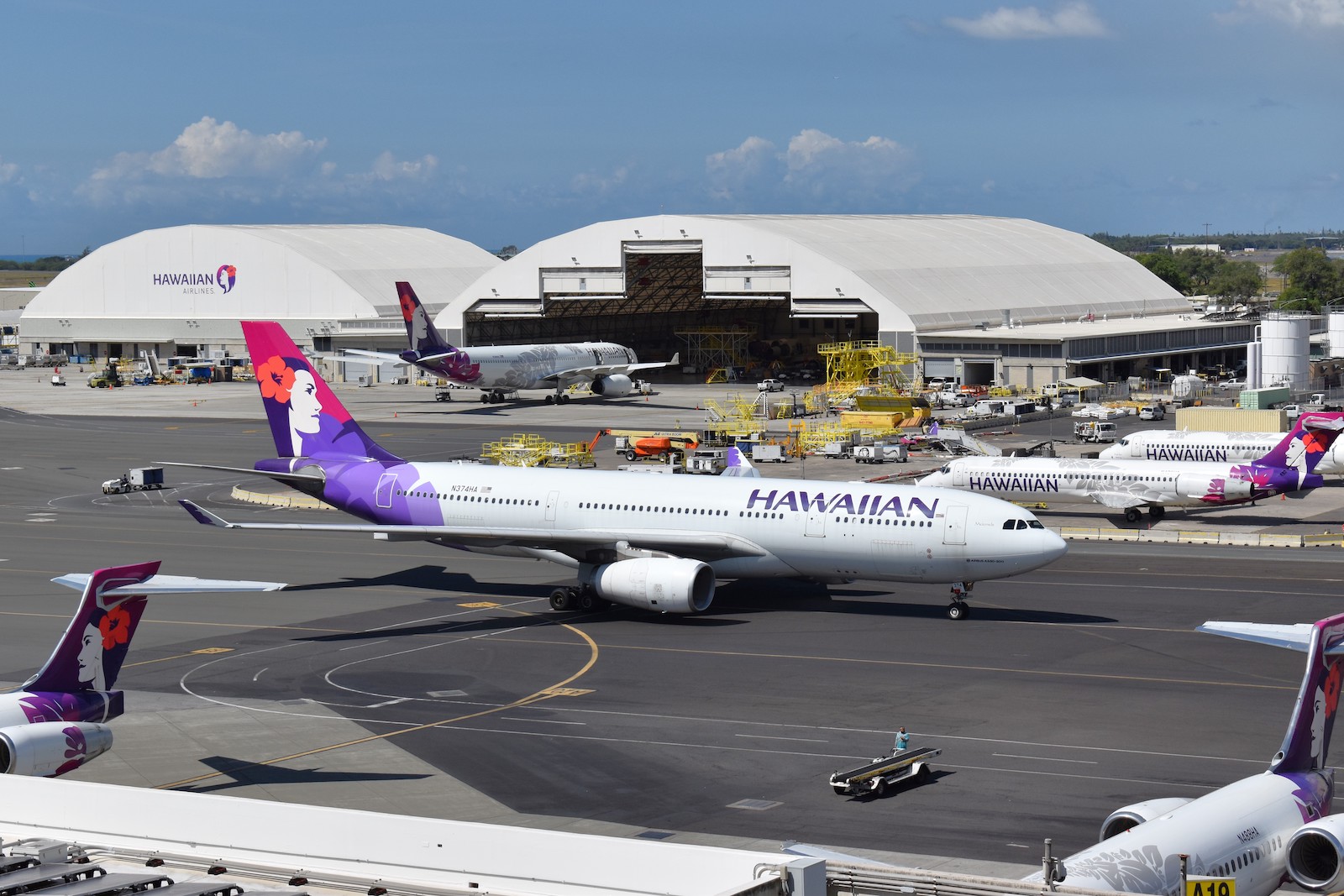
As of Oct. 30, use of the International Civil Aviation Organization-recognized designator “HAL” and the callsign “HAWAIIAN” will end, the agency said. From then on, all Hawaiian aircraft will fly with the ICAO designator “ASA” and the callsign “ALASKA.”
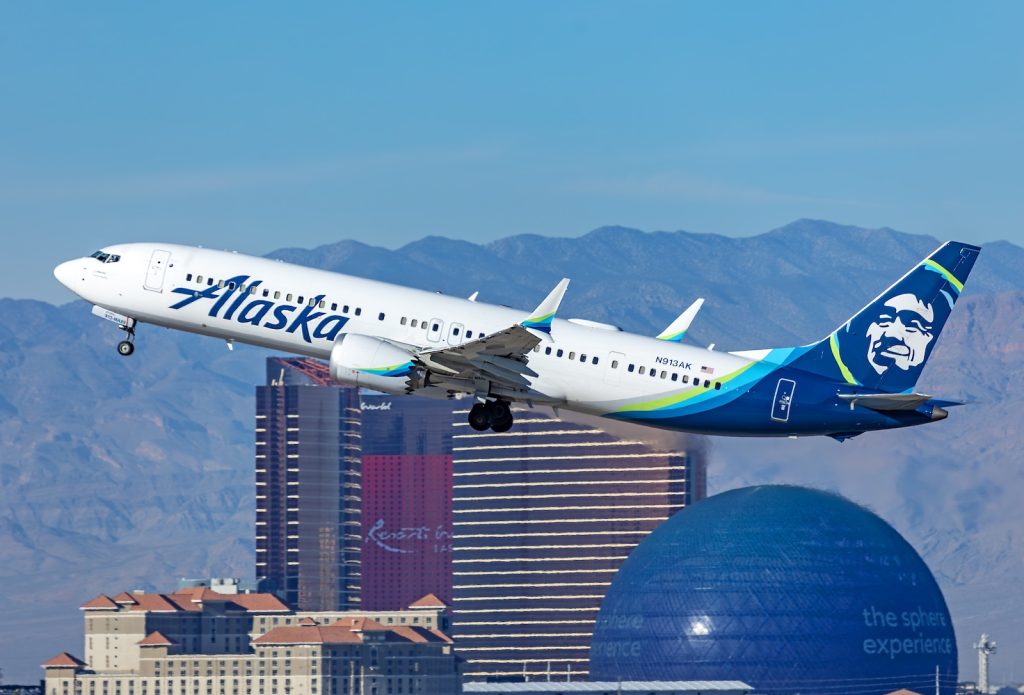
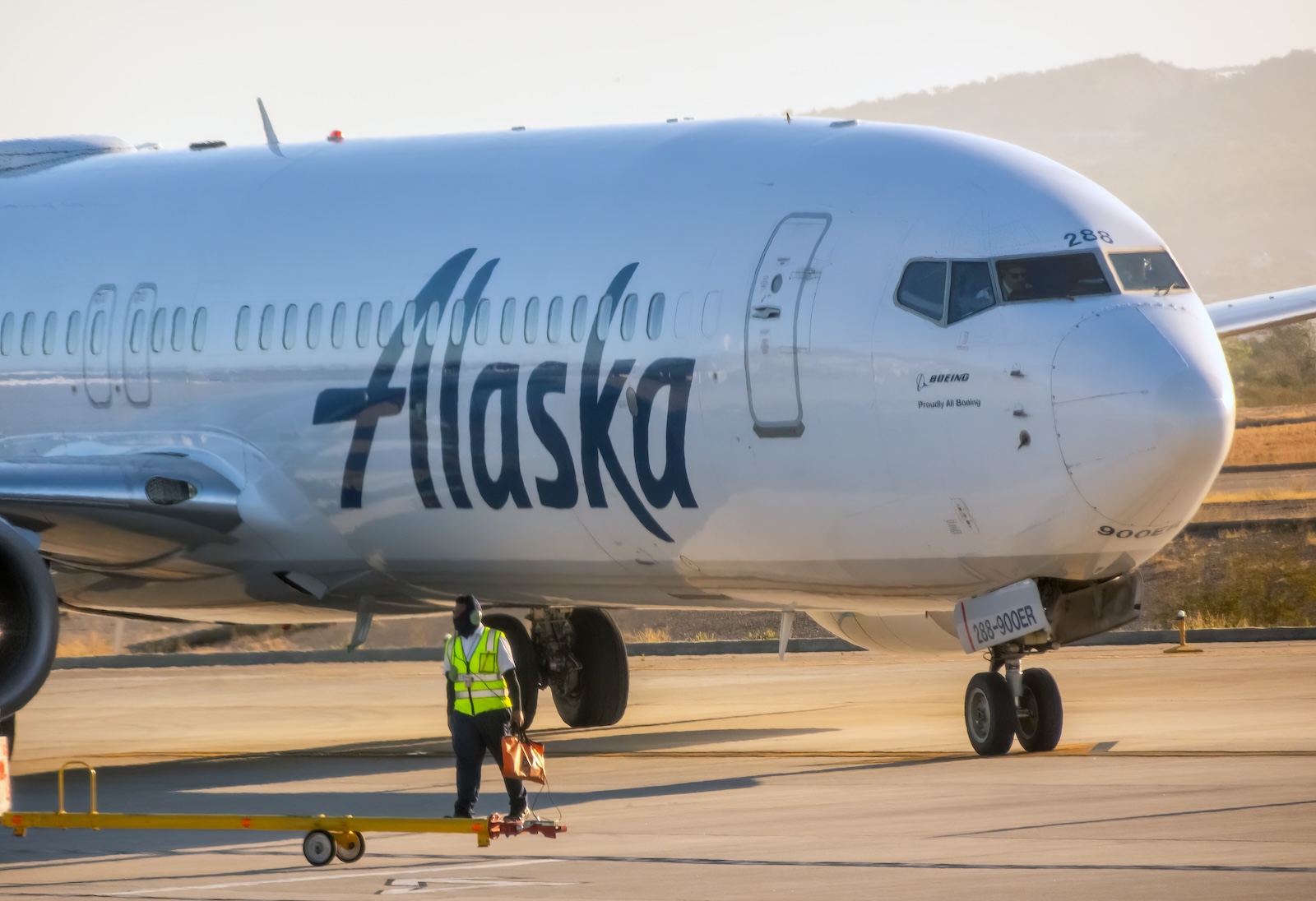
An Alaska Boeing 737 MAX 9. (Photo: AirlineGeeks | William Derrickson)
An airline’s designator code is used mainly for commercial purposes, such as ticketing, while a callsign is used in radio communications.
Alaska acquired Hawaiian in a $1.9 billion deal in September 2024. The two carriers are now in the process of integrating operations and securing a single operating certificate from the FAA. Alaska has said it will maintain the Hawaiian brand even after the two become a single airline.
Zach Vasile is a writer and editor covering news in all aspects of commercial aviation. He has reported for and contributed to the Manchester Journal Inquirer, the Hartford Business Journal, the Charlotte Observer, and the Washington Examiner, with his area of focus being the intersection of business and government policy.
NTSB: Flight Attendant Hurt in Southwest Evacuation
Investigators say a crew member was injured after the 737 returned to Houston following reports of a burning odor.
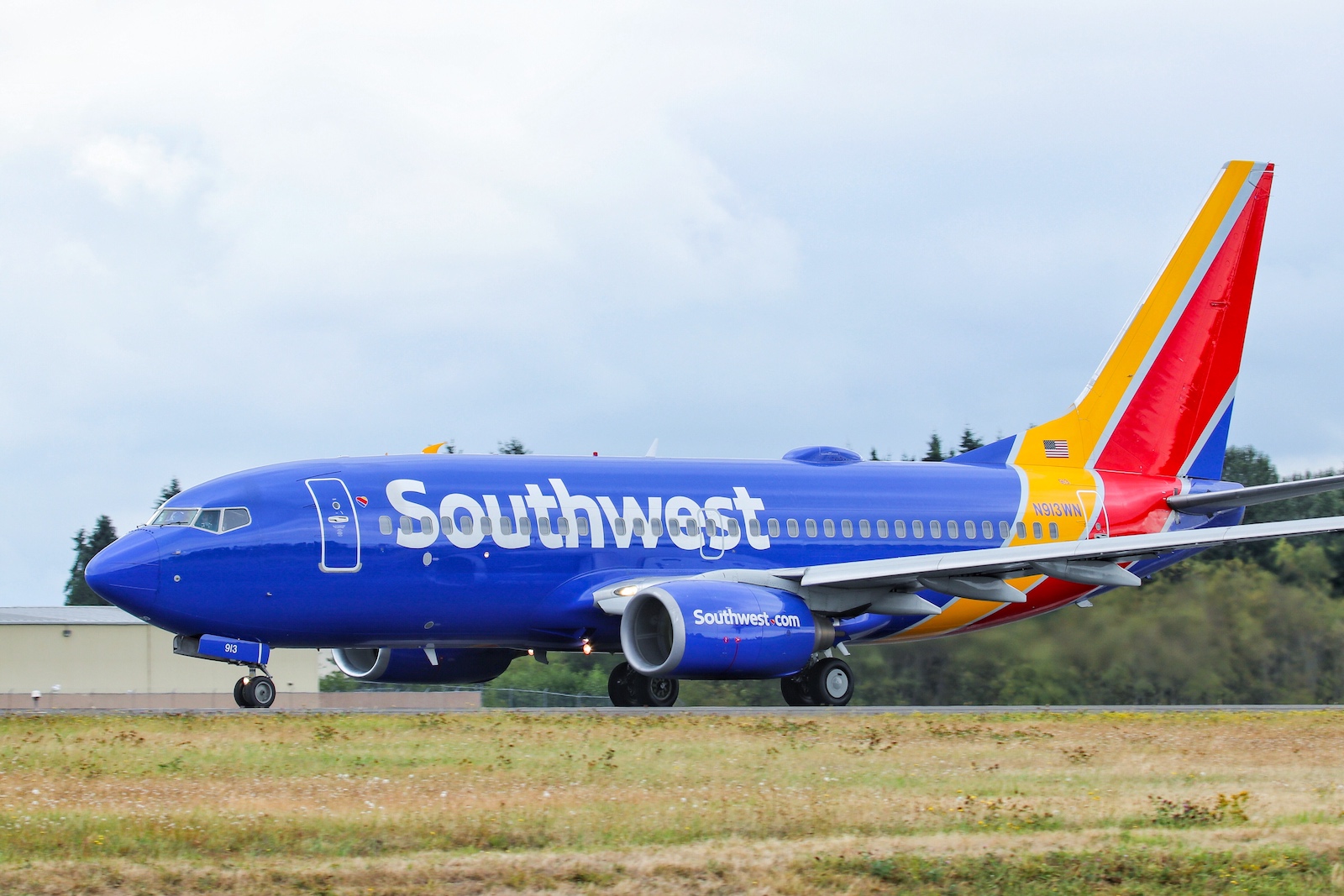
A Southwest Boeing 737-700. (Photo: AirlineGeeks | Katie Zera)
The National Transportation Safety Board (NTSB) says a Southwest flight attendant suffered a serious injury during an emergency evacuation in Houston earlier this year, following engine trouble on a Boeing 737 bound for Mexico.
The April 17 flight, operating as Southwest 3006 from Houston Hobby to Los Cabos, Mexico, turned back shortly after takeoff when the crew noticed abnormal readings from the right engine and heard a loud “popping” sound. The pilots declared an emergency and returned to Hobby.
According to the report, flight attendants later noticed a burning odor in the cabin. After landing and stopping on a taxiway, the captain ordered an evacuation when the smell persisted. Passengers exited using the aircraft’s slides and overwing exits. One flight attendant fractured an ankle during the process while helping passengers off the plane.
The report notes that the aircraft’s captain and first officer followed all appropriate checklists before landing. After the evacuation began, the first officer exited the aircraft to assist on the ground while the captain remained on board until all passengers and crew had left.
Some passengers were seen re-entering through the overwing exits after firefighters on the scene directed them back onto the aircraft over concerns about slide-related injuries.
The 2009-built Boeing 737-700, registered as N7724A, was undamaged and later inspected by maintenance crews.
Ryan founded AirlineGeeks.com in February 2013 and has spent more than a decade covering the airline business. His work has been featured by CNN, WJLA, CNET, and Business Insider. His aviation experience spans airport operations, Part 135 regulatory compliance, and airline crew workforce planning, along with time behind the yoke of a Cessna 172 and interviews with airline executives. Ryan now serves as Group President of Firecrown Media’s Aviation Group. He holds a B.S. in Air Transportation Management and an MBA from Arizona State University and teaches Airline Management at Embry-Riddle Aeronautical University.
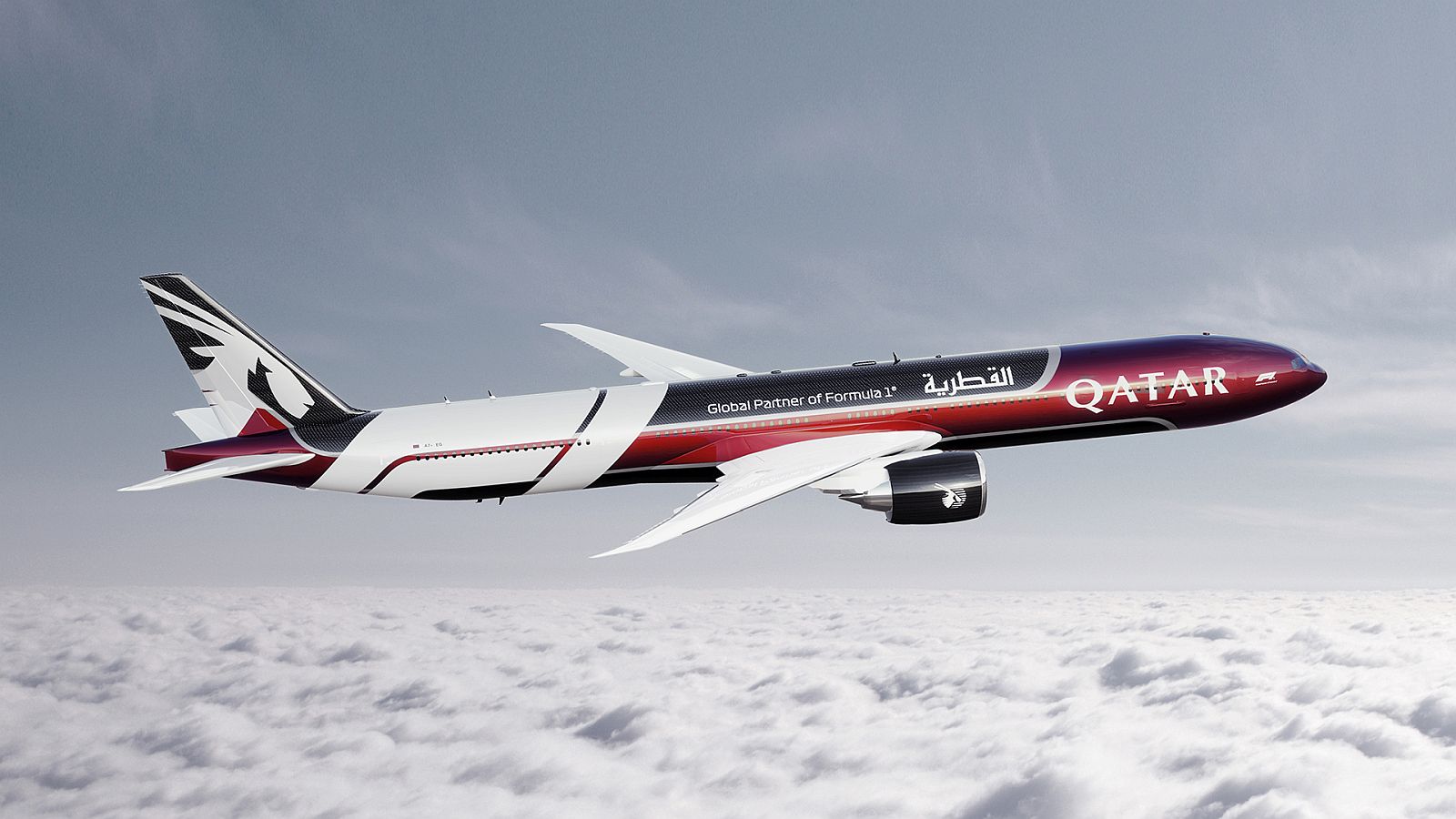
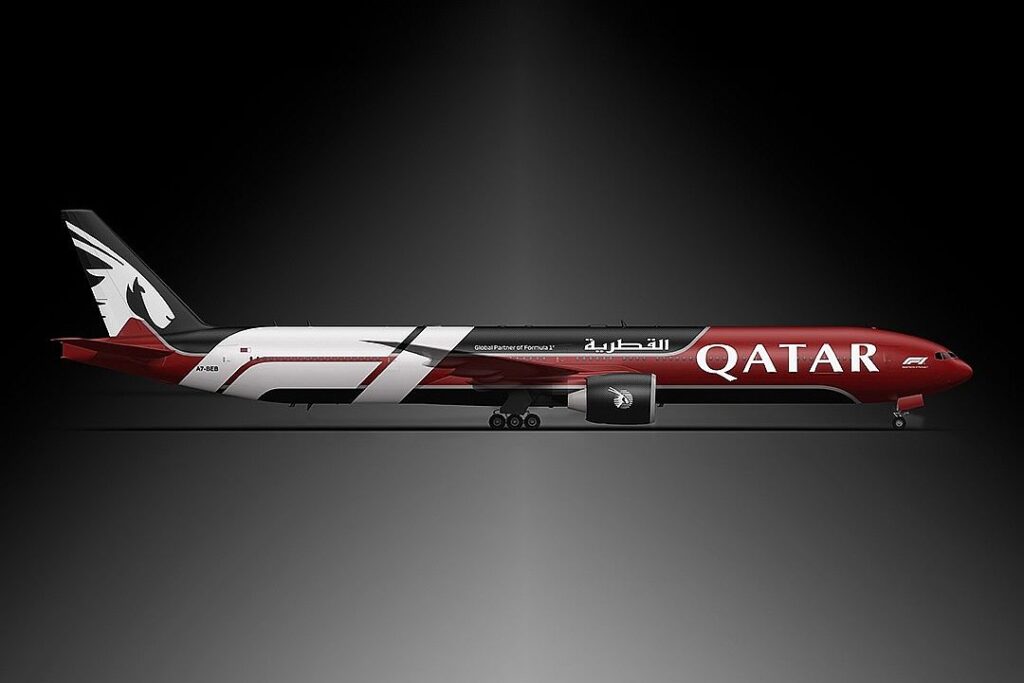
Rendering of the "Creative 100" Formula 1 livery for Qatar Airways Boeing 777-300ER aircraft (Photo: Qatar Airways)
Editor’s Note: AirlineGeeks is proud to present our ‘Livery of the Week’ series. Every Friday, a team member will share an airline livery, which can be from the past, present, or even a special scheme. Some airline liveries are works of art. The complexity associated with painting around critical flight components and the added weight requires outside-the-box thinking from designers. The average airliner can cost upwards of $200,000 to repaint, creating a separate aircraft repainting industry as a result.
Have an idea for a livery that we should highlight? Drop us a line.
Earlier this month, Qatar Airways unveiled the first global creative platform at the Art Basel Paris 2025, one of the cornerstones of the global art market, bringing together leading galleries, collectors, curators, and artists.
“Qatar Airways Creative 100” is a platform that will spotlight 100 visionaries excelling in music, sports, fashion, business, and the arts. During the launch, as the first expression of creativity for the platform, a special edition livery celebrating the partnership between Qatar Airways and Formula 1 was unveiled. Later in the year, a further special livery commemorating The FIFA World Cup 2026 will be revealed.
Rendering of the “Creative 100” Formula 1 livery for Qatar Airways Boeing 777-300ER aircraft (Photo: Instagram | @qatarairways)
Sleek Design
This special Qatar Airways livery features a striking split-color design, with a clean white front fuselage that transitions to a deep maroon and to black in the top section of the aircraft and near the tail fin. The aircraft is branded as a “Global Partner of Formula 1®, with the Formula 1 logo occupying the rear part of the fuselage, seamlessly connecting to the tail fin displaying a stylized, dynamic all-white version of the traditional oryx logo.
The aircraft earmarked to be repainted in this new livery is a Boeing 777-300ER, registered as A7-BEG, configured with 42 Business Class seats and 316 Economy Class seats. The aircraft was delivered new to Qatar Airways in December 2015.
Looking for a new airplane model? Head over to our friends at the Midwest Model Store for a wide selection of airlines and liveries.
Vanni fell in love with commercial aviation during his undergraduate studies in Statistics at the University of Bologna, when he prepared his thesis on the effects of deregulation on the U.S. and European aviation markets. Then he pursued his passion further by obtaining a Master’s Degree in Air Transport Management at Cranfield University in the U.K. followed by holding several management positions at various start-up carriers in Europe (Jet2, SkyEurope, Silverjet). After moving to Canada, he was Business Development Manager for IATA for nine years before turning to his other passion: sports writing.
South Korea’s Parata Air Applies to Serve U.S.
The carrier plans to launch flights to two markets next year.
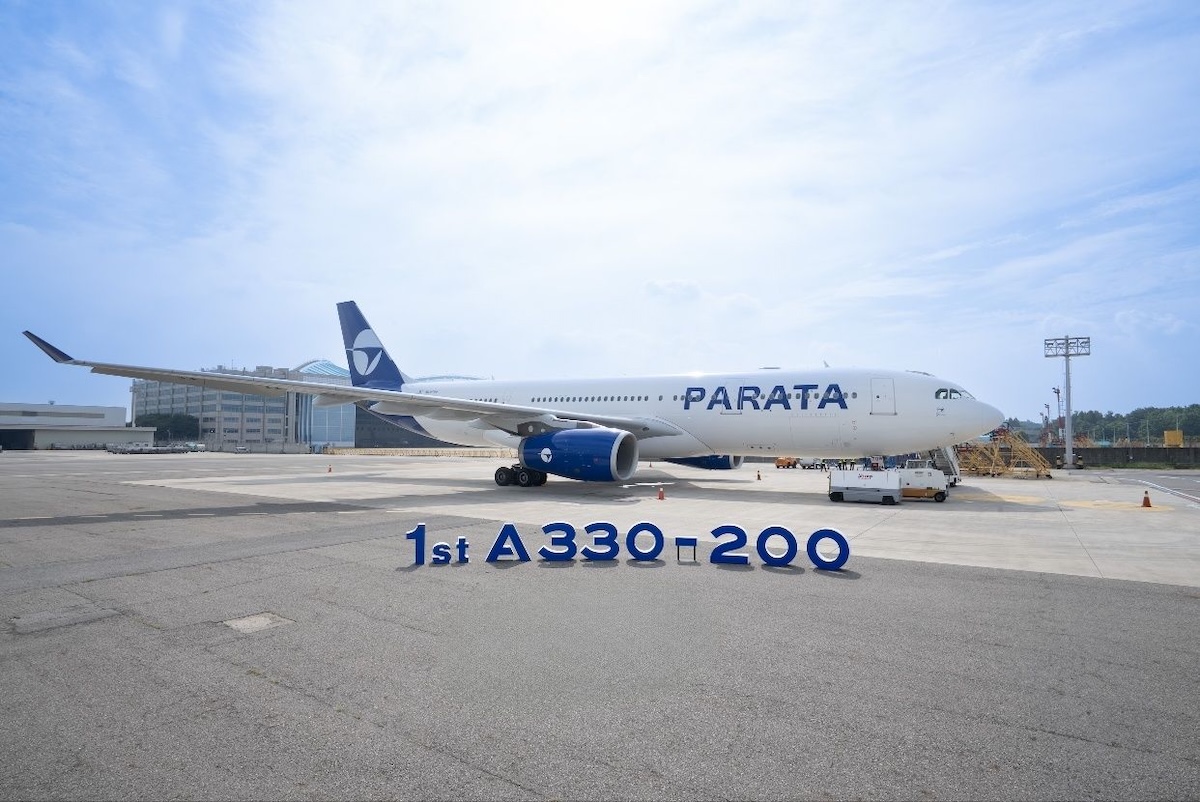
South Korean low-cost airline Parata Air has filed an application with the U.S. Department of Transportation (DOT) seeking permission to begin scheduled and charter service to the United States.
According to the Thursday filing, Parata Air intends to start operations for the Summer 2026 season using Airbus A330-200 aircraft. The airline’s initial U.S. network would include scheduled routes from Seoul Incheon to Las Vegas and Los Angeles, with additional destinations under consideration.
“[The carrier] plans to commence operations on March 29, 2026, for the S26 season, using Airbus A330-200 aircraft,” the filing stated, noting that Parata Air “may further develop additional routes in the future.”
Post-Restructuring
The airline, headquartered in Yangyang, Gangwon-do, emerged from a 2024 restructuring of the defunct Fly Gangwon. Parata Air is now wholly owned by Winix Inc., a Korean company that acquired the bankrupt carrier and re-registered it under its current name.
It recently resumed domestic operations, including flights between Gimpo and Jeju, after regaining its Air Operator Certificate from the South Korean government.
Parata Air’s U.S. filing states it seeks authority to operate scheduled and charter flights carrying passengers, mail, and cargo between Korea and the United States, consistent with the U.S.–Korea Open Skies agreement.
The carrier’s application also confirms that its fleet will initially consist of two leased A330-200s registered in Korea (HL8709 and HL8714) and that Lufthansa Technik Philippines and other approved facilities will perform heavy maintenance.
Ryan founded AirlineGeeks.com in February 2013 and has spent more than a decade covering the airline business. His work has been featured by CNN, WJLA, CNET, and Business Insider. His aviation experience spans airport operations, Part 135 regulatory compliance, and airline crew workforce planning, along with time behind the yoke of a Cessna 172 and interviews with airline executives. Ryan now serves as Group President of Firecrown Media’s Aviation Group. He holds a B.S. in Air Transportation Management and an MBA from Arizona State University and teaches Airline Management at Embry-Riddle Aeronautical University.
An Alaska Air 737 aircraft (Photo: Shutterstock | oasisamuel)
Alaska Airlines has restored service after a technology outage forced it to ground flights across the country Thursday night.
In a statement released early Friday morning, the carrier said the ground stop it requested from the FAA was lifted around 11:30 p.m. Pacific time.
“We are working to get our operations back on track as quickly and safely as possible,” the airline said.
Over 229 flights were canceled, Alaska acknowledged, and continued disruptions are “likely” as the carrier repositions its aircraft and crews.
“We appreciate the patience of our guests whose travel plans have been disrupted,” the statement continued. “We’re working to get them to their destinations as quickly as we can. Before heading to the airport, we encourage flyers to check their flight status. A flexible travel policy is in place to support guests as operations return to normal.”
Alaska requested a ground stop for mainline and Horizon Air flights after a “failure” at its primary data center around 3:30 p.m. Pacific time on Thursday. Airline leaders said the outage interfered with systems “that enable us to run various operations” but did not compromise the safety of its flights.
Zach Vasile is a writer and editor covering news in all aspects of commercial aviation. He has reported for and contributed to the Manchester Journal Inquirer, the Hartford Business Journal, the Charlotte Observer, and the Washington Examiner, with his area of focus being the intersection of business and government policy.
Delta, Korean Air, and Air France Take Stakes in WestJet
The three carriers now hold a combined 25% of the Canadian airline.
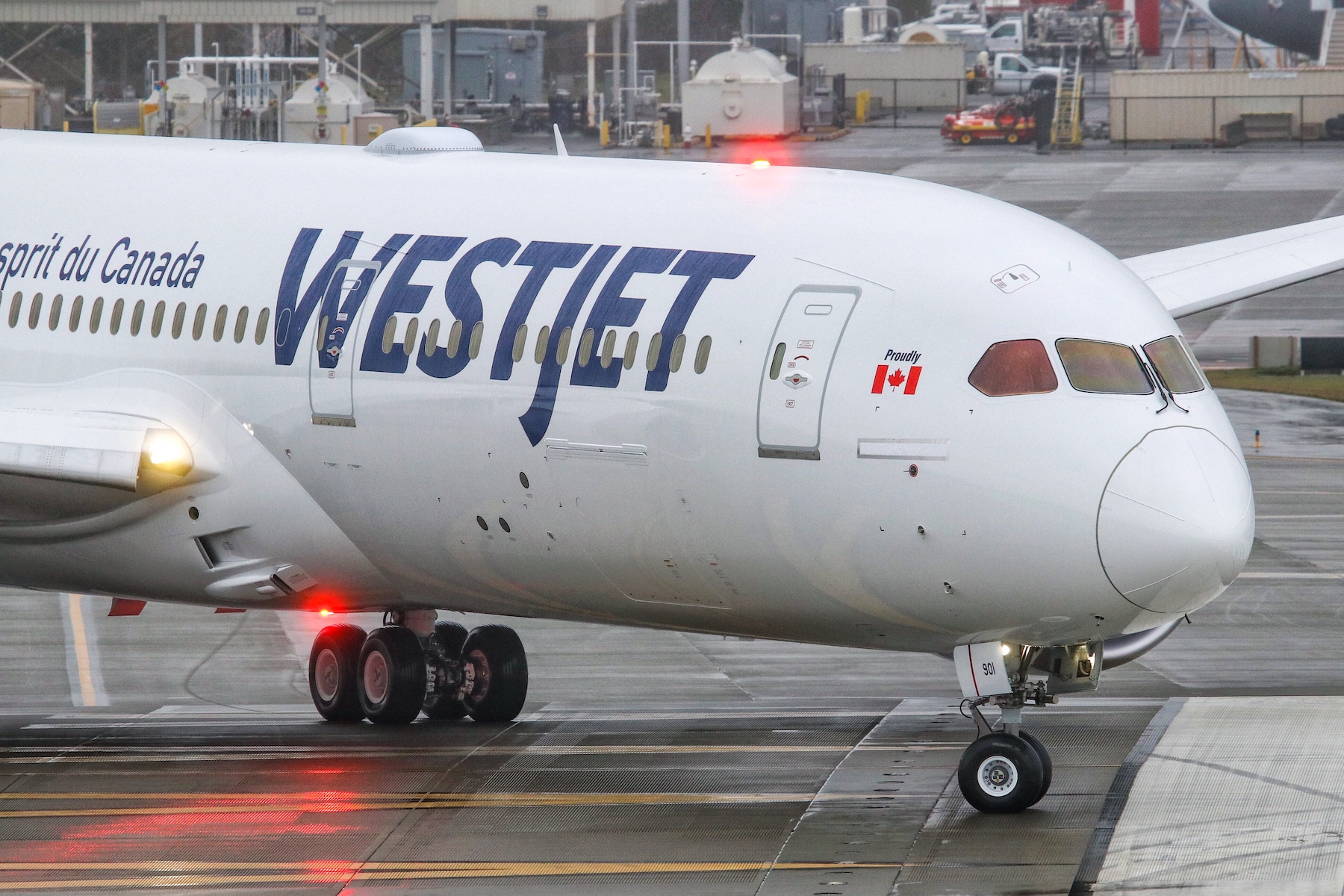
A WestJet Boeing 787 Dreamliner. (Photo: AirlineGeeks | Katie Zera)
Delta, Korean Air, and Air France-KLM are officially part-owners of Canadian airline WestJet.
Alternative asset manager Onex Partners, WestJet’s parent company, said Wednesday that it sold 25% of the airline as part of a deal first announced in May.
According to Onex, Delta acquired a 15% stake in WestJet, while Korean Air took a 10% stake. Upon closing, Delta sold 2.3% to Air France-KLM.
Onex will retain 75% of WestJet, preserving its ownership and control over the carrier.
Onex and WestJet leaders said the deal will enhance international connectivity, give WestJet access to innovations produced by its new part-owners, and generate gains for investors.
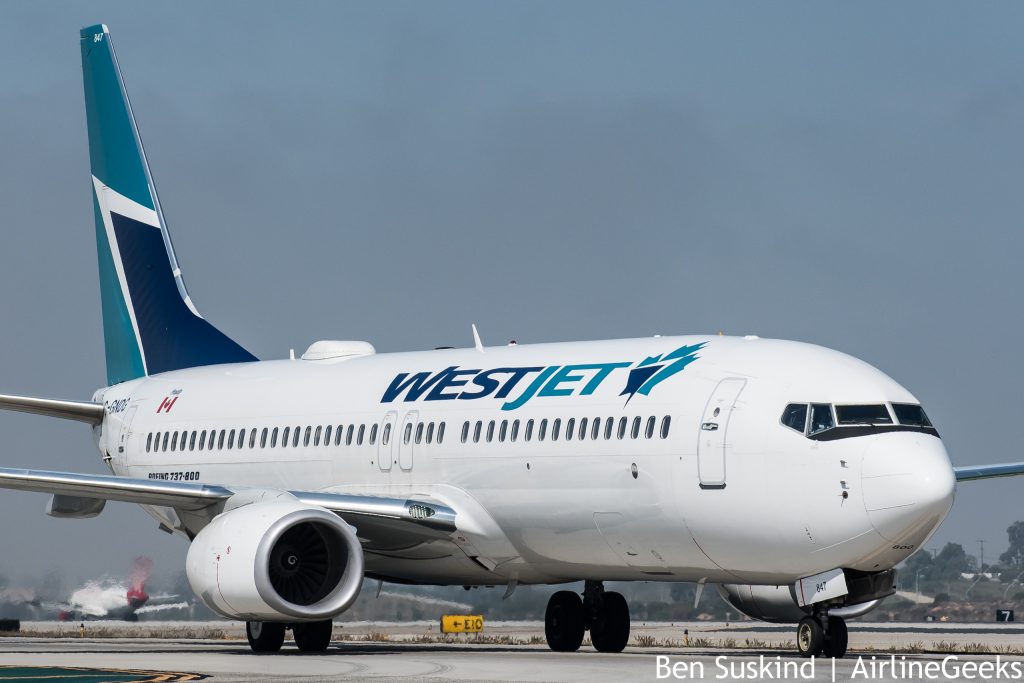
A WestJet 737 at LAX. (Photo: AirlineGeeks | Ben Suskind)
“This closing marks a milestone in our airline partnerships, building on existing relationships and reflecting confidence in WestJet’s strategy, performance, and people,” WestJet Group CEO Alexis von Hoensbroech said in a statement. “We are proud to welcome our new airline shareholders and look forward to further strengthening our partnerships with their airlines to create long-term value for guests.”
In May, Onex said that Delta and Korean Air would pay $330 million and $220 million, respectively, for their stakes in WestJet, while Air France-KLM would pay Delta $50 million for its smaller share. Updated financial details were not provided Wednesday.
WestJet has had codeshare partnerships with Delta and Korean Air for close to 15 years.
Zach Vasile is a writer and editor covering news in all aspects of commercial aviation. He has reported for and contributed to the Manchester Journal Inquirer, the Hartford Business Journal, the Charlotte Observer, and the Washington Examiner, with his area of focus being the intersection of business and government policy.
Alaska Grounds Flights Over Tech Problem
Customers are advised to check the status of their flight before heading to the airport.
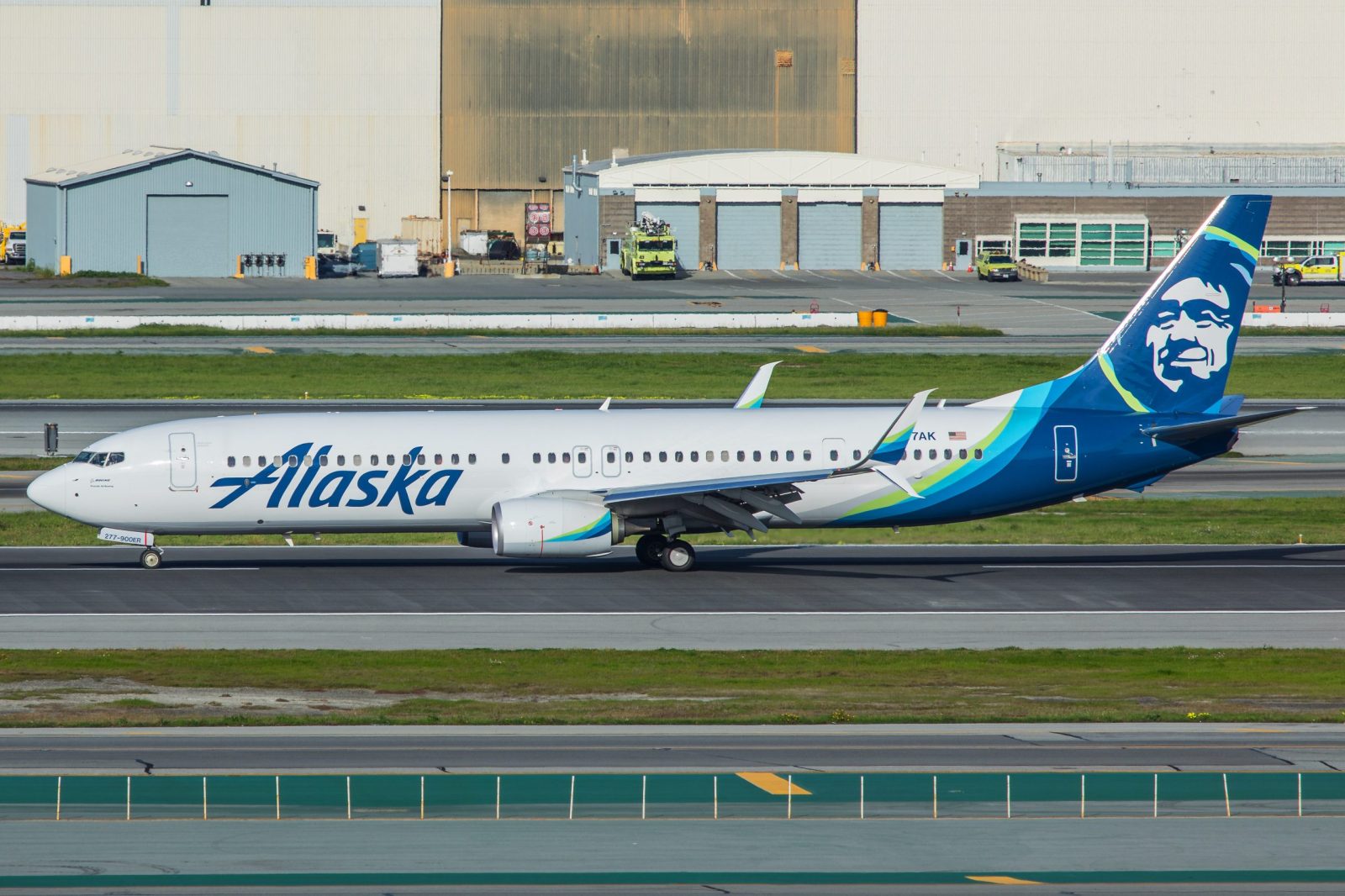
An Alaska Airlines Boeing 737-900 in San Francisco. (Photo: AirlineGeeks | William Derrickson)
Alaska Airlines has grounded flights nationwide due to a technology outage.
“Alaska Airlines is experiencing an IT outage affecting operations,” the carrier wrote on social media. “A temporary ground stop is in place. We apologize for the inconvenience.”
Alaska Airlines is experiencing an IT outage affecting operations. A temporary ground stop is in place. We apologize for the inconvenience. If you're scheduled to fly tonight, please check your flight status before heading to the airport.
Zach Vasile is a writer and editor covering news in all aspects of commercial aviation. He has reported for and contributed to the Manchester Journal Inquirer, the Hartford Business Journal, the Charlotte Observer, and the Washington Examiner, with his area of focus being the intersection of business and government policy.
Inside Look: American Debuts A321XLR
The airline will be the first U.S.-based carrier to operate the type.
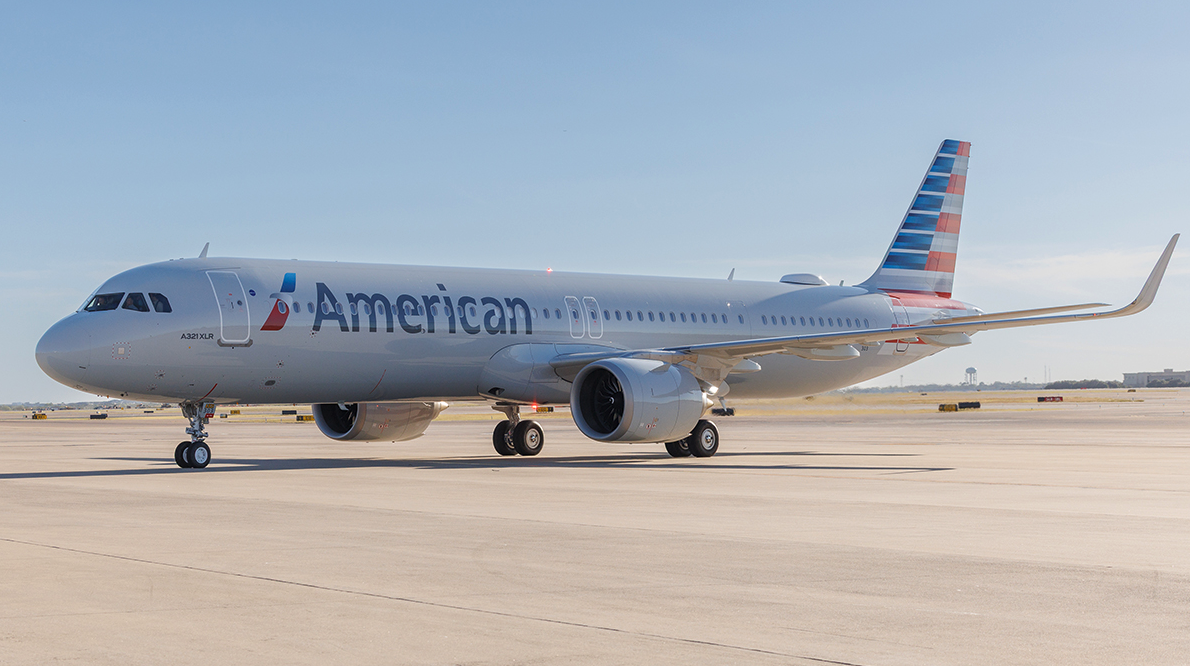
American received its first A321XLR aircraft from Airbus on Wednesday.
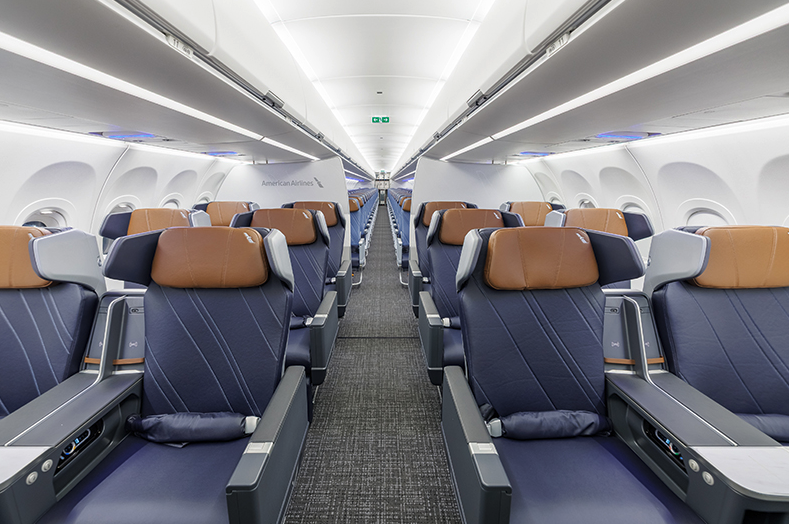
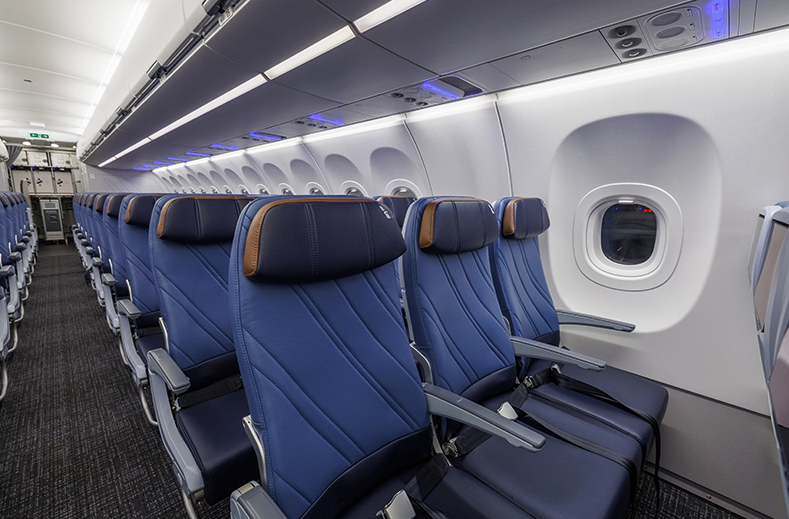
Premium economy seats on American’s first A321XLR. (Photo: American Airlines)
“Designed for long journeys with comfort and style at the forefront, American is thrilled to be the first U.S. airline to operate the A321XLR,” Heather Garboden, American’s chief customer officer, said in a news release. “Whether customers are traveling from coast to coast or across the ocean, American’s newest aircraft demonstrates our commitment to providing a premium travel experience.”
The airline said it will initially use the A321XLR on transcontinental U.S. flights. The type will enter international service in the first half of 2026.
Main cabin seats on American’s new A321XLR. (Photo: American Airlines)
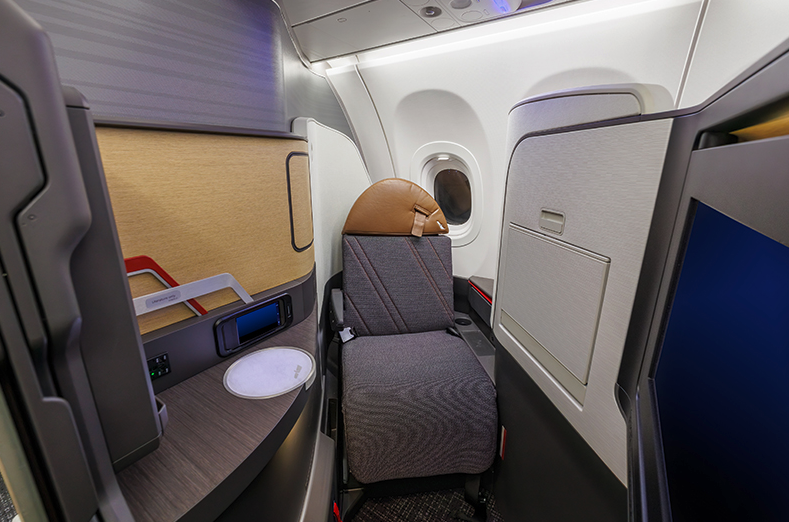
American’s A321XLRs have a three-class cabin layout, with high-end Flagship Suite seats installed toward the front of the aircraft. The Flagship Suites come with lie-flat seats, privacy doors, personal storage space, wireless charging ports, a cocktail tray, and a personal reading light.
Flagship Suite customers also get priority check-in, security, boarding, and baggage handling, as well as expanded in-flight dining options, amenity kits, and other perks.
A Flagship Suite seat on American’s new A321XLR. (Photo: American Airlines)
Each American A321XLR will have 20 Flagship Suite seats, 12 premium economy seats, and 123 main cabin seats.
United expects to take delivery of its first A321XLR aircraft next year, while Delta has said it will not use the type and plans to continue using widebody jets on transatlantic routes.
Zach Vasile is a writer and editor covering news in all aspects of commercial aviation. He has reported for and contributed to the Manchester Journal Inquirer, the Hartford Business Journal, the Charlotte Observer, and the Washington Examiner, with his area of focus being the intersection of business and government policy.
Air Canada Adds Four New U.S. Routes
Service will start in the spring and summer of 2026 from Billy Bishop Airport.
Starting March 29, 2026, Canada’s largest airline will connect Toronto and New York-LaGuardia, followed by Chicago O’Hare and Washington Dulles on June 1 and Boston on July 1.
Flights will operate four times daily to LaGuardia, three times daily to Boston, twice daily to Chicago O’Hare, and once daily to Washington Dulles.
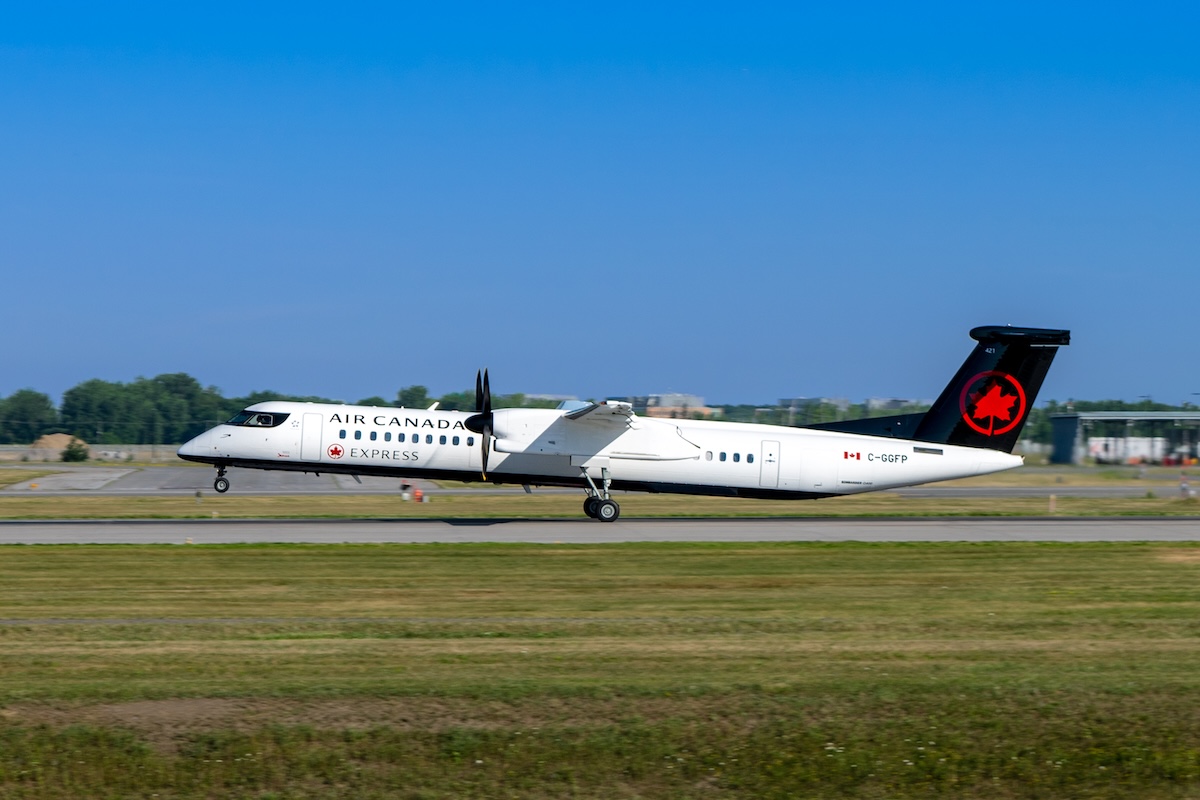
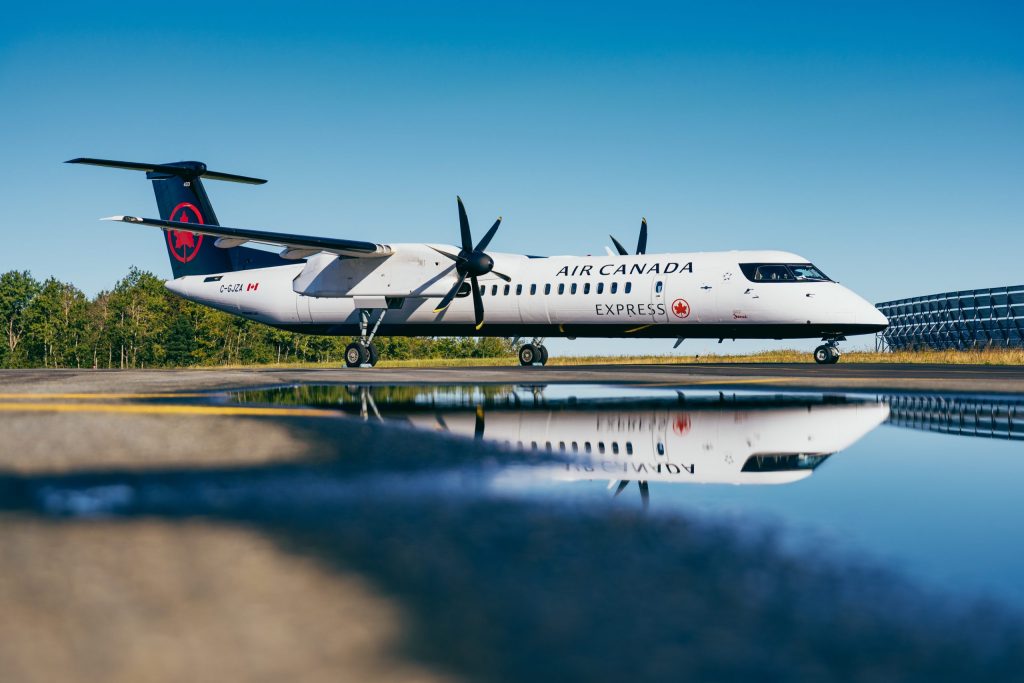
An Air Canada Express De Havilland Dash 8-400 aircraft. (Photo: Air Canada)
All four U.S. routes will operate under the Air Canada Express brand, with aircraft and crews provided by regional partner Jazz Aviation. Jazz will fly the routes using overhauled, 78-seat Q400 turboprop aircraft.
The new routes will come online after a U.S. Customs Pre-Clearance facility opens at the airport. This will allow passengers flying to the U.S. from Canada to clear customs before departure, Air Canada leaders said.
Domestic Increases
The carrier is also increasing the frequency of existing domestic routes from Toronto to Montréal and Ottawa.
“This is our most significant expansion at Toronto Island since Air Canada first served the airport 35 years ago,” Mark Galardo, Air Canada’s executive vice president, COO, and president of cargo, said in a statement. “The new transborder routes will especially benefit our loyal customers and business travelers by creating frequent and easy connections between the heart of Canada’s financial capital and the major markets of New York, Boston, Washington, and Chicago.”
Air Canada has a much larger presence at nearby Toronto Pearson International Airport, where it operates over 600 flights per day.
Zach Vasile is a writer and editor covering news in all aspects of commercial aviation. He has reported for and contributed to the Manchester Journal Inquirer, the Hartford Business Journal, the Charlotte Observer, and the Washington Examiner, with his area of focus being the intersection of business and government policy.
Icelandair Ending Widebody Operations
The carrier will phase out its Boeing 767s ahead of schedule.
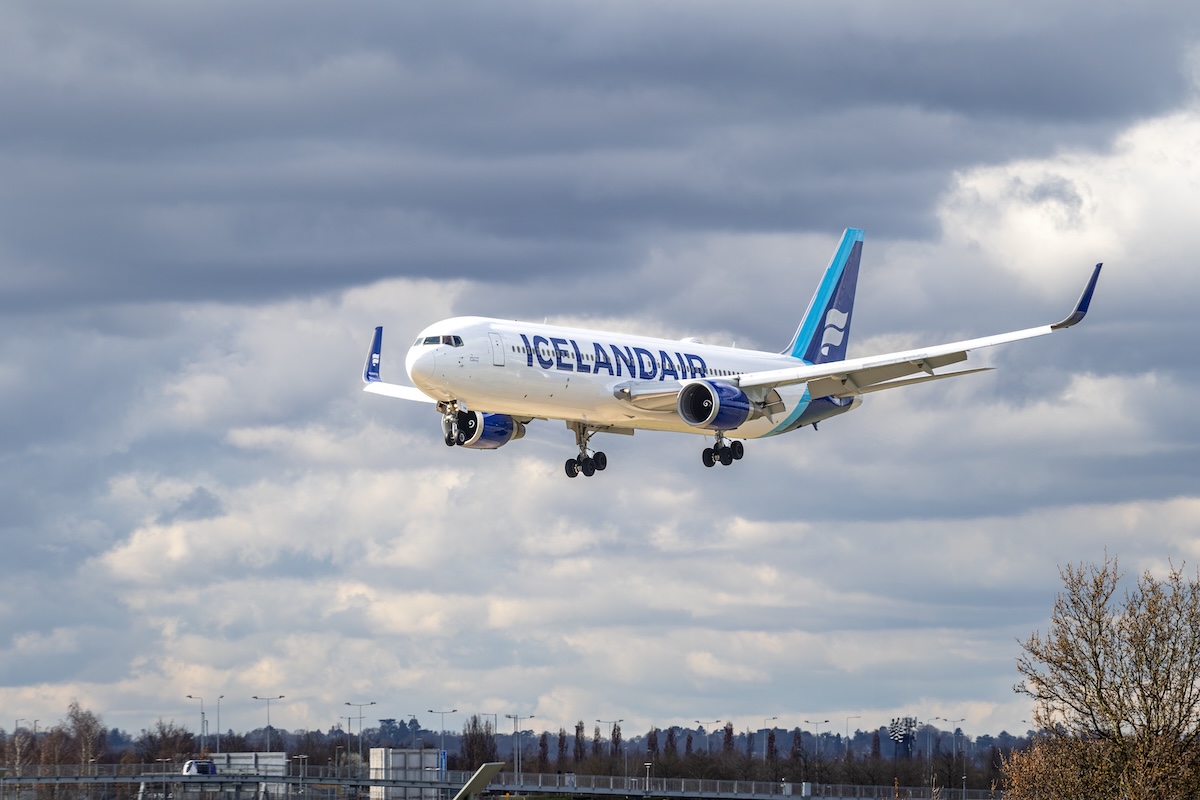
An Icelandair Boeing 767-300 (Photo: Shutterstock | Airlinephoto)
Icelandair said it will end all widebody operations by the end of 2026, retiring its Boeing 767-300 fleet earlier than planned as part of a sweeping transformation effort aimed at restoring profitability. The announcement came as part of the airline’s third-quarter 2025 financial report.
The Reykjavik-based carrier reported revenue of $585 million in the quarter, up 6% year-over-year, but net profit fell to $57 million, down nearly $12 million from the same period last year.
CEO Bogi Nils Bogason described the airline’s recent performance as part of “eight years of unsustainable financial performance,” saying the company’s immediate goal is to return to profitability next year.
“I am confident that with this focus, coupled with a strong financial position, we are well-equipped to turn the company around and deliver profits in 2026,” Bogason said.
757 Retirements
Icelandair said it will retire four Boeing 757s and one Boeing 767 by the end of this year, with the remaining widebody aircraft to follow in 2026. The company noted that the decision to end 767 operations earlier than previously scheduled supports its plan to simplify the fleet and improve cost efficiency.
Once the retirements are complete, Icelandair’s passenger operations will be entirely narrowbody.
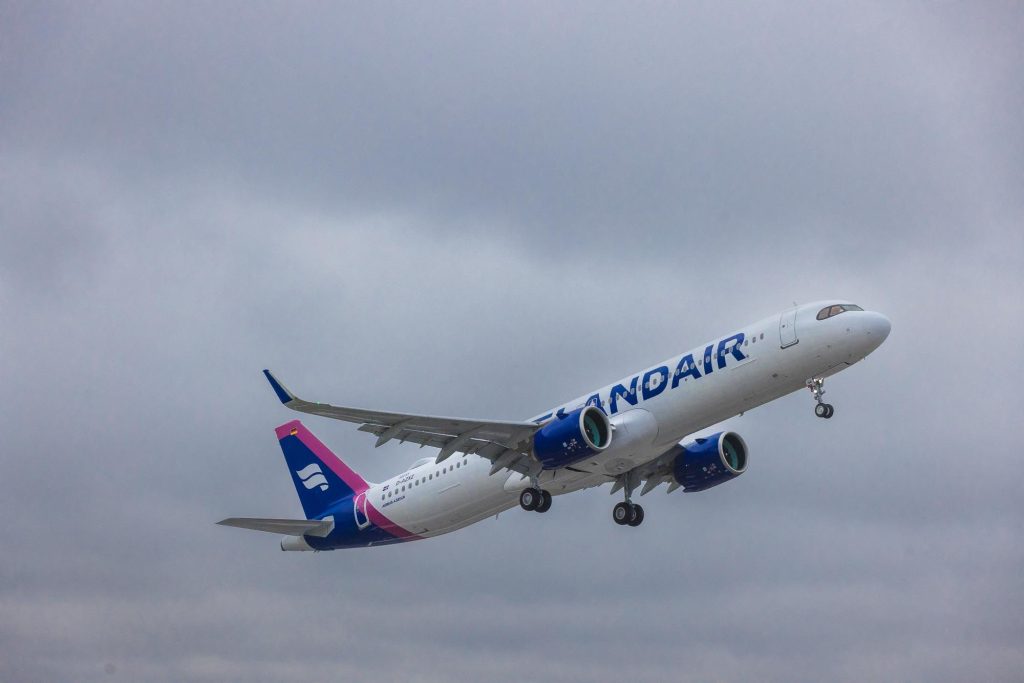
By summer 2026, the carrier expects to operate 41 aircraft, including 21 Boeing 737 MAXs and seven Airbus A321LRs, three of which are scheduled to arrive in early 2026.
An Icelandair A321LR aircraft (Photo: Icelandair)
The airline currently has five 767s in active service. These aircraft operate on a variety of European and transatlantic routes.
With the accelerated 767 retirement, Icelandair will end more than two decades of widebody operations.
Ryan founded AirlineGeeks.com in February 2013 and has spent more than a decade covering the airline business. His work has been featured by CNN, WJLA, CNET, and Business Insider. His aviation experience spans airport operations, Part 135 regulatory compliance, and airline crew workforce planning, along with time behind the yoke of a Cessna 172 and interviews with airline executives. Ryan now serves as Group President of Firecrown Media’s Aviation Group. He holds a B.S. in Air Transportation Management and an MBA from Arizona State University and teaches Airline Management at Embry-Riddle Aeronautical University.