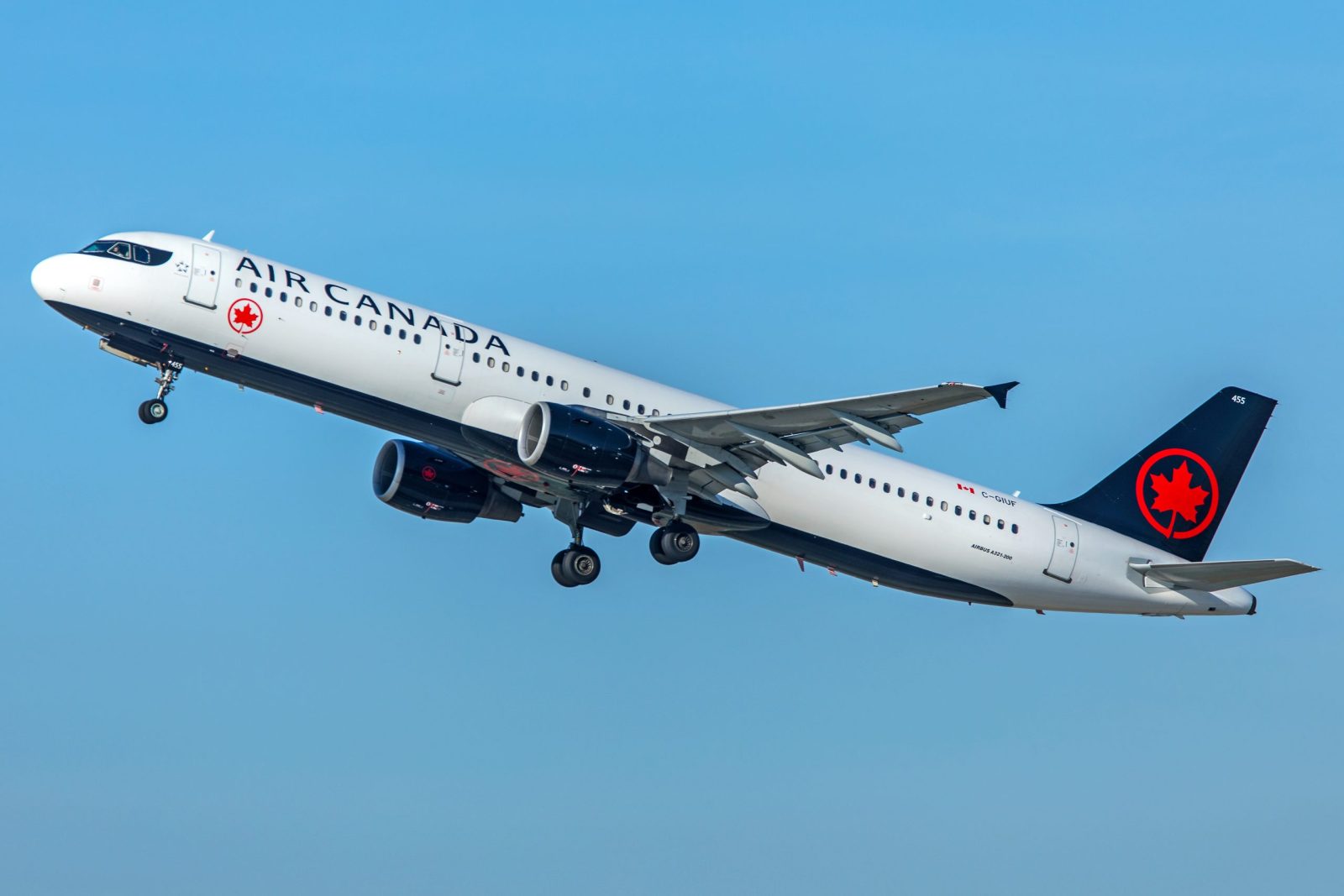
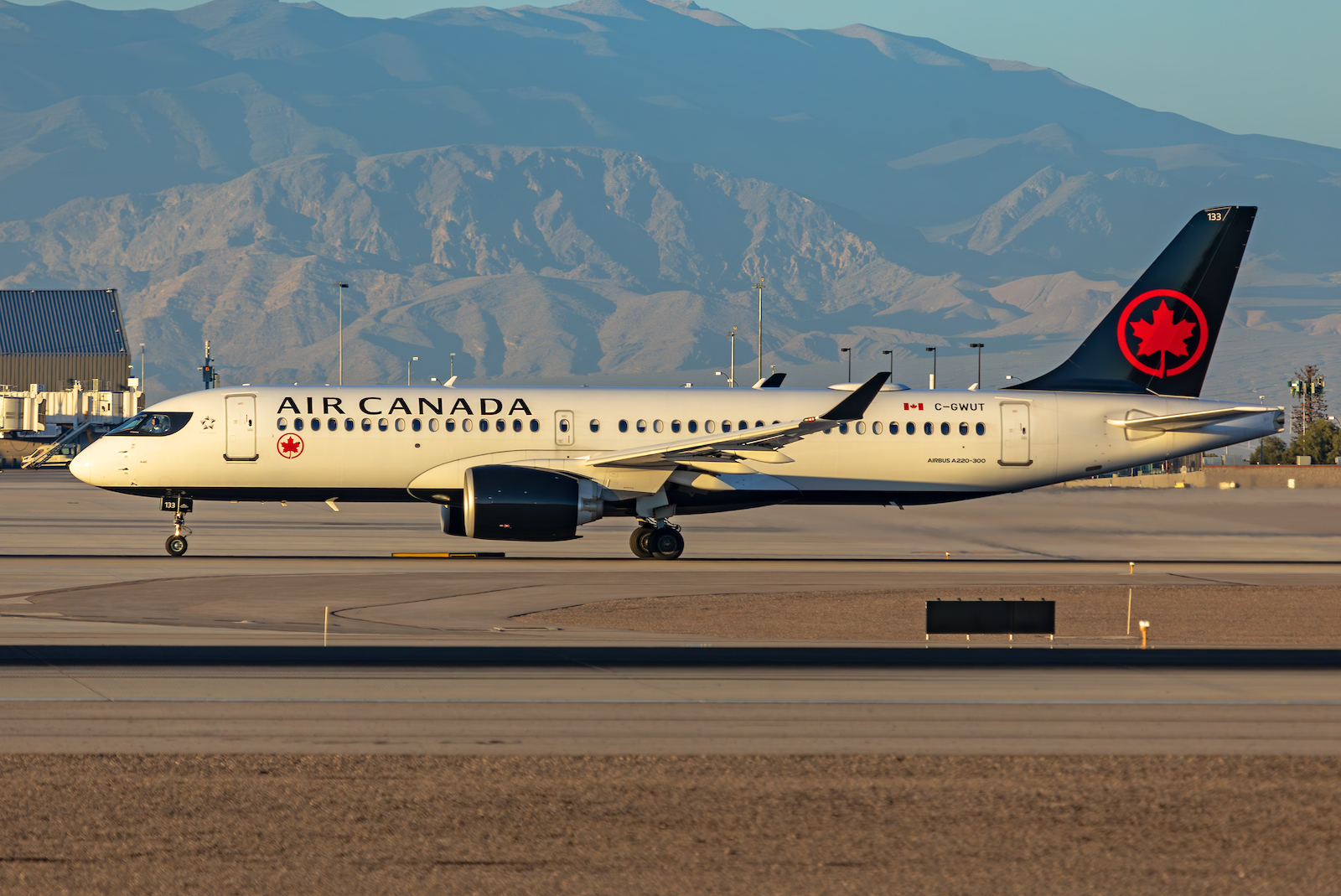
The airline announced Tuesday that it will offer seasonal flights between Montreal and Mallorca, Spain, using the A321XLR starting June 17, 2026. The service will operate until Oct. 24, 2026.
Air Canada will be the first Canadian carrier to fly nonstop to the island.
Airline leaders said the arrival of the A321XLR, which has a range of up to 4,700 nautical miles, will support new long-haul routes from Toronto, Ottawa, and Halifax, among other cities. Those destinations will be announced as more of the aircraft type are delivered.
The carrier also plans to convert some existing routes to the A321XLR, including year-round service between Montreal and Toulouse, France, and seasonal service between Montreal and Edinburgh, Scotland. The airline did not say exactly when the aircraft will take over those routes.
Air Canada’s A321XLRs will seat 182 passengers, with 14 Signature Class seats and 168 Economy Class seats.
Air Canada is set to acquire 30 A321XLRs, with the first expected to arrive in the first quarter of 2026. Up to 10 more will arrive in 2026, the carrier said.
Zach Vasile is a writer and editor covering news in all aspects of commercial aviation. He has reported for and contributed to the Manchester Journal Inquirer, the Hartford Business Journal, the Charlotte Observer, and the Washington Examiner, with his area of focus being the intersection of business and government policy.
Allegiant Adds Three New Routes
Ultra-low-cost carrier Allegiant will shake up its network early next year with three additional routes and a brand-new destination.
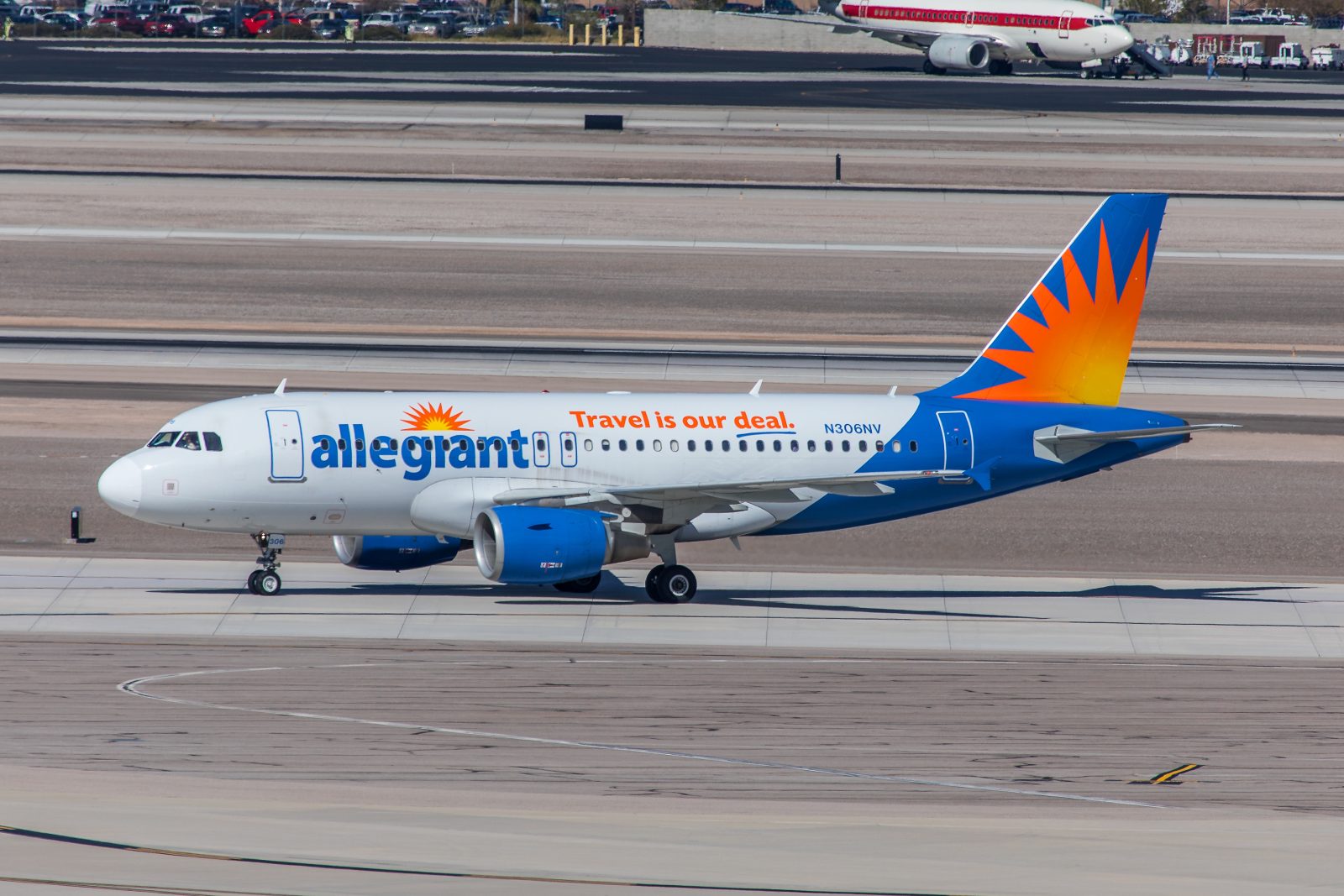
An Allegiant A319 in Las Vegas. (Photo: AirlineGeeks | William Derrickson)
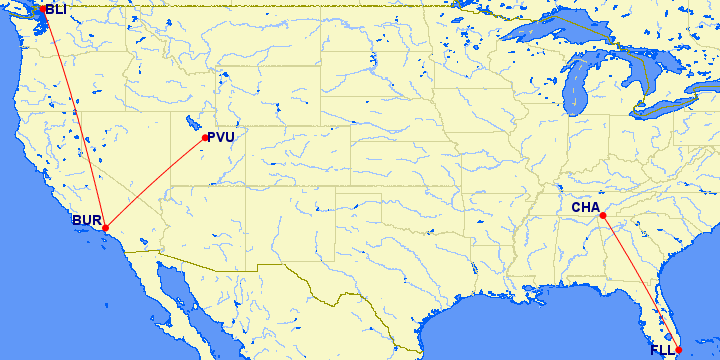
Allegiant will shake up its network early next year with three additional routes and a new destination. The ultra-low-cost carrier announced the network changes on Tuesday.
Chattanooga-to-Fort Lauderdale isn’t completely new to Allegiant’s network, with the carrier last serving the market in 2009, per Cirium Diio schedule data.
“We’re thrilled to expand our network from coast to coast and look forward to bringing our brand of service to Burbank, California,” said Drew Wells, Allegiant’s chief commercial officer, in a news release. “This growth underscores our commitment to providing leisure travelers with more options to reach the destinations they love and strengthens our position as a leader in offering value-oriented air service.”
New Destination
A new airport will also join Allegiant’s network next year. The carrier will begin serving Burbank, California, in February.
Ryan founded AirlineGeeks.com in February 2013 and has spent more than a decade covering the airline business. His work has been featured by CNN, WJLA, CNET, and Business Insider. His aviation experience spans airport operations, Part 135 regulatory compliance, and airline crew workforce planning, along with time behind the yoke of a Cessna 172 and interviews with airline executives. Ryan now serves as Group President of Firecrown Media’s Aviation Group. He holds a B.S. in Air Transportation Management and an MBA from Arizona State University and teaches Airline Management at Embry-Riddle Aeronautical University.
A Southwest 737-800 on final approach to Los Angeles. (Photo: AirlineGeeks | William Derrickson)
Privately-owned United Nigeria Airlines is more than doubling its existing fleet with the purchase of Boeing 737 aircraft from Southwest.
In a statement posted on social media Monday, United Nigeria said it will acquire six 737-800s from Southwest, with options for four more. The aircraft will be delivered and integrated into United Nigeria’s operations between the first quarter of 2026 and the first quarter of 2027.
All six of the 737s formerly flew for Southwest and were slated to be retired. The carrier said in July that it was looking to offload some of its 203 787-800s as it takes delivery of more 737 MAX jets, and suggested a sale of at least five of the aircraft was in the works.
Southwest expects to retire a total of 55 airplanes this year.
The deal was brokered with the assistance of SkyWorks Holdings, an aviation leasing and advisory company. The three partners signed the agreement at Southwest’s corporate headquarters in Dallas.
United Nigeria’s current fleet consists of four Embraer ERJ-145s and one Boeing 737-500. Airline officials said the aircraft coming from Southwest will help support new routes, boost efficiency, and improve the flying experience for customers.
United Nigeria Executive Chairman Obiora Okonkwo said the carrier will continue to work with Southwest after delivery in areas such as training and maintenance support. The prospect of a continuing relationship with Southwest, Okonkwo added, was a major factor in moving the agreement forward.
United Nigeria was founded in 2020 and has its operations base at Enugu International Airport. It flies entirely within Nigeria.
Zach Vasile is a writer and editor covering news in all aspects of commercial aviation. He has reported for and contributed to the Manchester Journal Inquirer, the Hartford Business Journal, the Charlotte Observer, and the Washington Examiner, with his area of focus being the intersection of business and government policy.
WestJet 737 Damaged After ‘Hard Landing’
A WestJet aircraft made a “hard landing” in St. Maarten on Sunday after part of its landing gear collapsed after hitting the runway.
A WestJet 737-800 at LAX (Photo: AirlineGeeks | William Derrickson)
A WestJet aircraft made a “hard landing” in St. Maarten on Sunday after part of its landing gear collapsed.
The airplane, a Boeing 737-800 operating from Toronto, touched down at Princess Juliana International Airport around 3:30 p.m. local time when its right main landing gear failed. The flight crew managed to keep the aircraft on the runway, and it came to a stop on its nose gear, left main gear, and right engine.
WestJet confirmed the incident in a statement on Sunday.
“Emergency services responded immediately, deploying foam as a precaution,” the statement read. “The aircraft’s slides were activated, and all guests and crew safely evacuated and were transported to the terminal. All guests are accounted for and there are no reported injuries.”
St. Maarten officials said there were a total of 164 people on board.
WATCH: Scary moments at St. Maarten minutes ago— WestJet Boeing 737-8 (C-GWSR) suffers a hard landing, causing the right main gear to collapse.
Flight #WS2276 was landing from Toronto,YYZ when the incident unfolded.
Footage of the incident shows the right side of the 737 bouncing after hitting the runway, followed by a plume of gray smoke.
The airplane’s right-side wing was damaged during the landing.
Princess Juliana International Airport, the main airport on St. Maarten, remained shut down Monday morning as crews inspected the aircraft and worked to move it from the runway. Airport leaders said the airplane should be off the runway by around noon local time. Staff will have to inspect the runway’s integrity before flights in and out of the airport can resume.
The Transportation Safety Board of Canada said Monday that it will lead the investigation into the accident. The agency is deploying a team to St. Maarten to begin its assessment.
Zach Vasile is a writer and editor covering news in all aspects of commercial aviation. He has reported for and contributed to the Manchester Journal Inquirer, the Hartford Business Journal, the Charlotte Observer, and the Washington Examiner, with his area of focus being the intersection of business and government policy.
Sun Country Upsizes Fleet With 737-900ER
Sun Country is set to deploy Boeing 737-900ERs within its scheduled network, joining the carrier’s existing fleet of 737-800s.
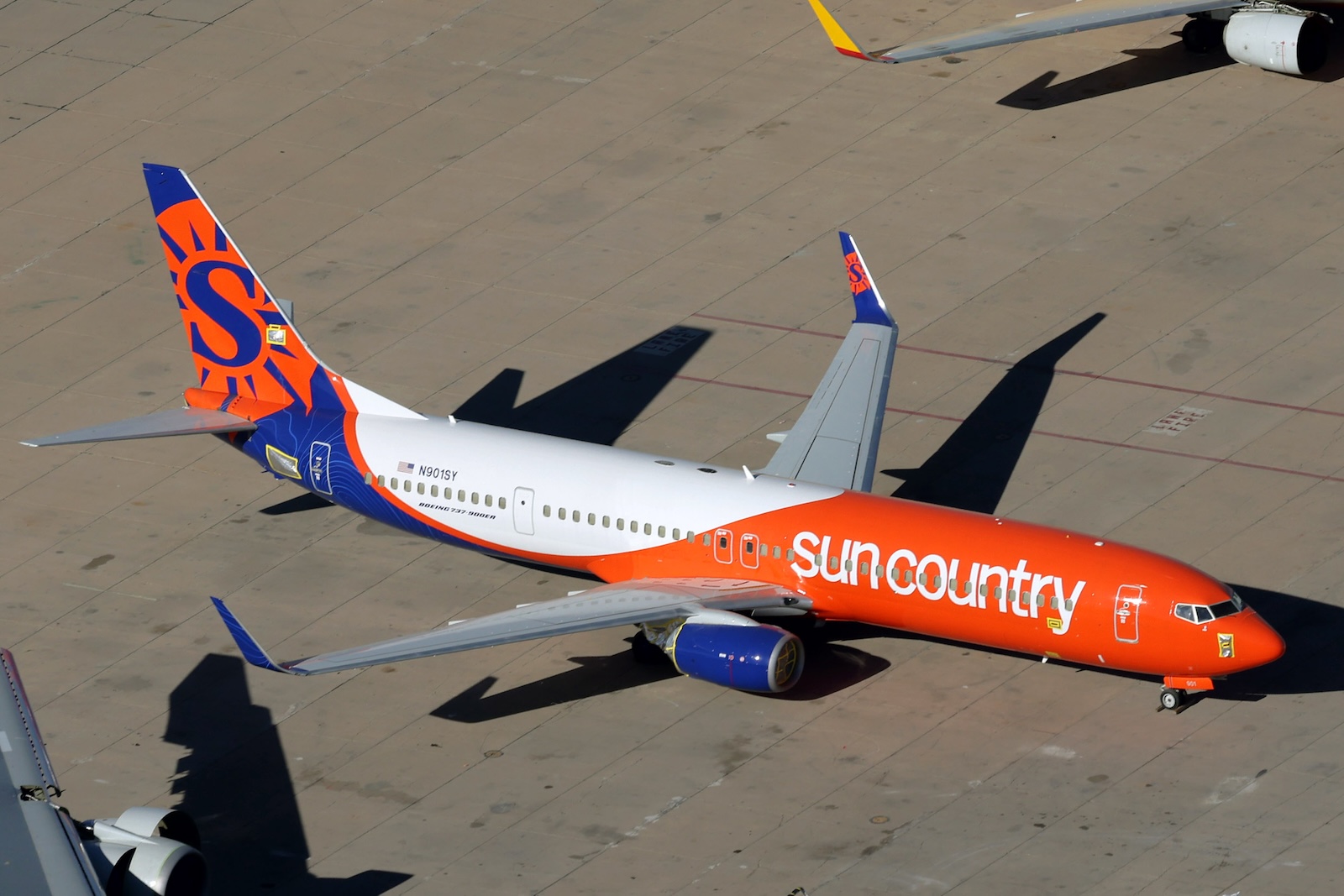
A Sun Country Boeing 737-900ER stored in Marana, Arizona. (Photo: Duncan Kirk)
Sun Country is set to deploy Boeing 737-900ERs within its scheduled network for the first time. Joining the carrier’s existing fleet of 737-800s, the -900ERs will be its largest aircraft type.
The low-cost airline will launch 737-900ER service on Sept. 26, according to Cirium Diio schedule data. Initial routes will operate from Minneapolis/St. Paul to Phoenix and Las Vegas.
Starting in October, the carrier’s 737-900ERs will also operate on flights from Minneapolis to Fort Myers and Orlando in Florida.
A ‘New’ Type
Sun Country first acquired five 737-900ERs in 2023, though the aircraft have been operating under lease agreements with Oman Air.
The Middle East airline still operates three of the five Sun Country-owned -900ER jets, per Cirium Fleet Analyzer data. The remaining two aircraft – registered as N901SY and N904SY – are currently in storage.
“During this quarter, we took redelivery of our second Boeing 737-900 that was previously on lease to another airline. And we expect both of those aircraft to enter service later this year. We also extended the leases on two of the remaining five aircraft that are on lease to other airlines,” said Sun Country’s CFO Bill Trousdale during a recent second-quarter earnings call.
Currently, the airline has 60 737-800 aircraft in active service, including some cargo variants that operate for Amazon.
Ryan founded AirlineGeeks.com in February 2013 and has spent more than a decade covering the airline business. His work has been featured by CNN, WJLA, CNET, and Business Insider. His aviation experience spans airport operations, Part 135 regulatory compliance, and airline crew workforce planning, along with time behind the yoke of a Cessna 172 and interviews with airline executives. Ryan now serves as Group President of Firecrown Media’s Aviation Group. He holds a B.S. in Air Transportation Management and an MBA from Arizona State University and teaches Airline Management at Embry-Riddle Aeronautical University.
Air Canada Flight Attendants Reject Proposed Contract
Air Canada’s flight attendants overwhelmingly rejected a proposed contract worked out by their employer and their labor union last month after a strike.
In a statement, the Canadian Union of Public Employees, which represents the flight attendants, said its members voted 99.1% against the contract offer in a vote that ended on Saturday.
But the roughly 10,000 flight attendants at Air Canada and low-cost subsidiary Air Canada Rouge will not be returning to the picket lines. Air Canada and CUPE confirmed over the weekend that they had reached an agreement to avoid another work stoppage and will refer the matter to mediation and, if that fails, arbitration.
“Air Canada is fully committed to the mediation and arbitration process,” the airline said in a statement. “The negotiations period has been challenging for all Air Canada stakeholders. We deeply appreciate the patience and the confidence our customers have shown as we worked through this process.”
CUPE described the tentative labor agreement as “transformational” upon its announcement, but said Saturday that its proposed wage increases would still not boost flight attendants above the federal minimum wage when hours of unpaid work are factored in. Air Canada’s flight attendants are paid only for work done while an airplane’s doors are closed, not for tasks like helping passengers board or carrying out safety checks.
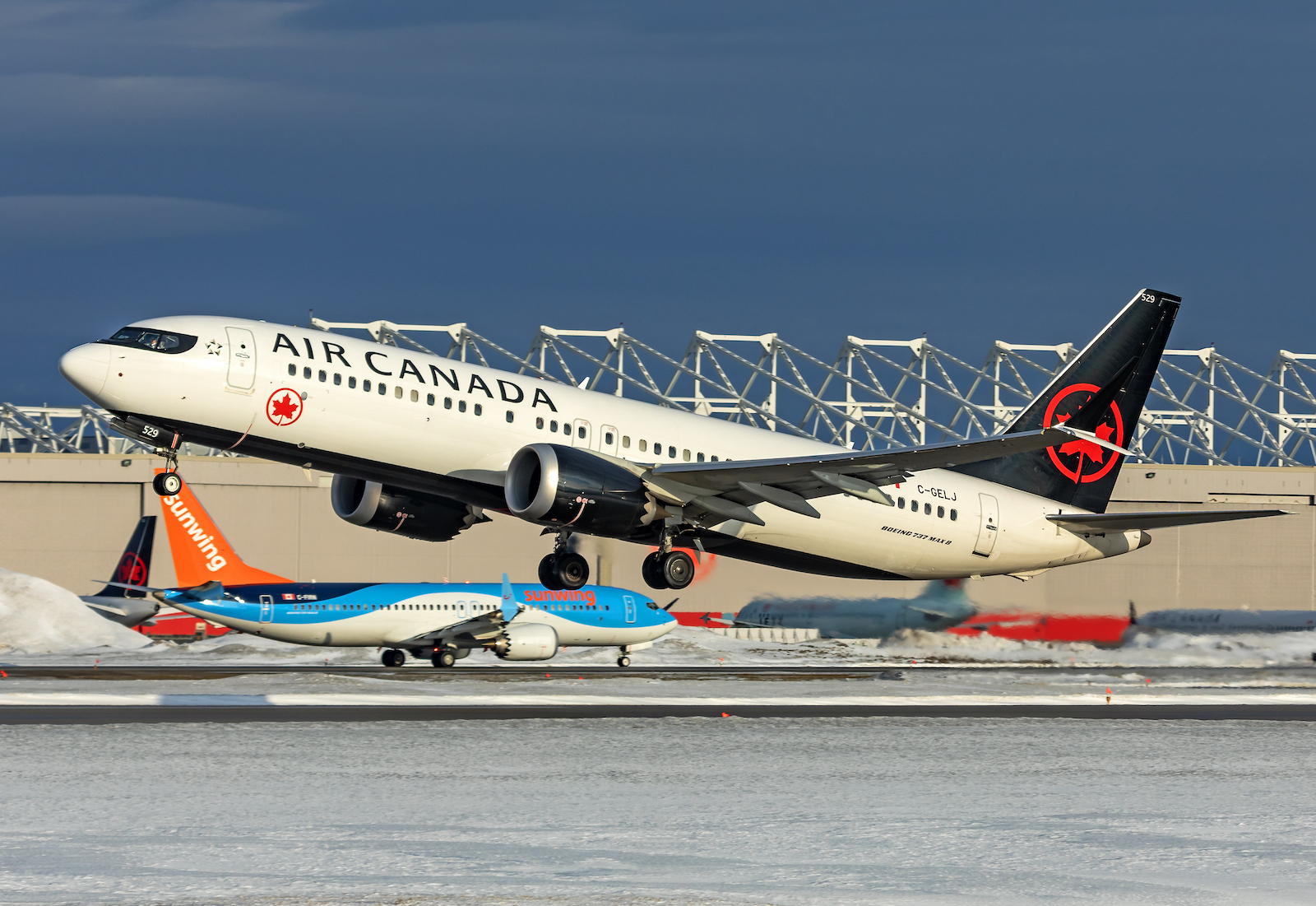
An Air Canada Boeing 737 MAX 8. (Photo: AirlineGeeks | William Derrickson)
The contract put forward last month would have partially compensated flight attendants for those responsibilities. It provided year-one wage increases of 12% for mainline and Rouge flight attendants with five years of service or less and 8% for those with six years or more, and subsequent annual increases of 3%, 2.5% and 2.75%.
CUPE said Saturday that those concessions were not enough, and that “this is only the beginning.”
Back to the Bargaining Table
The flight attendants walked off the job on Aug. 16, forcing Air Canada to cancel all mainline and Rouge flights. The shutdown affected about 500,000 people traveling to, from, and within Canada.
Federal Jobs Minister Patty Hajdu and the Canadian Industrial Relations Board issued a return-to-work order, citing the economic toll of a prolonged work stoppage, but the flight attendants ignored it. They also brushed off an Aug. 18 ruling declaring their strike illegal, and CUPE leaders said they were willing to face jail time to advance their members’ demands.
One day later, though, the two sides announced a tentative agreement, and the flight attendants returned to work. This is the deal that was voted down over the weekend.
CUPE officials said Saturday that the federal government played a “corrosive role” in the negotiations by undermining the workers’ position.
“Air Canada never bargained in good faith on wages,” said Wesley Lesosky, president of the Air Canada component of CUPE. “By CEO Michael Rousseau’s own admission, the company expected the federal government to intervene and take away the only leverage we had – our right to go on strike. Jobs Minister Patty Hajdu only waited 11 hours to prove the company right.”
It was not immediately clear when mediation between Air Canada and CUPE would begin, or who would serve in the role of mediator.
Zach Vasile is a writer and editor covering news in all aspects of commercial aviation. He has reported for and contributed to the Manchester Journal Inquirer, the Hartford Business Journal, the Charlotte Observer, and the Washington Examiner, with his area of focus being the intersection of business and government policy.
Avelo Raises More Funding
Avelo said that it closed on a new round of “significant” funding to help grow its scheduled passenger operations. A specific dollar amount was not disclosed.
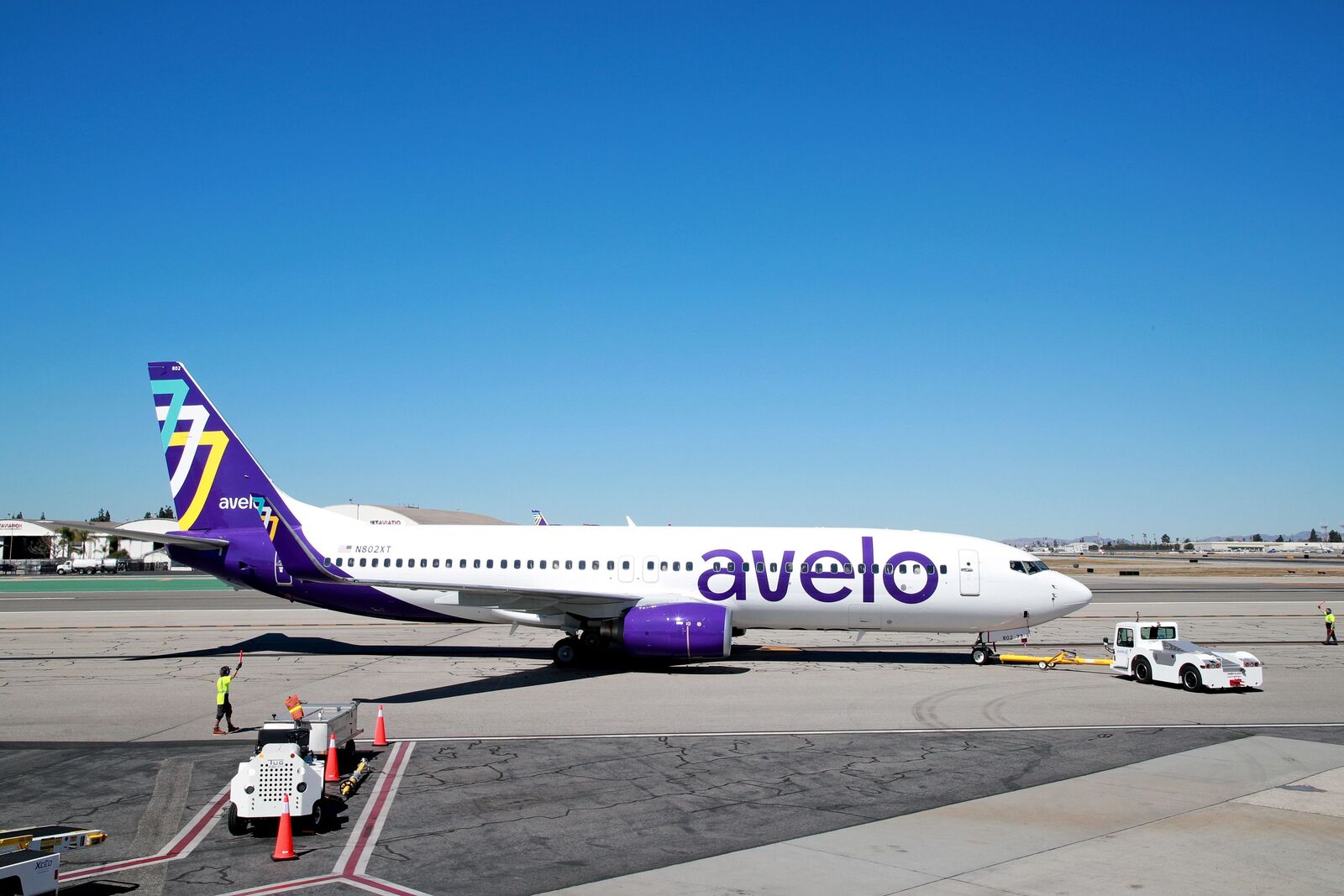
An Avelo Boeing 737 aircraft. (Photo: Avelo Airlines)
Avelo said Monday that it closed on a new round of “significant” funding to help grow its scheduled passenger operations. A specific dollar amount was not disclosed.
The ultra-low-cost carrier added that this financing round represents its “single largest investment” since the airline’s initial Series A funding. Avelo began operations in 2021, and now boasts a fleet of 22 Boeing 737 aircraft.
“Today marks another important milestone for Avelo. This new capital strengthens our liquidity position and positions us to continue delivering reliable, affordable travel options to millions of Customers who are underserved by other carriers,” Avelo founder and CEO Andrew Levy said in a news release.
“This investment comes at a pivotal time in the domestic airline industry and will allow Avelo to double down on an addressable market that is too often being priced out by higher fare airlines.”
Later this year, the airline says it plans to launch a new loyalty program and co-branded credit card to boost ancillary revenue.
Ryan founded AirlineGeeks.com in February 2013 and has spent more than a decade covering the airline business. His work has been featured by CNN, WJLA, CNET, and Business Insider. His aviation experience spans airport operations, Part 135 regulatory compliance, and airline crew workforce planning, along with time behind the yoke of a Cessna 172 and interviews with airline executives. Ryan now serves as Group President of Firecrown Media’s Aviation Group. He holds a B.S. in Air Transportation Management and an MBA from Arizona State University and teaches Airline Management at Embry-Riddle Aeronautical University.
American is adding a brand-new destination to its network that is not currently served by any U.S. carriers. Service is slated to launch in early 2026.
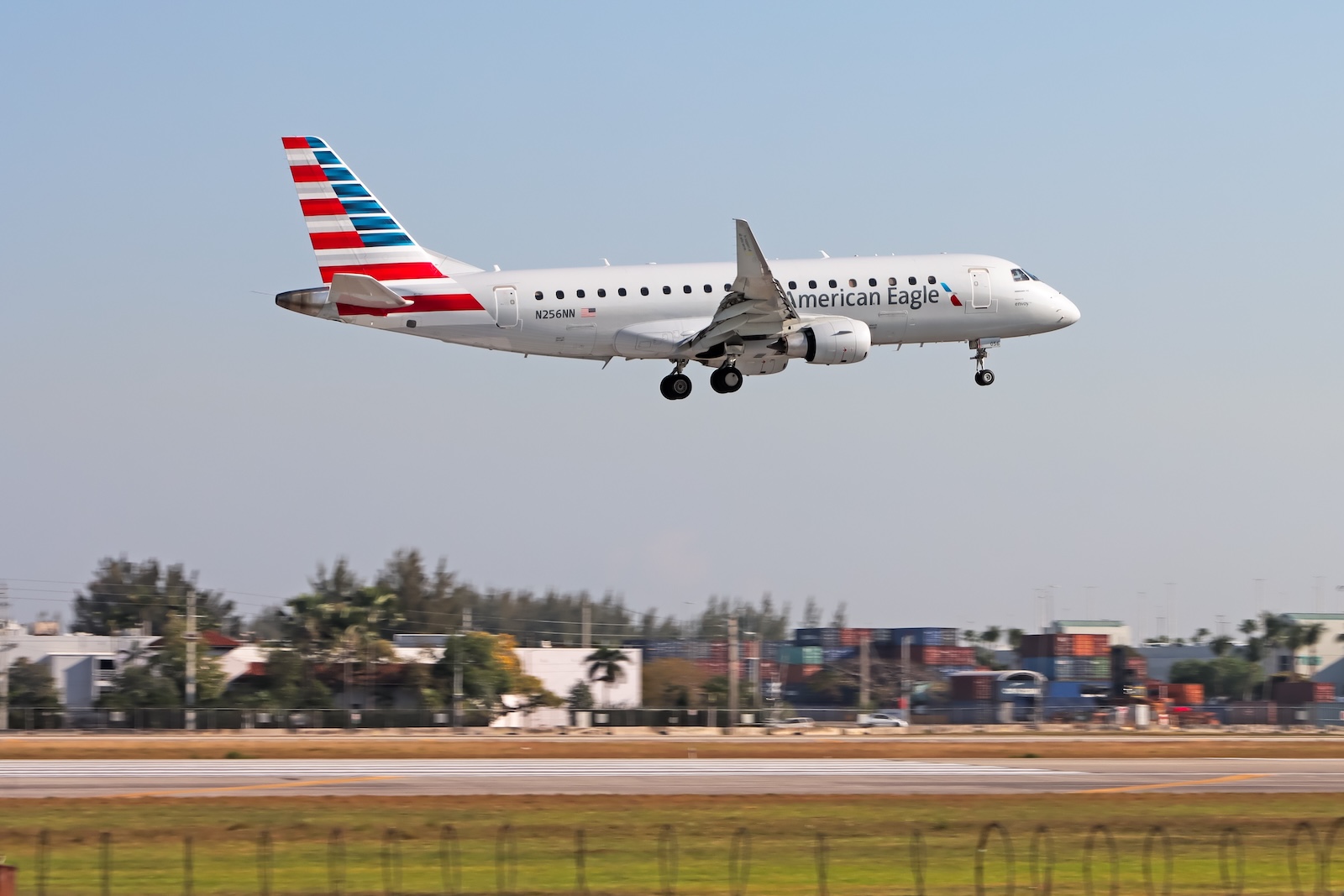
An American Eagle E175. (Photo: Shutterstock | Ryken Papy)
American is adding a brand-new destination to its network that is not currently served by any U.S. airline. Service is slated to launch in early 2026 and will be among the carrier’s shortest routes.
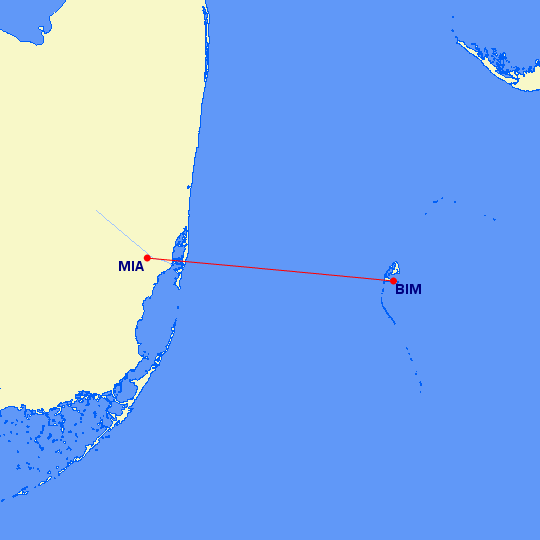
According to Cirium Diio schedule data, the Fort Worth, Texas-based airline will begin flying to South Bimini Airport in the Bahamas. Currently, this airport only sees regular passenger flights from Western Air and Flamingo Air.
In addition, Part 135 operator Aztec Airways operates two scheduled flights per week to Bimini from Fort Lauderdale.
New three-times-weekly service from American’s Miami hub is scheduled to launch on Feb. 14. An Envoy Air Embraer E175 will operate the 64-mile route.
The new service will operate on Mondays, Wednesdays, and Saturdays. A news release from American confirmed the new route on Monday.
Bimini will become American’s seventh destination in the Bahamas, joining Nassau, Freeport, George Town, Governor’s Harbour, Marsh Harbour, and North Eleuthera.
Its new Miami-to-Bimini route will also be American’s shortest scheduled service by distance, just three miles shorter than the current titleholder: Chicago-to-Milwaukee.
Editor’s Note: This story was updated on Monday, Sept. 8, 2025, at 10:27 a.m. ET to add a comment on Aztec Airways and confirmation from American.
Ryan founded AirlineGeeks.com in February 2013 and has spent more than a decade covering the airline business. His work has been featured by CNN, WJLA, CNET, and Business Insider. His aviation experience spans airport operations, Part 135 regulatory compliance, and airline crew workforce planning, along with time behind the yoke of a Cessna 172 and interviews with airline executives. Ryan now serves as Group President of Firecrown Media’s Aviation Group. He holds a B.S. in Air Transportation Management and an MBA from Arizona State University and teaches Airline Management at Embry-Riddle Aeronautical University.
Embraer’s E2 Aircraft Receive Certification in South Africa
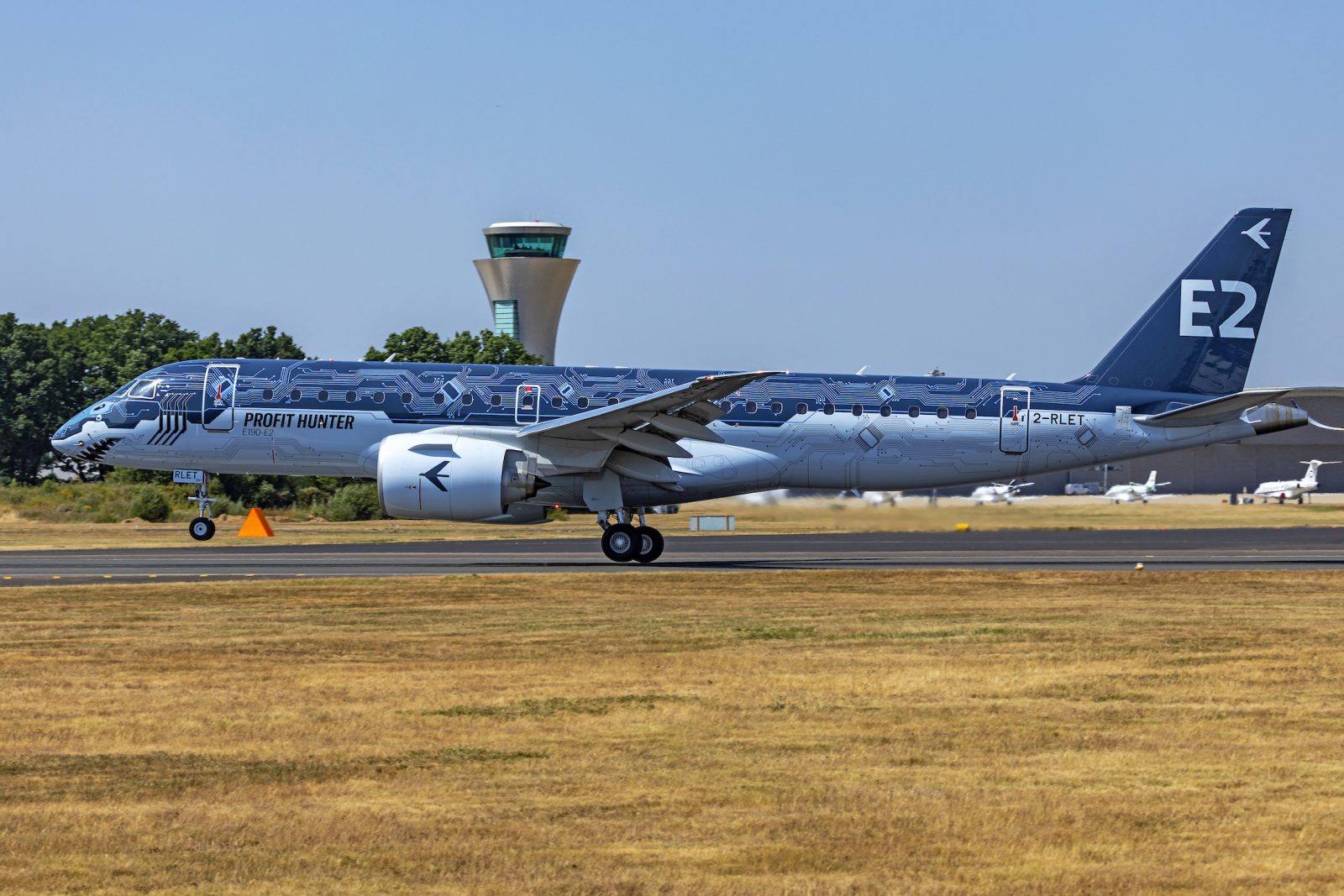
Embraer’s latest jets, the E190-E2 and E195-E2, have officially been certified for use in commercial service by South Africa’s Civil Aviation Authority.
This paves the way for the aircraft to enter service in South Africa, marking a significant milestone in its global adoption, particularly in the African market.
“This certification opens new opportunities for the aircraft, which has already attained significant success across the world,” said Stephan Hannemann, Embraer’s senior vice president for Africa and the Middle East, in a press release.
Airlink Leases 10 E195-E2s
The certification comes after South African regional carrier Airlink signed a lease agreement in June with aircraft lessor Azorra for 10 new E195-E2s.
“South Africa’s type acceptance of the latest generation Embraer E195-E2 and its Pratt & Whitney engines by the SACAA are important milestones as we prepare to receive and take them into service,” said Airlink CEO De Villiers Engelbrecht.
The first deliveries are expected later this year, with the full fleet arriving by 2027. The aircraft seat up to 136 passengers in a two-by-two configuration.
Airlink’s current fleet comprises of various Embraer aircraft. The new E2 jets will allow Airlink to scale operations and expand across high-density and emerging routes in sub-Saharan Africa. The aircraft will also enhance sustainability and cost savings for the airline.
Lorne is a South Africa-based aviation journalist. He was captivated and fascinated by flying from the day he took his first airline flight. With a passion for aviation in his blood, he has flown to destinations in all corners of the globe. Lorne has traveled extensively and lived in various countries. Drawing on his travels and passion for aviation, Lorne enjoys writing about airlines, routes, networks, and new developments.
LAX’s Iconic Sign Comes Down
Los Angeles International Airport is taking down its famous LAX letters as part of a massive roadway improvement project.
LAX's entrance sign (Photo: Shutterstock | Sean Leonard)
Los Angeles World Airports (LAWA) announced Friday that it will take down the famous LAX sign at Los Angeles International Airport’s gateway entrance over the course of a week.
A LAWA news release stated that the letters would be relocated to ensure compatibility with new road signs and broader developments planned for the area.
“While the letters have served as an iconic welcome symbol for LAX guests over many decades, moving them is essential to allow for the reconfiguration and upgrade of the surrounding roadways, and to ensure smoother and more efficient access to the airport,” LAWA said.
The planned roadway improvements aim to significantly reduce traffic congestion by separating airport-bound vehicles from local traffic at Sepulveda Boulevard.
The letters will be stored at a LAWA yard across the street from their current location until their relocation. Each letter is expected to take two nights to move, starting backwards from X to A, then L.
“Today marks a significant milestone for LAX as we continue to innovate, evolve and transform LAX into a more efficient and accessible airport,” said Michael Christensen, LAWA’s chief airport development officer, in the release. “While the LAX sign will be taking a break from the spotlight, our teams and contracting partners will be hard at work on roadway improvements that will provide long-term benefits to employees, travelers and our surrounding communities, creating a world-class airport experience for years to come.”
Aircraft at Los Angeles International Airport (Photo: AirlineGeeks | James Dinsdale)
New roadways will also include improvements to pedestrian travel, new signage and more direct access to LAX economy parking.
LAWA stated that over four miles of revamped roadways are expected to remove over 500 cars from Sepulveda Boulevard at any given time once construction is completed.
The roadways project is included in LAX’s broader Airfield and Terminal Modernization Program (ATMP) – an initiative aimed at enhancing passenger experience and airfield safety. Though the project is expected to be completed by 2030, the modernization efforts will help keep LAX operational during major global events to be held in the city like the 2026 FIFA World Cup and 2028 Olympic and Paralympic Games.
AirlineGeeks.com was founded in February 2013 as a one-person blog in Washington D.C. Since then, we’ve grown to have 25+ active team members scattered across the globe. We are all here for the same reason: we love deep-diving into the fascinating realm of the airline industry.