President Donald Trump suggested Delta is making changes to its communications and naming policies that he viewed as favorable to his political movement.
Trump gets off an aircraft (Photo: Shutterstock |
Ringo Chiu)
President Donald Trump suggested Delta is making changes to its communications and naming policies that he viewed as favorable to his Make America Great Again political movement.
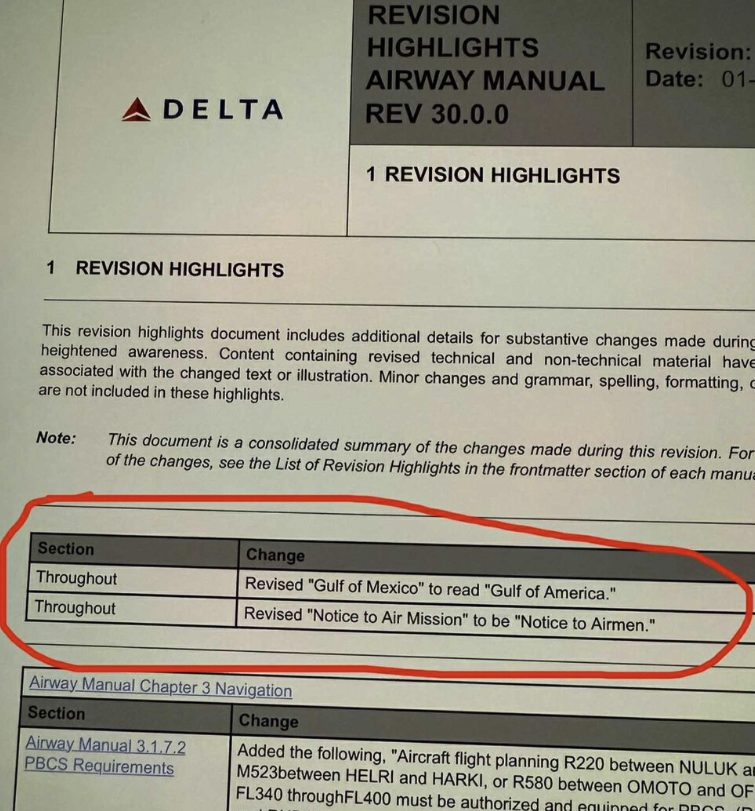
In a post on Truth Social, Trump shared a picture of what appeared to be a Delta manual listing two “revision highlights” – changing the Gulf of Mexico to the “Gulf of America” and modifying “Notice to Air Mission” to read “Notice to Airmen.”
The president famously directed all federal agencies to refer to the Gulf of Mexico as the Gulf of America in a January executive order.
A picture of what appears to be a Delta manual shared by President Donald Trump on Truth Social. (Photo: Donald Trump via Truth Social)
Trump indicated that a Delta pilot made him aware of the change. The full caption, with errors included, reads:
“From a Delta Captain: ‘I thought you would get a kick out of this. Delta’s official memo to employees. Big changes Gulf of Mexico to Gulf of America. And the liberals thought Notice to Airman was racist to they changed it to Notice to Air Missions. Delta just changed it back to Notice to Airman. I think they are finally embracing MAGA.’”
It was not clear when or how the pilot told the president about the revisions, or even if the pilot communicated them to Trump directly.
Delta said Friday that it “updated our pilot manuals in compliance with an FAA mandate,” and deferred further questions to the FAA.
The FAA replaced “Notice to Airmen” with the gender-neutral “Notice to Air Missions” in 2021 under then-President Joe Biden as a show of inclusivity and modernization. The Trump administration instructed the agency to switch back to “Notice to Airmen” in February.
Zach Vasile is a writer and editor covering news in all aspects of commercial aviation. He has reported for and contributed to the Manchester Journal Inquirer, the Hartford Business Journal, the Charlotte Observer, and the Washington Examiner, with his area of focus being the intersection of business and government policy.
Spain’s Airports Chief Slams Ryanair
The chairman and CEO of Spain’s public airport operator accused Ireland’s Ryanair of bullying and economic sabotage as a feud over airport fees escalates.
A Ryanair 737-800 aircraft approaches Barcelona Airport. (Photo: AirlineGeeks | William Derrickson)
The chairman and CEO of Spain’s public airport operator issued a scathing message accusing Irish ultra-low-cost carrier Ryanair of bullying European governments and using “extortionist” business strategies after the airline slashed flights to and from several Spanish destinations earlier this week.
Ryanair and AENA, a state-owned firm that operates 46 airports and two heliports in Spain, are at odds over AENA’s decision to hike airport fees by 6.5%. Ryanair called the move “excessive and uncompetitive” and announced Wednesday that, in response, it will slash capacity by 600,000 seats in mainland Spain and 400,000 seats in the Canary Islands, amounting to a 16% cutback in operations in the country.
Ryanair is the largest airline in Spain based on passenger traffic.
AENA leader Maurici Lucena hit back with a lengthy statement calling Ryanair’s leadership dishonest and reckless in its pursuit of profits. He slammed the airline for, in his view, using economic sabotage to reverse regulations it disagrees with, and said it used similar tactics against officials in the U.K., Germany, France, Belgium, Denmark, and elsewhere.
“Ryanair has a disturbingly plutocratic idea of the political system, i.e. it seeks to intimidate public opinion by slashing its flights, calls for the resignation of ministers from half of Europe and the president of the European Commission, mocks democratically elected politicians, and calls for laws to be changed in its favour because it believes that government decision-making should bend to the interests of the most economically powerful companies such as Ryanair, instead of protecting the ‘general interest,’” Lucena said.
‘Tourism Disaster’
AENA signaled over the summer that it would raise fees on airlines that use its airports by 6.5% to fund investments, including expansion and building projects.
Ryanair slammed the increase and announced late last month that it would cut flights over the coming winter, in what it called a “tourism disaster” for Spain. It also said AENA had “failed” the many regions of Spain that are economically dependent on foreign visitors.
Ryanair aircraft. (Photo: Ryanair)
On Wednesday, the carrier revealed for the first time that it will suspend flights at Tenerife North and Vigo, temporarily close its bases at Valladolid and Jerez, and reduce flights at Asturias, Santander, Zaragoza, and Vitoria.
Ryanair CEO Eddie Wilson said that while the carrier is still “committed to Spain”, it “cannot justify continued investment in airports whose growth is being stymied by excessive and uncompetitive charges.”
“It is shocking that, despite contributing €28bn (£24bn) to the Spanish economy and one in three tourists arriving on Ryanair flights, there is no willingness to collaborate to stimulate traffic in areas that need capacity, connectivity, and investment,” he said.
The airline said it will redeploy part of its winter capacity to more favorable markets, such as Italy, Hungary, Croatia, Sweden, and Morocco.
Ryanair has been noted for its at times confrontational approach with regulators and governments. It has clashed with the European Union over issues with the continent’s air traffic control system and recently directed frustrated passengers to a website called “Air Traffic Control Ruined Your Flight,” which contains a mocking animation of European Commission President Ursula von der Leyen and the email addresses of European transportation ministers.
AENA’s Response
Lucena took issue with many of the points raised by Ryanair and said AENA actually has some of the most competitive rates in Europe. The carrier’s true frustration, he said, is that it cannot shift the cost of airport maintenance and improvement projects from itself and other airlines to the Spanish state and people.
“It is not true that Ryanair is genuinely concerned about the welfare of Spanish citizens and the competitiveness of the regions,” he said. “What Ryanair wants is to make more money, even if it is paid out of Spanish taxpayers’ pockets.”
Madrid Barajas Airport during a snow storm. (Photo: AENA)
Lucena emphasized that Ryanair has the final say over what airports it will or will not serve and said no “demonic force” compels the airline to be “one of AENA’s biggest customers.” Fees on airlines, he argued, fueled the improvements and efficiencies that made AENA’s facilities so attractive to Ryanair in the first place.
“If Spanish airports were to evolve to the tune of Ryanair’s demands, whining, cajoling, and unbearable extortionist strategies, they would cease to function well (as they do today) in the medium and long term, and would not be financially sustainable,” he said. “AENA and its shareholders (the State, i.e. Spanish citizens, and private investors) deserve at least the same respect as Ryanair’s shareholders.”
Rather than cooperate, Lucena concluded, Ryanair wants to exploit its high market share in Spain to reduce AENA to “vassalage.”
“It is truly a pity that Ryanair’s communications and institutional relations policy appears to be governed by hypocrisy, rudeness, and blackmail,” he said.
Ryanair currently flies to 23 airports in Spain, including destinations in the Canary Islands and the Balearic Islands.
Zach Vasile is a writer and editor covering news in all aspects of commercial aviation. He has reported for and contributed to the Manchester Journal Inquirer, the Hartford Business Journal, the Charlotte Observer, and the Washington Examiner, with his area of focus being the intersection of business and government policy.
Livery of the Week: SunExpress ‘Smurfing the Skies’
The movie is produced by Paramount Pictures and if stars many A-listers of the show business including the singer Rihanna who is also a co-producer.
The tail section of SunExpress Boeing 737-800 aircraft being "smurfed" (Photo: X | @AirlineSupplier)
Editor’s Note: AirlineGeeks is proud to present our ‘Livery of the Week’ series. Every Friday, a team member will share an airline livery, which can be from the past, present, or even a special scheme. Some airline liveries are works of art. The complexity associated with painting around critical flight components and the added weight requires outside-the-box thinking from designers. The average airliner can cost upwards of $200,000 to repaint, creating a separate aircraft repainting industry as a result.
Have an idea for a livery that we should highlight? Drop us a line.
German-Turkish leisure airline Sun Express has unveiled its latest special livery that is celebrating the release of a new “The Smurf” movie, a live-action animated musical fantasy comedy film based on The Smurfs comic book series created by the Belgian comics artist Peyo. The movie is produced by Paramount Pictures and if stars many A-listers of the show business including the singer Rihanna who is also a co-producer
The small blue creatures are displayed on the center and aft sections of the fuselage in their enchanted environment, with the slogan “smurfing the skies” appearing on the front section of the aircraft underneath the “Sun Express” name.
SunExpress was founded in Antalya, Turkey, in 1989 by the two flag carriers of Germany and Turkey. The two countries are deeply linked, with approximately 3 million Turkish immigrants living in Germany and almost seven million German tourists visiting Turkey every year, making Germany the largest source market for tourism to Turkey.
The carrier subsequently opened three more bases in Dalaman, Izmir, and Ankar,a and it currently flies an all-Boeing 737 fleet of 78 aircraft to 92 destinations.
Former GOL Aircraft
The aircraft painted in this special livery is a Boeing 737-8EH aircraft, registered as TC-SPY, and it was delivered to its original owner, Brazilian low-cost airline GOL Transportes Aereos, on May 28, 2011. It was returned to the lessor DAE Capital in December 2023, and it was re-registered on the Turkish registry on June 7, 2024. It is configured in an all-economy configuration with 186 seats.
Looking for a new airplane model? Head over to our friends at the Midwest Model Store for a wide selection of airlines and liveries.
Vanni fell in love with commercial aviation during his undergraduate studies in Statistics at the University of Bologna, when he prepared his thesis on the effects of deregulation on the U.S. and European aviation markets. Then he pursued his passion further by obtaining a Master’s Degree in Air Transport Management at Cranfield University in the U.K. followed by holding several management positions at various start-up carriers in Europe (Jet2, SkyEurope, Silverjet). After moving to Canada, he was Business Development Manager for IATA for nine years before turning to his other passion: sports writing.
DOT Will End Rule Requiring Airlines to Pay Customers For Flight Disruptions
The Trump administration is moving to withdraw a Biden-era plan that would have required airlines to compensate passengers stranded by delays.
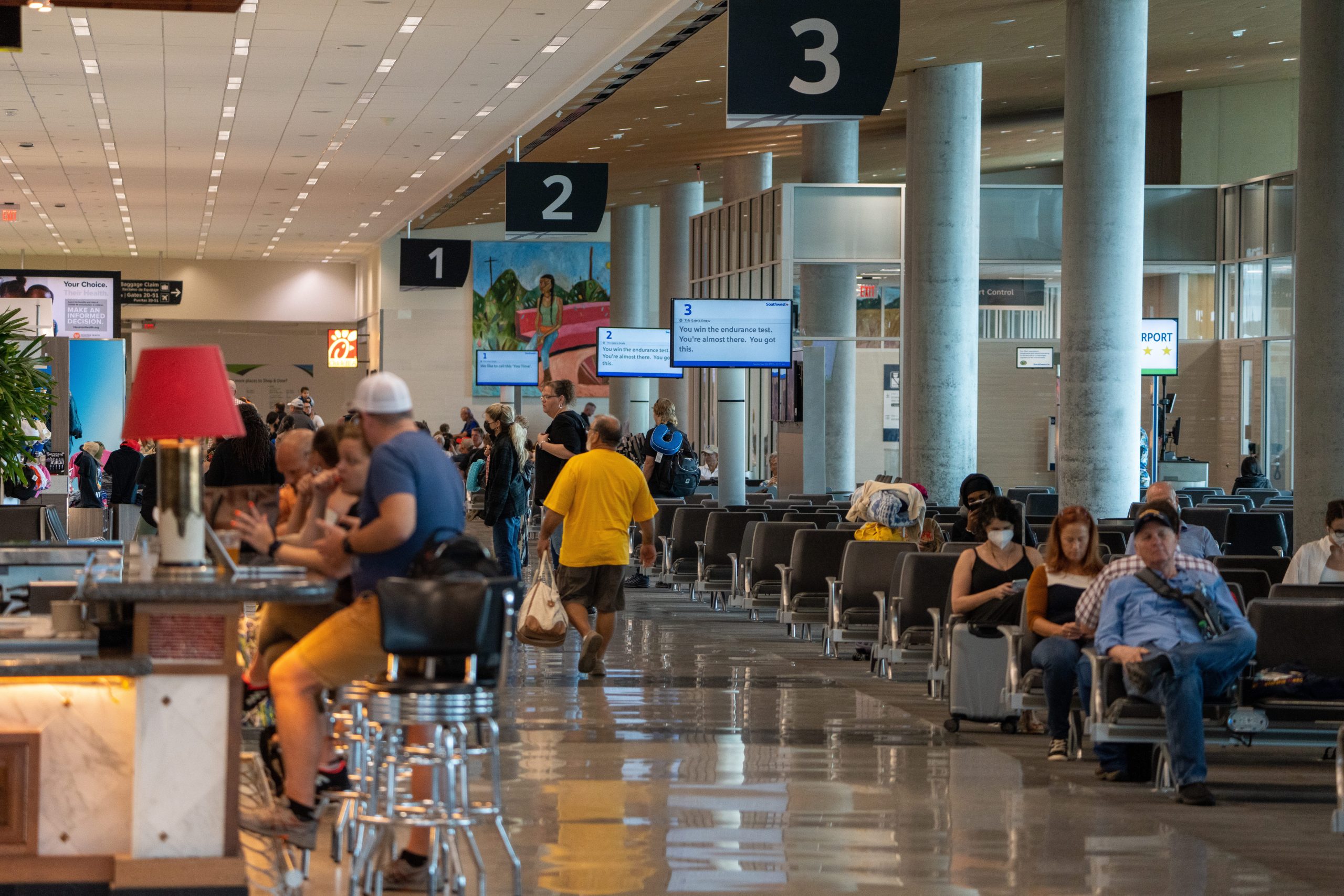
Crowds at Hobby Airport. (Photo: Houston Airports)
The Trump administration is moving to withdraw a Biden-era plan that would have required airlines to compensate passengers stranded by delays if the cause of the holdup was within the carrier’s control.
In a document released Thursday, the U.S. Department of Transportation said it “plans to withdraw” the policy. Neither the department nor the White House offered an explanation for the reversal.
The proposed rule, which never went into effect, was put forward in December, during the closing weeks of the Biden administration under then-Transportation Secretary Pete Buttigieg. It would have required airlines to pay passengers $200 to $300 for delays of at least three hours and up to $775 for delays of nine hours or more.
Carriers would only have been required to reimburse passengers if the cause of the delay was within their control, such as a mechanical issue with an aircraft or a problem with their booking and scheduling system.
Many airlines already compensate passengers for lengthy delays, but this process is typically initiated by travelers seeking refunds, and the payment, if any, is decided and administered on an ad hoc basis, with no federal oversight.
Carriers opposed the rule and argued it would drive up operating costs, which would return to passengers in the form of higher ticket prices.
Airlines for America, an industry trade group that represents all of the U.S.-based legacy carriers, praised the administration’s decision to block the rule.
“We are encouraged by this Department of Transportation reviewing unnecessary and burdensome regulations that exceed its authority and don’t solve issues important to our customers,” the group said in a statement to NBC News.
Reuters also reported this week that the Transportation Department is looking at revoking a 2024 regulation that would require airlines to disclose their service fees. That rule was challenged in court and has not yet taken effect.
Zach Vasile is a writer and editor covering news in all aspects of commercial aviation. He has reported for and contributed to the Manchester Journal Inquirer, the Hartford Business Journal, the Charlotte Observer, and the Washington Examiner, with his area of focus being the intersection of business and government policy.
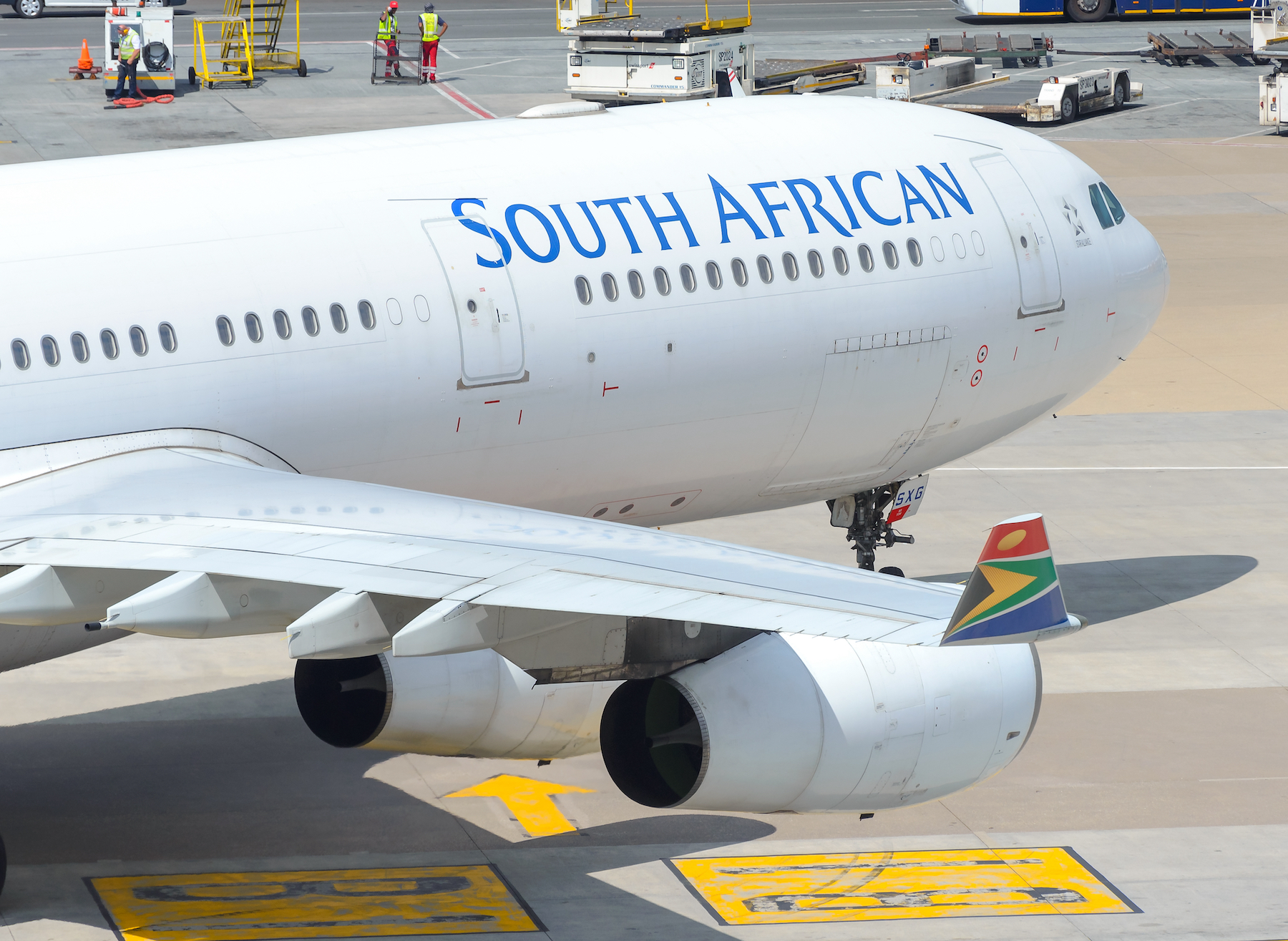
South African Airways to Restart Gaborone Service
South African Airways will start flights between Johannesburg and Gaborone, Botswana, after exiting the market more than three decades ago.
The airline previously offered service between Johannesburg and Botswana’s capital but terminated it more than three decades ago.
“The launch of this route not only strengthens the cultural and economic ties between Botswana and South Africa but also reinforces SAA’s position as a premium network carrier. The addition of Gaborone to our network is a clear demonstration of our dedication to supporting regional integration, tourism, and inclusive economic growth,” SAA CEO John Lamola said in a press release.
New Gaborone Service
South African will operate twice daily service between Johannesburg and Gaborone, starting Nov. 4. Flights will be operated with an Airbus A320 aircraft, offering business and economy class seating. The airline’s flights are timed for same-day business trips to Gaborone.
SAA becomes the third full-service carrier operating on this route. Currently, flights between Johannesburg and Gaborone are offered by Air Botswana and Airlink. Air Botswana operates a couple of daily frequencies on this route, using Embraer ERJ 145 or ATR 72 aircraft. Airlink offers several daily services with its Embraer aircraft.
SAA has gradually expanded its route network since restarting scheduled operations in September 2021.
Lorne is a South Africa-based aviation journalist. He was captivated and fascinated by flying from the day he took his first airline flight. With a passion for aviation in his blood, he has flown to destinations in all corners of the globe. Lorne has traveled extensively and lived in various countries. Drawing on his travels and passion for aviation, Lorne enjoys writing about airlines, routes, networks, and new developments.
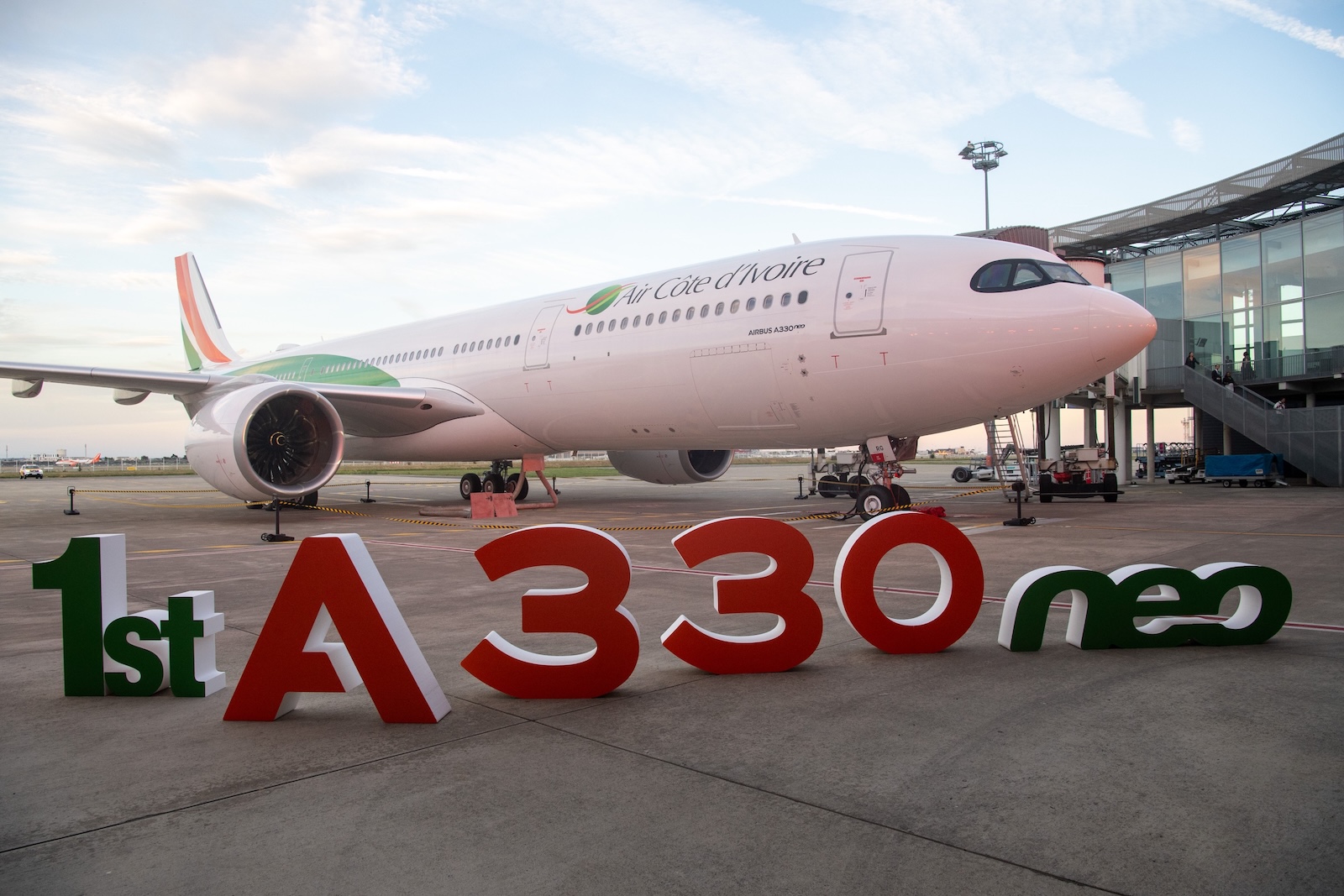
Air Côte d’Ivoire Receives First Airbus A330neo
Côte d’Ivoire’s national carrier, Air Côte d’Ivoire, has taken delivery of the first of two Airbus A330neo aircraft, which are expected to support new routes.
The airplane is the first widebody jet in the carrier’s fleet. It is configured in a four-class cabin layout, with four seats in First Class, 44 in Business Class, 21 in Premium Economy, and 173 in Economy Class.
Expanding Scheduled Operations
Air Côte d’Ivoire is a key player in West and Central Africa, serving 22 destinations across the continent. The addition of the Airbus A330neos will facilitate the airline’s plans to grow its operations in Europe, the Middle East, and North America.
The carrier plans to start regular service to Paris and intends to launch flights to Beirut.
The A330neo also offers increased fuel efficiency to the airline. The type is able to operate with up to 50% sustainable aviation fuel (SAF), which lowers carbon emissions.
Lorne is a South Africa-based aviation journalist. He was captivated and fascinated by flying from the day he took his first airline flight. With a passion for aviation in his blood, he has flown to destinations in all corners of the globe. Lorne has traveled extensively and lived in various countries. Drawing on his travels and passion for aviation, Lorne enjoys writing about airlines, routes, networks, and new developments.
JetBlue Selects Amazon For Wi-Fi Boost
JetBlue will be the first commercial airline to use Amazon’s network of low Earth orbit satellites to provide free wireless internet service to passengers.
The two companies announced Thursday that JetBlue will link select aircraft to the network – referred to by Amazon as Project Kuiper – starting in 2027.
JetBlue has offered free wireless internet to all passengers since 2013 as part of its Fly-Fi service. Integration with Amazon’s satellites is expected to increase the service’s reliability and expand capacity for bandwidth-intensive activities like streaming, according to airline leaders.
“Our agreement with Project Kuiper marks an exciting leap forward for us as the hands-down leader in onboard connectivity,” said JetBlue President Marty St. George. “Whether it’s binge-watching a favorite show, staying connected with loved ones, or wrapping up a work project, we’re always looking for ways to make our customers’ time in the air as connected and productive as they want it to be.”
Amazon is working on a similar deal to integrate Project Kuiper connectivity into Airbus’ aircraft catalogue.
The technology and e-commerce giant currently has over 100 Kuiper satellites in orbit. The network competes directly with SpaceX’s Starlink.
Zach Vasile is a writer and editor covering news in all aspects of commercial aviation. He has reported for and contributed to the Manchester Journal Inquirer, the Hartford Business Journal, the Charlotte Observer, and the Washington Examiner, with his area of focus being the intersection of business and government policy.
United Revives More Routes to Israel
United restarted service between Newark and Tel Aviv in July, becoming the first U.S. airline to return to Israel following the country’s 12-day war with Iran.
Starting Nov. 1, the carrier will connect Chicago O’Hare and Tel Aviv. One day later, on Nov. 2, nonstop service between Washington Dulles and Tel Aviv will begin.
The Chicago-Tel Aviv route will operate four times per week, while the Washington-Tel Aviv service will operate three times per week. Both routes will be operated with a Boeing 787-8 Dreamliner.
Airline leaders noted that United will be the only carrier connecting Chicago and Washington, D.C., with Tel Aviv.
“The resumption of these flights underscores United’s longstanding commitment to Tel Aviv,” said Patrick Quayle, United’s senior vice president of global network planning and alliances.
United restarted service between Newark, New Jersey, and Tel Aviv on July 21, becoming the first U.S. airline to return to Israel following the country’s 12-day air war with Iran. The carrier currently flies twice daily between the two cities.
United suspended the Chicago-Tel Aviv and Washington-Tel Aviv routes after the Hamas-led attack on Israel in October 2023. The carrier also halted service between San Francisco and Tel Aviv at that time.
Zach Vasile is a writer and editor covering news in all aspects of commercial aviation. He has reported for and contributed to the Manchester Journal Inquirer, the Hartford Business Journal, the Charlotte Observer, and the Washington Examiner, with his area of focus being the intersection of business and government policy.
Frontier Adding 22 New Routes
Frontier will launch 22 new routes in November and December, expanding service across the United States, the Caribbean, and Latin America.
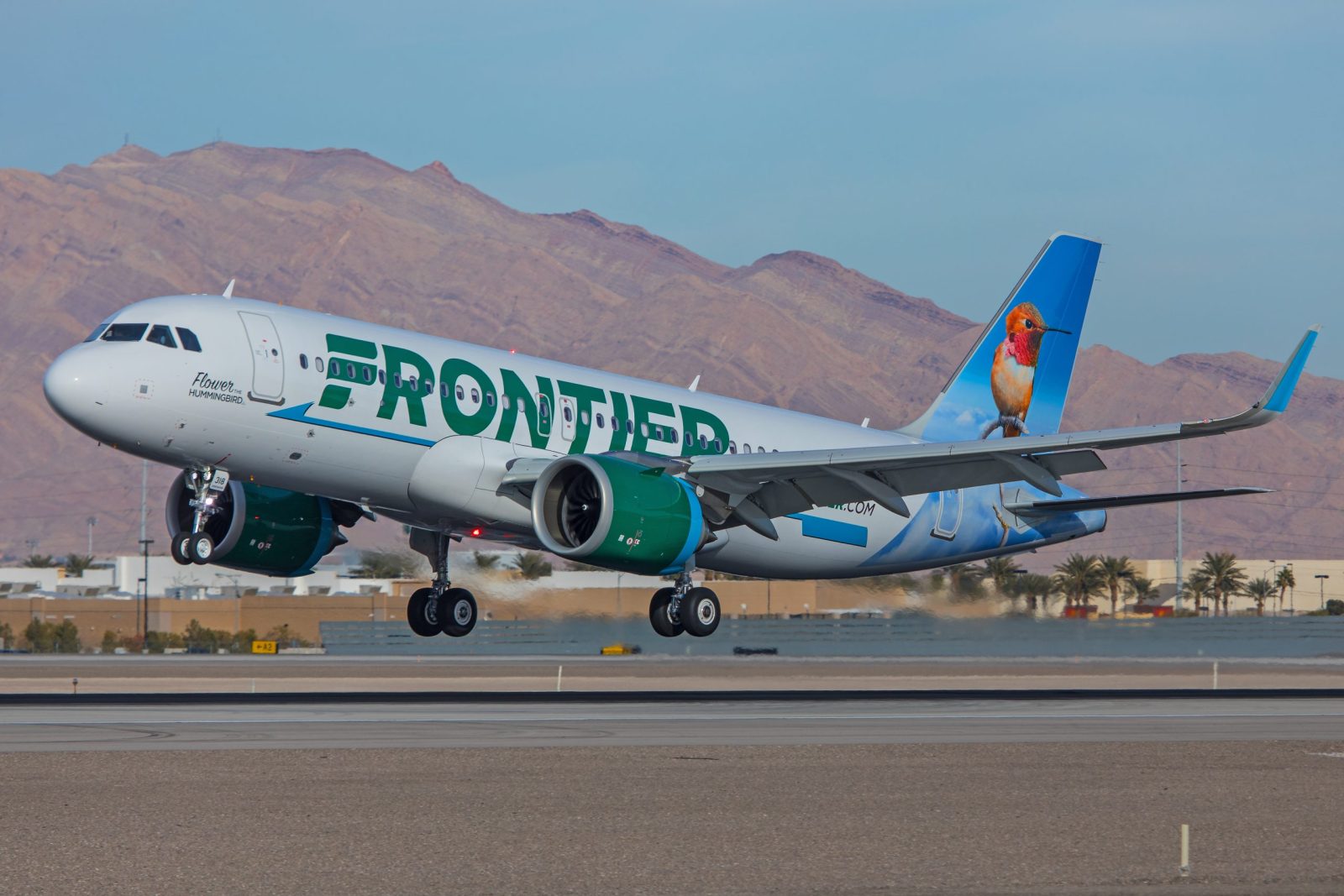
A Frontier Airbus A320neo in Las Vegas. (Photo: AirlineGeeks | William Derrickson)
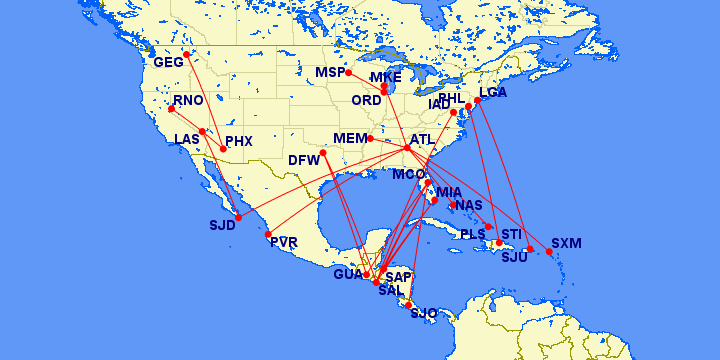
Frontier said Thursday that it will launch 22 new routes in November and December, expanding service across the United States, the Caribbean, and Latin America.
The additions include the airline’s first service to Providenciales, Turks and Caicos, and its return to Nassau, The Bahamas. Frontier will also add new routes from Atlanta, Dallas-Fort Worth, Chicago, and other U.S. cities, with international expansion to Guatemala, Honduras, El Salvador, Mexico, Costa Rica, the Dominican Republic, and St. Maarten.
Ryan founded AirlineGeeks.com in February 2013 and has spent more than a decade covering the airline business. His work has been featured by CNN, WJLA, CNET, and Business Insider. His aviation experience spans airport operations, Part 135 regulatory compliance, and airline crew workforce planning, along with time behind the yoke of a Cessna 172 and interviews with airline executives. Ryan now serves as Group President of Firecrown Media’s Aviation Group. He holds a B.S. in Air Transportation Management and an MBA from Arizona State University and teaches Airline Management at Embry-Riddle Aeronautical University.
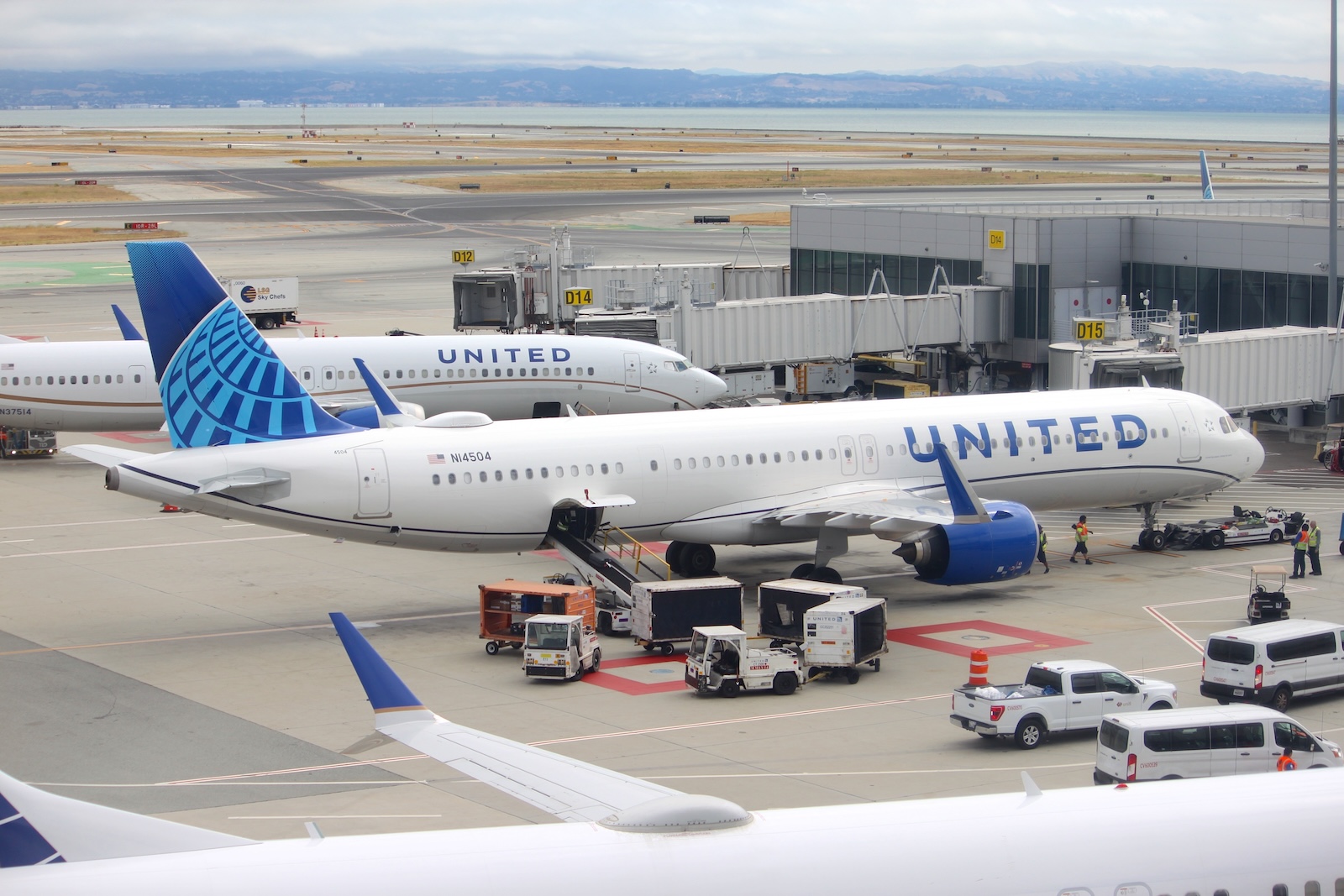
Starting Jan. 6, 2026, the carrier will for the first time link Newark, New Jersey, with Columbia, South Carolina, and Chattanooga, Tennessee. Ultra-low-cost airline Spirit axed flights to both of these markets just months after starting them.
The same day, United will expand service to and from some of its hub locations. One additional daily round-trip flight will operate between Houston and Orlando, Las Vegas, New Orleans, Atlanta, Baltimore, and Miami; between Chicago and Orlando, New Orleans, Las Vegas, and Fort Lauderdale, Florida; between Newark and Orlando and Fort Lauderdale; and between Los Angeles and Las Vegas.
United is also adding extra flights between Houston, Chicago, and Los Angeles and will fly larger aircraft between Chicago and New York-LaGuardia to help more customers connect to its broader route network.
“If Spirit suddenly goes out of business it will be incredibly disruptive, so we’re adding these flights to give their customers other options if they want or need them,” said Patrick Quayle, United’s senior vice president of global network planning and alliances.
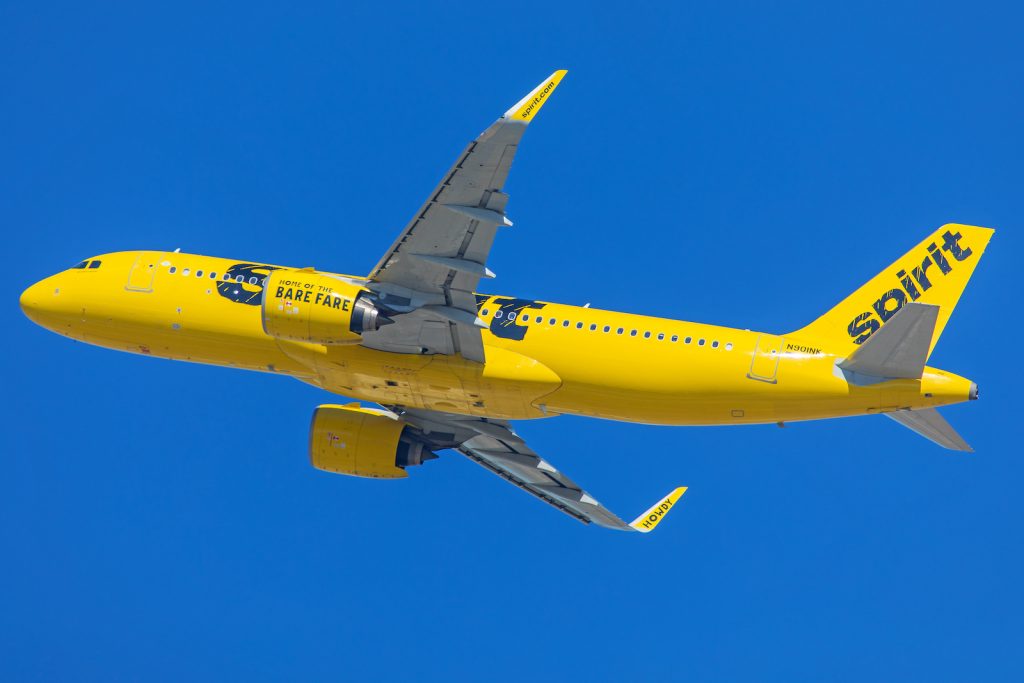
Spirit is critically short on cash and has warned investors that it may not survive the year as a going concern, though its leadership insists it is making changes that will return the airline to profitability.
A Spirit A320neo in Los Angeles (Photo: AirlineGeeks | William Derrickson)
The carrier confirmed Wednesday that it is pulling out of 11 U.S. cities, including Columbia and Chattanooga. It will also not move forward with plans to add service to Macon, Georgia.
In a statement, Spirit’s Senior Vice President of Corporate Communications, Duncan Dee, responded to Quayle’s comments.
“While we appreciate the obsession certain airline executives have with us, we’re focused on competing and running a great operation,” Dee said. “Suggesting anything else is wishful thinking on the part of a high-cost airline looking to eliminate a low-cost competitor so they can fulfill their ultimate goal of charging American travelers the highest fares possible to visit the people and places they love. Spirit is responsible for making low fares available to consumers for more than 30 years, whether they fly with us or not. We have every expectation to continue doing so for many years to come.”
United also said it will build up its international service with three new weekly flights between Houston and Guatemala City, Guatemala and San Salvador, El Salvador, along with one new weekly flight between Houston and San Pedro Sula, Honduras.
Editor’s Note: This story was updated on Sept. 4, 2025, at 11:20 a.m. ET to add a statement from Spirit.
Zach Vasile is a writer and editor covering news in all aspects of commercial aviation. He has reported for and contributed to the Manchester Journal Inquirer, the Hartford Business Journal, the Charlotte Observer, and the Washington Examiner, with his area of focus being the intersection of business and government policy.
Sign-up for newsletters & special offers!
Get the latest stories & special offers delivered directly to your inbox