The carrier joins a growing list of U.S. airlines offering free Wi-Fi, including Delta and United. American plans to debut complimentary Wi-Fi in January.
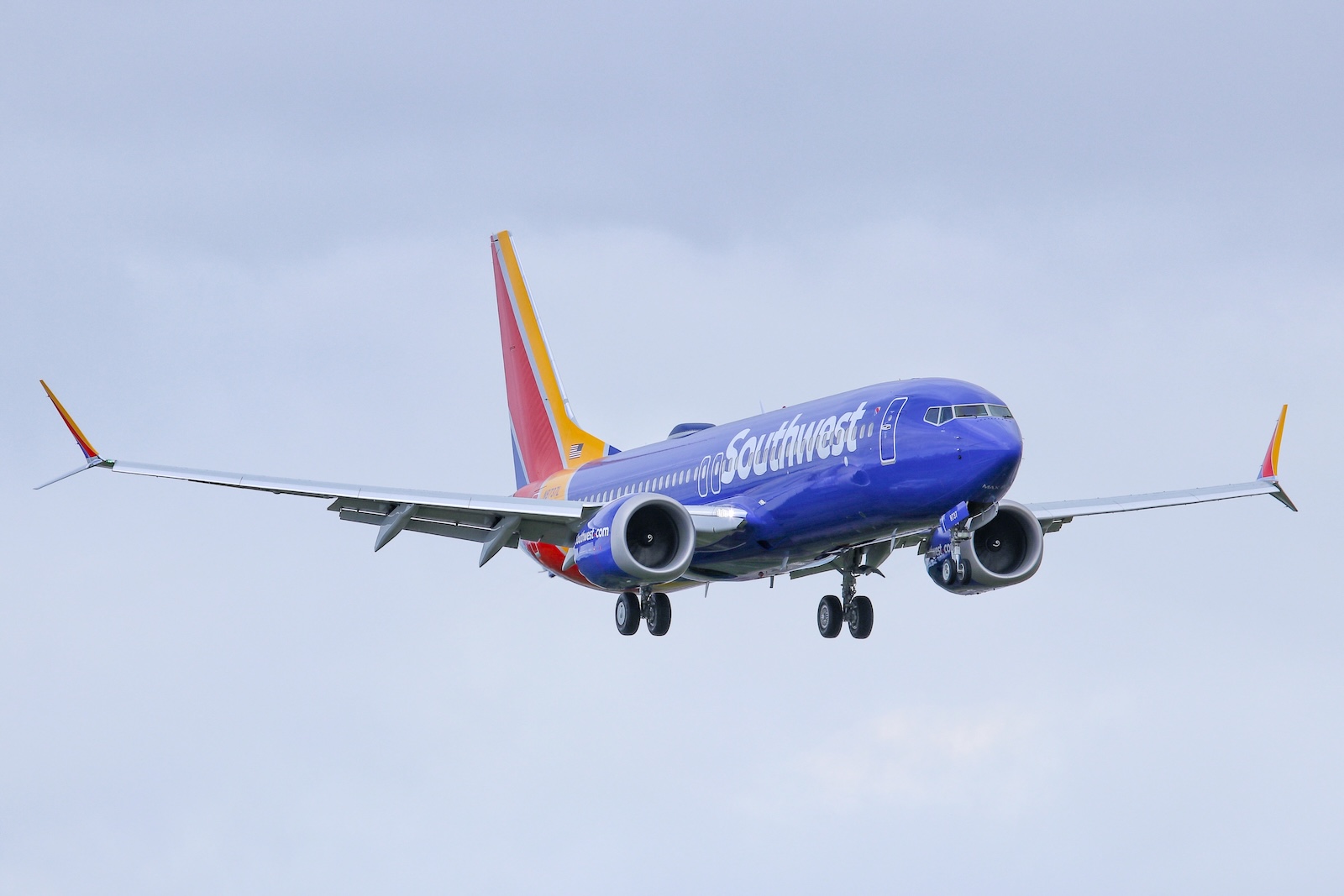
A Southwest 737 MAX 8. (Photo: AirlineGeeks | Katie Zera)
Southwest announced Thursday that it will introduce free inflight Wi-Fi for all members of its Rapid Rewards program through a new partnership with T-Mobile.
The program will launch Oct. 24 and will apply across the Dallas-based carrier’s more than 800 aircraft.
The carrier says passengers will be able to browse, work, shop, stream, and socialize at no cost during their flight, regardless of their wireless provider.
“We are focused on making sure our Customers have a great experience from the time they book a flight to the time they reach their destination,” said Tony Roach, executive vice president, chief customer and brand officer at Southwest, in a news release. “We’re pleased to partner with T-Mobile to bring free WiFi to all Rapid Rewards Members. This is part of our ongoing commitment to elevate the cabin experience.”
Southwest recently conducted a fleetwide test of free Wi-Fi for loyalty program members, which yielded strong satisfaction scores from participating customers. The airline stated that it will continue to invest in inflight connectivity to ensure reliability and performance.
Ryan founded AirlineGeeks.com in February 2013 and has spent more than a decade covering the airline business. His work has been featured by CNN, WJLA, CNET, and Business Insider. His aviation experience spans airport operations, Part 135 regulatory compliance, and airline crew workforce planning, along with time behind the yoke of a Cessna 172 and interviews with airline executives. Ryan now serves as Group President of Firecrown Media’s Aviation Group. He holds a B.S. in Air Transportation Management and an MBA from Arizona State University and teaches Airline Management at Embry-Riddle Aeronautical University.
The longtime partners will now allow passengers to book itineraries that combine flights from both airlines under a single ticket.
Officials from both carriers said the agreement will help U.S.-based travelers reach more of Europe, while opening up Alaska’s West Coast network to visitors from Iceland and mainland Europe.
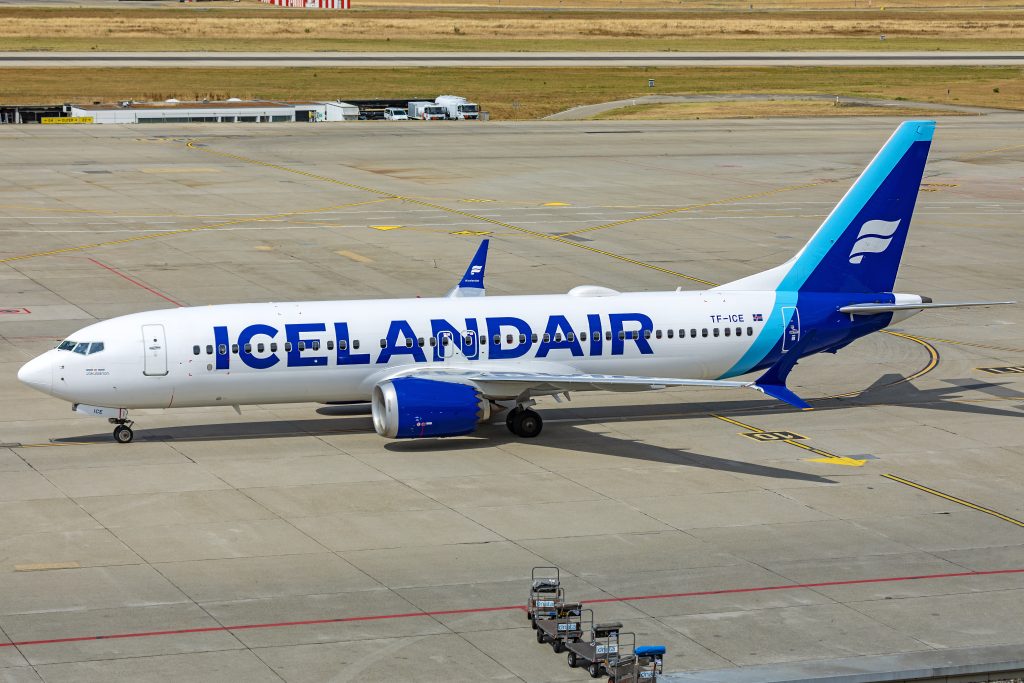
An Icelandair Boeing 737 MAX. (Photo: AirlineGeeks | William Derrickson)
“For 15 years, Alaska and Icelandair have worked together to connect our guests to more of the world,” said Brett Catlin, vice president of loyalty, alliances, and sales at Alaska. “We’re building on that partnership with even more opportunities and seamless connectivity guests have come to expect from our two airlines – from easy access to Europe through Icelandair to seamless travel across the West Coast, Hawaii, and Asia with Alaska Airlines.”
Alaska has already announced plans to fly nonstop between Seattle and Iceland starting next year. The carrier’s flights to Reykjavik are slated to begin on May 28, 2026.
Zach Vasile is a writer and editor covering news in all aspects of commercial aviation. He has reported for and contributed to the Manchester Journal Inquirer, the Hartford Business Journal, the Charlotte Observer, and the Washington Examiner, with his area of focus being the intersection of business and government policy.
Air Wisconsin Nears Potential Sale
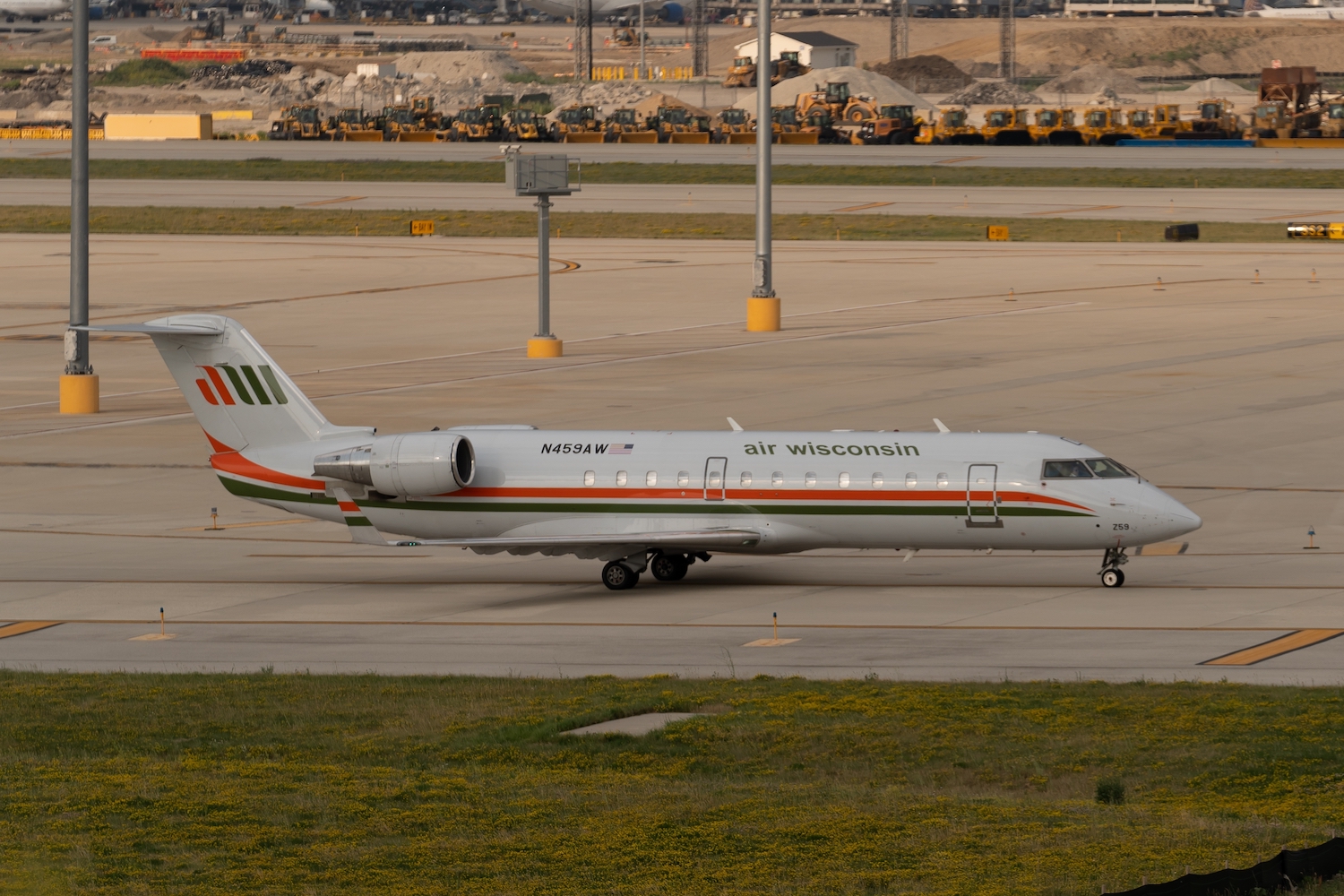
Charter airline Air Wisconsin is reportedly being sold to a Florida-based private aviation company and selling some of its CRJ-200s.
The Appleton, Wisconsin-based Post-Crescent reported that Air Wisconsin has signed a letter of intent with Premier Shuttle Holdings, citing a statement to the newspaper from Air Wisconsin President and CEO Robert Binns.
“Premier would take over ownership and management of Air Wisconsin, and Air Wisconsin would continue to operate under its own name, albeit with Premier’s business plan,” Binns told the outlet.
Premier Shuttle Holdings is an affiliate of West Palm Beach-based Slate Aviation. Slate offers daily shared flights between New York, South Florida, and Nantucket.
In an internal message to employees, Binns called the pending sale an “exciting potential new chapter for Air Wisconsin, but also a shift from the commercial path we had previously set.”
No tentative purchase price has been disclosed.
The carrier did not immediately respond to a request for comment from AirlineGeeks.
Aircraft Sale In The Works
Air Wisconsin operated flights for American Airlines up until April, when American terminated its capacity purchase agreement over alleged poor performance. Air Wisconsin ended its scheduled service, slashed hundreds of jobs, and announced a new business strategy centered around charter operations and flights subsidized through the Essential Air Service program.
The airline won its first EAS contract last month. It will connect areas of West Virginia and Ohio served by Mid-Ohio Valley Regional Airport with Charlotte, North Carolina, starting Oct. 1.
It was not clear if the pending acquisition by Premier Shuttle Holdings would affect Air Wisconsin’s ability to fulfill that agreement.
Binns told The Post-Crescent that Air Wisconsin will sell an unspecified number of its Bombardier CRJ-200 aircraft to Premier Shuttle Holdings to help expand Slate’s operations. He also said that many current employees will keep their jobs through the ownership transition.
“Premier would keep operating Air Wisconsin as Air Wisconsin, though there are likely to be synergies between Air Wisconsin and Slate,” he said.
The deal also includes Premier Shuttle Holdings acquiring Air Wisconsin’s Part 121 certification.
According to Binns, Air Wisconsin’s parent company, Harbor Diversified, will start a new business, entirely separate from Slate-owned Air Wisconsin. Harbor Diversified would retain some of Air Wisconsin’s aircraft and workers, and focus on “aircraft, engine, and part sales and leasing.”
Zach Vasile is a writer and editor covering news in all aspects of commercial aviation. He has reported for and contributed to the Manchester Journal Inquirer, the Hartford Business Journal, the Charlotte Observer, and the Washington Examiner, with his area of focus being the intersection of business and government policy.
Spirit Pulling Out of 11 Cities
Spirit will discontinue service in 11 U.S. markets this fall as part of a broader network adjustment, a spokesperson told AirlineGeeks on Wednesday.
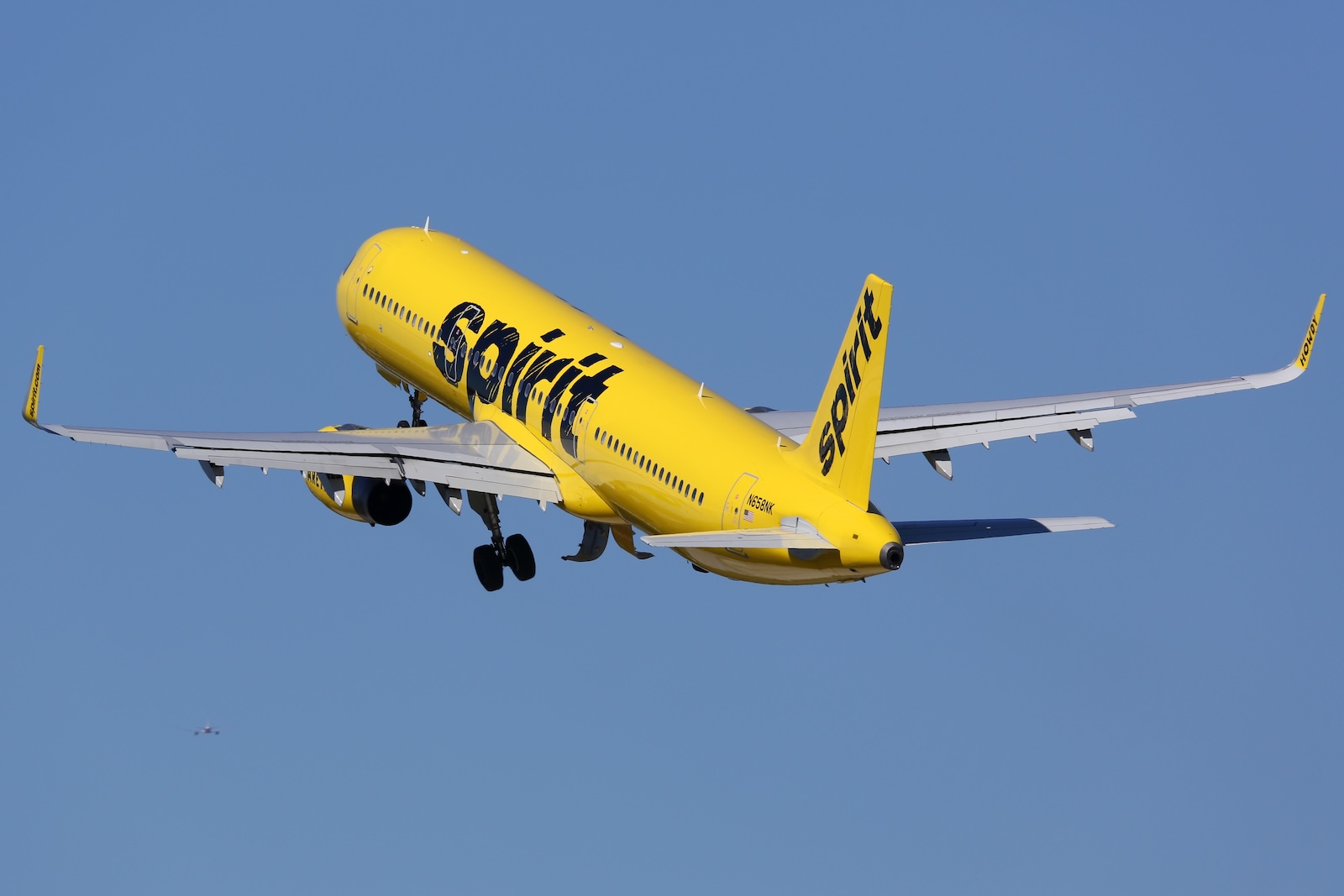
A Spirit Airbus A321 (Photo: Shutterstock | Markus Mainka)
Spirit will discontinue service in 11 U.S. markets this fall as part of a broader network adjustment aimed at strengthening its core operation, a spokesperson told AirlineGeeks on Wednesday.
The carrier confirmed that all flights will end the week of Oct. 2, in Albuquerque, New Mexico; Birmingham, Alabama; Boise, Idaho; Chattanooga, Tennessee; Columbia, South Carolina; Oakland, California; Portland, Oregon; Sacramento, California; Salt Lake City; San Diego; and San Jose, California.
Chattanooga and Columbia are among Spirit’s newest markets, having just begun in June.
“As part of our efforts to transform our business and position Spirit for long-term success, we are adjusting our network to focus on our strongest performing markets,” the spokesperson said in a statement. “We apologize to our Guests for any inconvenience this may cause and will reach out to those with affected reservations to notify them of their options, including a refund.”
The carrier added that it remains committed to offering “high-value travel options” across dozens of destinations in the U.S., Latin America, and the Caribbean.
Ryan founded AirlineGeeks.com in February 2013 and has spent more than a decade covering the airline business. His work has been featured by CNN, WJLA, CNET, and Business Insider. His aviation experience spans airport operations, Part 135 regulatory compliance, and airline crew workforce planning, along with time behind the yoke of a Cessna 172 and interviews with airline executives. Ryan now serves as Group President of Firecrown Media’s Aviation Group. He holds a B.S. in Air Transportation Management and an MBA from Arizona State University and teaches Airline Management at Embry-Riddle Aeronautical University.
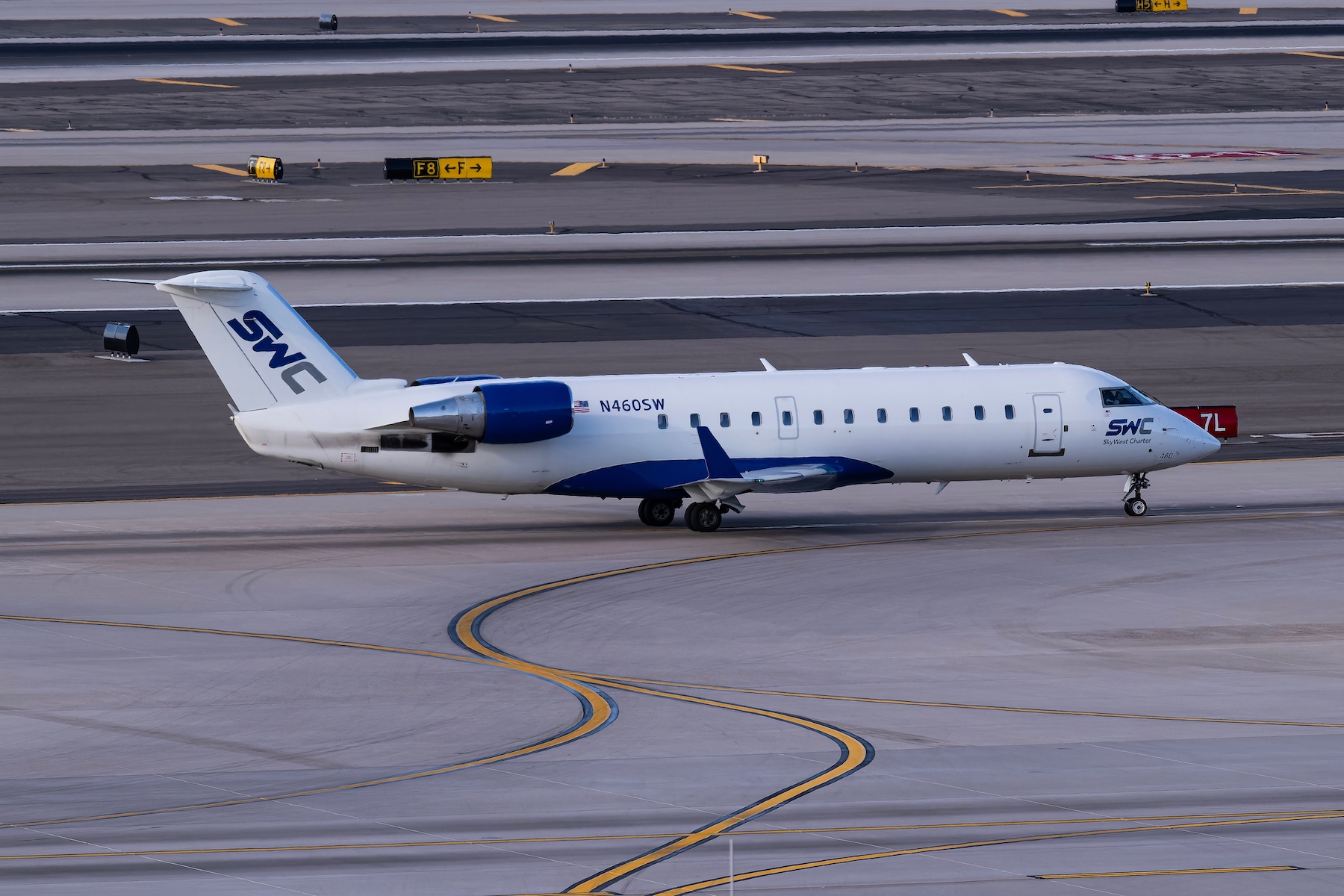
A SkyWest Charter CRJ-200 aircraft (Photo: Shutterstock | Robin Guess)
The U.S. Department of Transportation has granted SkyWest Charter authorization to operate as a commuter air carrier, clearing the way for the carrier to expand its charter services using 30-seat aircraft.
The new commuter authorization allows the carrier to go beyond air taxi limitations, which restricted it to fewer than five weekly flights per route. SWC plans to use 30-seat Bombardier CRJ-200 aircraft for its expanded operations.
The approval followed extensive debate. Several labor organizations, including the Air Line Pilots Association (ALPA), the Association of Flight Attendants-CWA (AFA), the International Association of Machinists and Aerospace Workers (IAM), and the Professional Aviation Safety Specialists (PASS), raised objections. Concerns focused on safety standards, regulatory oversight, and potential impacts on Essential Air Service (EAS) communities. Members of Congress Nicholas A. Langworthy and Marc A. Veasey also urged the DOT to delay a final decision until the FAA completed its review of charter regulations.
In its final order, the DOT emphasized that FAA safety regulations currently permit operations of 30-seat or fewer aircraft under Part 135 and noted that the FAA’s Allegheny Flight Standards District Office has established a dedicated oversight team for SWC. The agency also confirmed that no empirical evidence was presented showing SWC’s operations would be unsafe.
As part of its authorization, SWC must submit a first-year progress report within 45 days after its initial year of commuter operations. This report will include details of its operations, financial status, and implementation of voluntary safety measures.
The DOT’s decision allows SWC to bid for EAS contracts, though approval of commuter status does not guarantee selection in EAS bids.
Ryan founded AirlineGeeks.com in February 2013 and has spent more than a decade covering the airline business. His work has been featured by CNN, WJLA, CNET, and Business Insider. His aviation experience spans airport operations, Part 135 regulatory compliance, and airline crew workforce planning, along with time behind the yoke of a Cessna 172 and interviews with airline executives. Ryan now serves as Group President of Firecrown Media’s Aviation Group. He holds a B.S. in Air Transportation Management and an MBA from Arizona State University and teaches Airline Management at Embry-Riddle Aeronautical University.
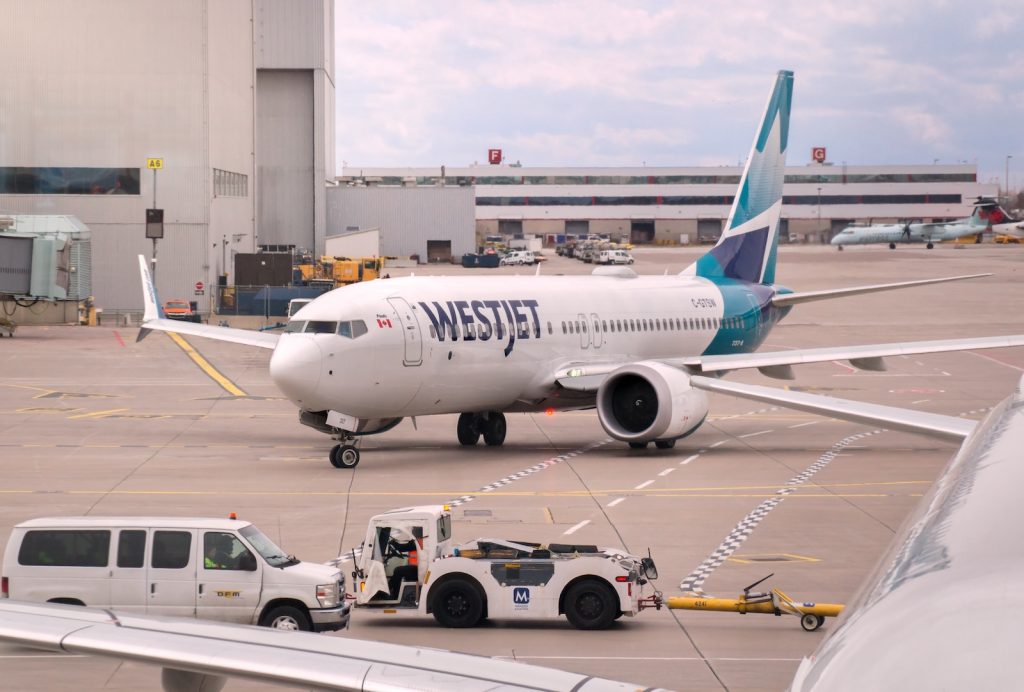
WestJet this week placed an order with Boeing for 60 737 MAX 10 narrowbody jets and seven 787-9 Dreamliners as part of its ongoing fleet expansion effort.
The carrier agreed to purchase 60 737 MAX 10 narrowbody jets, with options for an additional 25, and seven 787-9 Dreamliners, with options for four more. The aircraft are expected to be delivered through 2034.
Financial terms were not disclosed, though WestJet said the order is one piece of a “multi-billion-dollar investment in future growth.”
Airline leaders said the more fuel-efficient Boeing jets will lower costs in the long run while supporting new destinations.
WestJet Boeing 737 MAX (Photo: Shutterstock | Vadim Rodnev)
“With the addition of these aircraft, WestJet has the largest order book of any airline in Canada and will double our fleet of Dreamliners, underpinning our growth plans and our commitment to affordable travel options for Canadians from coast to coast and exciting career paths for our people,” said WestJet CEO Alexis von Hoensbroech in a news release. “These highly efficient and comfortable aircraft are critical to the growth and renewal of our fleet and will also significantly improve our fuel consumption.”
The carrier’s order book now totals 123 aircraft and 40 options.
WestJet, which has its headquarters in Calgary, currently operates a fleet of 193 passenger aircraft, including 147 Boeing 737s, seven 787s, and 39 De Havilland Q400s.
Zach Vasile is a writer and editor covering news in all aspects of commercial aviation. He has reported for and contributed to the Manchester Journal Inquirer, the Hartford Business Journal, the Charlotte Observer, and the Washington Examiner, with his area of focus being the intersection of business and government policy.
Royal Jordanian Adds Fifth U.S. Market
In the U.S., Royal Jordanian also serves Detroit, Chicago O’Hare, New York-JFK, and recently began flights to Washington Dulles.
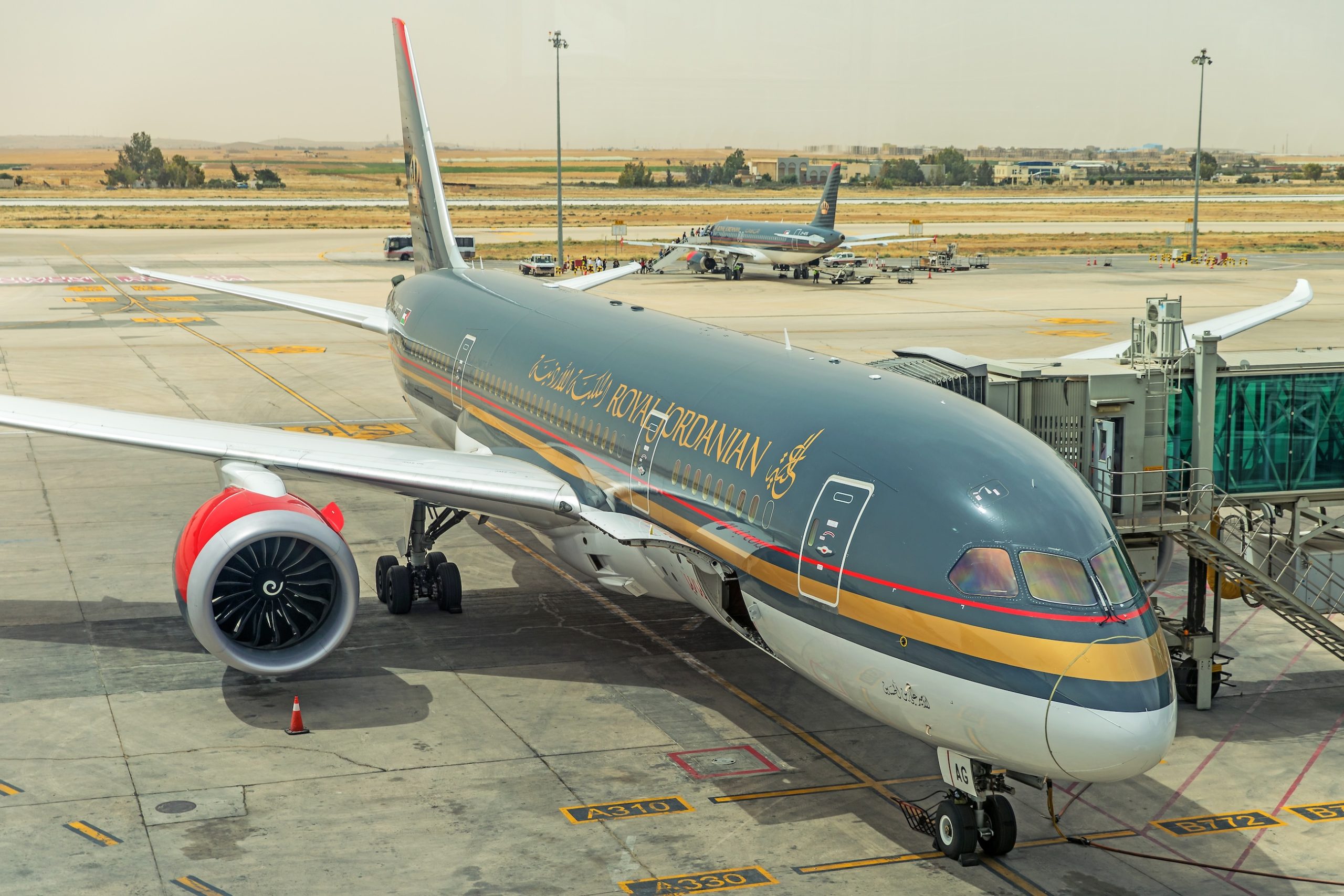
A Royal Jordanian Boeing 787-8 Dreamliner. (Photo: AirlineGeeks | William Derrickson)
Royal Jordanian is planning to add a new destination to its route map next year. This new route will mark the Jordanian flag carrier’s fifth U.S. destination, and sixth in North America.
Starting in May 2026, the airline will link Amman, Jordan, and Dallas/Fort Worth. Flights will operate four times per week on a year-round basis, DFW Airport officials announced Wednesday.
“Welcoming Royal Jordanian to DFW is another exciting step in growing our global network,” said Chris McLaughlin, DFW’s Chief Executive Officer, in a news release. “This new nonstop connection to Amman is a first for North Texas and will expand our reach into the Middle East and further grow DFW’s role as a key international gateway.”
The carrier’s Boeing 787-8 Dreamliner will be used on the new route, which seats up to 270 passengers. A specific start date for the route was not provided.
In the U.S., Royal Jordanian also serves Detroit, Chicago O’Hare, New York-JFK, and recently began flights to Washington Dulles. It also serves Montreal in Canada, along with several destinations in Europe, Asia, and the Middle East.
Ryan founded AirlineGeeks.com in February 2013 and has spent more than a decade covering the airline business. His work has been featured by CNN, WJLA, CNET, and Business Insider. His aviation experience spans airport operations, Part 135 regulatory compliance, and airline crew workforce planning, along with time behind the yoke of a Cessna 172 and interviews with airline executives. Ryan now serves as Group President of Firecrown Media’s Aviation Group. He holds a B.S. in Air Transportation Management and an MBA from Arizona State University and teaches Airline Management at Embry-Riddle Aeronautical University.
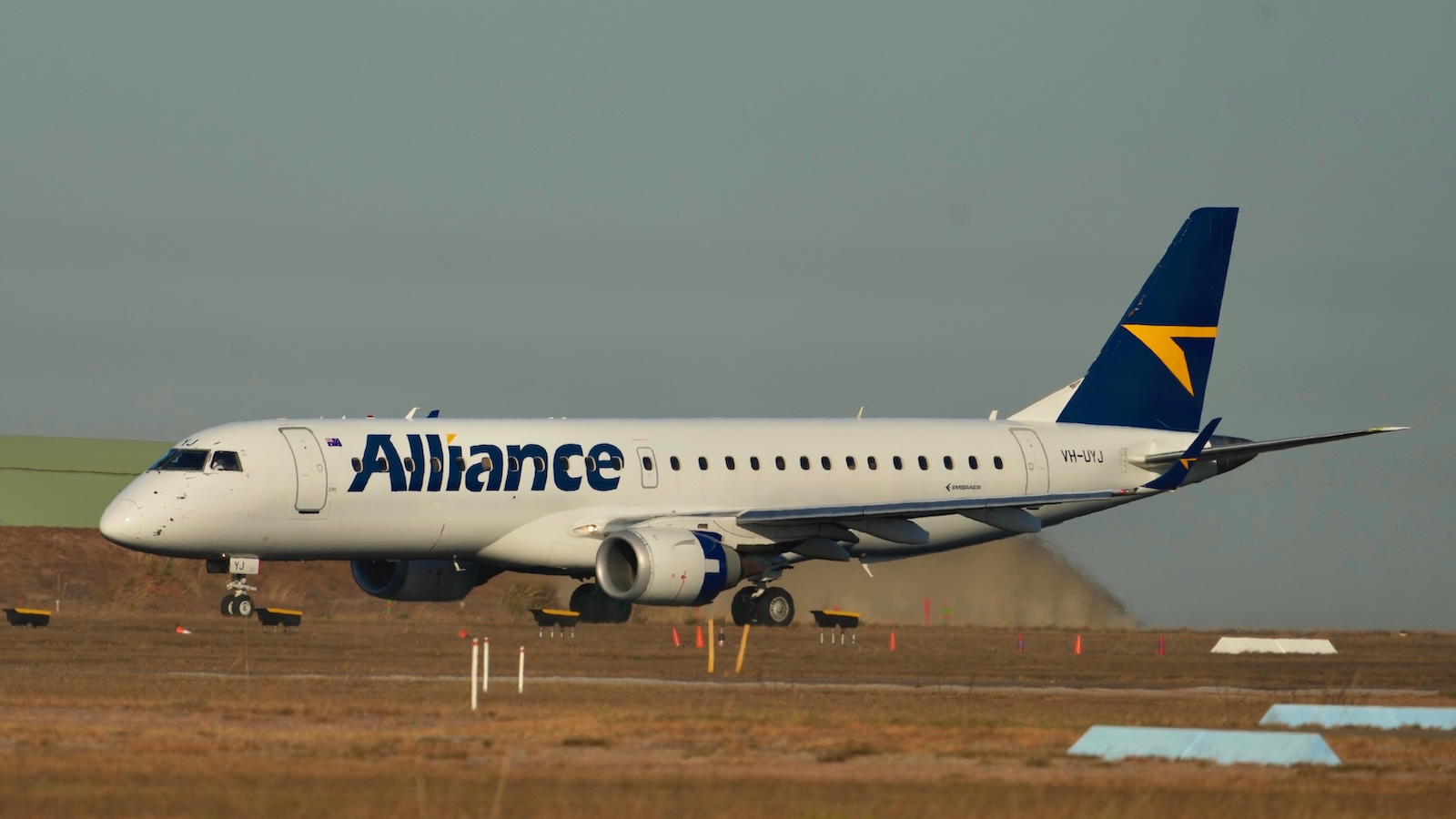
Two separate incidents involving Alliance Airlines Embraer E190 aircraft resulted in landings with incorrect flap settings due to procedural oversights, an Australian Transport Safety Bureau investigation found.
The incidents, which occurred in February and March, revealed that flight crews in both cases had forgotten they had briefed for full flap landings approximately 25 minutes earlier during their approach preparations, and instead incorrectly configured their aircraft for flap 5 landings.
ATSB Director Transport Safety Stuart Macleod noted that while both landings were completed safely, the configuration errors could have had more serious implications.
“Landing in a different configuration to what was planned can result in reduced margins for landing speeds, and therefore reduced margins for safe operation,” Macleod said.
In both occurrences, flight crews had entered the appropriate landing speeds for full flap into the flight management system prior to descent. However, when configuring the aircraft for landing, the crews reverted to using flap 5, which is the more commonly used setting, resulting in the aircraft flying with approach speeds that were 8 knots slower than required for the actual configuration.
No Crosscheck Procedure
The investigation identified that the airline had no procedure for flight crews to crosscheck the briefed flap setting with the actual configuration selected during the before landing checklist. This was identified as a key contributing factor to both incidents.
The first incident occurred on February 4, involving an E190 aircraft registered as VH-A2T, which was operating flight QQ3120 from Adelaide to Olympic Dam, South Australia. The captain had elected to use full flap due to turbulent and windy conditions, but later selected flap 5 during the approach.
The second incident occurred on March 8, when an E190 aircraft registered as VH-A2V operating flight QQ4801 from Alice Springs to The Granites, Northern Territory, experienced a similar configuration error. In this case, the crew had chosen full flap to avoid a recently repaired runway area.
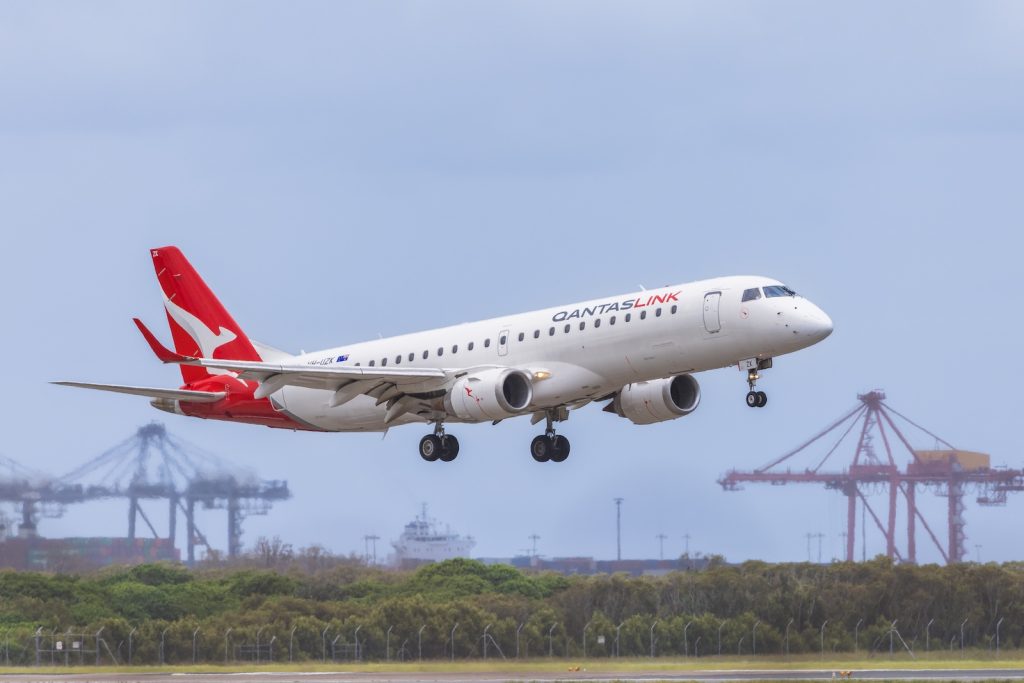
A QantasLink Embraer E190 (Photo: Shutterstock | Vidit Luthra)
Human Factors
The ATSB investigation highlighted the human factors aspects of these incidents, particularly related to memory limitations over time. According to the report, “Both sets of crewmembers rarely, if ever, operated Load 25 aircraft, and in both incidents, the crews reverted to setting the flaps to flap 5, an action they had performed many times previously (procedural memory).”
Unlike the company’s aircraft equipped with more recent Load 27 software, which provides a message when there’s a discrepancy between the flap position entered in the flight management system and the actual flap lever position, the Load 25 aircraft involved in these incidents had no such warning system.
In response to the findings, Alliance has implemented several safety actions. The company amended its Operations Policy and Procedures Manual to mandate that the before landing checklist includes confirmation that the actual landing flap setting aligns with the planned flap configuration.
Additionally, the operator now requires that for E190 operations, the multifunction control and display unit page displaying required landing flap must be selected on the pilot flying side before the approach commences.
The ATSB report emphasized that these incidents demonstrate “the importance in multi-crew operations of the role of the pilot monitoring in identifying if, and intervening when, the other flight crew member deviates from the briefed plan.”
The investigation also referenced the United Kingdom Civil Aviation Authority’s guidance on pilot monitoring skills, which suggests that during briefings for less common configurations, crews should include “monitor me” type comments to encourage intervention, such as “remind me we are doing a full flap landing.”
Alliance also conducted a flight data review of unstable approaches over the previous six months to identify and address any similar occurrences.
Ryan founded AirlineGeeks.com in February 2013 and has spent more than a decade covering the airline business. His work has been featured by CNN, WJLA, CNET, and Business Insider. His aviation experience spans airport operations, Part 135 regulatory compliance, and airline crew workforce planning, along with time behind the yoke of a Cessna 172 and interviews with airline executives. Ryan now serves as Group President of Firecrown Media’s Aviation Group. He holds a B.S. in Air Transportation Management and an MBA from Arizona State University and teaches Airline Management at Embry-Riddle Aeronautical University.
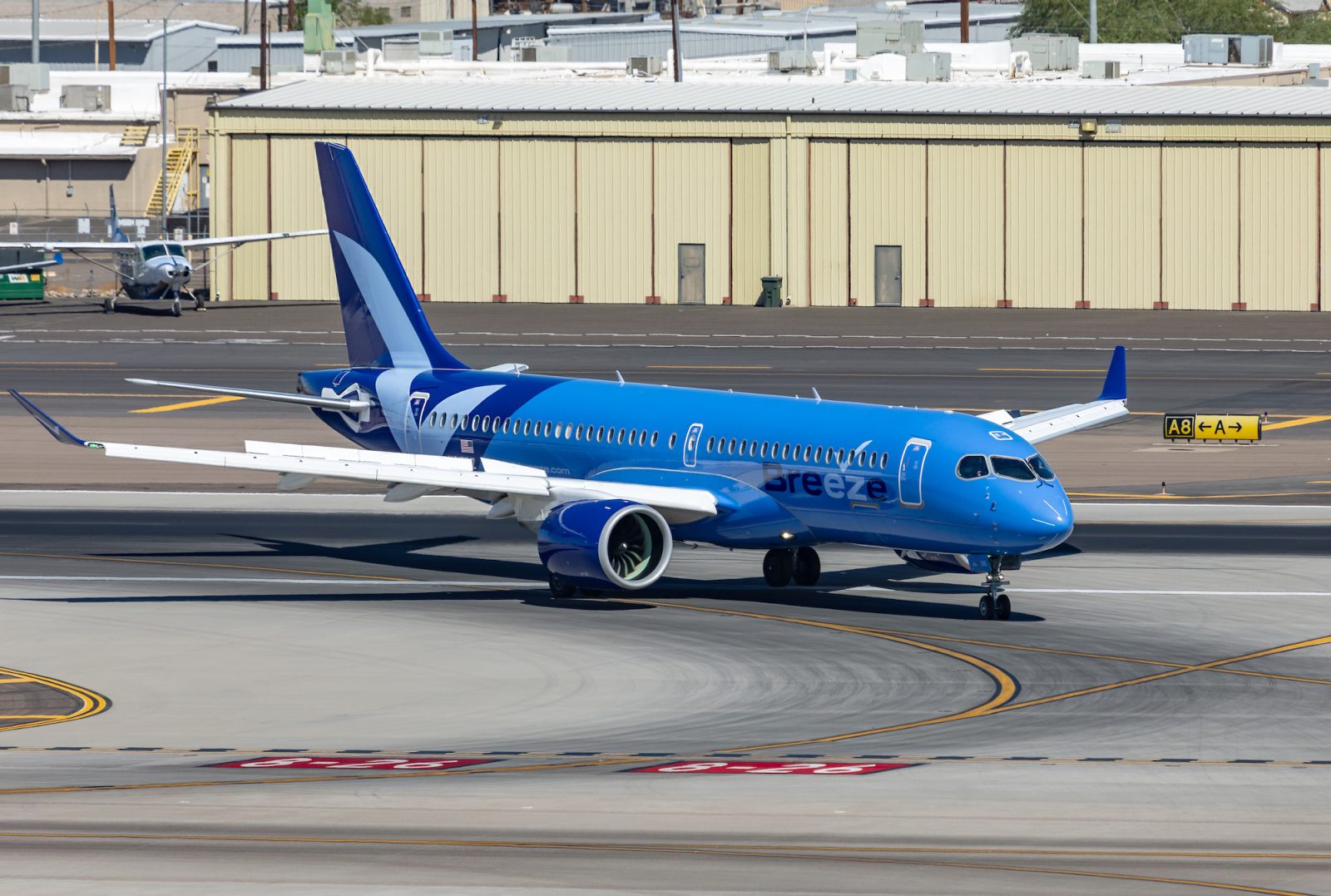
A Breeze A220 in Phoenix. (AirlineGeeks - William Derrickson)
Flight dispatchers at the low-cost carrier Breeze Airways voted to join the Transport Workers Union of America (TWU) on Tuesday.
According to a TWU news release, the Utah-based flight dispatchers voted to join the union in an effort to improve working conditions, safety protocols, negotiate more manageable schedules, and increase staffing at Breeze.
“The TWU is continuing to grow across the country as airline workers see the benefit of joining a fighting union,” said TWU International President John Samuelsen, in the release. “The battle now shifts to [the] bargaining table for our Flight Dispatchers at Breeze Airways to win a critical first contract that improves the lives of workers and their families.”
The TWU is the largest airline workers union in the U.S. and represents over 160,000 workers across the airline, railroad, transit, university, utilities, and service sectors.
The union currently represents flight dispatchers at numerous other airlines across the U.S., including PSA Airlines, Alaska Airlines, Envoy Airlines, Frontier Airlines, Hawaiian Airlines and Southwest Airlines.
“The work on behalf of our Flight Dispatchers at Breeze Airways is just beginning, now we will begin negotiating a contract that increases pay, benefits, and working conditions,” said TWU Organizing Director Angelo Cucuzza.
Last year, TWU and the International Association of Machinists and Aerospace Workers (IAM) successfully negotiated a 27-month contract for over 34,000 American Airlines mechanics, fleet service clerks, and load planners.
AirlineGeeks.com was founded in February 2013 as a one-person blog in Washington D.C. Since then, we’ve grown to have 25+ active team members scattered across the globe. We are all here for the same reason: we love deep-diving into the fascinating realm of the airline industry.
A federal judge has dismissed Southwest’s lawsuit accusing the city of playing favorites in its allocation of gates at San Antonio International Airport.
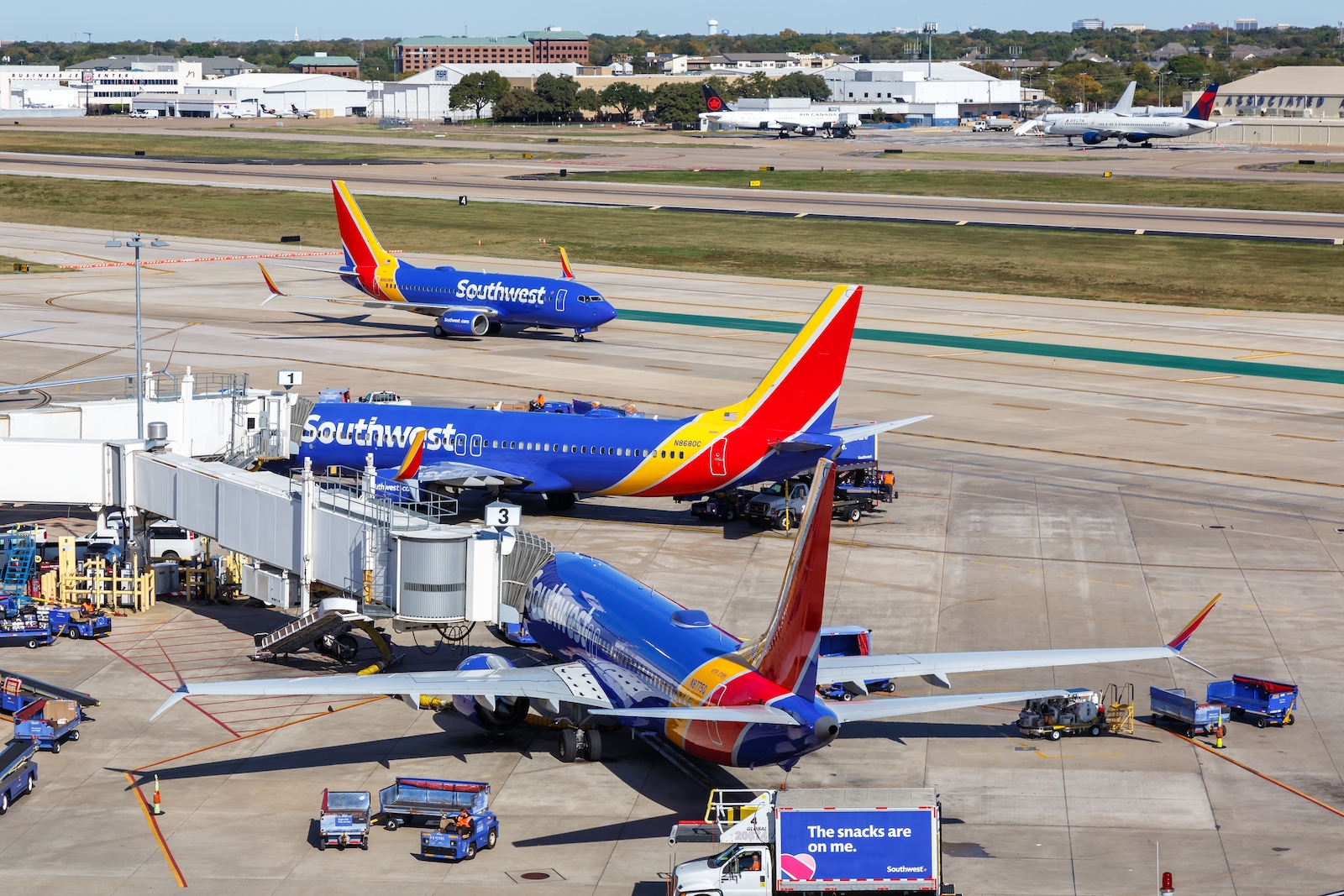
Southwest Airlines Boeing 737 airplanes at Dallas Love Field. (Photo: Shutterstock | Markus Mainka)
A federal judge has dismissed Southwest’slawsuit accusing the city of San Antonio, Texas, of playing favorites in its allocation of gates at San Antonio International Airport.
Judge Xavier Rodriguez on Friday granted the city’s motion to throw out the case after determining that Southwest did not make a strong enough argument to proceed.
The ruling was first reported on by KSAT-TV in San Antonio.
Southwest sued the city in 2024 after it allegedly reneged on an agreement to give the airline 10 of the 17 gates in the airport’s new $1.7 billion Terminal C, expected to be completed in or around 2028. The city wants to keep Southwest in a refurbished Terminal A, where it currently operates, though the carrier has complained that Terminal A is old, outdated, and too small to meet its needs.
It was not immediately clear if Southwest will accept its placement in Terminal A or seek another way of challenging the city’s decision. City officials have said Southwest is not considering withdrawing from the airport over the dispute.
‘Bait And Switch’
Southwest alleged that San Antonio’s director of airports, Jesus Saenz, verbally promised the airline gates in Terminal C, even though airport officials had no intention of giving the airline space in the new facility.
In its complaint, the carrier said it had fallen victim to a “bait and switch” scheme. It also said the entire process of allocating gates at San Antonio International Airport was flawed and weighted in favor of larger rivals, a violation of the federal law that deregulated U.S. airlines.
City officials denied Southwest’s claims and maintained their decision was based on the needs and requests of the airlines that serve San Antonio, as well as their projected growth and “fit” with the market.
Delta, American, and United requested space for airline clubs, the city said, and the footprint of Delta and American’s clubs meant they had to be located in Terminal C. Those allocations reduced room for other carriers, and the airport determined that adding Southwest to Terminal C would overwhelm the facility’s baggage system and security checkpoints.
Southwest does not currently have lounges and did not request space for one in San Antonio.
Zach Vasile is a writer and editor covering news in all aspects of commercial aviation. He has reported for and contributed to the Manchester Journal Inquirer, the Hartford Business Journal, the Charlotte Observer, and the Washington Examiner, with his area of focus being the intersection of business and government policy.
Sign-up for newsletters & special offers!
Get the latest stories & special offers delivered directly to your inbox