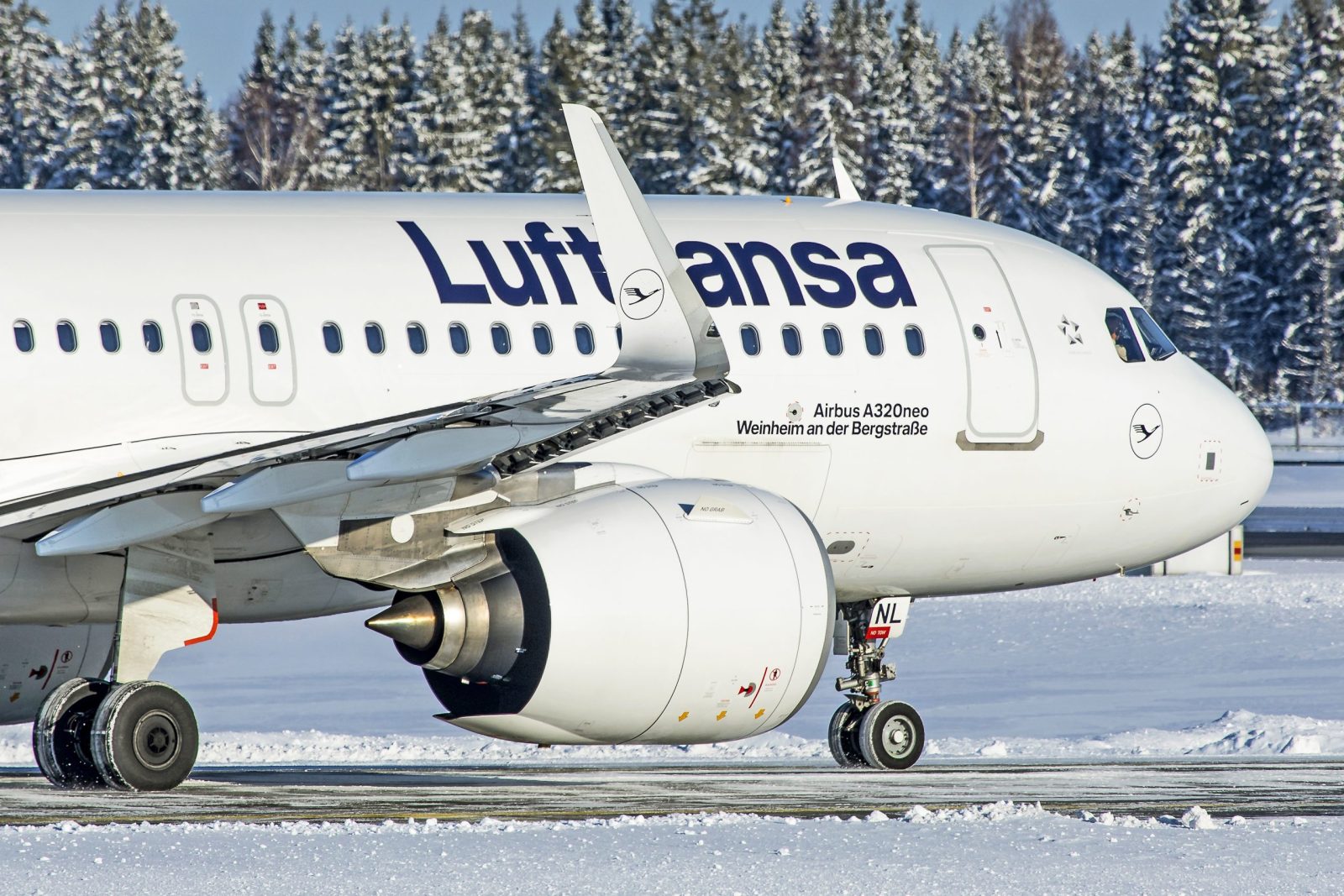
A Lufthansa A320neo in Oslo. (Photo: AirlineGeeks | William Derrickson)
The U.S. Department of Transportation announced a $4 million penalty on Tuesday against Lufthansa for discriminating against Jewish passengers who were traveling from New York City through Frankfurt to Budapest in May 2022.
The penalty is the largest ever issued by the DOT against an airline for civil rights violations.
A news release from the DOT stated that Lufthansa prohibited 128 Jewish passengers from boarding their connecting flight in Germany after alleged misconduct of some passengers. The release stated that most of the Jewish passengers were wearing distinctive garb typically worn by Orthodox Jewish men, and many of the passengers did not know each other nor were traveling together.
These passengers stated that Lufthansa treated them all as if they were a single group and denied them boarding for the alleged misbehavior of a few. The DOT received over 40 discrimination complaints from the Jewish passengers.
“No one should face discrimination when they travel, and today’s action sends a clear message to the airline industry that we are prepared to investigate and take action whenever passengers’ civil rights are violated,” said U.S. Transportation Secretary Pete Buttigieg, in the release. “From cracking down on long tarmac delays to ensuring passengers are properly refunded, our department has strengthened our enforcement efforts to hold airlines accountable for their treatment of passengers, and we will continue to push the industry to serve passengers with the fairness and dignity they deserve.”
Investigations by the DOT found that during the first flight, the captain alerted Lufthansa security that some passengers were not following crew instructions and were connecting to another flight in Budapest. The release stated that the carrier later failed to identify any one passenger who failed to follow crewmember instructions.
The alert to security resulted in a hold being placed on over 100 passengers’ tickets – all of which were Jewish. These passengers then couldn’t board their next scheduled flight from Frankfurt to Budapest.
According to the DOT’s consent order, Lufthansa stated that a large number of the passengers aboard the flight arriving at Frankfurt repeatedly disregarded crew instructions to wear face masks, which at the time was mandated under German law due to the COVID-19 public health emergency.
Additionally, Lufthansa stated that passengers were requested to avoid gathering in the aisles, galleys, and near emergency exit doors, as is required under U.S. and German law.
“Lufthansa steadfastly maintains that the actions of the crew of LH 401 were taken in the interest of safety and security,” the consent order stated. “Lufthansa states that the crew of LH 401 did not discriminate against any passenger on the basis of perceived religion or ethnicity or manifest any intentional malice or ill intent toward any passenger. Lufthansa notes that certain flight attendants on LH401 permitted and facilitated praying by small gatherings of passengers during the flight, which the carrier asserts underscores the Lufthansa crew’s lack of any discriminatory feelings or actions toward any of the passengers.”
According to the consent order, $2 million of the $4 million penalty will be due within 30 days of the order. The remaining $2 million is being credited for compensation Lufthansa paid to the affected passengers.
AirlineGeeks.com was founded in February 2013 as a one-person blog in Washington D.C. Since then, we’ve grown to have 25+ active team members scattered across the globe. We are all here for the same reason: we love deep-diving into the fascinating realm of the airline industry.
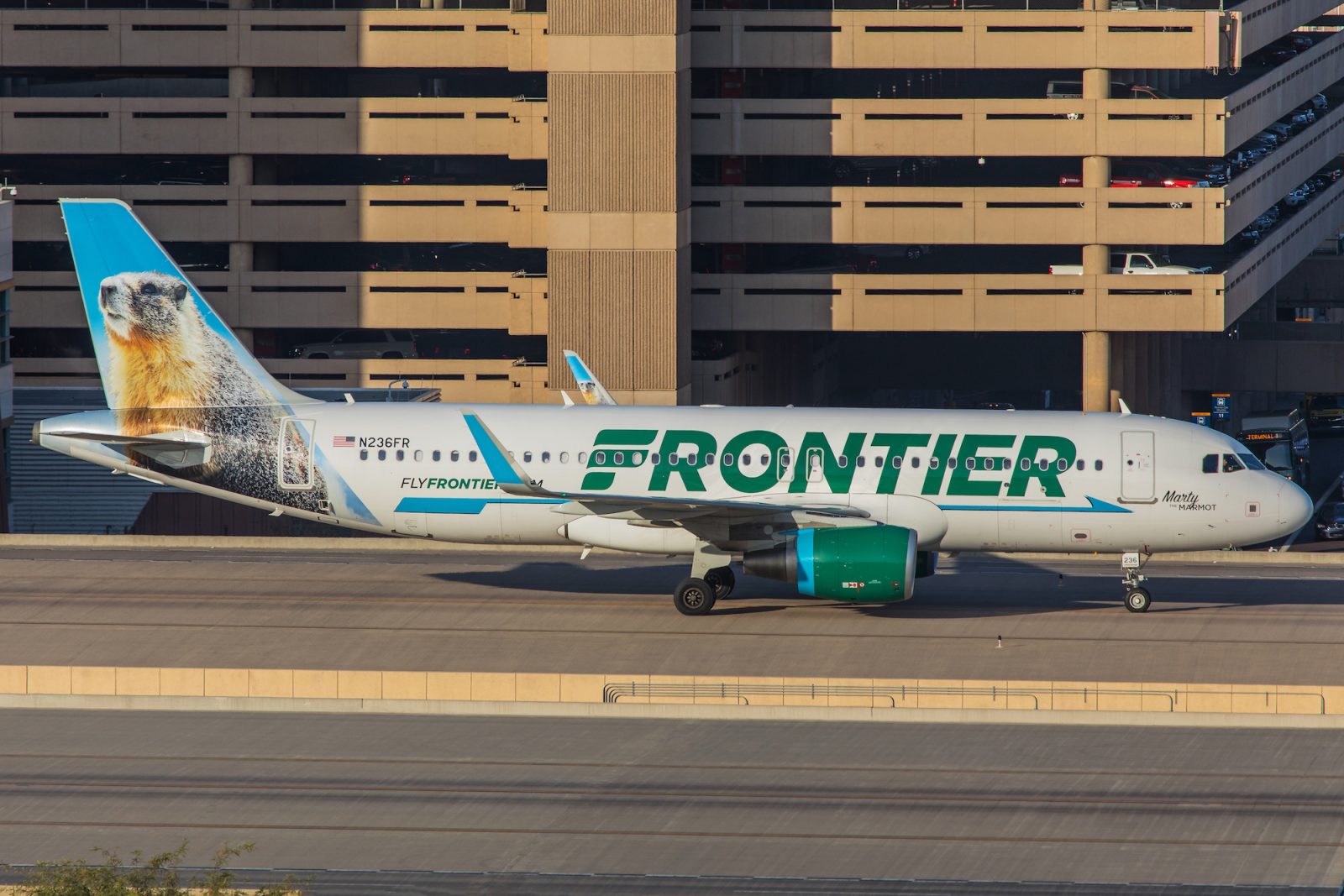
A Frontier A320 in Phoenix (Photo: AirlineGeeks | William Derrickson)
Pilots at Frontier Airlines, represented by the Air Line Pilots Association (ALPA), have overwhelmingly voted to authorize a strike if necessary. The vote, which concluded on Tuesday, saw a 97% participation rate of the carrier’s 2,200 pilots, with 99% casting ballots in favor of strike authorization.
The pilots’ collective bargaining agreement became amendable in January 2024, and the union and airline have been engaged in mediation since then. However, negotiations for a new collective bargaining agreement have not yet resulted in a contract that aligns with industry standards, the union said.
“Our ultimate goal remains to reach a fair agreement with the company, not to strike,” said Capt. Michael Maynard, chair of the Frontier ALPA Master Executive Council, in a news release. “However, this vote equips our master executive council with a significant lever should we need to exercise it.”
Even with the vote, a work stoppage is not immediate. The National Mediation Board will ultimately determine whether further federal mediation is necessary.
“The Air Line Pilots Association (ALPA) recently announced the results of a strike authorization vote at Frontier Airlines. As we noted when the vote began, a strike authorization vote does not mean there will be a strike or that a strike is imminent. Instead, a strike vote is simply an internal process whereby the union requests its membership to authorize union leadership to call a strike when it is lawful to do so,” a spokesperson from the airline said in an emailed statement.
“Under the Railway Labor Act (RLA), which governs labor relations in the airline industry, it is unlawful for the union to call for a strike or any other form of “self-help,” such as a slow-down, until 1) the National Mediation Board (NMB) has determined there is an impasse in negotiations, 2) the parties have been released from mediation by the NMB, 3) there is a subsequent 30-day cooling off period, and 4) the bargaining procedures under the RLA have been exhausted. None of these have occurred and ALPA cannot legally implement a strike at this time. Frontier remains committed to negotiating in good faith to achieve an agreement that supports our pilots and ensures the continued success of our company,” the statement continued.
Ryan founded AirlineGeeks.com in February 2013 and has spent more than a decade covering the airline business. His work has been featured by CNN, WJLA, CNET, and Business Insider. His aviation experience spans airport operations, Part 135 regulatory compliance, and airline crew workforce planning, along with time behind the yoke of a Cessna 172 and interviews with airline executives. Ryan now serves as Group President of Firecrown Media’s Aviation Group. He holds a B.S. in Air Transportation Management and an MBA from Arizona State University and teaches Airline Management at Embry-Riddle Aeronautical University.
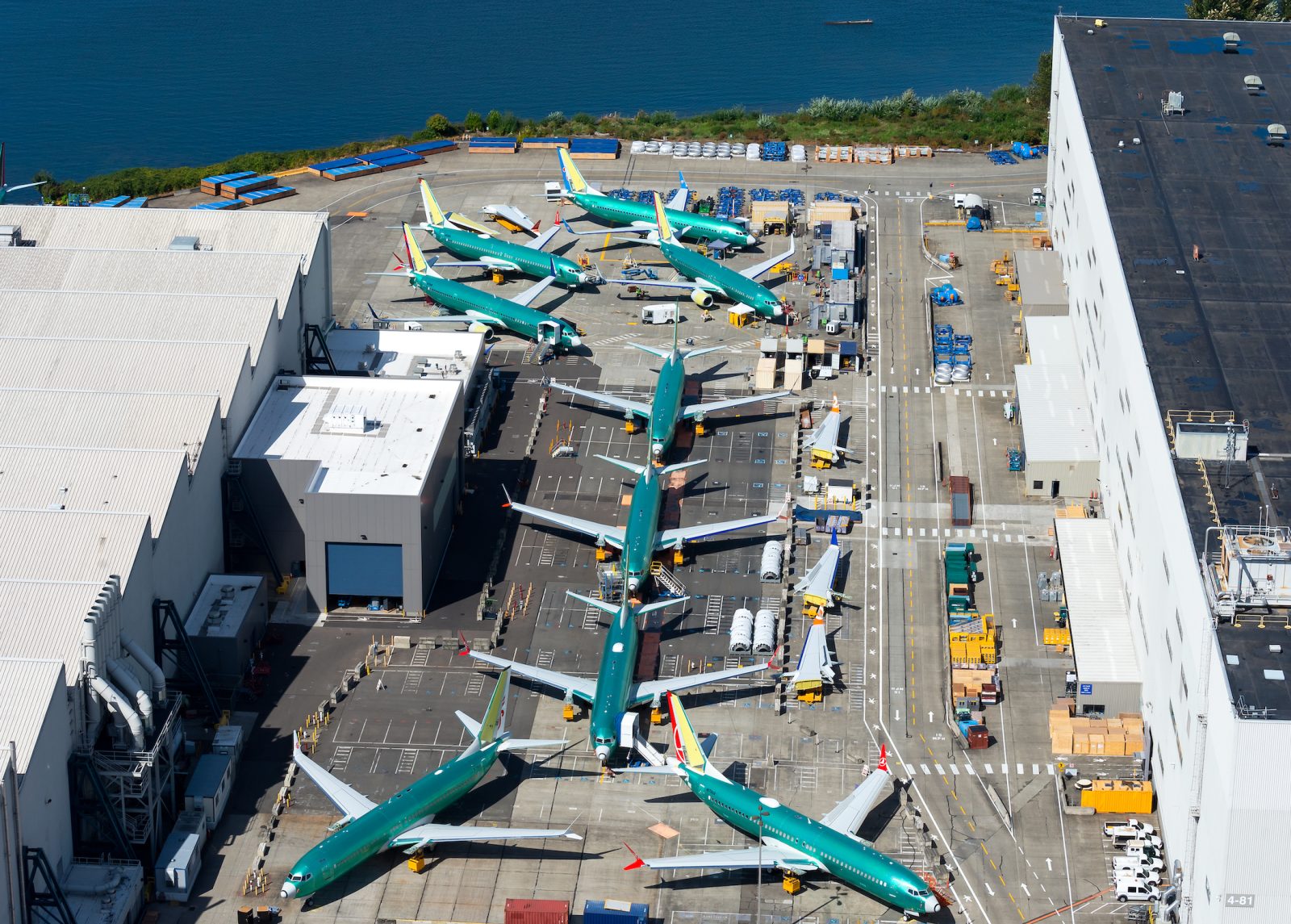
737 MAX aircraft in Renton. (Photo: Shutterstock | Thiago B Trevisan)
Boeing’s striking machinists are not currently expected to be the target of job cuts by the company, according to an internal presentation obtained by The Seattle Times.
In the Seattle Times report, Boeing’s “Reduction In Force” presentation stated that 17,000 workers across the company will be laid off by Jan. 17, 2025. Another phase could see more layoffs to achieve the 10% cut on Feb. 21.
The report stated that employees at all levels and management are to be considered for layoffs, except for production and maintenance employees. Striking members of the International Association of Machinists and Aerospace Workers in the Pacific Northwest are not planned to be cut at this time.
Layoffs Draw Union Ire
Brian Bryant, International President of the IAM Union, released an emailed statement on Monday blasting the announcement of layoffs by Boeing.
“Boeing just turned its back on 17,000 of its own workers – the same people who carried Boeing through crisis after crisis, year after year,” Bryant said in the statement. “Their reward? A pink slip. This is corporate greed at its worst. Shame on you, Boeing executives.”
Another news release from IAM emailed Monday said that striking Boeing machinists will be joined by U.S. Senator Maria Cantwell and Congresswoman Pramila Jayapal during a rally at the IAM District 751 Union Hall in Seattle, Washington, on Tuesday afternoon.
“It’s time for Boeing to pay back the workers who sacrificed so much over the last decade in the face of rampant mismanagement by corporate executives,” said Jon Holden, President of IAM District 751. “The goal is to achieve respect and fair pay for the hardworking employees of Boeing who are trying to keep the US Aerospace industry a great resource in their communities, in the face of some historically bad corporate decisions and many years of workers making major sacrifices. For more than a decade, the hardworking employees of Boeing have sacrificed greatly for Boeing executives, and these workers are the key to this company recovering. Like many workers in America, Boeing workers have sacrificed greatly for their employer, including during the pandemic when these workers were reporting to the factory as executives stayed at home – these workers deserve to have all of those sacrifices recognized.”
Boyan Novakov, communications lead at Boeing Communications, told AirlineGeeks that the reductions in Boeing’s workforce will include several job classifications.
“As announced last Friday, over the coming months we are planning to reduce the size of our total workforce by roughly 10%,” Novakov said. “These reductions will include executives, managers and employees and will include union-represented and non-union workers.”
Boeing’s Financial Trouble
Reuters reported preliminary earnings figures show that Boeing expects to report $5 billion in losses for the third quarter, and The Seattle Times reported Tuesday that the company is aiming to raise as much as $25 billion in debt and equity over a three year period.
This money could help boost Boeing’s bargaining power with the striking IAM workers who are demanding higher wages, better healthcare, and a reinstatement of their pension.
A report by The Air Current on Monday stated Emirates President Sir Tim Clark openly suggested Boeing’s financial situation has put it on a trajectory to bankruptcy protection unless it fixes its equity position.“Unless the company is able to raise funds through a Rights Issue, I see an imminent investment downgrade with Chapter 11 looming on the horizon,” Clark said in a statement to The Air Current.
AirlineGeeks.com was founded in February 2013 as a one-person blog in Washington D.C. Since then, we’ve grown to have 25+ active team members scattered across the globe. We are all here for the same reason: we love deep-diving into the fascinating realm of the airline industry.
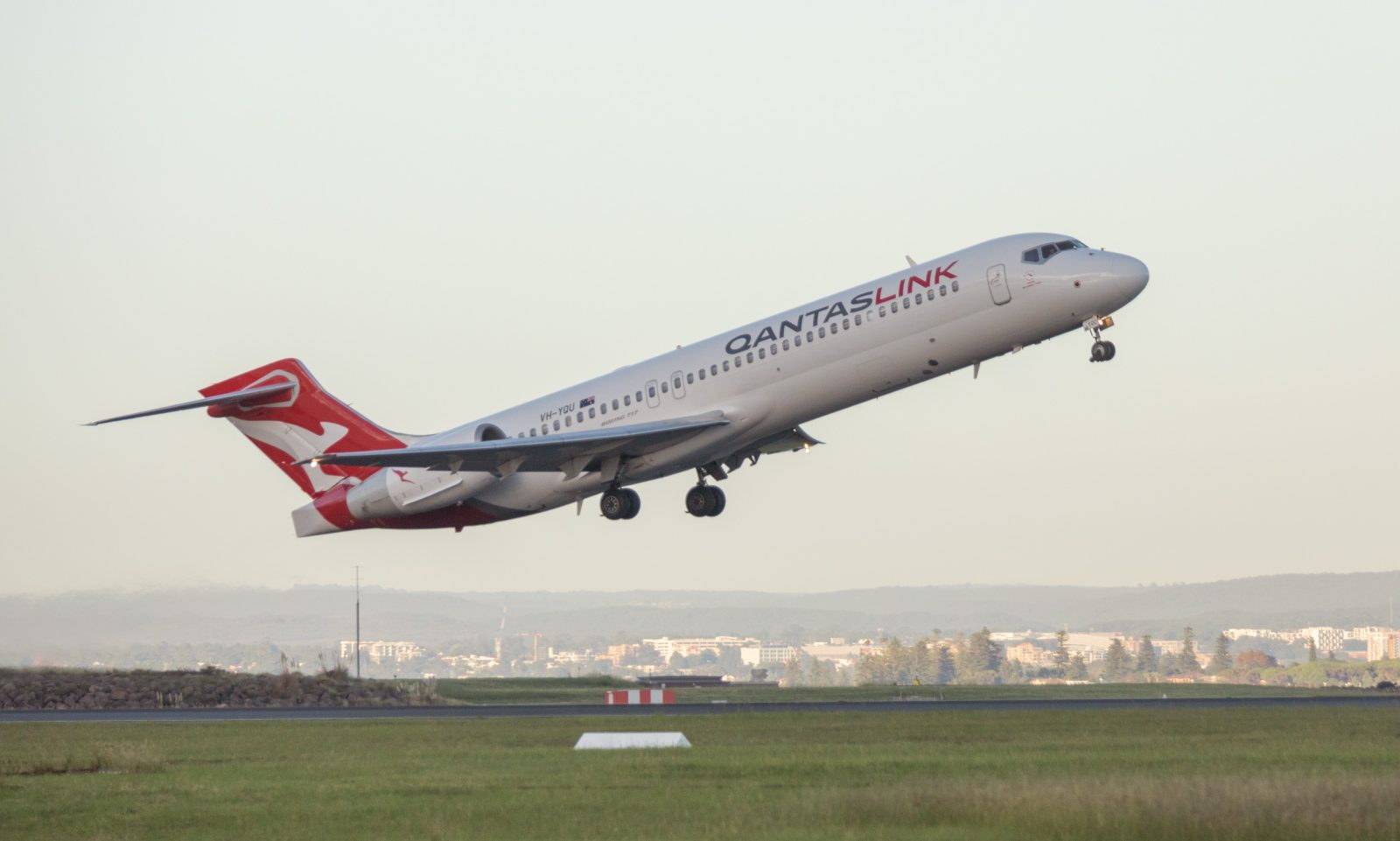
Qantas plans to retire another aircraft type from its fleet after just retiring the Boeing 767 in May. By the end of October, the Australian carrier plans to retire its remaining Boeing 717s.
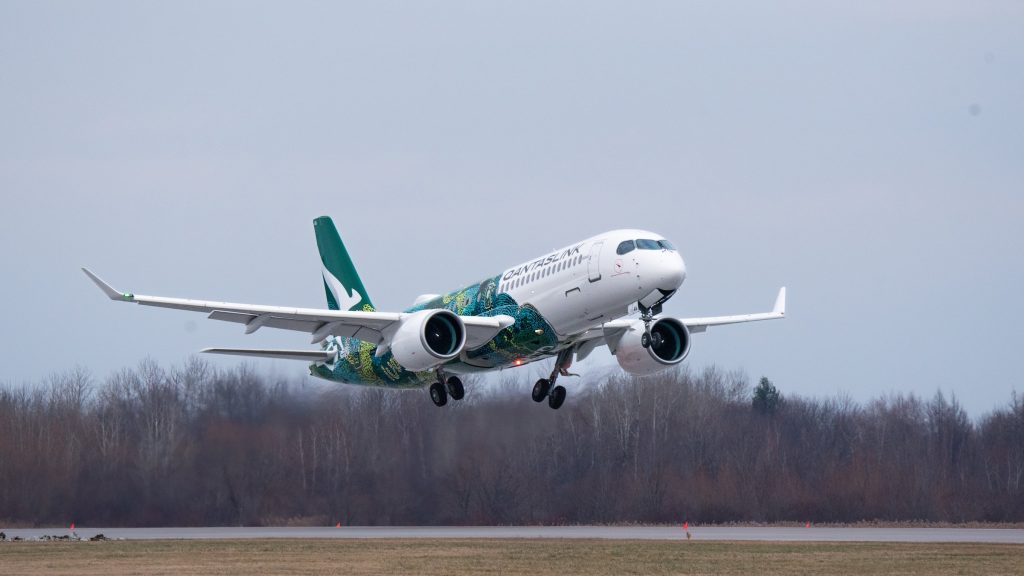
Once a workhorse of the airline’s regional fleet, the aircraft are being replaced by the newer Airbus A220 as part of a fleet renewal effort called “Project Winton.” Since taking delivery of the first A220 in late 2023, the carrier currently has four in service with a fifth expected next month.
Both the A220s and 717s are operated by the airline’s regional subsidiary QantasLink. In a press release, Qantas confirmed the 717s will leave the fleet by the end of this month.
The carrier has a total of 29 A220 aircraft on order. “The size of the aircraft makes it the perfect addition to our fleet that currently operate our routes to the Apple Isle and it’s great to see the A220 now flying to two Tasmanian airports,” QantasLink CEO Rachel Yangoyan said in a news release.
QantasLink’s first Airbus A220 (Photo: Qantas)
Currently, Qantas has three remaining 717s in service, according to Cirium Fleet Analyzer data. The airline first took delivery of the jet in 1999 and has up to 20 as of May 2023.
“The size of the aircraft makes it the perfect addition to our fleet that currently operate our routes to the Apple Isle and it’s great to see the A220 now flying to two Tasmanian airports,” QantasLink CEO Rachel Yangoyan said in a news release.
As first noted by Aeroroutes, Qantas is slated to operate its last 717 flights on Oct. 26 between Sydney and Canberra along with Launceston.
Delta and Hawaiian still operate the Boeing 717, although both carriers plan to replace the type by the end of the decade.
Ryan founded AirlineGeeks.com in February 2013 and has spent more than a decade covering the airline business. His work has been featured by CNN, WJLA, CNET, and Business Insider. His aviation experience spans airport operations, Part 135 regulatory compliance, and airline crew workforce planning, along with time behind the yoke of a Cessna 172 and interviews with airline executives. Ryan now serves as Group President of Firecrown Media’s Aviation Group. He holds a B.S. in Air Transportation Management and an MBA from Arizona State University and teaches Airline Management at Embry-Riddle Aeronautical University.
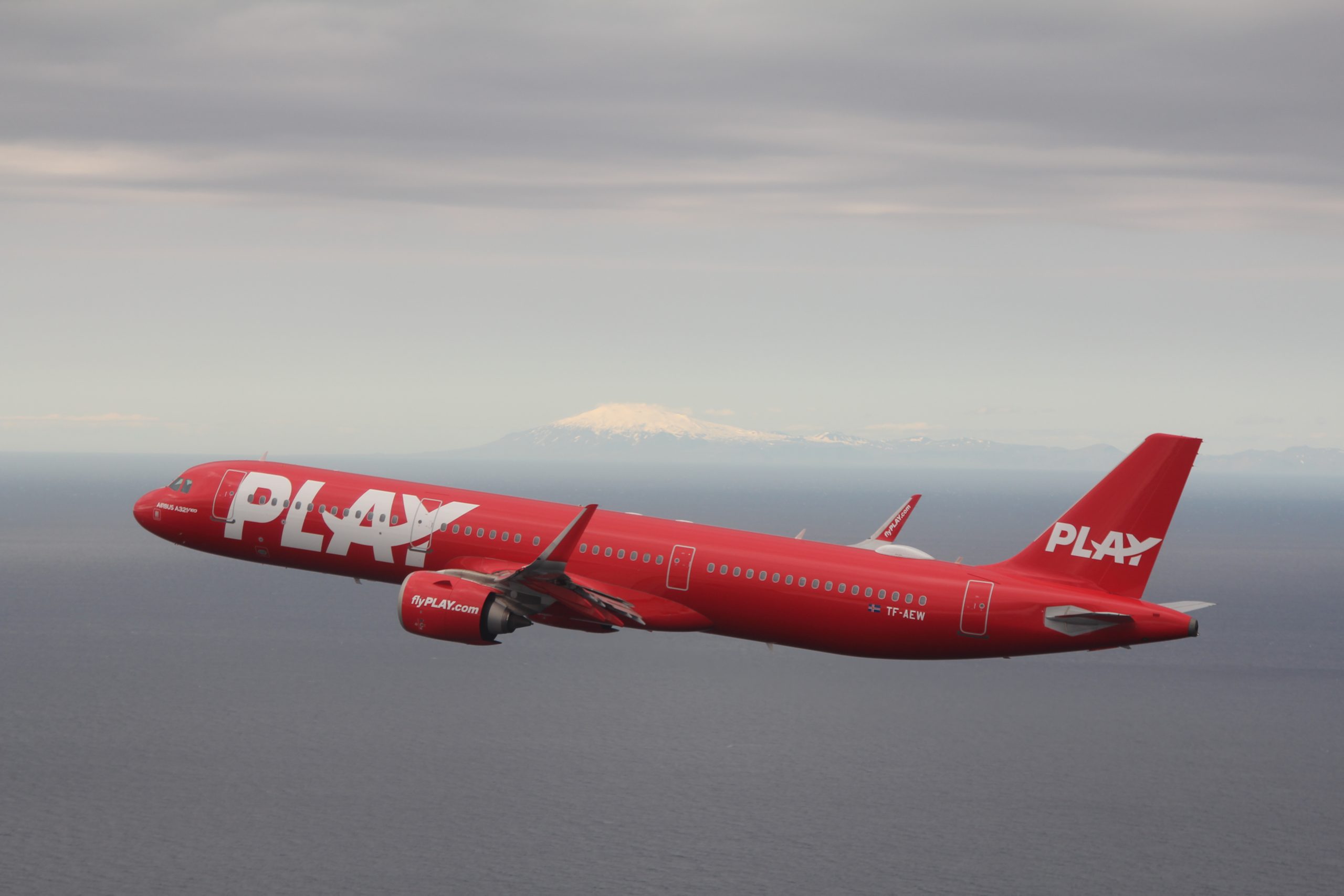
PLAY Airlines is an Icelandic-based budget carrier that fits into the category of low-frills and charges passengers for carry-on bags along with seat assignments, among other items. But, for those passengers that travel light and don’t need much, it can be a cheaper way to travel to a country that is known for being on the expensive side.
It is a relatively new airline, created from the remains and executives of WOW Air, another Icelandic-budget carrier that grew too fast and quick before going belly up. Now, with new executives, the company is modestly expanding with five destinations currently in North America and roughly 30 in Europe.
Day of the Flight
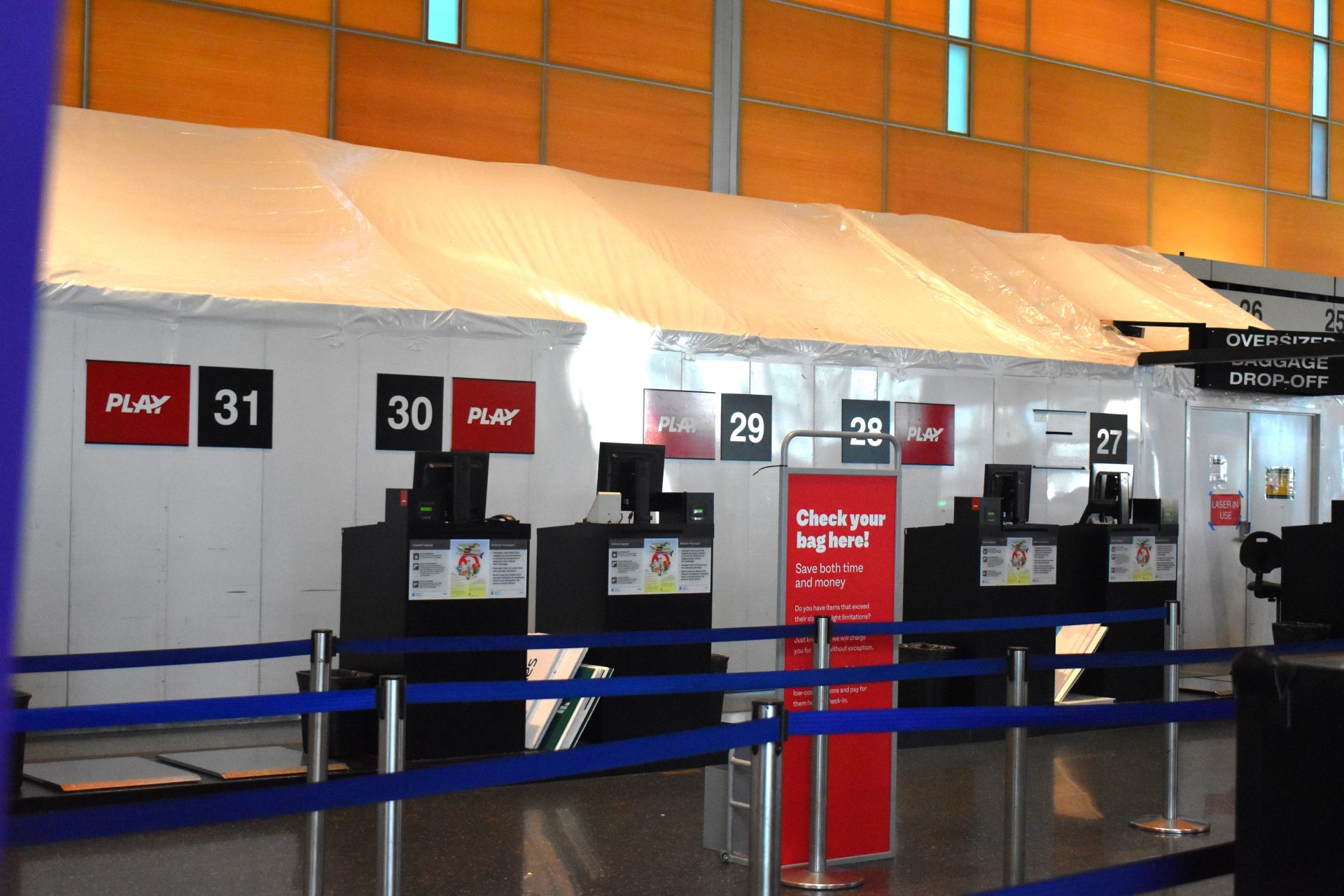
I arrived at the airport way earlier than I needed to the day of the trip, as I came off a different airline from a connecting city many hours before my PLAY flight which was scheduled to leave at 7:15 p.m. The airline does offer online check-in but you cannot use these online boarding passes or ones printed from home to board the aircraft, so I figured I would leave the secure area where I arrived to go to the ticket counter to get a printed boarding pass.
PLAY’s ticket counter in Boston (Photo: AirlineGeeks | Joey Gerardi)
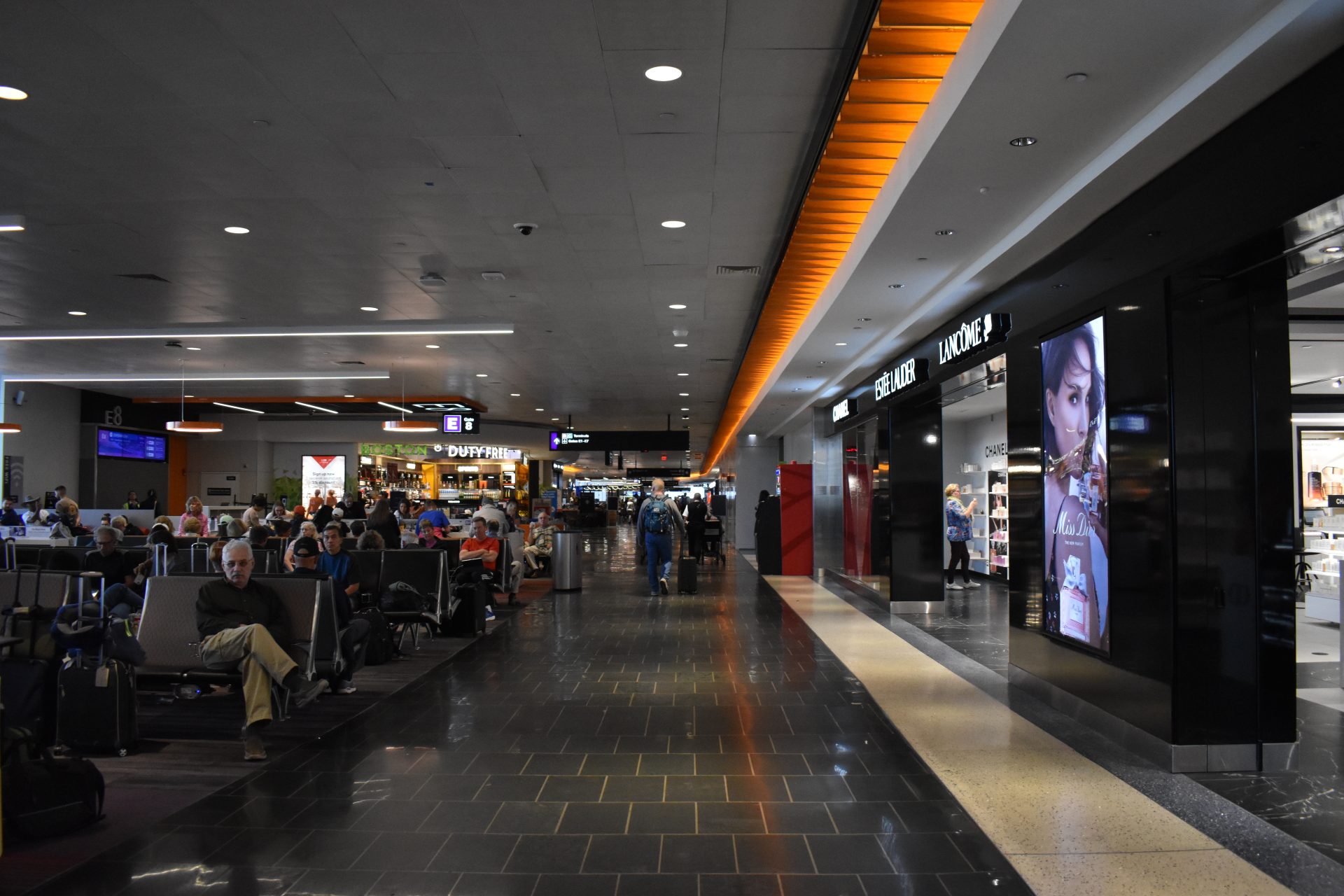
The airline operates out of the E gates at Boston Logan, and their counter opened about three hours before the scheduled departure time. It’s also interesting to point out that they don’t participate in the TSA Pre-Check program so definitely make sure to get there with plenty of time.
Boston Logan’s Terminal E (Photo: AirlineGeeks | Joey Gerardi)
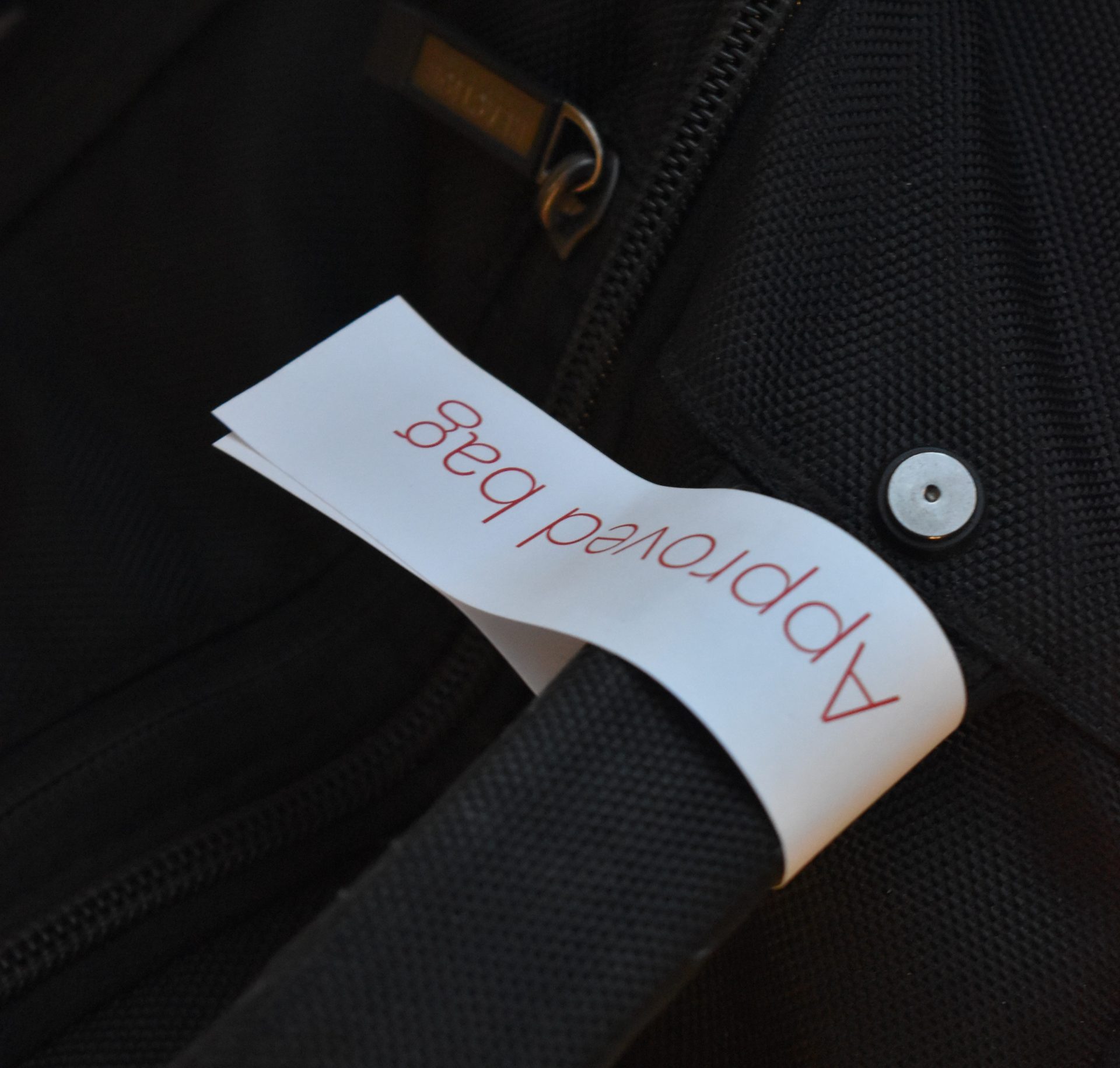
As PLAY is a budget carrier, you do need to pay for stuff like seat selections, drinks, snacks, and especially carry-on bags. They tagged all of the carry-on bags for the overhead with white tags that said approved.
The “Approved” tag I got for my carry-on onboard PLAY (Photo: AirlineGeeks | Joey Gerardi)
Before boarding, agents went around the area to make sure that nobody had a larger bag without an approved tag on it, and if there was anything they thought was even slightly larger than their dimensions, they would make people use the bag sizer to test it. This isn’t uncommon as carriers in the United States like Spirit, Allegiant, and Frontier do similar things, along with European carriers Ryanair and Easyjet.
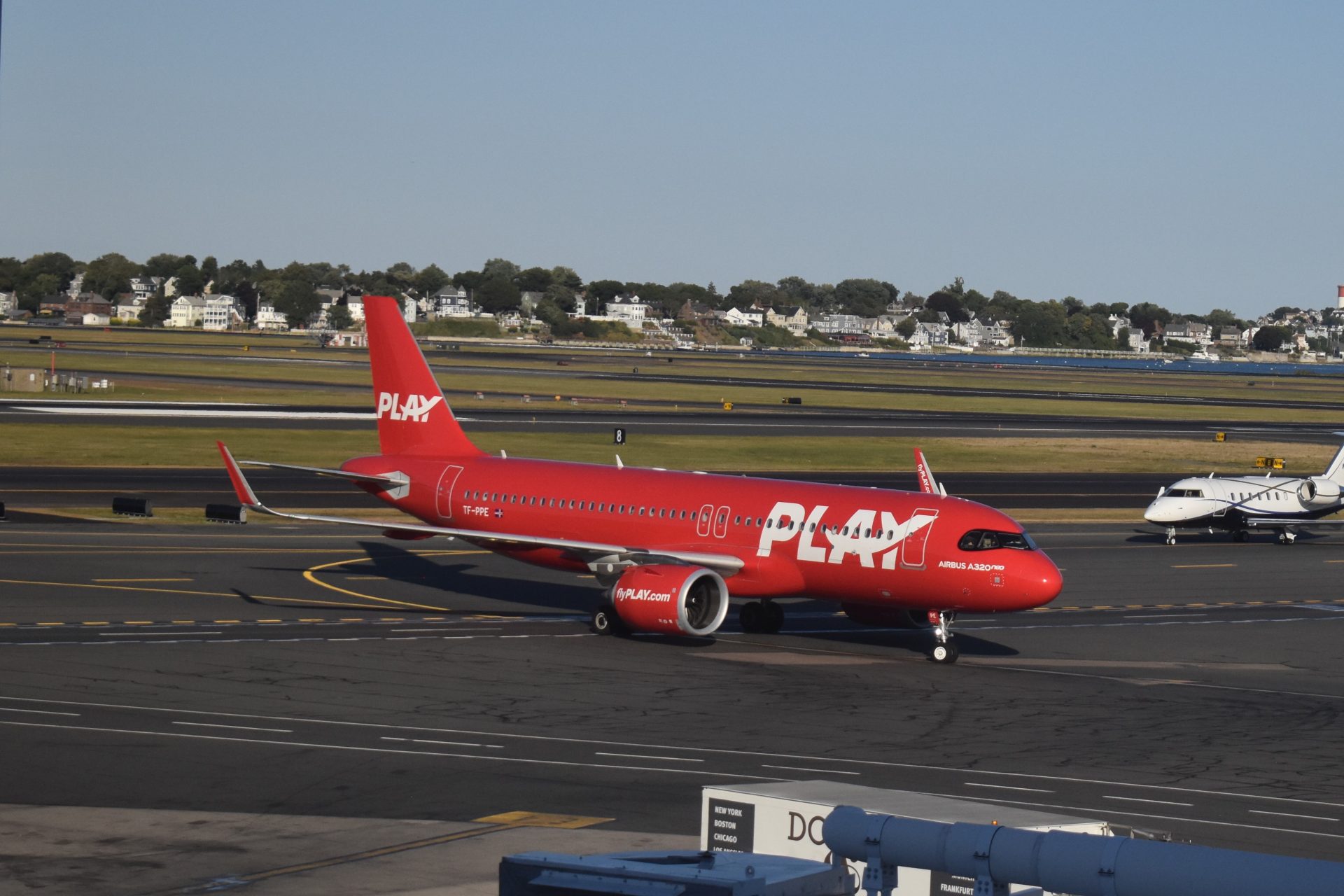
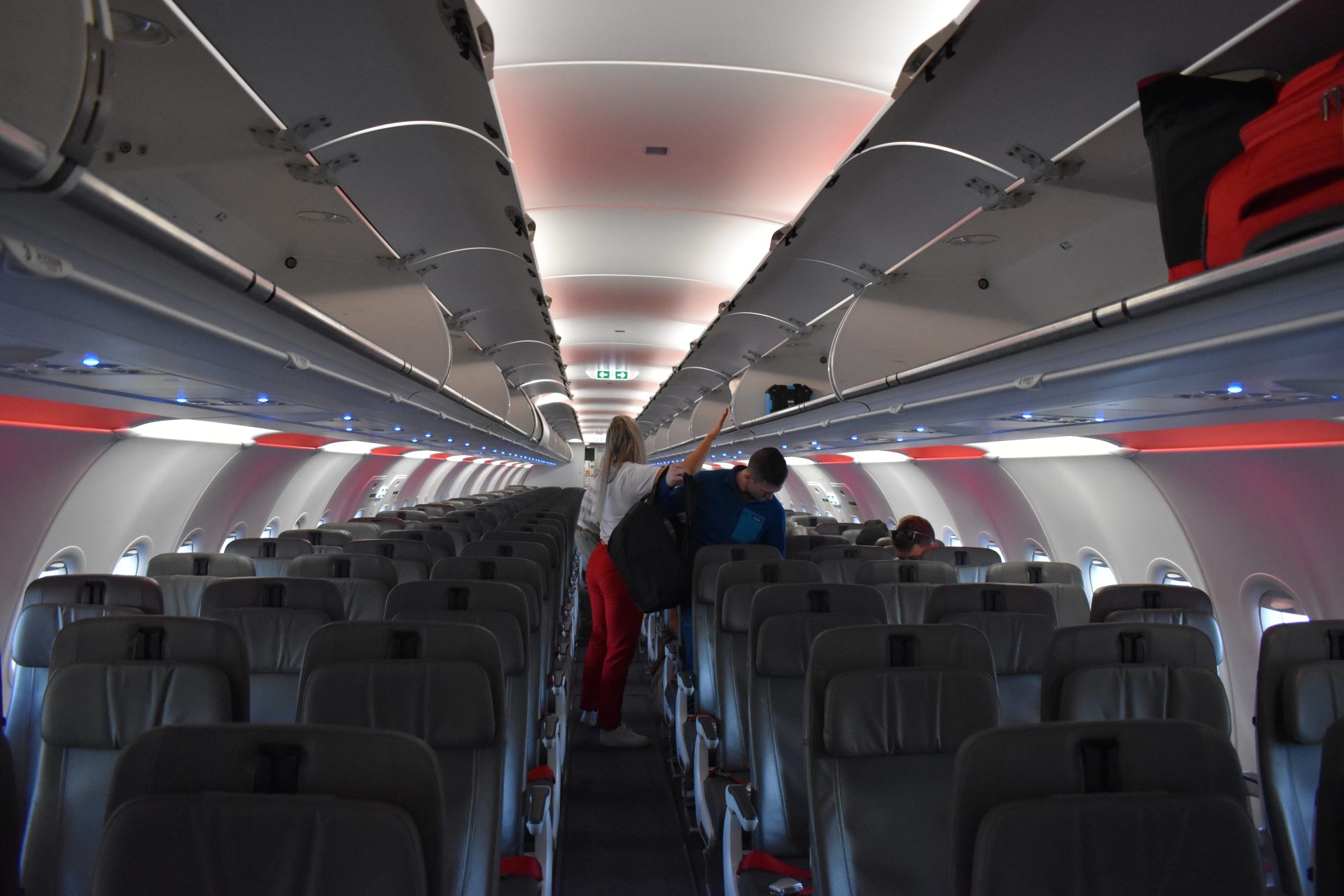
The aircraft for the flight was TF-PPE, an Airbus A320neo that was delivered directly to the airline in November of 2022. And of course, sported the airline’s noticeable bright red livery and had 180 seats in an all-economy class configuration.
My aircraft for the flight up to Iceland: TF-PPE (Photo: AirlineGeeks | Joey Gerardi)
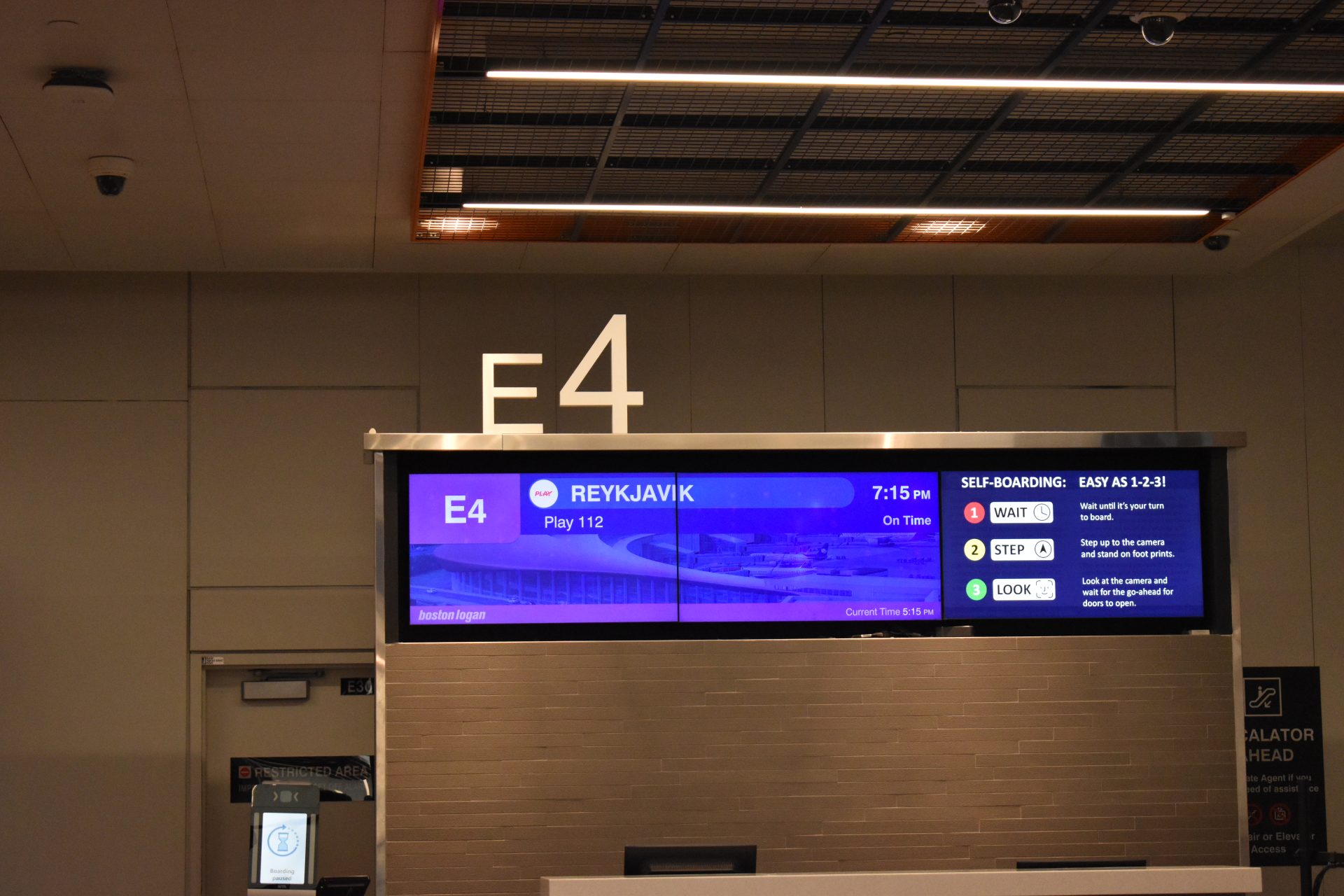
For this flight, we used gate E4, which is right near the beginning of the terminal. With the E gates, every single one of the gates is common use, meaning airlines can be interchangeable between them. On the day of this flight, we had a Delta flight to Paris and a Porter flight to Toronto boarding at nearly the same time, so it got slightly confusing, but the large signage helped.
My gate for the flight up to Reykjavik with PLAY (Photo: AirlineGeeks | Joey Gerardi)
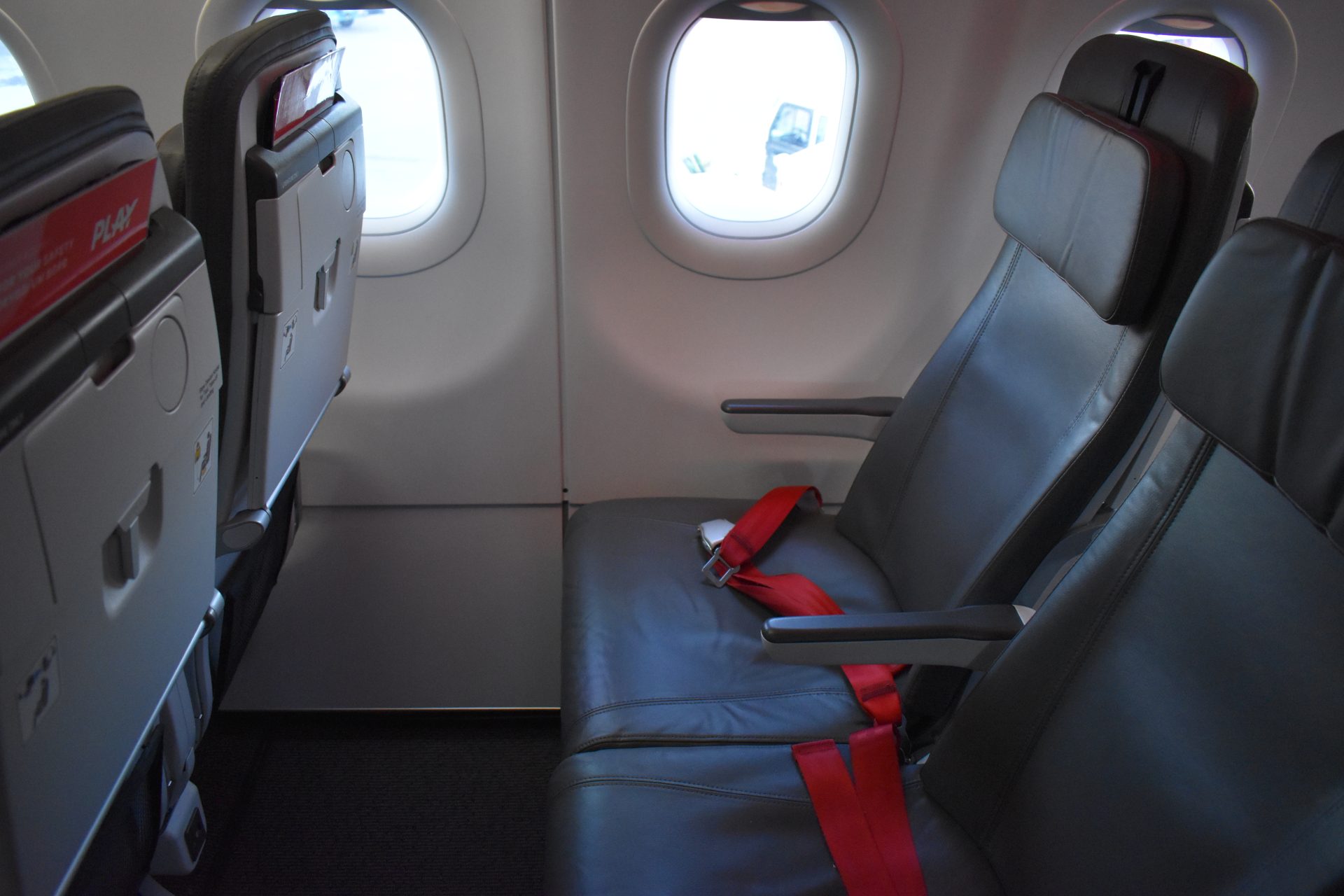
PLAY had an interesting boarding process; the first boarding group was priority passengers along with those who needed extra time getting down to the jetbridge. The second boarding group was everyone else onboard the aircraft. As mentioned, the aircraft was arranged with 180 seats in all economy, although on its A320neo aircraft, the first two rows are extra legroom seats along with the exit rows.
The passenger cabin of PLAY’s Airbus A320neo (Photo: AirlineGeeks | Joey Gerardi)
Once on board, I took my seat in 2F which was a window in the previously mentioned extra legroom section of the aircraft. The captain made an announcement about going into Keflavik, which is an interesting aspect to note, as all of the boarding passes as well as the departure monitors said Reykjavik.
This is because Reykjavik is the city name that most tourists and outsiders recognize as it is the biggest city in the country as well as the capital. However, the airport is technically located in Keflavik, which is about an hour west of Reykjavik. The names Keflavik and Reykjavik are used interchangeably for the international airport for airlines.
My seat for the flight up to Iceland: 2F (Photo: AirlineGeeks | Joey Gerardi)
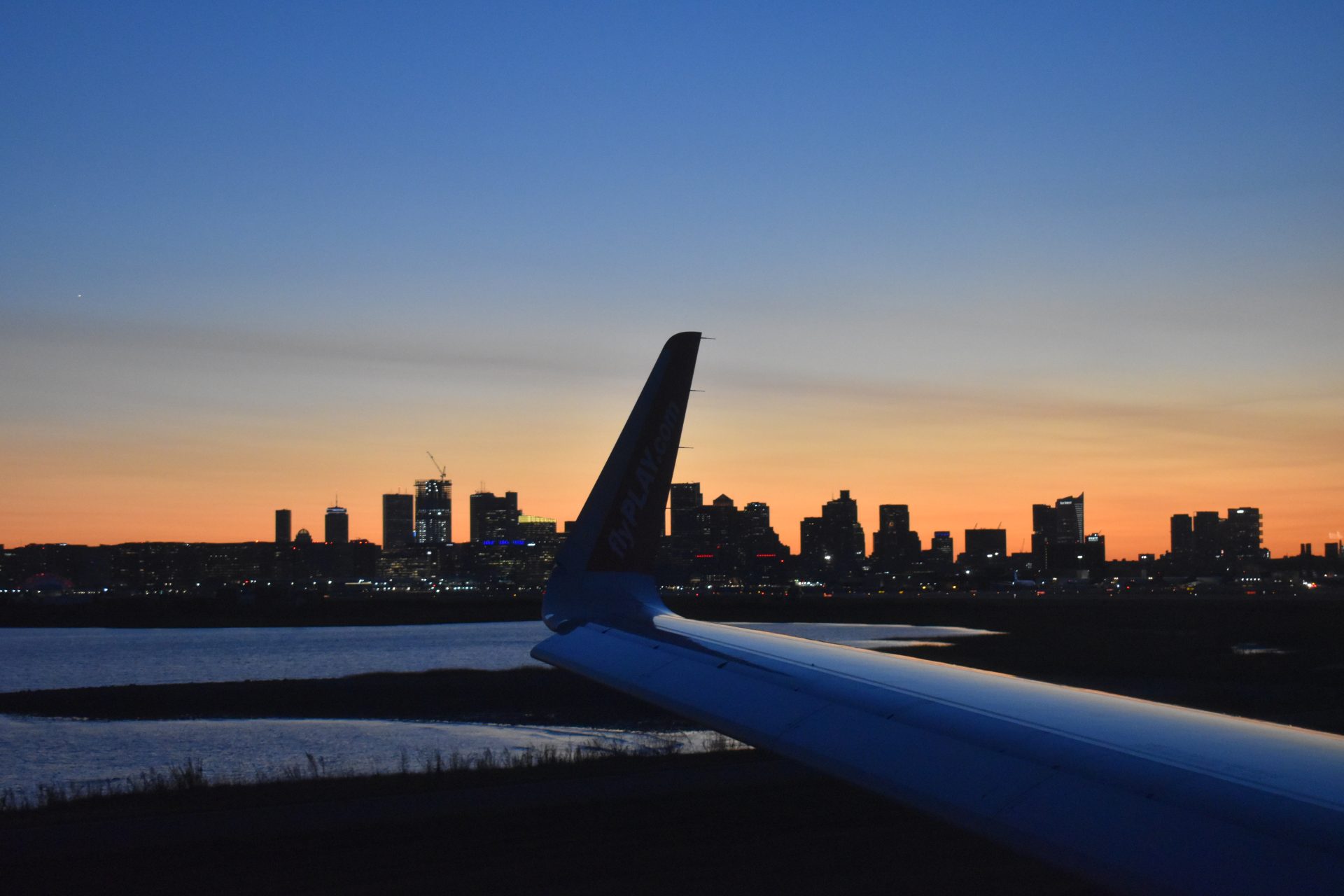
I did also get lucky as I had nobody sitting in the aisle or middle seat next to me for this flight up to Iceland. Pushback as well as takeoff were normal and we took to the skies on time north towards Reykjavík as the sun went below the horizon over the Boston skyline and harbor.
The sun setting over the downtown Boston skyline (Photo: AirlineGeeks | Joey Gerardi)
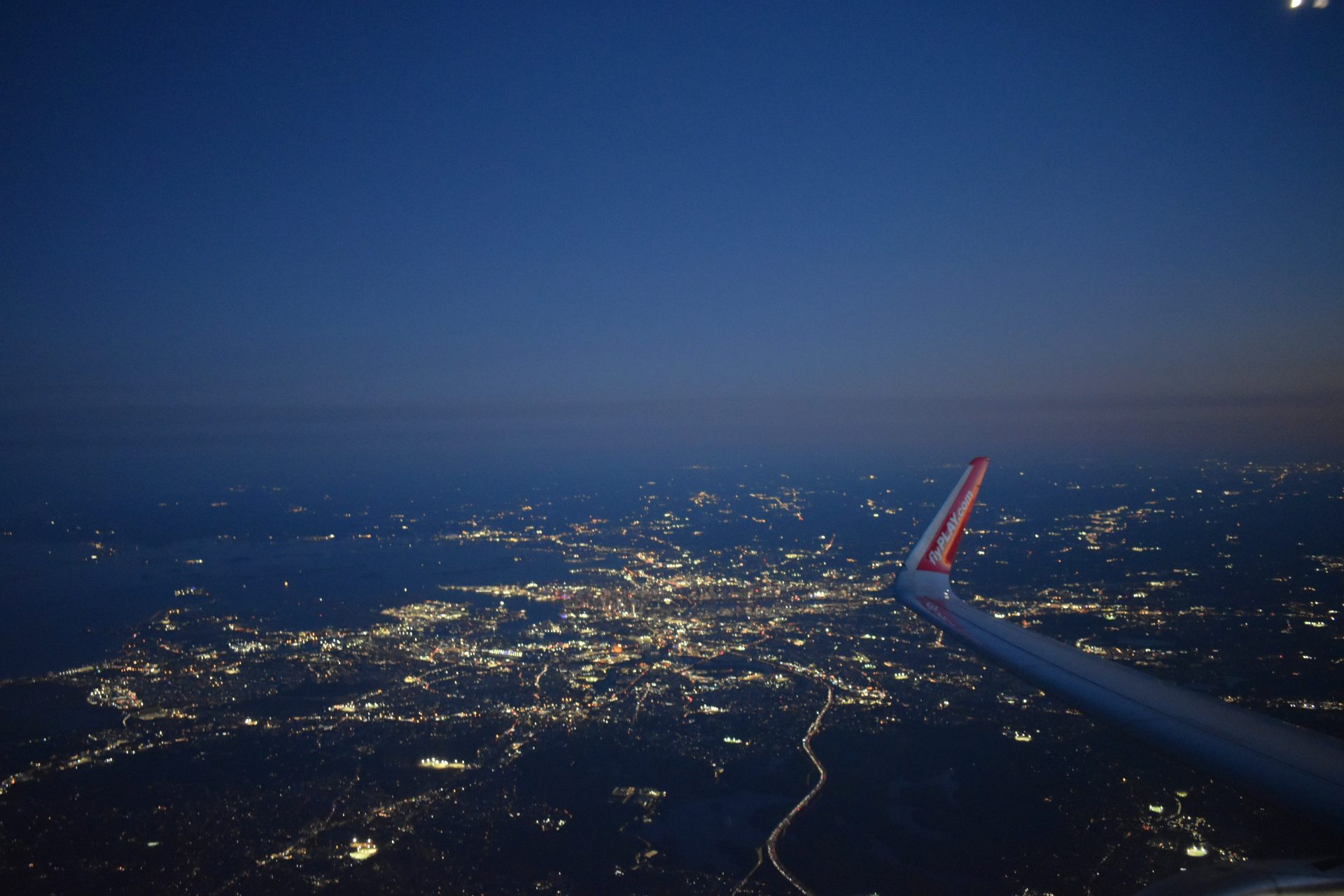
This flight is the shortest distance between the United States and Iceland at only 2,413 miles and is shorter than flying from coast to coast in the United States, not just for this airline but all of the airlines that operate between these two countries.
Flying further away from Boston going towards Iceland (Photo: AirlineGeeks | Joey Gerardi)
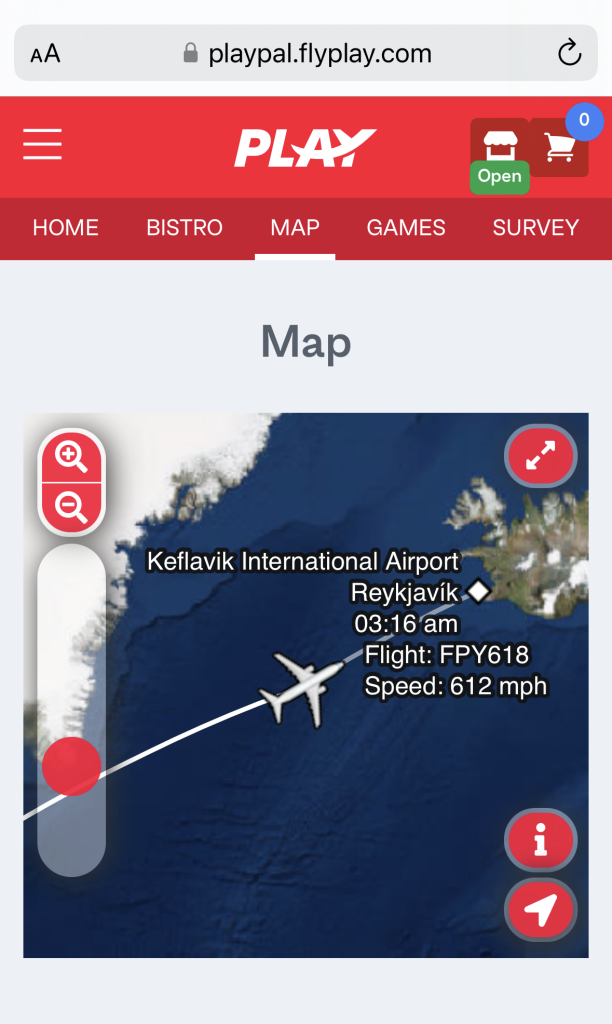
Once in the air, I connected my phone to the aircraft’s Wi-Fi, which can’t be used for streaming or internet and is predominantly used for ordering from the airline onboard bistro, looking at the interactive route map, playing some games, or doing a survey. Even as we got away from the coastline the map still worked, as well as did the couple of games they had on there.
A screenshot of the interactive map on PLAY’s inflight internet/coverage (Screenshot: AirlineGeeks | Joey Gerardi)
There was also a small brochure in the seatback pocket for duty-free items, as well as some PLAY-themed items like playing cards and a scale model of their very first aircraft: TF-PEW.
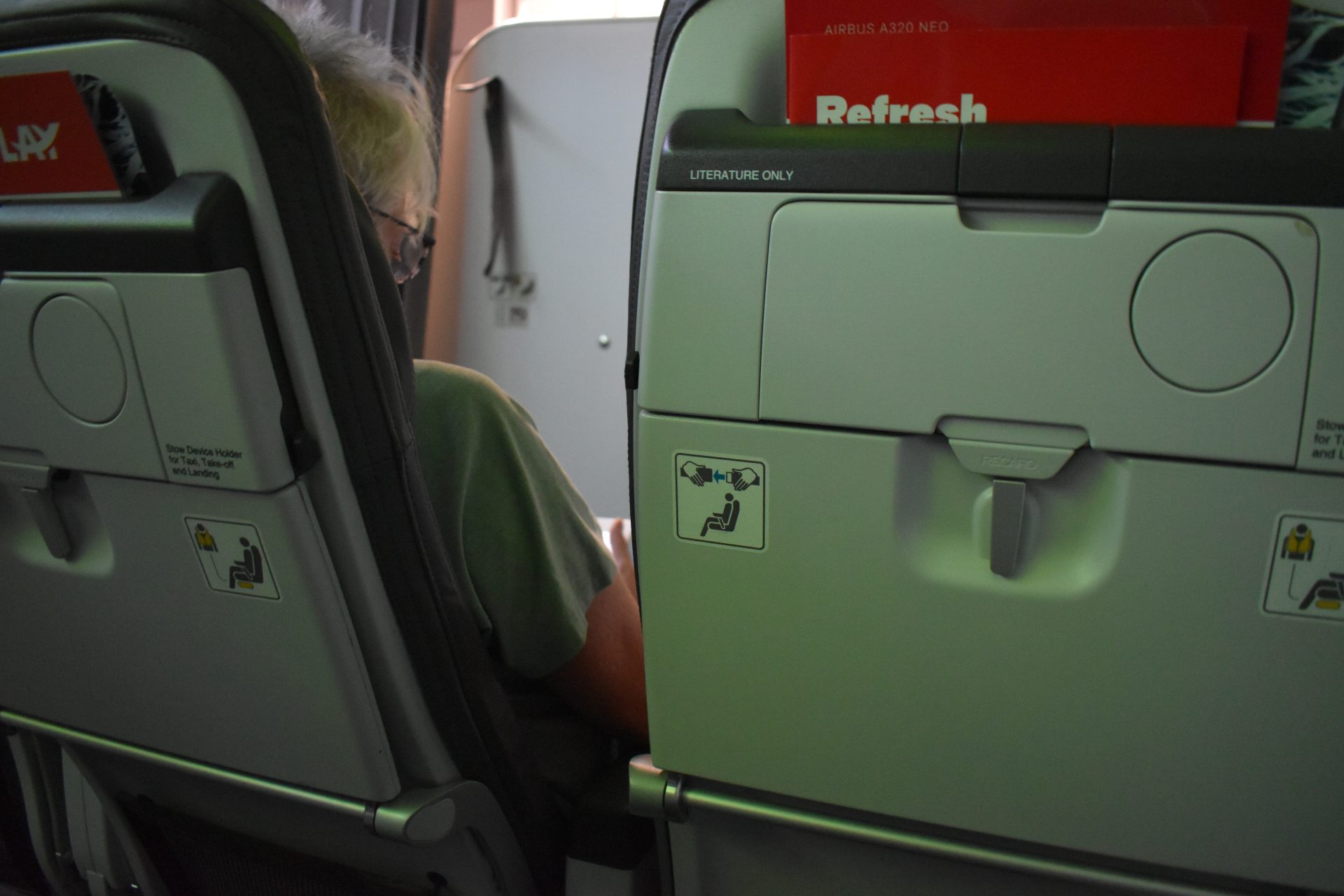
If you did download TV or movies on your phone or tablet, the airline did provide a device holder in the back of the seatback pockets, as well as four USB ports per every three seats allowing for plenty of devices to be charged along the way.
The seatback of PLAY’s Airbus A320neo (Photo: AirlineGeeks | Joey Gerardi)
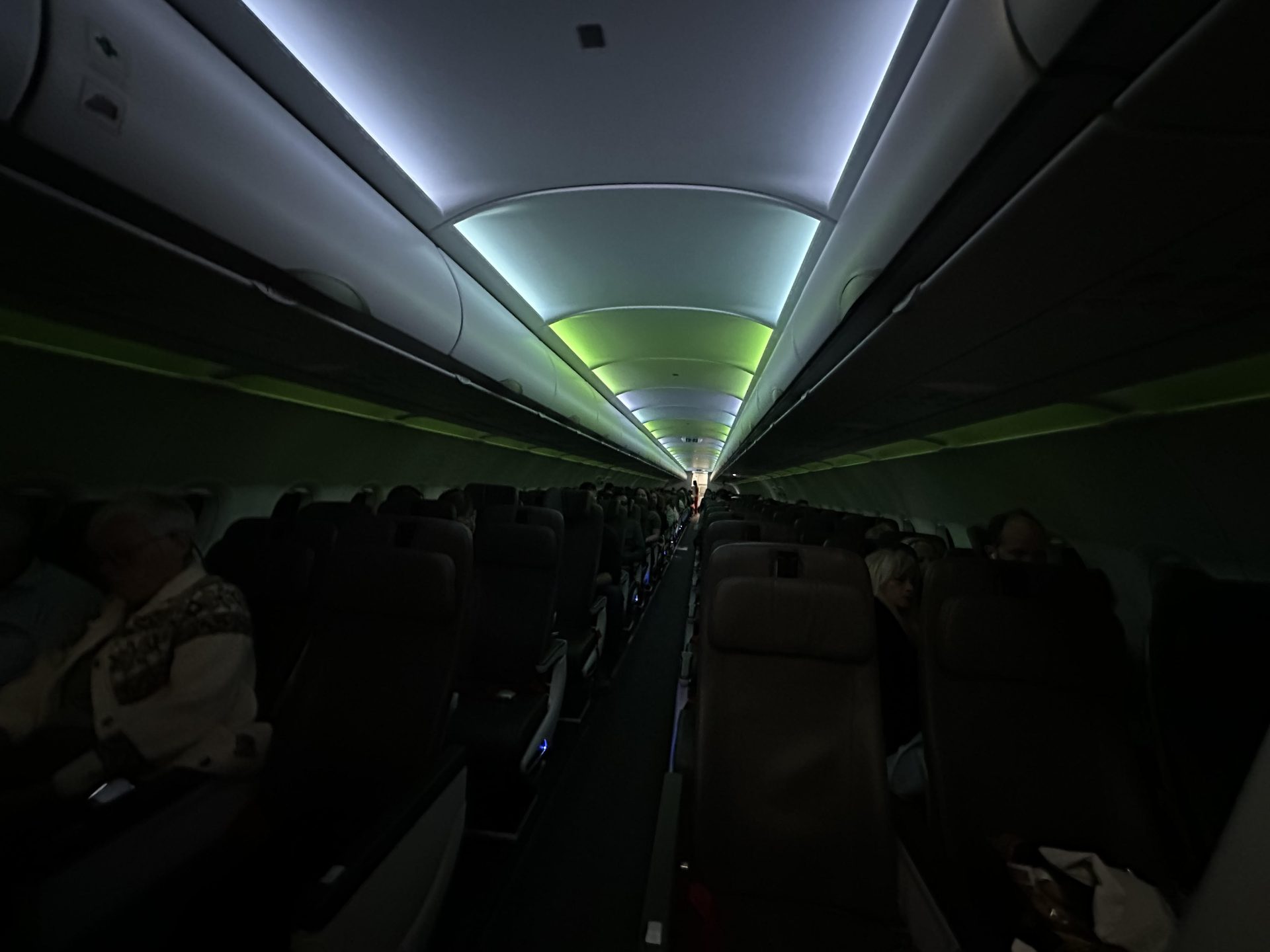
About 30 minutes after takeoff, I decided to try and get some sleep as this was a short redeye flight and we would be landing in about four hours or so.
The cabin in the early morning, as they started turning the lights up (Photo: AirlineGeeks | Joey Gerardi)
Going into Iceland we were predominantly overwater and it was still really early in the morning so there wasn’t much to be seen on the approach until just before landing.
Approaching Reykjavik/Keflavik in the early morning (Photo: AirlineGeeks | Joey Gerardi)
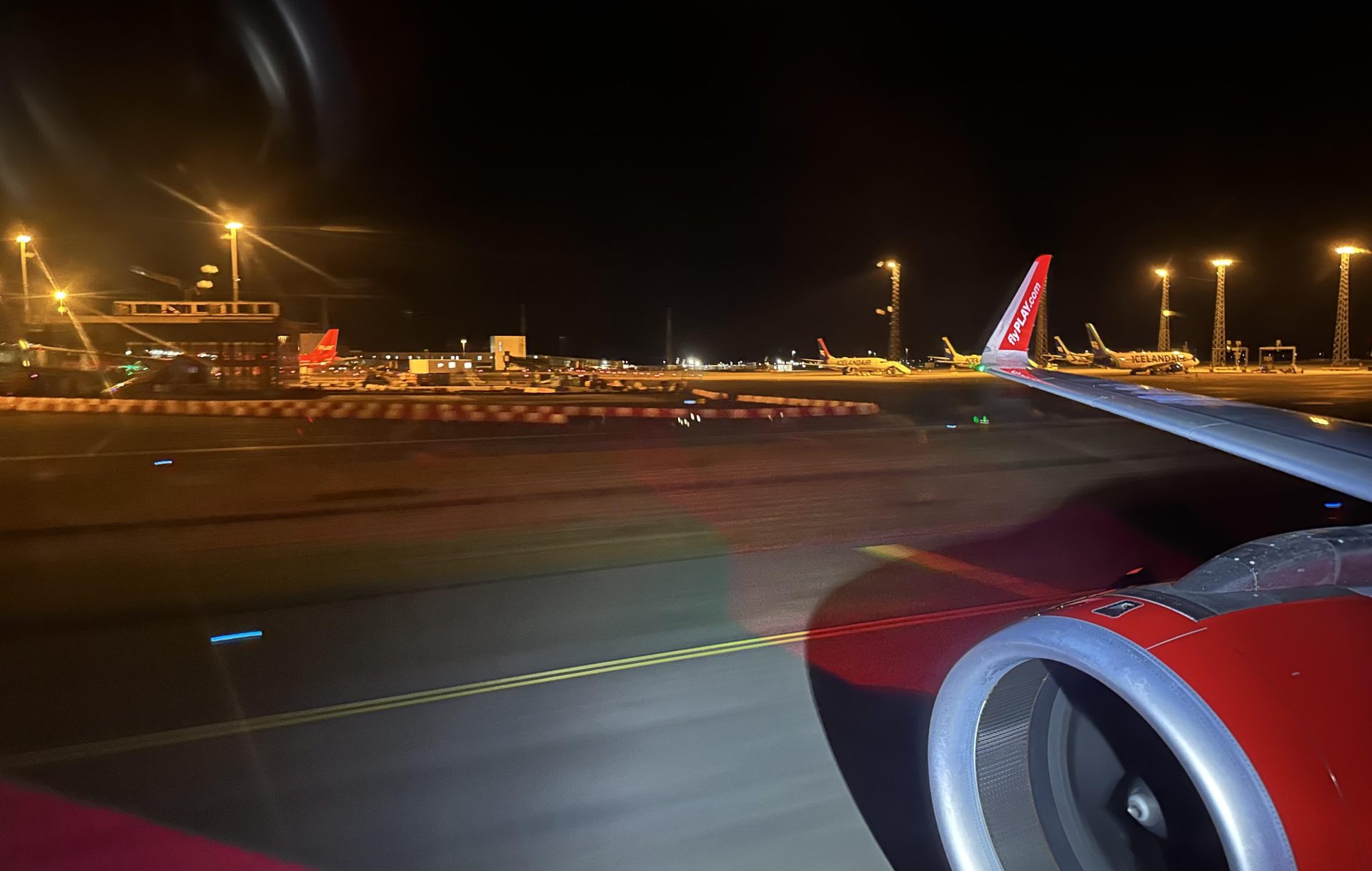
We landed at Reykjavík/Keflavik just before 4 a.m. local time after exactly 4.5 hours of flight time, meaning we had landed about 45 minutes early, and with little to no traffic moving around the airport other than us, it was a super quick taxi to the gate.
Arriving into Reykjavik/Keflavik 45 minutes early (Photo: AirlineGeeks | Joey Gerardi)
The airline’s North American arrival bank into Iceland is super early in the morning, with arrivals from their four-to-five destination in North America coming in between 4 a.m. and 5 a.m. And with Icelandair’s morning arrival bank from North America not starting to come in until at least 6 a.m., we had customs pretty much to ourselves.
Although the carrier sells Iceland as a destination, passengers can connect to PLAY’s destination in mainline Europe as this airport is good at handling mass amounts of people and processing them quickly in the hour or so of connection time the airline gives them if they aren’t staying in Iceland.
Exiting to Iceland (Photo: AirlineGeeks | Joey Gerardi)
I continued onto Copenhagen in Denmark, but not for a couple of days so I did continue towards the “exit to Iceland” sign. The morning I arrived in Iceland I went to the airline’s headquarters in Reykjavik to interview the airline’s CEO Einar Örn Ólafsson.
This airline is trying to brand itself as the fun and affordable way to get to Iceland, which is good considering how relatively expensive Iceland is to not only visit but also to fly to. PLAY did offer a considerable amount of amenities and they are a step above budget carriers like Spirit or EasyJet. I would fly them again not only to Iceland but also to connect between mainland Europe and the United States.
Editor’s Note: PLAY provided AirlineGeeks with a seat on this flight, but this trip report is an objective portrayal of the events and is in no way swayed by that aspect.
Joey has always been interested in planes for as long as he can remember. He grew up in Central New York during the early 2000s when US Airways Express turboprops ruled the skies. Being from a non-aviation family made it harder for him to be around planes and would only spend about three hours a month at the airport. He was so excited when he could drive by himself, the first thing he did with his driver's license was get ice cream and go plane spotting for the entire day. He graduated from Western Michigan University in 2022 with a B.S. in Aviation Management & Operations and a Minor in Business, and currently works for a major airline in his hometown.
Delta Debuts Refreshed Cabin Interiors
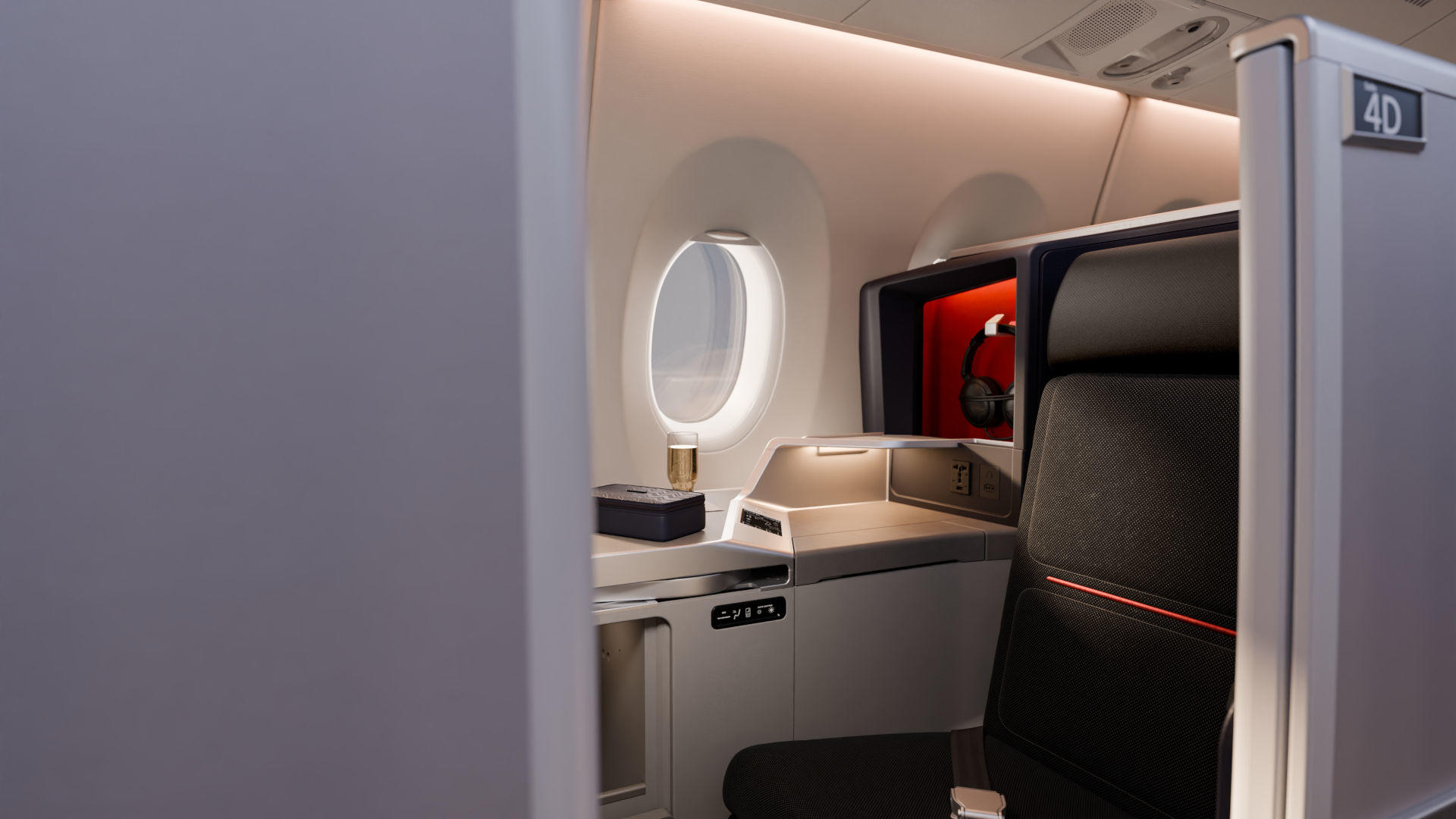
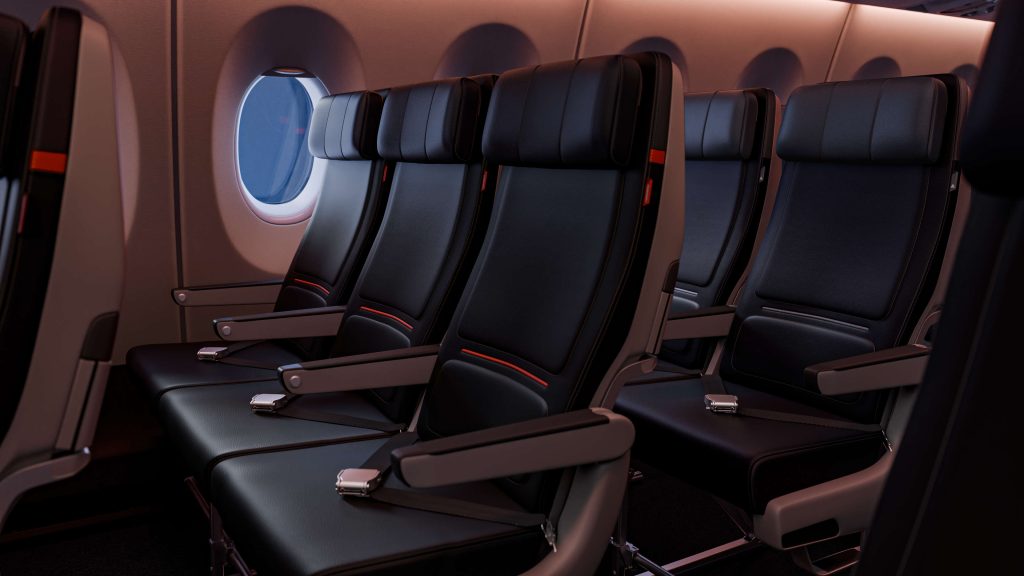
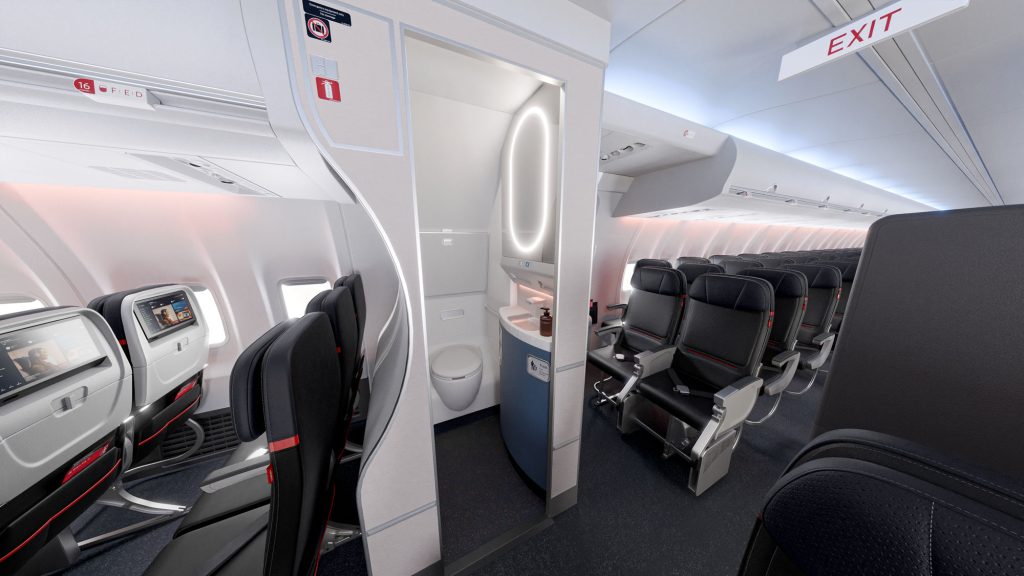
Delta unveiled a refreshed cabin interior design on Tuesday that will be featured across its fleet starting later this fall.
Delta is set to introduce the new cabin interiors on widebody aircraft in early 2025. (Photo: Delta)
Delta unveiled a new cabin interior design on Tuesday that will be featured across its fleet starting this year.
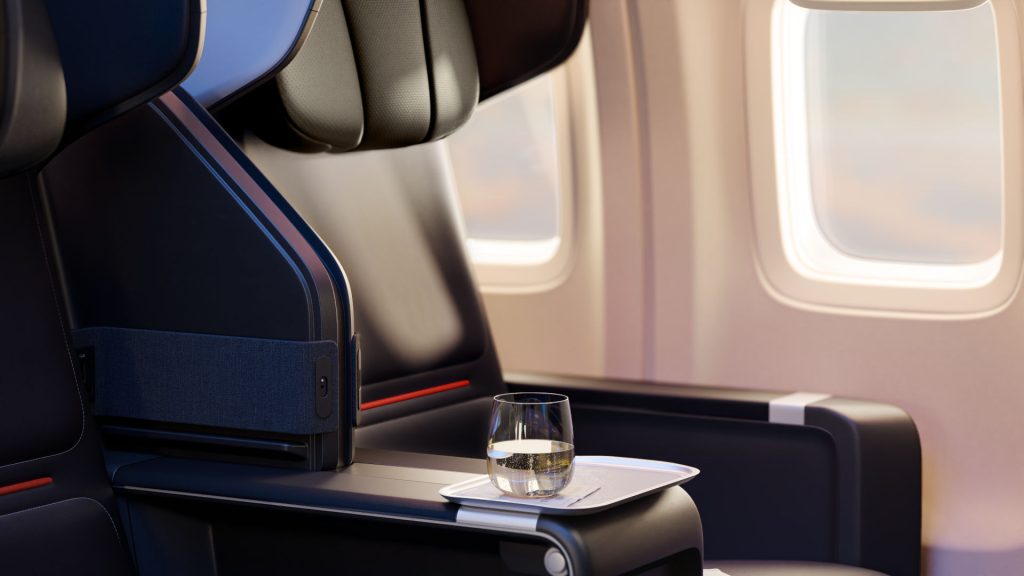
The redesign, which will be introduced on a Boeing 757 aircraft later this fall followed by an Airbus A350 in early 2025, features a variety of modifications, including updated seating materials, enhanced lighting, and a more modern color palette, the airline said.
Refreshed cabins on Delta aircraft (Photo: Delta)
One of the most noticeable changes is the updated seating. Delta One seats will feature a new “breathable” fabric that is lighter and better regulates temperature. Delta Comfort+ and economy seats will have new memory foam cushions.
The refreshed cabins also feature new lighting programs designed to create a “calming onboard environment.” Mood lighting will be adjusted to suit each phase of the flight, helping passengers relax and rest or stay productive as needed.
Delta is set to roll out its refreshed cabin interiors later this year. (Photo: Delta)
“Delta has a 100-year history of creating a customer experience that feels welcoming and thoughtful with intentional design elements woven into every aspect of a customer’s travel,” said Mauricio Parise, vice president of customer experience design, in a news release. “As we embark on our next century of flying, this refreshed cabin interior infuses utility with beauty to create an atmosphere that feels fresh, elevated, and timeless while reflecting our customers’ evolving tastes and expectations.”
Delta has also changed its color palette which includes a “softer, warmer, and more modern” aesthetic with natural materials and accents of the airline’s original heritage colors.
Ryan founded AirlineGeeks.com in February 2013 and has spent more than a decade covering the airline business. His work has been featured by CNN, WJLA, CNET, and Business Insider. His aviation experience spans airport operations, Part 135 regulatory compliance, and airline crew workforce planning, along with time behind the yoke of a Cessna 172 and interviews with airline executives. Ryan now serves as Group President of Firecrown Media’s Aviation Group. He holds a B.S. in Air Transportation Management and an MBA from Arizona State University and teaches Airline Management at Embry-Riddle Aeronautical University.
Flying into Nuuk, Greenland (Photo: AirlineGeeks | Joey Gerardi)
Nuuk, Greenland, one of the northernmost capitals in the world, is reaching the end of a massive expansion project at the airport. Greenland is a unique and fascinating country for many reasons. Although it is geographically located in North America, it is an autonomous territory of the Kingdom of Denmark. Therefore, the country operates within the Schengen zone of Europe, meaning all of its current flights except one are “domestic.”
A flight from the northeast United States to Greenland’s capital of Nuuk is 800 miles shorter than a flight from New York to Los Angeles. As of now, there’s no non-stop service between the U.S. and Greenland.
This past summer was the first time in years that service was offered from Greenland to Canada via Iqaluit once a week, including a partnership with Canadian North with connections to the southern part of Canada. Even with the new flights, Iqaluit isn’t an easy place to get to either with only a flight or two a day from Montreal or Ottawa.
Nuuk Airport Info
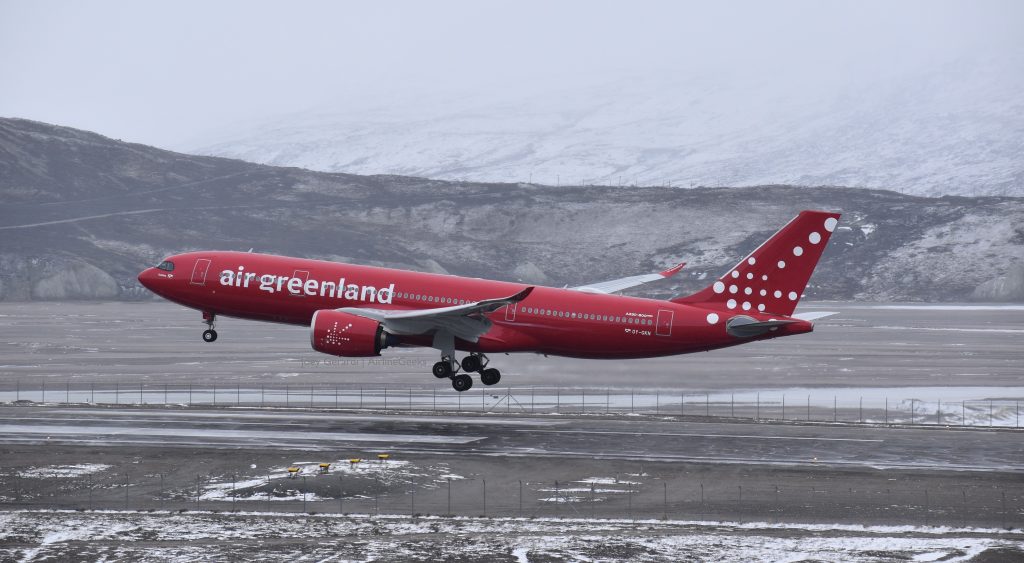
In Nuuk, the airport expanded its runway from 3,117 feet (950 meters) to 7,217 feet (2200 meters). This was a big achievement for the airport as the biggest aircraft that can currently land in Nuuk is the small 37-seat Dash-8~200. But when the runway is finally open, it will be able to handle Air Greenland’s flagship Airbus A330-800neo.
Air Greenland’s sole Airbus A300-800neo seconds before touching down in Kangerlussuaq (Photo: AirlineGeeks | Joey Gerardi)
Until the end of November when the new runway in Nuuk opens, Kangerlussuaq is currently the only airport and runway in the entire country that can handle Air Greenland’s A330-800neo, except for Pituffik Space Base (formerly Thule Air Force Base) in the northern part of the country which is occasionally used for military charters and doesn’t see many commercial flights.
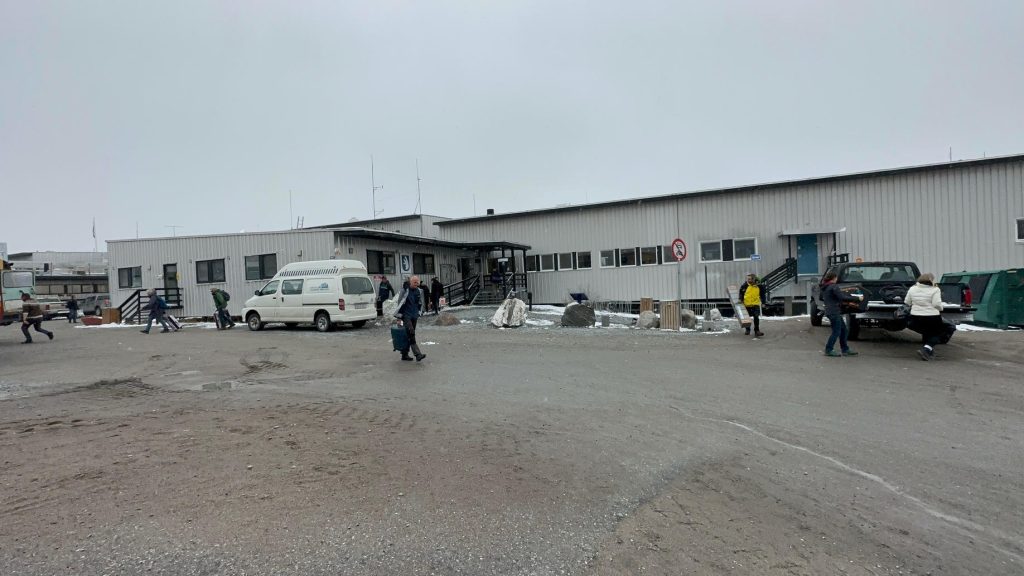
The terminal in Kangerlussuaq (Photo: AirlineGeeks | Joey Gerardi)
Kangerlussuaq is not one of Greenland‘s most populated cities by any means, and when the A330-800neo comes in, the population of the town more than doubles with the combination of inbound and outbound passengers. The airport in Kangerlussuaq is predominantly made for connections onward to other cities in Greenland or cruise ships and usually isn’t a final destination for very many people.
But, with the runway expansion in Nuuk, the country is about to become more accessible than ever to not only those in Europe but North America and beyond as well, given United’s recent announcement that it plans to serve the country next summer. With United, passengers will be able to have the same airline service from every single inhabited continent to Greenland with a max of just two connections, most of which will be one-stop flights.
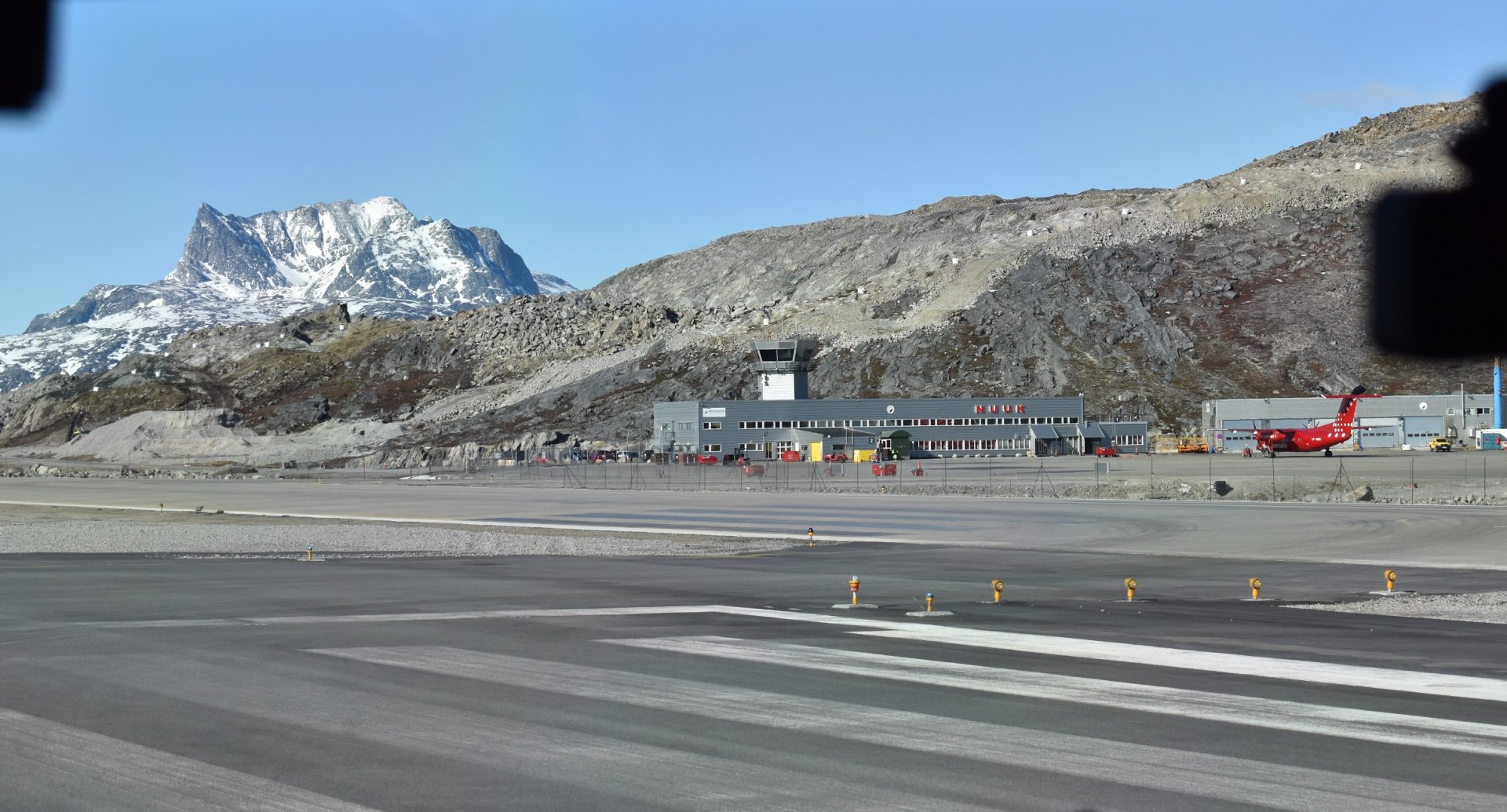
With the runway extension also comes a new terminal to handle the massive increase in passengers going through the airport. The terminal has opened already with the old terminal building being demolished.
The terminal in Nuuk, which has since been demolished in the summer of 2024 (Photo: AirlineGeeks | Joey Gerardi)
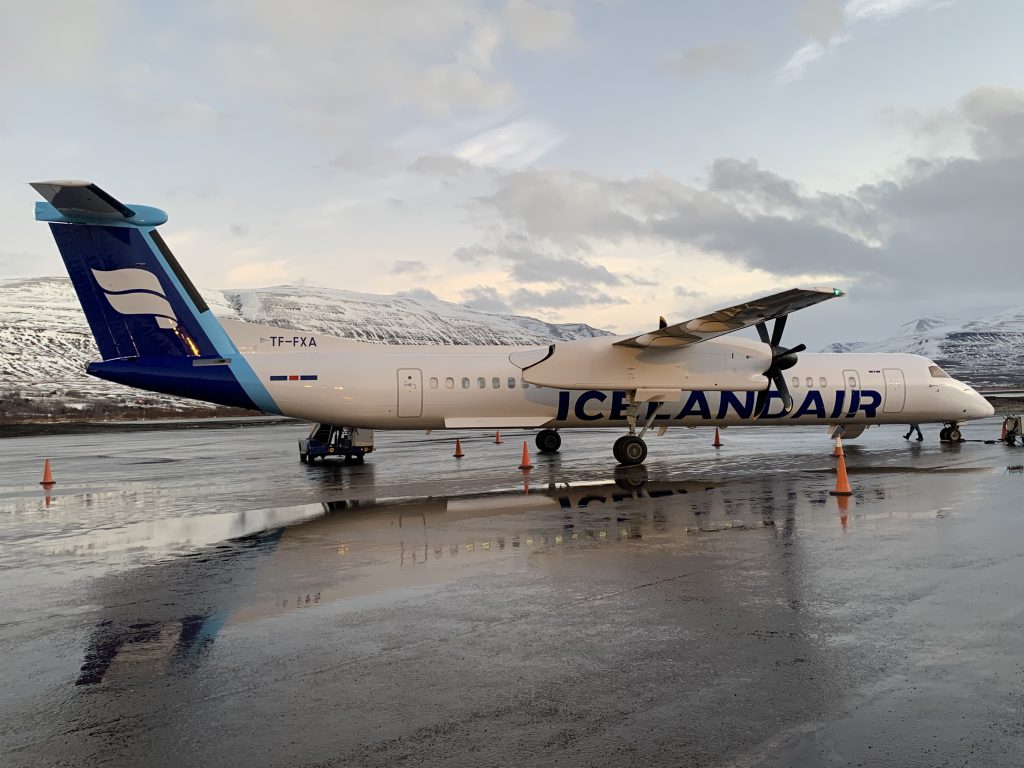
This isn’t to say that other airports in Greenland don’t see international service. Narsarsuaq sees service with Icelandair on the Q400 as well as the 737 MAX during the high tourist season, along with Air Greenland flights on board leased 737s to Denmark. Kulusuk, on the country’s eastern coast, along with Ilulissat located on the west coast, both see Air Greenland and Icelandair service to Reykjavik on the Dash-8~200.
Nuuk’s Service Explained
Air Greenland is planning on moving its international hub to Nuuk along with its flagship route to Copenhagen on the A330. Air Greenland restarted service to Iqaluit in Canada from Nuuk this past summer season and will continue to be operated out of the city on the Dash-8~200.
Moving the flagship Copenhagen service from Kangerlussuaq to Nuuk has always been part of the plan and is not new information. The airline’s A330-800 is also going to be the aircraft that inaugurates the new runway in Nuuk at the end of November. But, what was not expected was the massive increase in activity and interest from other airlines.
United will begin serving the city in June 2025 using the Boeing 737 MAX 8 from Newark twice a week. In addition, Icelandair also has a large capacity increase planned for Greenland’s capital.
At the end of November 2024, once the runway opens, Icelandair will be upgrading its Nuuk service from a 37-seat Dash-8~200 to a 76-seat Q400. This already doubles the capacity of Icelandair in Nuuk, and that’s just for the winter months.
Icelandair Q400 (Photo: AirlineGeeks | John Flett)
In June 2025, around the same time as when United begins service to Nuuk, Icelandair will be doubling capacity once again, going from a Q400 to a 737 MAX 8 which seats 160 people, and its flights will be three times a week.
Plus, once again in June 2025, Air Greenland will be upgrading its twice-weekly service to Reykjavik in Iceland from its own 37-seat Dash-8~200, to a 189-seat Boeing 737-800 presumably leased from Jettime, with which they have a long-standing partnership. But, the service will go from twice weekly to once every 10-16 days from June to September, with two of the flights operating on its A330-800.
Despite the decrease in flight frequency, the number of overall seats per month will still increase. The infrequency of the service is most likely contributed to the stiff competition from Icelandair on the route, as it offers onward connections to the rest of Europe and North America.
While an increase in service is great for not just Nuuk but the overall country as well, it will come at a cost which the CEO of Air Greenland worries about and is one of the main reasons why the airline hasn’t announced a massive expansion yet: a lack of hotel rooms.
“We’re definitely looking at the United States. There’s a great interest in Greenland in the United States, and it’s actually a very short flight from Greenland to say New York,” he said. “We are definitely looking at expanding towards the west, but the main constraint at the moment is that all the hotel capacity, the receiving capacity increment is close to maximum at the moment, so we could open a route, but then we’ll just cannibalize passengers from other regions because the whole system is running at close to max capacity at the moment.”
Looking at the Numbers
Icelandair service to Reykjavik is going from four-weekly flights on 37-seat aircraft to three weekly flights on a 160-seat Boeing 737 MAX 8, and will now offer first-class seats as well. The airline will be going from 592 seats to 1,920 seats a month on the route.
United has never served Nuuk before and is the first U.S. carrier to ever serve the country of Greenland. Assuming the route continues to be on a Boeing 737 MAX 8, the airline will go from 0 seats to about 1,328 a month.
Iqaluit service stays the same with once weekly service and there is no announcement or indication of that changing next season.
Reykjavík service on board Air Greenland will go from roughly 296 seats to 376 during a given 30-day period so capacity will increase overall for Air Greenland to Iceland even though the new flights are a lot less frequent.
Air Greenland’s seasonal service to Billund, Denmark will also be moving from Kangerlussuaq to Nuuk and will operate once a week beginning March 2025 on a leased Boeing 737-800 assumably from Jettime, which has 189 seats.
In Nuuk alone, the monthly capacity is going up at least 500% during the summer months, and that figure doesn’t even include the few times the A330 will be flying the Iceland route which will add even more seats to the city.
It’s only October and the summer tourist season is still eight months away so there is still a chance airlines could increase this capacity even more if they see bookings trend in the right direction.
Ilulissat, another popular tourist destination in the country which is located north of Kangerlussuaq, is going to be opening its longer runway in the next year or so. Furthermore, there are most likely a handful of airlines that haven’t directly announced interest in Greenland. For example, the CEO of Icelandic budget carrier PLAY said in an interview with AirlineGeeks that he would be surprised if they don’t add flights to the country in the next couple of years.
Joey has always been interested in planes for as long as he can remember. He grew up in Central New York during the early 2000s when US Airways Express turboprops ruled the skies. Being from a non-aviation family made it harder for him to be around planes and would only spend about three hours a month at the airport. He was so excited when he could drive by himself, the first thing he did with his driver's license was get ice cream and go plane spotting for the entire day. He graduated from Western Michigan University in 2022 with a B.S. in Aviation Management & Operations and a Minor in Business, and currently works for a major airline in his hometown.
United to Resume Route After 11-Year Hiatus
United is expanding its domestic network with plans to resume a route last served from Washington Dulles in December 2013.
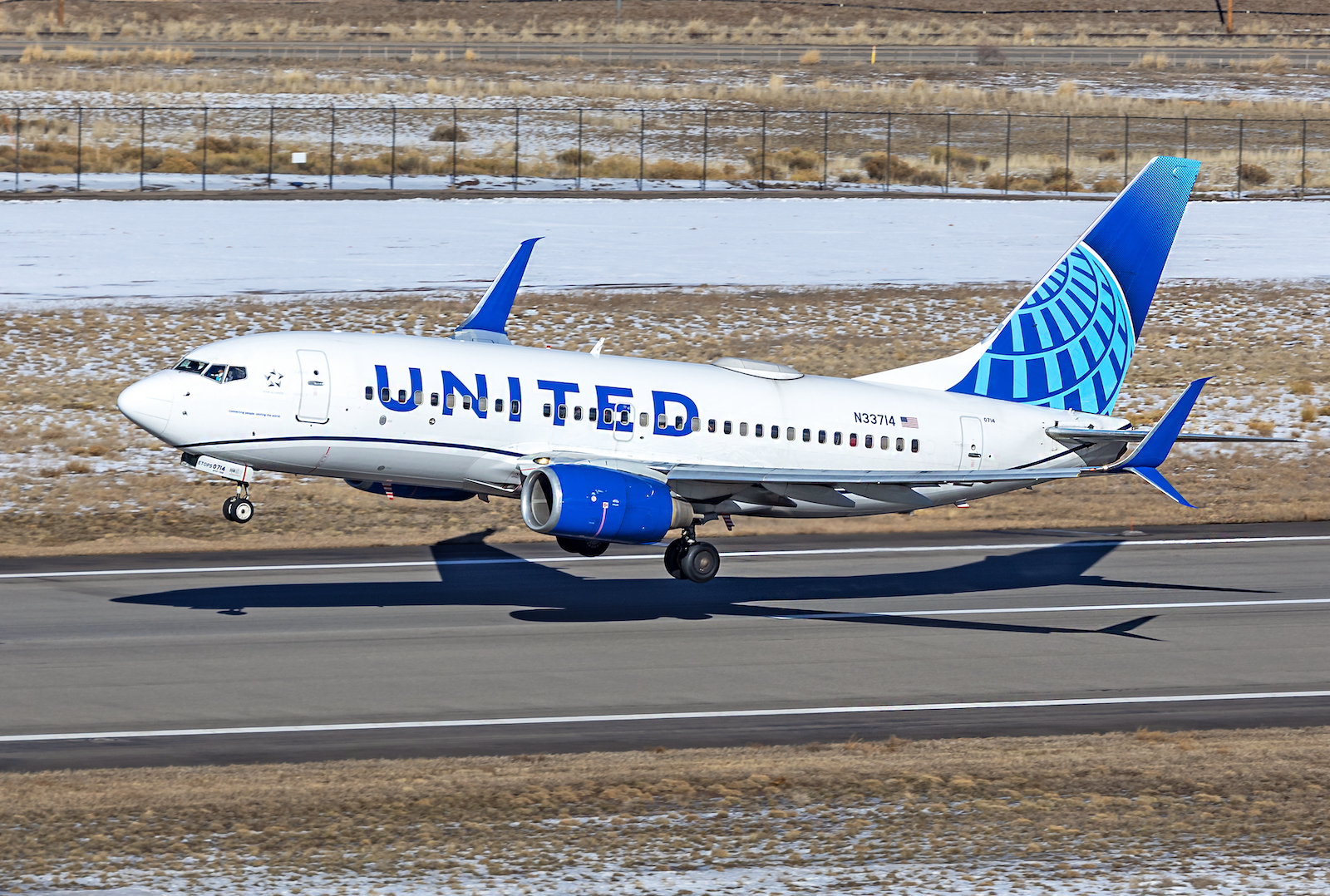
A United Airlines Boeing 737-700. (Photo: AirlineGeeks | William Derrickson)
United is expanding its domestic network with plans to resume a route last served in December 2013. The Chicago-based airline recently announced a slew of high-profile international routes that are set to begin next summer.
In December 2024, United is slated to resume service between its Washington Dulles hub and Salt Lake City. Flights will begin on Dec. 19, operating once per day.
According to schedule data from Cirium Diio, the carrier will use a mix of Airbus and Boeing narrowbody aircraft on the route. Flights to Salt Lake City depart just after 5 p.m. local time, while the return trip is an overnight flight, arriving back at Washington Dulles around 5 a.m.
The airline will compete directly with Delta, which also operates daily flights on the route. Delta also serves Washington Reagan National Airport with flights to its Salt Lake City hub.
Ryan founded AirlineGeeks.com in February 2013 and has spent more than a decade covering the airline business. His work has been featured by CNN, WJLA, CNET, and Business Insider. His aviation experience spans airport operations, Part 135 regulatory compliance, and airline crew workforce planning, along with time behind the yoke of a Cessna 172 and interviews with airline executives. Ryan now serves as Group President of Firecrown Media’s Aviation Group. He holds a B.S. in Air Transportation Management and an MBA from Arizona State University and teaches Airline Management at Embry-Riddle Aeronautical University.
It is easy to get caught in the tricks and hacks for cheap prices but understanding seasonality and events is the bread and butter of airline deal-hunting.
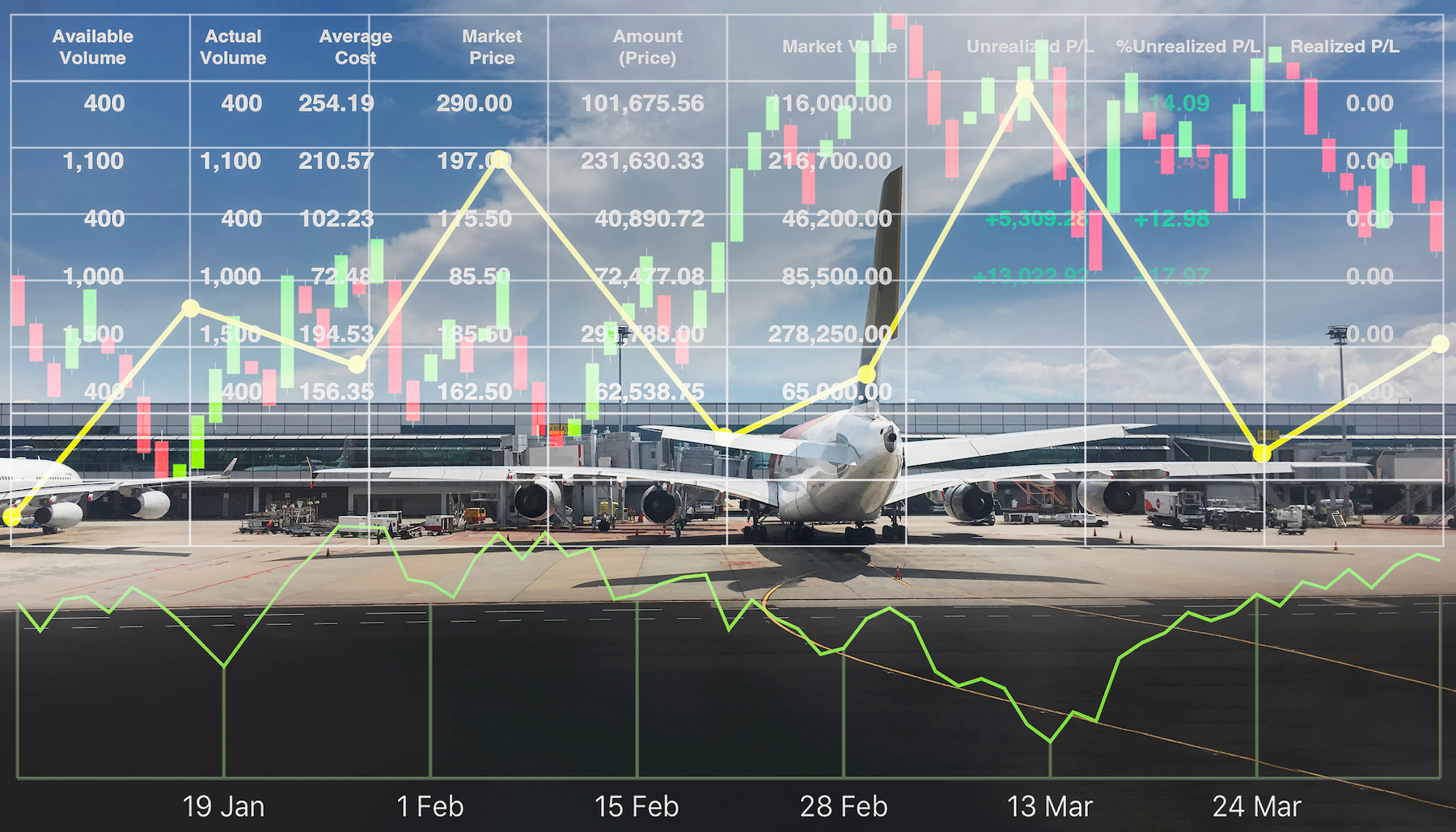
Data is a powerful tool in the aviation industry. (Photo: Shutterstock | Ekapol Sirachainan)
There are many myths circulating online about how to find cheap airline tickets. While some tips hold true, others can be misleading or only apply to specific airlines or regions. This article offers a pragmatic guide on when to book your flights for the best deals.
Understanding the Booking Curve
Different destinations follow their own patterns for booking and price increases, often referred to as the ‘booking curve.’ Some markets might start picking up sooner than others, while others are shooting up exponentially at the very last minute.
The best rule of thumb is that the longer the journey and the more expensive the tickets are at the baseline, the earlier they will be purchased. Generally speaking travel to and from Australia or intercontinental travel to and from North America, Europe, and North East Asia will be affected first. If the flight lasts more than 12 hours, be ready to book as soon as 10-12 months in advance to get a deal.
For intracontinental trips or travel shorter than four hours, something opposite might be true. Well in advance, the demand for such travel is so low that the flights are not even being optimized yet for the best price to market. Low-cost carriers might even gauge the early demand to decide whether the route should be maintained or cut preemptively.
Booking with full-service carriers lowers that risk as, on a short-haul flight, there are probably already long-haul connecting passengers booked. If you are looking for a good deal on a short trip, window-shopping around 6-8 months before departure is a good practice. Some markets might hit the lowest point at the three months mark.
Sunshine and Christmas
The biggest influences on ticket prices at a macro scale are seasonality and events. When they come together, it is every man for themselves.
The Northern Hemisphere summer is by far the most impactful seasonality theme. For most destinations, that will be the prime time to visit. At the same time, probably most of the flights will be departing with a sizable load and airlines will put a lot of effort into optimizing this period. The probability of finding a great deal is very limited but in this case, if you book early, you might just get an “okay” price.
The middle of the summer will mean vacations for most. Anybody with a family will need to take that into consideration, similarly to young adults looking for summer travel. You might try your way into booking some destination that are equally as good at the very beginning or towards the end of the season.
One day that there is no way of getting around is Christmas, which is the biggest surge in demand happening in the middle of the otherwise lean season for most airlines. With other events of similar magnitude, there is usually some wiggle room for you to exploit. Try to predict what would be the ideal pattern to visit the country and work against it. Visiting Japan just after the Cherry Blossom season might give you a perfect entry for the destination that tends to be expensive when flying long-haul.
The vast differences in seasonality also open an interesting avenue for deal-hunters. Not many flights will be less in demand than the first flight of the season to a popular summer destination on a seasonal route. If you are willing to cover some distance on the ground, why not take a year-round route to Rome, but travel back on the first flight of the seasonal route to Naples? Not all airlines will do it but some might give you the best deal you could find during summer.
Optimization Gimmicks
A common belief is that Tuesday nights are the best time to book flights, but while this might have some basis in airline pricing systems, it’s not a reliable rule to follow.
The days to travel on the other hand are a visible pattern. You can track your own flights and conclude yourself. In the majority of the world, the Saturday-Sunday weekend is followed. For this reason, you will see the most demanded flights to be Friday and Sunday followed by Monday and Saturday. Those days just make the most sense when travelling either for leisure or business. Being a contrarian pays off in this regard as well. You are likely to find better prices for Tuesday-Thursday travel.
Your Best Shot
Many are taken aback by airlines promoting cheap fares but not making them available for purchase. That frustration often comes when we follow the patterns of high demand mentioned above. They are not likely to discount the seats they know they can sell for a premium.
To increase your chances of finding a great deal, try to book outside peak travel periods and take advantage of promotional offers. Airlines are more likely to discount seats that are hard to sell, especially when marketing campaigns are involved. The more distant the trip, the further in advance it should be taken care of. Ultimately, it’s just business; empty seats aren’t profitable for airlines, so they’d rather offer discounts than let them go unsold.
A passionate aviation enthusiast that started off his career as an aerospace engineer, but found his true calling on the commercial side of the airline business. Now as a finance guy among avgeeks and an avgeek among finance guys, he has experience working in the Revenue Divisions of three airlines. In his spare time he enjoys traveling, but admittedly sometimes is more about the journey than the destination.
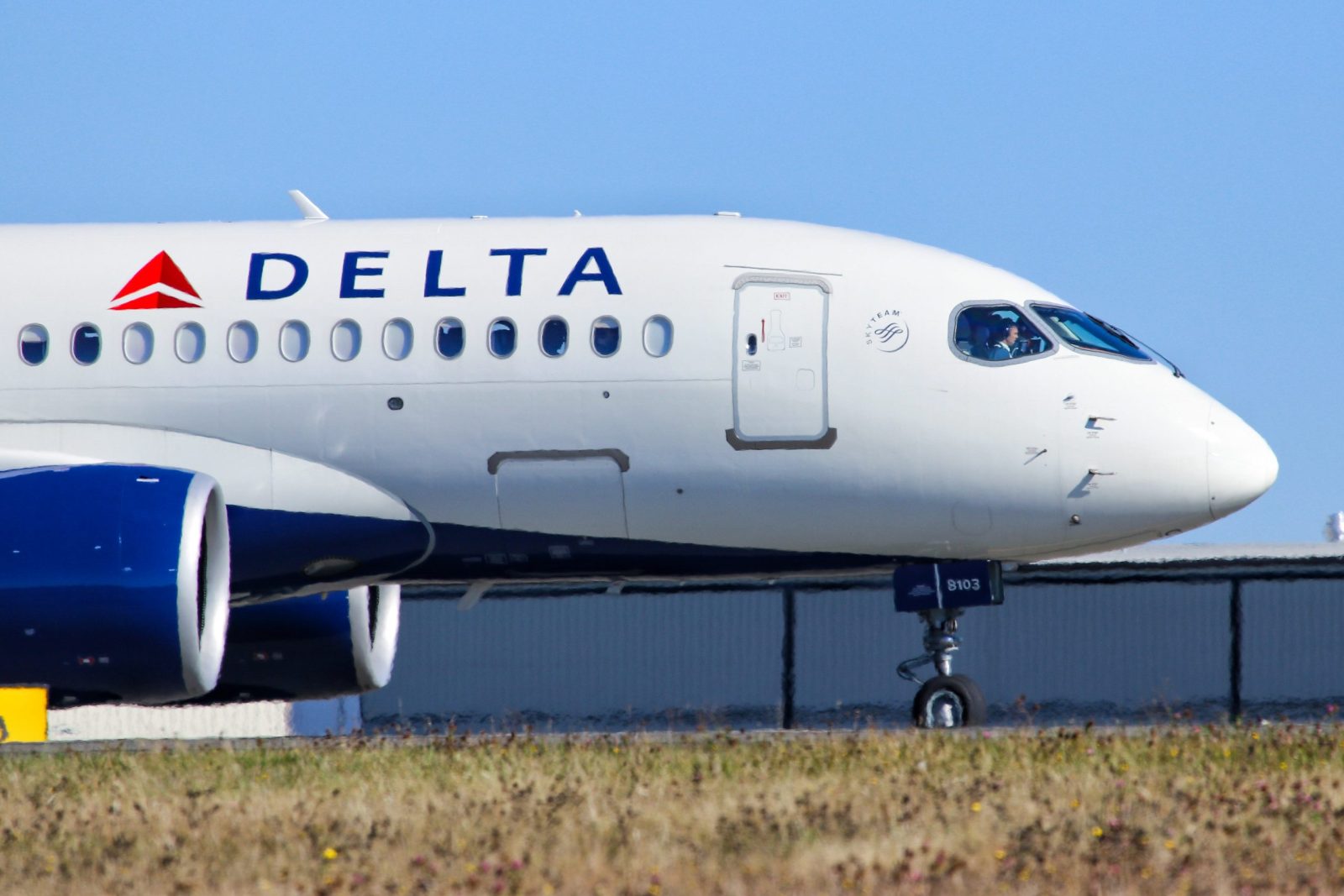
Delta Expects ‘More Normalized’ Industrywide Pilot Hiring
Most major U.S. carriers hired pilots at record numbers soon after the COVID-19 pandemic but have since throttled back in 2024.
“With hiring and training normalizing, we are growing into our resources and gaining traction on efficiency and initiatives, helping fund continued investments in our people and brand,” said Delta finance chief Dan Janki during the call.
Data from the Future and Active Pilot Advisors (FAPA) shows that Delta has hired 870 pilots so far in 2024, representing an over 50% year-over-year change from the same period in 2023. As a whole, the industry follows a similar trend, with major U.S. carriers reporting a roughly 40% reduction in hiring numbers overall.
Delta expects industrywide pilot hiring to be more in line with 2019 levels.
“As you know, pilot constraints as the majors were hiring early in the recovery period put a lot of strain on availability of pilot crews for the regional carriers … and we’ve been working very closely with them,” Delta President Glen Hauenstein added.
He said that the company expects U.S. airlines to hire approximately 5,000 pilots next year. In 2019, airlines were just 23 new hires short of this figure, according to FAPA’s data.
“So [we are] returning to more normalized pilot hiring across the industry,” Hauenstein noted.
Ryan founded AirlineGeeks.com in February 2013 and has spent more than a decade covering the airline business. His work has been featured by CNN, WJLA, CNET, and Business Insider. His aviation experience spans airport operations, Part 135 regulatory compliance, and airline crew workforce planning, along with time behind the yoke of a Cessna 172 and interviews with airline executives. Ryan now serves as Group President of Firecrown Media’s Aviation Group. He holds a B.S. in Air Transportation Management and an MBA from Arizona State University and teaches Airline Management at Embry-Riddle Aeronautical University.