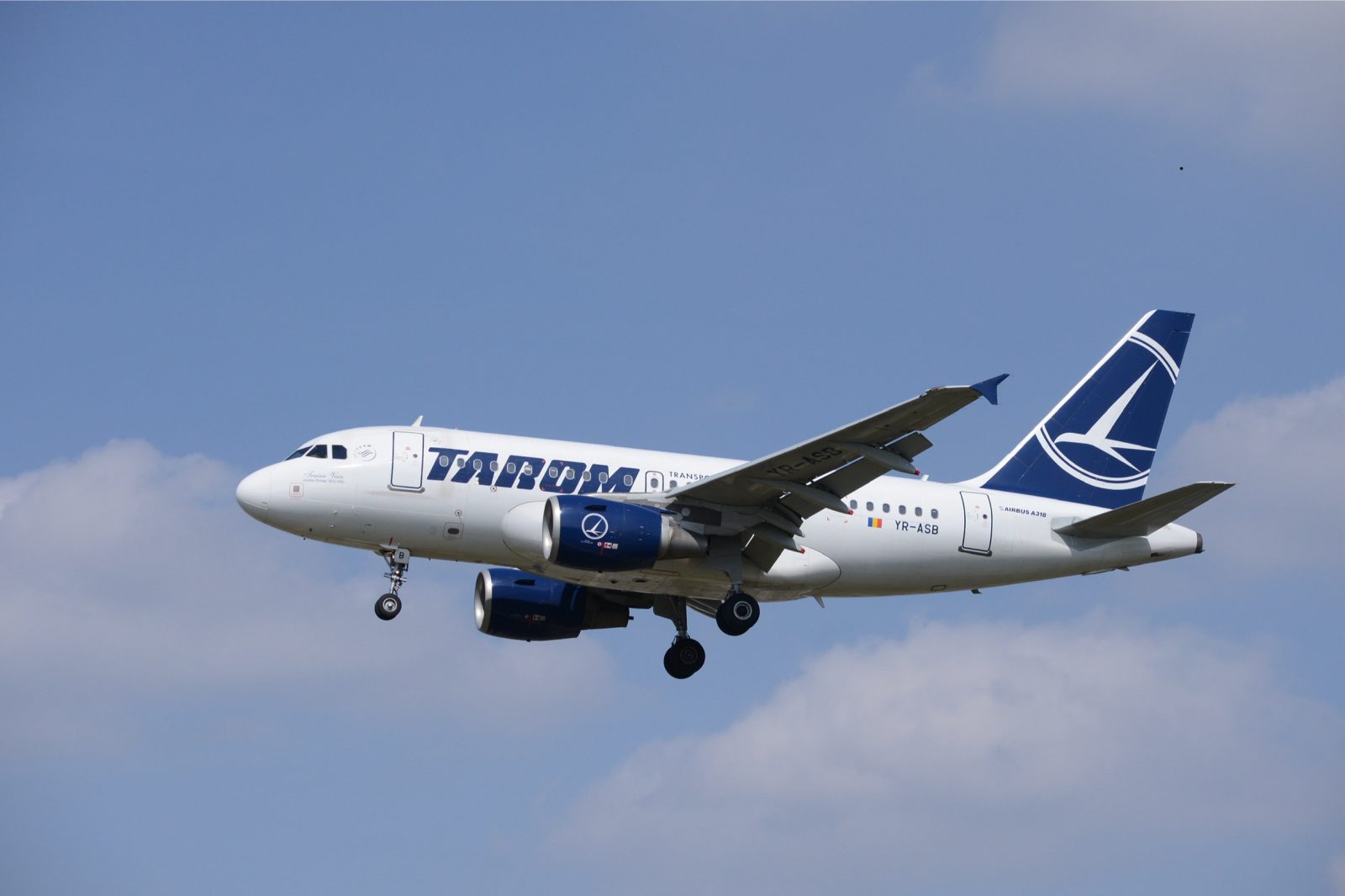
First debuted in 2002, the A318 is the smallest A320-series variant and, before the A220’s introduction, was the smallest Airbus aircraft. Over the years, the so-called ‘baby bus’ has become increasingly rare.
British Airways retired its A318s in July 2020, which were exclusively used to operate all business class flights between New York and London City. Frontier — the type’s launch customer — removed the A318 in 2013.
Now, only two airlines still fly the A318. According to Cirium Fleet Analyzer data, Air France has a fleet of six with an average age of 19 years old.
The French carrier plans to retire the sub-fleet next year as more A220s enter the fleet. Air France’s A318s are largely used on domestic and short-haul flights within Europe.
Romania’s TAROM is slated to retire its single remaining A318 by the end of October 2024. Registered as YR-ASA, the aircraft is scheduled to operate through Oct. 26, per Aeroroutes.
Its last routes include Bucharest to Istanbul and London Heathrow. The financially troubled state airline opted to sell its four remaining A318s just weeks ago as part of a restructuring effort.
Airbus built just 80 A318s, which typically seat between 90 and 110 passengers. The aircraft are still used in different VIP configurations.
Ryan founded AirlineGeeks.com in February 2013 and has spent more than a decade covering the airline business. His work has been featured by CNN, WJLA, CNET, and Business Insider. His aviation experience spans airport operations, Part 135 regulatory compliance, and airline crew workforce planning, along with time behind the yoke of a Cessna 172 and interviews with airline executives. Ryan now serves as Group President of Firecrown Media’s Aviation Group. He holds a B.S. in Air Transportation Management and an MBA from Arizona State University and teaches Airline Management at Embry-Riddle Aeronautical University.
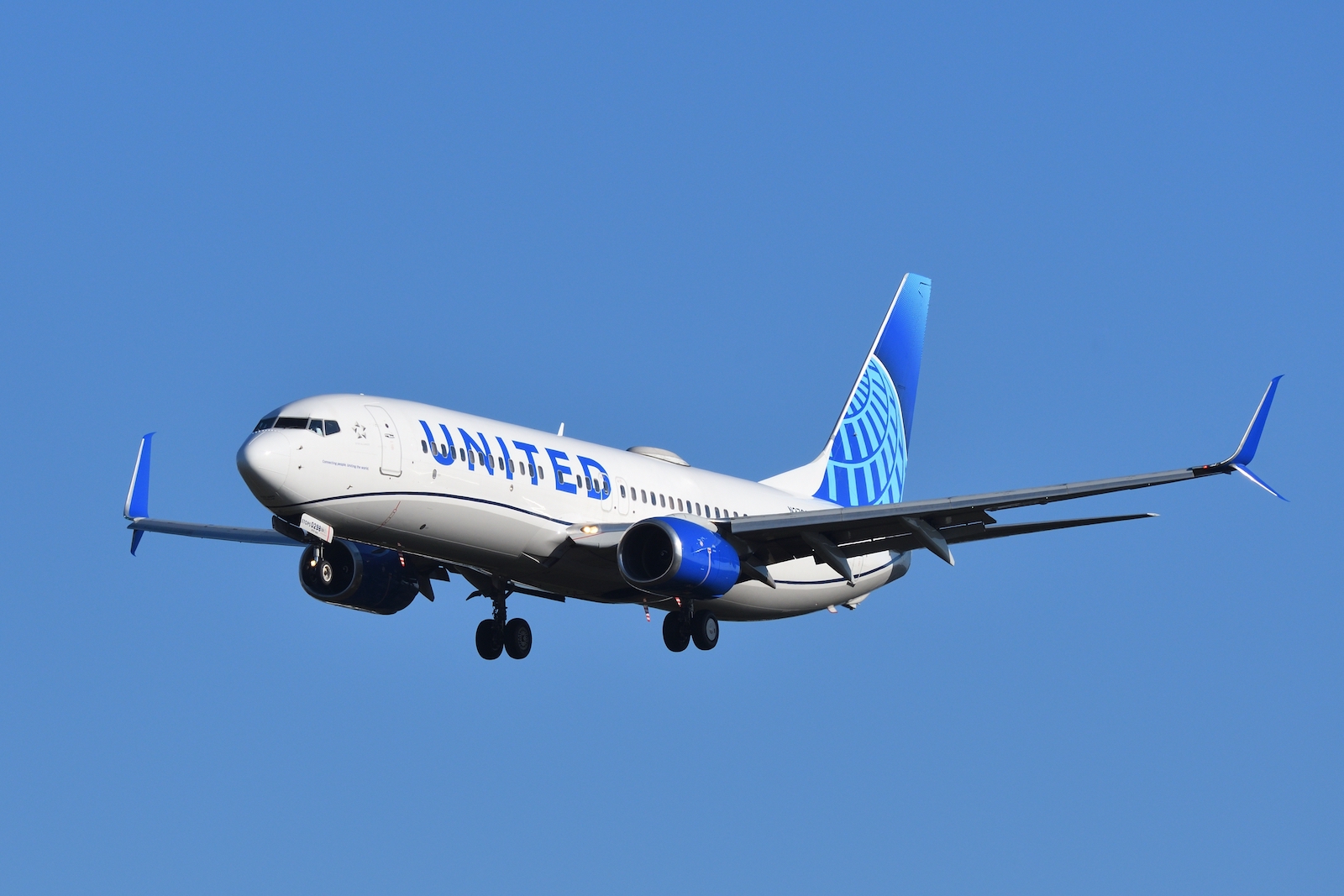
A United Boeing 737-800 in Tokyo. (Photo: Shutterstock | viper-zero)
U.S. airlines aren’t particularly well known for making bold moves, especially in 2024. But that’s not the case for United, which announced a unique set of new routes this week.
Starting next summer, the Chicago-based airline will add eight destinations to its route map, many of which are not served by any U.S. carrier. Most notably, United will begin serving Nuuk, Greenland, and Ulaanbaatar, Mongolia.
Nuuk is just a short four-hour hop from the airline’s Newark, New Jersey, hub, but Ulaanbaatar is one of United’s most remote destinations. Although the airline hasn’t finalized details on the route, it seems highly likely that the Mongolian capital will be served by a Boeing 737-800 from Tokyo Narita.
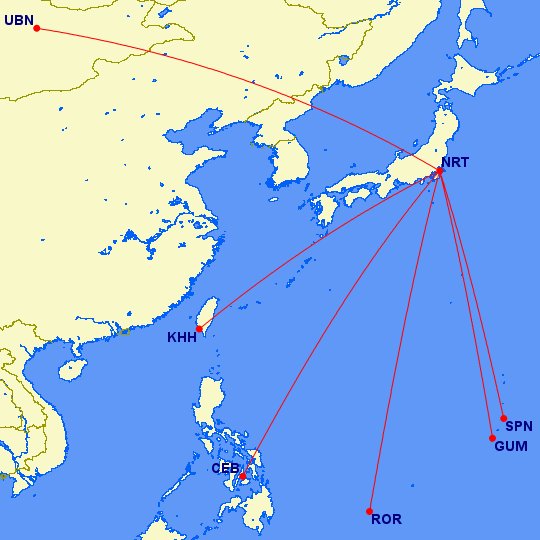
Joining the new route to Ulaanbaatar next summer, the airline also plans to add year-round flights from Tokyo to Kaohsiung, Taiwan, beginning on July 11. In addition, the airline plans to fly between Narita and Koror, Palau, also on a year-round basis.
United’s planned Summer 2025 routes from Tokyo Narita to Asia and Oceania. (Photo: gcmap.com)
United also operates regular service from Tokyo Narita to Guam and Saipan in the Northern Mariana Islands, both U.S. territories in the Oceania region. With its large presence in both Tokyo Narita and Guam, the airline is using these assets to its advantage.
United’s Tokyo Narita hub was a relic of Pan Am. In 1985, United purchased the defunct airline’s assets in the region.
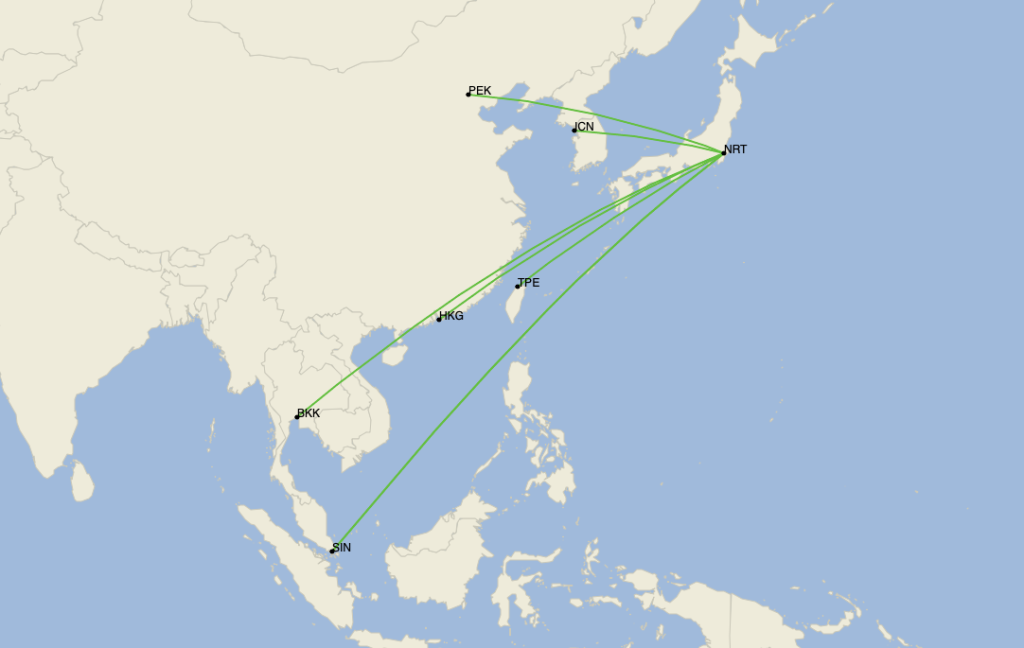
The hub was much larger, too, even in the early 2000s with nearly 5,000 annual intra-Asia flights from Tokyo Narita. That figure fell to zero in 2017, according to Cirium Diio schedule data. United flew to several large Asian markets, including Singapore, Seoul Incheon, and Hong Kong.
United’s intra-Asia network from Tokyo Narita in June 2004. (Photo: Cirium Diio)
Now, with much of its long-haul operations shifted to Haneda Airport, the airline is thinking differently about Narita.
Redeploying the Guam 737 Fleet
United has an advantage in the Pacific with its other hub in Guam. Stemming from the 2010 merger with Continental, the airline’s presence in Guam is perhaps best known for the “Island Hopper,” which connects the U.S. territory with Honolulu via up to five Pacific islands.
But United has long maintained a pilot base and fleet of specially configured 737-800s in Guam as well. Data from Cirium Fleet Analyzer shows 11 Guam-based United 737s.
These jets are slightly modified from the airline’s typical mainland-based aircraft with cabin signs in different languages, enhanced satellite communication capabilities, and an onboard kit of spare parts.
With travel demand to Guam still down after the pandemic, United plans to redeploy some of these 737s to Tokyo Narita.
“I don’t think we will be looking at flying widebody jets beyond Tokyo anytime soon,” United Chief Commercial Officer Andrew Nocella told The Airline Observer. “But we have these 737s and a slot portfolio at Narita, and all the feed from the United States on widebody jets, and it created a unique opportunity. This seemed like something we would like to try, and the advanced bookings indicate that it’s going to be very successful.”
Tourism numbers in Guam are down by roughly half from 2019, according to the Marianas Business Journal.
Ryan founded AirlineGeeks.com in February 2013 and has spent more than a decade covering the airline business. His work has been featured by CNN, WJLA, CNET, and Business Insider. His aviation experience spans airport operations, Part 135 regulatory compliance, and airline crew workforce planning, along with time behind the yoke of a Cessna 172 and interviews with airline executives. Ryan now serves as Group President of Firecrown Media’s Aviation Group. He holds a B.S. in Air Transportation Management and an MBA from Arizona State University and teaches Airline Management at Embry-Riddle Aeronautical University.
An Air Seychelles Airbus A320neo. (Photo: Air Seychelles)
Air Seychelles has reported a profit of USD $7 million in 2023, highlighting a strong continuation of its recovery efforts. This achievement reflects the ongoing success of its turnaround strategy, initiated in 2022, and highlights the airline’s strong recovery.
In a press statement on October 1, 2024, the airline announced it had shifted its net asset position from negative to positive in 2022, and its 2023 earnings demonstrate its commitment to sustainable growth and operational excellence.
Air Seychelles exceeded its budget by $1.6 million and surpassed its five-year plan targets by $4.7 million. This marks the airline’s second consecutive profitable year. Despite challenges, including the suspension of its Tel Aviv flights due to the conflict in Israel, which began on October 13 last year and resulted in a $2.1 million revenue loss for 2023, Air Seychelles still managed to increase its revenues by $2.8 million, thanks in part to the launch of its Colombo route.
The airline continued its wet-lease operations in 2023, leasing one of its A320neo aircraft under Aircraft, Crew, Maintenance, and Insurance (ACMI) contracts, while the second A320neo is leased from ALC was used for its regional network. The airline in May of this year placed one of its two Airbus A320 aircraft on a wet-lease contract with Etihad Airways, its former strategic partner.
Air Seychelles has also focused on improving its financial health by reducing its debt. By August 2024, the airline had paid down $4.9 million of its loan from Nouvobanq, reducing the outstanding balance from $16.5 million to $11.6 million. Additionally, it fully repaid a $4.5 million lease deferral debt incurred during the COVID era.
In line with its strategic objectives, the airline has taken steps to manage escalating maintenance costs, particularly concerning its A320neo engines. In 2023, it established a conservative annual accounting provision of $2.5 million to cover potential return conditions for its aircraft and engines.
Chief Executive Officer Sandy Benoiton expressed his gratitude to the airline’s employees, praising their role in driving these positive results. “Your professionalism, creativity, and teamwork have driven our success and exceeded our expectations. You have once again shown that our people are our greatest asset. As we move forward, Air Seychelles remains committed to excellence, growth, and resilience, ensuring a prosperous future for our company and stakeholders,” Benoiton said.
Fully owned by the Government of Seychelles, the airline operates regionally from its home base in Mahé to Colombo, Tel Aviv, Johannesburg, Mumbai, and Mauritius. Domestically, it operates up to 30 roundtrips daily to Praslin, the second-largest island in the archipelago, and also runs charters to other islands using its fleet of Viking DHC-6 Twin Otters, which provide vital inter-island connectivity.
Founded in 1978, Air Seychelles was renationalized in April 2021 after a challenging nine-year partnership with former shareholder Etihad Airways, which held a 40% stake. Following a period of provisional administration starting in October 2021, the airline emerged from restructuring in 2022, posting a net profit of $8.4 million after five consecutive years of losses. By the end of June 2023, Air Seychelles’ value stood at $24.5 million.
Victor Shalton's love for aviation can be traced to when he was 11-years-old. As a seasoned aviation writer, he takes pride in providing the best aviation coverage around the globe and is passionate about advancing his skills in the aviation space. In addition, he loves travelling, writing, arts and while his speaking engagements have taken him around the world, he is proud to call Nairobi home.
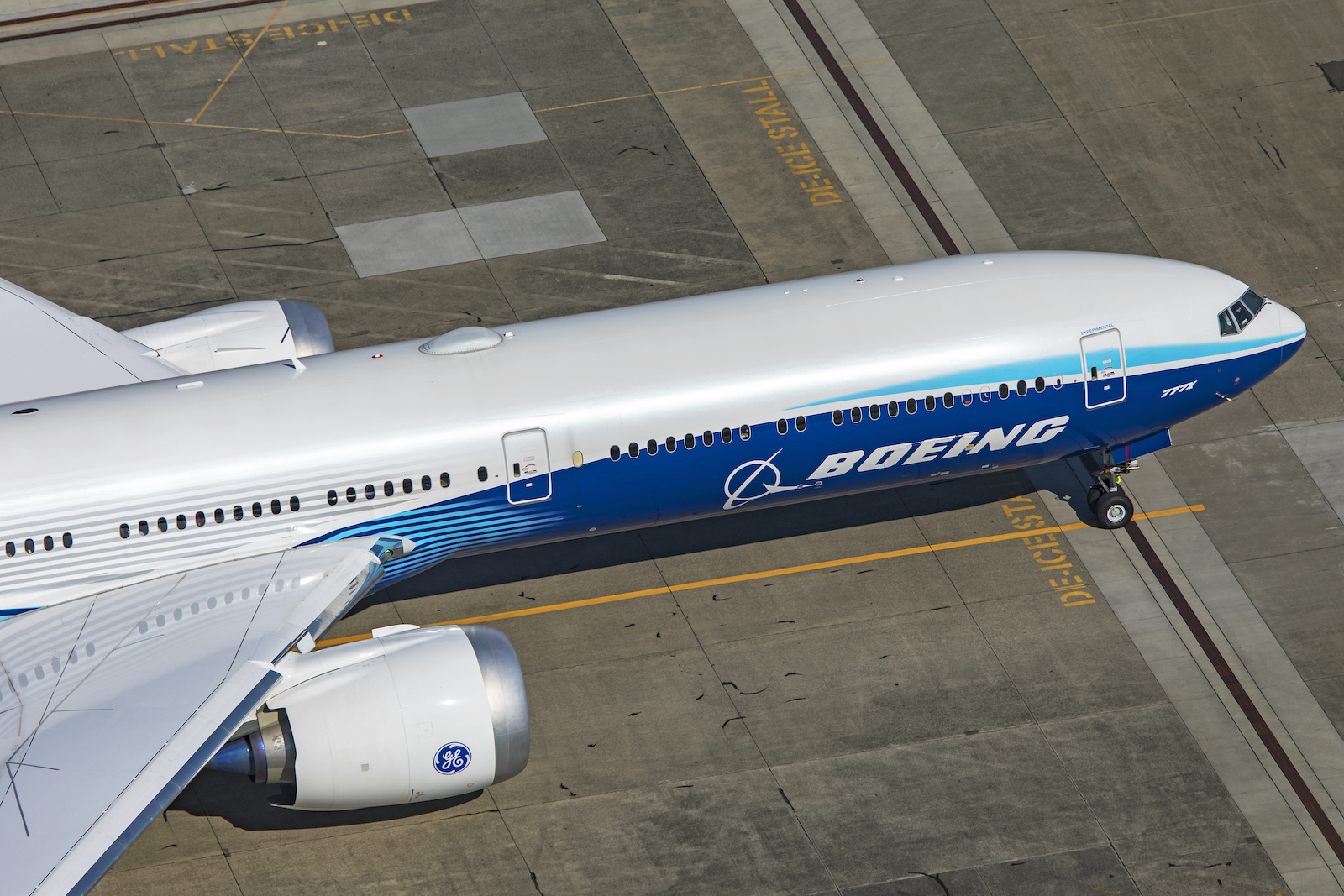
A Boeing 777-9X testbed aircraft (Photo: AirlineGeeks | William Derrickson)
Boeing said Friday that it plans to cut 10% of its workforce. The financially ailing aerospace giant also announced sweeping changes to its commercial aircraft programs, including the 767 and previously-delayed 777X.
In a letter to employees sent Friday afternoon, Boeing’s CEO Kelly Ortberg said the manufacturer is in a “difficult position.”
“Beyond navigating our current environment, restoring our company requires tough decisions and we will have to make structural changes to ensure we can stay competitive and deliver for our customers over the long term,” he added.
“We need to be clear-eyed about the work we face and realistic about the time it will take to achieve key milestones on the path to recovery,” Ortberg shared. “We also need to focus our resources on performing and innovating in the areas that are core to who we are, rather than spreading ourselves across too many efforts that can often result in underperformance and underinvestment.”
Ortberg said the company plans to lay off roughly 10% of its workforce, equating to 17,000 jobs. The cuts are set to take place over the next several months, he said, and will include executives, managers along with rank-and-file employees.
In addition, Boeing will further delay its Boeing 777X with initial delivery of the jet now expected in 2026, roughly a year behind schedule. Ortberg said the company is also permanently halting 767 production in 2027 after fulfilling current freighter orders.
Ryan founded AirlineGeeks.com in February 2013 and has spent more than a decade covering the airline business. His work has been featured by CNN, WJLA, CNET, and Business Insider. His aviation experience spans airport operations, Part 135 regulatory compliance, and airline crew workforce planning, along with time behind the yoke of a Cessna 172 and interviews with airline executives. Ryan now serves as Group President of Firecrown Media’s Aviation Group. He holds a B.S. in Air Transportation Management and an MBA from Arizona State University and teaches Airline Management at Embry-Riddle Aeronautical University.
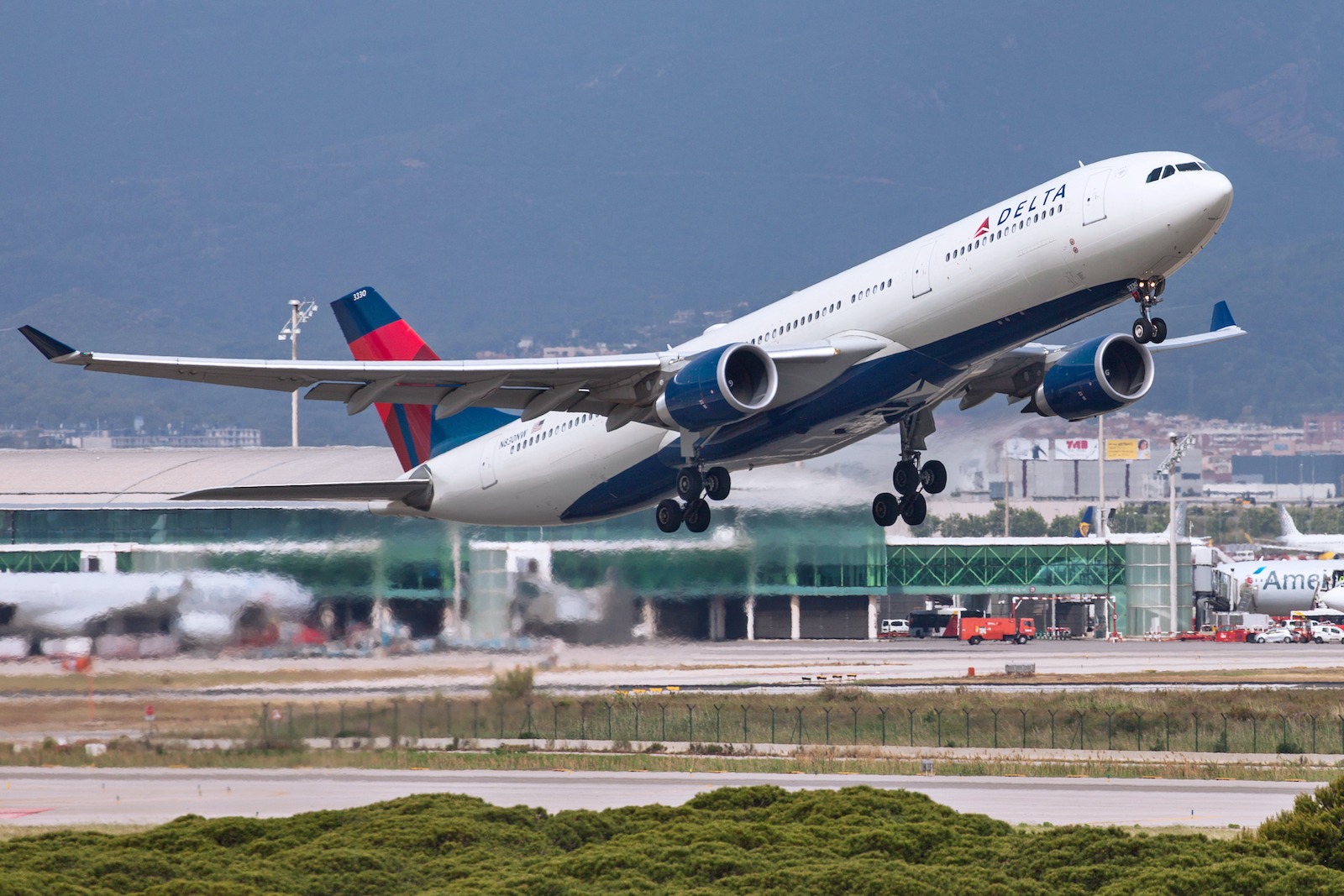
New flights between the airline’s Minneapolis/St. Paul hub and Copenhagen will operate three times weekly using an Airbus A330-300 aircraft. This route will begin in May 2025, though no specific date was provided in the carrier’s news release.
The airline currently serves Copenhagen on a seasonal basis from New York-JFK.
“Delta continues to strengthen its global network and offers unparalleled access to Europe from Minneapolis-St. Paul with this new direct service to Copenhagen, one of Europe’s most vibrant and culturally rich cities,” said Joe Esposito, Delta’s senior vice president of network planning, in a news release. “This route creates an invaluable connection between two major SkyTeam partner hubs, providing unrivaled connectivity and travel options for customers traveling between Scandinavia and North America.”
In addition to the new Copenhagen route, Delta also plans to resume service between Los Angeles and Shanghai. The carrier last served the route in 2020, axing it due to the COVID-19 pandemic.
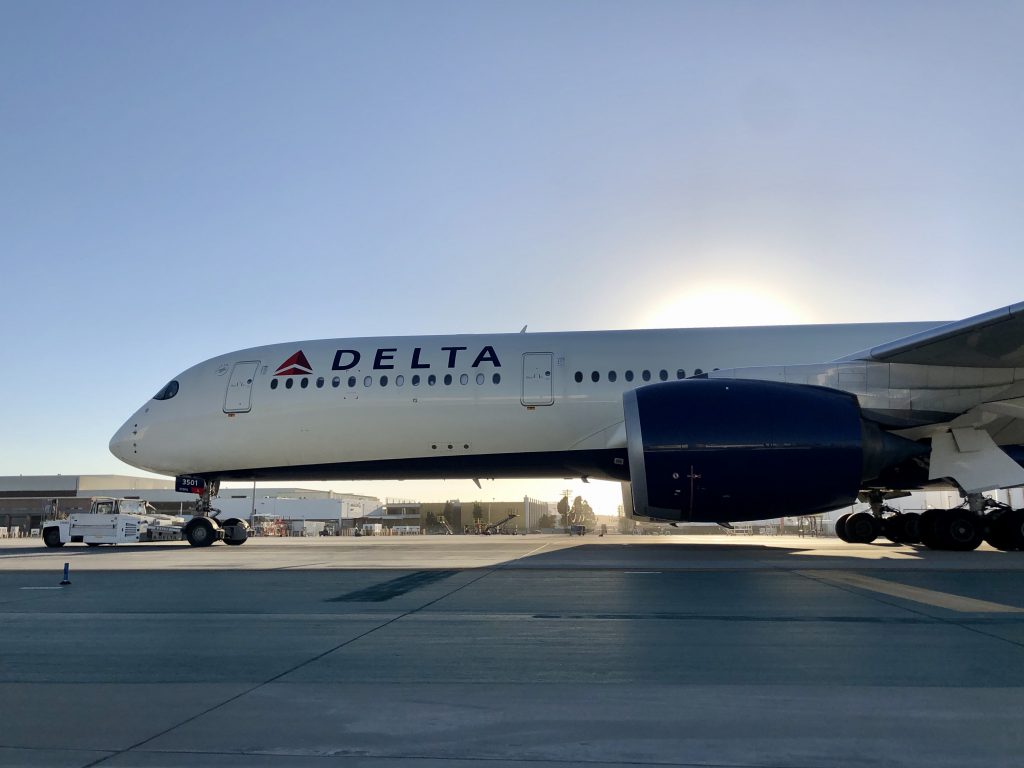
Service is slated to resume in June 2025. Flights will operate three times per week using an Airbus A350-900XWB aircraft.
A Delta A350-900XWB in Los Angeles. (Photo: AirlineGeeks | William Derrickson)
With the route’s return, Delta says it will operate 17 weekly flights between the U.S. and China, including from its hubs in Detroit and Seattle.
Ryan founded AirlineGeeks.com in February 2013 and has spent more than a decade covering the airline business. His work has been featured by CNN, WJLA, CNET, and Business Insider. His aviation experience spans airport operations, Part 135 regulatory compliance, and airline crew workforce planning, along with time behind the yoke of a Cessna 172 and interviews with airline executives. Ryan now serves as Group President of Firecrown Media’s Aviation Group. He holds a B.S. in Air Transportation Management and an MBA from Arizona State University and teaches Airline Management at Embry-Riddle Aeronautical University.
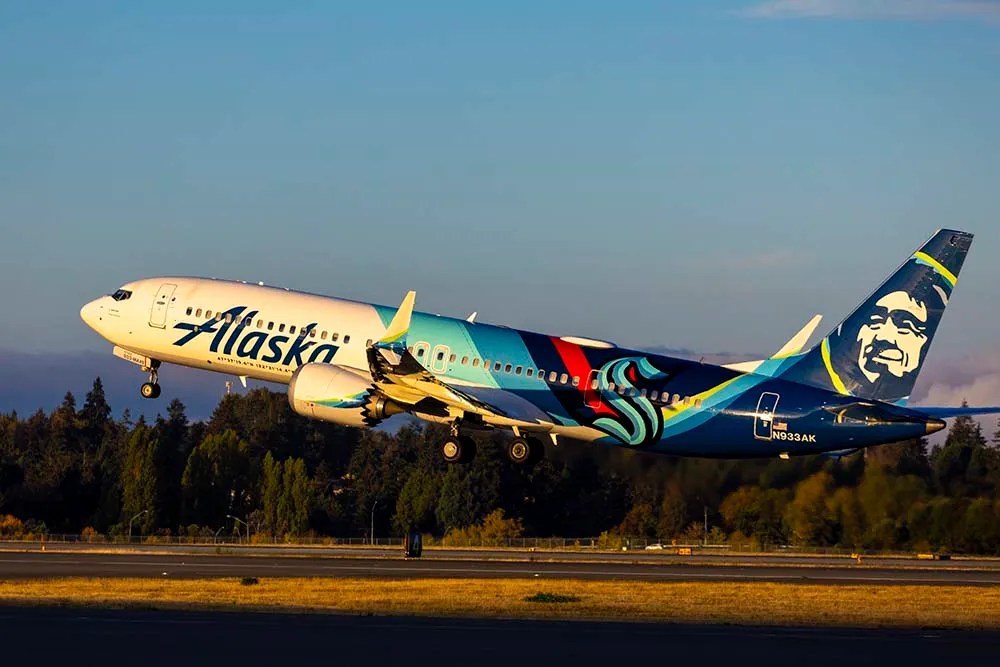
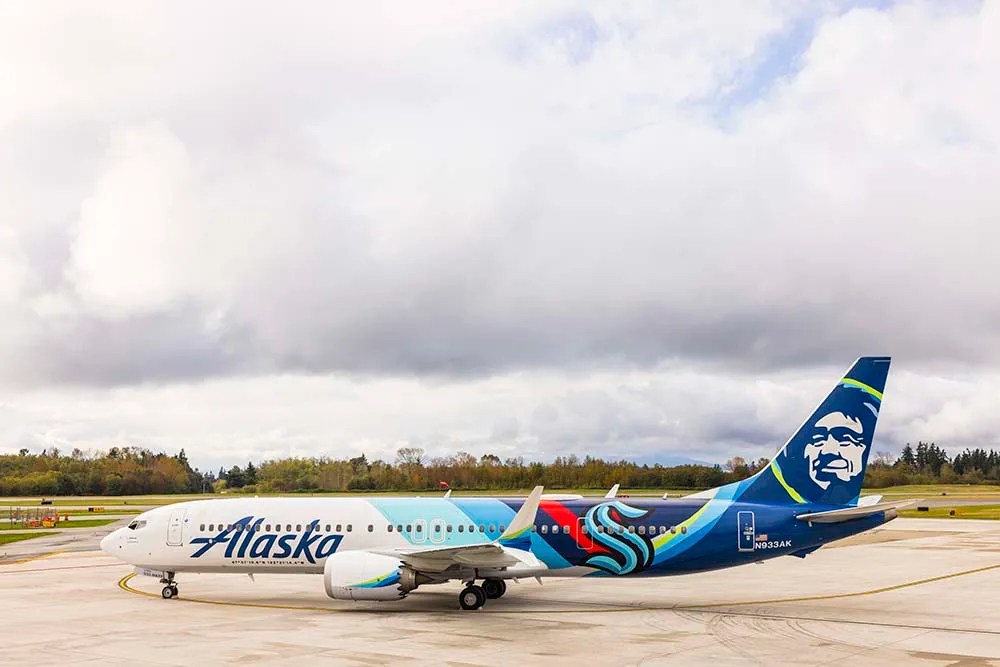
Alaska's 'Kraken' special livery (Photo: Alaska Airlines)
Editor’s Note: AirlineGeeks is proud to present our ‘Livery of the Week’ series. Every Friday, a team member will share an airline livery, which can be from the past, present, or even a special scheme. Some airline liveries are works of art. The complexity associated with painting around critical flight components and the added weight requires outside-the-box thinking from designers. The average airliner can cost upwards of $200,000 to repaint, creating a separate aircraft repainting industry as a result.
Have an idea for a livery that we should highlight? Drop us a line.
Alaska Airlines recently debuted a new, eye-catching livery inspired by the Seattle Kraken, the city’s National Hockey League (NHL) team. The Kraken livery will be featured on a Boeing 737 MAX 9 aircraft, joining the airline’s fleet of uniquely themed aircraft.
The Kraken livery features the team’s logo and branding along the rear portion of the aircraft. According to the carrier, the livery will fly around during the 2024-2026 seasons.
Furthermore, the aircraft’s registration N933AK is a nod to the radio station 93.3 KJR FM, Seattle’s so-called Sports Leader and Home of the Kraken.
Alaska’s newest special livery (Photo: Alaska Airlines)
A Homage to the Seattle Kraken
As a proud partner of the Seattle Kraken, Alaska Airlines wanted to create a livery that would celebrate the team’s success and the excitement it brings to the city. The Kraken, the team’s mascot, is a legendary sea creature that has captured the imagination of fans and non-fans alike.
“As the official airline of the Seattle Kraken, we’re thrilled to reveal a new design to celebrate our hometown’s NHL team. Whether at 30,000 feet or on the ice, we’ll be cheering the Kraken on this season,” said Eric Edge, Alaska’s managing director of marketing and advertising, in a news release.
The Kraken livery is the latest addition to Alaska’s collection of themed aircraft, which includes airplanes featuring designs inspired by the Seattle Seahawks and the Alaska Salmon among others.
Looking for a new airplane model? Head over to our friends at the Midwest Model Store for a wide selection of airlines and liveries.
Ryan founded AirlineGeeks.com in February 2013 and has spent more than a decade covering the airline business. His work has been featured by CNN, WJLA, CNET, and Business Insider. His aviation experience spans airport operations, Part 135 regulatory compliance, and airline crew workforce planning, along with time behind the yoke of a Cessna 172 and interviews with airline executives. Ryan now serves as Group President of Firecrown Media’s Aviation Group. He holds a B.S. in Air Transportation Management and an MBA from Arizona State University and teaches Airline Management at Embry-Riddle Aeronautical University.
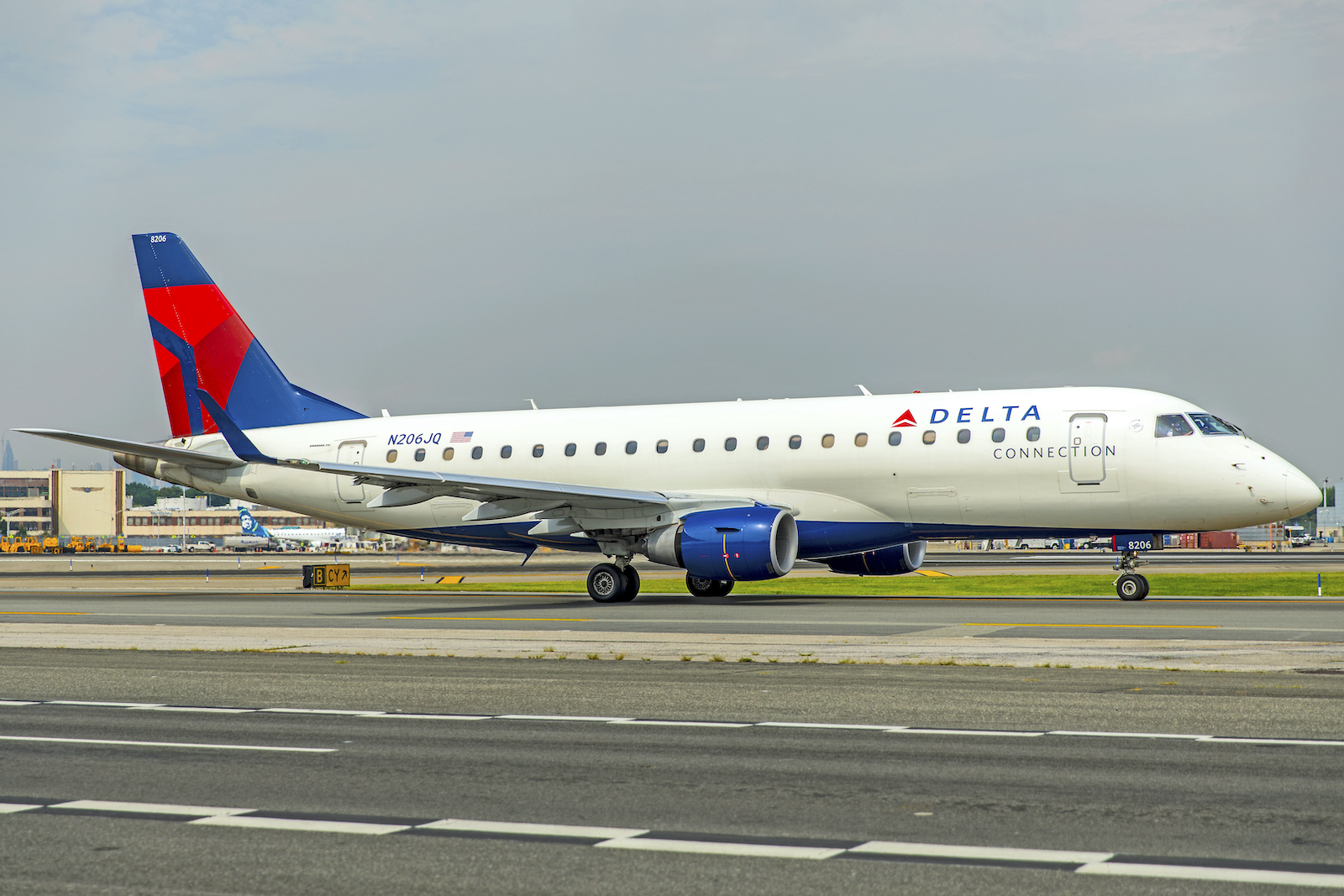
A Delta Connection Embraer 170 operated by Republic Airways. (Photo: AirlineGeeks | William Derrickson)
Delta plans to restore all of its regional flying to pre-pandemic levels by next summer, the airline said on Thursday. Airlines have struggled to return full capacity to their regional networks due to the pilot shortage.
As of October, the airline still has 18 Delta Connection-branded regional aircraft in storage, many of which belong to its wholly owned subsidiary Endeavor Air.
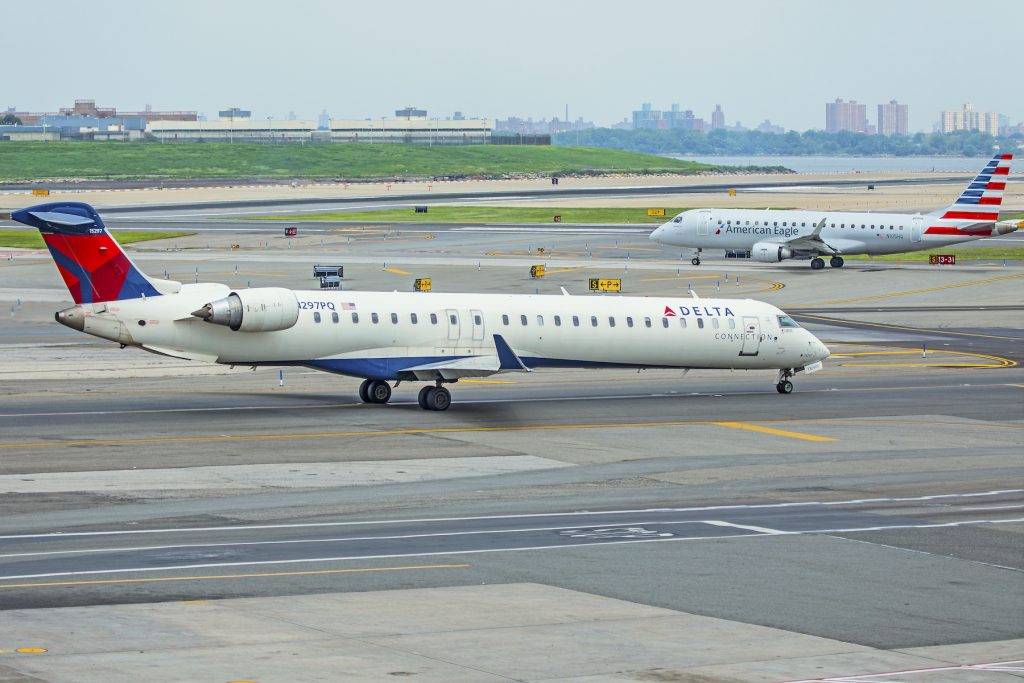
Regional aircraft at New York LaGuardia Airport (Photo: AirlineGeeks | William Derrickson)
“We’re going to continue to get utilization out of the fleet and better utilization out of the regional aircraft; [we] will be, by next summer, 100% restored on those,” said Delta finance chief Dan Janki during the airline’s Q3 2024 earnings call.
Most major U.S. carriers — including Delta — have halted or substantially reduced pilot hiring this year, giving regional airlines more breathing room to better align captain and first officer ratios.
SkyWest, which is the world’s largest regional carrier, said last quarter that it continues to see improvements in pilot hiring and retention trends. This opens the door for more jets to return to service.
Normalized Hiring
Delta believes the industry will generate approximately 5,000 new pilot jobs next year, which is in line with 2019 figures. The airline expects to see a “more normalized” pilot hiring tempo across the board.
“The dearth of capacity in terms of pilots available for regionals is dissipating very quickly,” added Delta President Glen Hauenstein during the call. “And so, in the beginning, we probably had only 35% to 40% of our capacity available. Most recently, this past year, it’s been more like 65% to 70%. And by next summer, we think that will be back to 100% of the capacity that we had available in 2019.”
Ryan founded AirlineGeeks.com in February 2013 and has spent more than a decade covering the airline business. His work has been featured by CNN, WJLA, CNET, and Business Insider. His aviation experience spans airport operations, Part 135 regulatory compliance, and airline crew workforce planning, along with time behind the yoke of a Cessna 172 and interviews with airline executives. Ryan now serves as Group President of Firecrown Media’s Aviation Group. He holds a B.S. in Air Transportation Management and an MBA from Arizona State University and teaches Airline Management at Embry-Riddle Aeronautical University.
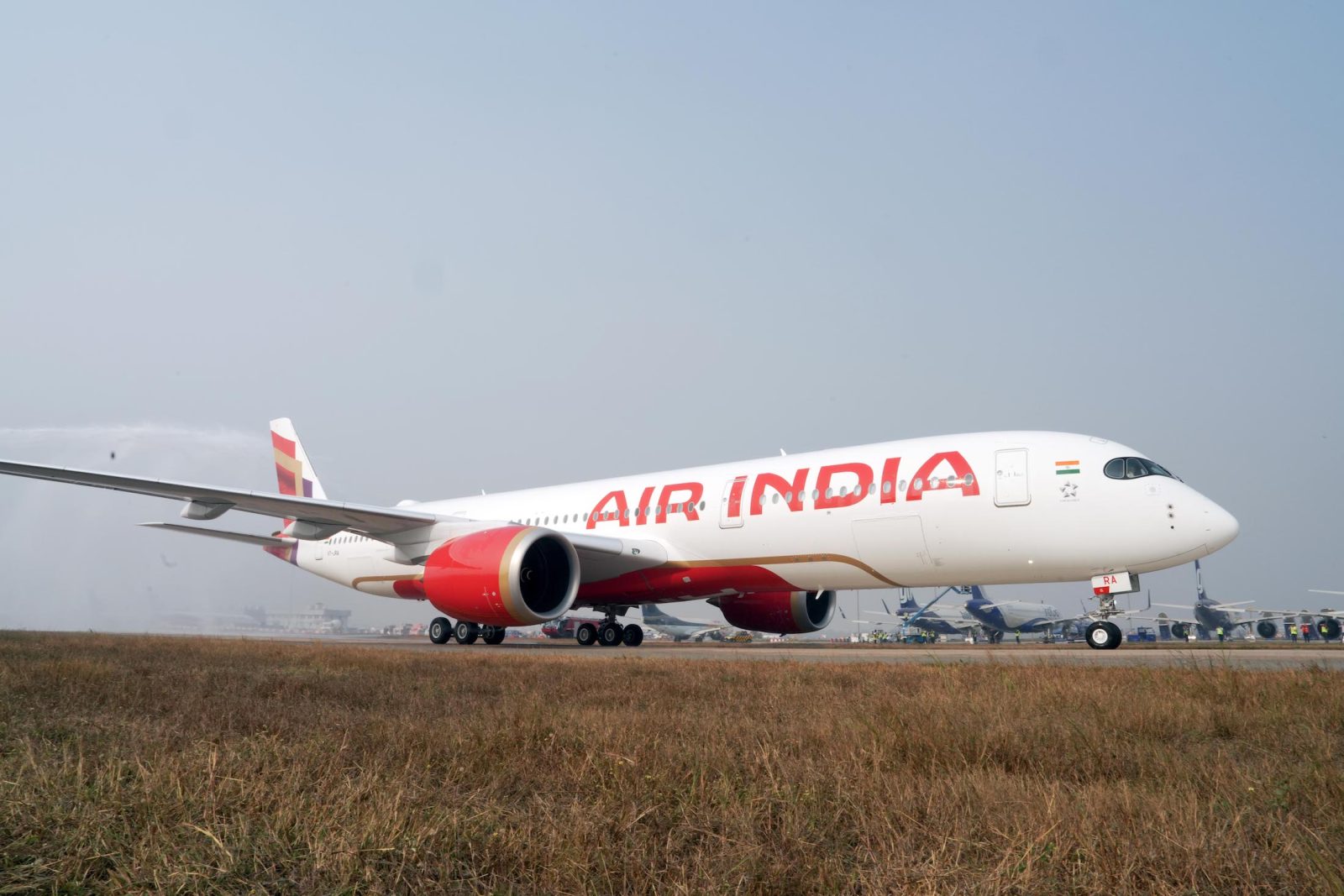
Air India's first A350 aircraft. (Photo: Air India)
According to Bloomberg, Air India, India’s national carrier, has reportedly placed an order for 85 Airbus aircraft. The multi-billion dollar deal is believed to be part of the airline’s broader strategy to enhance its presence on both domestic and international routes.
The massive order, which was initially placed anonymously, raised eyebrows within the aviation industry. Neither Airbus nor the unnamed airline had provided details when the order was first disclosed, but recent revelations suggest that the order was made by Air India as part of its aggressive strategy to modernize its fleet.
Fleet Expansion and Market Competition
Air India’s order includes 75 Airbus A320neo jets and 10 long-haul A350 aircraft. This combination is designed to enhance the airline’s domestic and international operations, supporting its efforts to modernize its fleet and compete more effectively in the global aviation market.
Air India’s fleet expansion comes at a crucial time as competition in India’s aviation sector intensifies. Low-cost airlines like IndiGo and SpiceJet dominate domestic travel, while full-service airlines, including Vistara (also owned by Tata Sons), present challenges for Air India.
Though neither Air India nor Airbus have confirmed details of the order, industry insiders believe an official announcement could be made soon, particularly as Air India is expected to reveal its updated fleet strategy. This deal will likely complement additional orders the airline is reportedly negotiating with other manufacturers, including Boeing to further diversify its fleet.
Tolga is a dedicated aviation enthusiast with years of experience in the industry. From an early age, his fascination with aviation went beyond a mere passion for travel, evolving into a deliberate exploration of the complex mechanics and engineering behind aircraft. As a writer, he aims to share insights , providing readers with a view into the complex inner workings of the aviation industry.
Malaysia Airlines Expands Its Route Network Again
Malaysia Airlines plans to expand its Indian network by adding flight operation to Kolkata starting on December 2, 2024.
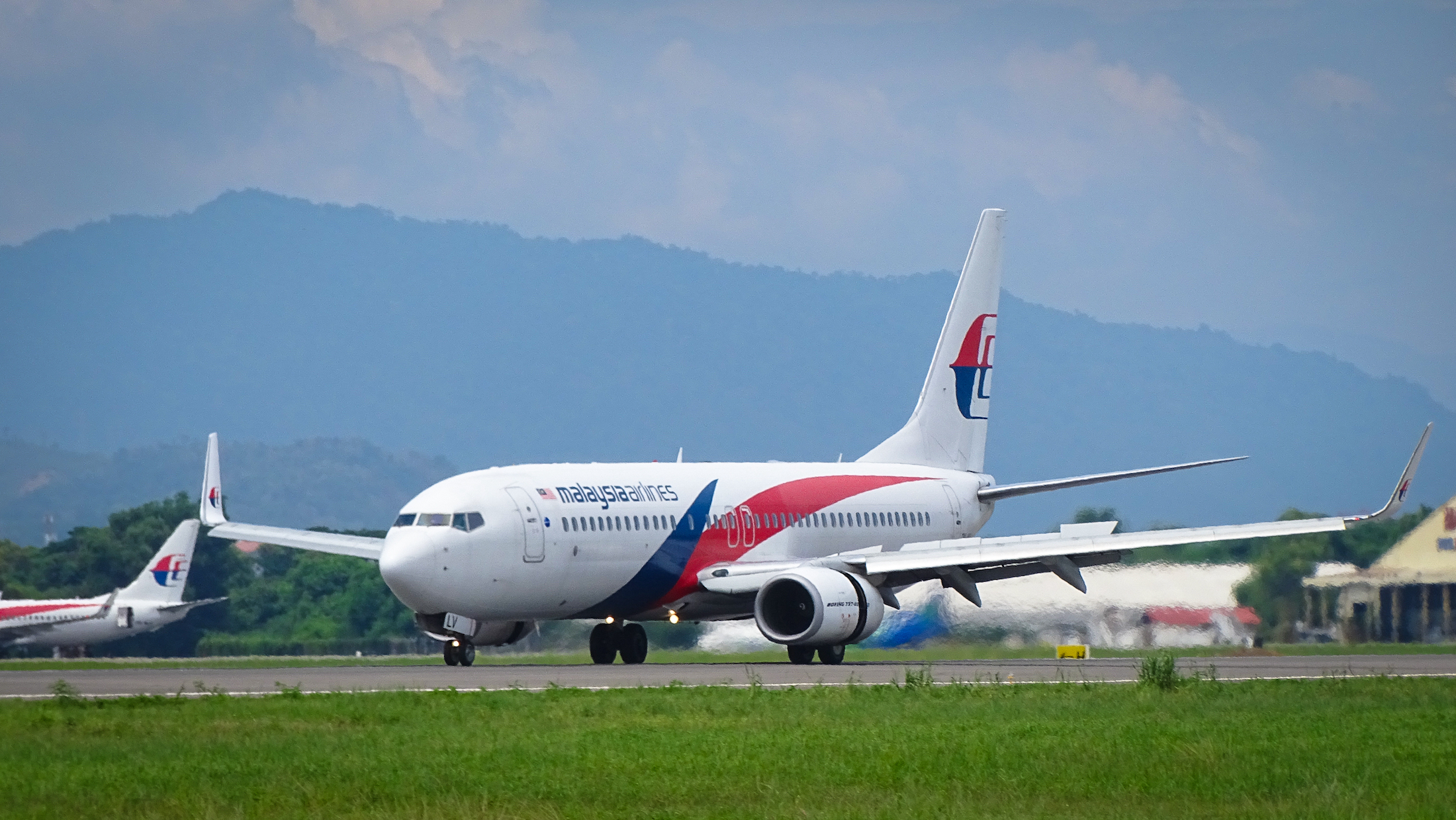
A Malaysia Airlines aircraft. (Photo: Shutterstock | hkhtt hj)
Malaysia Airlines plans to expand its Indian network by adding flight operation to Kolkata on December 2, operating five times a week with Boeing 737-800 aircraft.
“India is a key market for us, and by continually enhancing our network and increasing frequencies, we aim to deliver exceptional travel experiences, complemented by Malaysia Airlines’ renowned hospitality,” Ahmad Luqman Mohd Azmi, Chief Executive Officer of Malaysia Aviation Group (MAG), said in a news release.
The new services came after increasing frequencies to the Indian city of Amritsar in August. Kolkata is Malaysia Airlines’ tenth Indian destination. With the addition of flights from Kolkata, the airline will offer 76 weekly flights between the two countries.
Expanding the European Market
The Malaysian flag carrier managed to survive two crises and the pandemic, expanding its route map in August and September, such as Da Nang, Vietnam, and Maldives. In response to the arrival of the additional widebody aircraft, the airline has announced that Kuala Lumpur – Paris will be resumed on March 22. 2025 after nearly a decade hiatus. The four weekly flights will be operated by an A350-900 and are expected to promote connectivity between Malaysia and France.
Earlier, the airline’s passengers were left frustrated after consistent flight disruptions. Malaysia Airlines defended itself and revealed that the delayed delivery of Boeing 737 MAX 8 aircraft was one of the reasons. The aircraft manufacturer has fallen short of delivering 17 new aircraft by 2024. In January, the airline announced that it would modernize its fleet by adding four A330s alongside eight Boeing 737 MAX 8s
However, the airline has five Airbus A330neos in its delivery pipeline. The new aircraft are expected to be delivered by the first quarter of next year, following one A330neo in October.
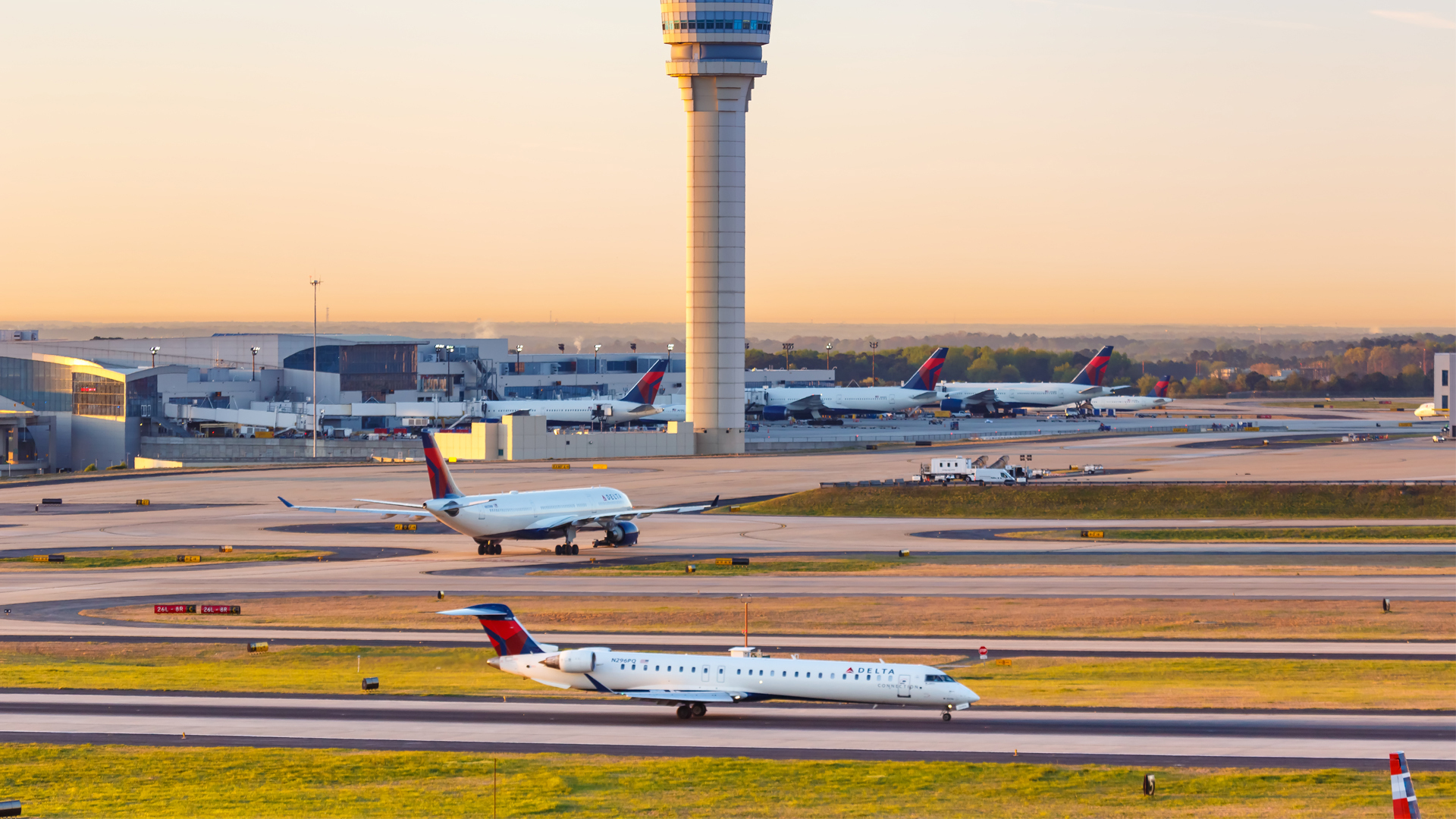
Delta aircraft in Atlanta. (Photo: Markus Mainka
| Shutterstock)
Delta’s Q3 2024 earnings report released on Thursday saw earnings per share take a 45-cent hit in the third quarter due to the CrowdStrike outages earlier this summer.
In the carrier’s September Quarter 2024 Financial Results report, Delta restated its August 8 disclosure of the outage’s financial impact for the September quarter. This disclosure stated that the incident caused around 7,000 flight cancellations over the course of five days, leading to $380 million in customer refunds, $170 million in expense reimbursements and crew-related costs, and $50 million in estimated fuel expenses.
Additionally, the Q3 report stated the CrowdStrike outage reduced operating margins by 2.3 points and earnings per share for the quarter by 45 cents.
“On an earnings per share basis, our results would have been at the high end of initial guidance, excluding the 45 cent impact from the CrowdStrike-caused outage,” said Delta CEO Ed Bastian in the carrier’s earnings call on Thursday. “Delta continues to lead the industry operationally and financially, while delivering on our 2024 plan. Year to date, our on time performance is best in the industry, and our completion factor leads the network carriers, even when including the impact of the outage.”
Delta delivered an operating revenue of $14.6 billion in Q3, including the $380 million impact from the CrowdStrike outage. Adjusted operating expenses were $13.2 billion. The airline’s Q3 adjusted net debt is $18.7 billion, a reduction of $2.9 billion from the end of 2023. It paid $263 million on debt and financial lease obligations in the September quarter.
The airline’s adjusted operating cash flow for the quarter is $1.3 billion and had gross capital expenditures of $1.3 billion, leaving $95 million in free cash flow.
“For the December quarter, we expect to return to year-over-year earnings growth and margin expansion with an outlook for December quarter earnings of $1.60 to $1.85 per share on an 11 percent to 13 percent operating margin,” said Dan Janki, Delta’s chief financial officer, in the report. “Our teams are consistently running a great operation, enabling us to drive efficiency and deliver non-fuel unit cost growth of low-single-digits for the year, consistent with our outlook at the start of the year.”
AirlineGeeks.com was founded in February 2013 as a one-person blog in Washington D.C. Since then, we’ve grown to have 25+ active team members scattered across the globe. We are all here for the same reason: we love deep-diving into the fascinating realm of the airline industry.