










Stories

These Airports Let You Run on Their Runways

As airports see post-summer lulls, some open up their airfields to those looking for a unique running experience with an intentionally flat surface.

Washington Dulles International Airport's annual runway run (Photo: Metropolitan Washington Airports Authority)

Would you take a walk or run on the same strip of pavement that a 250-ton airliner just traversed? At some airports, you can, while also raising charity funds.

So-called ‘runway runs’ have taken hold at some airports in the U.S. These events open the door for avid runners to access an intentionally-flat surface, while also allowing individuals to experience the breadth of large airports. Depending on the locale, commercial airport runways can be upwards of 16,000 feet, or just over three miles. The longest commercially used runway in North America is at Denver International Airport (DEN) and is itself exactly 16,000 feet.

Runway Run Concept

Typically in partnership with a charity, several airports do runway run events, in which participants can get up close and personal with the otherwise off-limits airfield. In most cases, the runs are time-limited so that regular operations can be planned around it.

A common theme is for these events to take place in the Fall/Spring on Saturdays when air traffic is often at a lower point. Airport operators work closely with local air traffic control to coordinate runway and taxiway closures.

Where Are These Runway Runs?

Most runway runs seem to take place in the U.S. at larger airports with multiple runways. Of course, traffic conditions and other factors can change these events on short notice.

Here is where you can find regular runway runs:

Miami International Airport (MIA)

Up to 2,500 participants are able to run MIA’s runway 8L/26R in October. Despite being the busiest airport in the U.S. for international traffic, MIA continues to host this community engagement event. The airport partners with both the American Cancer Society and the Miami Cancer Institute to raise cancer awareness.

Philadelphia International Airport (PHL)

Partnering with the March of Dimes organization, PHL just recently held its annual 5k runway run. This is the sixth time that the airport has hosted such an event. “Participants will get to see commercial and general aviation aircraft taking off and landing (on different runways!) and a display of airport equipment such as fire apparatus, various types of snow removal equipment and airline ground support equipment. This is truly a once-in-a-lifetime opportunity,” the airport said in an event announcement.

Washington Dulles International Airport (IAD)

Similar to PHL, Washington’s Dulles airport also recently conducted its annual runway run event. Interestingly, this run actually starts at the Smithsonian’s nearby Udvar Hazy Center, which is connected via a single taxiway to the Dulles airfield. After being able to walk through the air and space museum, runners head out to runway 1R/19L.

The run benefits the Special Olympics Virginia charity, according to the airport. The most recent runway run was Dulles’ 11th annual event.

Charlotte Douglas International Airport (CLT)

Charlotte is set to host its 16th CLT Runway 5k on Oct. 21, 2023. “This certified run is in one of the nation’s most unique locations and is certainly one of the smoothest and flattest around,” the airport says in the run’s announcement.

American’s ramp control tower at Charlotte Douglas International Airport. (Photo: AirlineGeeks | Ian McMurty)

Proceeds from CLT’s run fund Airport Opportunity Scholarships at Central Piedmont Community College (CPCC), which aims to create career opportunities in aviation. The 2022 run raised over $38,810 for scholarships with 1,214 participants.

John F. Kennedy International Airport (JFK)

Put on by the JFK Rotary Club, JFK’s runway run is perhaps one of the longest-running in the U.S. at 50 annual events. Per the JFK Rotary Clubs, funds from the run are distributed across various charities. The run typically takes place in the Spring.

Until 2000, the race took place on public roads, but that created traffic control issues. Thus, the Port Authority of New York and New Jersey opted to move the race airside.

Atlanta Hartsfield-Jackson International Airport (ATL)

Despite being the busiest airport in the world, Atlanta does its own runway run event, hosted by the city’s mayor. Aptly named the ‘Mayor’s 5K on the 5th Runway,’ this race is scheduled to take place on Oct. 14, 2023. Registration is open for up to 2,000 participants.

This is by no means an all-encompassing list of all runway run activities; airports that are both large and small host different variants. You should certainly check local listings to see if your local airport does its own runway run.

Ryan Ewing

Ryan founded AirlineGeeks.com in February 2013 and has spent more than a decade covering the airline business. His work has been featured by CNN, WJLA, CNET, and Business Insider. His aviation experience spans airport operations, Part 135 regulatory compliance, and airline crew workforce planning, along with time behind the yoke of a Cessna 172 and interviews with airline executives. Ryan now serves as Group President of Firecrown Media’s Aviation Group. He holds a B.S. in Air Transportation Management and an MBA from Arizona State University and teaches Airline Management at Embry-Riddle Aeronautical University.

The Future of Aviation: Electric Airplanes and Sustainable Skies

Will our skies soon be filled with the buzz of electric aircraft?

Pipistrel Velis Electro electric aircraft. (Photo: Pipistrel Aircraft)

The world of aviation is constantly evolving. From the Wright Brothers’ first powered flight in 1903 to the jumbo jets of today, each era has brought new challenges and innovations. As the environmental consequences of air travel become ever clearer, the industry is focusing on sustainability as the next frontier. Here, we dive into the electrifying future of aviation and what it could mean for our skies.

Electric Planes: The Next Big Thing?

When you think of air travel, the roar of jet engines might come to mind. However, that familiar sound could soon be replaced by the near-silent hum of electric motors. Electric aircraft, much like electric cars, rely on batteries to power their propulsion systems. They promise significant reductions in carbon emissions and noise pollution.

Several companies have thrown their hats into the electric aviation ring. From startups like Eviation with their Alice aircraft to major players like Airbus and their E-Fan X project, the race is on to develop viable electric planes. While the technology is still in its infancy, progress has been swift. Some smaller electric aircraft are already taking to the skies for test flights.

Benefits of Electric Aviation

There are multiple benefits to electric aviation:

  1. Environmental Impact: The most obvious advantage is the reduction in carbon emissions. Traditional jet engines burn vast amounts of fossil fuels. In contrast, electric planes produce zero emissions at the point of use. If the electricity used to charge them is derived from renewable sources, their carbon footprint is negligible.
  2. Noise Pollution: Anyone who lives near an airport knows the noise levels planes can produce. Electric planes are significantly quieter, making them more suitable for urban air travel and reducing noise pollution around airports.
  3. Operational Costs: Electric power can be more cost-effective than jet fuel, especially as battery technology improves and becomes cheaper. This could lead to reduced ticket prices for passengers in the long run.

Challenges Ahead

While the future seems bright, there are hurdles to overcome:

  • Battery Technology: Current battery technology is the biggest limiting factor. The energy density of batteries is still much lower than that of jet fuel, which limits the range and payload of electric planes.
  • Infrastructure: Airports will need to be equipped with charging stations and other necessary infrastructure to support electric aircraft operations.
  • Regulations: As with any new technology in aviation, there will be strict regulatory hurdles to ensure the safety of electric planes.

The Road Forward

The transition to electric aviation won’t happen overnight. It will likely start with shorter domestic flights and gradually expand as technology and infrastructure improve. Hybrid models, which combine traditional and electric propulsion, may serve as a stepping stone in the interim.

The challenges are significant, but the potential benefits for our planet and the future of air travel are enormous. As technology advances and the world becomes ever more conscious of the need for sustainable solutions, the skies of tomorrow might just be filled with the hum of electric planes.

Parth Jain

Parth Jain is a dedicated aviation enthusiast with a rich background in general and commercial aviation. Over the years, Parth has consistently demonstrated a deep fascination with the aviation industry, his interests spanning from the workings of small general aviation aircraft to the complexities of large commercial jets. Parth's interest in aviation sparked at a young age when he first set foot in an airplane. Since then, he has dedicated much of his time to gaining first hand experience, achieving his private pilot license and currently working towards his instrument rating. Parth's education and experience are a testament to his dedication and commitment to this field. As a private pilot, he has navigated complex airspace, developed an understanding of the intricate details of aircraft operations, and consistently demonstrated safe and proficient flying skills.

Nigeria’s Air Peace Pushes for Heathrow Slots After Securing U.K Authorization

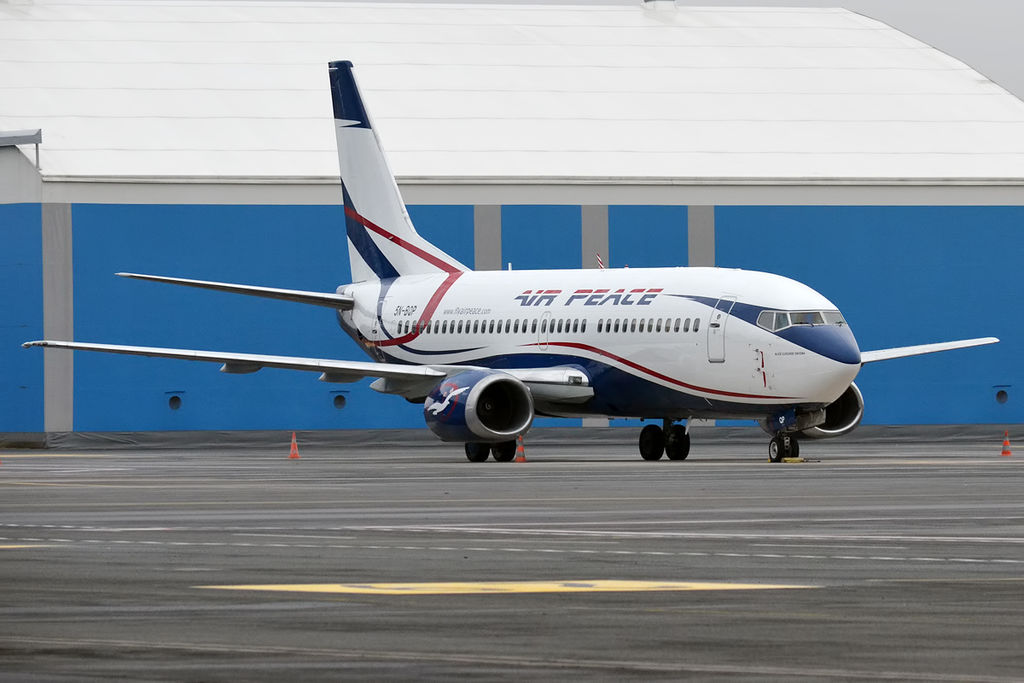
An Air Peace 737 (Photo: Anna Zvereva, CC BY-SA 2.0 , via Wikimedia Commons)

Nigeria’s leading airline, Air Peace, has made headlines after securing its UK Third Country Operator (TCO) authorization. With this, the airline is now demanding access to London Heathrow Airport, invoking the reciprocity principle outlined in the bilateral air services agreement (BASA) between Nigeria and the United Kingdom. This development has reignited a diplomatic dispute that dates back to 2011 when similar issues arose.

Chairman Allen Onyema of Air Peace has emphasized the importance of Heathrow Airport for the airline’s expansion plans. Citing the BASA agreement between the U.K. and Nigeria, he insists that Air Peace should enjoy access to Heathrow, just as British carriers have unrestricted access to Nigerian airports, including Abuja and Lagos. Currently, British Airways and Virgin Atlantic both operate daily flights to Nigerian airports from Heathrow.

“It took seven years for them to come and do the audit and you don’t blame them. Now we have got the approval. The next thing is slot and they are telling us to go to Stansted or take Gatwick. I’m not going to Stansted or Gatwick. You come to the primary airport in Nigeria and by BASA, you enjoy the two primary airports. So, you will give me your own primary airport. It must be Heathrow or nothing. We waited seven years and we must be there,” the Chairman Allen Onyema told The Whistler newspaper.

Historical Diplomatic Spat

The disagreement over Heathrow access has historical roots. In 2011, Nigeria threatened to withdraw permission for British airlines to operate in the country after Arik Air faced difficulties securing slots at Heathrow. The dispute was eventually resolved, but it disrupted the airlines’ operations. Arik Air later discontinued the route in 2017 due to financial challenges.

Heathrow Airport is notoriously slot-restricted, and slot allocations are managed by Airport Coordination Limited, an independent organization. The British government cannot enforce slot allocation to specific carriers. This poses a challenge for Air Peace in its quest for Heathrow access.

As of the latest updates, Air Peace is the only Nigerian airline certified to operate in the U.K., according to the Civil Aviation Authority. The European Union Aviation Safety Agency has authorized ANAP Jets, a business charter operator. There have been conflicting reports about other Nigerian carriers’ certifications for UK routes, with discrepancies between statements from the Director General of the Nigerian Civil Aviation Authority and the CAA.

In other news, the Nigeria-based Air Peace placed a firm order for five Embraer E175 regional jets and has taken five purchase rights for larger E190/195 E2s. The contract is the latest in a series of deals between Air Peace and the Brazilian OEM, as the airline continues its fleet modernization policy, with its declared aim of becoming the operator of the largest and youngest fleet of aircraft in Africa. The new E175 contract paves the way for further regional expansion by Air Peace, Embraer said on September 14. Delivery of the 88-seat E175s is scheduled to begin in 2024. The order is valued at $288.3 million at list prices.

Victor Shalton

Victor Shalton's love for aviation can be traced to when he was 11-years-old. As a seasoned aviation writer, he takes pride in providing the best aviation coverage around the globe and is passionate about advancing his skills in the aviation space. In addition, he loves travelling, writing, arts and while his speaking engagements have taken him around the world, he is proud to call Nairobi home.

Air Canada Will Operate All Three 787 Variants

The aircraft will complement its existing fleet of 787-8 and 787-9 variants and renew its aging fleet. The airline will also cancel its order for two 777 freighters.

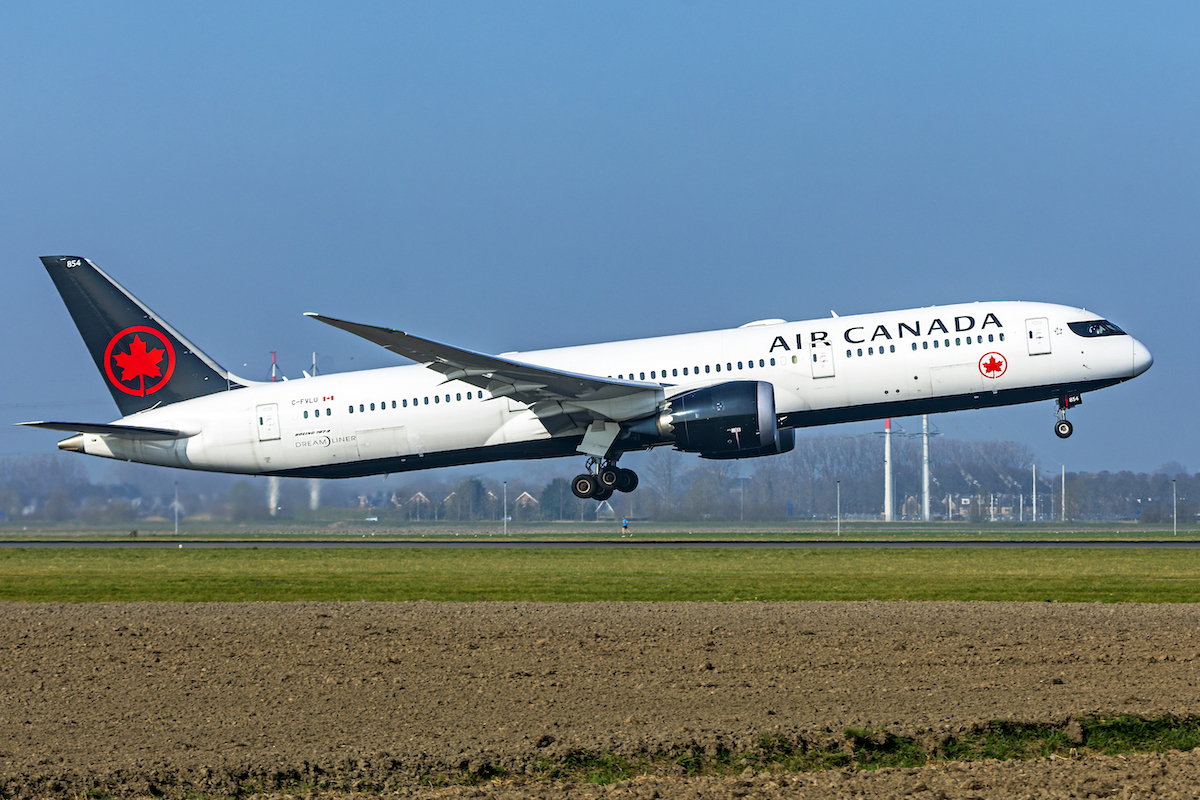
Air Canada 787 Dreamliner
An Air Canada 787. (Photo: AirlineGeeks | William Derrickson)

Air Canada has placed 18 firm orders and 12 more options for Boeing 787-10 jets. The aircraft will complement its existing fleet of 787-8 and 787-9 variants and renew its aging fleet. The airline will also cancel its order for two 777 freighters.

In a press release, Air Canada CEO Michael Rousseau remarked: “Air Canada has made investing in the passenger experience a core priority. Our experience shows customers greatly enjoy flying on the Dreamliner, so we are pleased to offer them a larger version of this popular aircraft, which will premiere a new, state-of-the-art interior cabin design. As importantly, the 787 is highly fuel efficient and will generate operational savings as well as support our sustainability goals of reducing emissions,”

Fleet Renewal

Air Canada’s current wide-body fleet consists of 777-300ERs, 777-200LRs, 787-8s, 787-9s and A330-300s.

Model Number Ave. Age Markets served
A330-300 18 17.4 North Africa, Secondary European cities, BOG & Domestic

Operates out of YUL & YYZ

B777-200LR 6 15.9 YVR-SYD,YYZ-DEL/AMS/TLV & Domestic
B777-300ER 19 13.3 Tokyo, London, Frankfurt, Paris, Athens etc & Domestic
B787-8 8 9.1 Operates out of YYZ, YUL & YYC
B787-9 30 6.5 Operates out of YYZ, YUL, YVR & YYC

Data courtesy of planespotters.net 

Though Air Canada has yet to officially confirm what aircraft the new 787-10s will replace, it is safe to speculate that A330-300s will likely be the ones substituted. Air Canada’s oldest A330 is almost 25 years old, which is around the retirement age for the type. Out of the 18 A330-300s Air Canada operates, eight are from an older batch while 10 are transferred from other airlines and are fairly young, ranging from 14 to under 10 years old.

An Air Canada A330-300 (Photo: Air Canada)

As the aircraft are scheduled to be delivered between 2025 and 2027, they will likely replace the entire A330 fleet on a one-to-one basis. The current Air Canada schedule for September 2023 has the A330s operating mainly on routes to Europe and North Africa from Montreal and Toronto. They fly mostly to secondary European cities with the likes of Toulouse, Nice, Venice or Vienna.

An Air Canada Boeing 787 Dreamliner on the taxiway in Los Angeles.
(Photo: AirlineGeeks | William Derrickson)

The Boeing 787 is a popular option when it comes to replacing aging A330s. Singapore Airlines chose 787-10s to replace its A330-300s, a number of which actually went to Air Canada. China Airlines also chose the 787 to replace its older A330s. With the orders, Air Canada will join a short list of airlines to operate all three variants of 787s and achieve a higher level of fleet standardization.

It is also possible for the new 787-10s to replace other types in the Air Canada fleet, especially considering the 12 that are on option. We will be able to gain to clearer picture of the operation of the type when the configurations and seat products are released.

Anthony Bang An

Anthony is an aviation enthusiast who grew up around the world from St. Louis to Singapore, and now lives in Amsterdam. He loves long-haul flying and finds peace in the sound of engine cruising. He aspires to share his passion for the sky though writing and providing another angle on the stories.

Air France-KLM Inks Order for 50 A350 Jets

As part of Monday's order announcement, the Air France-KLM Group is set to become one of the largest A350 operators worldwide.

Air France's first A350 completed its maiden test flight in Toulouse on Aug. 27. (Photo: Airbus)

The Air France-KLM Group has placed an order for 50 A350 aircraft, including both the A350-900 and A350-1000 variants. The European airline consortium announced the order in a press release on Monday.

As part of the order, the company has purchase rights for an additional 40 Airbus widebody aircraft. The purchase is part of a broader fleet renewal effort, which includes phasing out older A330 and 777 aircraft, the company said. Deliveries are expected to take place between 2026 and 2030.

Joining an order book of 41 A350-900 aircraft and eight of Airbus’ A350 freighter variant, Monday’s order will make Air France one of the world’s largest A350 operators. In total, Air France-KLM will have over 220 aircraft on order, including 100 A320neo family aircraft.

“This new order will be a major step in the renewal of the Group’s fleet. The Airbus A350 is a state-of-the-art aircraft with an excellent track record at Air France, where it has rapidly become a favorite among passengers and crew since its entry into service in 2019. It is the perfect fit for the network needs of the Group and boasts outstanding performances: it is a quieter, more fuel efficient and more cost-effective aircraft compared to previous generations,” the group’s CEO Benjamin Smith said in a press release.

Per data available on AirFleets.net, Air France has a total of 214 active aircraft in its fleet with its Dutch counterpart maintaining 110. Both carriers operate a variety of Airbus and Boeing aircraft, including older 777-200s and A330-200s.

AirlineGeeks.com Staff

AirlineGeeks.com was founded in February 2013 as a one-person blog in Washington D.C. Since then, we’ve grown to have 25+ active team members scattered across the globe. We are all here for the same reason: we love deep-diving into the fascinating realm of the airline industry.

Delta Adds More Domestic Widebody Flights

Domestic widebody flights are not always easy to come by, but Delta just added a few more to its network during Winter 2023.

A Delta A350 in Atlanta (Photo: AirlineGeeks | William Derrickson)

Headed into Q4 of 2023, U.S. airlines are preparing for some of the busiest travel months of the year with Thanksgiving and December holidays, adding some domestic widebody flights. Typically seeing heavy usage in the summer, U.S. airlines tend to wind down some long-haul widebody flying as the IATA season ends in late October. Delta just recently added more domestic long-haul flights to its network.

The Atlanta-based airline often adds widebody aircraft to leisure-heavy destinations during busy travel times, sometimes operating routes to Florida or the West Coast from its main hub in Atlanta, although that doesn’t rule out oddball widebody routes that do occasionally exist. First notes by Ishrion Aviation on Twitter/X, Delta has loaded three new domestic widebody flights to its system, these include the following;

  • Detroit to Orlando, which will be served on an Airbus A330-300 starting in mid-November and will continue until the end of December. This isn’t the first time the airline has done this, as it did offer A330 service on this route last season. Currently, Delta operates five to seven daily flights on the route, using a mix of Airbus A321 and Boeing 757-300 aircraft.
  • Atlanta to San Francisco, which will be served on the airline Boeing 767-300 at a frequency of four times a day starting Dec. 16, 2023. Currently, Delta operates six-to-seven daily flights between Atlanta and San Francisco, all on Boeing 737-900s.
  • The final new widebody addition is Atlanta to Salt Lake City, which will get twice-daily service on the carrier’s Airbus A350 starting on Dec. 16, 2023. While both cities are hubs for Delta, this is a unique add as the carrier hasn’t operated scheduled Airbus A350 service to the Salt Lake City hub in several years. Currently, this route sees eight daily flights, all on Airbus A321s.

Finding Domestic Widebody Service

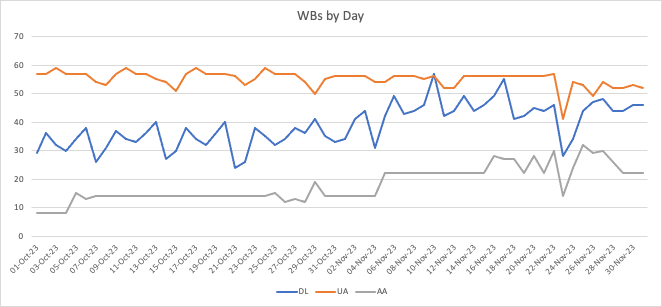
According to data from Cirium, during the months of November and December of 2023, Delta will operate 2,358 domestic flights within the continental U.S. on widebodies. United is the largest operator of domestic widebodies during this same period at 3,365 flights with American being the smallest at 1,092.

Count of continental U.S. widebody operations for the big three carriers for the months of October through November 2023 (Graph: created with Cirium data)

As mentioned above, the majority of Delta’s widebody domestic routes are either between hubs, cross country, or on routes to Florida. But, there are some one-offs, such as flights using a Boeing 767-300 from JFK to Portland as well as a Boeing 767-400 flight from Raleigh to Atlanta, among others.

All routes and schedules are subject to change, and all schedule data was pulled from publicly accessible websites Delta.com, as well as Cirium data.

Joey Gerardi

Joey has always been interested in planes for as long as he can remember. He grew up in Central New York during the early 2000s when US Airways Express turboprops ruled the skies. Being from a non-aviation family made it harder for him to be around planes and would only spend about three hours a month at the airport. He was so excited when he could drive by himself, the first thing he did with his driver's license was get ice cream and go plane spotting for the entire day. He graduated from Western Michigan University in 2022 with a B.S. in Aviation Management & Operations and a Minor in Business, and currently works for a major airline in his hometown.

Private to Professional: Boosting General Aviation Safety Using Higher Standards

Any discussion of aviation, in the U.S. and everywhere, eventually comes to the question of safety. The U.S. airline industry is among one of the safest.

One of Cape Air's Cessna 402s in Manistee (Photo: AirlineGeeks | Joey Gerardi)

Aviation is popular and possible in the United States in a way unlike many other countries. Of the 40,000 airports in the world, over 5,000 (12 percent) are in the United States, and at least ⅓ of total pilots in the world (considering private, commercial, and military) are from the U.S.

This is possible due to the unique American geography. Only a select few countries, namely China and Russia, rival both the expansiveness and climate variation that the United States boasts and the U.S. is more sparsely populated than any other major developed country.

All this provides a larger market for flying. America’s high airport count includes public-use airports that do not have airline service but are used by private jets and small single and multi-engine propeller airplanes where building a strip of runway is easier than building major highways or train routes.

The abundance of airports makes it easy for people with few transportation options to learn to fly to visit family or take business trips, and it also makes it easy for people to learn to fly as a hobby. Within the United States population, the pilot community is small, but it is still incredibly strong. Thanks to involvement from a wider array of aviation enthusiasts in addition to pilots, the American flying culture is alive and well, with even the smallest airports hosting regular fly-ins, airshows, and festivals open to everyone who wants to attend.

American Aviation Safety Record

Any discussion of aviation, in the U.S. and everywhere, eventually comes to the question of safety. The United States’ airline industry is among the best and most well-developed in the world. U.S.-based passenger airlines have had only one fatality and zero crashes since 2009. That 14-year accident-free streak is the longest in the American aviation industry’s history.

That impeccable safety record is in part because, across the board, American airline pilots are better trained, more experienced, and more highly monitored than ever before. With more thorough procedures, more intensive training, and generally better pilot vetting and oversight, the American industry has become a model for aviation safety around the world.

General aviation, however, has different statistics. It must be made clear that general aviation is still incredibly safe, as the Federal Aviation Administration (FAA) has minimum training, recurrent training, and maintenance standards that apply to every licensed pilot in America regardless of what type of flying they do. However, the National Transportation Safety Board (NTSB) reports that general aviation’s fatal accident rate was 1.049 accidents per 100,000 flight hours, notably higher than airlines. That year, there were over 300 fatalities and about 1,100 total accidents in general aviation, according to the United States Department of Transportation.

Safety Practices in Airlines and General Aviation

Many of those crashes have been attributed in some way to pilots. While many pilots fly for decades without any accidents, it is important for all pilots to question why pilots are at fault in so many accidents and how to prevent accidents from happening in the future.

One of the biggest differences between airline flying and general aviation is the level of oversight. Simply put, airlines and airline pilots are affected by more federal regulations and more highly specific company policies that play significant roles in the decisions they make. Not only are pilots’ conversations recorded in the flight deck, but every piece of flight data is recorded on commercial airliners, and data is automatically sent to airlines’ safety boards if a non-standard procedure is detected, creating a higher level of accountability, safety, and oversight than is possible in general aviation today.

However, that does not mean that general aviation pilots are off the hook. In fact, general aviation pilots can and should learn a lot from the policies and procedures in professional flying. However, especially since they don’t ever consider flying professionally or get much opportunity to fly faster and more complex airplanes into busy airports, most general aviation pilots do not practically consider how to apply airline-level procedures to their own flying.

Inside the cockpit of an Airbus A220. (Photo: AirlineGeeks | Fabian Behr)

It is also important to distinguish between Part 135 flying and Part 91. Thus far, this article has used the term “general aviation”  to refer to flying under Part 91 of the Code of Federal Regulations. Similarly-sized aircraft are operated under both Part 91 and Part 135, just with different sets of regulations as to who can fly where and when. Part 135 operators also have more clearly defined standard operating procedures that guide pilots through each phase of flight as well as abnormal situations that arise given enough flying time.

This comes back to the same point: in studying aviation accidents, often the biggest variable in each incident is the pilot. Why did the pilot respond as they did to each situation presented to them in flight, and how could they have reacted differently to exact a better flight outcome, for better or worse? And how can the pilot carry themselves differently to ensure safe flight outcomes every time?

Editor’s Note: Thus is born AirlineGeeks’ latest article series. Each week, we will take time to break down a new regulation written for professional pilots in Part 121 and Part 135 flying, and we will consider different ways to apply those regulations to general aviation. Some regulations have straightforward applications to general aviation, but there is usually more that meets the eye. Thus, we will take time to explore a wide variety of ways general aviation pilots can apply even simple things, like minimum rest requirements, to their own flying. Check back in next week for the first installment of the series.

John McDermott

John McDermott is a commercial pilot pursuing a career in professional flight. His passion for aviation began in an Ann Arbor bookstore with a tale of enemy pilots during World War 2, and he hasn't looked back. Besides flying and writing for AirlineGeeks, John volunteers with Professional Pilots of Tomorrow and travels whenever he gets the chance.

Alaska Will Become an All-Boeing Airline Again Next Week

The Seattle-based airline will return to its roots as an all-Boeing operator. See where its last Airbus flights will be this week.

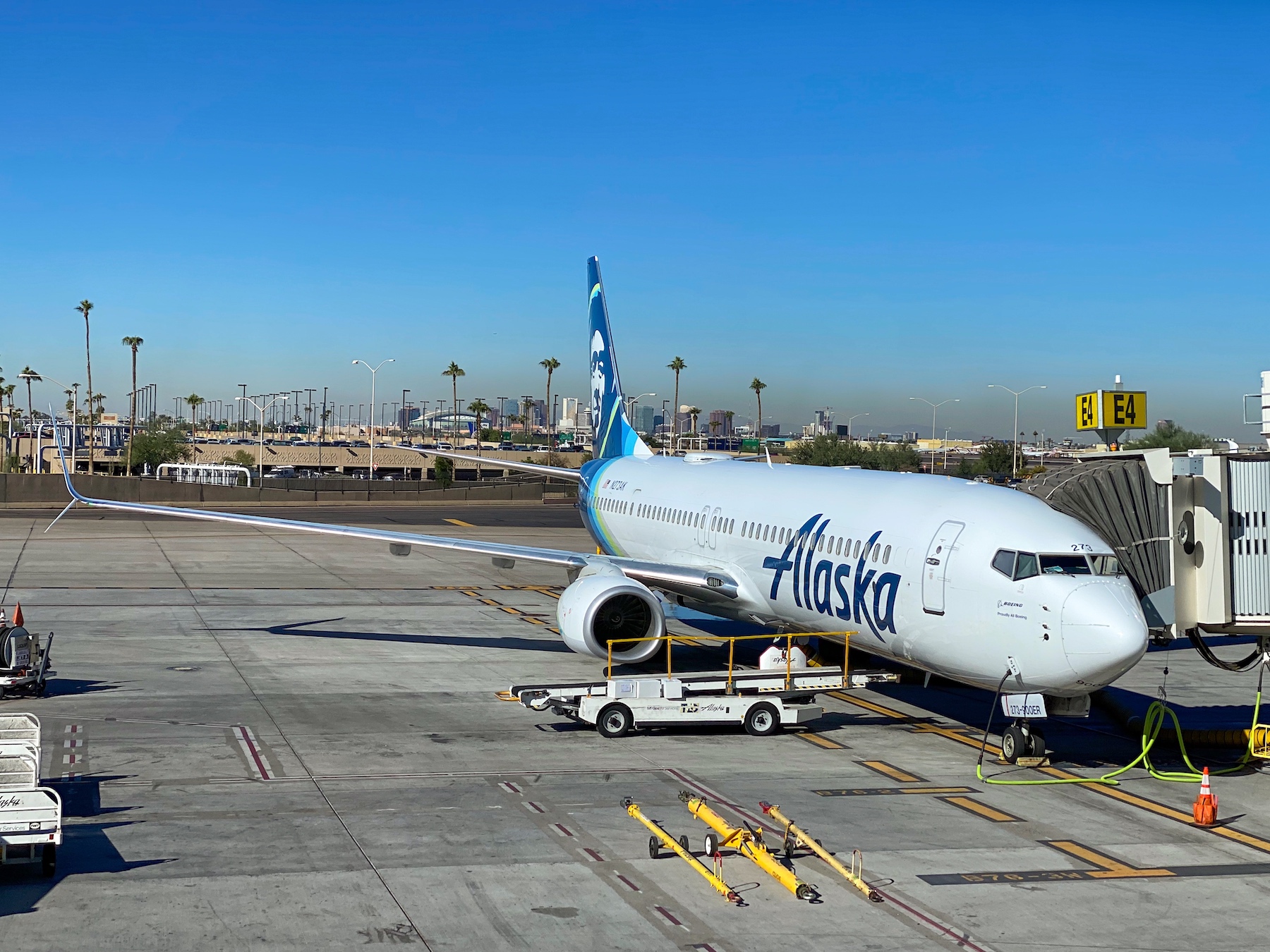
An Alaska 737-900ER in Phoenix (Photo: AirlineGeeks | Katie Bailey)

Alaska is set to operate only an all-Boeing fleet again by next week. Acquired from the company’s 2018 purchase of Virgin America, the Seattle-based airline once maintained a fleet of 68 Airbus narrowbody aircraft, per planespotters.net data. Several of these jets were retired as a result of the COVID-19 pandemic in 2020.

In an effort to synergize its fleet, Alaska painted the Airbus aircraft into its standard livery, while also retrofitting interiors. At the time of writing, the airline has begun winding down its Airbus fleet, with only five A321neos remaining. This sub-fleet has an average age of nearly six years old; Virgin America was the first airline to operate the A321neo variant.

Prior to the nearly $4 billion merger, Alaska maintained an exclusively Boeing 737 fleet, sporting a ‘Proudly All Boeing’ slogan across its aircraft. Per planespotters.net, the carrier now has over 200 Boeing jets, including the 737 MAX.

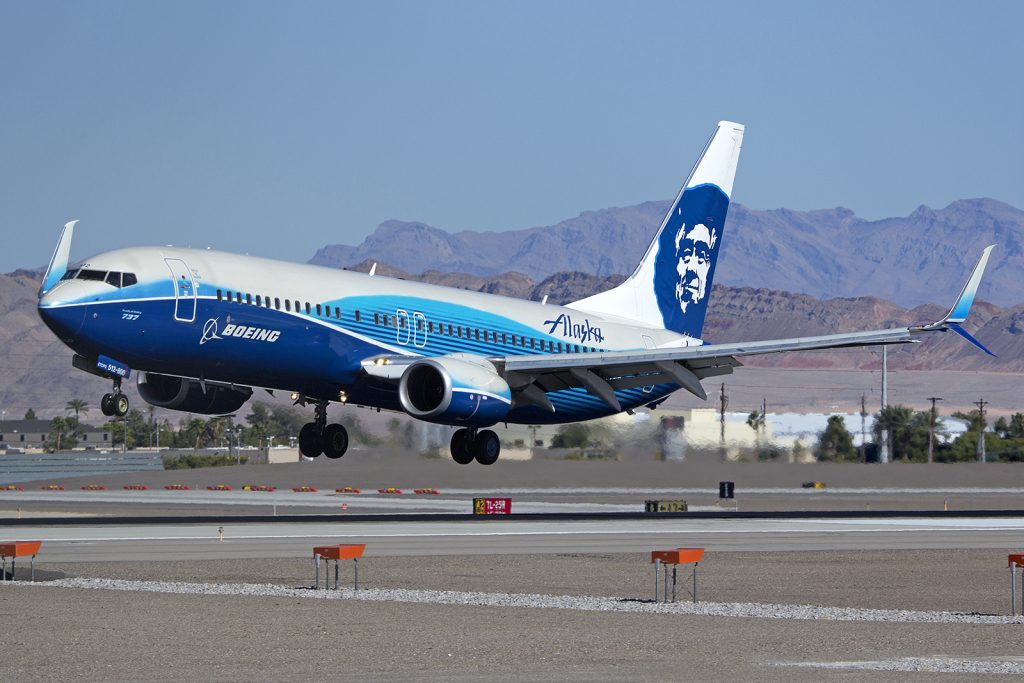
An Alaska Boeing 737-800 landing in Las Vegas.
(Photo: AirlineGeeks | William Derrickson)

Alaska’s Last Airbus Flight

Alaska is further winding down its Airbus operations this week with a final flight planned on September 30. According to Cirium schedule data, a total of 82 flights remain on the five A321neos.

Through Saturday, the aircraft can still be found on flights between Newark, Seattle, and Los Angeles. Six flights will take place on Saturday, including one final transcontinental trip from Newark to Los Angeles. The last revenue flight is slated to be AS1126 from Seattle to Los Angeles.

Future of Alaska’s Fleet

After Saturday’s planned last flight, it is unclear where the A321neos will head next. It is expected that most will head to storage, awaiting a new owner. According to ch-aviation, Alaska completed a phase-out of its A320ceo fleet in early 2023, with 29 frames currently in storage.

Returning to its roots as an all-Boeing operator, Alaska currently has seven future deliveries expected for Boeing’s 737 MAX 9 variant. Despite additional delivery hiccups, Alaska has taken delivery of over a dozen 737 MAX jets this year.

Ryan Ewing

Ryan founded AirlineGeeks.com in February 2013 and has spent more than a decade covering the airline business. His work has been featured by CNN, WJLA, CNET, and Business Insider. His aviation experience spans airport operations, Part 135 regulatory compliance, and airline crew workforce planning, along with time behind the yoke of a Cessna 172 and interviews with airline executives. Ryan now serves as Group President of Firecrown Media’s Aviation Group. He holds a B.S. in Air Transportation Management and an MBA from Arizona State University and teaches Airline Management at Embry-Riddle Aeronautical University.

British Airways and India’s IndiGo Sign Codeshare Agreement

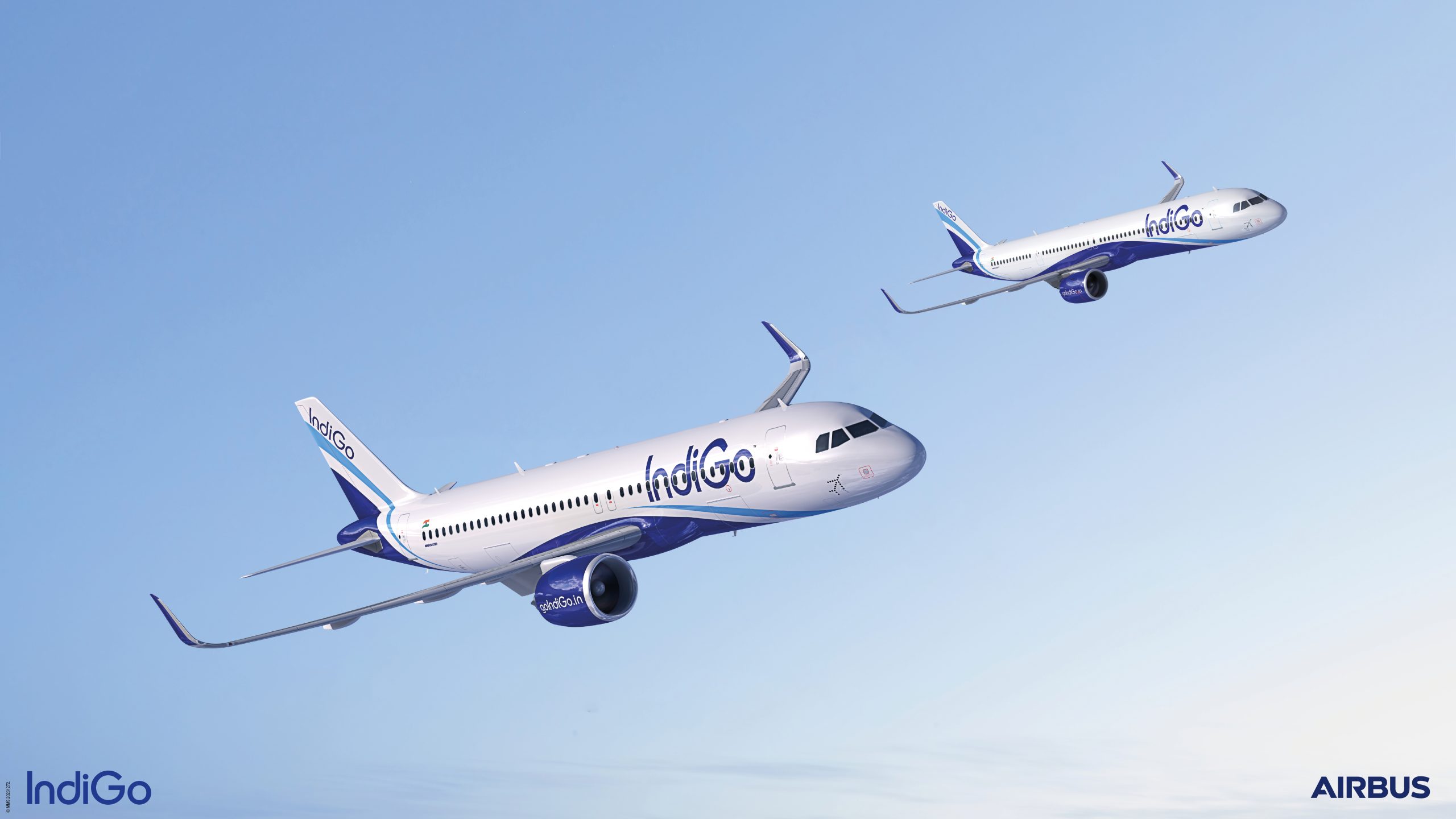
IndiGo A320 Family - June 2023. (Photo: Airbus)

British Airways (BA) and Indian airline IndiGo have signed a codeshare agreement that gives the U.K. carrier’s passengers the opportunity to fly to three new destinations in India. The agreement will now give codeshare options for BA customers to eight destinations via Delhi and Mumbai from the airline’s Heathrow hub. The new destinations are all accessible via Mumbai and are Thiruvananthapuram, Rajkot (Hirasar) and Vadodara.

Abhijit Dasgupta, Senior Vice President, Network Planning and Revenue Management at IndiGo, said: “This partnership expands the choices available to British Airways customers for journeys to/from London Heathrow, using IndiGo’s extensive network in India. This step to provide seamless connectivity will not only support trade and commerce between the two countries but also offer convenient travel options to students and tourists.”

The codeshare agreement commences on 12 October, subject to government approval, and will allow customers to travel on a single ticket between the eight destinations via Heathrow and vice versa. Indigo self-identifies as one of ‘the fastest-growing low-cost carriers in the world’ but BA is advising that passengers ‘traveling onwards with IndiGo, will be able to enjoy a complimentary meal and the U.K. carrier’s generous baggage allowance in economy via codeshare for flights to India – two checked bags up to 23 kilos [50 pounds] per person.’

Neil Chernoff, British Airways’ Director of Network and Alliances said: “British Airways has been flying to India since 1924, making it one of our longest-served and most valued destinations. Our partnership with IndiGo means that customers will be able to book their entire journey on one ticket, allowing seamless travel all the way from London to their final destination, offering more choice and flexibility for customers.”

BA now operates more services to India than prior to the pandemic with 56 flights per week to five Indian destinations: Delhi, Mumbai, Chennai, Bangalore and Hyderabad. The airline offers passengers traveling to Delhi, Mumbai and Bangalore the opportunity to experience its new Club Suite business class cabin.

IndiGo’s Abhijit Dasgupta added: “With burgeoning demand for international travel, we will continue to enhance international connectivity and remain committed to our promise of providing on-time, affordable, courteous, and hassle-free travel experiences to our customers.”

The Indian airline operates over 1900 flights daily to over 80 domestic destinations and a number of international destinations utilizing a fleet of predominantly Airbus A320 family aircraft. At this year’s Paris Air Show in June, IndiGo placed a record order for 500 A320 family aircraft bringing its total of Airbus aircraft on order to 1,330. According to the airline’s own statistics, it had a 63 percent domestic market share in June of this year with an 88.6 percent load factor.

John Flett

John has always had a passion for aviation and through a career with Air New Zealand has gained a strong understanding of aviation operations and the strategic nature of the industry. During his career with the airline, John held multiple leadership roles and was involved in projects such as the introduction of both the 777-200 and -300 type aircraft and the development of the IFE for the 777-300. He was also part of a small team who created and published the internal communications magazines for Air New Zealand’s pilots, cabin crew and ground staff balancing a mix of corporate and social content. John is educated to postgraduate level achieving a masters degree with Distinction in Airline and Airport Management. John has held the positions of course director of an undergraduate commercial pilot training programme at a leading London university. In addition he is contracted as an external instructor for IATA (International Air Transport Association) and has been a member of the Heathrow Community Fund’s ‘Communities for Tomorrow’ panel.

EasyJet Starts Diverse Cabin Crew Recruitment Campaign

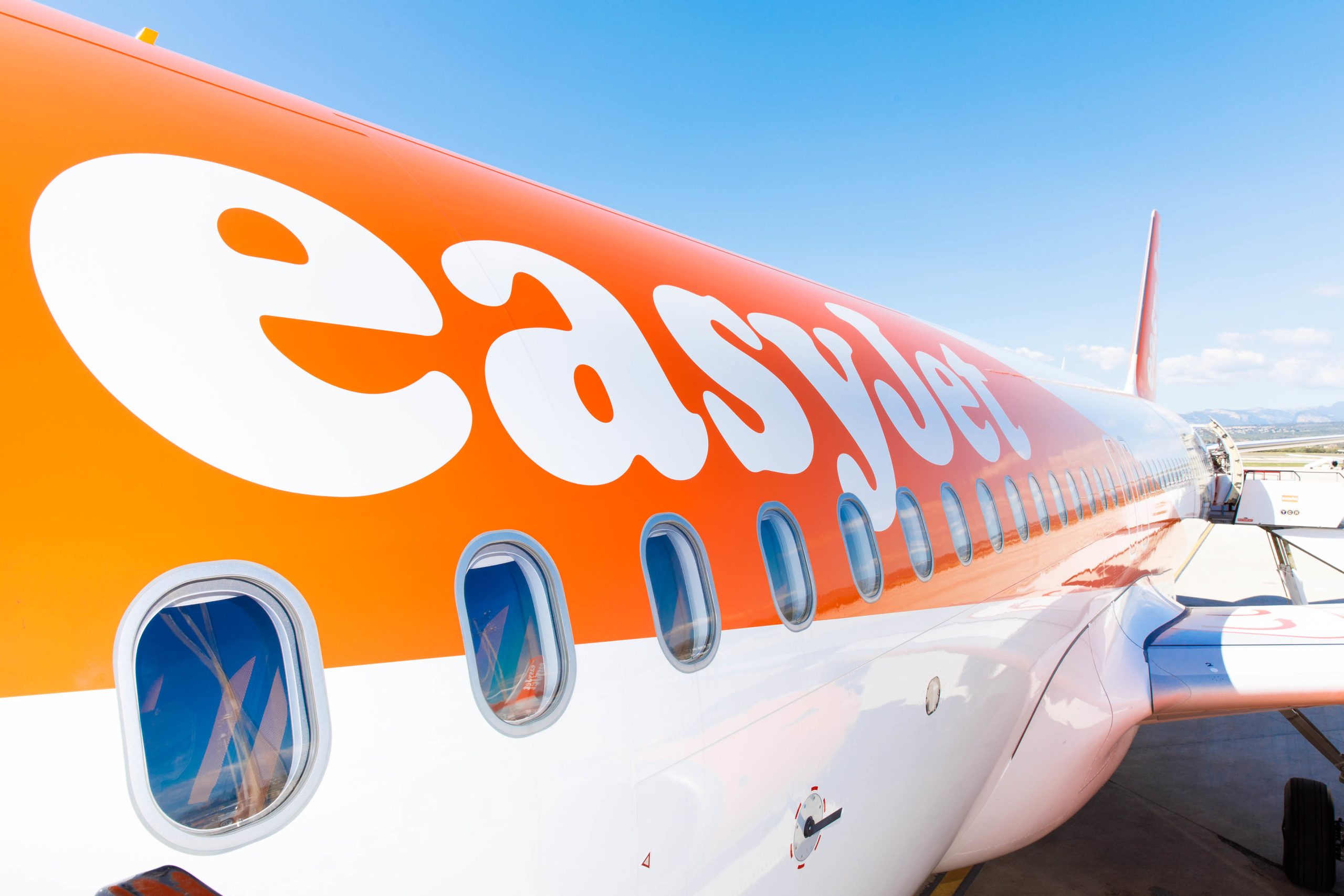
Close-up of one of the easyJet Airbuses. (Photo: easyJet)

easyJet, British low-cost carrier, has launched a recruitment campaign featuring individuals from diverse backgrounds. The campaign aims to prove that anyone with the right skills can excel as a cabin crew member regardless of their previous career. This initiative comes as easyJet plans to hire over 1,000 new cabin crew members this year.

The campaign’s stars include an opera singer, a former chef, an ex-radio presenter, a dental nurse, an optician, and even a Parisian police officer, demonstrating the wide range of talents and experiences that can be an asset in this role.

The key aspect of the campaign is focusing on misconceptions surrounding the cabin crew profession. According to research conducted by the British budget airline, 75% of Brits still believe that cabin crew is predominantly a role for women. This stereotype discourages many men from considering the job.

So, the main goal of this campaign is to change these perceptions by showcasing men who have successfully transitioned into cabin crew roles since the analysis revealed that 45% of surveyed men would have considered this profession if they had seen more male representation.

One of the most remarkable findings from the research is that 97% of respondents were unaware that it only takes four weeks of training to become a cabin crew member. Many believed it would take more than six months, indicating a lack of awareness about the accessibility of this career path.

The campaign’s launch on easyJet’s social media channels across the UK signals the airline’s commitment to fostering diversity and inclusion within its cabin crew team. EasyJet invites individuals from all backgrounds and experiences to consider a career that offers opportunities and challenges, breaking stereotypes and proving that anyone can succeed in the sky.

This is not the first time easyJet has started a cabin crew campaign. Last year, easyJet initiated a recruitment campaign encouraging individuals aged 45 and above to consider joining its cabin crews, responding to the UK’s workforce shortages.

Last year’s campaign primarily targeted “empty nesters,” parents whose children have moved out, as well as individuals seeking new career challenges later in life, since research conducted by the British carrier found that more than 78% of UK adults over 45 expressed a desire for fresh challenges after their children had left home.

easyJet is Europe’s second biggest low-cost airline in terms of passengers carried, after Ryanair. It operates on Europe’s most popular routes than any other airline. In 2022, the airline carried over 69 million passengers, with 9.5 million traveling for business. With a fleet of over 300 aircraft, easyJet operates on nearly 1,000 routes to more than 150 airports across 35 countries.

Vincenzo Claudio Piscopo

Vincenzo graduated in 2019 in Mechanical Engineering with an aeronautical curriculum, focusing his thesis on Human Factors in aircraft maintenance. In 2022 he pursued his master's degree in Aerospace Engineering at the University of Palermo, Italy. He combines his journalistic activities with his work as a Reliability Engineer at Zetalab.
Sign-up for newsletters & special offers!

Get the latest stories & special offers delivered directly to your inbox

SUBSCRIBE

Uh-oh! It looks like you're using an ad blocker.

Our website relies on ads to provide free content and sustain our operations. By turning off your ad blocker, you help support us and ensure we can continue offering valuable content without any cost to you.

We truly appreciate your understanding and support. Thank you for considering disabling your ad blocker for this website