








Stories

Trip Report: Onboard the Unique Flight Connecting Texas with London

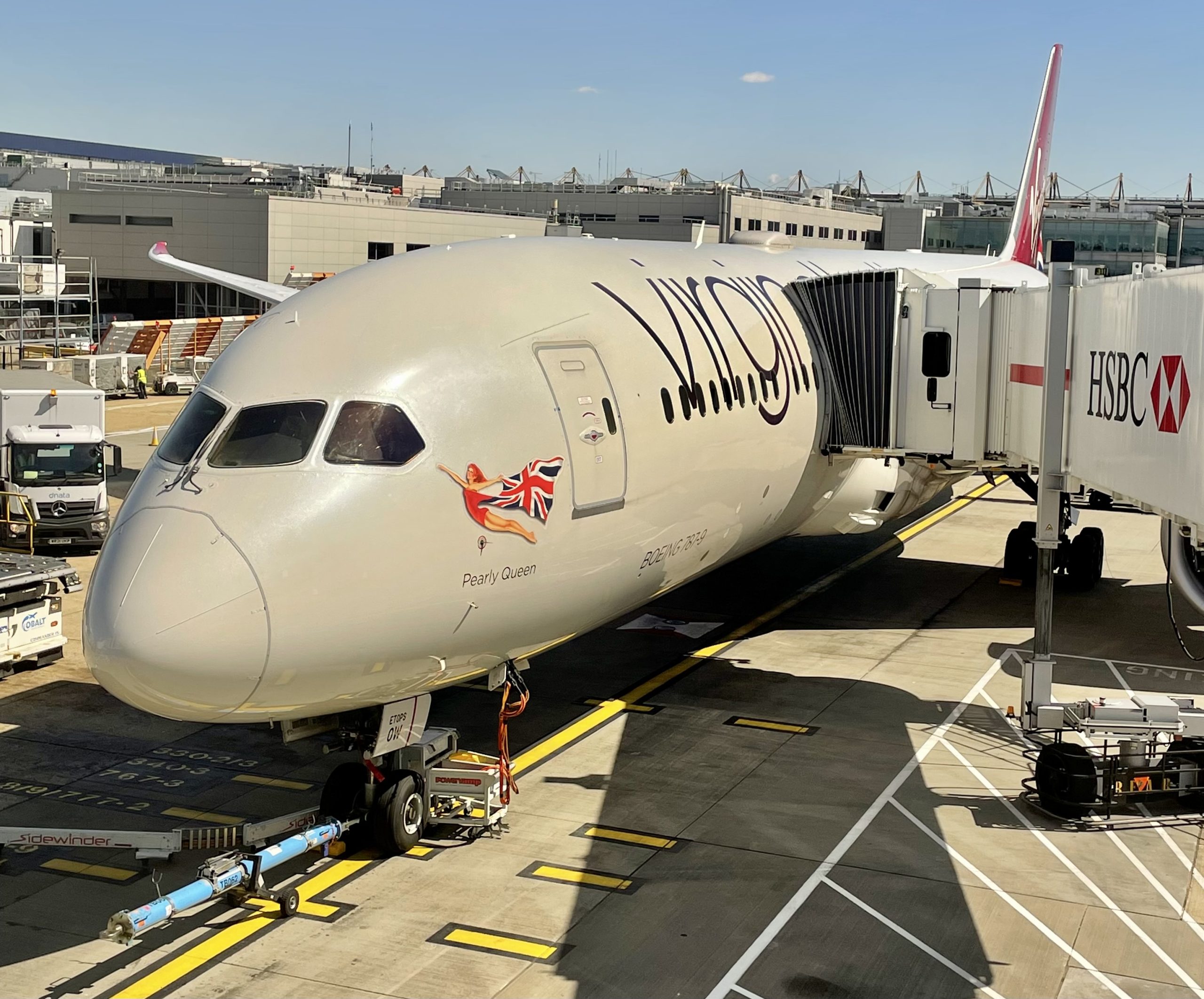
Pearly Queen, the Virgin Atlantic 787-9 that flew me from London to Austin. (Photo: Mateen Kontoravdis)

With over 70 weekly flights between Texas and London, three airlines offer over 3,000 seats everyday between the Lone Star State and England’s capital. A fourth airline recently joined the lineup when Virgin Atlantic touched down in Austin. The carrier inaugurated flights between Austin and London Heathrow in May 2022, marking its newest U.S. route since 2015 and the first Virgin Atlantic destination in Texas.

Vrigin Atlantic’s Austin route also marks the first nonstop SkyTeam-operated flight between Texas and London. The airline serves Austin with four weekly trips flying on Mondays, Wednesdays, Fridays, and Sundays. The airline utilizes its Boeing 787-9 jets on its flights to Austin.. Each aircraft features 31 lie-flat Upper Class seats, 35 Premium Economy recliners, and 192 Economy seats. It’s also important to note that the 787 Dreamliner allows Virgin Atlantic to offer over 20 tons of cargo capacity on each flight, creating additional opportunities for companies looking to export and import goods between Austin and the UK.

Virgin Atlantic and British Airways both fly nonstop from Austin to London Heathrow. (Photo: Mateen Kontoravdis | AirlineGeeks)

The airline isn’t the first to serve London from Austin. British Airways connects the two cities daily and has been flying the route pair since March 2014. British Airways has served Austin with various aircraft over the years such as the Boeing 787 and 747 and currently flies a 331-seat A350 on the route. Norwegian Airlines briefly flew Austin to London Gatwick during the summer season in 2018 and 2019 prior to dissolving its transatlantic unit.

In its first summer of flying from London to Austin, Virgin Atlantic recorded a 63% load factor on the route according to Cirium. The carrier serves the route year-round and passengers can connect onward to various destinations with its joint venture and interline partners. Passengers who are departing Austin in the Upper Class cabin have access to Delta’s new Sky Club as well.

Traveling with Virgin Atlantic to Austin

I recently had the opportunity to try out the carrier’s luxurious Upper Class experience on a flight from London to Austin. The journey began at Virgin Atlantic’s dedicated Upper Class Wing, nested away from the busy traffic of Heathrow’s Terminal 3. All Virgin Atlantic Upper Class and Delta One passengers departing from the terminal can access the private check-in wing.

Passengers traveling in Upper Class have access to an exclusive check-in space at Heathrow’s Terminal 3. (Photo: Mateen Kontoravdis | AirlineGeeks)

Inside, there were multiple check-in counters and lounge chairs to relax in while waiting to check in for a flight. After checking in, passengers can walk straight to a dedicated security screening lane. Due to Heathrow airport staffing shortages, only one lane was open when I was traveling. With a busy travel period and long lines, it took a little over an hour to clear security.

As soon as I was in the terminal, I headed straight to the Virgin Atlantic Club House for a quick visit. The lounge featues plenty of seating options, a self-service dining area, and sit-down service with an extensive and diverse menu. The bathrooms were very clean, and there were also showers available to reserve.

There’s even a pool table hang-out spot and Peloton room for passengers with a longer layover. The AvGeek highlight is definitely the club’s rooftop patio, boasting 360-degree views of the nonstop action at Heathrow. After a quick visit to the lounge, I walked over to my gate to board my flight to Austin.

Flying Onboard the Airline’s Dreamliner

The flight was operated by “Pearly Queen,” a six-year-old 787-9 Dreamliner. Every jet in the Virgin Atlantic fleet has a unique name and Flying Icon painted near the cockpit of the aircraft. The airline has 17 Dreamliners in its fleet.

Boarding was easy, and I was greeted by excited flight attendants, many of whom would be flying to Austin for the first time, and a great hip-hop boarding playlist. As soon as I arrived at my seat, a flight attendant offered me a choice of water, orange juice, champagne, coffee, or tea for a pre-departure beverage. There was also a can of water placed at each seat. The airline is focused on sustainability and swapping plastic bottles for cans is one way Virgin Atlantic is decreasing waste created by the inflight service.

Virgin Atlantic’s 787 business class cabin is laid out in a 1-1-1 configuration. All window seats face towards the middle of the cabin, but window seats on the left side of the aircraft offer additional privacy. Despite being a bit outdated and offering less privacy compared to other seats flying between the U.S. and London, each seat has plenty of unrestricted legroom. Each seat also has an individual air condition nozzle which is a huge plus when flying longhaul.

The airline recently introduced a new tech-focused Upper Class cabin for its Airbus A330neo cabin. This cabin emphasizes passenger privacy and currently flies from London to Atlanta, Boston, New York JFK, and Tampa. It’s unclear if the airline plans to roll out the new Upper Class cabin to its Dreamliner fleet in the future.

As we taxied for departure, the Inflight Service manager stopped by each passenger to introduce himself and explain the functionality of the Upper Class seat. We were airborne by 12 p.m., just 20 minutes after our scheduled departure time, and on our way to Texas.

Virgin Atlantic’s amenity kit is made of recycled paper and features multiple useful items such as a toothbrush, eyeshade, socks, and several moisturizing creams.

While the IFE screen is a bit dated, the airline offers a large selection of entertainment to choose from. (Photo: Mateen Kontoravdis | AirlineGeeks)

The airline also offers a large selection of inflight entertainment options and a pair of noise-canceling headphones available for each Upper Class passenger. There were 130 movies, 30 destination guides, 525 albums, and nine games to enjoy onboard. Each seat in the Upper Class cabin offers U.S., EK, and EU power outlets and a USB plug. The airline’s entire fleet offers wifi connectivity for a fee as well.

Indulging in the Upper Class Experience

About 20 minutes after takeoff, the flight attendant stopped by my seat offering me a Mimosa and pretzels. About an hour later, my table was set for a delicious lunch service over the Atlantic Ocean. I started with a grilled asparagus and artichoke appetizer. The chive mayonnaise gave it a unique flair. For the main course, I had three options including Breaded chicken breast, Garlic and ginger prawns, or Fig and goat’s cheese toast. I went with the Prawns and really enjoyed them. It was a simple, yet well-executed dish.

For dessert, I had a Passionfruit and chocolate dome, followed by a cheese plate. The dessert was easily one of my favorite in-flight sweets I’ve had. I found Virgin Atlantic’s inflight catering to be well above average. While portions were on the smaller side, the options were unique and fresh. The service was also extremely attentive. The flight attendants were very proactive about drink refills and the entire service was efficient and complete within the first two hours of the flight.

he bed was fairly spacious and comfortable thanks to the high quality blanket and pillow that were provided. (Photo: Mateen Kontoravdis | AirlineGeeks)

After watching a short film, I converted my seat into bed mode for a nap. Virgin Atlantic’s 787 business class seat requires you to flip the seat for it to lie-flat. The seat itself can recline up to 42 degrees, but it is harder to go back and forth between a seated and lie-flat position. Once flat, the airline provides customers with a pillow, blanket, and plush mattress pad. The mattress pad helped soften the firm seat and the cozy blanket was perfect for a short sleep.

Each Virgin Atlantic 787 features a lounge space for Upper Class passengers. There’s a self-service bar with drinks, chips, nuts, and energy bars available throughout the flight. There is also a seating area for passengers to enjoy right behind the last row of Upper Class seats. This unique space is a great spot to enjoy a drink with a friend or grab a snack between the meal services.

About 90 minutes prior to landing, a flight attendant stopped by my seat to offer a pre-arrival snack. Passengers can order from the airline’s four small plate options anytime after the first meal service. I went with a salad and a Texas-themed pulled pork sandwich. Both were fantastic, and the sandwich was warm with crisp bread.

Clearing customs at a medium-sized airport like Austin tends to be easier. With fewer international flights, the lines typically move faster. (Photo: Mateen Kontoravdis | AirlineGeeks)

Before I knew it, 10 hours had passed and we were on our final approach. Clearing customs in Austin was easy and I was on the road within 30 minutes of touching down.

Austinites now have four choices of airlines when flying nonstop between Austin and Europe. There was something different about Virgin Atlantic that I really enjoyed. The service was very attentive, the flight attendants created a very welcoming atmosphere, and the cabin had a relaxing vibe. The airline’s entrance into the Austin market marks the first SkyTeam option for passengers traveling to London. I’d book this flight again in the future and look forward to seeing Virgin Atlantic expand beyond four weekly flights as demand continues to grow between Austin and Europe.
Mateen Kontoravdis

Mateen has been interested in aviation from a very young age. He loves learning about different aspects of the industry. Mateen has been an editor for the website since early 2017. Most recently, Mateen is additionally the website’s overall strategist. In addition to writing for AirlineGeeks, Mateen is a sophomore at the University of Texas studying Human Dimensions of Organizations. You can also find him on Instagram (@Plane.Photos) where he enjoys sharing his aviation photography with thousands of people on a daily basis.

Why The FAA’s 169 New Routes Will Impact Air Travel

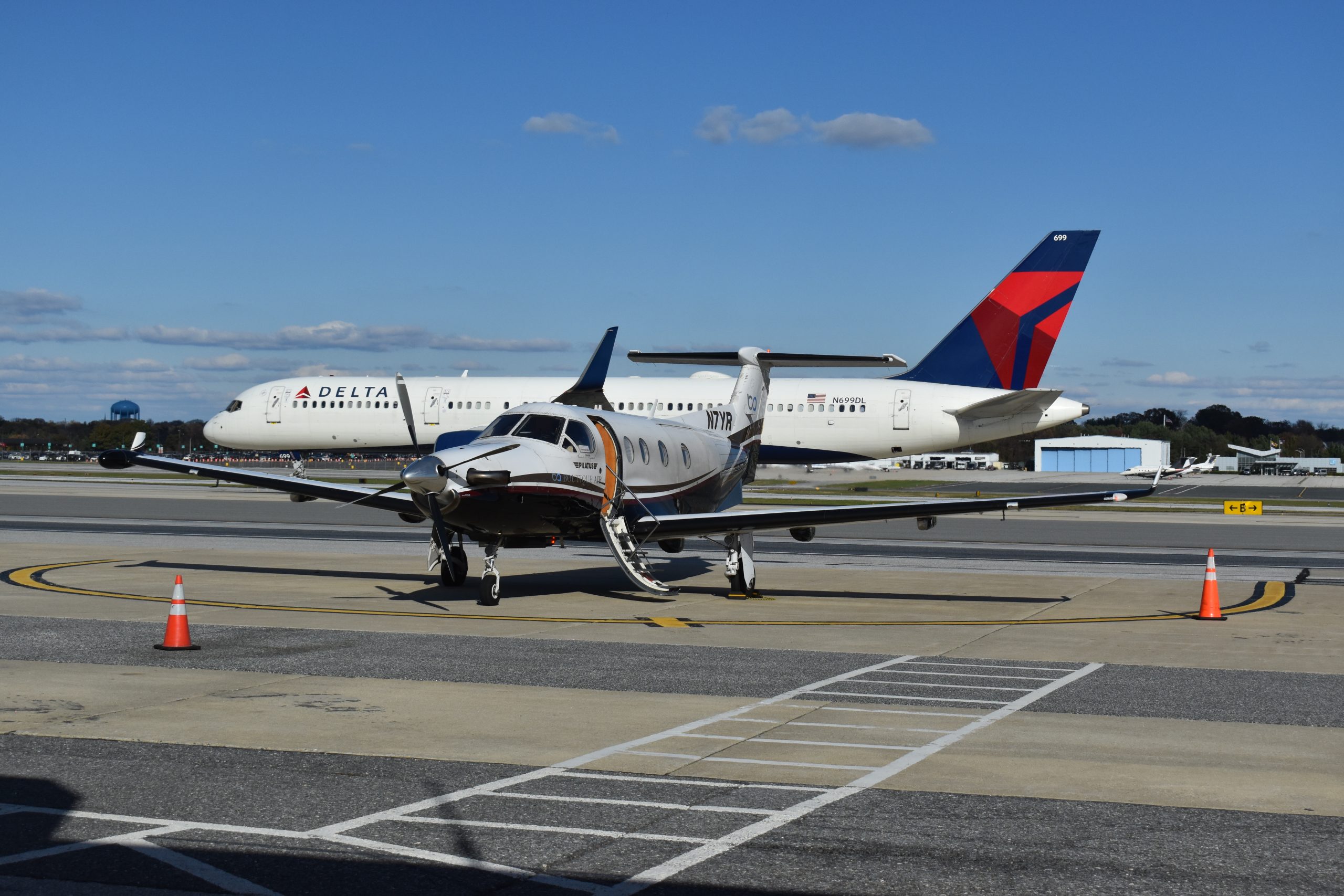
My aircraft N7YR at the gate in Baltimore (Photo: AirlineGeeks | Joey Gerardi)

Last weekend, the Federal Aviation Administration announced a plan to add more east-coast routes for flights. 169 new flight corridors will be inaugurated for the summer season, while many others will be retired. The FAA says the new routes are more direct, faster, and will make the airspace along the east coast more efficient. This begs the question: how do airlines and pilots choose which routings to fly, and why does the FAA get to dictate some of them?

Seasonal Avgeeks will know the general format of airline routings: generally speaking, aircraft fly along “highways” in the sky called airways connecting specific waypoints to get from one airport to another. Departure and arrival procedures sequence aircraft into and out of terminal areas, and instrument approaches line aircraft up for specific runways at specific airports.

This seems straightforward enough. So why does the FAA dictate which routes aircraft take instead of letting them choose for themselves? And how do you make airplane routes more efficient?

Old vs New Routings

Many of the old routes that the FAA is retiring are determined by ground-based navigation aids, also called NAVAIDs. The most common type of ground-based NAVAIDs is based on “Very-High-Frequency Omnidirectional Range” stations, or VORs. These stations, since they’re ground-based, have specific locations on the ground, and aircraft can fly along radio signals they emit to join airways.

There are two major issues with VORs. First, they are subject to a number of limitations, most importantly that they’re line-of-sight: the path between an aircraft and a VOR must be uninhibited by obstructions like buildings or mountains. Secondly, as previously stated, they have fixed positions. While VORs used to be ample around the United States, they’re in the beginning stages of being phased out, which means there are fewer and fewer available to determine routings. Thus, aircraft have to use more and more roundabout airways connecting VORs, which means their routings are less efficient than they once could have been.

30265380_2077566452455408_5164369634211659776_o
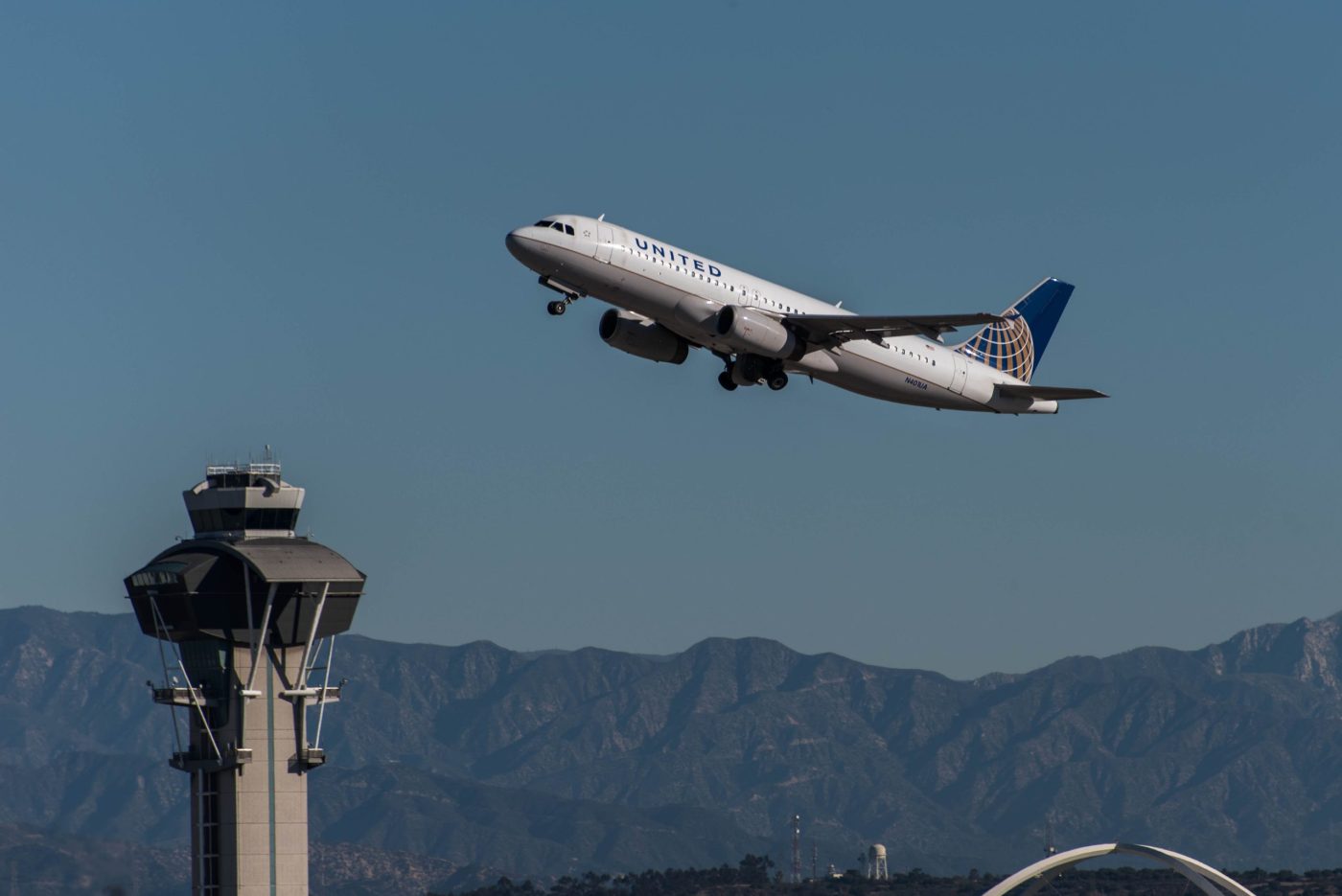
A Virgin America A320 lands at Reagan National Airport. The East Coast is getting new GPS-based routes for the summer season. (Photo: AirlineGeeks | Craig Fischer)

Thus, the Federal Aviation Administration is transferring many of its facilities to GPS-based stations. Satellites perpetually in orbit and without any one fixed location allow the FAA to create more direct routings between places. Waypoints still have fixed geographical locations, but they no longer need to be defined by hardware on the ground that needs to be built around airports, obstructions, homes, parks, or other obstacles. It is therefore cheaper for the FAA to build easier routings for aircraft to use connecting different airports. With more waypoints, you can have more airways, and you can more easily send aircraft between waypoints that are not defined by airways, especially in mountainous areas where more VORs are significantly limited by line-of-sight problems.

Why the FAA Needs Predetermined Routes

But why does the FAA need to create specific routings? Couldn’t airlines just link together whatever GPS waypoints they want and call it a route? While sometimes minute differences in routings exist, the FAA does more than just establish waypoints. In order to increase the efficiency of the national airspace system, the FAA also publishes “Preferred IFR Routes” between airports that are frequently connected. Many airports are not connected by these routes, but on busy routes like JFK-LAX, DFW-ORD, and IAH-SFO, it’s easiest for the FAA to plan on each aircraft having more or less the same routing so they can proactively route other planes around each other. These preferred IFR routes can also apply to terminal areas; it is easy, for example, for a business jet taking off from Chicago Executive Airport, which is less than 10 miles from O’Hare, to join a preferred route to take it to Miami or Washington, D.C.

The FAA also cites ease in adapting to weather conditions – fewer GPS limitations means more options where controllers can send flights who need to deviate – and a reduction in converging points – more GPS waypoints reduce the necessity for everyone to fly to and converge on the same VORs – as reasons why they are increasing the number of GPS routes across the east coast.

Busy Summer to Come

The change comes as the United States approaches what is expected to be an incredibly busy summer season. After a winter that saw a significant number of flights delayed, especially around the December holidays, it is of paramount importance that airlines operate as efficiently as possible, and the possibility of new, more efficient routings will help that cause.

“These significant improvements to our national airspace system are just in time for summer and will help travelers get to their destinations more efficiently,” said Tim Arel, the chief operating officer of the FAA’s Air Traffic Organization. “The new routes will reduce complexity and redistribute volume across all available airspace. I’m proud of the FAA and industry’s strong collaboration on this project to get it done.”

A United A320 in a retro livery landing in Las Vegas.
(Photo: AirlineGeeks | William Derrickson)

“American has long been a proponent of unlocking additional high-altitude routes along the East Coast and we are optimistic they will have significant benefits for our customers and team members,” American Airlines Chief Operating Officer David Seymour wrote in an email to CNBC.

The FAA reports that new routings will shave off 40,000 miles and 6,000 minutes of travel time annually because of their efficiency.

FAA Staffing Shortages

Besides making travel more efficient, the FAA hopes that the efficient routings will alleviate some of the stress on the Air Traffic Control (ATC) system, which has been drastically understaffed for years. Having more efficient routes will mean that controllers can separate and sequence flights more easily and increase the capacity of the system, allowing more flights to operate with the same number of controllers.

Air Traffic Control shortages have proved problematic for the FAA since the pandemic rebound, as they were unable to match the sudden uptick in flights with a similar increase in controllers. The East Coast has been hit particularly hard, with Jacksonville Center, in particular, becoming notorious for being understaffed and delayed. With efficient routes, the FAA can address this staffing problem to keep more flights running on time.

John McDermott

John McDermott is a commercial pilot pursuing a career in professional flight. His passion for aviation began in an Ann Arbor bookstore with a tale of enemy pilots during World War 2, and he hasn't looked back. Besides flying and writing for AirlineGeeks, John volunteers with Professional Pilots of Tomorrow and travels whenever he gets the chance.

Air New Zealand Repaints de Havilland Q300

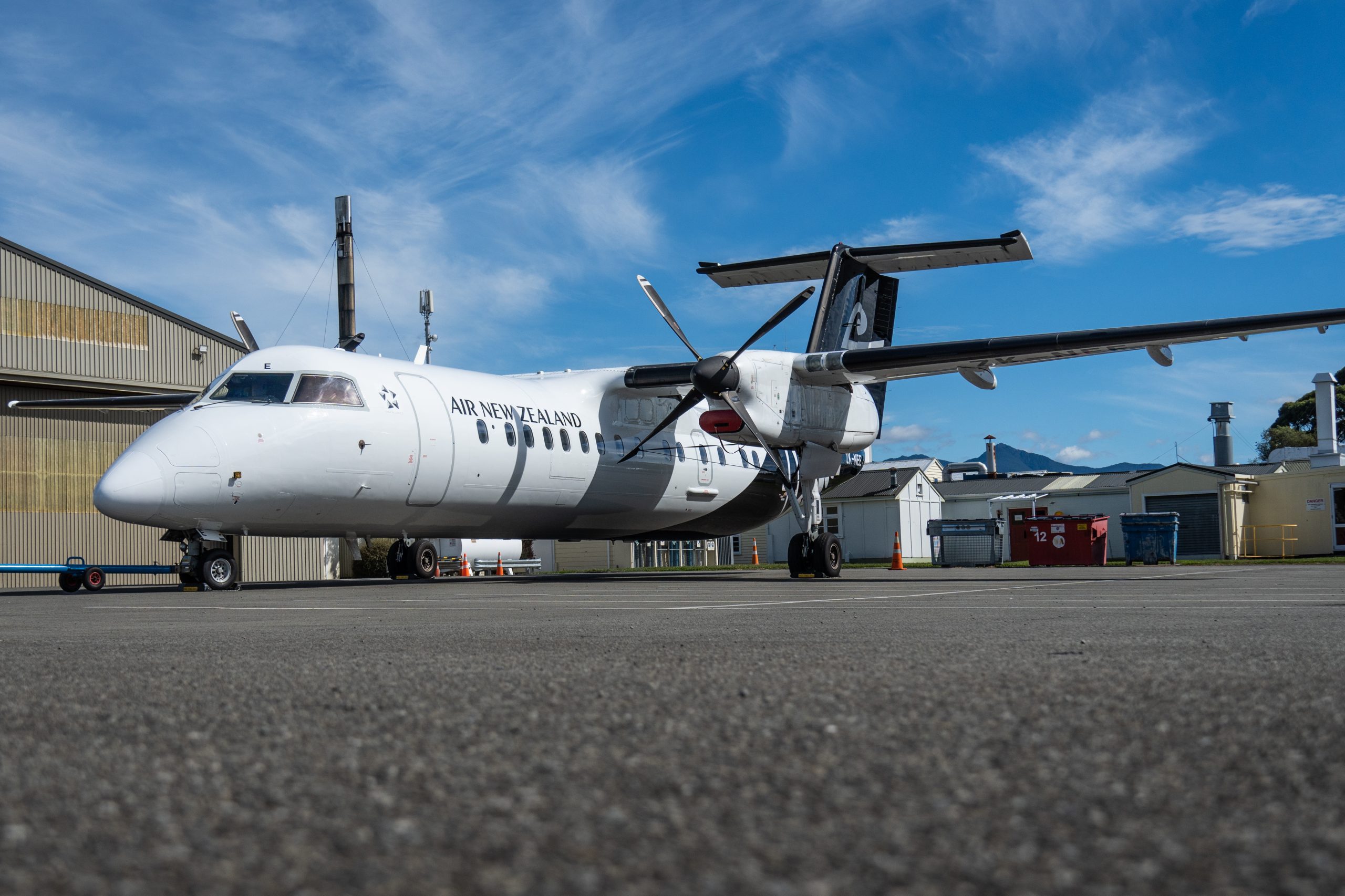
Photo : Air New Zealand

Air New Zealand has announced that the remaining de Havilland Q300 aircraft still in the teal Pacific Wave livery will feature iconic black and white, the current livery.

The Q300 is the smallest plane in the airline’s fleet and the remaining eight aircraft are the only jet donning the teal Pacific Wave livery. The airline said that it is the end of an era as the original livery with more than eighty years of history, it started with the creation of Tasman Empire Airways Limited (TEAL) and now become Air New Zealand. Air New Zealand started using the black and white livery in the 2010s.

The livery transformation will be taking place in New Zealand, with the support of Airbus. It provides the perfect location to repaint turboprop aircraft. Airbus facility is normally used to repaint the military. The aircraft were previously painted off-shore in Australia and it is the first time the aircraft have been fully repainted in the country.

The eight aircraft will go through the repaint process over the next four months and expect to finish the transformation by July, in time to meet the surging demand during the school holiday.

“We’re really excited about this opportunity to work with Airbus on the repainting of these planes which help connect our customers to the regions – from Hokitika, Gisborne, Napier, Rotorua, Whangarei and beyond. It’s fantastic to have the capability to do this in our own backyard.” Brett Daley, Air New Zealand’s Group General Manager of Engineering and Maintenance, said.

Air New Zealand purchased its first Q300 in 2005. The aircraft can accommodate 50 passengers, with the design of 2-2 configuration and a seat pitch of 30-33 inches. The airline has 23 Q300 and 29 ATR-72 aircraft in its turboprop.

In response to the climate change. Earlier, the airline revealed that the fleet plan of acquiring the first electric aircraft by 2030. In addition, Q300 would be replaced with an aircraft that operate on alternative power after 2030.

Network Expansion

After keeping its head above water for the last three years, Air New Zealand has been expanding its wings again. The flag carrier resumed its daily flight to Shanghai in May as Kiwi has gone further in partnering Air China to provide four-times-a-week service to Beijing. China was New Zealand’s second-largest international visitor market in 2019.

In the meantime, the airline is expecting the travel demand will be increased during the winter. Earlier, it announced that the seasonal service to Sunshine Coast, Australia will be launched in June. Sunshine Coast will be the ninth destination in its neighboring country. Earlier, the airline resumed the service to Bali, Indonesia, one of Kiwis’ favorite travel destinations.

United Set to Retire Its Oldest A320

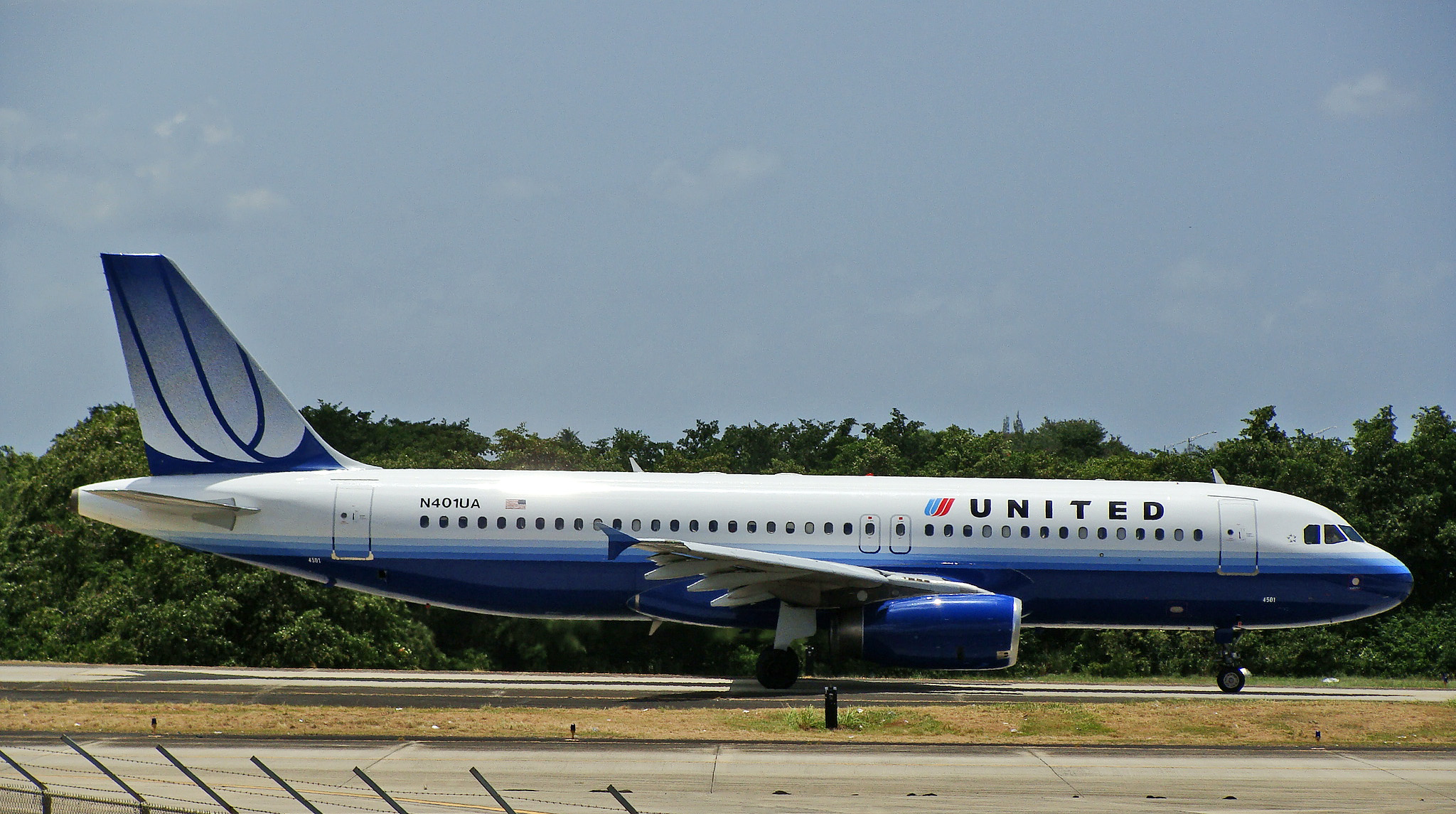
United Airlines' oldest A320-232, registered as N401UA, departing Los Angeles International Airport in 2015 (Photo: Glenn Beltz (Wikimedia Commons), licensed under CC BY-SA 3.0)

After nearly three decades of service, United Airlines’ oldest Airbus A320 is heading for retirement. The aging aircraft is scheduled to operate its last scheduled passenger flight on May 7, 2023.

United’s First Airbus A320

The Airbus A320-232 is registered as N401UA and was delivered to United on November 24, 1993. Although its manufacturer serial number is 435, it was the 431st A320 produced by Airbus and the 64th oldest A320 in service.

Upon delivery, the aircraft was painted in United’s grey “Battleship” livery and configured with 12 domestic first class seats and 126 economy class seats. Between 1995 and 1998, the aircraft was named after United employee Alan Temple.

In December of 2005, N401UA was transferred to Ted, United’s former low-cost brand. The aircraft was repainted in the Ted livery and reconfigured with an all-economy layout with 156 seats. It spent a few years flying around North America, Central America and the Caribbean for Ted. When the Ted brand was shuttered in January of 2009, the aircraft was reintegrated into the United fleet. With its return to mainline flying, the aircraft was once again repainted, this time into United’s “Rising Blue” livery. It also received a new configuration, with 12 domestic first class seats and 138 economy class seats.

United Airlines A320-232 N401UA at Luis Munoz Marin International Airport in San Juan, Puerto Rico in 2009 (Photo: Tomás Del Coro (Wikimedia Commons), licensed under CC BY-SA 3.0)

Following the United-Continental merger in 2010, the airline introduced a new livery that was heavily influenced by Continental Airlines’ globe design. N401UA received this livery in early 2012, bidding farewell to the iconic 1974 “United Tulip” logo designed by American graphic designer and filmmaker Saul Bass. Although United introduced a new livery in 2019, N401UA never received the new colors and will retire in the post-merger globe livery.

As reported by @xJonNYC on Twitter and the United Airlines Fleet Site, United’s first A320 was retired after operating its last scheduled passenger flight on May 7, 2023. Its last revenue flight was United Flight 1832 from Southwest Florida International Airport in Fort Myers to Chicago O’Hare International Airport. N401UA is then scheduled to be ferried to Tupelo Regional Airport in Lee County, Miss.

The Future of United’s Narrowbody Airbus Fleet

Despite the retirement of N401UA, United is expected to keep its Airbus A319 and A320 fleet in service for many years to come. The Chicago-based carrier is in the process of retrofitting its narrowbody aircraft with its “United Next” interior. The new cabins feature seatback entertainment screens, new lighting and overhead bins, refreshed lavatories and braille placards.

The first A319 with the new interior, N801UA, completed its interior refurbishment at Melbourne Orlando International Airport in late April and is currently at Roswell Air Center in New Mexico for repainting. A 26-year-old A320 registered as N438UA is currently being retrofitted in Melbourne and will be the first A320 with the new cabin.

United will also be introducing new Airbus narrowbody jets to its fleet. The airline has ordered 70 Airbus A321neo aircraft and 50 Airbus A321XLR aircraft. A321neo deliveries are scheduled to start later in 2023 and A321XLR deliveries are slated to begin in 2024.

Andrew Chen

Andrew is a lifelong lover of aviation and travel. He has flown all over the world and is fascinated by the workings of the air travel industry. As a private pilot and glider pilot who has worked with airlines, airports and other industry stakeholders, he is always excited to share his passion for aviation with others. In addition to being a writer, he also hosts Flying Smarter, an educational travel podcast that explores the complex world of air travel to help listeners become better-informed and savvier travelers.

JSX Announces Five New Routes

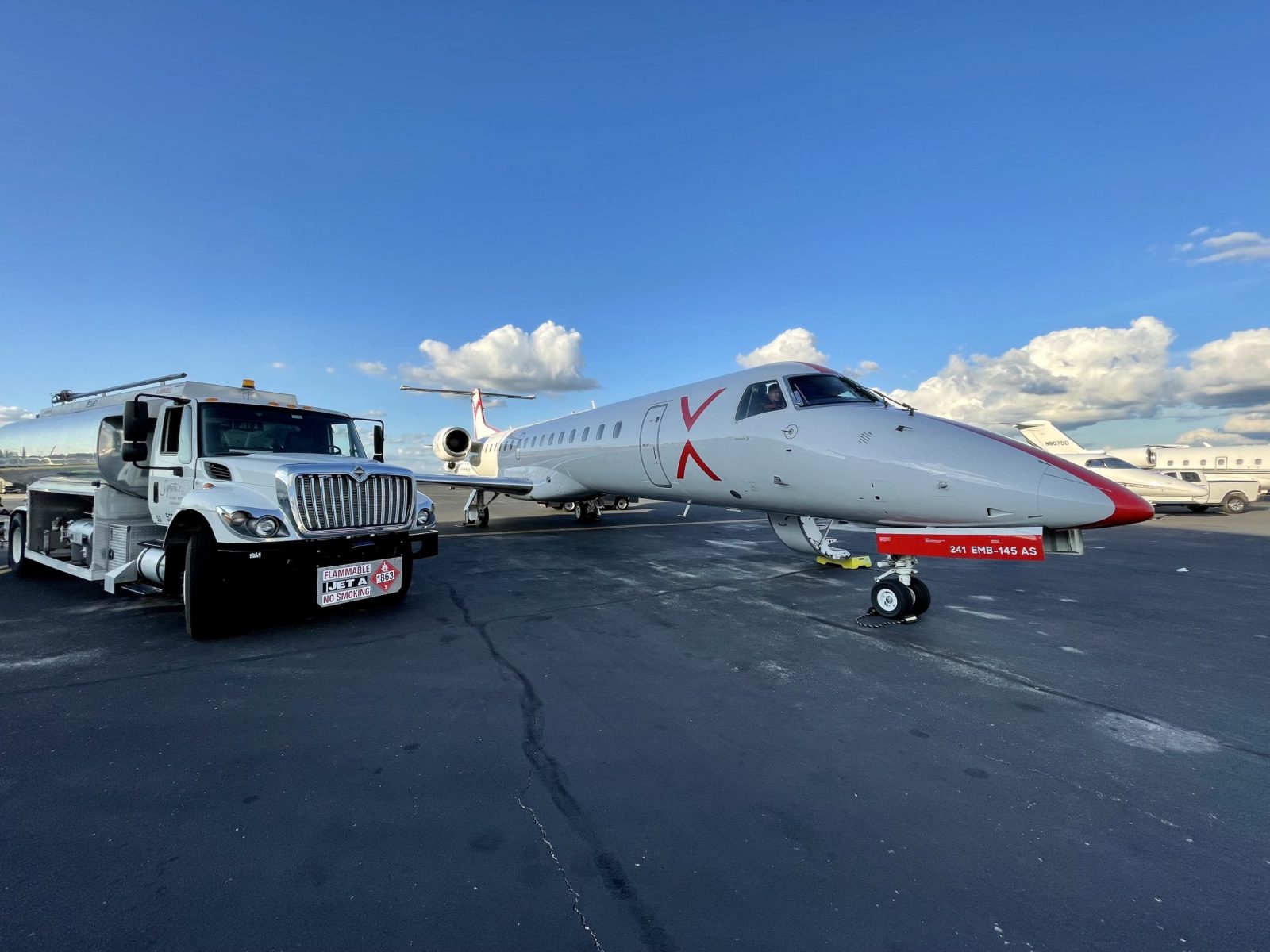
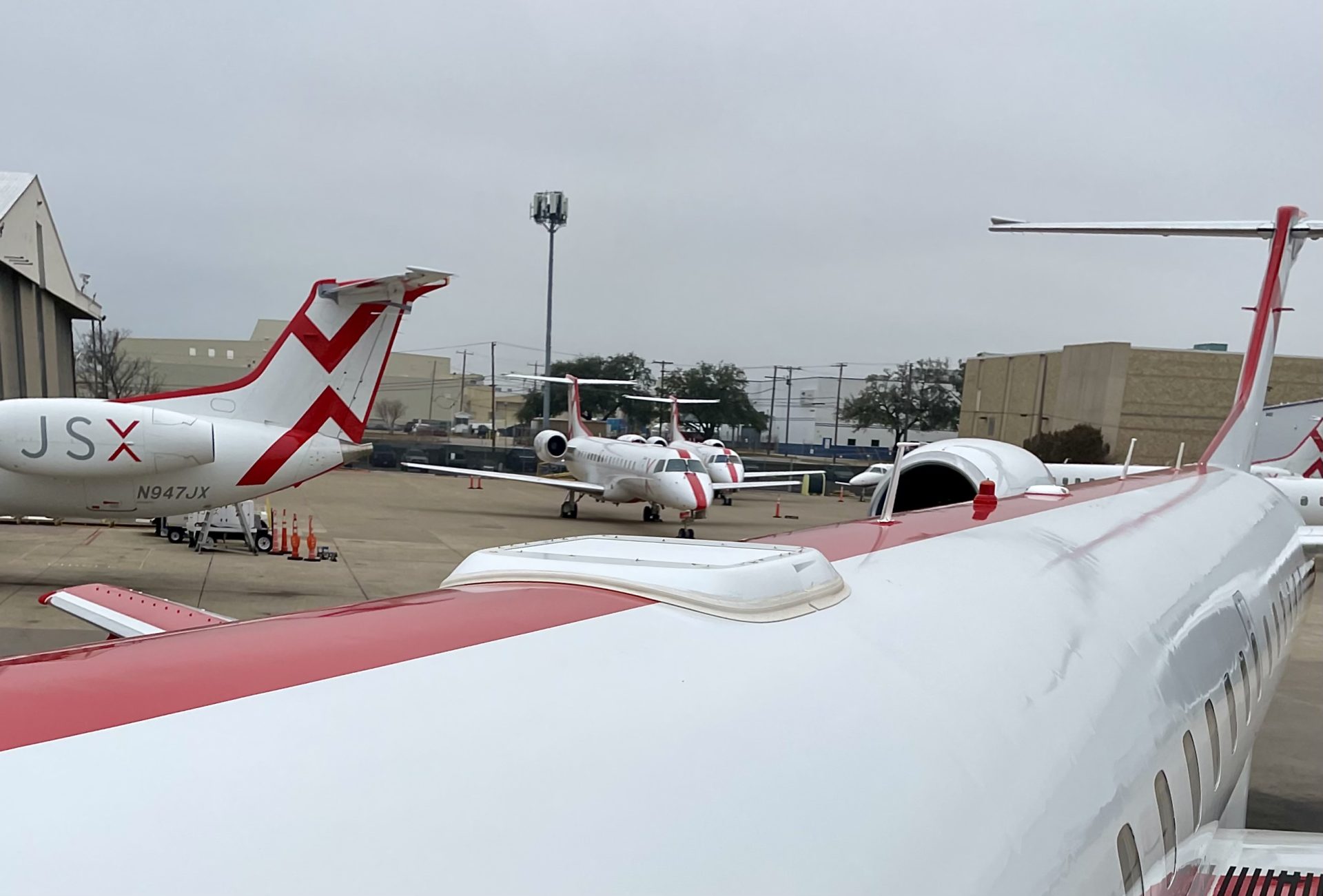
A JSX Embraer aircraft
A JSX E145 prepares for its return flight to Dallas after landing in Austin. (Photo: AirlineGeeks | Mateen Kontoravdis)

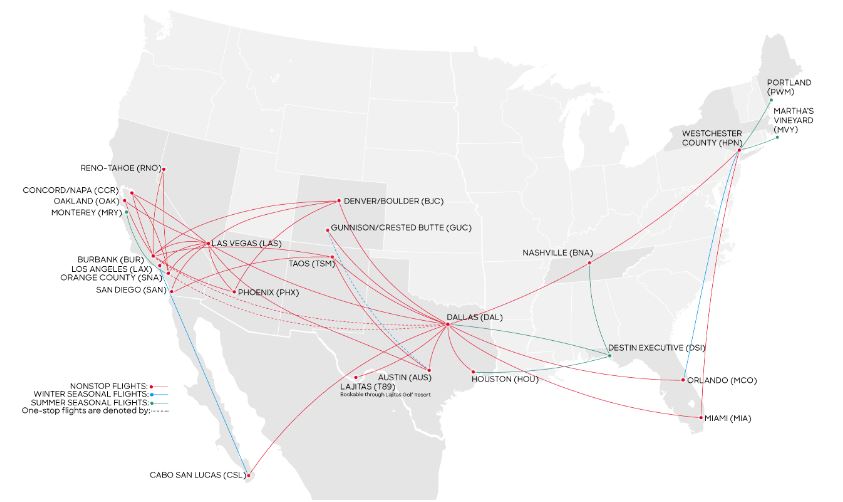
Dallas-based carrier JSX has announced five new routes that will bring them into three new cities and three new states. New cities include Nashville, Tenn.; Martha’s Vineyard, Mass.; and Portland, Maine

The routes to Nashville will include service to Westchester County in New York State, as well as Dallas Love Field and seasonal service to Destin Executive in Florida. Flights to all three places will begin on June 22, 2023, with Dallas and Westchester service operating twice daily, and Destin flights operating five times a week, with no flights on Tuesdays or Wednesdays.

JSX is the world’s first carrier to feature a Starlink antenna on its aircraft. (Photo: Mateen Kontoravdis | AirlineGeeks)

In addition to Nashville, Westchester will also be getting two more new routes; to Portland and Martha’s Vineyard. Flights to both cities will operate on a seasonal basis from June 22, 2023 until Sept. 4, 2023. The flights to both destinations out of Westchester will operate five times a week, with no flights on Tuesdays or Wednesdays.

These new flights will bring JSX up to 25 destinations served either year-round or on a seasonal basis. They have been expanding a lot lately with the addition of flights around the Rocky Mountain region this past winter. All flights will be operated on the carrier’s 30-seat Embraer E135 or E145.

All flights and schedules are obtained from the carrier’s website and are subject to change

JSX currently route map (Photo: JSX)

Joey Gerardi

Joey has always been interested in planes for as long as he can remember. He grew up in Central New York during the early 2000s when US Airways Express turboprops ruled the skies. Being from a non-aviation family made it harder for him to be around planes and would only spend about three hours a month at the airport. He was so excited when he could drive by himself, the first thing he did with his driver's license was get ice cream and go plane spotting for the entire day. He graduated from Western Michigan University in 2022 with a B.S. in Aviation Management & Operations and a Minor in Business, and currently works for a major airline in his hometown.

Airbus Announces Below Expectations Results for First Quarter 2023

Two aircraft flying in formation in a rendering from Airbus's fello'fly program, modeled after the flight patterns of geese. (Photo: Airbus)

Gross commercial aircraft orders for Airbus Industries amounted to 156, almost 100 orders lower than in Q1 2022 (253 aircraft), with net orders after cancellations of 142 aircraft. Airbus’ commercial aircraft revenues decreased by 5 percent compared to the same period last year, mainly due to lower deliveries, partly offset by the strengthening of the US dollar.

Airbus Helicopters recorded 39 net orders, 17 fewer than in the previous quarter (56 orders). Nevertheless, helicopter deliveries increased to 71 units compared to 39 in Q1 2022, mainly driven by light helicopters deliveries.

Finally, Airbus Defence and Space’s total order value in Q1 was € 2.5 billion, € 0.7 billion lower than in Q1 2022 (€ 3.2 billion), representing a 6 percent decrease in revenues.

However, Airbus CEO Guillaume Faury was upbeat about the first-quarter results, which confirmed strong demand, particularly for commercial aircraft. The French aircraft manufacturer continues to face an unfavorable operating environment due to ongoing tensions in the supply chain, which will lead to a slowdown in commercial aircraft deliveries. Airbus still aims to deliver 720 commercial aircraft this year.

As a result, the manufacturer’s total revenues declined slightly to 11.8 billion euros in March 2023, compared to 12 billion euros in Q1 2022. Consolidated EBIT Adjusted (an indicator that captures the business margin excluding gains caused by movements in provisions related to programs, restructuring or foreign exchange impacts) fell to 773 million euros from 1,263 million euros in Q1 2022.

Consolidated free cash flow before M&A and customer financing was € -889 million, mainly reflecting the inventory build-up required by the aircraft manufacturer’s production ramp-up.

Commercial and Military Aircraft Production Status

Despite these disappointing results, the ramp-up of the Airbus A220 program continues with the goal of reaching a monthly production rate of 14 aircraft by 2025. The Airbus A320 Family program is also undergoing improvements to increase its production rate to 65 aircraft per month by the end of 2024. The decision to add a second final assembly line in Tianjin will increase the total industrial capacity to 10 final assembly lines for the Airbus A320 Family, helping Airbus to reach a production rate of 75 aircraft per month in 2026. Airbus also aims to increase the Airbus A330 production rate to four per month in 2024 and to nine per month for the Airbus A350 by the end of 2025.

In terms of new versions, the first components for the Airbus A350F have recently been produced at Airbus Atlantic in Nantes and are expected to enter service in 2026, while flight testing of the A321XLR is continuing and entry into service is planned for the second quarter of 2024.

Finally, with regard to the A400M program, development activities continue but risks remain related to the qualification of technical capabilities and associated costs, aircraft operational reliability and cost reduction.

Vincenzo Claudio Piscopo

Vincenzo graduated in 2019 in Mechanical Engineering with an aeronautical curriculum, focusing his thesis on Human Factors in aircraft maintenance. In 2022 he pursued his master's degree in Aerospace Engineering at the University of Palermo, Italy. He combines his journalistic activities with his work as a Reliability Engineer at Zetalab.

Aliens and A330s: Inside Roswell Airport’s Aircraft Boneyard

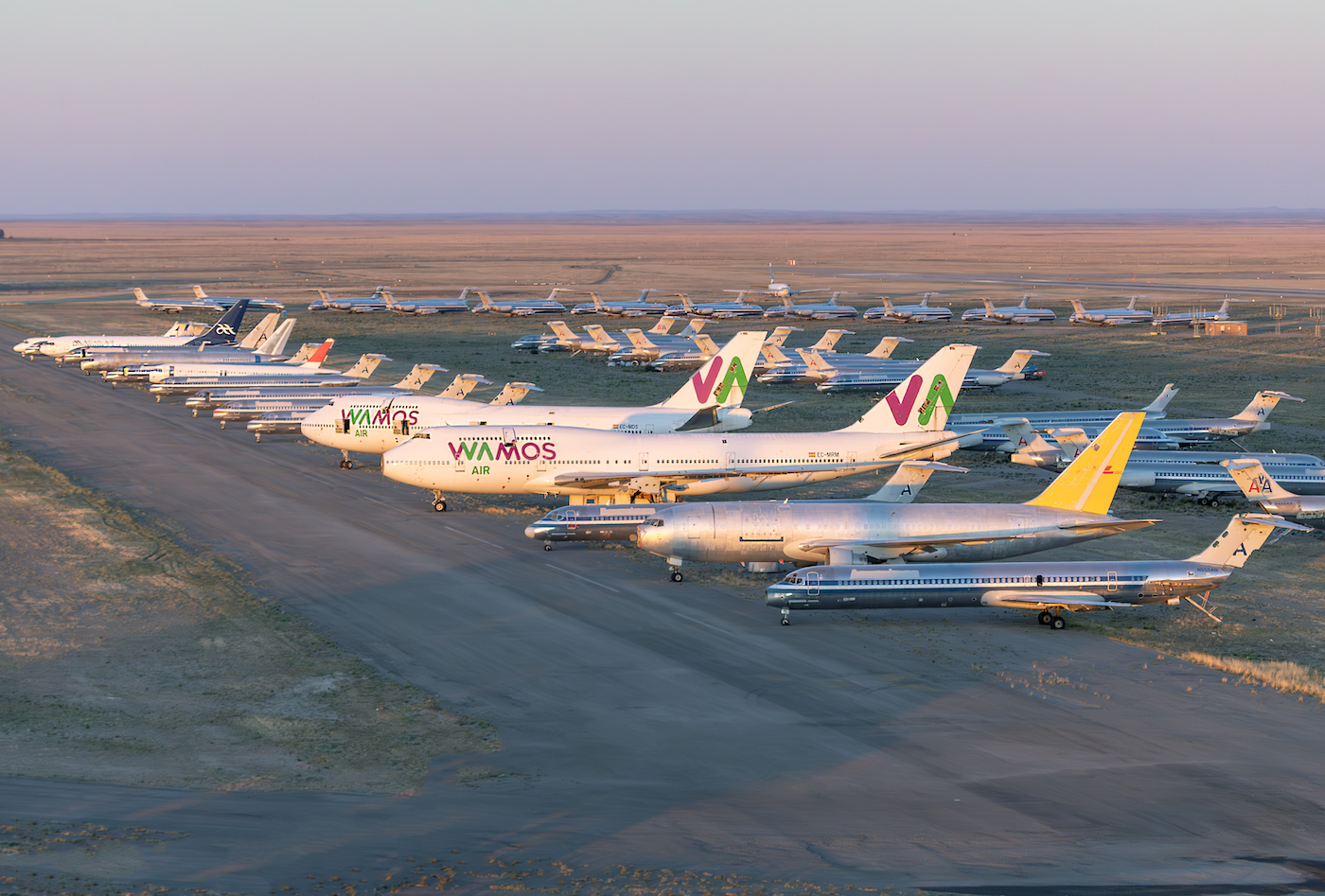
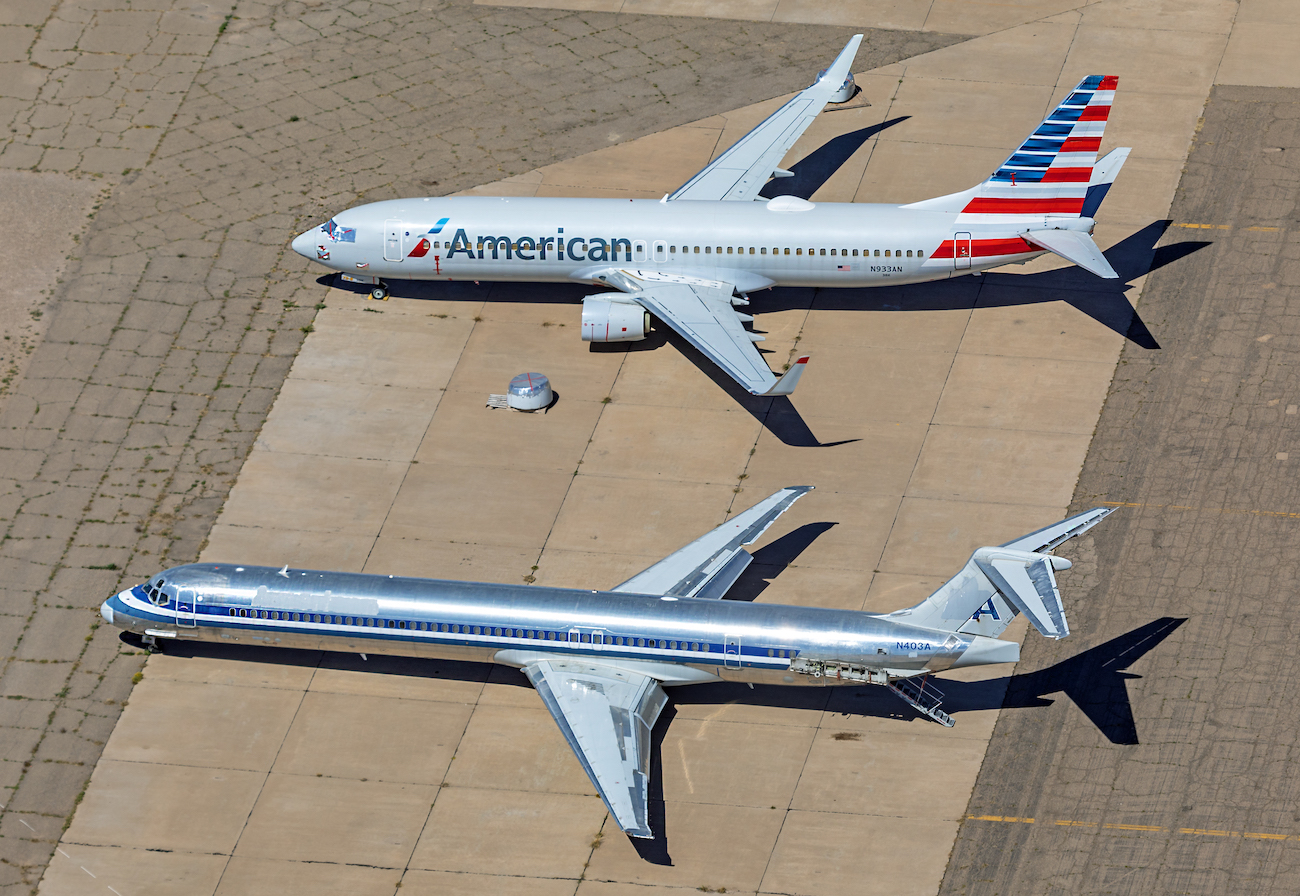
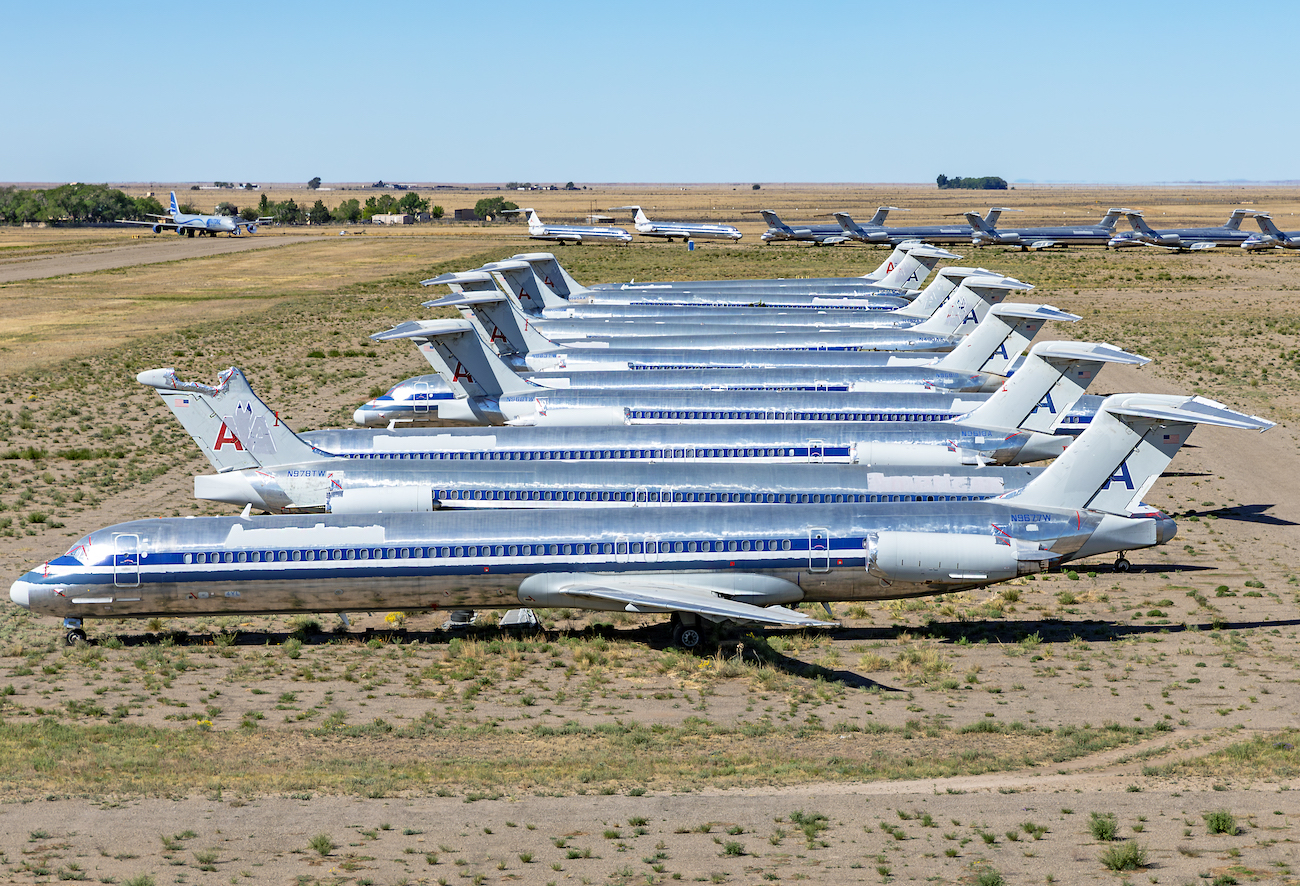
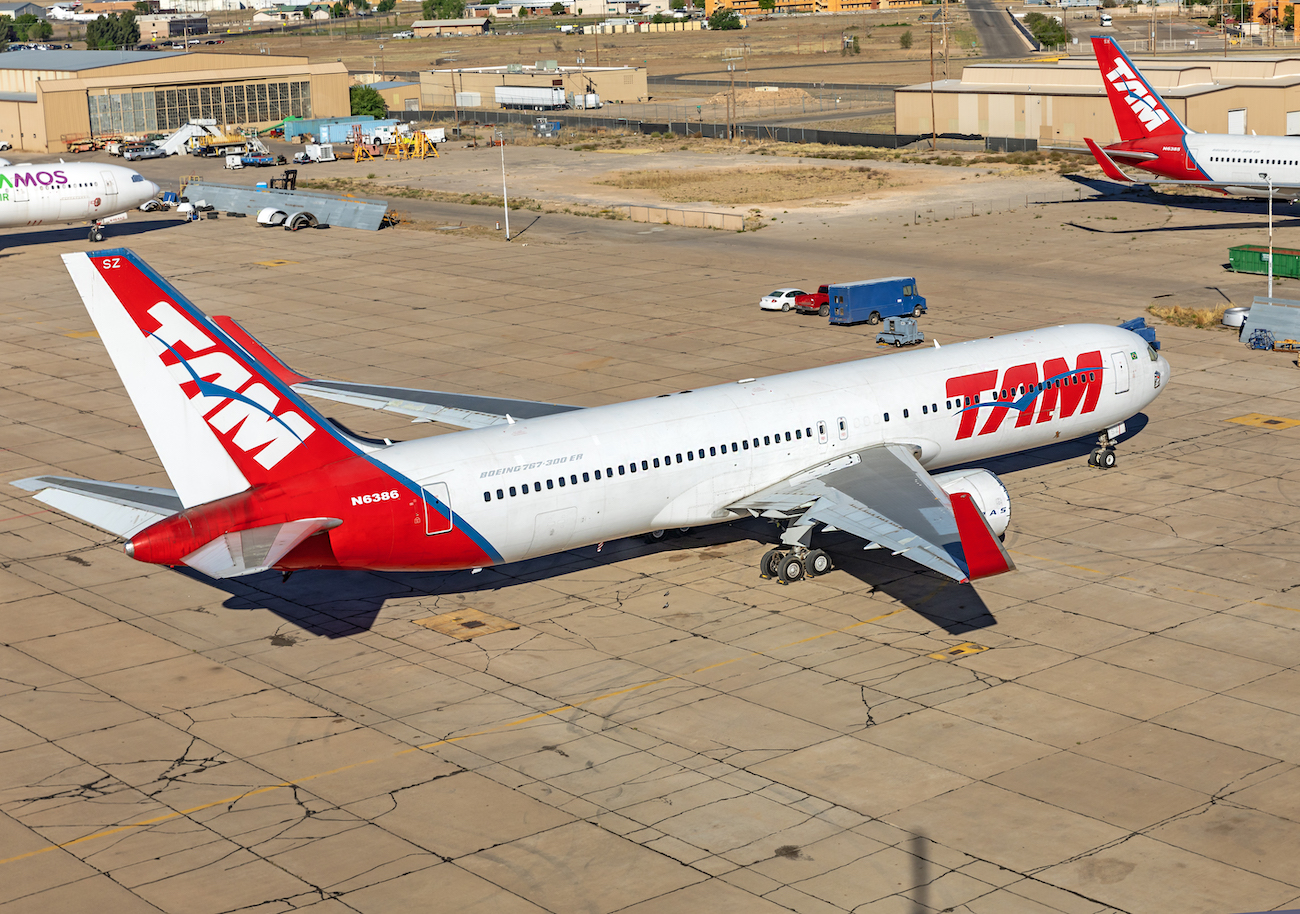
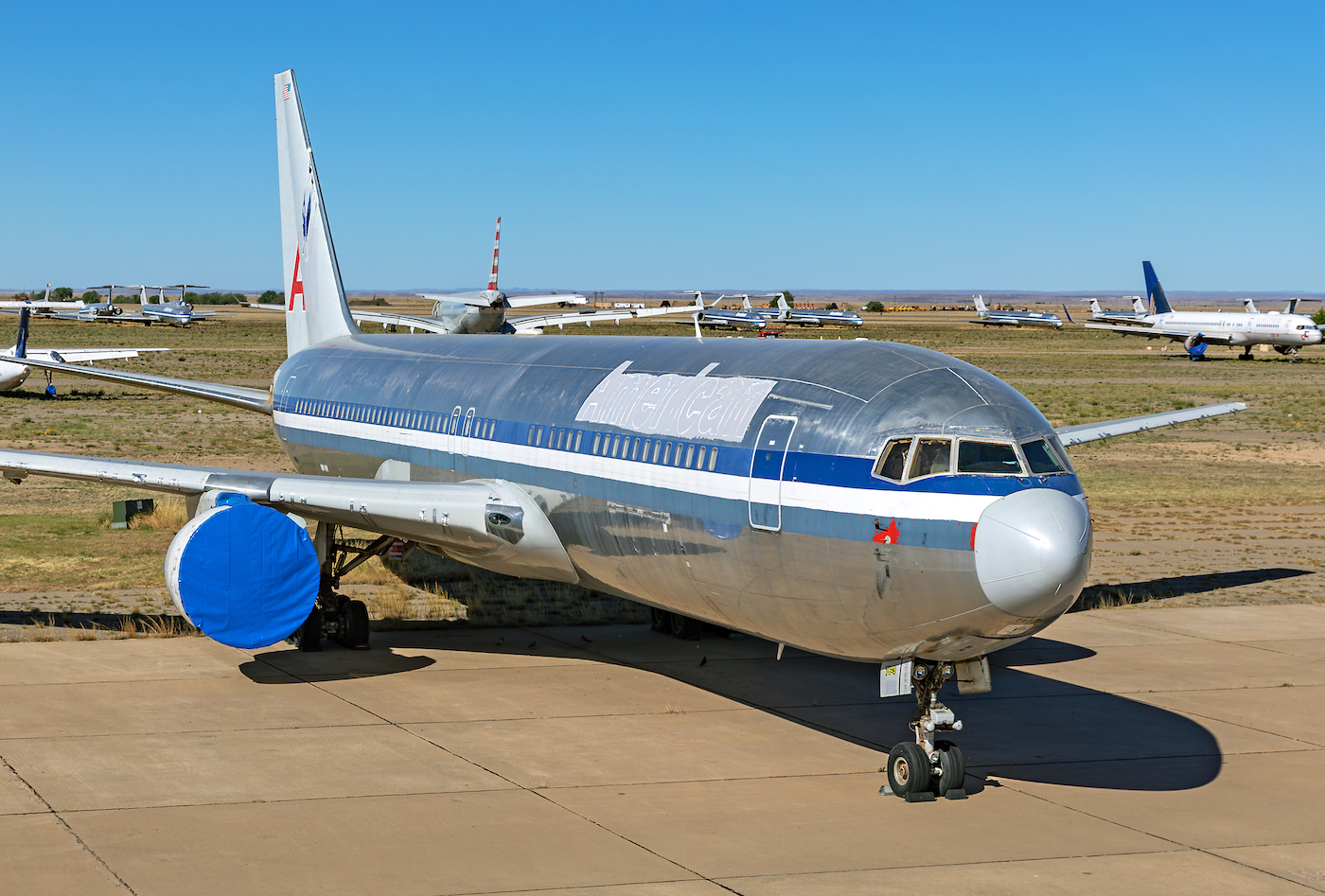
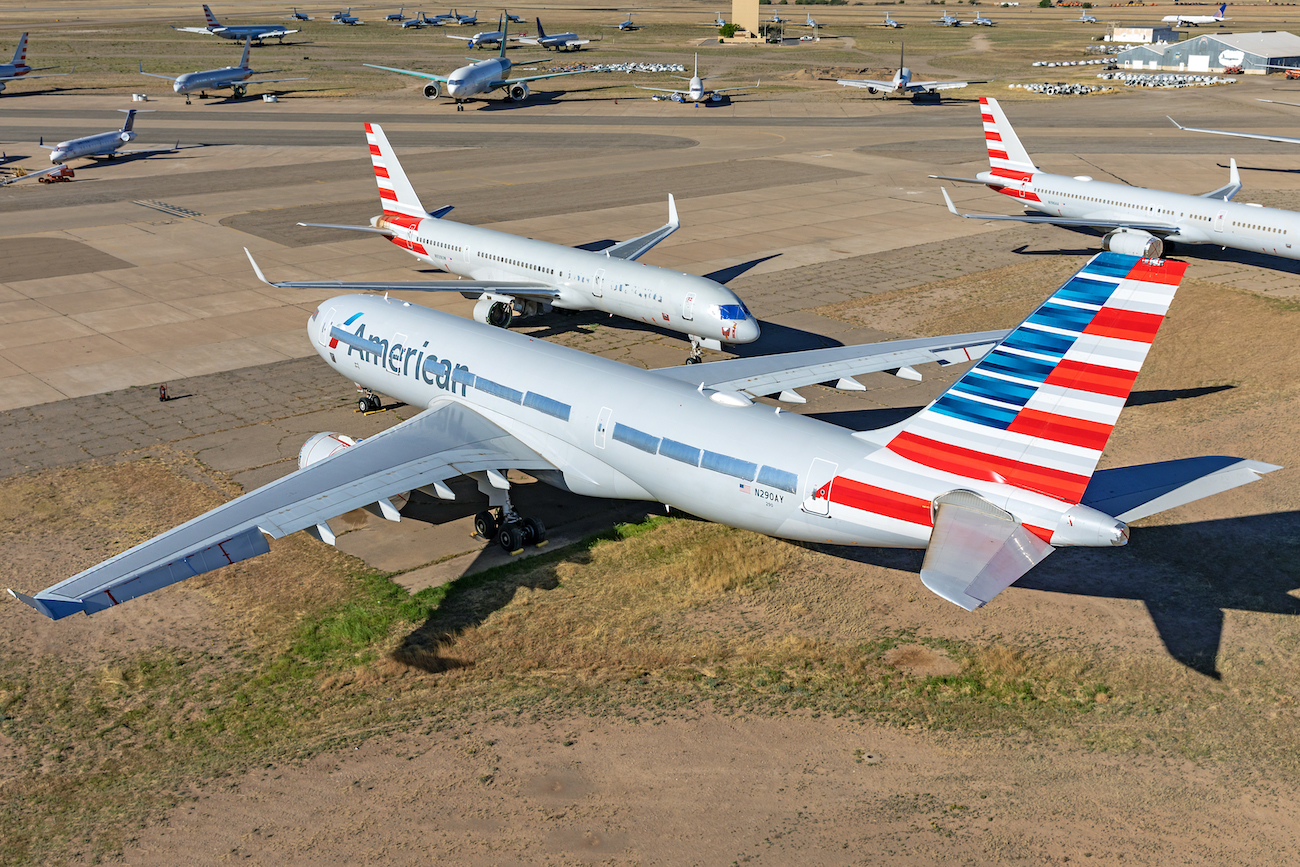
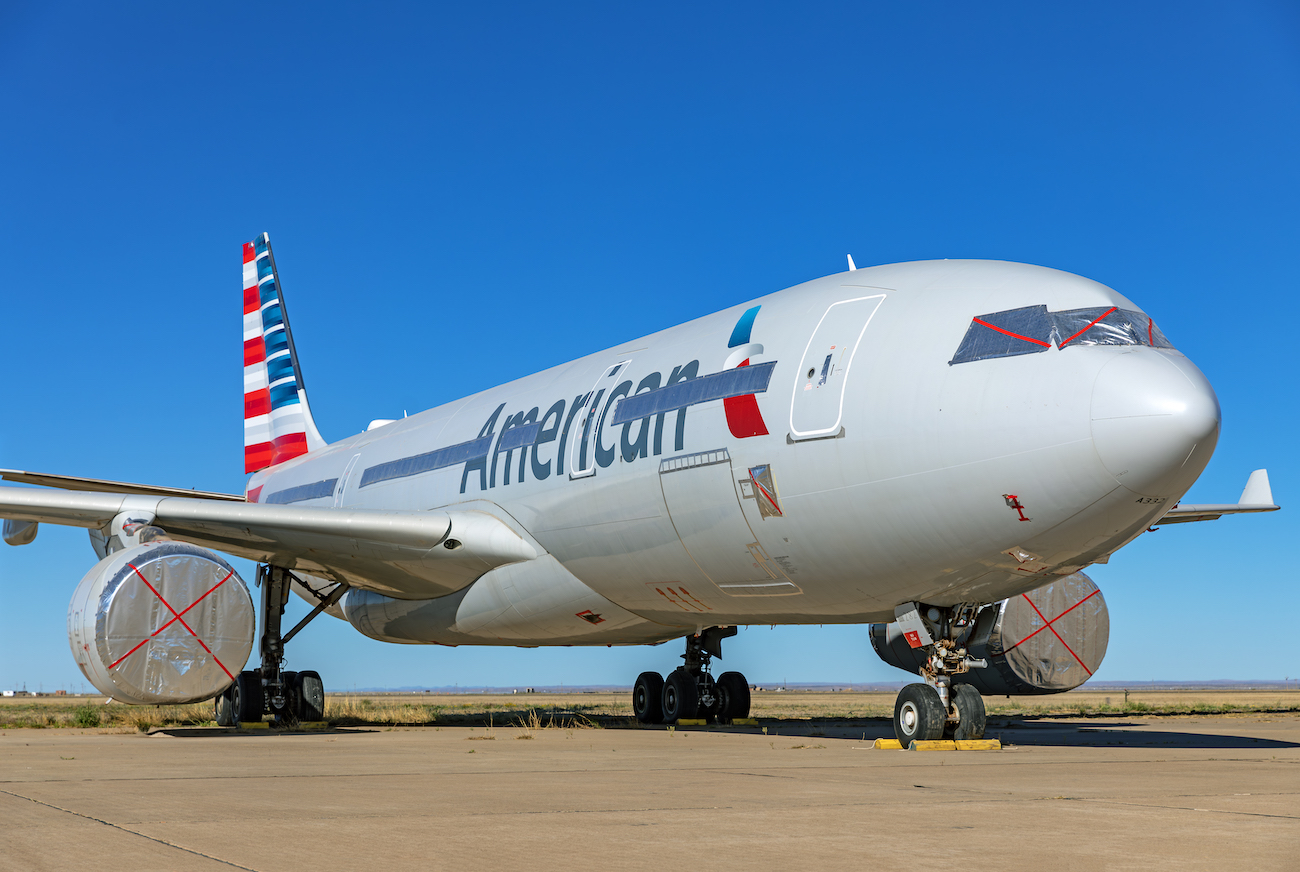
American MD-80s in Roswell (Photo: AirlineGeeks | William Derrickson)

Aircraft boneyards are top destinations for aviation enthusiasts who want a sneak peek into aviation history. Located around the United States and the world, these facilities store aircraft for airlines that need to retire an aircraft type, modernize their fleets, or temporarily downsize when they hit a bump in the road.

The most famous American boneyards are located in the country’s southwest; Victorville, Calif. and Tucson, Ariz. host two of the most well-known boneyards in the country. But the boneyard at the Roswell International Air Center in New Mexico is equally notable, both for the aircraft stored there and because the airport has active commercial flights on American Eagle.

As AirlineGeeks has previously reported, the Roswell International Air Center has a storied history. It was previously known as the Roswell Army International Air Field and the Walker Air Force Base. The military base was closed in 1967, and the airport assumed the identity we know today. The airport receives daily regional jet service to and from Dallas/Fort Worth International Airport, and air force jets doing pattern work are a regular sight at the airport.

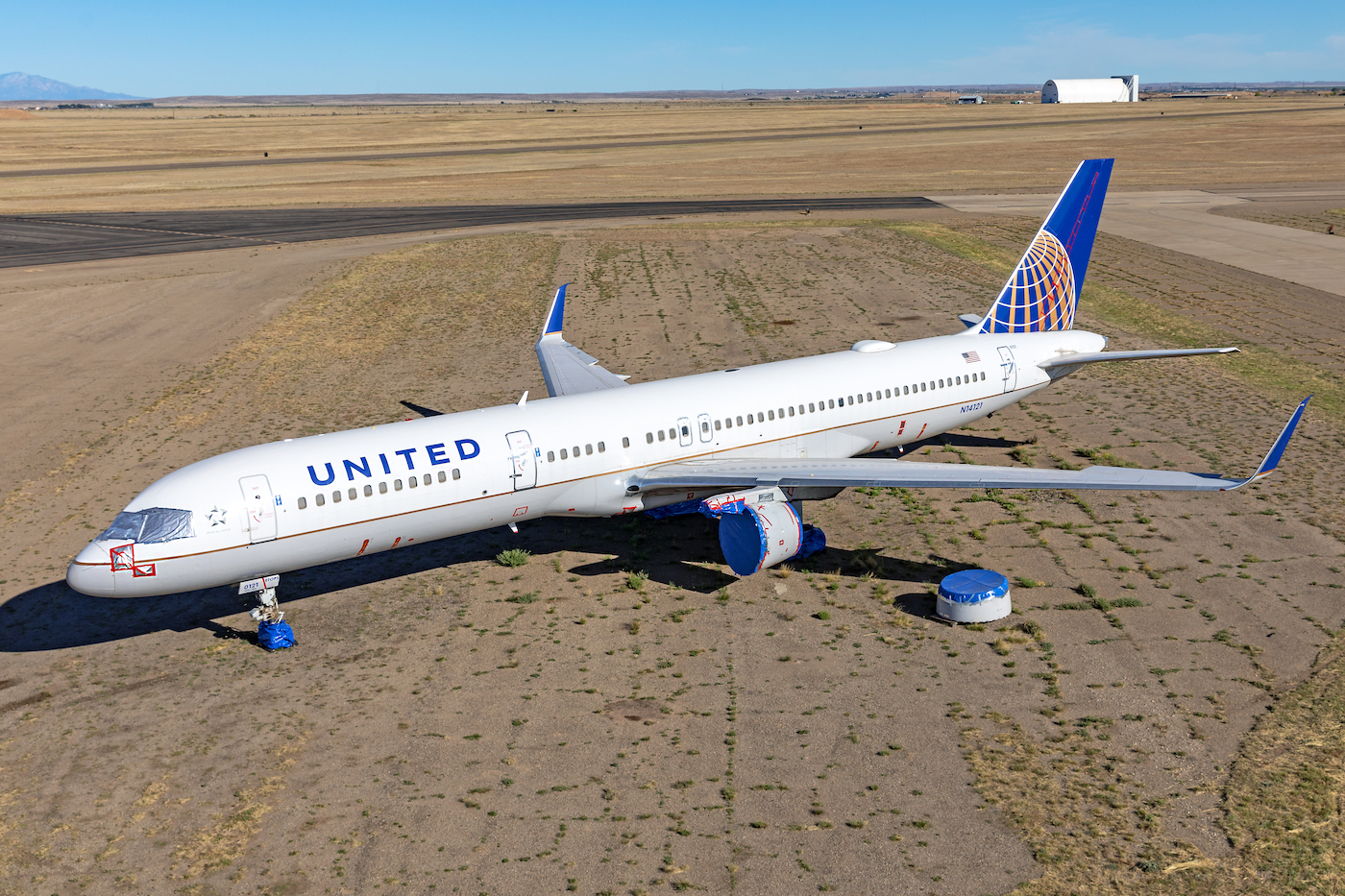
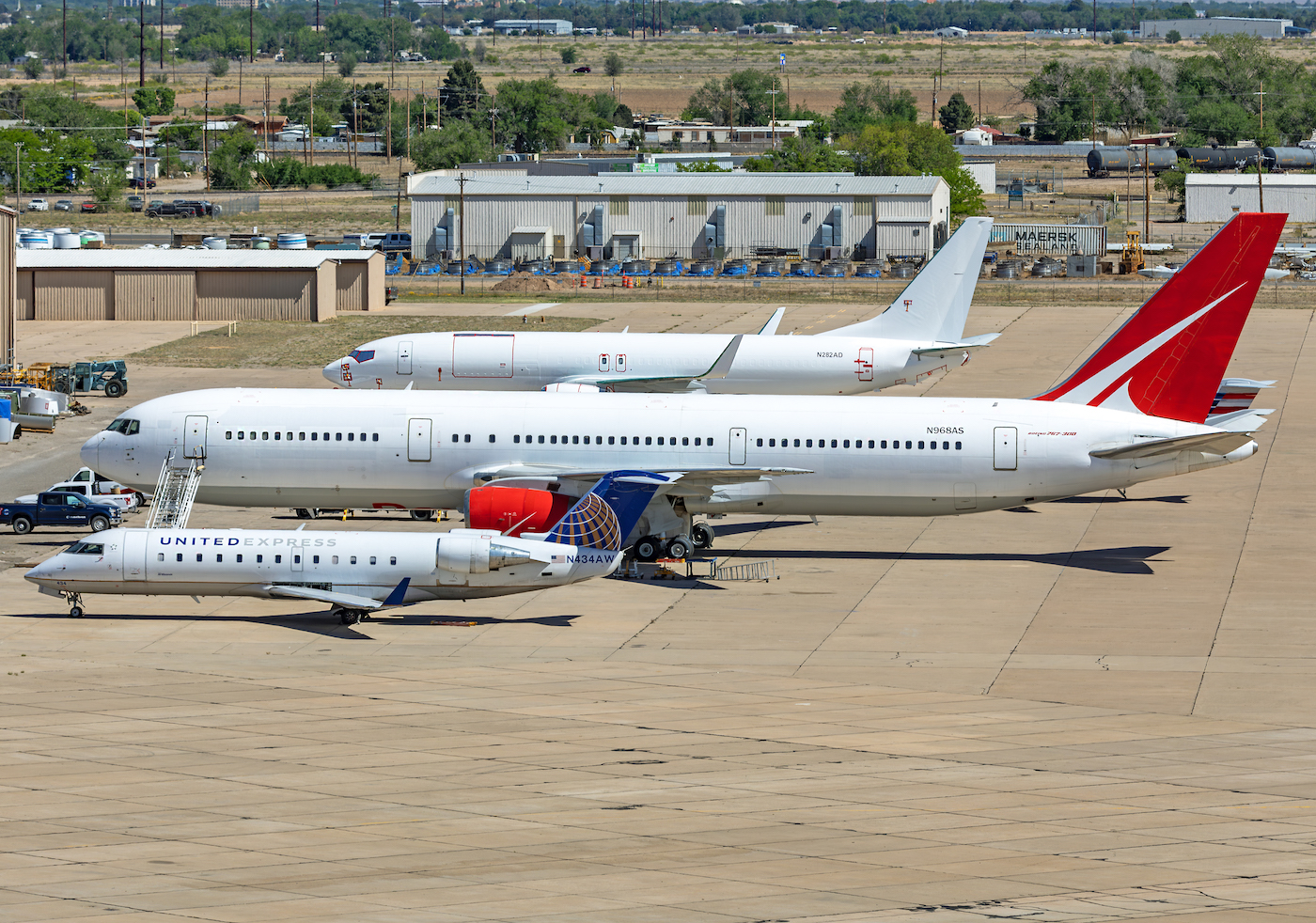
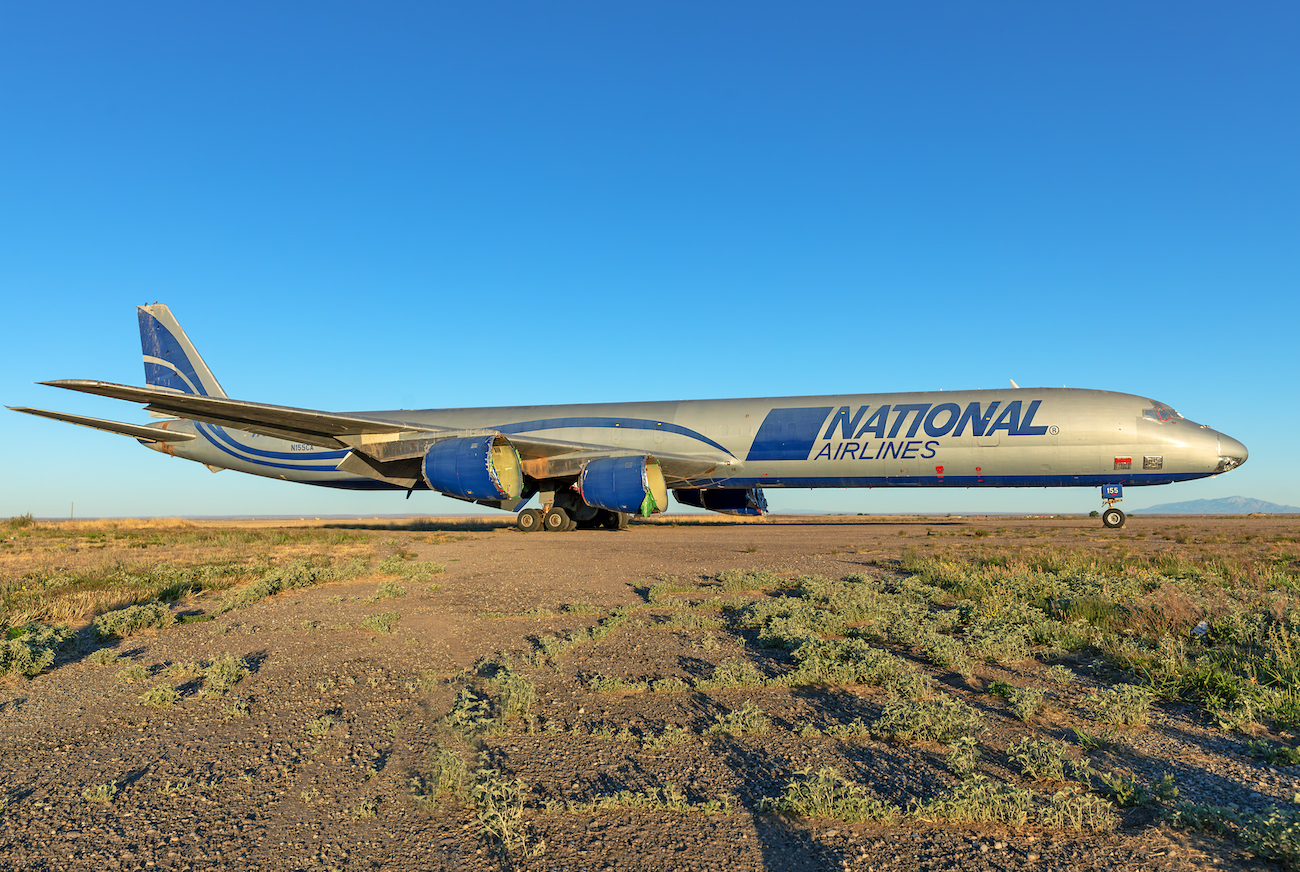
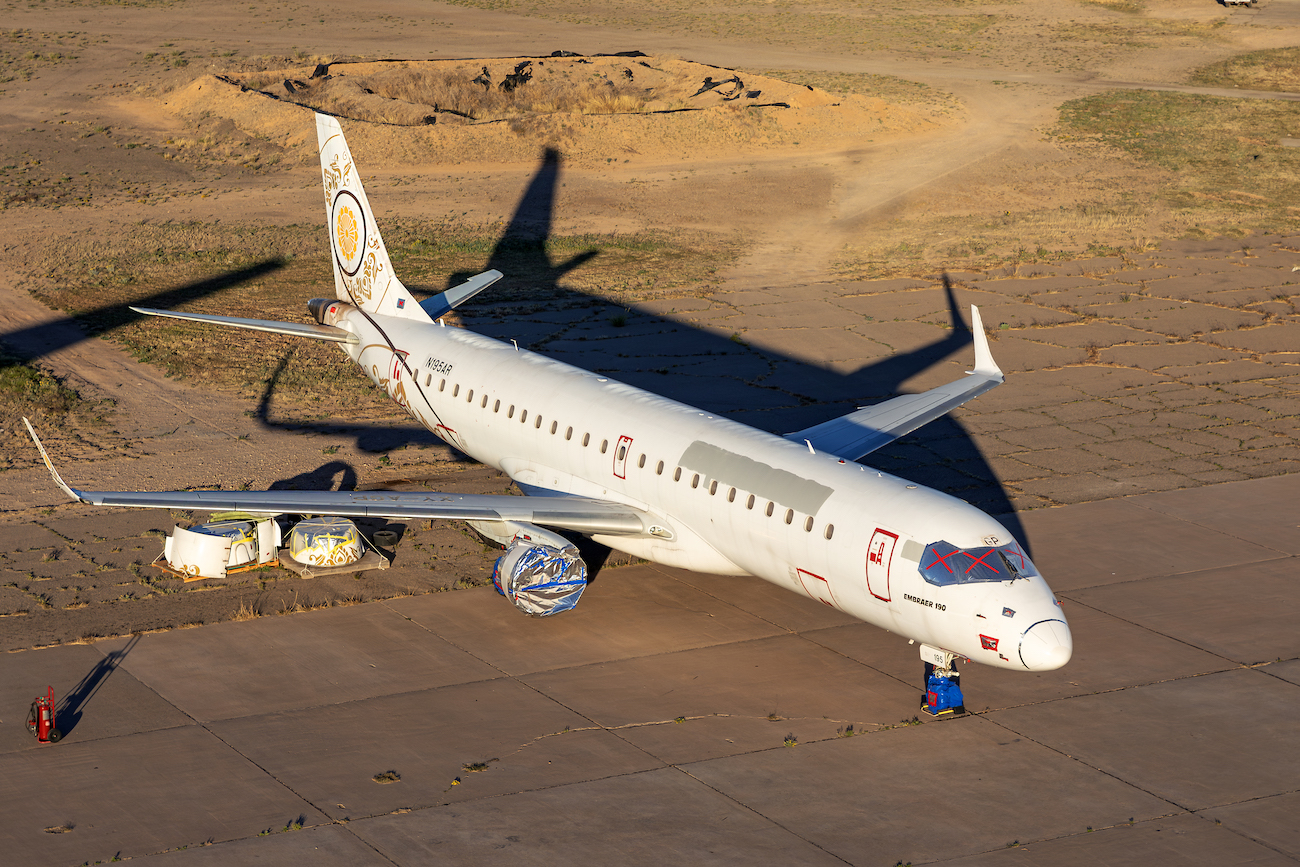
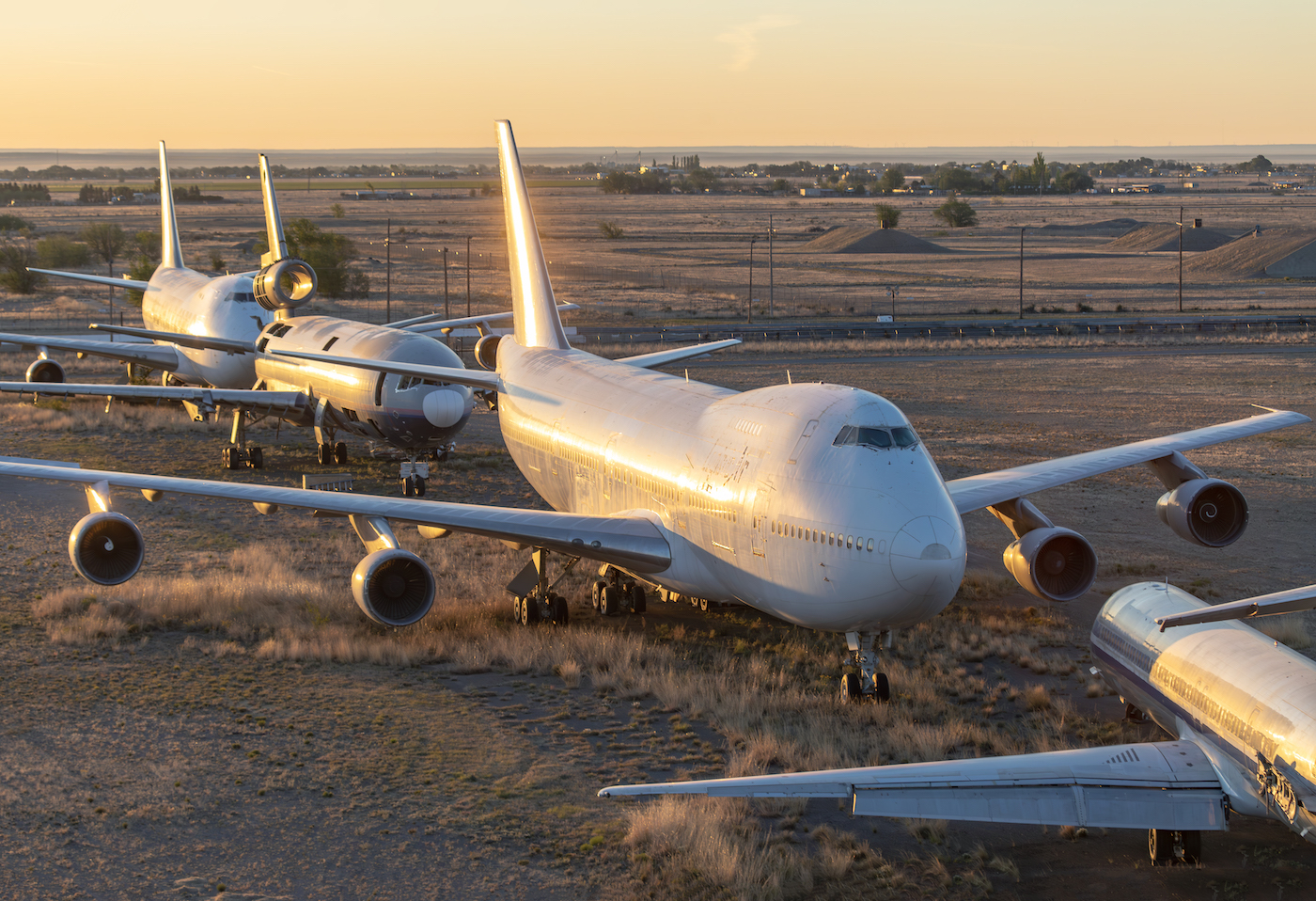
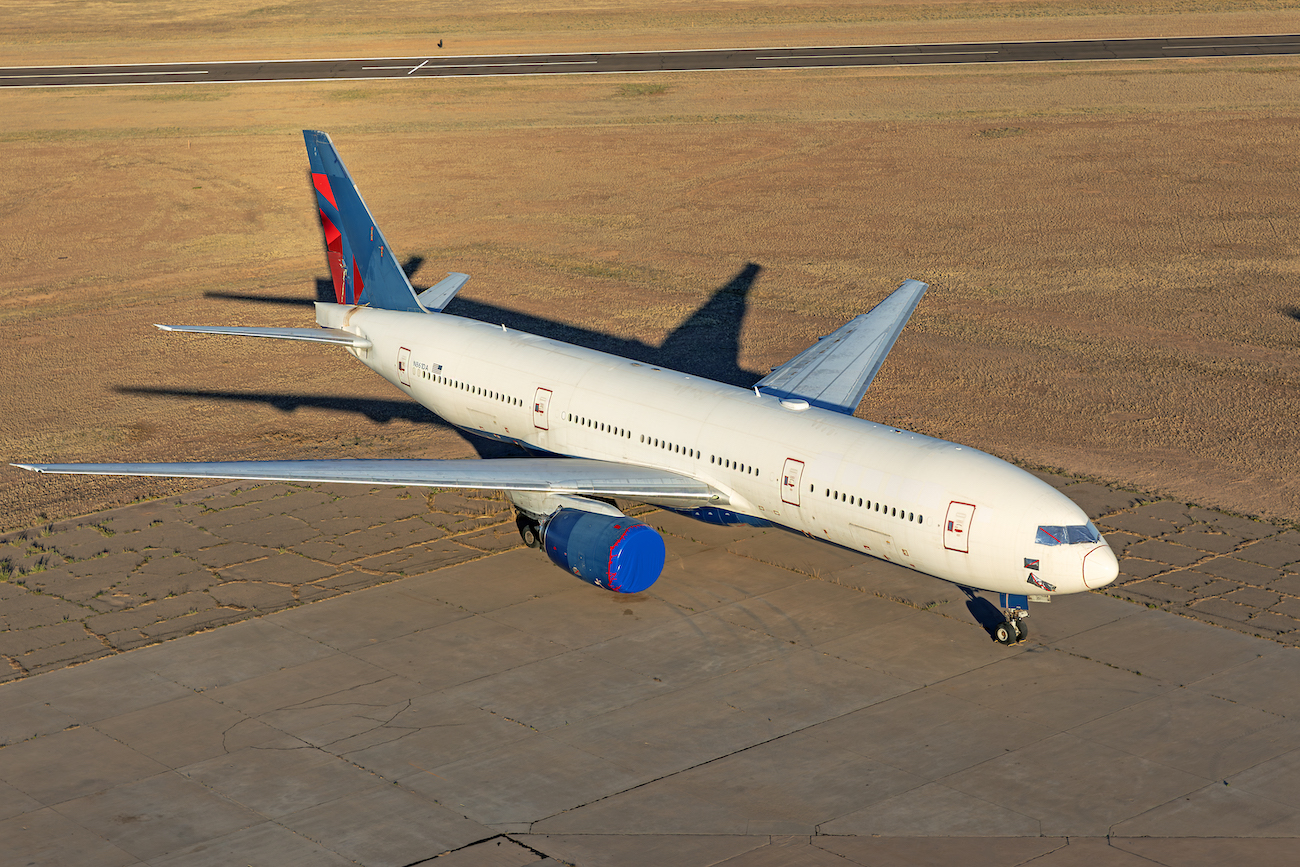
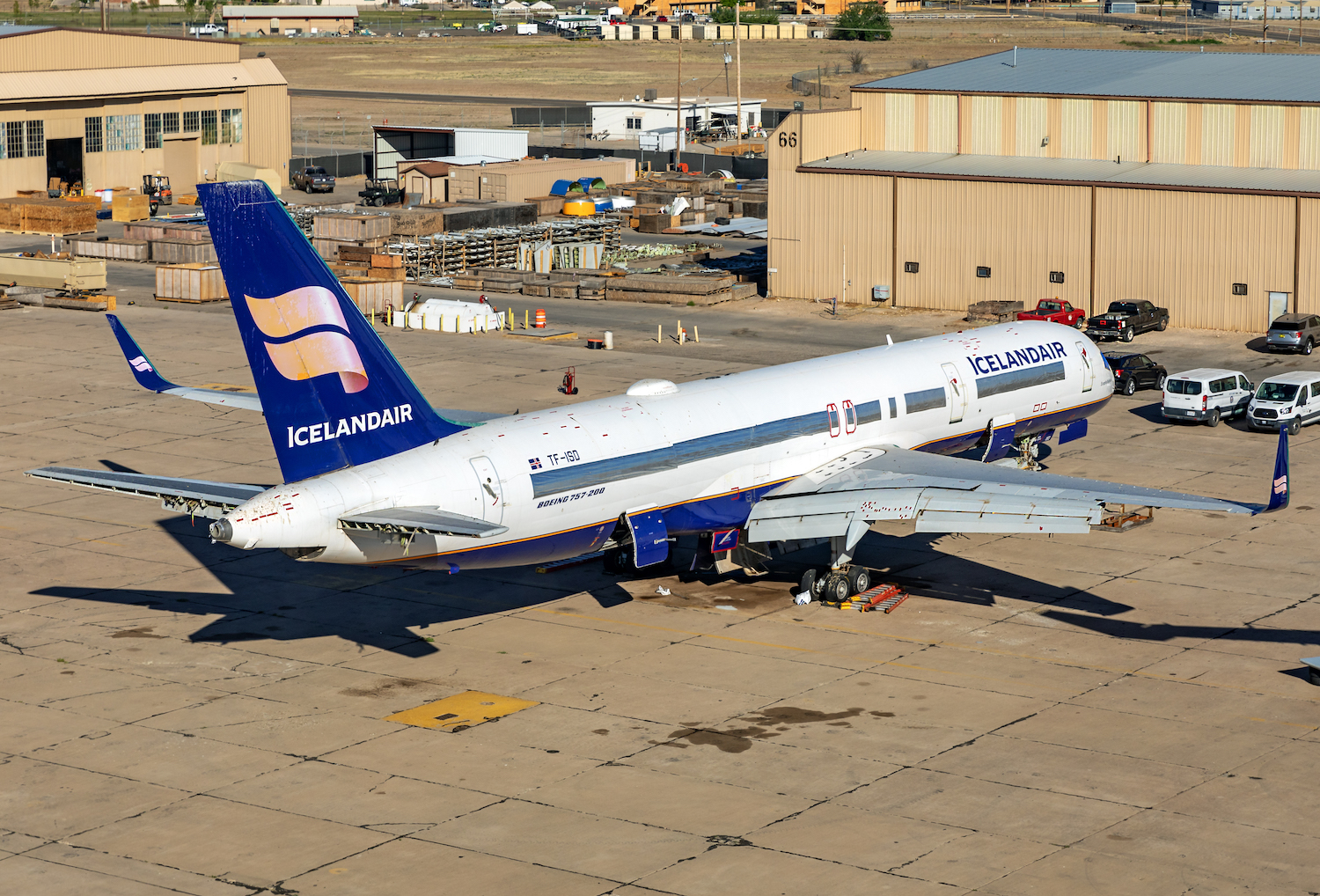
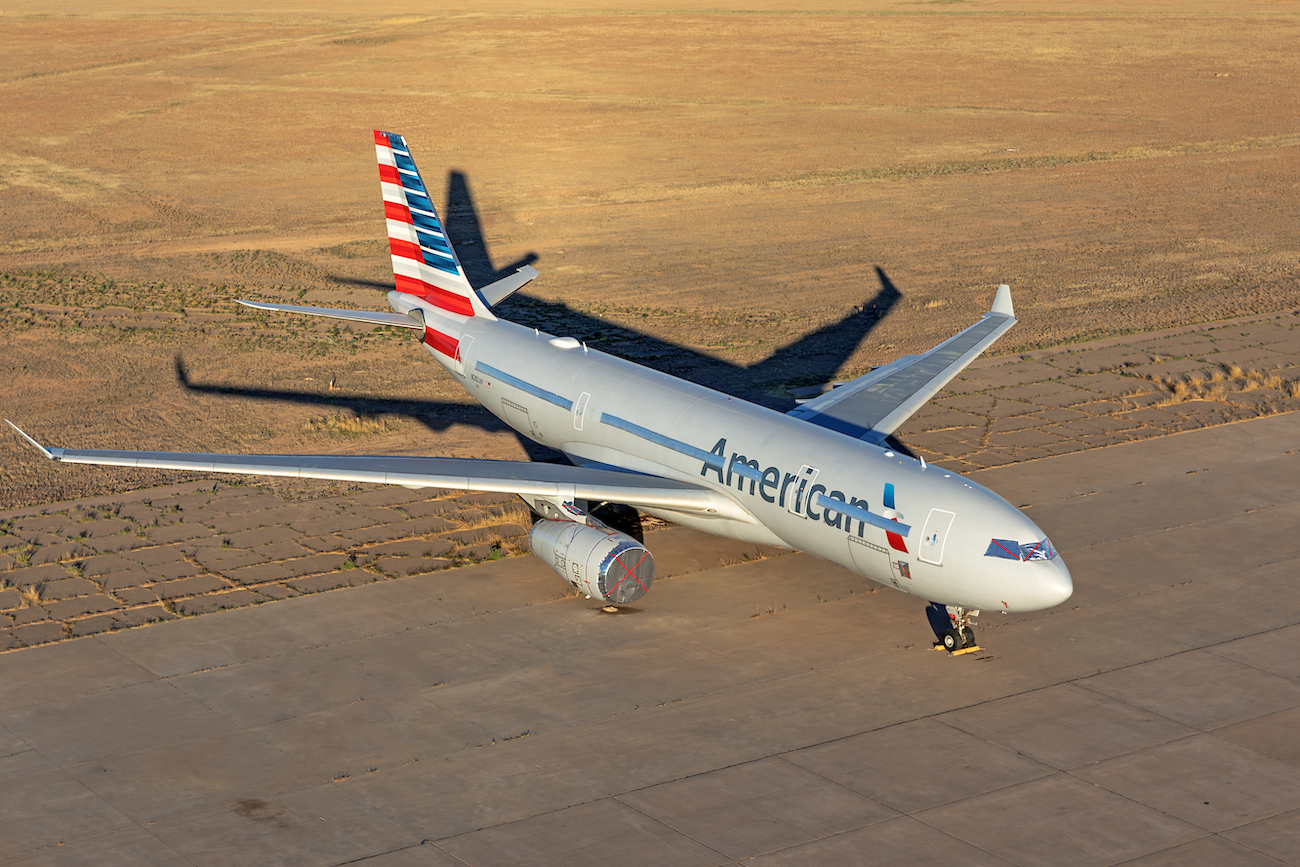
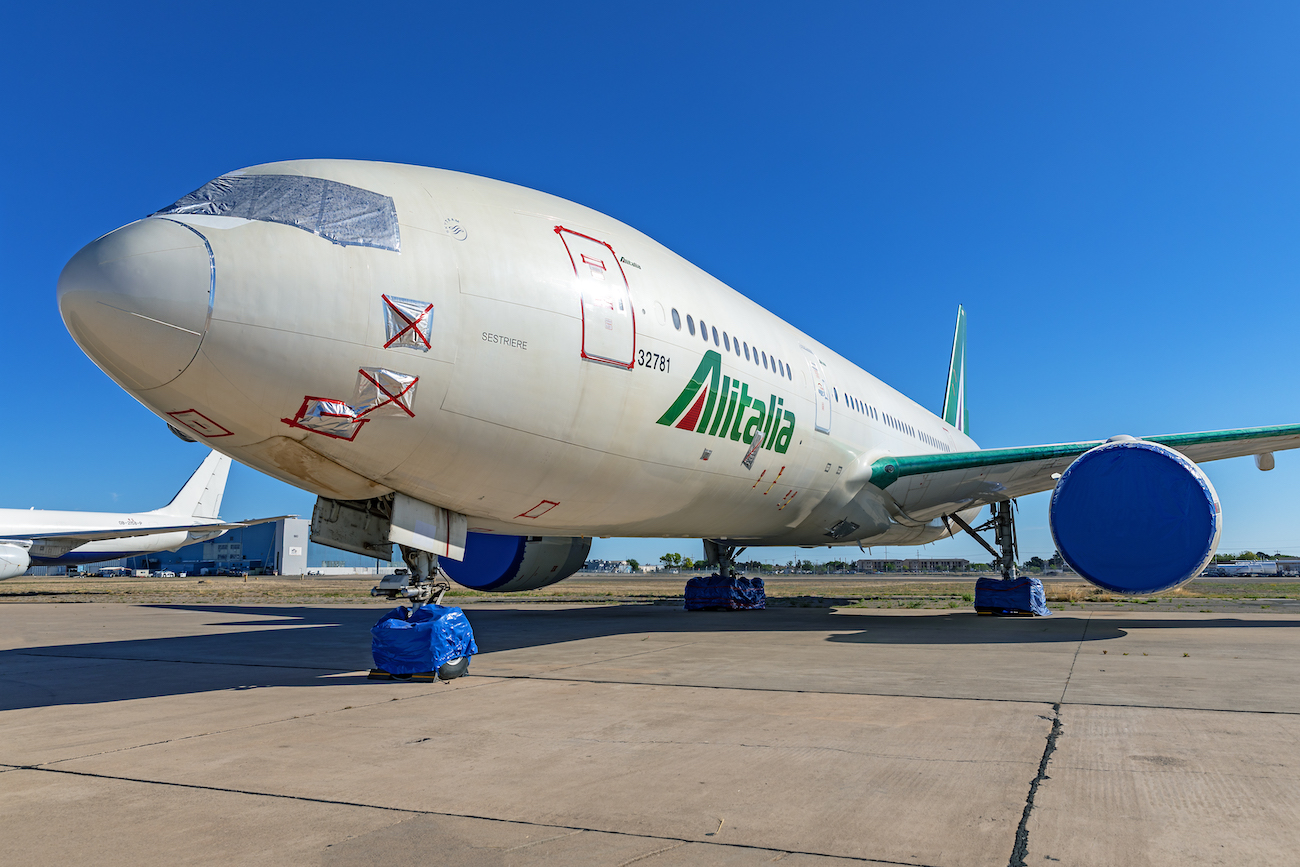
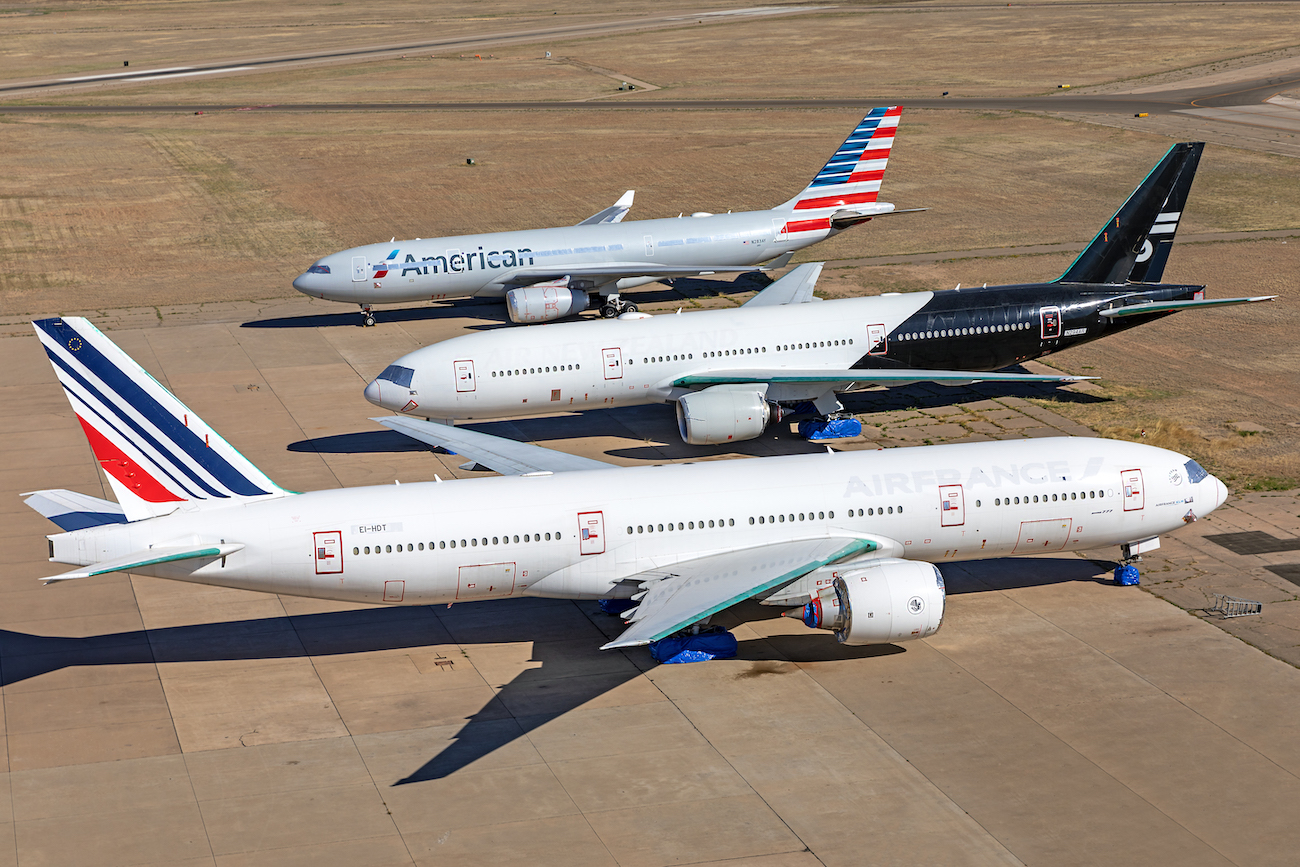
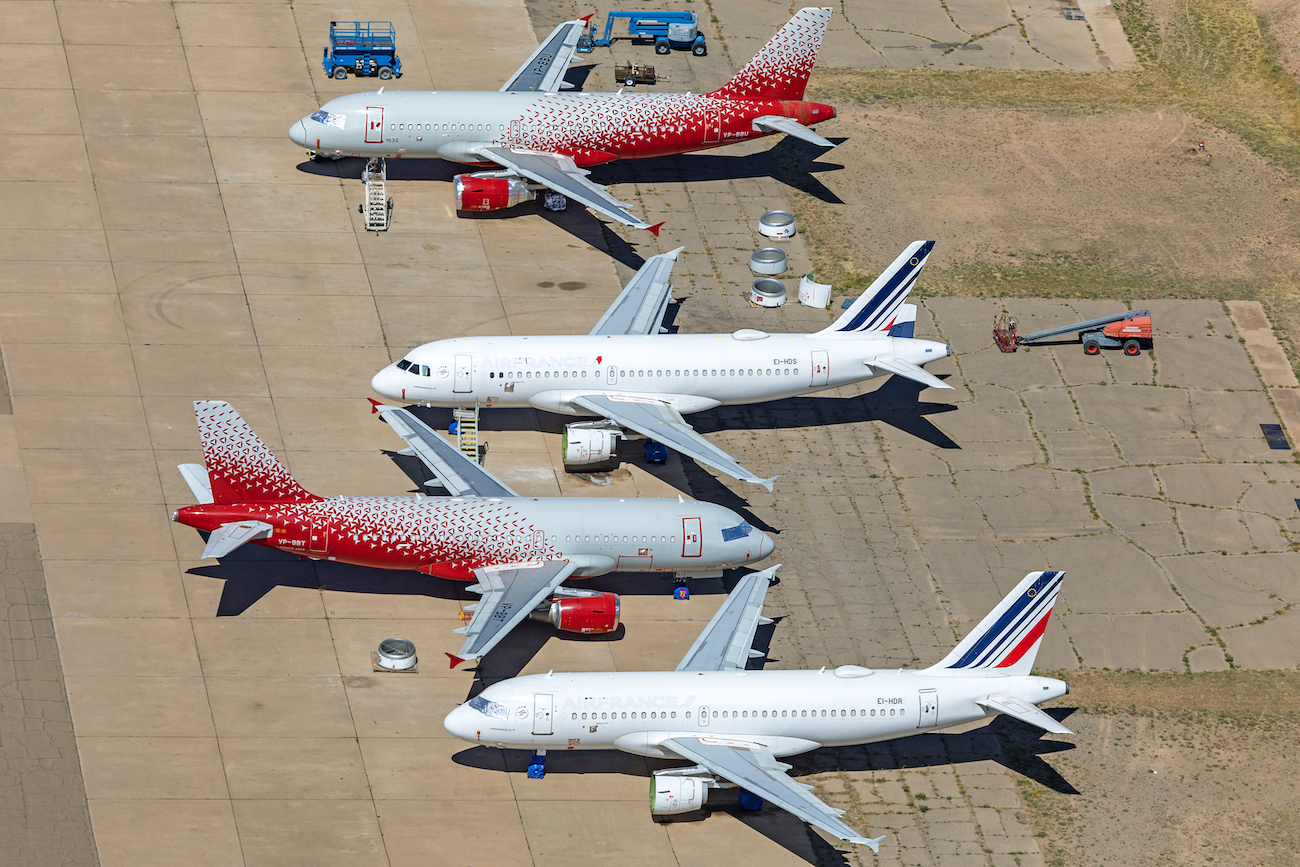
The airport’s boneyard is host to beloved aircraft in the United States. It is home to dozens of retired American Airlines McDonnell-Douglass MD-80s as well as a mixture of Boeing 737s, 747s, A330s and 767s. There are modern jets waiting to be called back to the skies, and there are old jets more valuable for their parts and metals. There are familiar airline logos, retro liveries, cargo aircraft, and white-tailed aircraft neglected for years.

Such a scene is captivating for aviation enthusiasts. Boneyards like Roswell offer passengers a step into the past they can no longer access. In an industry consolidating into a duopoly between Airbus and Boeing and trending towards twin-engined narrowbodies capable of transoceanic flights, stepping onto an old MD-80 or a 747 configured for passengers instead of cargo brings back the nostalgia that is coming further and farther between on regularly-scheduled commercial flights.

Besides its boneyard, Roswell’s claim to fame is a 1947 incident concerning the debris from a downed military balloon that was recovered in Roswell. For decades since, theorists have speculated that this debris was actually a flying saucer whose existence was being covered up by the United States military. After the Roswell Army Air Field announced they had recovered a “flying disc,” the military quickly changed the statement to say that the item was actually a conventional weather balloon.

Whether it’s due to their history, the storied planes they host, or the theories surrounding them, aircraft boneyards hold a special place in aviation enthusiasts’ hearts. Whether taking a trip to reminisce about aviation history or curious to just look around, boneyards continue to be a favorite among aviation enthusiasts looking for a few extra aircraft.

Check Out These Exclusive Photos from Roswell:

All photos via AirlineGeeks photographer William Derrickson

John McDermott

John McDermott is a commercial pilot pursuing a career in professional flight. His passion for aviation began in an Ann Arbor bookstore with a tale of enemy pilots during World War 2, and he hasn't looked back. Besides flying and writing for AirlineGeeks, John volunteers with Professional Pilots of Tomorrow and travels whenever he gets the chance.

Trip Report: Singapore Airlines Short Haul Business Class

Singapore Airlines Boeing 777-300ER (Photo | Gab01 by Creative Commons 3.0)

This flight is the second in a series of flights that took me around the world so I could fly on the world’s longest flight and despite being only one hour in length it may have been the best of the bunch. 

Check-in  

The check-in experience in Jakarta was lovely, I arrived about 30 minutes before check-in opened but the staff were able to get me checked in. After I received my tickets I made my way through to immigration and security. Immigration in Indonesia had a hard time understanding why I was only in their beautiful country for a matter of 5 hours. After a brief explanation that I was a writer and YouTuber my passport was stamped and I was on my way to find the lounge 

Lounge Access 

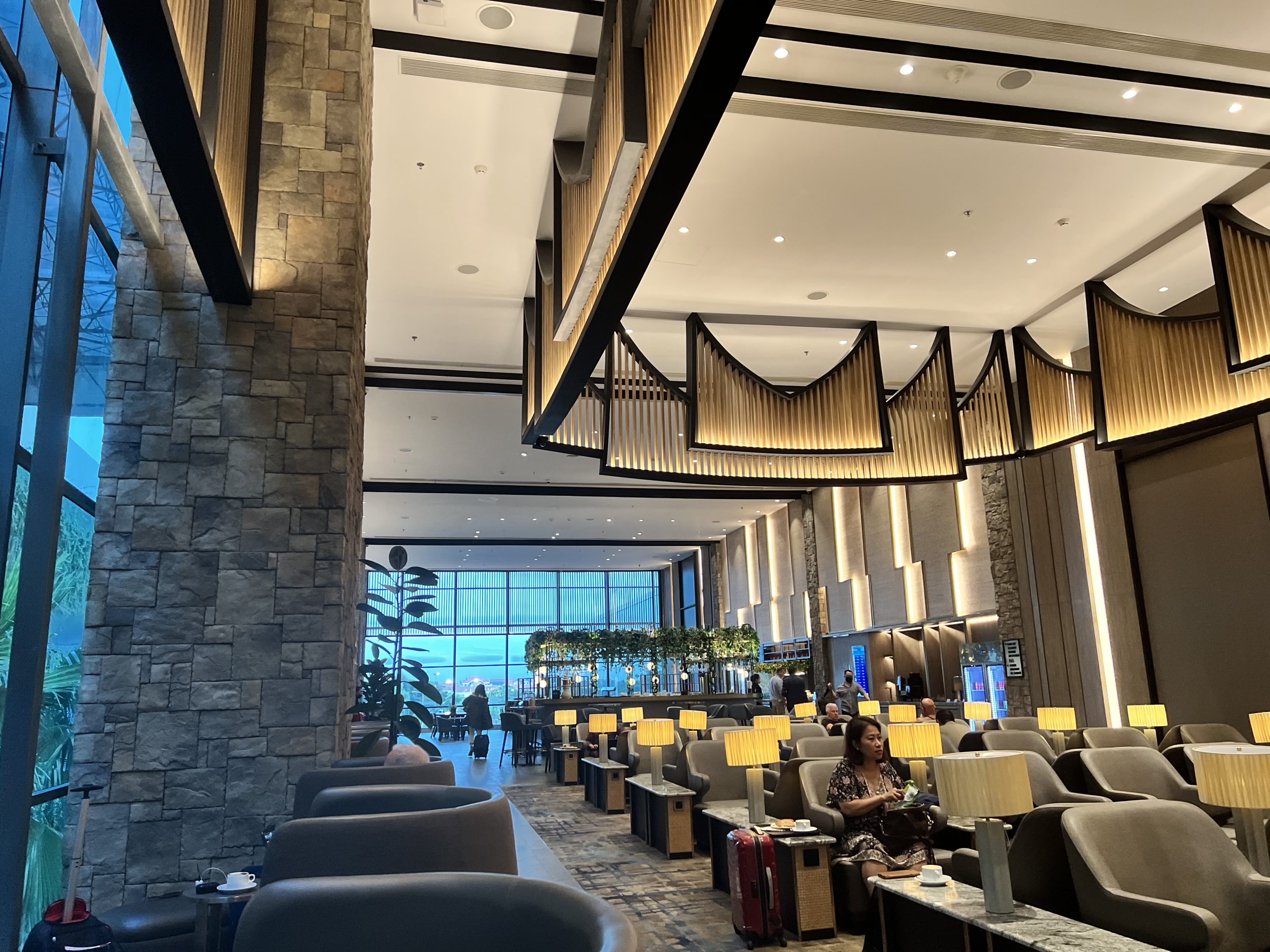
Singapore Airlines uses the Plaza Premium Lounge in Jakarta. At the time it was being shared with Japan Airlines and was fairly empty at 5 o’clock in the morning. The lounge had plenty of seating space and ample self-serve food options but what really made my morning was the live cooking station with a chef preparing meals from scratch. I opted for the noodle soup but omelets and other breakfast options were available. I found a private corner near a window and enjoyed my breakfast.  

 Boarding 

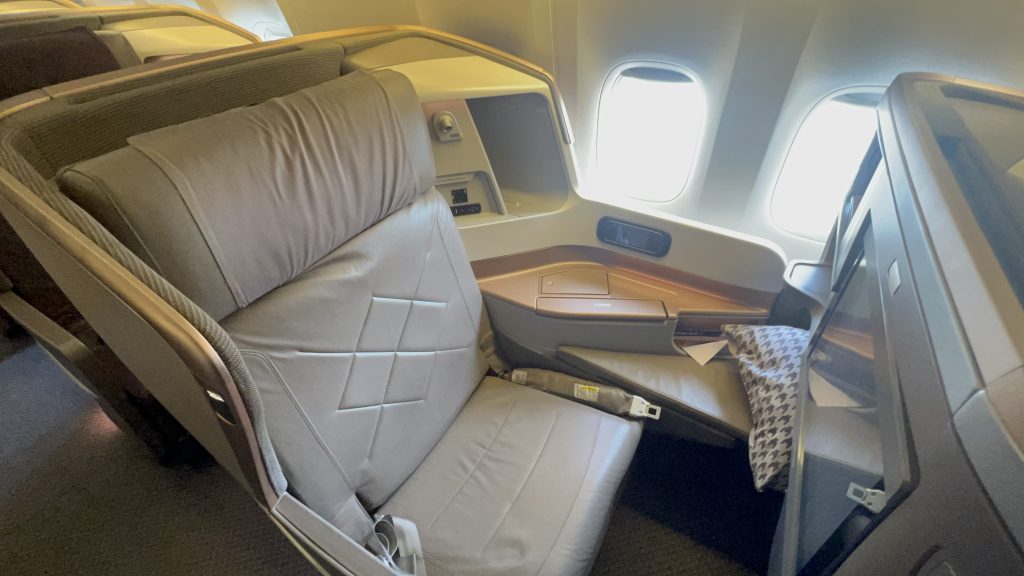
 Boarding for SQ953 started 10 minutes late, a delay that the gate agents profusely apologized for over the PA maybe 10 times. Walking down the jet bridge to a 777 for a flight that is only one hour long is something that I will never get tired of. It is worth noting that SQ does actually have a regional wide body fleet that was supposed to be employed on this flight but there was a last-minute equipment change that led to this flight being operated on the long-haul product. Business class on this flight was relatively empty but the world-renowned cabin service was the best of the entire trip (foreshadowing). I was promptly greeted by the two (TWO?!?!) cabin crew that would be taking care of me on this short flight and I settled into seat 20A. 

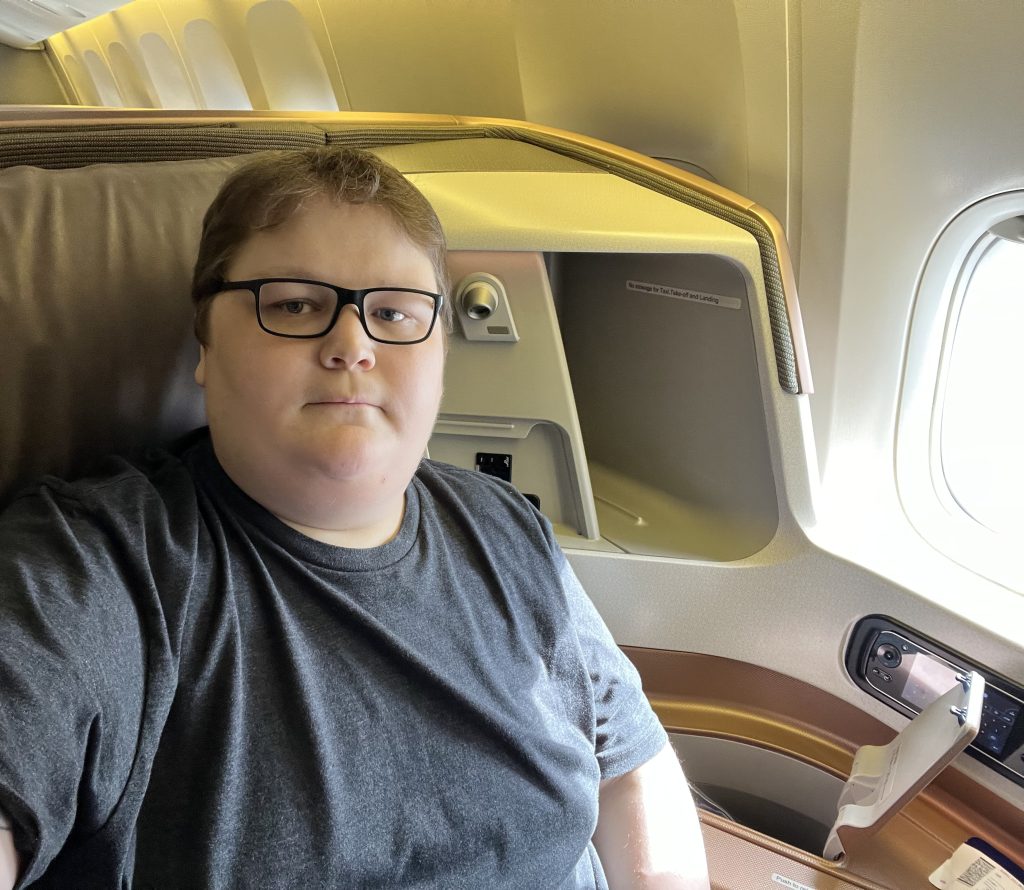
Singapore Airlines Business Class Seat Abaord a 777 | Taylor Guglielmino

 Cabin Crew and Meal Service 

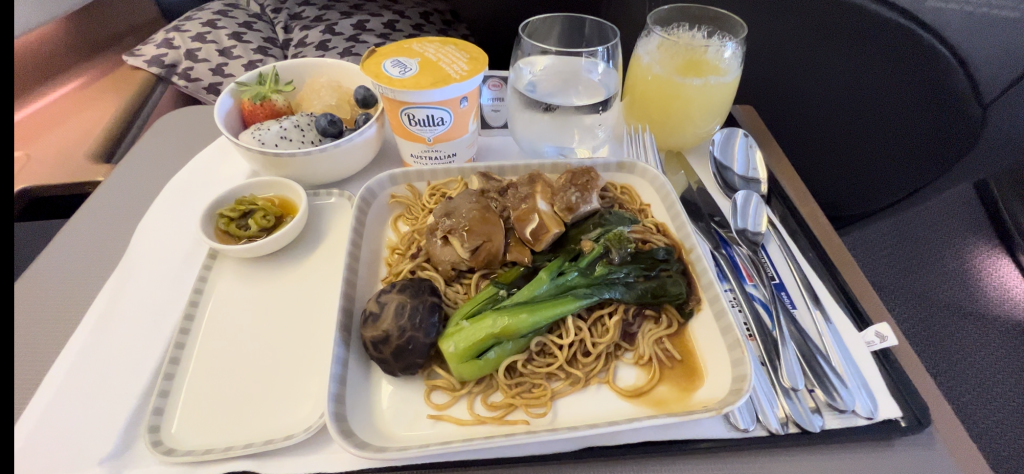
 Shortly after takeoff, one of the cabin crew came by to confirm that I had preordered the Soya Noodle dish and to prepare the enormous tray table that the meal service would be placed on. Moments later my hot lunch was dropped off along with fresh fruit and yogurt. For this short flight, I chose to stick with water and orange juice. As I dug into the delicious noodle dish that laid before the cabin crew once again came around, this time with garlic bread. The food was great and U.S. mainline carriers could learn a thing or two about service, again this flight was in the air for only an hour but I was served a hot meal with drinks and garlic bread.

Lunch Aboard SQ953 | Taylor Guglielmino

In Conclusion

After departing this short flight with SQ I thoroughly understood why they are held in such a high regard in the world of luxury commercial aviation. The crew was fantastic, the food was top notch and the seat comfortable. Singapore Airlines hit a home run with this flight and it left me feeling excited for my next flight, SQ24, the longest flight in the world.  

Incredibly comfortable Seat | Taylor Guglielmino

Emirates and Etihad Team Up to Boost UAE Tourism

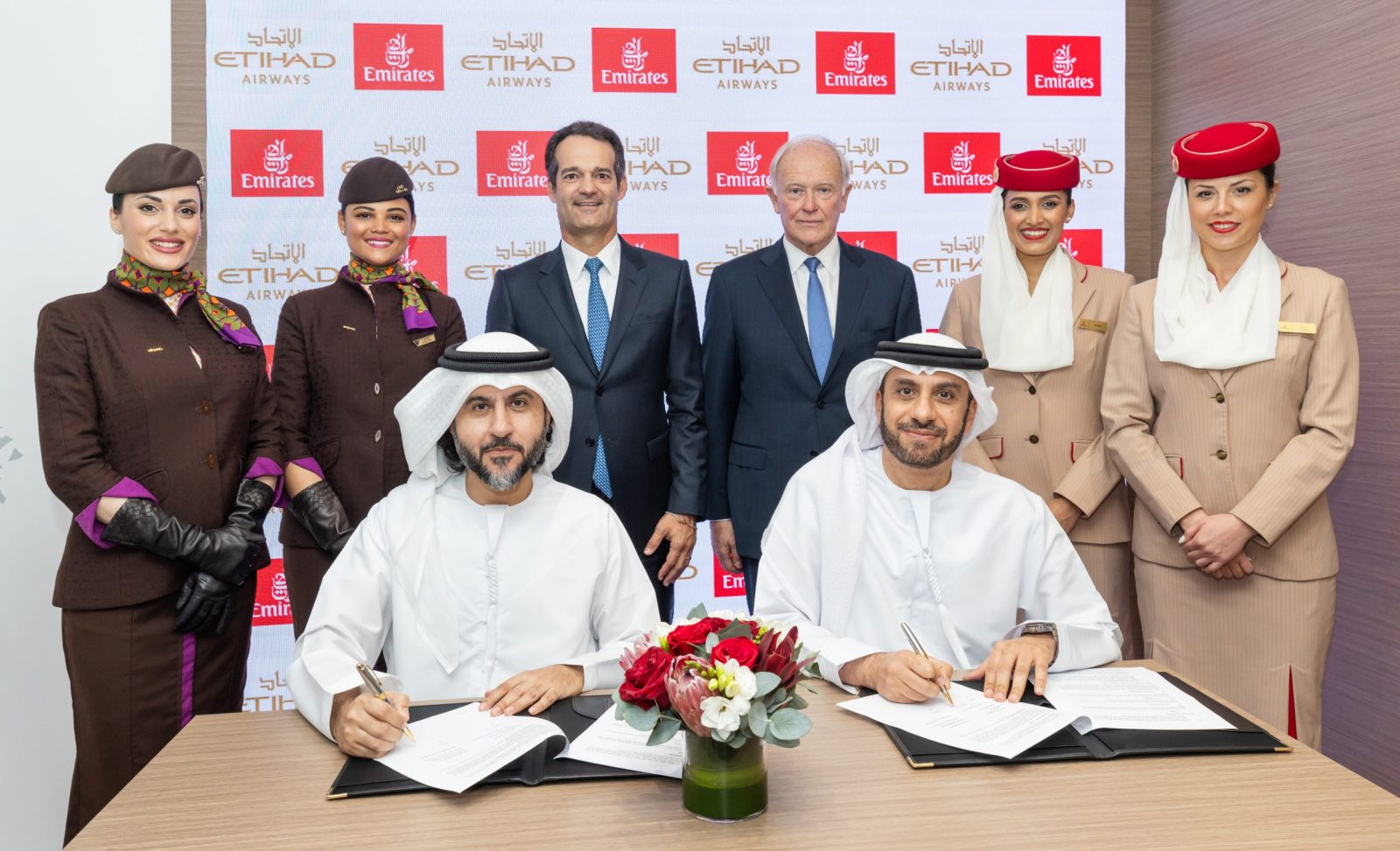
Etihad and Emirates Sign Interline Agreement (Photo: Emirates Airline)

The two major airlines of the United Arab Emirates have agreed to work towards a common goal: to boost tourism to the country. The Dubai-based carrier Emirates and the Abu Dhabi-based carrier Etihad have signed an agreement to expand their interline agreements to promote tourism in the UAE.

This will be accomplished by enabling one key feature that is going to be undoubtedly helpful to many tourists that are visiting the UAE, open jaw itineraries involving both major UAE airports.

Open Jaw UAE Tickets

In a couple of months, tourists will be able to fly into Dubai or Abu Dhabi and fly out of the other in a single ticket provided they’re flying on Emirates or Etihad. This allows for someone to explore multiple parts of the UAE without needing to travel back to the airport they came in at or have separate tickets. A tourist can fly into Abu Dhabi on Etihad, explore the Emirate for a couple of days, then go to Dubai for some more tourism, and then fly out of Dubai on Emirates.

Customers who are traveling into the UAE will also have the choice to travel from one city on both carriers’ networks and return to another point served by either airline.

This agreement officially kicks off in the summer with a focus on passengers coming from Europe and China.

Increasing Cooperation

It’s about time we see this level of cooperation between the two major airlines in the UAE. The two airports aren’t that far from each other, and both serve as major transit hubs for passengers. There are even rumors about the two airlines merging that circulate every so often.

Both Abu Dhabi and Dubai command significant tourism numbers with each city offering different attractions. It’s no secret though that Dubai is the more popular though. Hopefully, with the ease of open-jaw tickets there will be a greater balancing of tourism.

Perhaps in the future, as the interline agreement grows we will see additional benefits added such as chauffeur service between the two Emirate cities that go beyond airport pick-ups and drop-offs. There is a lot of potential in offering transportation services between the two cities as part of this agreement. A significant portion of the infrastructure already exists. Both Emirates and Etihad offer chauffeur services for premium passengers and bus services between the two cities for economy passengers.

It shouldn’t be a significant lift to start offering services like hotel-to-hotel or bus station-to-bus station services for passengers with qualifying tickets. It solves the challenge of needing to drag luggage from one city to the other.

Hemal Gosai

Hemal took his first flight at four years old and has been an avgeek since then. When he isn't working as an analyst he's frequently found outside watching planes fly overhead or flying in them. His favorite plane is the 747-8i which Lufthansa thankfully flies to EWR allowing for some great spotting. He firmly believes that the best way to fly between JFK and BOS is via DFW and is always willing to go for that extra elite qualifying mile. Hemal's opinions are his own and do not reflect those of his employer.

Frontier Inaugurates Routes from Puerto Rico

Frontier A320neo
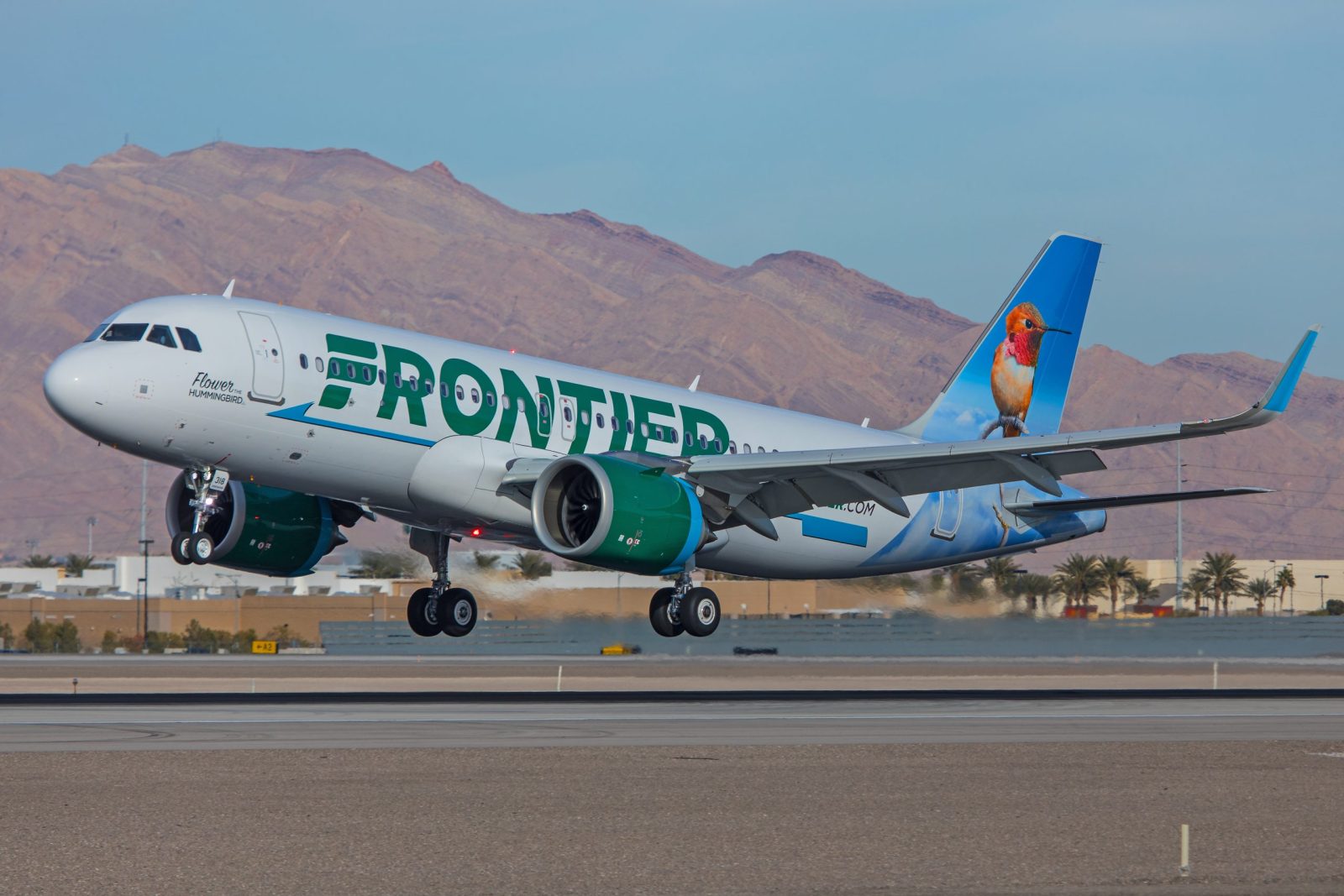
A Frontier Airbus A320neo in Las Vegas. (Photo: AirlineGeeks | William Derrickson)

Frontier Airlines recently announced the inauguration of eight new routes from Puerto Rico to the United States and Mexico. The beginning of these flights will make Frontier the largest operator regarding non-stop routes to the island, from a previous 12 to now 20. 

The Denver-based carrier began operating from San Juan to Chicago’s Midway Airport, Clevland, Ohio, Baltimore and Dallas-Fort Worth on May 4. Service to Baltimore and Dallas will be daily, while Chicago will be operated six times weekly and Cleveland, four times weekly. On May 5, the carrier started service to Detroit, which will operate four times weekly.

Lastly in San Juan, service to Cancún, Mexico will begin on May 11 and will operate three times a week. The airline will be the only carrier to connect Puerto Rico and Mexico directly. The routes to Cancún and Detroit will be operated seasonally. 

The start of these routes comes just one day before Spirit begins its five-route San Juan expansion. The Mirimar-Fla.-based carrier has launched routes to Atlanta, Chicago, Dallas-Fort Worth, Detroit and Hartford, Conn. All routes listed began on May 5 with the exception of service to Hartford which will begin on June 7.

Frontier began service to two of these destinations just a day prior. Chicago will have new services from both carriers, albeit different airports served. Spirit will begin operations to Detroit first. Spirit is now joining existing Frontier service to Atlanta and Hartford. 

Airline’s Other Island Destinations

San Juan isn’t the only airport seeing expansion from Frontier. Both Aguadilla and Ponce will see a new route operated by the Denver-based carrier to Tampa, Fla. and Orlando, Fla. respectively. Both routes will be operated three times weekly and began May 4. Service to Tamapa joins the carrier’s service to Orlando from Aguadilla making Frontier the only carrier to operate the route until JetBlue launches its service to Tampa in July. 

Ponce is a new city served by Frontier. The carrier joins JetBlue and Spirit to operate to Orlando from the city. The three carriers are the only scheduled passenger carriers to operate into and out of Ponce. By beginning service to Ponce, Frontier now provides three airports for residents and visitors to choose from, joining JetBlue and Spirit to offer the most destinations from the mainland United States to Puerto Rico. 

Jorge Hernandez, CEO of Aerostar Puerto Rico, made a statement highlighting the positive impact that the new routes will provide stating “We congratulate Frontier Airlines on expanding its operations. This growth will translate into more flight options for travelers and, therefore, more jobs and commercial activity at the airport, for the benefit of Puerto Rico.”

Dubbed America’s Greenest Airline, Frontier will operate the routes using Airbus A320 and A321 aircraft. According to Airfleets.net, the Denver-based carrier’s Airbus aircraft with the new engine option, or neo, makes up roughly 74% of the current fleet. According to a press release from 2021, Frontier plans on retiring the company’s A320ceo aircraft from the fleet by the end of 2024, with the A321ceos following by the end of 2028.

Currently, the carrier is the largest operator of the A320neos in the United States and plans on taking deliveries of A320neos and A321neos through the end of 2029 to expand the airline’s fleet size to 272 aircraft. 

Zach Cooke

Zach’s love for aviation began when he was in elementary school with a flight sim and model planes. This passion for being in the air only intensified throughout high school when he earned his Private Pilot Certificate. He then attended Embry-Riddle Aeronautical University, earning his certificates and ratings to later flight instruct and share his passion for aviation with others. He now resides in the North East living out his dream as an airline pilot.
Sign-up for newsletters & special offers!

Get the latest stories & special offers delivered directly to your inbox

SUBSCRIBE

Uh-oh! It looks like you're using an ad blocker.

Our website relies on ads to provide free content and sustain our operations. By turning off your ad blocker, you help support us and ensure we can continue offering valuable content without any cost to you.

We truly appreciate your understanding and support. Thank you for considering disabling your ad blocker for this website