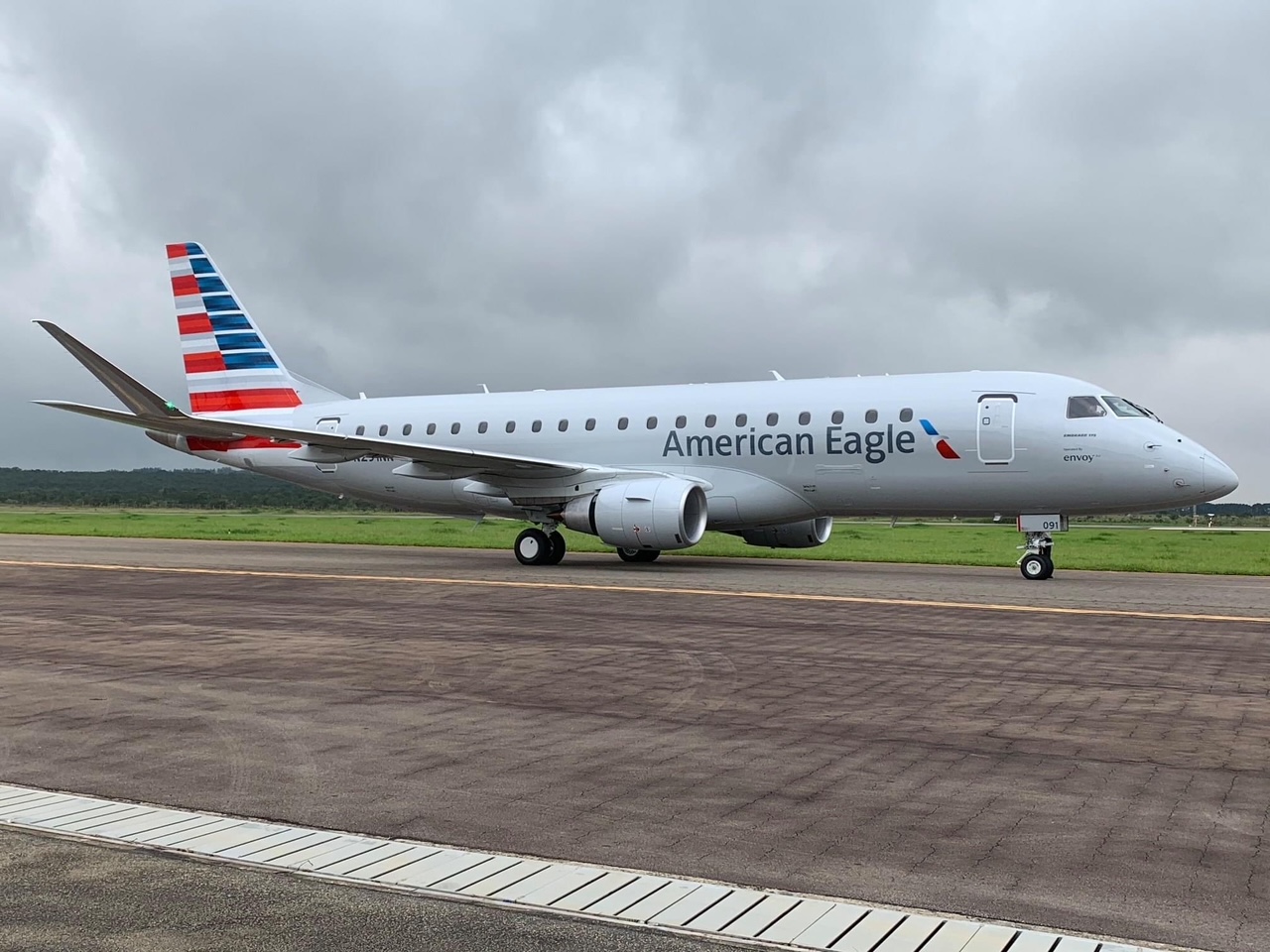
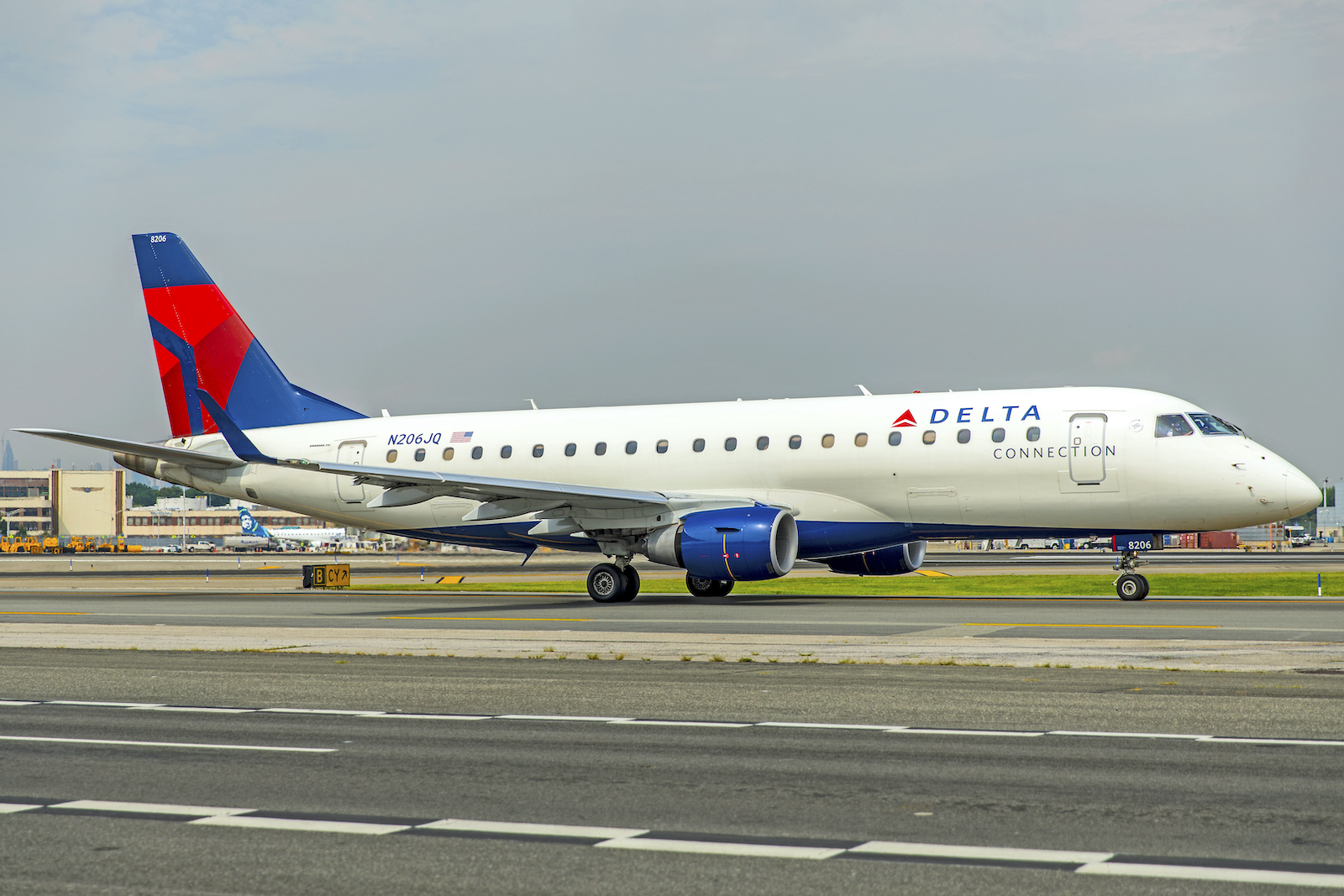
The American Airlines subsidiary said the expansion will enhance operational reliability, optimize aircraft routing, and strengthen American’s presence in the Washington, D.C., market. The carrier also highlighted increased flexibility in crew scheduling and improved maintenance coverage.
Reagan National will become Envoy’s fifth crew base and its eleventh maintenance base.
The carrier did not say when the new facilities are expected to open.
Envoy operates a a fleet of Embraer E175 and E170 aircraft, which is uses for regional connections within American’s network.
Zach Vasile is a writer and editor covering news in all aspects of commercial aviation. He has reported for and contributed to the Manchester Journal Inquirer, the Hartford Business Journal, the Charlotte Observer, and the Washington Examiner, with his area of focus being the intersection of business and government policy.
Frontier to Add Routes, Departures After Spirit Shutdown
The carrier expects a bump in business following its competitor’s collapse.
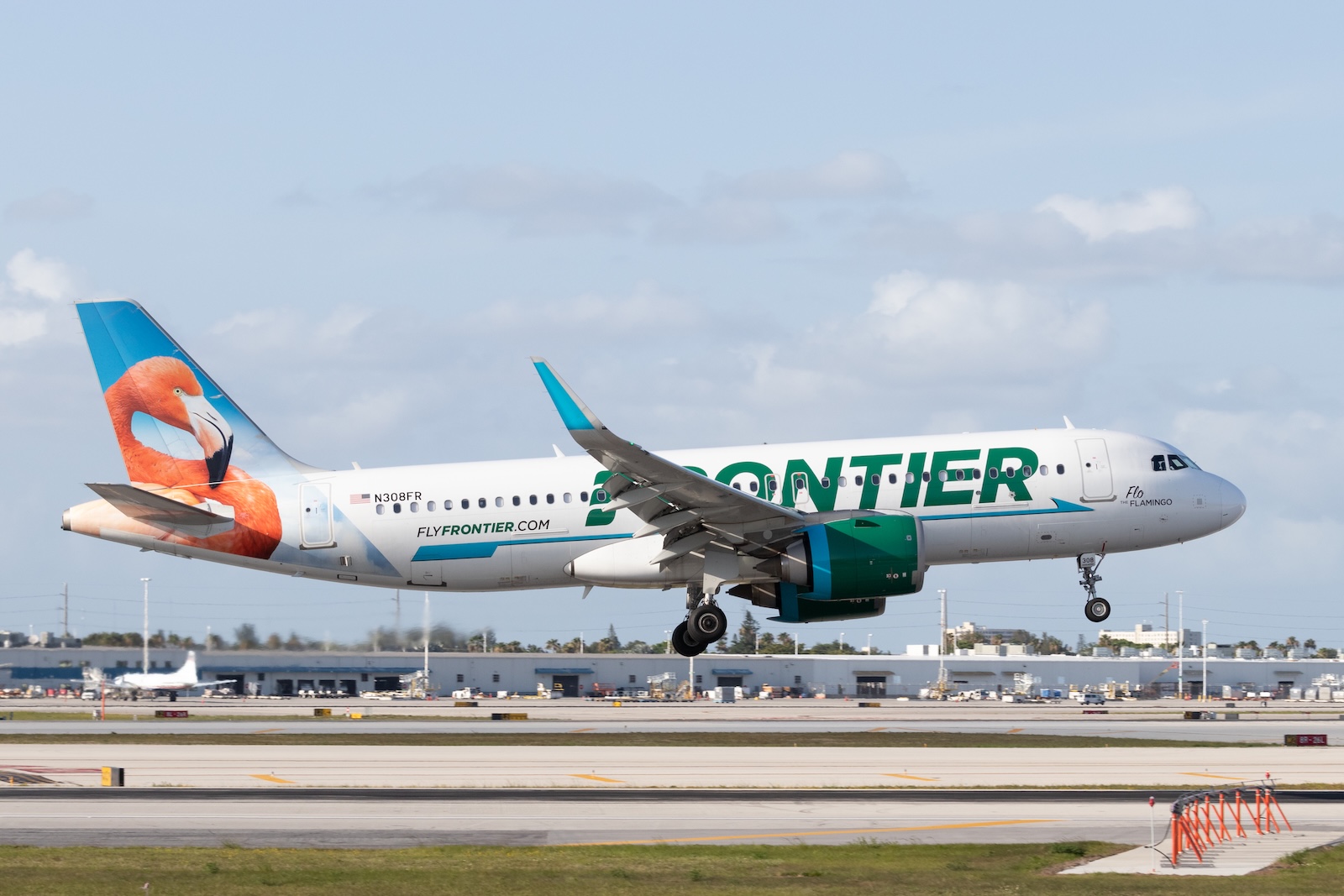
A Frontier A320neo aircraft. (Photo: Shutterstock | Omar F Martinez)
Frontier plans to add routes and flights this summer in a bid to capture some of the market share once held by competitor Spirit.
On an earnings call Tuesday, Frontier President and CEO James Dempsey confirmed the ultra-low-cost carrier will add nine routes and 15 daily departures across 18 former Spirit markets, including Orlando, Florida; Las Vegas; Dallas/Fort Worth; Fort Lauderdale, Florida; and Detroit.
“Given our network, low-cost structure, and disciplined approach to capacity deployment, Frontier is best positioned to provide low fares and the best value in those markets,” Dempsey said.
Though Frontier and Spirit competed directly in the same market segment, Dempsey was complimentary to the now-defunct airline, saying it “played a meaningful role in providing affordable travel to a wide range of consumers in an industry dominated by four major airlines.”
Frontier on Tuesday posted total operating revenues of $992 million and an operating loss of $283 million in the first quarter. The airline’s net loss for the quarter was $272 million, or $1.18 per share.
Increased expenses were mainly linked to the rise in jet fuel prices since early March.
Frontier officials said they expect Spirit’s collapse to help lift revenue per available seat mile by between 3% and 5%.
Zach Vasile is a writer and editor covering news in all aspects of commercial aviation. He has reported for and contributed to the Manchester Journal Inquirer, the Hartford Business Journal, the Charlotte Observer, and the Washington Examiner, with his area of focus being the intersection of business and government policy.
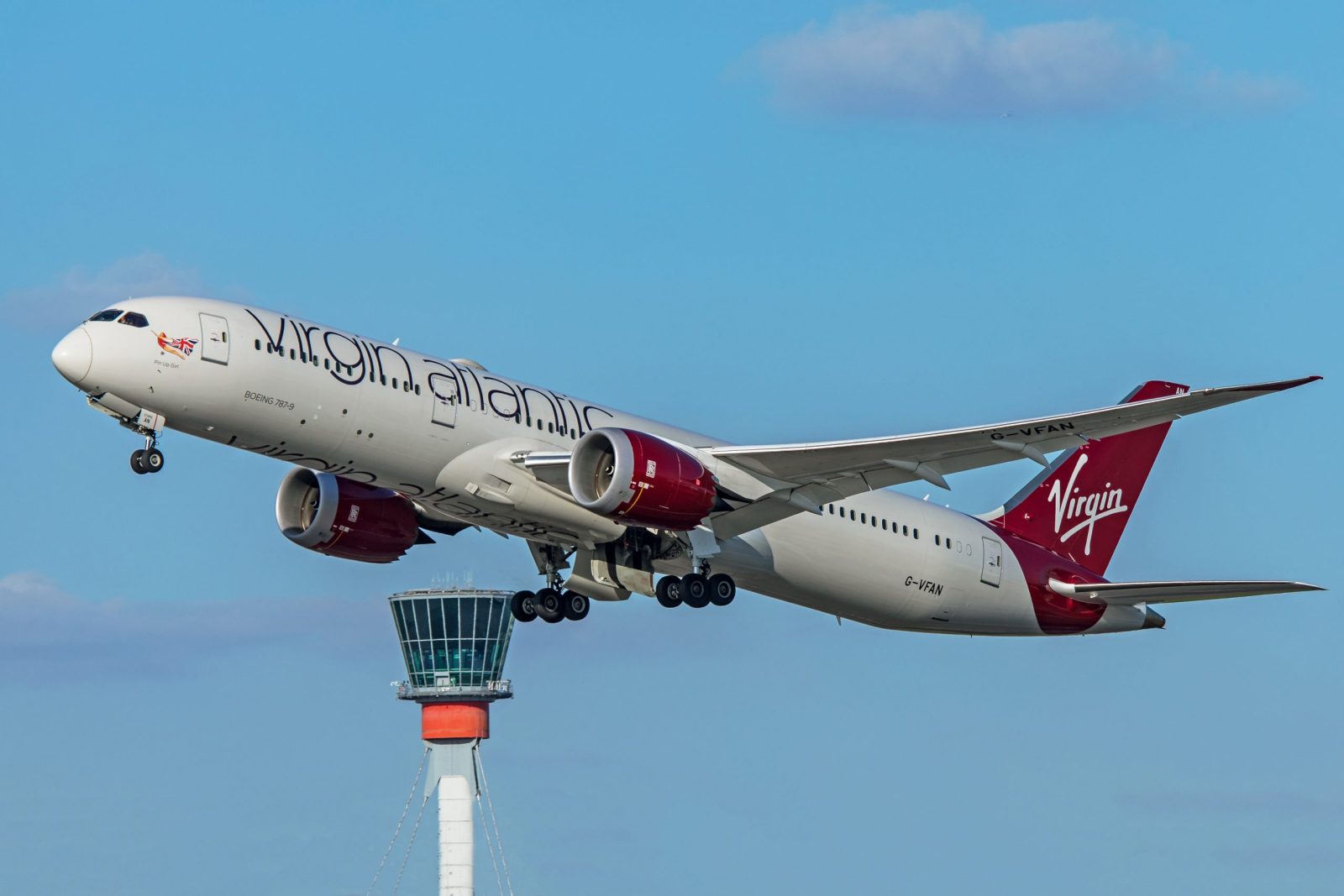
A Virgin Atlantic 787-9 departing London Heathrow. (Photo: AirlineGeeks | William Derrickson)
Virgin Atlantic confirmed Wednesday that it will temporarily pause a connection between London Heathrow and the U.S. Pacific Northwest.
“Due to evolving customer demand, we’re making some changes to our winter 2026 flying program,” a Virgin Atlantic spokesperson told AirlineGeeks. “We have taken the difficult decision to temporarily suspend our services from Seattle for the winter 2026 season only. We intend to resume our daily service in March 2027.”
The carrier noted that Delta, a strategic partner and part-owner of Virgin Atlantic, offers London-Seattle flights.
“Customers can continue to travel from Seattle with our partner Delta Air Lines, who will offer daily services to London Heathrow,” the spokesperson continued. “We’d like to apologize to any affected customers and will be contacting them with their options which include rebooking or a refund.”
Virgin Atlantic’s temporary pause could open up market share for Alaska Airlines, which plans to launch Seattle-London service on May 21. Delta, Alaska, Virgin Atlantic, and British Airways are the only airlines scheduled to operate the route.
Zach Vasile is a writer and editor covering news in all aspects of commercial aviation. He has reported for and contributed to the Manchester Journal Inquirer, the Hartford Business Journal, the Charlotte Observer, and the Washington Examiner, with his area of focus being the intersection of business and government policy.
Lufthansa Considers Fuel Detours for Some Flights
The carrier is preparing for potential fuel shortages in certain markets.
Facing the possibility of widespread jet fuel shortages this summer, Lufthansa is considering adding refueling stops to currently nonstop flights.
On an earnings call Wednesday morning, Lufthansa CFO Till Streichert said the airline is not facing imminent fuel shortages and should be secure until June. But if the conflict in the Middle East is not resolved and global supply runs low, he added, the carrier will have to consider new measures, including adding “tank stops” on certain connections, most likely to Asia and Africa.
The stops may be needed because destination airports could be depleted.
Lufthansa CEO Carsten Spohr noted that there are rare occasions when a destination airport runs out of fuel, making it necessary for flights to stop elsewhere.
The carrier is also considering loading up its aircraft with enough fuel for their outgoing and return journeys. This practice, known as tankering, is limited under European law, but Spohr said he will encourage regulators to temporarily ease those rules.
Lufthansa has already made sweeping changes to its summer schedule, axing 20,000 flights through October and temporarily suspending service to three destinations in Europe. It has also grounded older, less efficient aircraft.
In April, the carrier accelerated the shutdown of Munich-based Lufthansa CityLine in an effort to contain the subsidiary’s longstanding losses.
Zach Vasile is a writer and editor covering news in all aspects of commercial aviation. He has reported for and contributed to the Manchester Journal Inquirer, the Hartford Business Journal, the Charlotte Observer, and the Washington Examiner, with his area of focus being the intersection of business and government policy.
Qantas Extends Perth-to-Rome Service
The Australian flag carrier is also modifying its connection to Paris.
Lorne is a South Africa-based aviation journalist. He was captivated and fascinated by flying from the day he took his first airline flight. With a passion for aviation in his blood, he has flown to destinations in all corners of the globe. Lorne has traveled extensively and lived in various countries. Drawing on his travels and passion for aviation, Lorne enjoys writing about airlines, routes, networks, and new developments.
Court Clears Way for Spirit’s Dismantling
A U.S. bankruptcy judge on Tuesday approved the failed carrier's wind-down plan and budget.
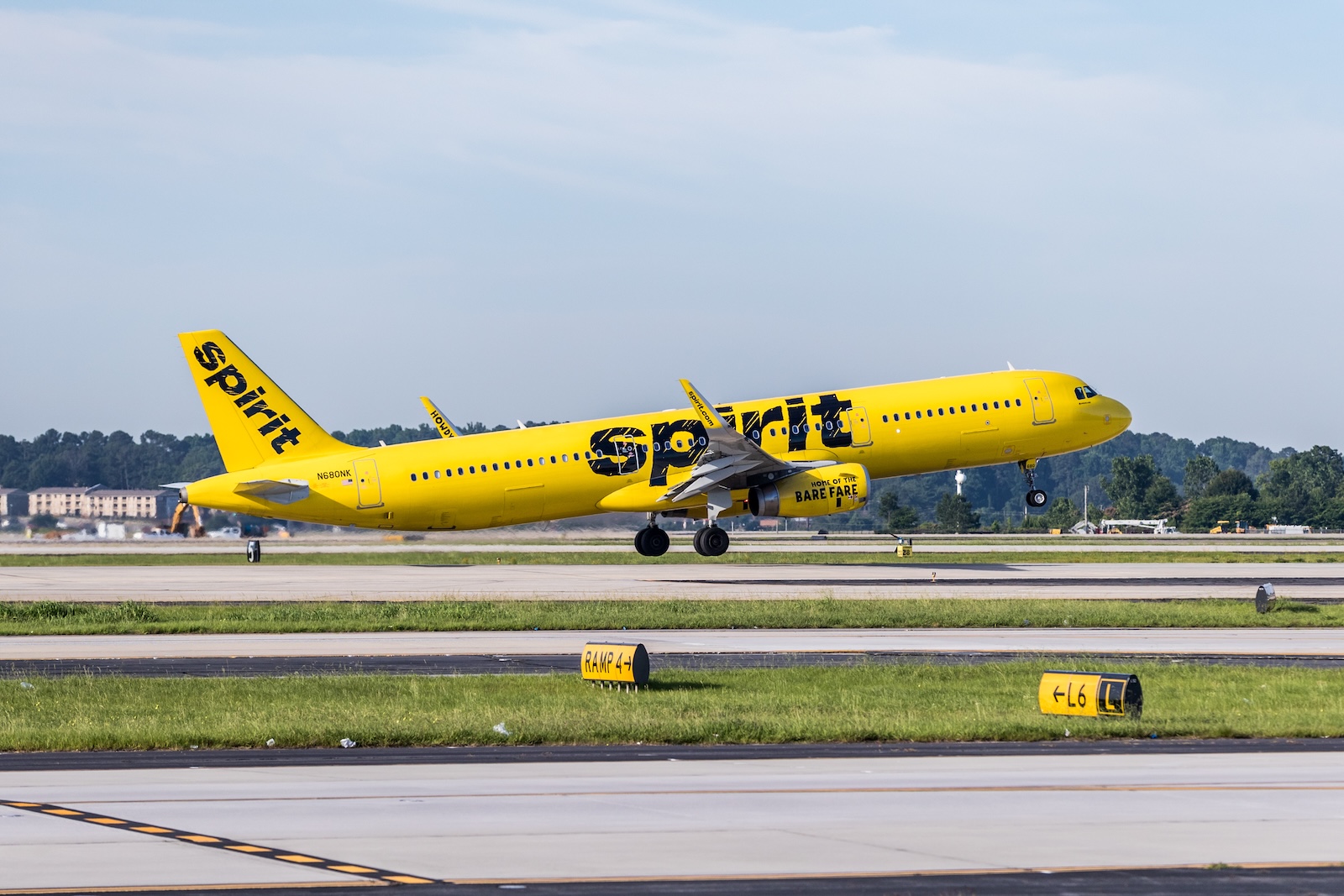
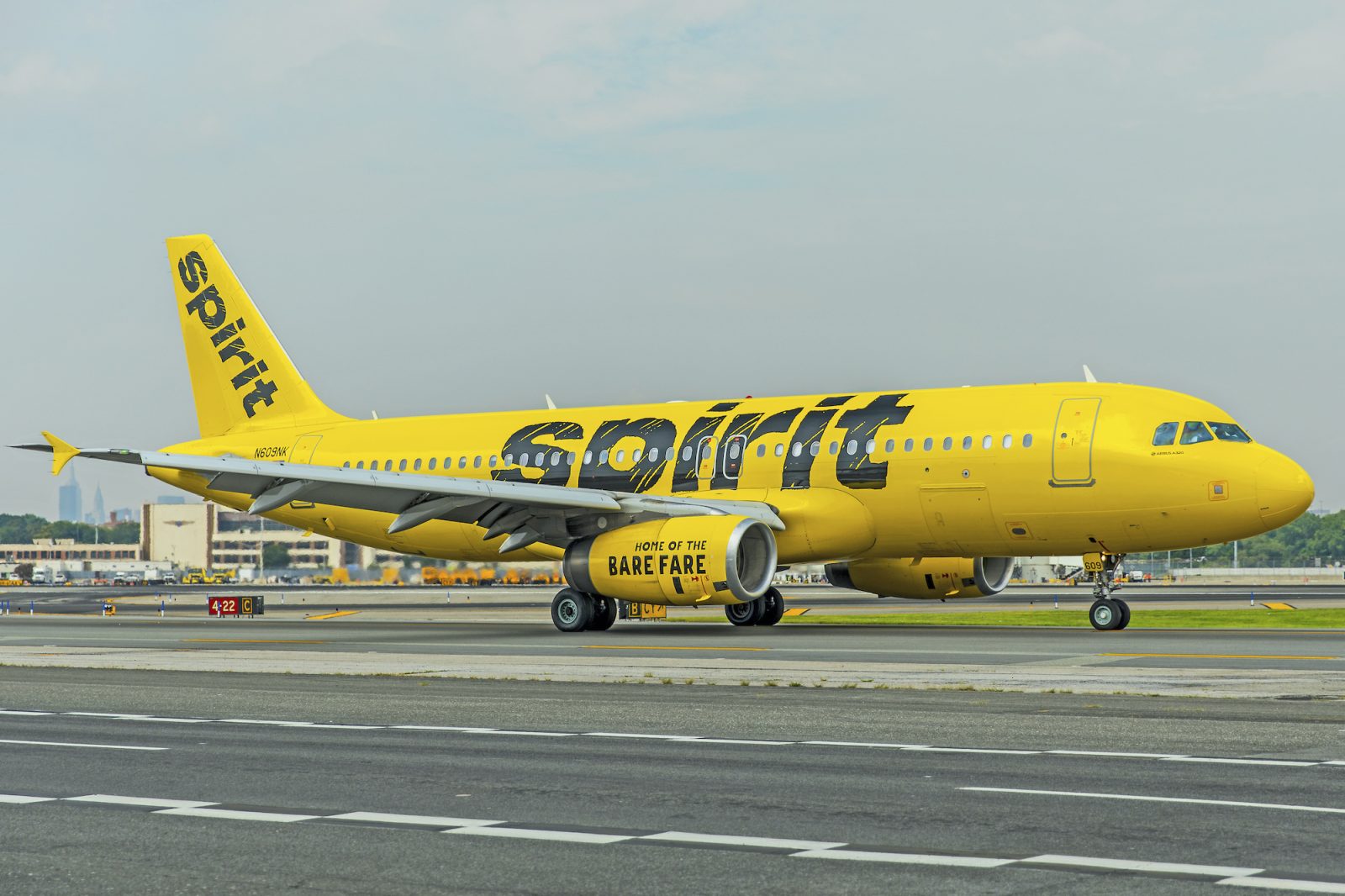
A Spirit Airbus A321 aircraft. (Photo: Shutterstock | Felipe I Santiago)
A U.S. bankruptcy court on Tuesday approved Spirit’s plan to wind down operations, allowing the now-defunct carrier to prepare for full-scale liquidation.
Spirit filed its wind-down plan and budget on Monday, two days after grounding all flights. The proposal allows Spirit to retain about 150 employees to oversee the company’s dismantling over a period of several months.
“Today is a very challenging day,” Judge Sean Lane said, according to a report from the Associated Press. “It’s not a day that anybody hoped would ever come.”
Lane also extended his sympathies to former Spirit employees and their families.
The airline plans to sell off almost everything of value, including aircraft, spare parts, equipment, and slots at airports. Its wind-down plan suggested sending some remaining Spirit employees to secure physical assets to make sure they are not damaged or degraded.
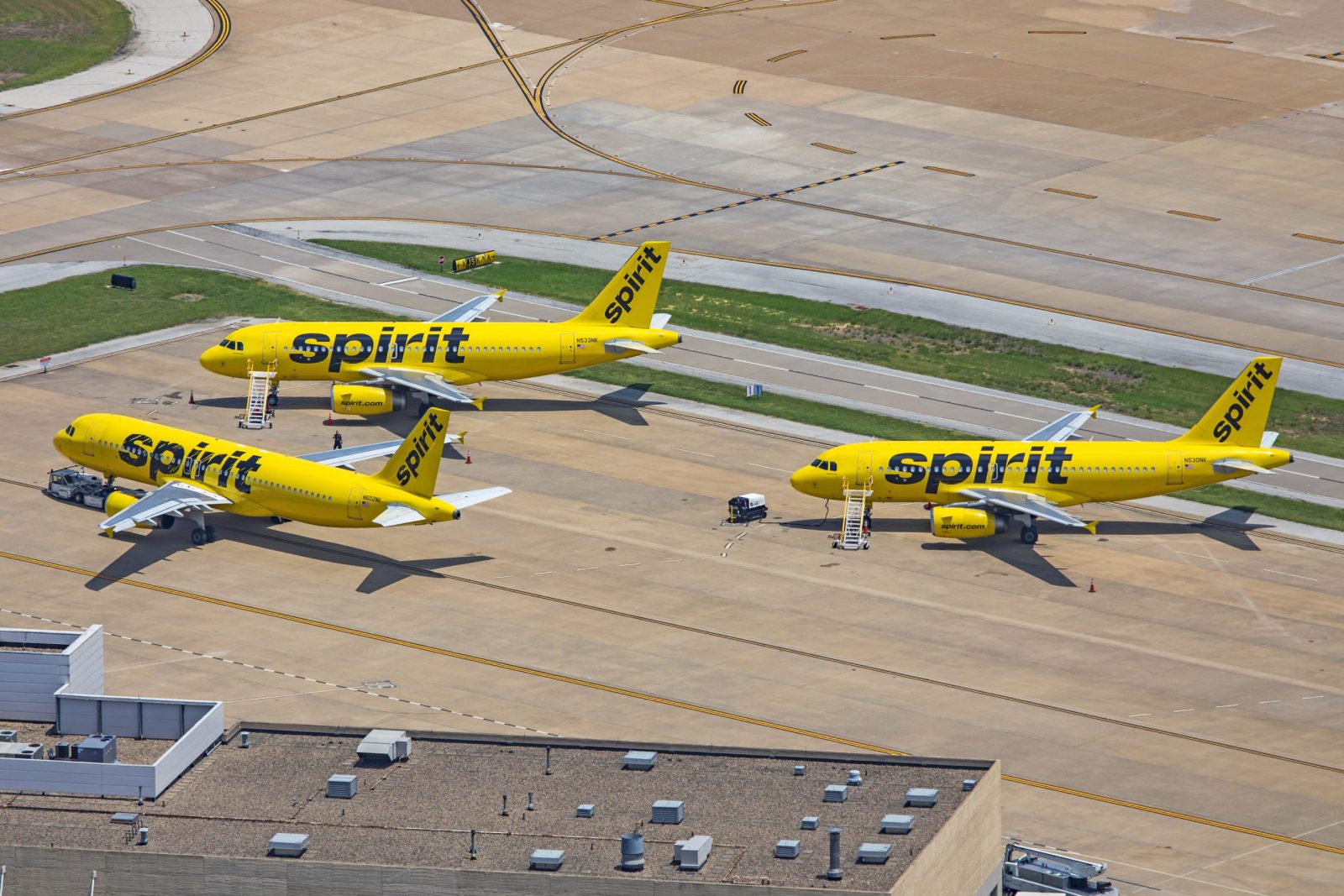
According to the AP, Spirit has 114 Airbus A320-family aircraft, most of them leased. Leased aircraft will be returned to their lessors, and the jets the company owns outright will be sold under liquidation procedures.
Spirit suspended operations early Saturday morning, around 2 a.m. The airline had been in negotiations with the Trump administration for a $500 million rescue package, but some of Spirit’s creditors balked at terms that would have given the federal government an up to 90% stake in the company. According to Spirit’s account, the administration’s offer was withdrawn on Thursday, cutting off the carrier’s last potential lifeline.
In court, Spirit attorney Marshall Huebner, of Davis Polk, said rising oil prices – a consequence of the war in Iran and the closure of the Strait of Hormuz – ultimately “engulfed” the airline. He also apologized to the carrier’s former workers and customers and warned that, without Spirit in the mix, travelers across the U.S. will likely pay higher ticket prices.
Zach Vasile is a writer and editor covering news in all aspects of commercial aviation. He has reported for and contributed to the Manchester Journal Inquirer, the Hartford Business Journal, the Charlotte Observer, and the Washington Examiner, with his area of focus being the intersection of business and government policy.
Delta Cuts Food, Beverage Service on Short Flights
The only exception will be first-class passengers, who will continue to receive full meal and drink service on every connection, regardless of duration.
On the other side of the mileage divide, service is expanding. The airline said Delta Comfort and Delta Main passengers on flights 350 miles or more will receive full beverage and snack service.
“Even on the small number of flights without beverage service, our crew will continue to be visible, available, and focused on caring for our customers, like they do on every flight,” Delta said in a statement.
The carrier’s current cutoff for food and drink service is 250 miles. Flights between 250 and 349 miles have come with “express” service since 2017.
Zach Vasile is a writer and editor covering news in all aspects of commercial aviation. He has reported for and contributed to the Manchester Journal Inquirer, the Hartford Business Journal, the Charlotte Observer, and the Washington Examiner, with his area of focus being the intersection of business and government policy.
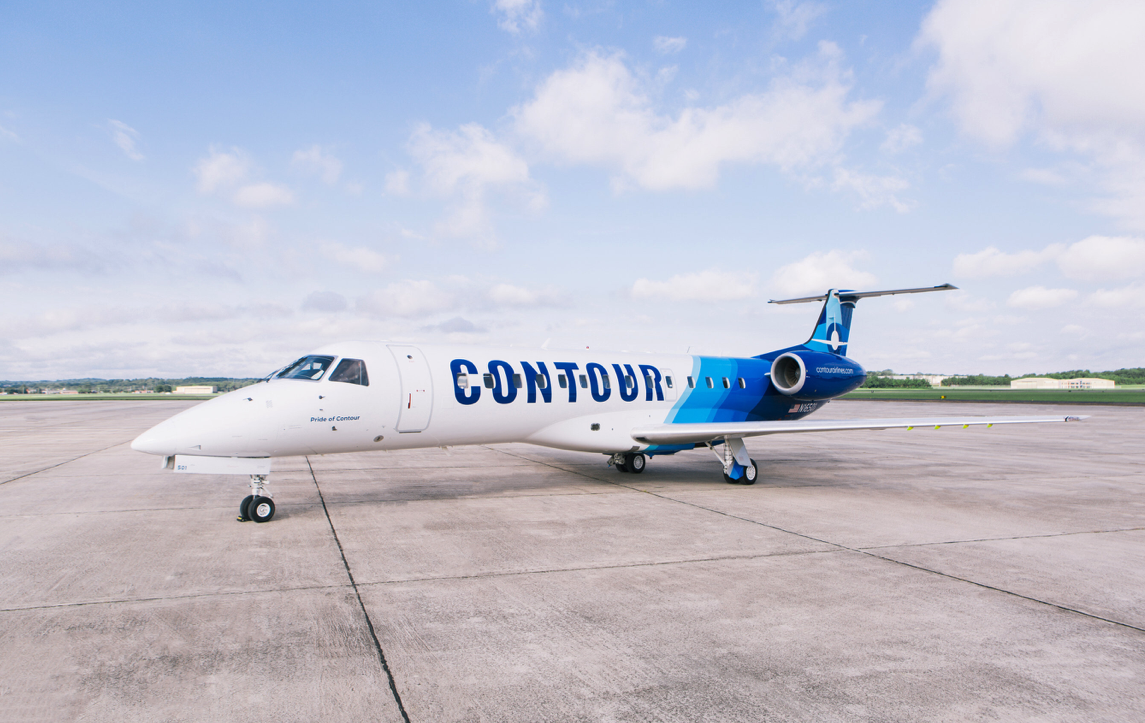
A Contour Airlines ERJ-135. (Photo: Contour Airlines)
Contour Airlines will bring commercial air service to a new airport in New Mexico next month.
Starting June 25, the independent regional carrier will connect Sierra Blanca Regional Airport near Ruidoso, New Mexico, with Denver. Flights will operate four times per week, on Mondays, Thursdays, Fridays, and Sundays.
Sierra Blanca has never had regular passenger service, Ruidoso officials said.
“Launching the first commercial air service in Ruidoso is an incredibly exciting milestone for Contour Airlines,” Contour President Ben Munson said in a news release. “This new nonstop route to Denver not only transforms how the community connects to the rest of the country, but also opens the door for more visitors to experience everything Ruidoso has to offer.”
Contour will use a 30-seat regional jet for the connection.
Ruidoso is a mountain resort community located in Lincoln County.
Zach Vasile is a writer and editor covering news in all aspects of commercial aviation. He has reported for and contributed to the Manchester Journal Inquirer, the Hartford Business Journal, the Charlotte Observer, and the Washington Examiner, with his area of focus being the intersection of business and government policy.
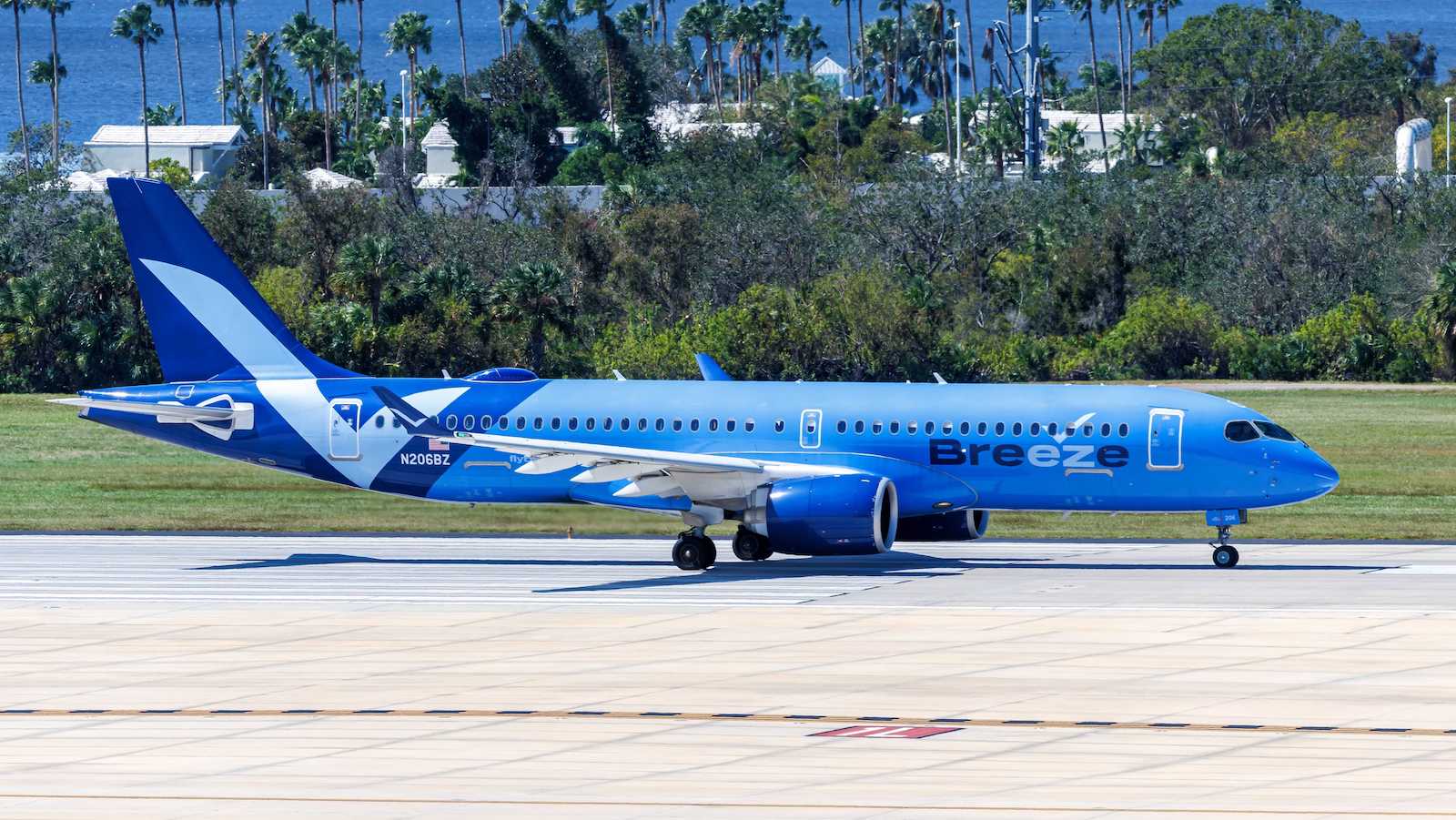
Breeze Adds 11 Routes, Including New Caribbean Destination
The new connections will come online between July 2026 and January 2027.
Starting Dec. 16, the carrier will connect Tampa, Florida, and Saint Thomas in the U.S. Virgin Islands. Flights will operate on Wednesdays and Saturdays.
“Launching service to the U.S. Virgin Islands on the cusp of our five-year anniversary speaks to how far Breeze has come in that time,” Breeze founder and CEO David Neeleman said in a news release.
Breeze currently serves three international destinations in the Caribbean – Nassau, Bahamas; Montego Bay, Jamaica; and Punta Cana, Dominican Republic.
The low-cost carrier is also adding routes to and from cities already in its network.
Starting later this year, Breeze will connect Atlantic City, New Jersey, with Orlando, Fort Myers, and West Palm Beach in Florida, and Myrtle Beach, South Carolina.
In January 2027, flights will start between Columbus, Ohio, and Punta Cana.
Pittsburgh will get new connections to Cancun, Punta Cana, and Vero Beach, Florida. Richmond, Virginia, and Tampa will also see service to Cancun, beginning in the winter of 2026-27.
Zach Vasile is a writer and editor covering news in all aspects of commercial aviation. He has reported for and contributed to the Manchester Journal Inquirer, the Hartford Business Journal, the Charlotte Observer, and the Washington Examiner, with his area of focus being the intersection of business and government policy.
What’s Next for Spirit? Inside the Airline’s ‘Wind-Down’ Plan
The failed carrier will retain a small core of employees to manage its shutdown and liquidate assets.
Spirit Airbus jets. (Photo: AirlineGeeks | William Derrickson)
Spirit is looking to draw on additional financing to support its shutdown and liquidation, according to a filing submitted to the court overseeing the carrier’s federal bankruptcy case.
Spirit’s attorneys argued that it will need access to debtor-in-possession loans to conduct an orderly wind-down and eventually repay its creditors. The company plans to retain a small core of employees, perhaps around 150 people, to oversee shutdown-related tasks and the liquidation of Spirit assets, and they will have to be paid and provided with benefits, the filing states.
That contingent would be reduced to around 40 employees after three months as major goals are checked off.
The carrier is also asking the court to authorize its continued use of third-party contractors and an “incentive plan” for certain senior employees.
Failing to retain those workers would impose additional costs through the hiring of replacements, jeopardize institutional knowledge, and make it more difficult to obtain the highest possible sale value for company assets, Spirit’s attorneys wrote.
The alternative, they added, is a “freefall shutdown and fire sale liquidation” that could result in material damage to assets, the loss of asset value, and significant administrative expenses.
“While it is most assuredly not the outcome the debtors hoped for, the wind-down plan is the value maximizing option,” Spirit’s representatives said.
The filing also raises the possibility of hiring personnel to secure and safeguard company assets, including aircraft.
Spirit canceled all flights around 3 a.m. Saturday and laid off the majority of its workforce. The carrier had been in negotiations with the Trump administration for a $500 million cash infusion, but some of its creditors objected to terms that would have given the federal government an up to 90% stake in the salvaged company. Talks collapsed shortly afterward, and despite optimistic remarks from President Donald Trump, no rescue materialized Friday as Spirit executives laid the groundwork for a shutdown.
A Spirit A320 in New York. (Photo: AirlineGeeks | William Derrickson)
Officials said they plan to liquidate the company’s assets “over the next several months in an orderly and expeditious manner.”
The carrier is also seeking to terminate its obligations to workers’ 401(k) plans and healthcare plans.
Last Days
The filing also offers some insight into Spirit’s last week of operations.
At some point late last week, the U.S. government allegedly withdrew its offer of financial support, cutting off Spirit’s only potential lifeline. It became apparent as early as Thursday that there was no viable path forward for the company, the document states.
Executives determined that early Saturday morning would be the safest time to announce the end of operations, since all aircraft would be on the ground.
The carrier also put to rest any debate about the ultimate cause of its collapse, stating that the recent surge in jet fuel prices made a recovery impossible. Between March 1 and April 30 alone, the airline’s incremental fuel cost was $100 million.
Reporting from The Wall Street Journal and CNN over the weekend suggested that the tentative Spirit bailout divided the Trump administration. Commerce Secretary Howard Lutnick is believed to have advocated strongly in favor of saving the airline, but other officials, including Transportation Secretary Sean Duffy, White House deputy chief of staff Stephen Miller, and National Economic Council Director Kevin Hassett, reportedly had reservations about propping up a long-troubled private-sector company.
The federal government has intervened to rescue airlines before, but only during times of national crisis, such as after 9/11 and during the height of the COVID-19 pandemic.
Zach Vasile is a writer and editor covering news in all aspects of commercial aviation. He has reported for and contributed to the Manchester Journal Inquirer, the Hartford Business Journal, the Charlotte Observer, and the Washington Examiner, with his area of focus being the intersection of business and government policy.
Sign-up for newsletters & special offers!
Get the latest stories & special offers delivered directly to your inbox