
Stories

What’s Next for Spirit? Inside the Airline’s ‘Wind-Down’ Plan

The failed carrier will retain a small core of employees to manage its shutdown and liquidate assets.

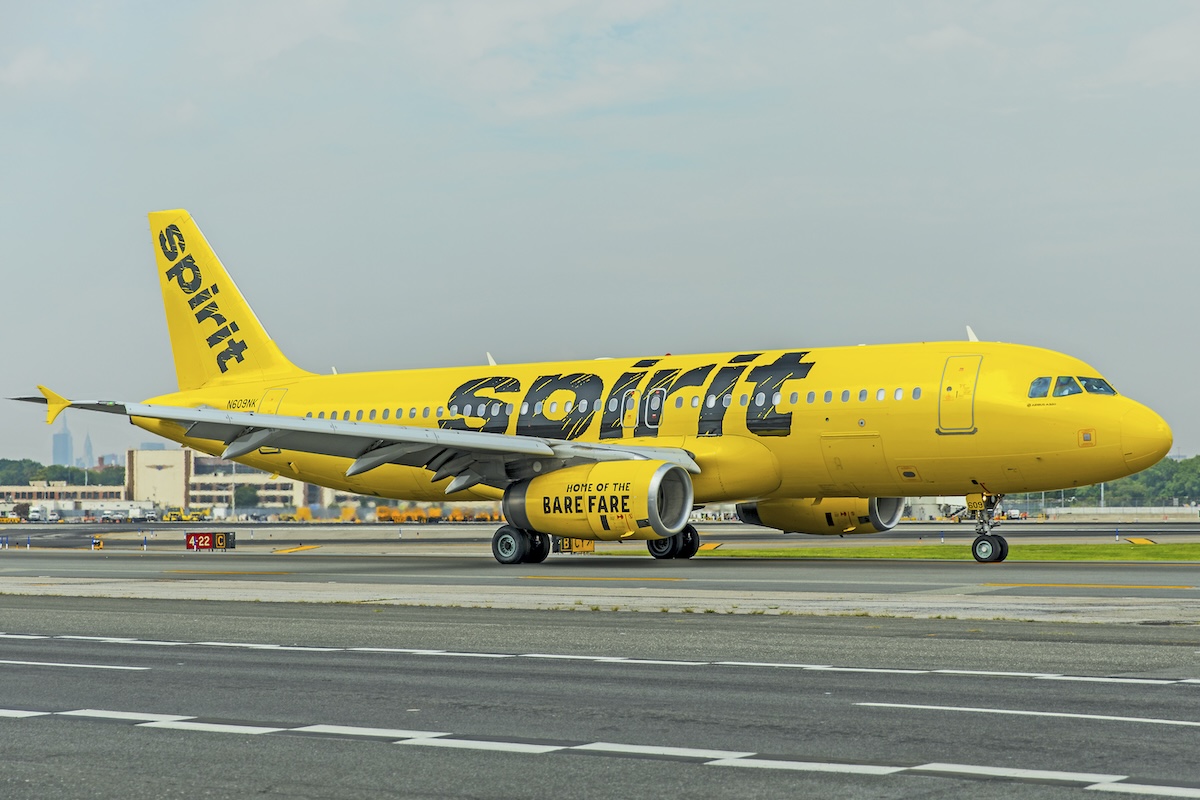
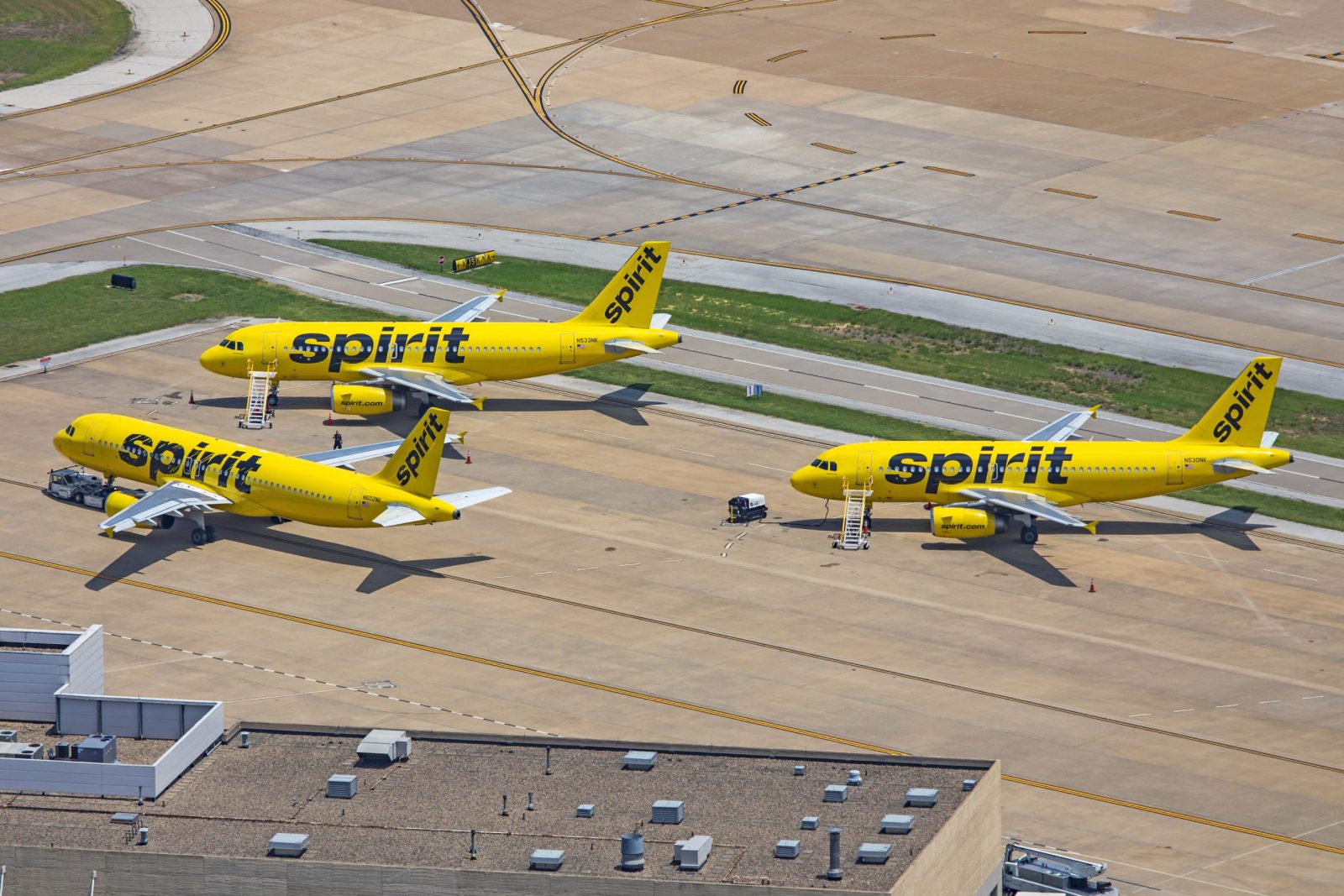
Spirit aircraft
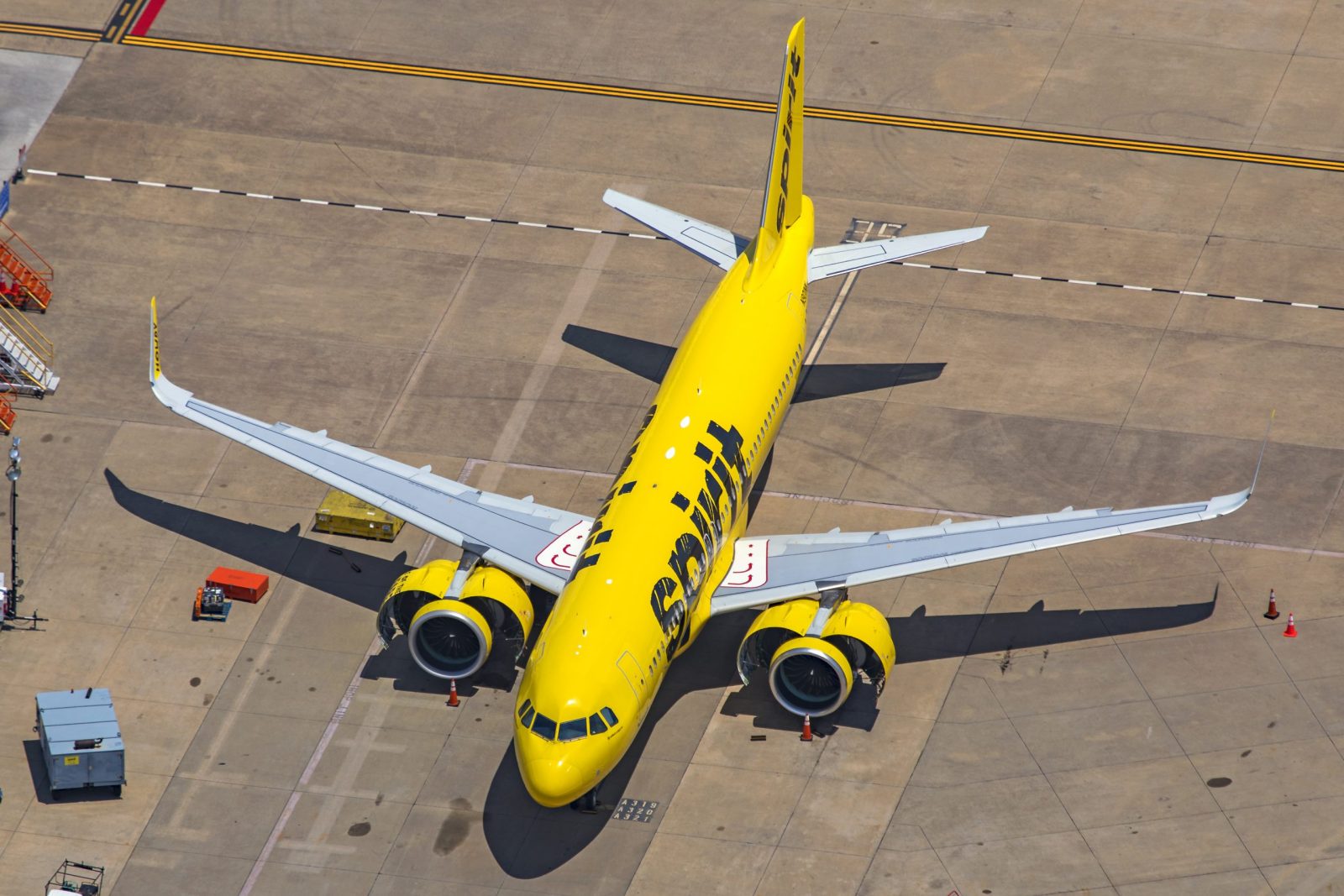
Spirit Airbus jets. (Photo: AirlineGeeks | William Derrickson)

Spirit is looking to draw on additional financing to support its shutdown and liquidation, according to a filing submitted to the court overseeing the carrier’s federal bankruptcy case.

Spirit’s attorneys argued that it will need access to debtor-in-possession loans to conduct an orderly wind-down and eventually repay its creditors. The company plans to retain a small core of employees, perhaps around 150 people, to oversee shutdown-related tasks and the liquidation of Spirit assets, and they will have to be paid and provided with benefits, the filing states.

That contingent would be reduced to around 40 employees after three months as major goals are checked off.

The carrier is also asking the court to authorize its continued use of third-party contractors and an “incentive plan” for certain senior employees.

Failing to retain those workers would impose additional costs through the hiring of replacements, jeopardize institutional knowledge, and make it more difficult to obtain the highest possible sale value for company assets, Spirit’s attorneys wrote.

The alternative, they added, is a “freefall shutdown and fire sale liquidation” that could result in material damage to assets, the loss of asset value, and significant administrative expenses.

“While it is most assuredly not the outcome the debtors hoped for, the wind-down plan is the value maximizing option,” Spirit’s representatives said.

The filing also raises the possibility of hiring personnel to secure and safeguard company assets, including aircraft.

Spirit canceled all flights around 3 a.m. Saturday and laid off the majority of its workforce. The carrier had been in negotiations with the Trump administration for a $500 million cash infusion, but some of its creditors objected to terms that would have given the federal government an up to 90% stake in the salvaged company. Talks collapsed shortly afterward, and despite optimistic remarks from President Donald Trump, no rescue materialized Friday as Spirit executives laid the groundwork for a shutdown.
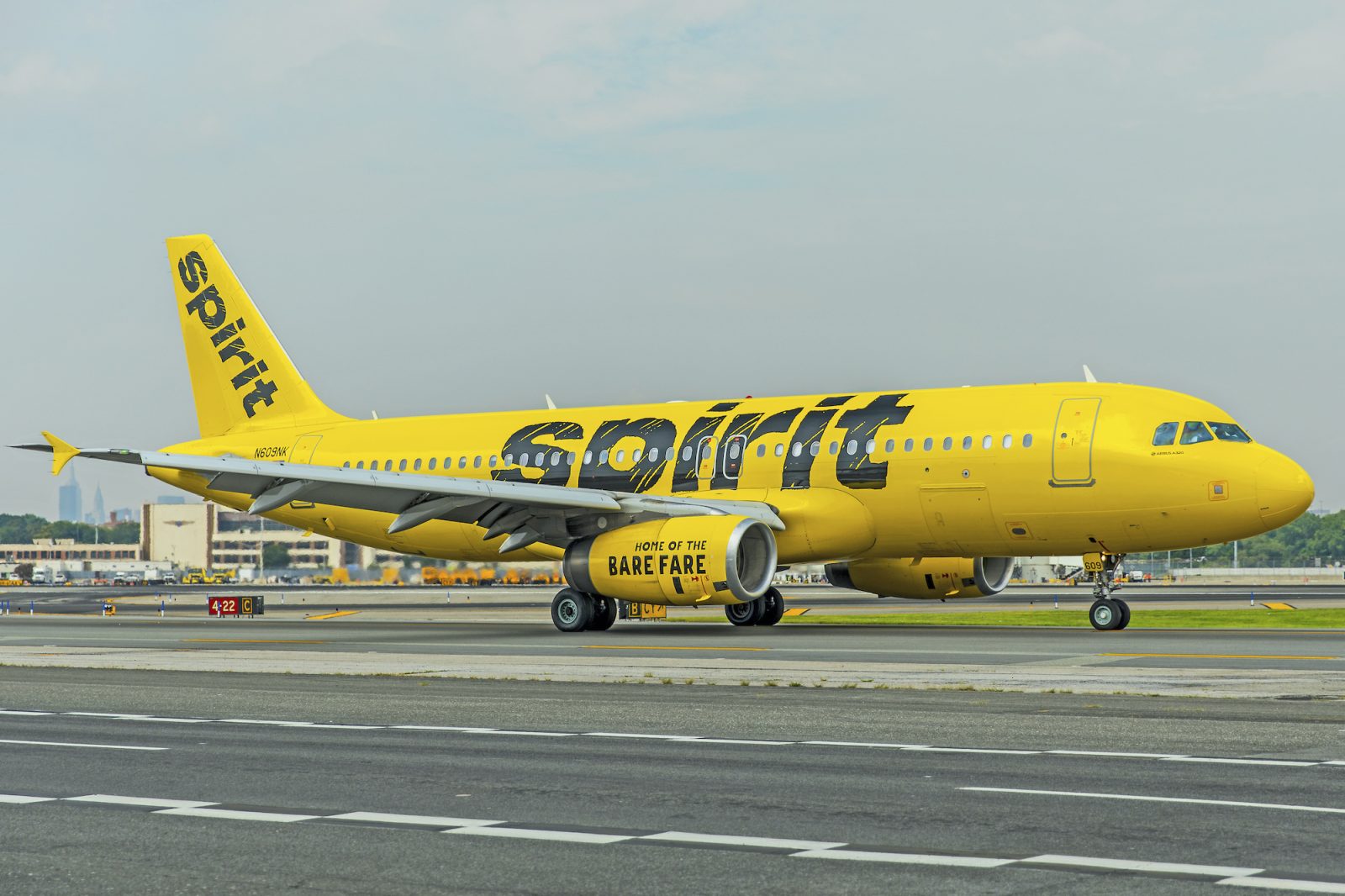
A Spirit A320 in New York. (Photo: AirlineGeeks | William Derrickson)

Officials said they plan to liquidate the company’s assets “over the next several months in an orderly and expeditious manner.”

The carrier is also seeking to terminate its obligations to workers’ 401(k) plans and healthcare plans.

Last Days

The filing also offers some insight into Spirit’s last week of operations.

At some point late last week, the U.S. government allegedly withdrew its offer of financial support, cutting off Spirit’s only potential lifeline. It became apparent as early as Thursday that there was no viable path forward for the company, the document states.

Executives determined that early Saturday morning would be the safest time to announce the end of operations, since all aircraft would be on the ground.

The carrier also put to rest any debate about the ultimate cause of its collapse, stating that the recent surge in jet fuel prices made a recovery impossible. Between March 1 and April 30 alone, the airline’s incremental fuel cost was $100 million.

Reporting from The Wall Street Journal and CNN over the weekend suggested that the tentative Spirit bailout divided the Trump administration. Commerce Secretary Howard Lutnick is believed to have advocated strongly in favor of saving the airline, but other officials, including Transportation Secretary Sean Duffy, White House deputy chief of staff Stephen Miller, and National Economic Council Director Kevin Hassett, reportedly had reservations about propping up a long-troubled private-sector company.

The federal government has intervened to rescue airlines before, but only during times of national crisis, such as after 9/11 and during the height of the COVID-19 pandemic.

Zach Vasile

Zach Vasile is a writer and editor covering news in all aspects of commercial aviation. He has reported for and contributed to the Manchester Journal Inquirer, the Hartford Business Journal, the Charlotte Observer, and the Washington Examiner, with his area of focus being the intersection of business and government policy.

United Starts New Flights to Europe

The carrier will add five new international long-haul destinations by the end of May.

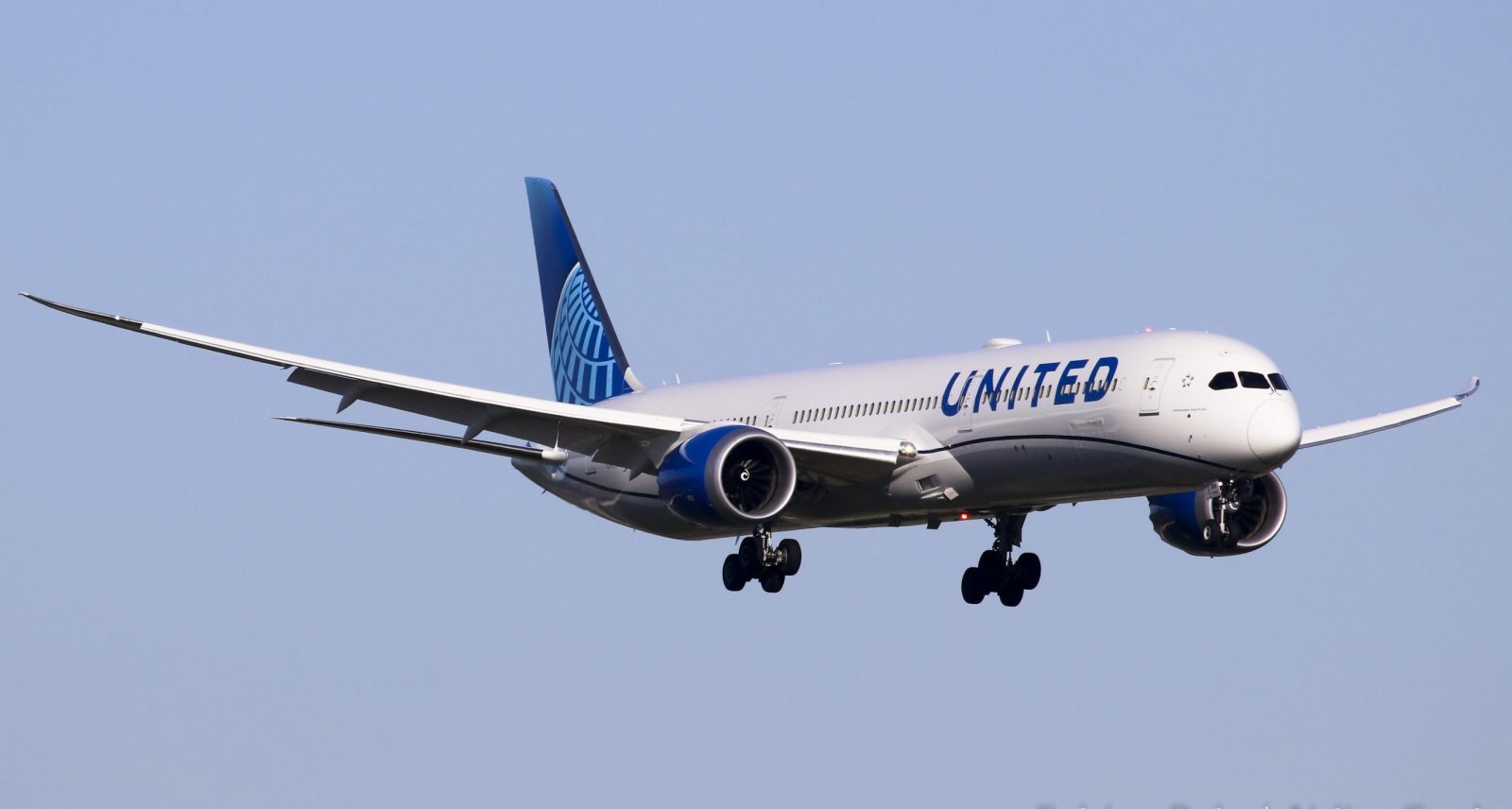
United 787-10
A United 787 Dreamliner descends into Amsterdam. (Photo: AirlineGeeks | Fabian Behr)

United launched two new long-haul connections to southern Europe last week.

The carrier now links Newark, New Jersey, with Split, Croatia, and Bari, Italy. Service to Split began on Thursday and will operate three times per week going forward. Flights to Bari launched one day later, on Friday, and will now run four times per week.

Three more European destinations will join United’s long-haul network this month – Glasgow, Scotland (May 8); Reykjavik, Iceland (May 21); and Santiago de Compostela, Spain (May 27). The airline will serve Glasgow and Santiago de Compostela from Newark, and Reykjavik from Washington Dulles.

All five routes were announced in October 2025, as United prepared its summer 2026 schedule.

The carrier is also set to restart several seasonal long-haul routes, including Faro (May 15) and Madeira Island, Portugal (May 16); Palermo, Italy (May 22); Bilbao, Spain (May 30); Nuuk, Greenland (June 6). All five connections will operate from Newark.

Zach Vasile

Zach Vasile is a writer and editor covering news in all aspects of commercial aviation. He has reported for and contributed to the Manchester Journal Inquirer, the Hartford Business Journal, the Charlotte Observer, and the Washington Examiner, with his area of focus being the intersection of business and government policy.

Qantas Moves A321XLR Onto Its Longest Domestic Route

The Australian flag carrier began flying the type in September 2025.

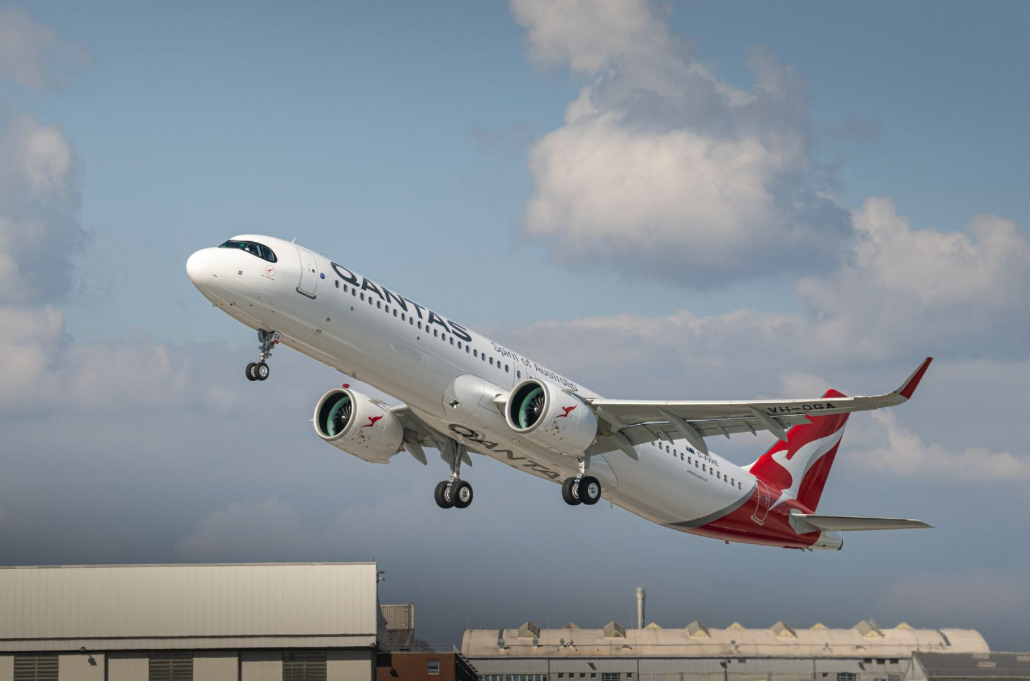
Qantas' first Airbus A321XLR, nicknamed "Great Ocean Road." (Photo: Qantas)

Qantas’ newest Airbus A321XLR has been put to work on one of the carrier’s busiest domestic routes.

The aircraft, nicknamed “Murray River,” entered service on Monday linking Brisbane and Perth. The connection is Qantas’ longest domestic route.

The carrier has ordered a total of 48 -XLRs and will use them to replace the Boeing 737-800. The A321XLR offers a quieter cabin, faster wireless internet, and larger overhead bins, officials said.

Murray River is scheduled to operate six return services per week between Perth and Brisbane.

Qantas took delivery of its first two A321XLRs last year, and they entered service together in September.

Zach Vasile

Zach Vasile is a writer and editor covering news in all aspects of commercial aviation. He has reported for and contributed to the Manchester Journal Inquirer, the Hartford Business Journal, the Charlotte Observer, and the Washington Examiner, with his area of focus being the intersection of business and government policy.

Southwest Adds Over a Dozen New Routes

The carrier is expanding operations at two of its hubs.

Southwest aircaft
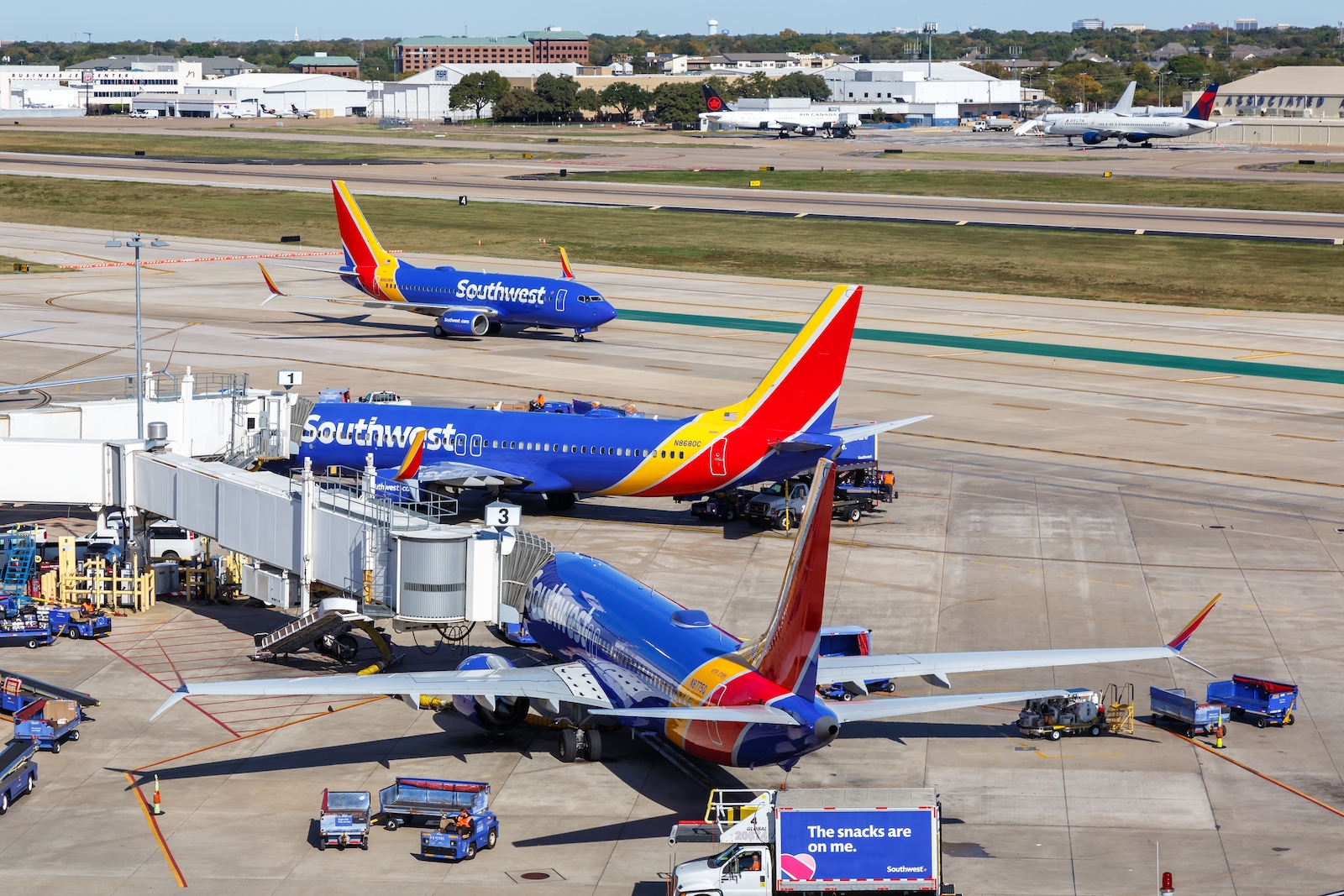
Southwest Airlines Boeing 737 airplanes at Dallas Love Field. (Photo: Shutterstock | Markus Mainka)

Southwest is rolling out new routes from two of its busiest hub locations – Las Vegas and Orlando, Florida.

The carrier said Monday that it is working to expand its presence in its most important markets. Some of the connections included in the airline’s announcement, such as Las Vegas to Santa Rosa, California, already came online earlier this year.

The remainder will start between this month and the spring of 2027.

The still-to-launch, previously unannounced routes from Las Vegas are: Anchorage, Alaska (May); Boston (March 2027); Cancun (June); Hilo, Hawaii (August); Knoxville, Tennessee (March 2027); Miami (March 2027); Philadelphia (March 2027); Puerto Vallarta, Mexico (October); San Jose del Cabo, Mexico (June); and San Jose, Costa Rica (October).

The new routes from Orlando are: Little Rock, Arkansas (June); San Jose, California (November); and Wichita, Kansas (June).

“Las Vegas and Orlando are foundational communities in our network, and places where Southwest long has offered the most service, seats, and nonstop travel options,” Southwest COO Andrew Watterson said in a news release. “We’re bringing more to our relationship in both places and adding to the hundreds of flights a day we already offer in both communities.”

Southwest also plans to add flights on existing routes from both Las Vegas and Orlando.

Austin, Texas; Burbank, California; Denver; Indianapolis; Kansas City; Los Angeles; Nashville, Tennessee; New Orleans; Oakland, California; Orange County, California; Orlando; Phoenix; Reno, Nevada; San Francisco; and Tampa, Florida, will all see increased connectivity to Las Vegas. The new flights will be added between the spring and fall of 2026, with Orange County coming online in March 2027.

Over roughly the same timeframe, Southwest will expand routes between Orlando and Albuquerque, New Mexico; Austin; Baltimore; Buffalo, New York; Kansas City; Las Vegas; Louisville, Kentucky; Memphis, Tennessee; Milwaukee; Nashville; New Orleans; Oklahoma City; Philadelphia; Pittsburgh; Rochester, New York; San Antonio, Texas; and San Juan, Puerto Rico.

Zach Vasile

Zach Vasile is a writer and editor covering news in all aspects of commercial aviation. He has reported for and contributed to the Manchester Journal Inquirer, the Hartford Business Journal, the Charlotte Observer, and the Washington Examiner, with his area of focus being the intersection of business and government policy.

After Scuttled Spirit Deal, Trump Admin Assigns Blame for Airline’s Demise

Transportation Secretary Sean Duffy said responsibility lies with former President Joe Biden and his Justice Department.

Spirit A320neo jet
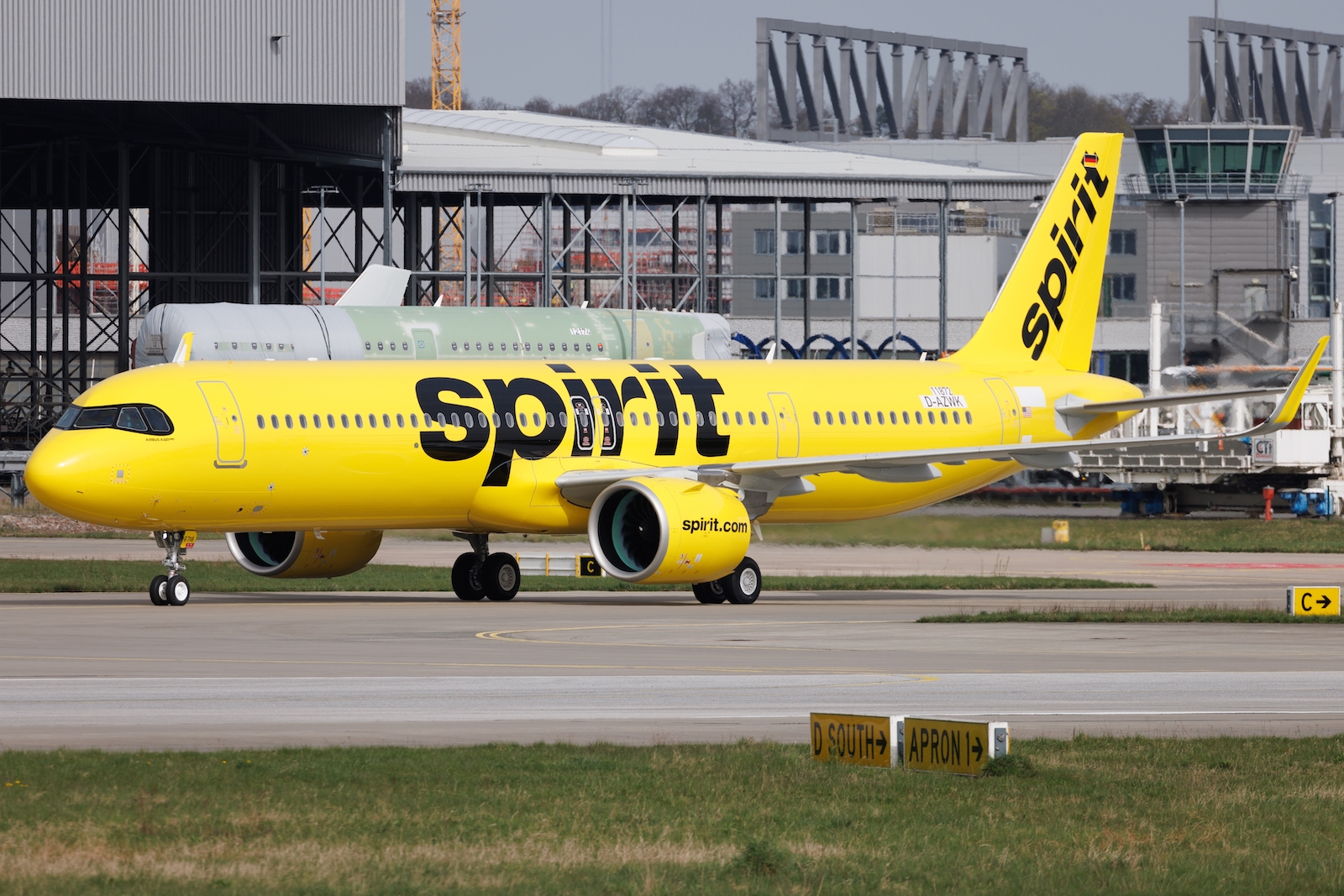
A Spirit Airbus A321neo aircraft. (Photo: Shutterstock | Kevin Hackert)

U.S. Transportation Secretary Sean Duffy on Saturday linked the shutdown of Spirit Airlines to the carrier’s failed merger with JetBlue during the Biden administration.

Speaking at a press conference at Newark Liberty International Airport in New Jersey only hours after Spirit ceased operations, Duffy said the former administration’s decision to block the linkup proved fatal for the ultra-low-cost airline.

“There was a proposed merger between JetBlue and Spirit,” he said. “And Joe Biden and Pete Buttigieg, along with the Biden DOJ, decided that they did not want that merger to take place. And at the time, the Biden DOJ bragged and said, as they canceled the option for this merger, that this was a victory for U.S. travelers who deserve lower prices and better choices.”

“Now, many at the time said this was a disaster, that this merger should have been allowed,” the secretary continued. “And this today would indicate this is not better for travelers, this is not better for pricing, this is not better for competition. Actually it is worse.”

JetBlue and Spirit announced plans to merge in 2022, but the deal was called off in 2024 following an unfavorable ruling in federal court. The Justice Department’s Antitrust Division argued that the merger could hurt competition and raise prices for consumers.

JetBlue A321LR
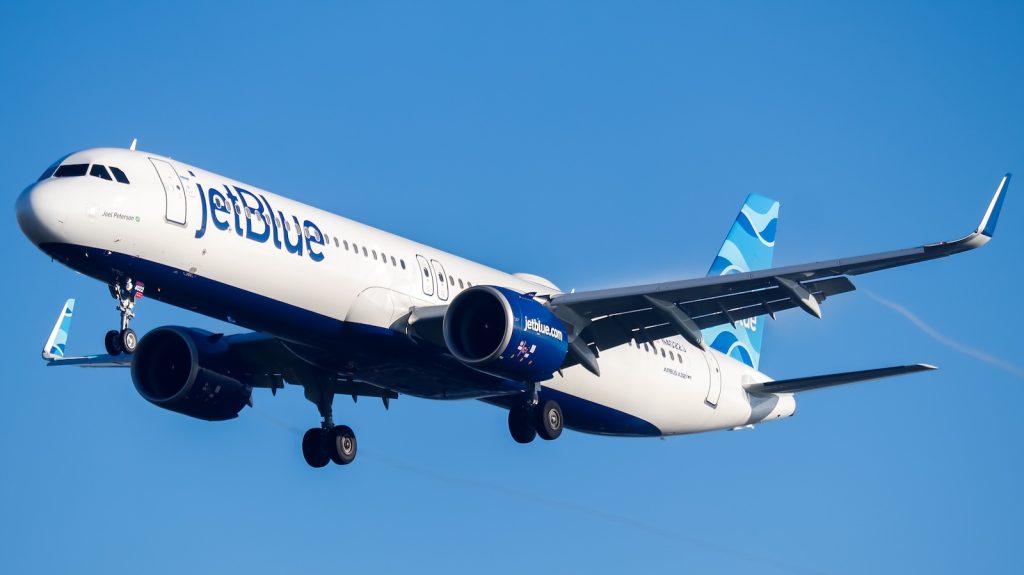
A JetBlue A321LR in London. (Photo: Shutterstock | Bradley Caslin)

“If the markets are saying there needs to be a merger because there are health issues with one of the airlines or more than one airline, we have to take a look at it and make sure we make the right choices,” Duffy said. “And in this situation, history has judged the denial of the merger between JetBlue and Spirit through the Biden administration with the view that it was a massive mistake.”

Spirit ceased operations early Saturday morning after a proposed $500 million bailout from the White House failed to materialize. The carrier could not get its creditors to agree on the terms of the deal, which would have brought the majority of the company under the federal government’s ownership.

According to reporting from The Wall Street Journal and CNN, Duffy, along with senior White House advisors, had reservations about the bailout, while Commerce Secretary Howard Lutnick emerged as the most vocal advocate for saving Spirit.

Spirit was set to emerge from bankruptcy this spring or summer, but the recent surge in jet fuel prices destabilized the carrier and prompted internal discussions about liquidation. A clearer picture of the airline’s financial health is not available because it had not recently released an earnings statement.

Duffy on Saturday pushed back on suggestions that the war in Iran triggered Spirit’s collapse.

“Spirit was in dire straits long before the war with Iran,” he said. “Multiple times they had filed for bankruptcy. Their model wasn’t working. They couldn’t get to fiscal health. So the war was not the impetus for Spirit.”

Zach Vasile

Zach Vasile is a writer and editor covering news in all aspects of commercial aviation. He has reported for and contributed to the Manchester Journal Inquirer, the Hartford Business Journal, the Charlotte Observer, and the Washington Examiner, with his area of focus being the intersection of business and government policy.

Airlines Cap Fares, Offer Deals After Spirit Collapse

Spirit halted all flying around 2 a.m. Saturday, leaving customers scrambling for alternate bookings.

Southwest 737 MAX
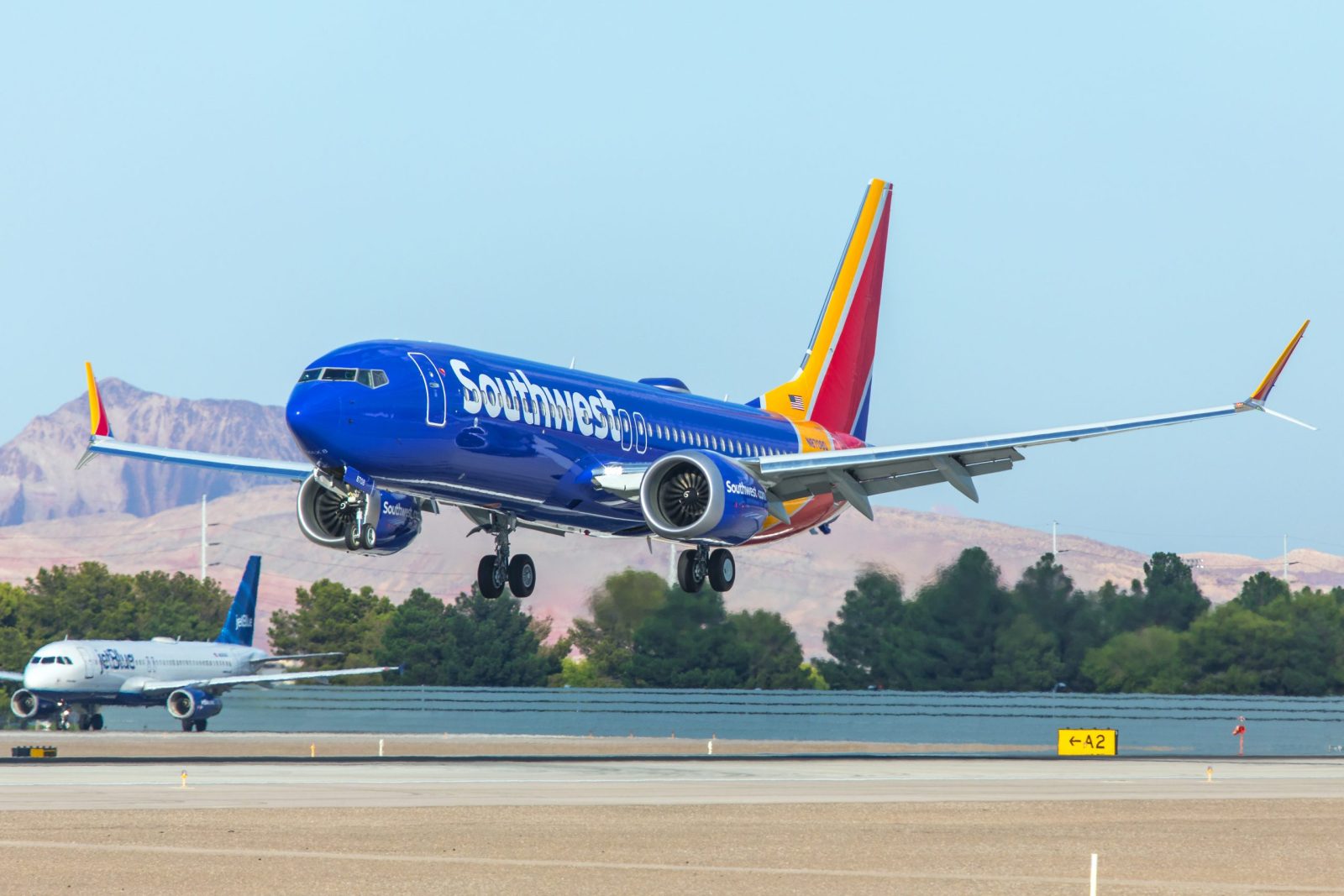
A Southwest 737 MAX 8 in Las Vegas. (Photo: AirlineGeeks | William Derrickson)

U.S. air carriers are stepping in with discounted fares and limited-time deals for travelers who were expecting to fly with the now-shuttered Spirit Airlines.

United, American Airlines, Delta, Southwest, Frontier, JetBlue, Allegiant, and Avelo, among others, are offering “rescue fares” and other discounts for both Spirit customers and employees. The duration of the offers varies by airline, from several days to several weeks.

For the next two weeks, Spirit ticket holders will be able to book price-capped flights with United. Most flights included in this offer will be limited to $199, with longer connections priced no higher than $299, officials said. Travelers will have to provide their Spirit confirmation number and proof of purchase for bookings between May 2 and May 16.

Delta said it is now offering reduced, nonrefundable fares for markets affected by Spirit’s closure. The special rates are available to all customers, not just Spirit ticket holders, and will terminate after Wednesday.

American, which has also introduced limited-time reduced fares, said it is in discussions with the Trump administration over how best to accommodate Spirit’s customers. The airline said it is looking at adding capacity on existing routes by using larger aircraft, and by increasing frequencies.

Southwest is temporarily offering set fares based on mileage. Customers who had booked a Spirit flight of up to 500 miles can purchase a seat on an overlapping Southwest flight for $200. For flights between 501 and 1,000 miles, the rate is $300, and for flights over 1,000 miles, the rate is $400.

Avelo said it will offer up to 75% off base fares for select routes through Nov. 17. The airline also encouraged former Spirit employees to apply for positions as it grows its bases and expands in the North Dallas/McKinney, Texas, area.

Some airlines are adding routes in the wake of Spirit’s collapse. JetBlue said Saturday that it will add 11 routes to and from Fort Lauderdale, Florida, which had been a hub for Spirit.

The carrier will launch service between Fort Lauderdale and Baltimore; Charlotte, North Carolina; Indianapolis; Columbus, Ohio; Nashville, Tennessee; Detroit; Houston; Chicago O’Hare; Ponce, Puerto Rico; and Cali and Barranquilla in Colombia, later this year, officials said.

JetBlue CEO Joanna Geraghty said the carrier is in a “unique position” to help Spirit customers because of its already substantial presence in South Florida and San Juan, Puerto Rico.

Zach Vasile

Zach Vasile is a writer and editor covering news in all aspects of commercial aviation. He has reported for and contributed to the Manchester Journal Inquirer, the Hartford Business Journal, the Charlotte Observer, and the Washington Examiner, with his area of focus being the intersection of business and government policy.

United 767 Strikes Truck, Light Pole During Landing

The truck driver was hospitalized for minor injuries and then released, while the aircraft landed safely at Newark.

United Boeing 767
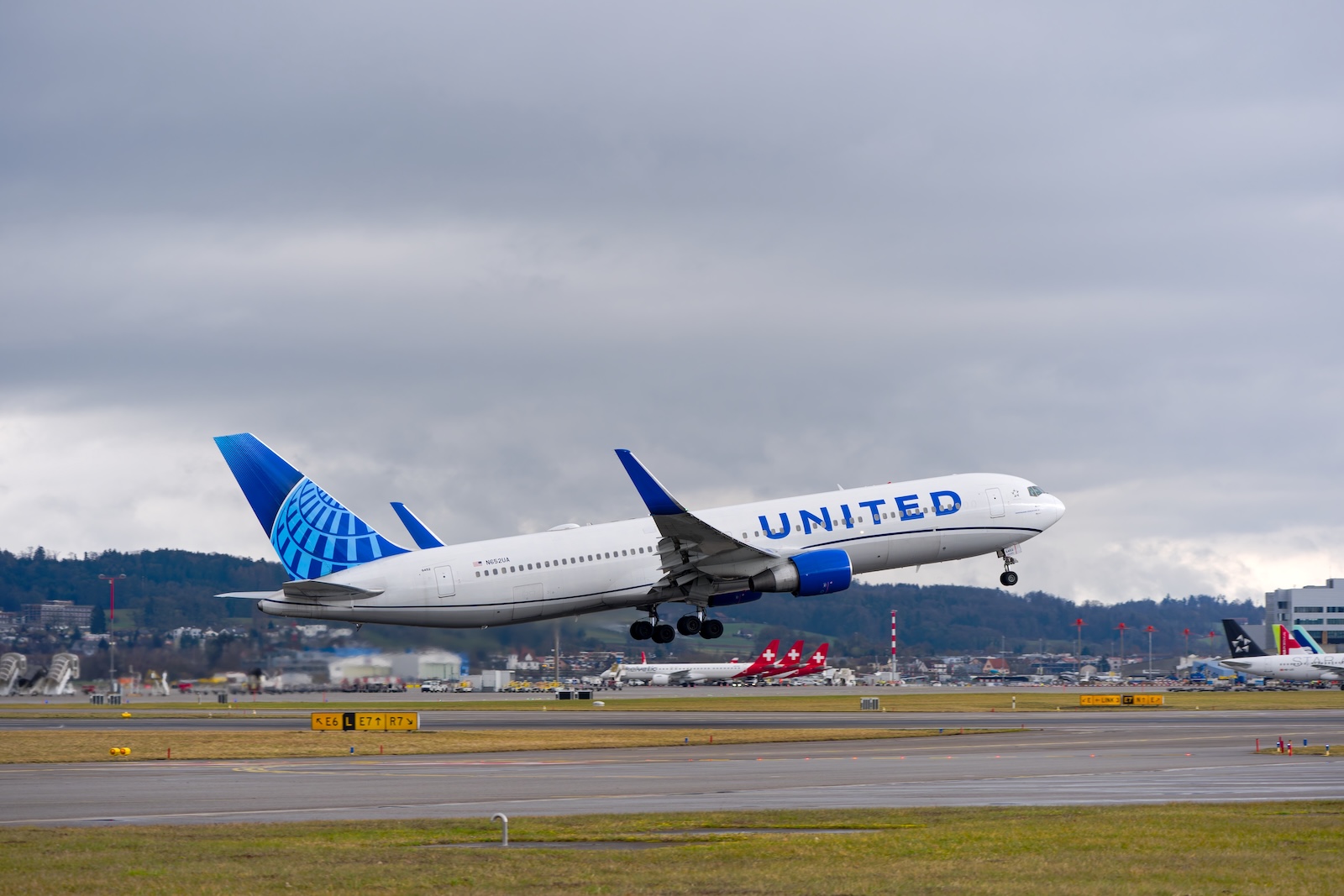
A United Boeing 767-300. (Photo: Shutterstock | Michael Derrer Fuchs)

An international United flight with over 200 people on board struck a streetlight and the top of a tractor-trailer while landing at Newark Liberty International Airport in New Jersey on Sunday.

The Boeing 767, which was arriving at Newark from Venice, collided with a light pole on the New Jersey Turnpike around 2 p.m. local time, according to the FAA. New Jersey State Police added that the aircraft’s underside and one of its landing tires hit a truck on the same highway.

The driver of the truck was hospitalized for minor injuries and then released, authorities said.

The 767 landed safely at Newark, and there were no reports of any injuries to passengers or crew members.

Dashcam video from inside the truck – shared via CNN – showed the moment the aircraft hit the vehicle. The sound of the jet’s engines can be heard getting louder, then the cab shakes and its windows shatter.

The NTSB will lead the investigation into the incident, the FAA said.

Zach Vasile

Zach Vasile is a writer and editor covering news in all aspects of commercial aviation. He has reported for and contributed to the Manchester Journal Inquirer, the Hartford Business Journal, the Charlotte Observer, and the Washington Examiner, with his area of focus being the intersection of business and government policy.

Spirit Cancels All Flights, Begins Shutdown

Earlier reports suggested that the carrier was quickly running out of cash.

Spirit A320neo
A Spirit A320neo. (Photo: AirlineGeeks | William Derrickson)

Spirit is winding down operations after failing to reach an agreement with the Trump administration for an emergency bailout.

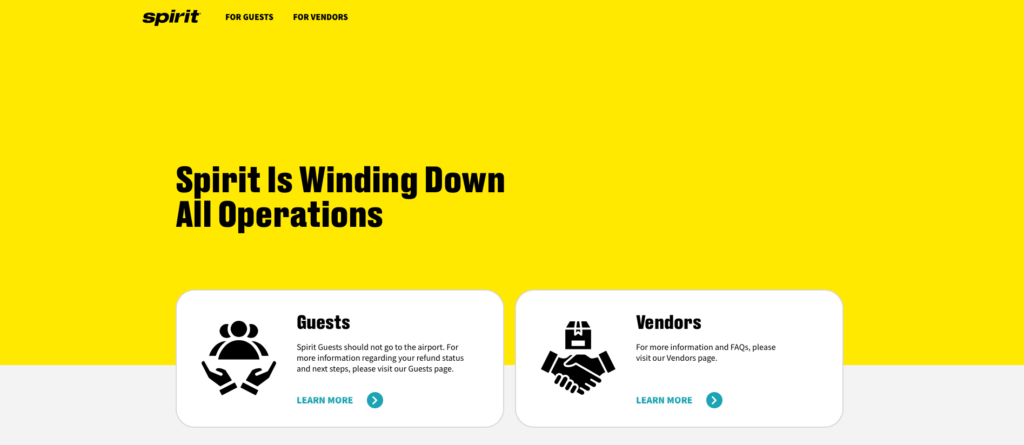
As of Saturday morning, all Spirit flights have been canceled, according to a message posted on the carrier’s website. Passengers who expected to fly with Spirit on Saturday have been told not to go to the airport.

“It is with great disappointment that on May 2, 2026, Spirit Airlines started an orderly wind-down of our operations, effective immediately,” officials said in a statement. “To our guests: all flights have been canceled, and customer service is no longer available. We are proud of the impact of our ultra-low-cost model on the industry over the last 34 years and had hoped to serve our guests for many years to come.”

The airline said that while it cannot help customers rebook flights with another carrier, it will “automatically process refunds for any flights purchased through Spirit with a credit or debit card to the original form of payment.”

The message that now appears on Spirit’s website. All services have been suspended, the carrier said Saturday morning. (Credit: Spirit Airlines)

Customers who booked flights through a travel agent should contact the agent directly for a refund, officials said.

Spirit’s website now includes phone numbers and an email address for ticket holders requiring further assistance.

End of an Era

Early Saturday morning, Spirit President and CEO Dave Davis confirmed the shutdown is linked to the rising cost of jet fuel and “other pressures” that significantly impacted the carrier’s financial outlook.

“For more than 30 years, Spirit Airlines has played a pioneering role in making travel more accessible and bringing people together while driving affordability across the industry,” Davis said in a statement. “In March 2026, we reached an agreement with our bondholders on a restructuring plan that would have allowed us to emerge as a go-forward business. However, the sudden and sustained rise in fuel prices in recent weeks ultimately has left us with no alternative but to pursue an orderly wind-down of the company. Sustaining the business required hundreds of millions of additional dollars of liquidity that Spirit simply does not have and could not procure. This is tremendously disappointing and not the outcome any of us wanted.”

Davis went on to thank the Trump administration for its “extraordinary” efforts to keep Spirit functioning, and singled out Commerce Secretary Howard Lutnick, the Commerce Department, and the Transportation Department for praise.

He also thanked Spirit’s employees, union groups, aircraft lessors, and investors, including Citadel, Cyrus Capital, and Ares Management Corp., for “working with us on tangible solutions to restructure our business.”

What Comes Next?

Spirit has around 10,000 employees. It was not immediately clear what kind of compensation or severance, if any, they will receive now that the carrier is heading toward liquidation.

Spirit has been in bankruptcy protection since August, but it entered a new phase of financial turbulence in March after jet fuel prices nearly doubled. Executives were reportedly looking at liquidation by mid-April, but a lifeline appeared in the form of talks with the Trump administration, which floated the possibility of a $500 million taxpayer-funded rescue.

While other administration officials declined to comment on the proceedings, President Donald Trump sounded an optimistic note as late as last week, telling reporters that he would like to save Spirit if possible. He also raised the idea of buying the airline outright.

According to reports from The Wall Street Journal, talks hit an impasse when some of Spirit’s creditors objected to the terms of the rescue package.

Analysts have long predicted that if Spirit goes out of business, consumers will lose a powerful force exerting downward pressure on ticket prices.

Several U.S. airlines have announced “rescue fares” or similar offers for stranded Spirit passengers, including American Airlines, United, Southwest, and Frontier. The offers began Saturday and extend from several days to two weeks, depending on the airline. Similar deals are being made available to Spirit employees.

American said it is in touch with the Trump administration and will review “opportunities to add additional capacity,” which could include scheduling more flights and using larger aircraft on certain routes.

Zach Vasile

Zach Vasile is a writer and editor covering news in all aspects of commercial aviation. He has reported for and contributed to the Manchester Journal Inquirer, the Hartford Business Journal, the Charlotte Observer, and the Washington Examiner, with his area of focus being the intersection of business and government policy.

Delta Raises Base Pay By 4%

The increase applies to eligible ground crew workers and flight attendants.

Delta 777-200
A Delta 777. (Photo: AirlineGeeks | William Derrickson)

Delta said Friday that it will boost hourly base pay rates by 4% for eligible ground crew employees and flight attendants.

In an internal memo, Delta CEO Ed Bastian said the raise will take effect June 1.

The carrier is also putting together a pool for merit increases, which will be based on “individual performance and market competitiveness.”

Bastian said the raise and merit pay pool together represent a $500 million investment.

“This raise is possible thanks to your solid performance and Delta’s strong foundation,” he said.

Bastian also thanked Delta workers for navigating numerous challenges in the early months of the year, including TSA staffing shortages, rising jet fuel prices, and severe weather.

Zach Vasile

Zach Vasile is a writer and editor covering news in all aspects of commercial aviation. He has reported for and contributed to the Manchester Journal Inquirer, the Hartford Business Journal, the Charlotte Observer, and the Washington Examiner, with his area of focus being the intersection of business and government policy.

Spirit Faces Potential End of the Road

The Wall Street Journal reported Friday that the carrier is preparing to shut down.

Spirit Airbus A320
A Spirit A320. (Photo: AirlineGeeks | William Derrickson)

A tumultuous year and a half-long journey to rebuild Spirit Airlines could reach an abrupt and unsuccessful end within days barring last-minute intervention from the federal government.

The Wall Street Journal reported Friday that the ultra-low-cost carrier is preparing to cease operations after negotiations for a $500 million rescue package fell apart. According to the Journal, Spirit was not able to get its creditors and the Trump administration to agree on the terms of the deal.

It was not immediately clear Friday afternoon if the talks are conclusively over, or if the various parties, including Spirit’s backers, could return to the negotiating table.

If Spirit does fold within the coming days or weeks, thousands of employees could lose their jobs, and ticket holders would almost certainly see their bookings canceled.

Spirit’s predecessor company was founded in 1964; it has been flying under its current name since 1992. The carrier saw explosive growth in the 2000s and 2010s, eventually becoming the largest ultra-low-cost carrier in the U.S. and, for a time, the most profitable airline in the country.

Many customers readily embraced Spirit’s very low prices, even while sometimes deriding its no-frills approach.

But Spirit’s business model, which focuses on rigidly controlling expenses, began to falter during and after the COVID-19 pandemic, when the cost of everything from labor to aircraft parts surged.

The airline declared bankruptcy in late 2024 and reemerged the following year, apparently in better financial health. But analysts worried that Spirit had not dealt with the underlying structural problems that left the company vulnerable to rising prices, and their concerns were validated only months later when, in August 2025, the carrier again filed for bankruptcy protection.

This time around, Spirit would make more meaningful changes. It rejected aircraft leases, terminated routes, furloughed employees, laid off some corporate staff, and secured temporary pay cuts from the union representing its pilots. Plans approved by a U.S. bankruptcy court called for Spirit to become a much smaller, more efficient airline, with an emphasis on paid upgrades, such as larger seats.

Officials had targeted late spring or summer for Spirit’s exit from bankruptcy. But those projections were upended in March, when Iran moved to close the Strait of Hormuz in response to attacks from the U.S. and Israel. In the months since, the price of oil has increased sharply, and with it the price of jet fuel.

While higher fuel prices have dinged almost every airline worldwide, the impact is greater for budget carriers, who depend on a low-cost environment to stay in the black.

Last month, reports suggested that Spirit, stung by higher prices, was looking at liquidation. Then came a lifeline, in the form of talks with the Trump administration and a potential $500 million rescue package.

President Donald Trump confirmed the talks and said he would like to save Spirit if possible. He also raised the prospect of buying Spirit outright and running it as a state asset.

Earlier this week, however, another setback materialized when some of Spirit’s creditors raised concerns about a bailout’s effect on the value of their claims. In exchange for aid, the federal government was looking to obtain warrants for a stake in the company, which could have diluted or otherwise adversely affected the other stakeholders’ positions.

Asked about the prospects for a deal on Friday, Trump told CBS News that he’d still like an agreement to come together. He said there would be an announcement some time later Friday.

Zach Vasile

Zach Vasile is a writer and editor covering news in all aspects of commercial aviation. He has reported for and contributed to the Manchester Journal Inquirer, the Hartford Business Journal, the Charlotte Observer, and the Washington Examiner, with his area of focus being the intersection of business and government policy.
Sign-up for newsletters & special offers!

Get the latest stories & special offers delivered directly to your inbox

SUBSCRIBE

Uh-oh! It looks like you're using an ad blocker.

Our website relies on ads to provide free content and sustain our operations. By turning off your ad blocker, you help support us and ensure we can continue offering valuable content without any cost to you.

We truly appreciate your understanding and support. Thank you for considering disabling your ad blocker for this website