Stories

Spirit Adds Three New Routes

Spirit is set to expand its seasonal route network in August 2025, adding new options from various Midwest and East Coast.

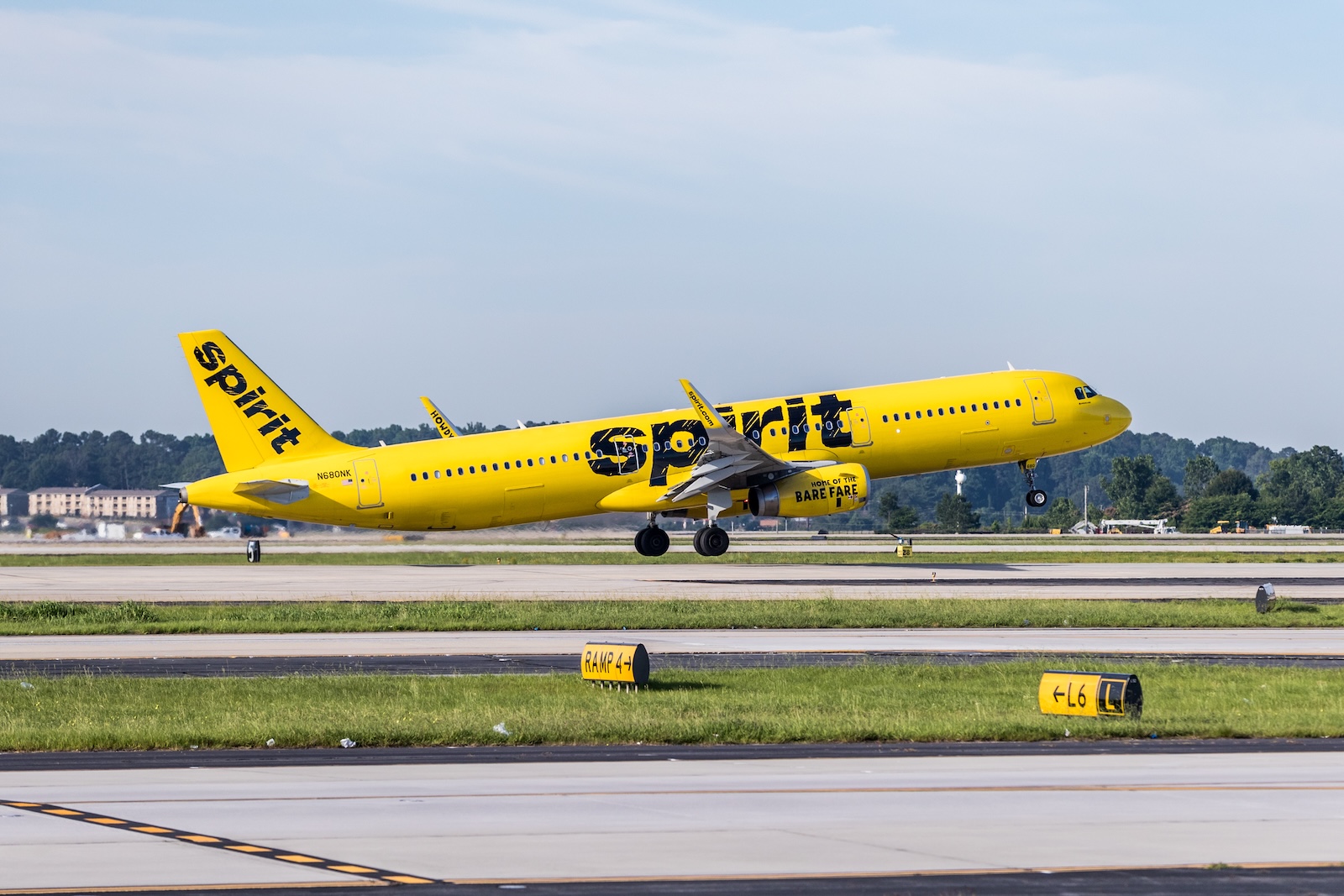
A Spirit Airbus A321
A Spirit Airbus A321 aircraft. (Photo: Shutterstock | Felipe I Santiago)

Spirit is set to expand its seasonal route network in August 2025, adding new options from various Midwest and East Coast.

The airline confirmed it will introduce new flights from Detroit, Minneapolis, and Reno, Nevada, as well as resume service on a route from Atlantic City, New Jersey. These routes were first flagged by Ishrion Aviation and confirmed by an airline spokesperson.

Beginning Aug. 13, Spirit will offer daily service between Detroit and Orange County/Santa Ana, California.

The following day, the ultra-low-cost carrier will launch two additional routes: a three-times-weekly service between Reno and San Diego, operating on Tuesdays, Thursdays, and Sundays; and a twice-weekly flight connecting Minneapolis to Myrtle Beach, South Carolina, offered on Thursdays and Sundays.

Another Route Resumes

Spirit is also set to resume a seasonal route linking Atlantic City with Miami on Aug. 13. The flight will operate four times weekly on Mondays, Wednesdays, Fridays, and Saturdays.

The carrier last served this market in 2022, according to Cirium Diio schedule data.

Ryan Ewing

Ryan founded AirlineGeeks.com in February 2013 and has spent more than a decade covering the airline business. His work has been featured by CNN, WJLA, CNET, and Business Insider. His aviation experience spans airport operations, Part 135 regulatory compliance, and airline crew workforce planning, along with time behind the yoke of a Cessna 172 and interviews with airline executives. Ryan now serves as Group President of Firecrown Media’s Aviation Group. He holds a B.S. in Air Transportation Management and an MBA from Arizona State University and teaches Airline Management at Embry-Riddle Aeronautical University.

At Least One Passenger Survived Air India Crash

The survivor’s medical condition is not known, though India’s home minister, told reporters that he had met the man, suggesting he is conscious.

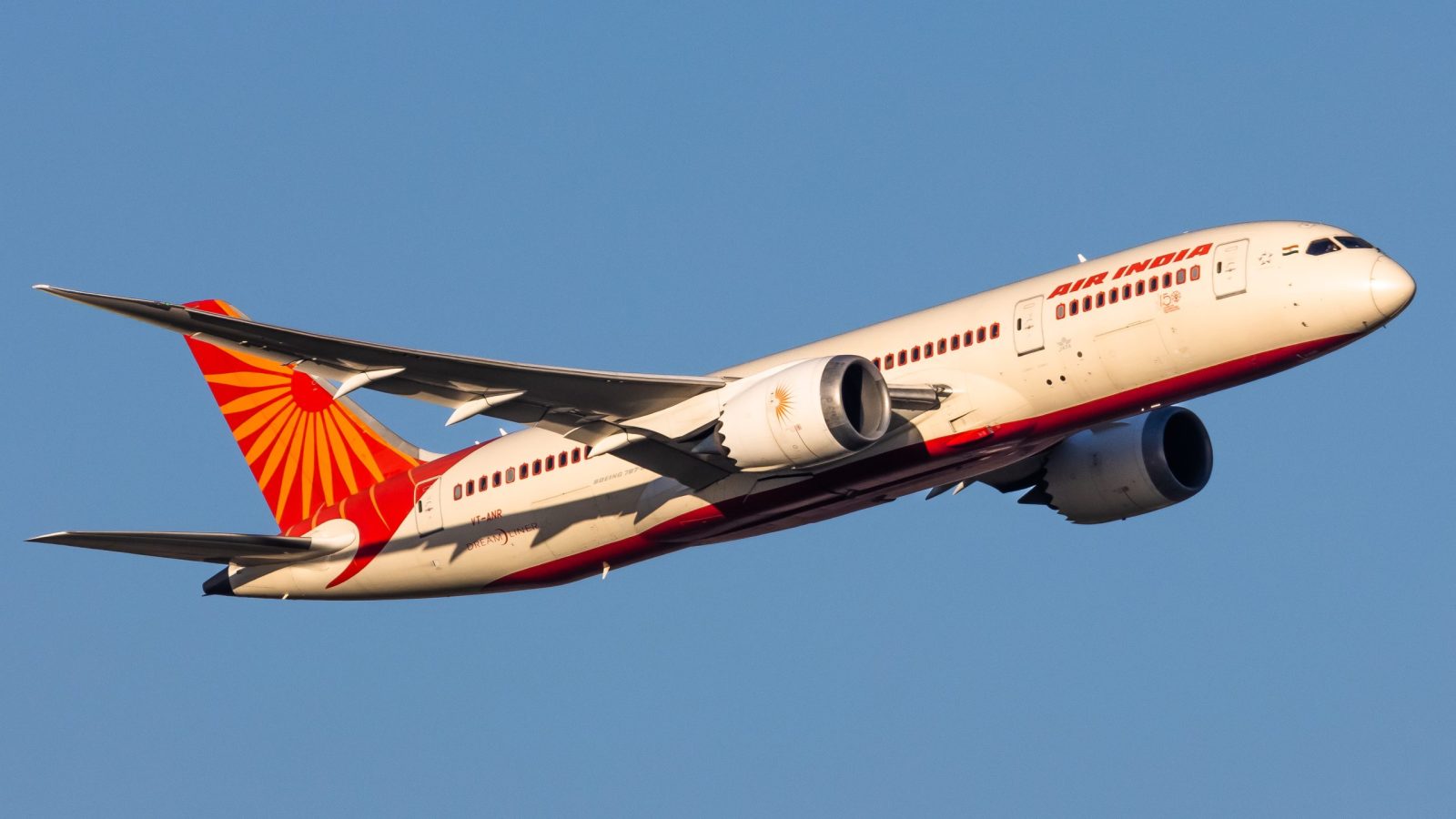
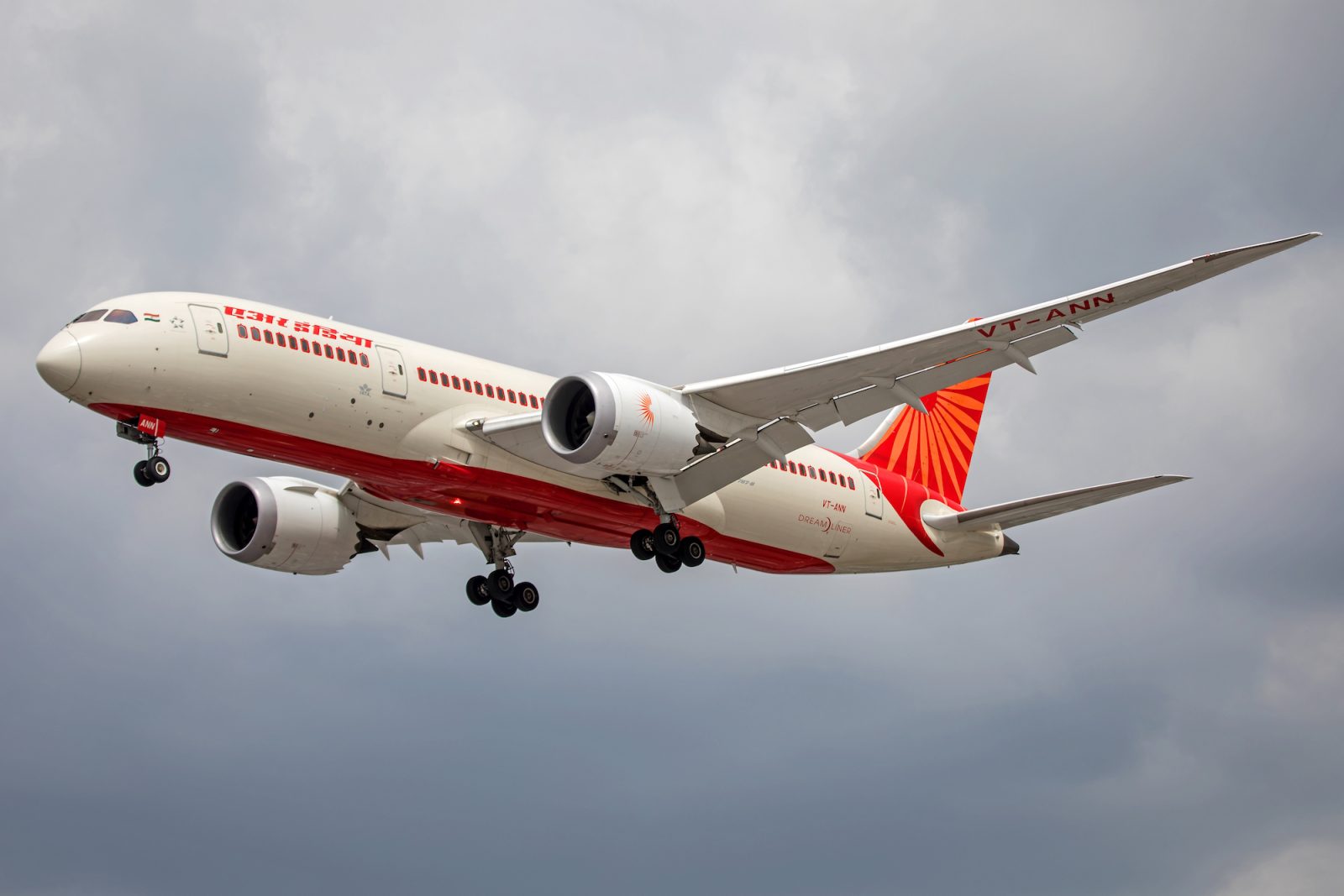
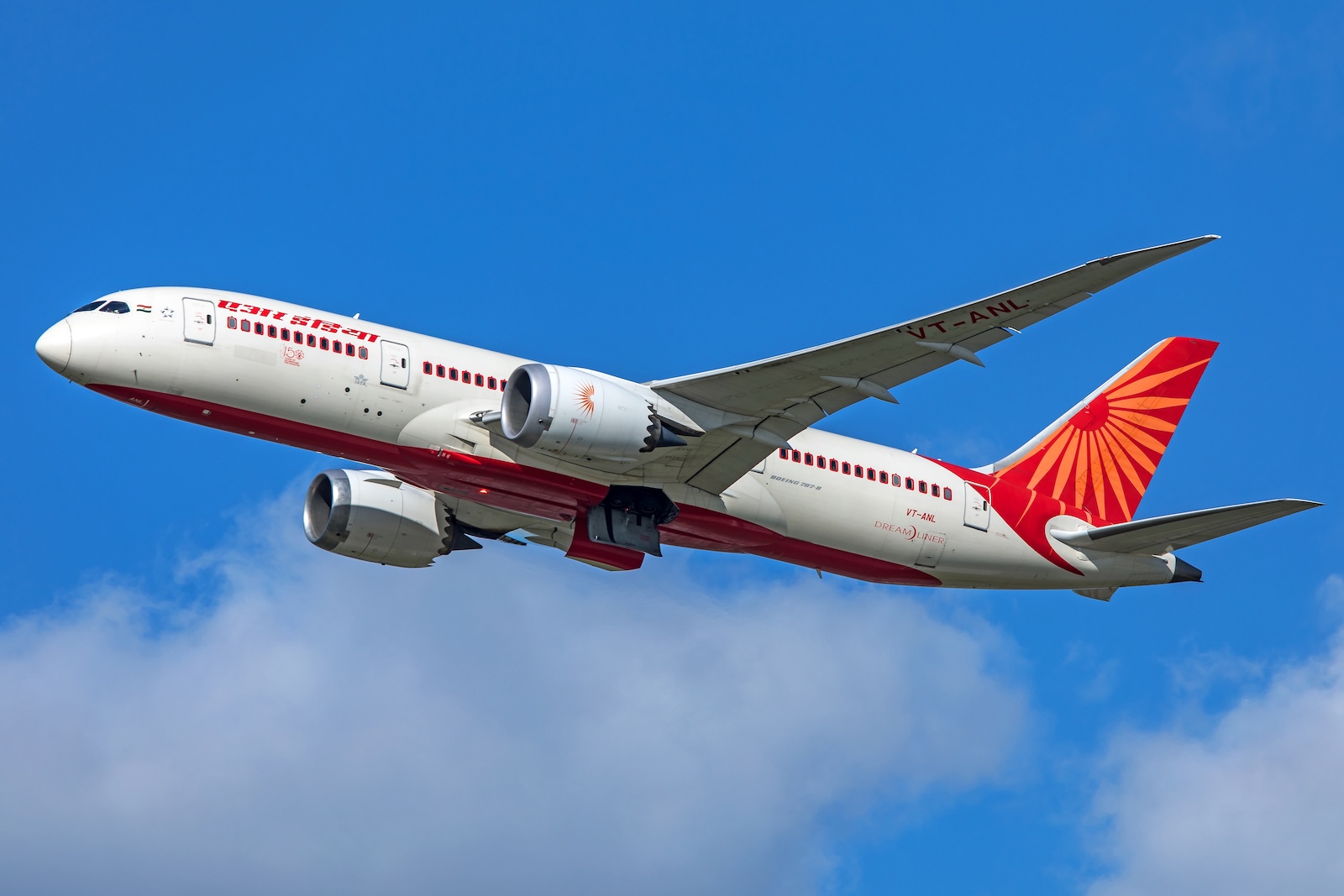
An Air India Boeing 787 Dreamliner departing London Heathrow.
An Air India Boeing 787 Dreamliner departing London Heathrow. (Photo: James Dinsdale)

At least one passenger survived the crash of an Air India flight on Thursday that killed over 200 people, CNN reported.

The man, identified by Indian media as a British national, is receiving treatment for his injuries at a hospital. He was reportedly in seat 11A on the Boeing 787.

The Hindustan Times shared a photo of the man, who was seen lying on a bed with a bloodied face.

The survivor’s medical condition is not known, though India’s home minister, Amit Shah, told reporters that he had met the man, suggesting he is conscious.

Senior police official Vidhi Chaudhary said there may be a few more survivors at area hospitals.

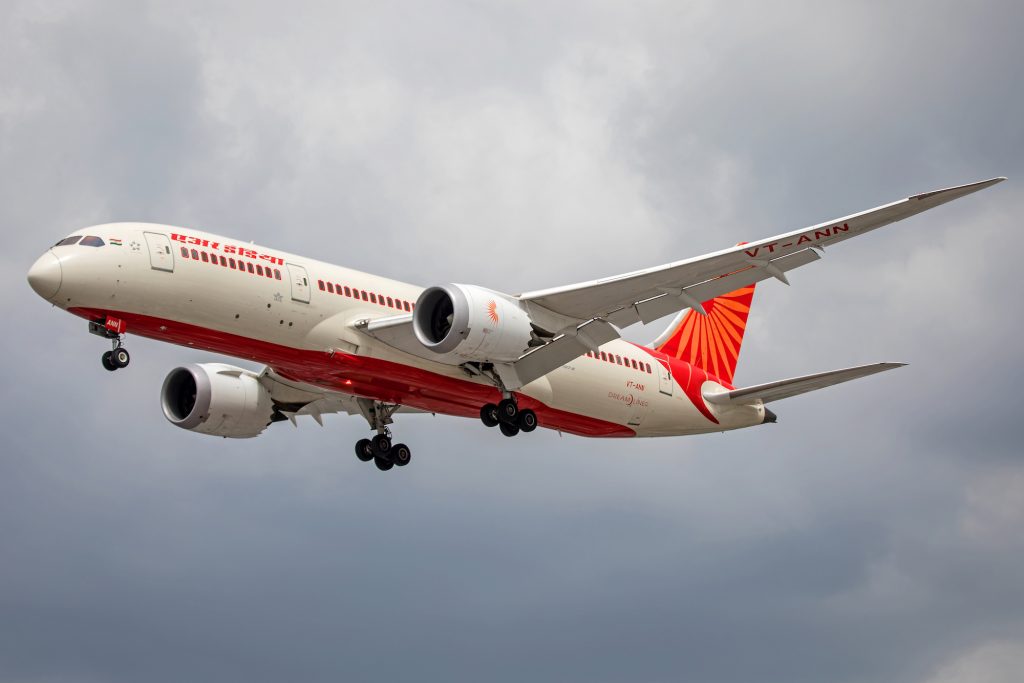
Air India Boeing 787
An Air India 787 in London (Photo: AirlineGeeks | William Derrickson)

The Air India flight was taking off from an airport in the city of Ahmedabad en route to London Gatwick with 242 people on board when it lost altitude and crashed into the campus of a medical college shortly after 1:30 p.m. local time. The Tata Group, which owns Air India, said the aircraft was carrying 169 Indian citizens, 53 British, seven Portuguese, and one Canadian.

CNN is reporting that at least 290 people were killed, including students at the medical college. The New York Times quoted a police official who said 269 bodies had been brought to the main hospital in Ahmedabad so far.

International Response

A number of international leaders and officials expressed their sympathies for those killed, including U.K. Prime Minister Keir Starmer, King Charles III, Canadian Prime Minister Mark Carney, U.S. Transportation Secretary Sean Duffy, and U.S. Secretary of State Marco Rubio.

Tata Group has provided updates on the accident throughout the day through its social media accounts. On Thursday afternoon, it said it will pay the equivalent of $116,868 to the families of each person killed in the crash.

Boeing CEO Kelly Ortberg offered his condolences to the victims and said a team from the company “stands ready” to support an investigation by India’s Aircraft Accident Investigation Bureau.

President Donald Trump said the U.S. will help India as it looks into the cause of the crash. The National Transportation Safety Board is sending a team to Ahmedabad to assist local authorities.

“Anything we can do, we will be over there immediately,” Trump said at the White House.

Zach Vasile

Zach Vasile is a writer and editor covering news in all aspects of commercial aviation. He has reported for and contributed to the Manchester Journal Inquirer, the Hartford Business Journal, the Charlotte Observer, and the Washington Examiner, with his area of focus being the intersection of business and government policy.

American A321 Suffers Tail Strike

An American Airlines Airbus A321 suffered a reported tail strike on Monday after landing in Charlotte, North Carolina. The aircraft remains out of service.

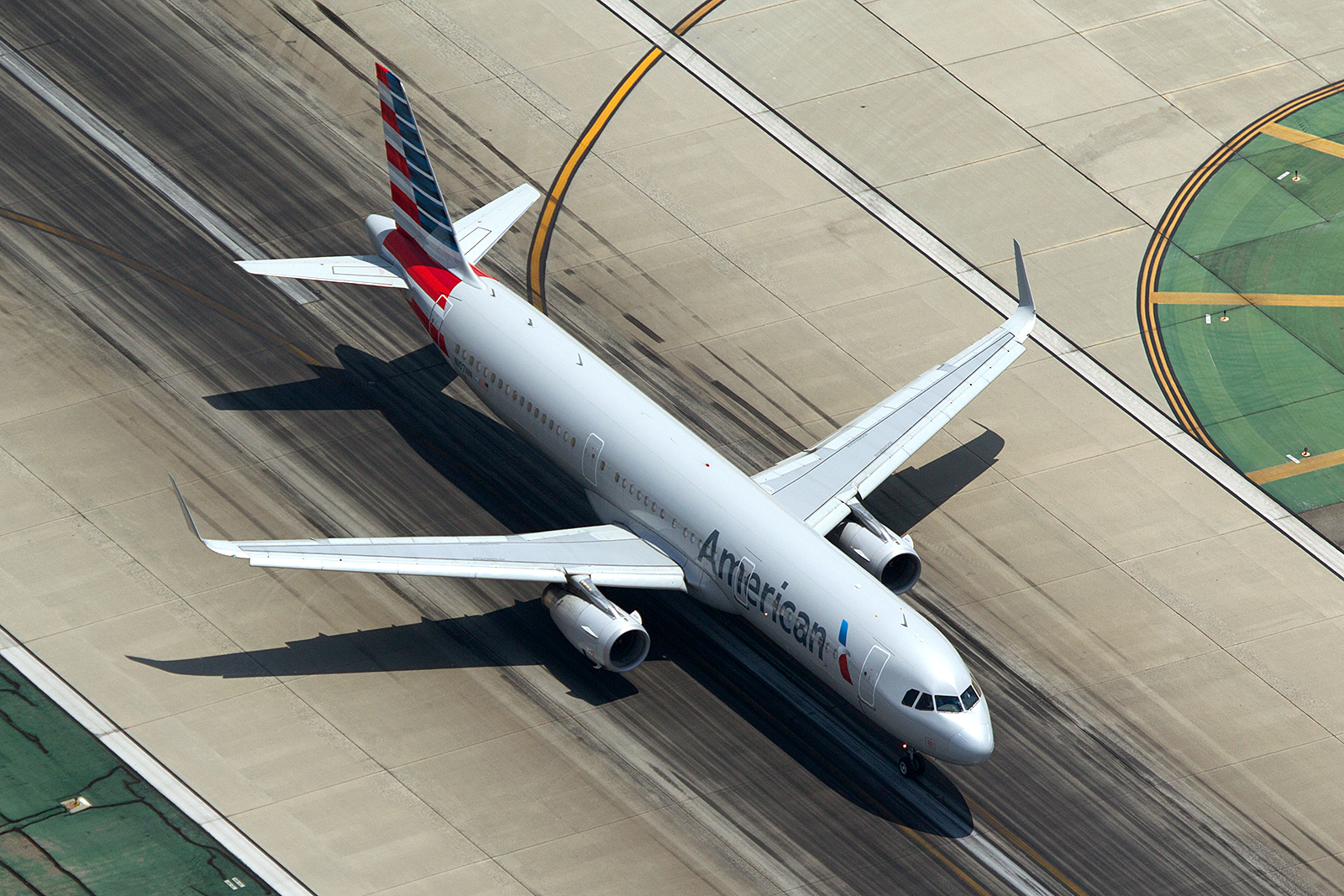
An American A321
An American A321 (Photo: AirlineGeeks)

An American Airlines Airbus A321 suffered a reported tail strike on Monday after landing in Charlotte, North Carolina.

According to AvHerald, the aircraft was operating flight 1894 from Raleigh/Durham. No injuries were reported, and the aircraft continued to taxi to the gate.

The Federal Aviation Administration said the runway contact damaged the strike plate, which is located on the bottom of the fuselage. The jet remains out of service at the time of writing.


The A321 is registered as N167AN, which is the airline’s ‘Medal of Honor’ special livery. Light winds were reported at the time of the incident.

An airline spokesperson did not immediately respond to AirlineGeeks’ request for comment.

The FAA added that it will investigate the tail strike.

“The tail of American Airlines Flight 1894 scraped the runway when the plane landed at Charlotte/Douglas International Airport around 7:45 p.m. local time on Monday, June 9,” an agency spokesperson said in a statement. “The Airbus A321 departed from Raleigh-Durham International Airport. The FAA will investigate.”

Ryan Ewing

Ryan founded AirlineGeeks.com in February 2013 and has spent more than a decade covering the airline business. His work has been featured by CNN, WJLA, CNET, and Business Insider. His aviation experience spans airport operations, Part 135 regulatory compliance, and airline crew workforce planning, along with time behind the yoke of a Cessna 172 and interviews with airline executives. Ryan now serves as Group President of Firecrown Media’s Aviation Group. He holds a B.S. in Air Transportation Management and an MBA from Arizona State University and teaches Airline Management at Embry-Riddle Aeronautical University.

Delta Ending Partnership With Hawaiian

Delta announced that its partnership with Hawaiian Airlines, which allows passengers to earn mutual miles and benefits, will end June 30.

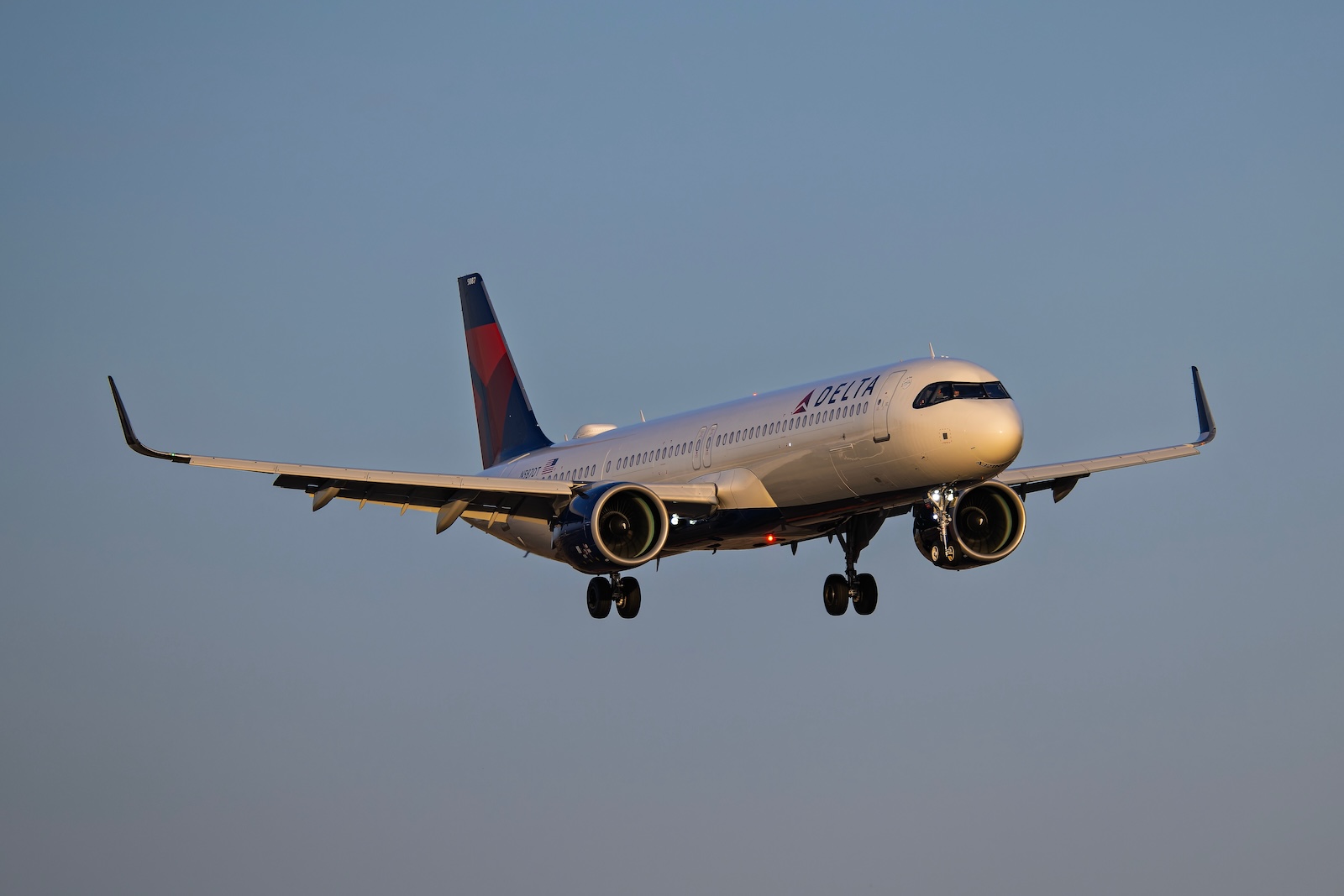
Delta A321neo
A Delta Airbus A321neo. (Photo: Shutterstock | Robin Guess)

Delta is ending its partnership with Hawaiian Airlines as Hawaiian continues its integration with oneworld member Alaska Airlines.

On its partners page, Delta announced it will no longer recognize miles and benefits earned on Hawaiian flights for tickets issued after June 30. For tickets issued before or on that date for future flights, miles will continue to accrue until April 1, 2026.

Delta and Hawaiian have had codeshare and miles agreements in place since 2010.

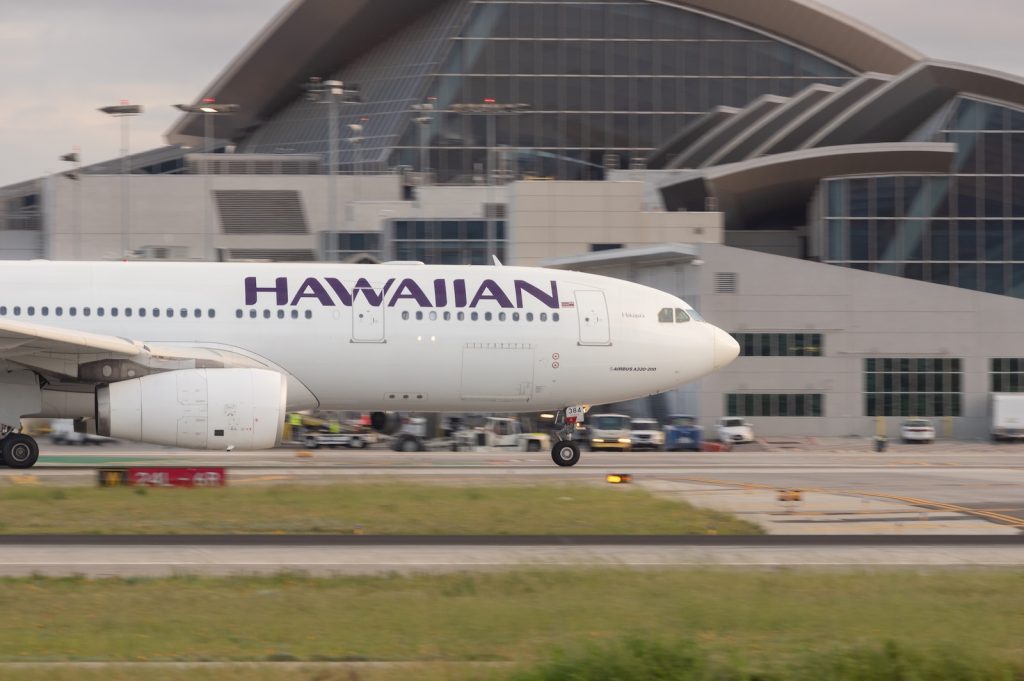
Hawaiian A330 in Los Angeles (Photo: Shutterstock | Angel DiBilio)

According to its partners page, Delta is also ending its partnership with China Southern Airlines later this summer. 

Hawaiian, which is headquartered in Honolulu, was acquired by Alaska’s parent company, Alaska Air Group, in 2024. Alaska Air Group has said it plans to maintain Hawaiian as a separate brand under its umbrella, citing its positive reputation and recognizability.

Alaska is part of the oneworld alliance, which includes American. Delta is part of the rival SkyTeam alliance.

Spokespeople from Alaska or Delta did not immediately respond to AirlineGeeks’ request for comment.

Zach Vasile

Zach Vasile is a writer and editor covering news in all aspects of commercial aviation. He has reported for and contributed to the Manchester Journal Inquirer, the Hartford Business Journal, the Charlotte Observer, and the Washington Examiner, with his area of focus being the intersection of business and government policy.

JetBlue A220 Skids Off Runway

The FAA put a ground stop in place at Logan International Airport in Boston after a JetBlue aircraft slid off the runway.

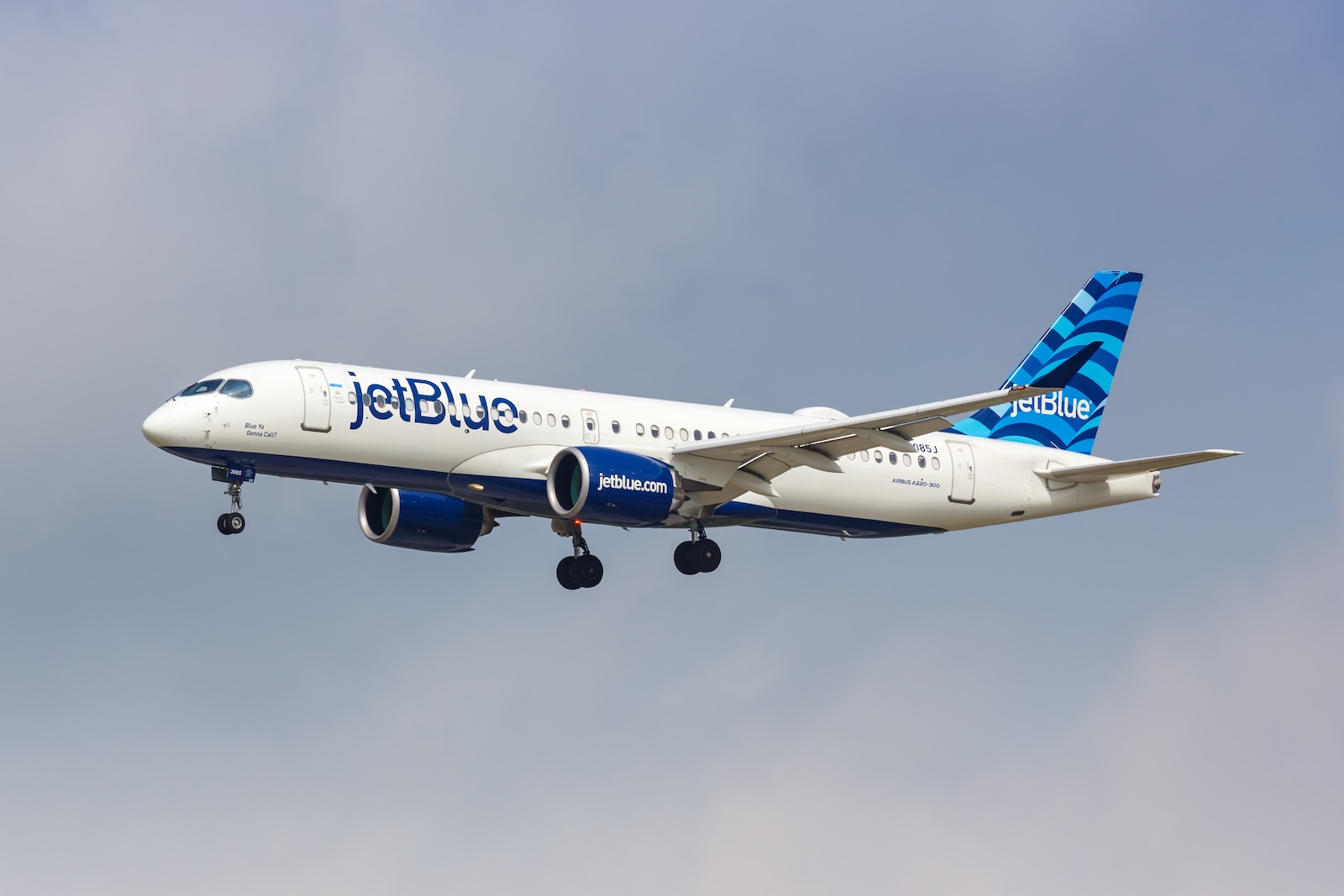
A JetBlue A220
A JetBlue Airbus A220. (Photo: Shutterstock | Markus Mainka)

A ground stop was put in place at Logan International Airport in Boston on Thursday after an aircraft skidded off the runway.

According to a statement from the FAA, a JetBlue flight from Chicago O’Hare slid onto a patch of grass while turning off the runway at Logan at 11:55 a.m. local time. The airplane involved is an Airbus A220.

The ground stop will be in place until 2 p.m.


In a statement, JetBlue said passengers safely disembarked and were bussed from the runway to the airport terminal. No injuries were reported, the airline said.

Both the FAA and JetBlue said they are investigating the incident.

Zach Vasile

Zach Vasile is a writer and editor covering news in all aspects of commercial aviation. He has reported for and contributed to the Manchester Journal Inquirer, the Hartford Business Journal, the Charlotte Observer, and the Washington Examiner, with his area of focus being the intersection of business and government policy.

Air India 787 Crashes in Western India

A Boeing 787-8 Dreamliner of Air India crashed during takeoff from Sardar Vallabhbhai Patel International Airport in Ahmedabad, Gujarat.

Air India Boeing 787
An Air India 787 in London (Photo: AirlineGeeks | William Derrickson)

A Boeing 787-8 Dreamliner of Air India crashed during takeoff from Sardar Vallabhbhai Patel International Airport in Ahmedabad, Gujarat. The aircraft, registered as VT-ANB, is an 11-year-old aircraft with MSN 36279.

The jet was delivered to Air India brand new in January 2014. The airline had 242 people on board, including 2 pilots and 10 cabin crew.

According to the manifest, “of these, 169 are Indian nationals, 53 are British nationals, 1 Canadian national, and 7 Portuguese nationals.”  Any news regarding fatalities is yet to be received

The flight was scheduled for takeoff at 1:10 p.m. local time from Ahmedabad, operating AI171 to London Gatwick. 

Footage available on social media shows large plumes of smoke with the aircraft crashing not too far away from the airport premises. 

The Aviation Minister of India, Ram Mohan Naidu Kinjarapu, has posted on his official X account that “We are on highest alert. I am personally monitoring the situation and have directed all aviation and emergency response agencies to take swift and coordinated action.”

Visuals emerging from Ahmedabad show the 787’s APU exhaust and aft bulkhead portions resting atop a building.  

The Directorate General of Civil Aviation (DGCA) has said that the pilot of the aircraft had made a mayday call moments before the crash. Statement from the DGCA states that the flight took off from runway 23 and no further communication was received after the mayday call. 

According to the authorities in Ahmedabad, 204 victims have been recovered, however, it has not been made clear whether they were from the aircraft or the ground. News of 41 people being injured has also surfaced, as shared by the BBC.

The aircraft had crashed into the premises of the nearby B.J. Medical College and Civil Hospital. A local politician claimed that doctors were rescued from the accommodation after the crash.

One passenger of the ill-fated AI171 has managed to survive. A British citizen, seated in seat 11A. Indian media reported him saying: “Thirty seconds after take-off, there was a loud noise and then the plane crashed. It all happened so quickly.”

Another confirmed casualty of this incident is former Chief Minister of Gujrat, Vijay Rupani.

NTSB investigators are also on their way to India to help with the investigation.

This is a developing story. 

Allegiant Cuts Some Flights Amid Transborder Slump

Allegiant is trimming some flights as U.S. and Canadian airlines continue to report a slowdown in travel demand between the two countries.

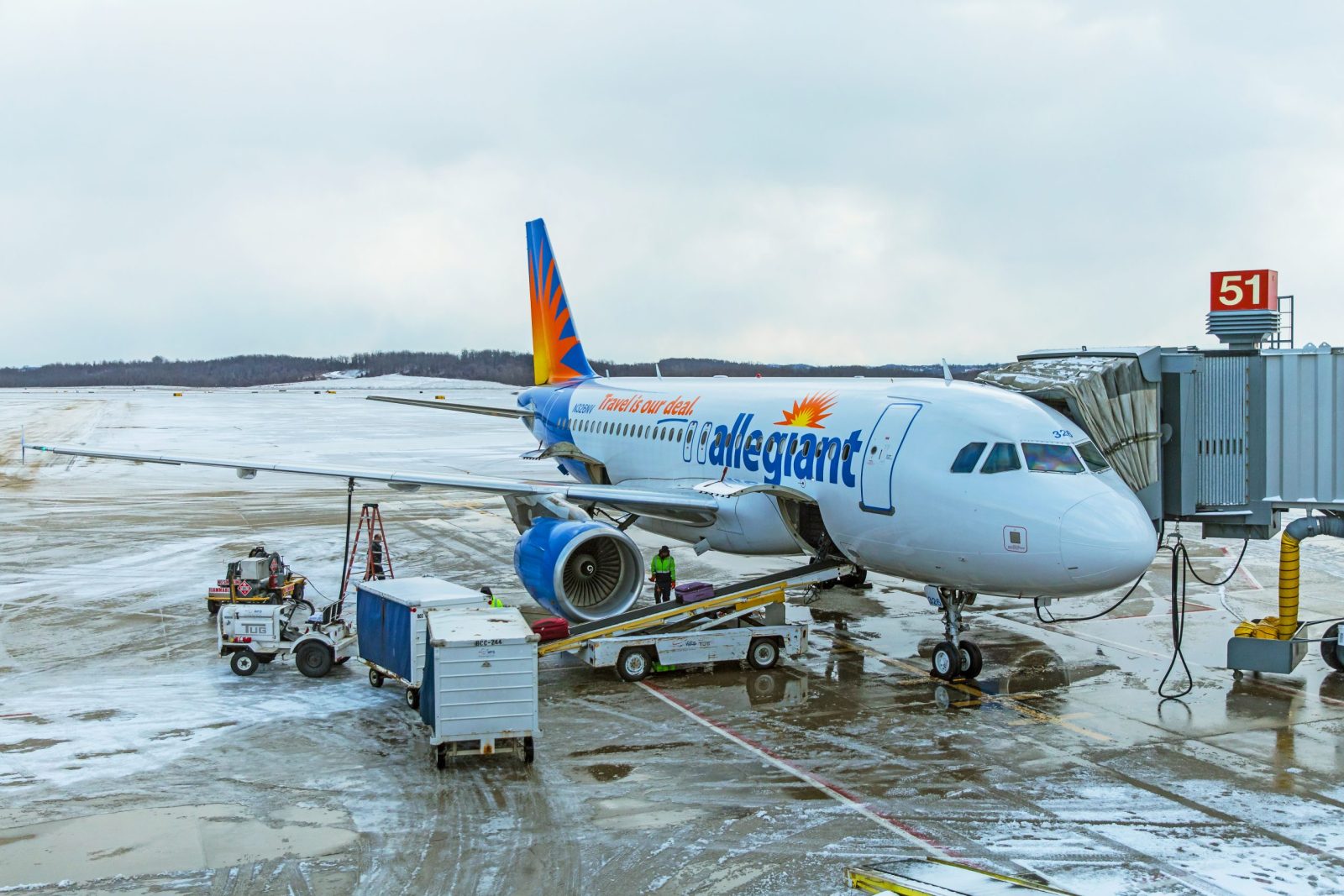
Allegiant A319
An Allegiant A319 in Pittsburgh. (Photo: AirlineGeeks | William Derrickson)

Allegiant is trimming some flights as U.S. and Canadian airlines continue to report a slowdown in travel demand between the two countries.

Cascadia Daily News reports that the ultra-low-cost carrier will reduce service to some markets from Bellingham, Washington. The city is located approximately 20 miles from the U.S.-Canada border, making it a popular option for Canadian travelers.

The Port of Bellingham’s public affairs administrator, Mike Hogan, told the outlet that Allegiant will suspend its service to Palm Springs, California, until the fall. According to Cirium Diio schedule data, this service will now resume in October.

In addition, the airline shifted its Bellingham-to-Las Vegas route to five days per week instead of daily. Starting in July, this service will no longer operate on Tuesdays.

Last month, Allegiant’s CEO Greg Anderson said the carrier will “continue to adjust capacity aggressively during the remainder of the year,” noting “broad economic uncertainty.”

An airline spokesperson did not confirm the cuts were specifically tied to changes in transborder demand, only adding that it is “not uncommon for us to change the frequency of a route,” in a statement to the outlet.

Hogan shared that Bellingham Airport has seen a decline in Canadian travelers. The airport relies heavily on transborder traffic with scheduled service from Allegiant, Alaska, and San Juan Airlines. Allegiant is Bellingham’s largest airline.

Despite these cuts, Allegiant’s scheduled capacity in July at the airport is still up by around 4% compared to the same period last year. The carrier inaugurated a new route between Bellingham and San Diego in May.

Other airlines – including Air Canada and WestJet – have substantially scaled back their transborder capacity amid political tensions between the two countries. Combined, the two carriers will offer around 10% fewer seats to the U.S. next month, according to Cirium Diio schedule data.


Ryan Ewing

Ryan founded AirlineGeeks.com in February 2013 and has spent more than a decade covering the airline business. His work has been featured by CNN, WJLA, CNET, and Business Insider. His aviation experience spans airport operations, Part 135 regulatory compliance, and airline crew workforce planning, along with time behind the yoke of a Cessna 172 and interviews with airline executives. Ryan now serves as Group President of Firecrown Media’s Aviation Group. He holds a B.S. in Air Transportation Management and an MBA from Arizona State University and teaches Airline Management at Embry-Riddle Aeronautical University.

Air India Crash a Deadly First for 787

The crash of Air India Flight 171 on Thursday marked the first fatal crash and the first hull loss for a Boeing 787 Dreamliner.

Air India 787-8
An Air India Boeing 787-8 Dreamliner. (Photo: AirlineGeeks | William Derrickson)

The crash of an Air India flight on Thursday marked the first fatal crash and total hull loss for Boeing’s 787 Dreamliner, according to data from aviation analytics firm Cirium.

But the aircraft has faced scrutiny over technical problems for years. Concerns have centered on manufacturing issues and alleged gaps in Boeing’s safety and quality control processes, which first came to light following the crashes of two 737 MAX jets in 2018 and 2019.

The FAA paused deliveries of the 787 for nearly a year between 2021 and 2022 and again briefly in 2023 over problems with various components, including paper-thin gaps in the aircraft’s body. The agency also revoked Boeing’s ability to inspect and issue safety certifications for the Dreamliner.

Whistleblowers who spoke before Congress at the time pointed to alleged shoddy practices at the manufacturer’s South Carolina facility, where the 787 is assembled.

Boeing disputed those accounts and said exhaustive inspections of its aircraft did not support the whistleblowers’ claims. The company also said it had tested the 787’s airframe with stress levels far beyond what it would experience in its normal service life and found no evidence of fatigue.

Earlier, in 2013, the 787 was grounded over problems with its electrical system and lithium-ion batteries, which on multiple occasions overheated and caused fire and smoke. Boeing instituted a fix, and the aircraft was allowed to resume operations.

The cause of Thursday’s accident remains under investigation.

‘Tragic Accident’

The Dreamliner entered service in 2011 with All Nippon. The aircraft involved in Thursday’s crash, a 787-8, was built in 2013.

There are 1,148 787 aircraft in service globally, with an average age of 7.5 years.

“We are in contact with Air India regarding Flight 171 and stand ready to support them,” Boeing said in a statement. “Our thoughts are with the passengers, crew, first responders, and all affected.”

The Air India flight was taking off from an airport in the city of Ahmedabad en route to London Gatwick with 242 people on board when it lost altitude and crashed into the campus of a medical college shortly after 1:30 p.m. local time.

Indian officials have confirmed 204 deaths from the crash so far, according to The New York Times. That figure includes five students who were inside the college’s dining hall.

The Tata Group, which owns Air India, confirmed on social media that Air India Flight 171 “was involved in a tragic accident.” It said the aircraft was carrying 169 Indian citizens, 53 British, seven Portuguese, and one Canadian.

Ahmedabad’s police commissioner has not ruled out the possibility of survivors, the Times reported.

Footage shared with the newspaper showed multiple burned buildings and the aircraft’s tail section jutting out of the rubble.

The last fatal incident on a mainline Air India flight was in 1985, when a bomb planted by separatist terrorists brought down a Boeing 747 over the Atlantic Ocean near Ireland, killing 329 people.

Zach Vasile

Zach Vasile is a writer and editor covering news in all aspects of commercial aviation. He has reported for and contributed to the Manchester Journal Inquirer, the Hartford Business Journal, the Charlotte Observer, and the Washington Examiner, with his area of focus being the intersection of business and government policy.

Customs and Border Protection Buying Flight Records of U.S. Travelers

A newly unearthed contract shows U.S. Customs and Border Protection is buying the personal information of American airline passengers.

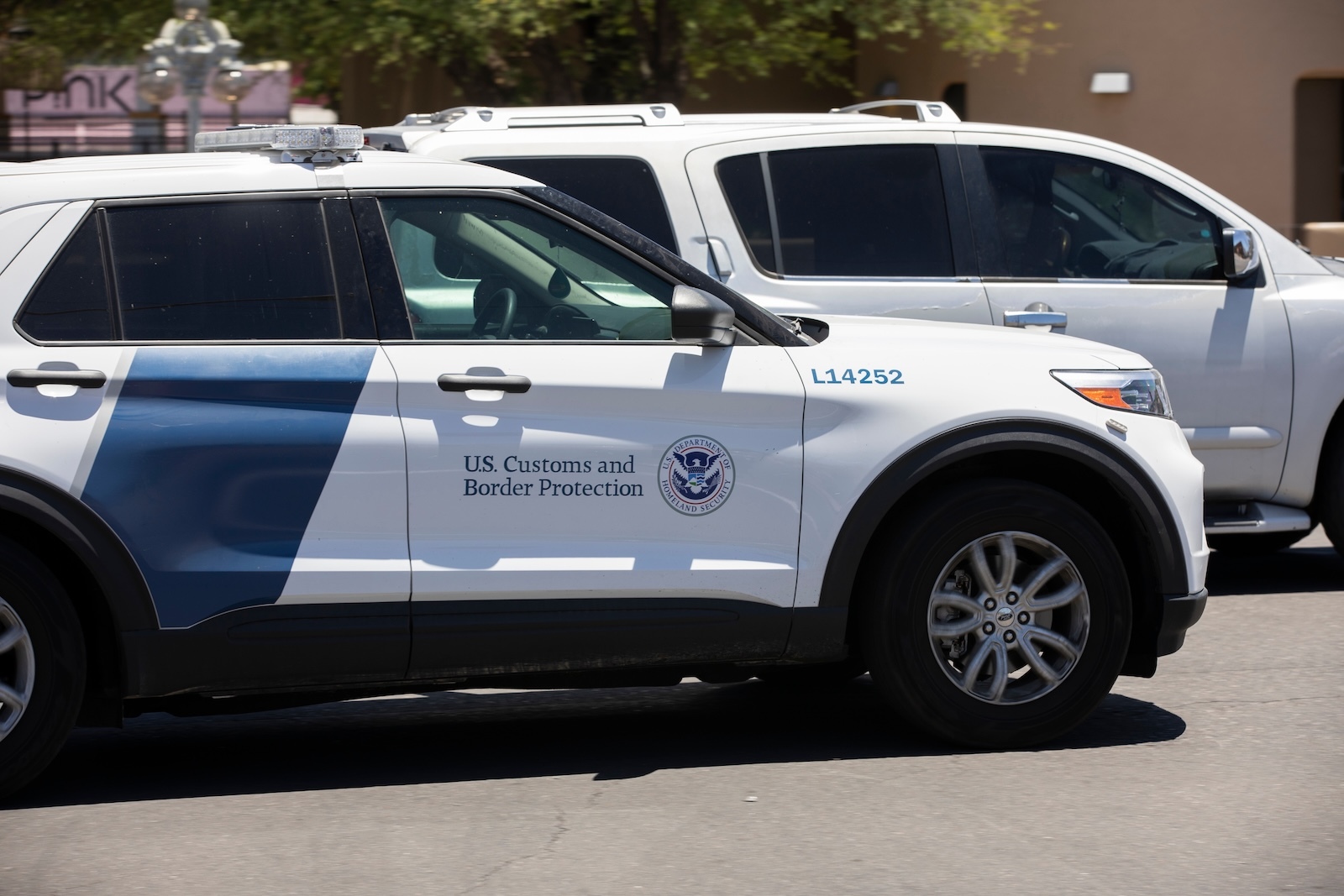
A U.S. Customs and Border Protection vehicle in Nogales, Arizona.
A U.S. Customs and Border Protection vehicle in Nogales, Arizona. (Photo: Shutterstock | Matt Gush)

U.S. Customs and Border Protection is buying the personal information of passengers on major U.S.airlines through a little-known intermediary organization, according to a new report.

404 Media revealed Tuesday that it obtained a copy of a data-sharing contract between the federal agency and the Airlines Reporting Corporation, which provides ticket transaction settlement services between airlines and travel agencies. According to Wired, which worked with 404 Media to break the news, CBP uses the data to help federal, state, and local law enforcement agencies keep tabs on the “U.S. domestic air travel” of “persons of interest.”

As part of the contract, the Airlines Reporting Corporation asked CBP not to reveal where the data came from unless ordered to by a court.

The information allegedly includes passenger names, their flight itineraries, and financial details. A separate document from the Department of Homeland Security, of which CBP is a part, shows the agency has over a billion such records spanning 39 months of past and future travel. Federal agents can search the database by name, credit card number, or airline.

According to Wired, the data sold by the Airlines Reporting Corporation comes from accredited travel agencies, not the airlines themselves, so a traveler who buys directly from a carrier won’t have their data show up in the company’s records.

Industry Involvement

A DHS report claims the Airlines Reporting Corporation is “owned and operated by eight U.S. major airlines,” though it did not identify them. The company’s website shows its board of directors includes executives from American, Delta, United, Southwest, JetBlue, and Alaska, in addition to Air Canada, Air France, and Lufthansa.

In a statement, U.S. Senator Ron Wyden of Oregon called the Airlines Reporting Corporation a “shady data broker” and said he would push for answers from the industry.

“ARC has refused to answer oversight questions from Congress, so I have already contacted the major airlines that own ARC — like Delta, American Airlines, and United — to find out why they gave the green light to sell their customers’ data to the government,” Wyden said.

CBP defended the data-sharing arrangement in a statement to Wired.

“CBP is committed to protecting individuals’ privacy during the execution of its mission to protect the American people, safeguard our borders, and enhance the nation’s economic prosperity,” a spokesperson told the magazine. “CBP follows a robust privacy policy as we protect the homeland through the air, land, and maritime environments against illegal entry, illicit activity, or other threats to national sovereignty and economic security.”

The contract began in June 2024 and may extend to 2029, the documents show.

In May, U.S. Immigration and Customs Enforcement, better known as ICE and separate from CBP, revealed it had purchased information from the Airlines Reporting Corporation. This prompted 404 Media to investigate, and its reporters found that several other government agencies have obtained data from the company in the past.

Aside from CBP, the list includes the Secret Service, the Securities and Exchange Commission, the Drug Enforcement Administration, the U.S. Air Force, the U.S. Marshals Service, the Transportation Security Administration, and the Bureau of Alcohol, Tobacco, Firearms, and Explosives.


Zach Vasile

Zach Vasile is a writer and editor covering news in all aspects of commercial aviation. He has reported for and contributed to the Manchester Journal Inquirer, the Hartford Business Journal, the Charlotte Observer, and the Washington Examiner, with his area of focus being the intersection of business and government policy.

Avelo Adds Its First Overnight Flights

The ultra-low-cost carrier is slated to operate up to 88 peak daily flights in July, according to Cirium Diio schedule data.

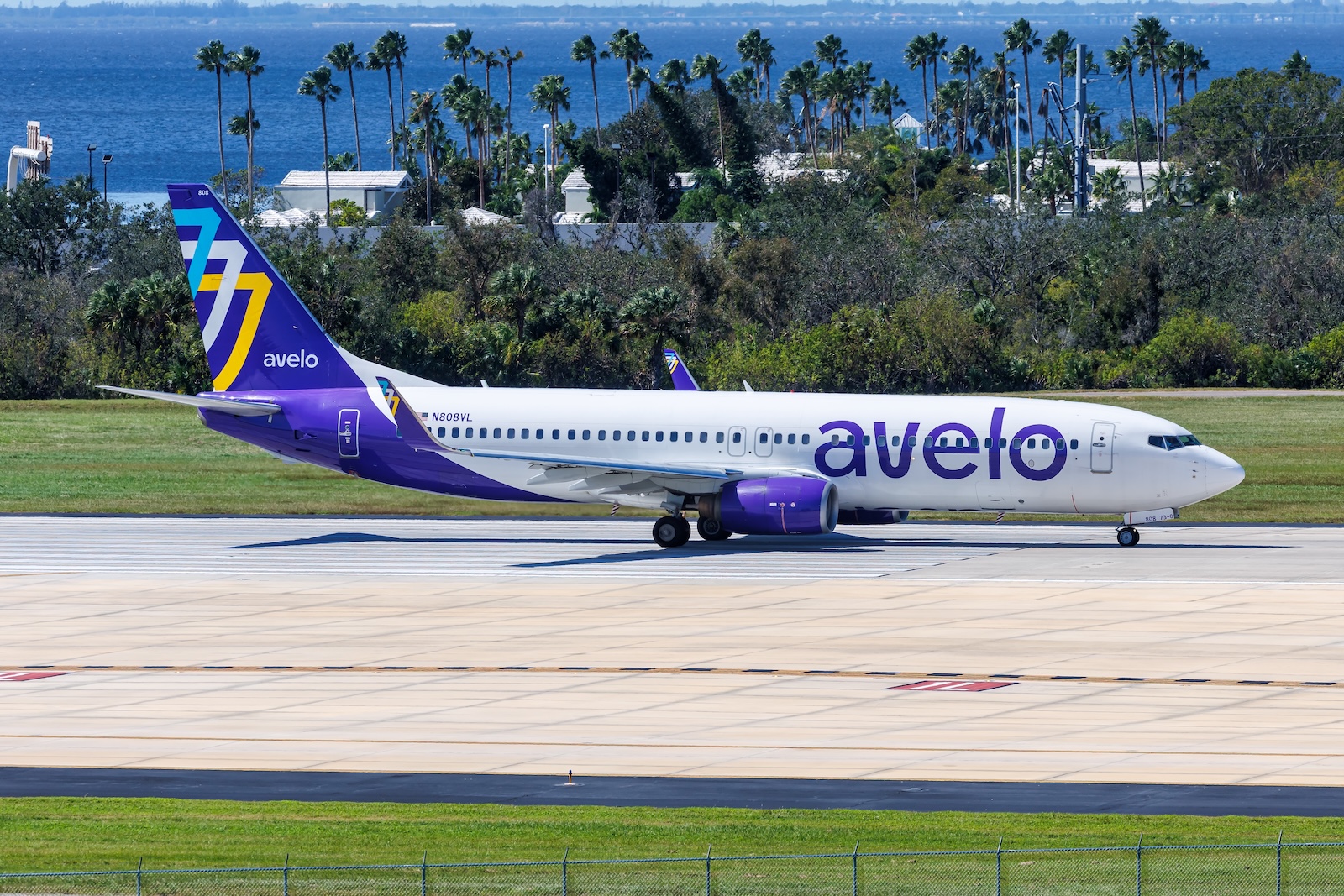
Avelo 737-800
An Avelo Boeing 737-800. (Photo: Shutterstock | Markus Mainka)

Avelo will launch its red-eye flights this week as the carrier continues to expand its network. The ultra-low-cost carrier is slated to operate up to 88 peak daily flights in July, according to Cirium Diio schedule data.

But at least one of those flights will operate during late-night hours. Avelo’s director of network planning, Mike Corcoran, told Air Service One that “we’re going to try our first scheduled service red-eye this summer.”

This route, according to Corcoran, will be from Avelo’s New Haven, Connecticut, base to San Juan, Puerto Rico. At 1,624 miles, this is also one of the airline’s longest scheduled routes.

Per Cirium’s data, these overnight flights are scheduled to launch on Thursday, departing New Haven at 8:59 p.m. before arriving in San Juan at 12:45 a.m. local time the next day.

The aircraft then departs San Juan at 2:42 a.m., and is scheduled to land back in New Haven at 6:45 a.m. local time.

This late-night flight will operate on Sundays and Thursdays through September.

“One of our standards is to ‘Keep it Simple,’” Corcoran told Air Service One. “Red-eyes would add crew and operational complexity to our network, but it’s not a hard-set rule to avoid them if there’s other benefit to be found. We’d certainly look to add red-eyes selectively if there’s reason to believe that it’s the best use of aircraft time without adding cost or operational risk.”

Ryan Ewing

Ryan founded AirlineGeeks.com in February 2013 and has spent more than a decade covering the airline business. His work has been featured by CNN, WJLA, CNET, and Business Insider. His aviation experience spans airport operations, Part 135 regulatory compliance, and airline crew workforce planning, along with time behind the yoke of a Cessna 172 and interviews with airline executives. Ryan now serves as Group President of Firecrown Media’s Aviation Group. He holds a B.S. in Air Transportation Management and an MBA from Arizona State University and teaches Airline Management at Embry-Riddle Aeronautical University.
Sign-up for newsletters & special offers!

Get the latest stories & special offers delivered directly to your inbox

SUBSCRIBE

Uh-oh! It looks like you're using an ad blocker.

Our website relies on ads to provide free content and sustain our operations. By turning off your ad blocker, you help support us and ensure we can continue offering valuable content without any cost to you.

We truly appreciate your understanding and support. Thank you for considering disabling your ad blocker for this website